article
Tsonos Megas: The Art, Philosophy and Modeling Techniques of an Influential Greek Scale Modeler
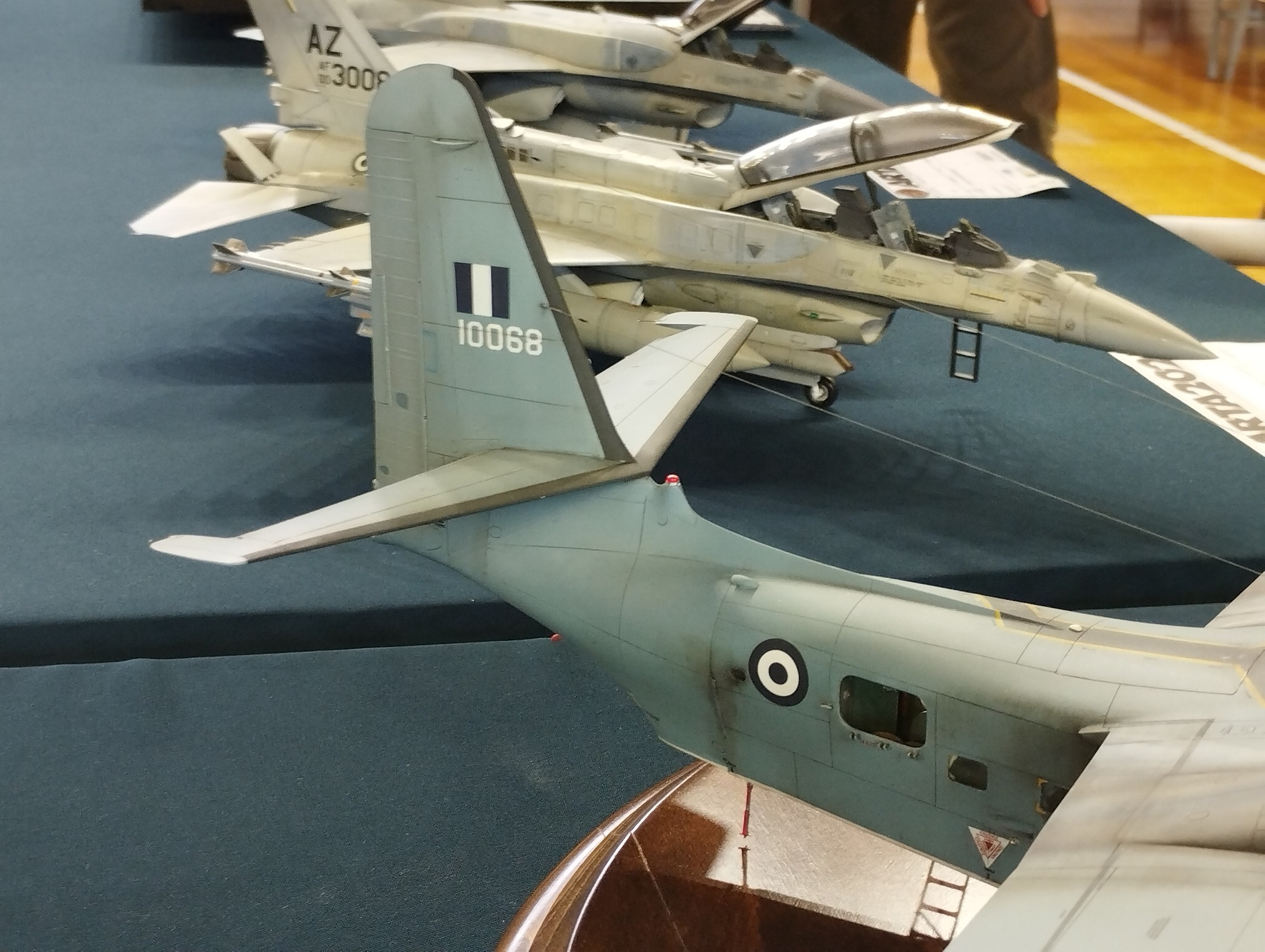
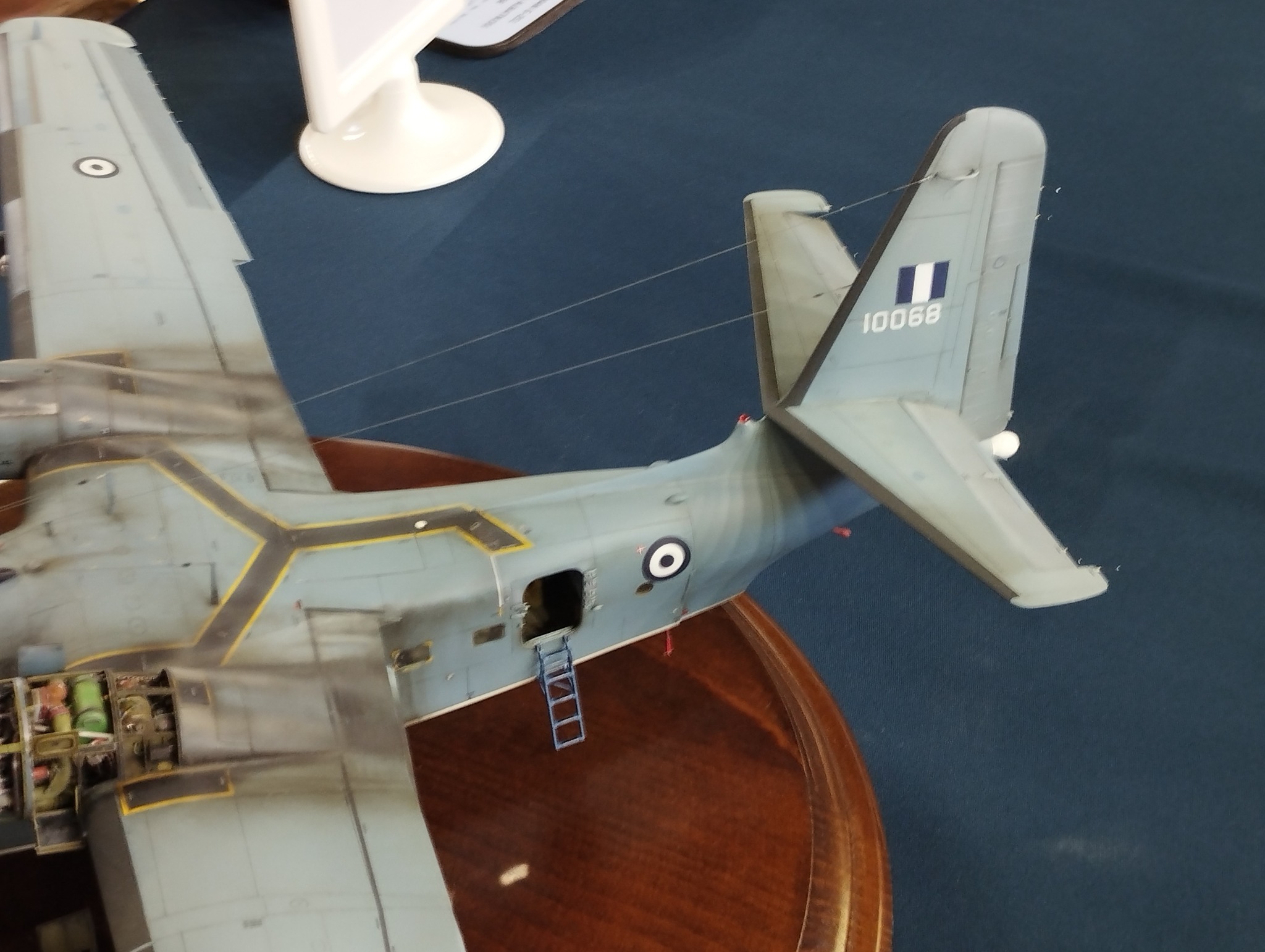
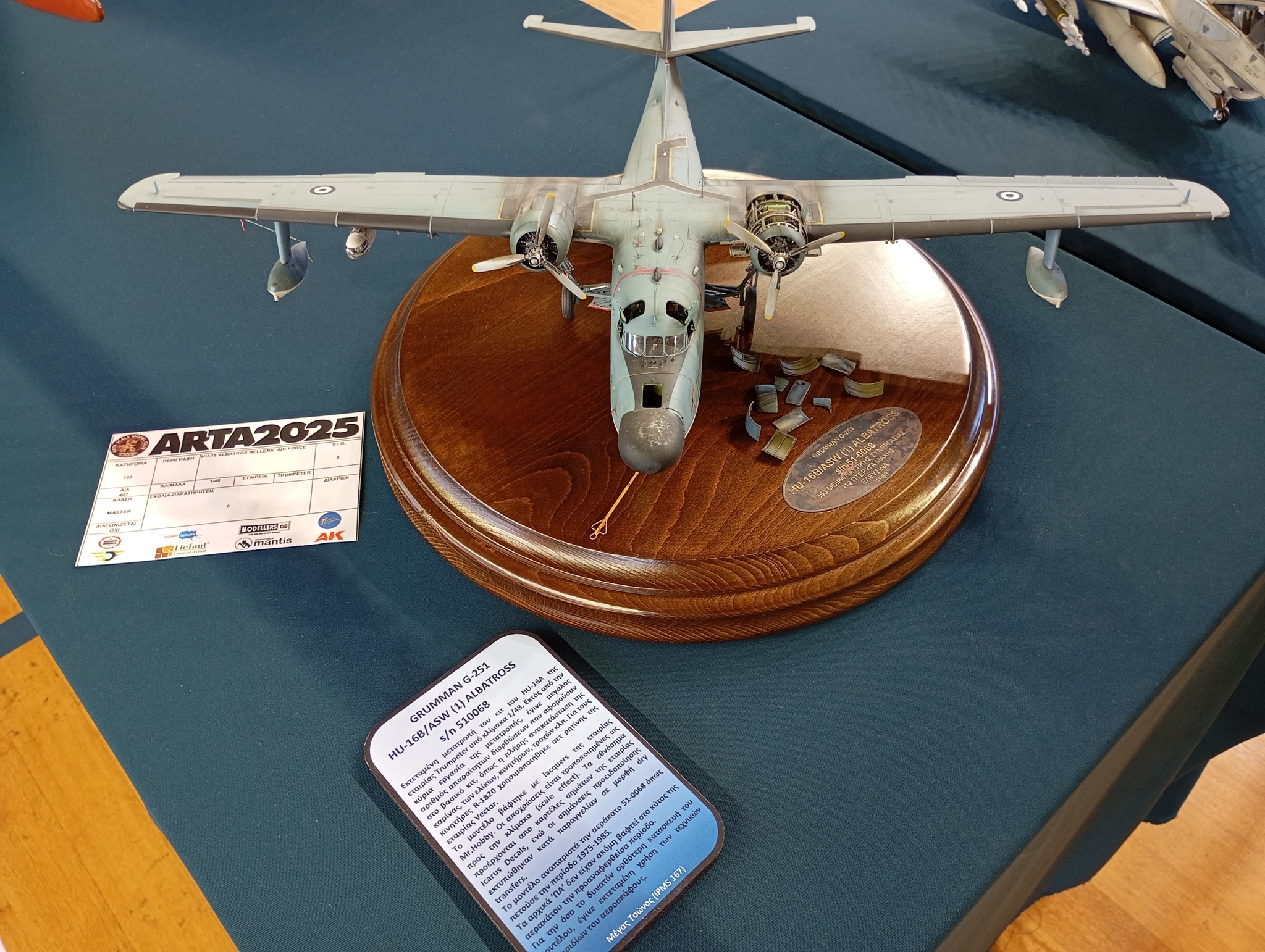
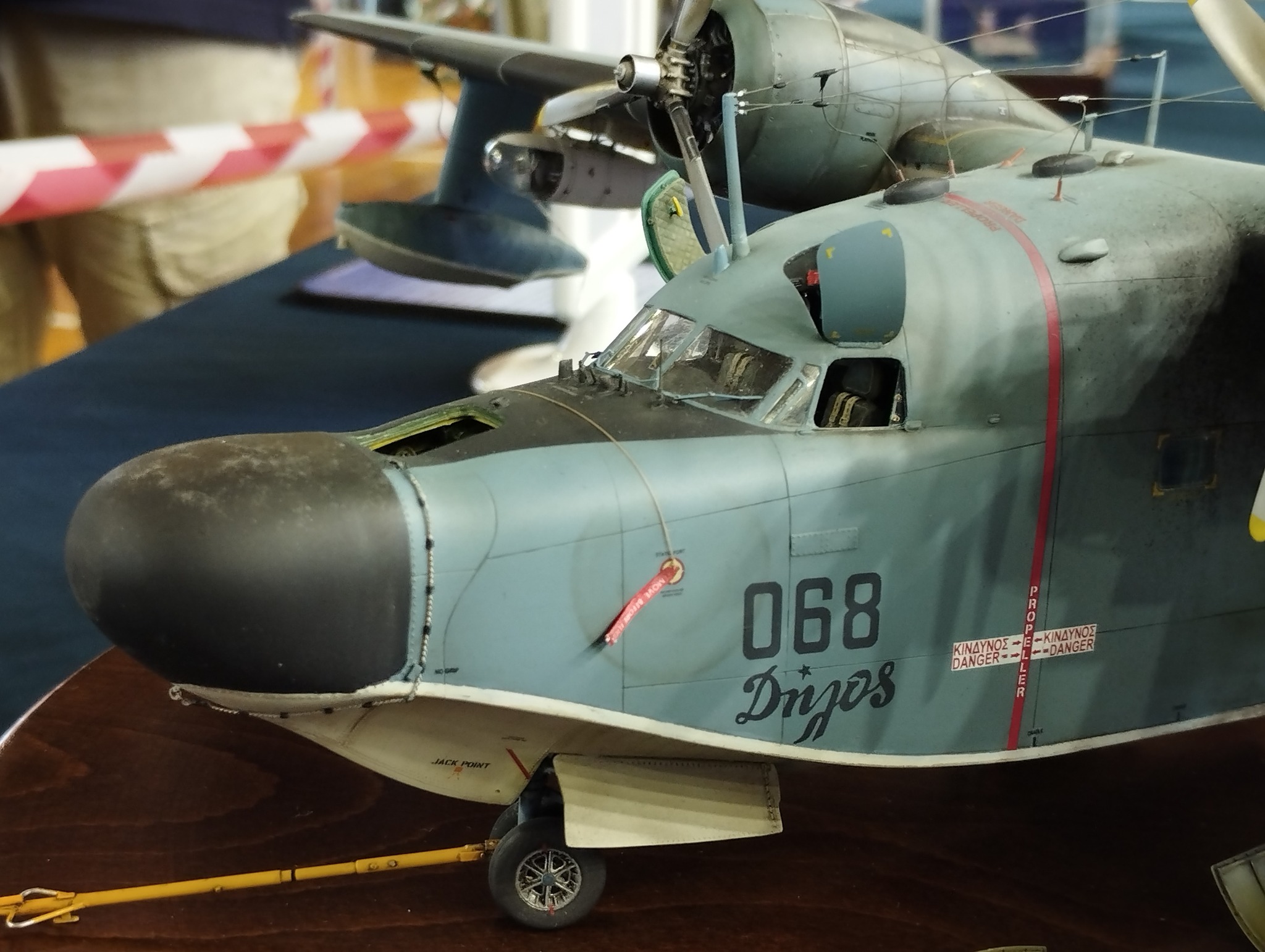
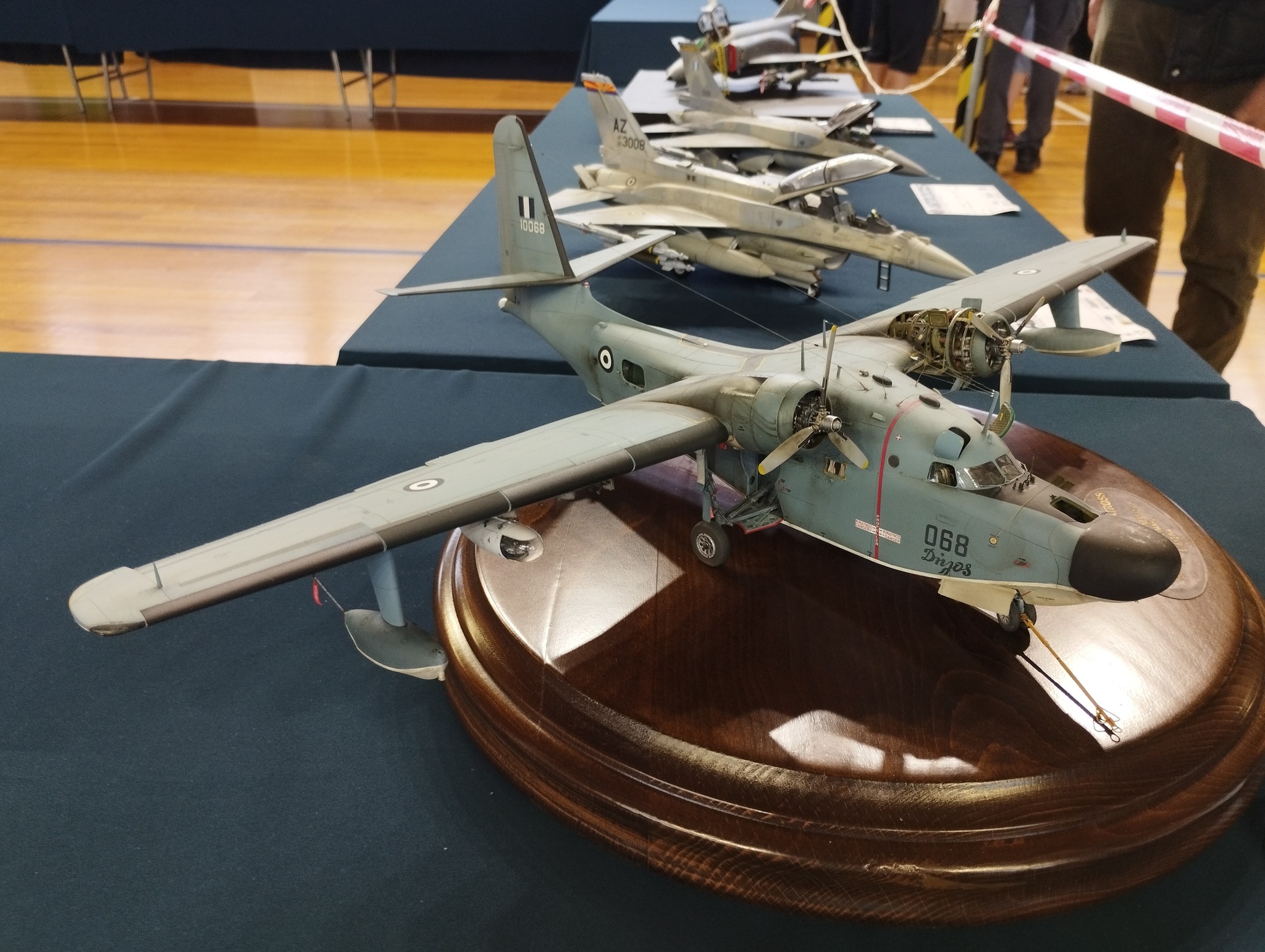
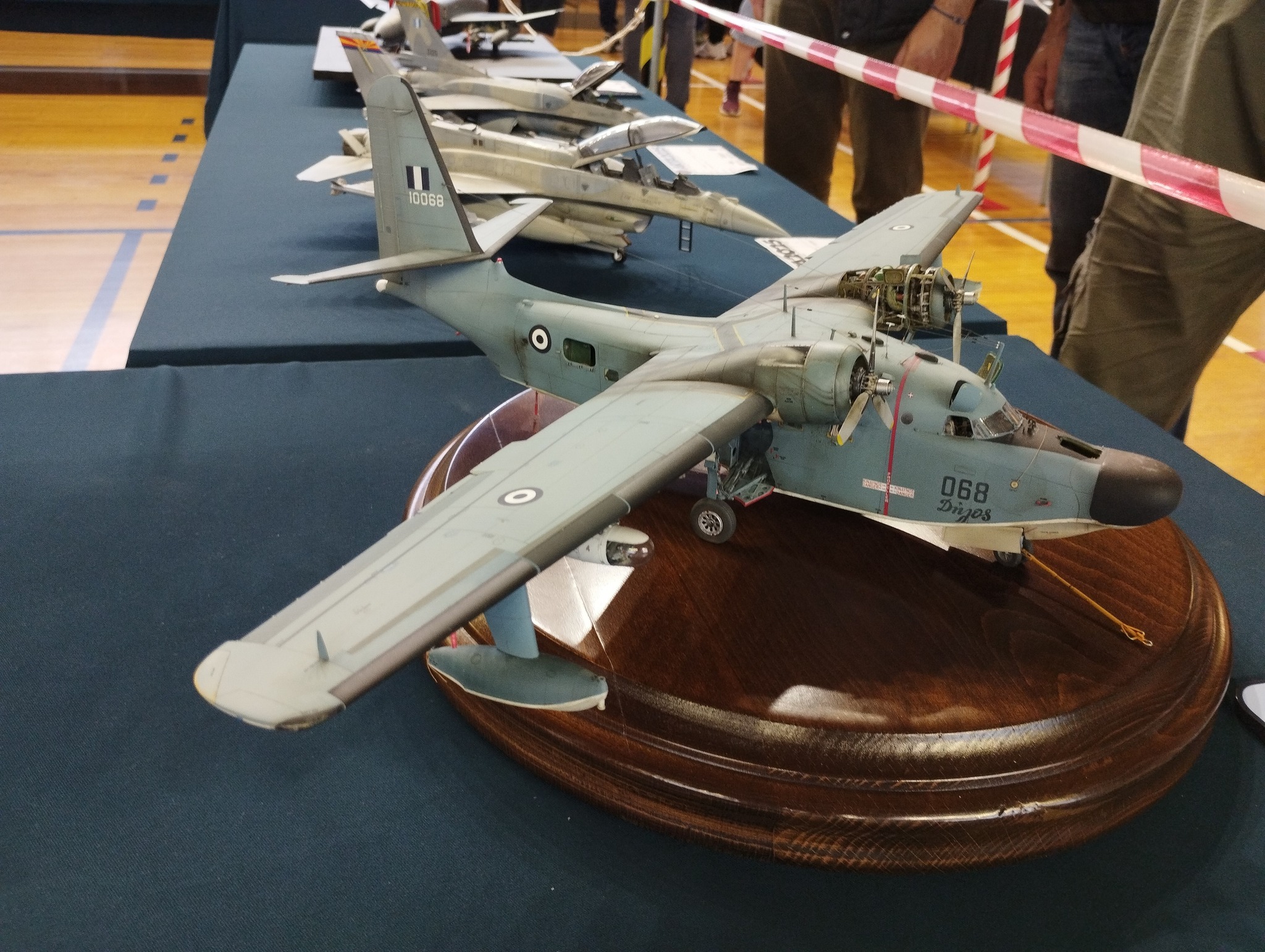
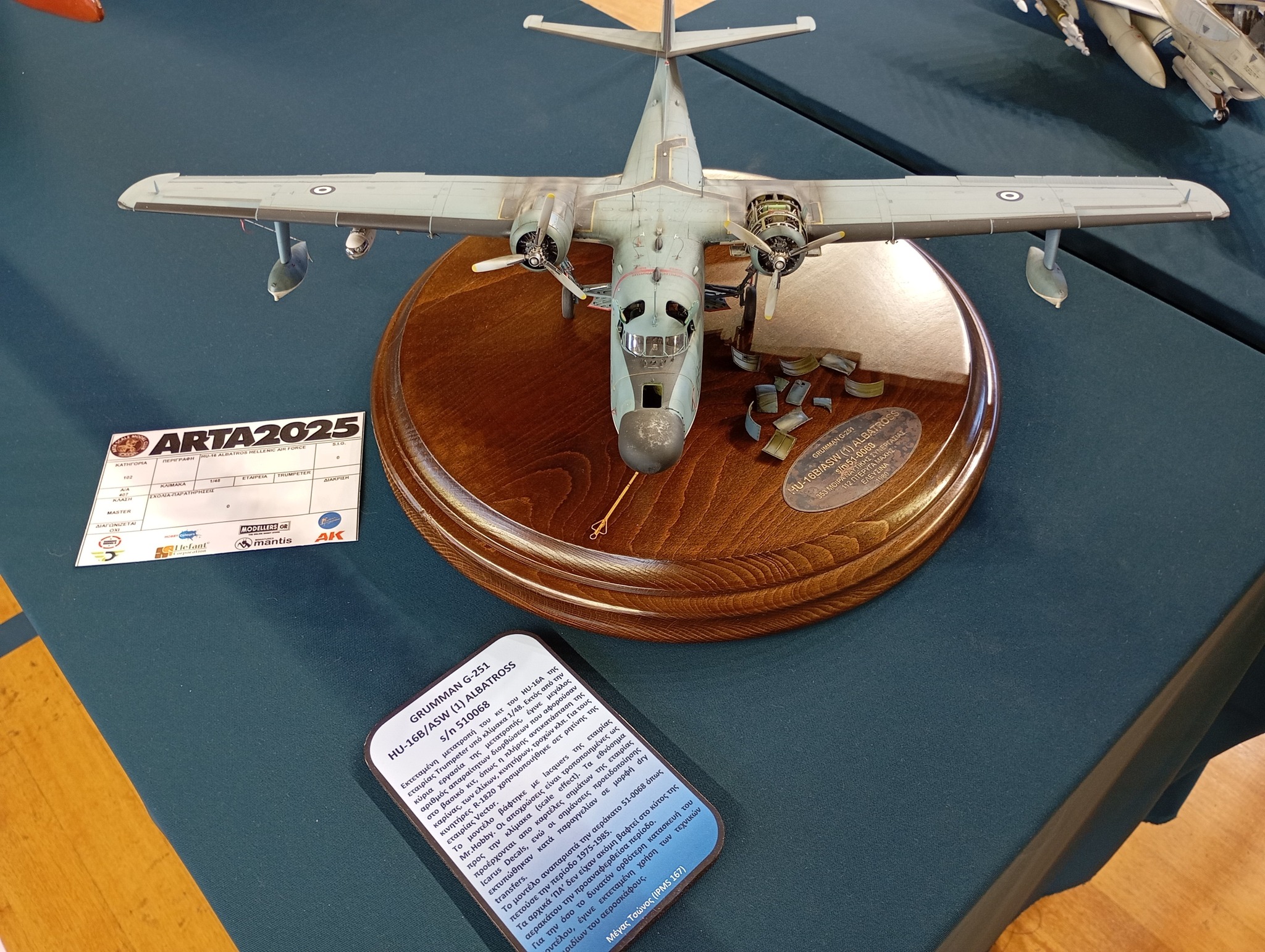
Scale modeling is more than assembling plastic kits. At its highest level it becomes a form of historical storytelling, artistic interpretation and technical craftsmanship. Among the figures who have managed to elevate the hobby to that level is Tsonos Megas, a modeler widely respected for his dedication to realism and artistic expression.
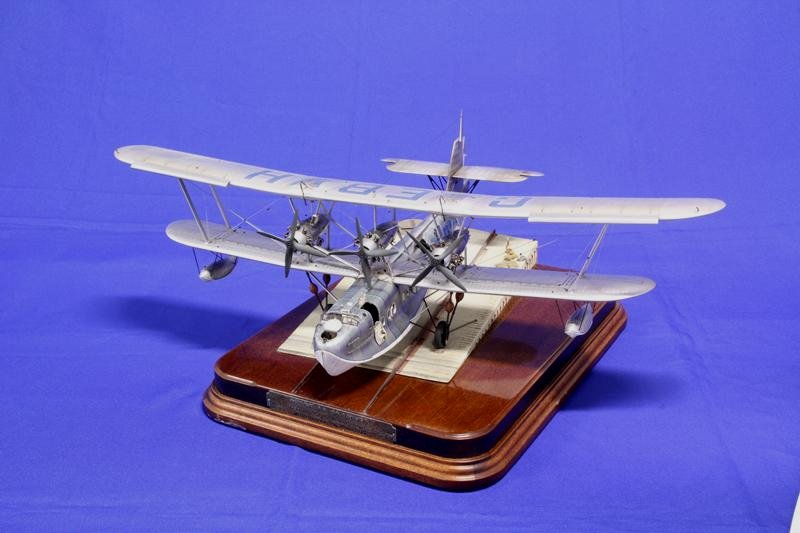
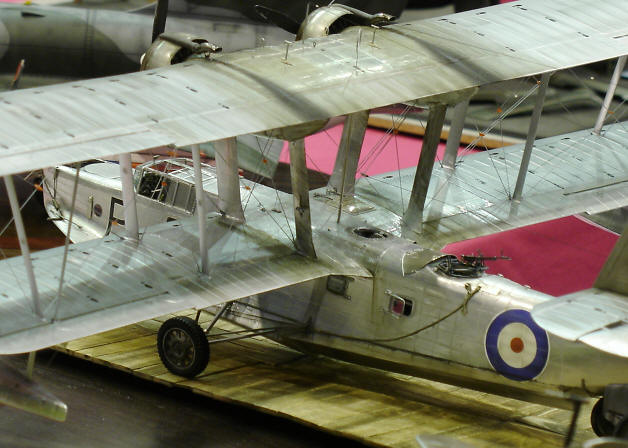
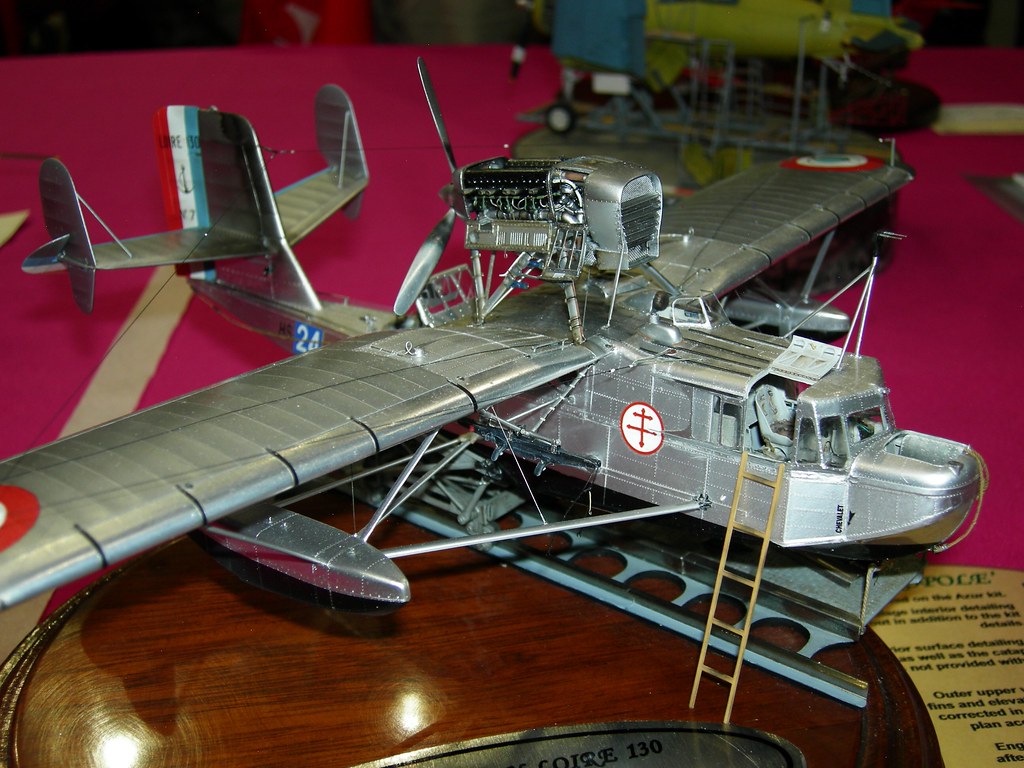
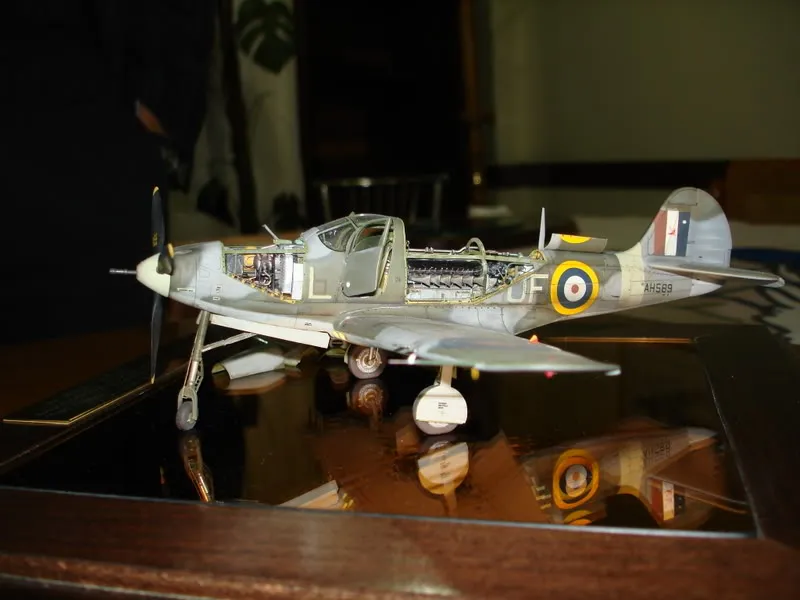
Over the years, Tsonos Megas has developed a distinctive approach that blends research, creativity and meticulous execution. His models are not simply miniature replicas of aircraft, vehicles or ships. They are detailed visual narratives that capture the operational life, atmosphere and mechanical complexity of the original subjects.
In the international modeling community, works like his remind us that scale modeling is not merely about construction. It is about interpretation, patience and the pursuit of authenticity.
Table of Contents
- The Philosophy Behind the Work of Tsonos Megas
- Why Historical Research Is Essential in Scale Modeling
- Advanced Modeling Techniques Used by Tsonos Megas
- Airbrush Mastery and Realistic Painting
- Weathering and the Art of Surface Aging
- Scratch Building and Custom Details
- Dioramas and Storytelling in Miniature
- The Signature Style of Tsonos Megas
- Influence on the Greek Scale Modeling Community
- Lessons That Modelers Can Learn from Tsonos Megas
The Philosophy Behind the Work of Tsonos Megas
For Tsonos Megas, modeling is not simply a hobby or technical skill. It is a form of personal expression that connects craftsmanship with historical curiosity.
Every model begins with understanding the real machine. Aircraft, tanks and ships are not just objects but historical artifacts shaped by technology, war, engineering and human experience.
This philosophy drives the way he approaches every project. Rather than focusing only on construction, he studies the operational history of each subject. Photographs, archival material and technical references become part of the creative process.
Patience is perhaps the most important element of his work. In an era where speed often dominates hobbies and online content, Tsonos Megas represents a different mindset. Precision and authenticity require time, and he treats each model as a long-term artistic project rather than a quick build.
Why Historical Research Is Essential in Scale Modeling
One of the defining characteristics of Tsonos Megas is the emphasis he places on historical accuracy.
Before starting a project, detailed research is conducted. This includes studying camouflage patterns, markings, operational wear and mechanical configuration.
Many modelers underestimate how important research is for realism. A small change in markings or equipment configuration can represent a completely different historical moment.
Through research, the model gains depth. Instead of being a generic representation, it becomes a specific aircraft, tank or ship with its own story.
This approach transforms scale modeling into a form of visual history.
Advanced Modeling Techniques Used by Tsonos Megas
The technical quality of Tsonos Megas models comes from a combination of traditional craftsmanship and modern modeling tools.
Several techniques define his workflow and contribute to the realism of the final result.
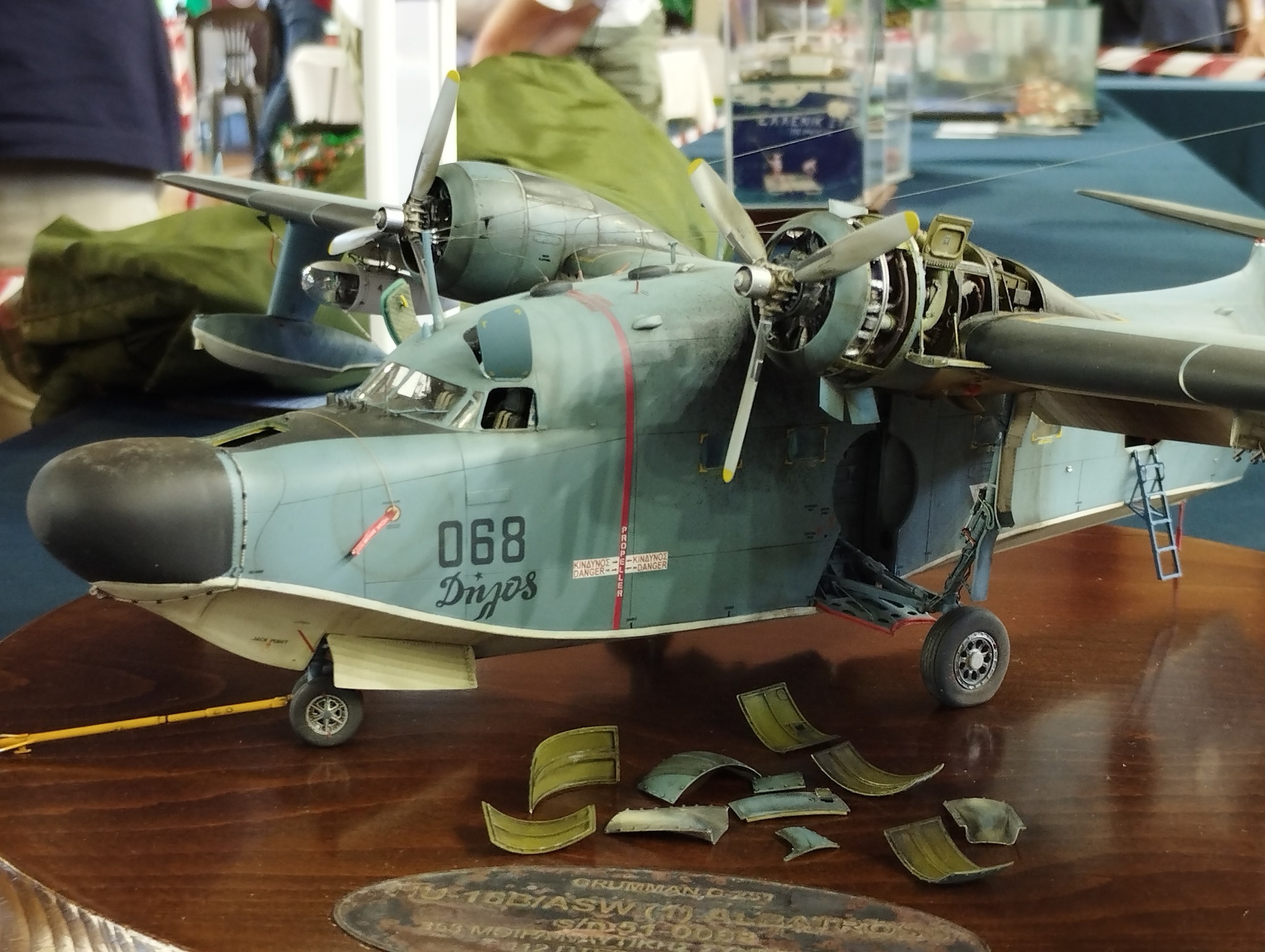
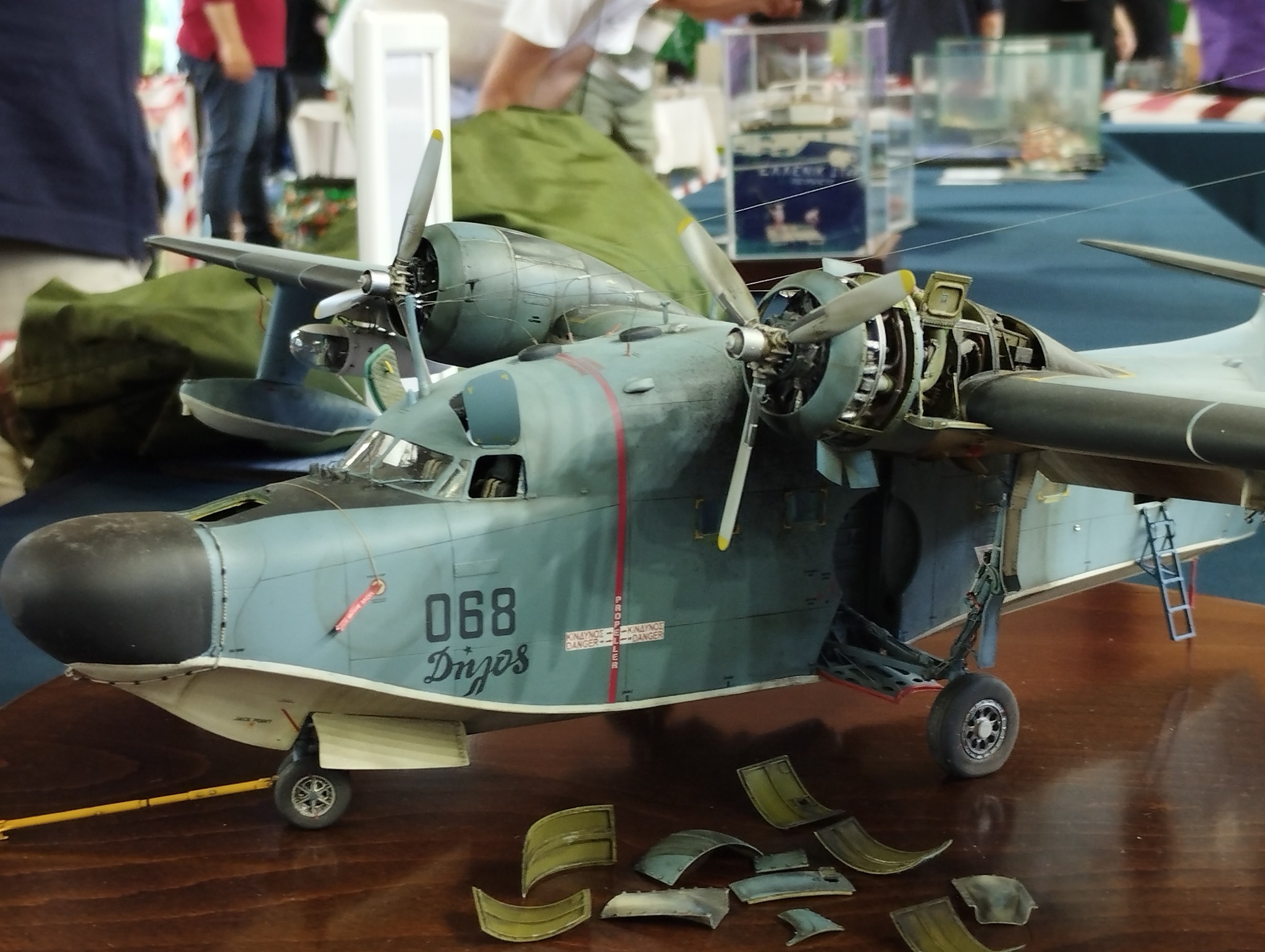
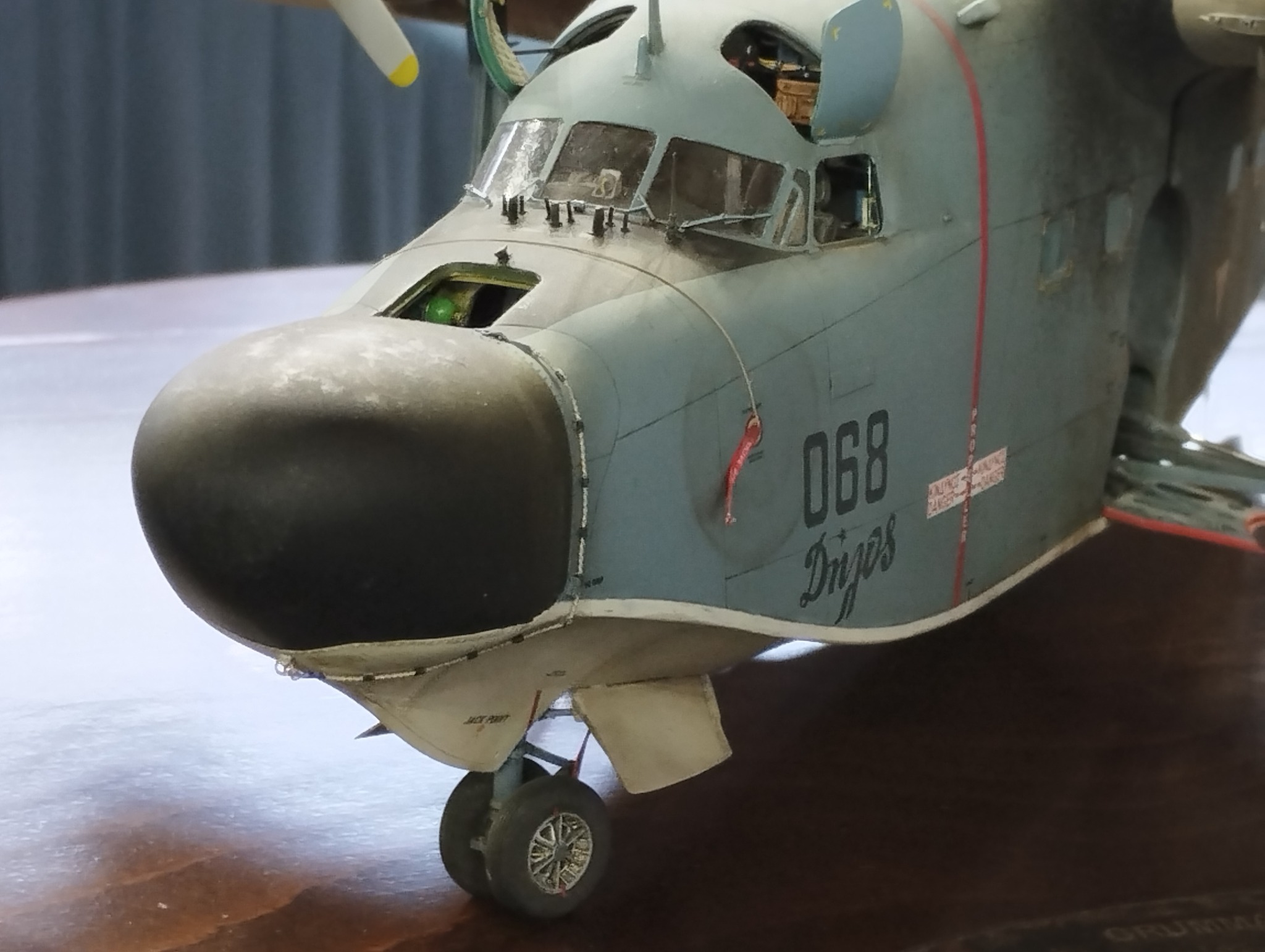
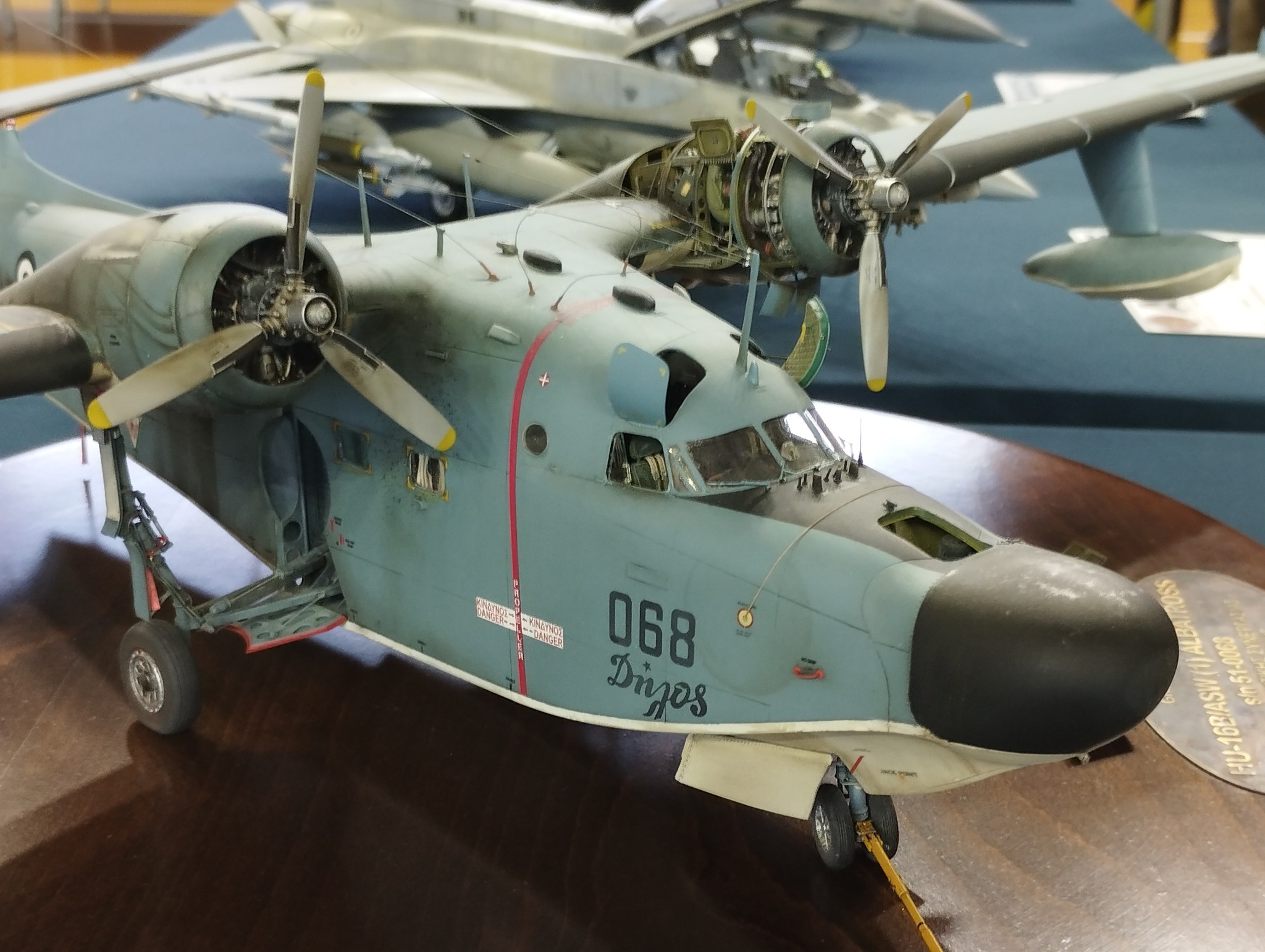
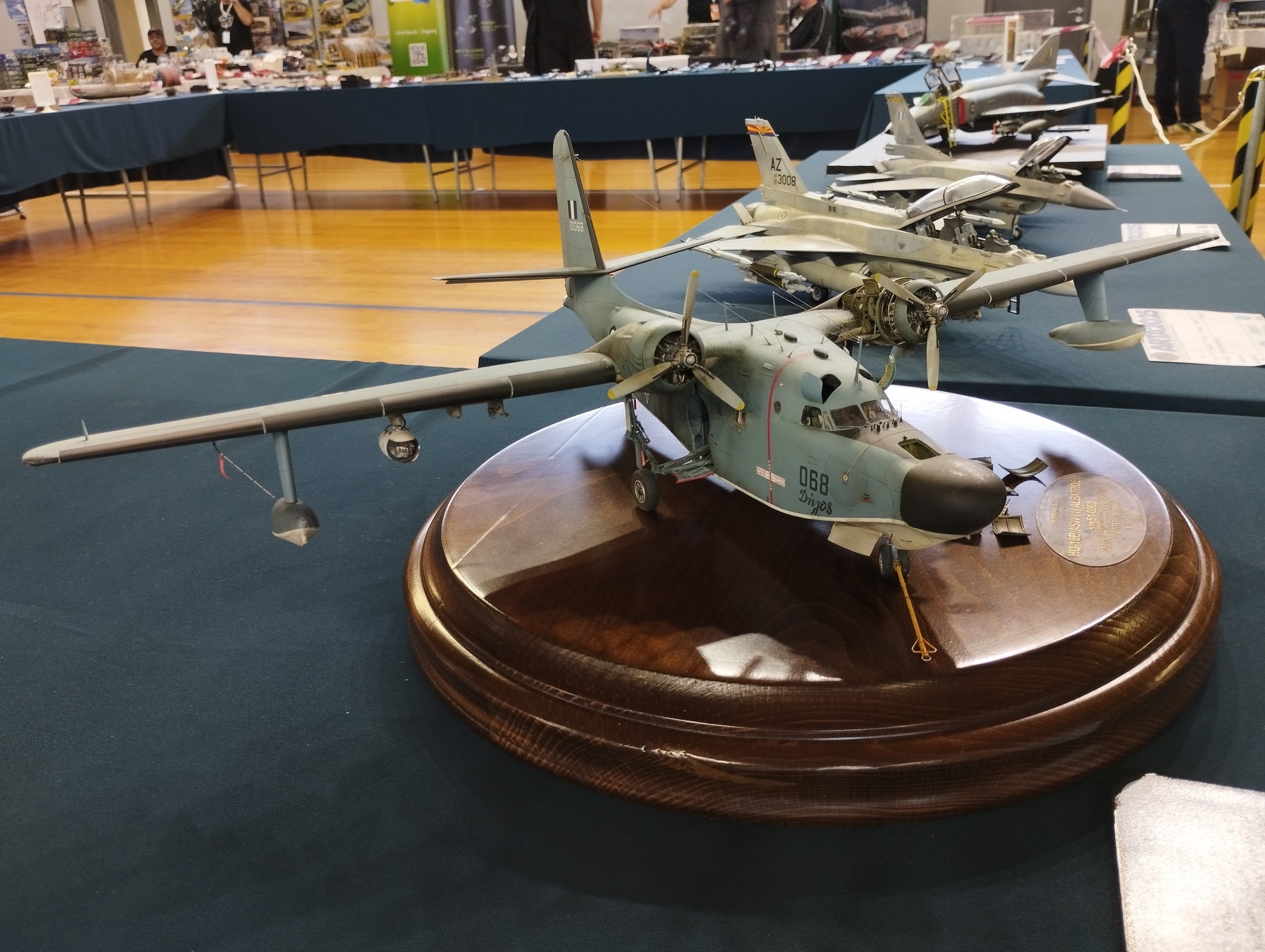
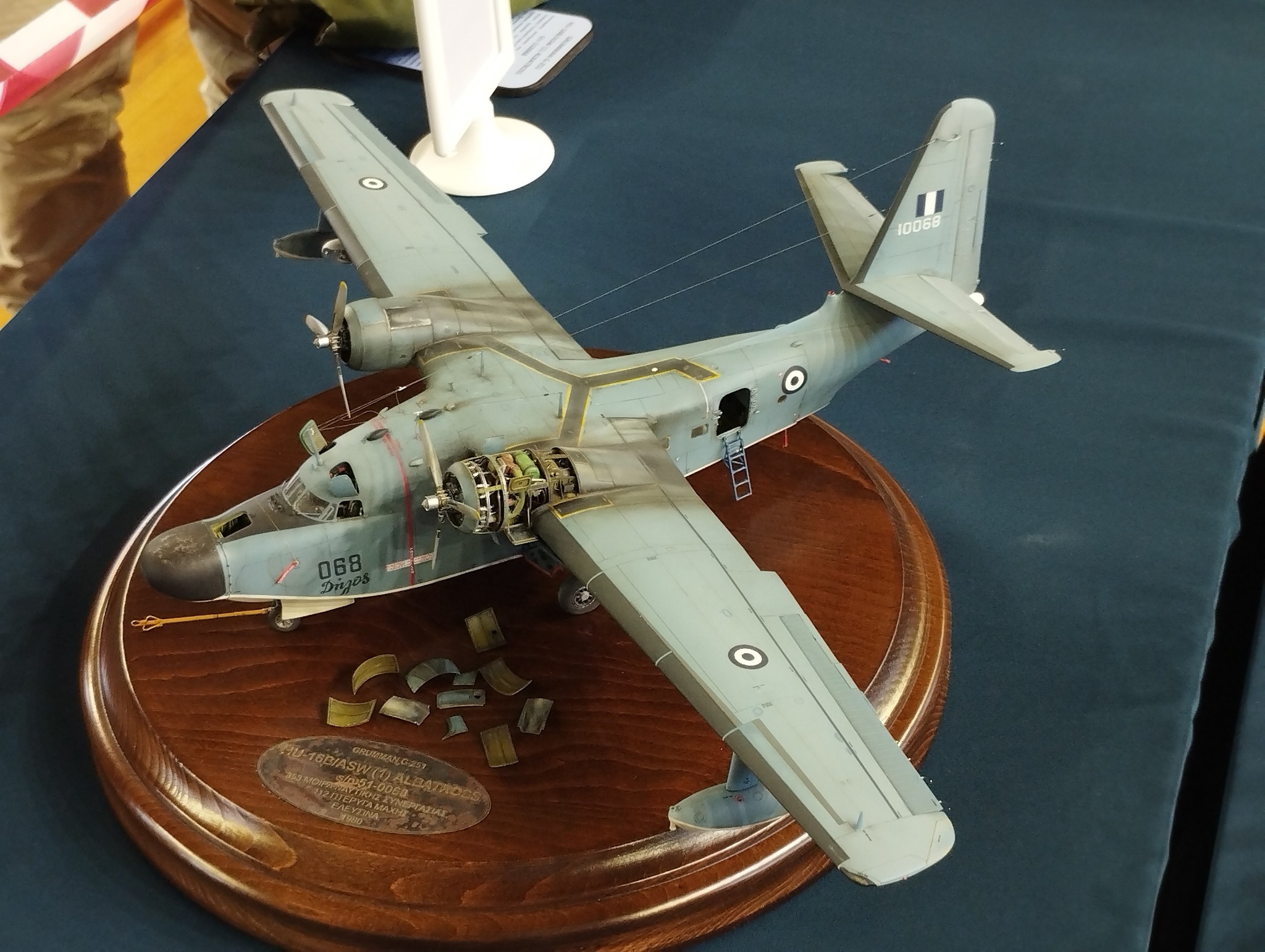
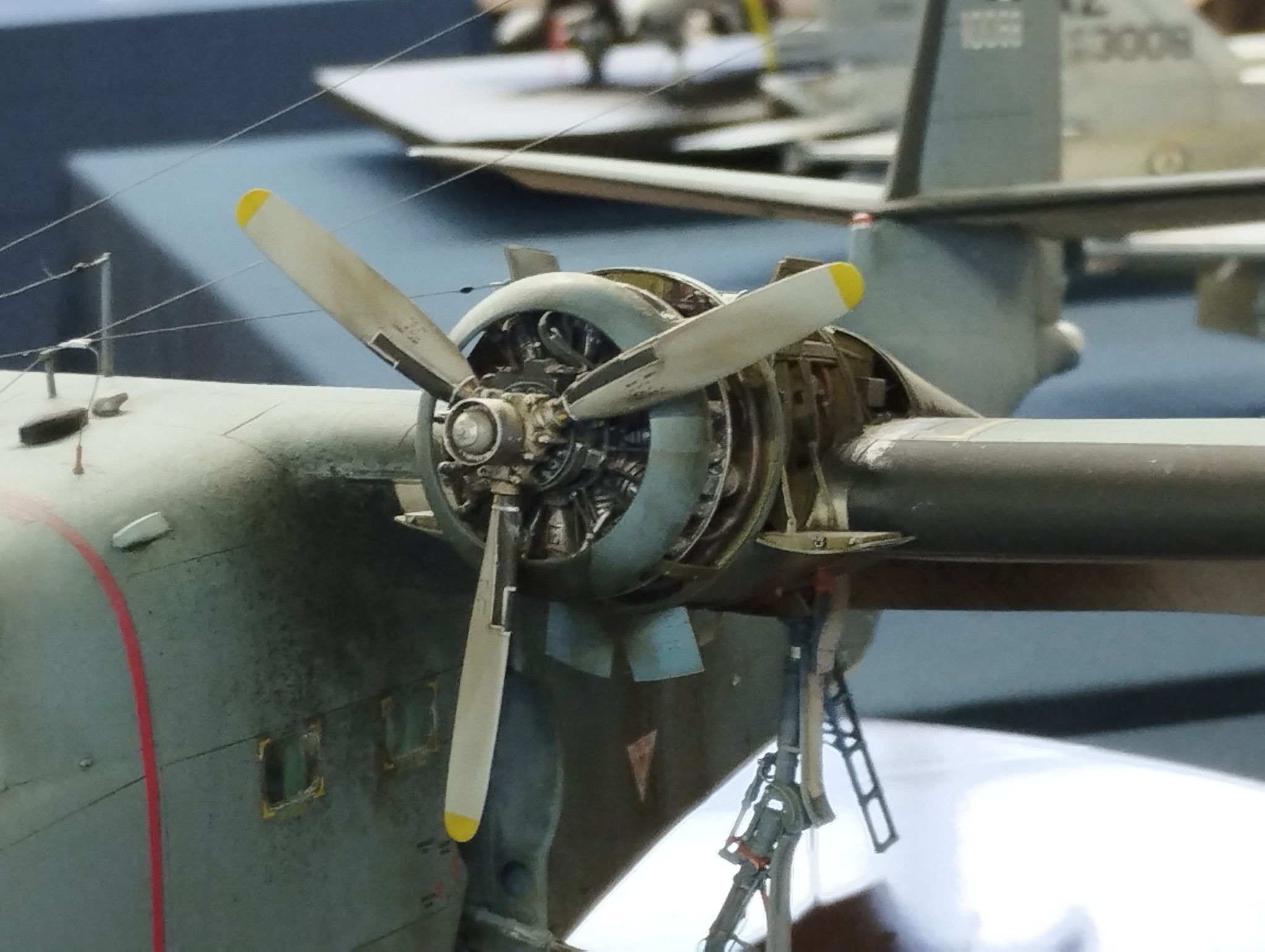
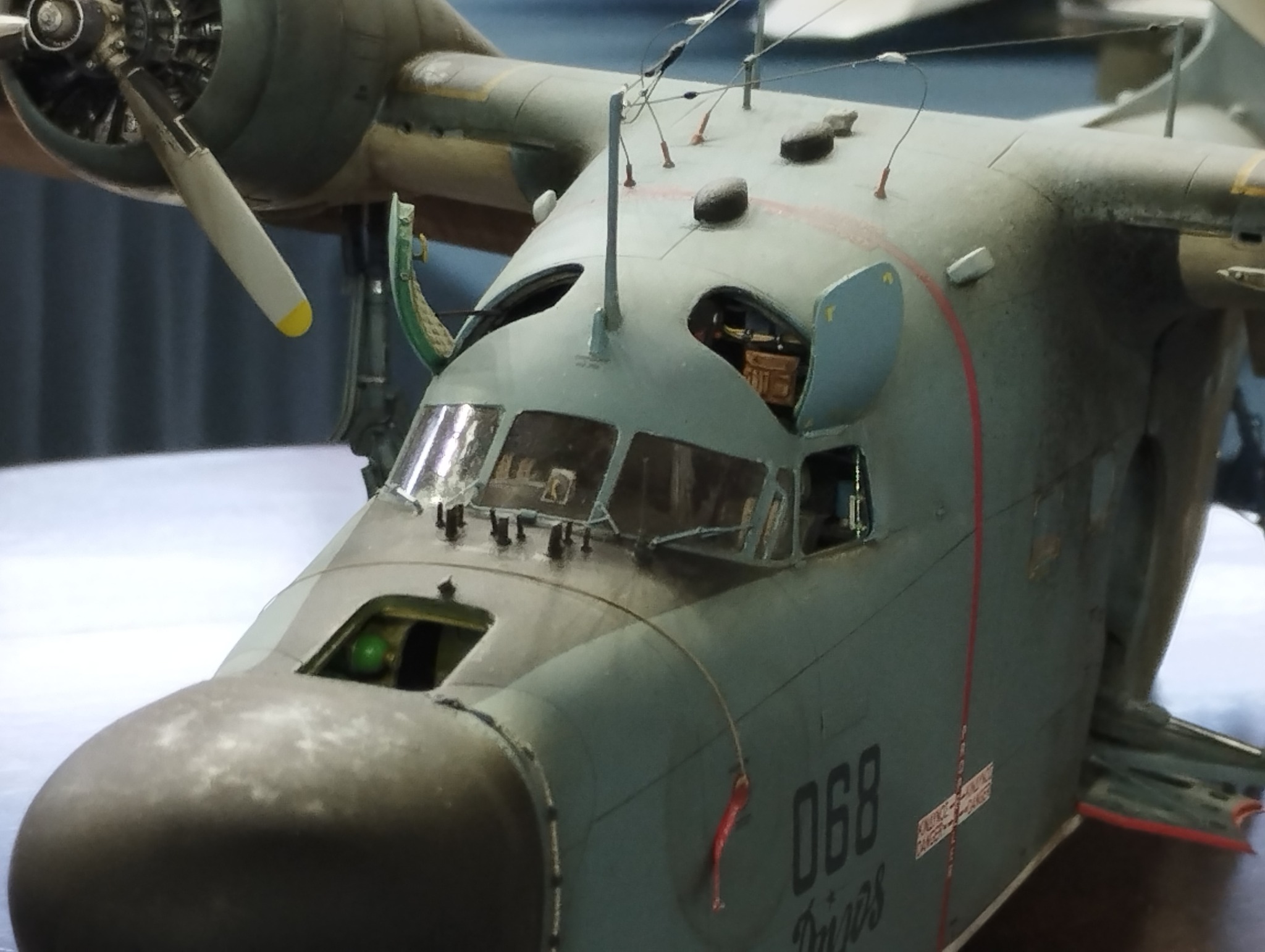
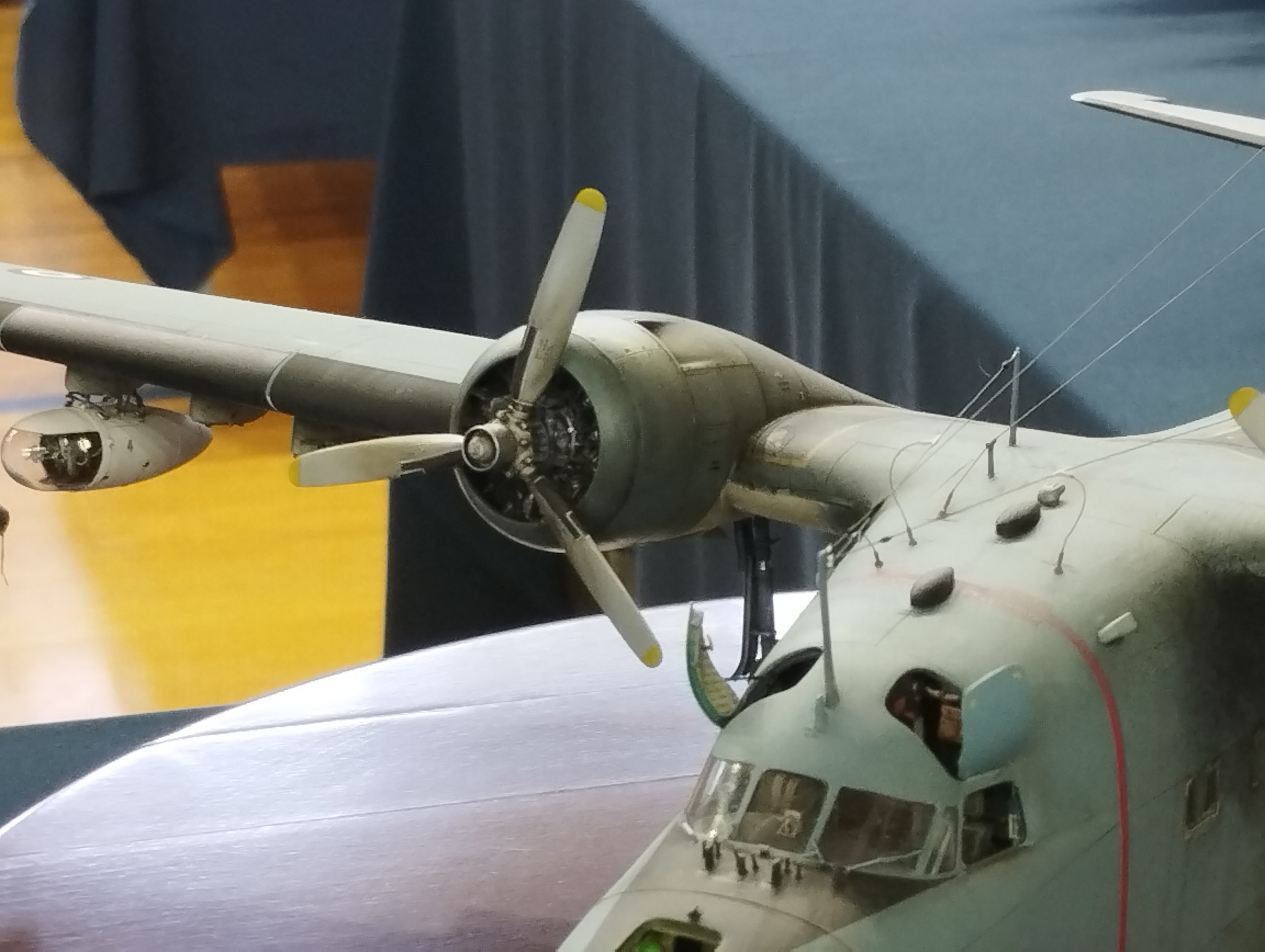
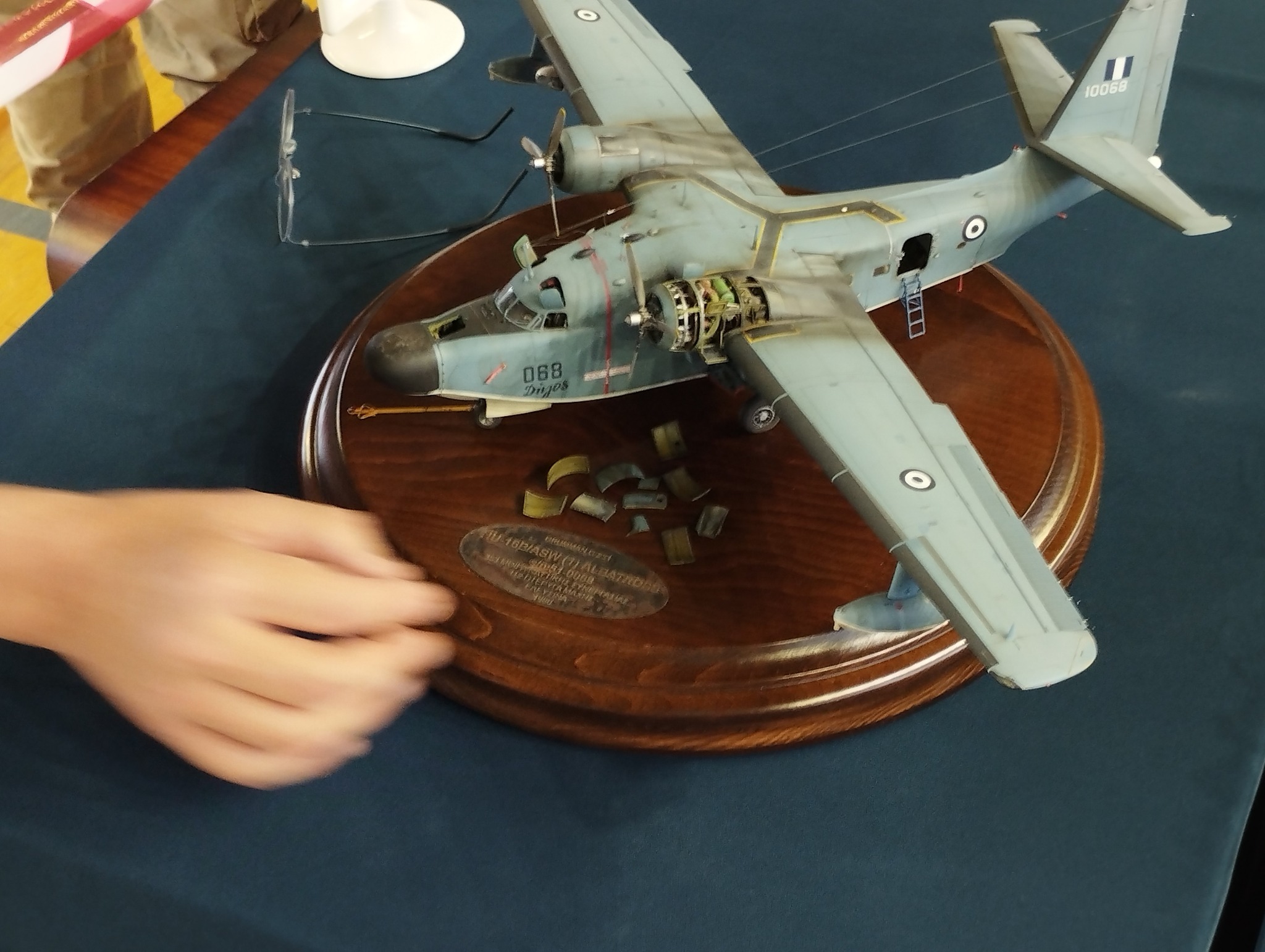
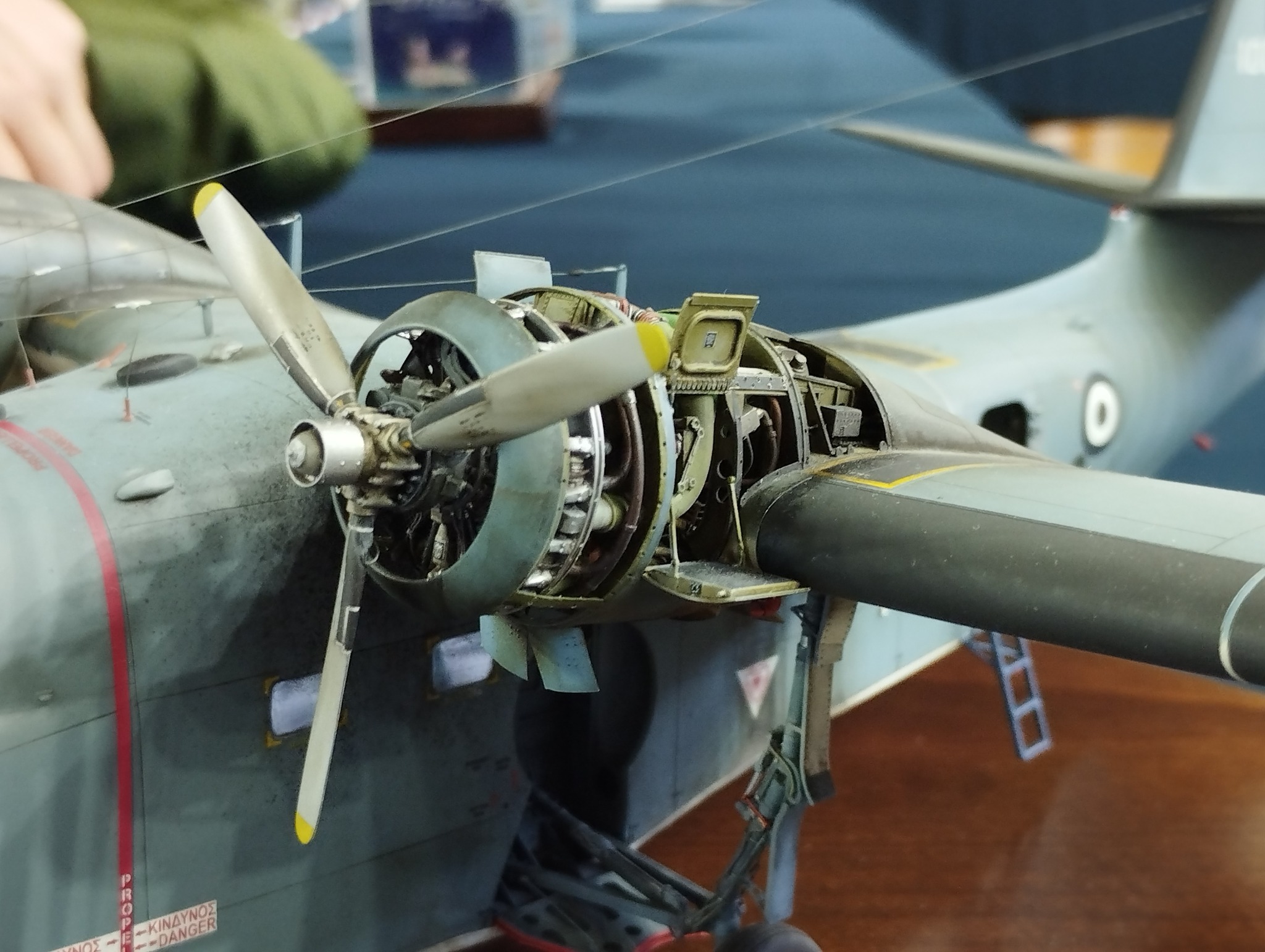
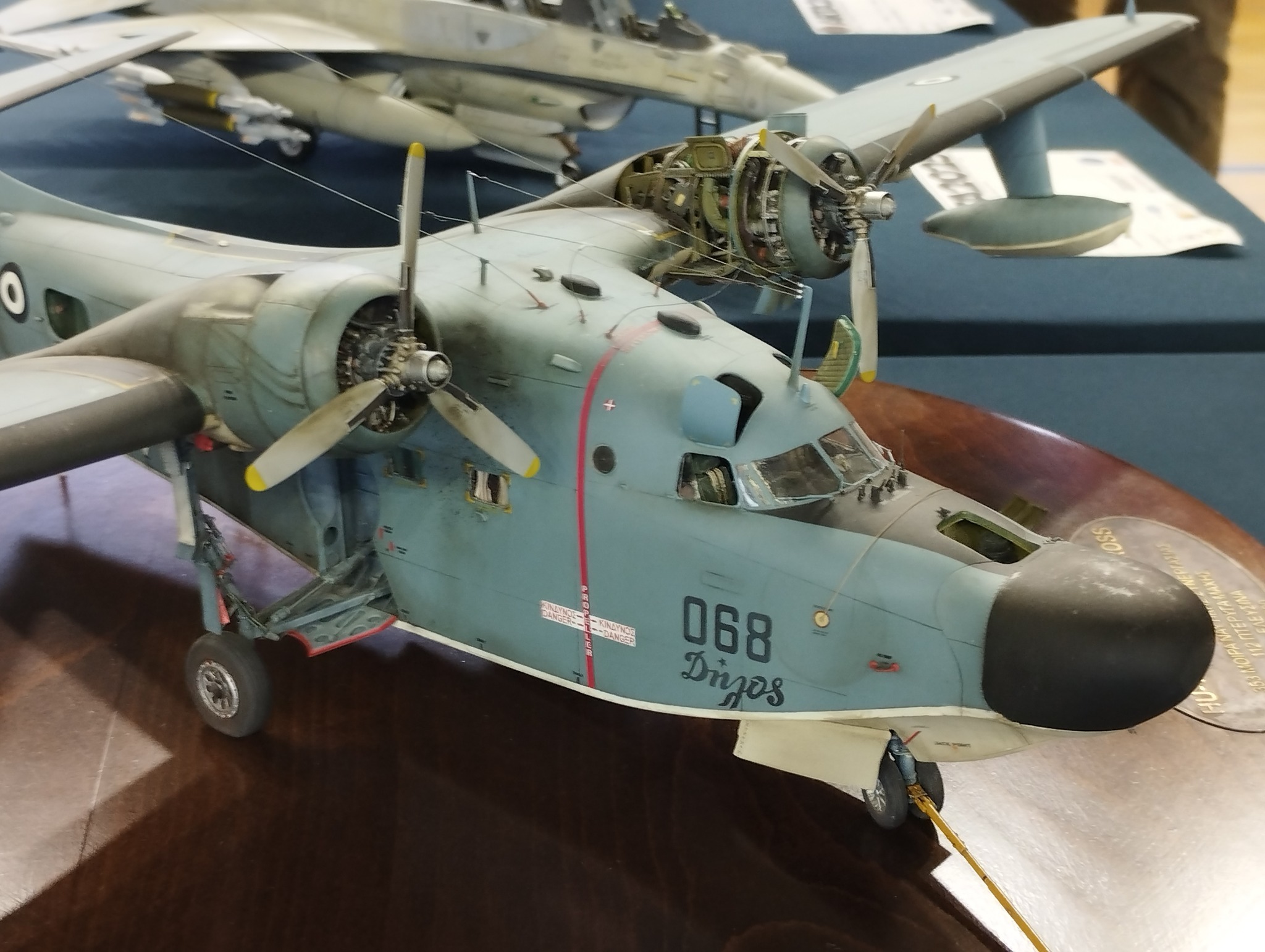
These include airbrush painting, weathering effects, scratch-built details, photo-etched components and scenic base construction.
Each technique adds another layer of realism and complexity to the model.
Airbrush Mastery and Realistic Painting
Airbrush painting is one of the most important techniques used by Tsonos Megas.
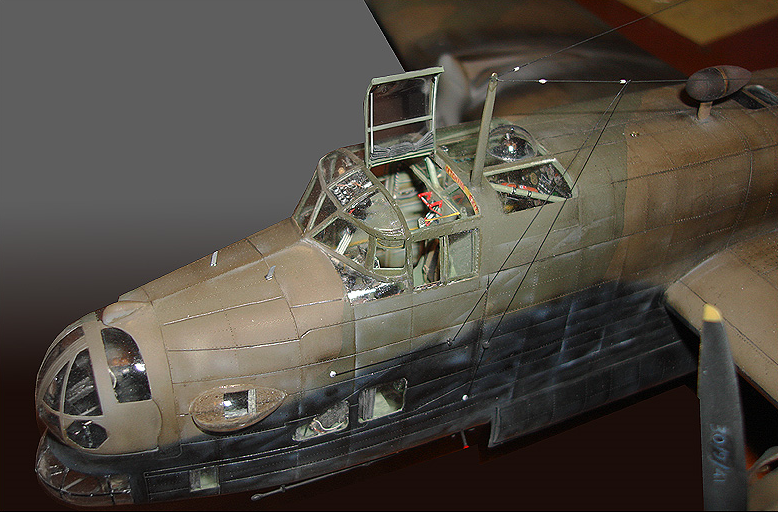
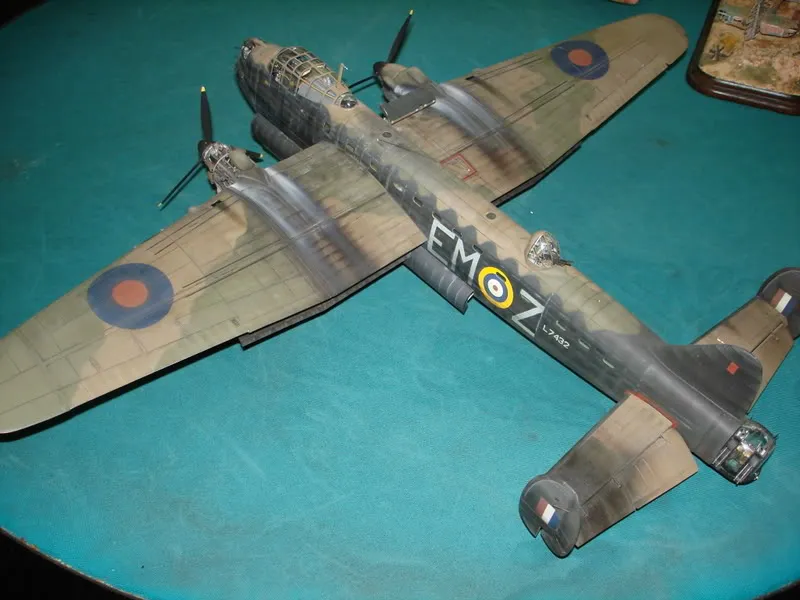
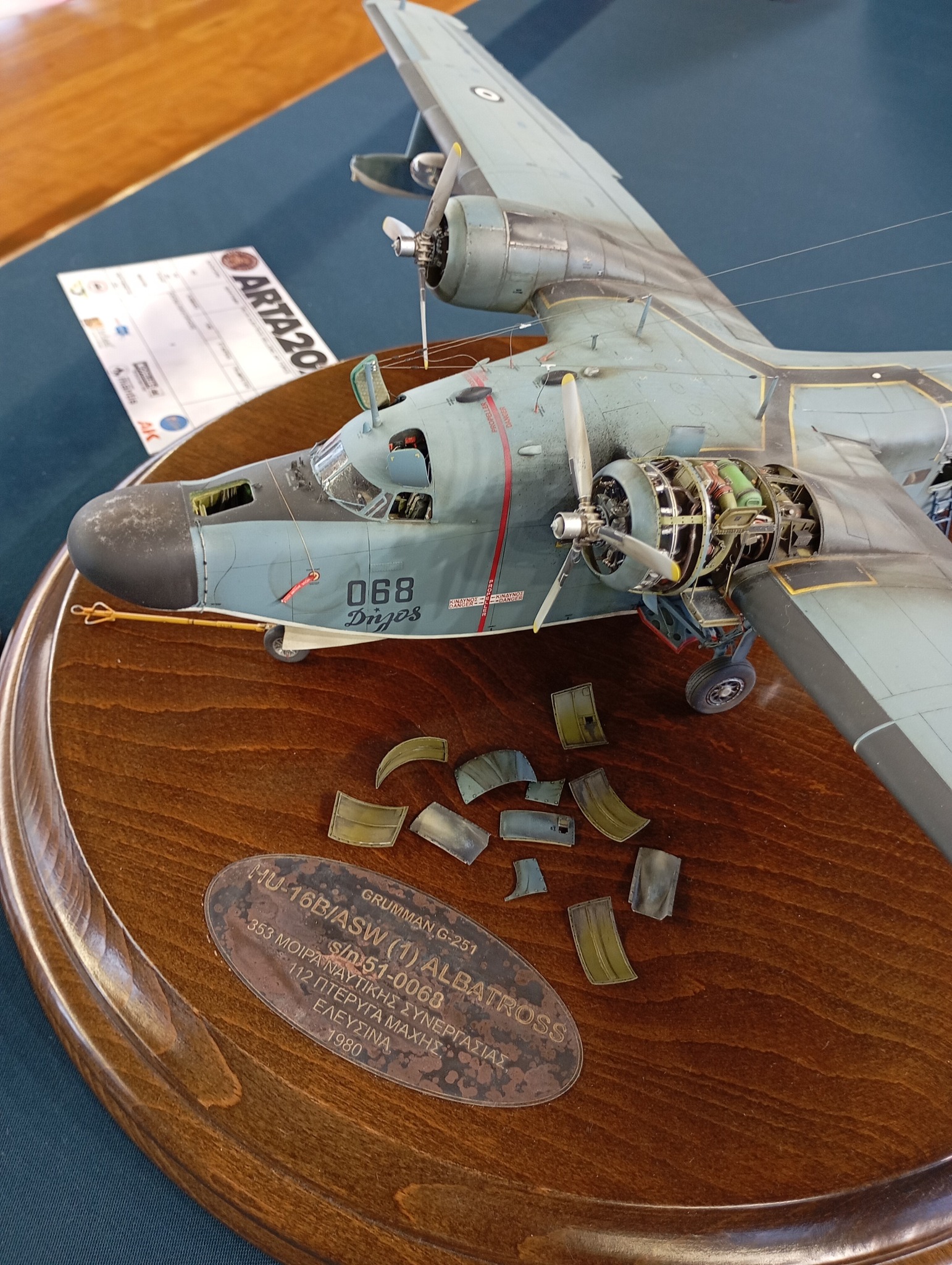
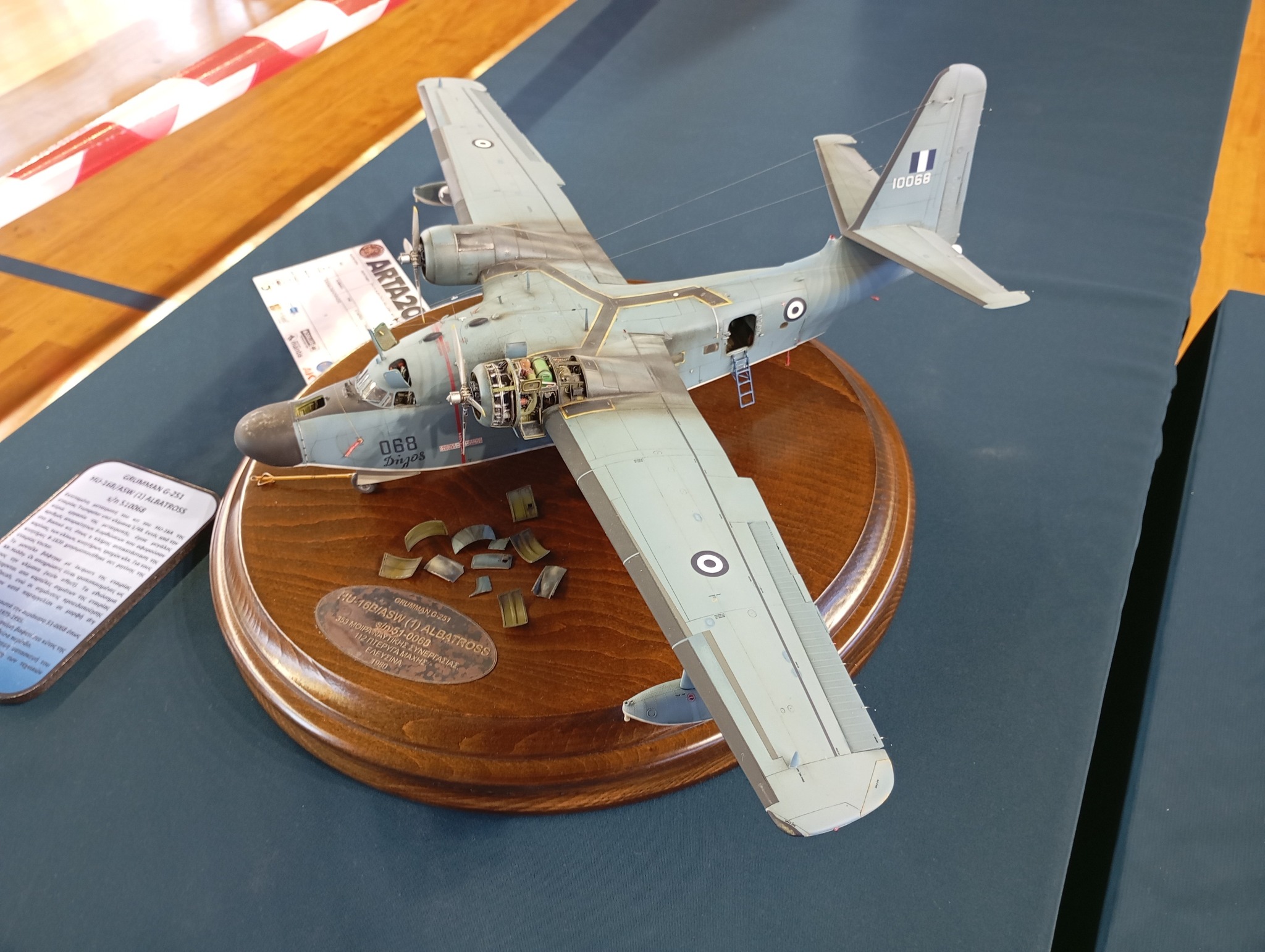
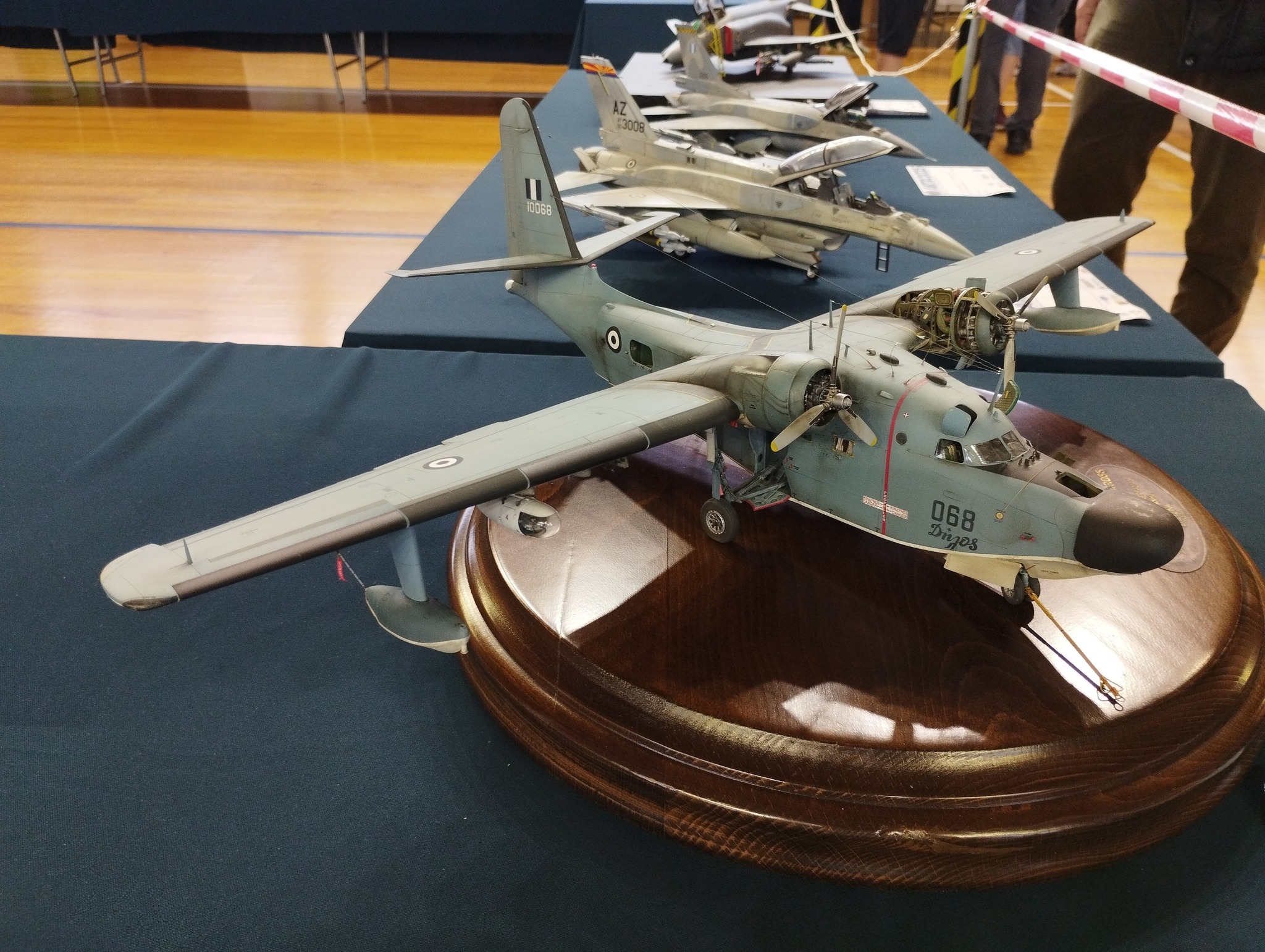
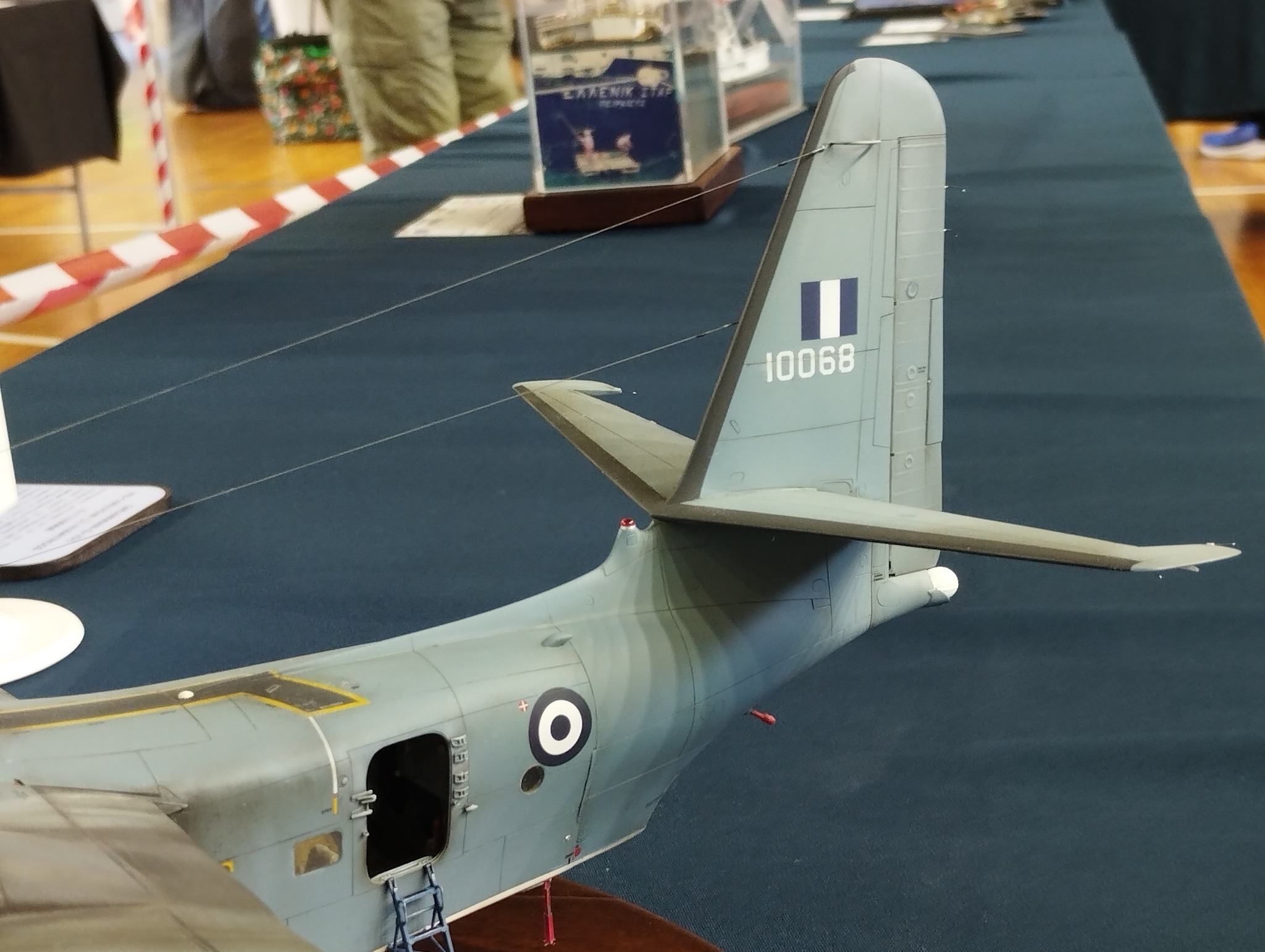
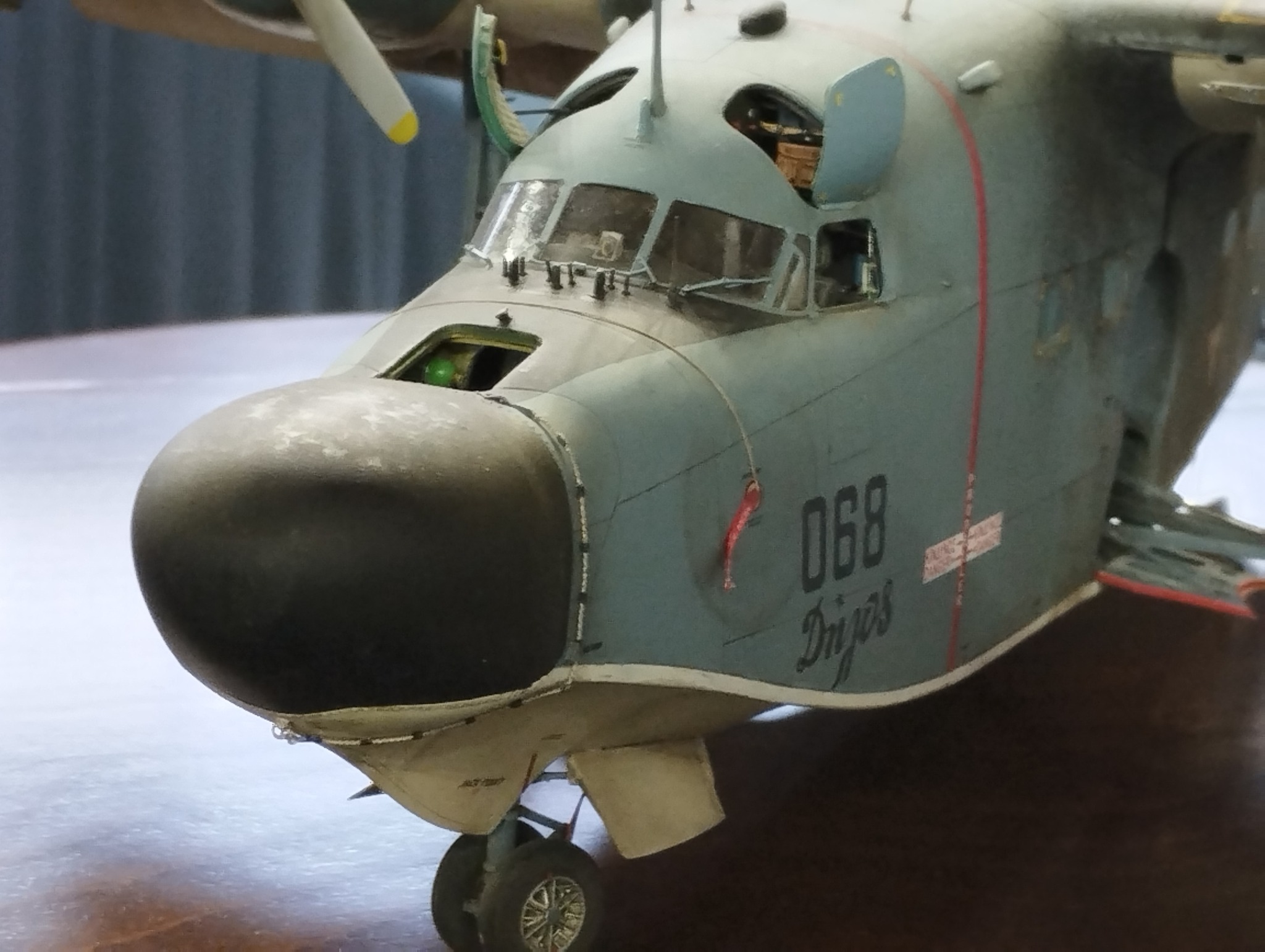
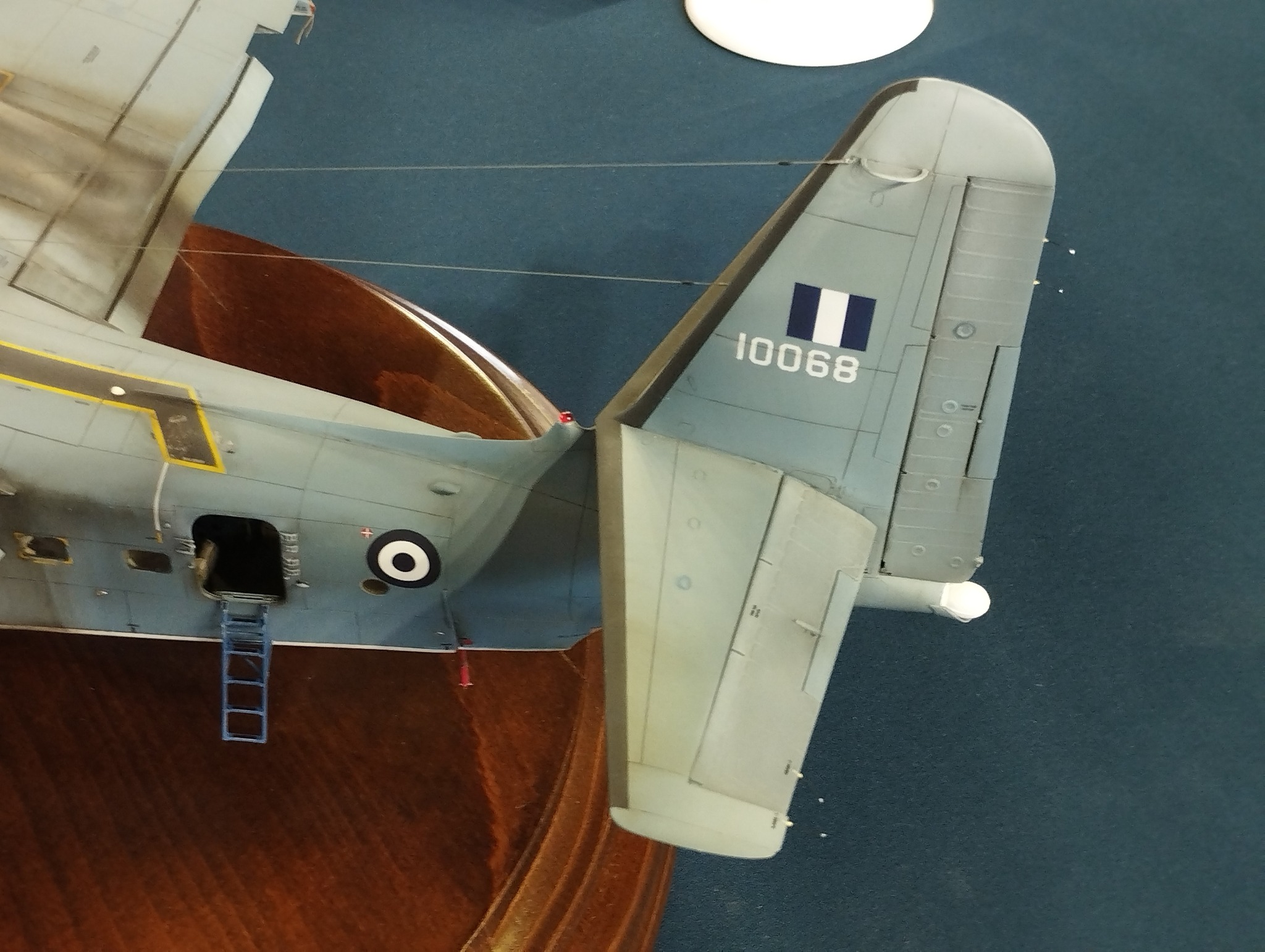
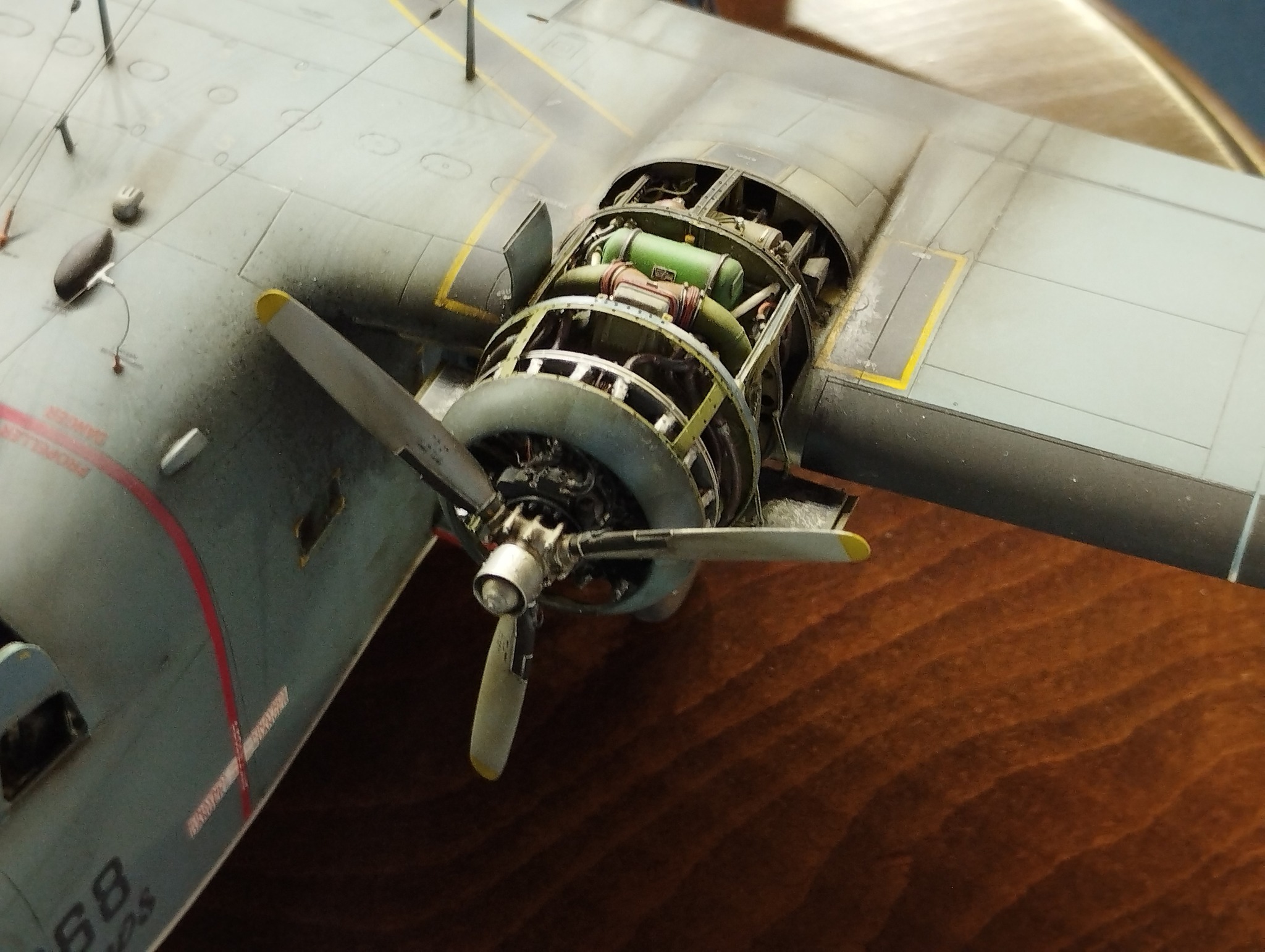
Unlike simple brush painting, the airbrush allows subtle transitions between colors. Panel shading, faded camouflage and tonal variation become possible with controlled layers of paint.
Real machines rarely appear uniform. Exposure to sunlight, weather conditions and operational stress causes surfaces to change over time.
Through careful airbrush work, these variations can be reproduced on a miniature scale.
The result is a model that looks alive rather than artificially clean.
Weathering and the Art of Surface Aging
Weathering is perhaps the most recognizable aspect of advanced scale modeling.
In the work of Tsonos Megas, weathering is used not only for visual effect but also for storytelling.
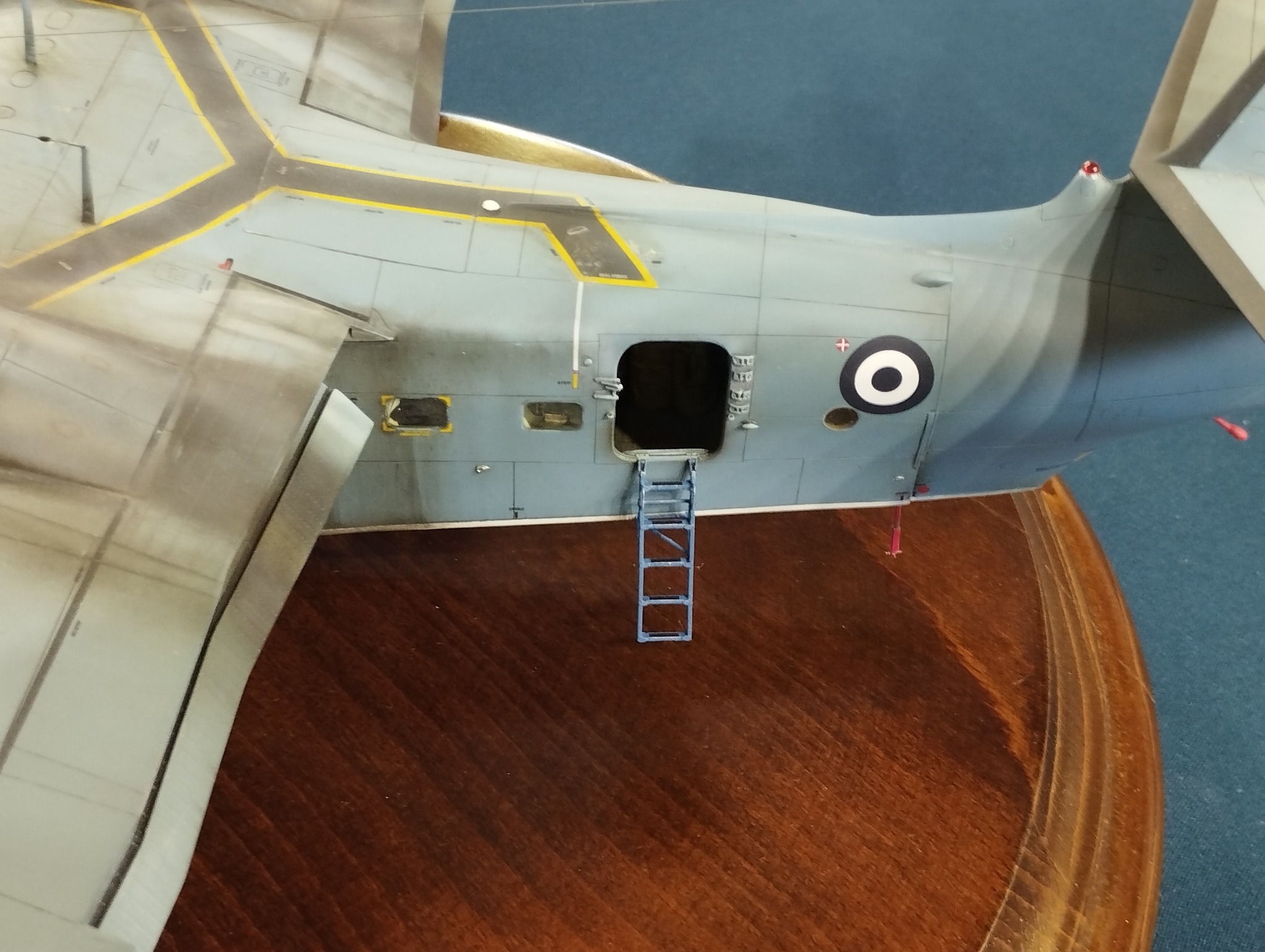
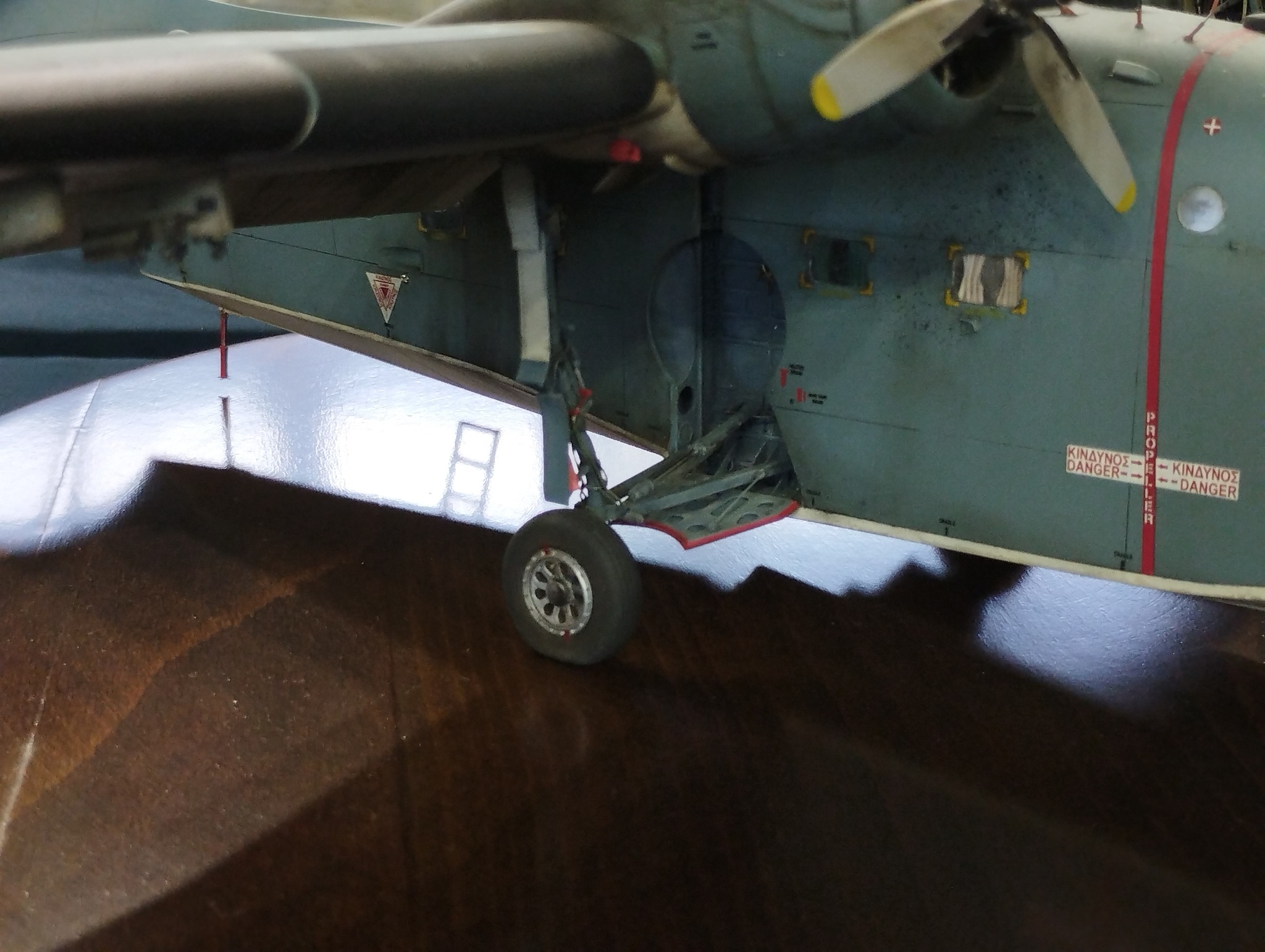
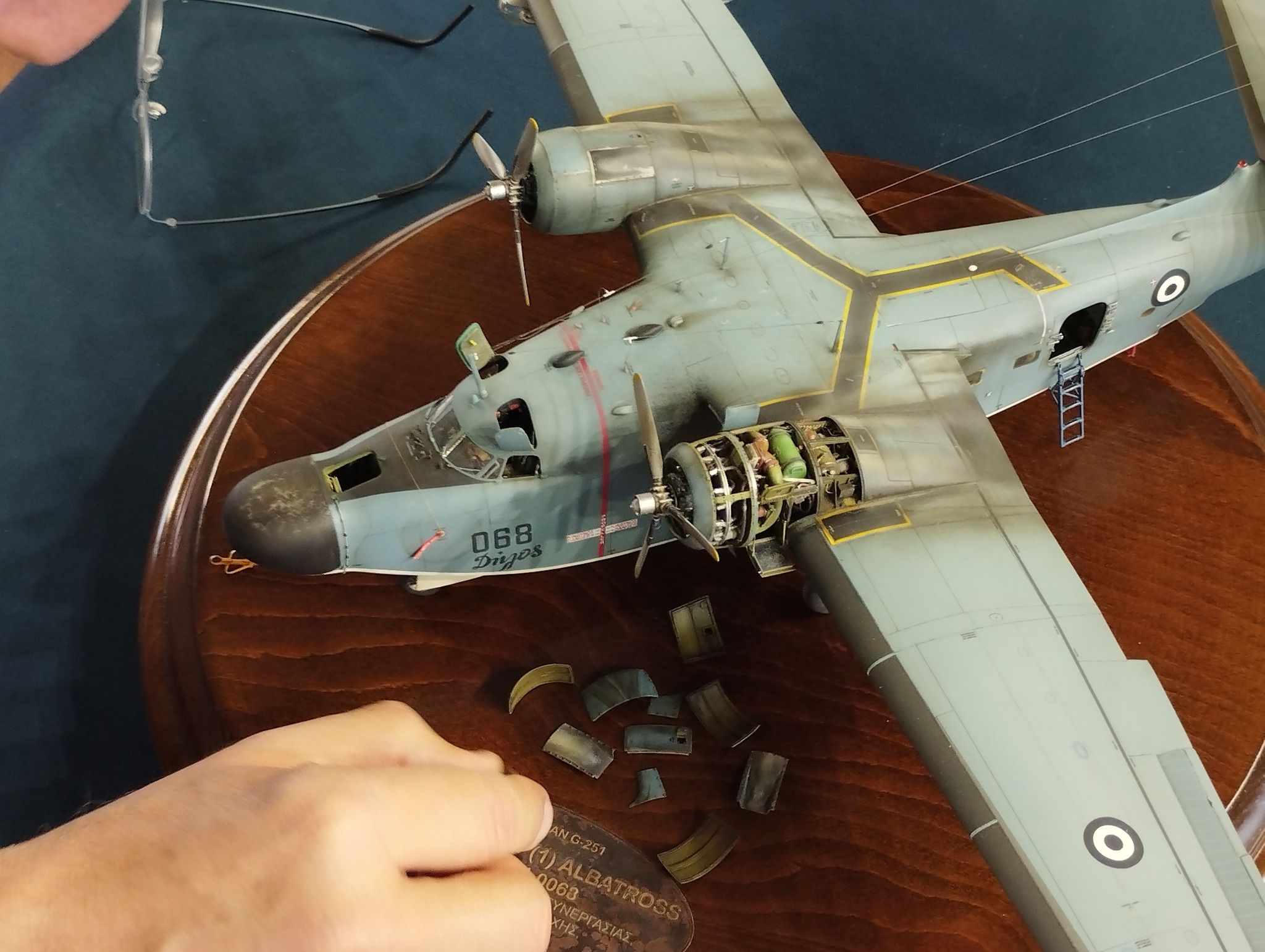
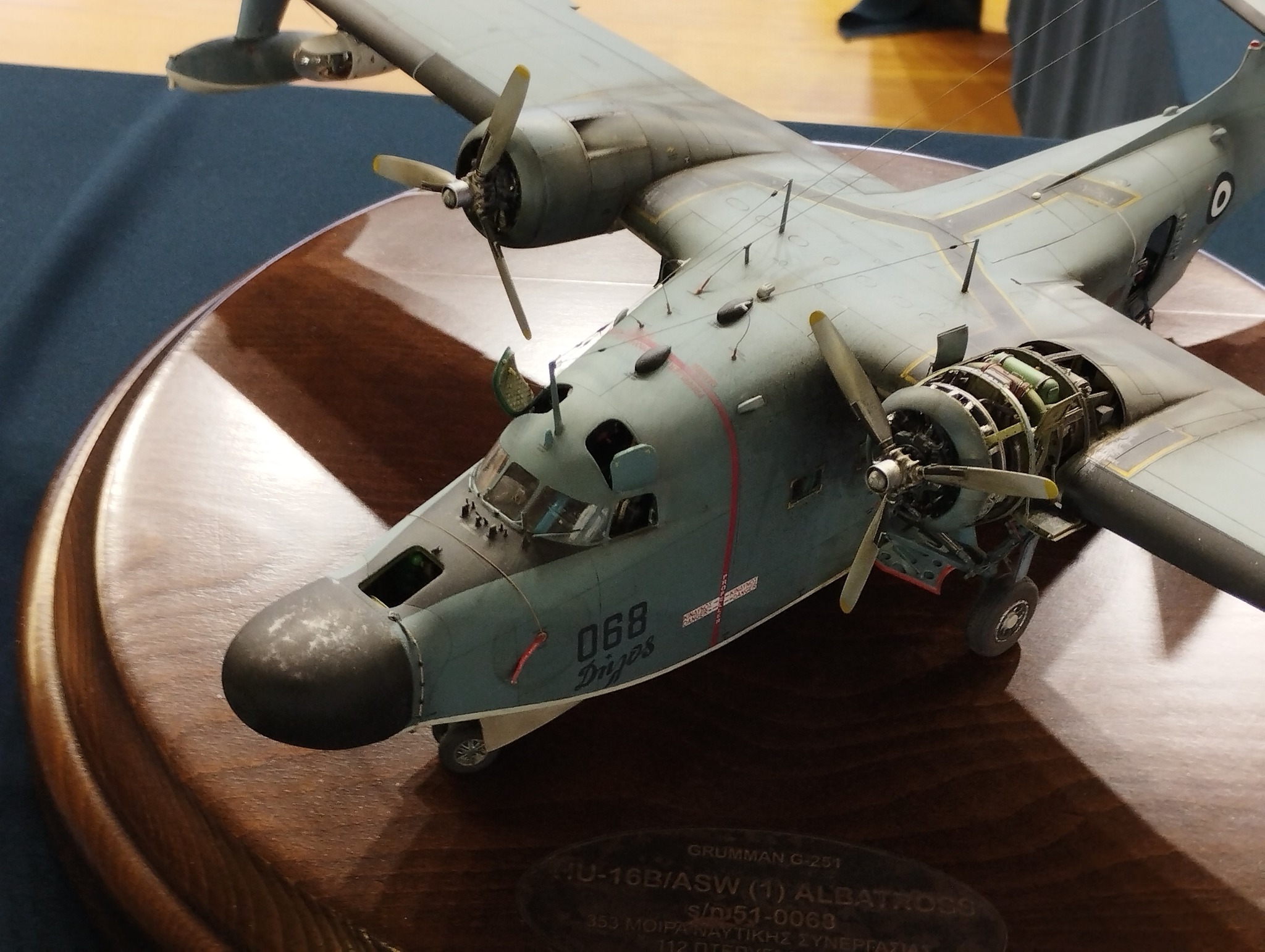
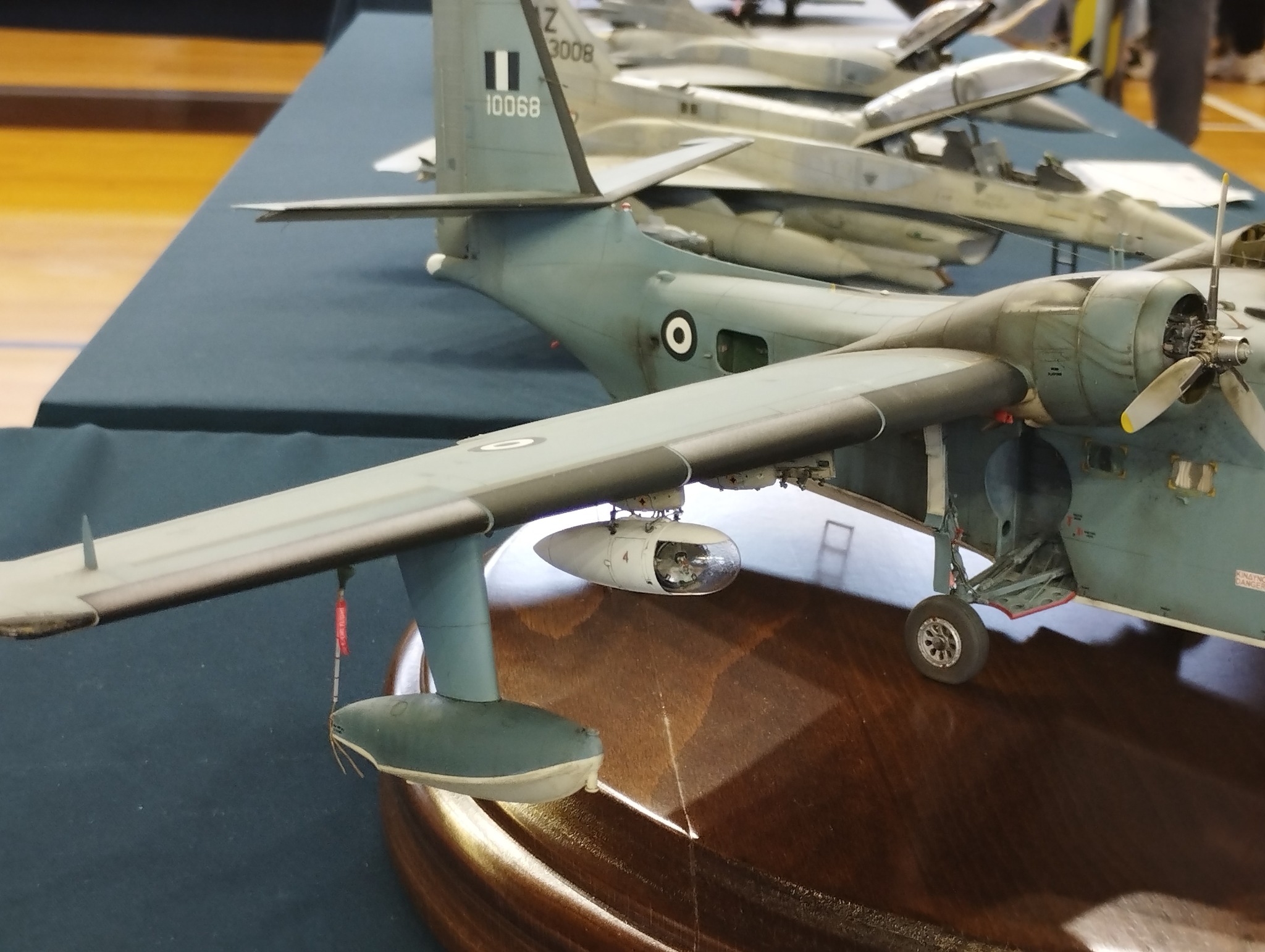
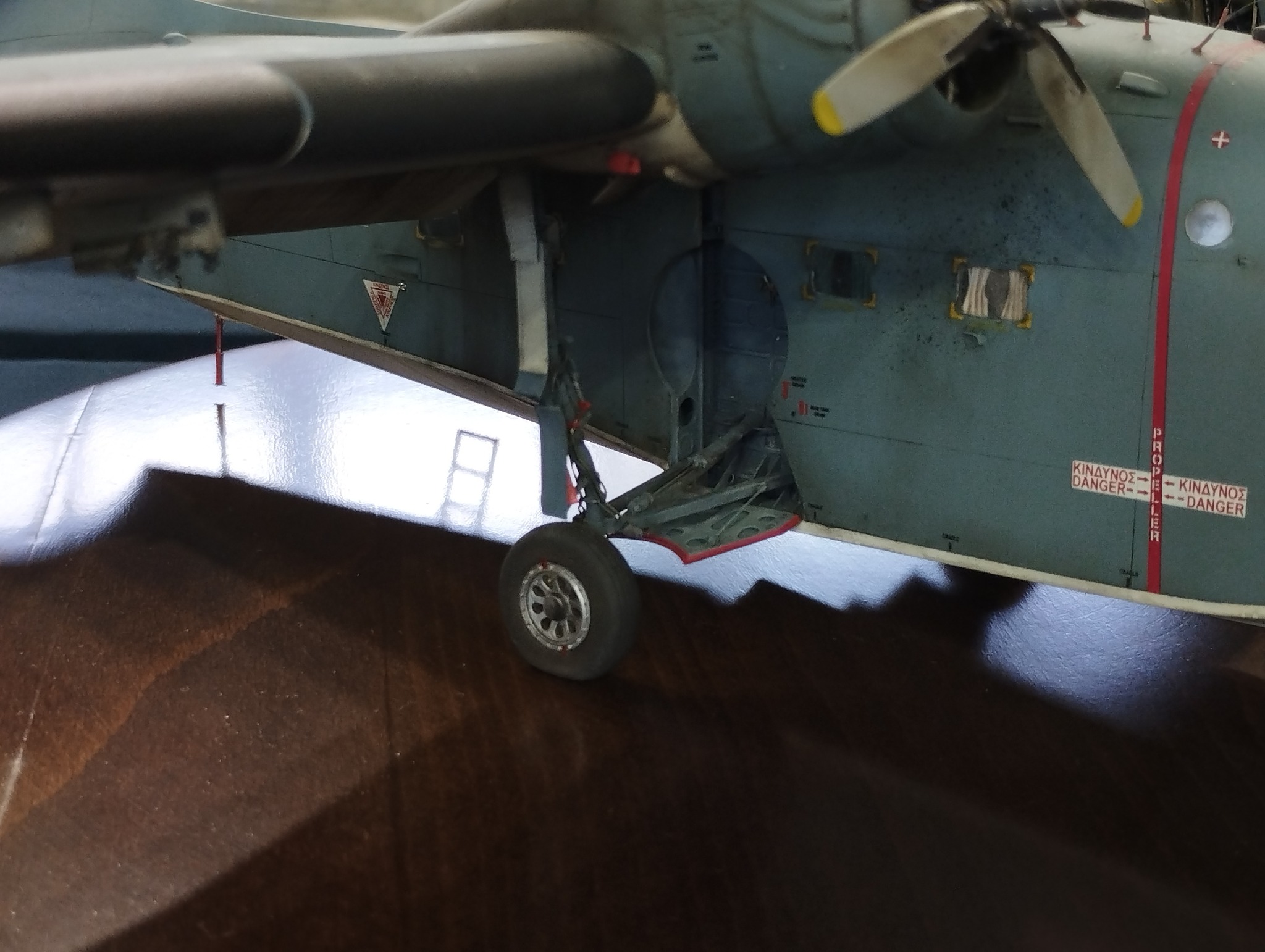
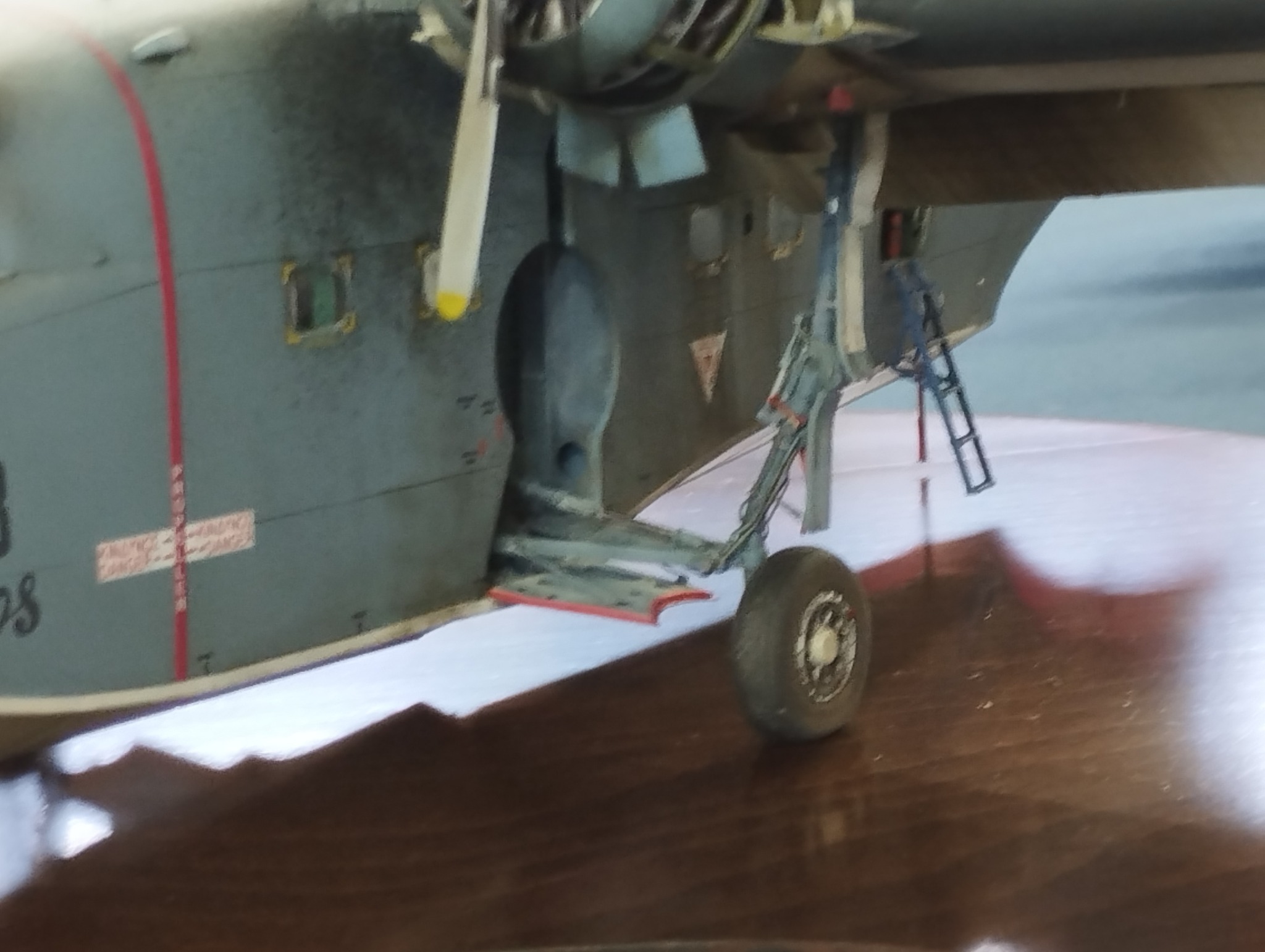
Dust, oil stains, chipped paint and rust marks reveal how a vehicle or aircraft has been used. Each mark represents time, environment and mechanical stress.
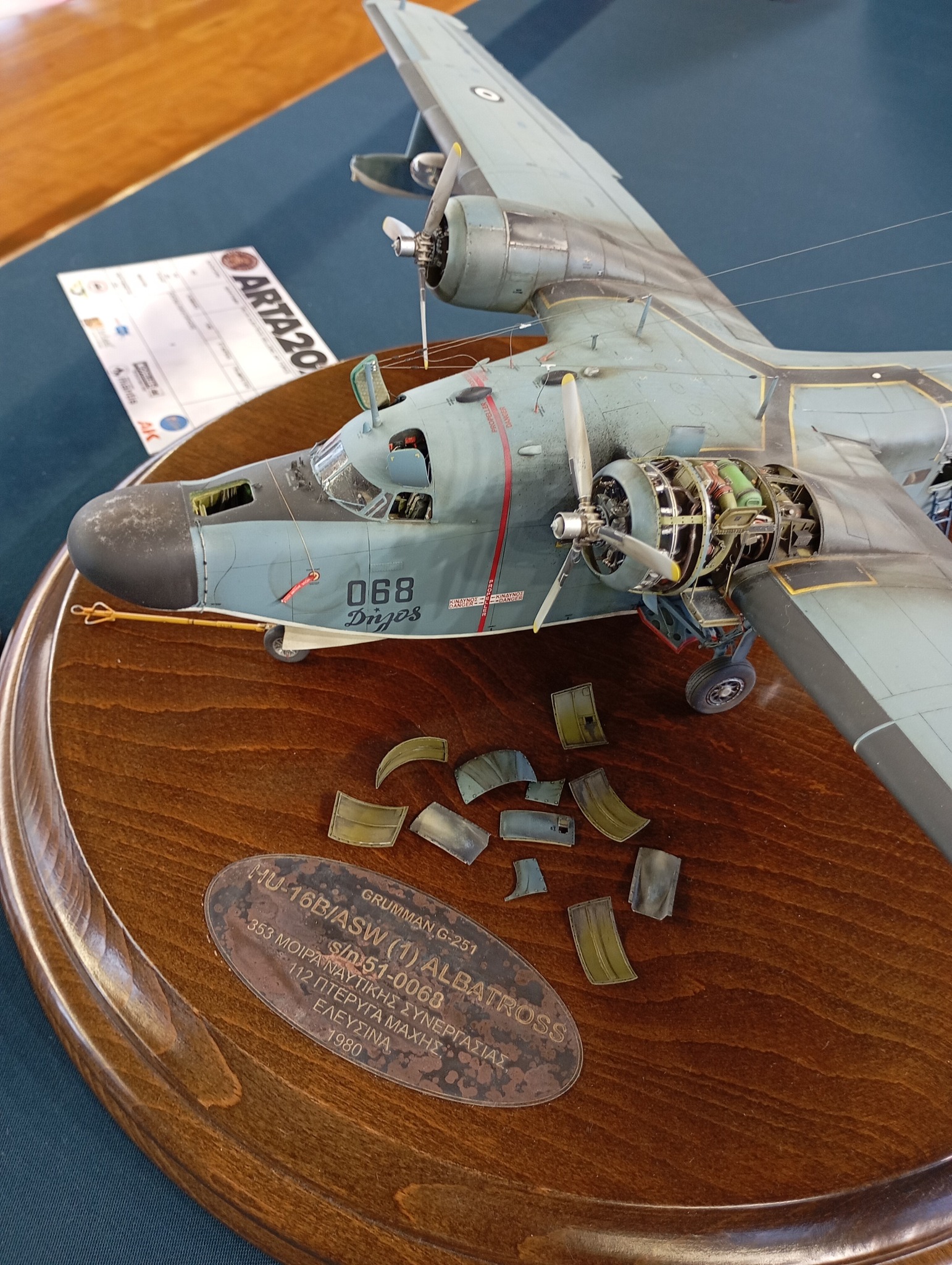
Techniques such as washes, filters, pigments and paint chipping are used to recreate these effects.
When applied carefully, weathering transforms a newly assembled kit into a convincing miniature machine that appears to have operated in the real world.
Scratch Building and Custom Details
Sometimes even the best model kits lack certain details.
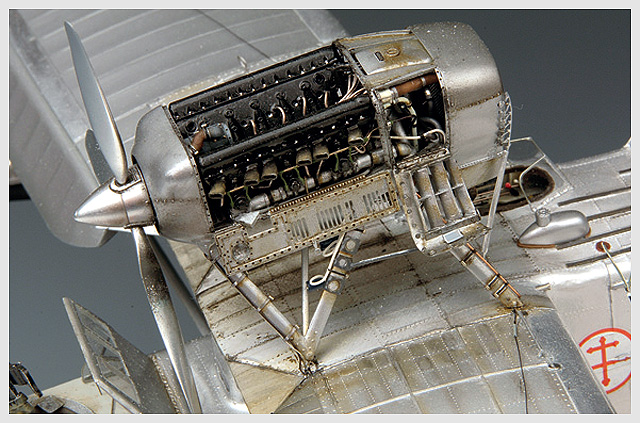
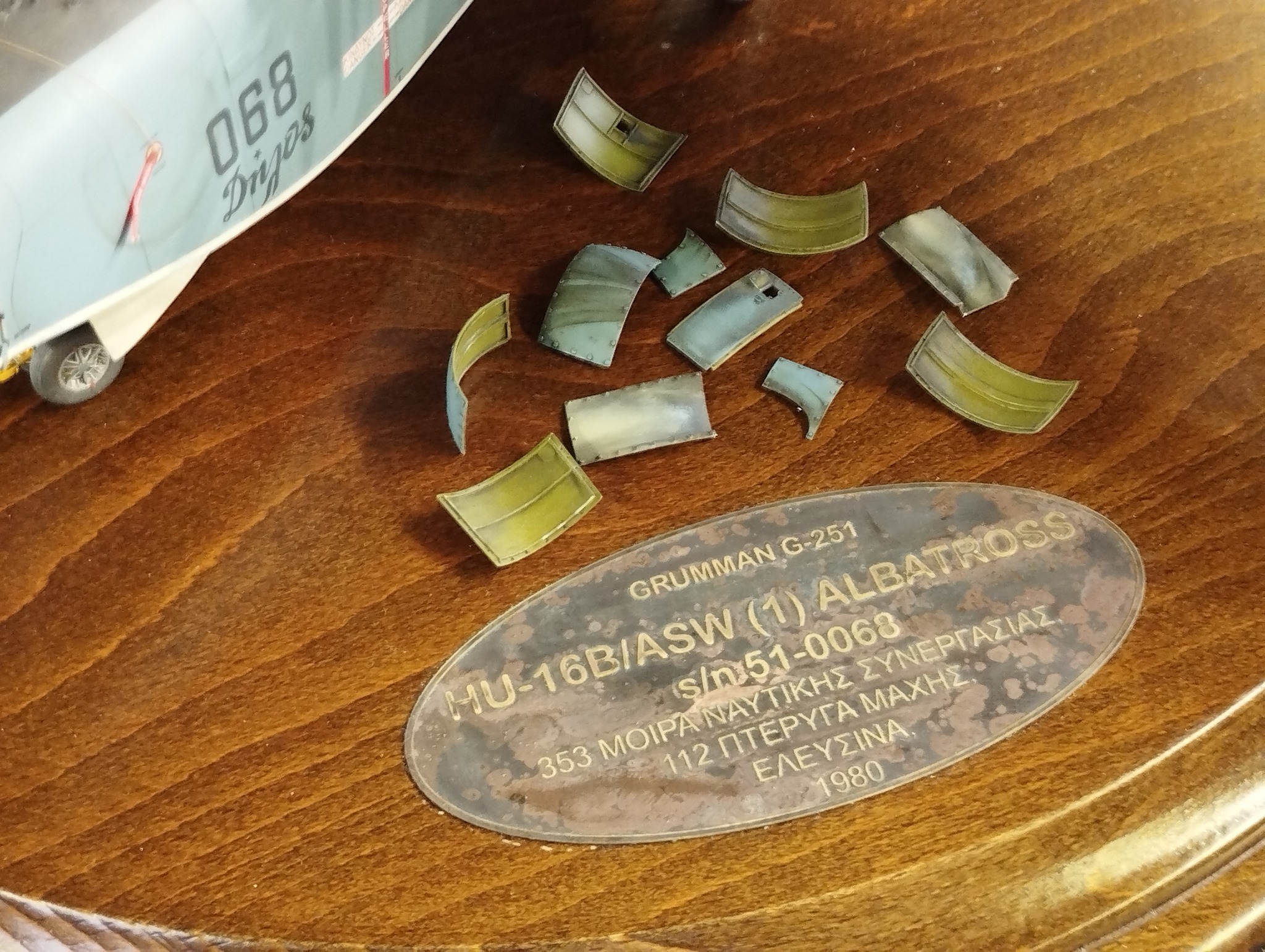
This is where scratch building becomes important. Tsonos Megas often creates parts from raw materials such as plastic sheet, brass wire or resin.
This process allows the addition of unique structural elements, mechanical components or interior details that may not exist in the original kit.
Scratch building requires patience and creativity, but it also gives the model a unique identity that cannot be replicated by simply assembling commercial parts.
Dioramas and Storytelling in Miniature
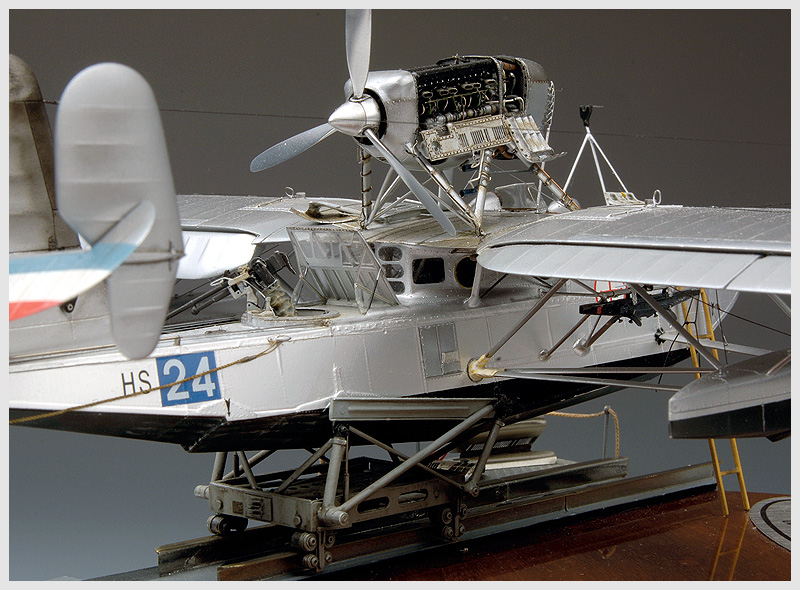
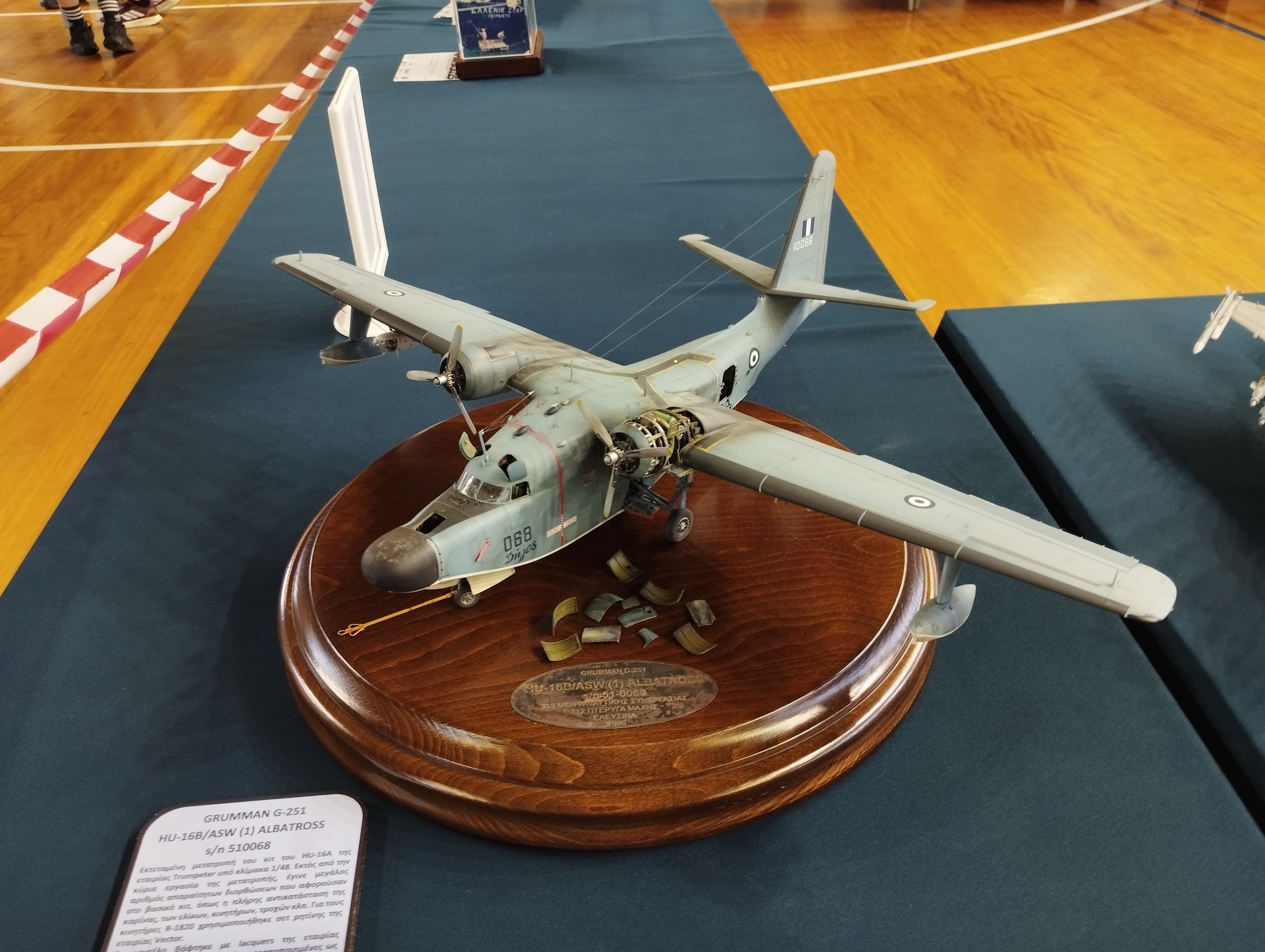
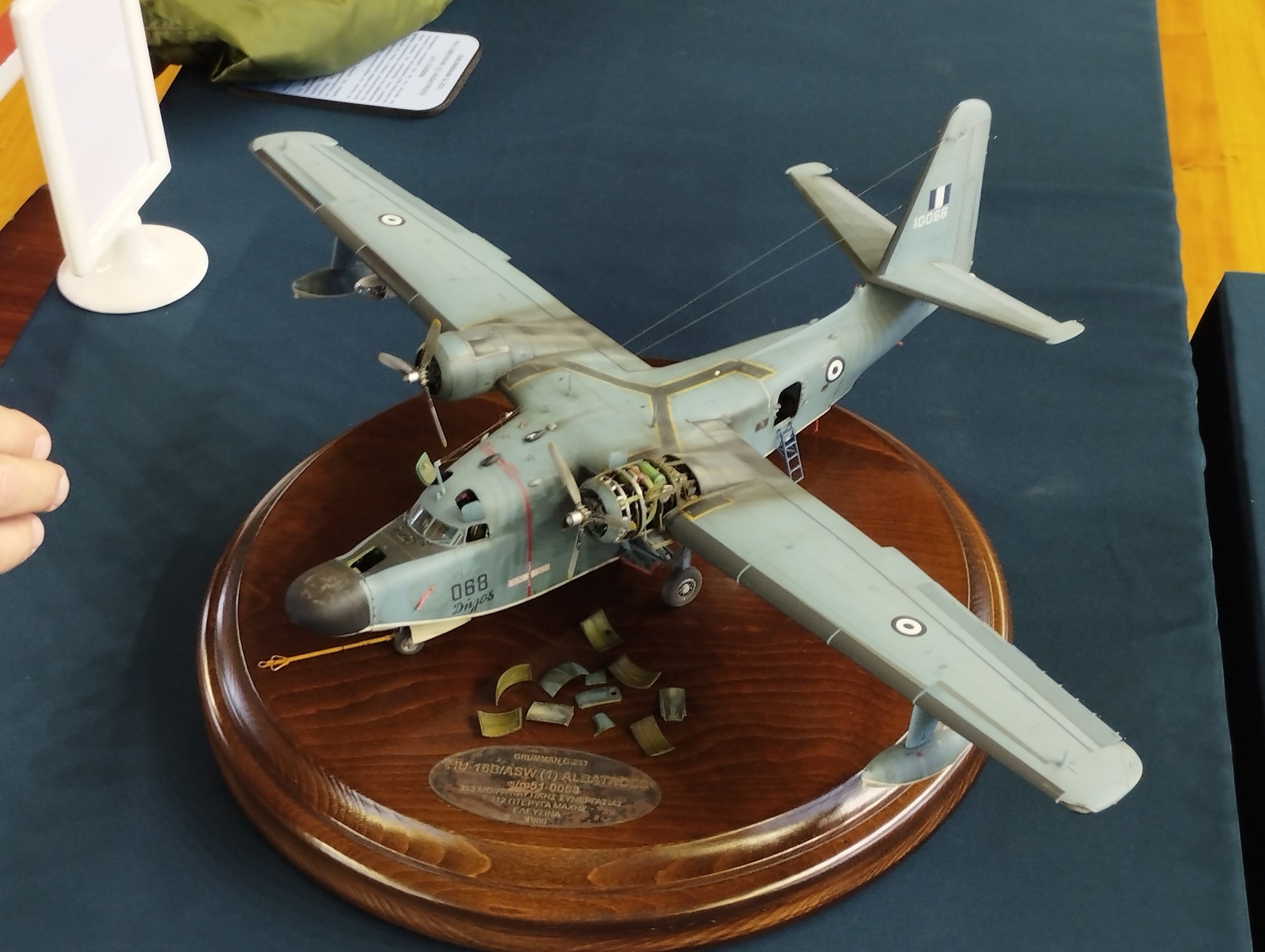
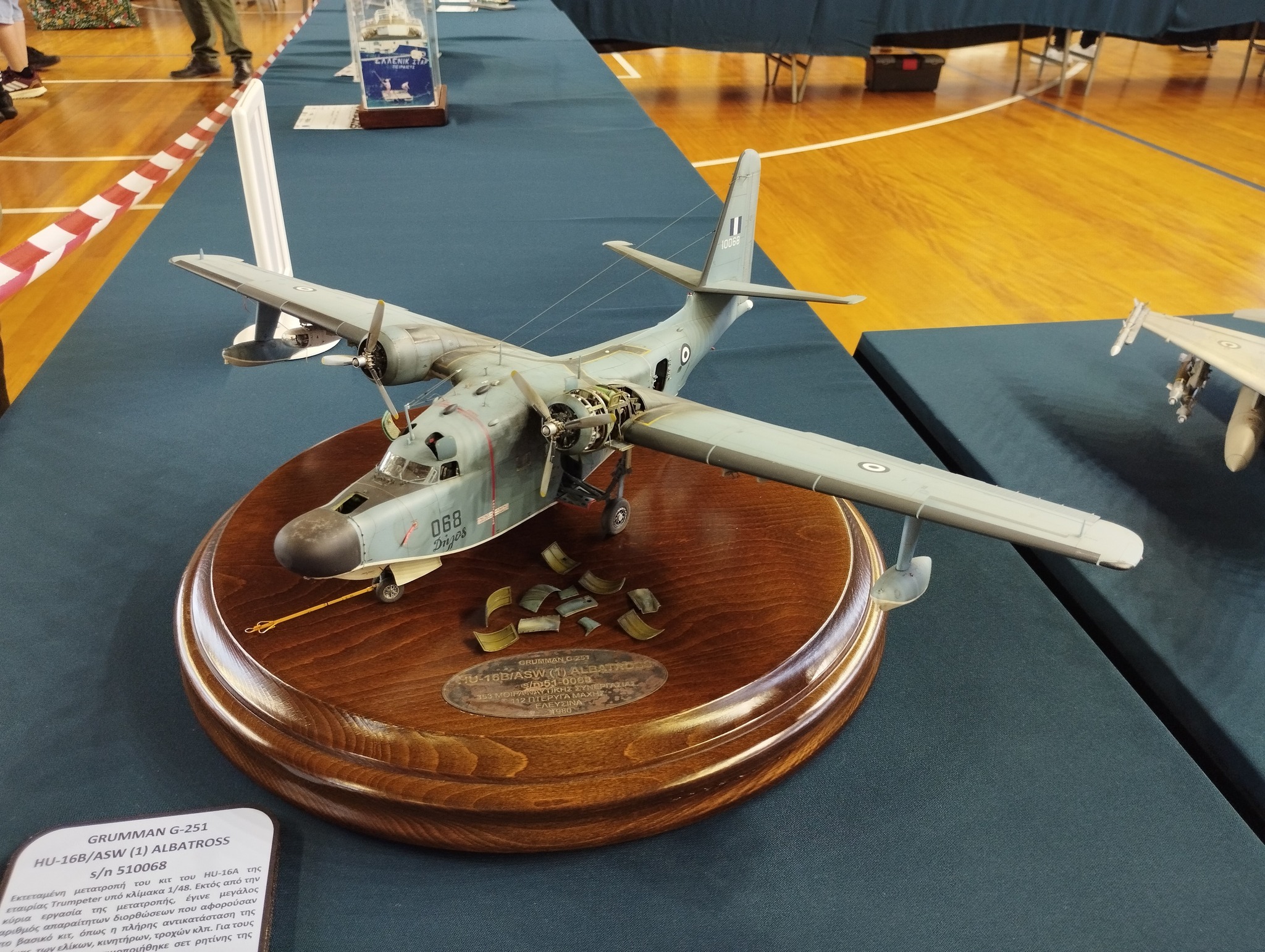
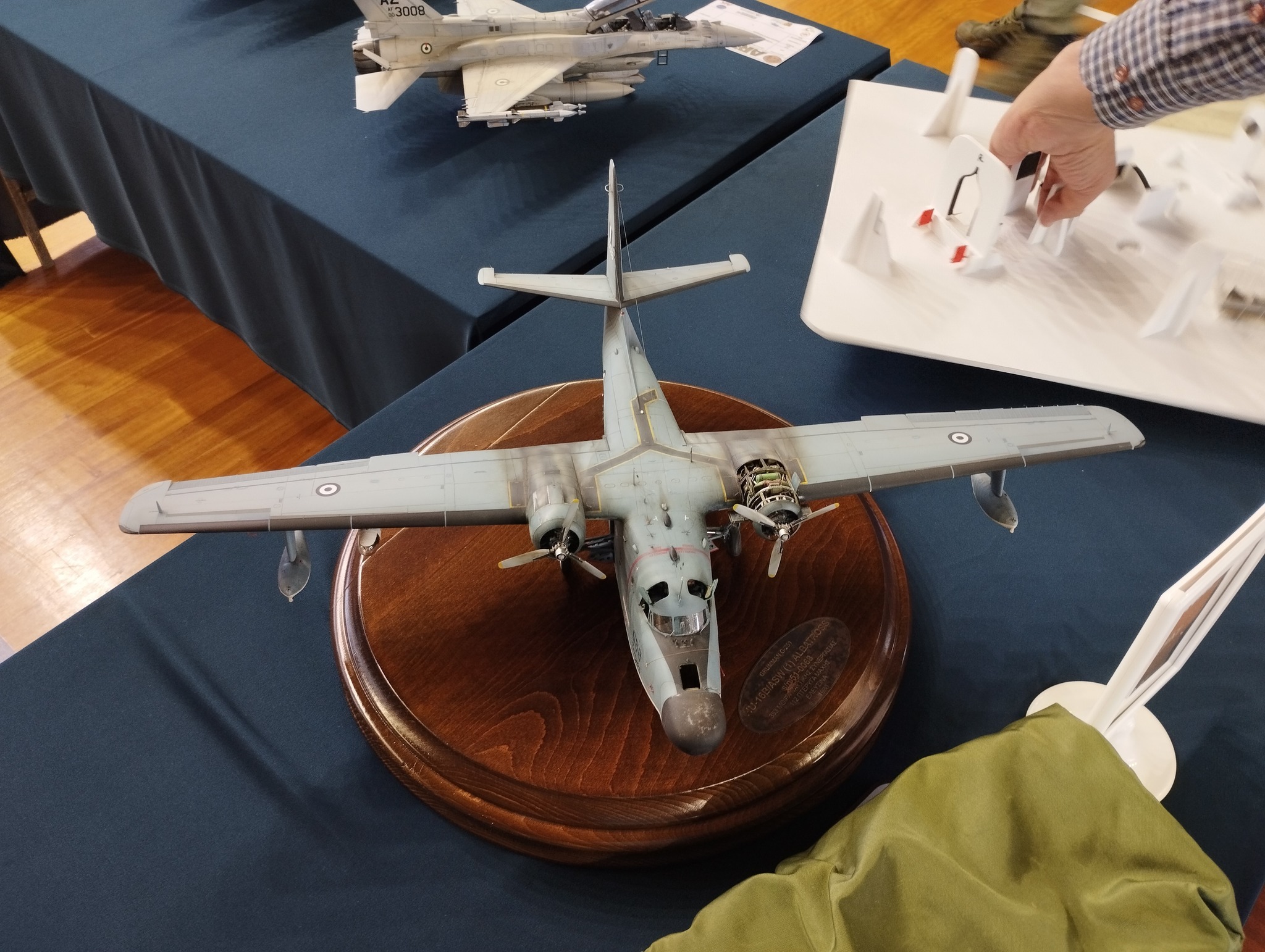
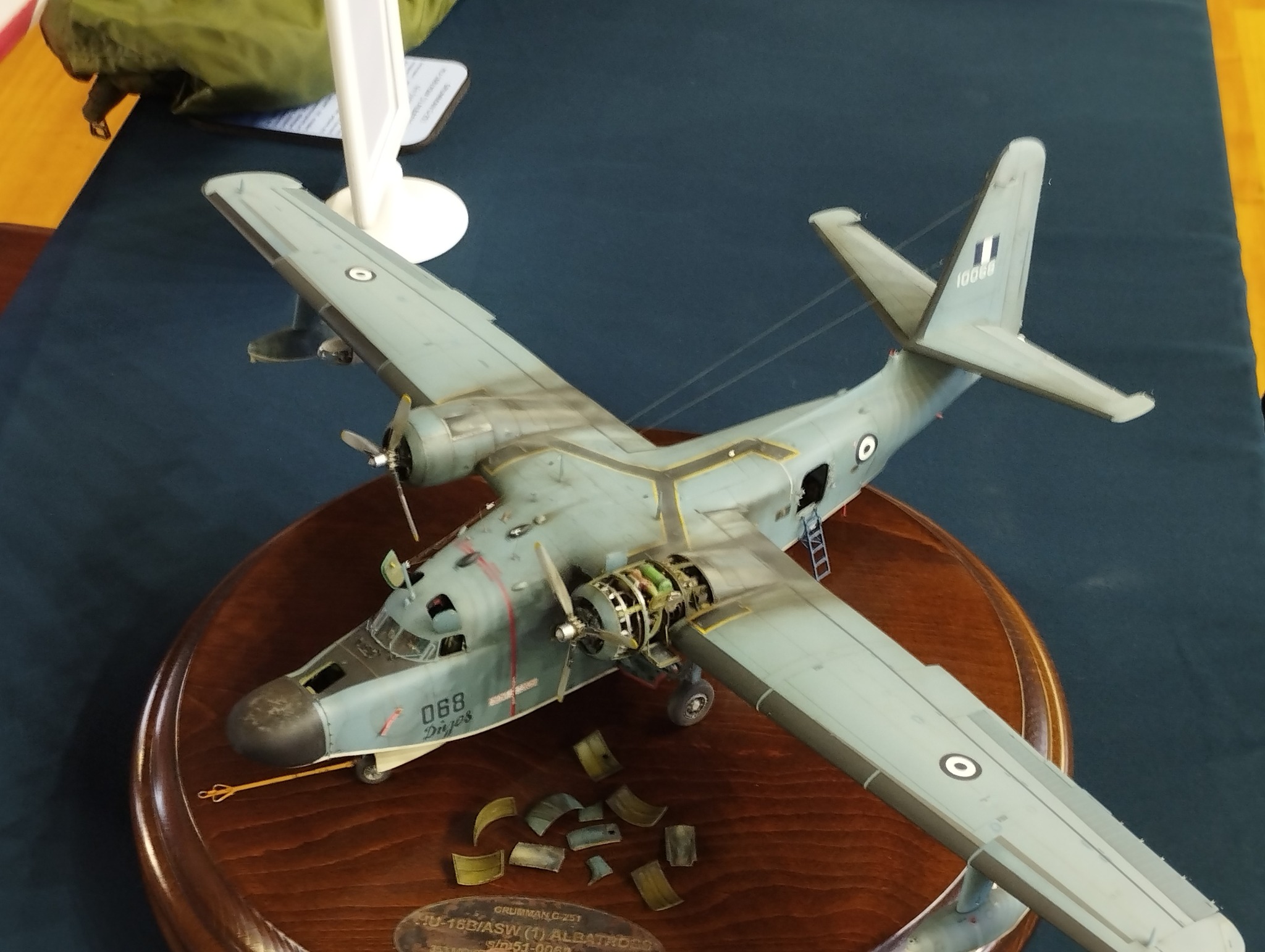
Another characteristic feature of the work of Tsonos Megas is the use of bases and small dioramas.
Rather than presenting a model alone on a display stand, he often places it within an environment.
Ground textures, vegetation, equipment, tools and figures can all contribute to the narrative.
A simple aircraft becomes part of an airfield scene. A tank appears positioned on a battlefield or training ground.
Through these scenic compositions, the viewer can imagine the historical moment represented by the model.
The Signature Style of Tsonos Megas
Every experienced modeler eventually develops a recognizable style. In the case of Tsonos Megas, several characteristics define his work.
The first is realism. Paint finishes and weathering effects are carefully balanced so they appear convincing without being exaggerated.
The second is mechanical clarity. Structural and engineering elements remain visible and understandable.
The third is atmosphere. Many of his models evoke a sense of environment and operational history.
These qualities make his work instantly recognizable to experienced modelers.
Influence on the Greek Scale Modeling Community
Scale modeling has a strong community in Greece, with many talented builders and dedicated enthusiasts.
Within this environment, Tsonos Megas represents an example of how dedication and craftsmanship can elevate the hobby.
His work has inspired many younger modelers to explore advanced techniques such as airbrush painting, weathering and scratch building.
Greek modeling forums, exhibitions and competitions benefit from the presence of experienced builders who share knowledge and encourage new participants.
Figures like Tsonos Megas contribute to maintaining a culture of learning and improvement within the hobby.
For platforms like GModel Art, highlighting modelers of this caliber helps connect the global modeling community with the creativity and expertise found in Greece.
Lessons Modelers Can Learn from Tsonos Megas
The career and work of Tsonos Megas offer several valuable lessons for anyone interested in scale modeling.
Patience is essential. Great models take time.
Research improves realism. Understanding the real subject always leads to better results.
Experimentation leads to growth. Trying new techniques expands a modeler’s skill set.
Attention to detail transforms a model into a work of art.
Finally, modeling should remain enjoyable. Passion and curiosity are the driving forces behind every successful build.
FAQ
Who is Tsonos Megas?
Tsonos Megas is a Greek scale modeler known for his realistic builds, advanced weathering techniques and historically accurate models.
What types of models does he build?
His work includes aircraft, armored vehicles and military subjects in popular scales such as 1:35, 1:48 and 1:72.
Why is he influential in the modeling community?
His models combine technical precision with artistic storytelling, inspiring both Greek and international modelers.
What techniques define his modeling style?
Airbrush painting, weathering, scratch building and diorama creation are central elements of his modeling approach.
C-130H HERCULES HAF By:Doxas Yiannis
Gallery