article
The Ultimate Guide to Building the Perfect Scale Model Showcase
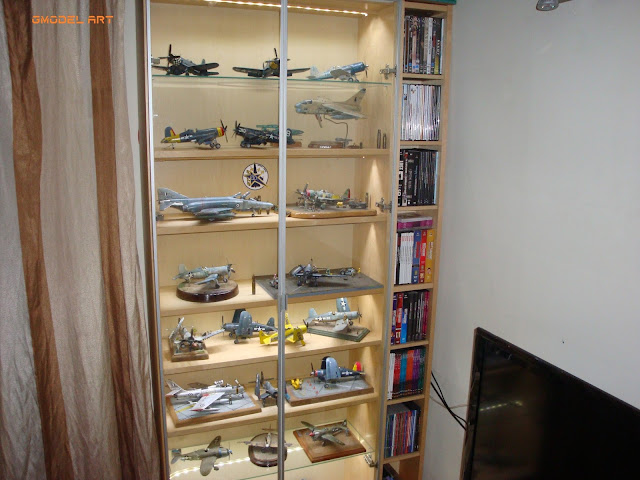
A scale model is never truly finished when the last decal is placed. The real final step is how it is displayed. A poorly presented model loses impact, while a properly designed showcase can elevate even a simple build into something that feels museum-quality.
A well-structured scale model showcase protects your work, enhances its visual presence, and ultimately increases the perceived value of your collection. This guide breaks down everything you need to build a display that looks professional and works long-term.
Understanding the Role of a Showcase
Most modelers underestimate this part. The showcase is not storage. It is presentation.
It controls how light interacts with your model, how the eye moves across your collection, and how long your work survives without damage. Dust, UV radiation, and poor positioning can slowly destroy details you spent hours creating.
Choosing the Right Location
Start with the space before you think about materials or lighting.
Avoid direct sunlight completely. Even indirect UV exposure over time will fade paint and decals. Keep the showcase away from humidity sources and areas with frequent airflow carrying dust.
The ideal placement is somewhere visible but not exposed. When someone enters the room, the showcase should naturally draw attention without being in the way.
Selecting Materials That Actually Work
The material defines both aesthetics and function.
Glass offers the best clarity and long-term durability. It resists scratches and maintains transparency over time. Acrylic is lighter and safer but will show wear faster if not handled carefully.
Frames matter more than most people think. Aluminum gives a modern, clean look and pairs well with lighting systems. Wood creates a warmer, more traditional appearance.
A combination of aluminum framing with glass panels is often the most balanced solution for serious modelers.
Designing the Interior Layout
This is where most showcases fail.
Shelf depth between 20 and 30 centimeters works best for common scales such as 1:72 and 1:48. Height clearance should always exceed the tallest model by at least five centimeters to avoid visual compression.
Adjustable shelves are essential. Your collection will evolve, and fixed spacing will limit you.
Instead of placing models in a straight line, create depth. Position some slightly behind others or vary spacing. This creates a more dynamic visual flow and prevents the display from looking flat.
If you want to push this further, combining your showcase with subtle elevation elements such as display bases can dramatically improve composition. For example, using dedicated display bases like those found at eshop.gmodelart.com adds structure and hierarchy inside the showcase.
Lighting as the Core Element
Lighting is not optional. It is the single most important upgrade you can make.
LED strips are the best solution because they produce minimal heat and offer consistent illumination. A neutral white temperature around 5000K preserves the true colors of your models.
Placement is critical. Position the light source near the front edge of each shelf, angled inward. This reduces harsh shadows and evenly illuminates the model.
To improve the result further, using aluminum LED profiles creates a softer, more diffused light while also giving a cleaner finish. These can be paired with compatible lighting systems available through specialized modeling tools and accessories at eshop.gmodelart.com, ensuring consistent quality across your setup.
Cable Management and Clean Installation
A great showcase can be ruined by visible wiring.
All cables should run behind or along the frame, completely hidden from direct view. Use proper connectors and match your power supply to the total LED load.
Switch placement should be discreet but accessible. Ideally, it is integrated into the top or inner side panel of the showcase.
Clean installation is not just about aesthetics. It also improves safety and long-term reliability.
Dust Protection That Actually Works
Dust is the silent destroyer of scale models.
Open shelves may look convenient, but they require constant cleaning and increase the risk of damage. A sealed showcase changes everything.
Adding silicone or rubber seals around doors significantly reduces dust entry. A properly sealed unit can keep models clean for years with minimal maintenance.
This is one of the highest-value upgrades you can make, especially if your collection grows.
Advanced Display Techniques
Once the basics are done, small details make a major difference.
A mirrored back panel increases depth and allows models to be viewed from multiple angles. A dark background creates contrast and highlights lighter paint schemes, while a neutral or white background works better for cleaner, modern displays.
Spacing is critical. Do not overcrowd shelves. Leaving empty space around selected models gives them presence and importance.
Using high-quality tools and finishing products during the building process also plays a role in the final presentation. Precision tools, paints, and detailing accessories from eshop.gmodelart.com can significantly improve the final look before the model even enters the showcase.
Stability and Safety Considerations
A showcase must be secure.
Always anchor it to the wall, especially if it is tall or heavy. Weight distribution should be balanced across shelves to prevent stress points.
Ignoring this step risks not only damage to your models but also potential injury.
Maintenance Strategy
A well-built showcase reduces maintenance but does not eliminate it.
External cleaning should be done regularly to maintain clarity. Internal cleaning, if the showcase is properly sealed, should only be necessary once or twice a year.
Using proper cleaning materials ensures that glass or acrylic surfaces remain clear without scratches.
Frequently Asked Questions
What is the best lighting for a scale model showcase?
Neutral white LED lighting around 5000K provides the most accurate color representation and balanced illumination.
How can I protect my models from dust?
A sealed showcase with silicone door seals significantly reduces dust and keeps models clean long-term.
Is glass or acrylic better for display cases?
Glass offers better clarity and scratch resistance, while acrylic is lighter and safer but more prone to surface damage.
Conclusion
A proper scale model showcase is the final stage of the modeling process. It protects your work, enhances its visual quality, and transforms a simple collection into a structured, professional display.
When lighting, layout, and protection are combined correctly, the result is not just a showcase. It becomes a presentation space that reflects the effort and precision behind every model.
Mitsubishi A6M Zero– “Wreck of War in Eden”