article
US WWII Primer Colors – The Interior Colors of American Aircraft in World War II
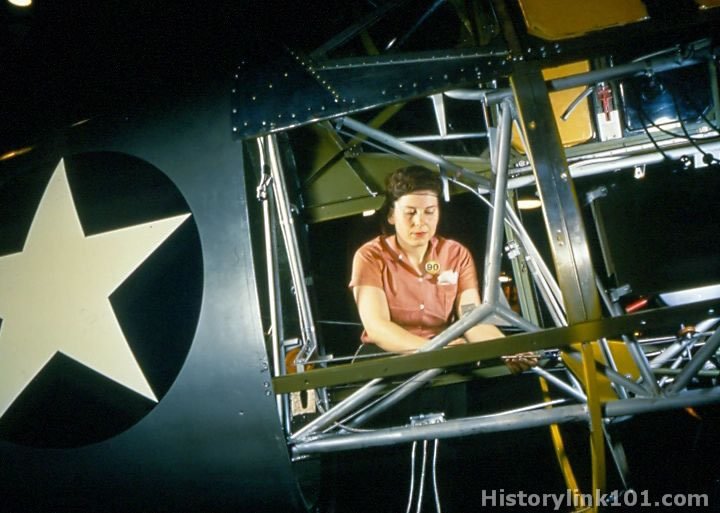
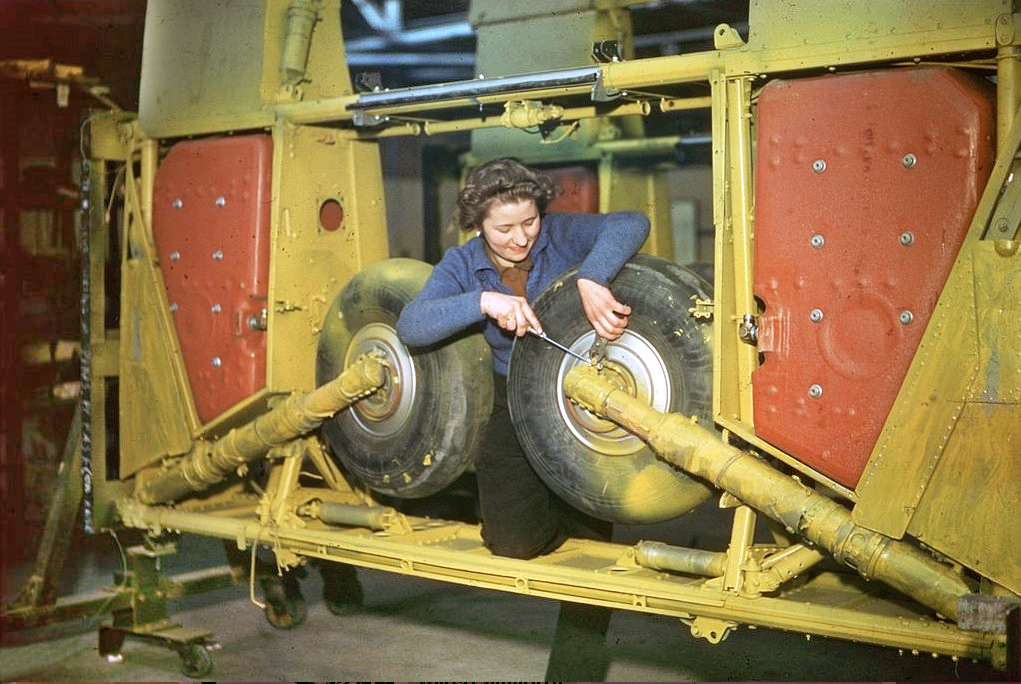
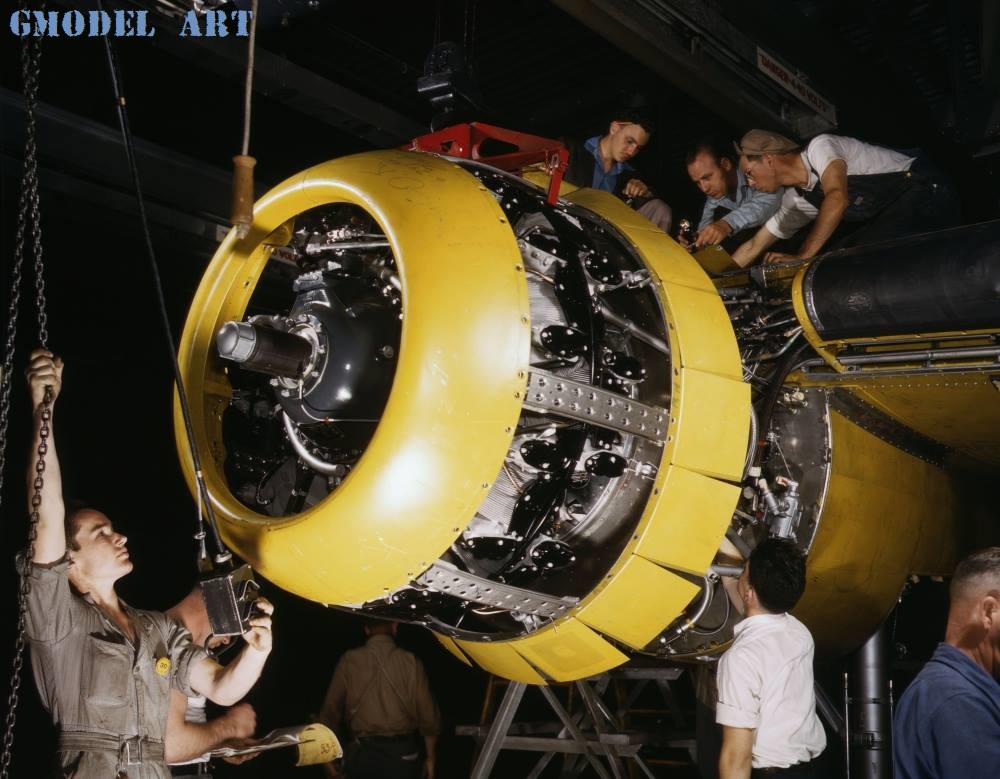
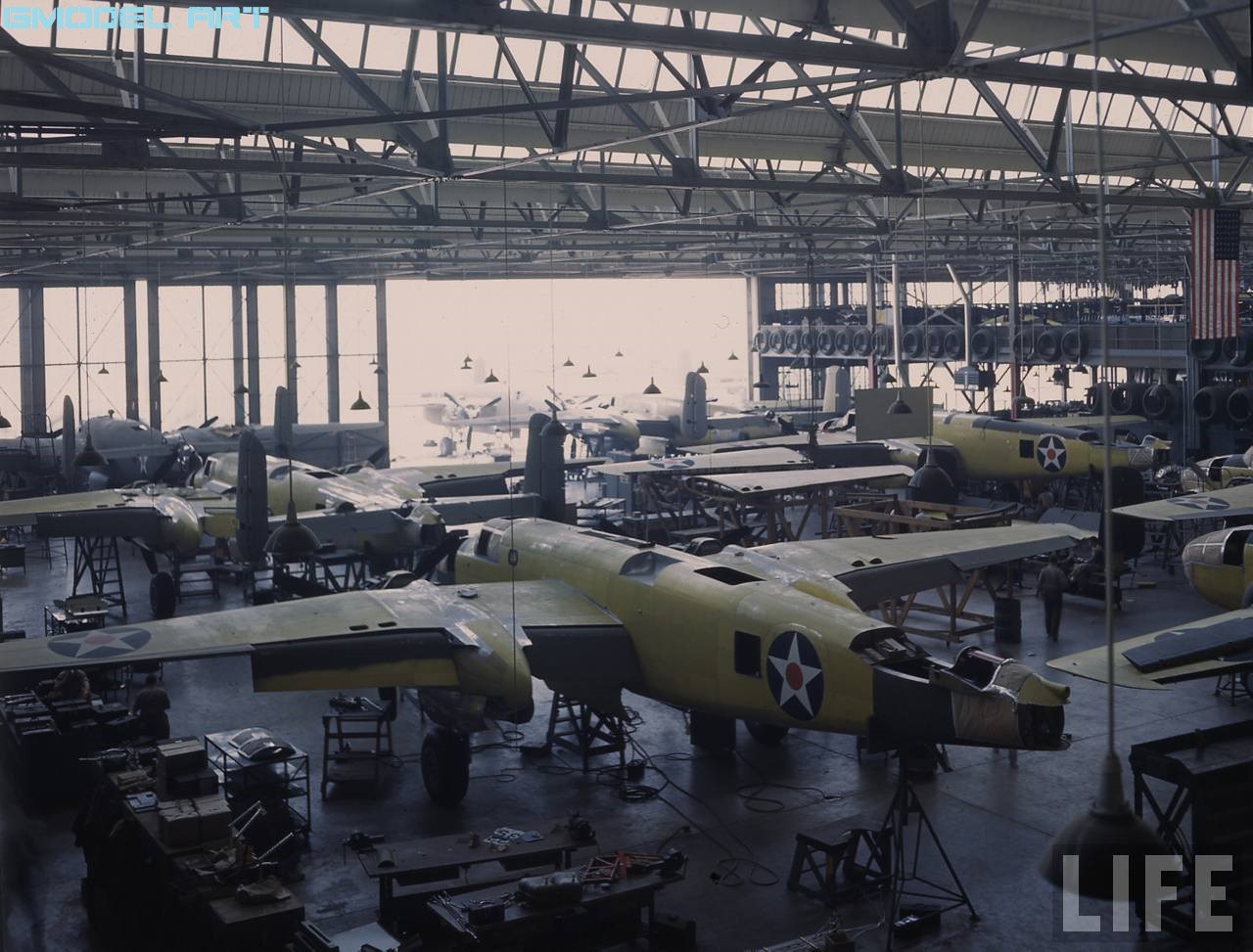
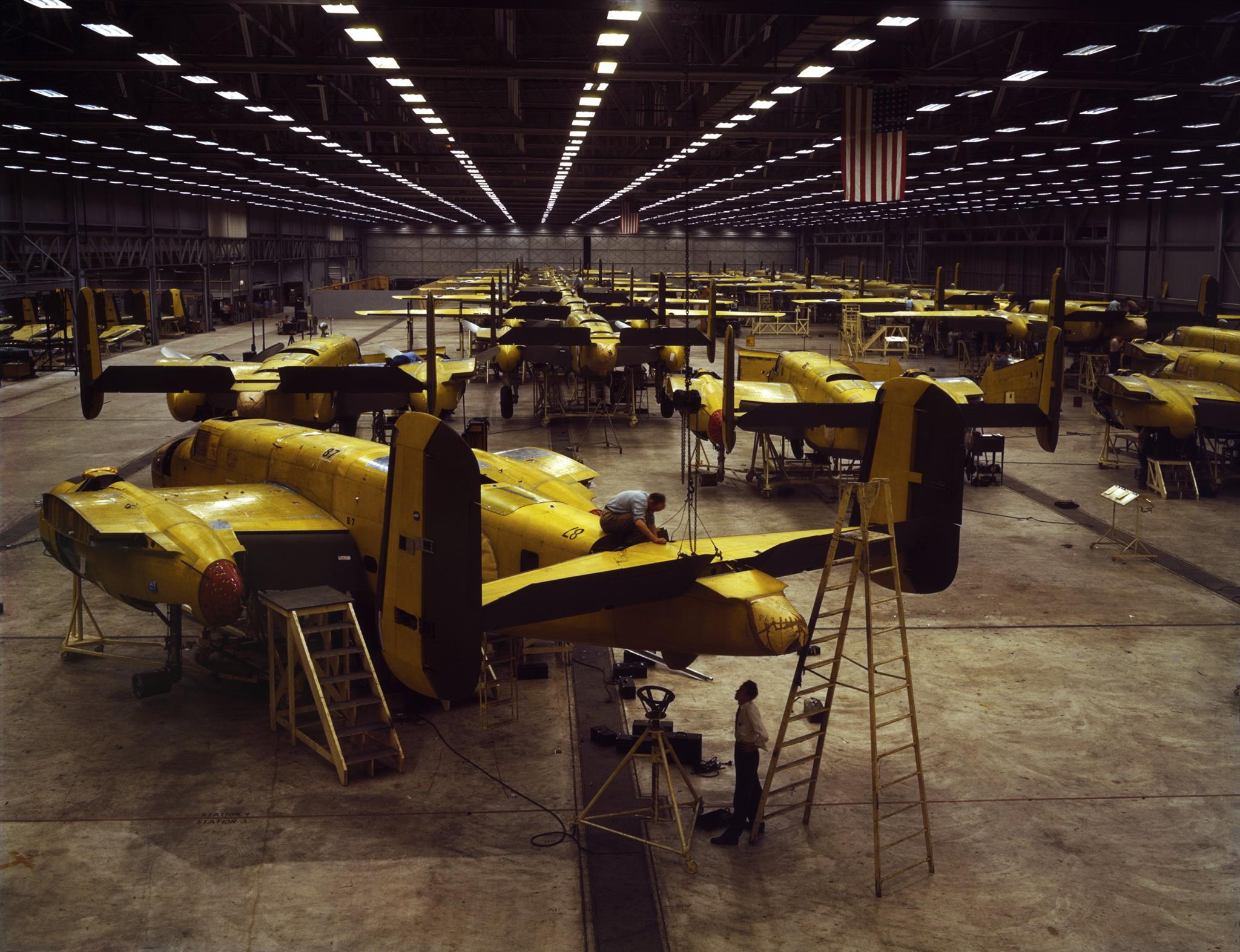
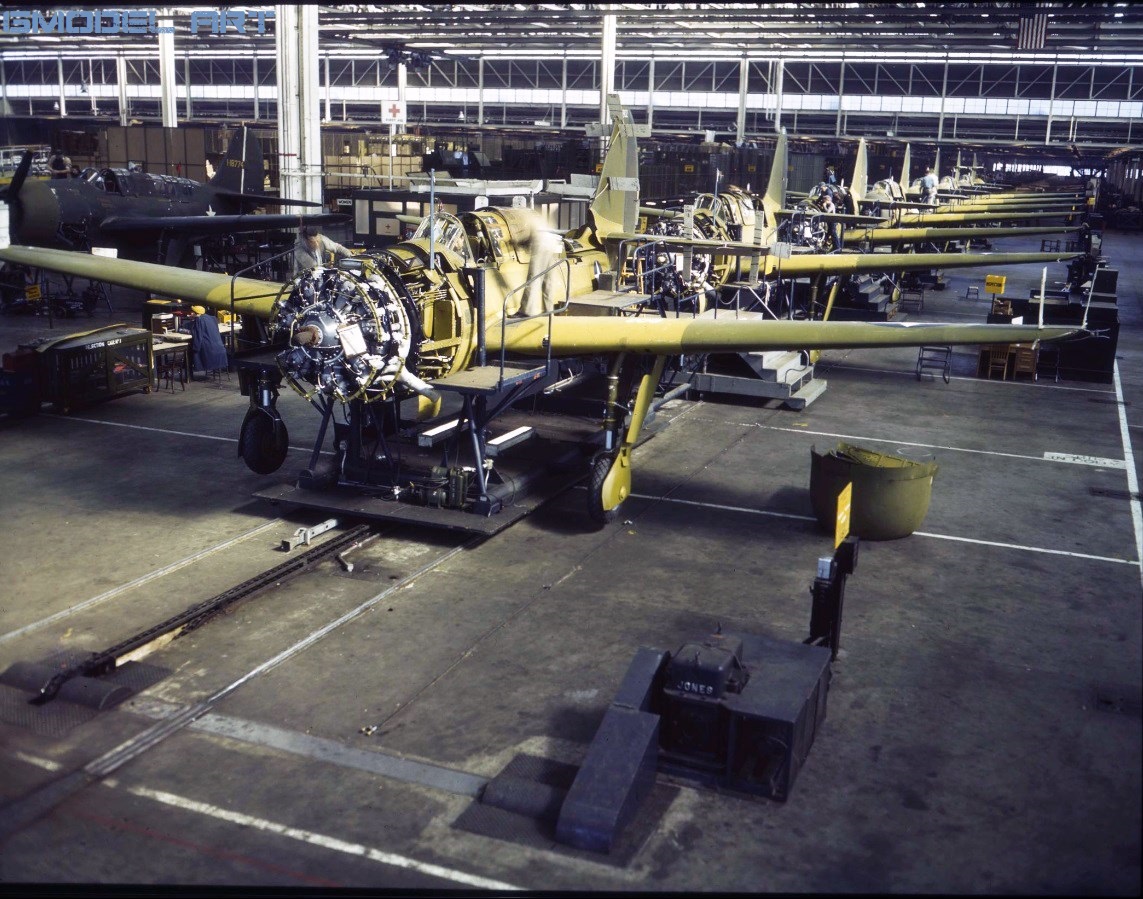
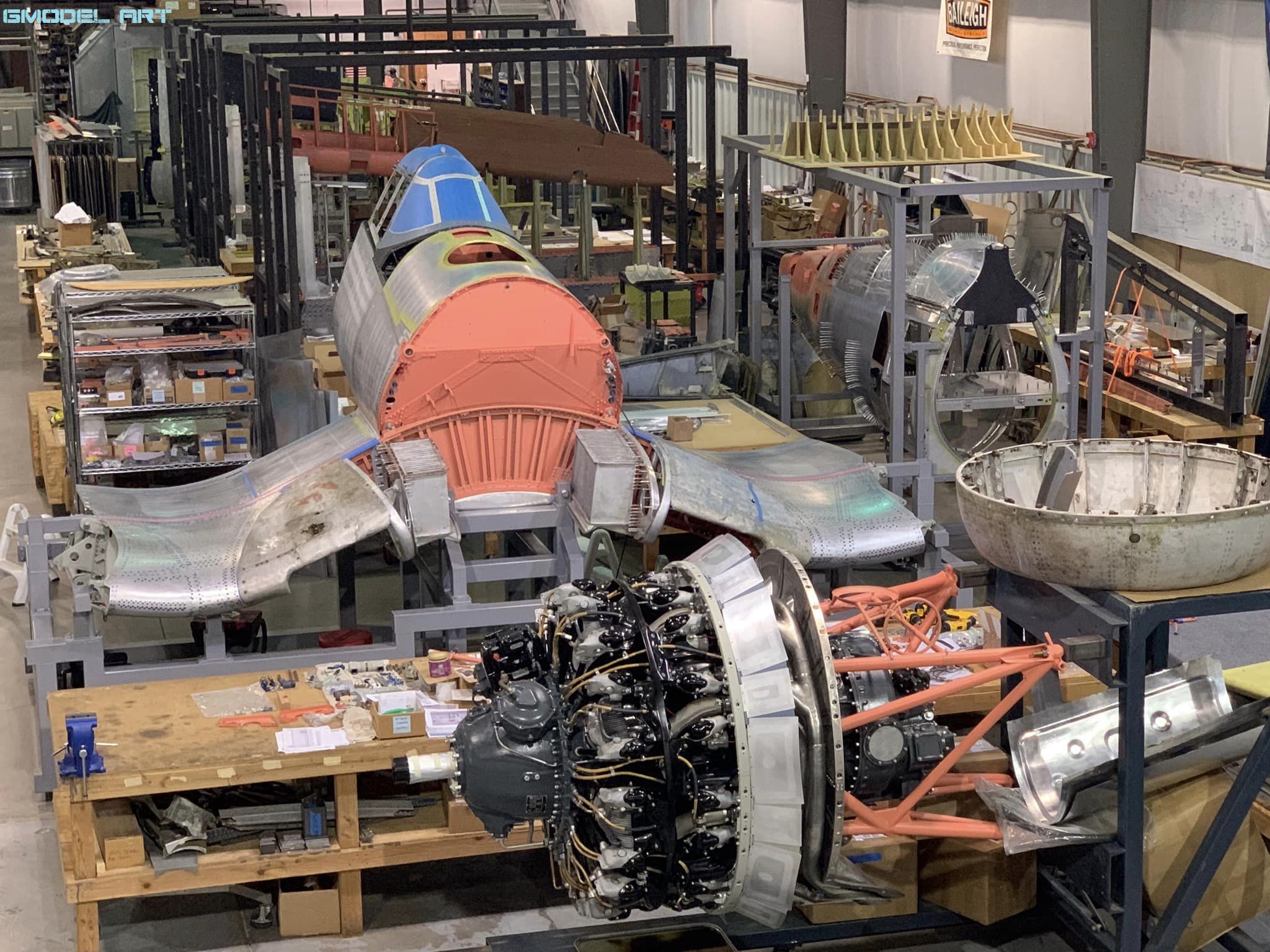
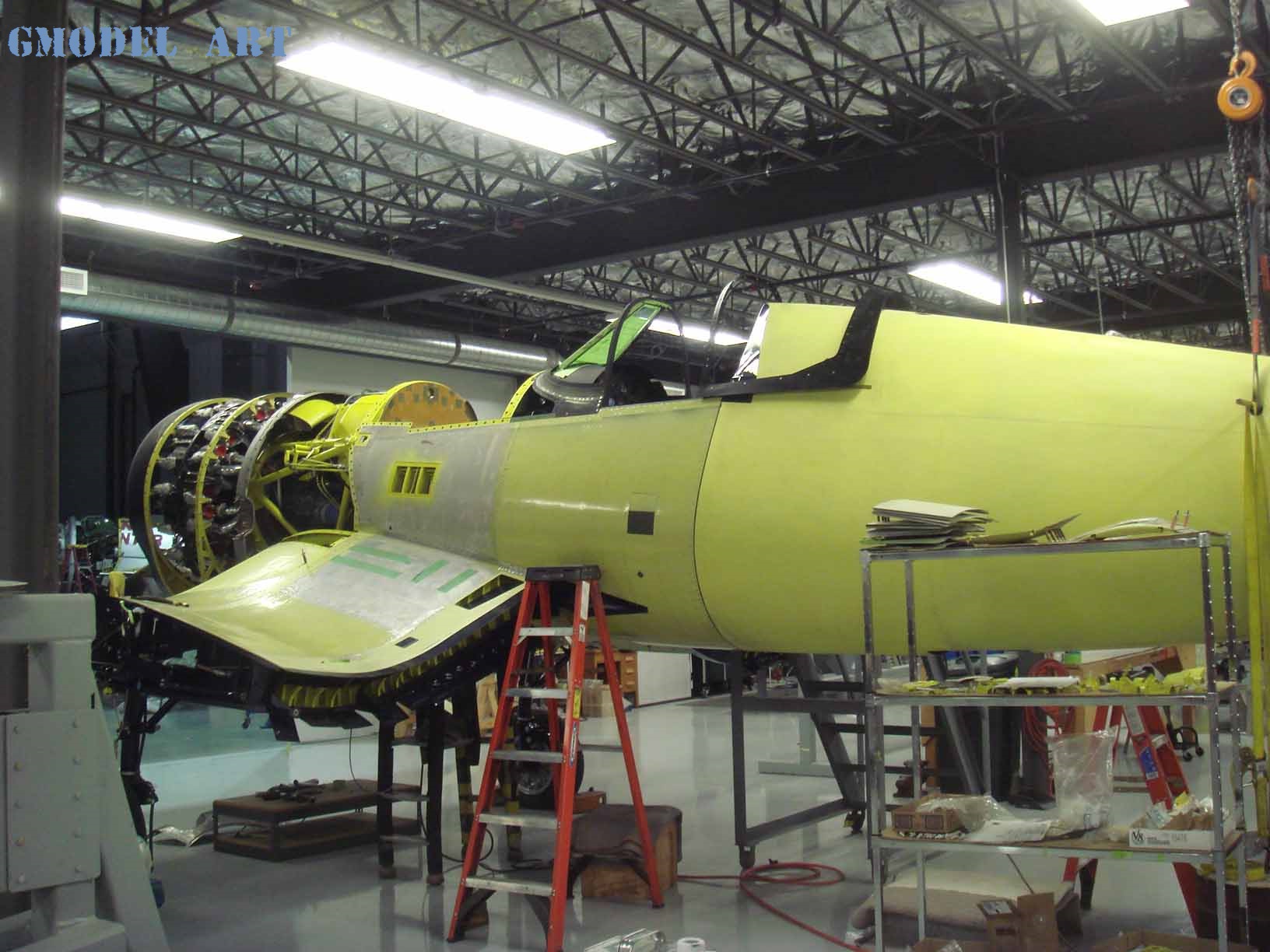
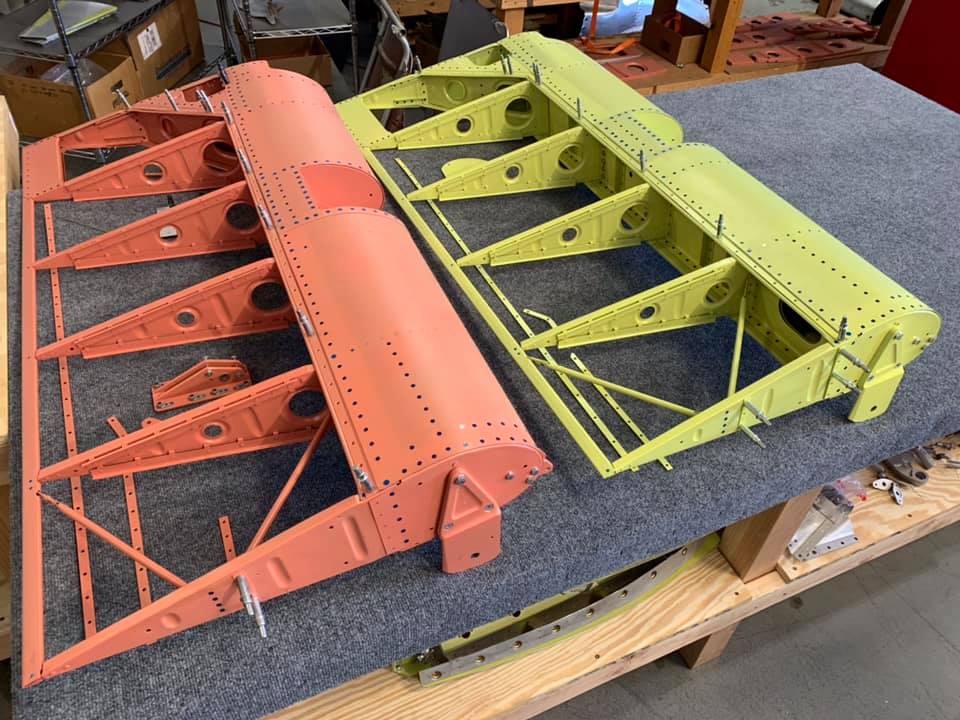
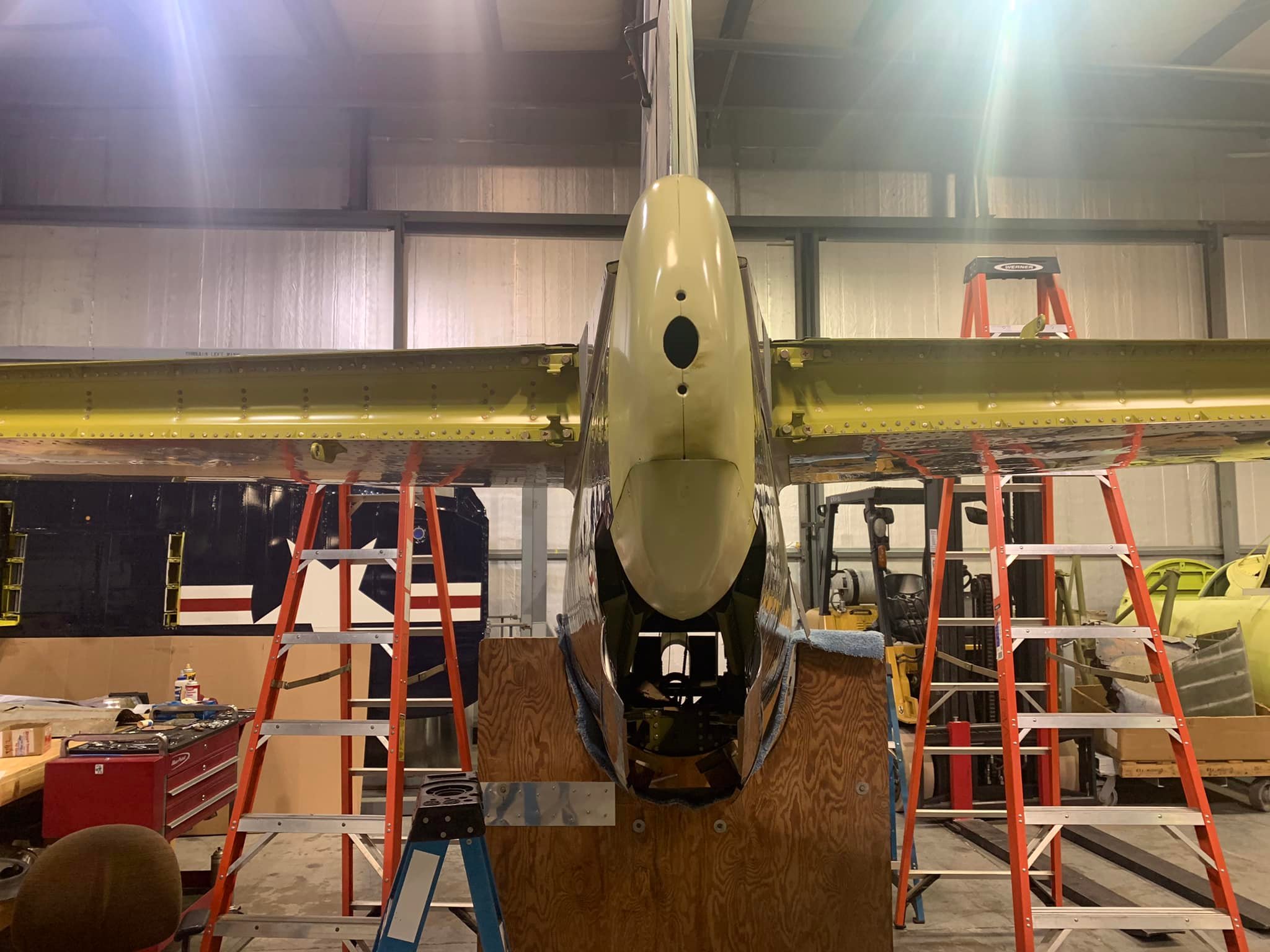
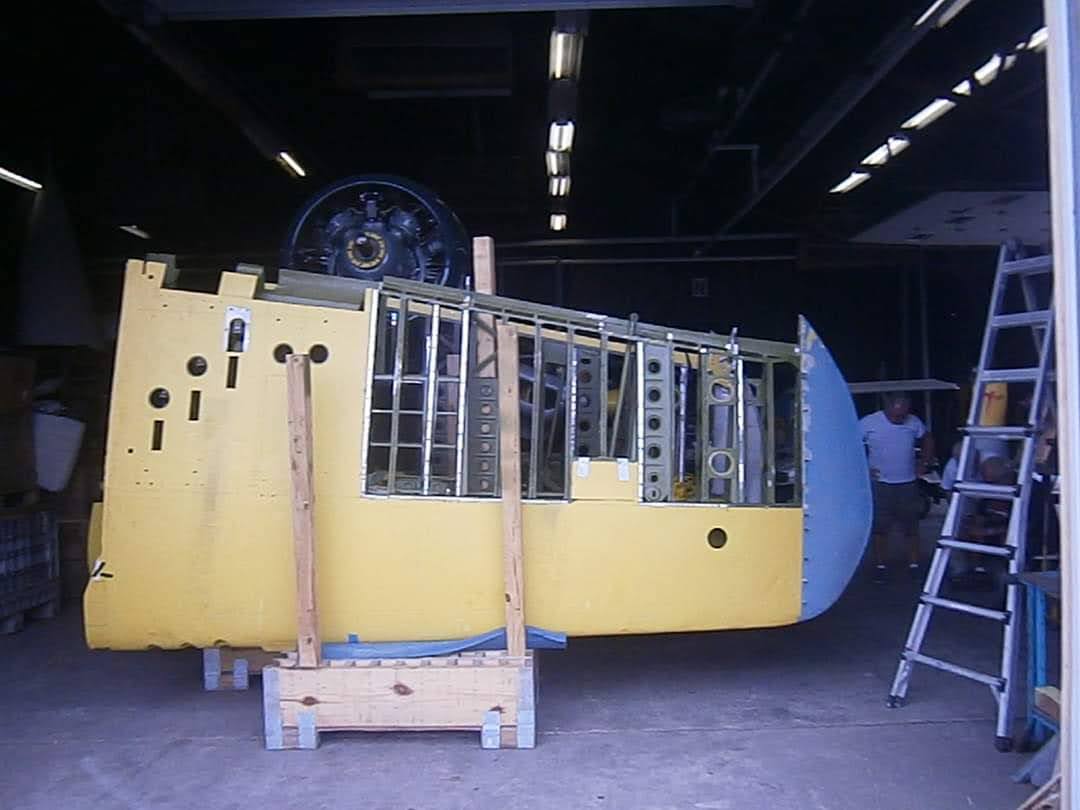
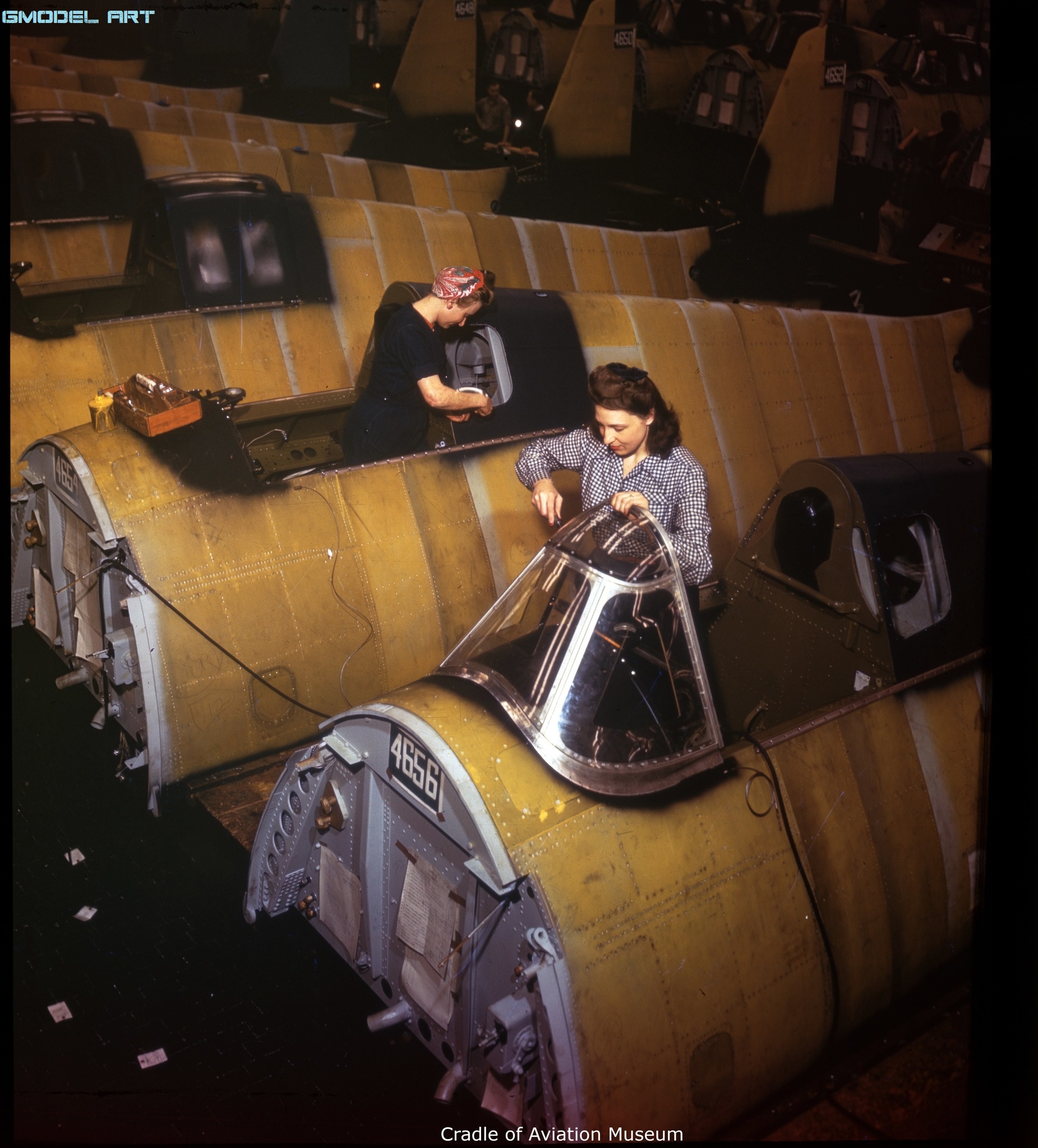
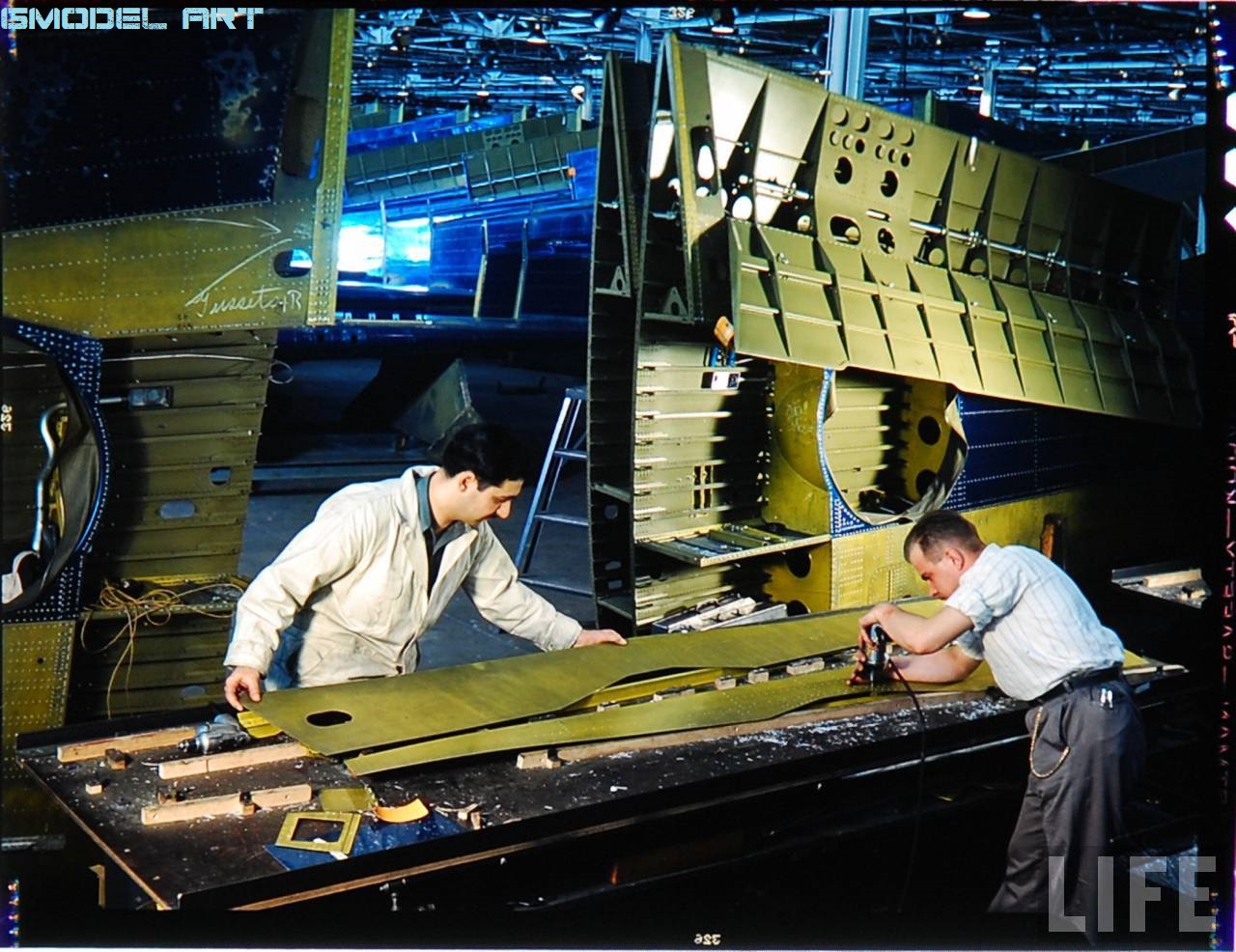
. The “Yellow Zinc Chromate” (YZC) primer was a bright greenish-yellow, applied to many internal structures
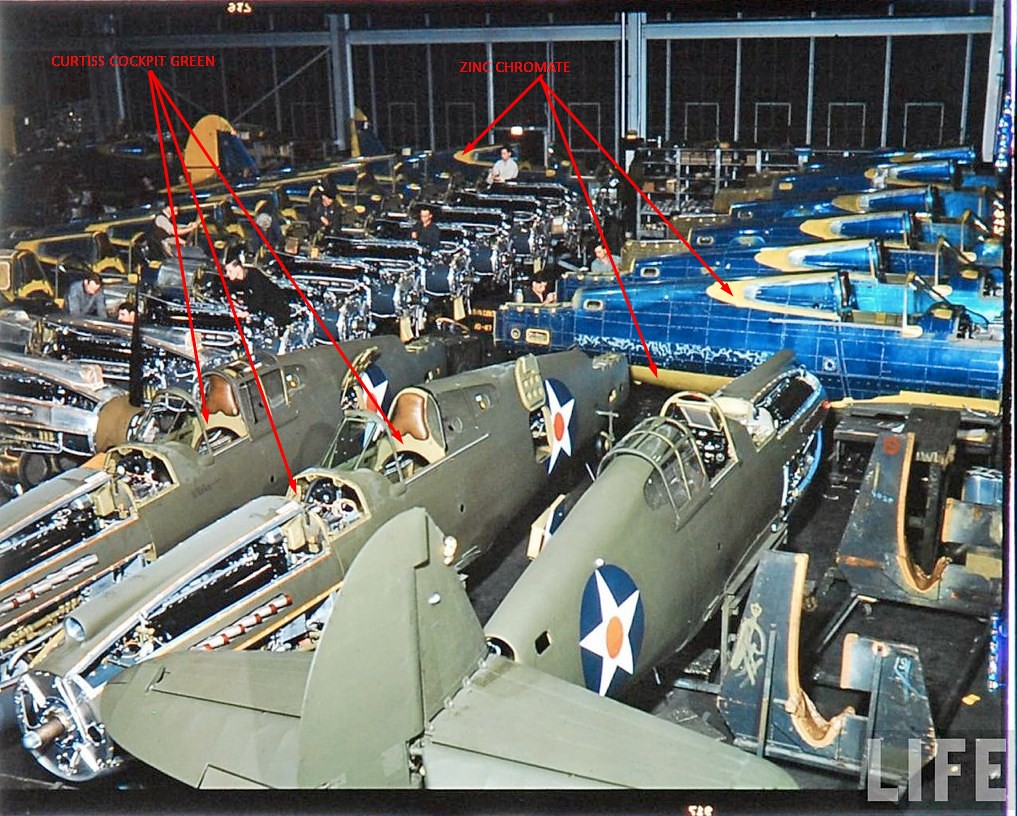
. Adding black pigment produced “Green Zinc Chromate” (GZC), yielding everything from apple-green to olive-green tones
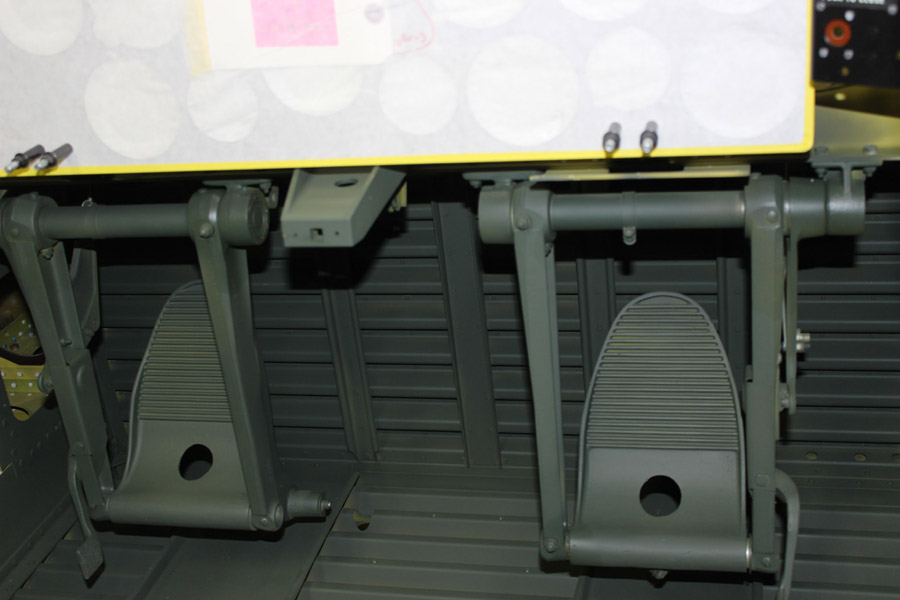
. In September 1943 the military standardized a black-tinted Zinc Chromate as Interior Green (ANA 611)
. Postwar, this became FS 34151 (slightly browner than the wartime shade)
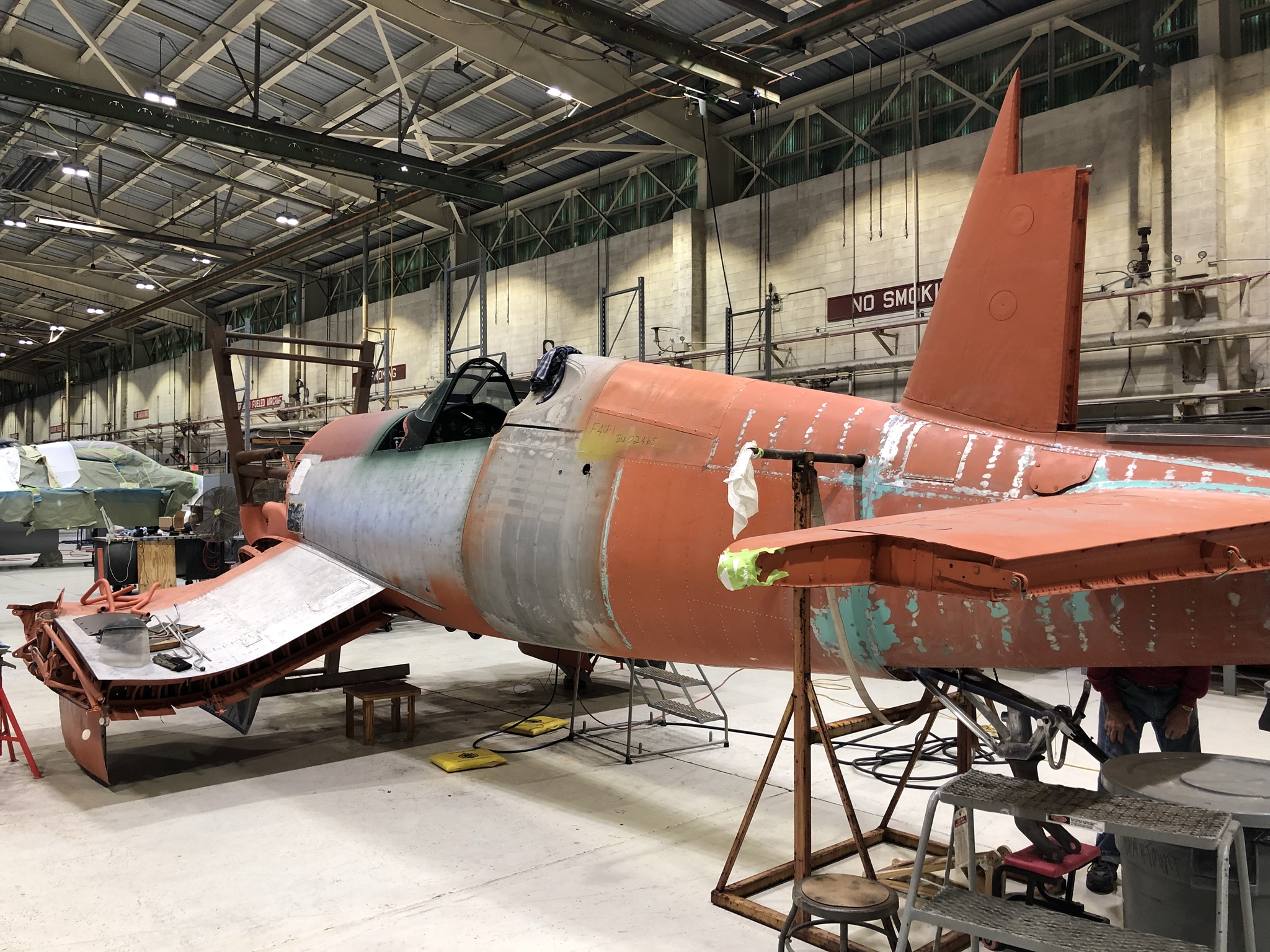
. Special cases included Grumman’s own Grumman Gray primer and Vought’s Salmon Pink primer on early Corsairs
. Even within one aircraft type, colors varied by factory, batch and date, so scale modelers must research each serial/plant rather than trust kit instructions or conventional wisdom
. This guide covers the historical context and paint equivalences (with charts and images) for YZC, GZC, ANA 611, FS 34151, and other US WWII interior colors, and warns of the “kit instructions trap.”
Historical Background
During the 1930s–1940s, the US aircraft industry widely adopted Zinc Chromate primer as an anticorrosion coating
. Zinc Chromate itself is a chemical added to primers for corrosion resistance? the term does not refer to a fixed color
. Its natural tint is a bright greenish-yellow
. Early US Army Air Corps documents note Zinc Chromate’s use as early as 1933, becoming standard by 1936
. However, no official color code was ever assigned to “Yellow Zinc Chromate” – each paint maker’s mixture could look slightly different
.Importantly, the bright yellow-green primer caused glare in cockpits. U.S. maintenance manuals forbade using plain YZC on crew surfaces
. As a result, factories mixed black or red pigments into the primer for cockpits and crew areas, creating various shades of green. These factory mixes ranged widely and had no single name originally
. It was only in Sept. 1943 that an ANA (Army-Navy Aeronautical) specification standardized one formula as “Interior Green (ANA 611)”
, defining it as black-tinted Zinc Chromate (later matched by FS 34151).
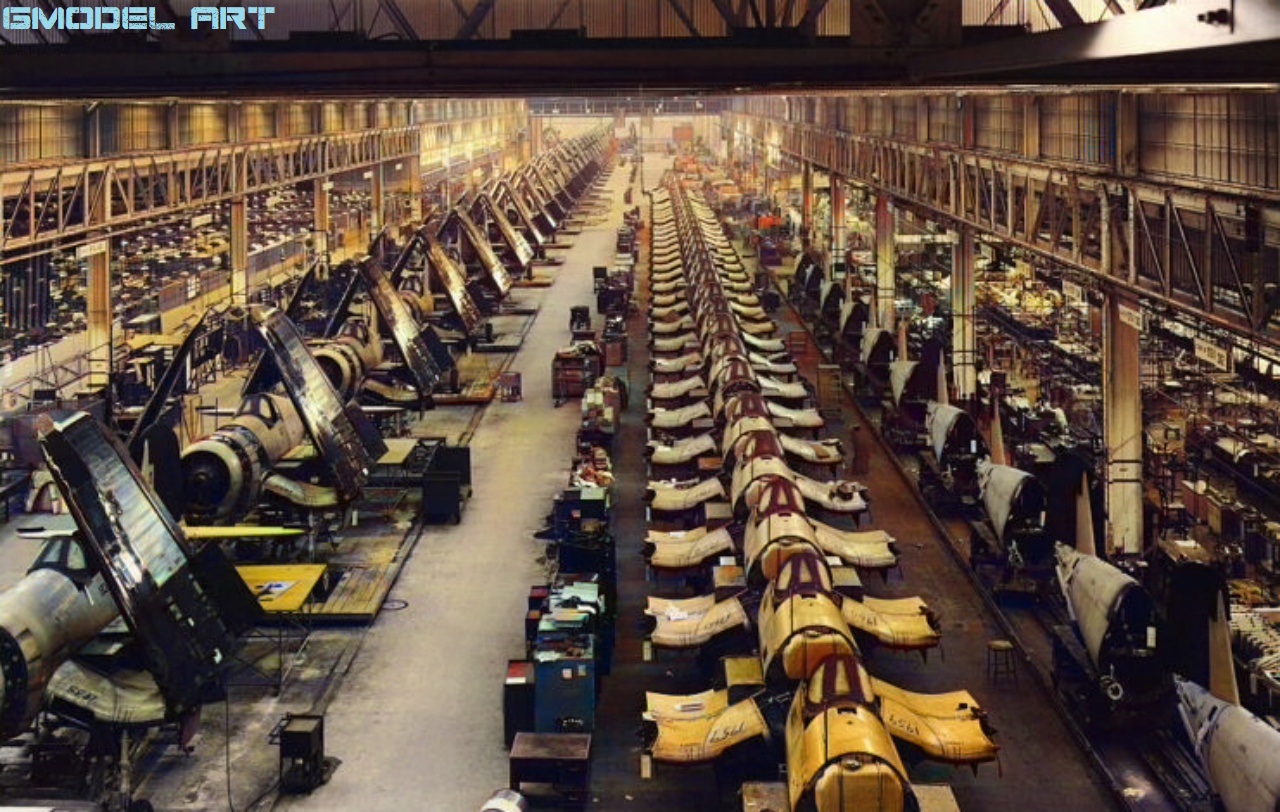
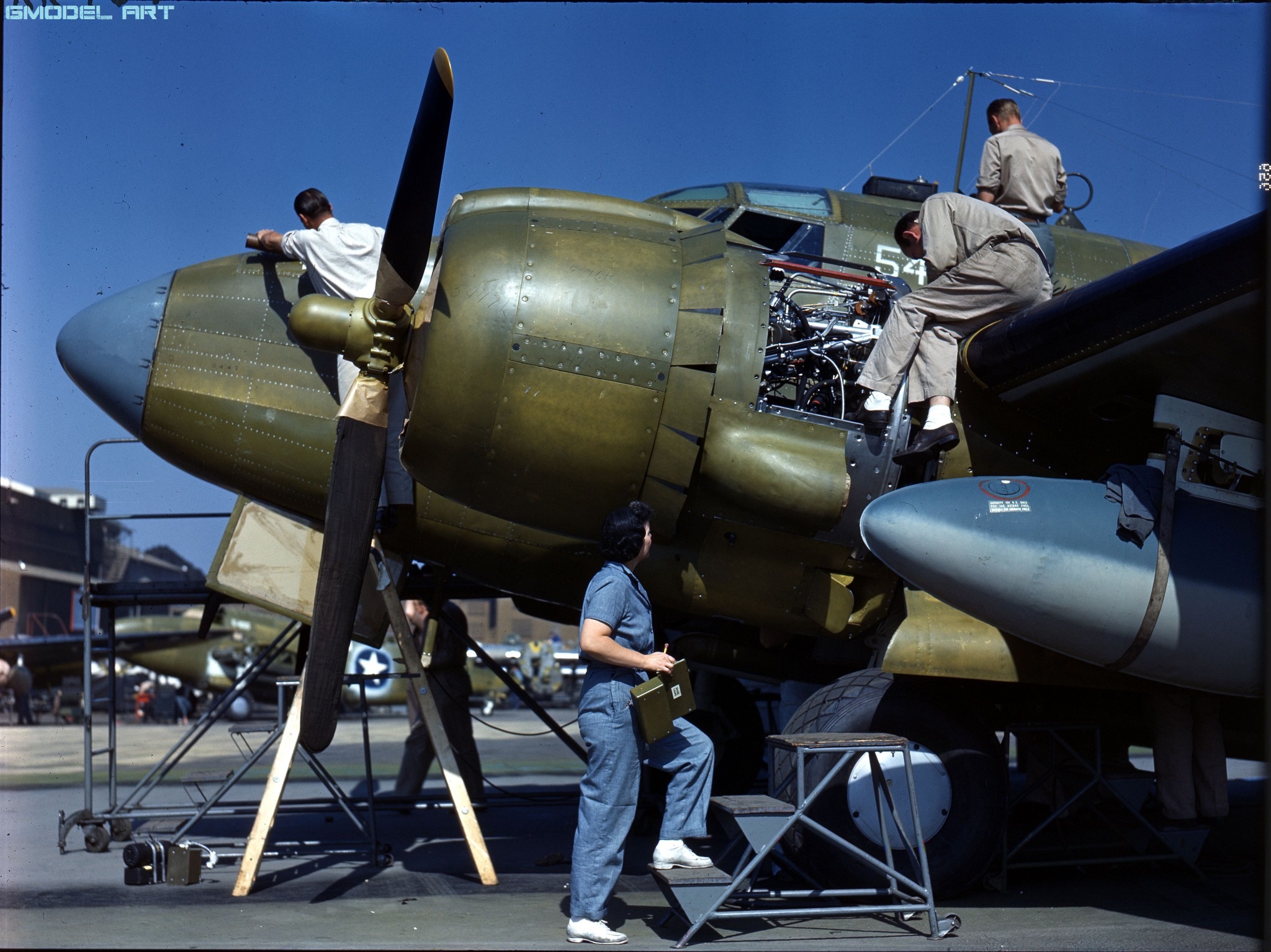
Throughout WWII, each manufacturer often used leftover stock and local recipes. Thus US Navy and USAAF practices differed. Navy planes typically painted landing gear bays and wheel wells in the aircraft’s lower camouflage color, not yellow primer
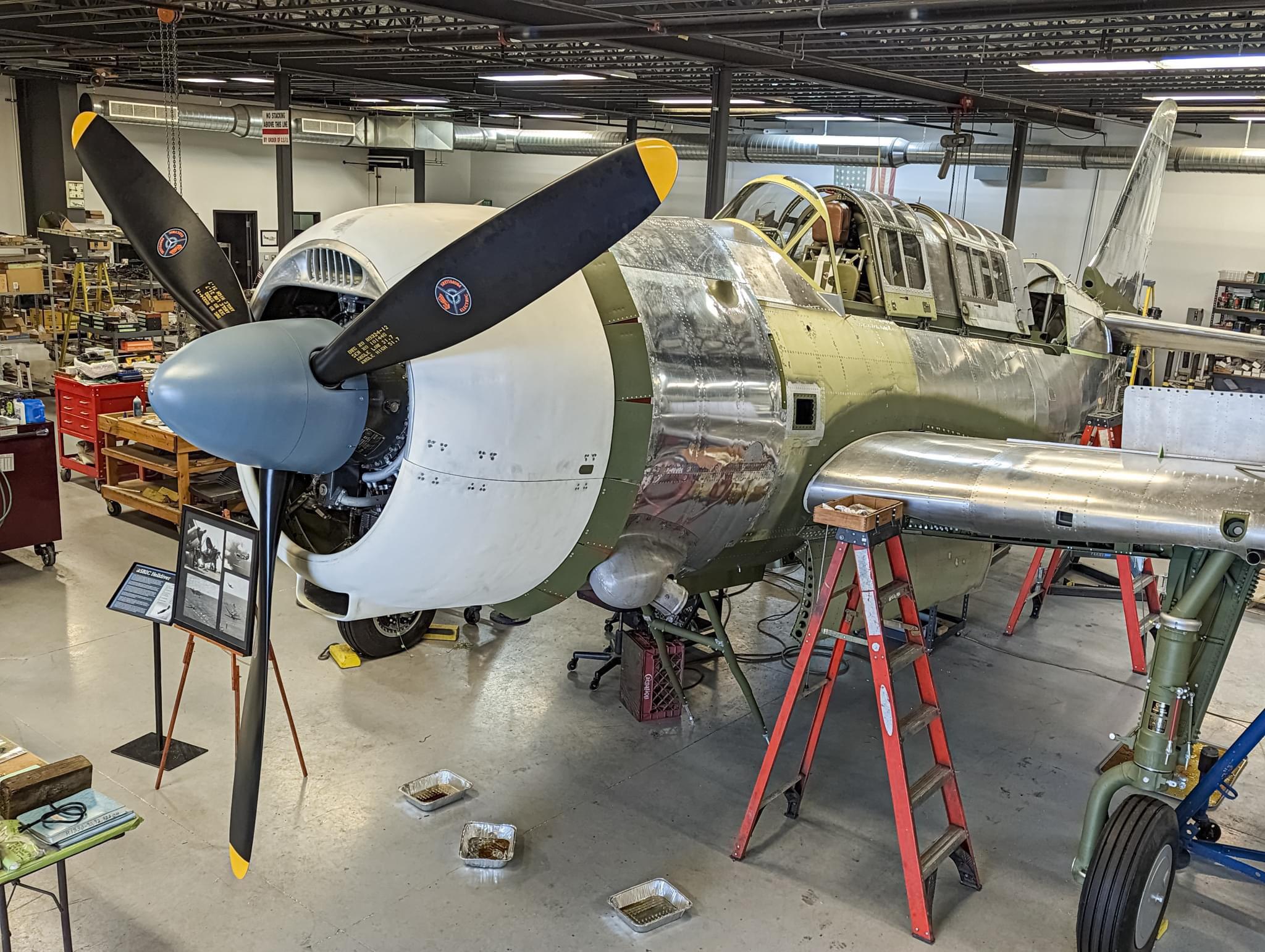
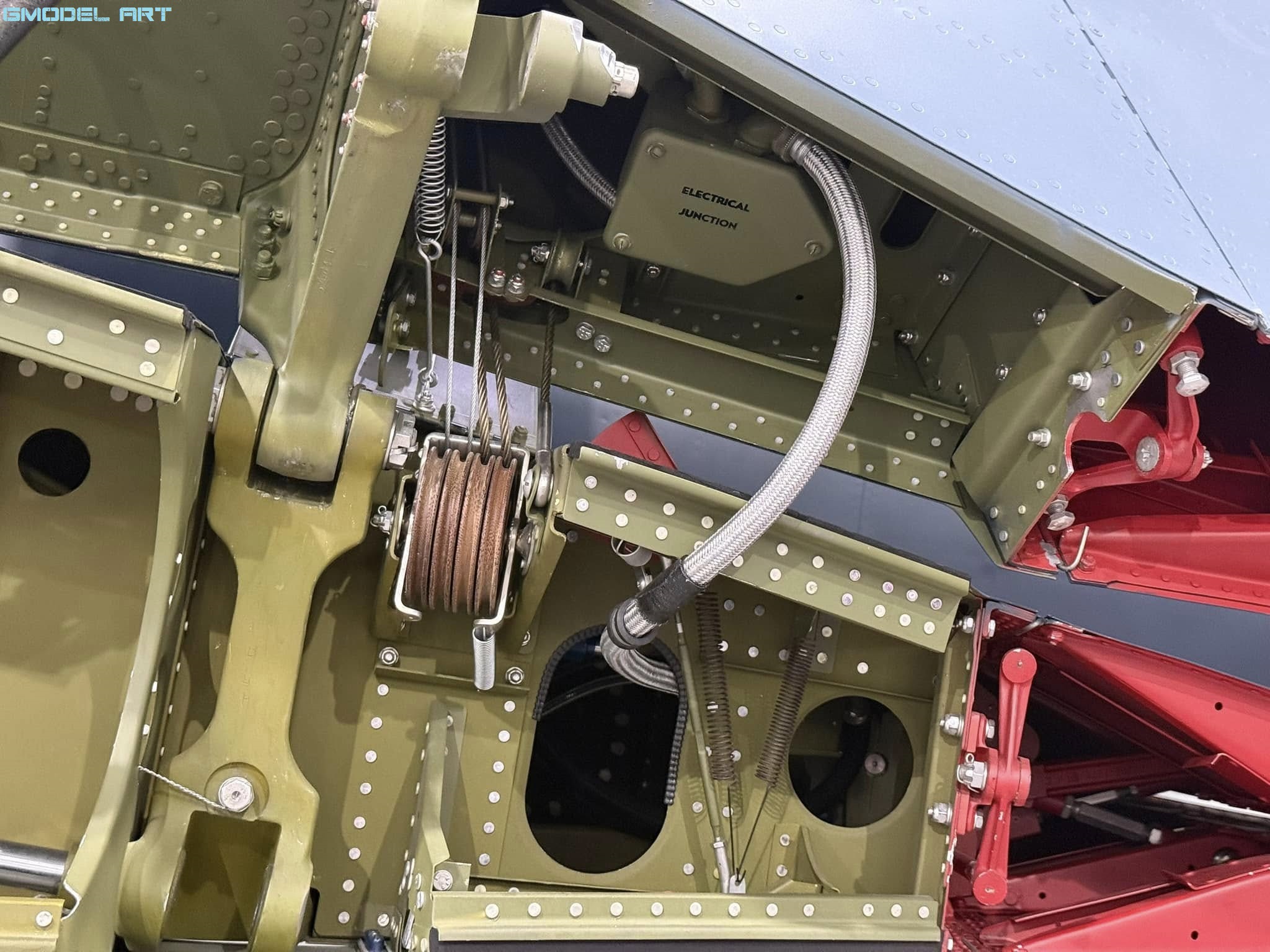
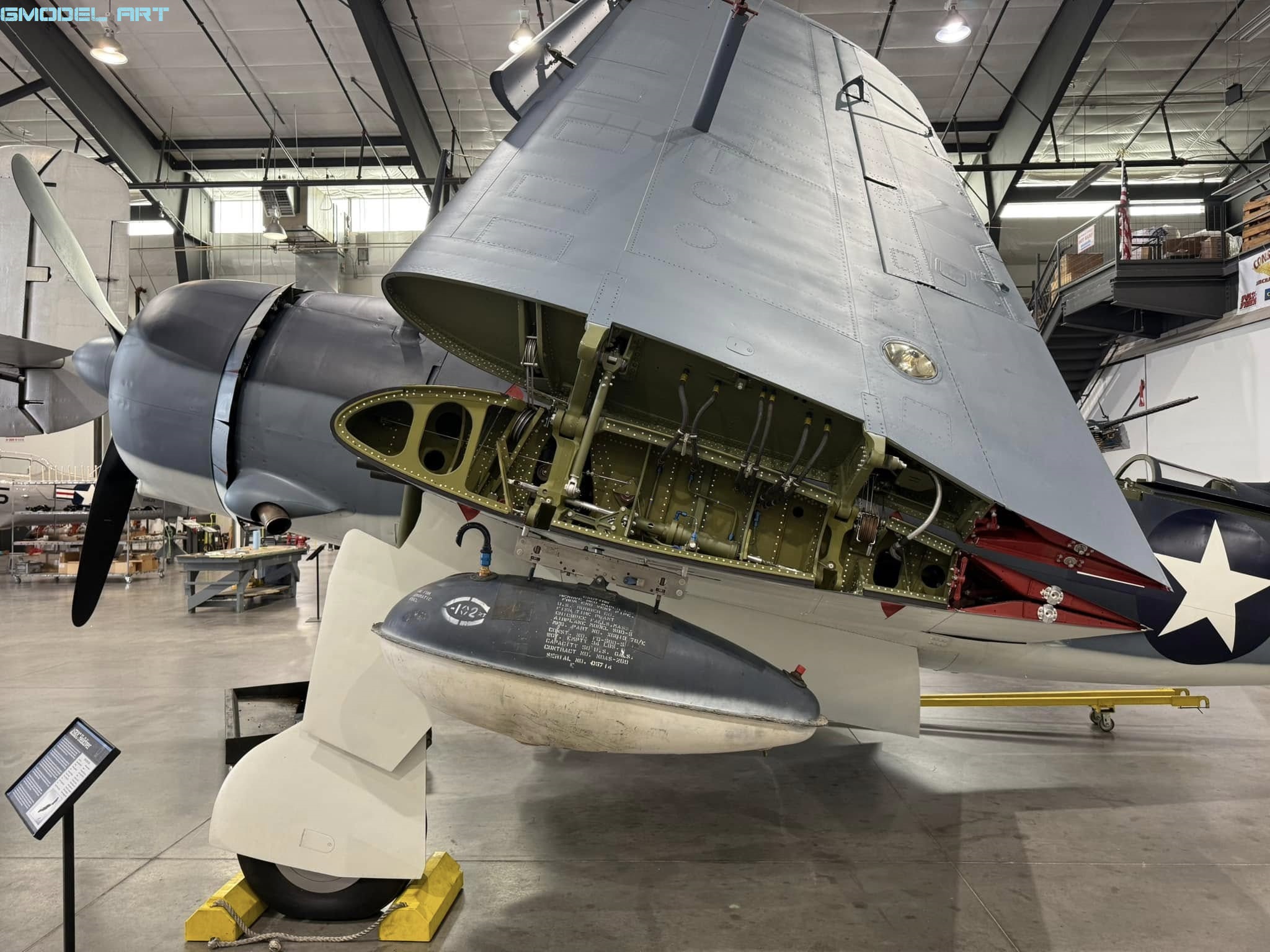
. Except for one exception (Curtiss SB2C Helldiver, which used GZC/ANA 611), Navy combat aircraft rarely had YZC in exposed bays
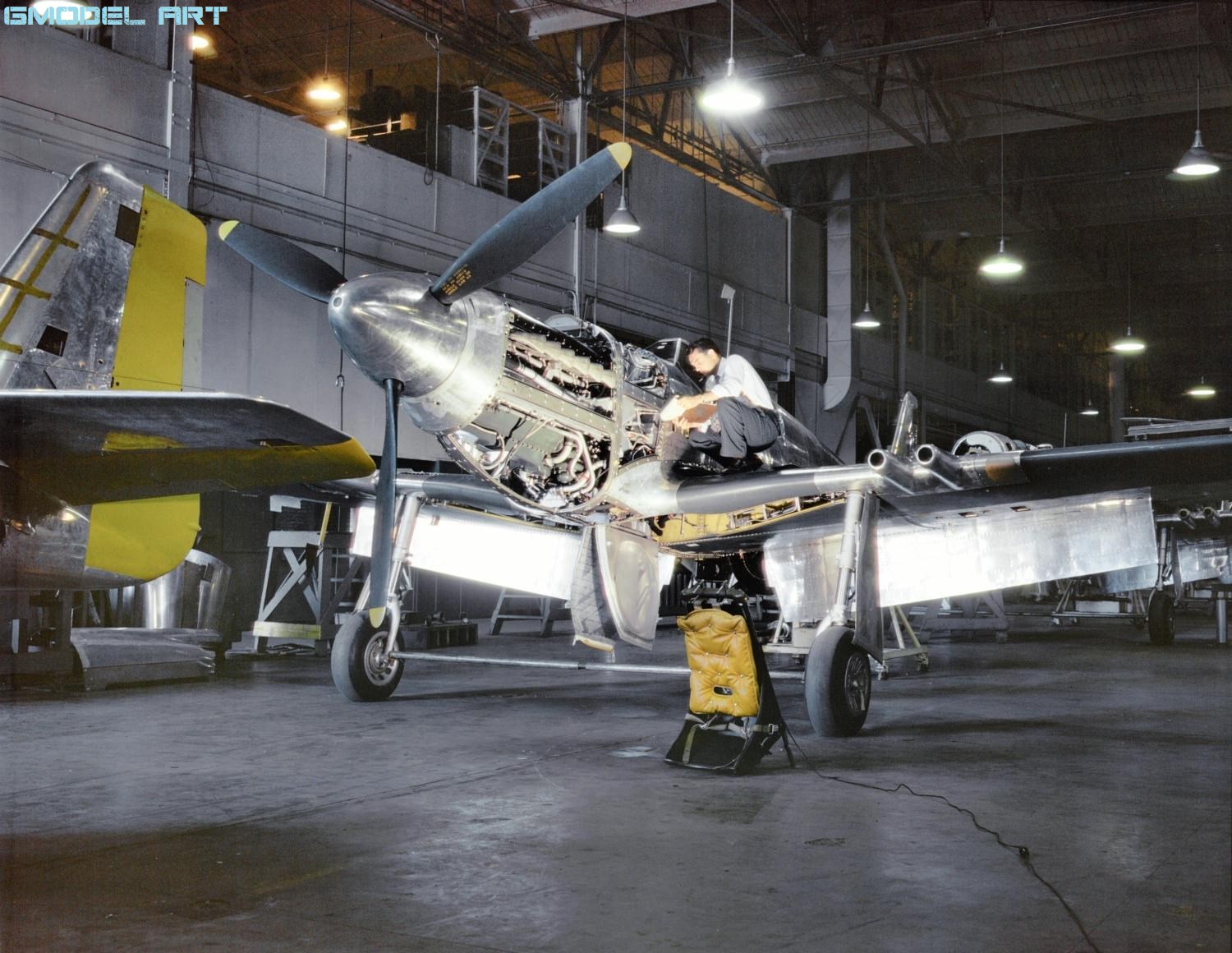
. In contrast, USAAF planes often have left wheel wells in bare metal or in YZC, GZC, or even aluminum lacquer
. After the war, these varied practices persisted until a new BuAer instruction (NAVAER 07.1, 25 Mar 1954) overhauled US interior color standards
Zinc Chromate Primer: Yellow & Green
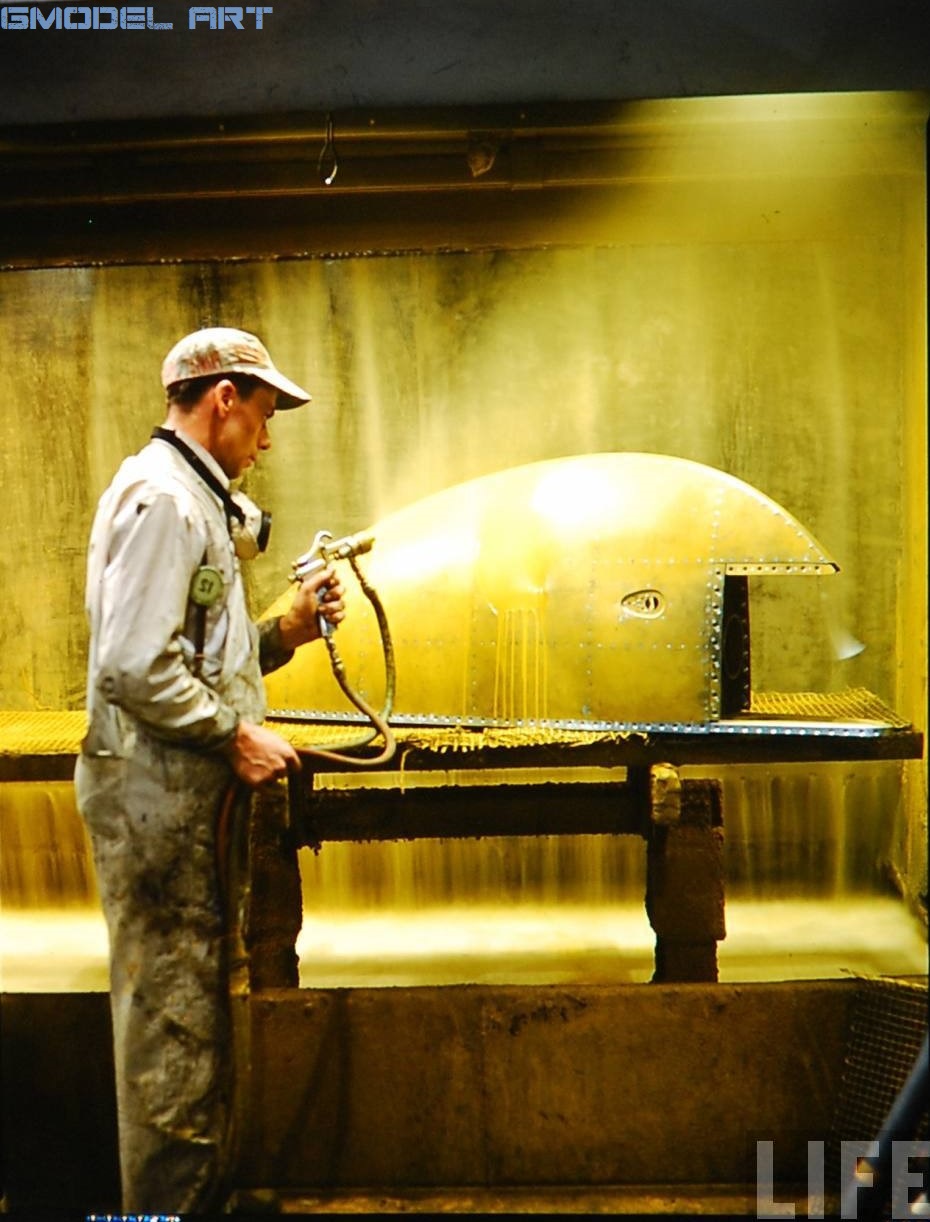
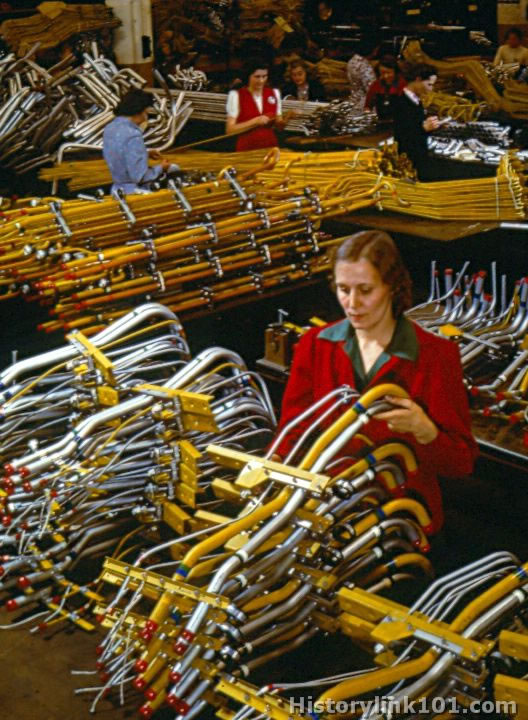
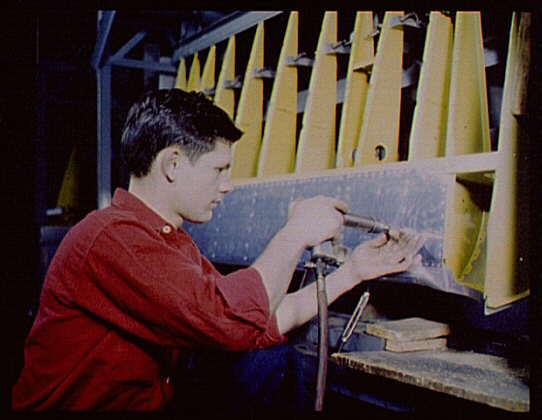
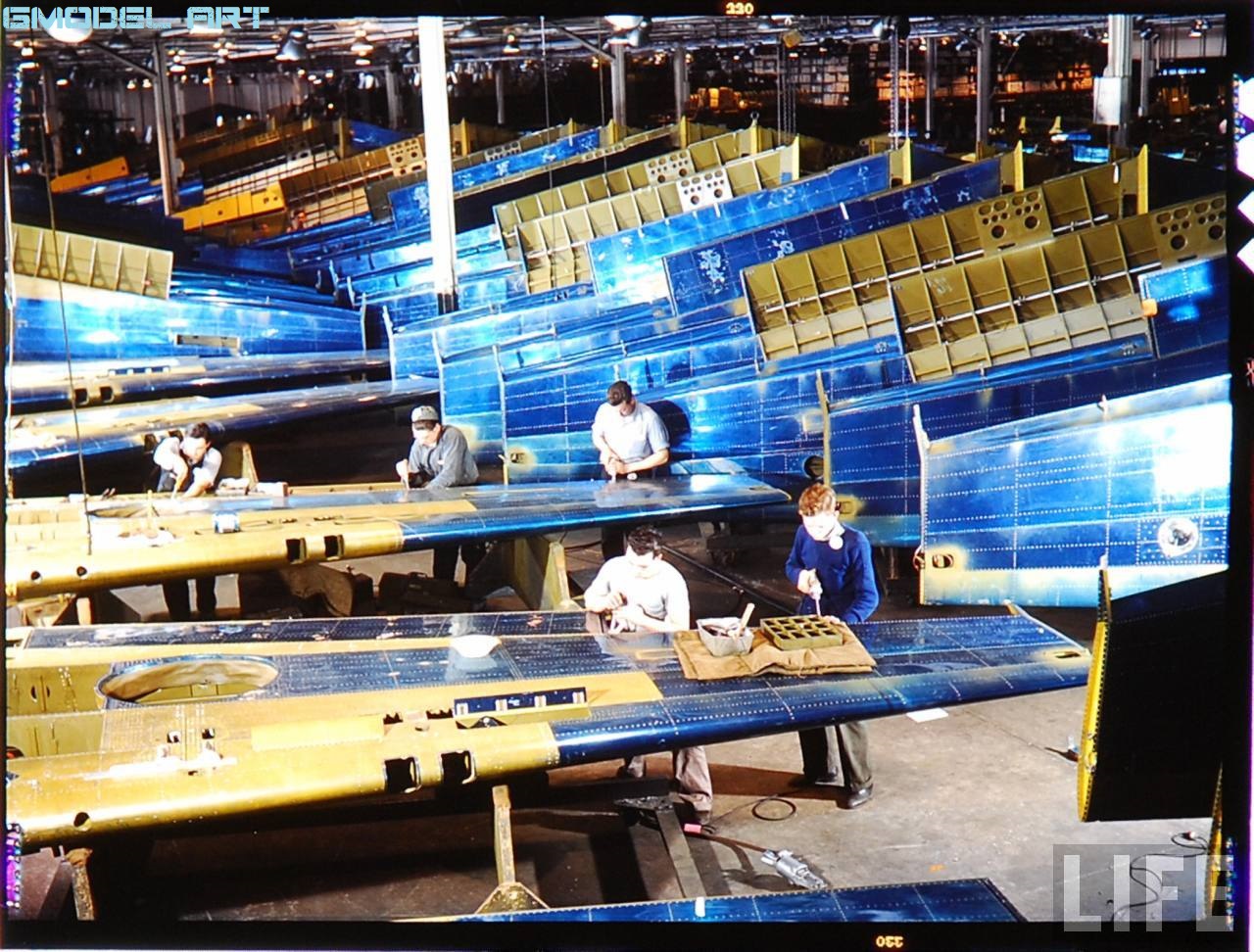
Zinc Chromate primer in its “raw” form was a transparent, olive-yellow coating. On light surfaces it appeared bright yellow? on bare metal it looked apple-green
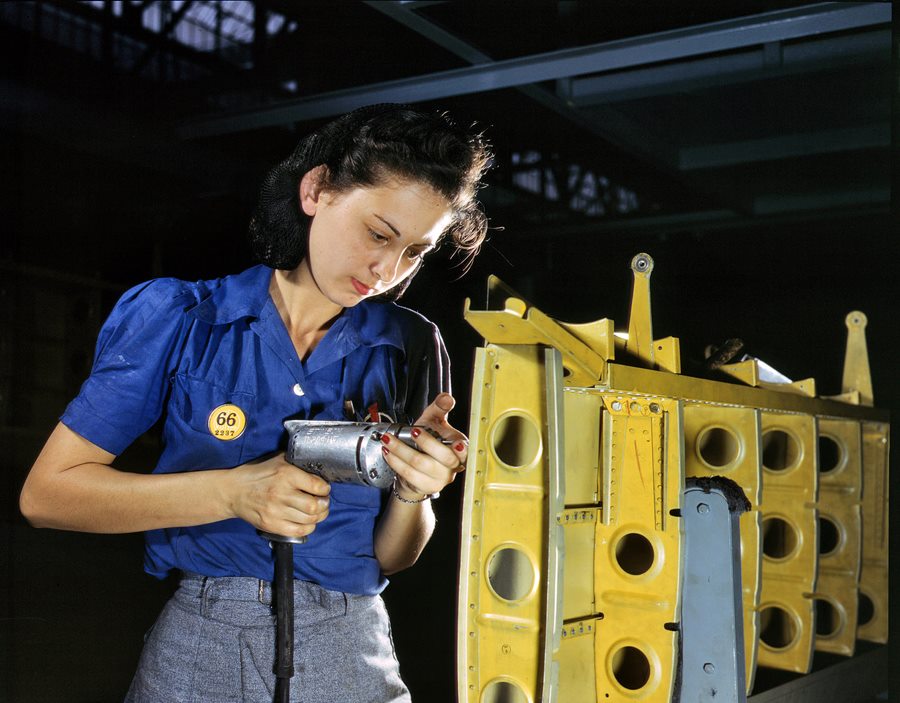
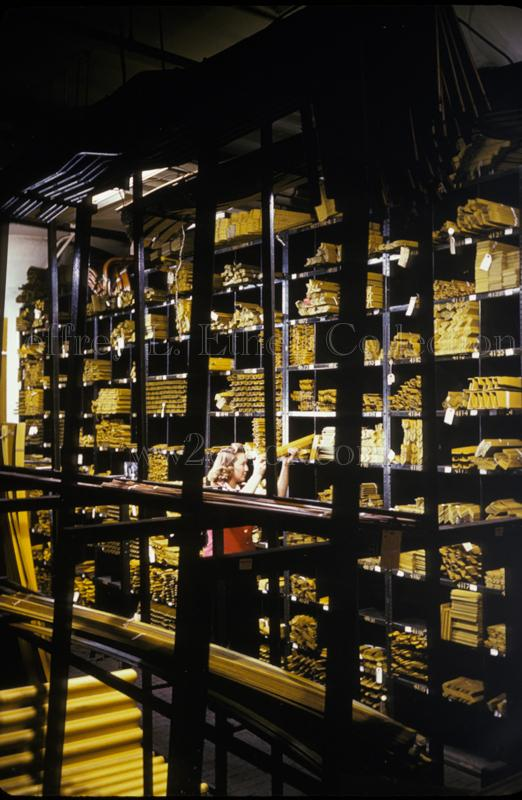
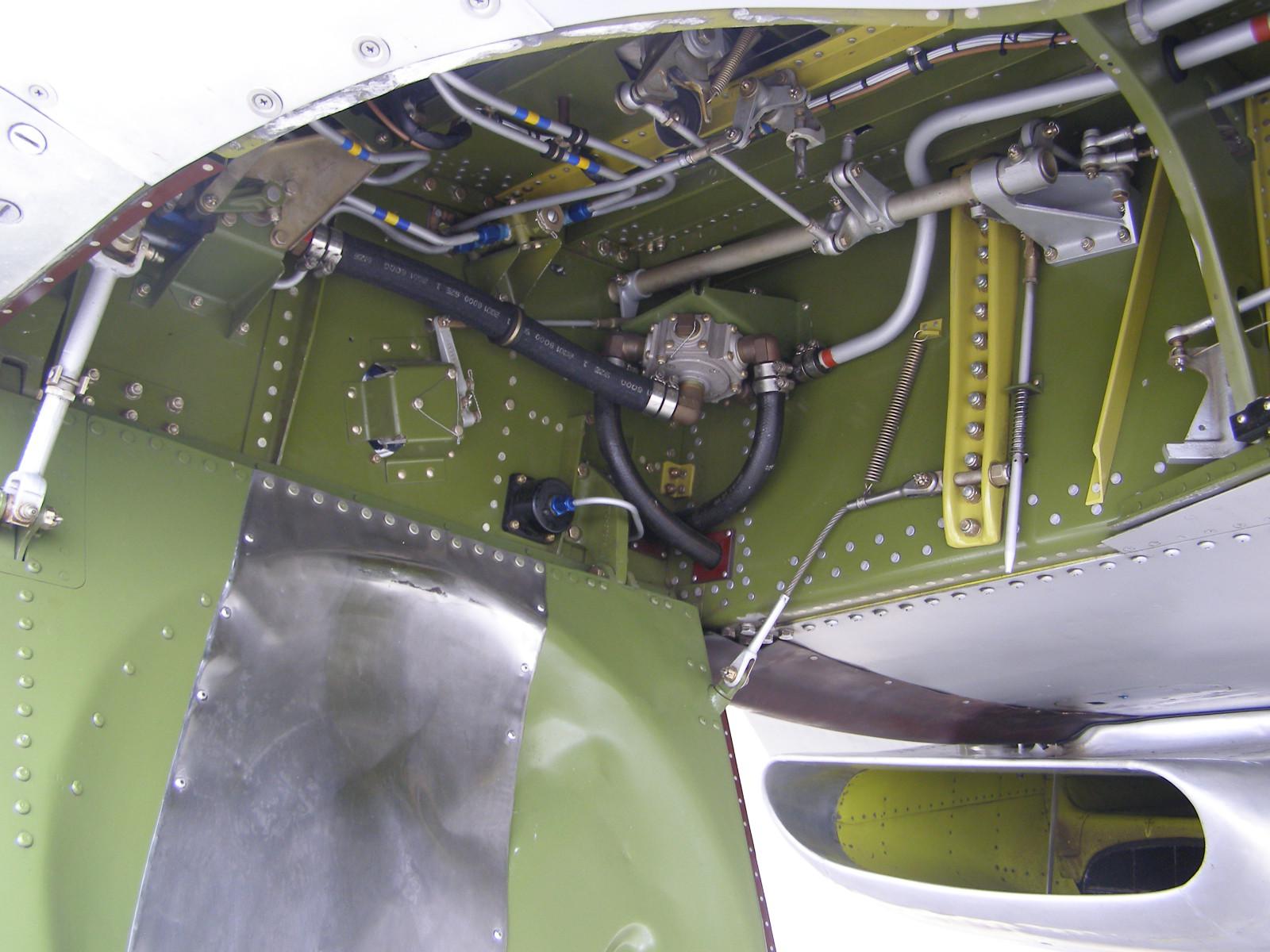
. This Yellow Zinc Chromate (YZC) was applied to many interior structures (bulkheads, control linkages, gear wells, etc.), especially early in the war
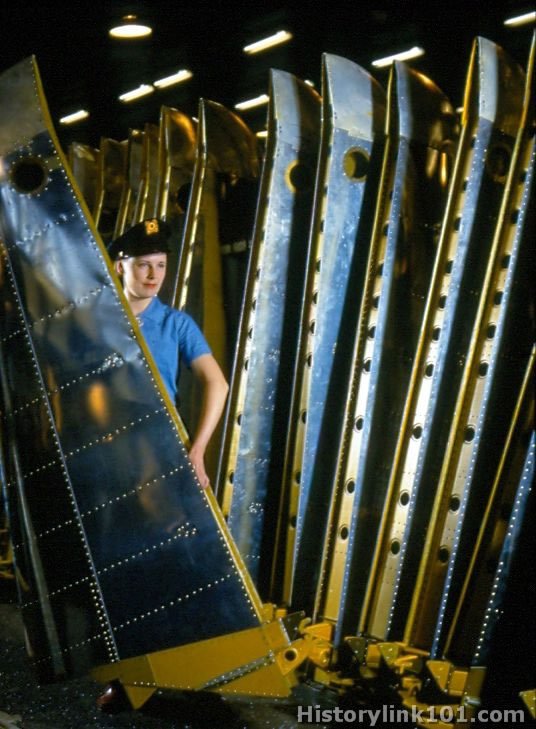
. Factory photos (e.g. a Vultee Vengeance stabilizer in raw YZC
) show a pale yellow-green finish.
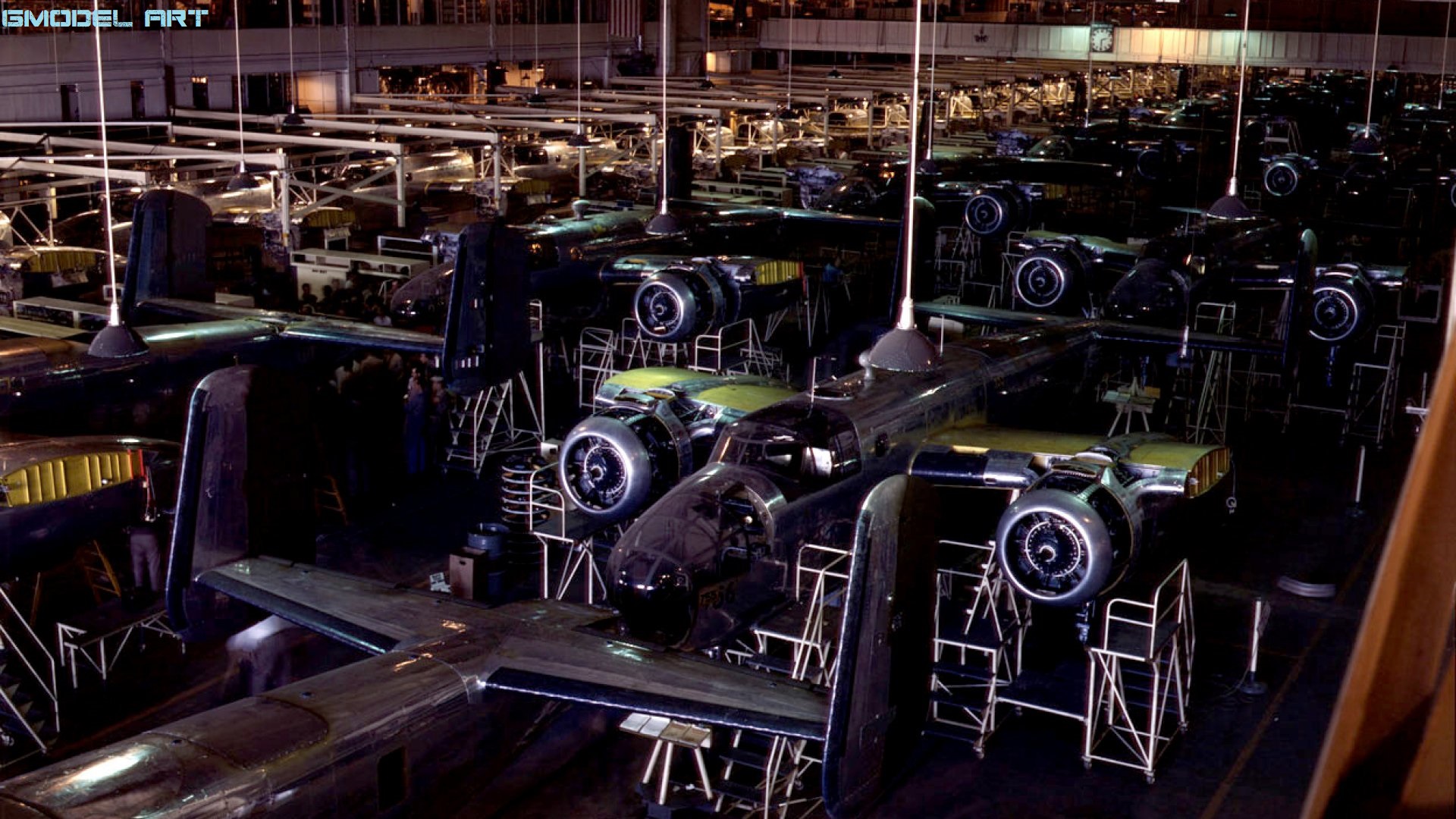
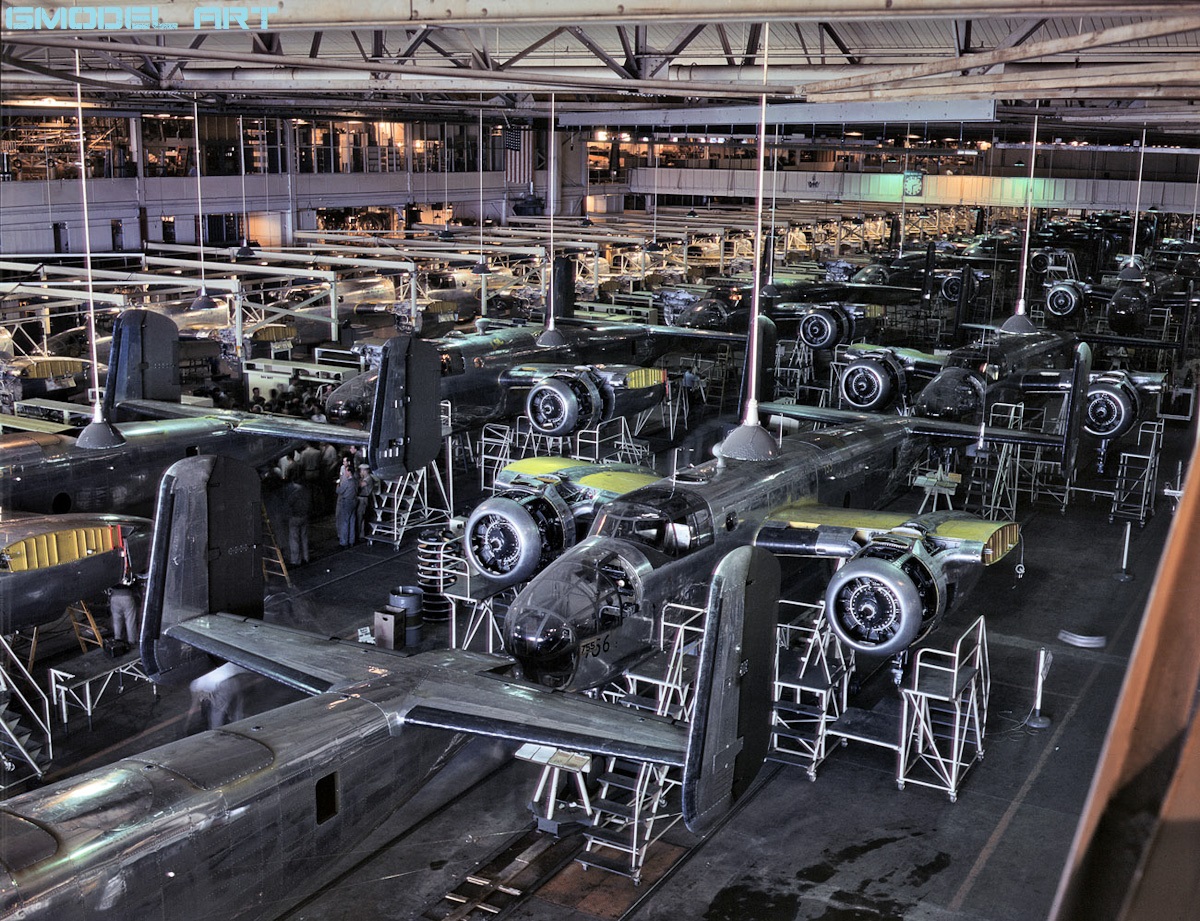
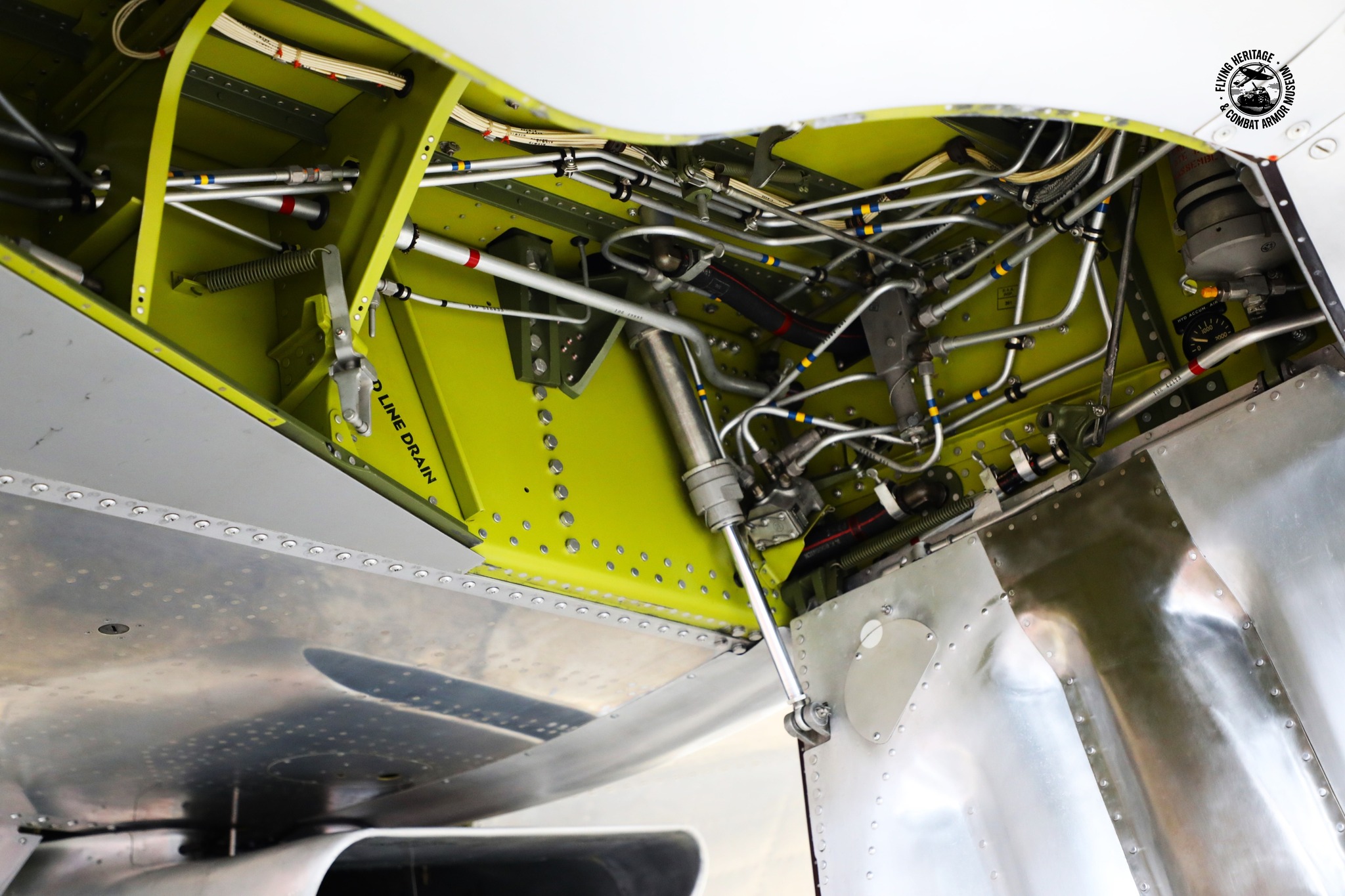
To reduce glare, manufacturers often mixed black pigment (lamp black or carbon black) with Zinc Chromate, producing Green Zinc Chromate (GZC) primer
. Small additions of aluminum paste or red “Indian Red” pigment were also used. Consequently, GZC shades varied dramatically: from light apple-green (low black content) to olive or brownish-green (more black)
. The Navy even issued a 1942 memo recommending tinted primers (with Indian Red or black) to identify single- vs double-coated surfaces
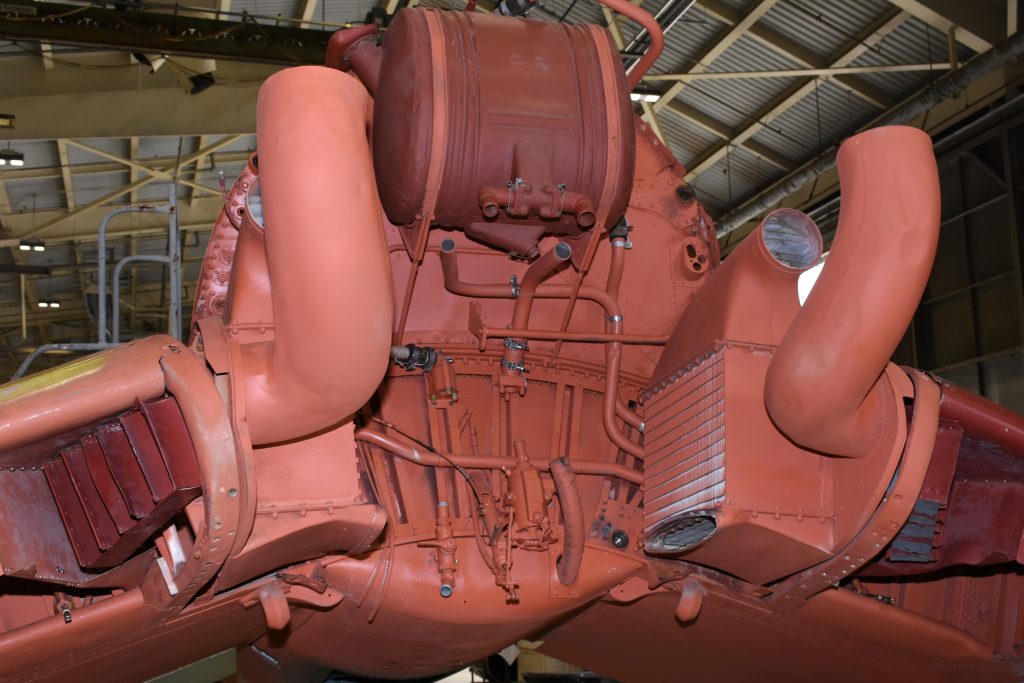
. Notably, Vought’s “Salmon” primer was simply GZC with Indian Red, giving a muted reddish-orange tone (used on early F4U Corsairs)
.
Once ANA 611 was specified, “Interior Green” was essentially a particular GZC mix, slightly darker and browner than typical wartime GZC
. After WWII, Federal Standard FS 34151 (introduced around 1950) became the postwar equivalent of ANA 611
. Many commercial paints now list FS 34151 as “Interior Green,” but remember wartime ANA 611 was often a bit more green than FS 34151’s brown-olive hue
Interior Green (ANA 611) and FS 34151 (Interior Green)
By mid-1943 the Army-Navy agreed on a standard Interior Green. ANA Bulletin No. 137 (Sept 28, 1943) defined “Interior Green” (ANA 611) as black-tinted Zinc Chromate primer
. Crucially, this standard mix omitted aluminum paste (which earlier GZC formulas sometimes had)
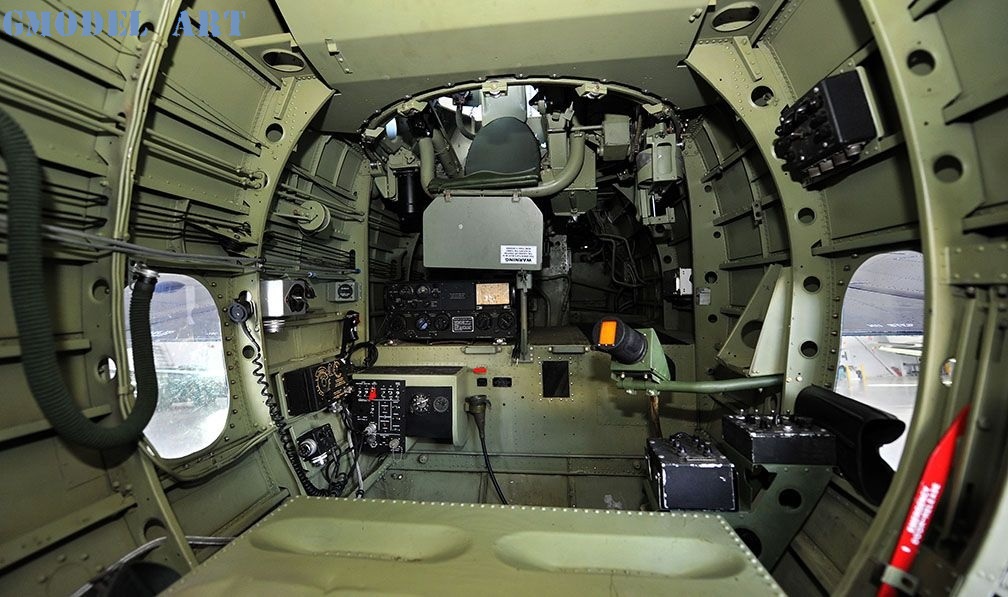
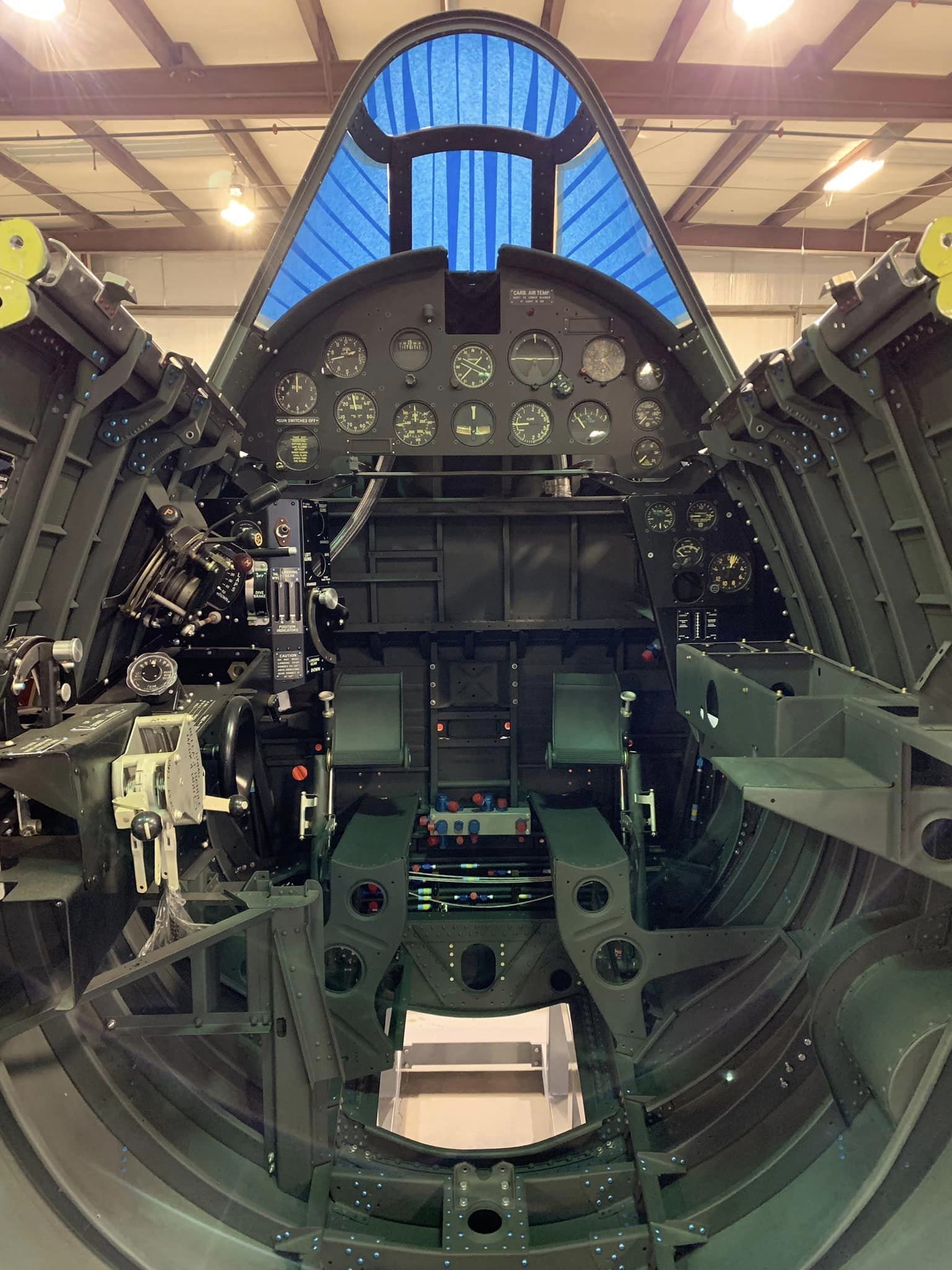
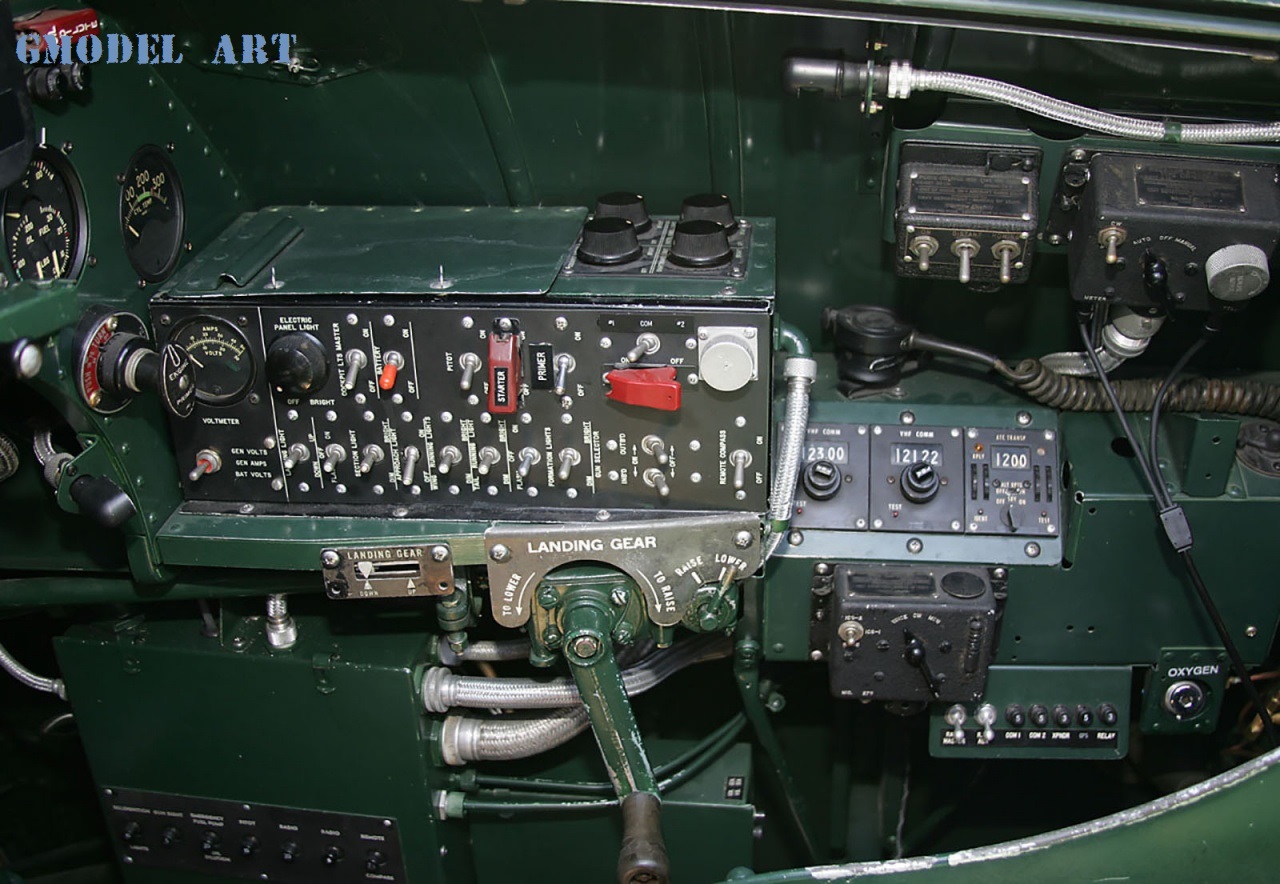
. Interior Green was not dramatically different from some GZC used before, but it gave a uniform reference: in practice it tended to be a medium olive-green. It was widely adopted for cockpits and crew compartments of late‑war USAAF and USN aircraft
.
After the war, the new Federal Standard color FS 34151 was specified to match this shade
. Many modern paints labeled “US Interior Green” or FS 34151 actually match postwar standards, which look browner than WWII ANA 611. Modelers should note that using straight FS 34151 for a WWII cockpit may yield a too-brown result – the original ANA 611 was slightly more “olive”
.
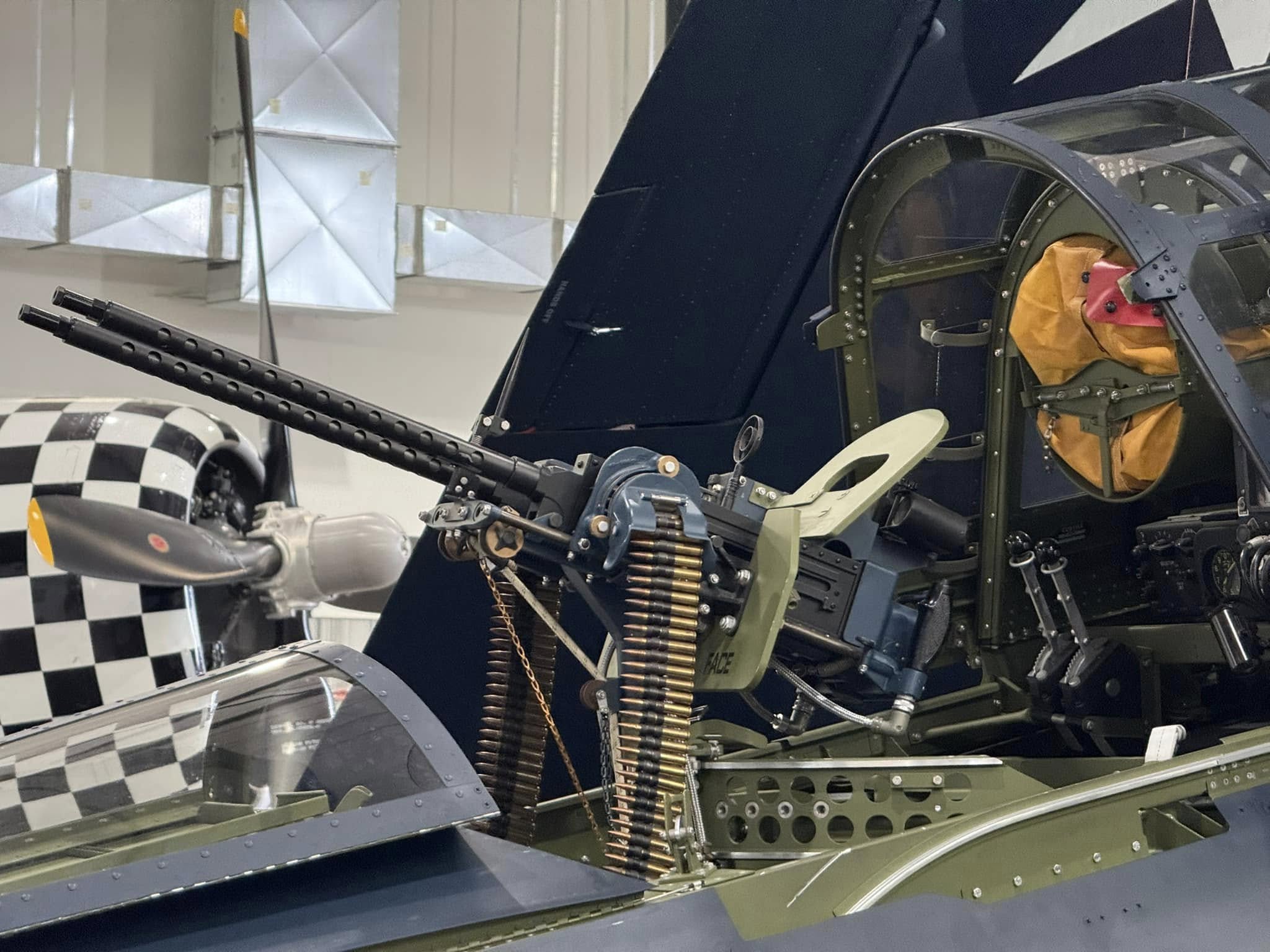
Some mid‑war aircraft (beyond carriers) used Interior Green early: later F4U Corsairs, late F6F Hellcats, TBF/TBM Avengers, P‑38 Lightning (crew areas), B‑25 Mitchell and others adopted ANA 611 in 1944–45. In contrast, earlier-production fighters and carrier types still wore factory tinted primers (Grumman Gray or Bronze/Dull Dark Green) until supplies ran out
Grumman Gray
Grumman Aircraft Corporation used its own proprietary primer on all early-war Grumman-built planes
. This Grumman Gray was a light gray-tan primer (similar to ANA 620 or FS 36440)
. It appeared on F4F Wildcat cockpits (all versions), the first TBF Avengers, and early F6F Hellcats. No consumer paint line officially sells “Grumman Gray,” but FS 36440-based grays (e.g. Model Master #1715 or custom mixes) are often used by modelers
Salmon Pink (Salmon Primer)
In early 1942, Vought experimented with a pinkish primer on F4U-1 Corsairs (the original “birdcage” canopy models). This Salmon Pink was simply Zinc Chromate mixed with Indian Red pigment
. It produced a subdued salmon-orange interior (not a vibrant pink). Salmon Pink appeared in inner wheel wells and some cockpit areas of F4U-1 and early F4U-1A models
. By mid‑1942 Vought phased it out in favor of standard tinted chromate. Few model paints cover this? Mr.Paint MRP-130 is labeled “Salmon Pink Primer,” and Gunze H414 (RLM 23) can approximate it
Bronze Green & Dull Dark Green
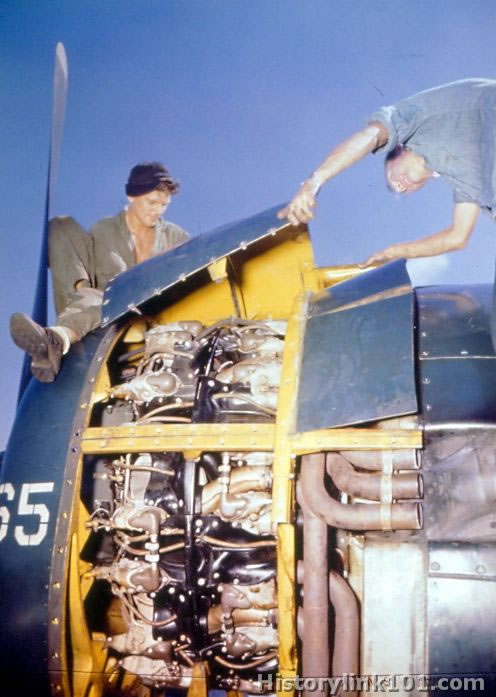
Prior to ANA 611, the USAAF specified even darker cockpit greens. Bronze Green was a dark, semi-gloss green (with a hint of “bronze” patina), widely used in late-1930s US bomber and fighter cockpits
. Historian Dana Bell’s work showed Bronze Green used in F4F-3/4 Wildcats, early B-17 (E/F models) flight decks, and Grumman TBF Avengers
.
In Sept 1942 Dull Dark Green (ANA 612) was introduced as a matte replacement for Bronze Green
. Dull Dark was essentially a flatter, slightly lighter shade (approximately FS 34092) intended for bombers and eventually fighters
. It gained popularity: confirmed on late F4U Corsairs, late Avengers, P-51Ds, P-47s, and B-17G/B-24 cockpits
. After 1943 it was removed from ANA standards but continued in some manuals (e.g. late P-51D cockpit seats)
. Modern references match Dull Dark Green to FS 34092
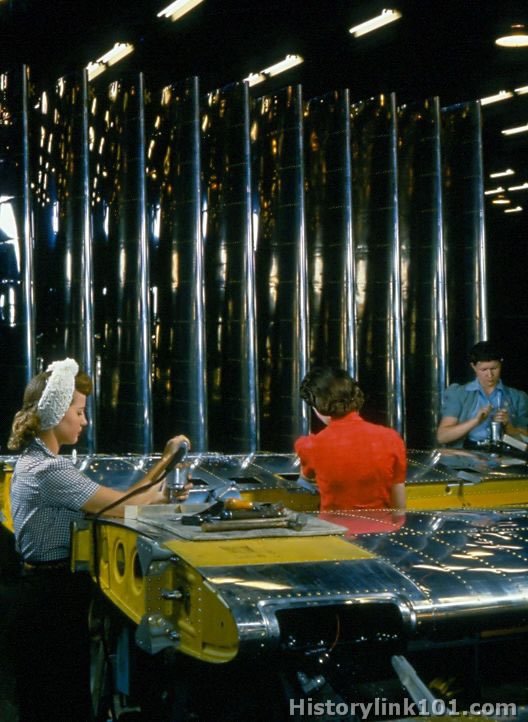
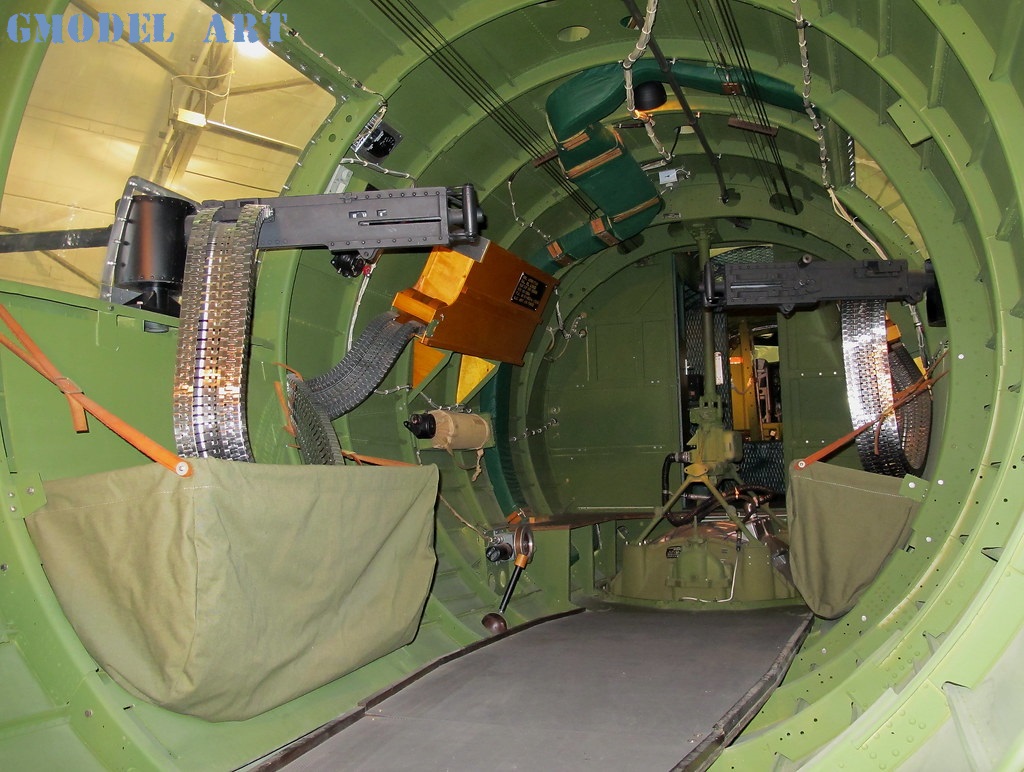
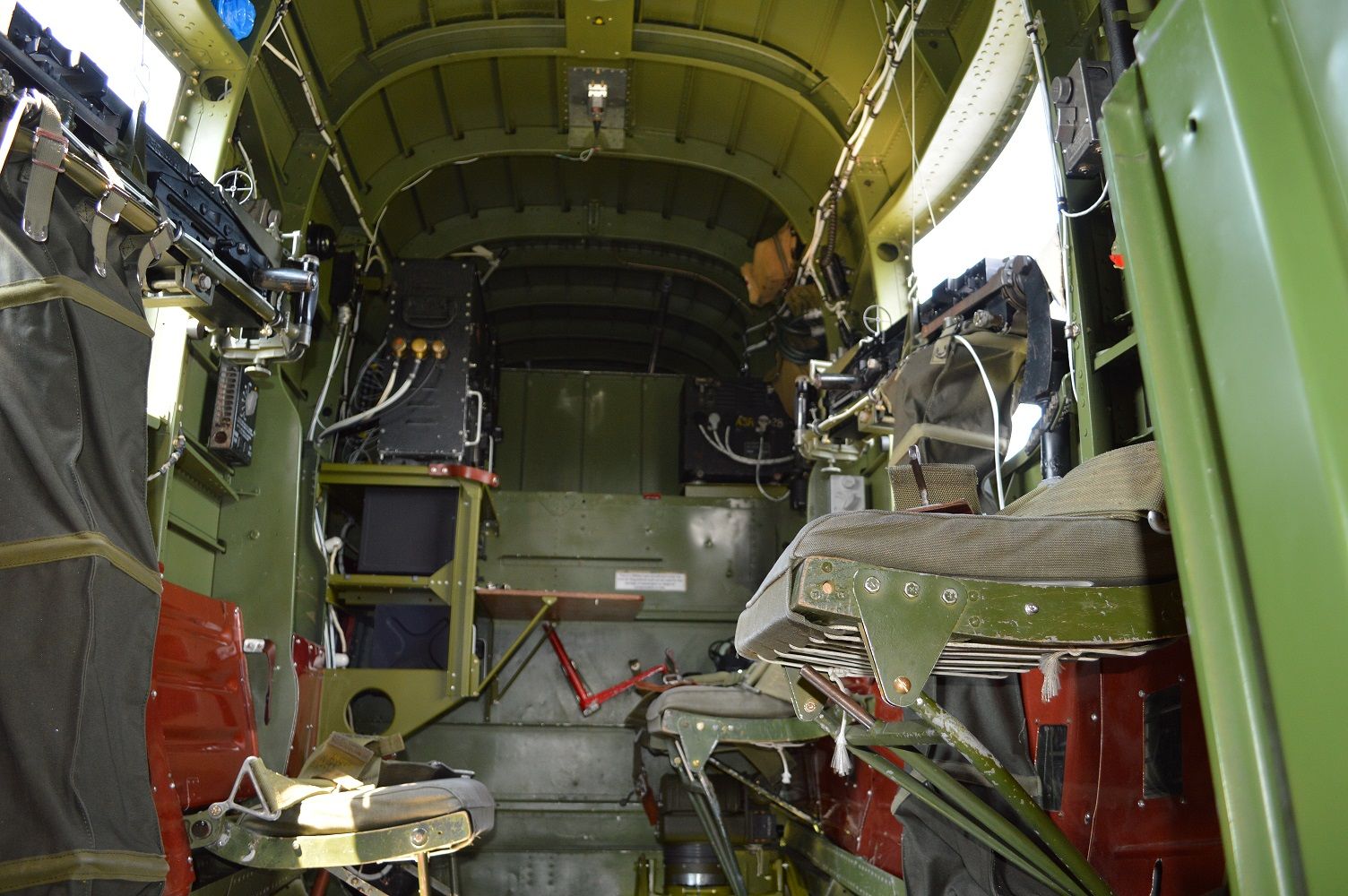
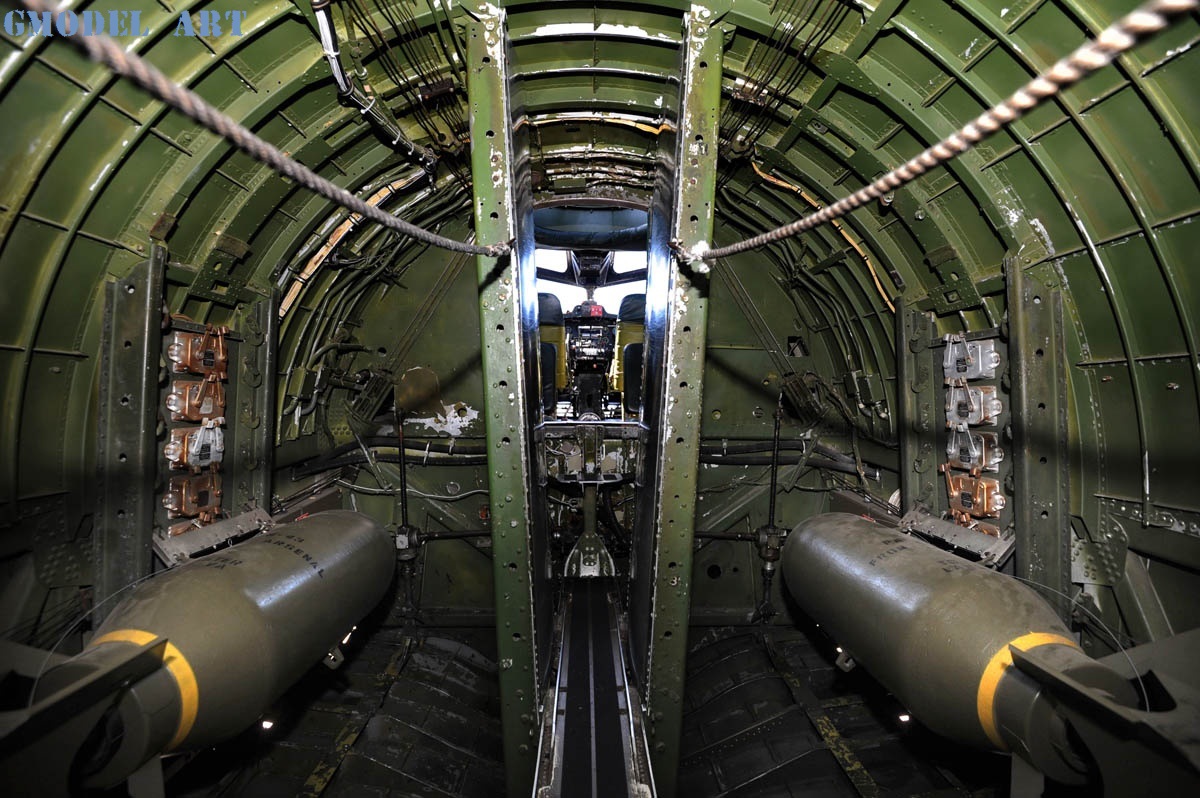
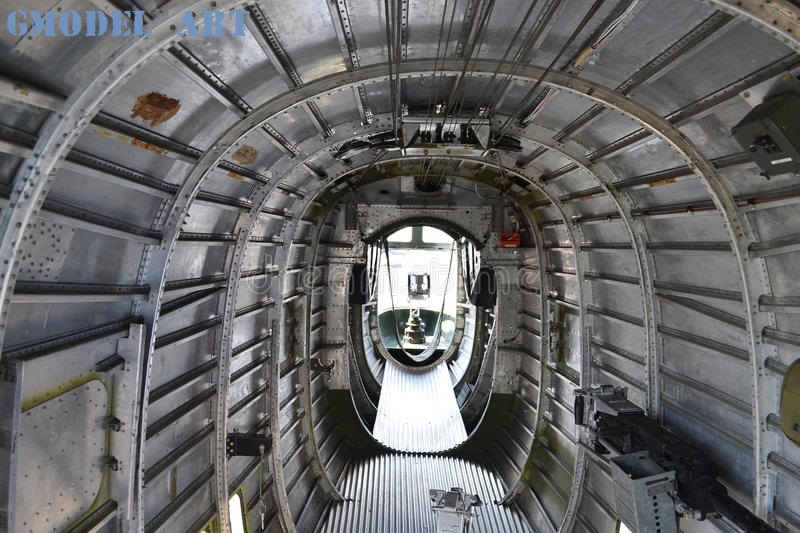
In summary, US interiors ranged from bare aluminum, through yellow-green primed areas, to various greens. No single color covers all US planes. For example, many restored B-17s display “Interior Green” everywhere, but original specs show cockpits were Bronze or Dull Dark Green, with most structure unpainted
. Similarly, early US Navy fighters often had Grumman Gray or Salmon Pink in hidden areas, not the ubiquitous green sometimes assumed. The table below shows some typical primers by aircraft type and manufacturer:
| Example Aircraft | Manufacturer | Cockpit/Interior Primer Used |
|---|---|---|
| F4F-3/F4F-4 Wildcat | Grumman | Grumman Gray primer |
| F6F-3/5 Hellcat | Grumman | Early: Grumman Gray; Later: Interior Green (ANA 611) |
| TBF-1/TBM-3 Avenger | Grumman/GM | Grumman Gray primer (later GM stockpiles IG) |
| F4U-1 “Birdcage” Corsair | Vought | Salmon Pink primer (mfg-applied) |
| F4U-1A Corsair | Vought | Early: Salmon Pink; Later: Yellow Zinc Chromate or Interior Green |
| P-47D Thunderbolt | Republic (Curtiss contract) | Early: Bronze Green; Later: Dull Dark Green |
| P-51D Mustang | N. American | Interior Green (ANA 611) |
| B-17E/F Flying Fortress | Boeing | Cockpit: Bronze Green or Dull Dark Green; rest aluminum |
| B-17G Flying Fortress | Boeing | Cockpit: Dull Dark Green; other interiors aluminum |
| B-24 Liberator | Consolidated | Cockpit: Dull Dark Green (late war); bomb bay aluminum |
| B-25 Mitchell | N. American | Cockpit: Interior Green (ANA 611, late war) |
| SB2C Helldiver | Curtiss | Green Zinc Chromate / Interior Green (per USN practice) |
| SBD Dauntless | Douglas | Interior Green (cockpit), aluminum (bomb bay) |
Practical Modeling Guide – Paint Matches
To help modelers, here are some recommended paint equivalents (with approximate FS/ANA):
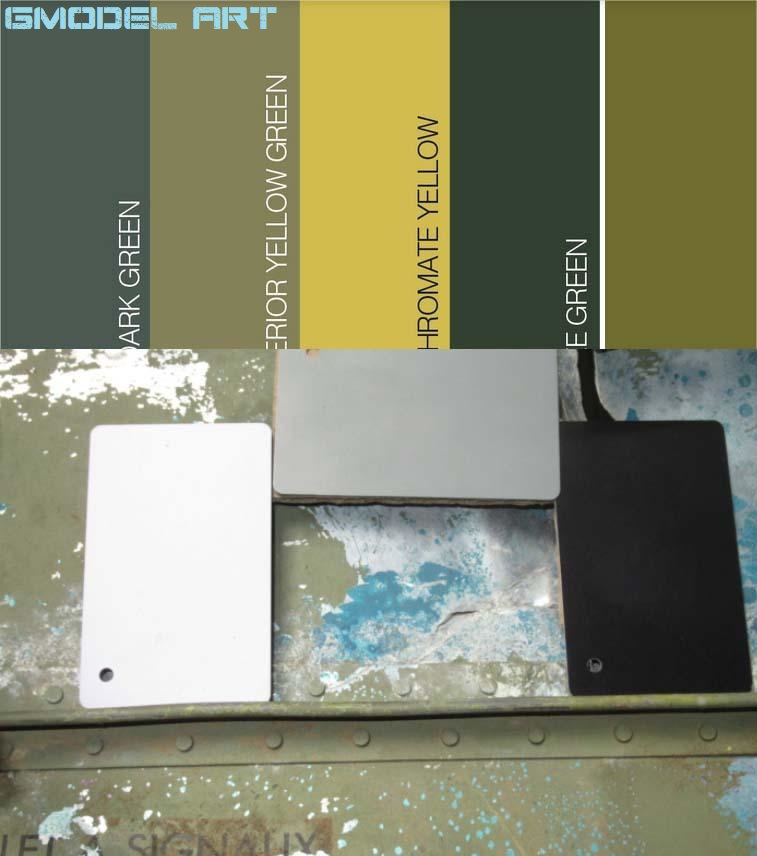
- Yellow Zinc Chromate (YZC): Tamiya XF-4 Yellow-Green; Gunze H352/C352 (No. 24); Vallejo 71.107 Zinc Chromate Yellow. These capture the bright yellow-green tone.
- Green Zinc Chromate (GZC): AMMO by Mig A.MIG-202 (labeled GZC/ANA 611/FS 34151); AK Real Colors RC263 “Interior Green Yellow”; Mission Models MMP-067/068. These approximate wartime tinted zinc chromate.
- Interior Green (ANA 611): Gunze H58/C27 (the “gold standard” match); Vallejo 71.137; AK Interactive AK 2303/72004; AMMO MIG-220. Note: FS 34151-matched paints may be too brown for an authentic WWII look.
- Grumman Gray: No mainstream kit color; use any FS 36440 light grey (e.g. Model Master 1715). Grumman Gray was used on early Wildcats and Avengers.
- Salmon Pink: Mr.Paint MRP-130 is labeled for this shade; Gunze H414 (RLM 23) is an acceptable substitute. Most “pink” paints are too bright; Salmon Pink was a muted salmon-orange.
Table: Model Paint Equivalents
| ANA 611 | |||
| Yellow Zinc Chromate | Green Zinc Chromate | Interior Green | |
| Schemes | |||
| General | Interiors | Interiors | |
| General (1943) | Interiors | Interiors | |
| Color matches | |||
| Gunze Aqueous | – | – | H58 |
| Gunze Mr. Color | C352 | C351 | C27 |
| Humbrol | – | – | 226 |
| Model Master | – | 1734 | 1715* |
| Revell | – | – | – |
| Tamiya | XF-4** | – | – |
| Vallejo Model Air | 71.107 | 71.094 | 71.137* |
| Vallejo Model Color | – | – | 70.850* |
| AKAN | 72034 | – | 72004* |
| AK Interactive | AK 2207 | AK 2306 | AK 2303 |
| AK Real Colors | RC263 | RC262 | – |
| AMMO by Mig | A.MIG-221 | A.MIG-220* (!) | A.MIG-220* |
| Colourcoats | ACUS23 | ACUS22 | ACUS09 |
| Hataka | – | – | HTK-_211* |
| Lifecolor | – | – | UA 004* |
| Mission Models | MMP-067 | MMP-068 | MMP-059* |
| Mr. Paint | MRP-129 | – | MRP-131 |
| Xtracolor | X408 | – | X117* |
| Xtracrylix | – | – | XA1117* |
The Kit Instructions Trap
A common modeling pitfall is blindly following kit paint guides. Many manufacturers simplify interior colors as simply “Interior Green” or a single “Zinc Chromate” formula – ignoring factory differences. This perpetuates myths. For example, dozens of B-17 restorations have erroneously used “Interior Green” on surfaces specified as bare aluminum. Historian Jeff Groves notes restorations often prioritize preservation over accuracy, causing many interiors to be “Interior Green where it was not used”. Likewise, kit instructions rarely mention Grumman Gray or Salmon Pink, so modelers must read between the lines.
To achieve accuracy, research the exact airframe serial, production plant, and block number. Factory photos and maintenance manuals are invaluable. Don’t assume a P-51 or Corsair got the same interior as its successor; colors changed over time. As Lee K. (modeler) observed, even pieces from the same crashed aircraft can be different shades of Interior, Dull Dark or Bronze Green. Use this guide to question kit lore and choose paints based on documented evidence.
Mermaid Timeline: Interior Paint Standards (1940–1954)
1939 : Outbreak of WWII – Zinc Chromate widely used (no fixed color standard)
1942-09 : ANA introduces *Dull Dark Green (replacement for Bronze Green)
1943-09 : ANA Bulletin 137 standardizes *Interior Green
1950 : Federal Standard issued – Interior Green becomes FS 34151
1954-03 : BuAer NAVAER 07.1 revises interior paint standards (post-war era)
This timeline highlights key changes: mid-1942 saw Dull Dark Green replace Bronze Green; Sept 1943 fixed Interior Green (ANA 611) in U.S. service; after the war the FS color system (FS 34151) took over; and in 1954 new Navy/Air Force instructions altered interior schemes
Conclusion
The biggest mistake in US aircraft modeling is the idea that there was a single “US Interior Green” for everything. The reality was much more chaotic. Different factories, different primers, different batches, and constant production changes created a huge variety of colors even within the same aircraft type.
For a historically accurate result, the modeler should always consider:
the specific aircraft type
the manufacturing plant
the production block
the time period
photographs of the actual aircraft
restoration evidence
factory instructions
This is what makes US WWII interiors so difficult but also so addictive for serious scale modelers.
https://www.sovereignhobbies.co.uk/pages/us-navy-usmc-aircraft-colours-around-ww2
https://www.theworldwars.net/stats/index.php
B-26 Marauder Model Kit Guide: Widowmaker Myth, Paint & Weathering Techniques