article
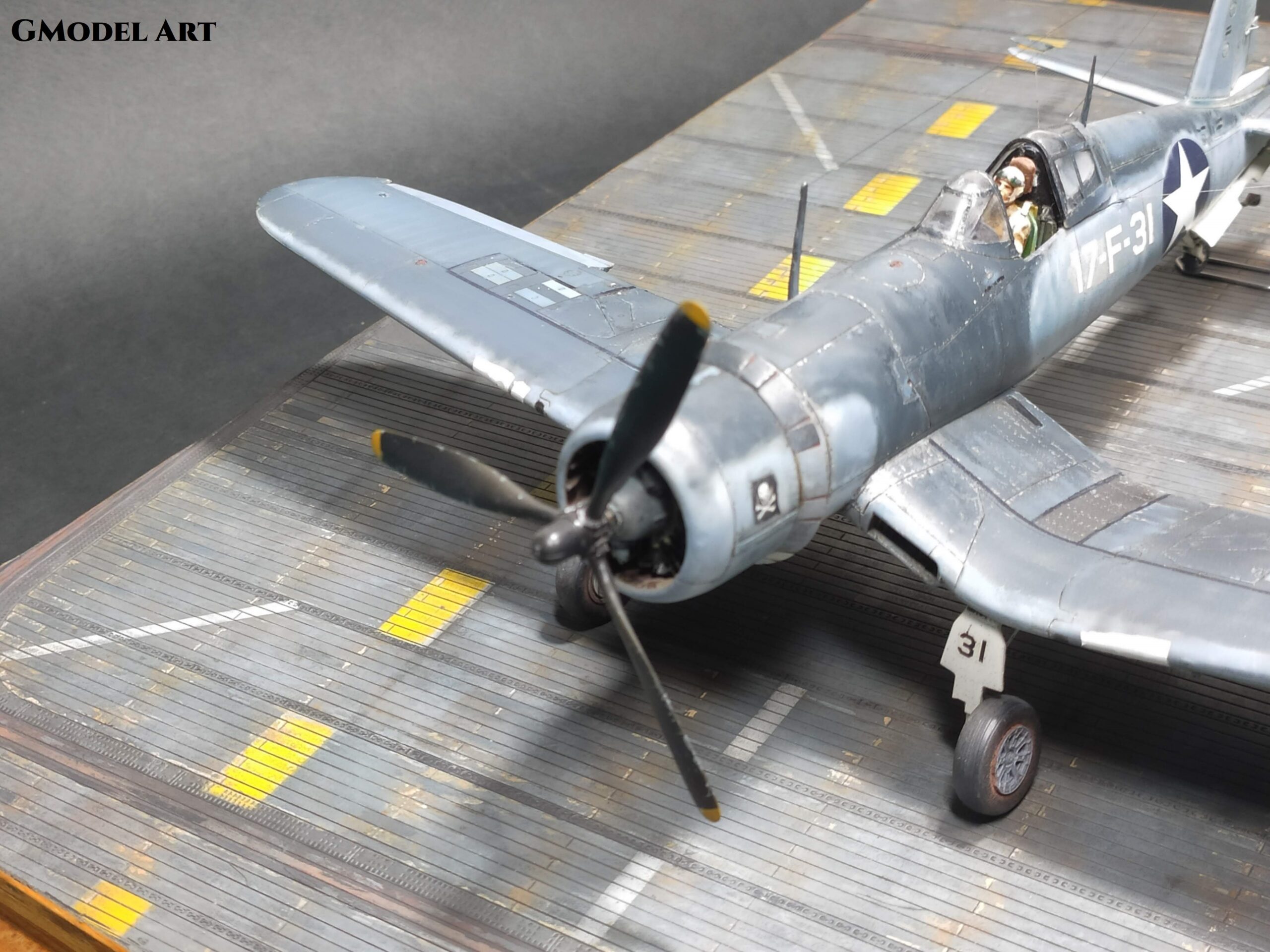
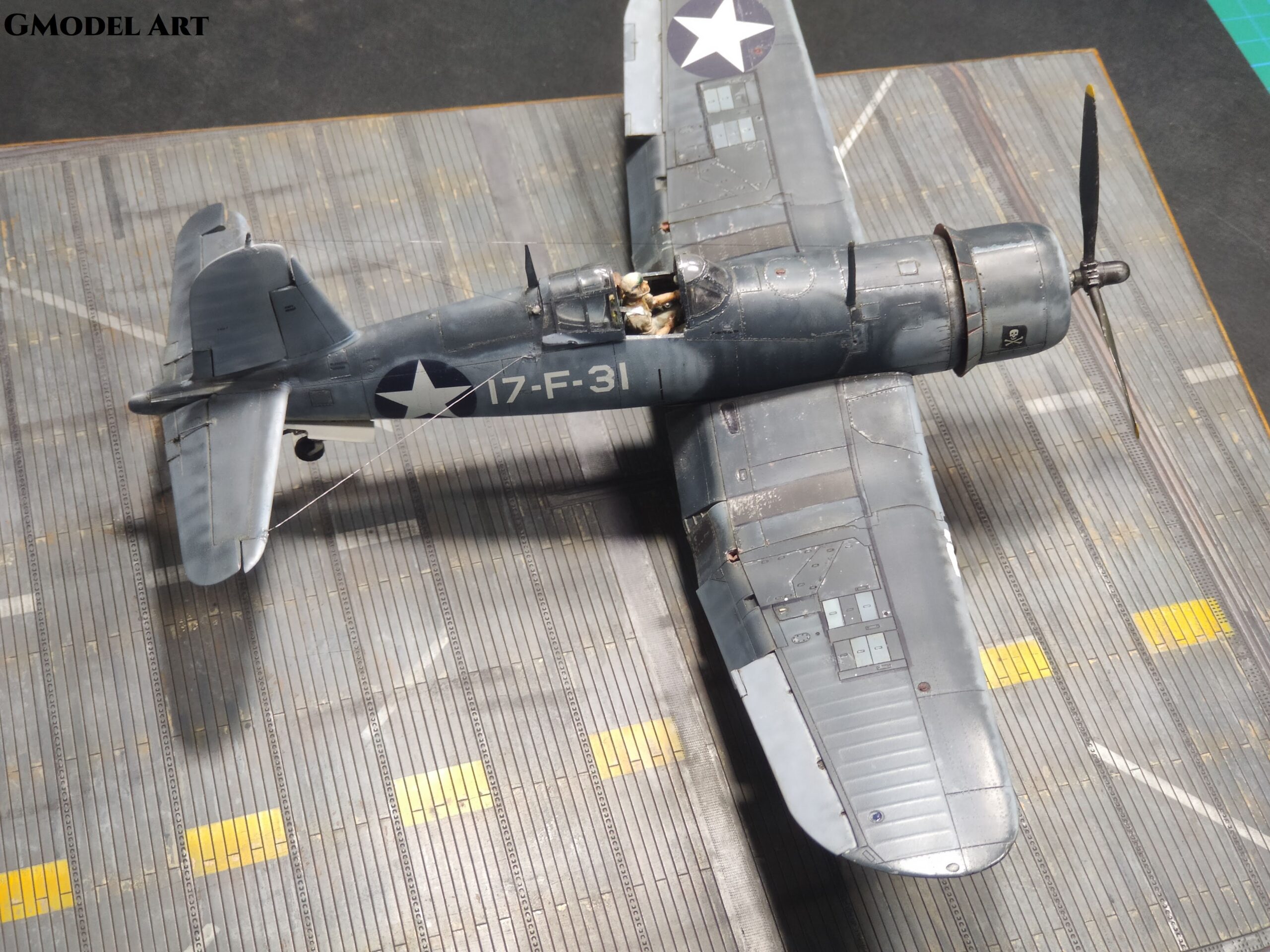
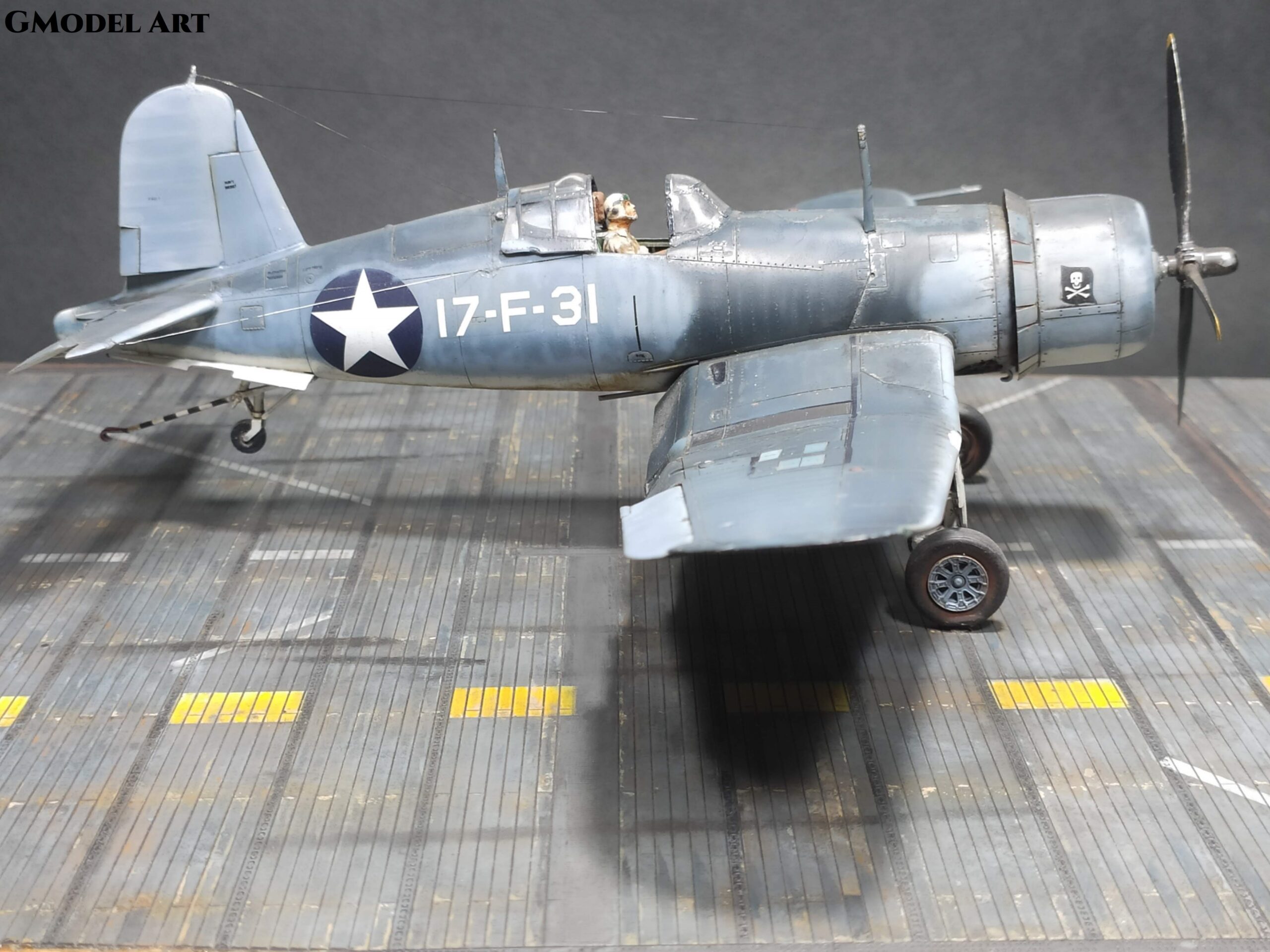
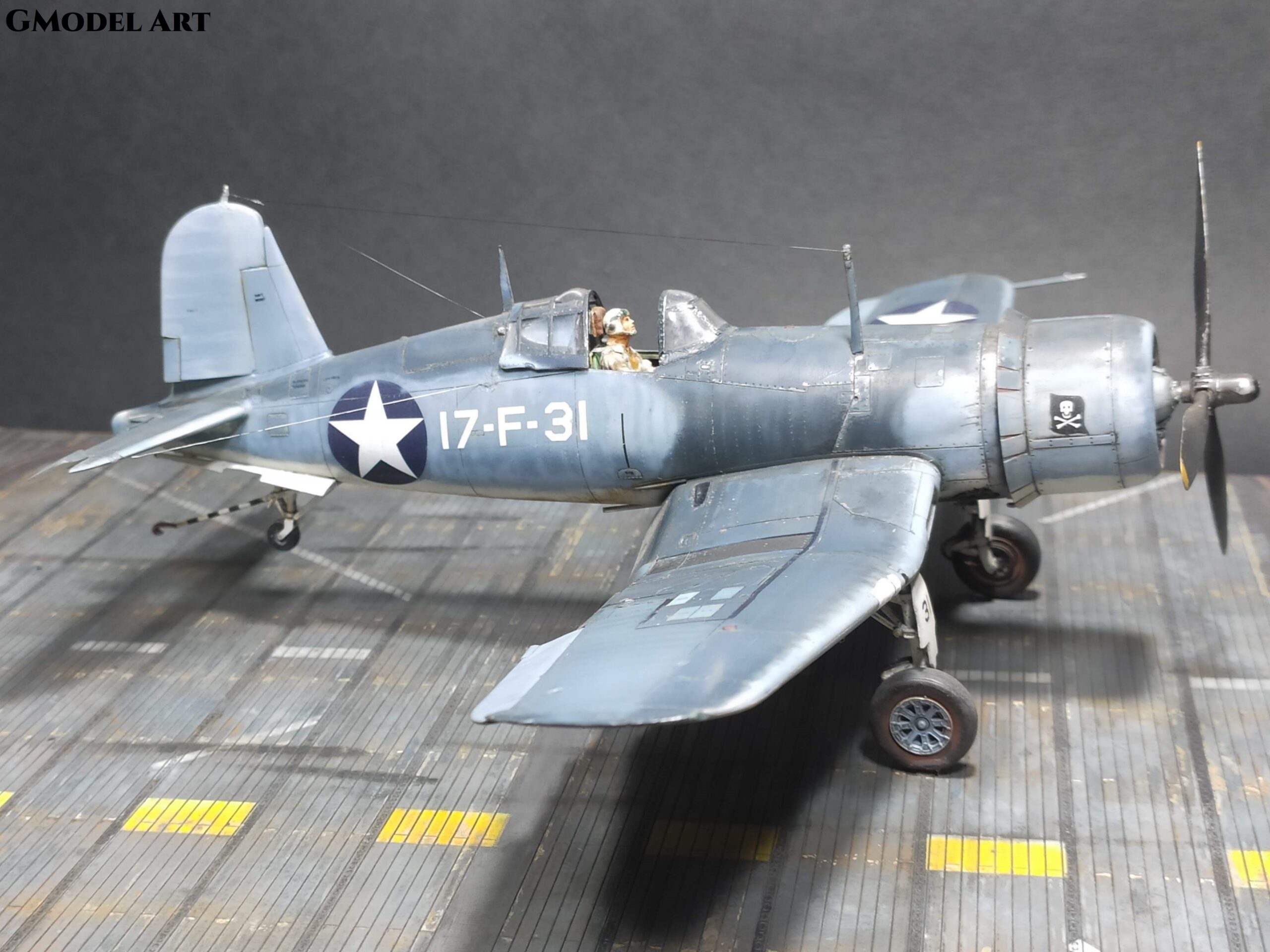
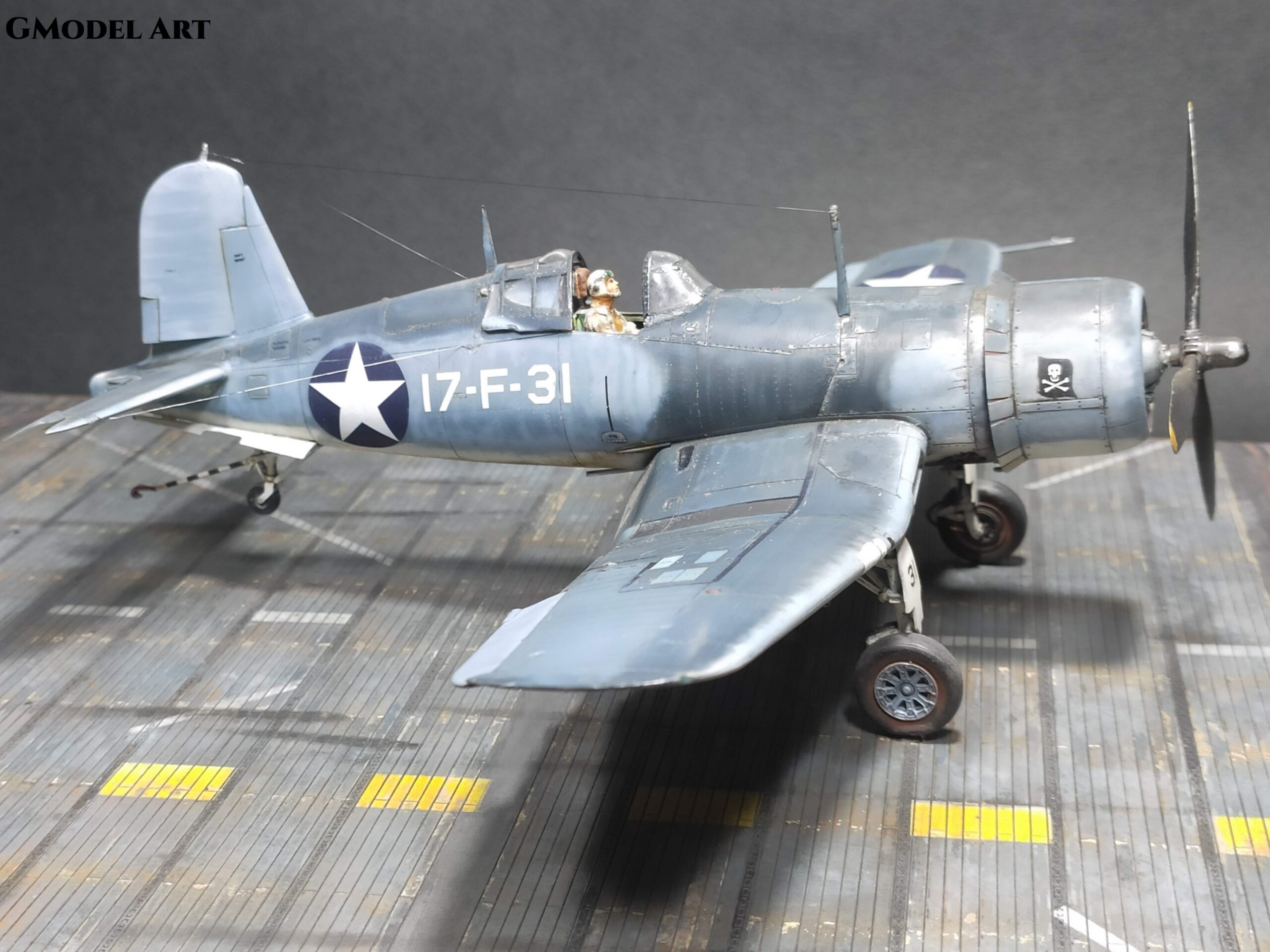
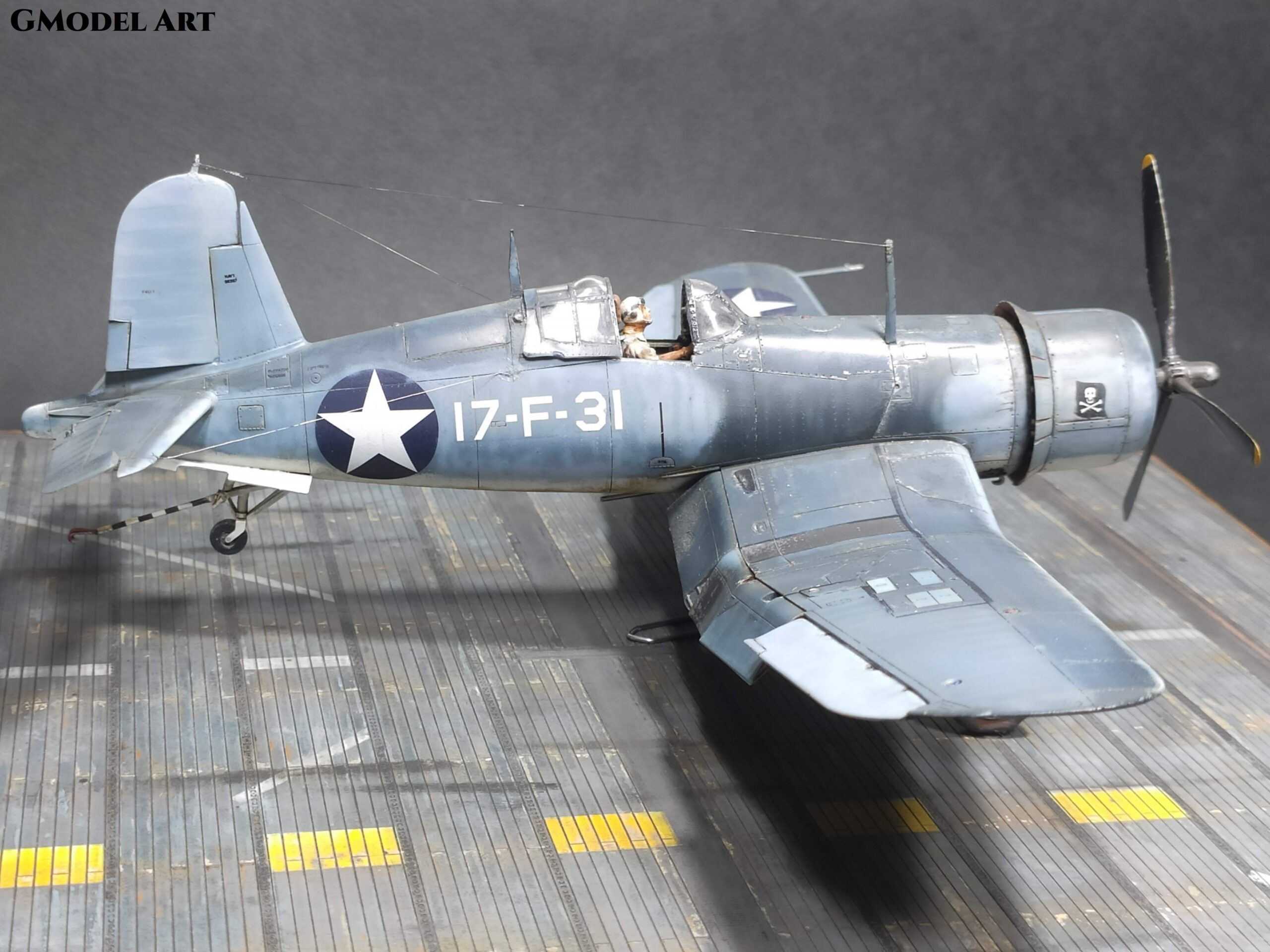
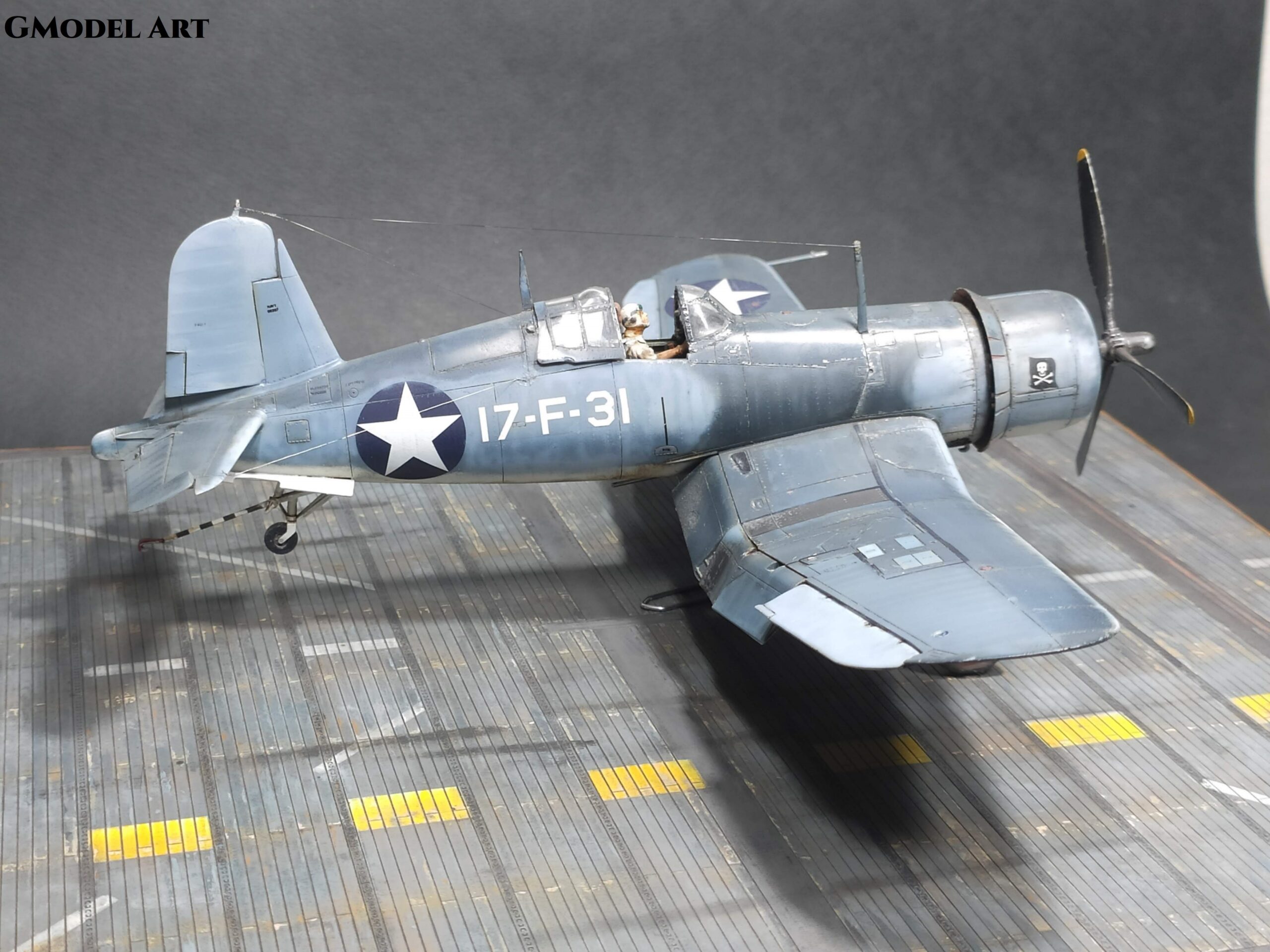
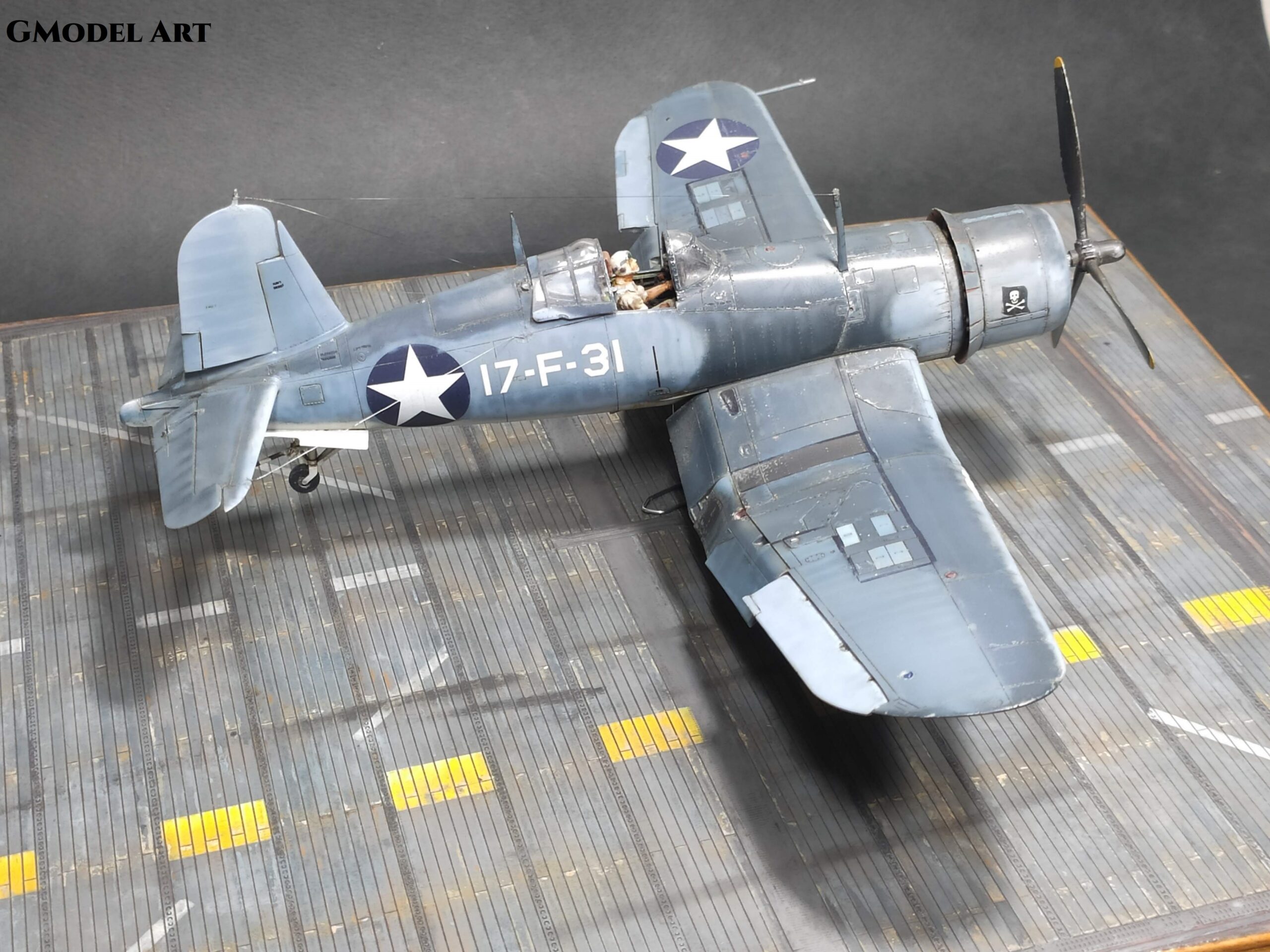
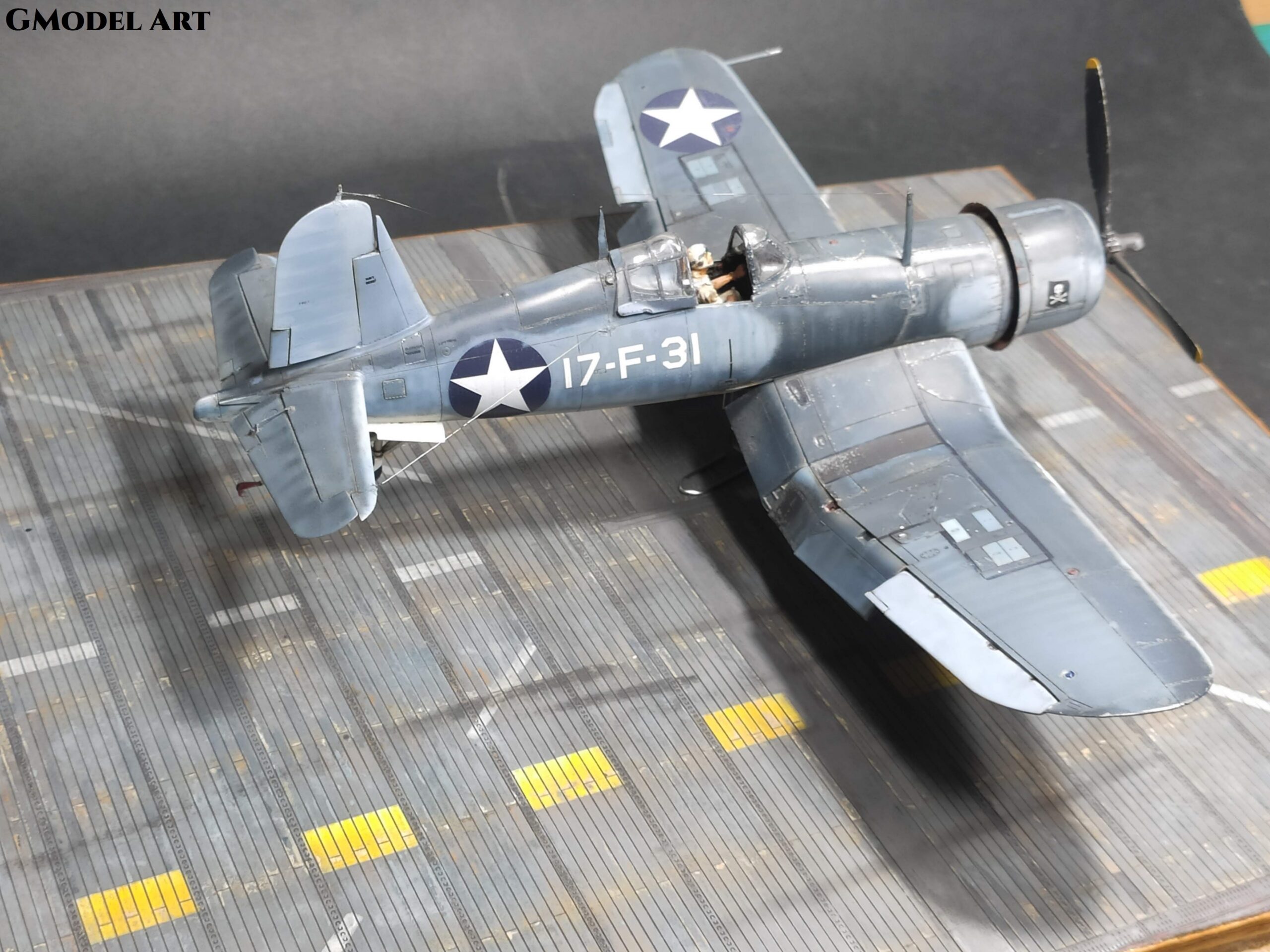
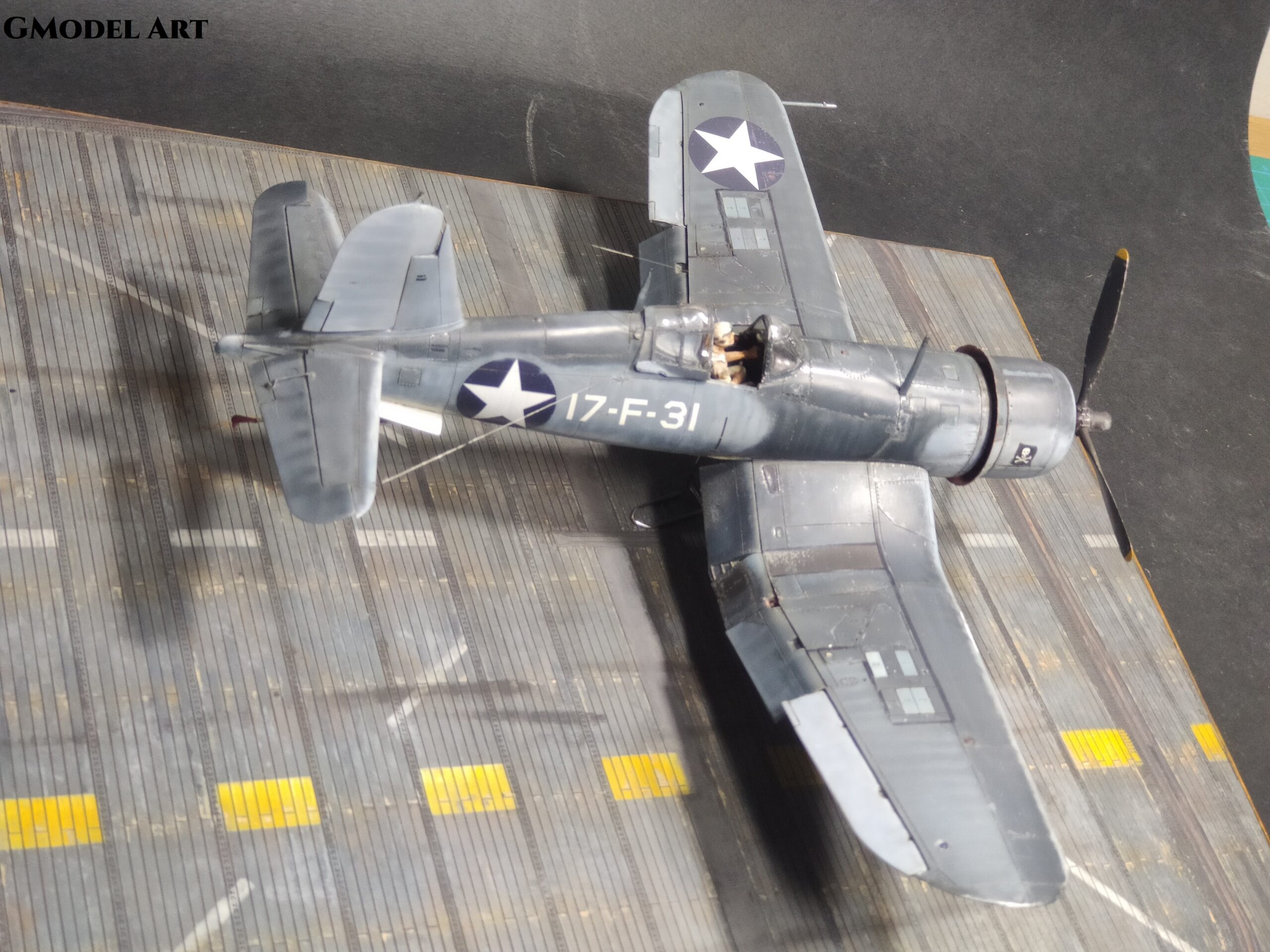
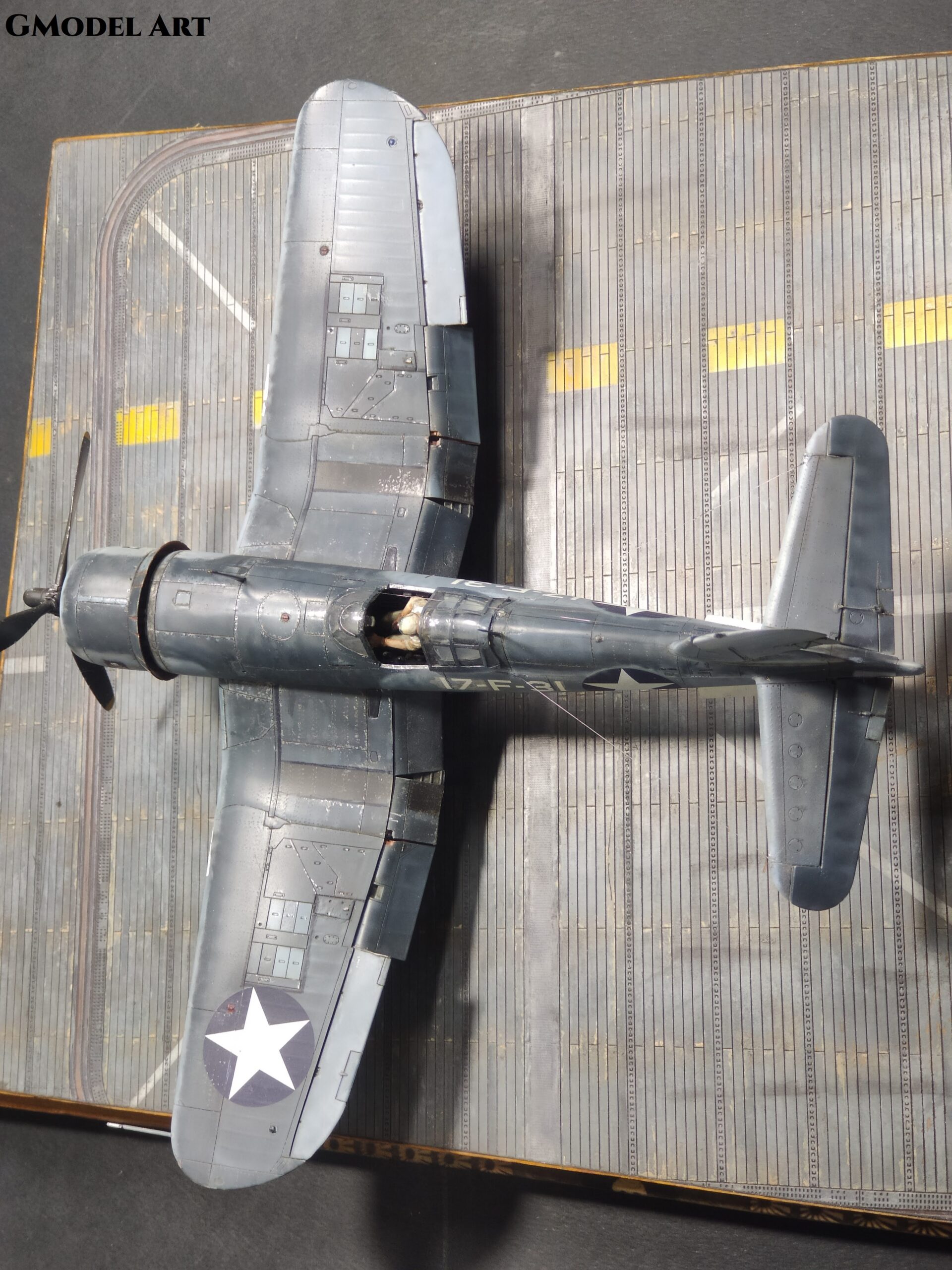
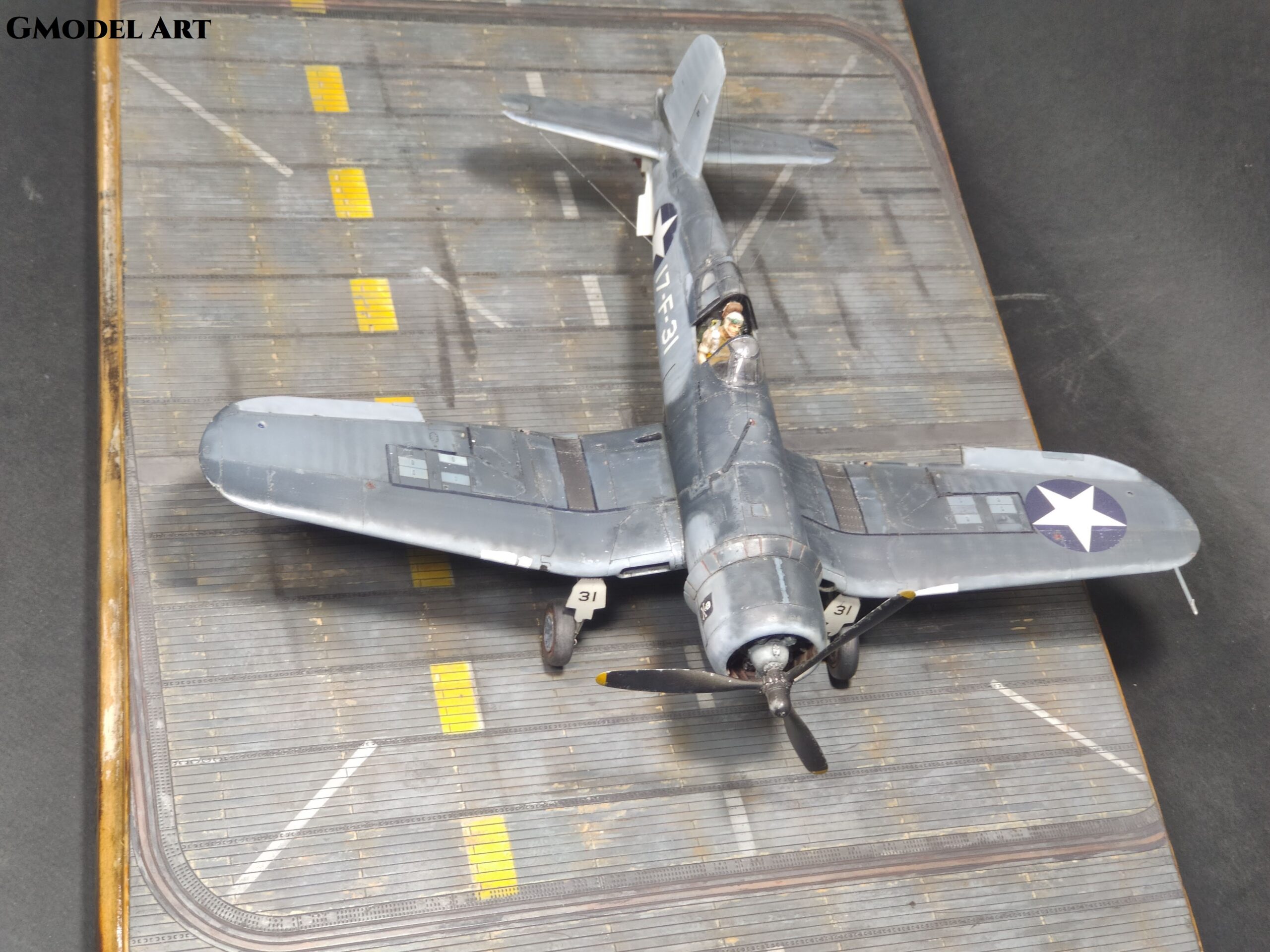
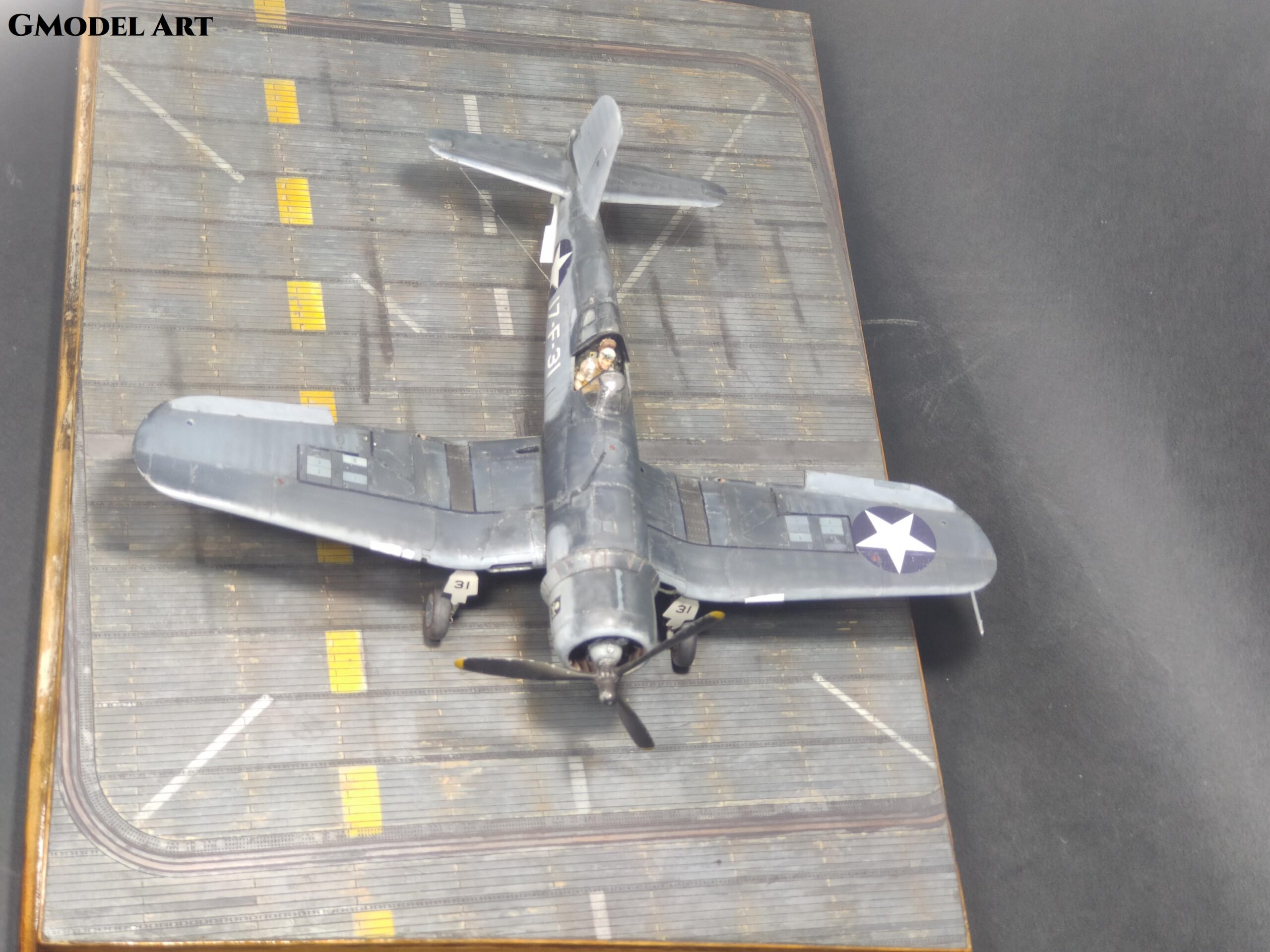
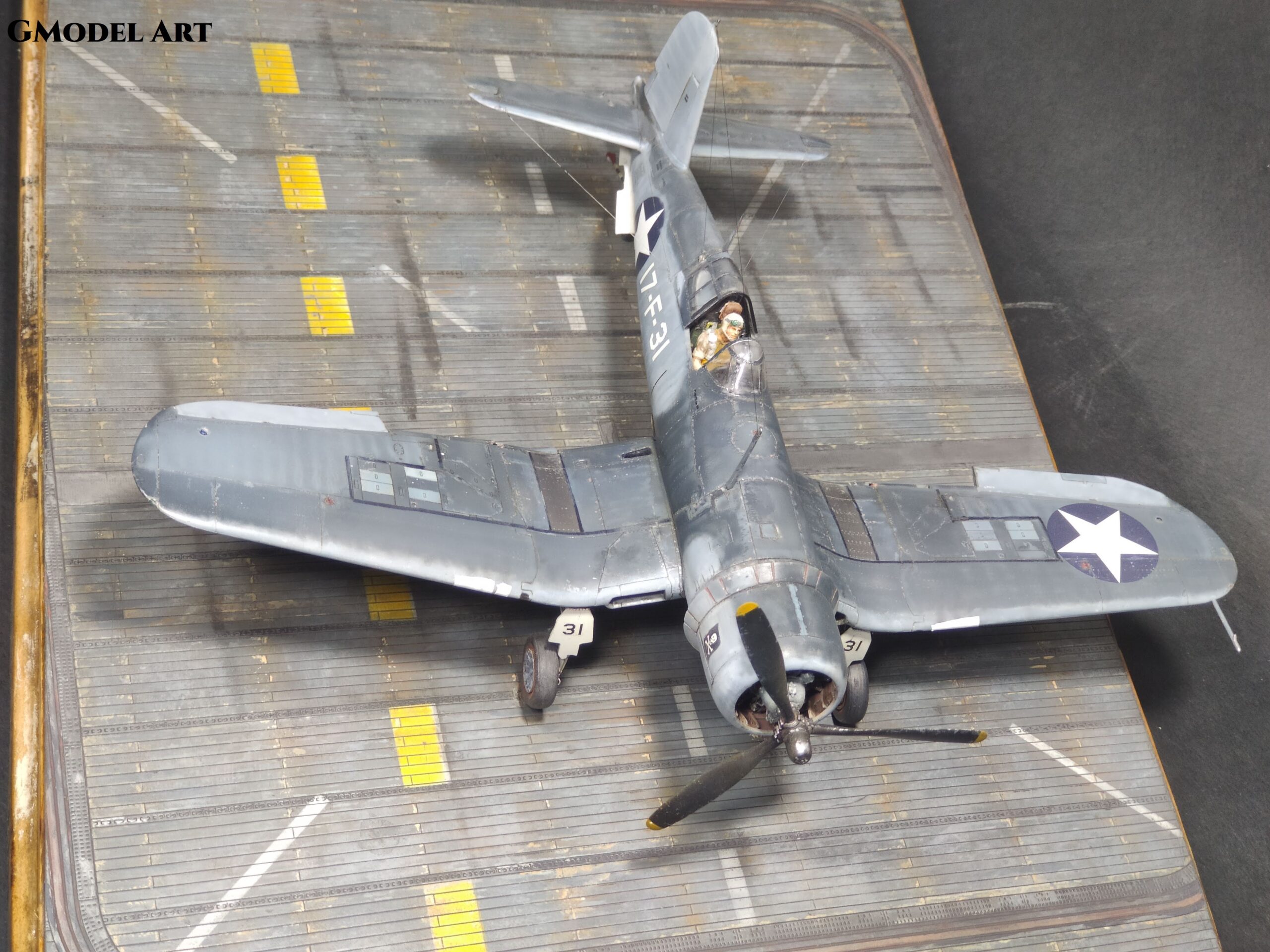
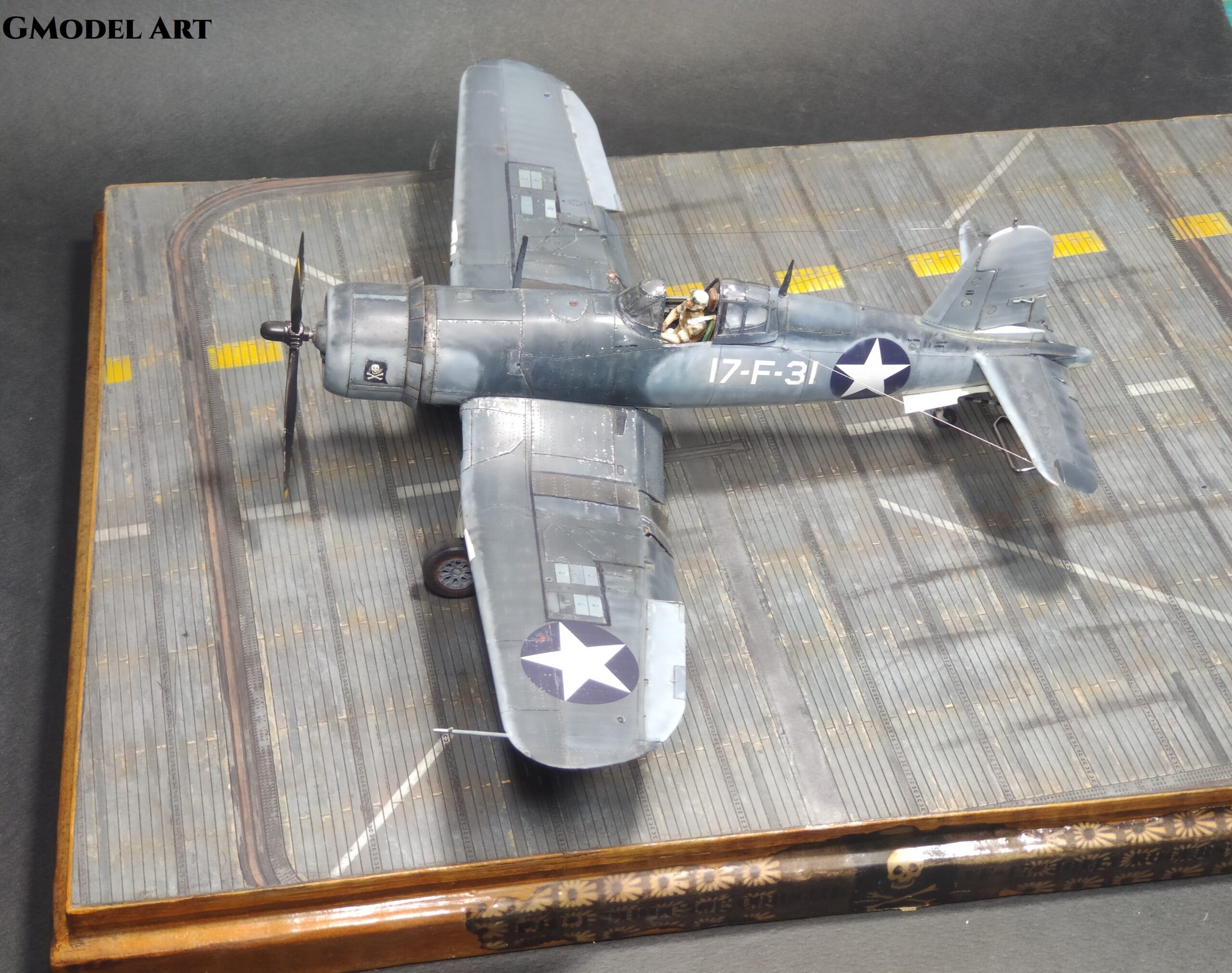
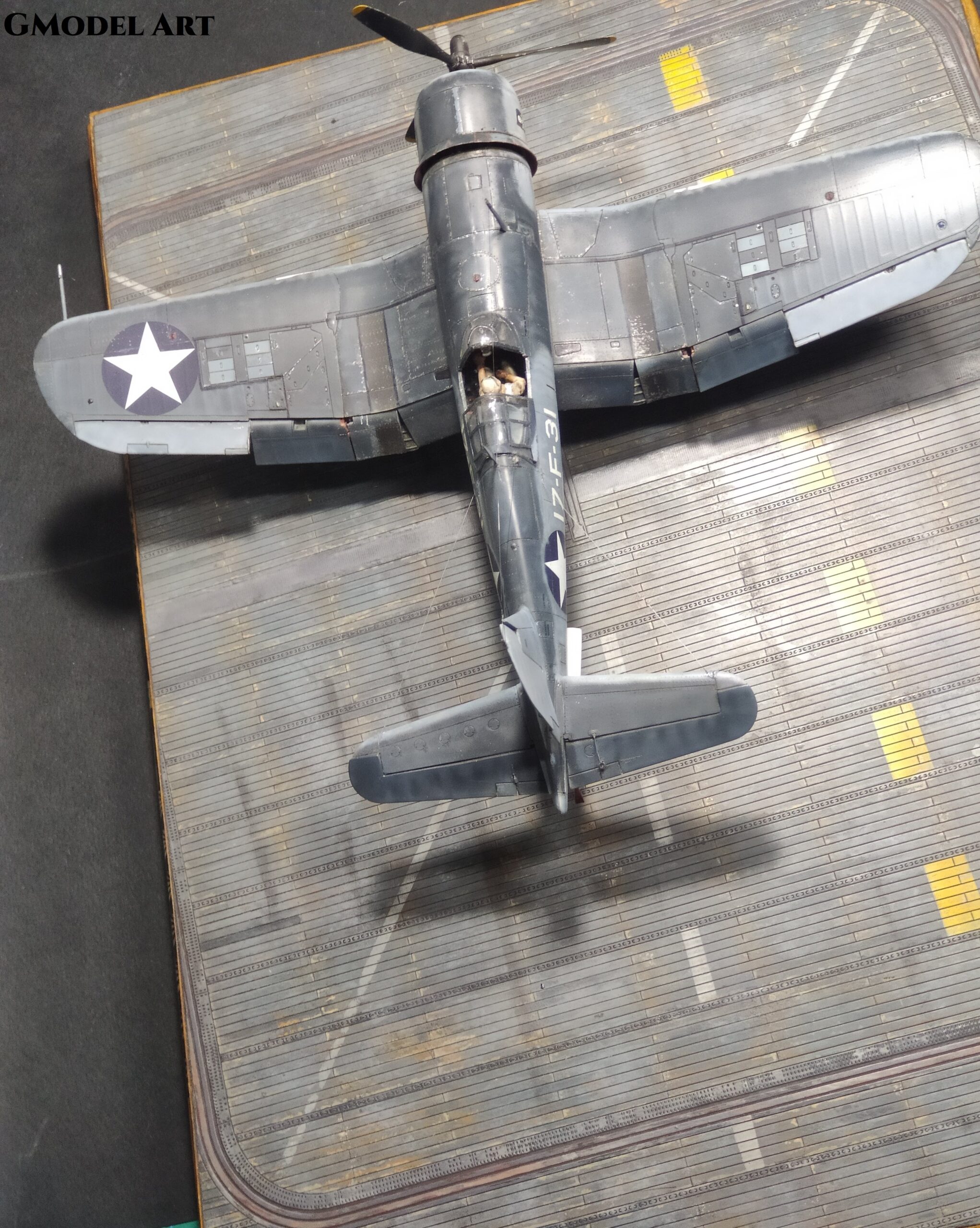
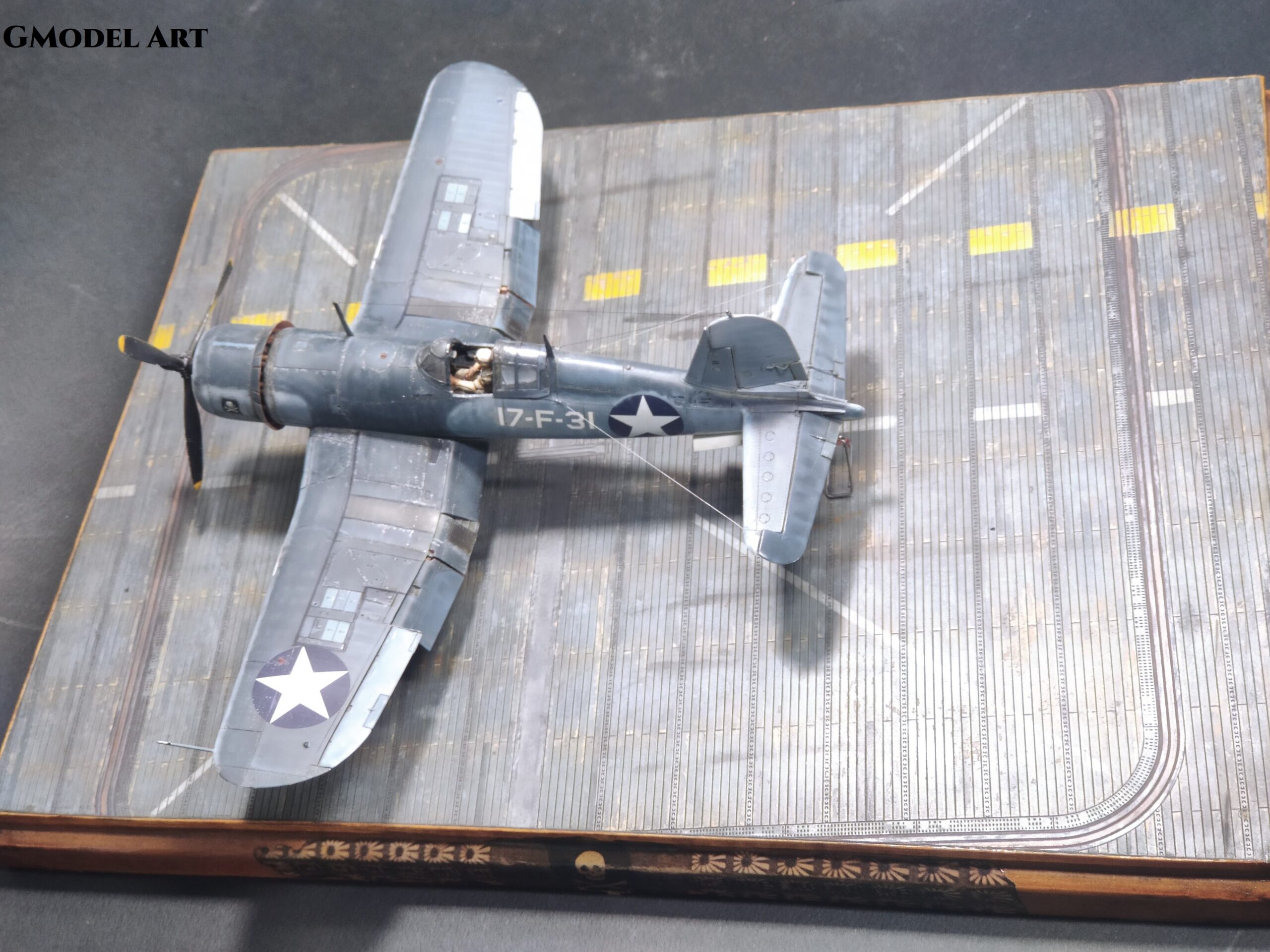
F4U-1 Corsair Birdcage (VF-17) 17-F-31 – Tamiya 1:48
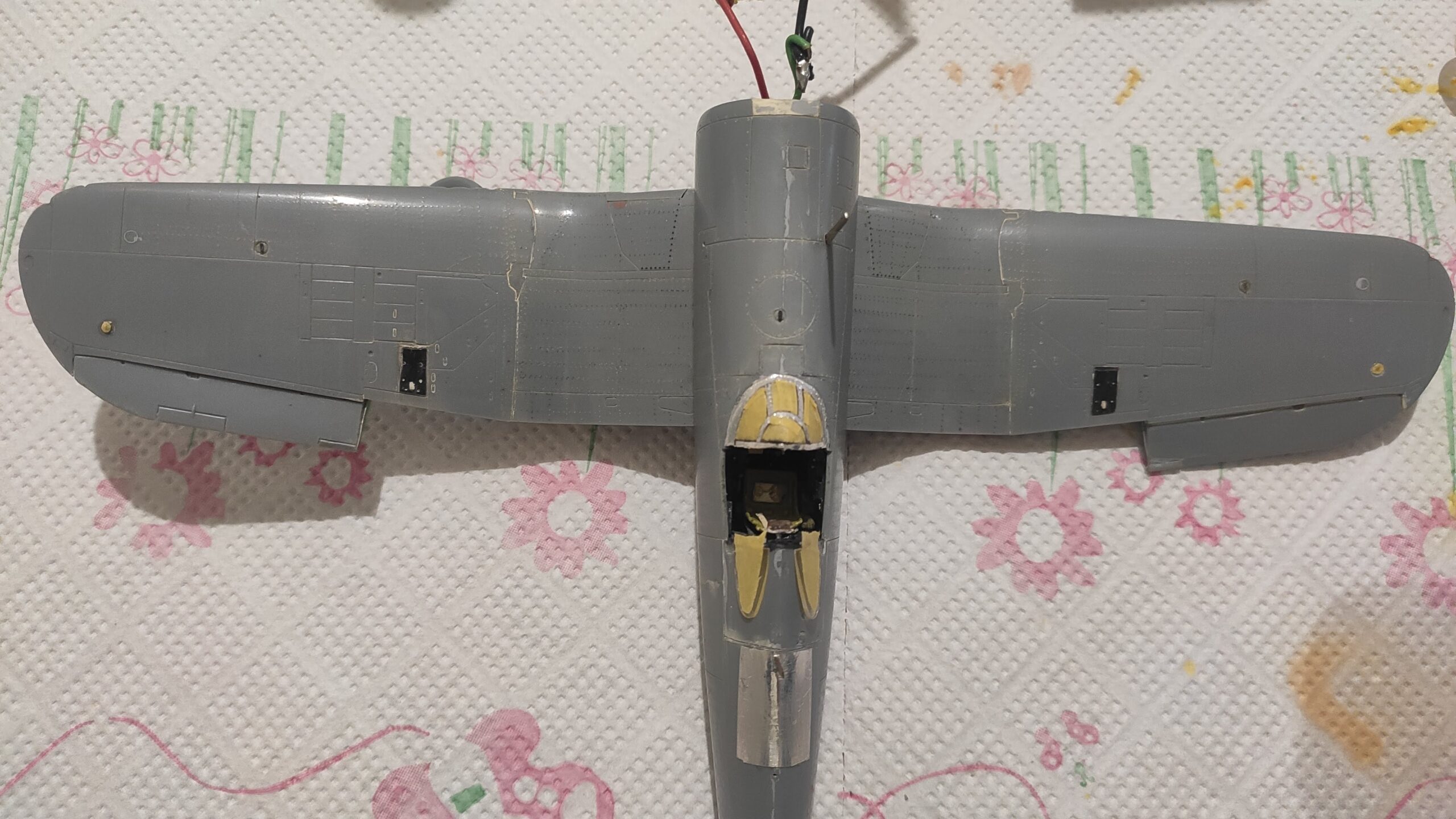
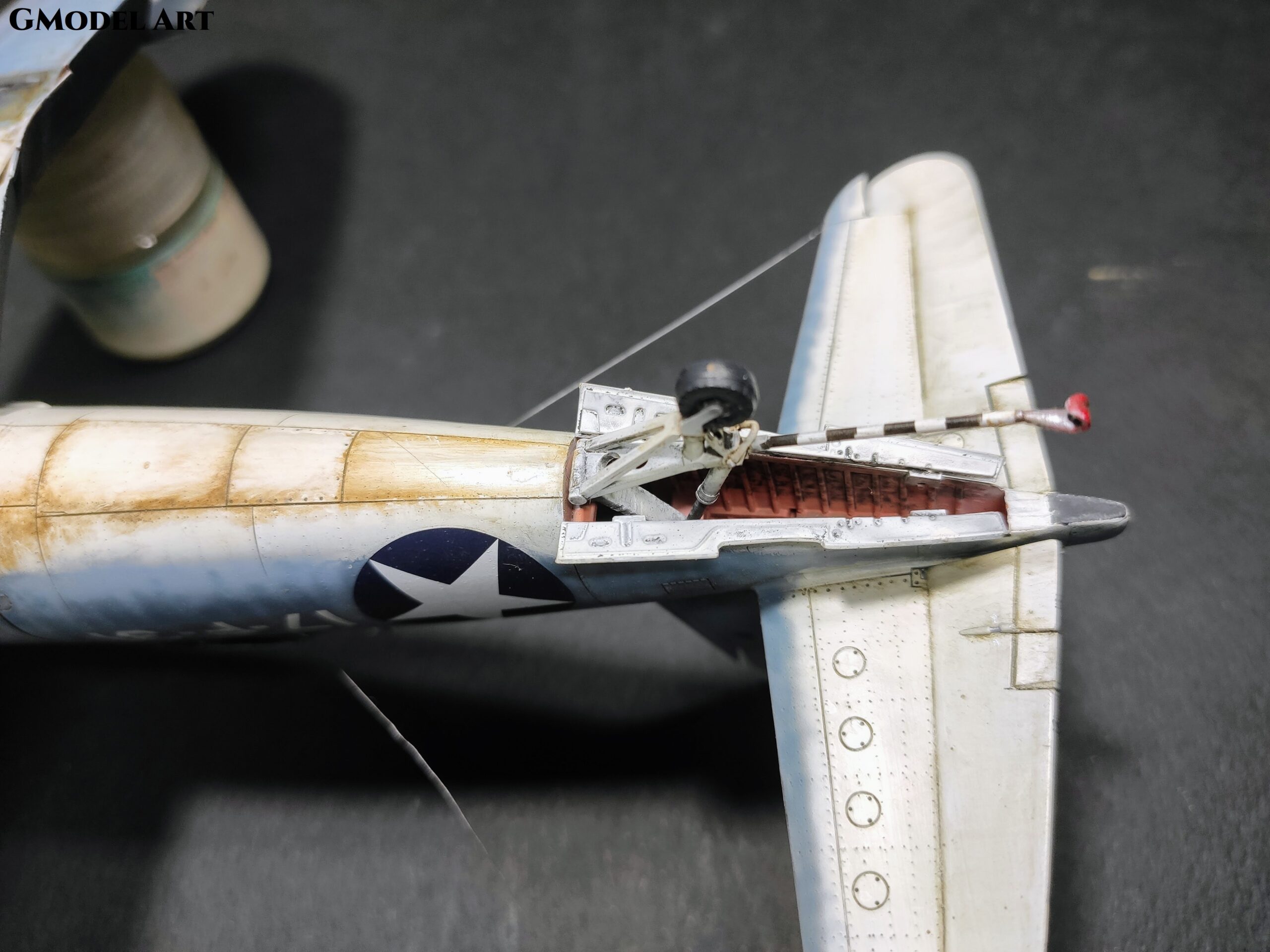
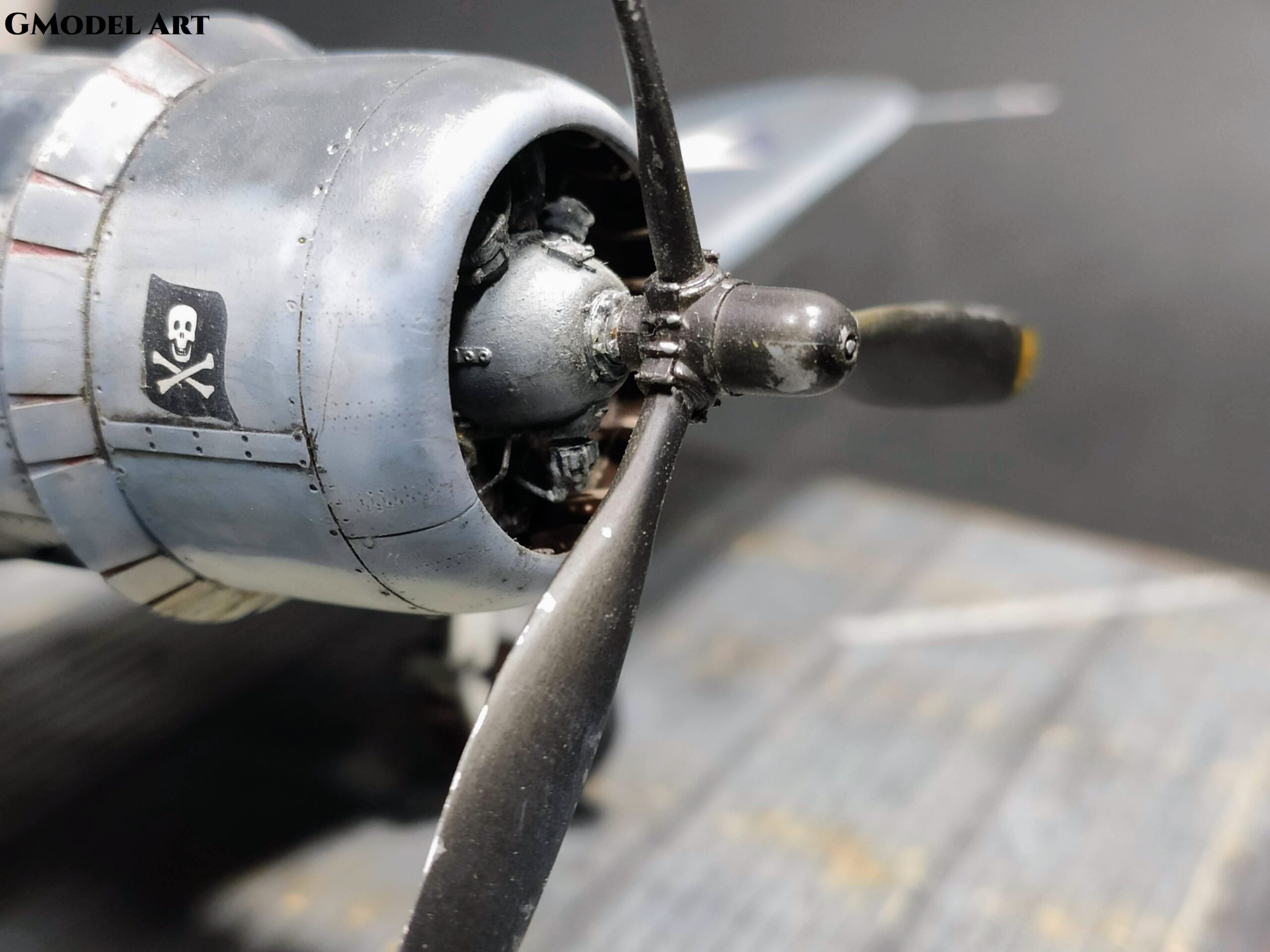
The Vought F4U-1 Corsair is one of the most recognizable aircraft of the Pacific War, and the early Birdcage version offers modelers a particularly interesting subject. Its distinctive framed canopy, early cockpit configuration, complex camouflage and exposed engine provide plenty of opportunities to add detail to a 1:48 scale model.
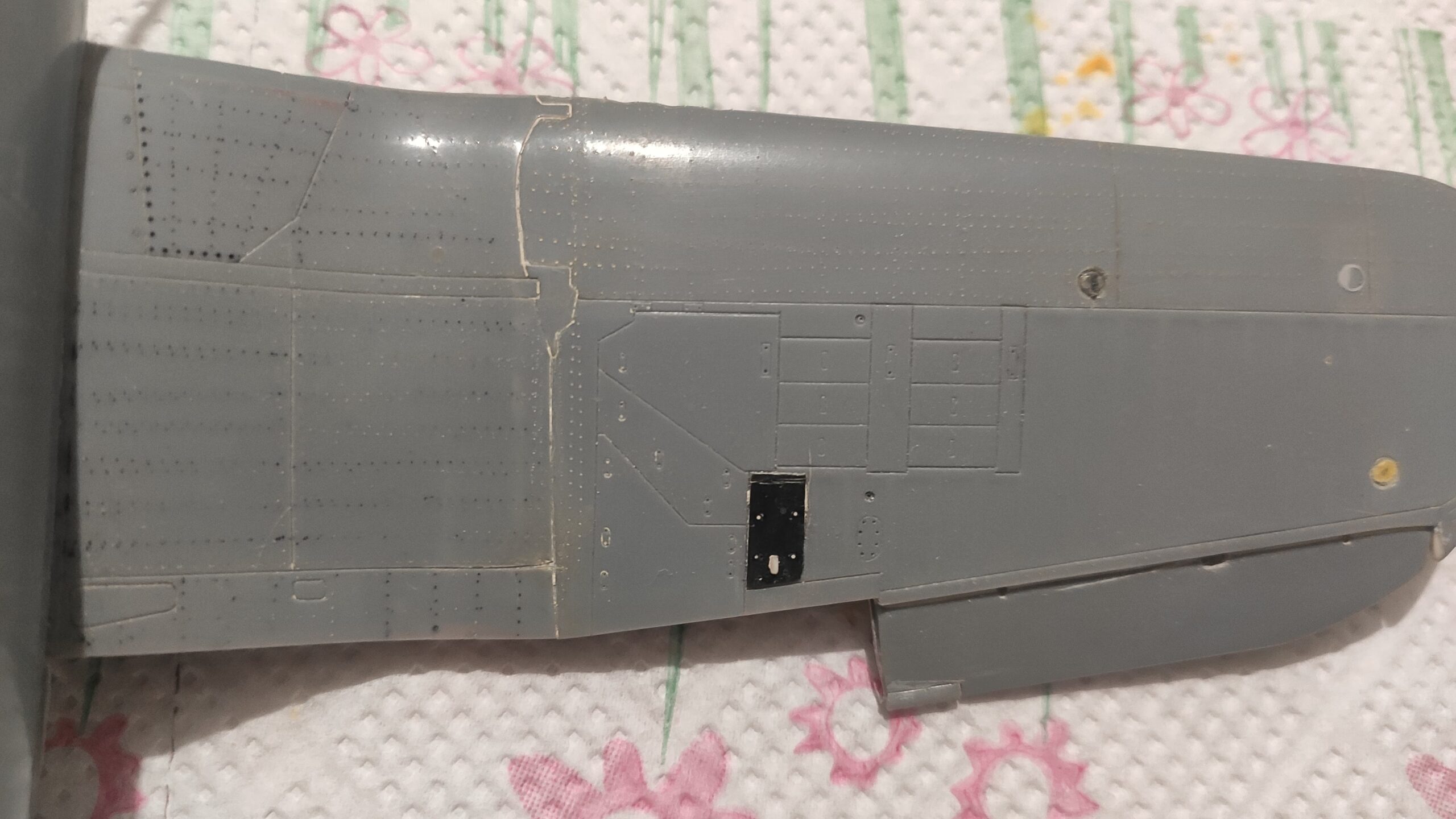
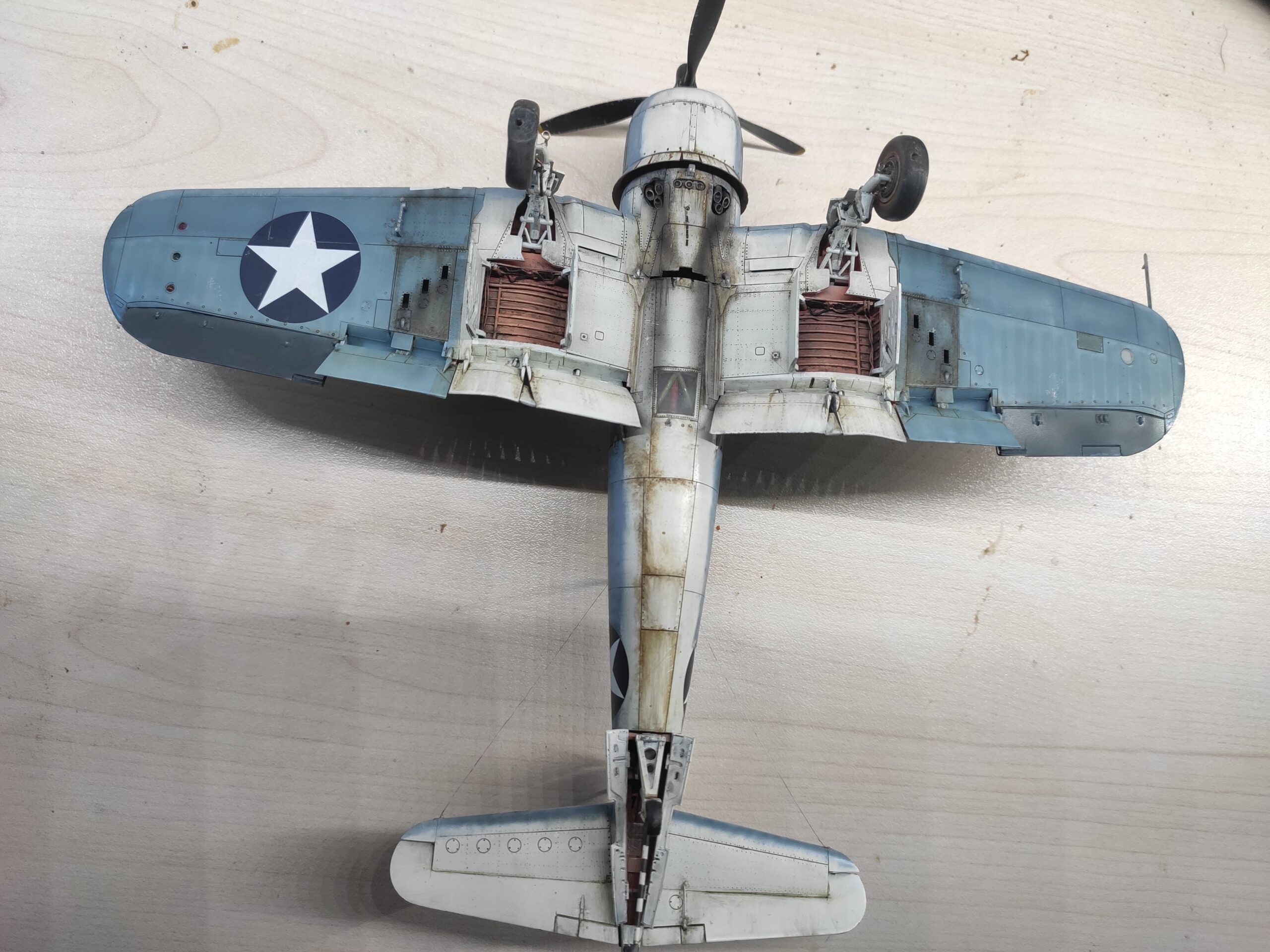
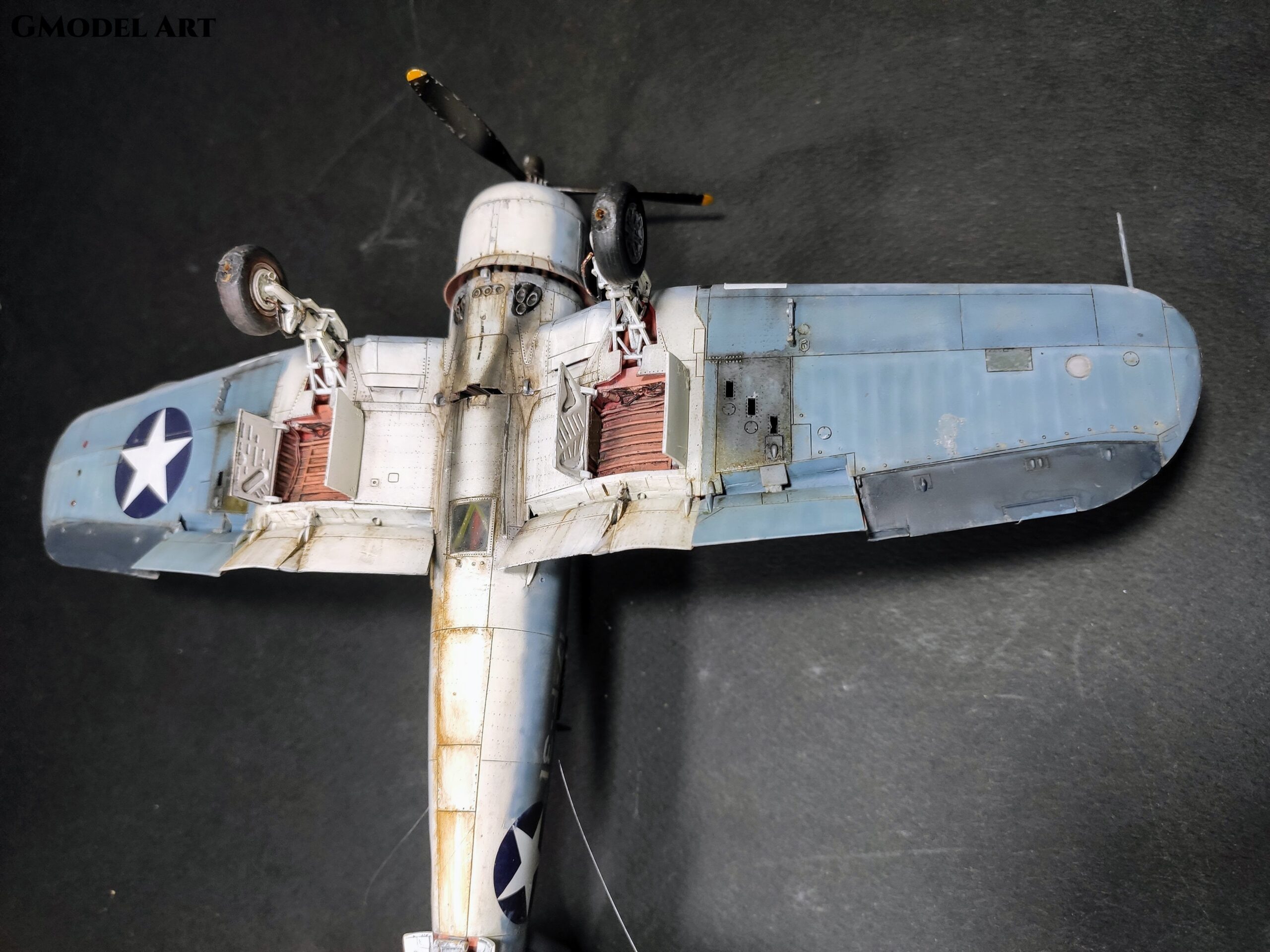
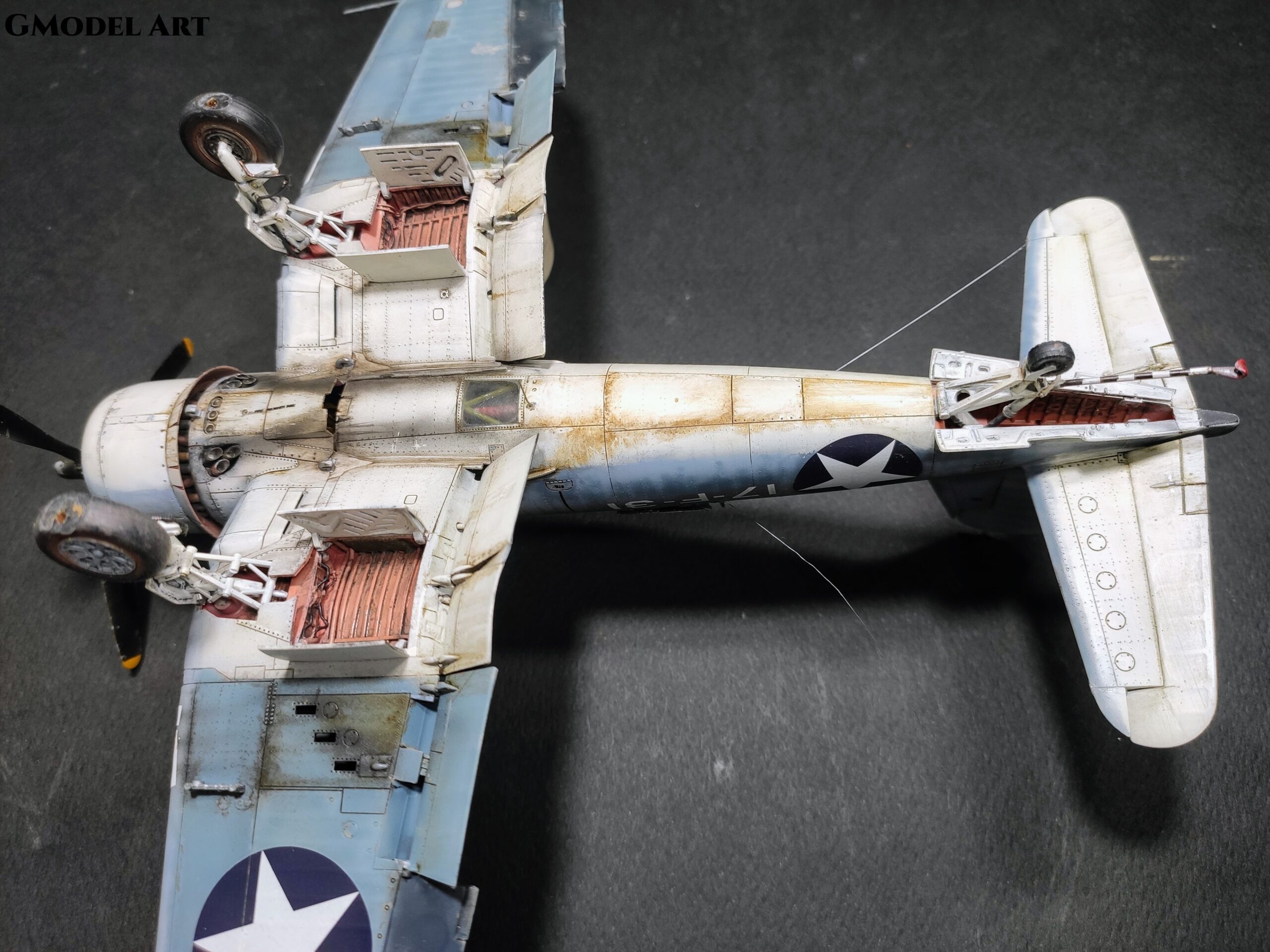
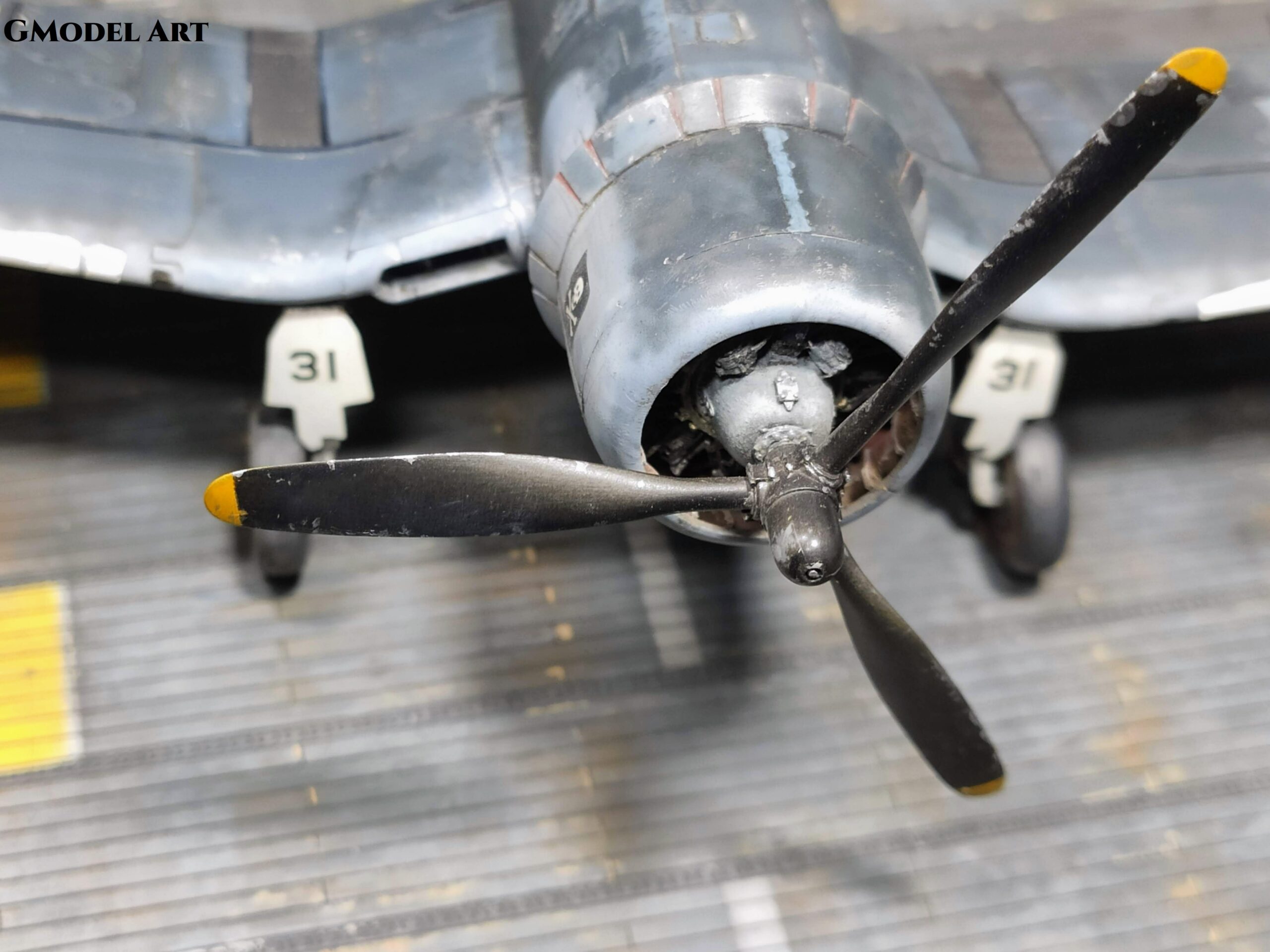
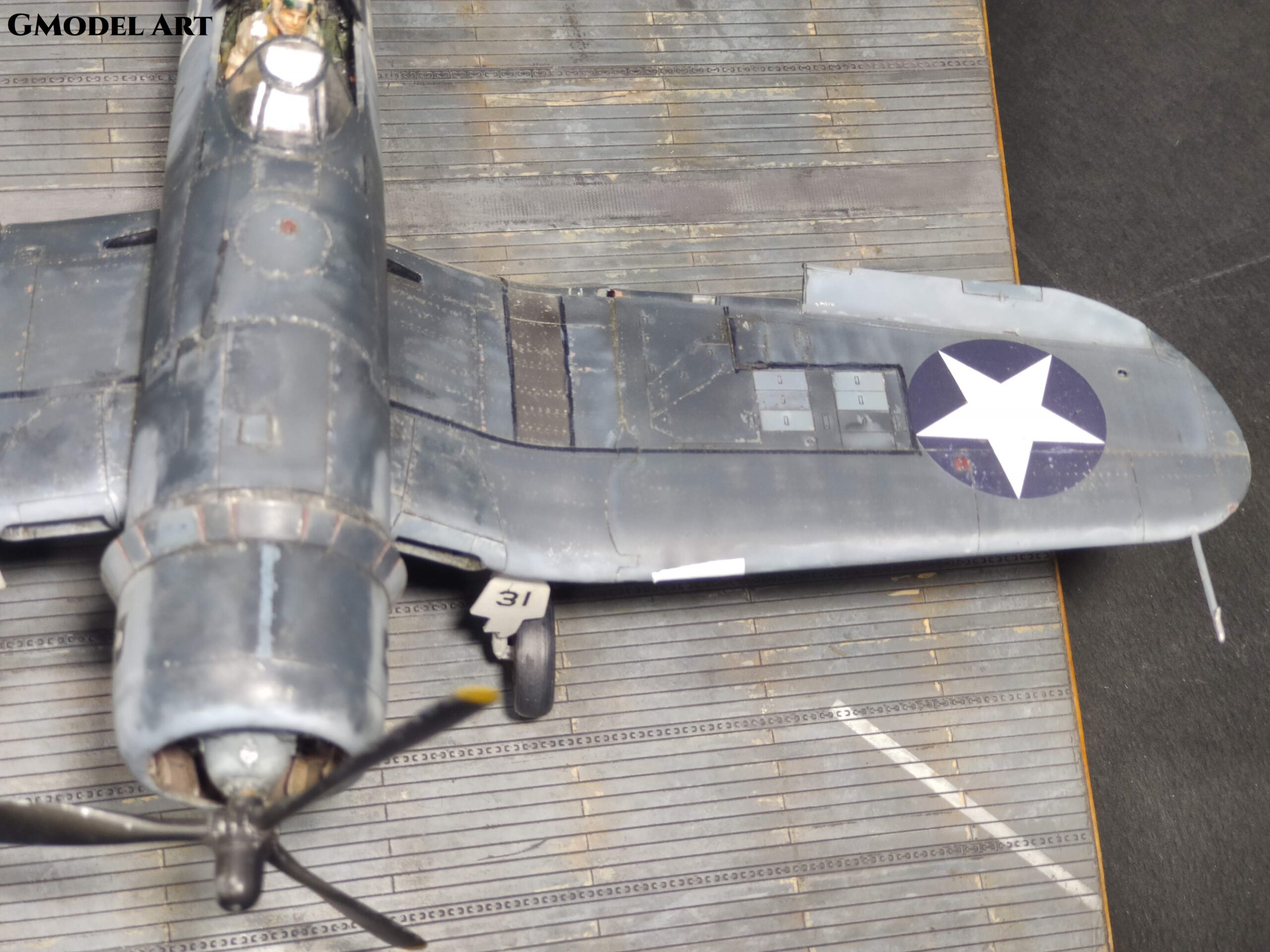
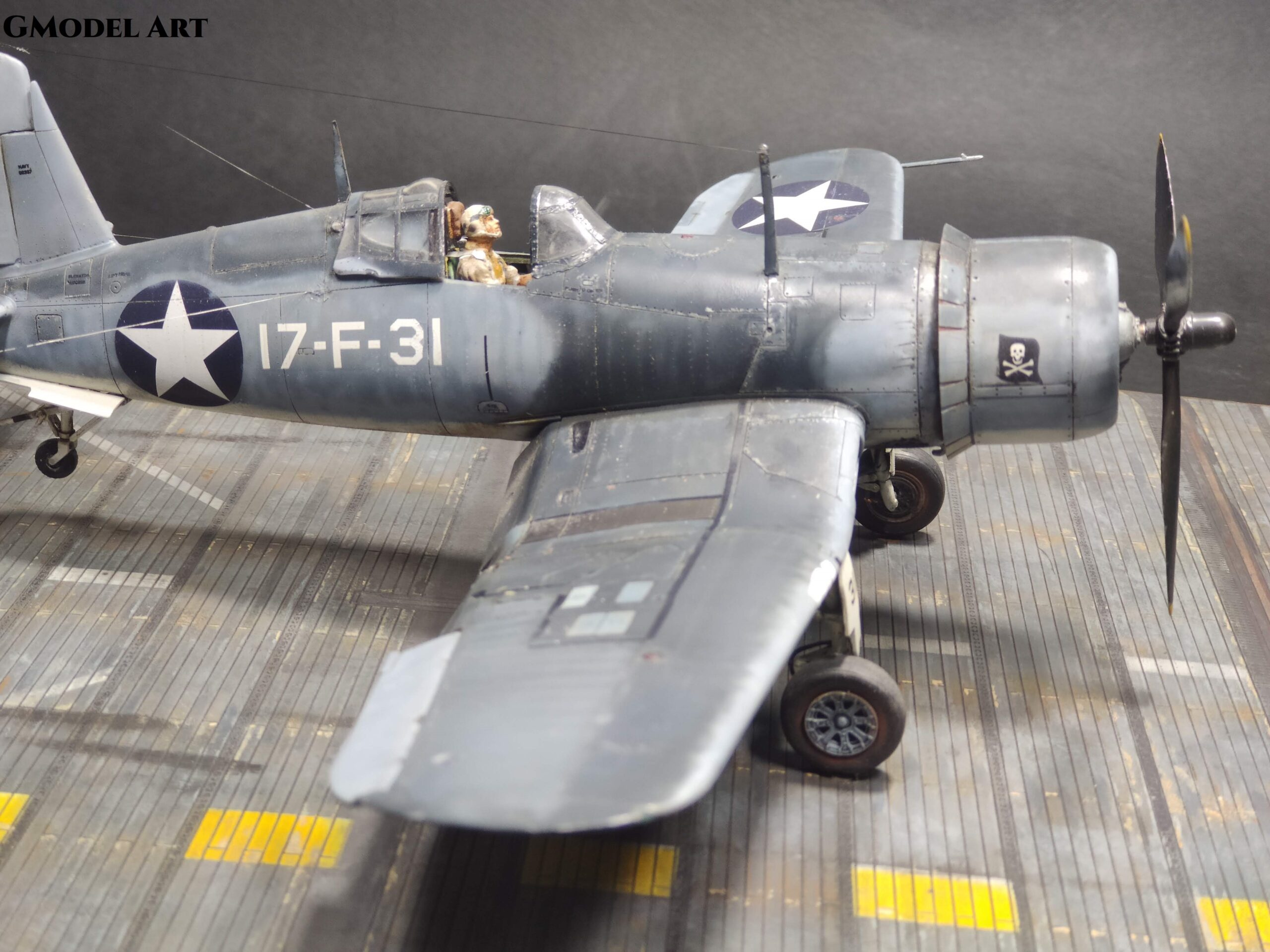
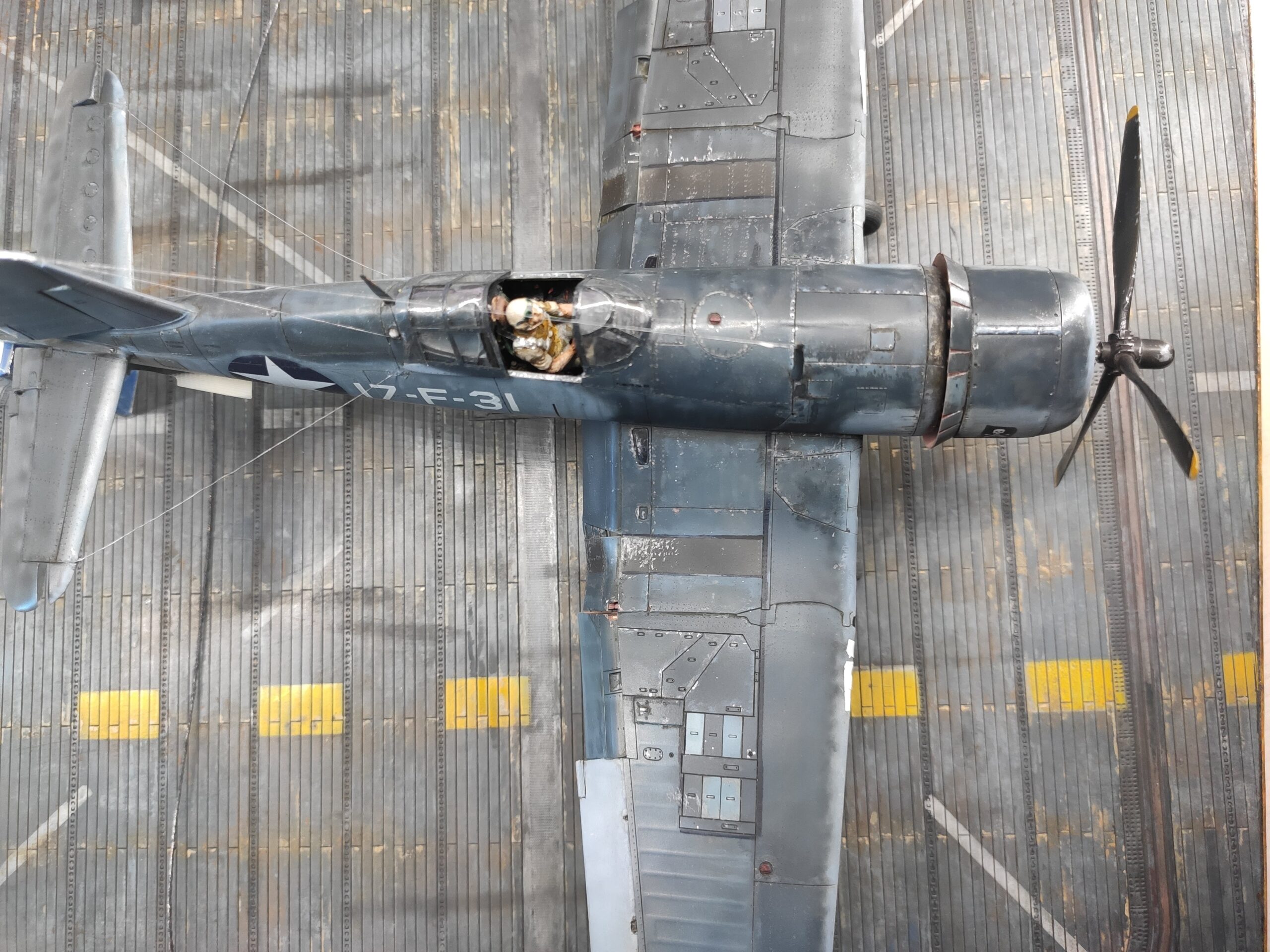
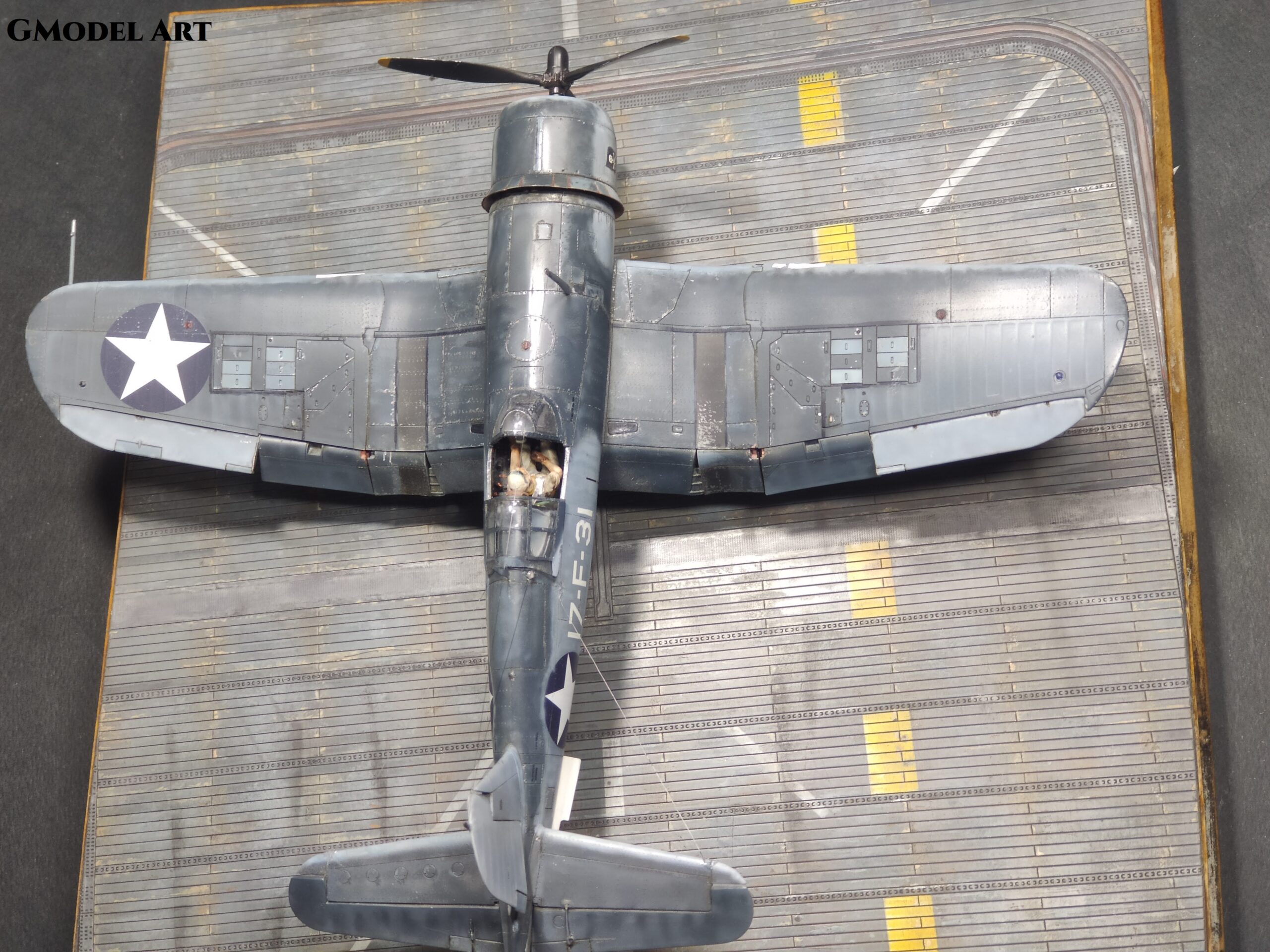
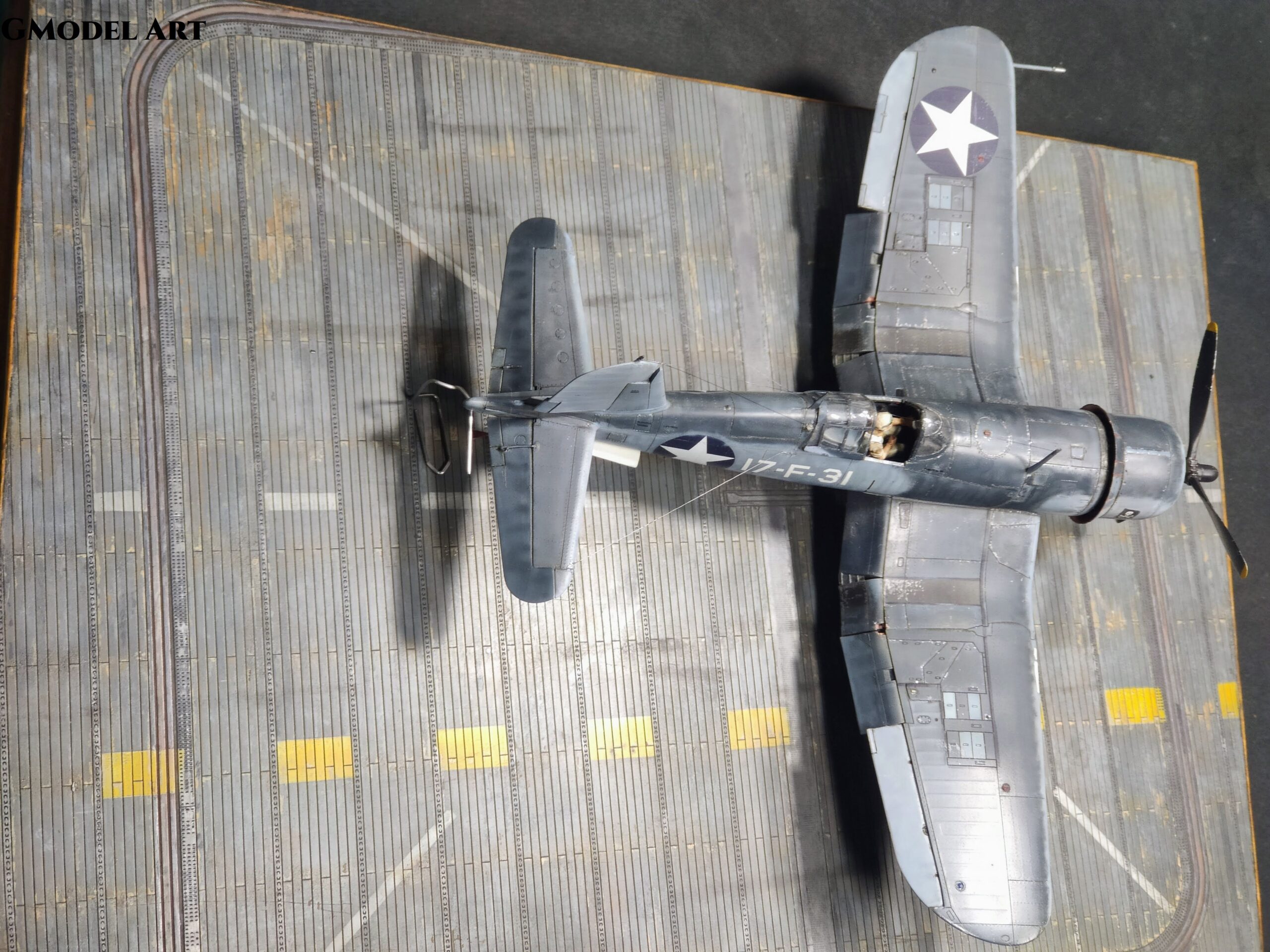
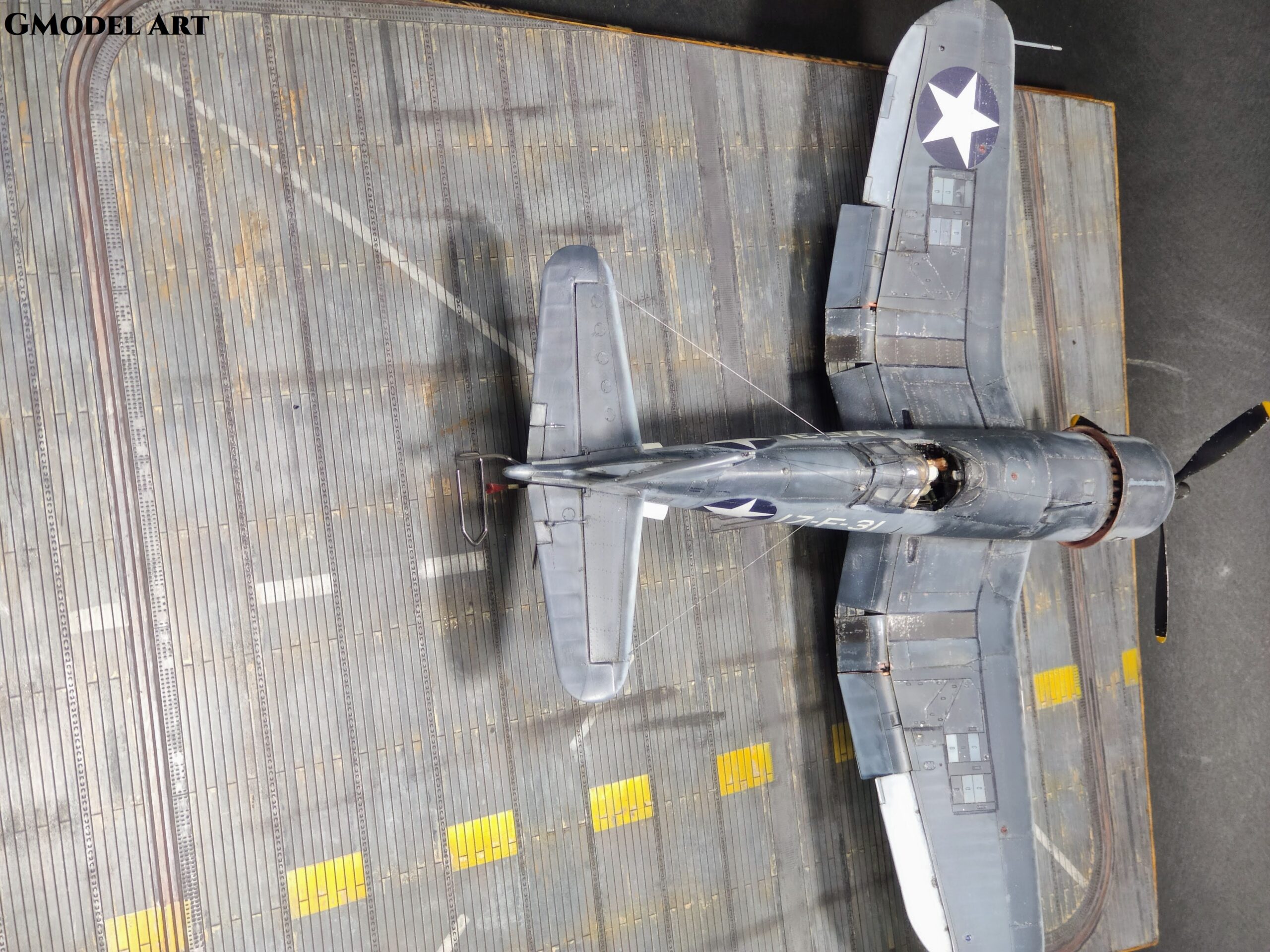
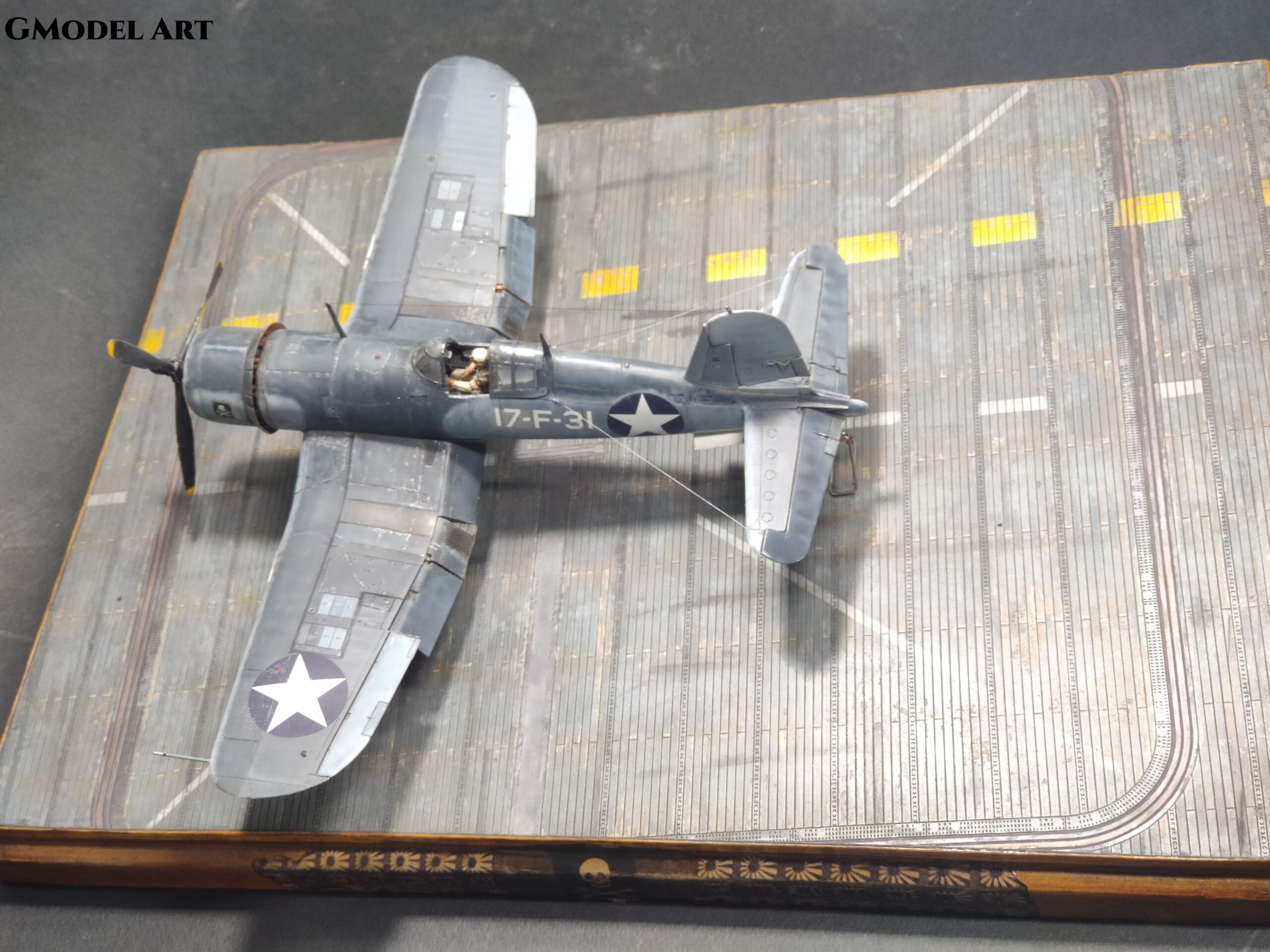
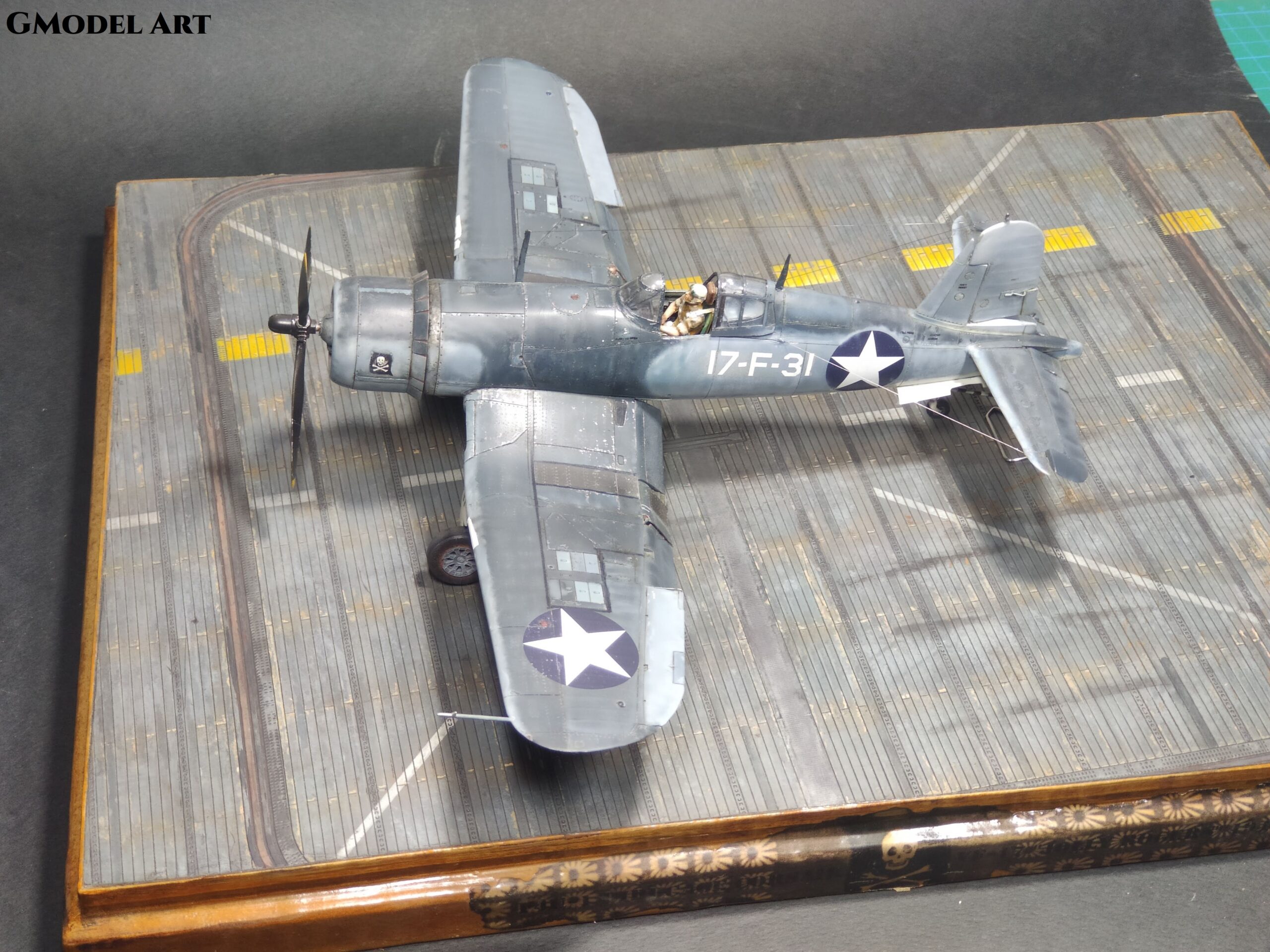
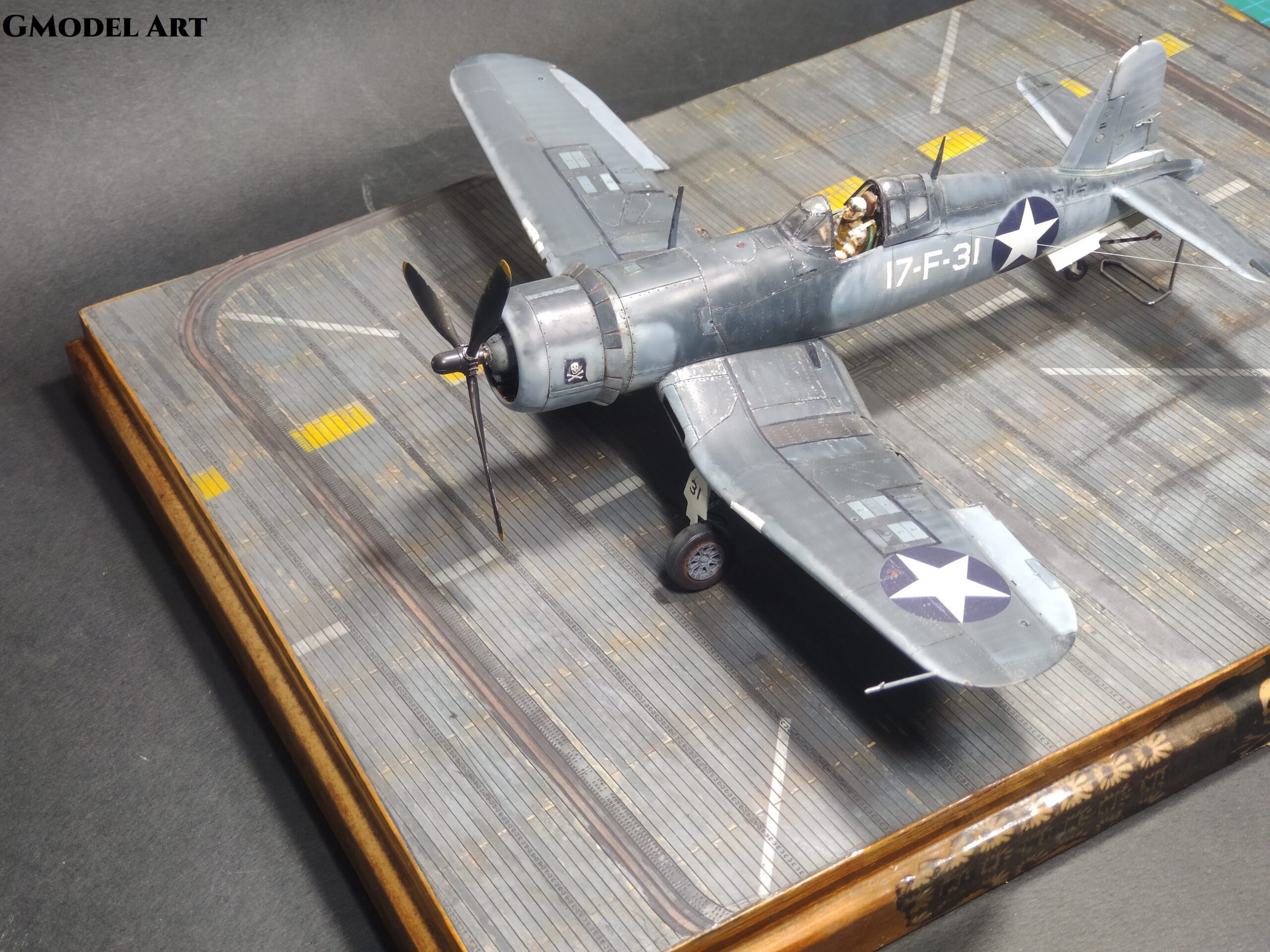
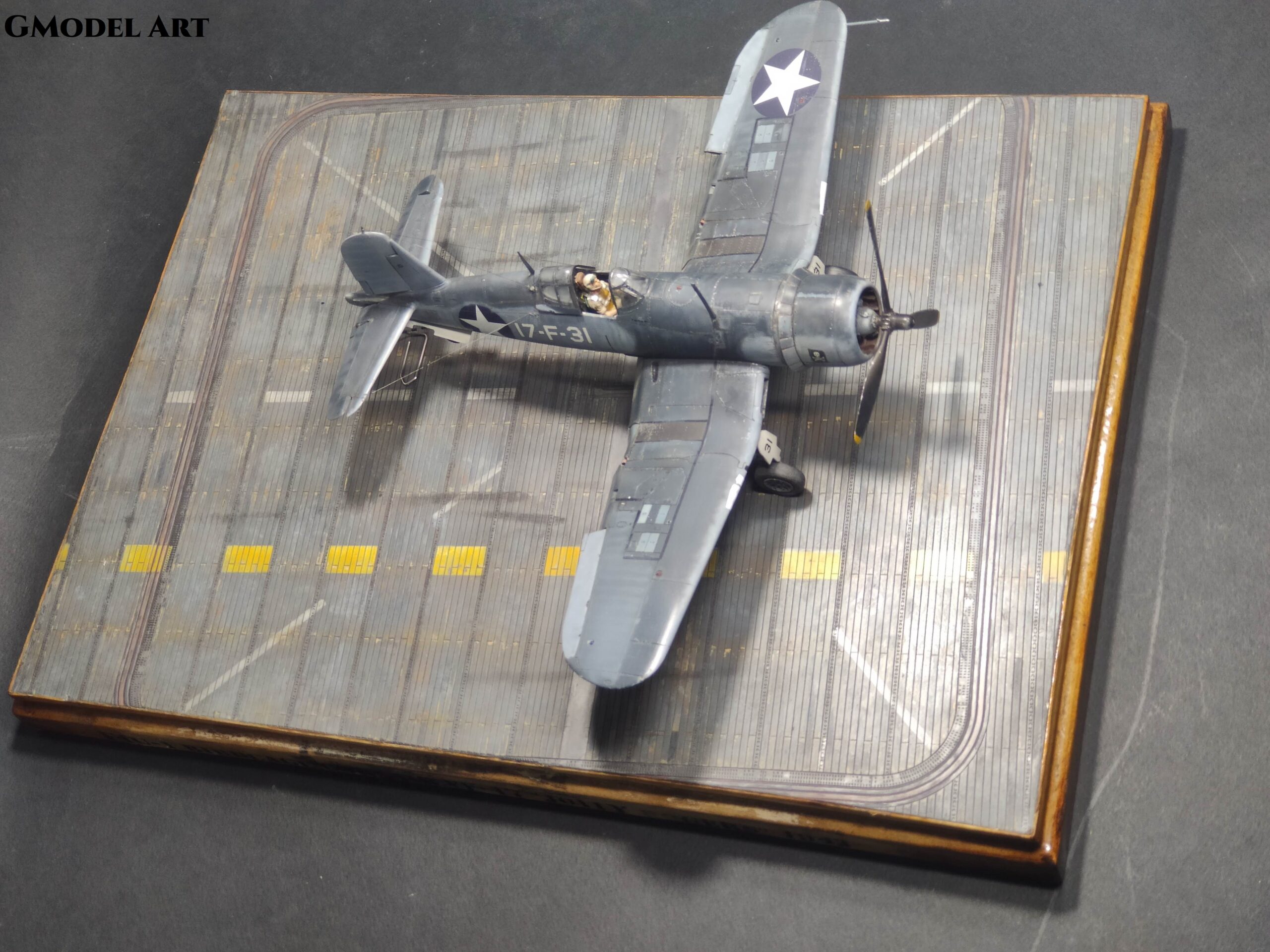
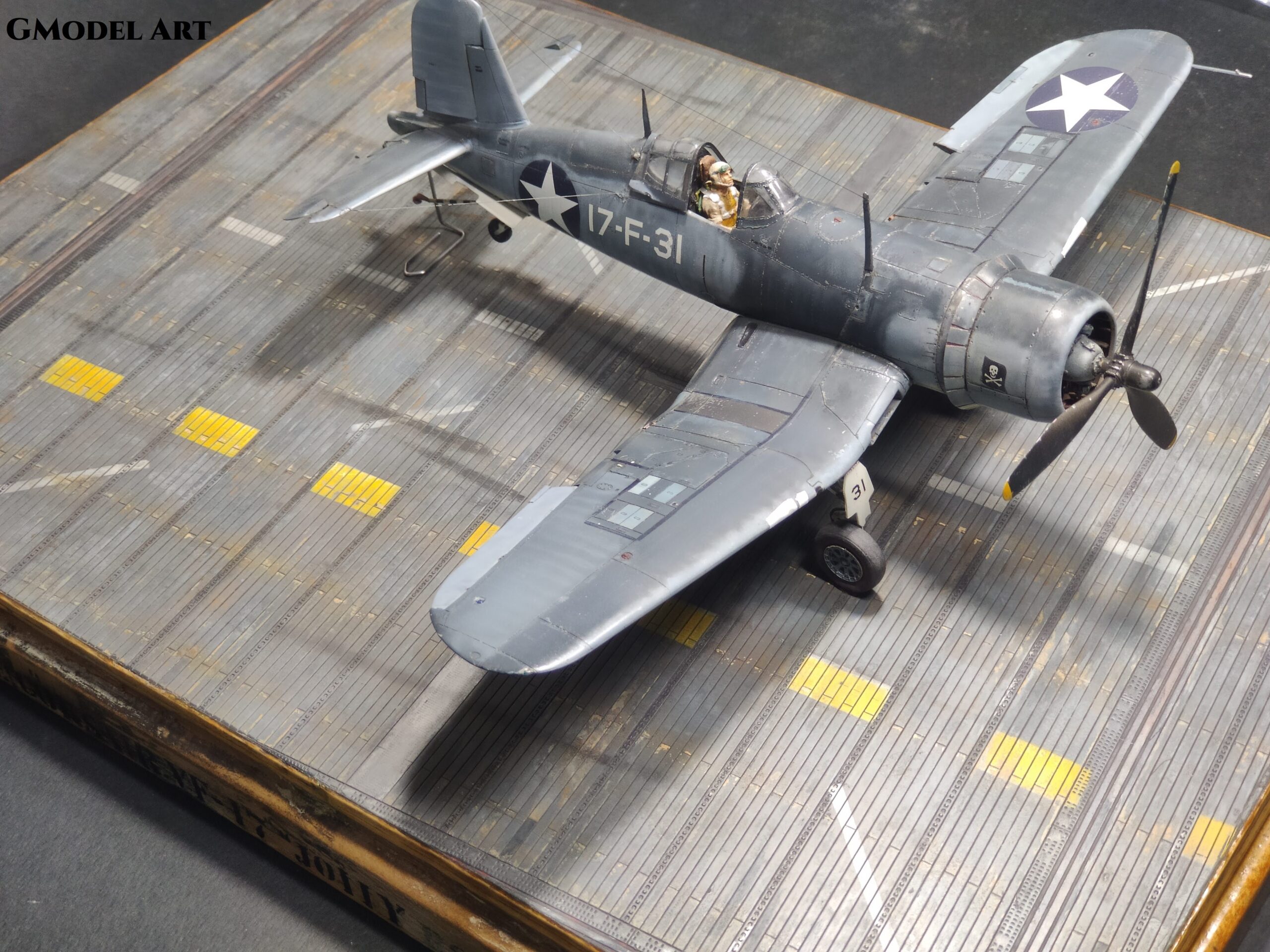
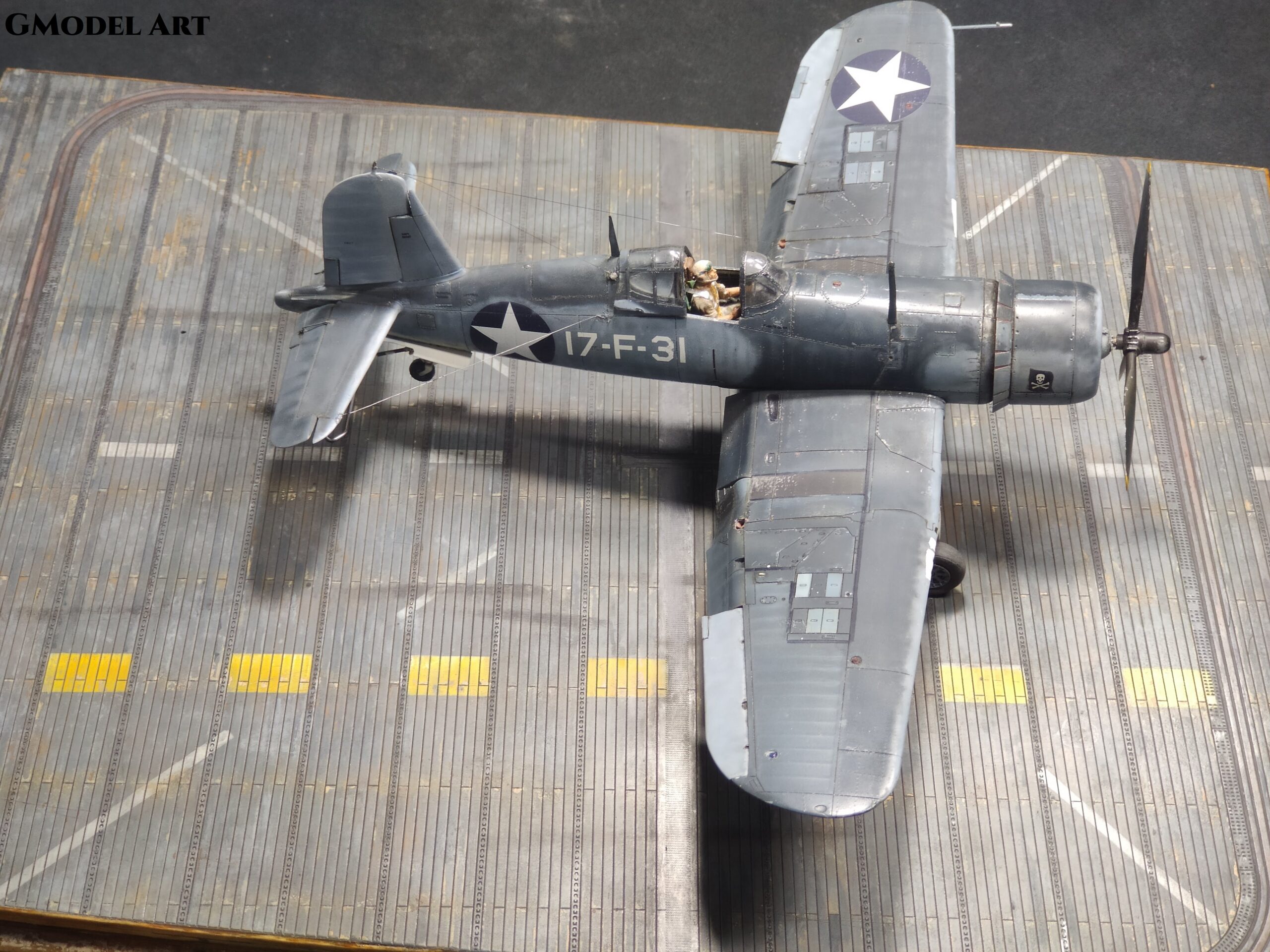
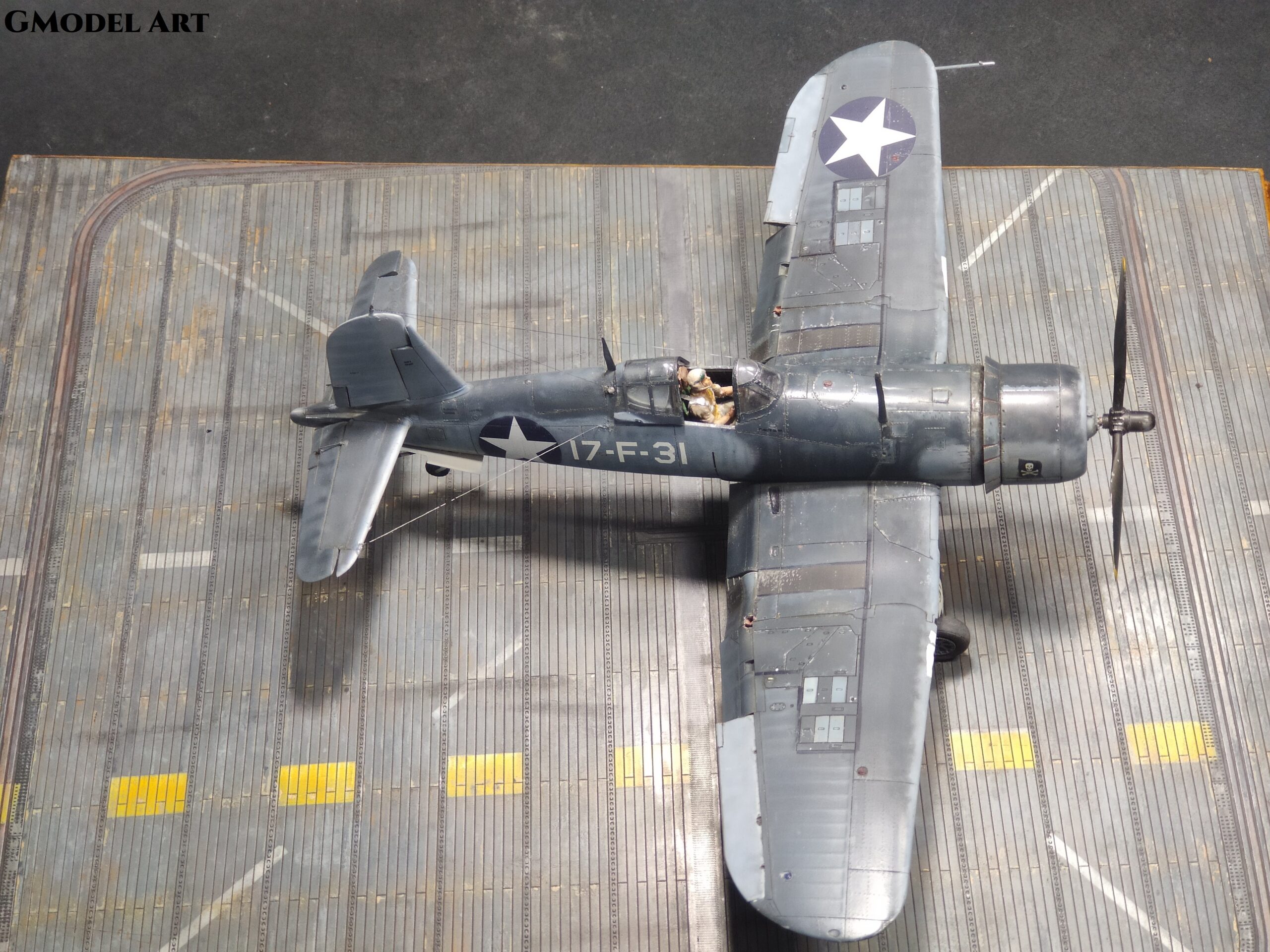
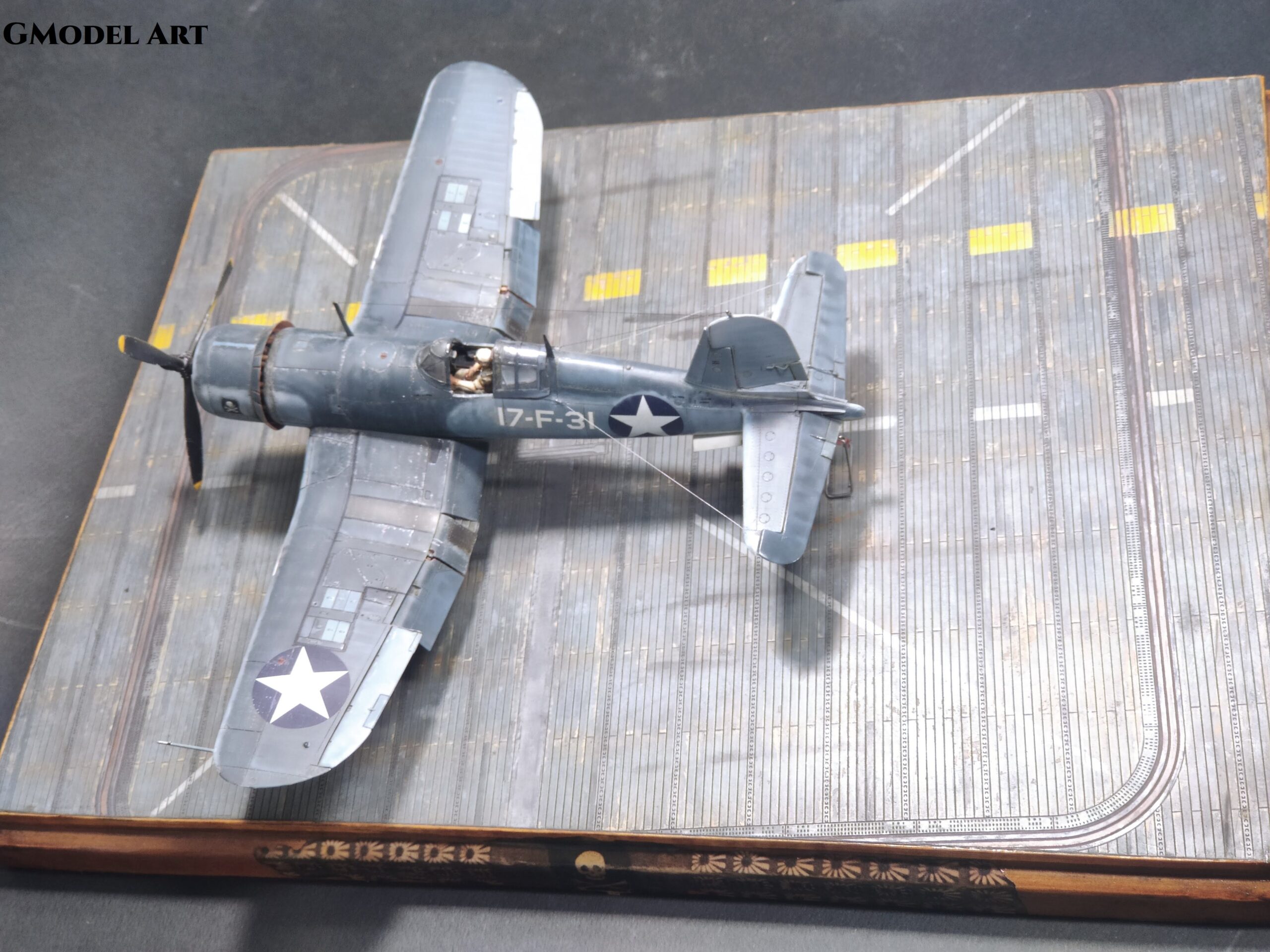
This build focuses on a Tamiya 1:48 F4U-1 Corsair Birdcage, with the aircraft being modeled as VF-17 17-F-31, in a planned deck scene representing the aircraft carrier USS Bunker Hill (CV-17) in July 1943.
The project is intended not simply as a straight build of the kit, but as an exercise in improving the appearance of the finished aircraft through relatively practical modifications and additional detailing.
The basic idea is simple: look carefully at the real aircraft, identify where the kit can be improved, and then decide which modifications are worthwhile within your own skill level.
Some improvements require little more than careful observation, patience and a sharp eye. Others require better tools and aftermarket components. In the end, the objective is not to make the most complicated model possible, but to make the model look more convincing.
Researching the VF-17 Corsair
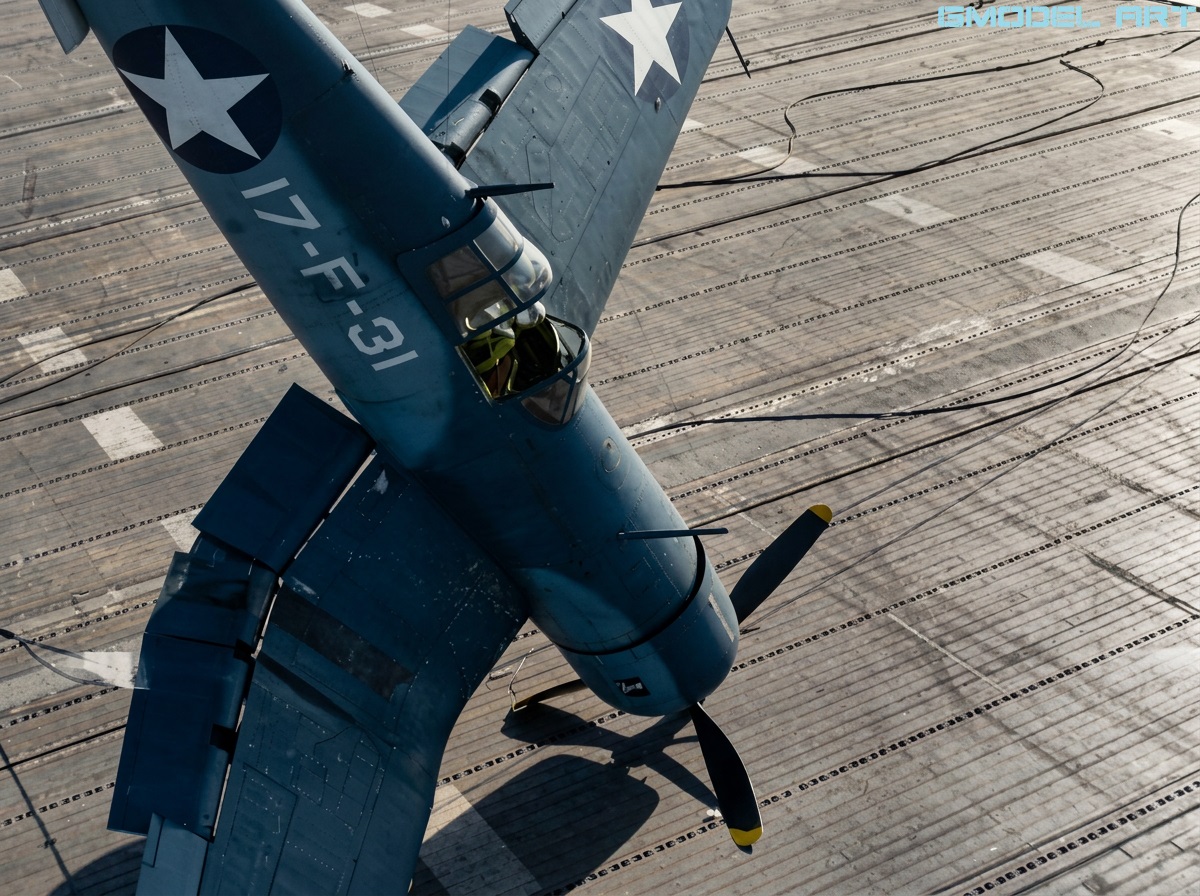
Extensive photographic research was carried out before and during the construction. The available photographs and reference material were used to study the appearance of the aircraft, its camouflage, markings, cockpit area and external details.
The specific aircraft chosen for the project is 17-F-31, recreated as seen in footage showing the Corsair coming back onto the deck of USS Bunker Hill (CV-17).
This type of reference material is particularly valuable for a scale model because photographs can reveal details that are easily overlooked when working only from kit instructions.
Panel lines, surface variations, canopy configuration, access panels, paint demarcation and even the way an aircraft sits on its landing gear can make a significant difference to the final appearance.
For this reason, photographic research should be considered part of the modeling process rather than something done only before construction begins.
Improving the Tamiya 1:48 F4U-1 Corsair
The Tamiya 1:48 F4U-1 Corsair provides a strong basis for the project, but several areas were selected for additional detailing.
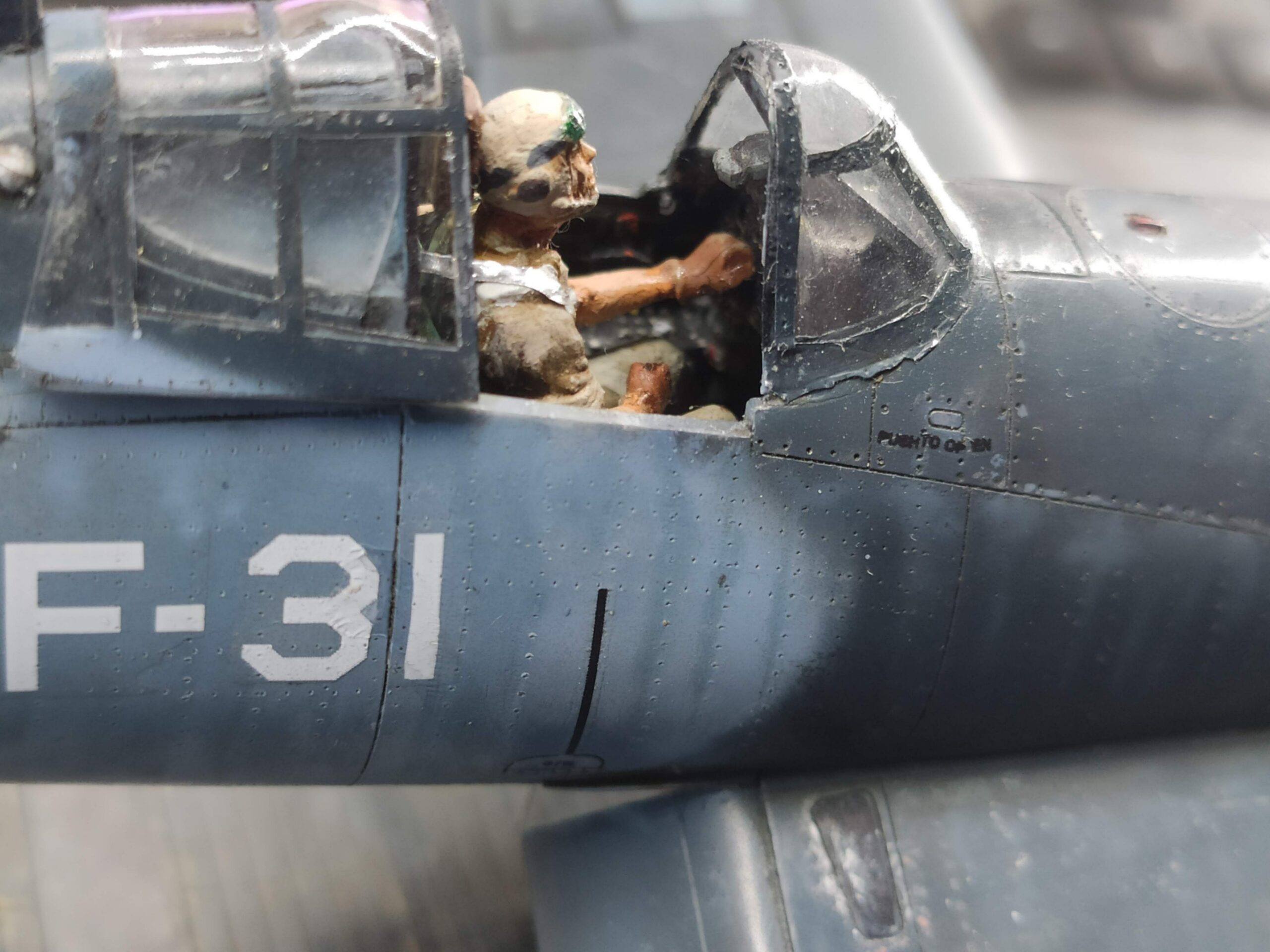
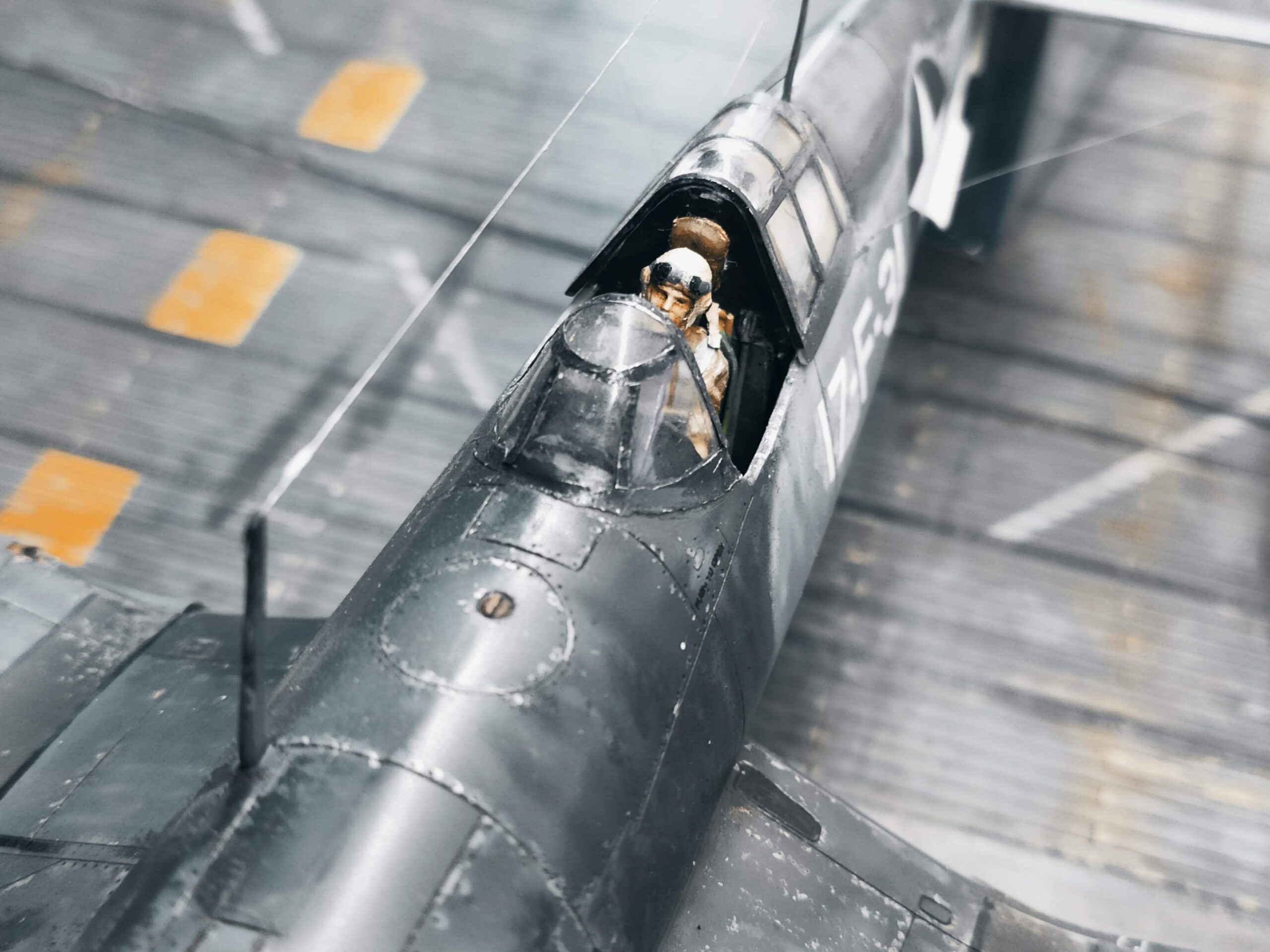
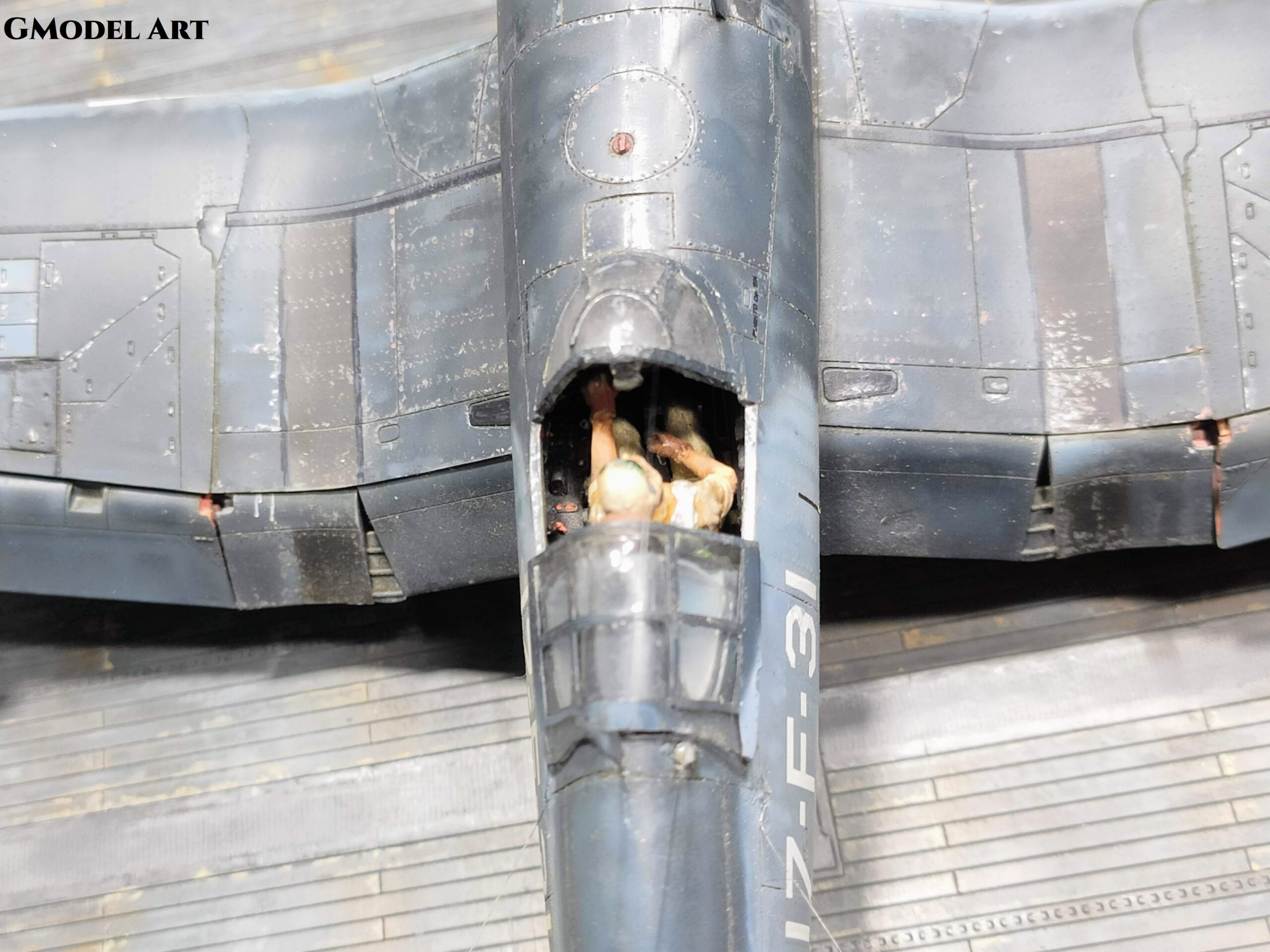
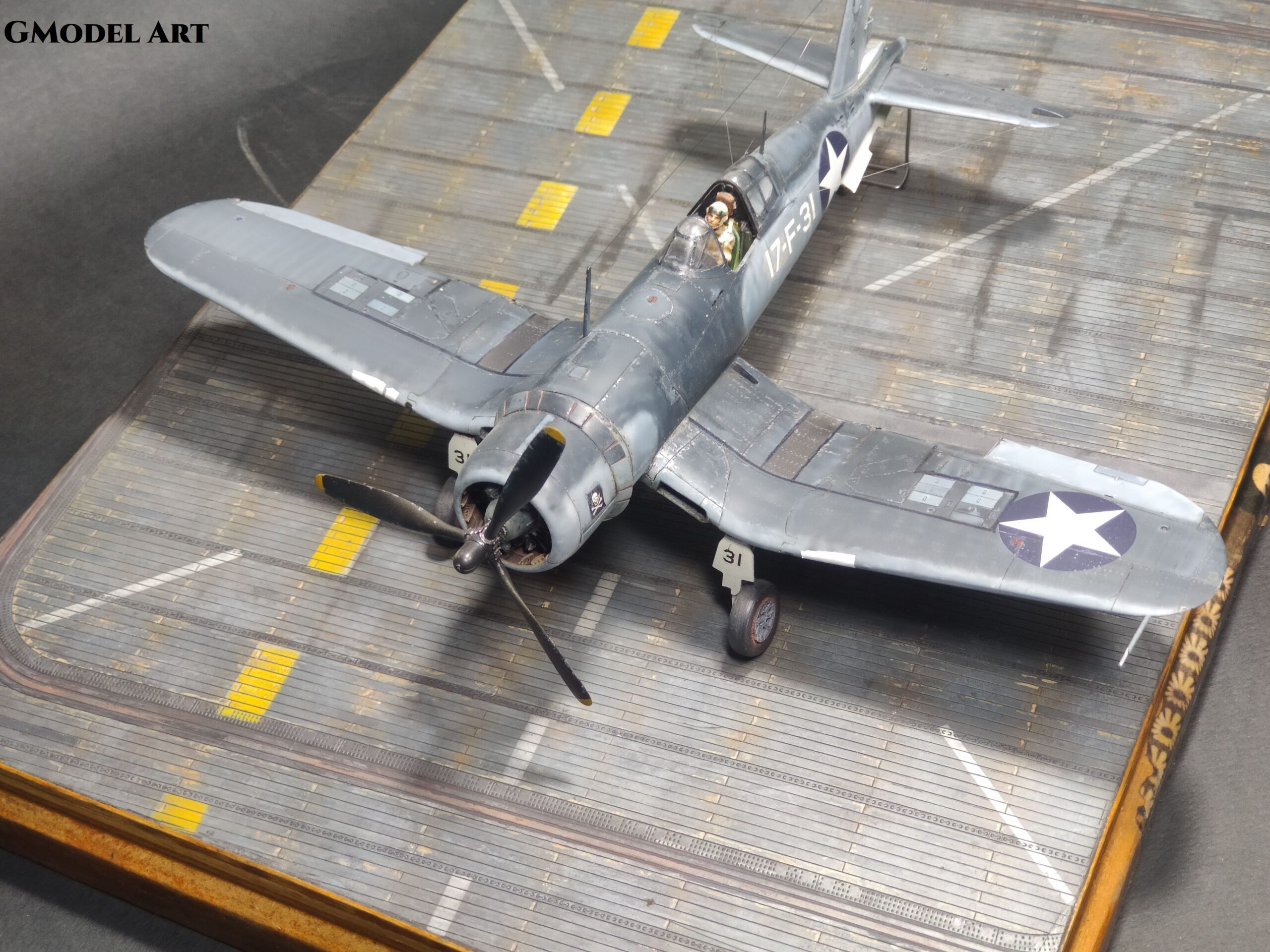
For the cockpit and engine, the build uses the Aires 4225 1:48 Vought F4U-1 Corsair detail set.
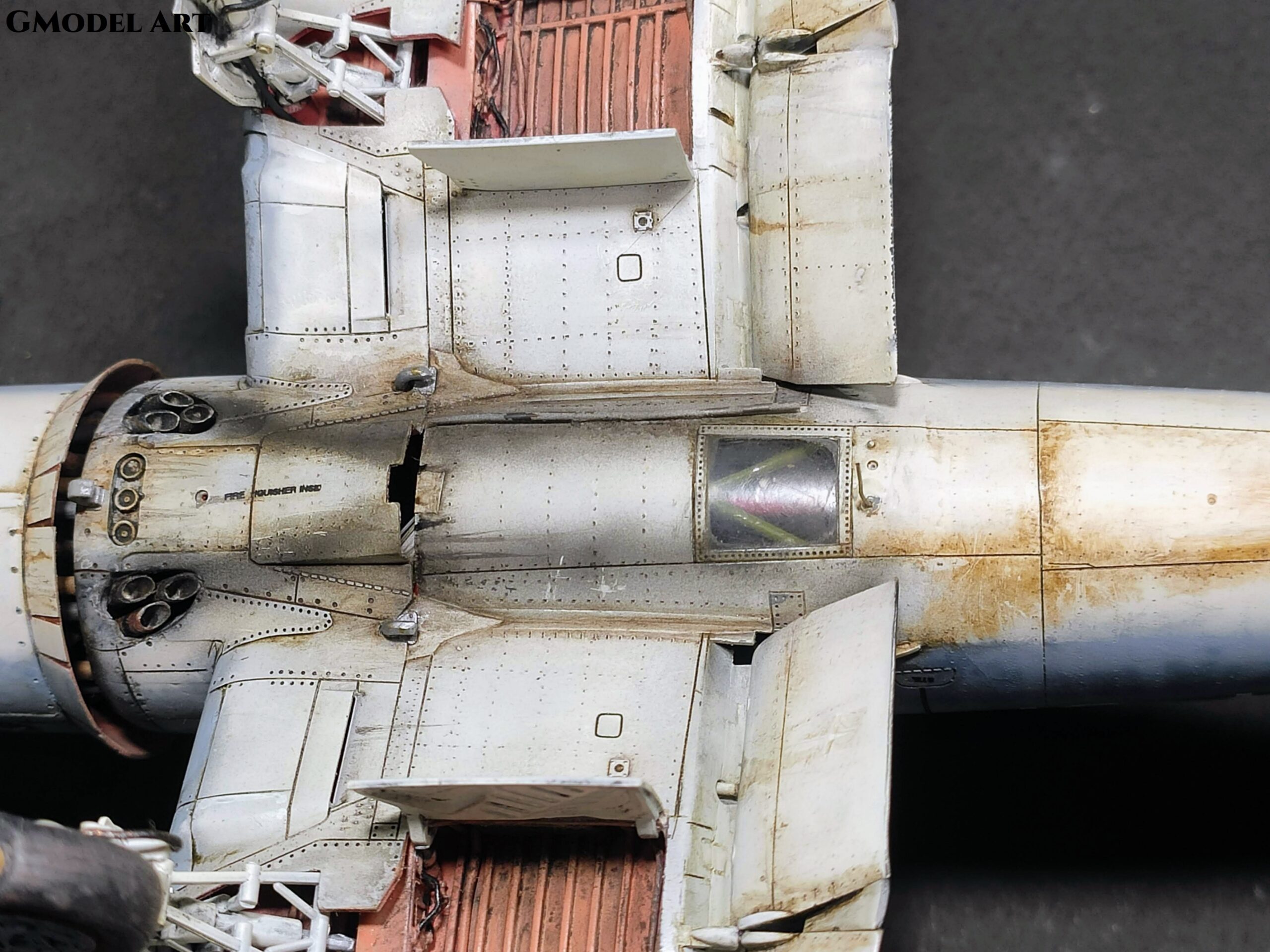
The additional resin components allow considerably more definition in areas that are highly visible on the finished model, particularly around the cockpit and the powerful R-2800 engine installation.
For the pilot figure, the build uses the ICM 48083 USAAF Pilots and Ground Personnel set.
Although the figure is not part of the aircraft itself, adding a pilot helps establish scale and gives the finished scene a stronger sense of life. In a carrier-deck diorama, the relationship between the aircraft, pilot and deck equipment is particularly important.
The lesson is also useful for less experienced modelers: aftermarket detail does not necessarily mean rebuilding every part of the aircraft. Selecting the areas that are most visible can provide a much better return for the time invested.
Cockpit and Interior Colors
The interior colors were painted using MRP lacquer paints.
The principal colors used for the build were:
| Area | Paint | MRP Code |
|---|---|---|
| Interior Green | MRP Interior Green | MRP-131 |
| Salmon Primer | Pink Salmon Primer | MRP-130 |
| Lower wing camouflage | Blue Gray | MRP-133 |
| Insignia markings/details | Insignia White | MRP-135 |
| Upper camouflage | Intermediate Blue | MRP-136 |
| Upper camouflage | Sea Blue | MRP-237 |
The use of different primer and interior shades is particularly useful on an aircraft such as the early Vought F4U-1 Corsair, where the interior and structural areas can produce considerable tonal variation.
Rather than relying on a completely uniform finish, subtle differences between painted components can help create a more convincing impression of a working wartime aircraft.
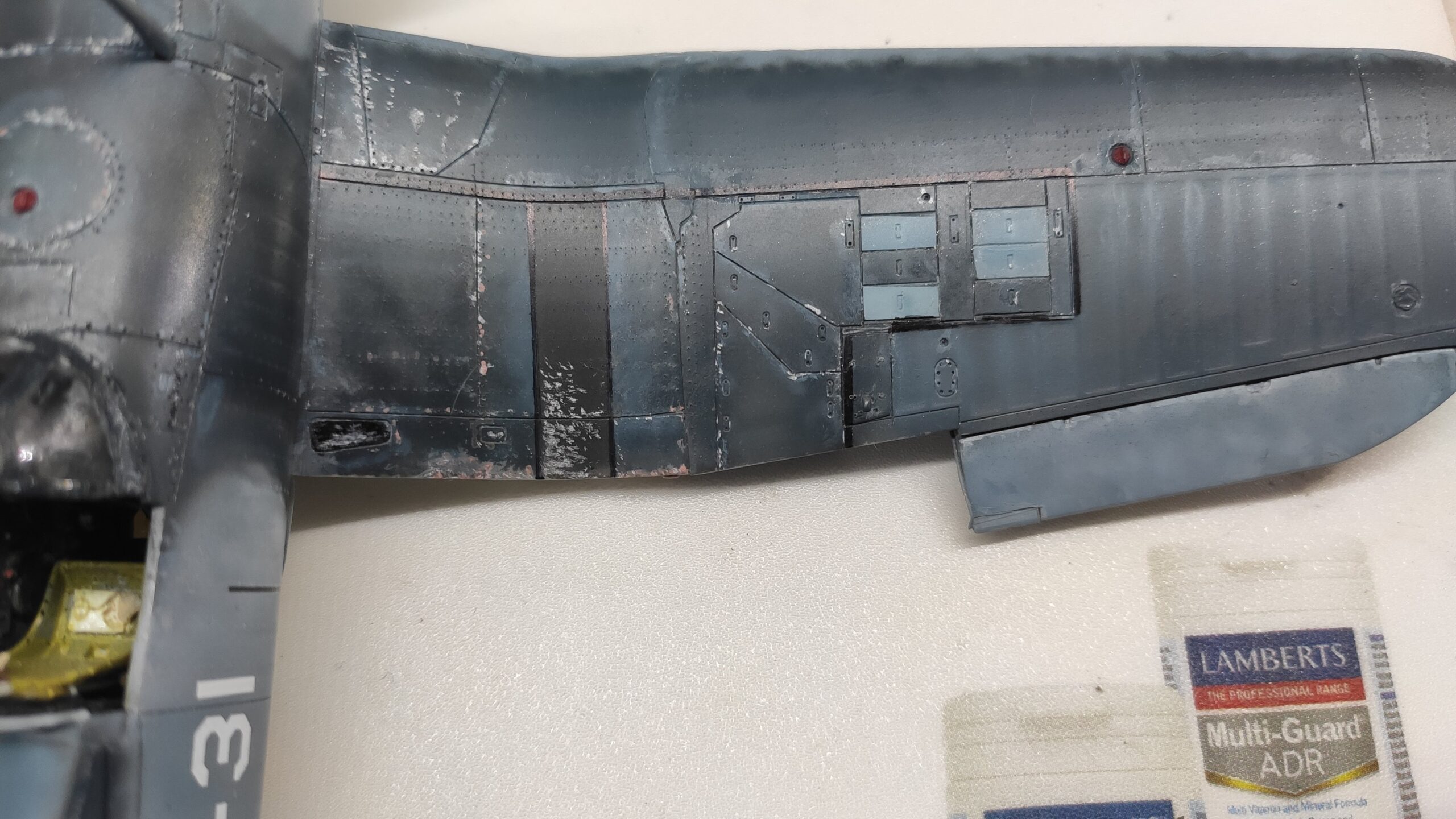
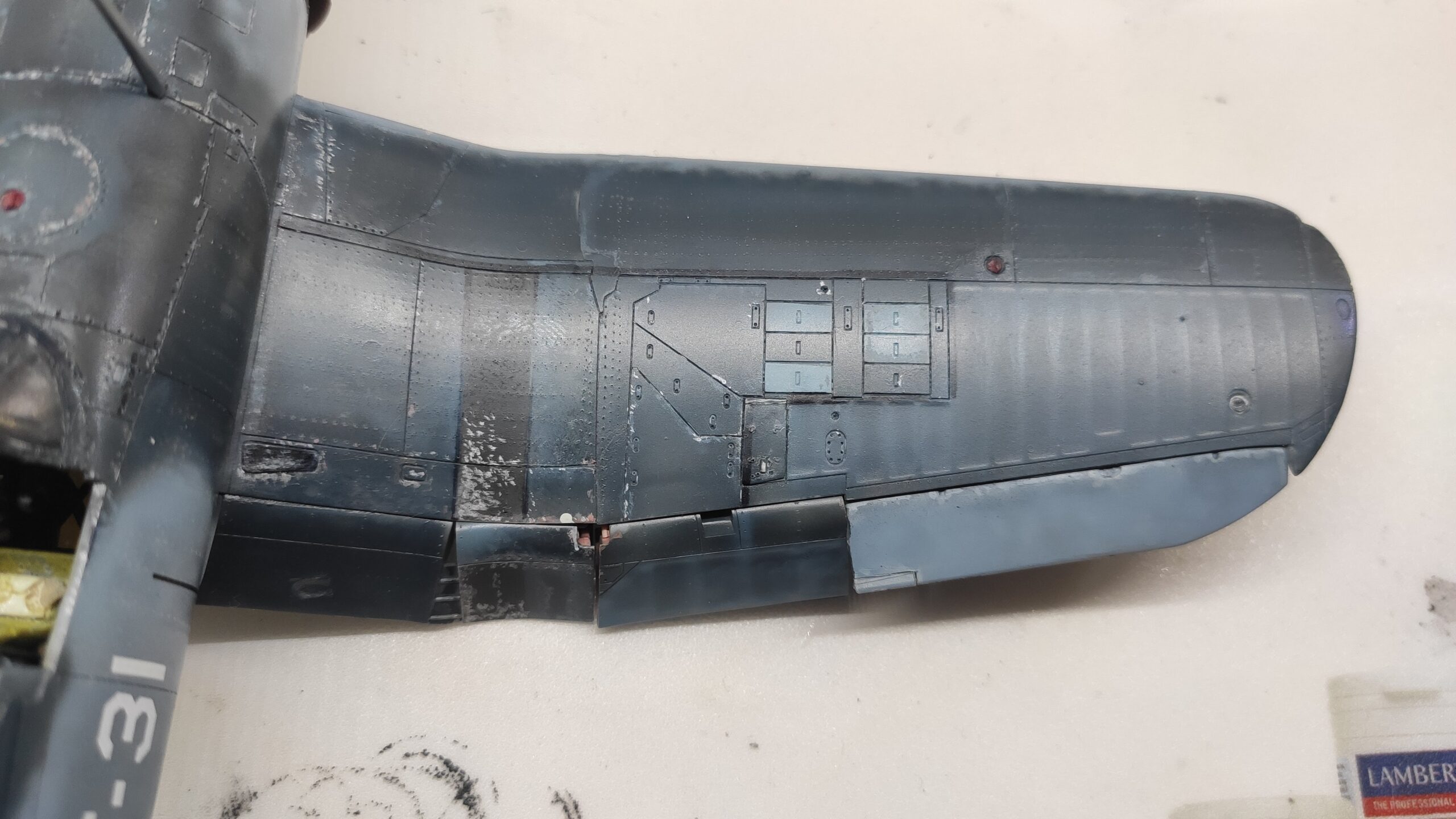
F4U-1 Corsair Camouflage
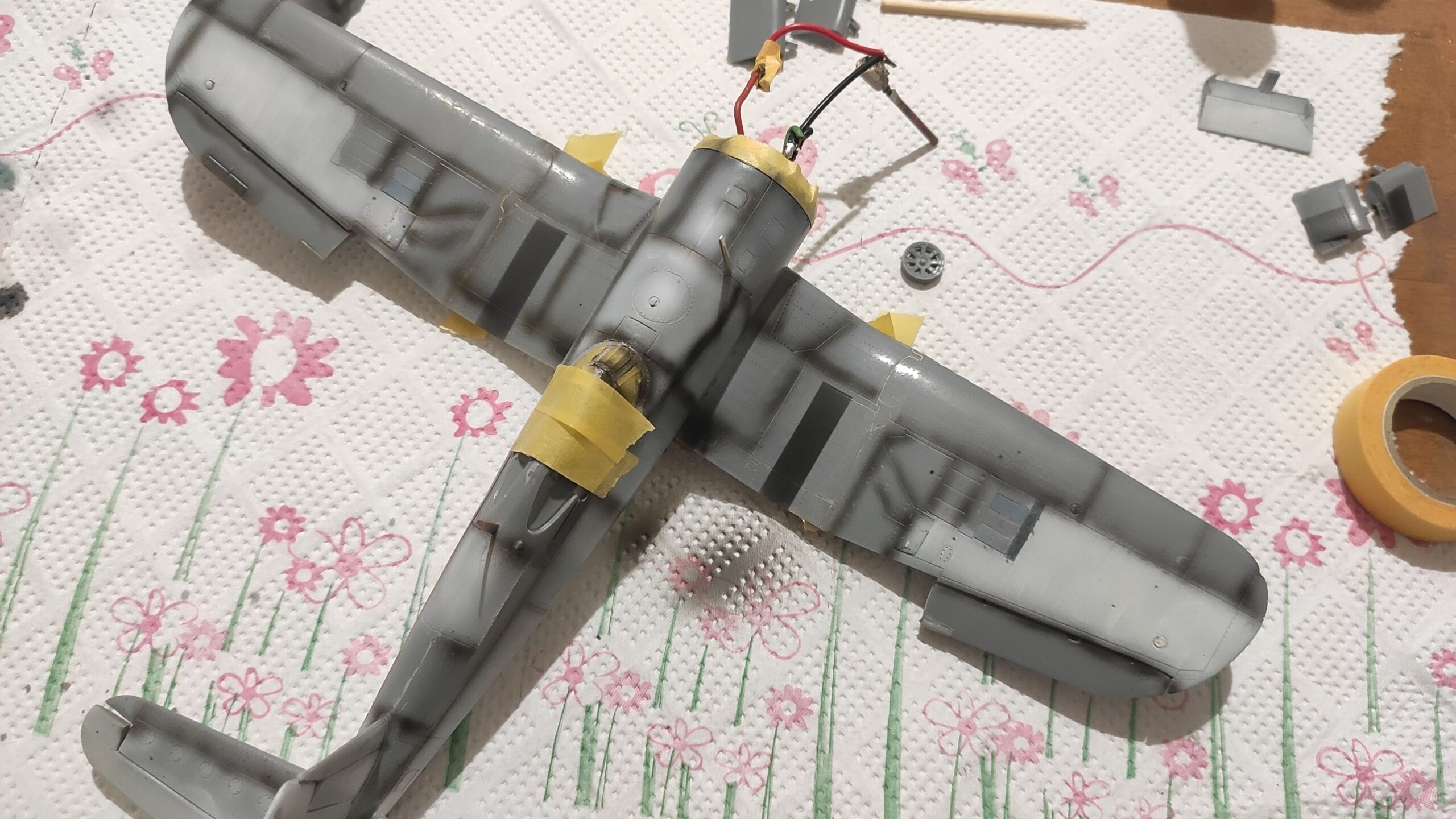
The camouflage scheme follows the familiar three-color approach associated with early U.S. Navy Corsairs.
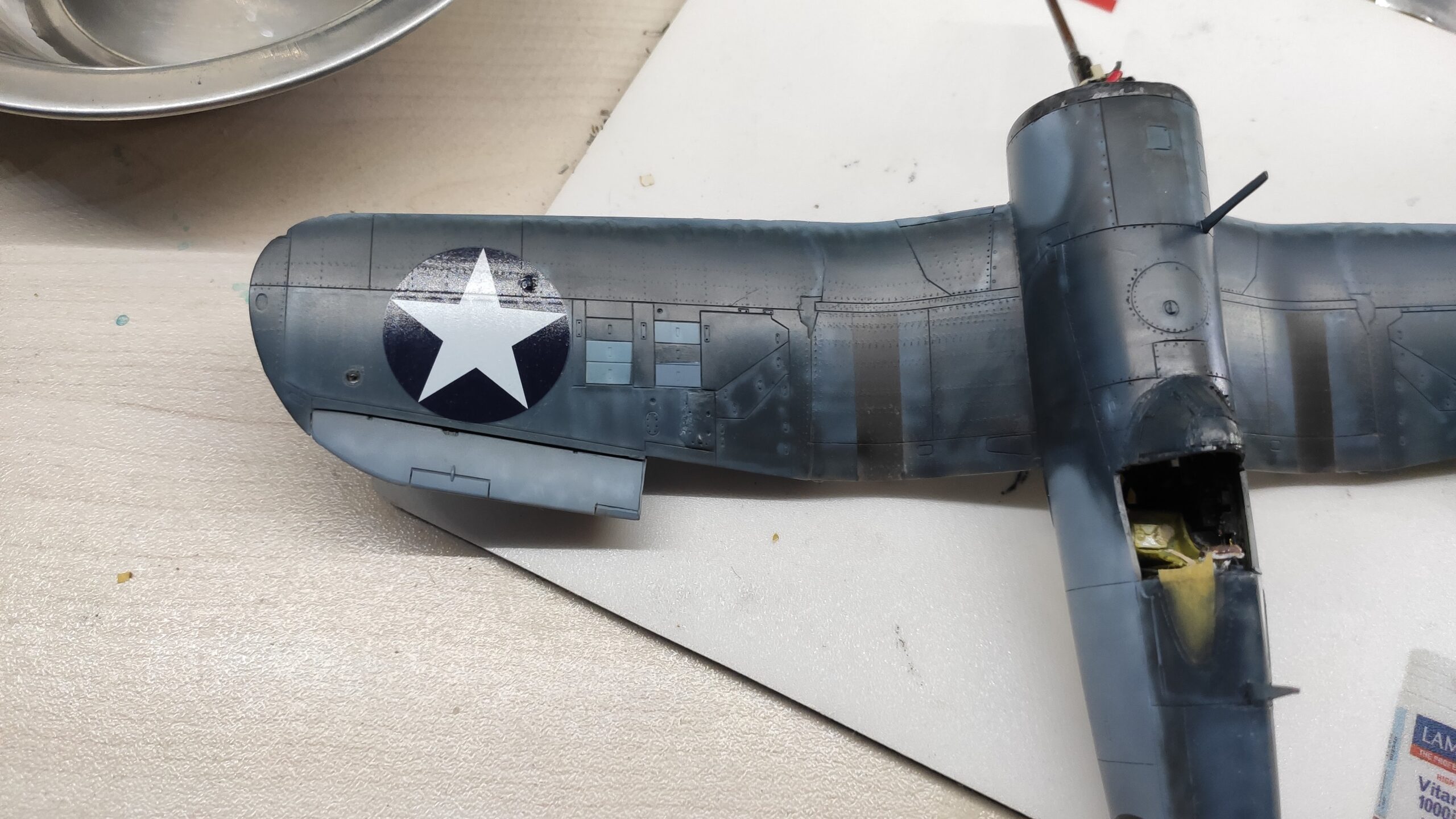
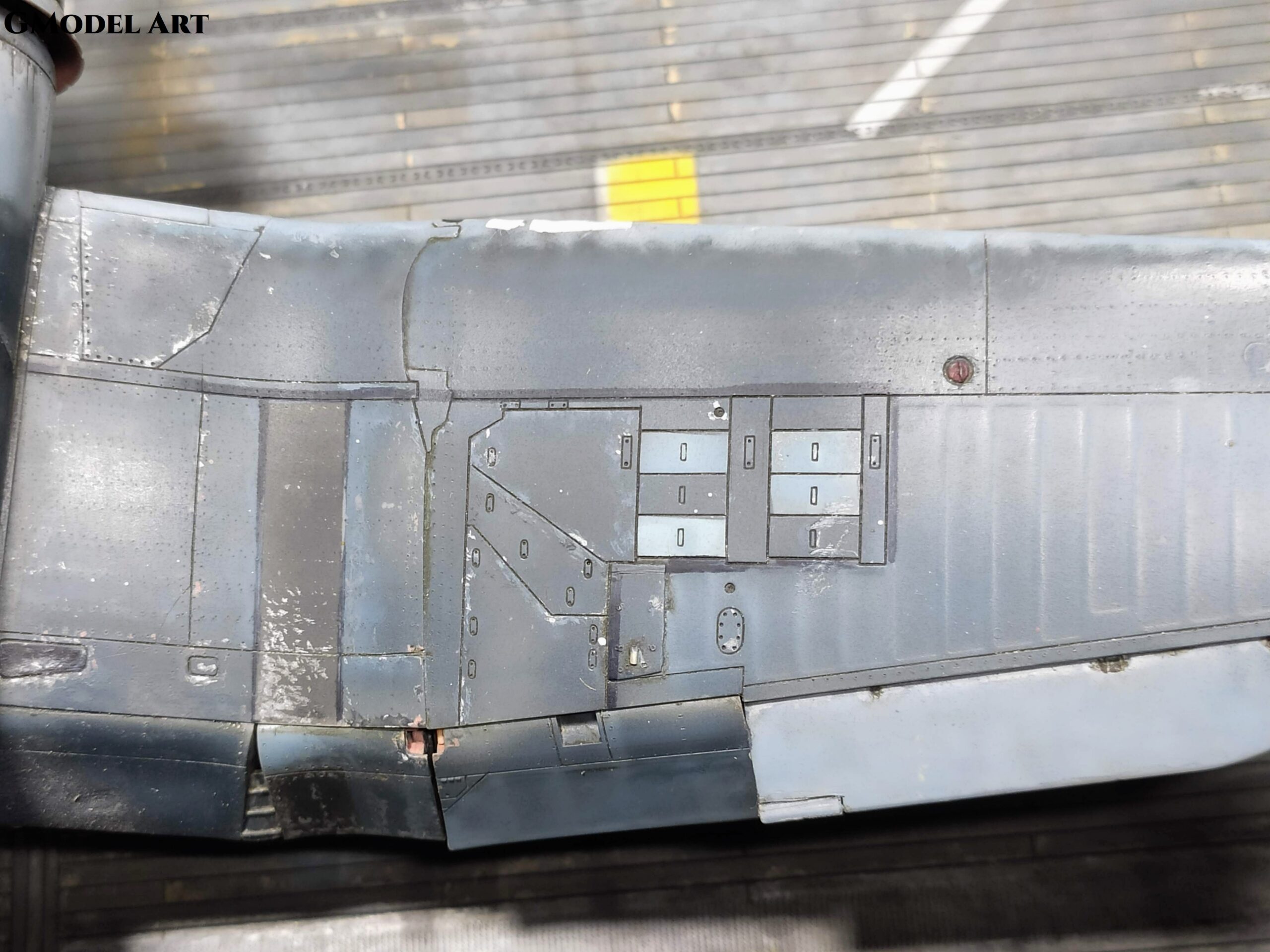
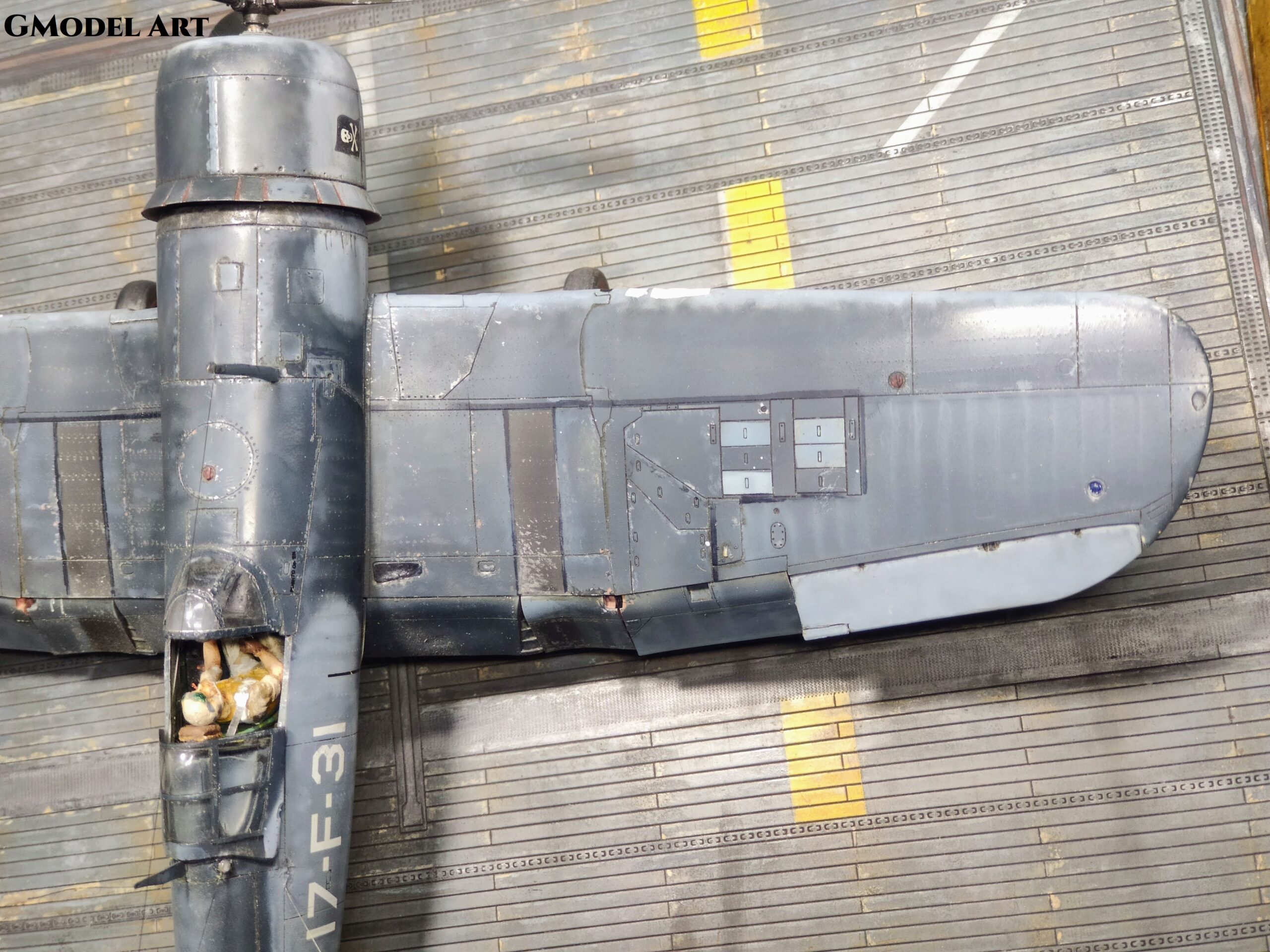
The lower surfaces were painted Blue Gray, while the upper surfaces were based on Intermediate Blue and Sea Blue.
Particular attention was paid to the camouflage demarcation lines. These are easy areas to overlook, but they have a major effect on the overall appearance of a Corsair model.
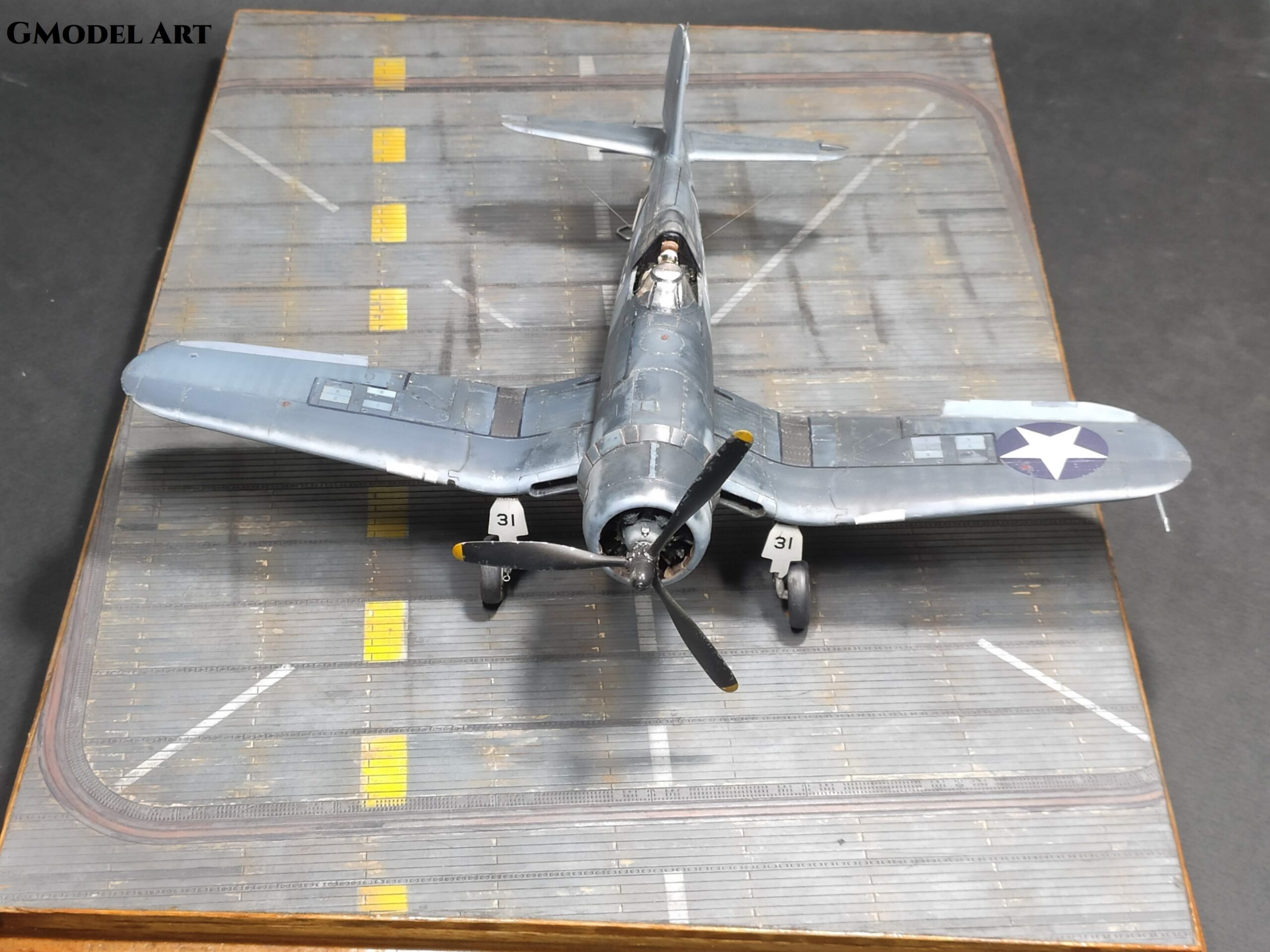
Another detail worth checking carefully is the color relationship of the ailerons. On the real aircraft, control surfaces can sometimes create an apparent color reversal or contrast compared with the surrounding wing surfaces, depending on the camouflage pattern and photographic conditions.
This is precisely where good reference photographs become more valuable than simply following a generic camouflage diagram.
Weathering and Surface Character
A carrier-based F4U-1 Corsair should not look like a factory-fresh aircraft unless the specific reference photograph supports that appearance.
The aircraft operated in a harsh environment characterized by salt water, fuel, oil, dust, hydraulic fluids and constant maintenance activity.
However, weathering should be approached carefully.
Heavy chipping or excessive dirt can quickly make a model look less realistic rather than more realistic. The most convincing result usually comes from combining restrained paint variation with small amounts of wear in areas that would realistically receive handling or mechanical attention.
The goal is to suggest use rather than simply add weathering because the model appears too clean.
Building the USS Bunker Hill Carrier Deck
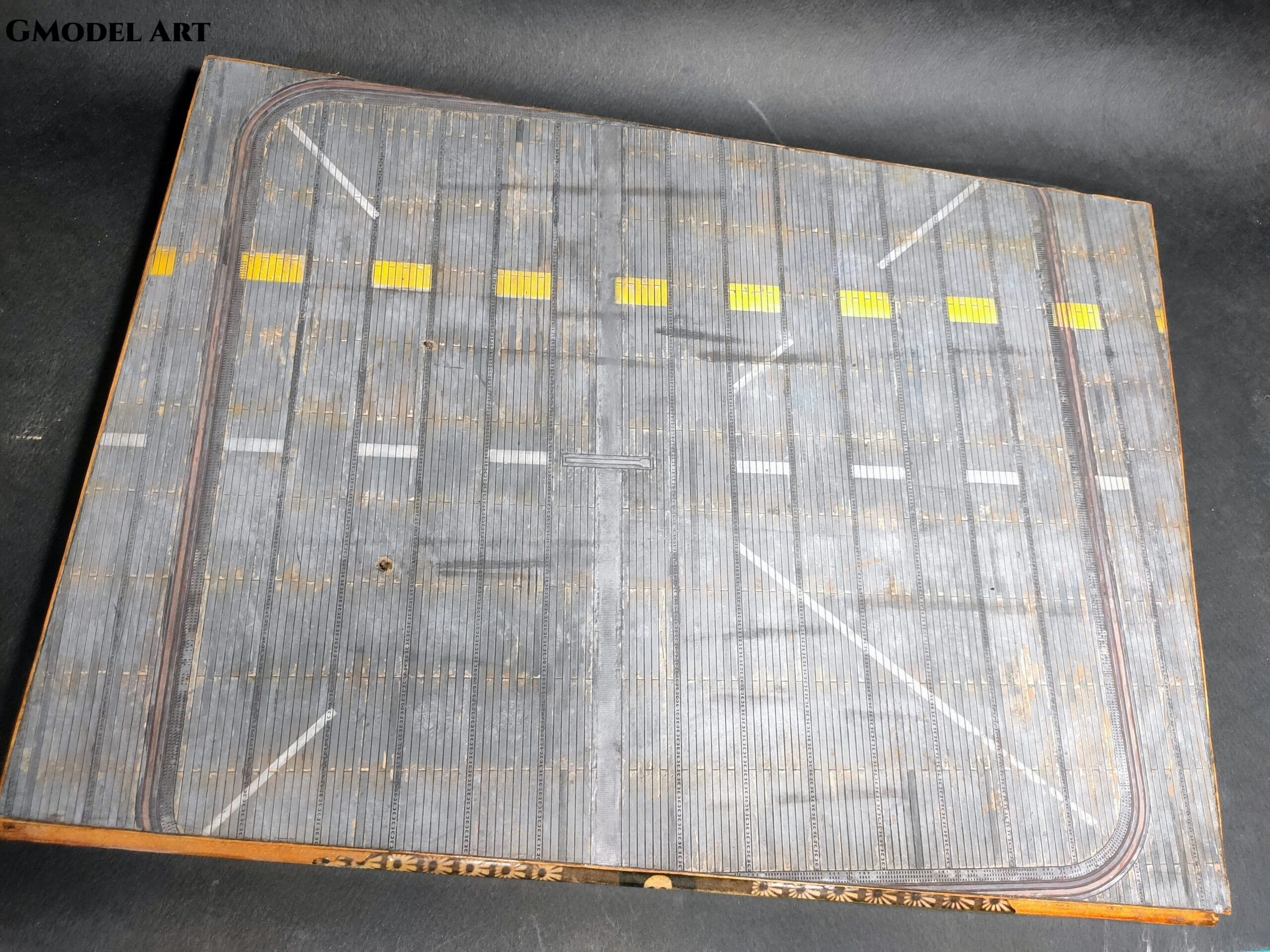
The aircraft will ultimately be displayed on a carrier deck representing USS Bunker Hill (CV-17).
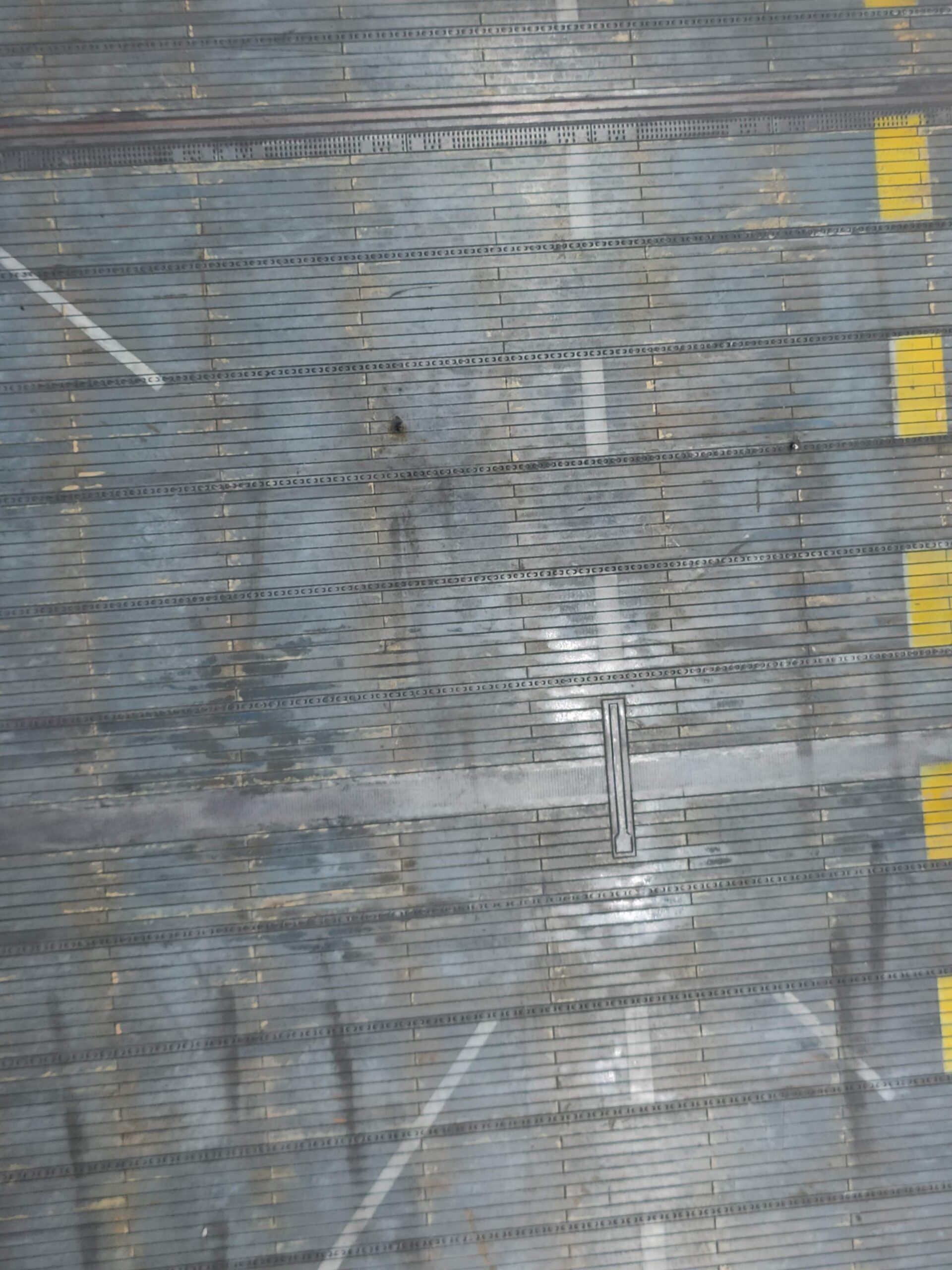
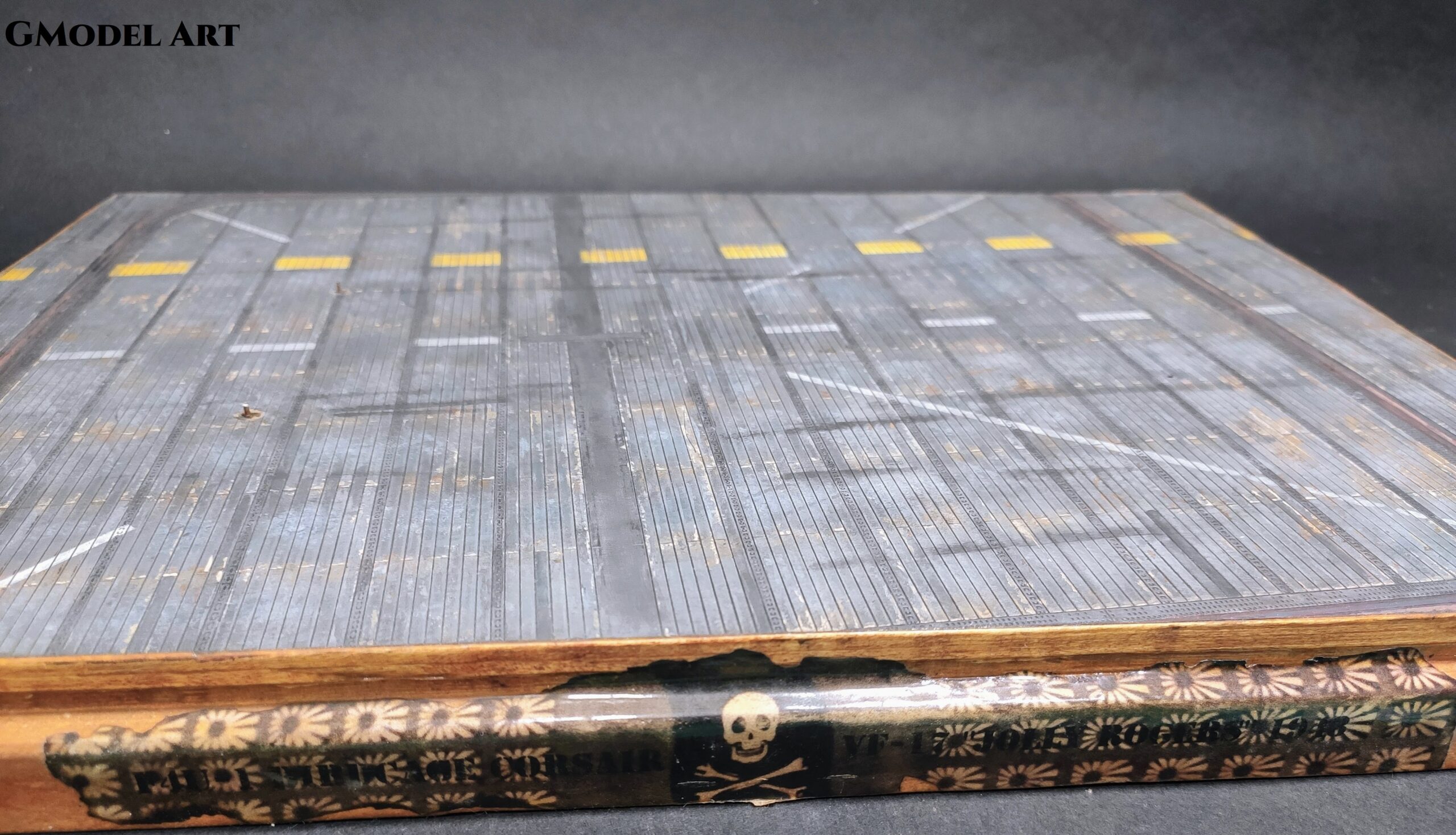
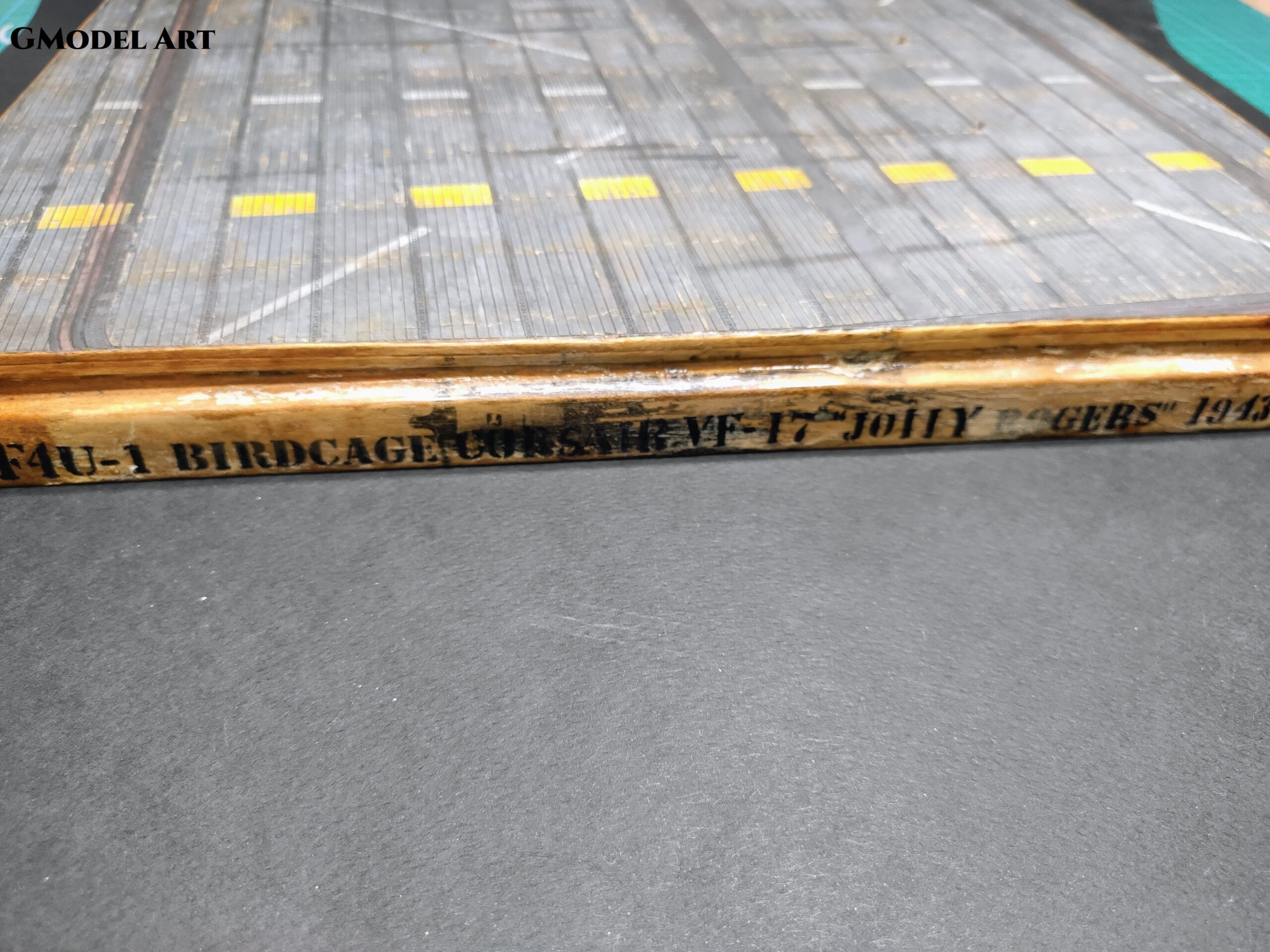
For the deck, an Eduard 1:48 U.S. Navy aircraft carrier deck was selected.
The deck section was mounted onto a wooden base and painted using Lifecolor UA624 U.S. Navy Blue Deck.
The wooden base provides a practical foundation for the diorama while also making it easier to handle and display the completed scene.
Creating the Photographic Display
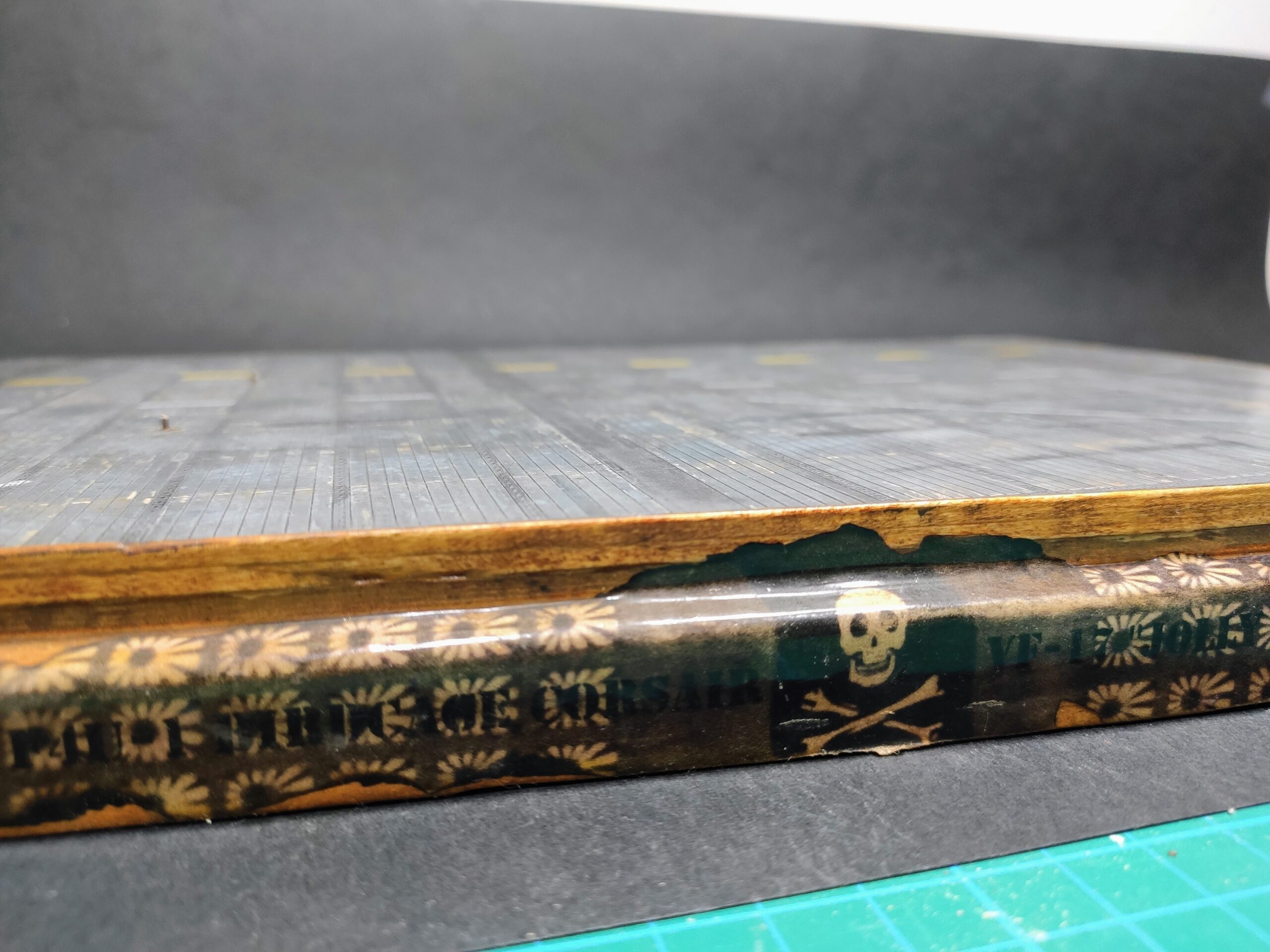
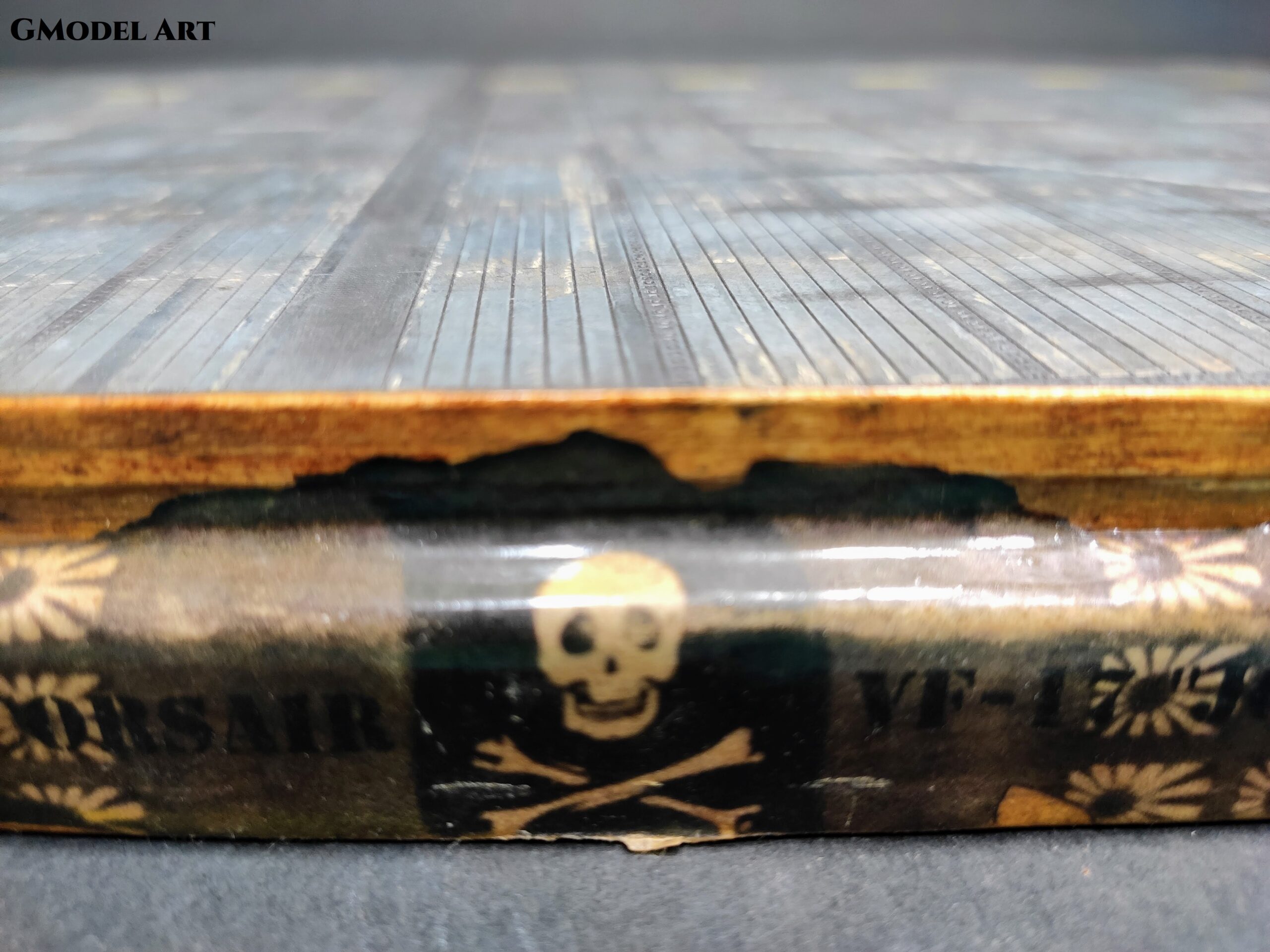
An interesting feature of this project is the use of photographic material directly on the wooden display base.
Two photographs were selected:
an image of the actual 17-F-31 Corsair
a photograph of VF-17 showing the squadron’s victory markings
The images were transferred onto the wooden surface using a photographic transfer medium, specifically Fototransfer Acualux TITAN.
The technique is relatively simple but can produce an effective result.
The photograph is transferred to the prepared surface, the paper backing is carefully removed, and the remaining image is sealed with wood varnish.
This creates a display base that does more than simply support the model. It becomes part of the story of the aircraft.
For a historical aircraft subject, this can be an excellent way to integrate reference material into the presentation without overwhelming the actual model.
A Practical Approach to Model Improvements
One of the most useful aspects of this project is its philosophy toward scale modeling.
Not every improvement requires expensive aftermarket products.
Some details can be improved simply by:
studying photographs carefully
removing overly simplified kit details
sharpening panel definition
improving paint demarcations
adding subtle surface variation
correcting small shapes
replacing visibly simplified components
paying more attention to scale thickness
improving the cockpit and engine where they remain visible
Other modifications are much easier when the appropriate tools and aftermarket parts are available.
There is little benefit in making a simple task unnecessarily difficult simply to prove that it can be done without the right equipment. Good tools can improve consistency and, ultimately, make the modeling process more enjoyable.
The important point is knowing where to spend the effort.
A modeler does not need to improve every single component of a kit. Concentrating on the areas that are most visible can produce a much stronger result for the same amount of time.
F4U-1 Corsair Birdcage – Modeler’s Reference
| Category | Build Information |
|---|---|
| Aircraft | Vought F4U-1 Corsair |
| Variant | Birdcage |
| Scale | 1:48 |
| Base kit | Tamiya |
| Squadron | VF-17 |
| Aircraft | 17-F-31 |
| Carrier | USS Bunker Hill (CV-17) |
| Cockpit/Engine | Aires 4225 |
| Pilot | ICM 48083 |
| Carrier Deck | Eduard 1:48 U.S. Navy Aircraft Carrier Deck |
| Deck Paint | Lifecolor UA624 U.S. Navy Blue Deck |
Paint Reference
| Model Area | Paint |
|---|---|
| Interior | MRP-131 Interior Green |
| Salmon Primer | MRP-130 Pink Salmon Primer |
| Lower Surfaces | MRP-133 Blue Gray |
| White Details | MRP-135 Insignia White |
| Upper Camouflage | MRP-136 Intermediate Blue |
| Upper Camouflage | MRP-237 Sea Blue |
| Carrier Deck | Lifecolor UA624 U.S. Navy Blue Deck |
Final Thoughts
A 1:48 F4U-1 Corsair Birdcage is already an impressive subject, but a carefully researched presentation can take the model considerably further.
The combination of the Tamiya kit, Aires cockpit and engine detail, ICM pilot figure and Eduard carrier deck creates a strong foundation. The remaining work comes down to observation, careful painting and the small corrections that give the aircraft its individual character.
The most important lesson is perhaps the simplest one: before adding more detail, learn to see the detail that is already there.
A good photograph can reveal more than an expensive aftermarket set, while the right aftermarket component can save hours of difficult work when a kit area is particularly simplified.
For this project, the ultimate objective is to present VF-17 17-F-31 not simply as a 1:48 plastic aircraft, but as a specific Corsair operating from the deck of USS Bunker Hill (CV-17) in the Pacific War.
That combination of historical research, modeling technique and presentation is what turns a scale model into a story.
F4u-1 Birdcage Corsair VF-17 “Jolly Rogers” The First U.S. Navy Squadron to Adopt the Tricolor Camouflage – A Historical and Photographic Analysis
One Corsair, One Story
A good scale model does not have to show everything. It only has to make you look twice.
With VF-17 17-F-31, the goal was to go beyond simply building a Tamiya 1:48 F4U-1 Corsair and recreate the character of a particular aircraft, on a particular carrier, at a particular moment in the Pacific War.
A little research, a few carefully chosen improvements, and attention to the details that matter can make all the difference.
In the end, it is still a model.
But it should tell a story.