article
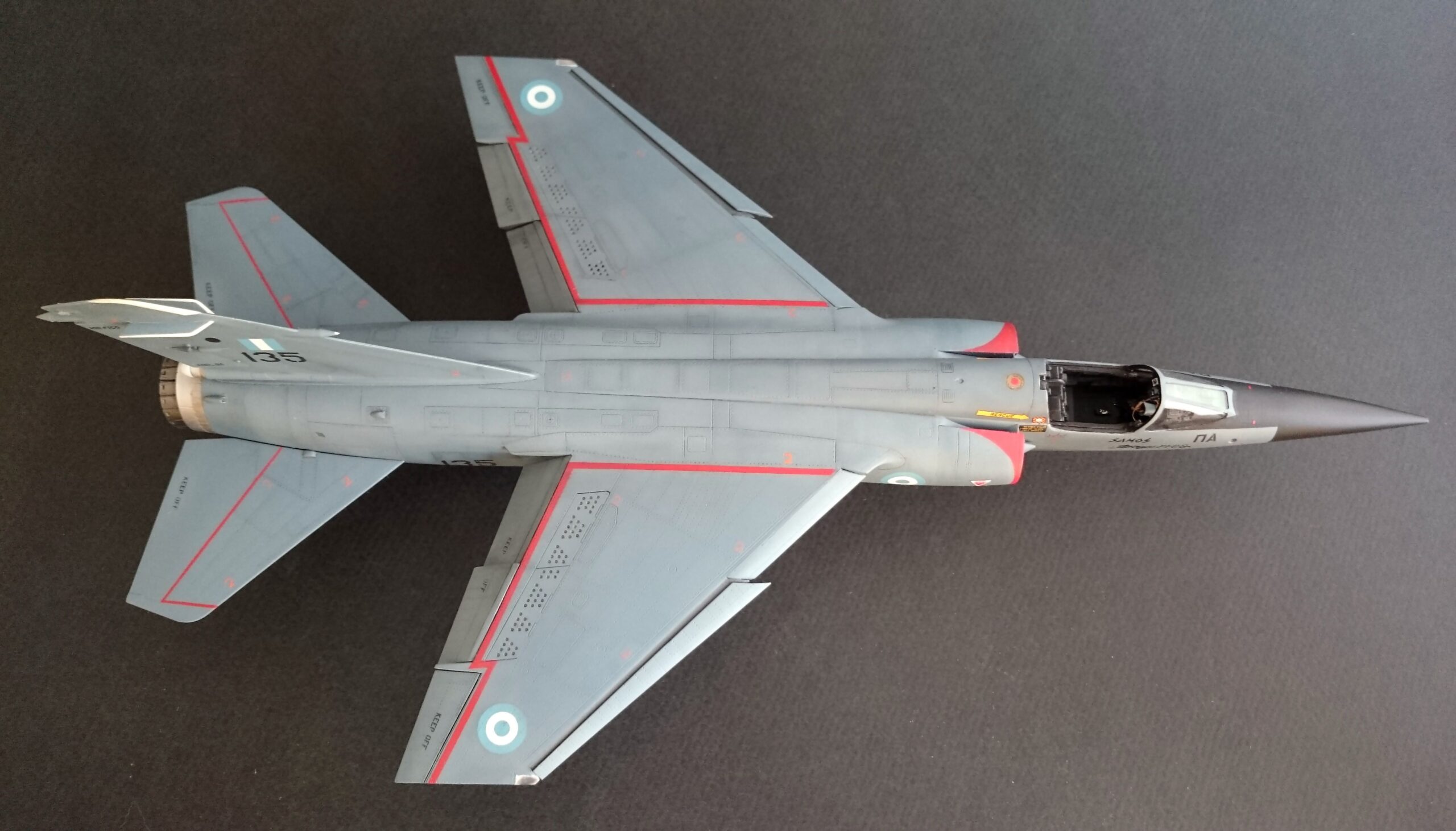
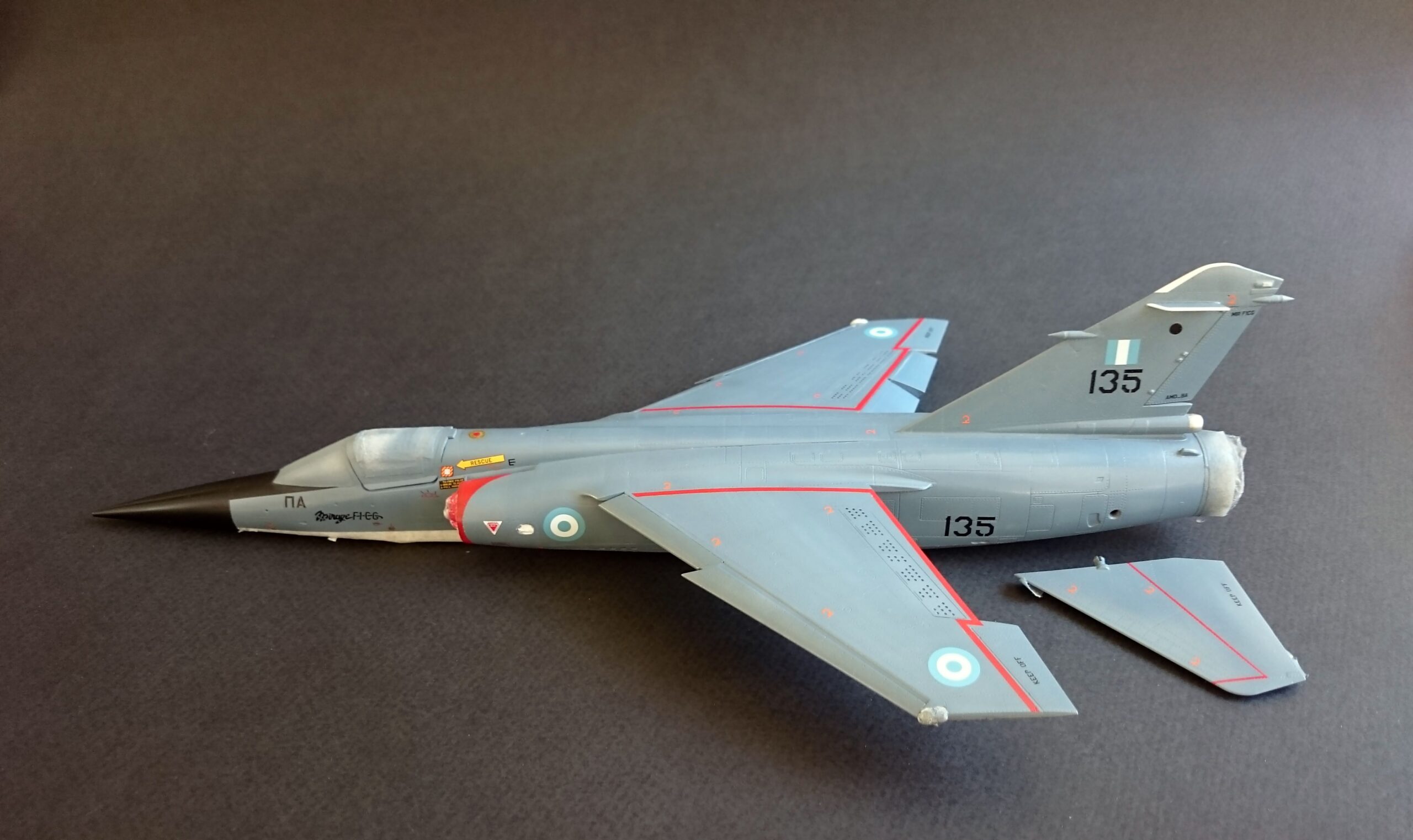
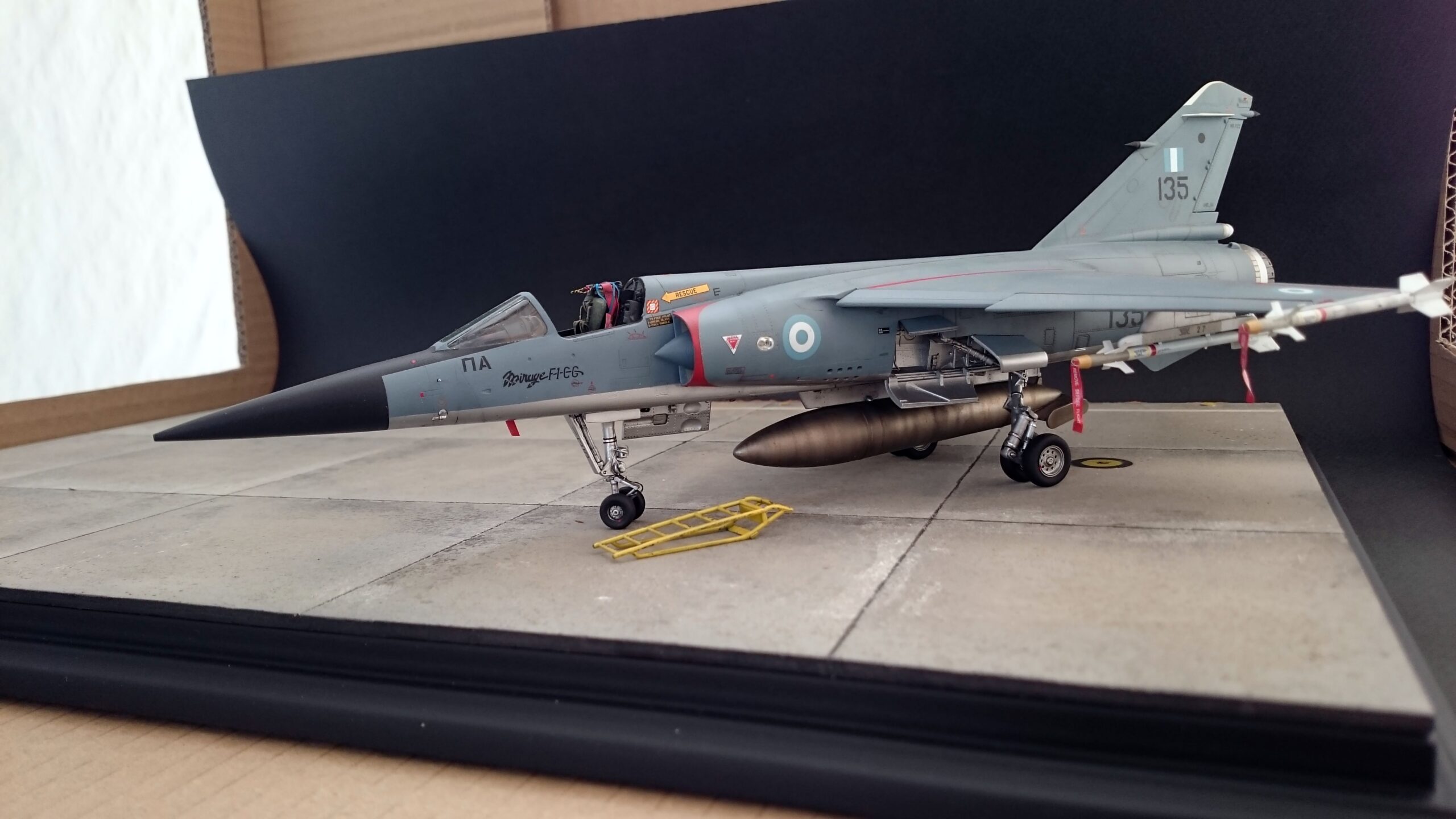
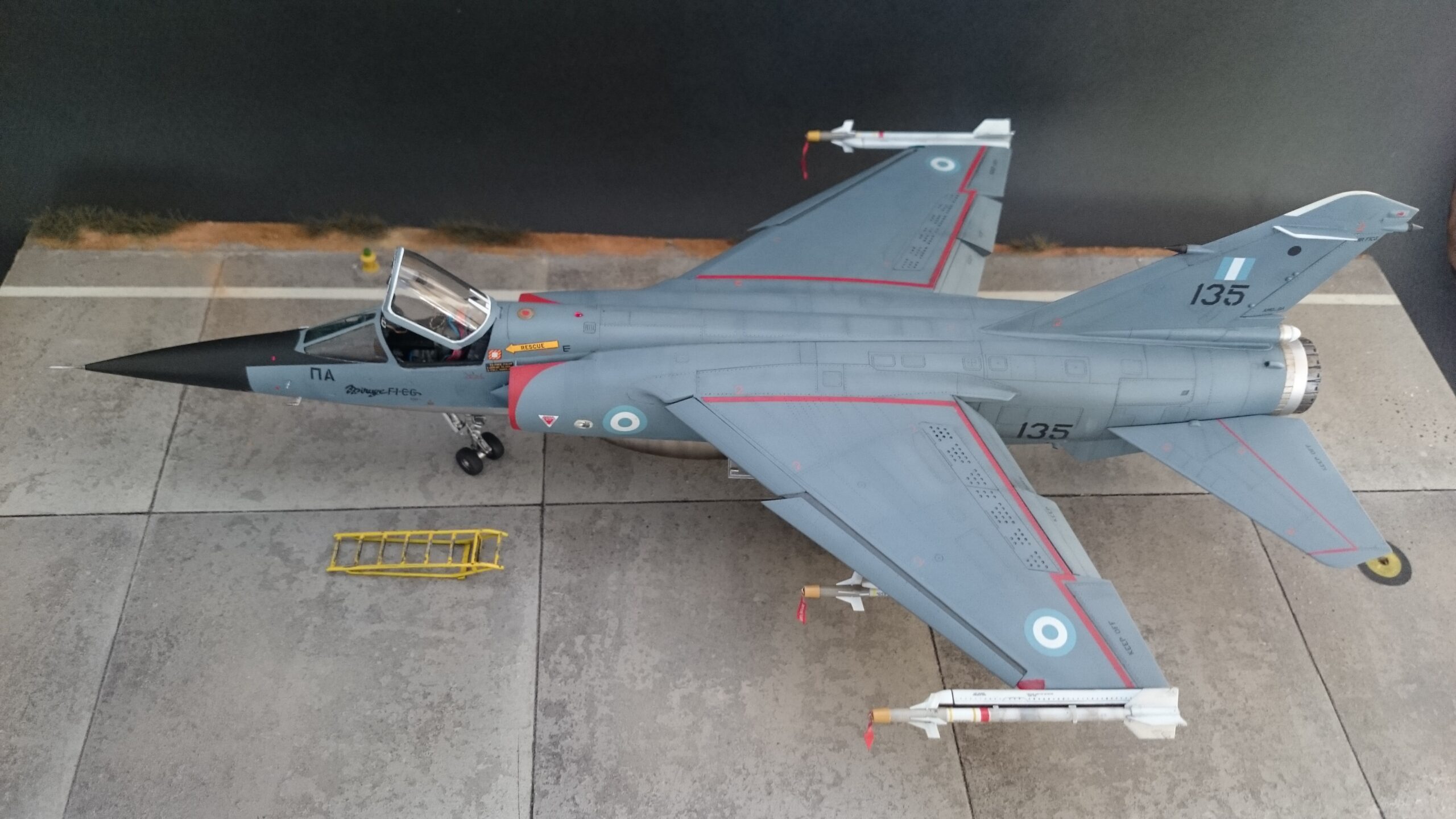
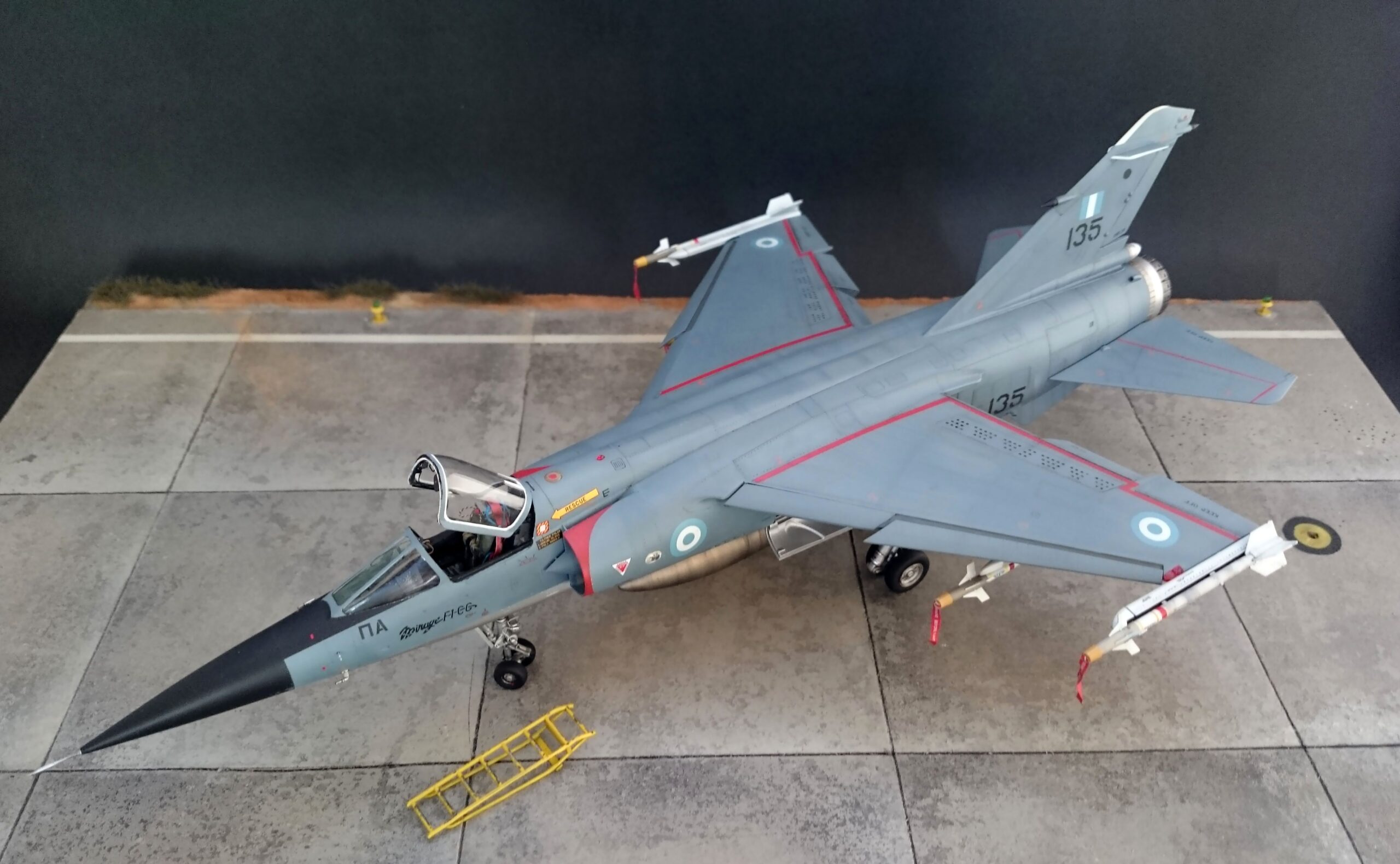
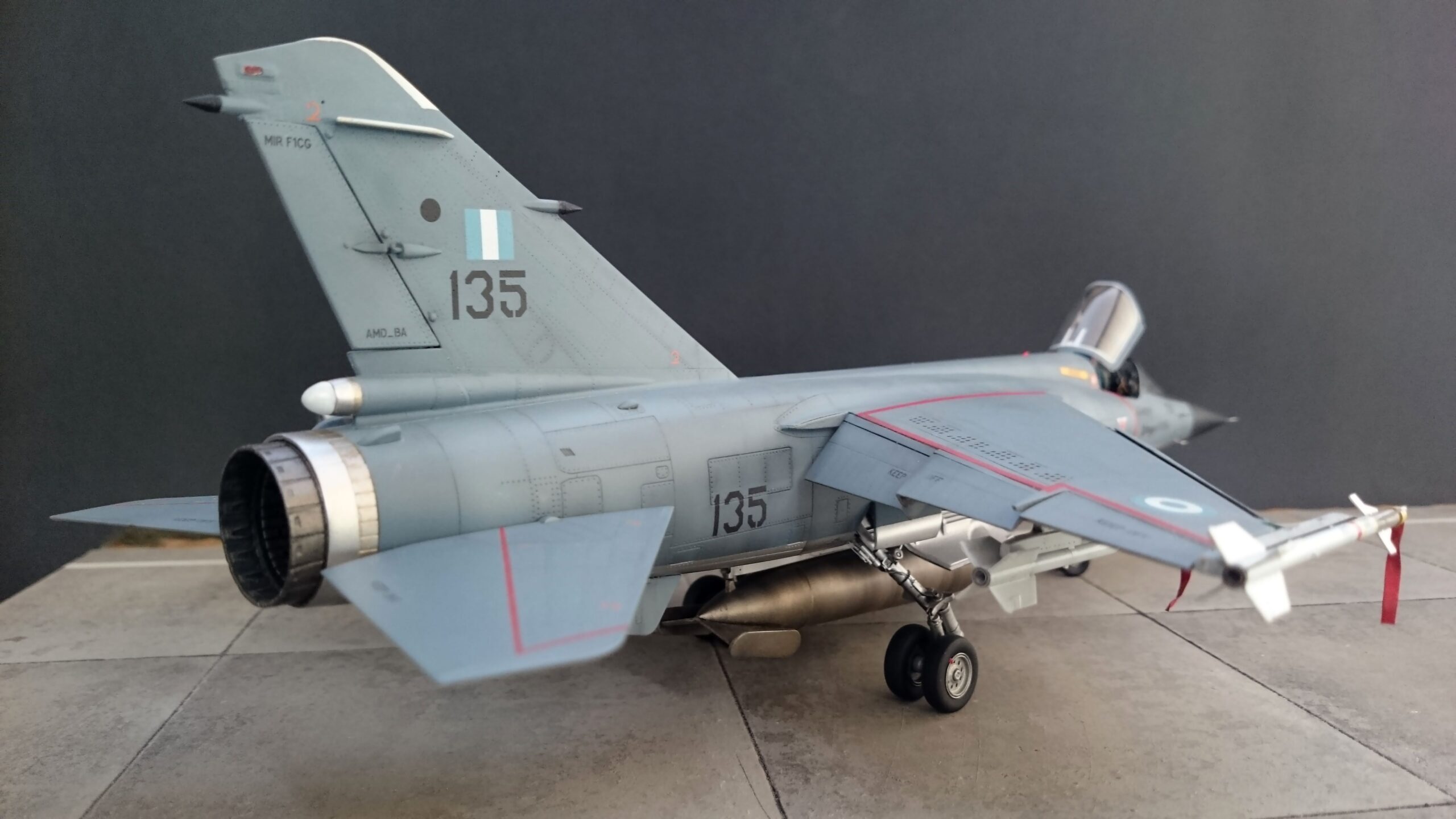
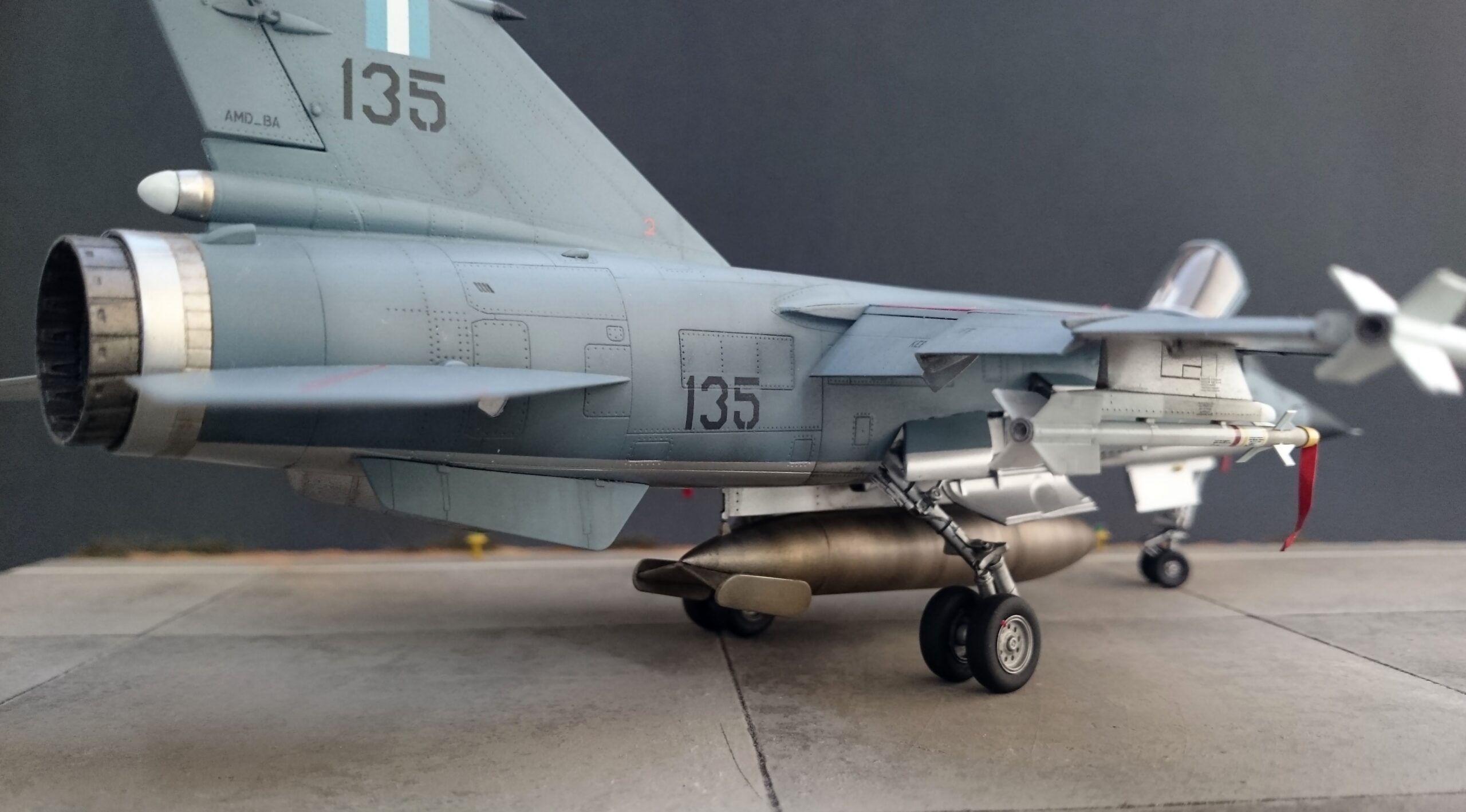
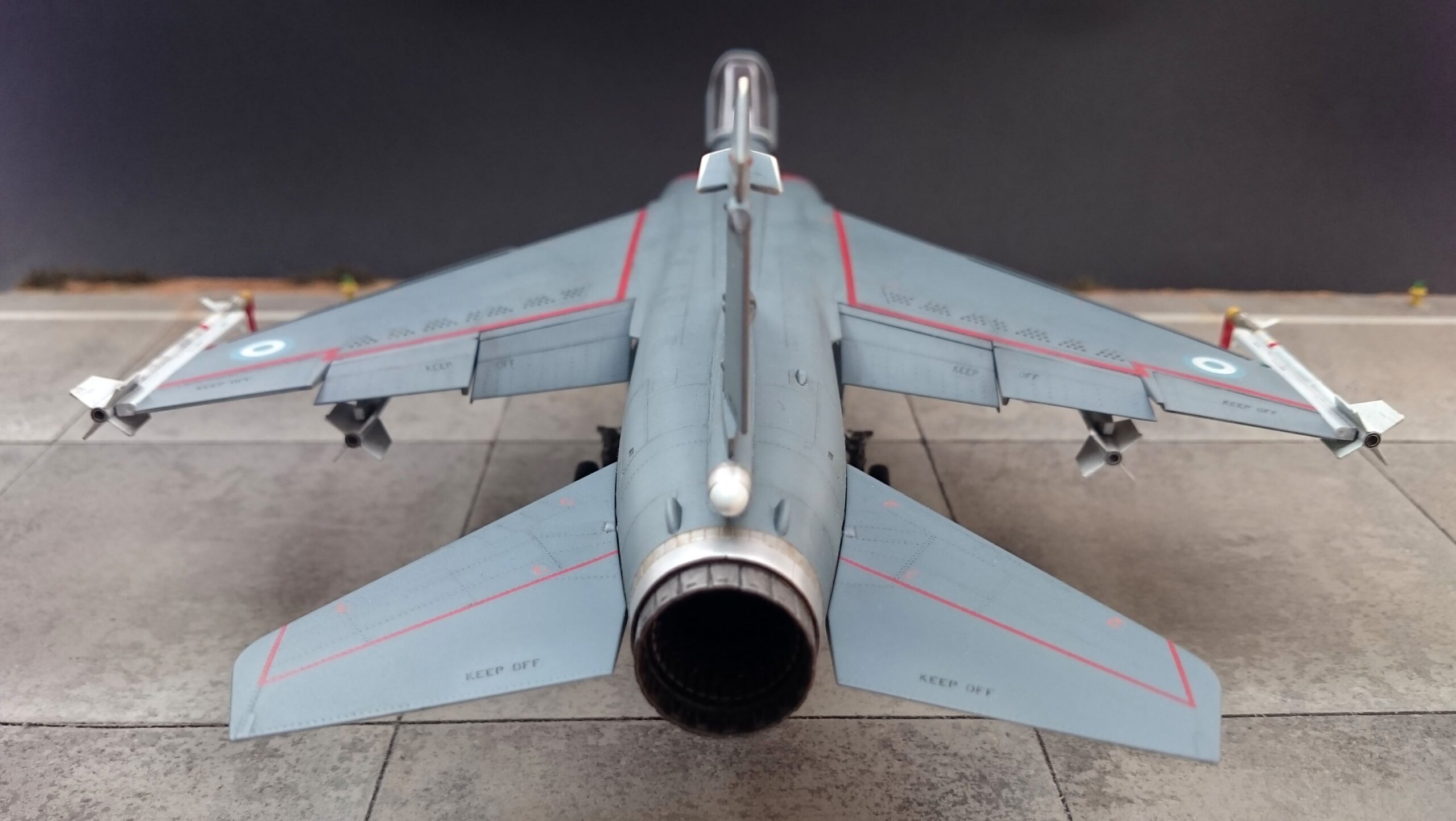
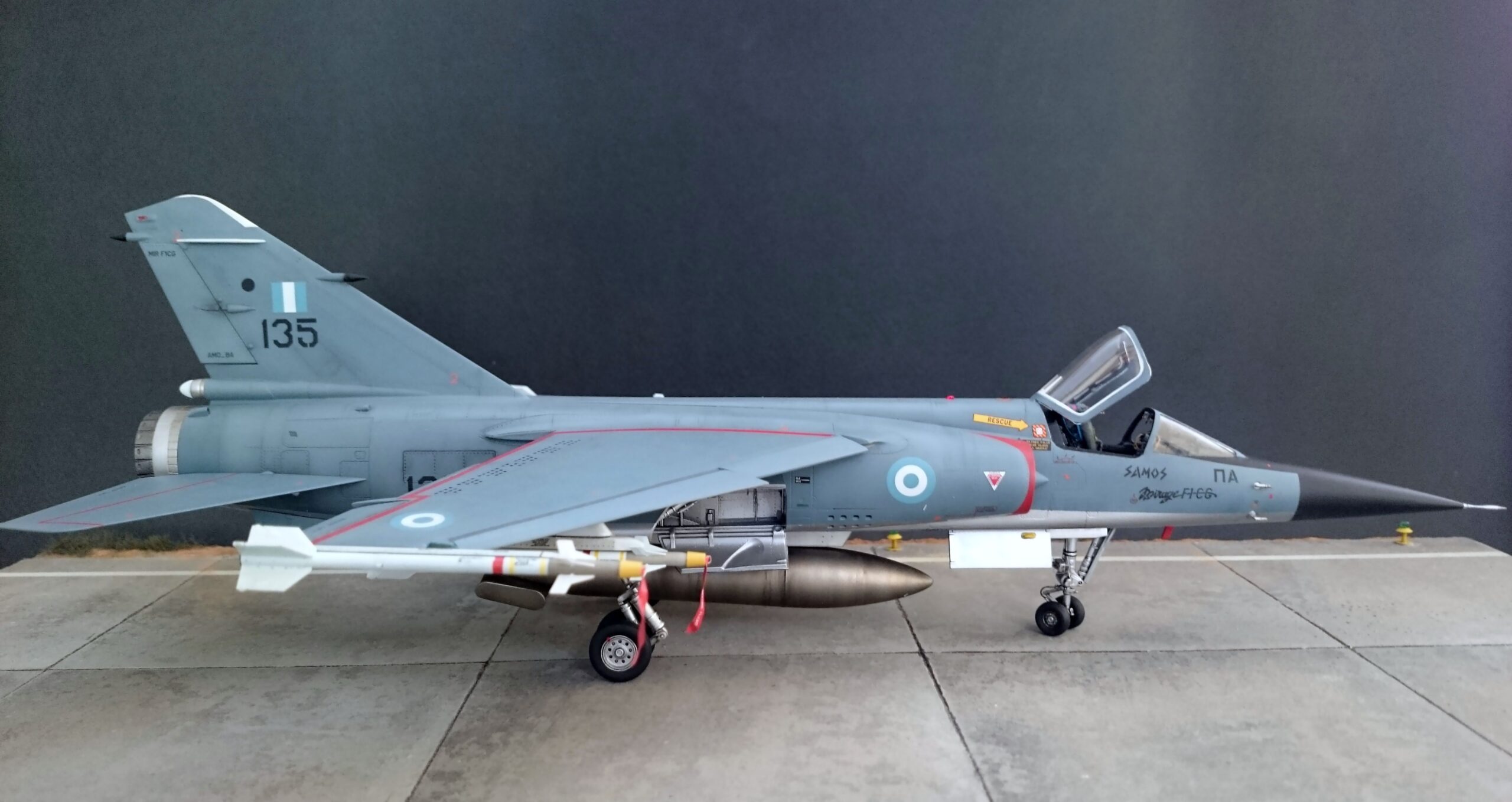
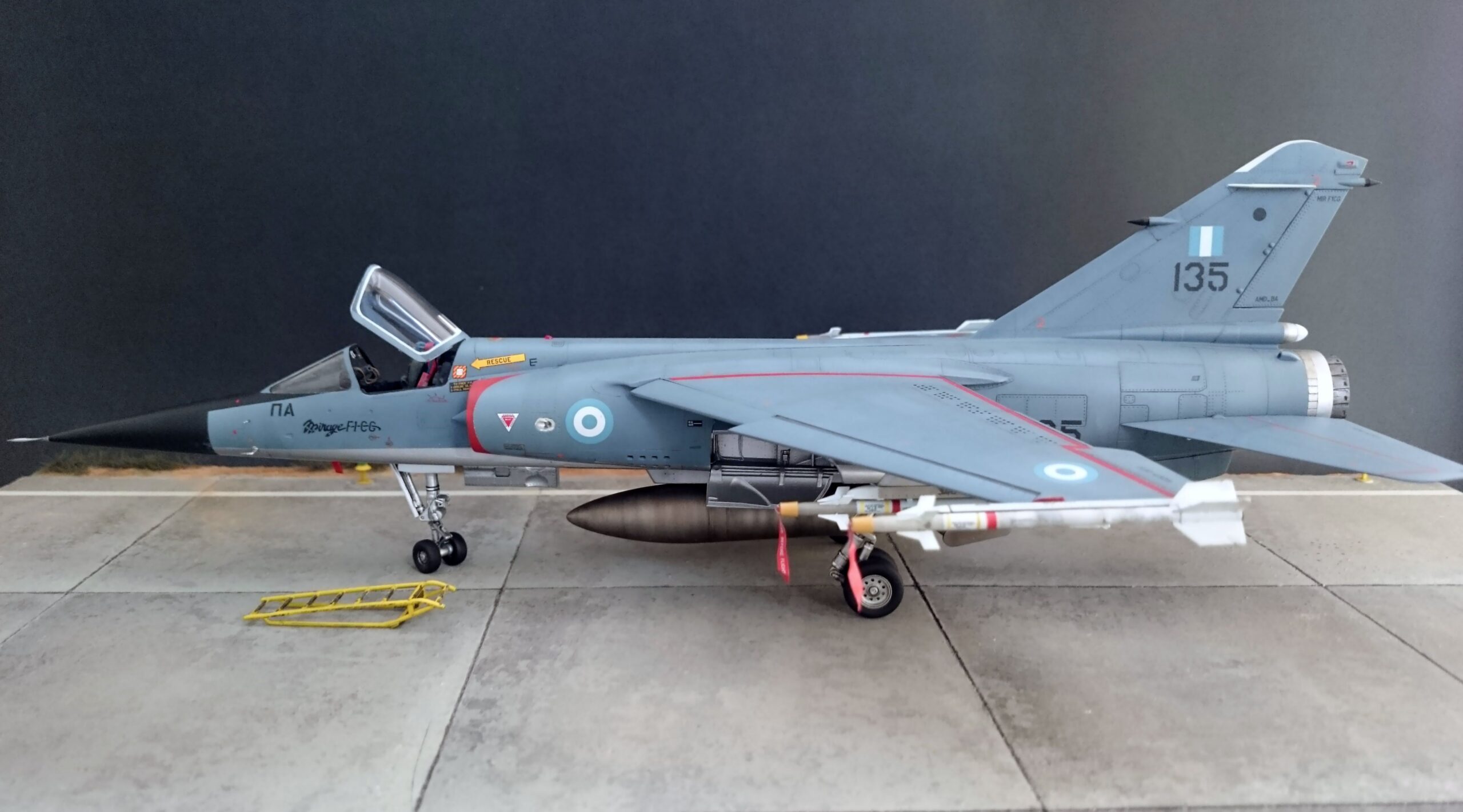
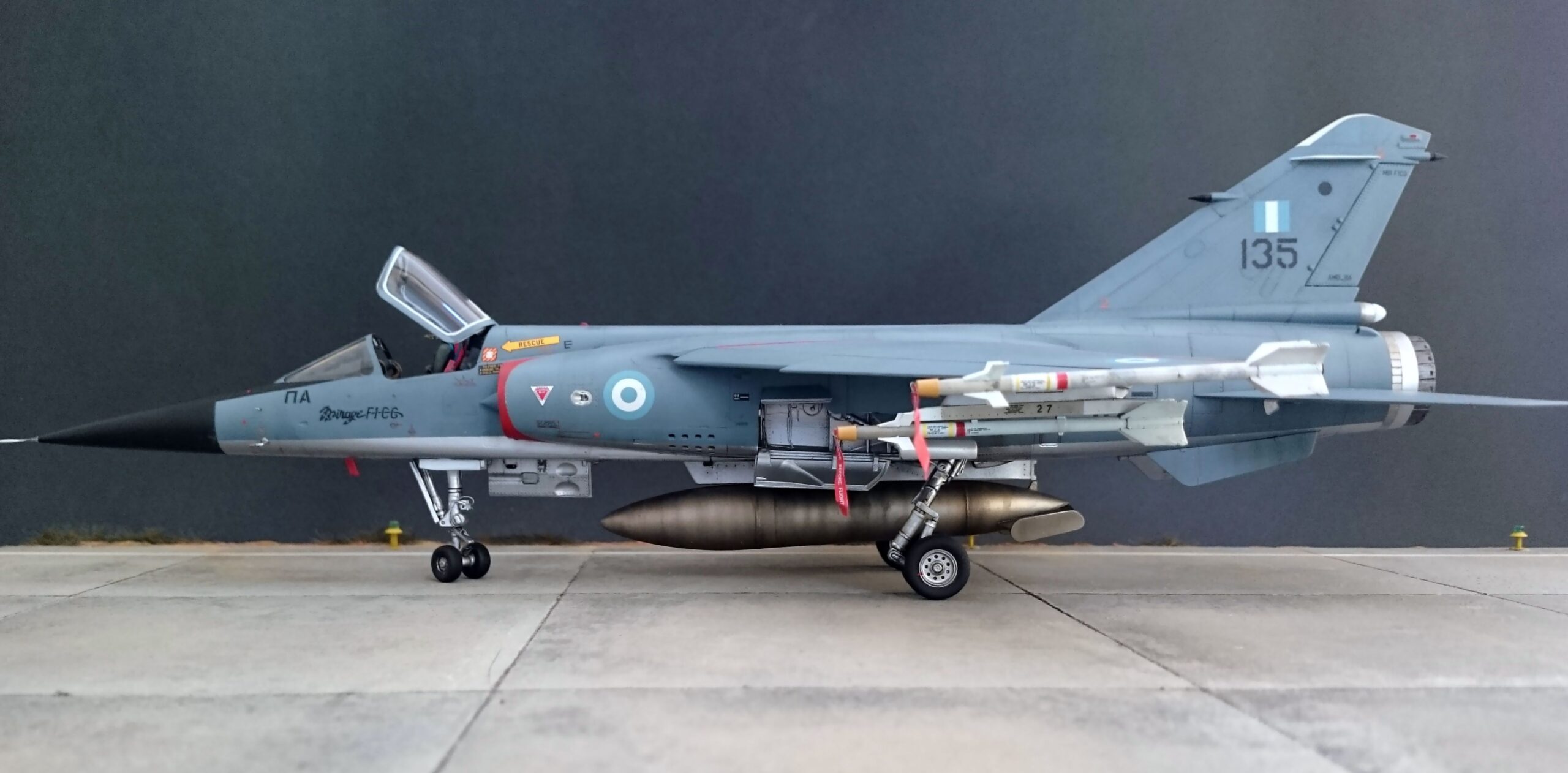
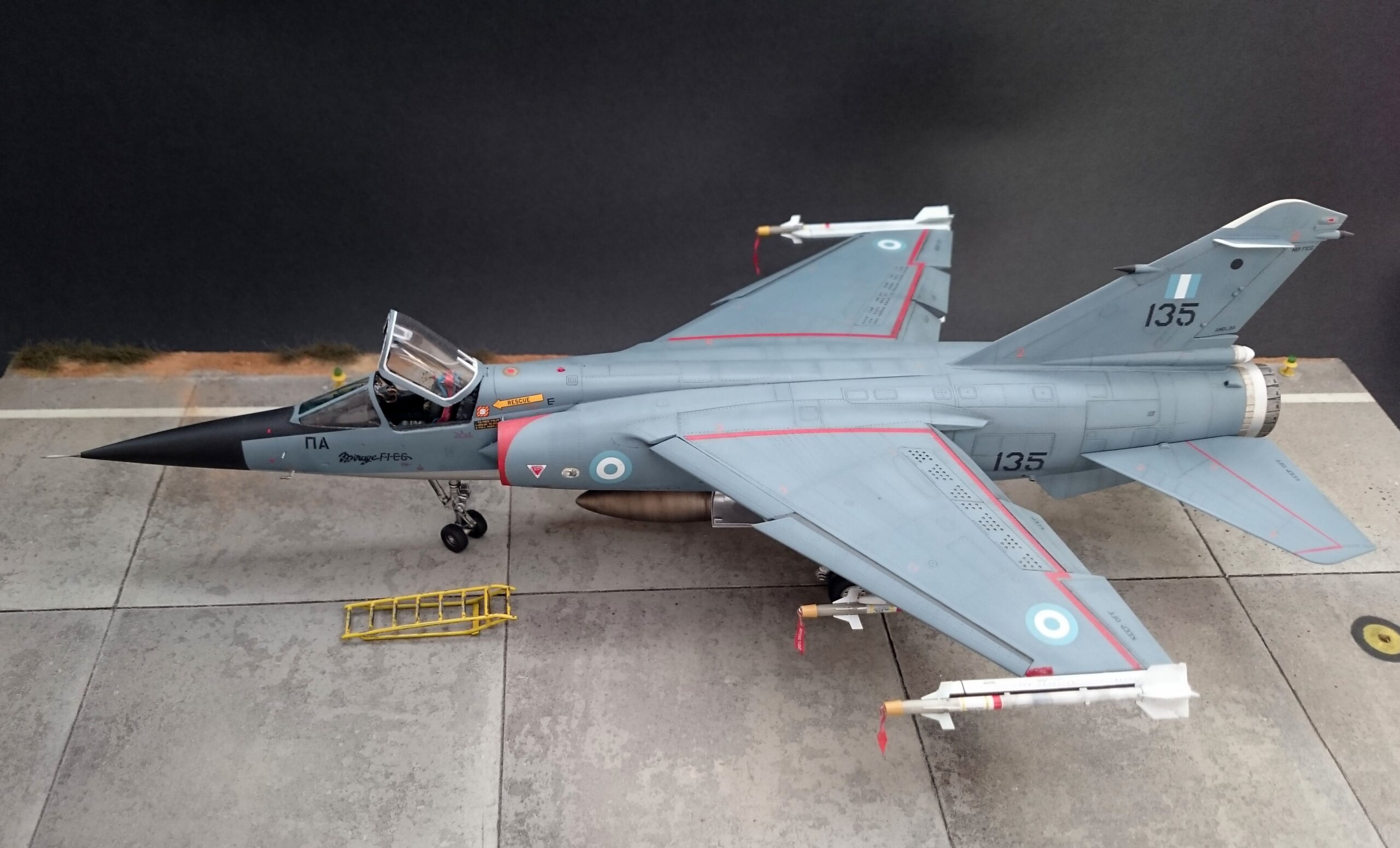
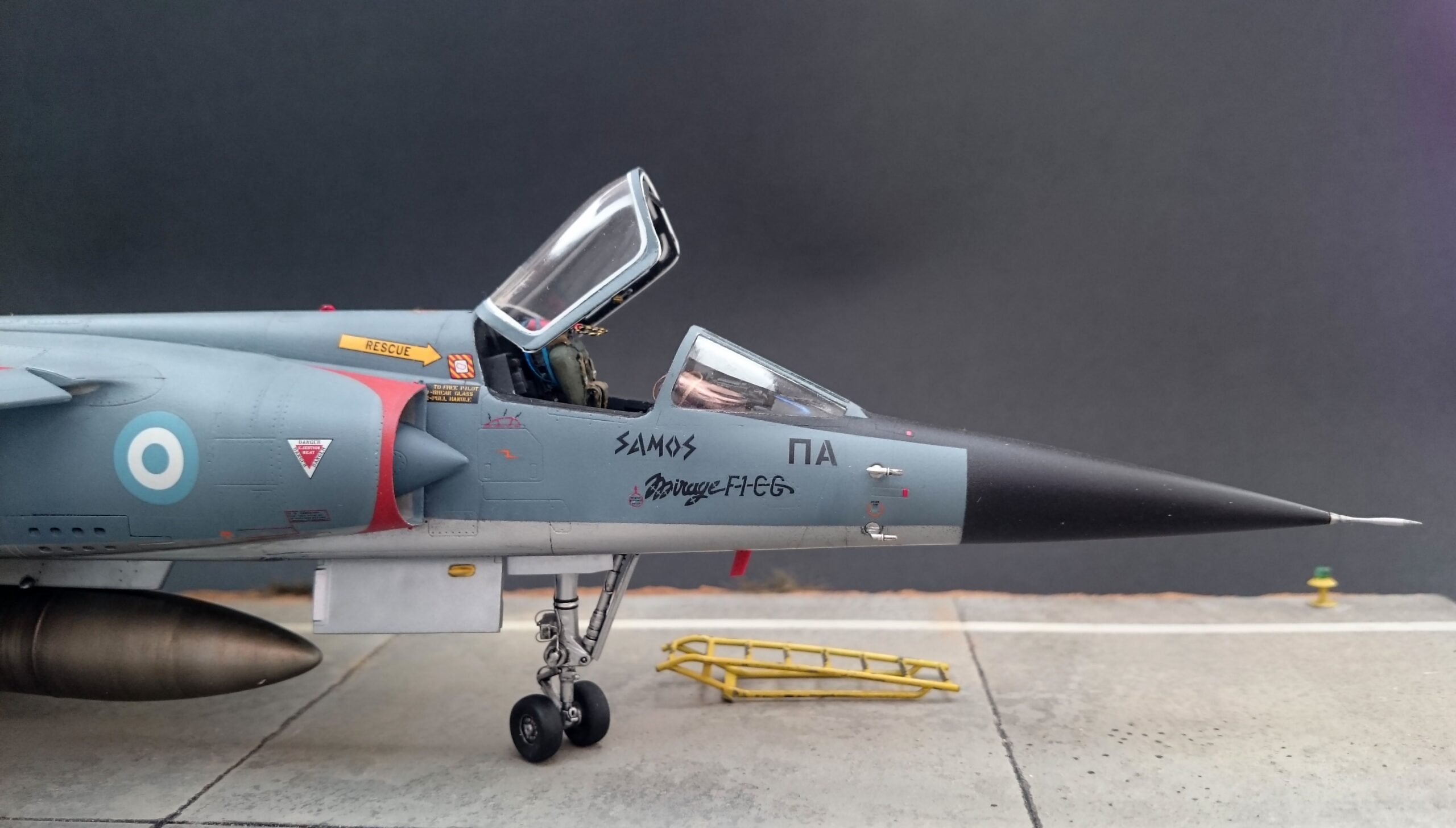
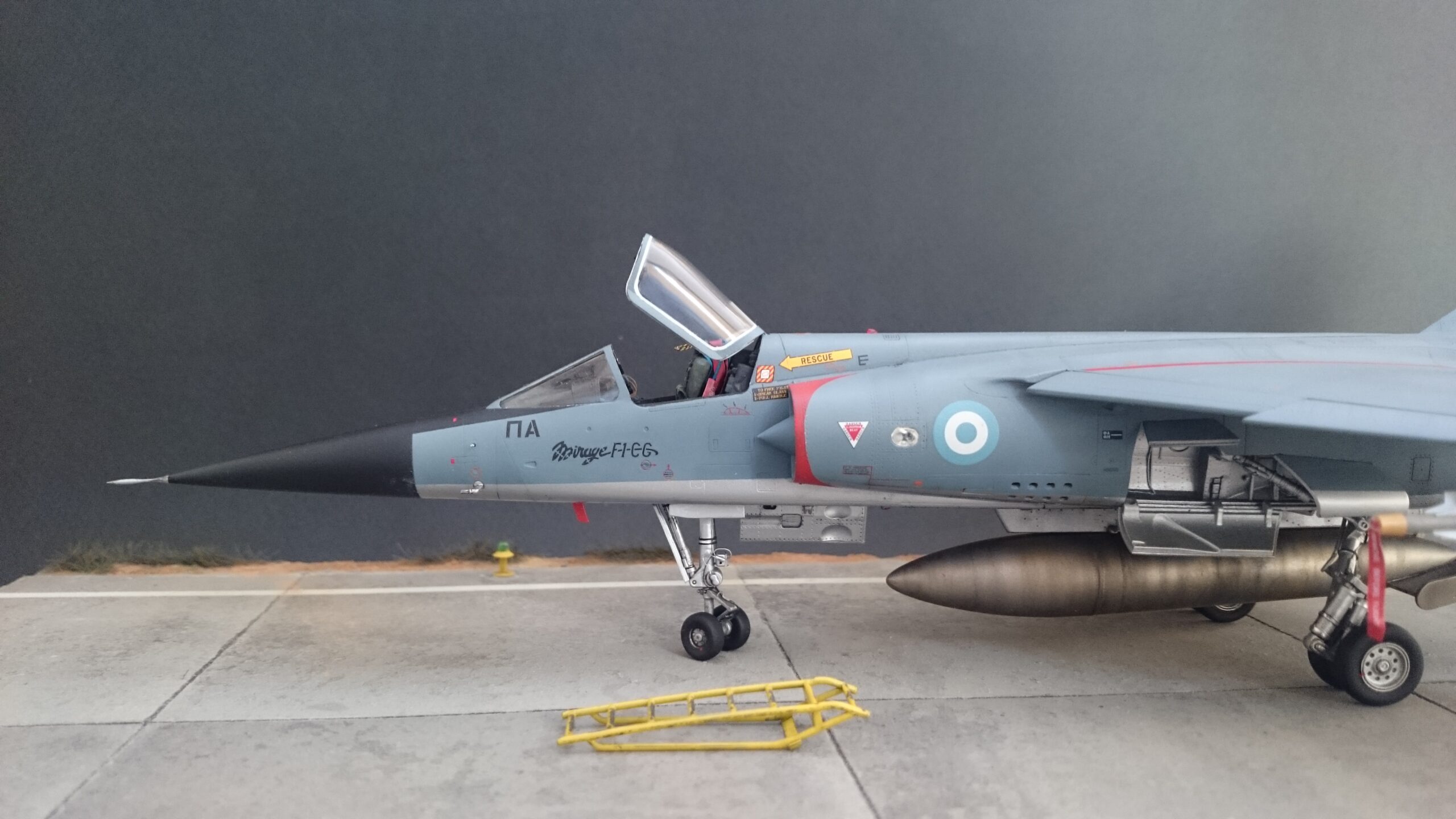
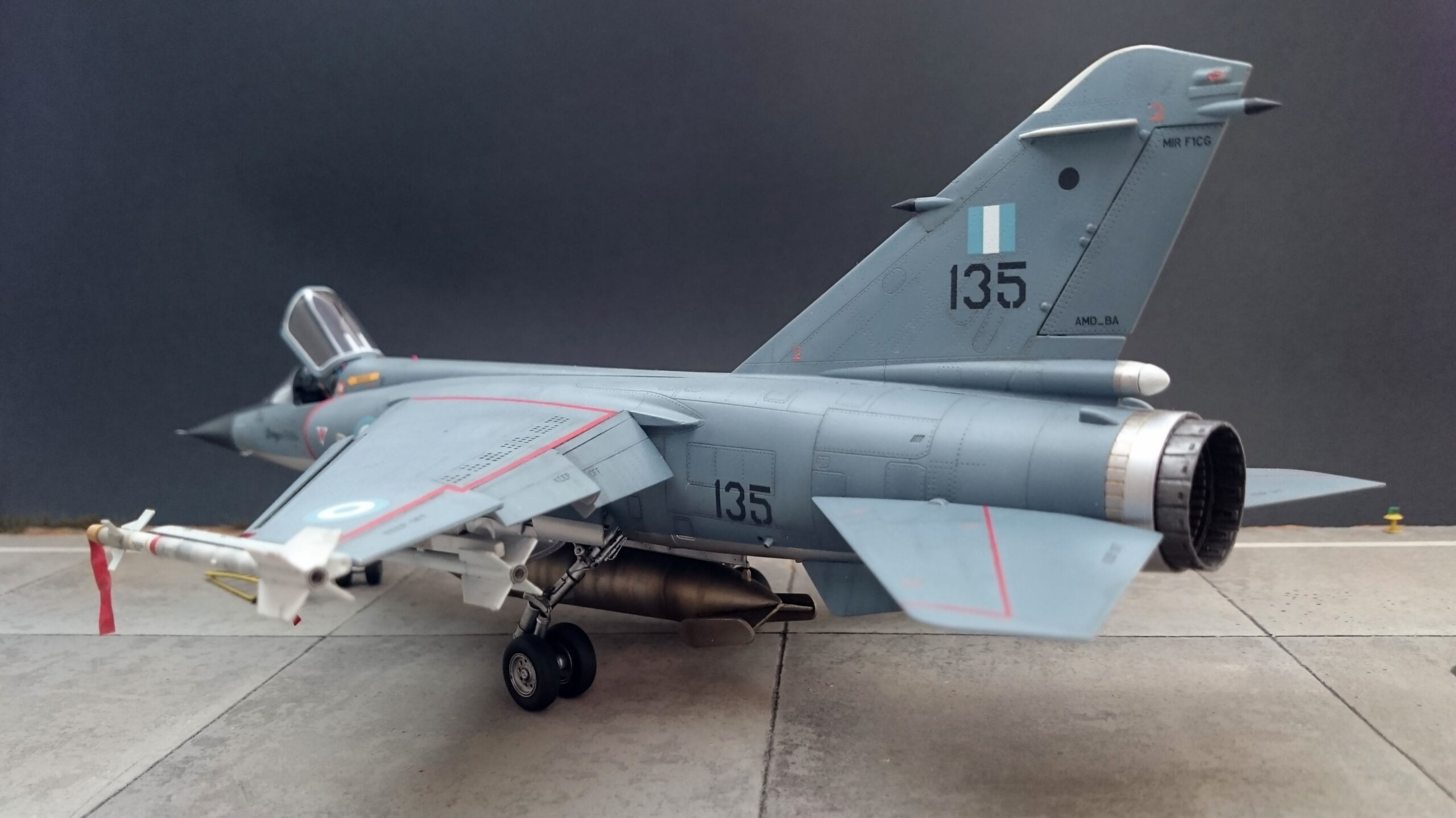
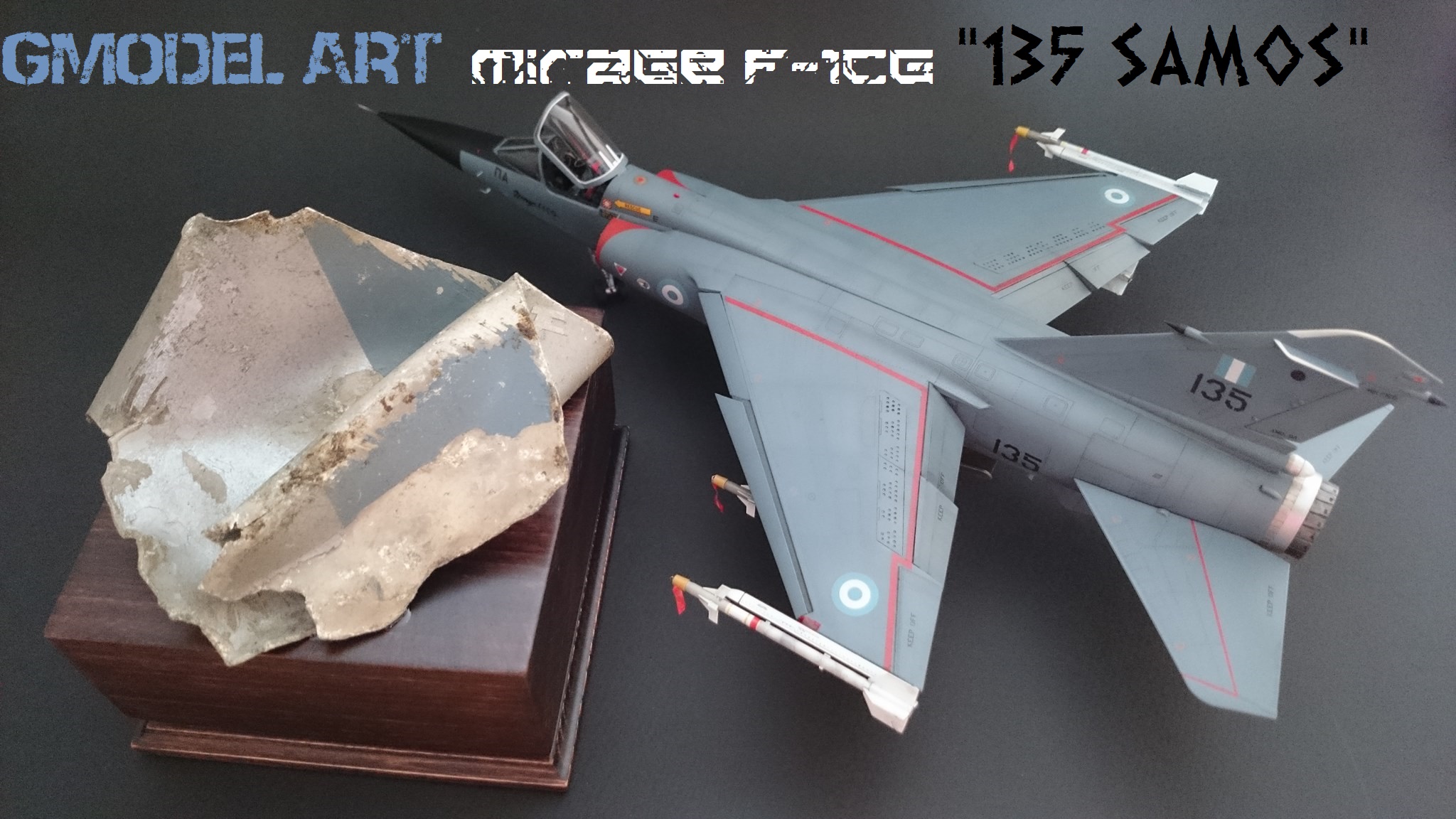
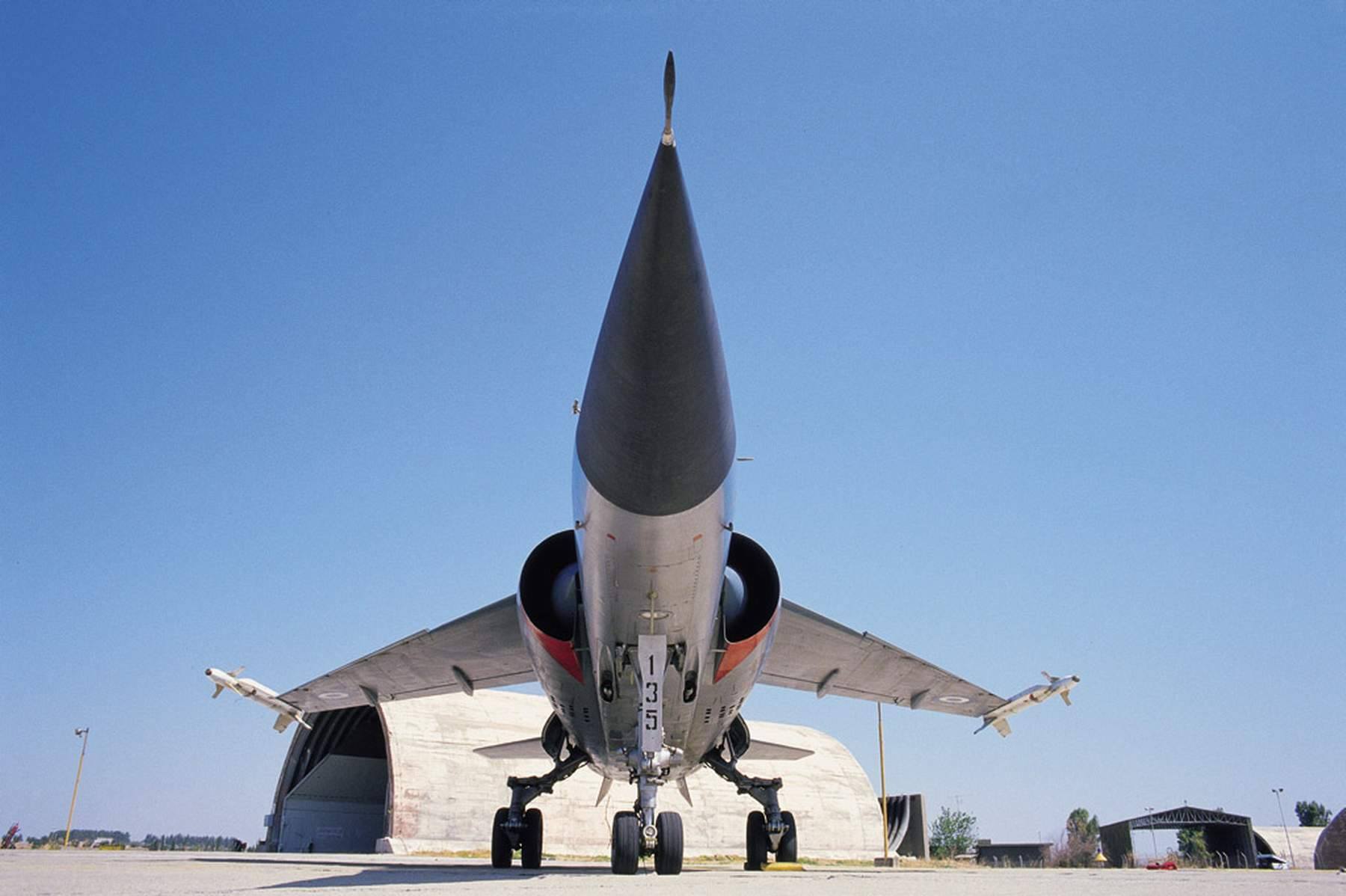
Dassault Mirage F1CG “135 Samos” – 342 Squadron, 114 Combat Wing, Tanagra, 1994
TheDassault Mirage F1CGoccupies an important place in the history of the Hellenic Air Force. Greece ordered 40 single-seat Dassault Mirage F1CG fighters in 1974, with deliveries beginning in 1975. The aircraft served principally with the 342 and 334 All-Weather Squadrons, while the 342 Squadron remained based at Tanagra as part of the 114 Combat Wing for most of the type’s Greek career. The Dassault Mirage F1CG fleet was finally retired on 30 June 2003.
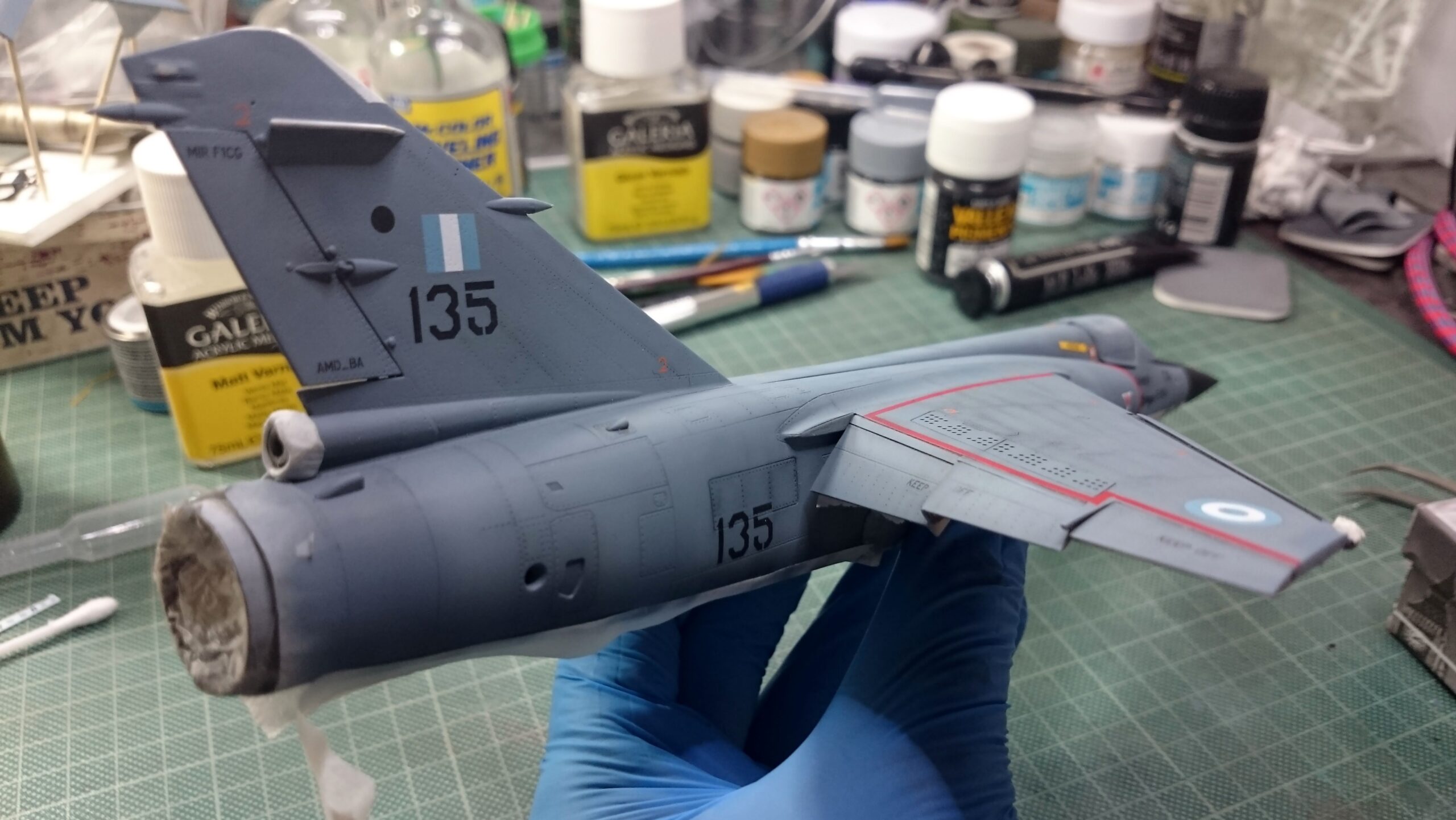
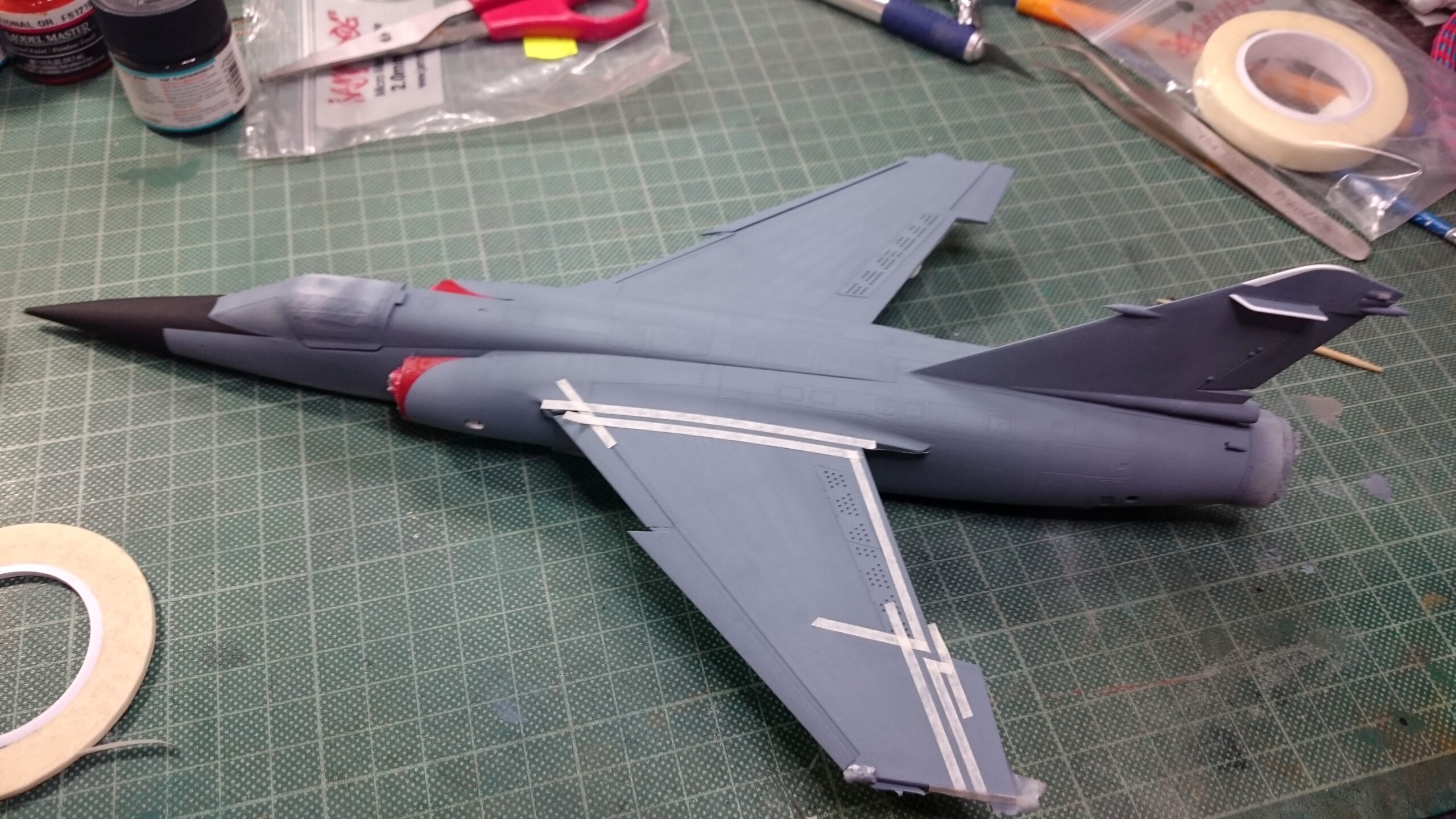
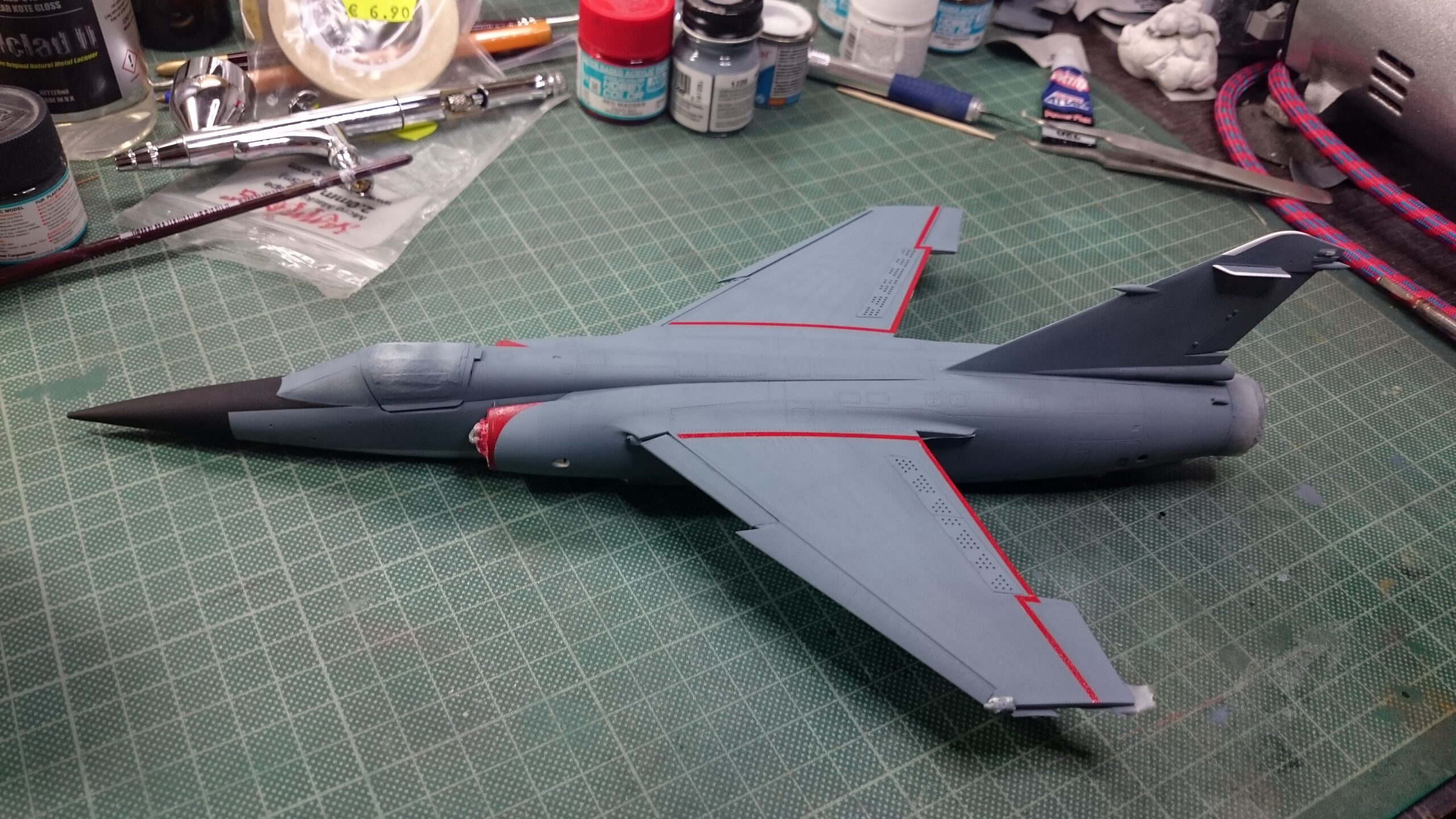
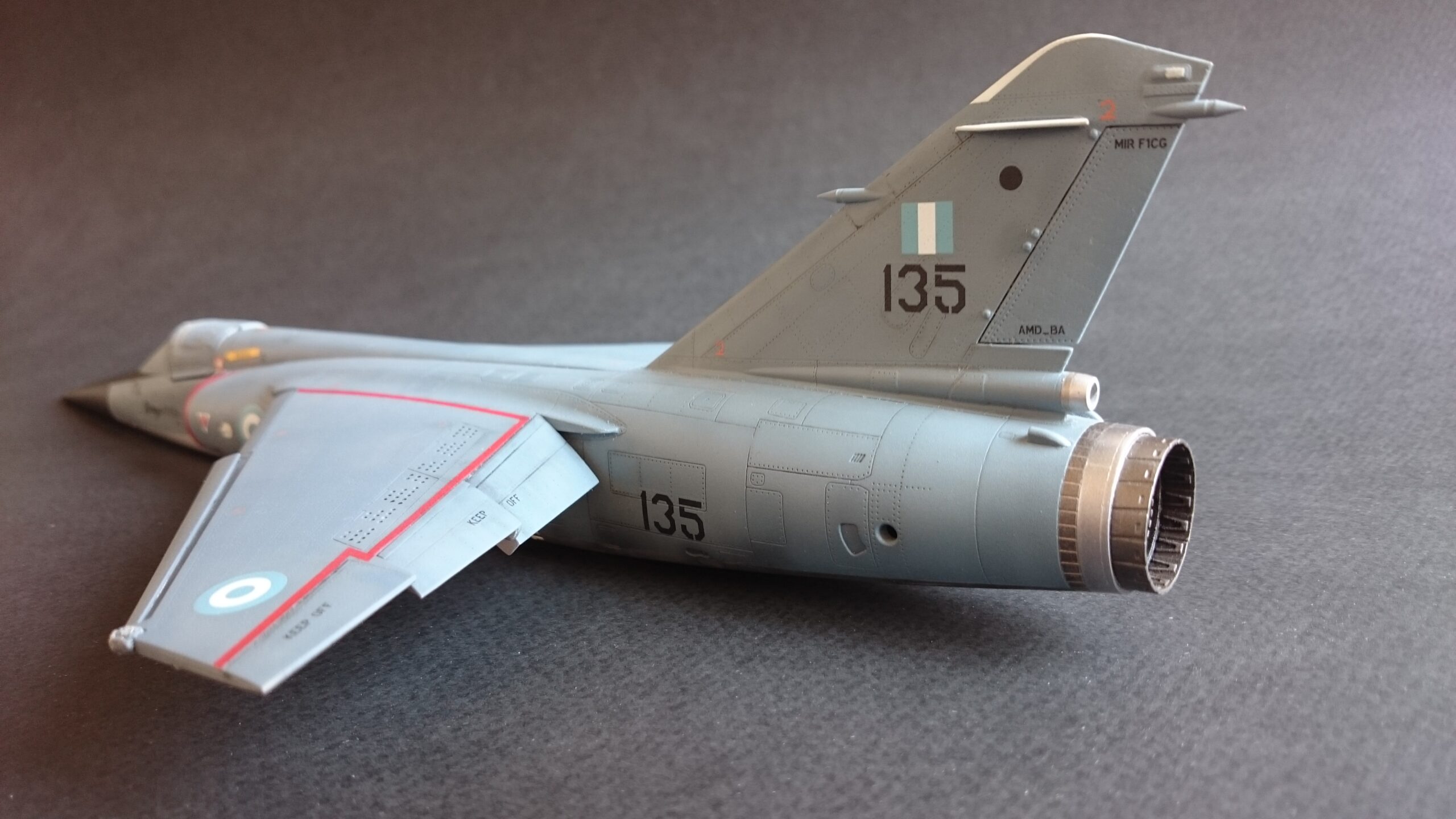
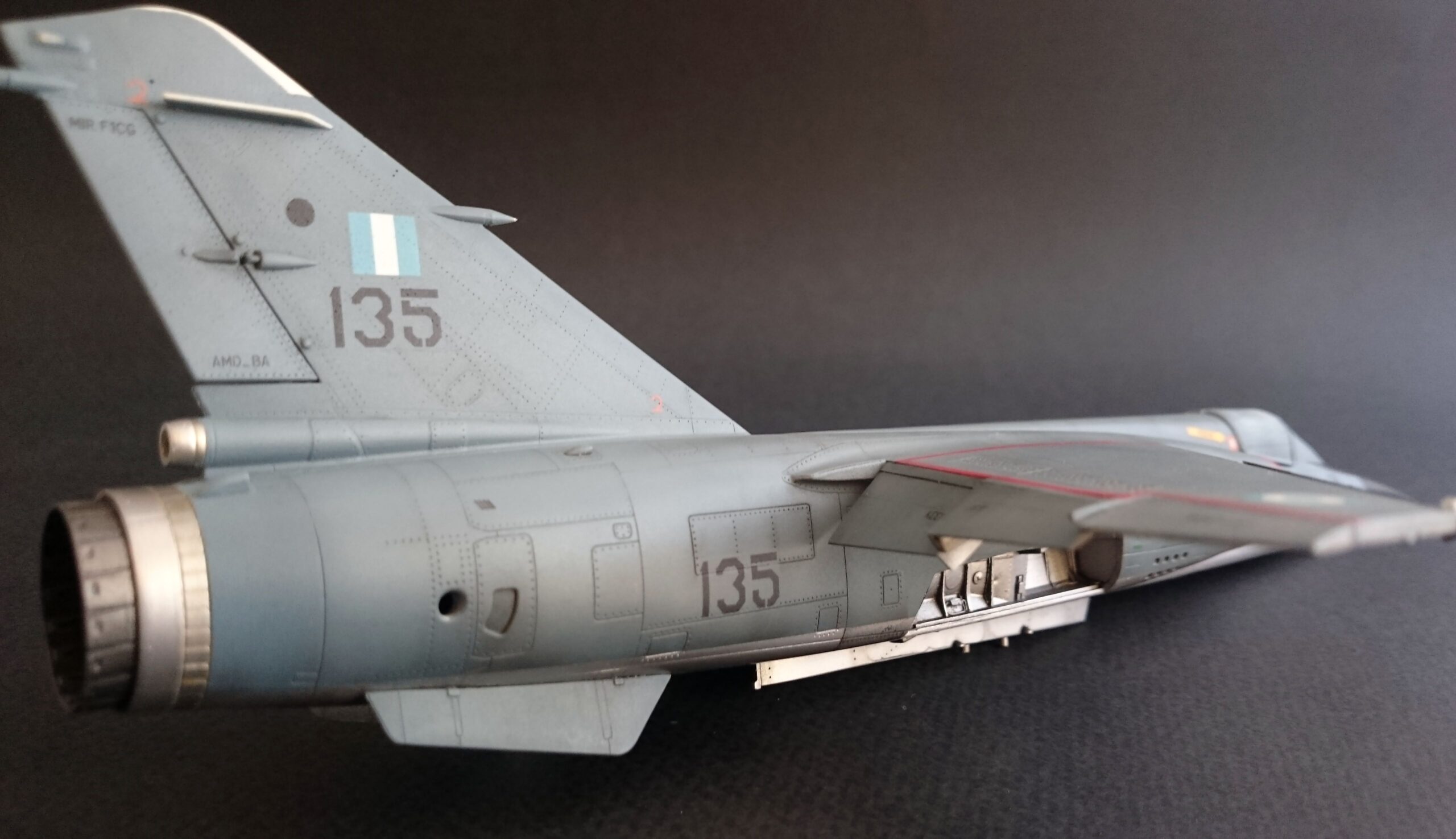
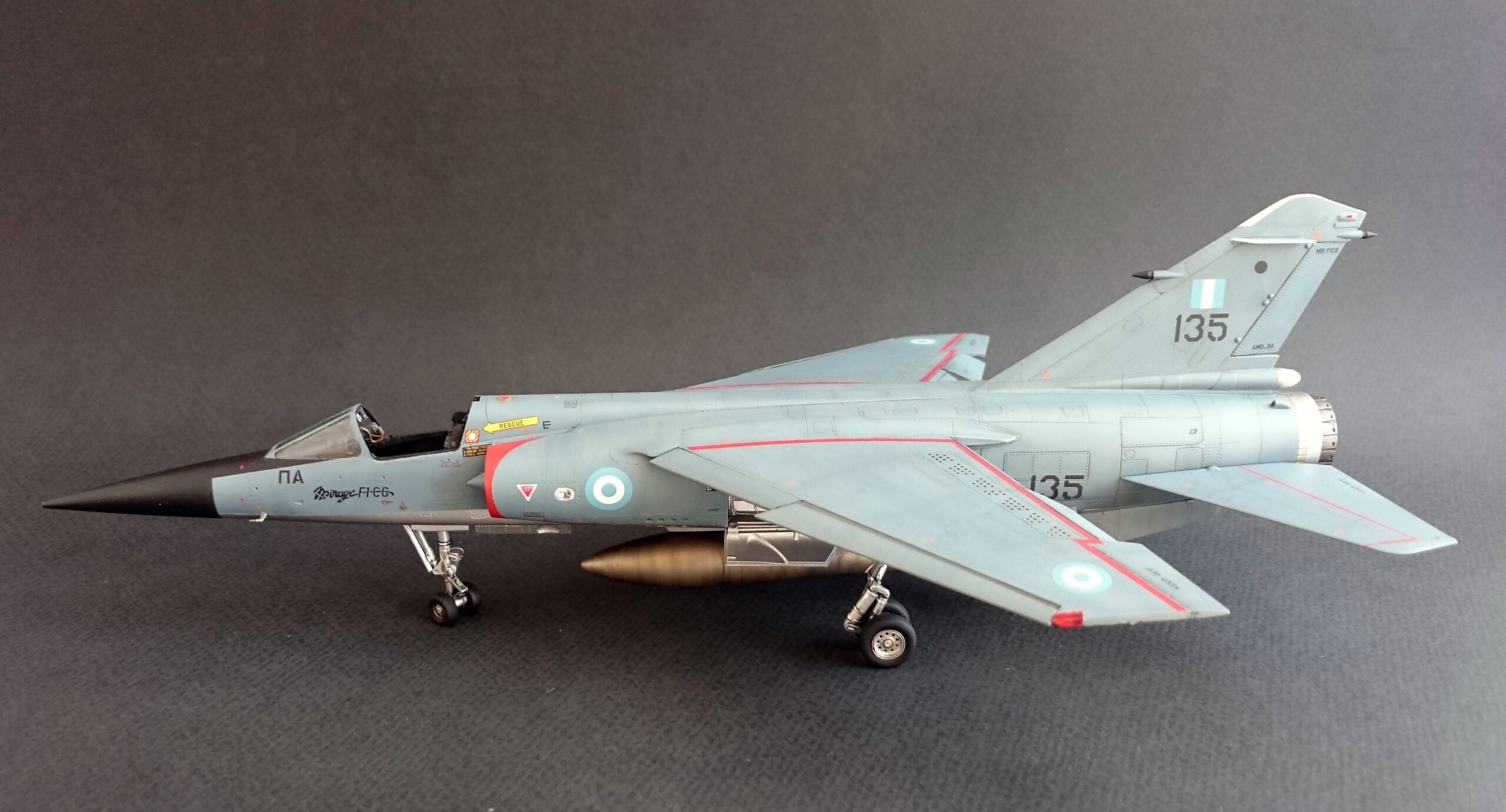
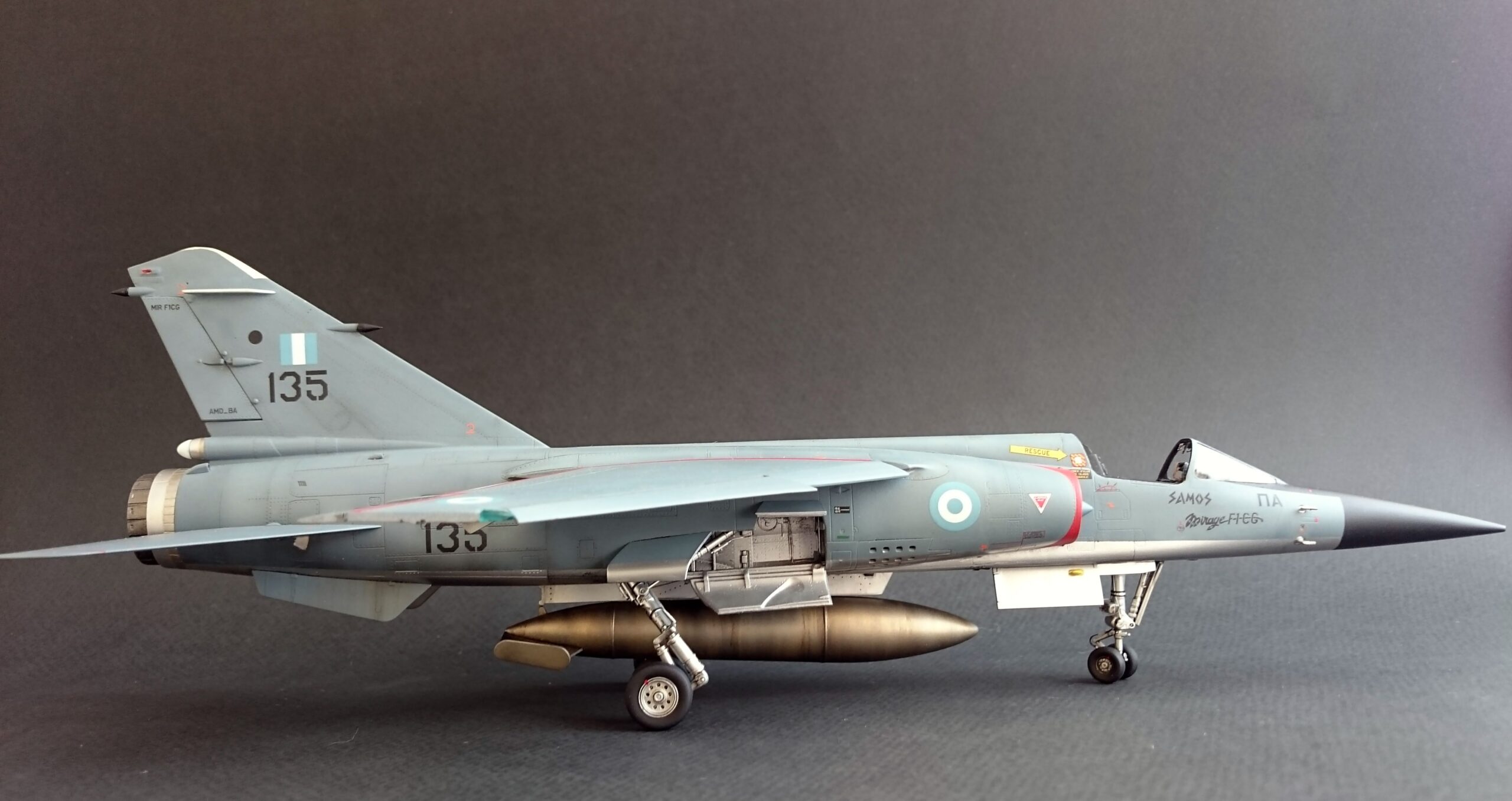
This model represents Dassault Mirage F1CG 135, carrying the name “Samos”, in the service of the 342 Squadron at Tanagra in 1994. The aircraft is depicted in the characteristic Hellenic Air Force finish applied to the Greek Dassault Mirage F1CG fleet during this period.
The starting point for the model is the Kitty Hawk Mirage F.1 CT/CR KH80111 in 1/48 scale. The kit provides a substantial amount of detail and a large number of parts, including the fuselage and wing surface engraving, landing gear, wheel wells, engine components, weapons and configuration options. It also includes photo-etched parts for the airbrakes, engine nozzle and ejection-seat harness. The boxing was produced for French and Spanish aircraft rather than specifically for the Greek Dassault Mirage F1CG, so considerable additional work is necessary to obtain an accurate Hellenic Air Force aircraft.
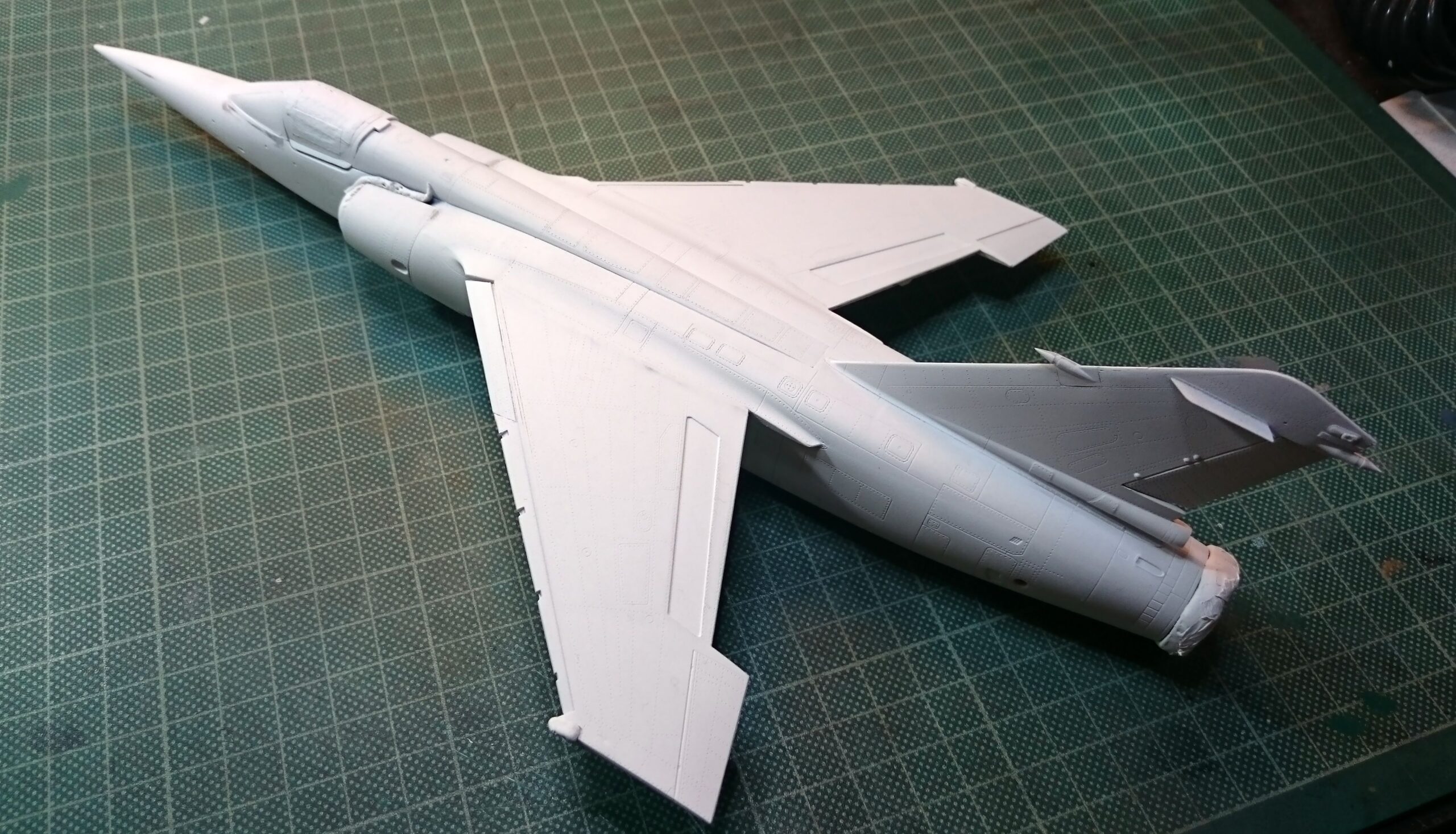
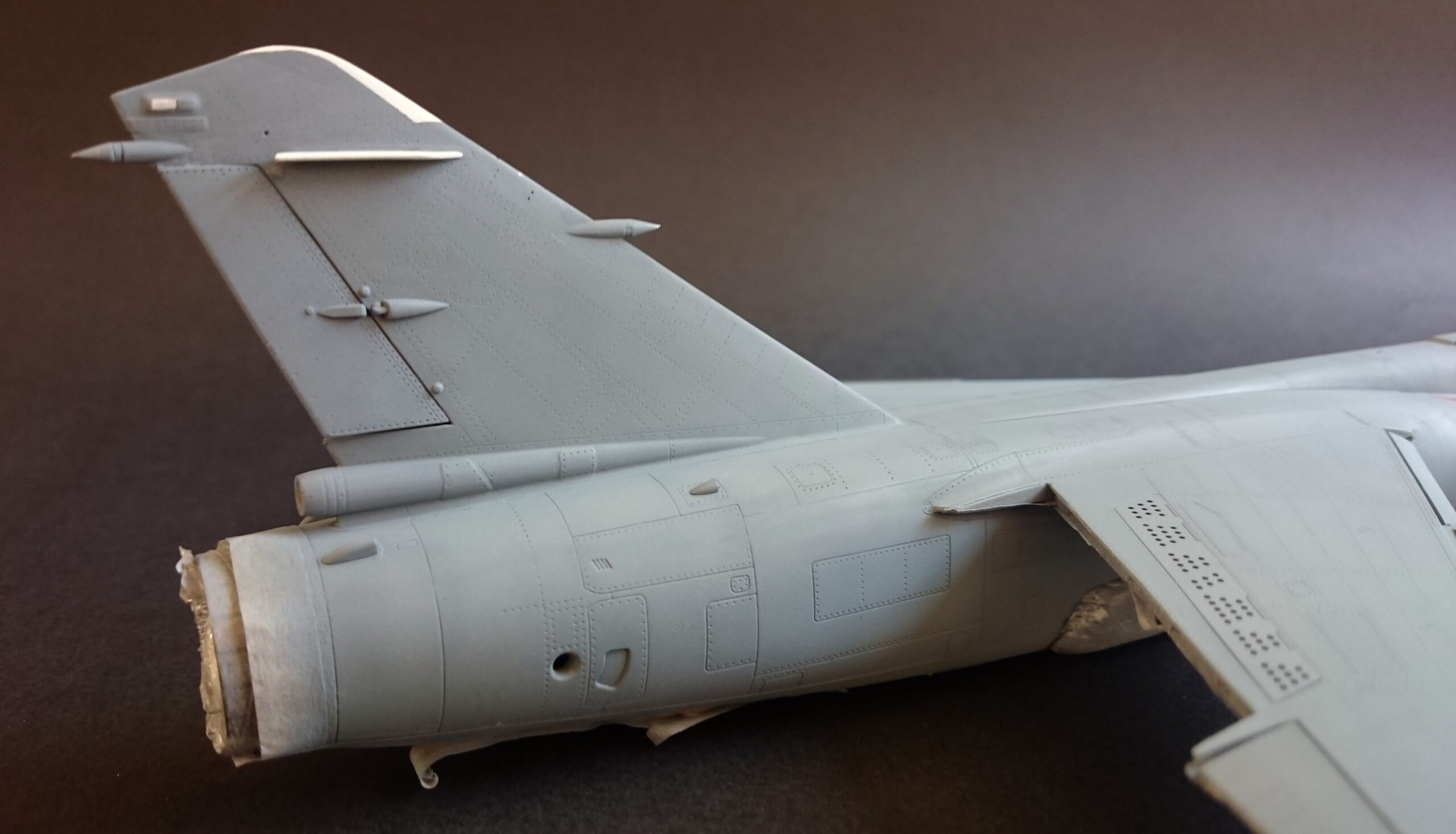
The kit has some very good features, but its construction is far from straightforward. The fit of the four main fuselage sections is only moderate, particularly around the forward and rear fuselage joints at the air intakes and along the lower fuselage. The two wing halves also require considerable attention, as does the wing-to-fuselage joint. The vertical stabilizer needs careful adjustment at its base to eliminate the step between the parts.
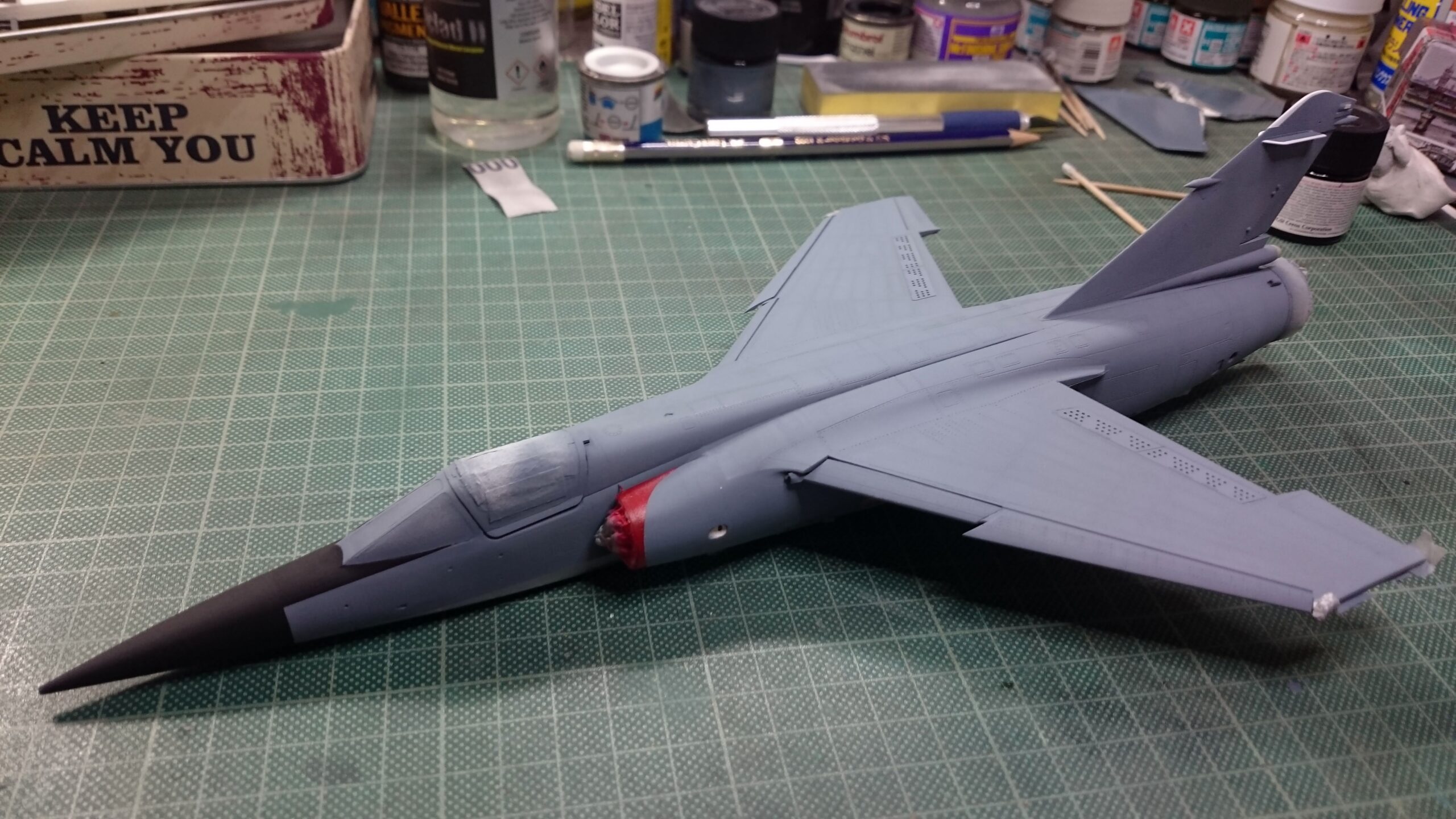
The nose cone is another area that benefits from correction. In this build, the radar cone was carefully sanded from both the upper and lower surfaces to reduce the overly sharp curvature of the kit part and obtain a more convincing profile. More recent build analysis of the same Kitty Hawk tooling has likewise identified the nose cone, wing geometry and several other areas as requiring correction.
Another weakness of the Kitty Hawk Mirage F.1 CT/CR is the packaging. The parts are packed tightly in the box and some components can become crushed or deformed. The transparent parts are particularly vulnerable. For that reason, it is worth checking the complete contents of the box before purchasing the kit whenever this is possible.
The kit also does not provide everything required for a Greek Dassault Mirage F1CG. In particular, the appropriate Greek markings are not included, nor is the AIM-9P Sidewinder configuration required for the Greek interceptor. The modeller therefore has to source additional decals and weapons separately.
Cockpit
Construction began with the cockpit.
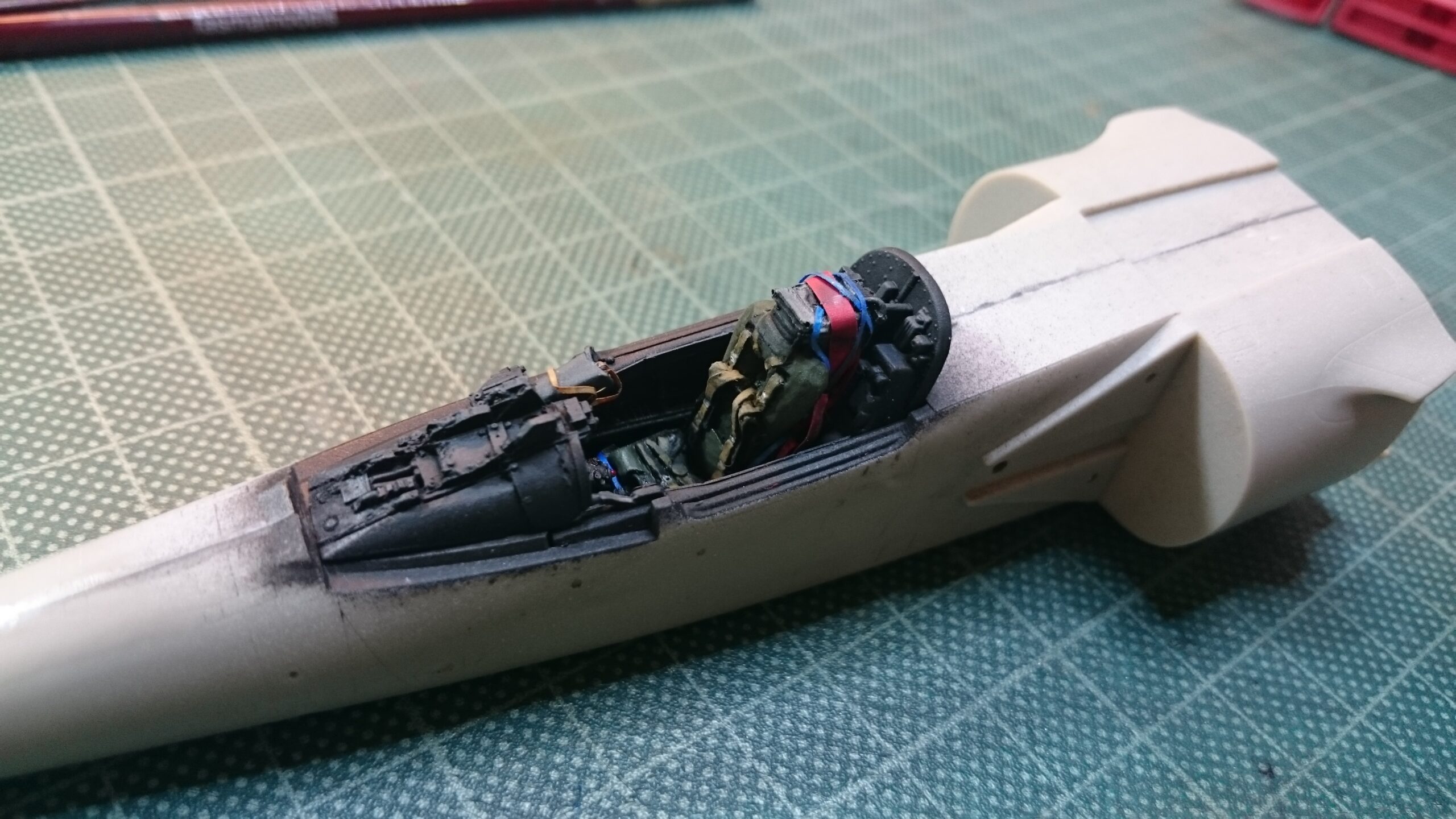
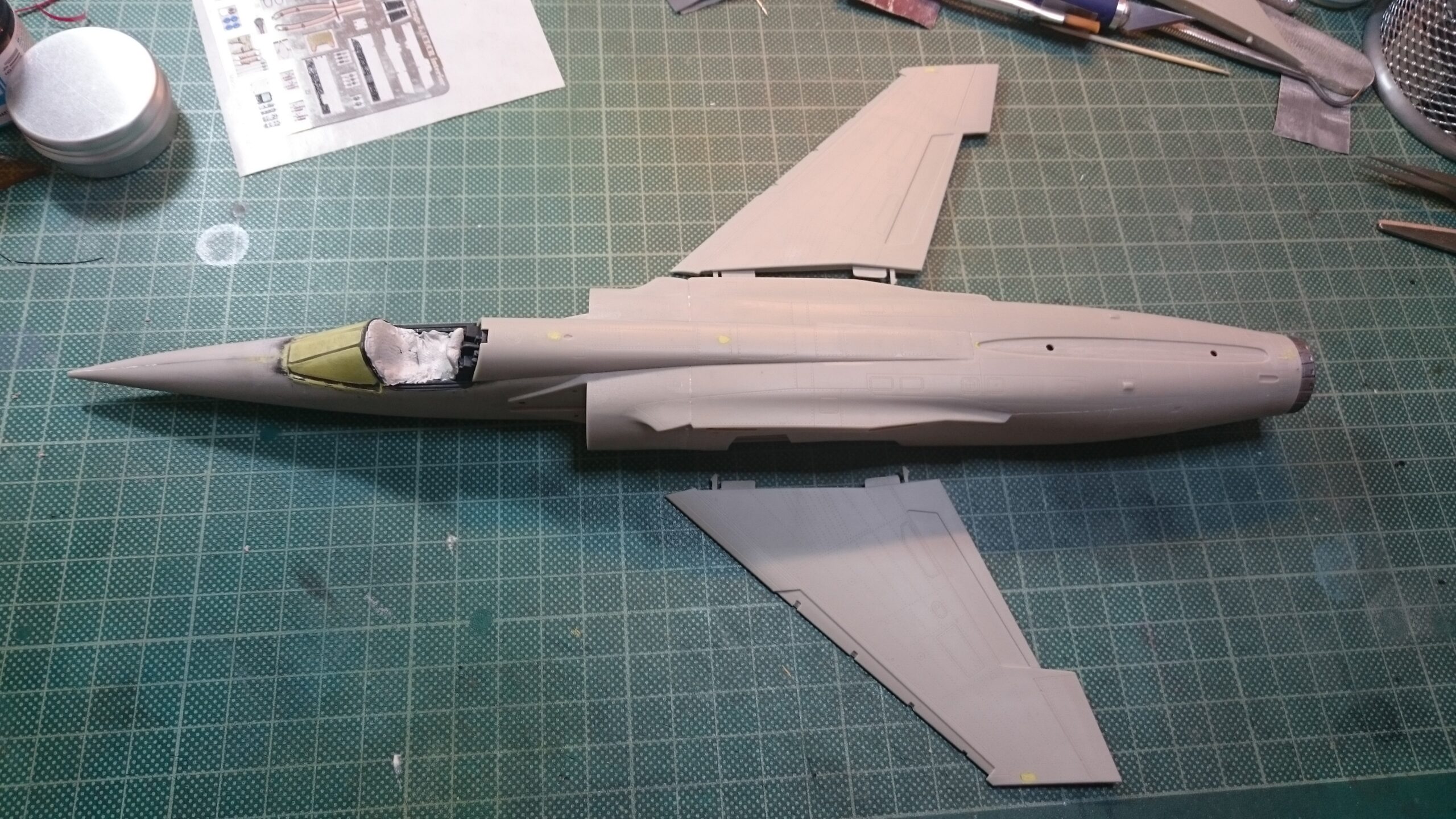
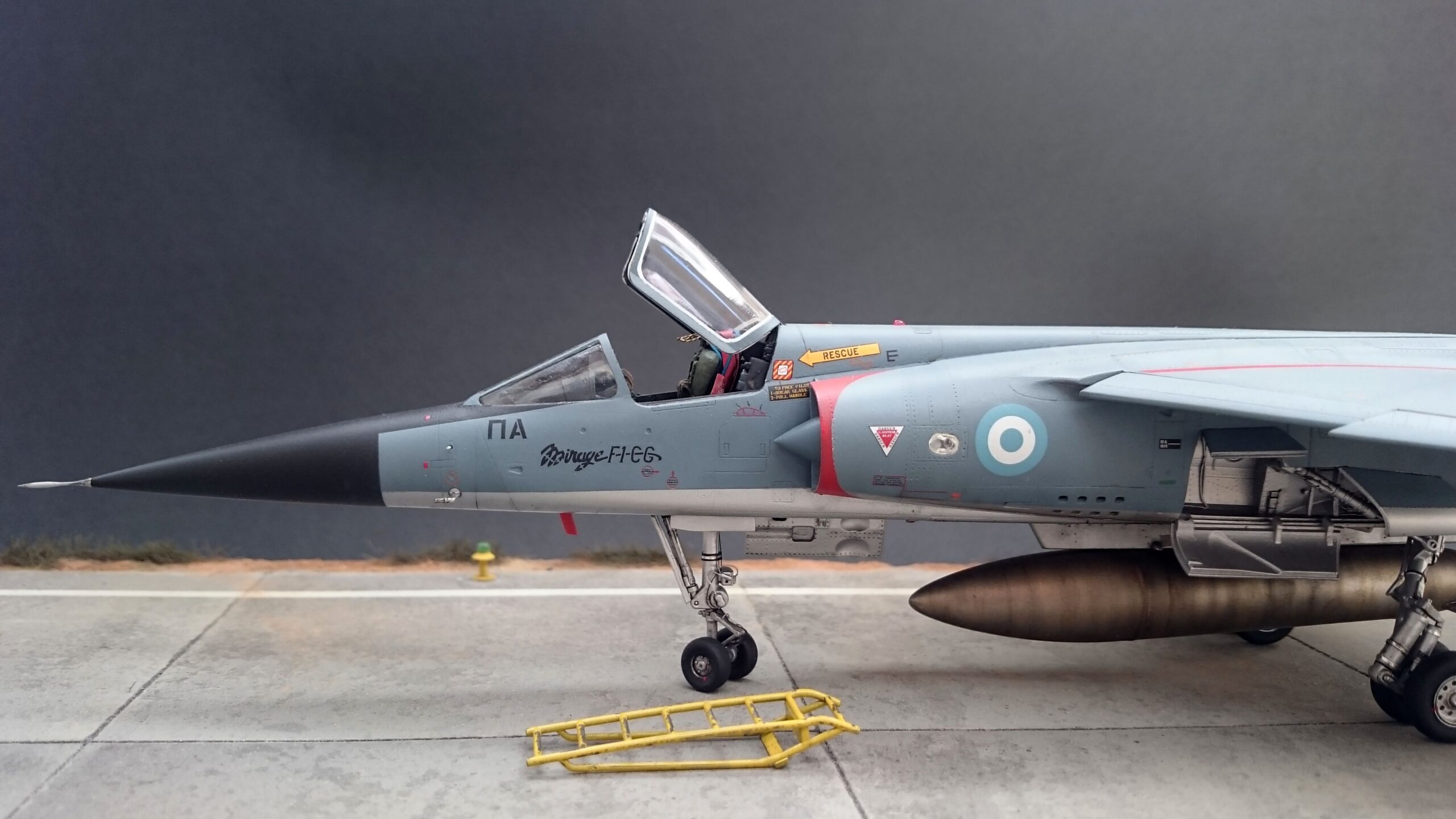
Although the basic cockpit provides a useful foundation, several areas were enhanced to reproduce the appearance of the operational aircraft more convincingly. Additional detail was added to the instrument areas on both the right and left sides of the cockpit, while the central instrument panel was improved with Eduard photo-etched components.
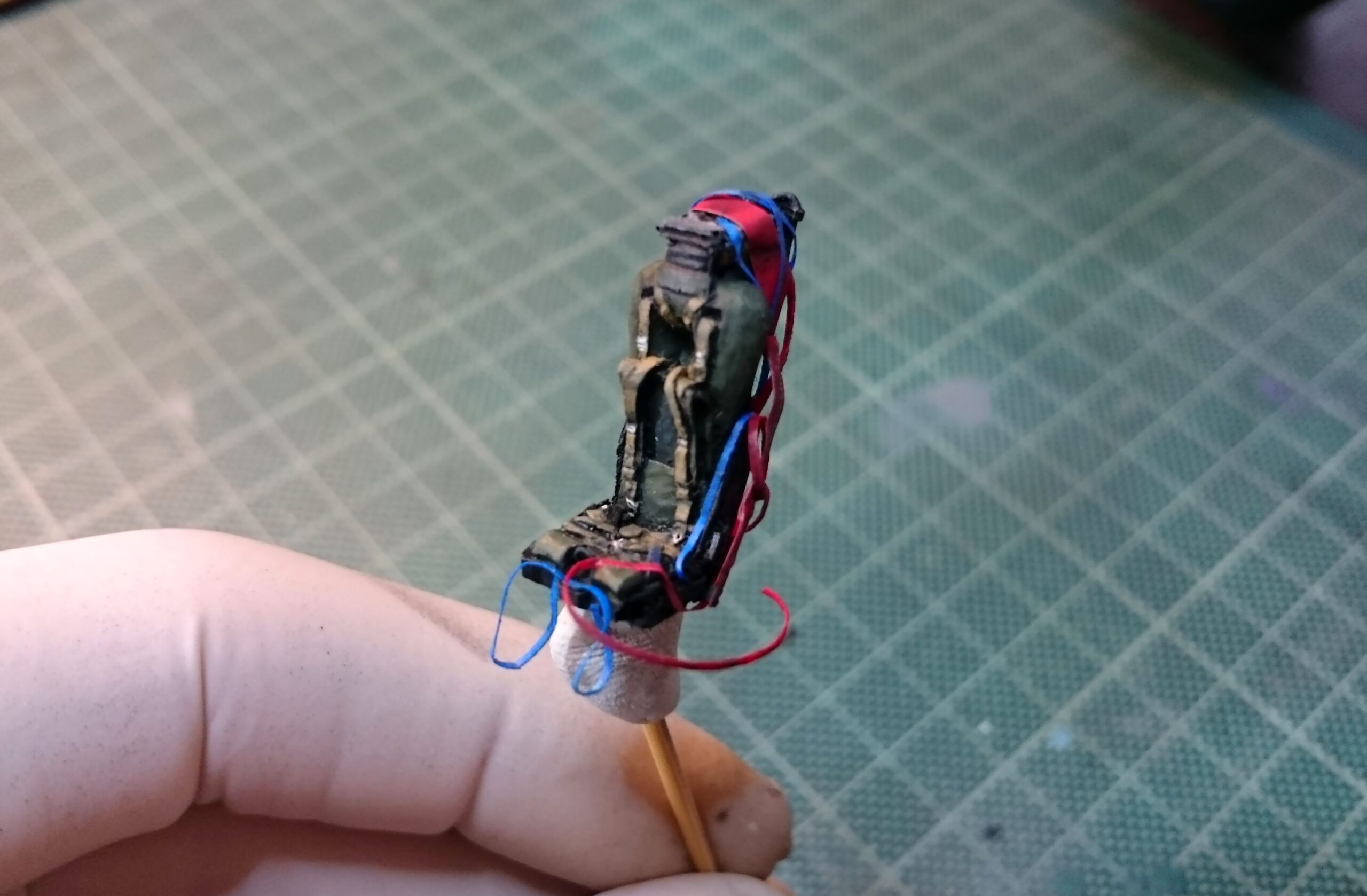
The kit ejection seat was not used. Instead, it was replaced by a resin Martin-Baker Mk.6 seat from Neomega. The resin seat already provides considerably more definition than the original kit component, so only a relatively small amount of additional work was necessary. Fabric seat straps were made from masking tape, while an Eduard photo-etched safety component was also added.
The canopy received considerable attention as well. The inside of the canopy frame was detailed to reproduce the correct perimeter structure visible on the actual aircraft. Mirrors, the two handles and the canopy-opening wire were added together with their mounting bases.
These are relatively small additions, but in 1/48 scale they become very visible through the open canopy and give the cockpit a much more convincing appearance.
Fuselage Assembly and Correction Work
The next stage was closing the fuselage.
The main body of the Dassault Mirage F1CG consists of several large components, and this proved to be one of the most demanding parts of the build. The joints between the forward and rear fuselage sections required substantial adjustment, particularly around the air intakes and the lower fuselage.
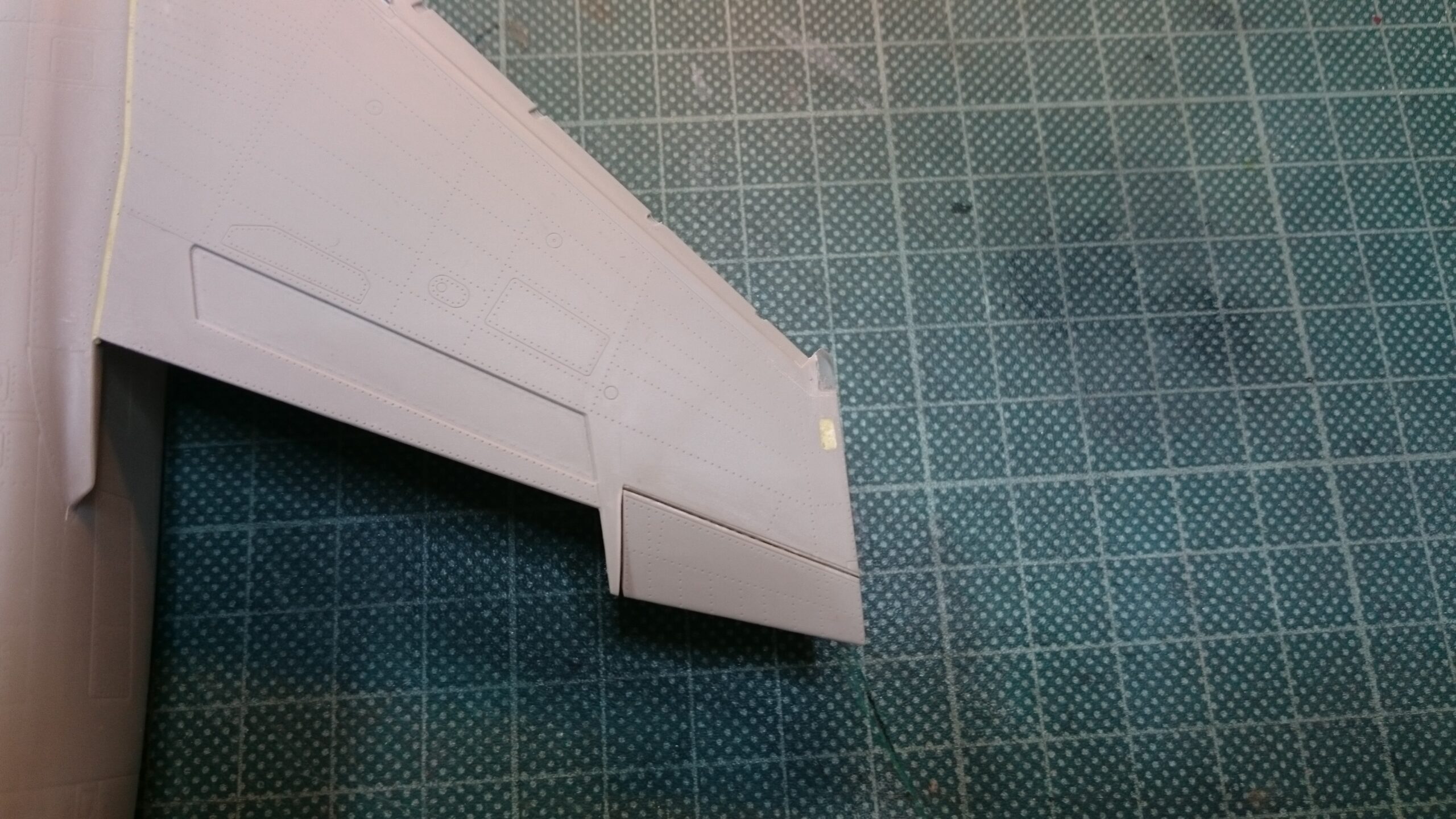
The wing assembly presented another difficult area. After joining the two wing halves, further work was necessary at the joint between the wings and the main fuselage. The vertical stabilizer was carefully sanded at its base so that the step between the fin and fuselage disappeared.
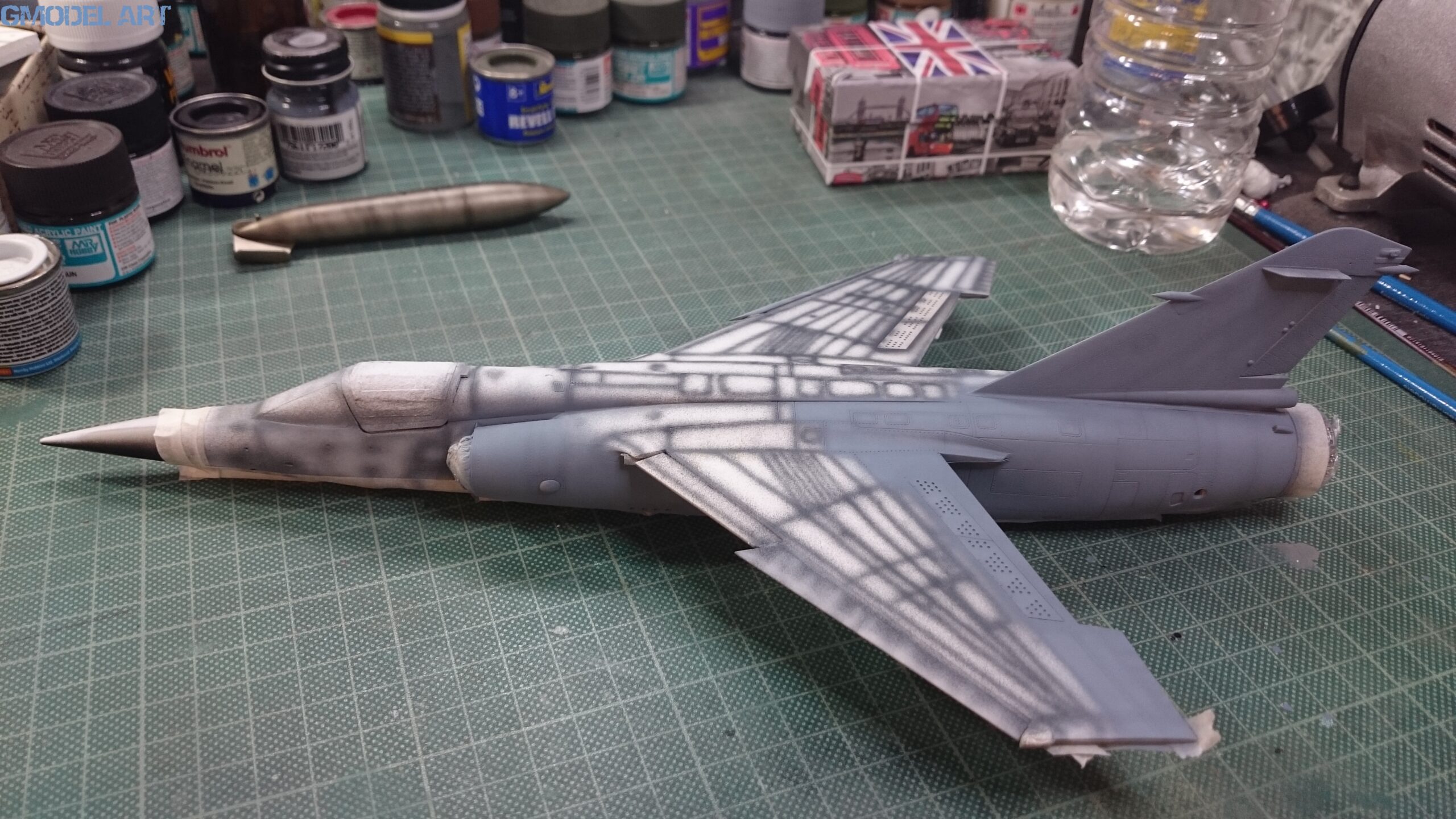
Once the basic structure had been assembled, the entire airframe was inspected for gaps, steps and damaged surface detail.
Epoxy putty was used on the major joints, while Gunze liquid filler was used for smaller corrections. After the filler had cured, the corrected areas were carefully sanded and polished. Several panel lines had disappeared during this process and therefore had to be re-scribed. Other small areas of surface detail were restored by hand.
This stage was particularly important because the fine recessed engraving of the Kitty Hawk Mirage F.1 CT/CR is one of the stronger features of the kit. It would have been a mistake simply to cover the construction problems with excessive filler and leave the surrounding detail untouched.
Radar Cone and Exhaust Nozzle
The radar cone was reshaped before final finishing. The original profile appeared too sharply curved, so material was carefully removed from both sides until a more appropriate contour was achieved.
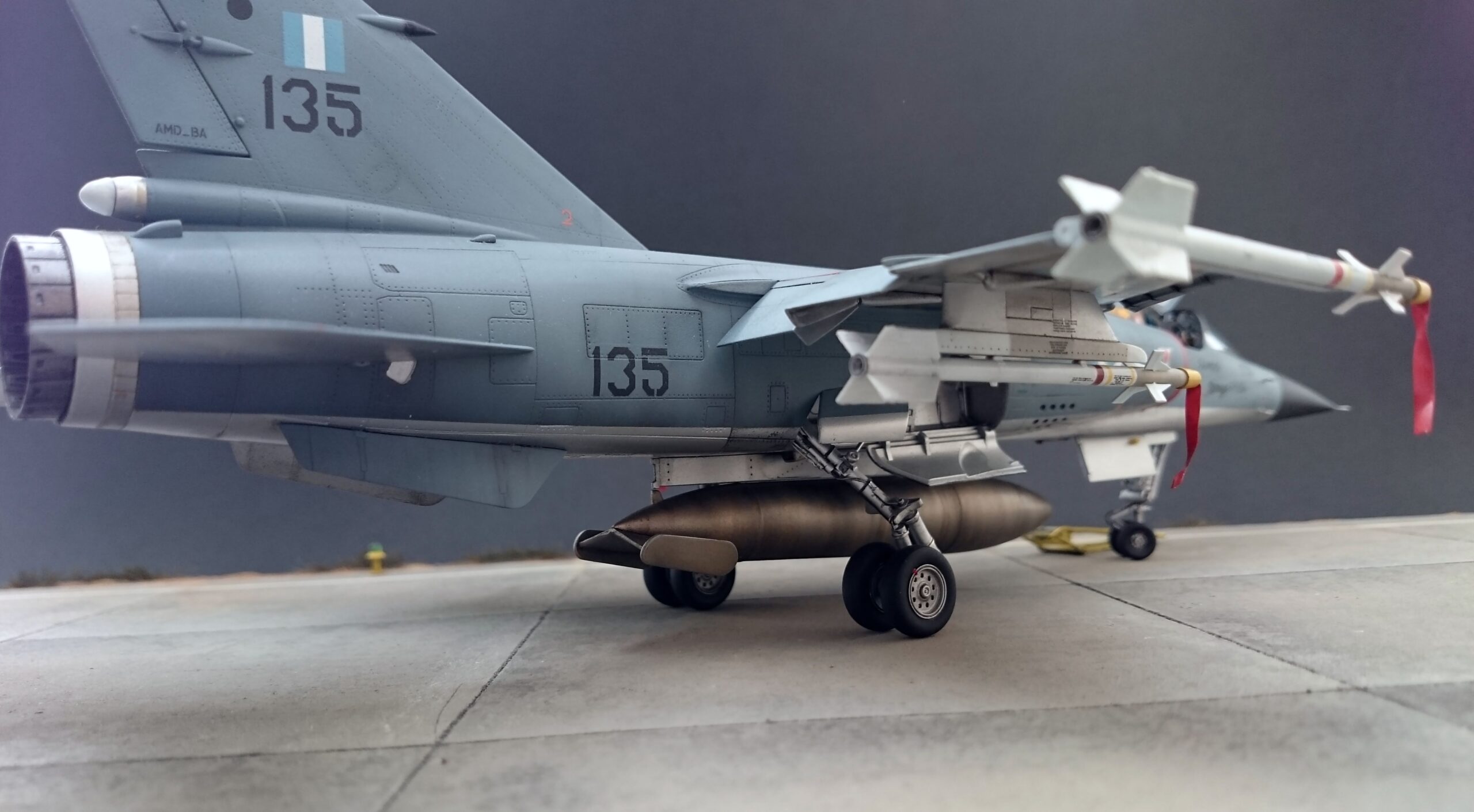
The exhaust nozzle was completely replaced with a resin component from AML. This was one of the more visible improvements to the model because the rear fuselage and nozzle are prominent areas on the finished aircraft.
Because the resin nozzle was used, the complete engine assembly supplied by Kitty Hawk was not required for the final configuration and was set aside for possible future use.
Landing Gear and Wheel Wells
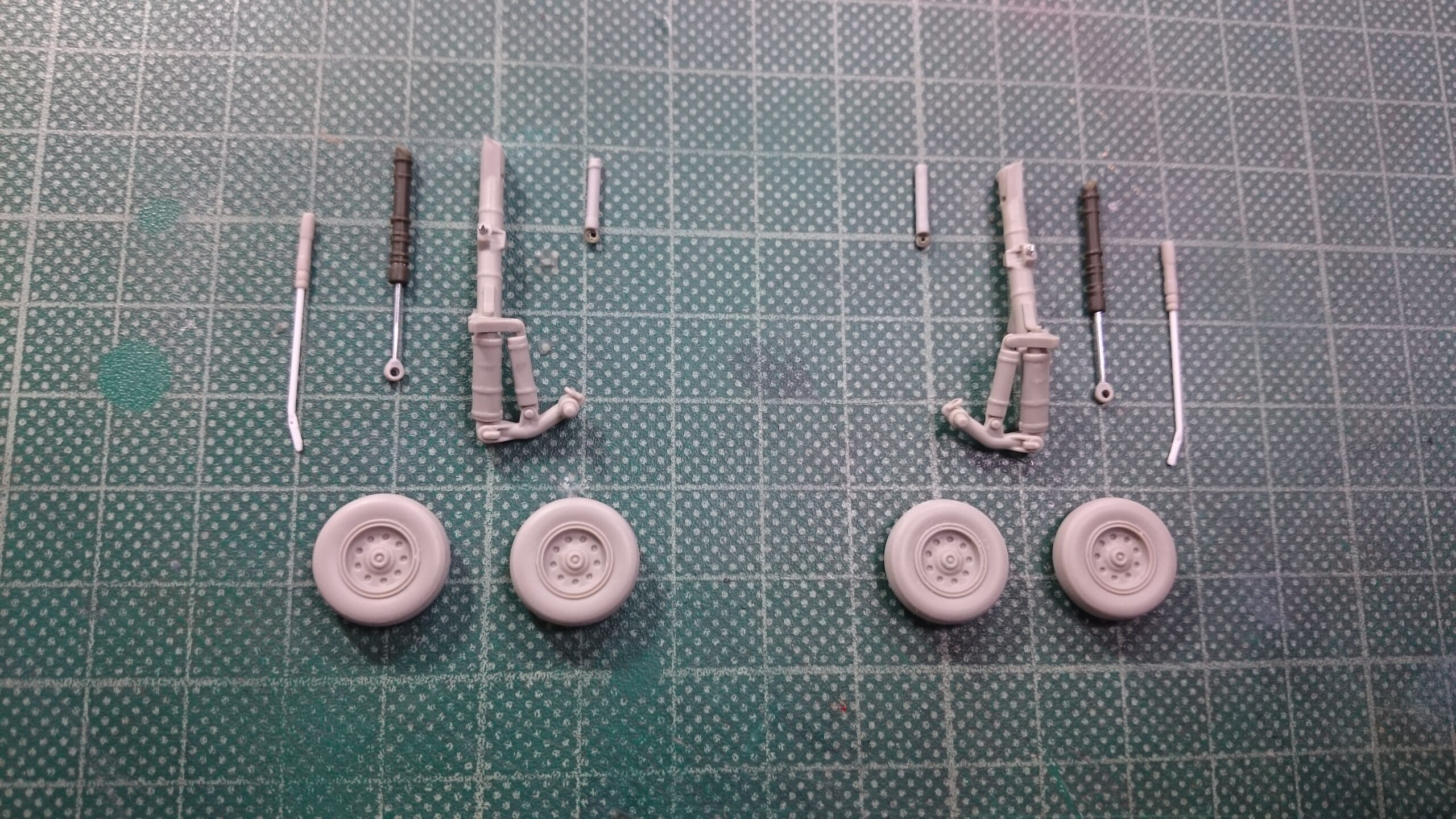
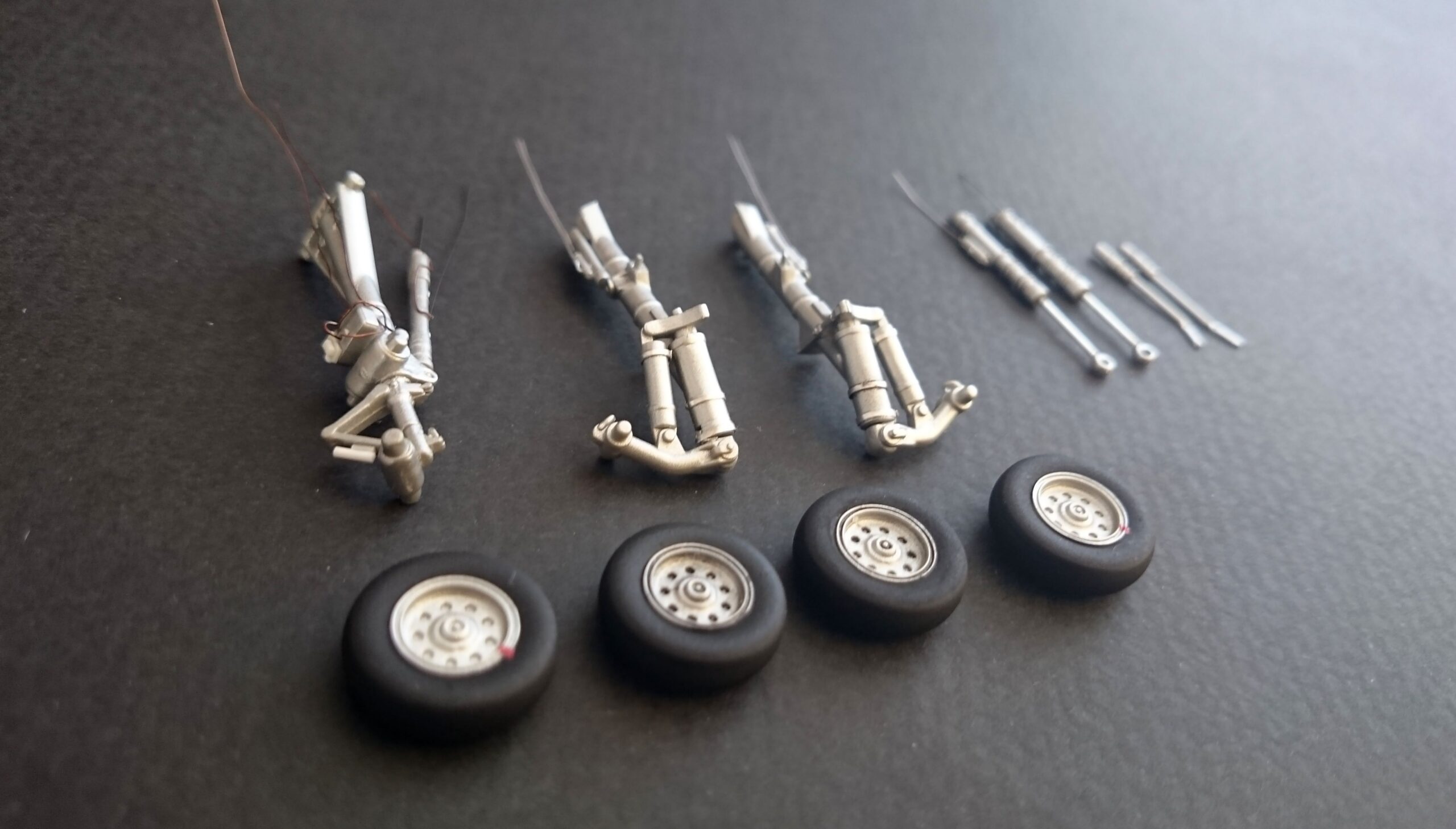
The landing gear is one of the more detailed areas of the Kitty Hawk Mirage F.1 CT/CR, but some components of the retraction mechanism are rather coarse. For that reason, the retraction systems were replaced with scratch-built parts made from plastic and wire.
The two main landing-gear legs received extensive additional plumbing. Fine wire was used to reproduce hydraulic and electrical lines, while additional wiring was installed inside the landing-gear bays.
The same approach was applied to the nose-gear area and the surrounding structure. These details are especially worthwhile on a 1/48 scale model because the open wheel wells reveal a considerable amount of the aircraft’s internal plumbing.
The retaining straps and small hoops used to hold the pipes against the landing-gear legs were made from thin aluminium sheet rather than relying on the moulded kit detail.
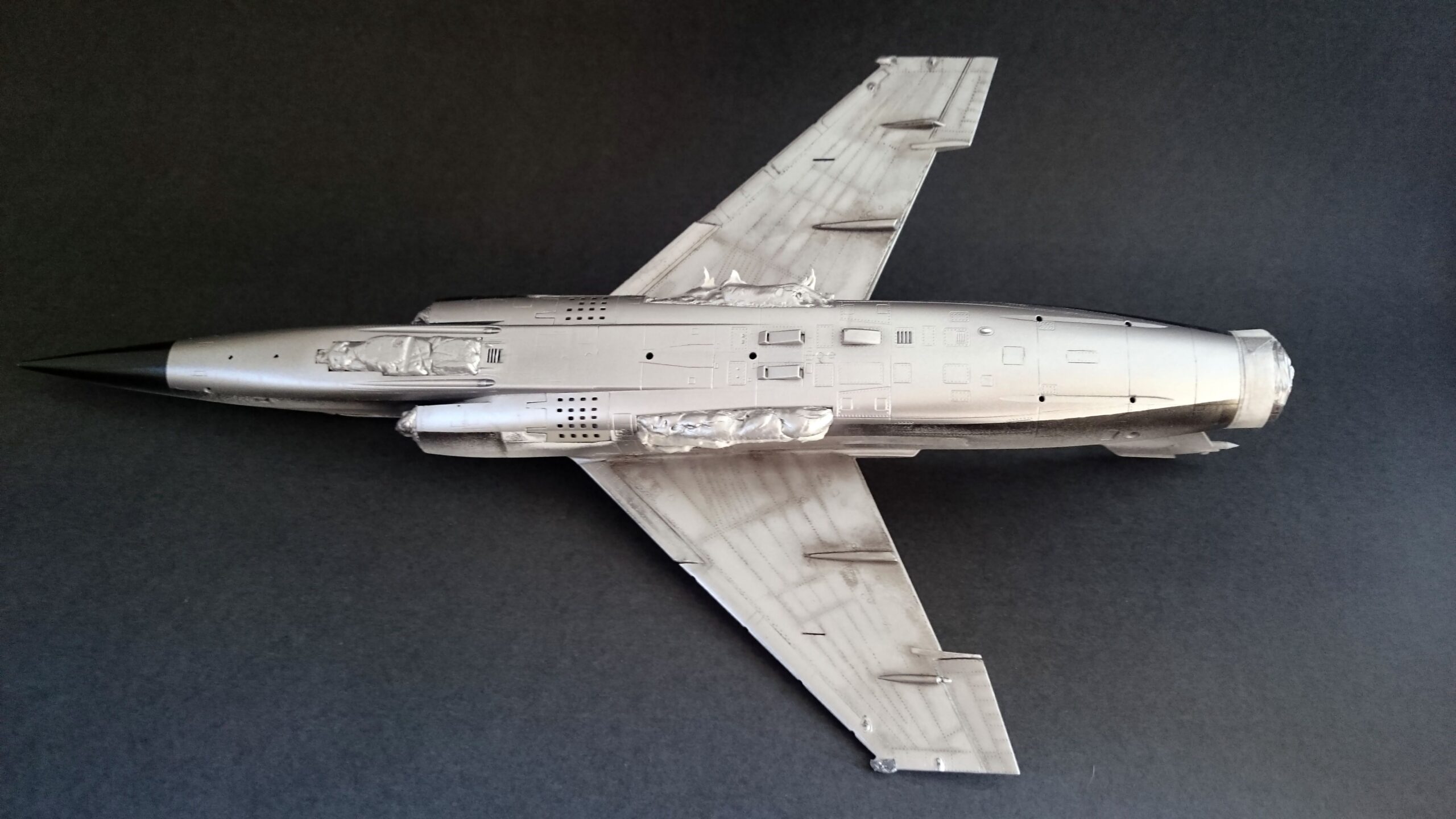
Before the metallic finish was applied, the landing-gear components were painted with Alclad II Gloss Black Base ALC305. The final metallic finish was then applied using Alclad II White Aluminium ALC106. Alclad II specifies the use of a suitable primer for its regular metallic finishes, while the manufacturer’s range includes ALC106 White Aluminium; ALC305 is its dedicated Gloss Black Base.
Paint Guide – Hellenic Air Force Dassault Mirage F1CG
The Greek Dassault Mirage F1CG camouflage of the 1980s and 1990s is commonly associated with the Hellenic Air Force “Aegean Blue” pattern. Hataka Hobby specifically lists FS35164 Intermediate Blue as the upper-surface colour for this scheme and Aluminium for the lower surfaces of Dassault Mirage F1CG aircraft operated during the 1980s–1990s.
For a model representing Dassault Mirage F1CG 135 “Samos” in 1994, the following paint references provide a practical starting point:
| Model area | Reference / finish | Recommended modelling product |
|---|---|---|
| Upper camouflage | FS 35164 Intermediate Blue | Hataka HTK-A027 Intermediate Blue |
| Upper camouflage alternative | FS 35164 Intermediate Blue | Mr. Color C366 Intermediate Blue |
| Lower fuselage and undersurfaces | Aluminium | Hataka HTK-A078 Aluminium |
| Metallic lower-surface alternative | Aluminium | Alclad II ALC101 Aluminium |
| Metallic finish used in this build | White Aluminium | Alclad II ALC106 White Aluminium |
| Metallic undercoat | Gloss black | Alclad II ALC305 Gloss Black Base |
| Radome/detail grey reference | FS 36320 | Mr. Color C307 Gray FS36320 |
| Primer for metallic areas | Primer | Alclad II ALC302 Grey Primer or Mr. Surfacer |
The FS 35164 / Intermediate Blue identification is particularly useful because it avoids trying to judge the Greek blue solely from photographs. Period photographs can vary substantially because of film stock, exposure and weathering. A specialist discussion of the Greek Dassault Mirage F1CG underside also highlights how the aluminium finish can appear considerably lighter or greyer depending on photographic conditions.
For the metallic areas, the objective should not be a mirror-like natural-metal finish. The operational aircraft were exposed to weather, dust, hydraulic fluids and the salt-laden environment of the Aegean, so a controlled semi-matt metallic appearance is more convincing than an excessively polished surface.
The same principle applies to weathering. The aircraft should look operational rather than abandoned: subtle staining around the engine area, restrained dirt in the wheel wells, variation between individual panels and some fading of the camouflage are enough to bring the model to life without turning it into an exaggerated weathering exercise.
Weapons and Greek Configuration
The Greek Dassault Mirage F1CG was primarily an interceptor and was equipped to carry the AIM-9P Sidewinder among its air-to-air weapons. The standard Kitty Hawk Mirage F.1 CT/CR boxing, however, does not directly provide the complete Greek configuration, which means the modeller has to pay attention not only to decals but also to the appropriate stores and external details. The 1/48 kit contains a wide range of weapons and external equipment, but not all of them are applicable to a Greek Dassault Mirage F1CG.
This is one of the reasons why an accurate Greek Dassault Mirage F1CG should not be treated as simply a French Mirage with Greek markings applied at the end of the build. The configuration of the aircraft, weapons, cockpit details, external finish and small airframe differences all have to be considered.
The Finished Model
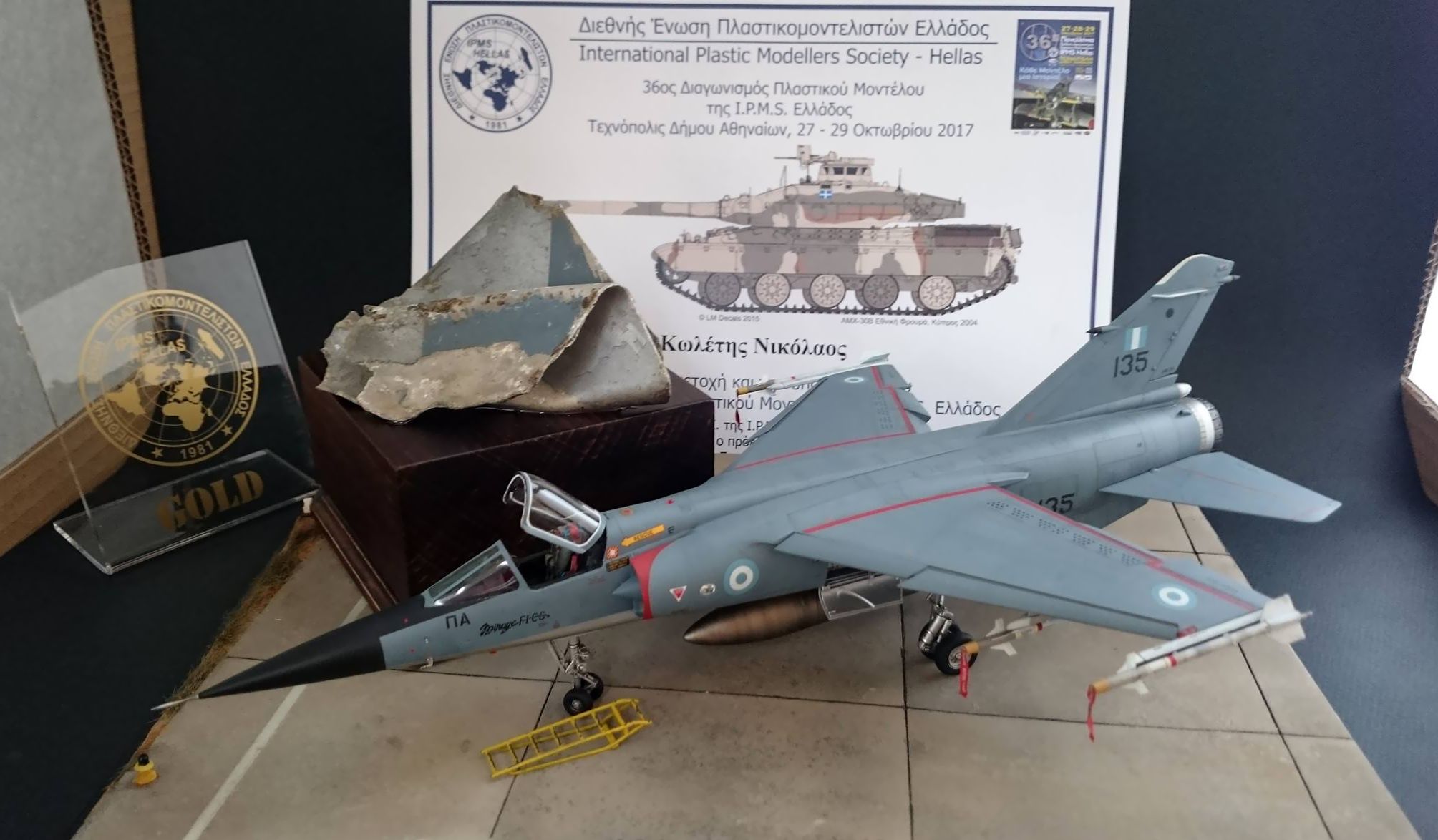
The finished Dassault Mirage F1CG 135 “Samos” combines the basic surface detail offered by the Kitty Hawk Mirage F.1 CT/CR with extensive corrections and aftermarket additions.
The Neomega resin ejection seat gives the cockpit a substantial improvement, while Eduard photo-etched components sharpen the instrument panel and smaller cockpit details. The AML resin exhaust nozzle improves one of the most visible areas of the aircraft. Scratch-built work around the landing gear, wheel wells, hydraulic lines and canopy adds another level of scale fidelity.
The most time-consuming part of the project was not adding aftermarket accessories but correcting the basic kit itself. The fuselage joints, wing assembly, vertical stabilizer, radar cone and landing gear all required careful attention before painting could begin.
That is ultimately what defines this particular build. The Kitty Hawk kit provides a strong starting point in terms of surface detail and overall presentation, but transforming it into a convincing Hellenic Air Force Dassault Mirage F1CGrequires patience, research and a willingness to rebuild several areas rather than accepting the parts as supplied.
The result is a representation of Dassault Mirage F1CG 135 “Samos”, associated with the 342 Squadron at 114 Combat Wing, Tanagra, during the mid-1990s: a highly detailed 1/48 scale interpretation combining aftermarket resin and photo-etch with extensive scratch-built work.
Mirage 2000EGM/BGM HAF – 332 Squadron “Geraki” | 1/48 Kinetic