article
F6F Hellcat: The Second Life After World War II and the Dawn of Drones
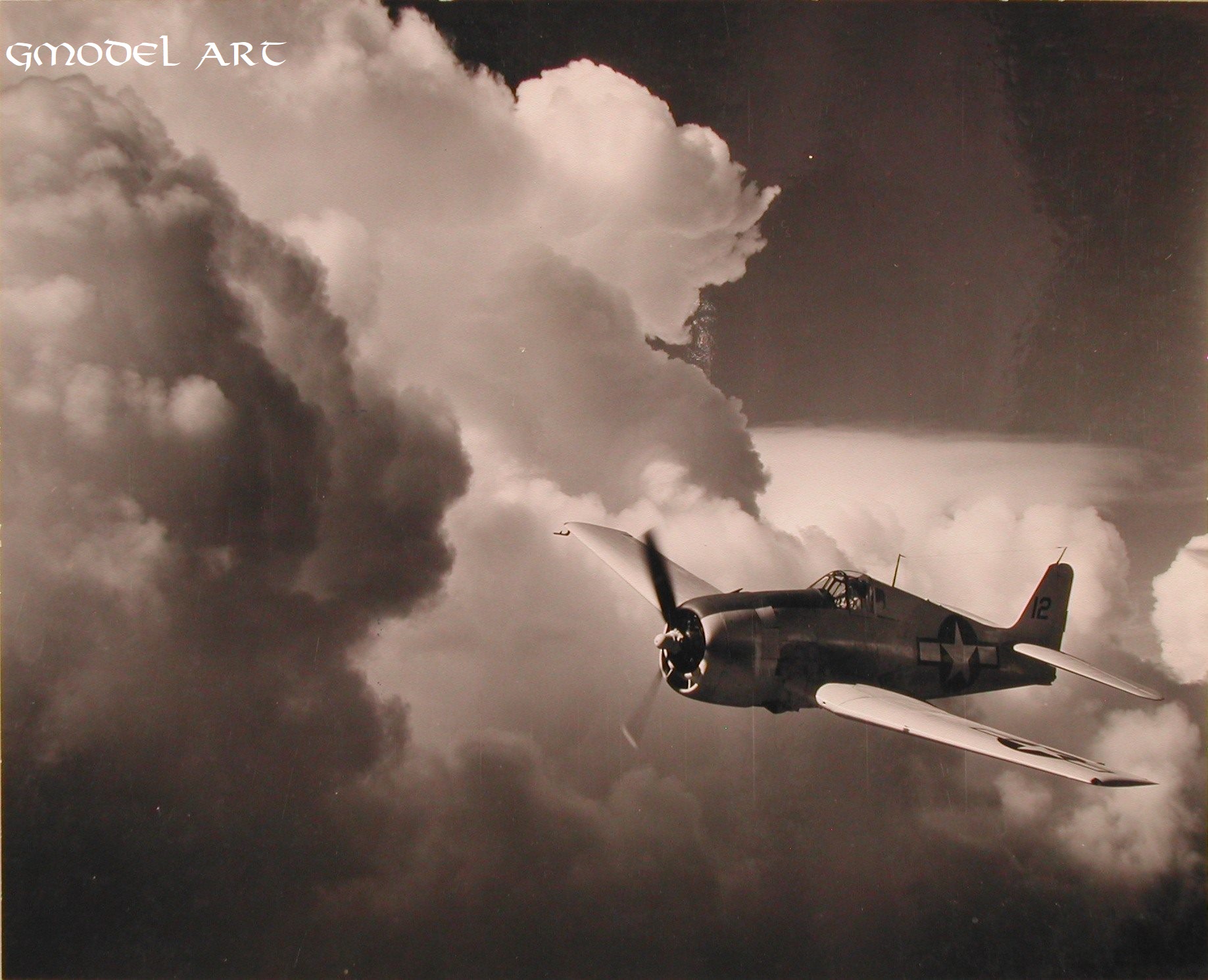
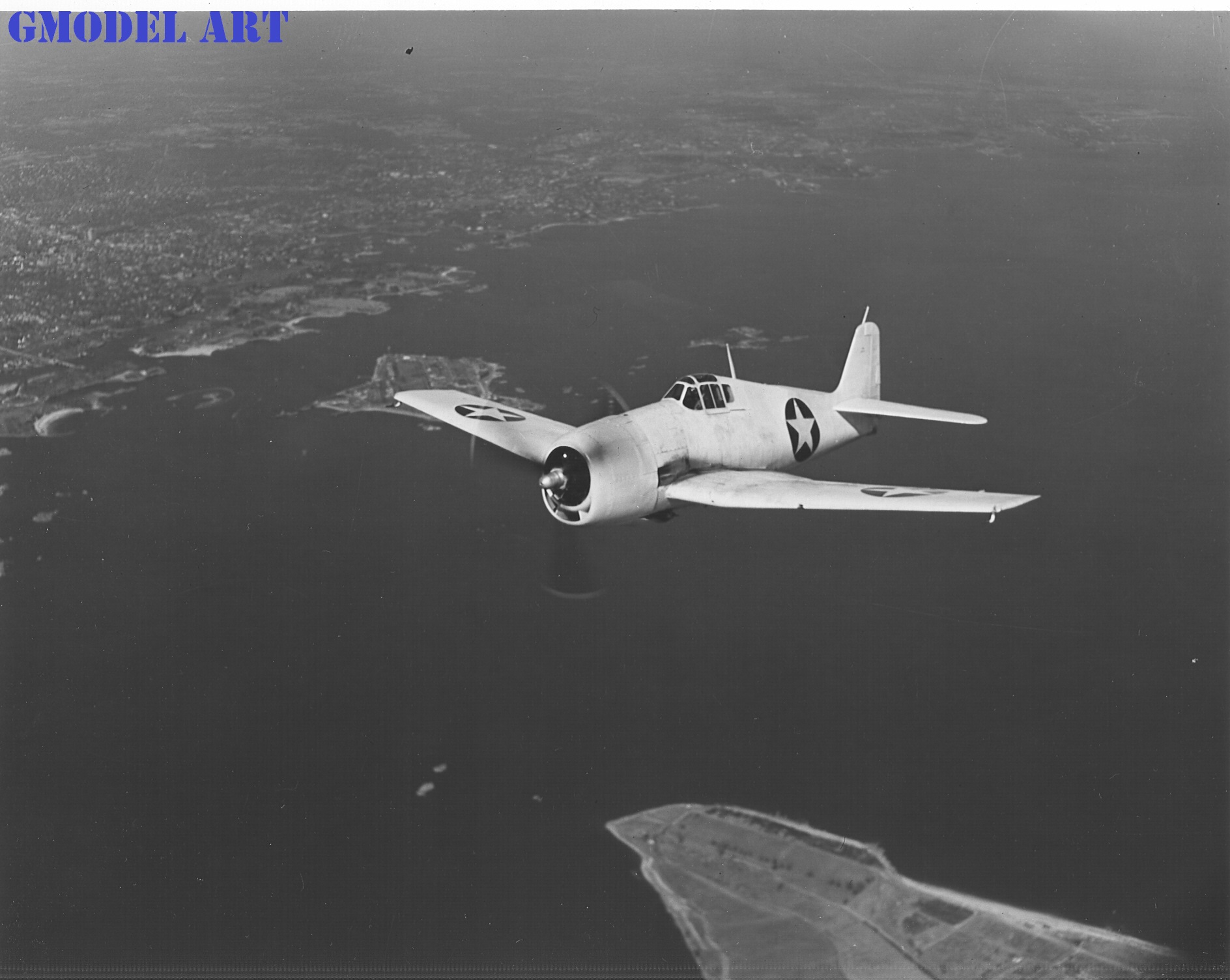
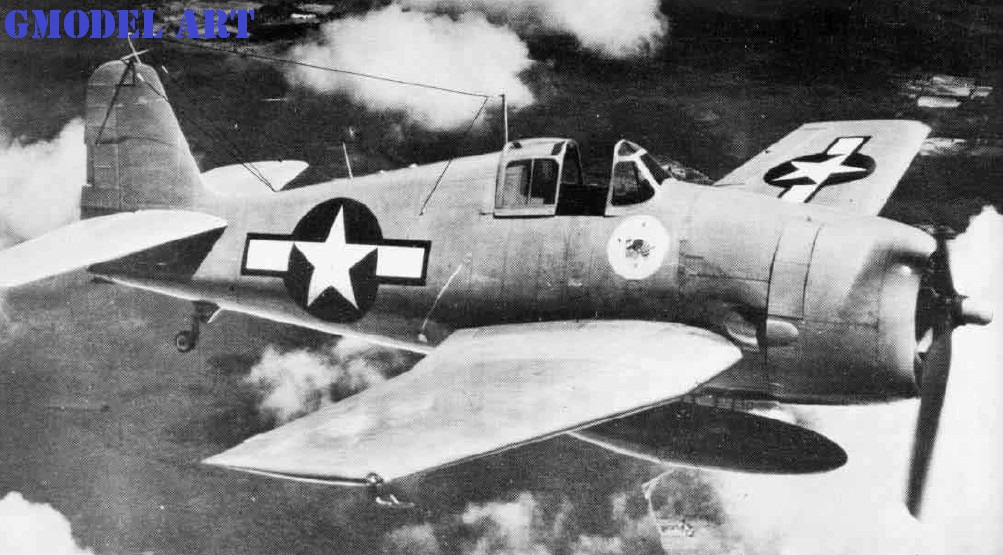
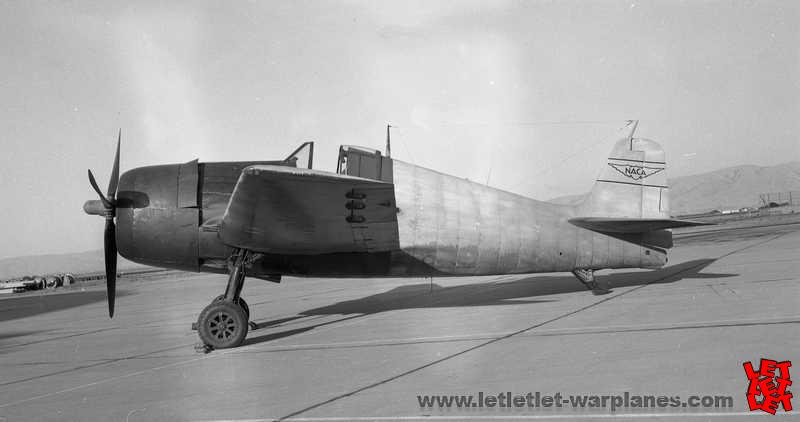
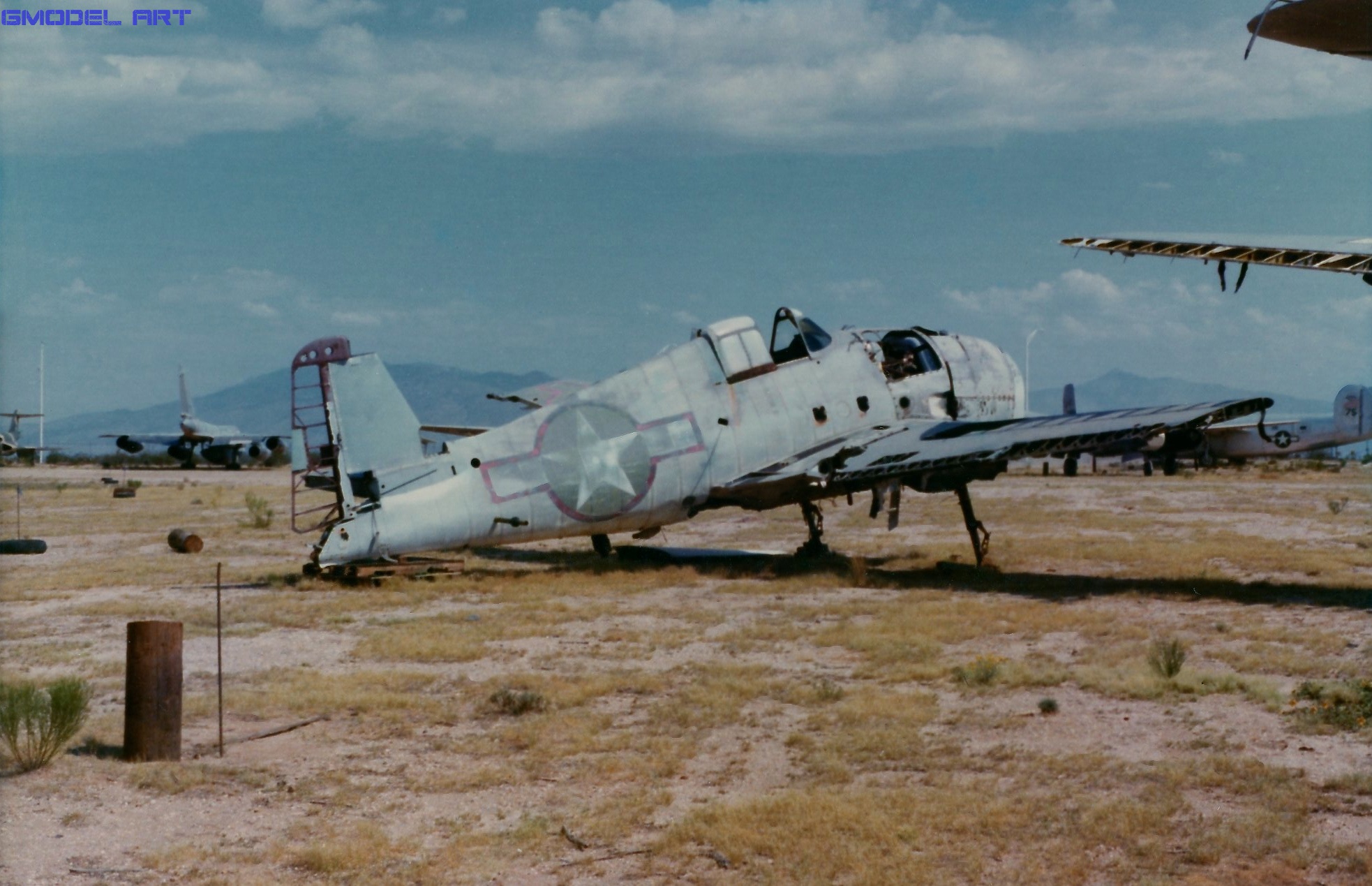
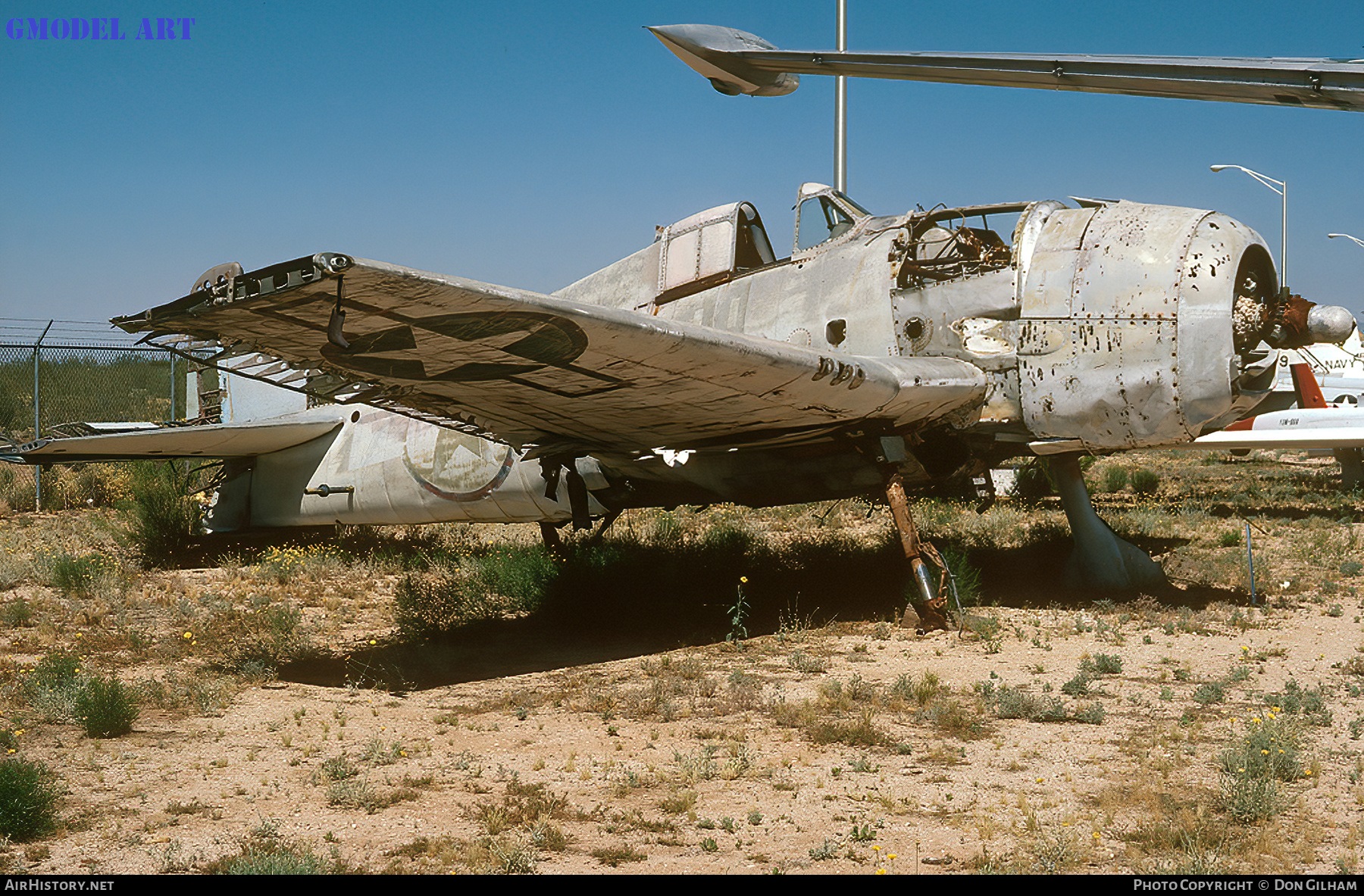
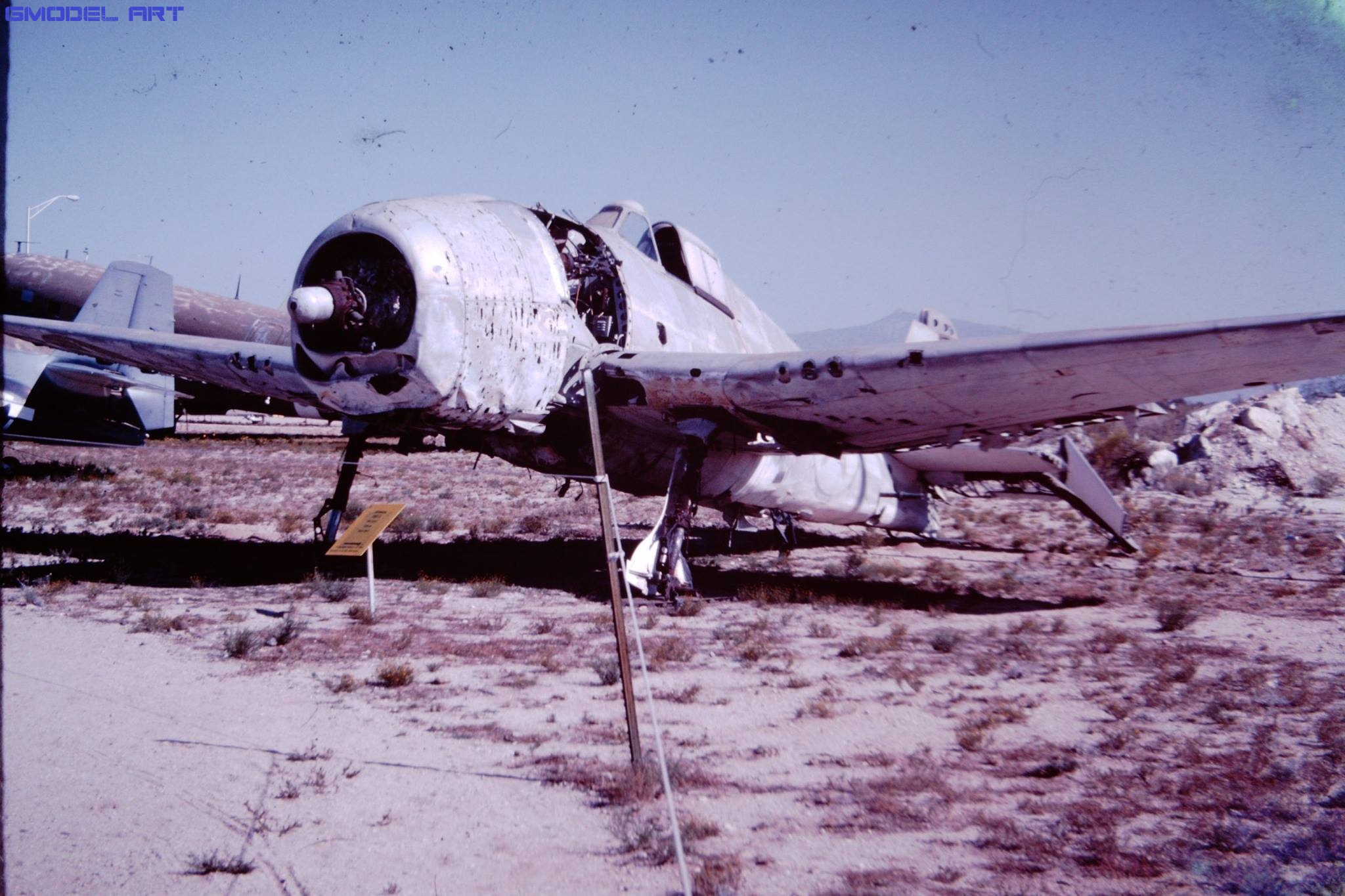
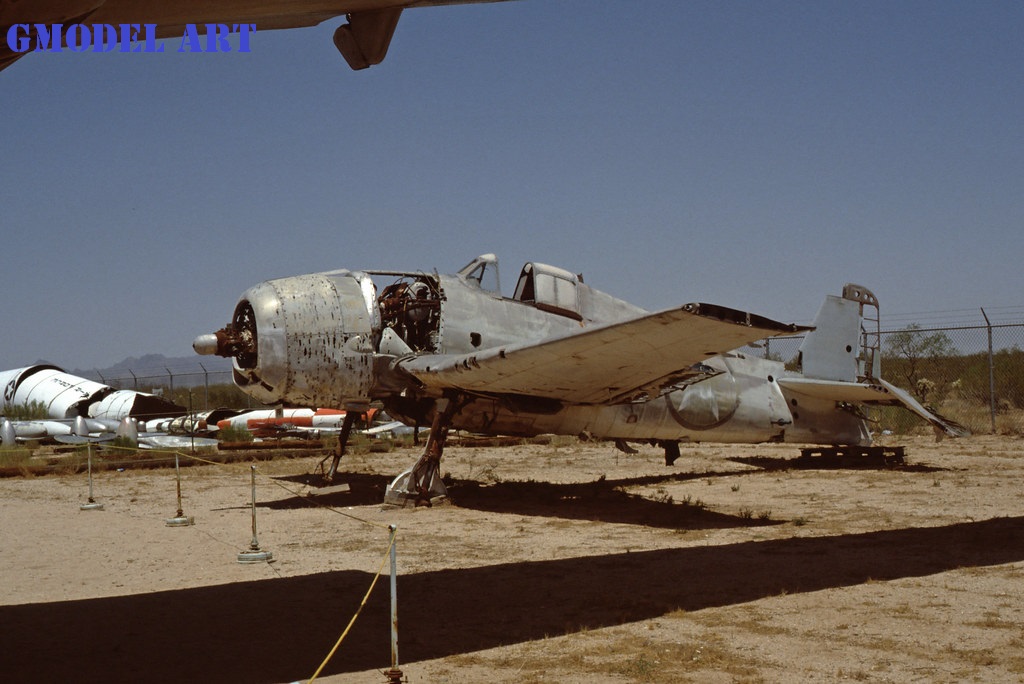
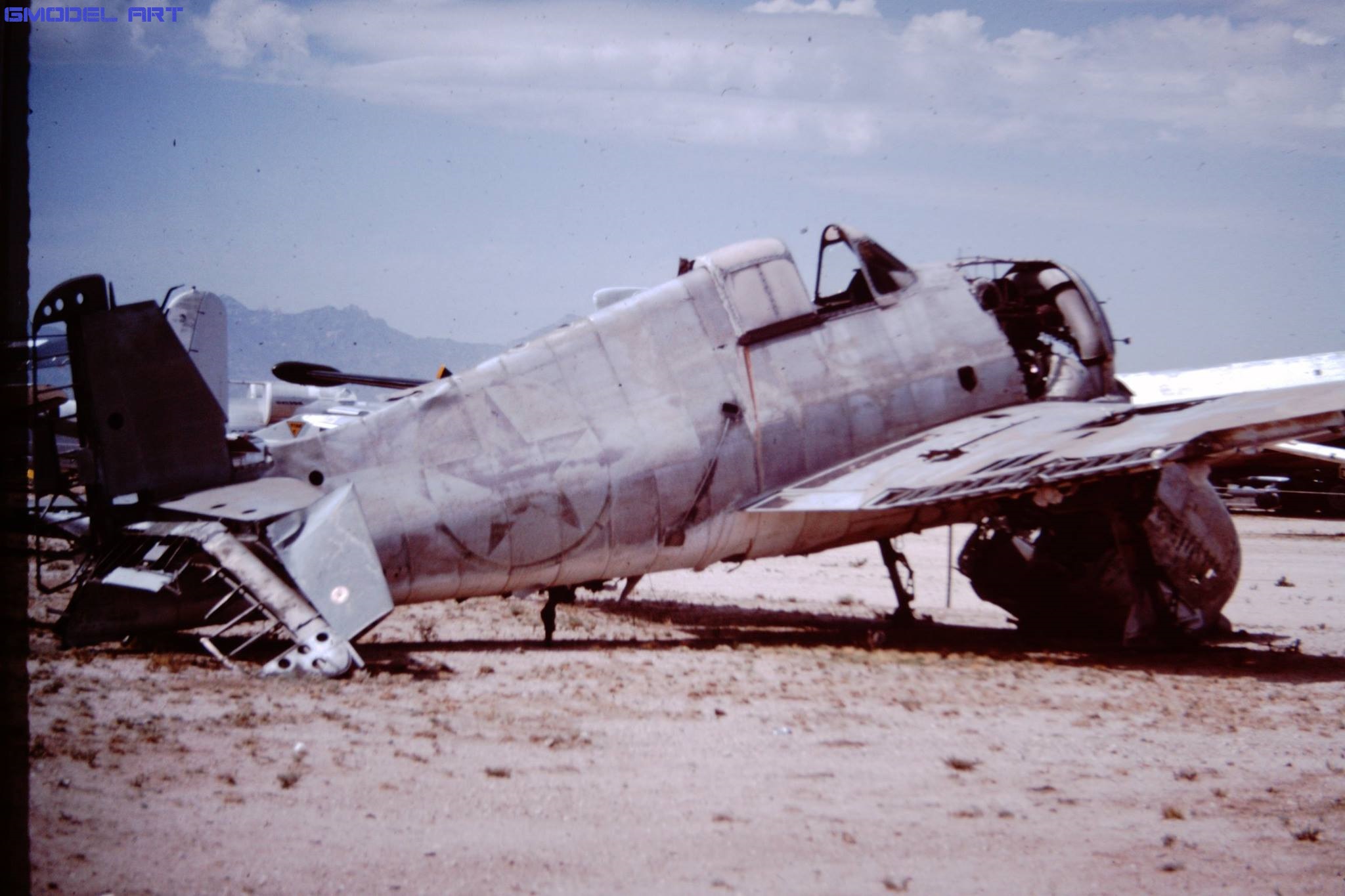
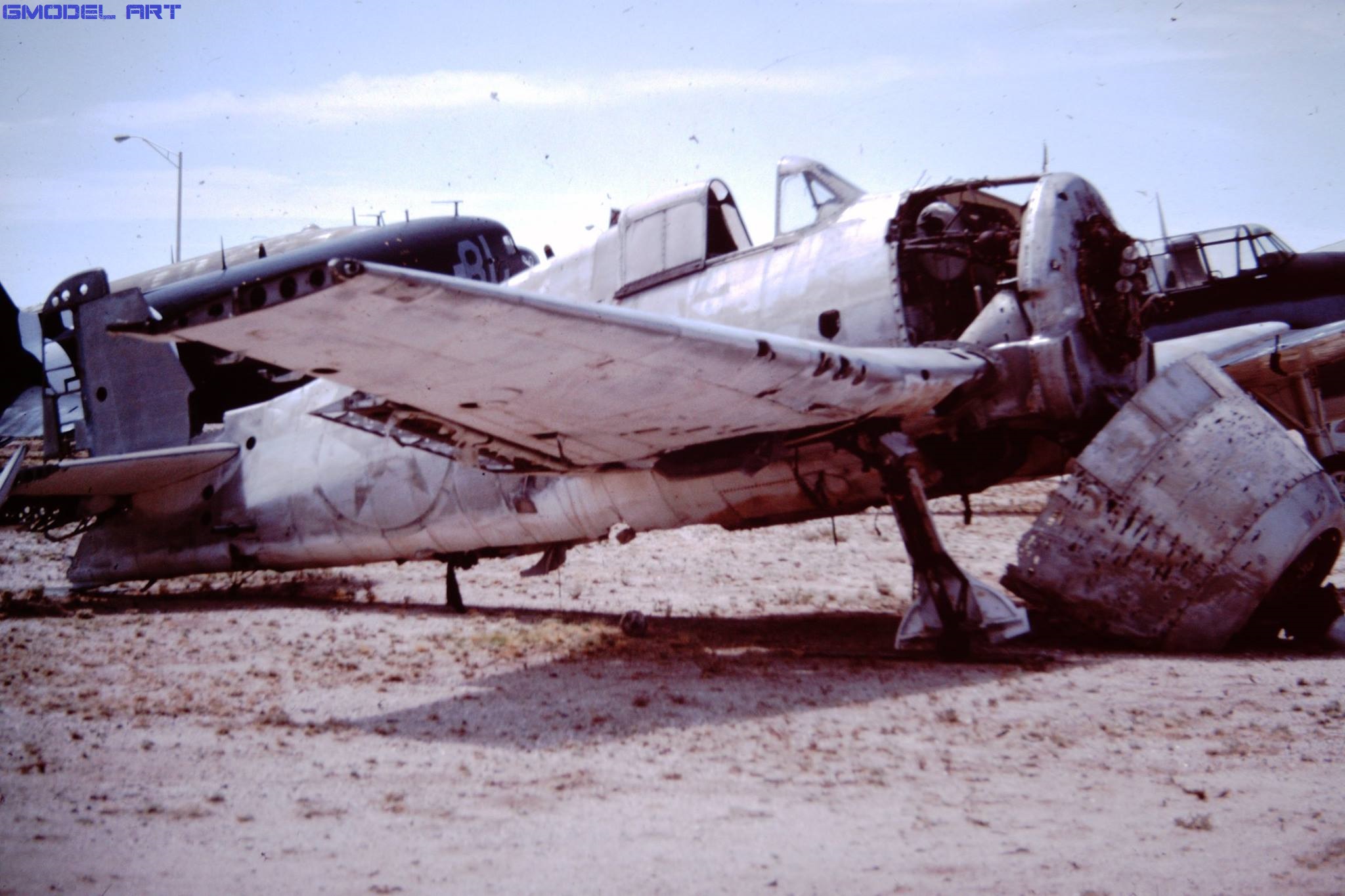
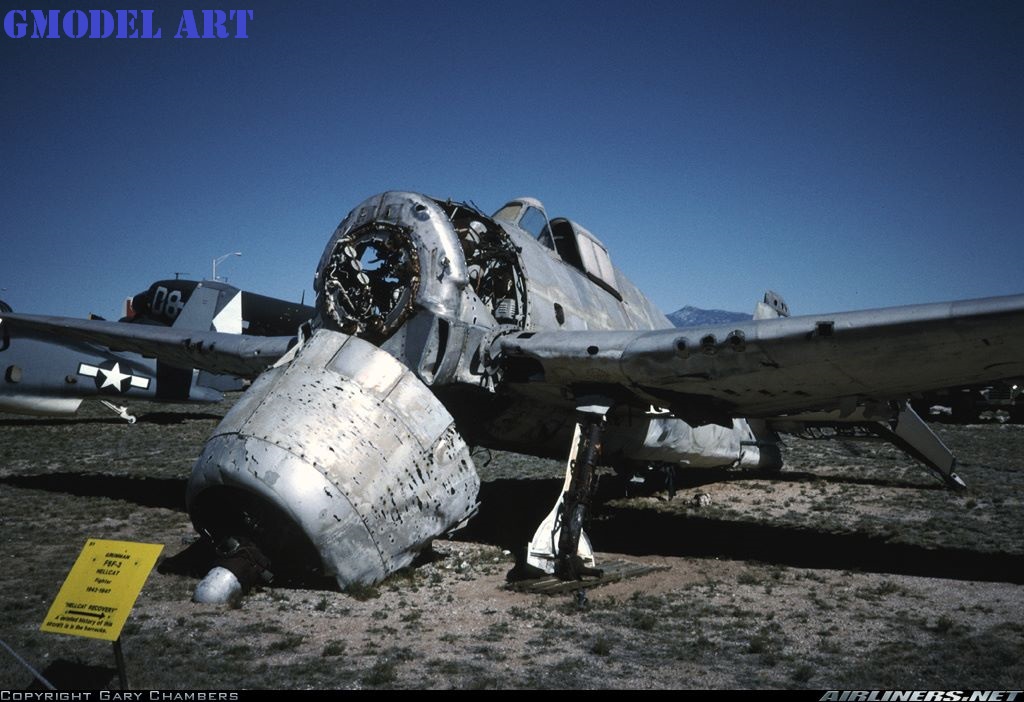
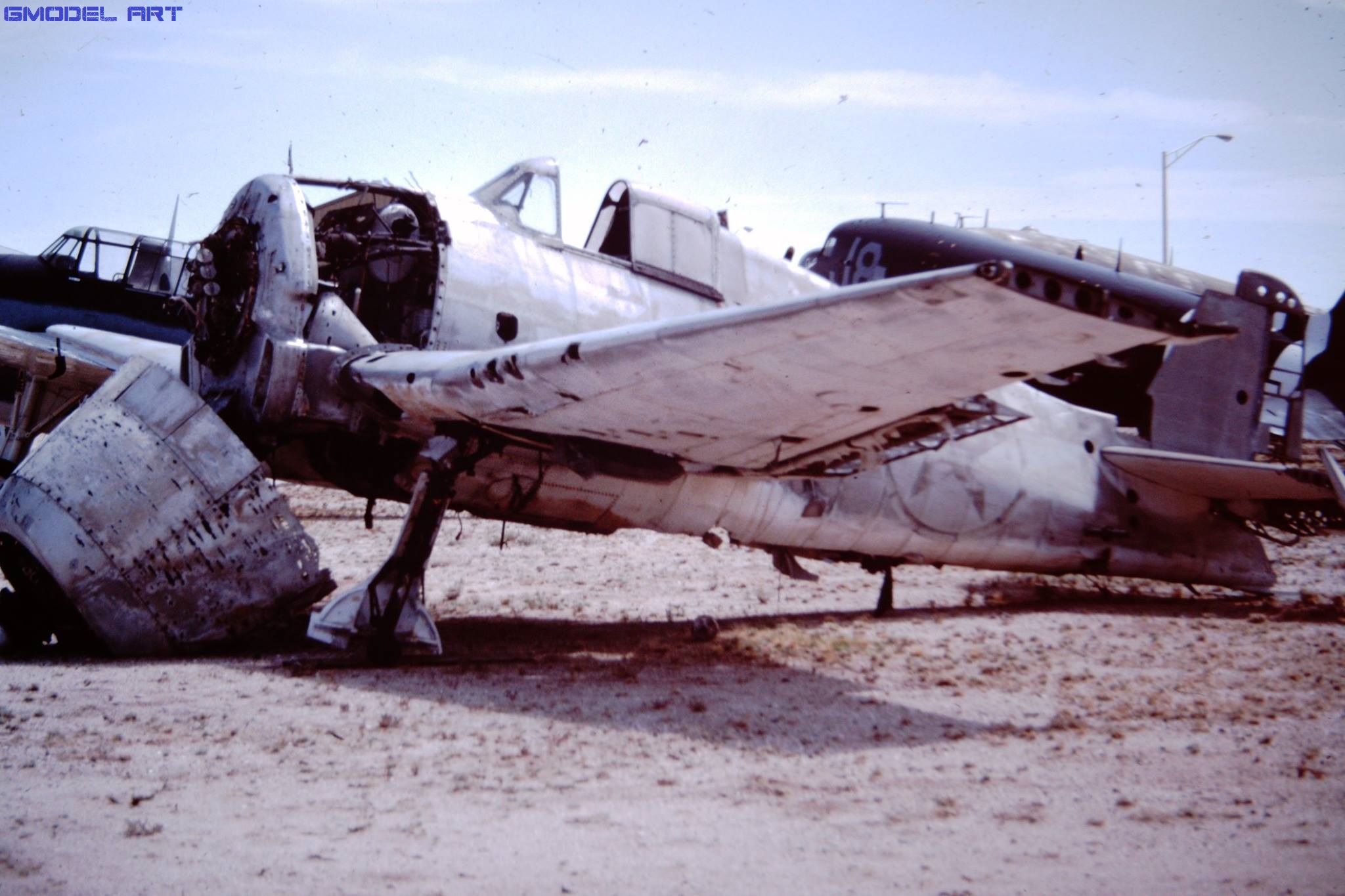
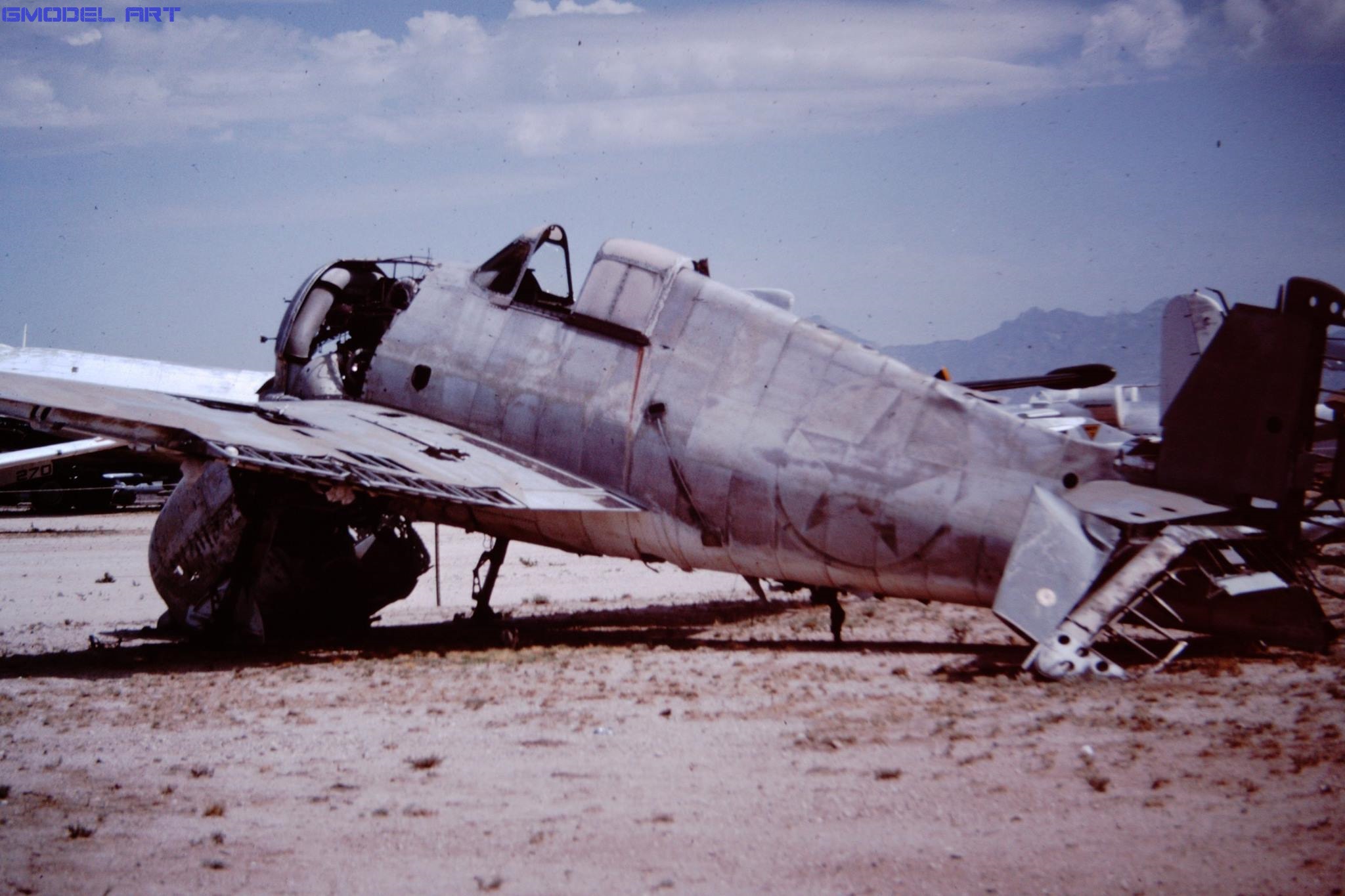
At the end of World War II, the Grumman F6F Hellcat transitioned from one of the most dominant carrier-based fighters in the Pacific into an aircraft searching for a new purpose. Thousands of F6F Hellcat airframes remained available, but the rapid emergence of jet aviation made piston-engine fighters increasingly obsolete.
Rather than scrapping them, the U.S. Navy chose to exploit their strengths in a different way. The F6F- Hellcat would become one of the first platforms to introduce the concept of unmanned flight into practical use.
The Post-War Transition of the F6F Hellcat
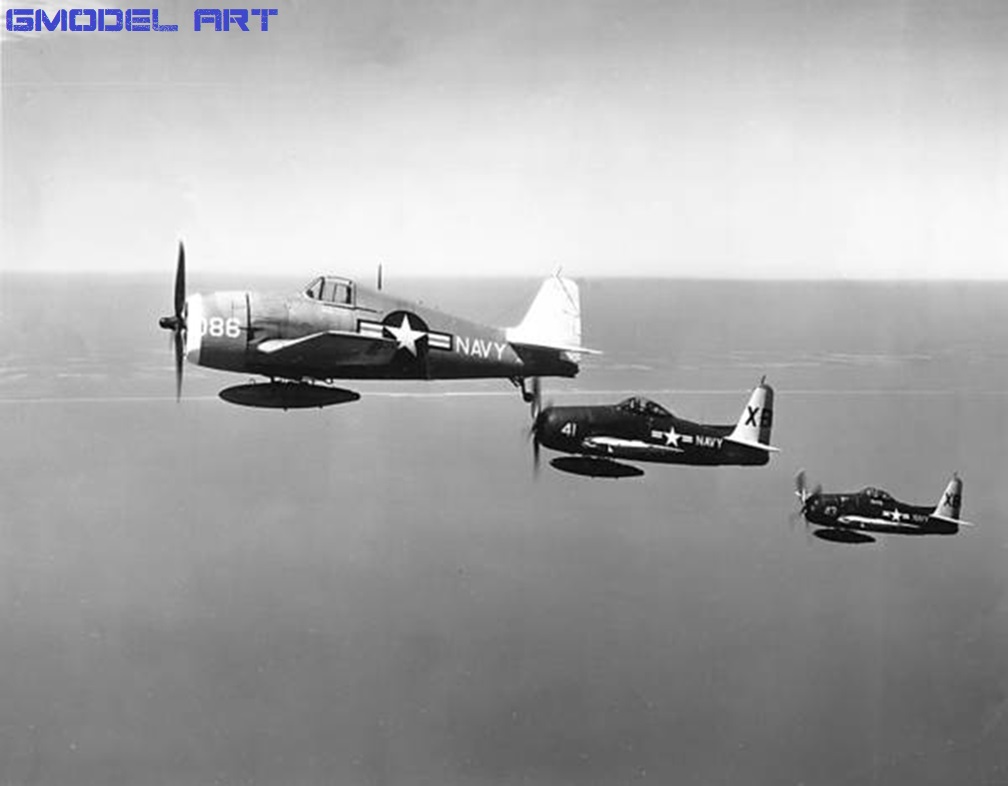
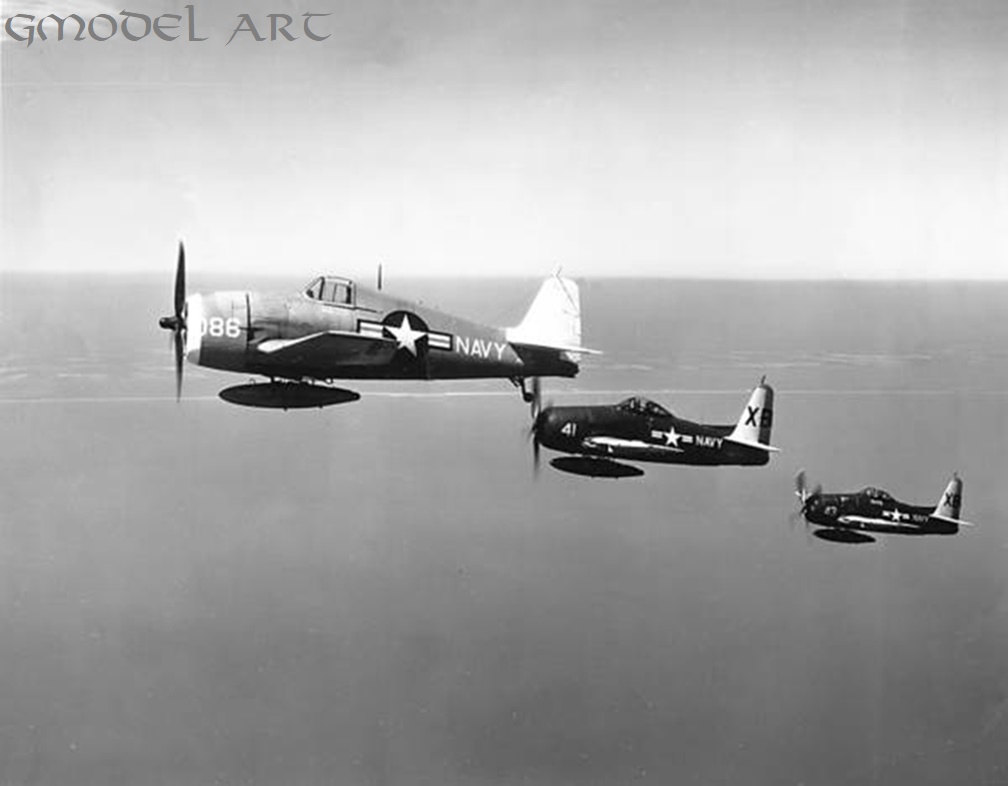
In the immediate post-war years, the U.S. Navy reassessed its carrier air groups. Aircraft such as the Vought F4U Corsair continued to serve in operational roles, while the F6F Hellcat was gradually reassigned to secondary duties.
The large number of available F6F- Hellcat aircraft, combined with their proven reliability, made them ideal for:
training operations
experimental development
unmanned aircraft programs
Within this context, the transition toward F6F-5K Hellcat drones began.
The Creation of F6F-5K Hellcat Drones
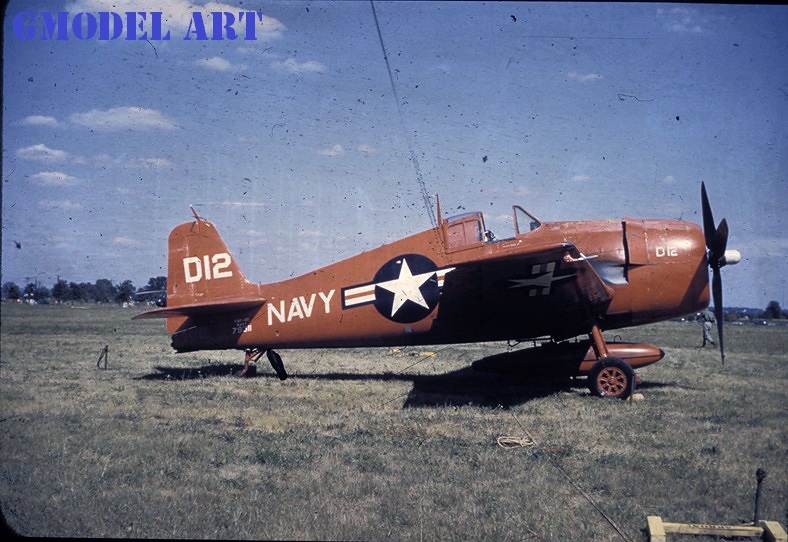
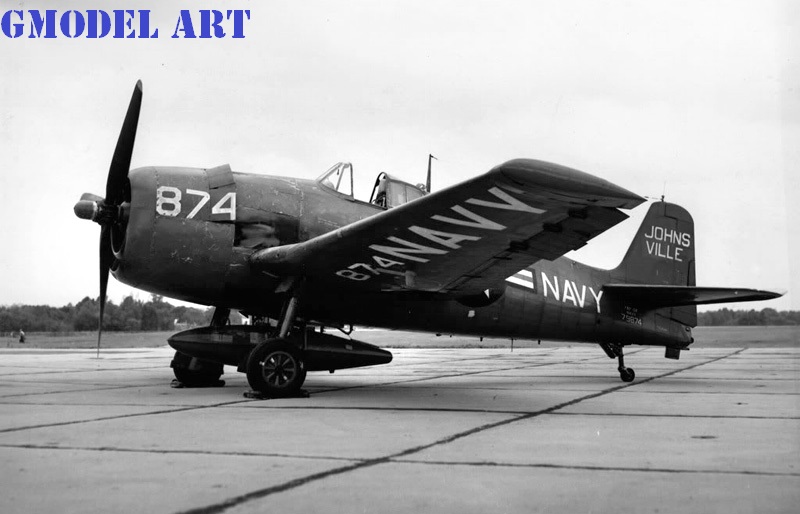
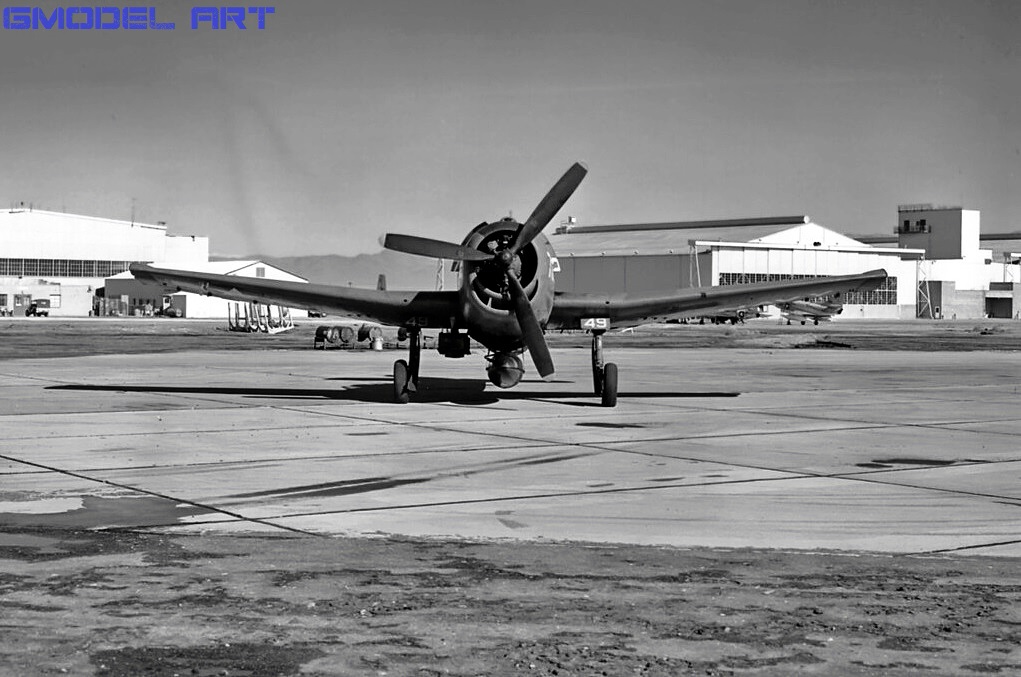
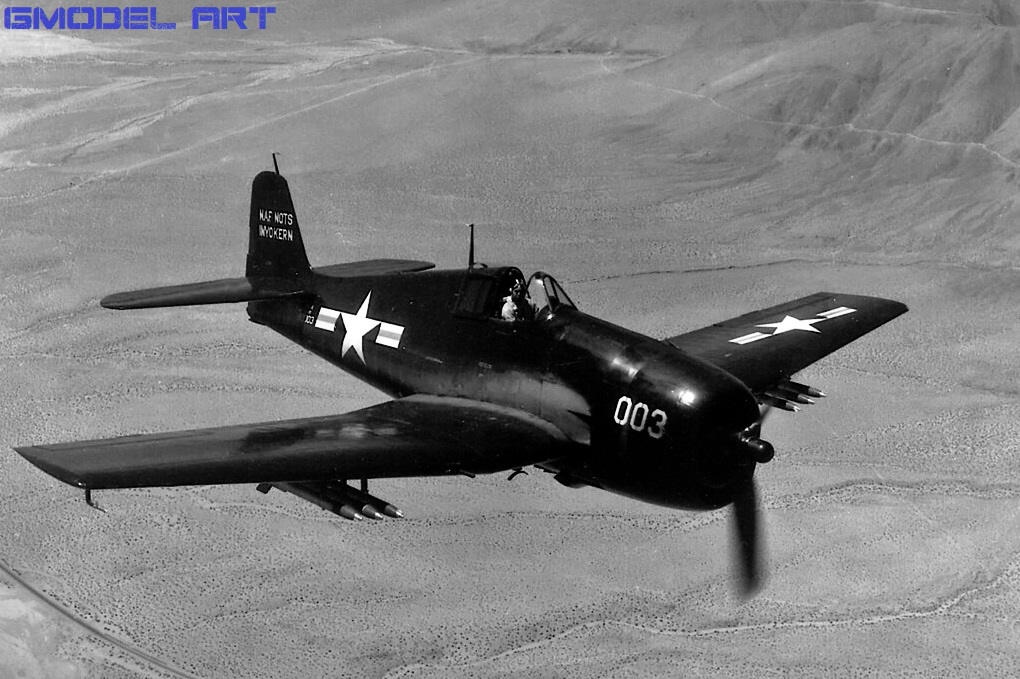
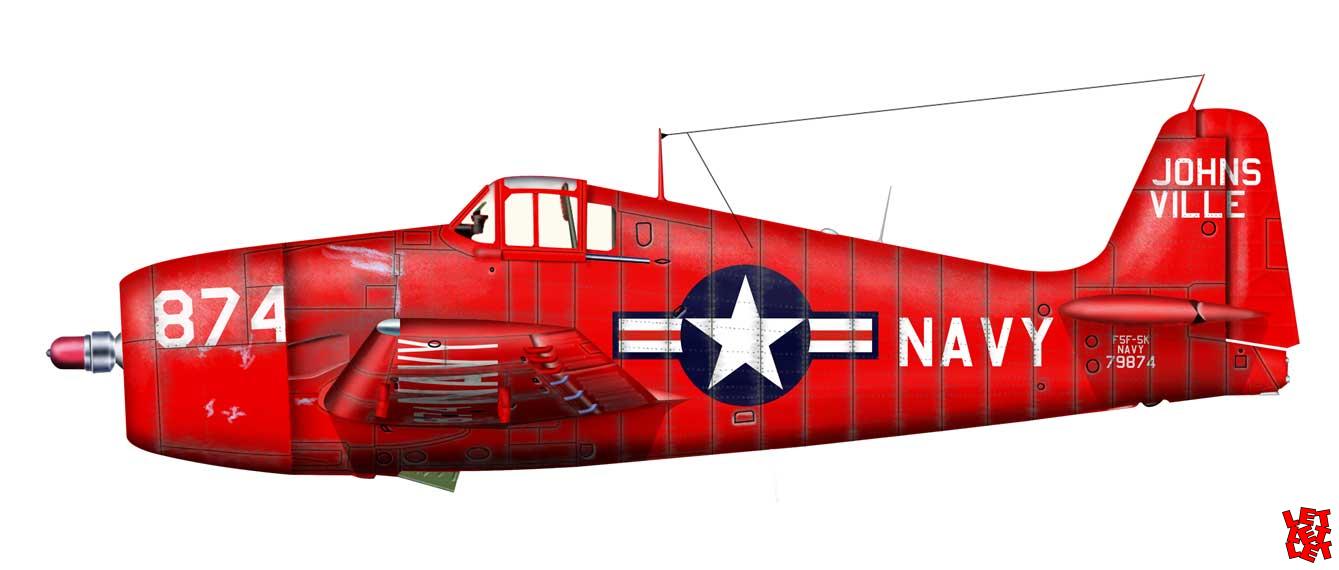
The conversion of the F6F-3K Hellcat into F6F-5K Hellcat drones was carried out at the Naval Air Development Center in Johnsville, Pennsylvania.
This transformation required substantial technical modifications.
Removed:
combat armament
mission-specific military equipment
partial cockpit functionality
Added:
radio control systems
autopilot
command receivers
telemetry systems
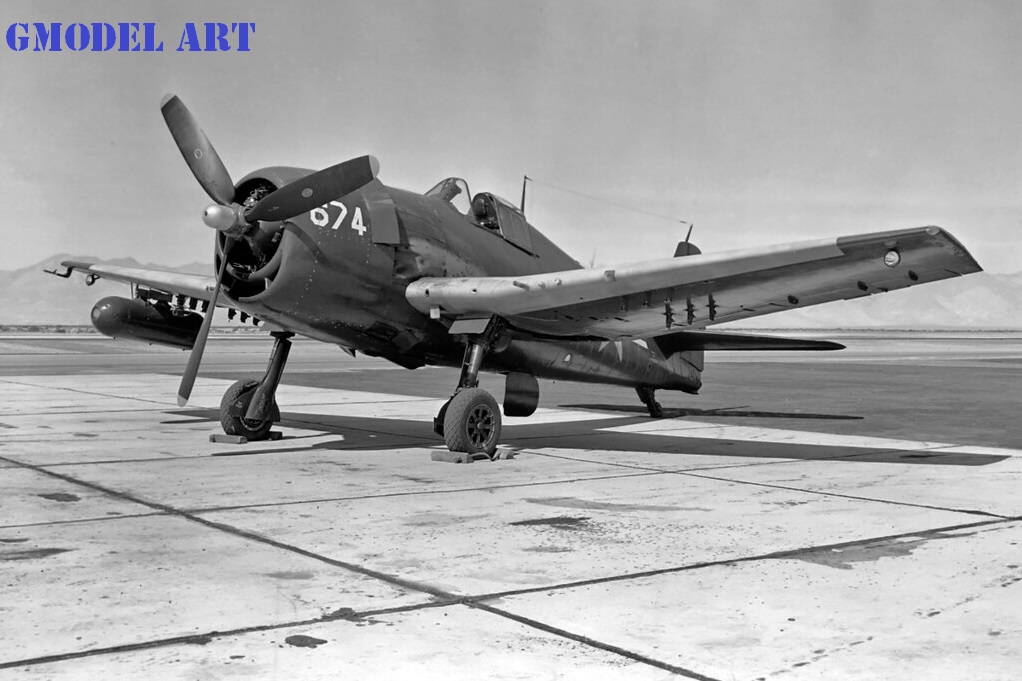
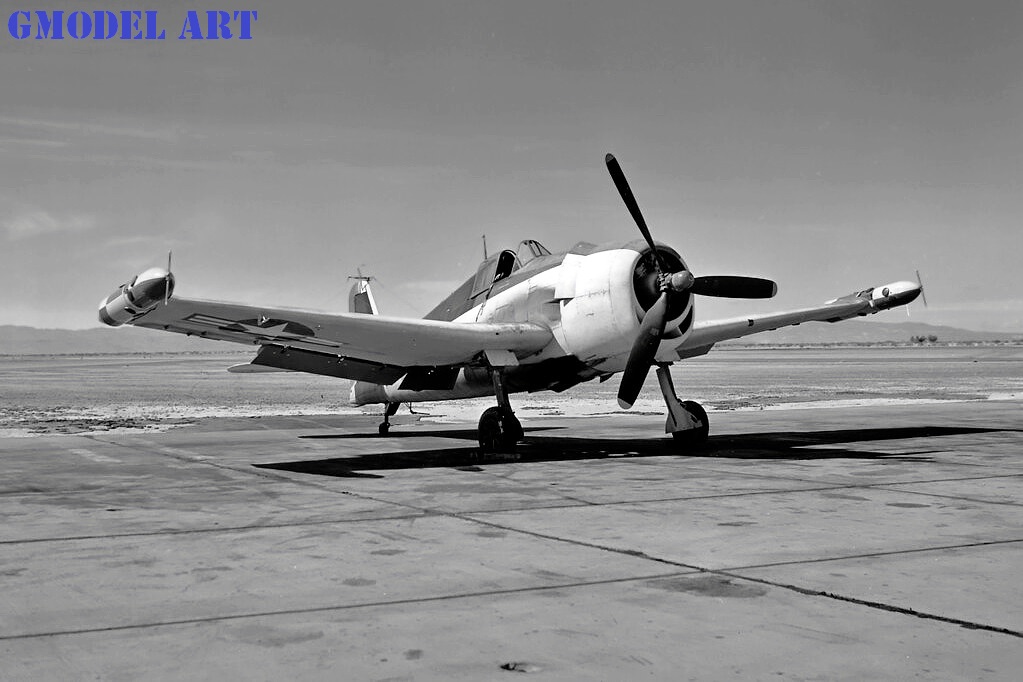
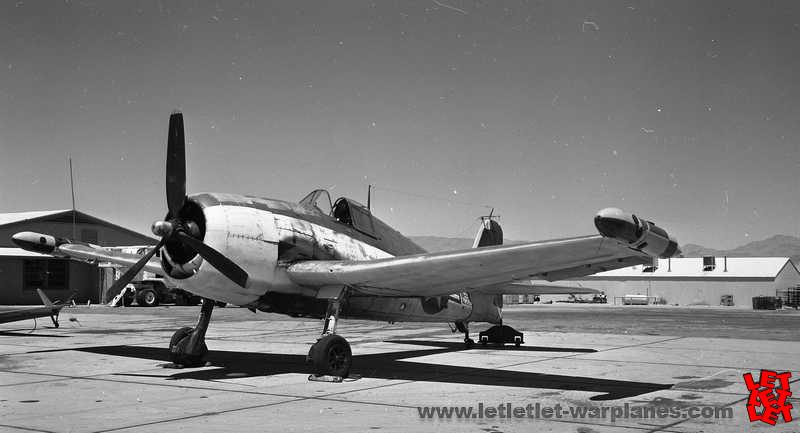
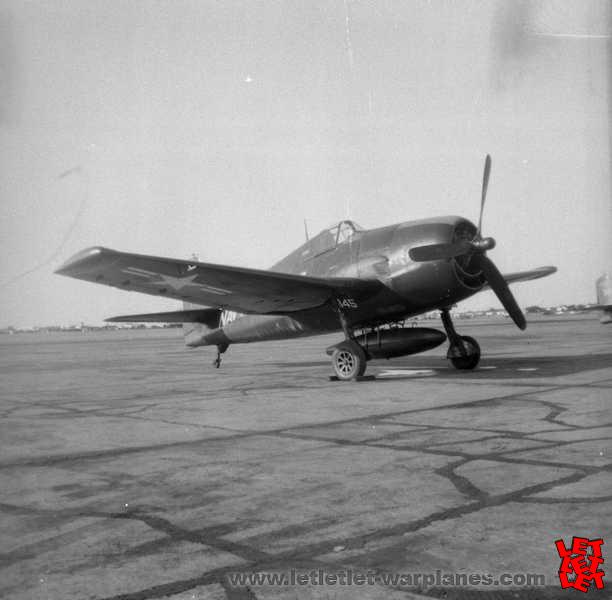
In some configurations, F6F-5K Hellcat drones were equipped with external pods for observation and data recording.
The result was a fully operational pilotless aircraft capable of controlled flight without a pilot onboard.
Visual Changes and Identification
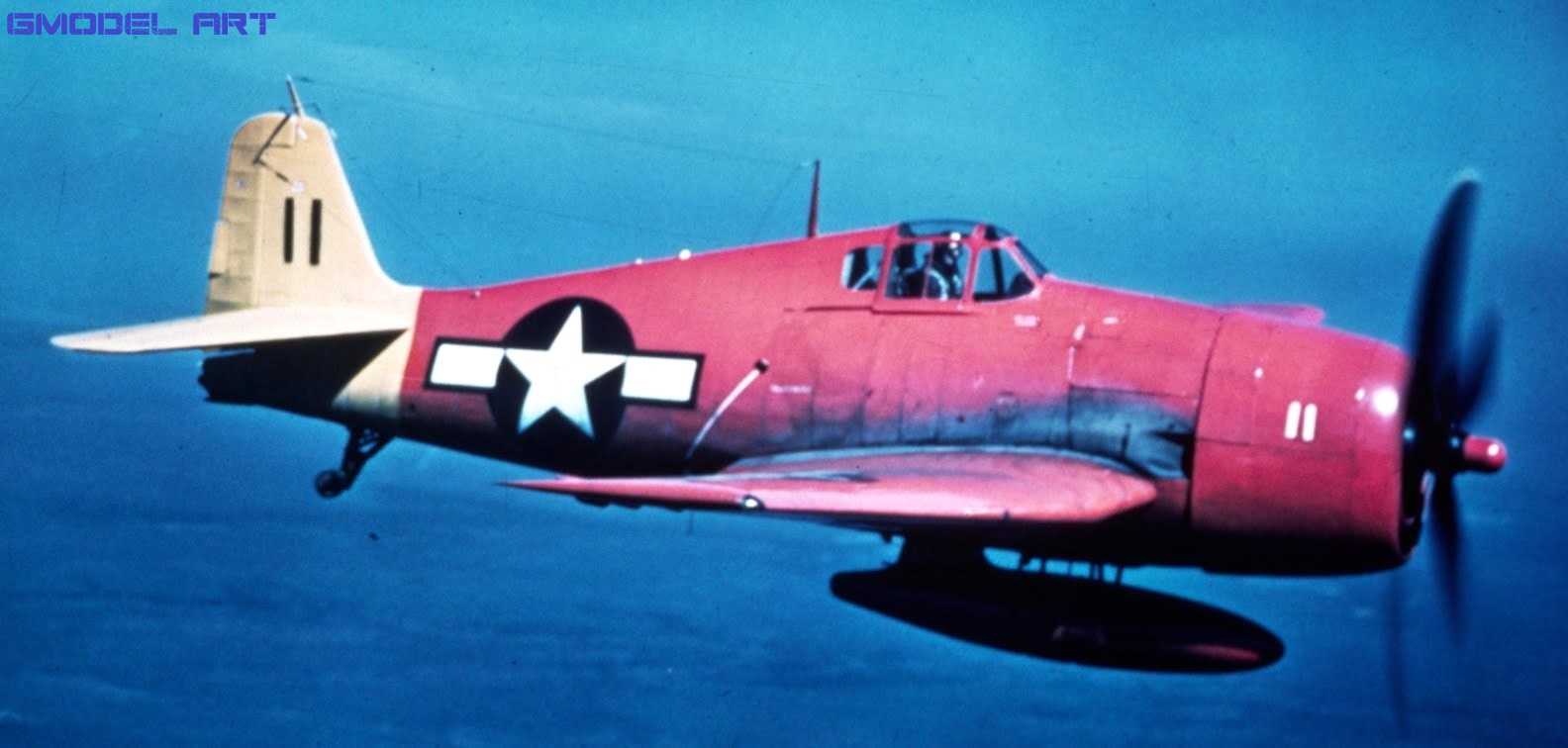
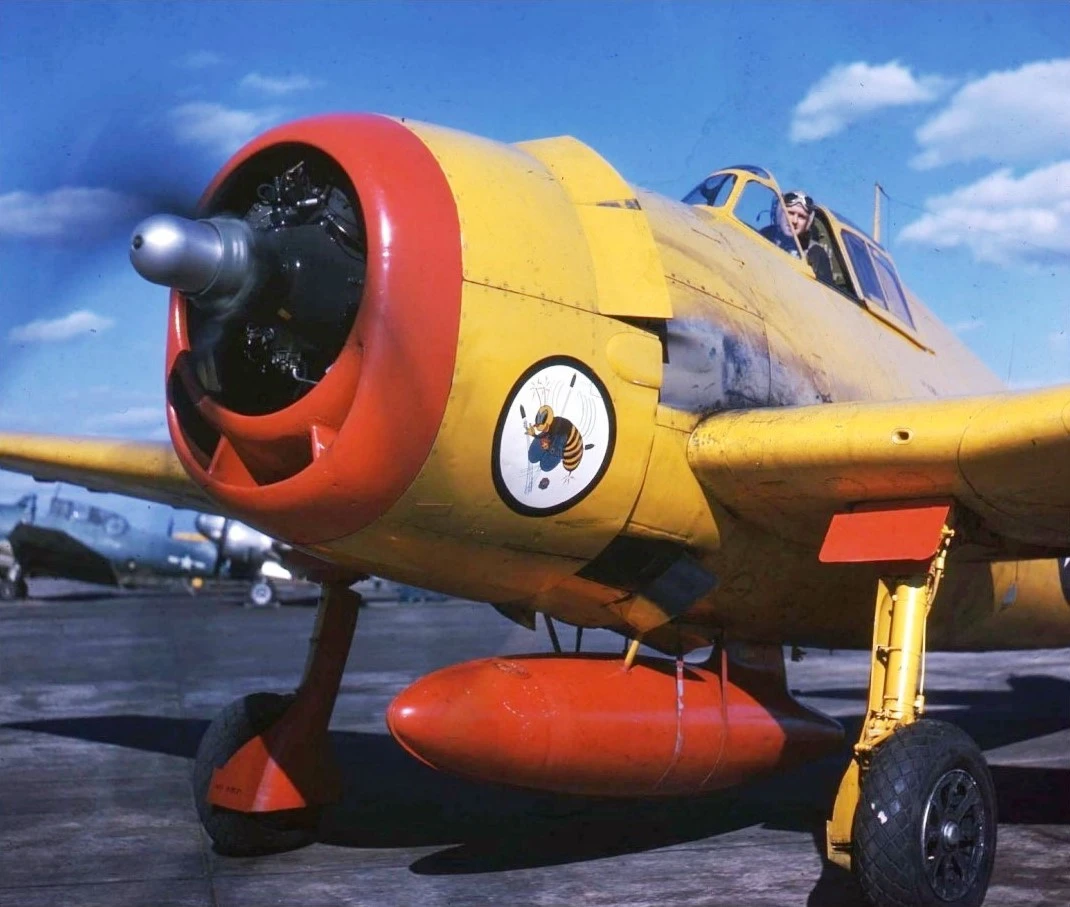
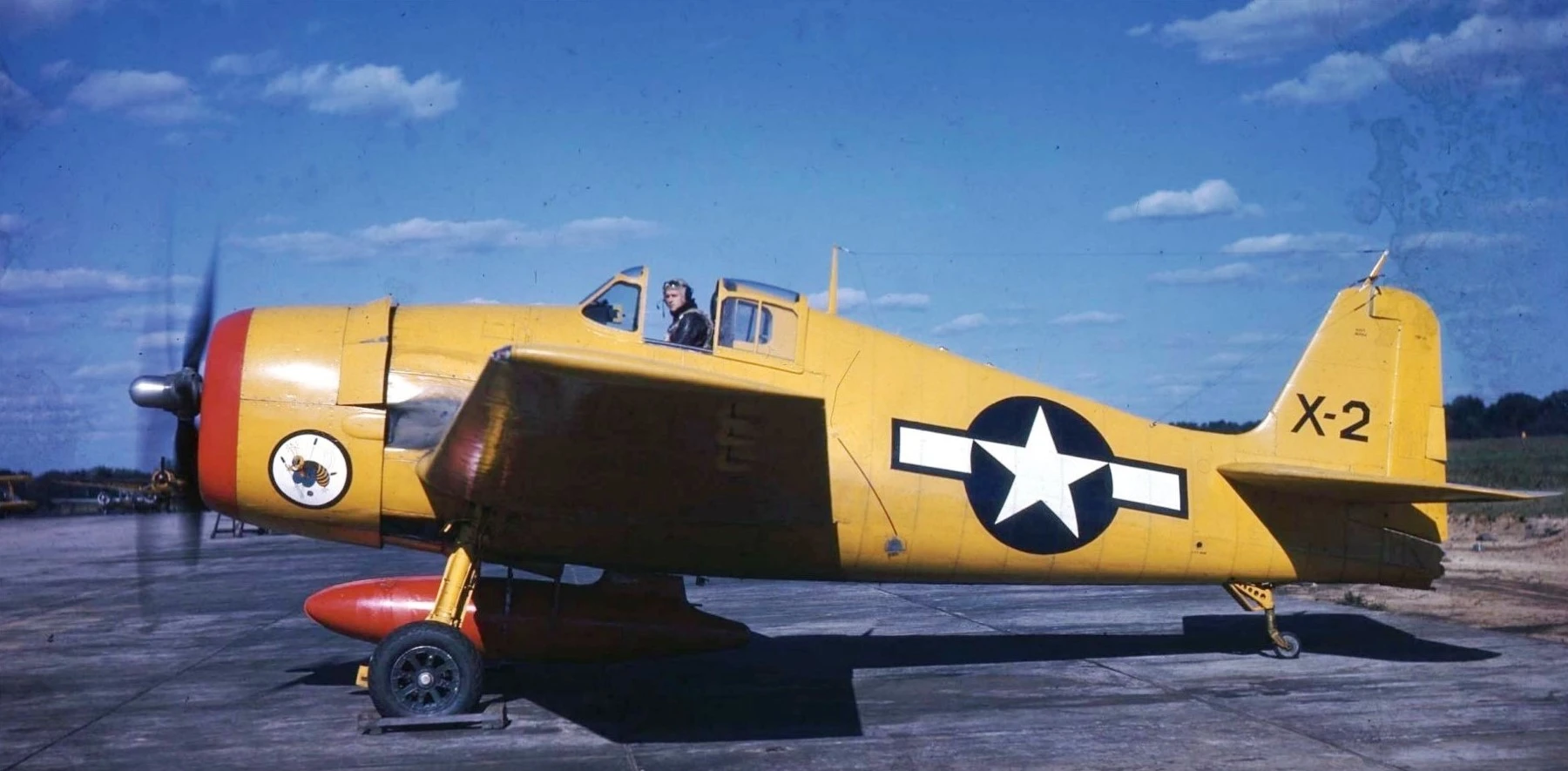
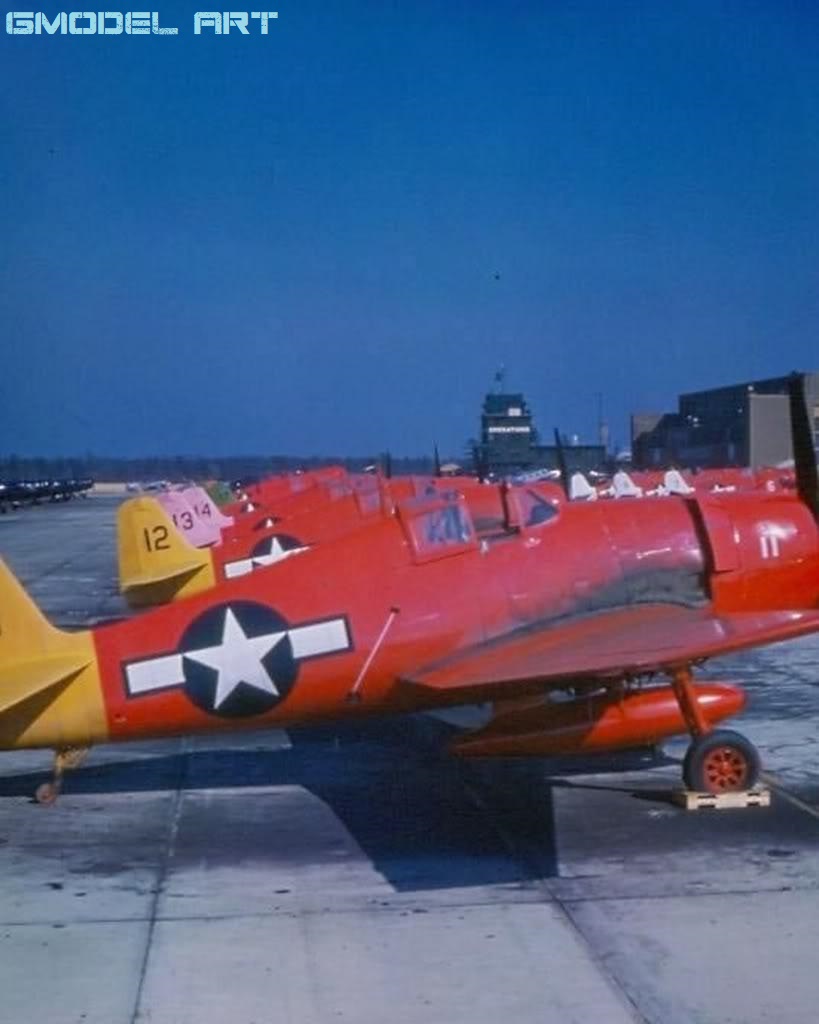
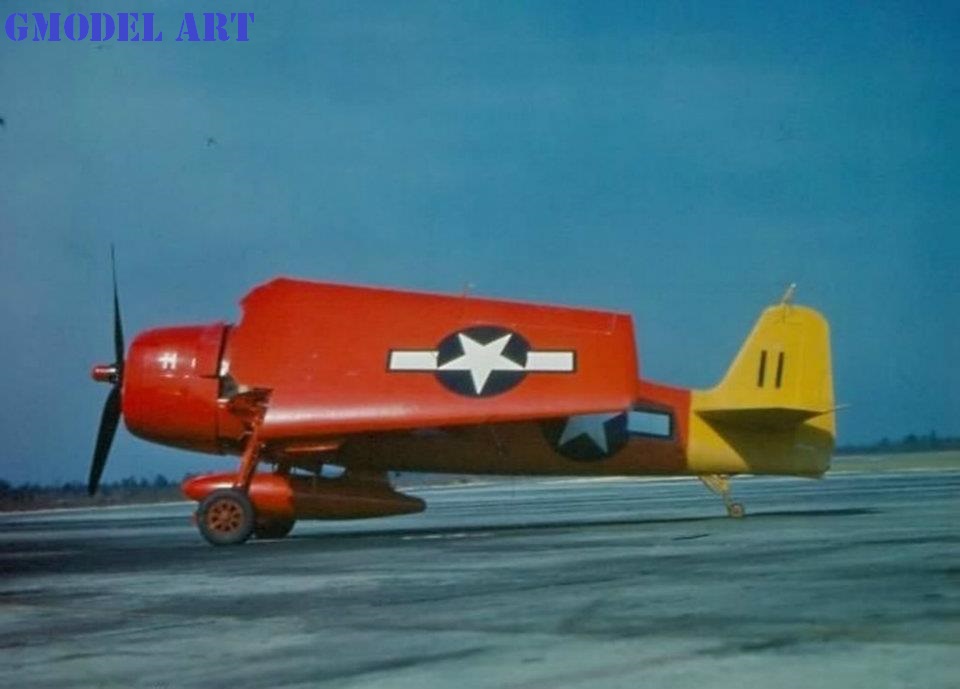
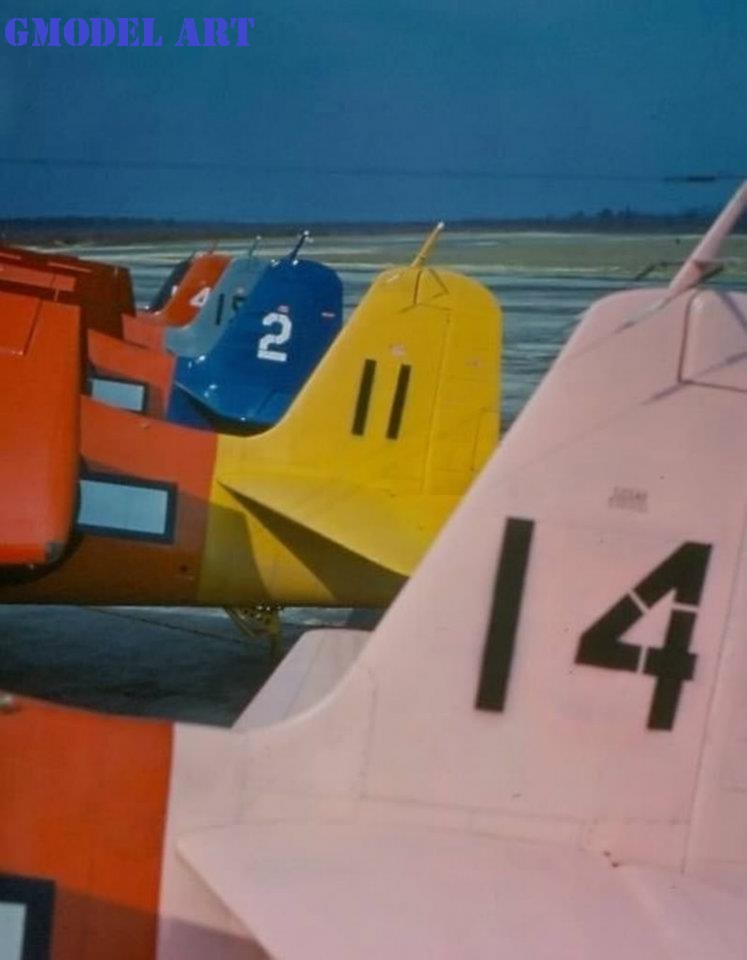
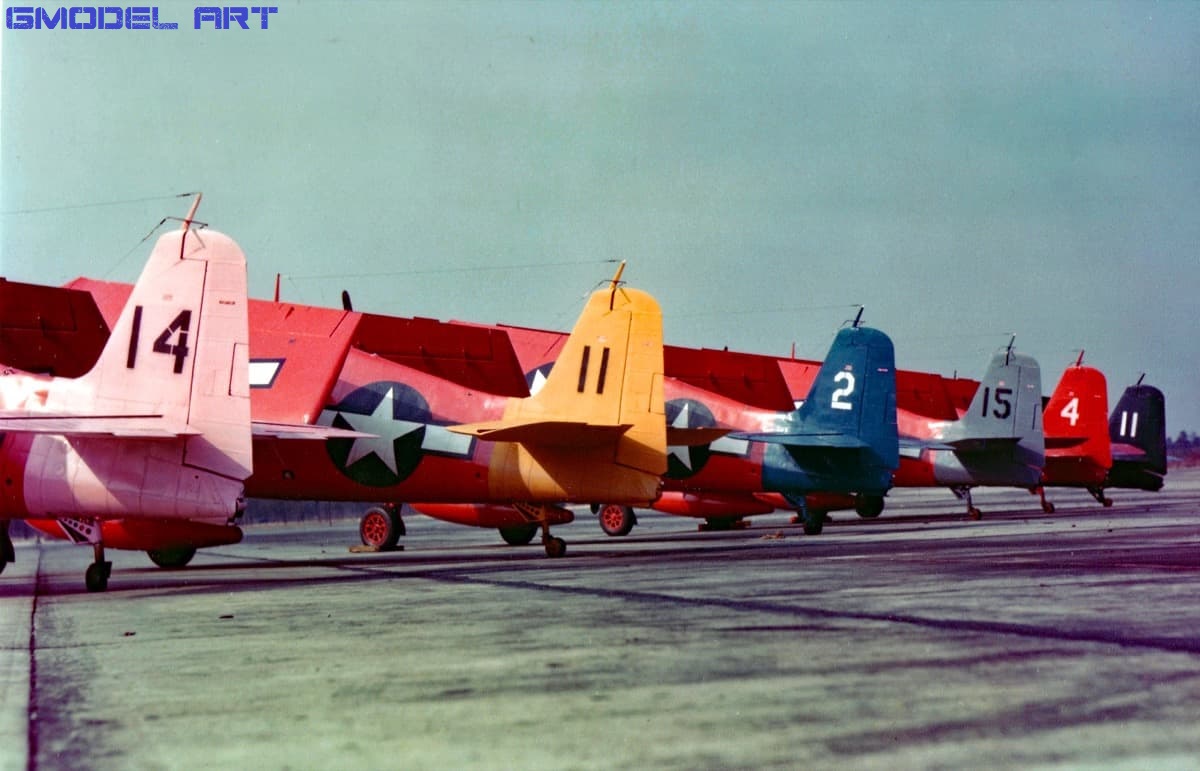
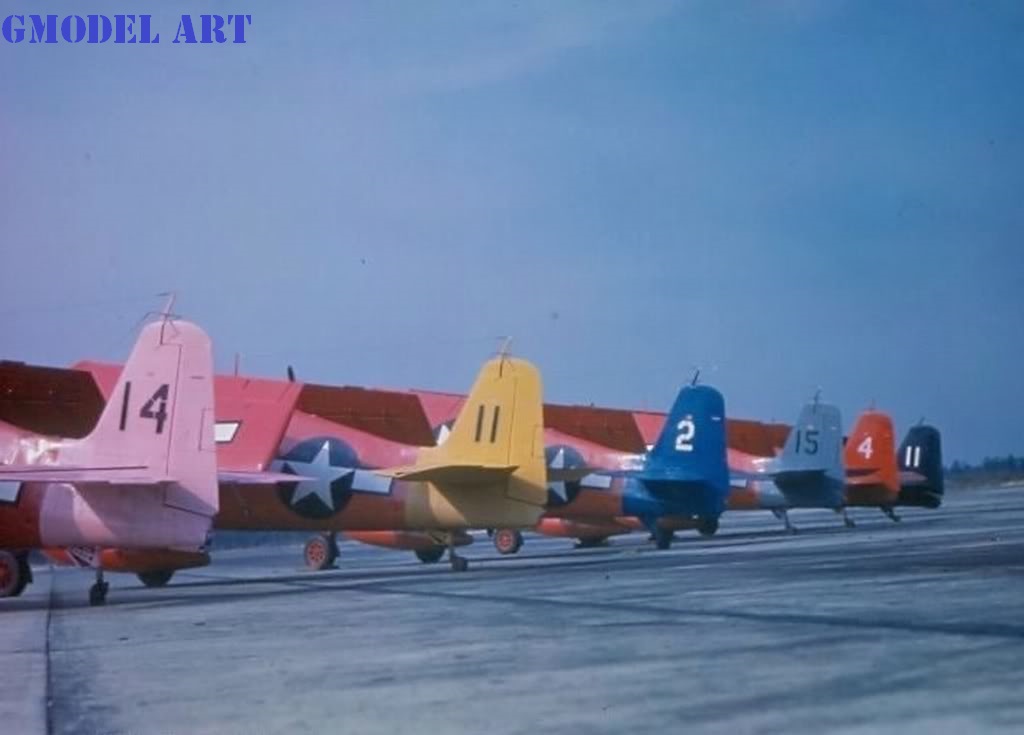
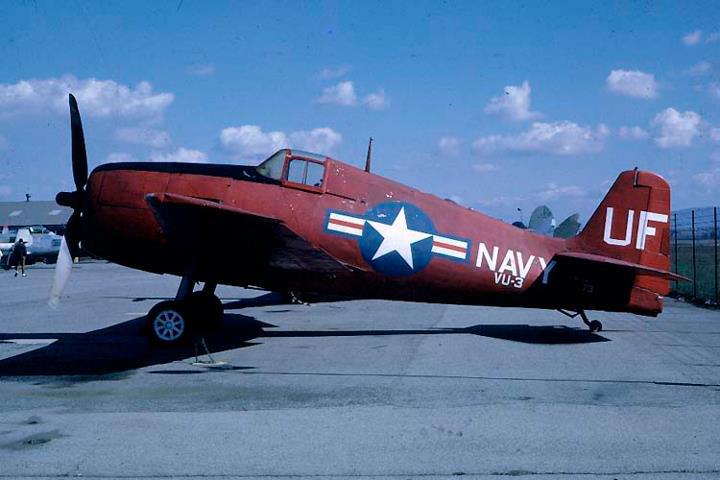
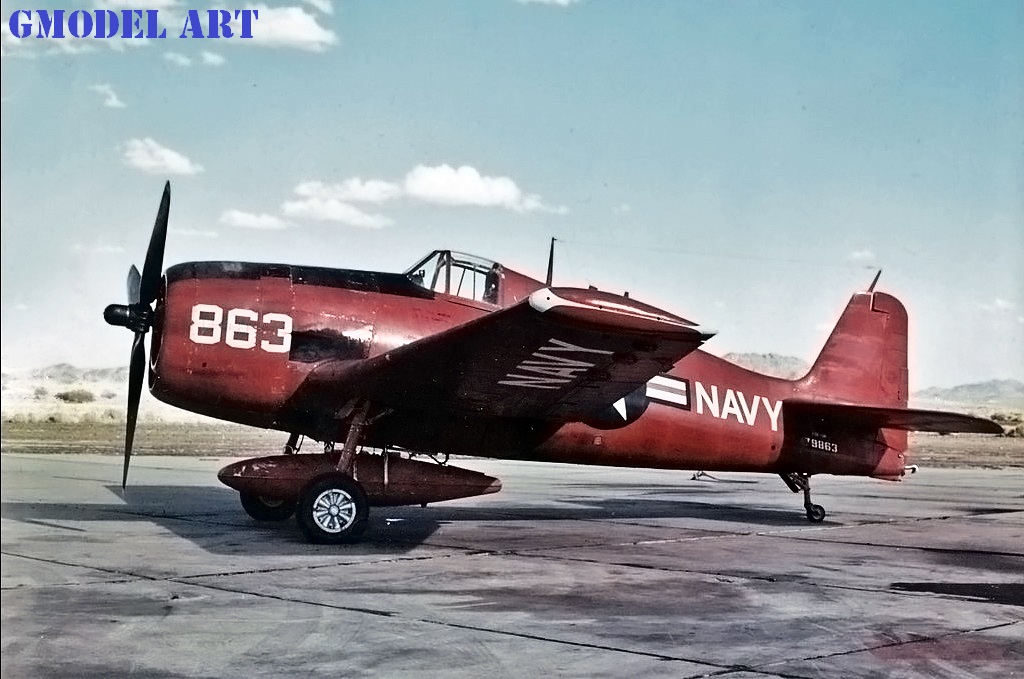
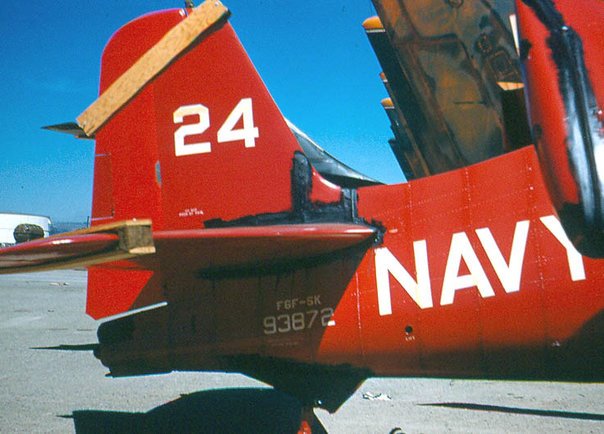
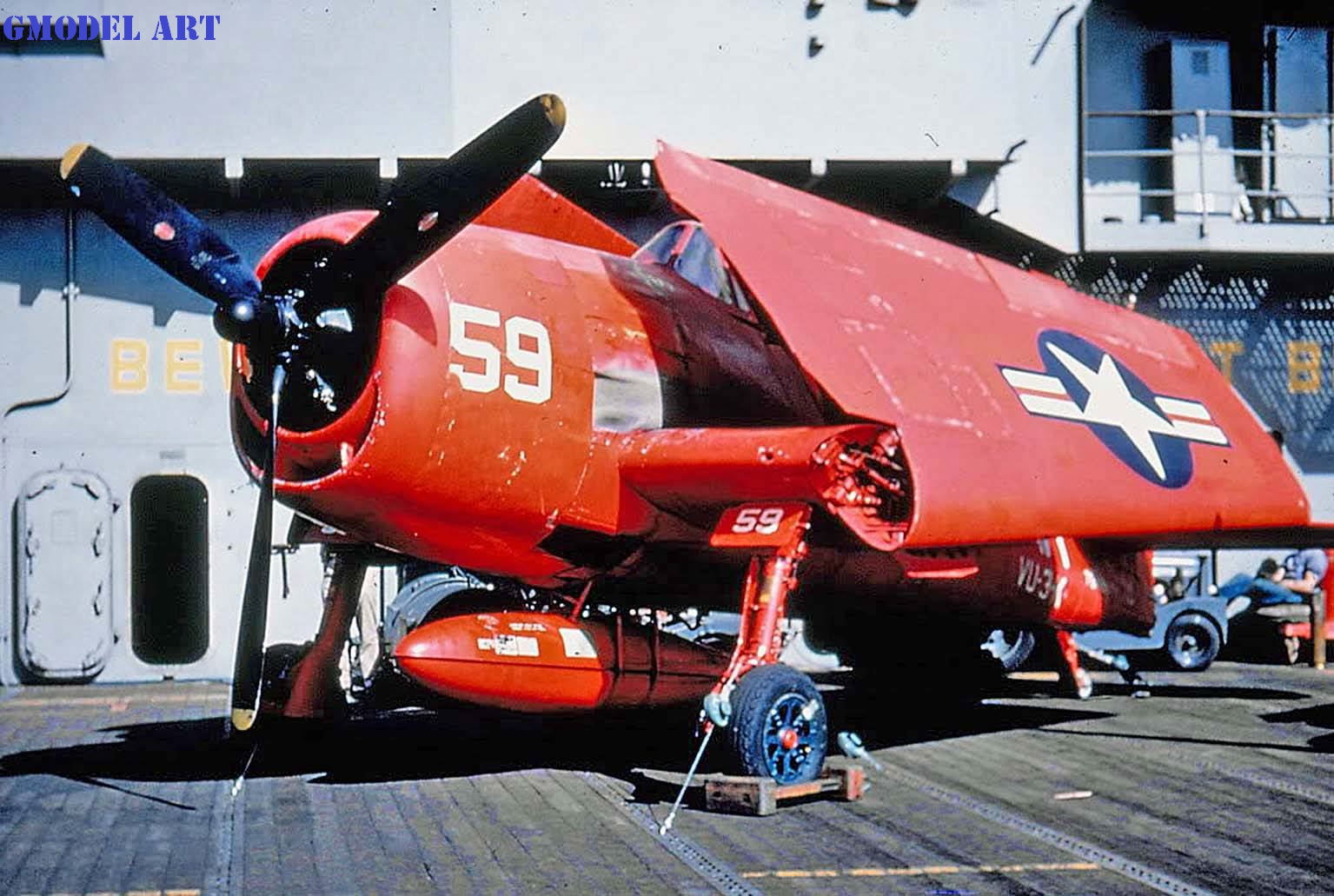
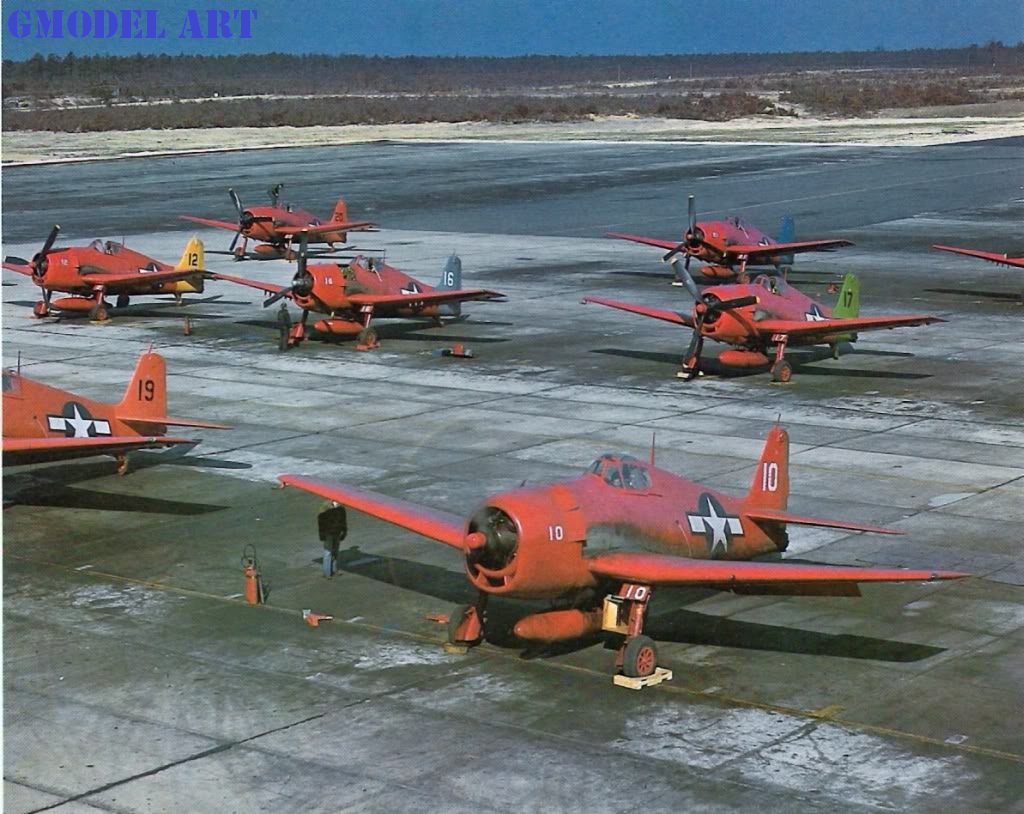
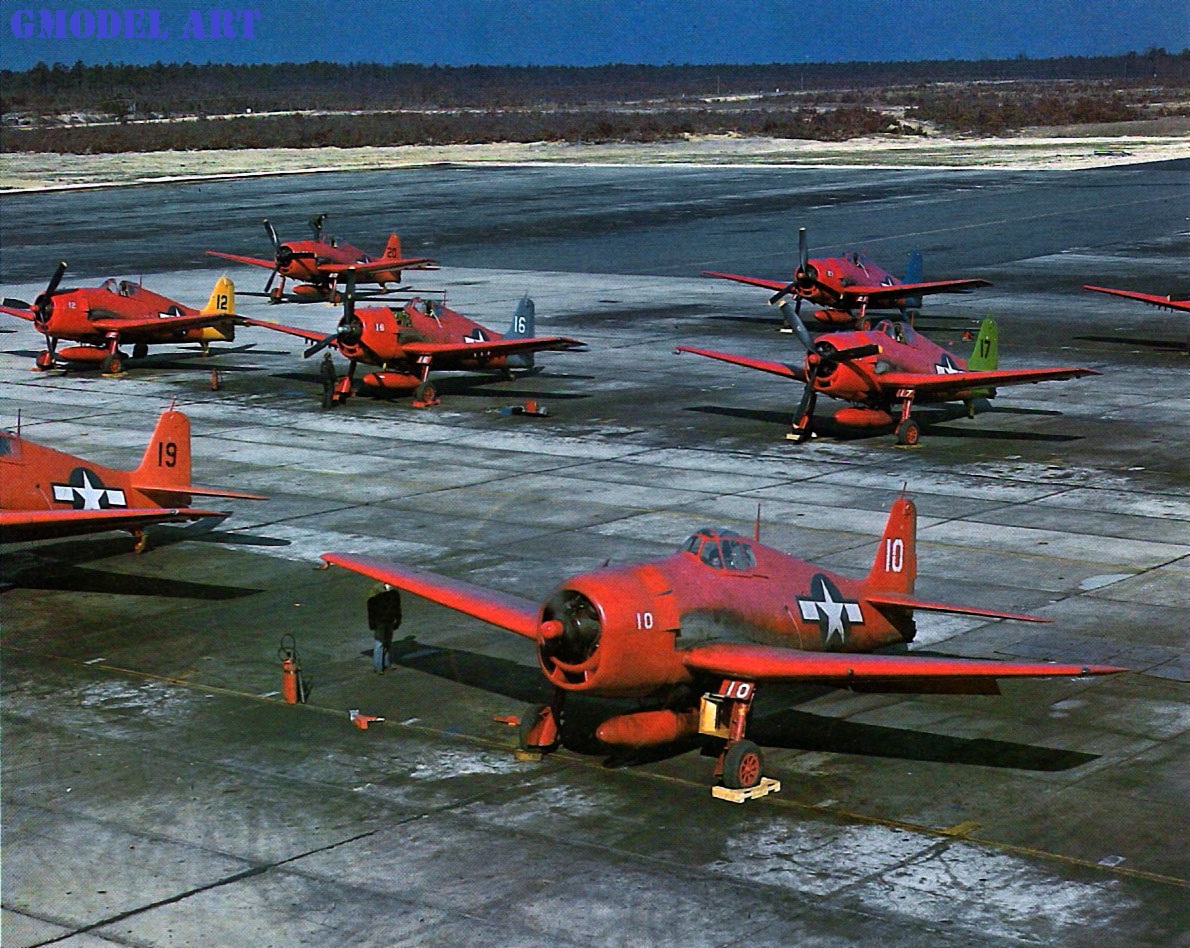
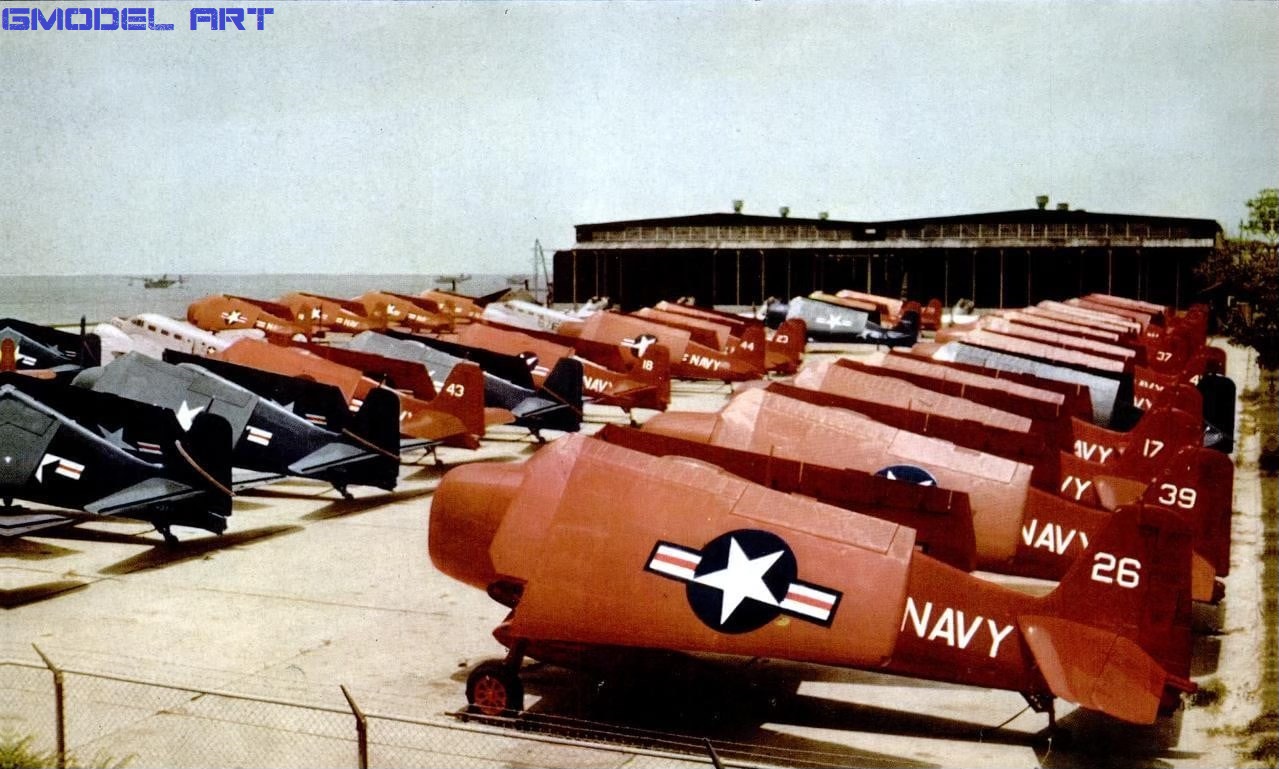
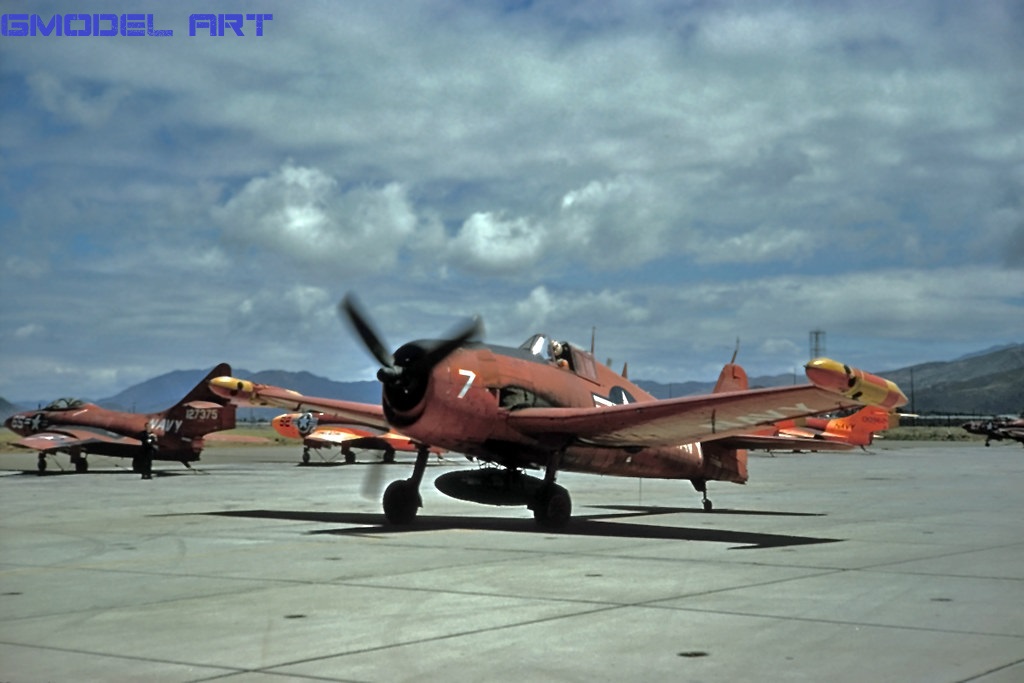
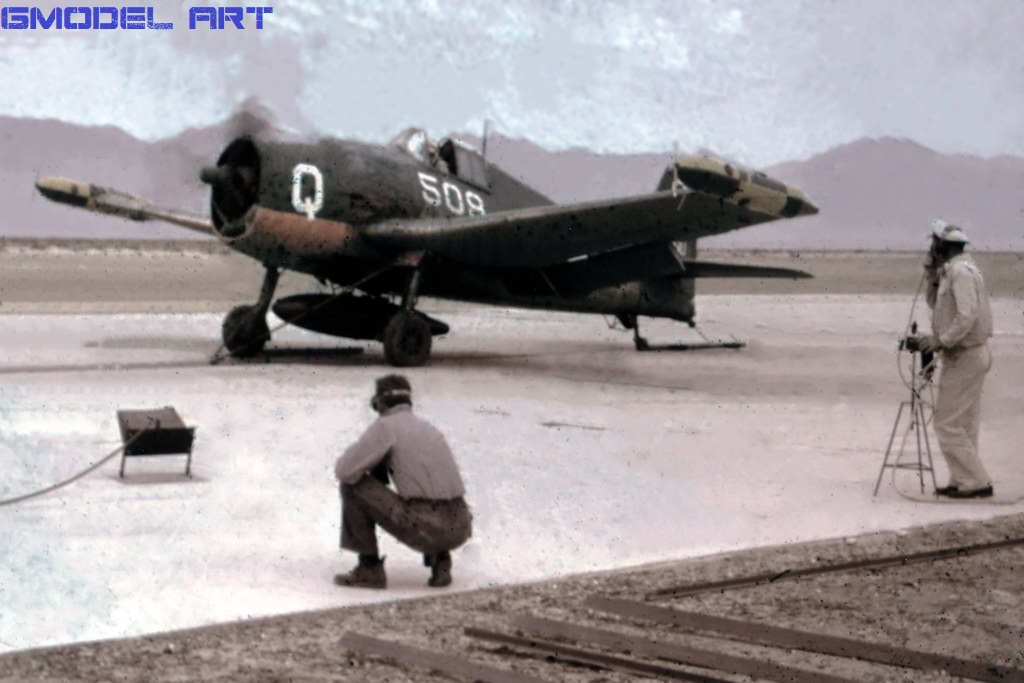
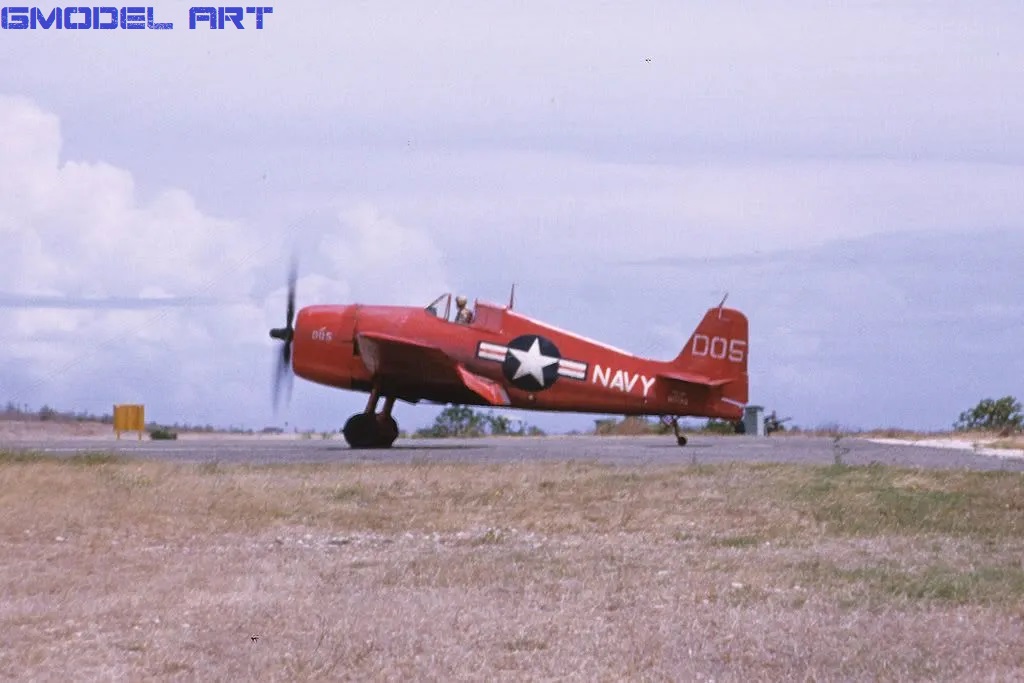
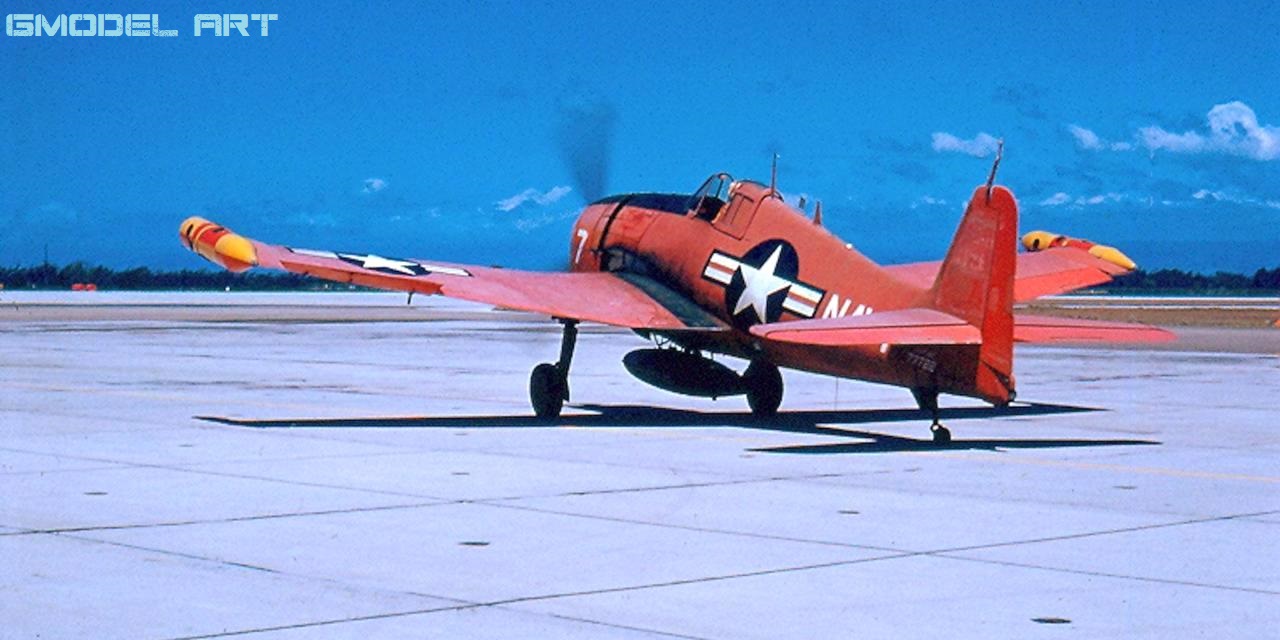
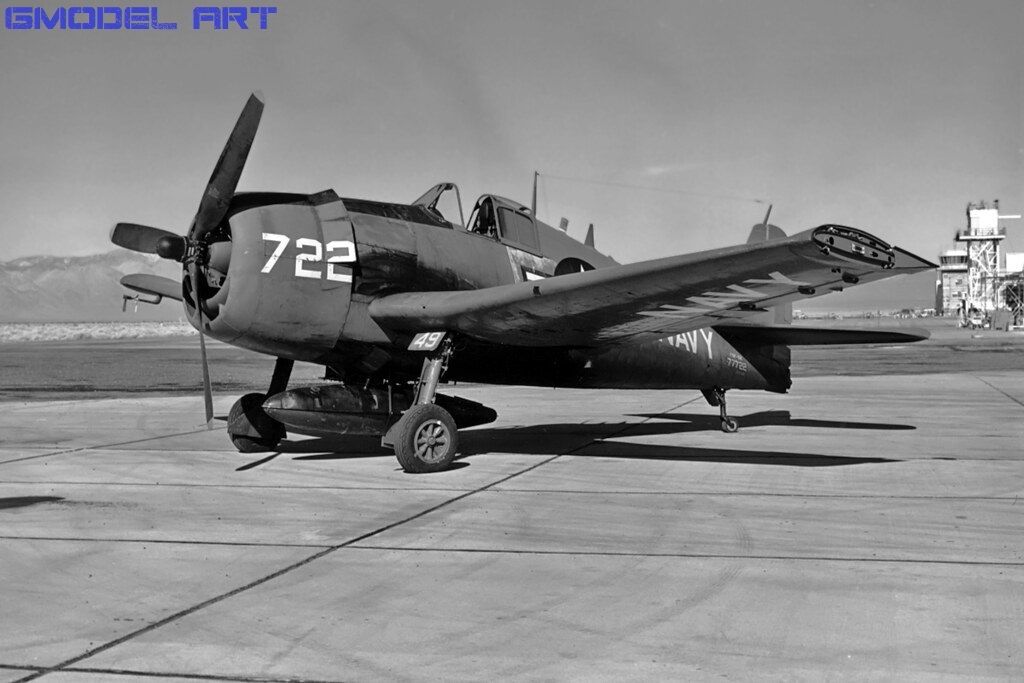
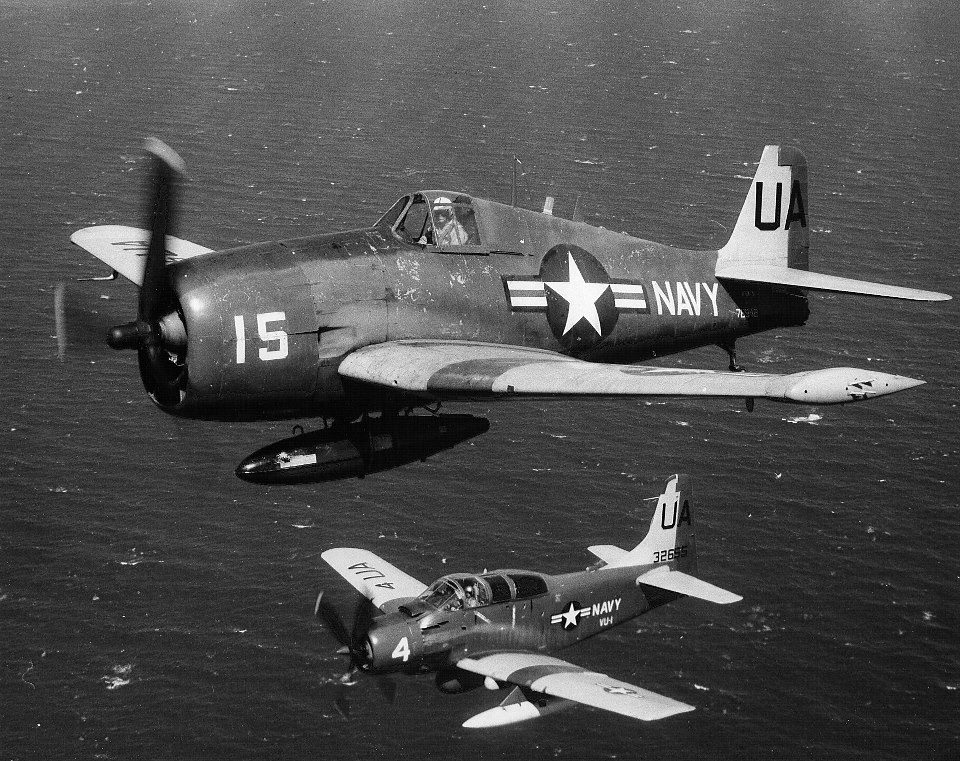
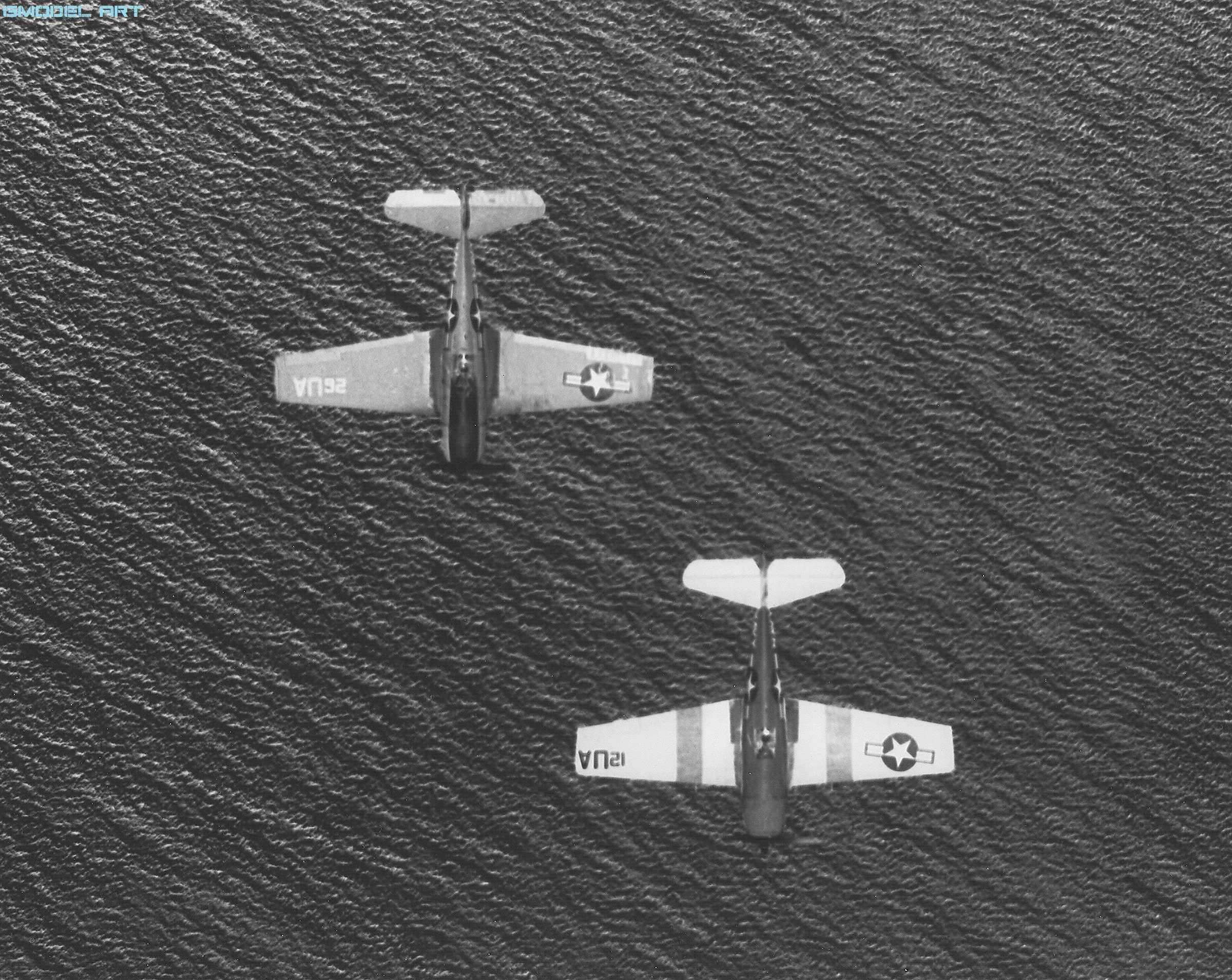
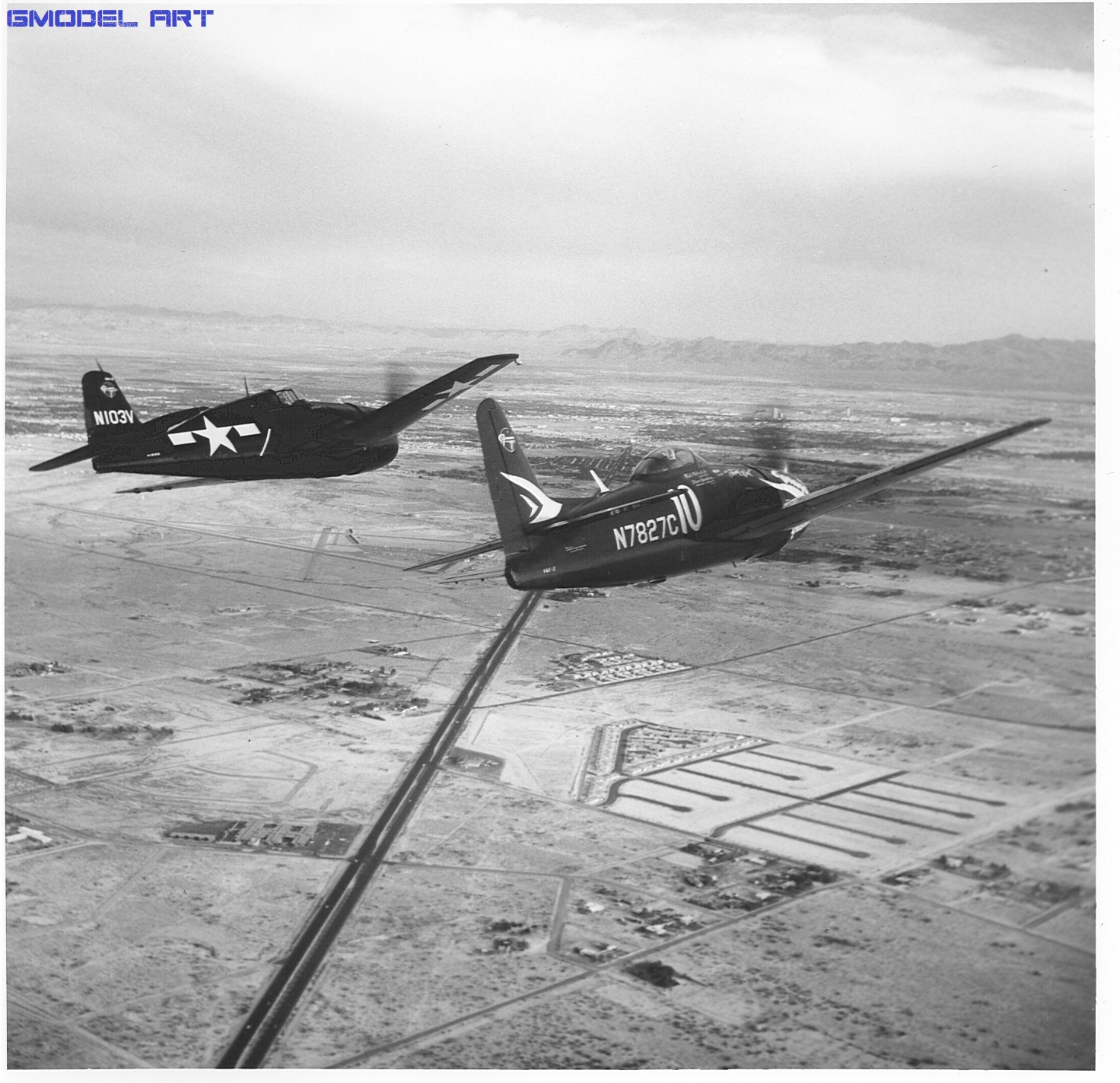
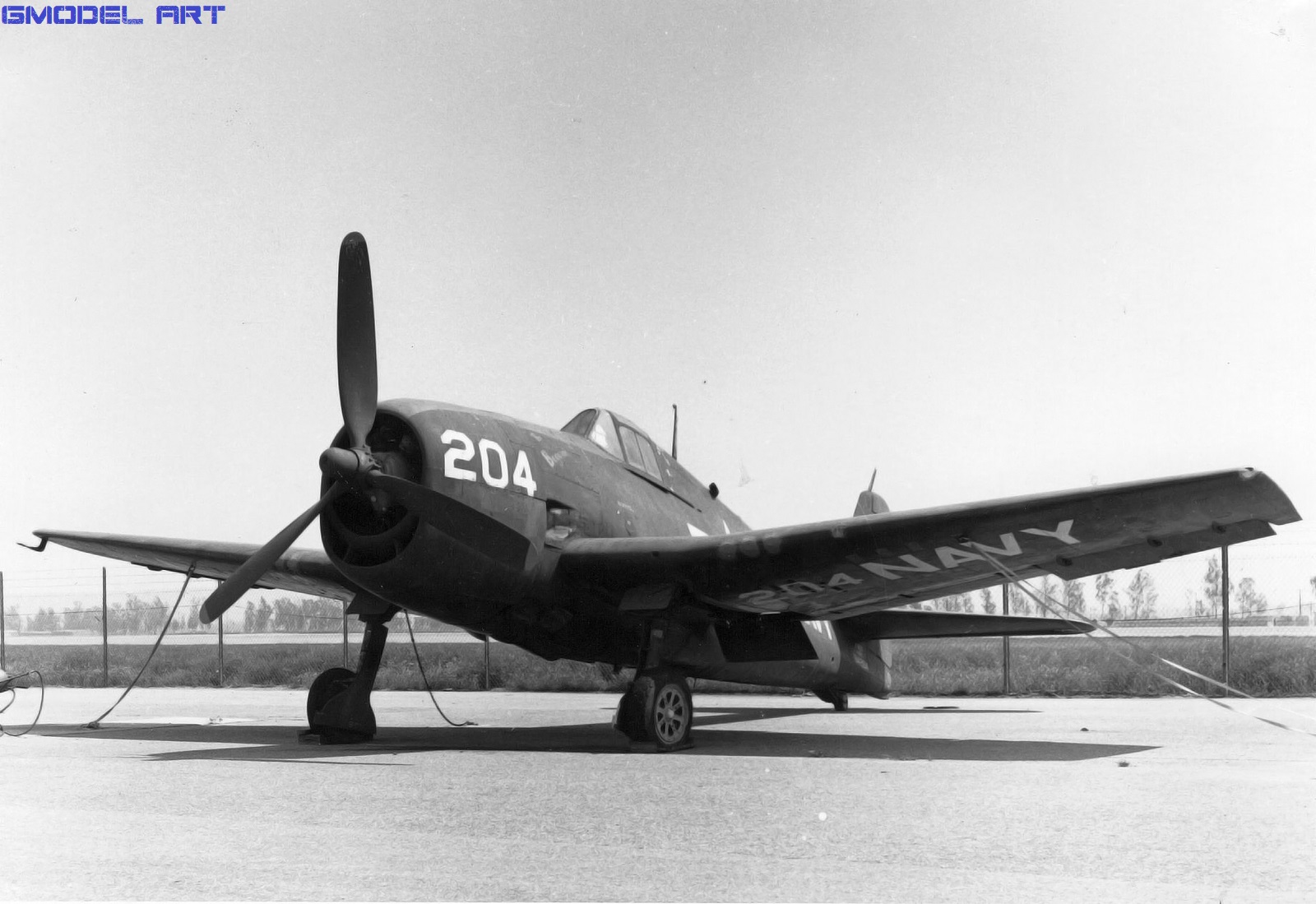
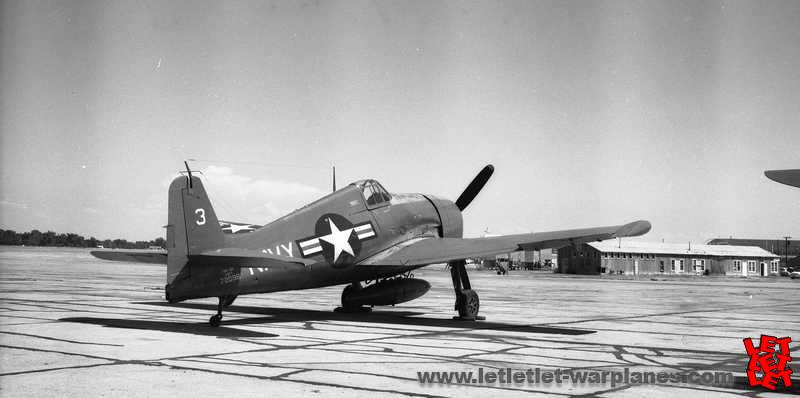
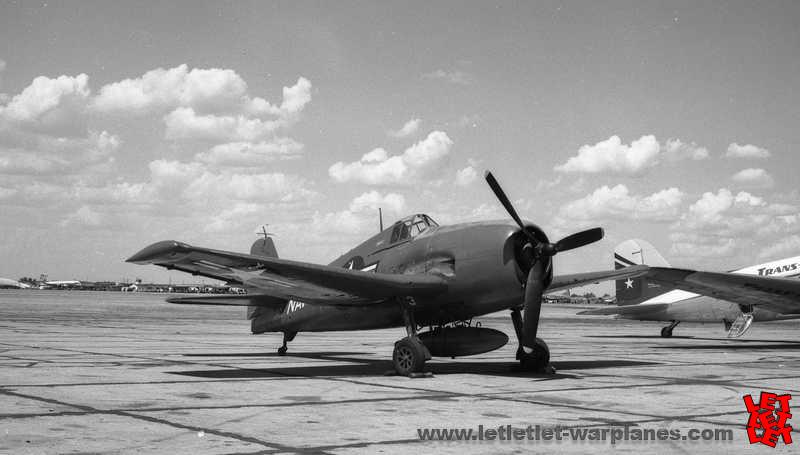
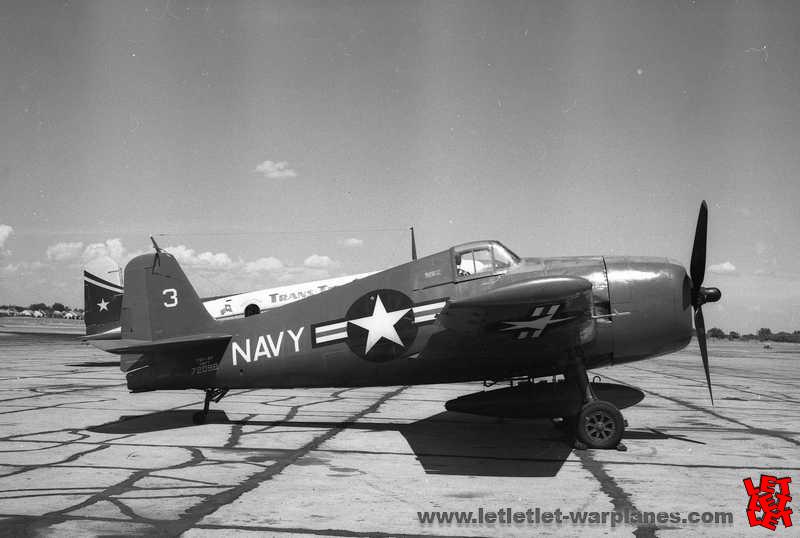
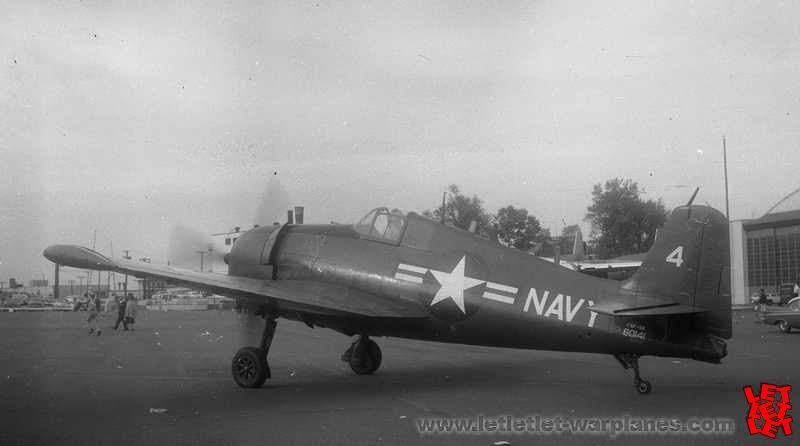
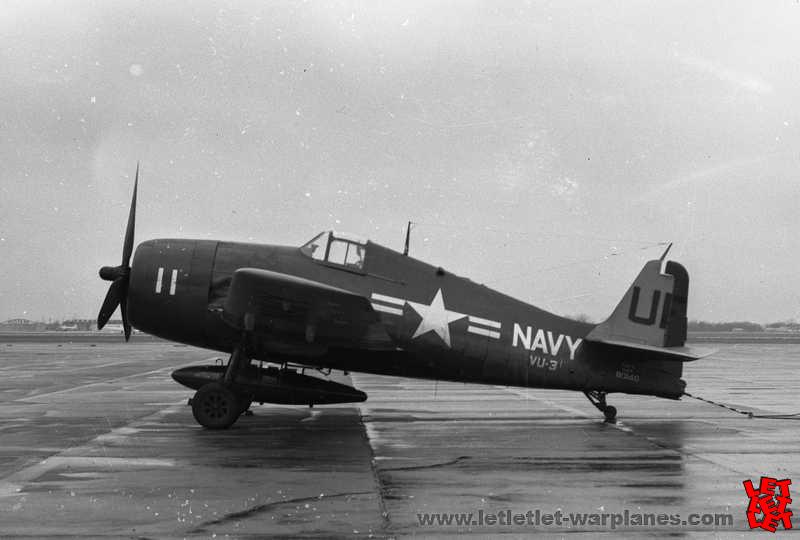
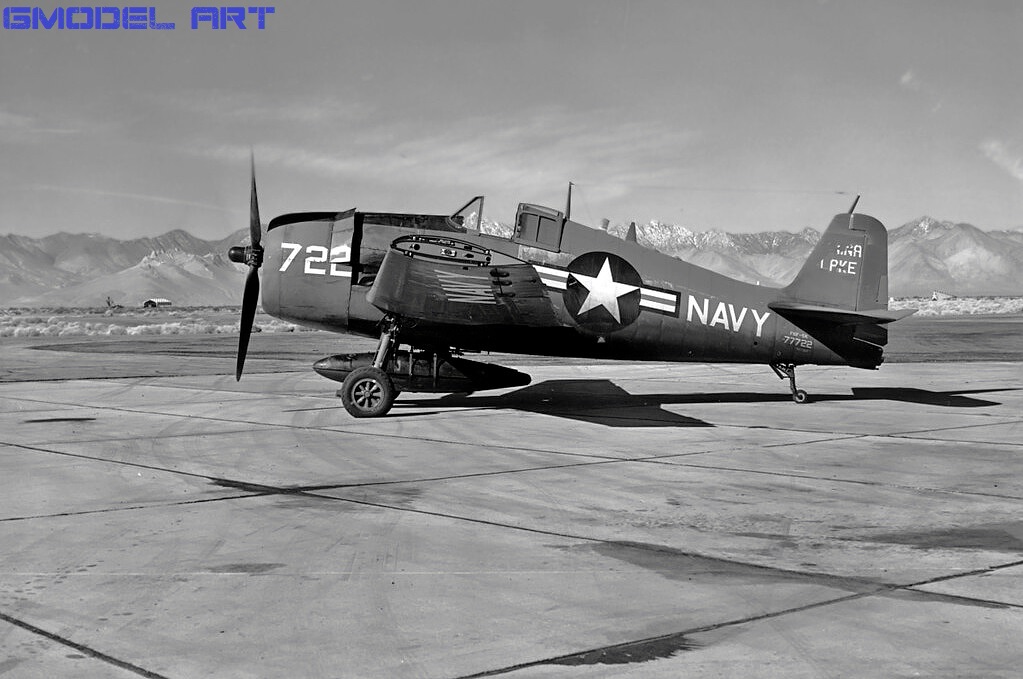
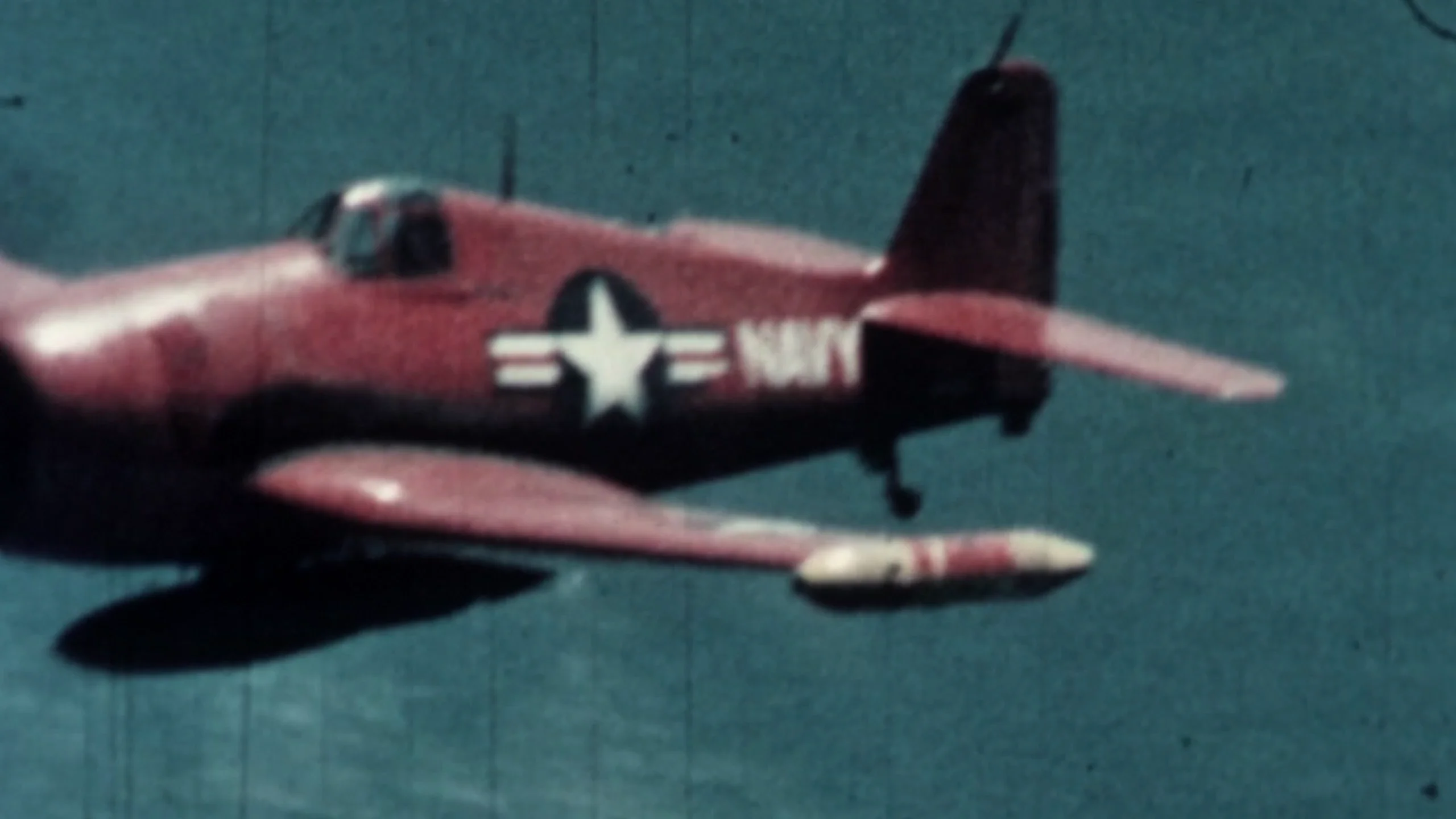
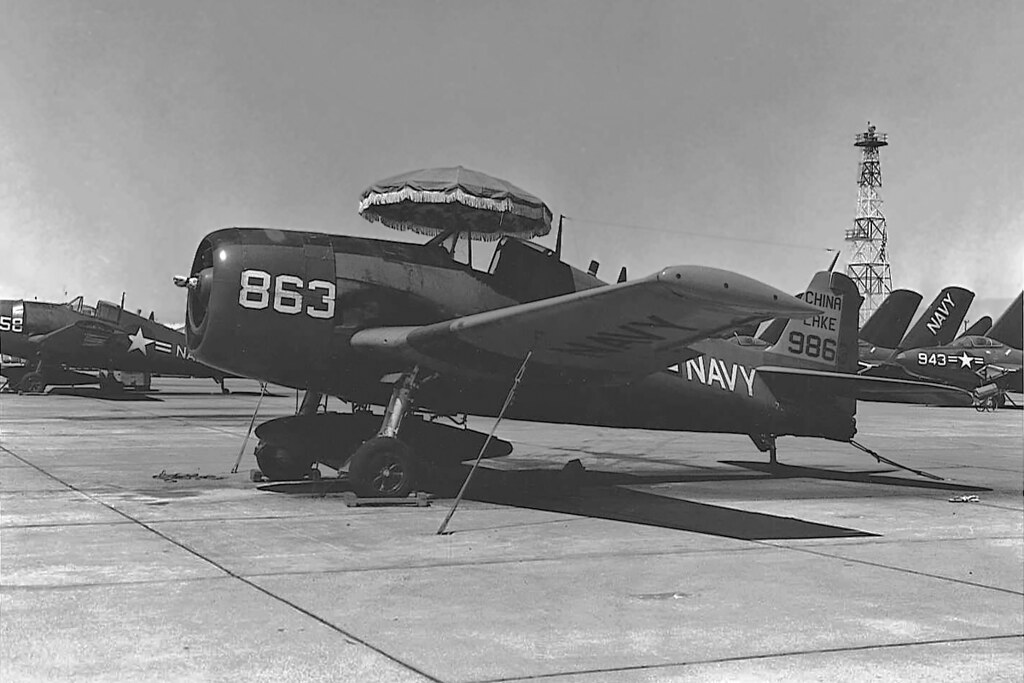
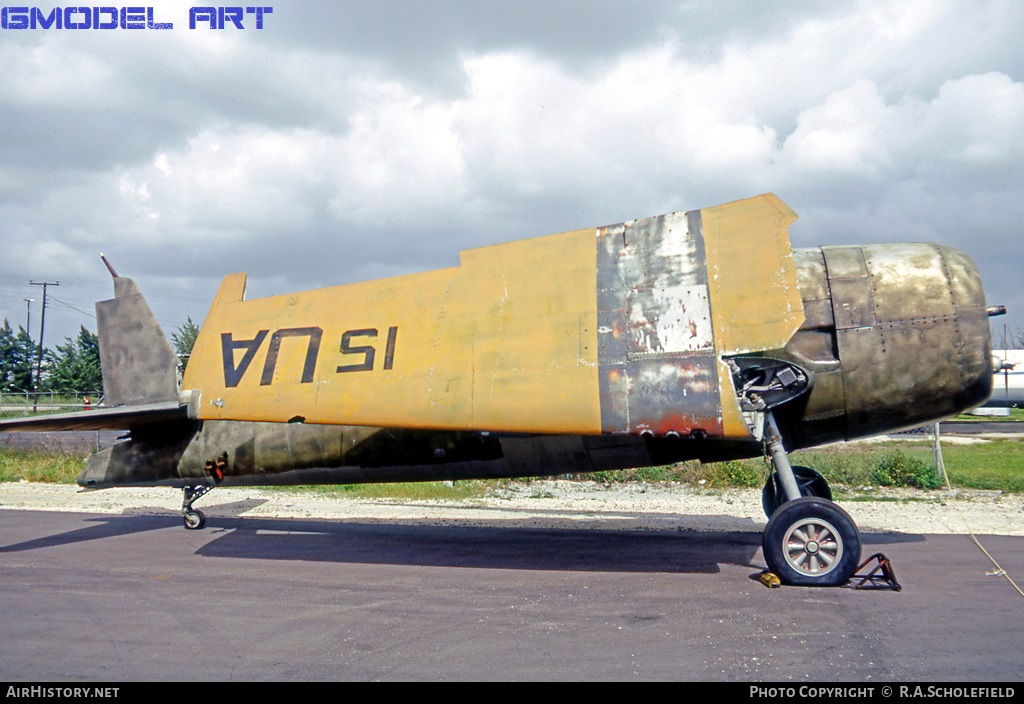
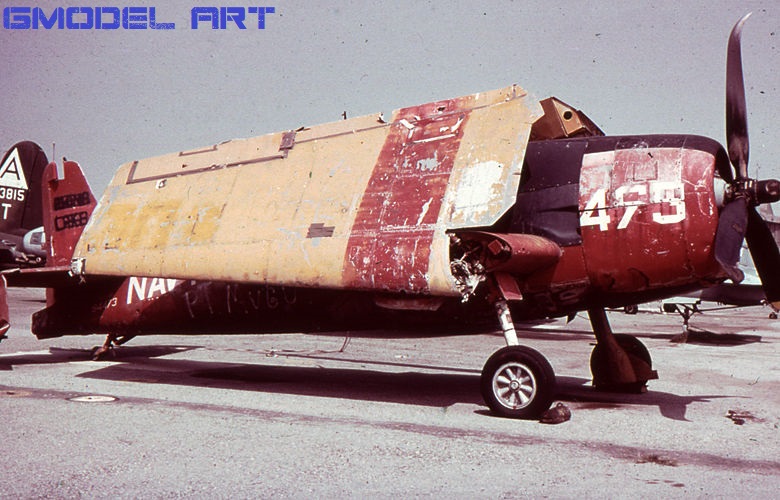
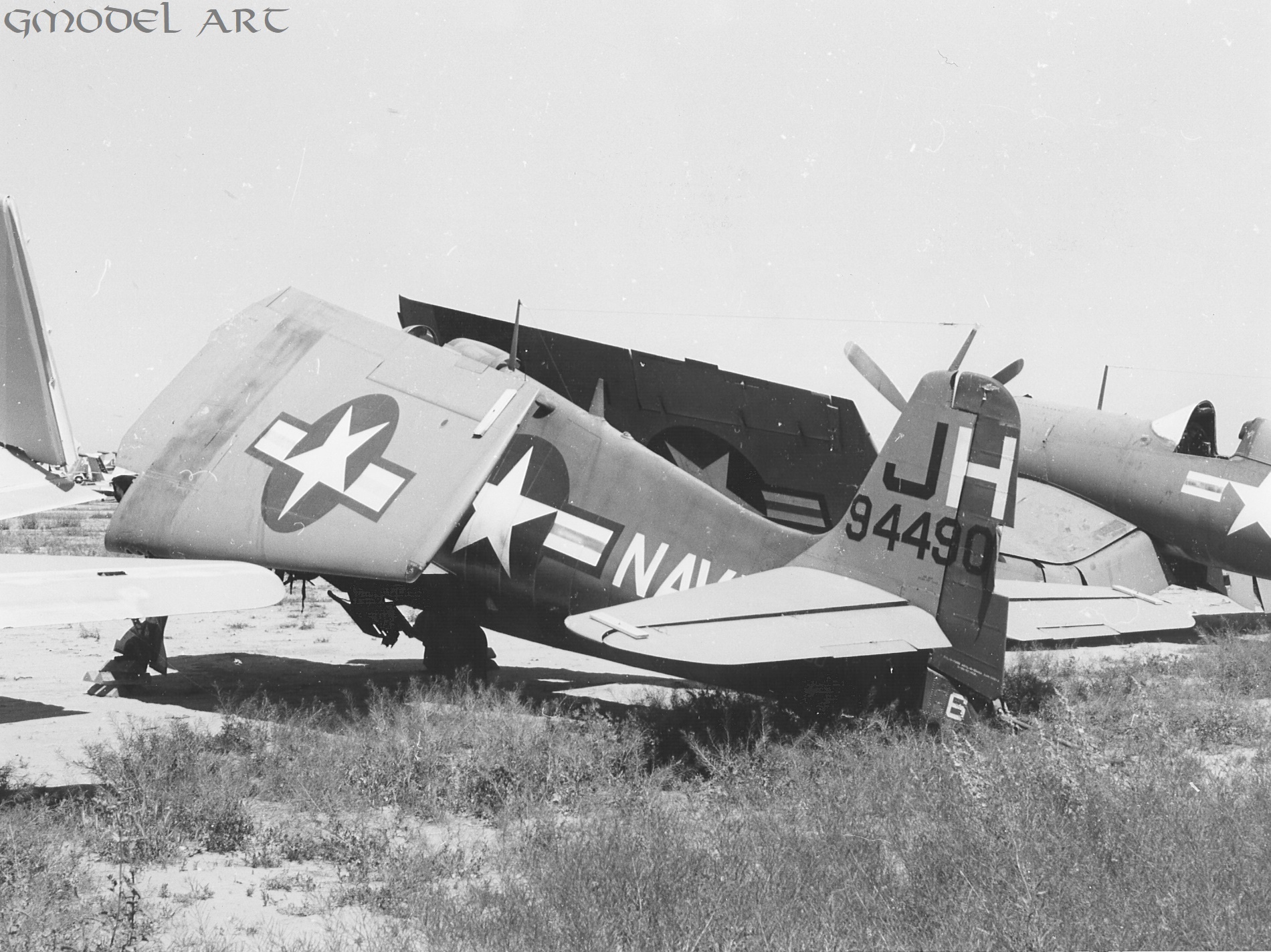
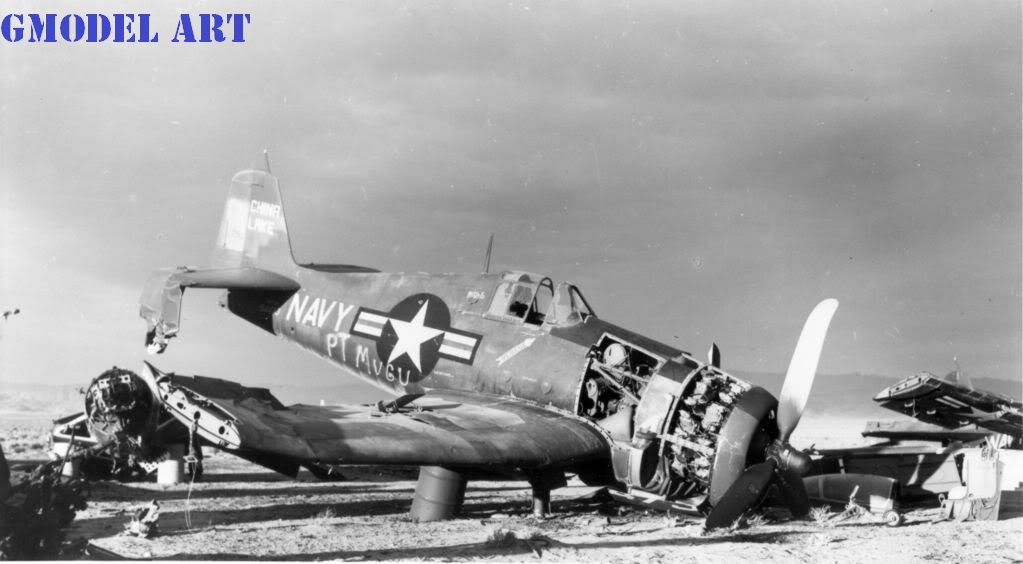
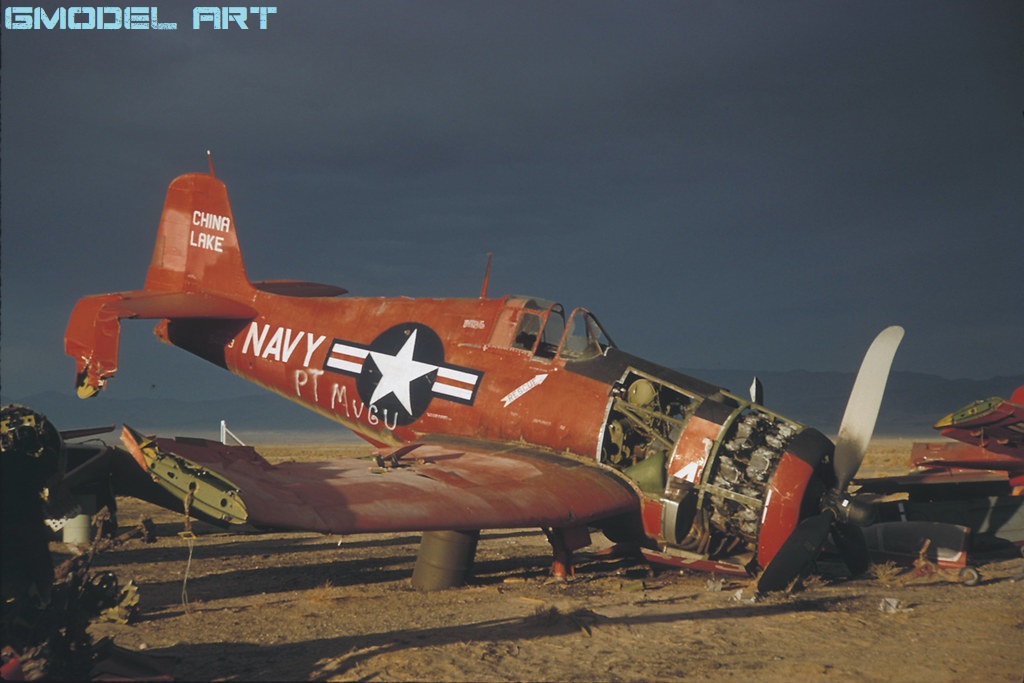
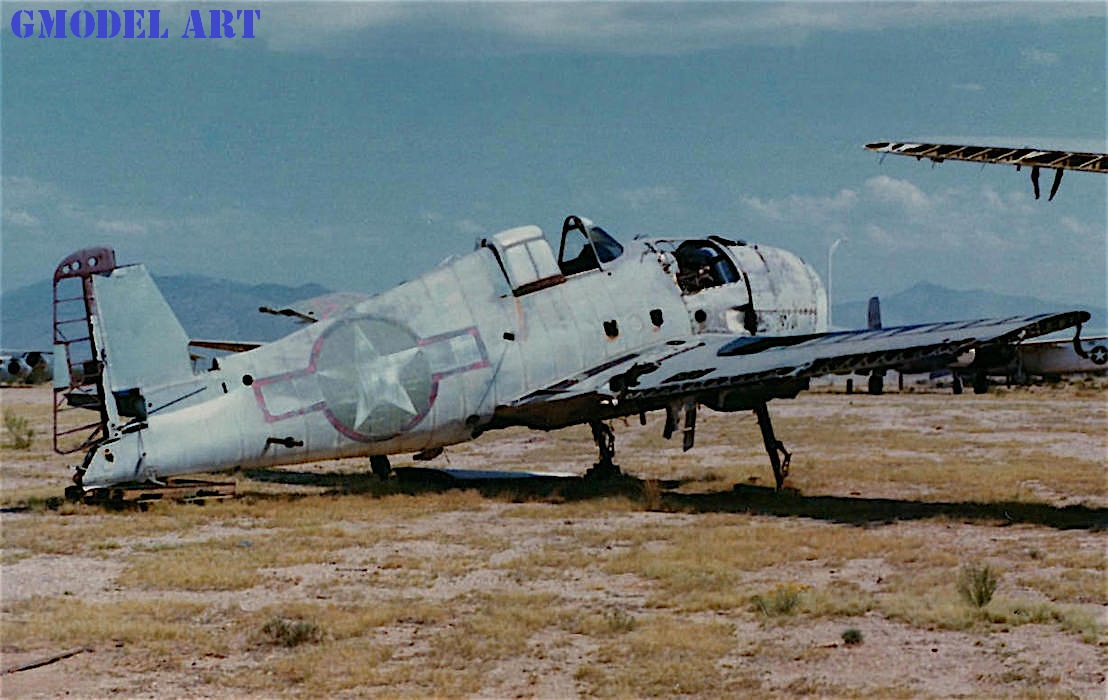
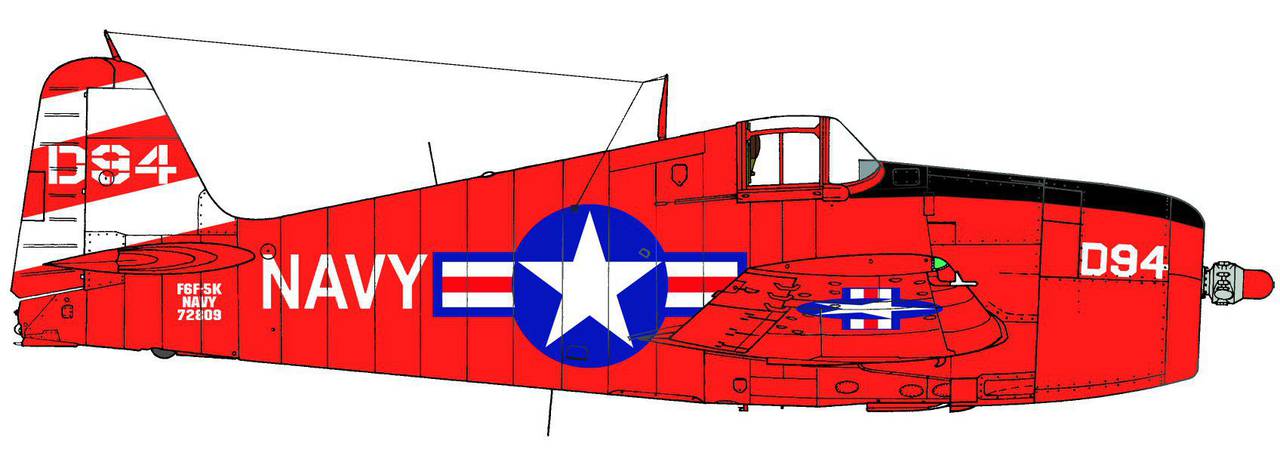
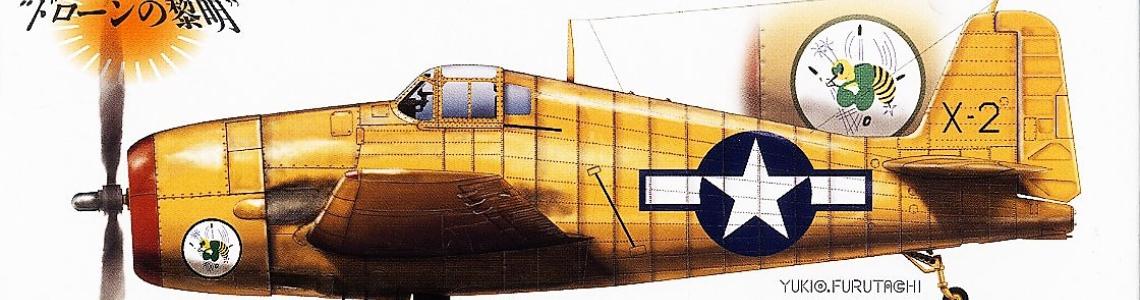
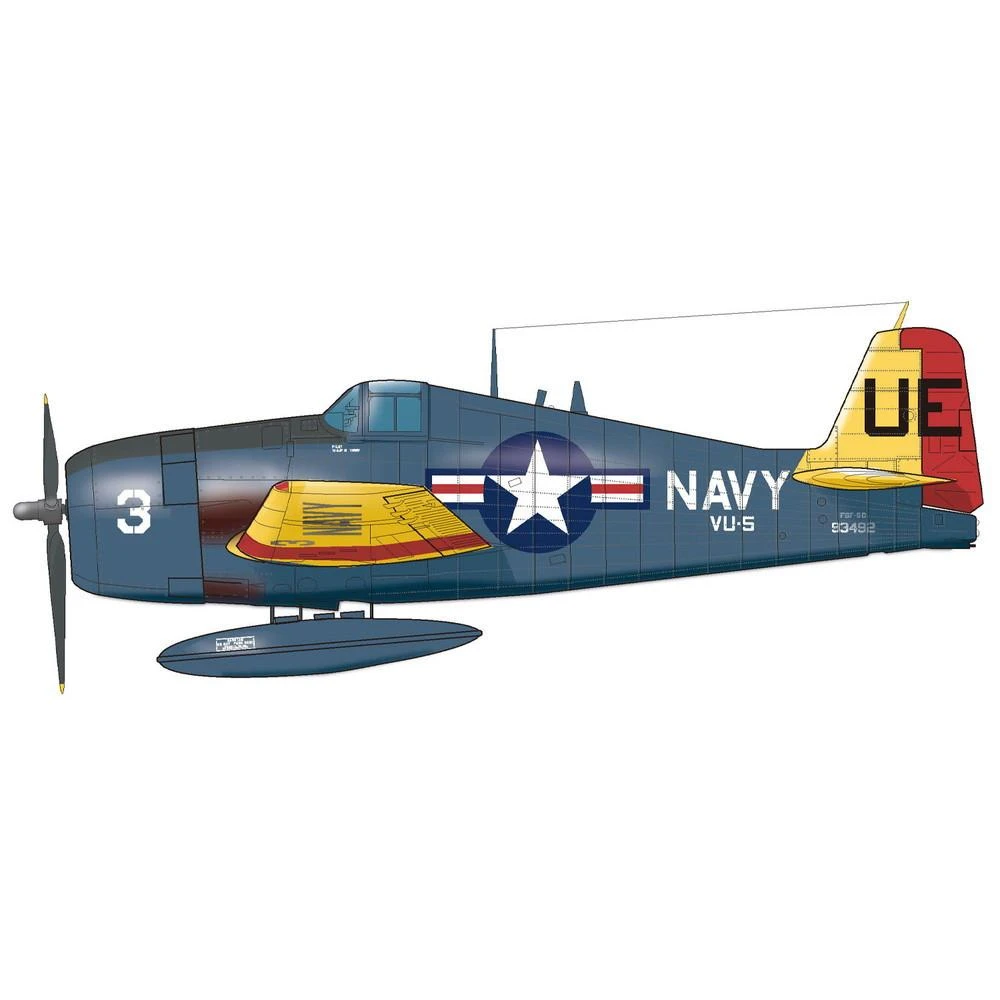
The change in role of the F6F Hellcat was immediately reflected in its external appearance. F6F-5K Hellcat drones differed significantly from their wartime counterparts.
Typical features included:
absence of standard naval camouflage
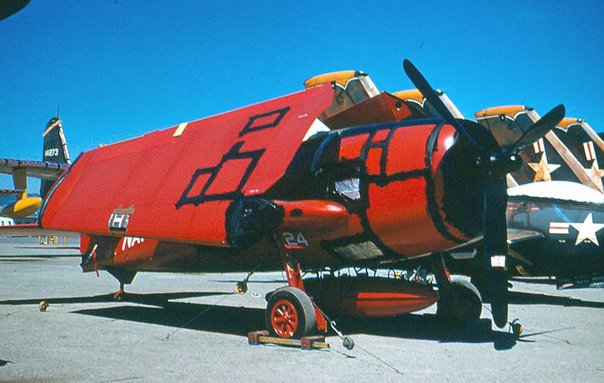
use of high-visibility colors
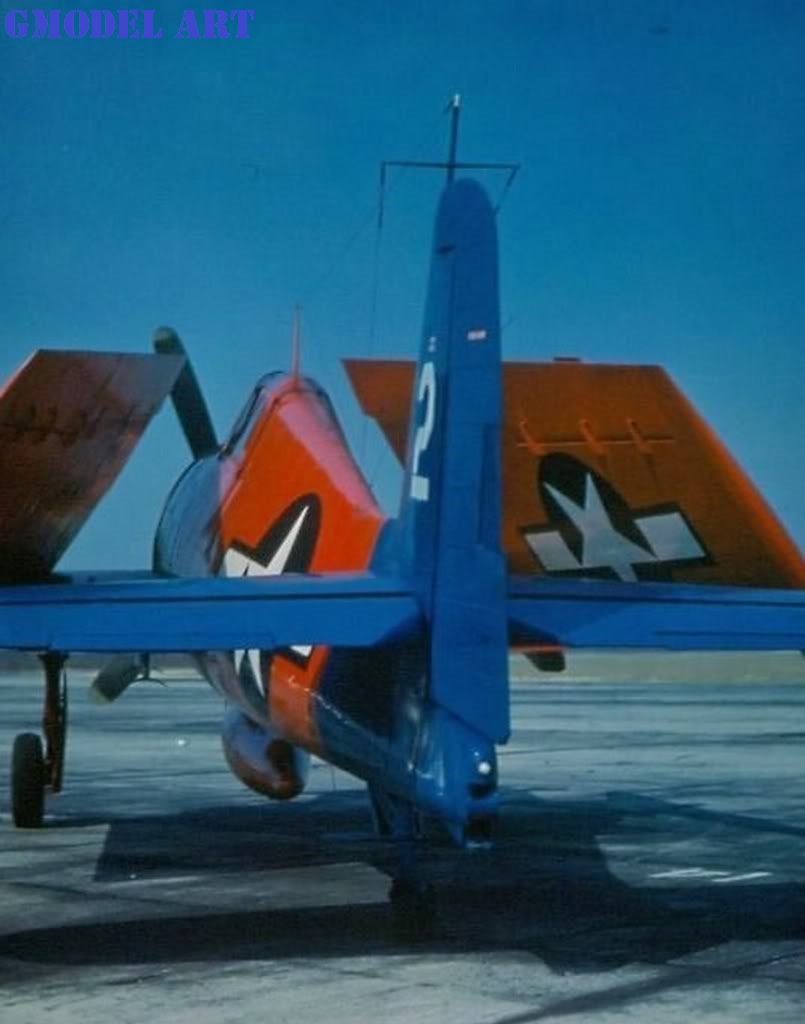
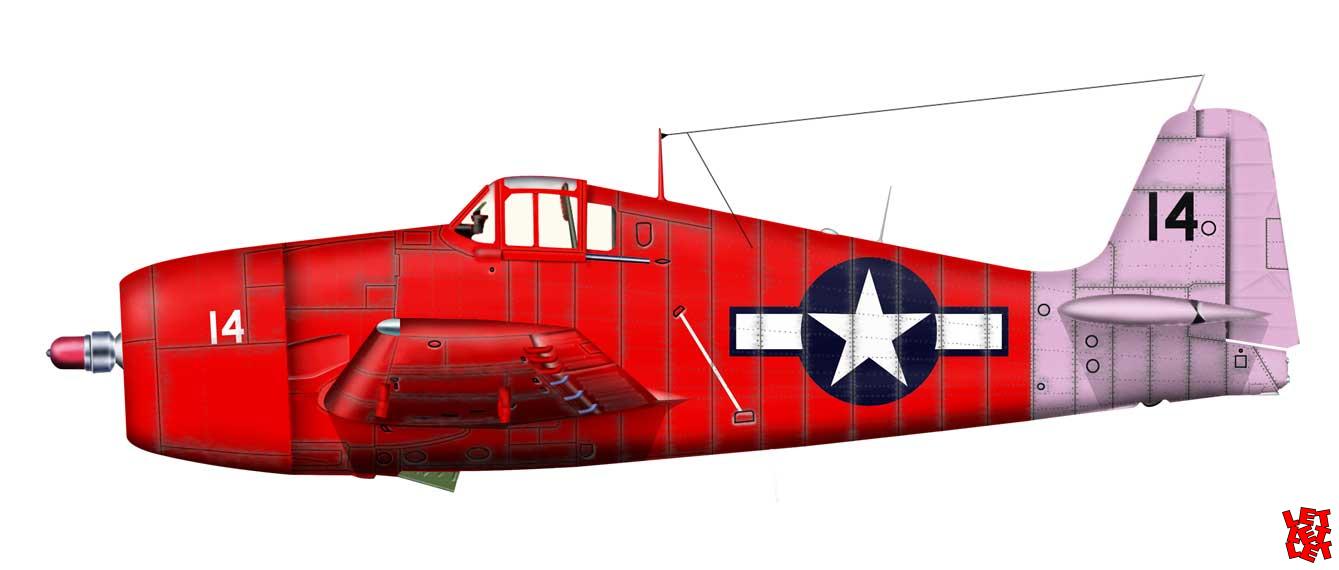
differentiated sections such as tail or wing panels
Early examples appeared in:
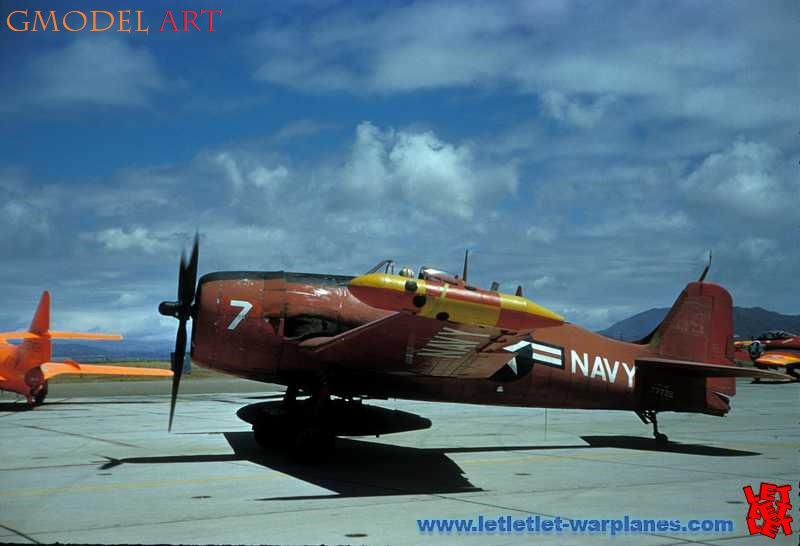
yellow and orange schemes
experimental blue tones
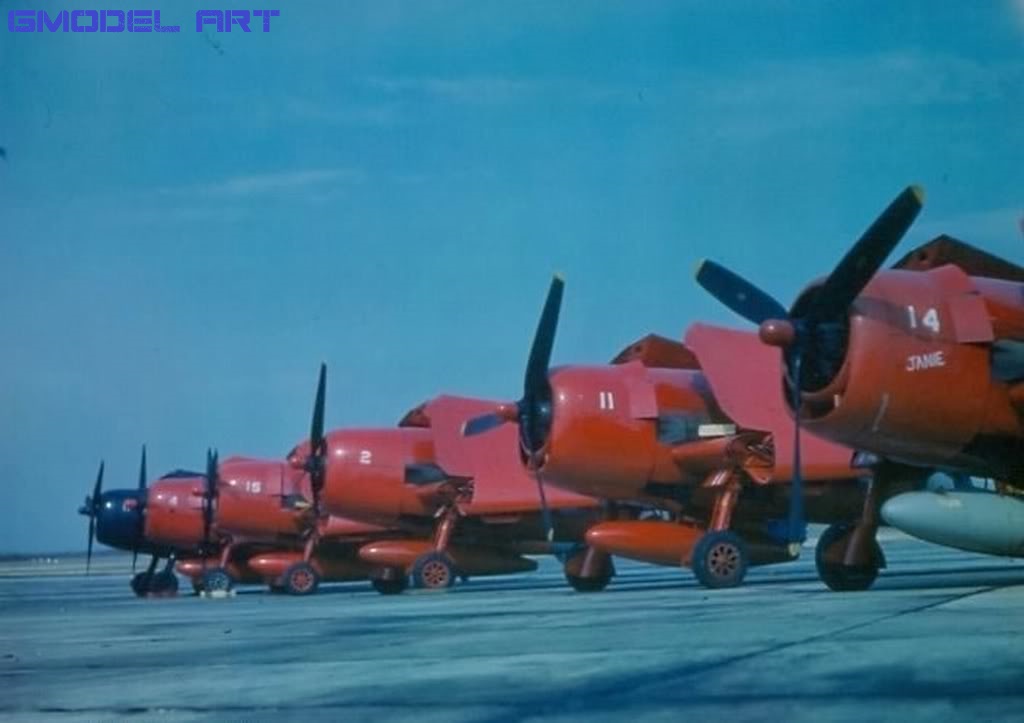
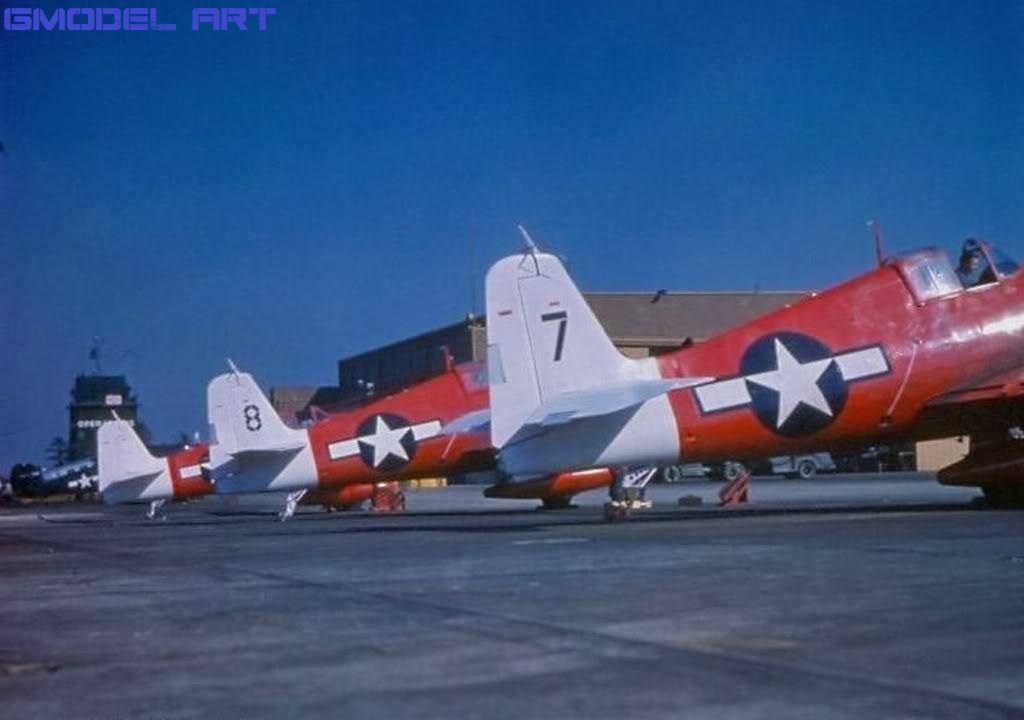
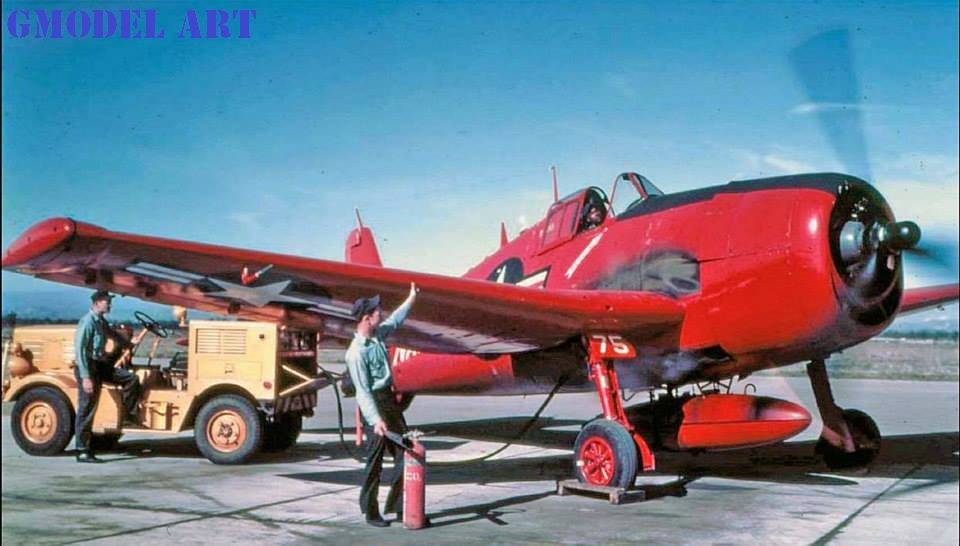
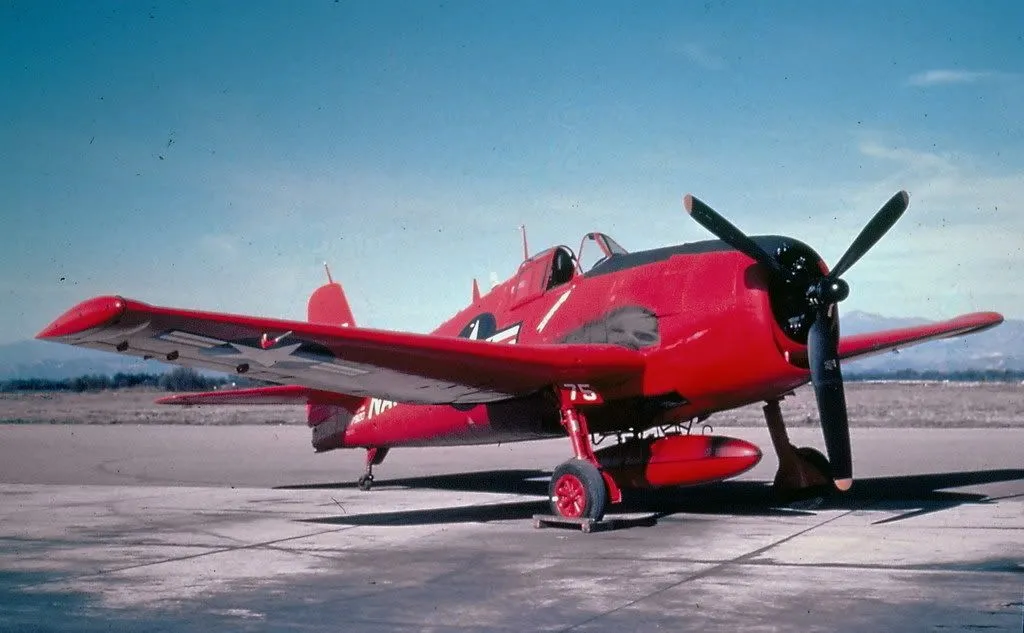
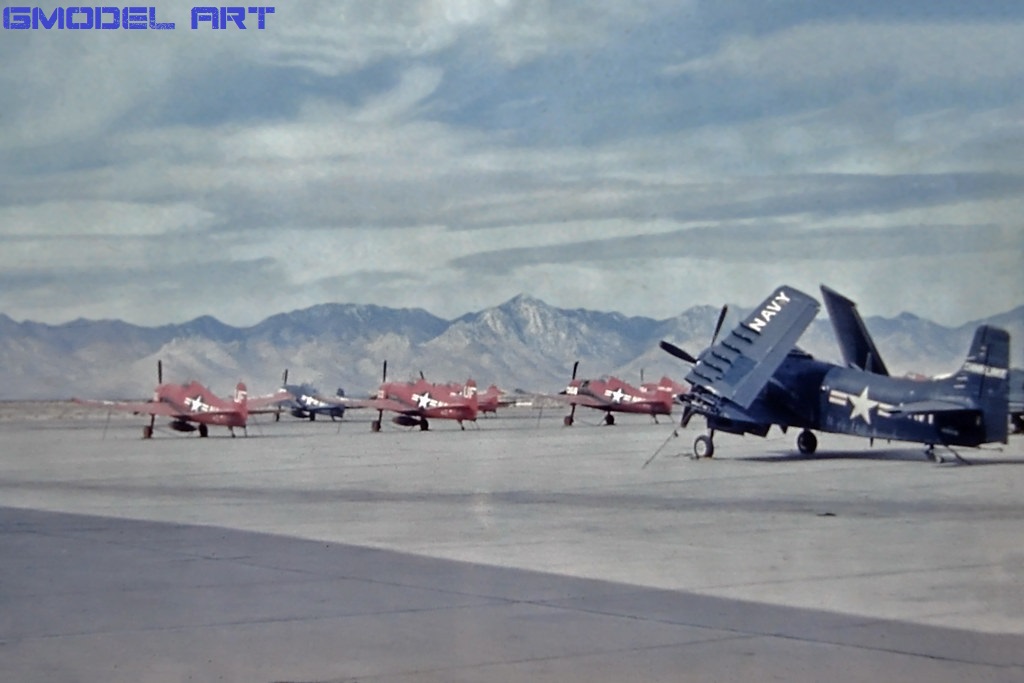
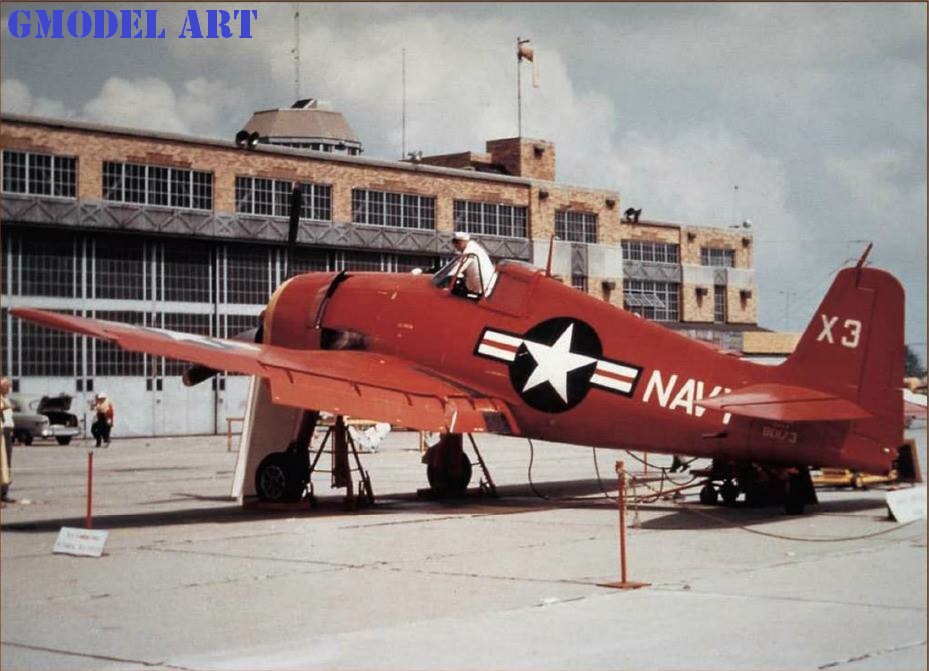
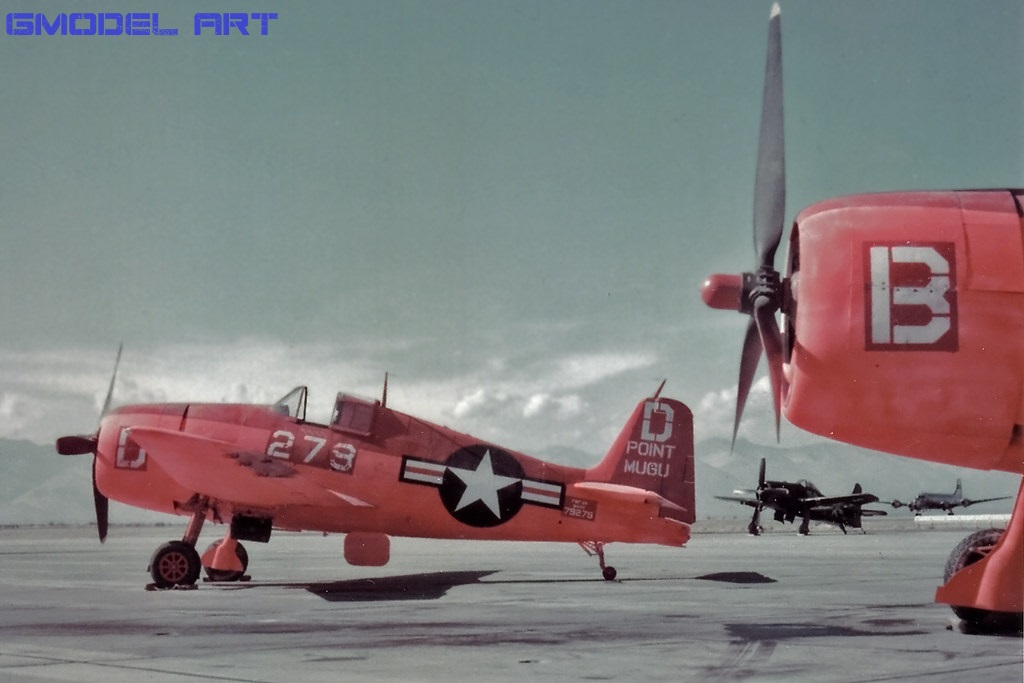
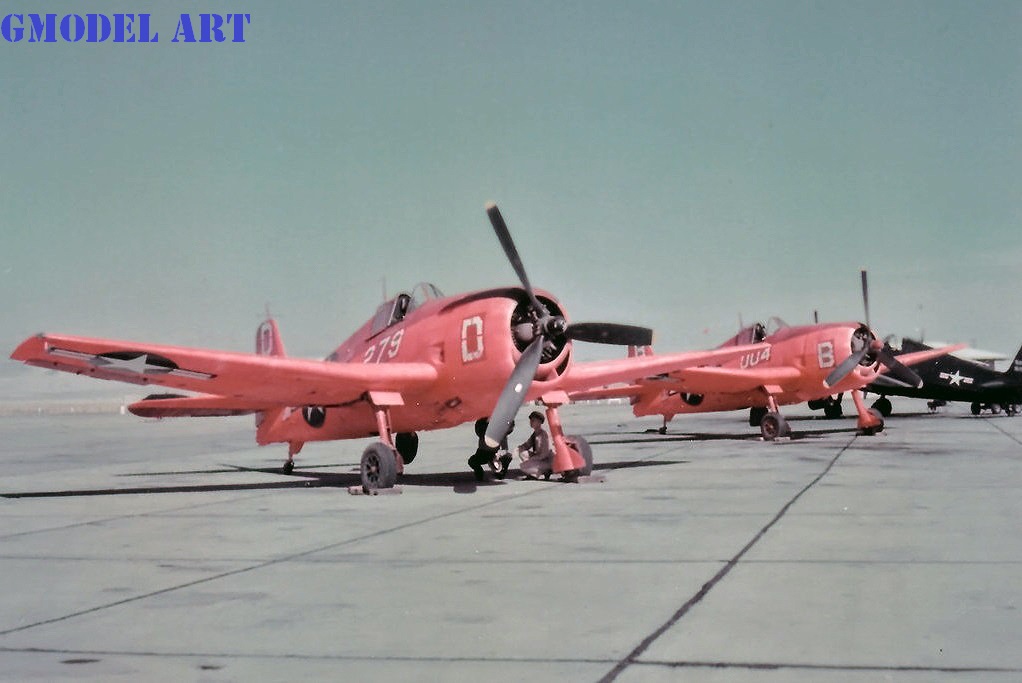
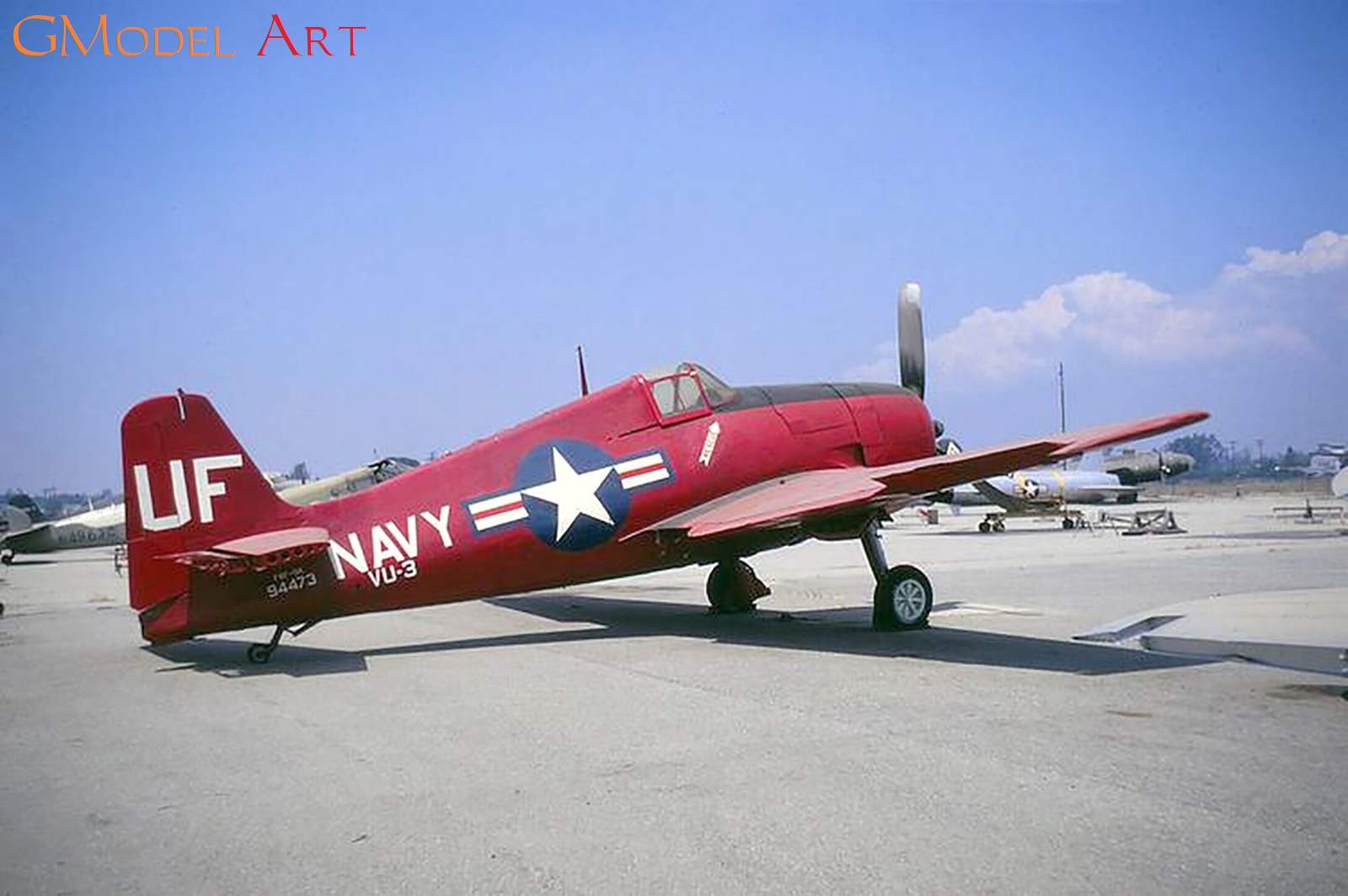
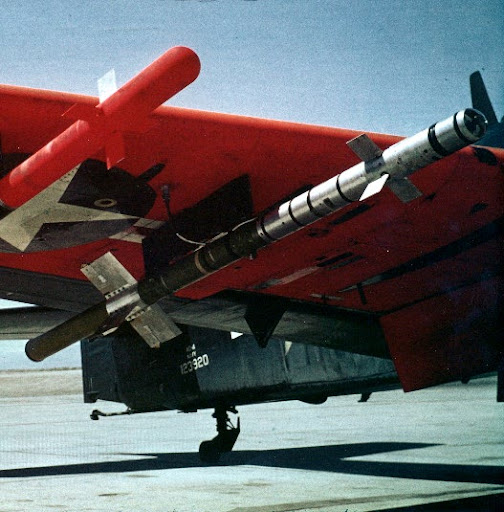
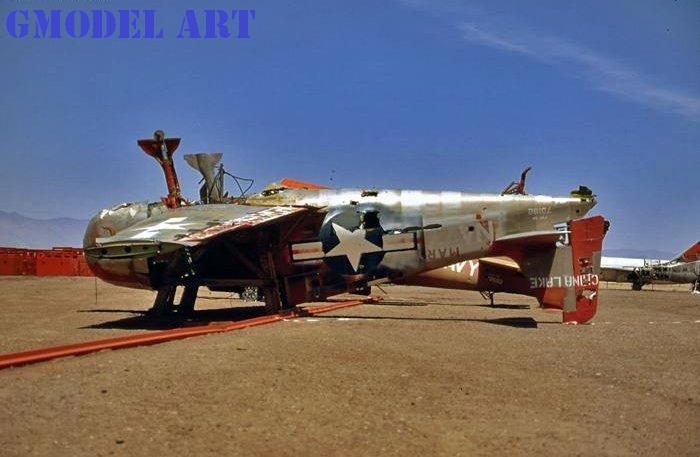
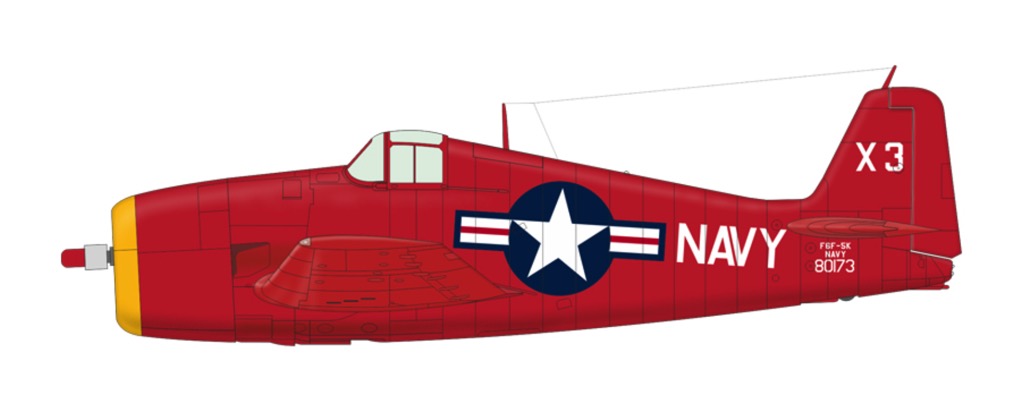
Later, F6F-5K Hellcat drones were commonly painted in bright red or fluorescent red, particularly in testing roles.
These color schemes served practical purposes:
improved visual tracking
easier identification during flight
differentiation between radio-controlled systems
Early Operational Use Before the Korean War
By the late 1940s, F6F-5K Hellcat drones had already transitioned from experimental platforms into structured operational tools.
Nuclear Testing Operations
In 1946, F6F-5K Hellcat drones were used during Operation Crossroads.
Their missions included:
flying through radioactive clouds
collecting airborne samples after nuclear detonations
Aircraft used in these operations were typically painted in bright red schemes, often with variations in markings to indicate different radio frequencies. In several cases, national insignia appeared without the red stripe, reflecting post-war marking standards.
Target Drones and Fleet Utility Operations
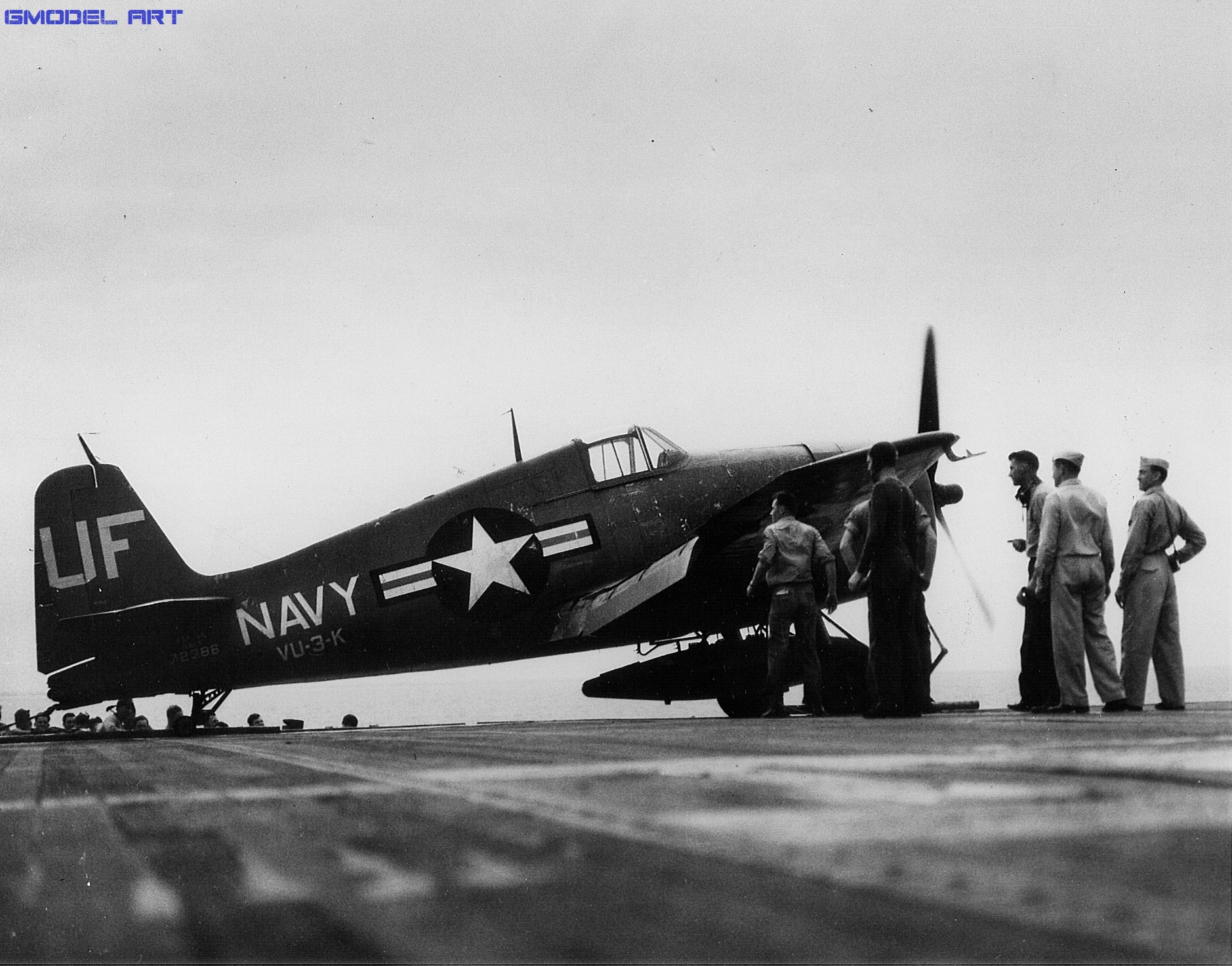
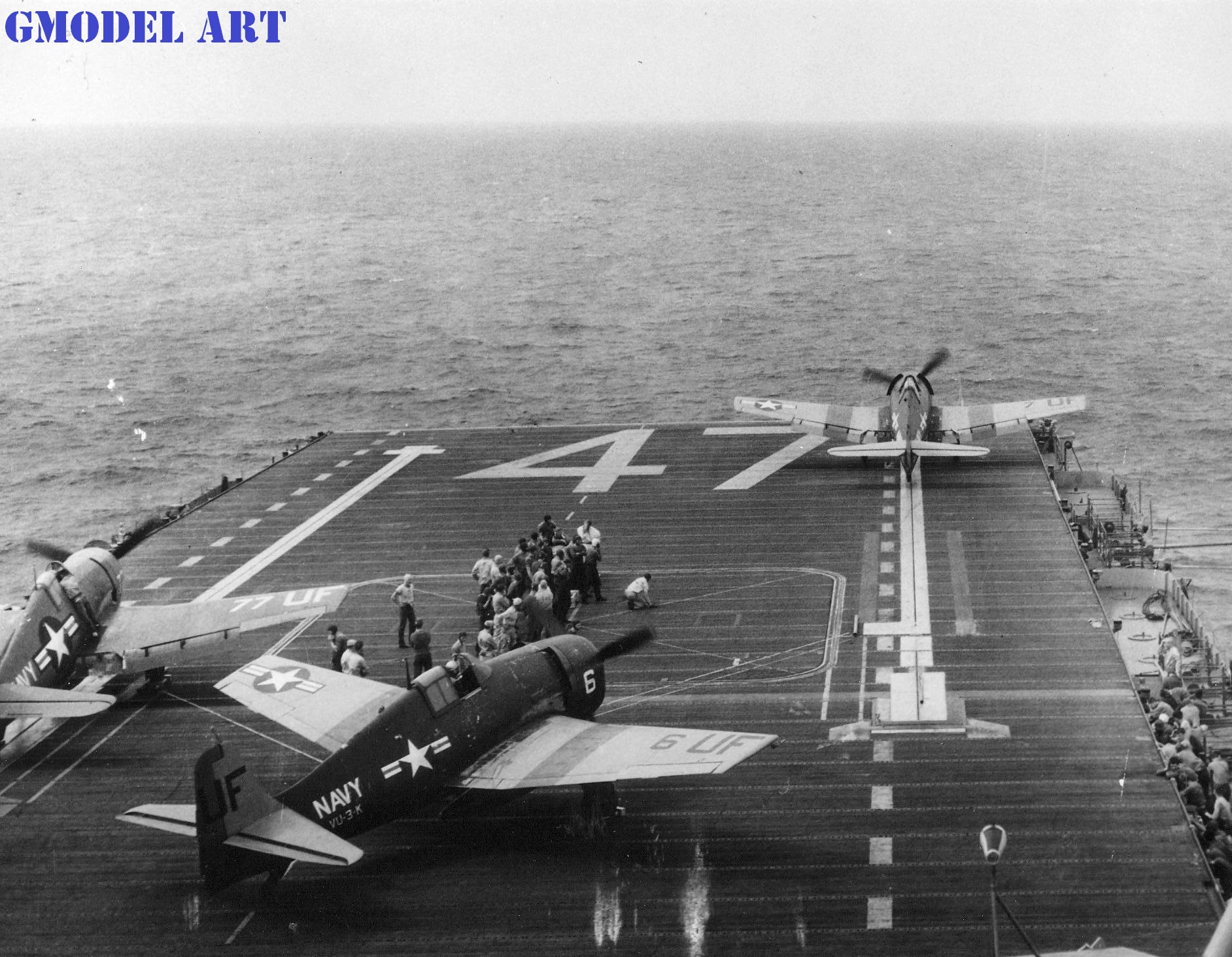
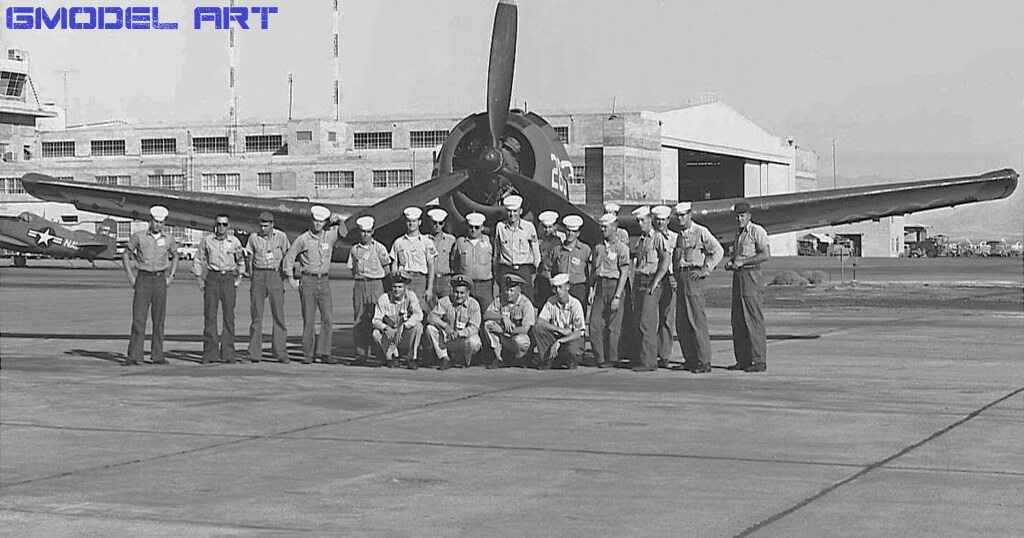
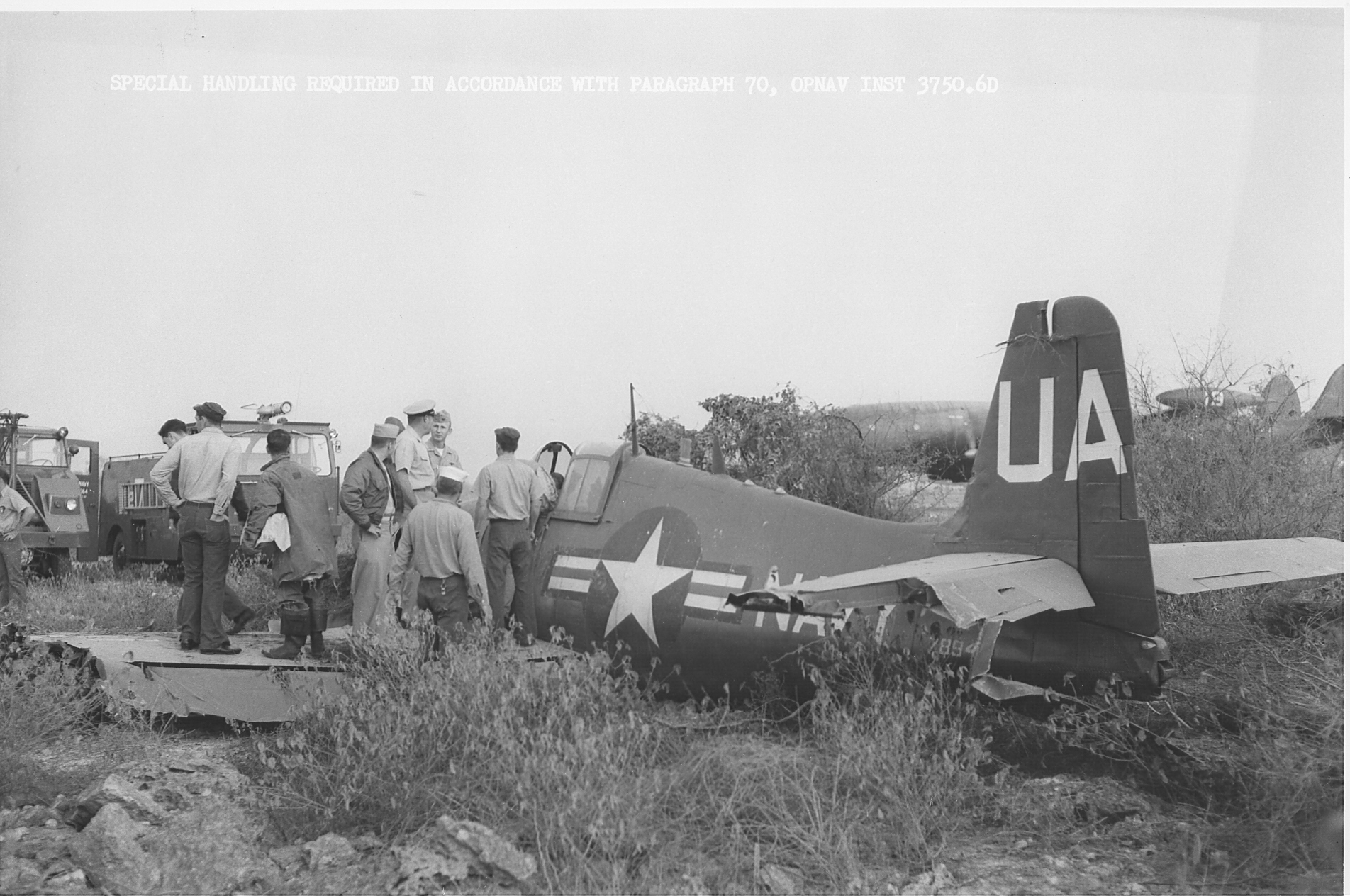
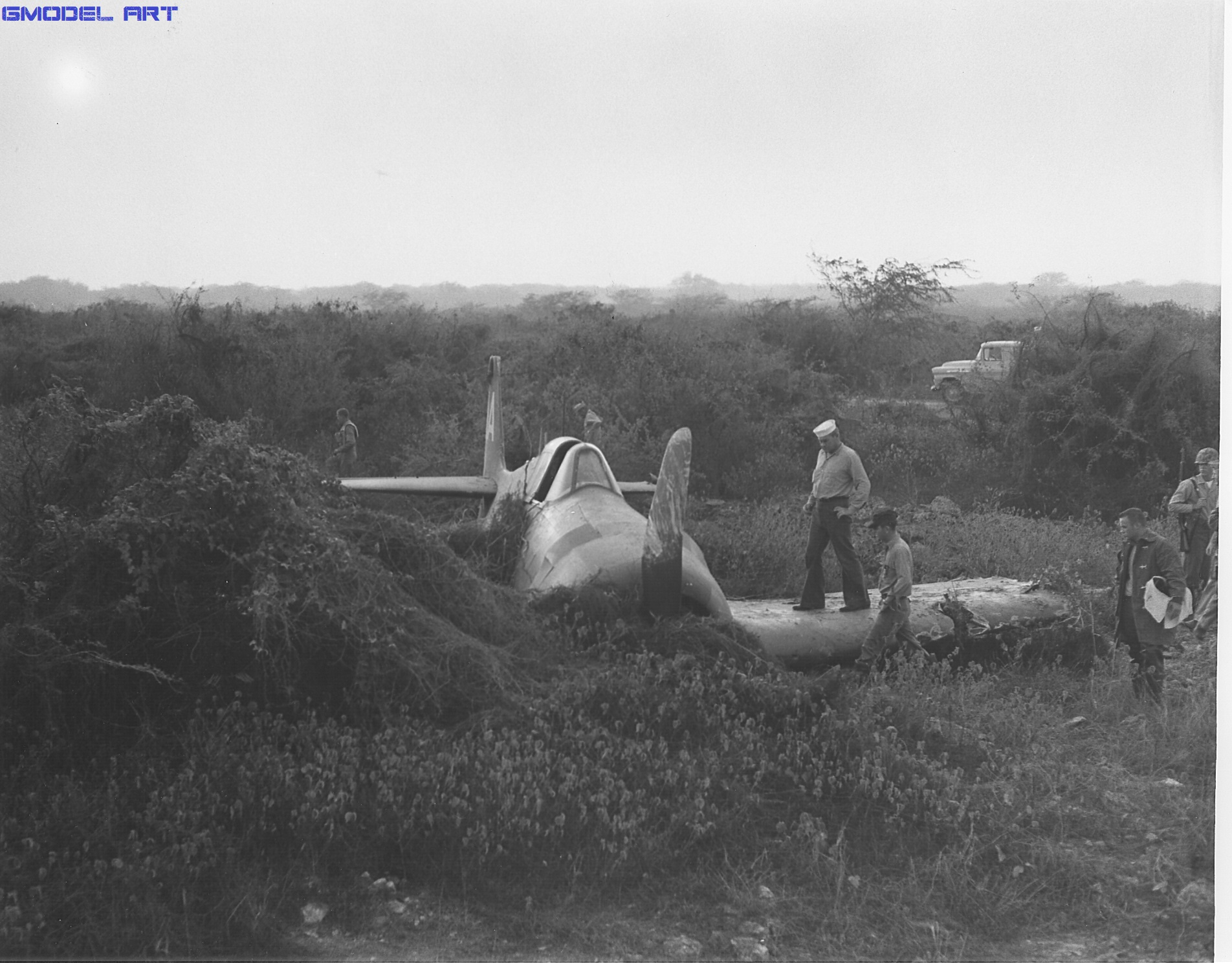
In 1947, units such as VU-7, based at NAS Santa Ana, continued the evaluation and operational use of F6F-5K Hellcat drones.
Within this framework:
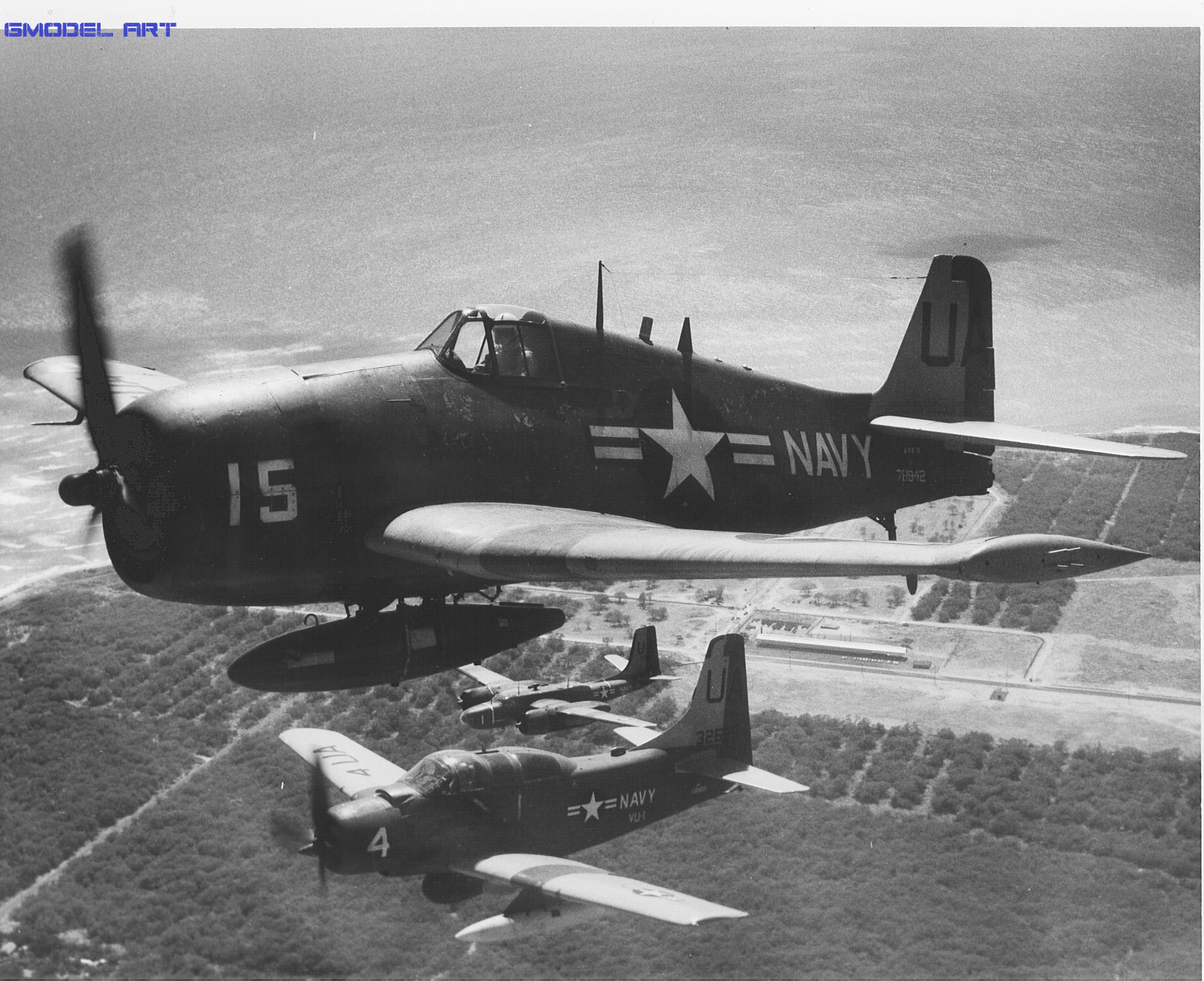
F6F-5K Hellcat drones served as aerial targets
control was maintained by manned aircraft such as the Beechcraft SNB Expeditor
launch and recovery operations were conducted from locations such as OLF Palisades
Aircraft were often flown with a pilot during takeoff and recovery phases, transitioning to remote control during mission execution.
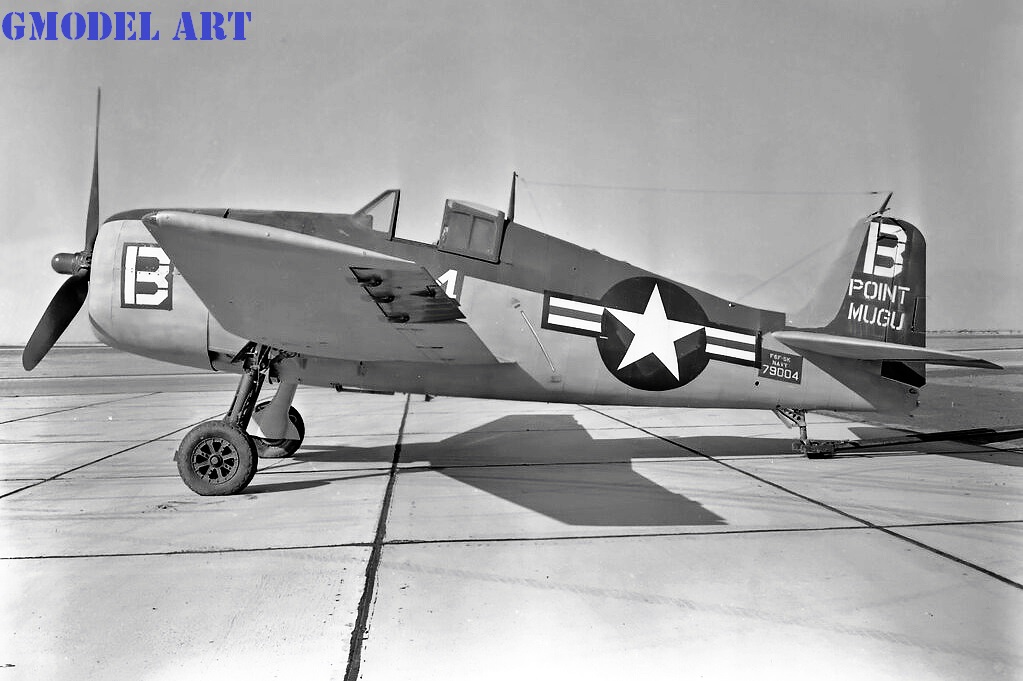
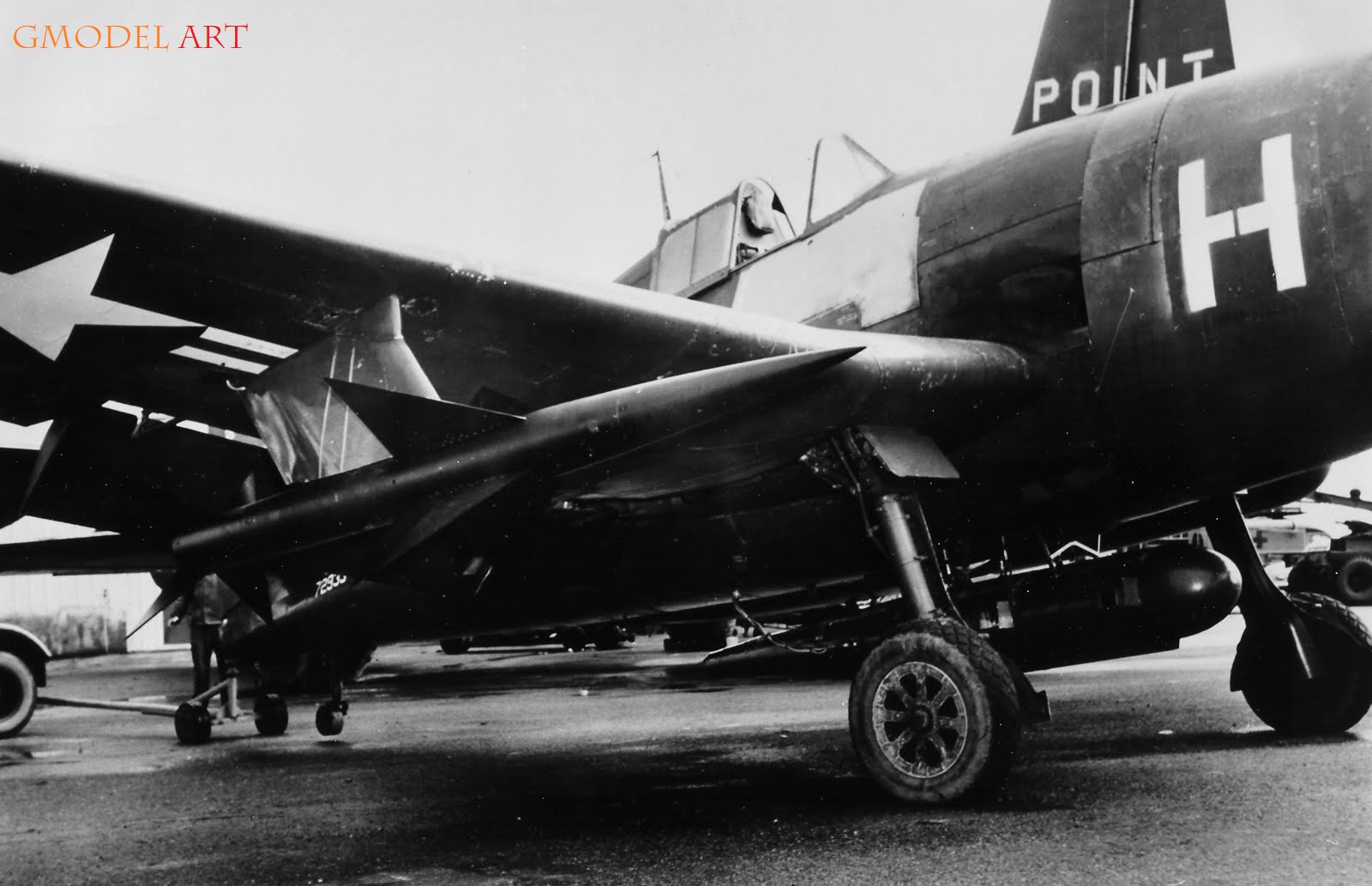
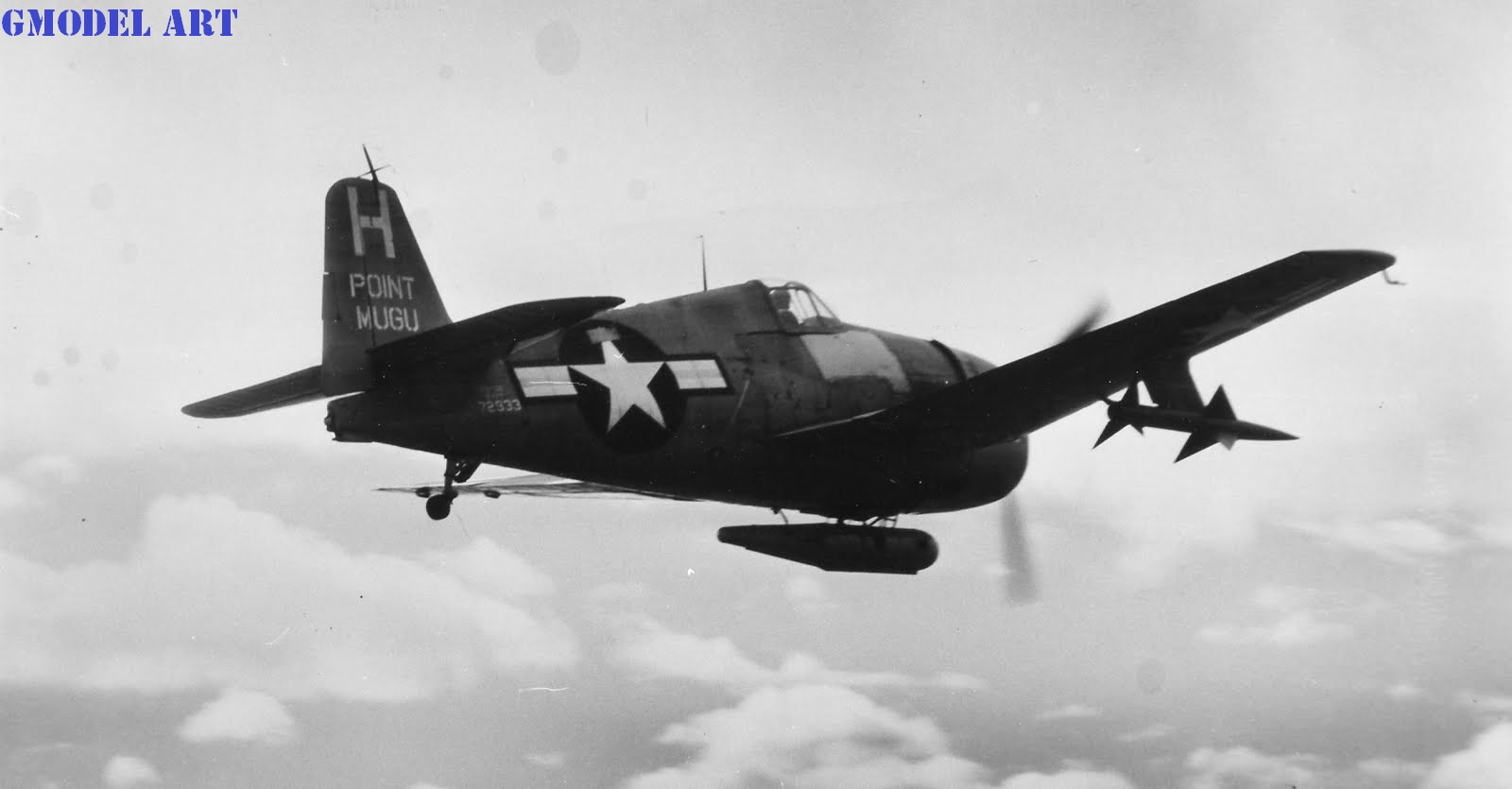
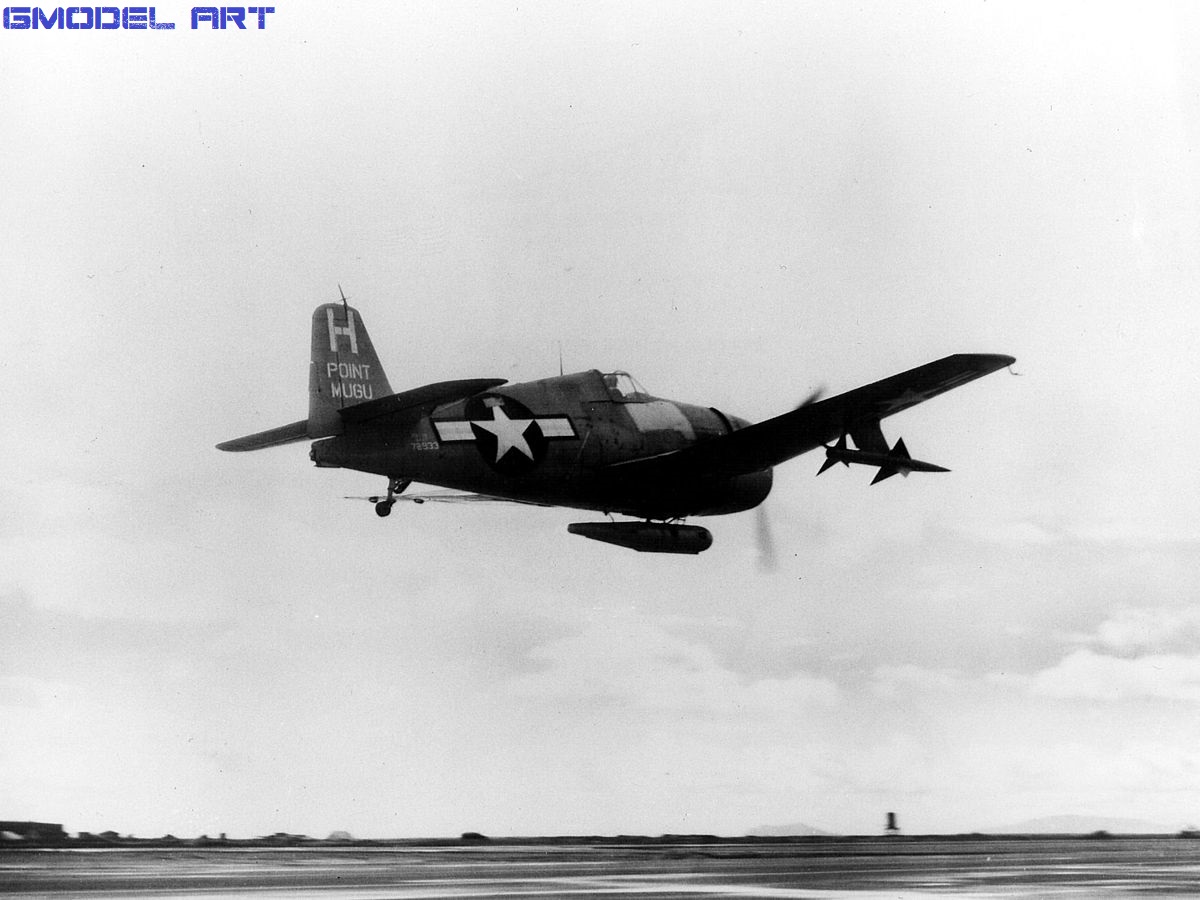
With the relocation of operations to MCAS El Toro in 1948, drone activities expanded further into key test ranges such as China Lake and Point Mugu.
Modifications for Missile Testing
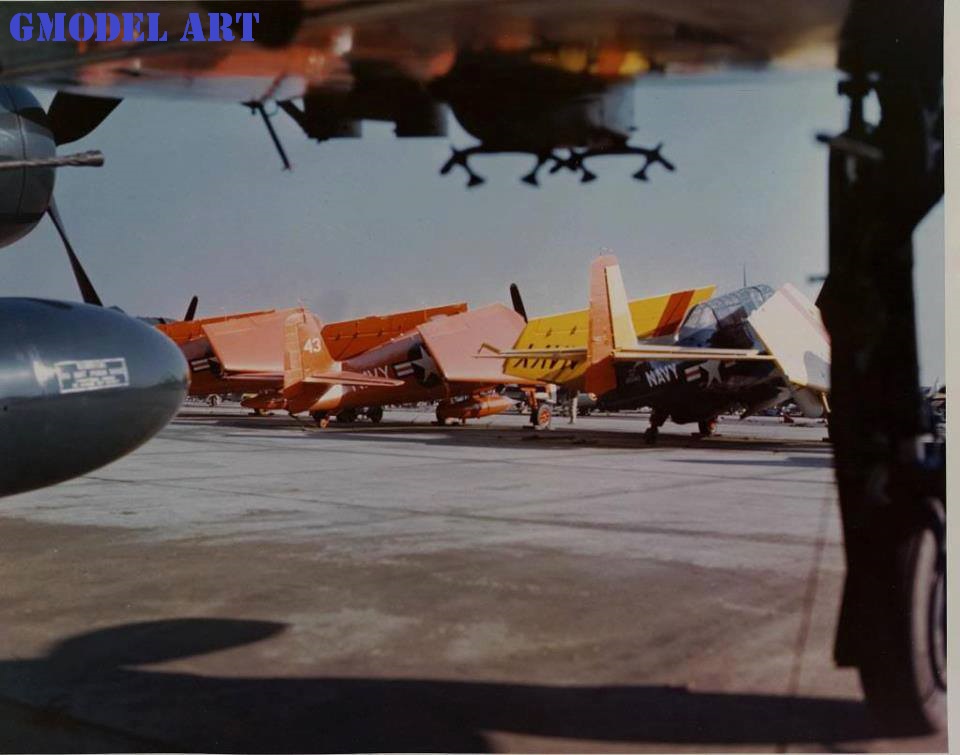
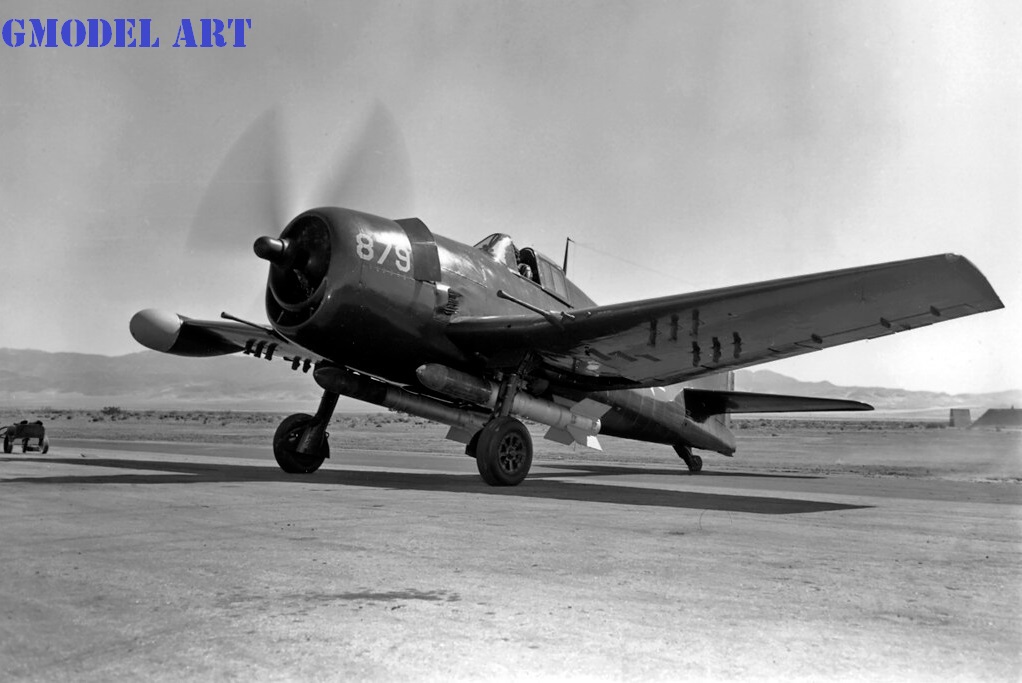
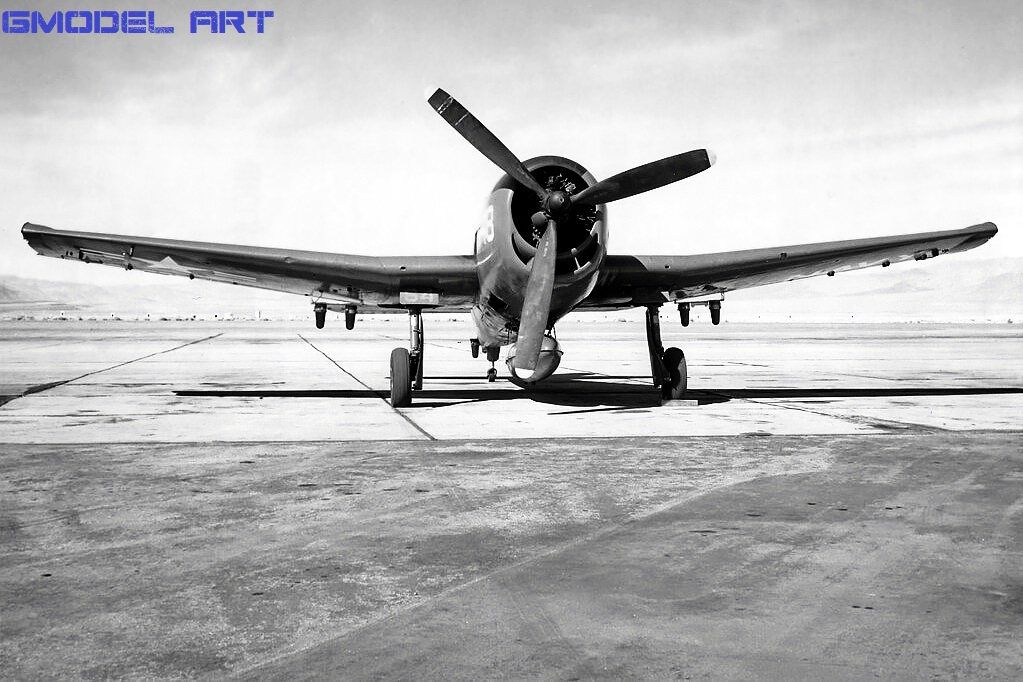
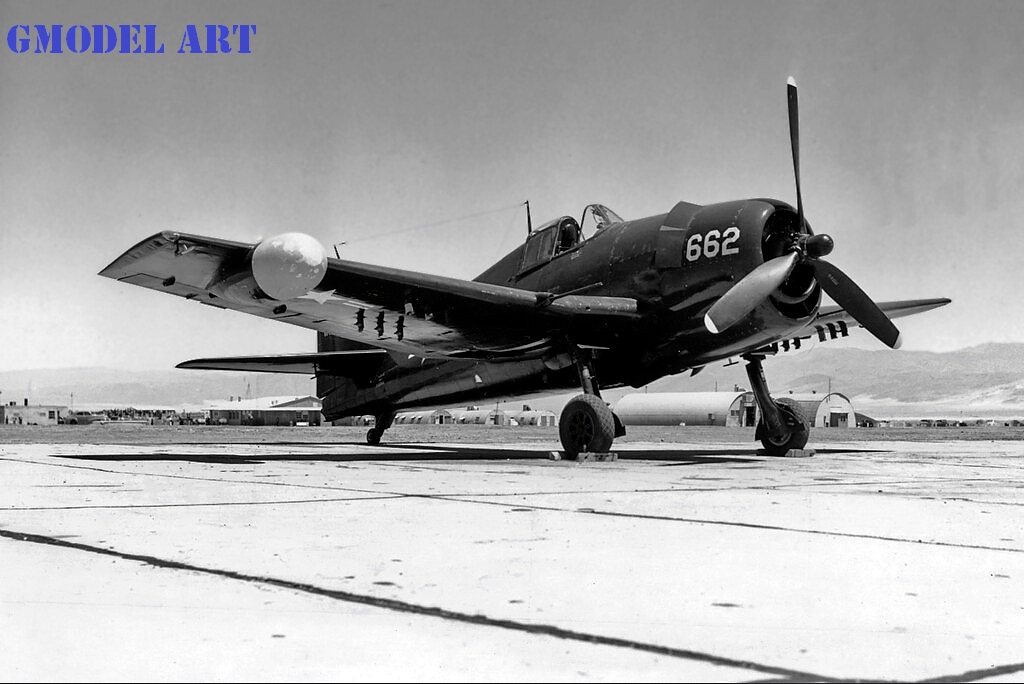
As guided missile development accelerated, F6F-5K Hellcat drones were modified to simulate realistic airborne targets.
These modifications included:
wingtip tanks
large wing fairings
installation of flares or heat sources to simulate jet exhaust
These adaptations made F6F-5K Hellcat drones suitable targets for early heat-seeking missile systems.
The First Guided Missile Interceptions
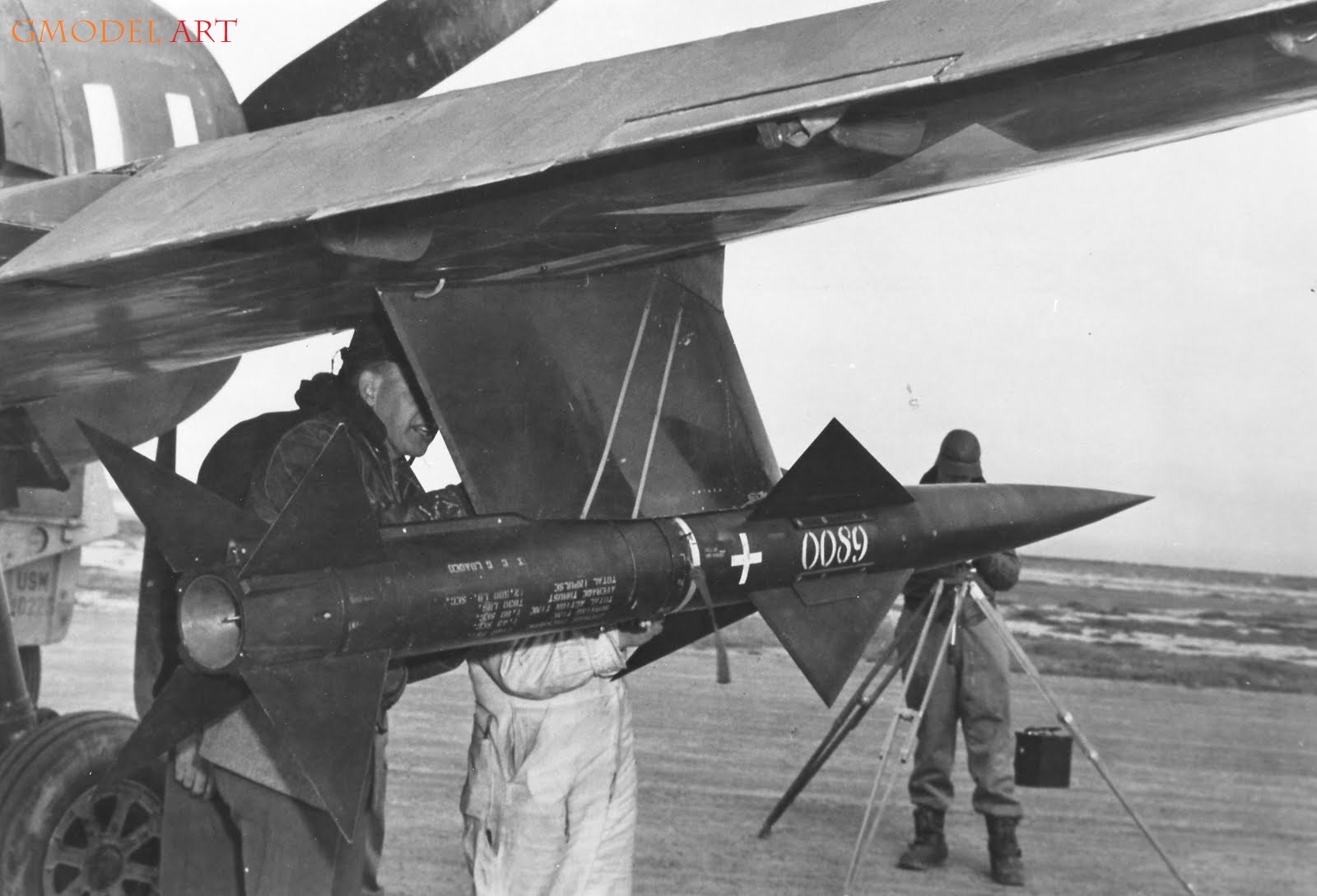
During the early 1950s, F6F-5K Hellcat drones played a critical role in the development of air-to-air missiles.
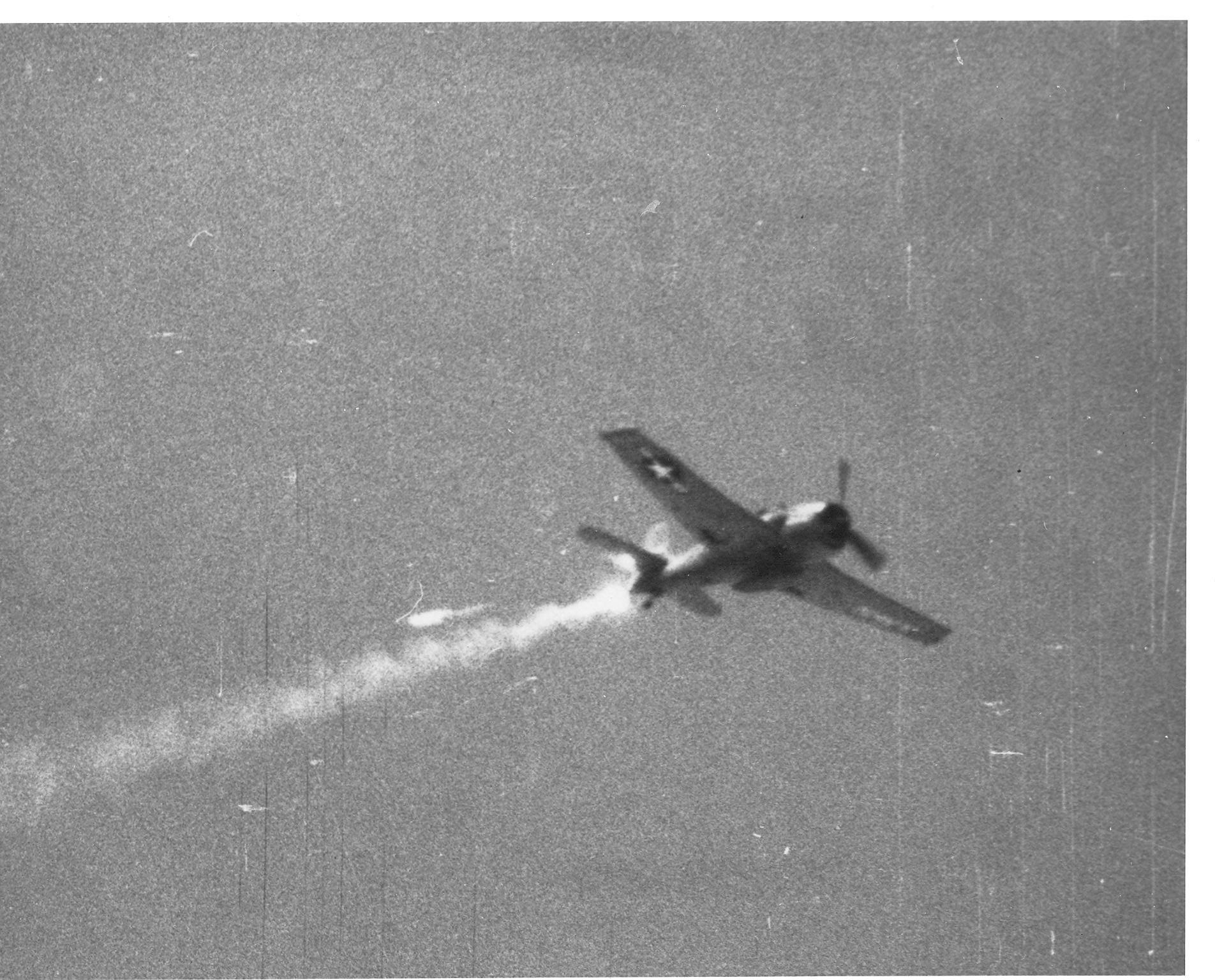
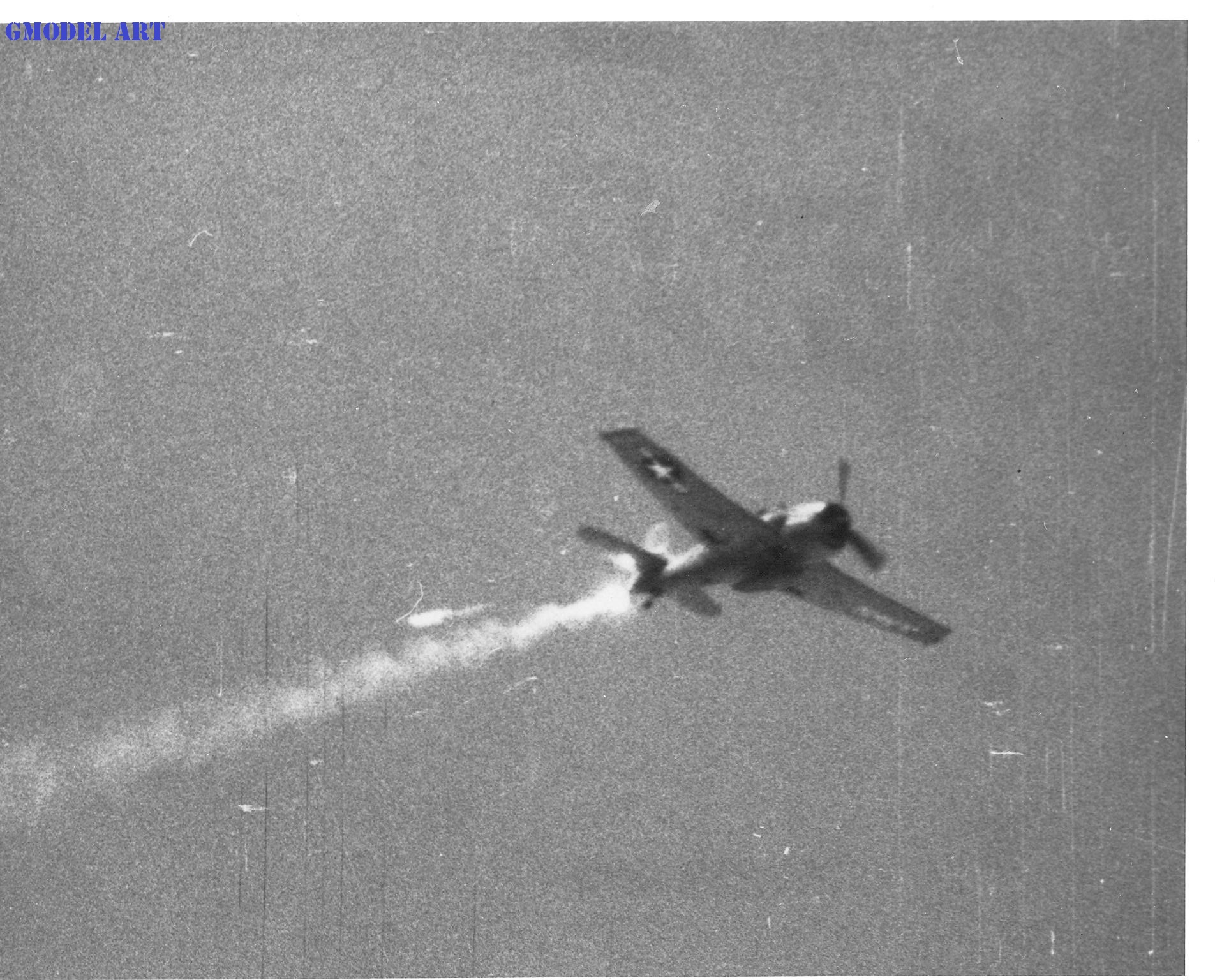
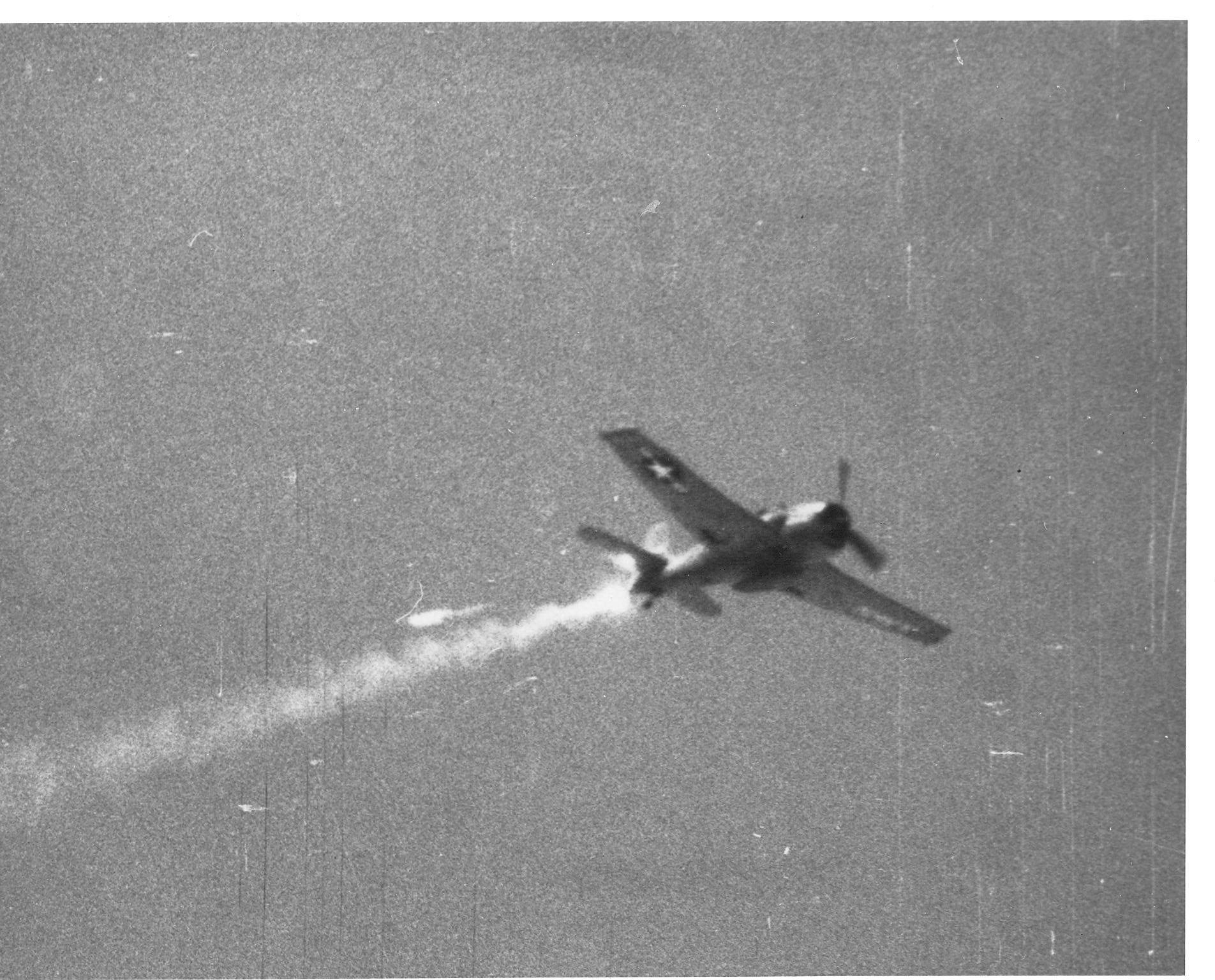
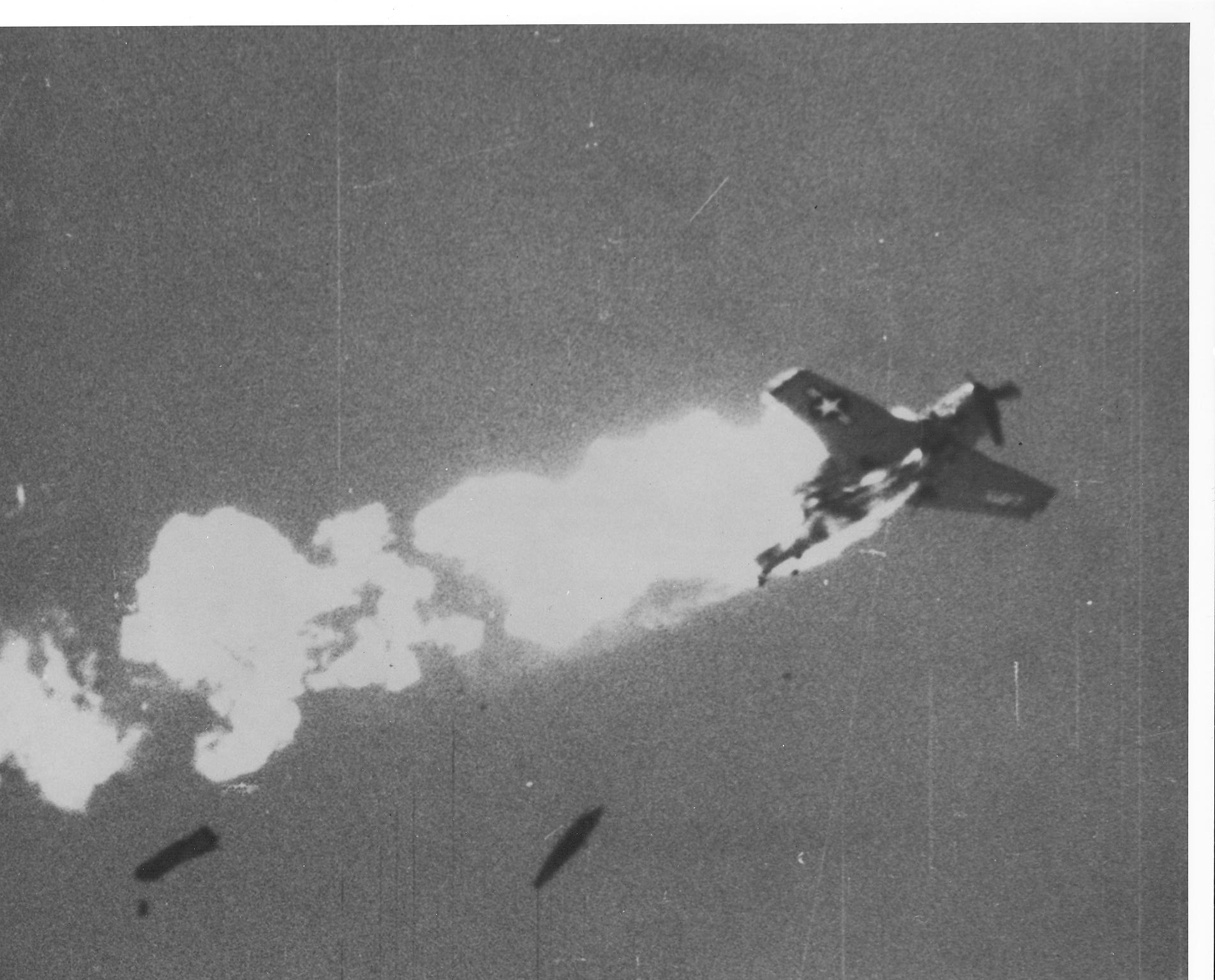
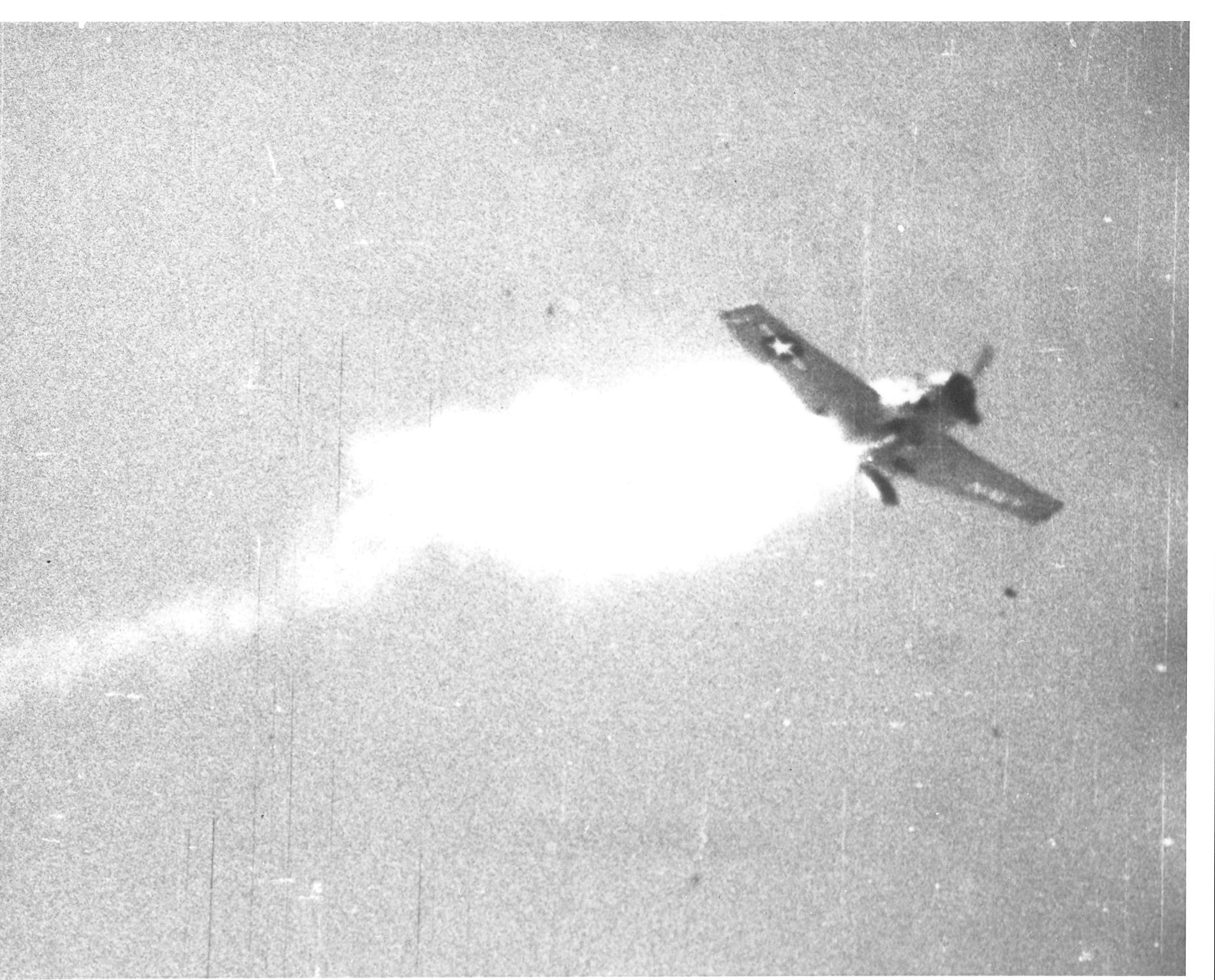
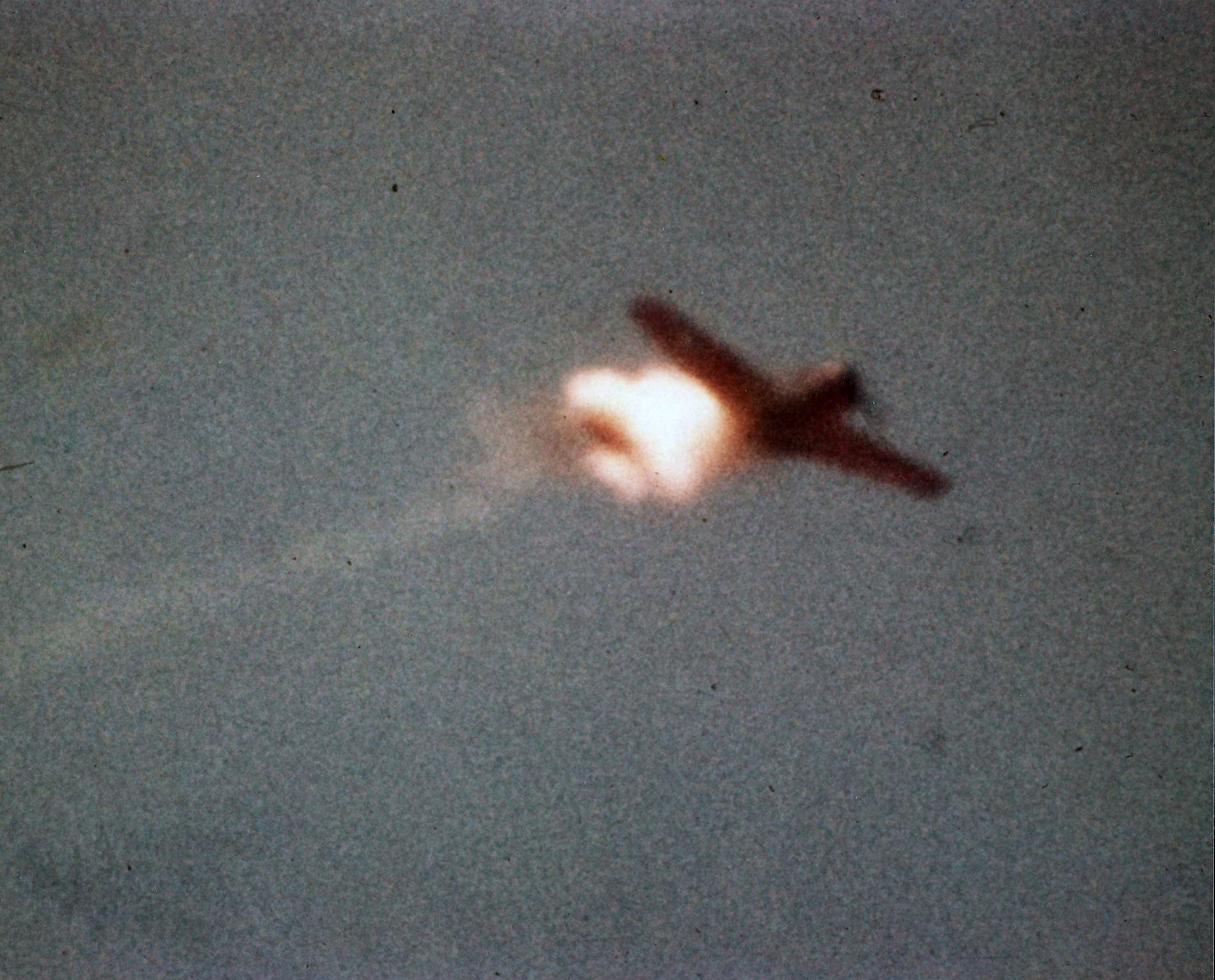
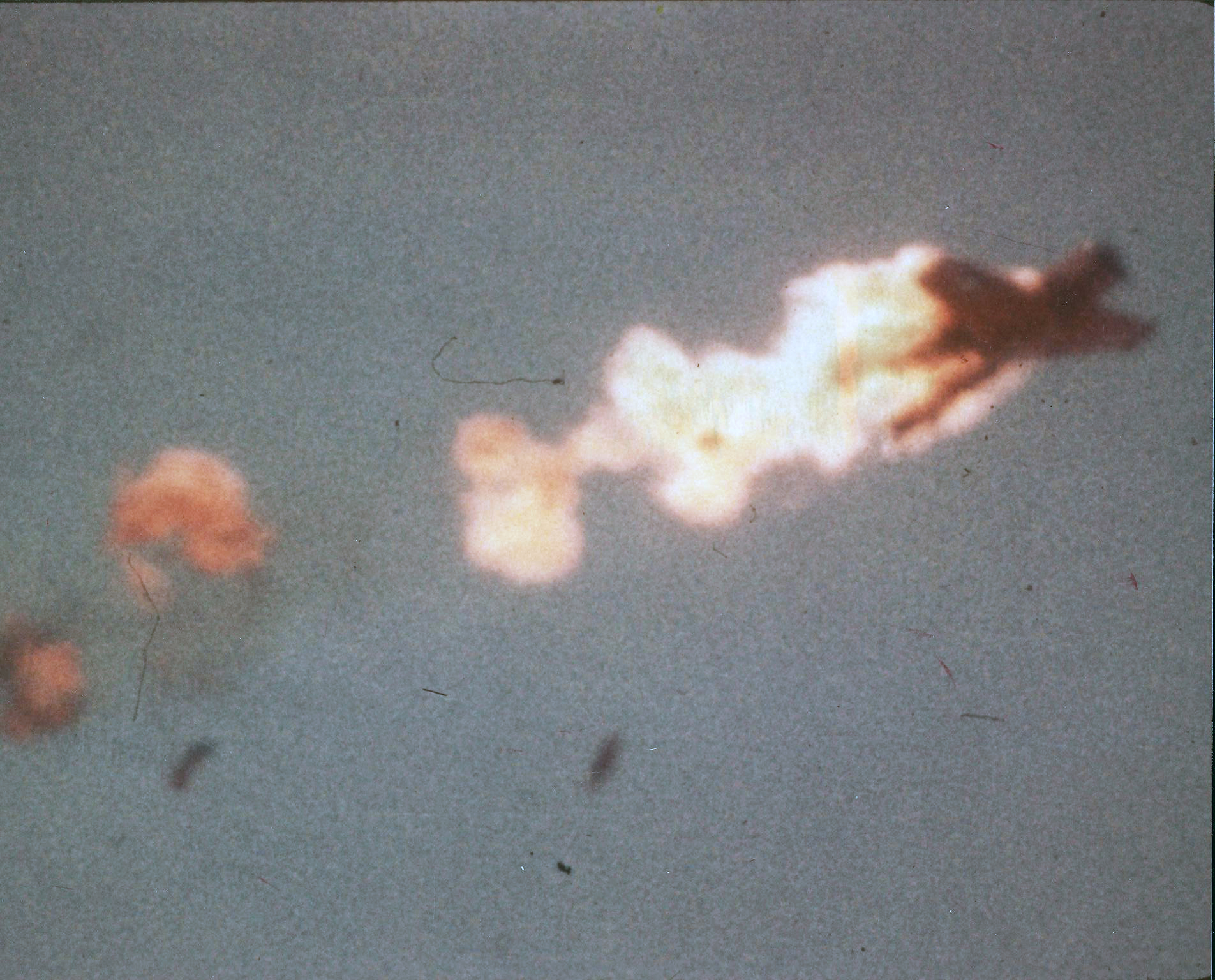
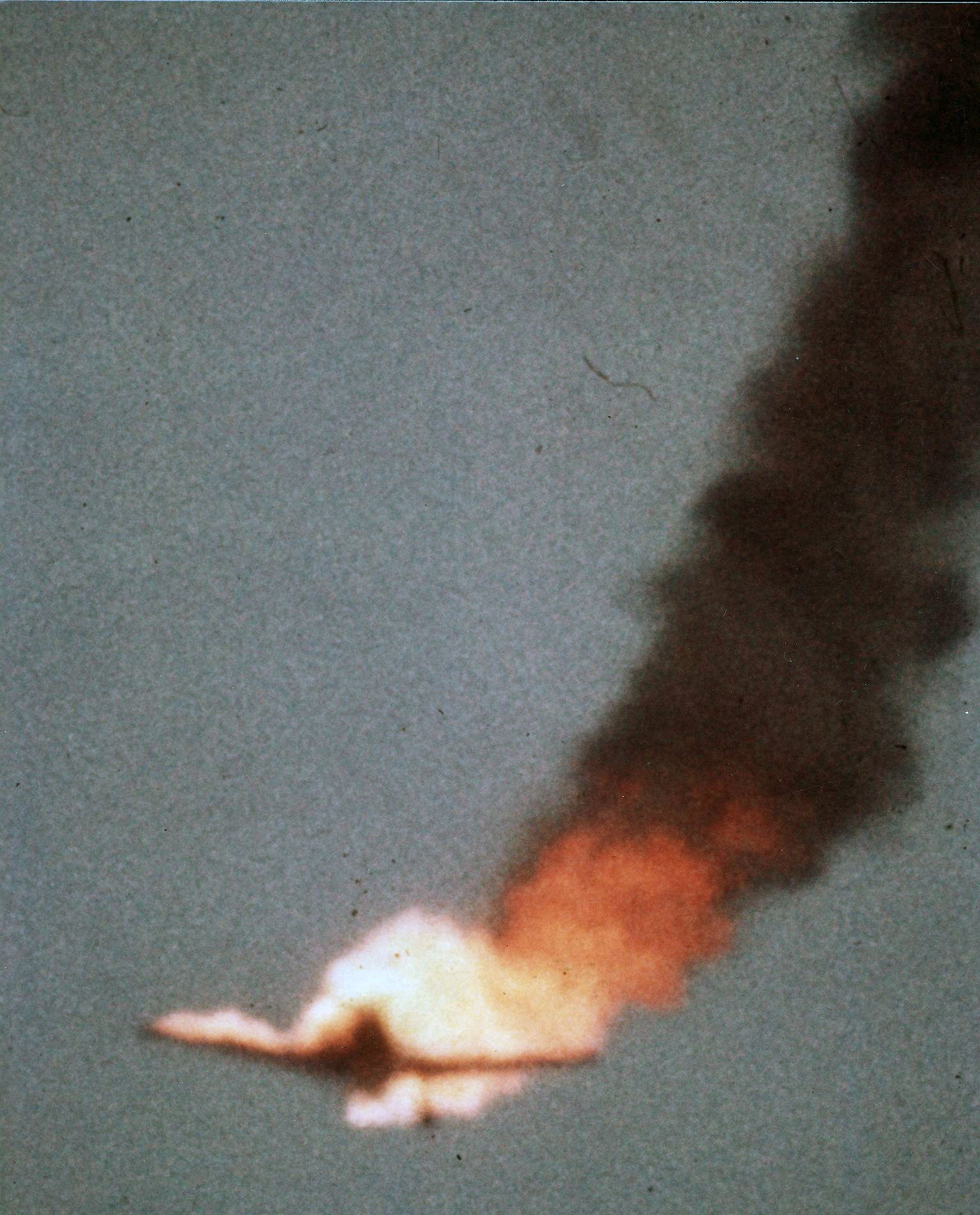
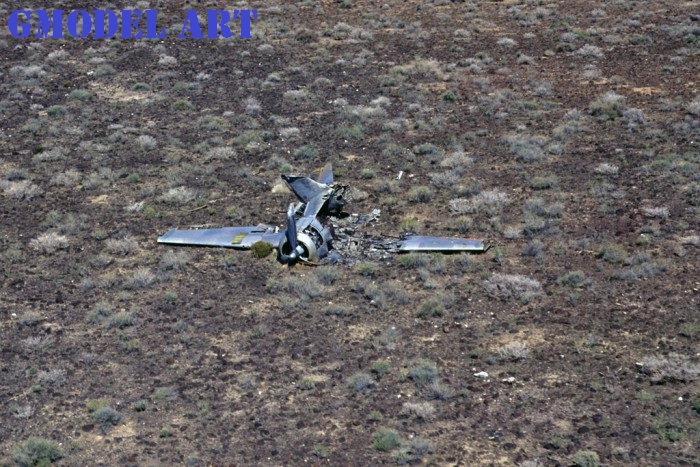
In 1952, an early version of the AIM-7 Sparrow (XAAM-2) successfully intercepted and destroyed an F6F-5K Hellcat drone launched from Point Mugu. This event is considered one of the first successful guided missile interceptions.
In 1953, the AIM-9 Sidewinder achieved its first successful interception, again destroying an F6F-5K Hellcat drone during testing at China Lake.
Aircraft used in these tests were typically painted in bright red or fluorescent red, with minimal markings and configurations optimized for target roles.
Technical Advantages of the F6F Hellcat
The Grumman F6F Hellcat proved to be an ideal platform for conversion into unmanned aircraft.
Its stable flight characteristics allowed better control through early remote systems. Its rugged construction minimized losses during testing, while its predictable handling made it highly suitable for experimental operations.
The large number of available airframes ensured continuous development without operational risk.
Modeling Approach
Paint Reference Table
| Color | FS Code | Gunze | Tamiya | Mr.Color | Notes |
|---|---|---|---|---|---|
| Glossy Sea Blue | FS 15042 | H54 | XF-17 | C14 | Early F6F Hellcat base |
| Insignia Red | FS 11136 | H327 | XF-7 | C327 | F6F-5K Hellcat drones |
| International Orange | FS 12197 | H14 | XF-3 + XF-6 | C59 | High visibility |
| Orange Yellow | FS 13538 | H329 | XF-3 + XF-7 | C329 | Experimental schemes |
| White | FS 17875 | H1 | XF-2 | C1 | Markings |
| Black | FS 37038 | H2 | XF-1 | C2 | Anti-glare |
Weathering and Finish
A restrained approach is recommended. Light fading and subtle panel variation are sufficient to achieve realism without compromising the aircraft’s identity.
Heavy chipping or combat wear should be avoided, as F6F-5K Hellcat drones were primarily used in controlled testing environments rather than prolonged combat.
Conclusion
The post-war evolution of the F6F Hellcat represents a critical transition in aviation history.
Within a few years, the F6F Hellcat moved from being a frontline fighter to becoming one of the earliest operational drone platforms. Through its transformation into F6F-5K Hellcat drones, it contributed directly to the development of guided weapons, remote flight systems, and the foundations of modern unmanned aviation.
This phase, leading up to the Korean War, marks the beginning of a new era—one where the role of the pilot would gradually be redefined.
F6F-5 Hellcat “White 115”USN Fighter Squadron Eighty Three VF-83. by Eduard – A Carrier Killer in 1/48 Scale