article
The Origins of the Heater-Ferris Camouflage Scheme
During the early 1980s, the United States Navy continued to investigate ways to reduce the visual detectability of its combat aircraft. As tactical aircraft became faster and air-to-air engagements increasingly depended on advanced radar and missile systems, visual camouflage remained an area of experimentation.
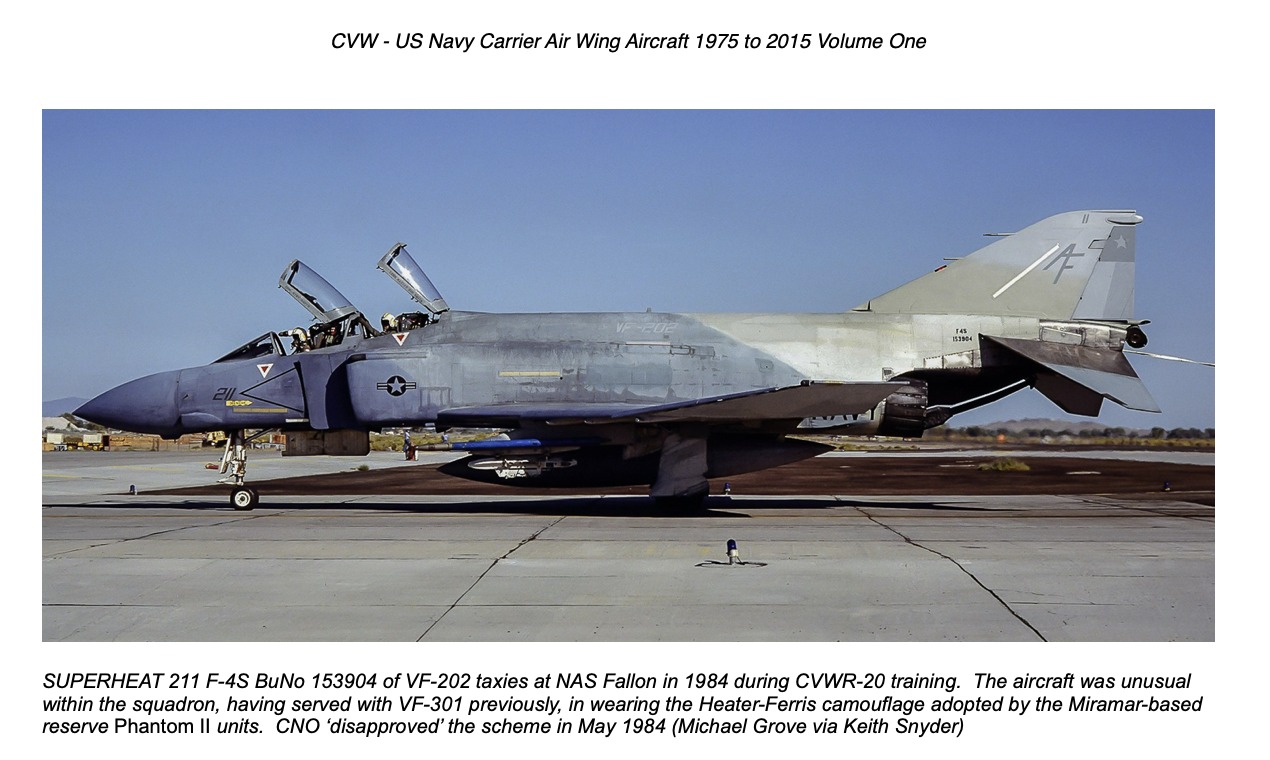
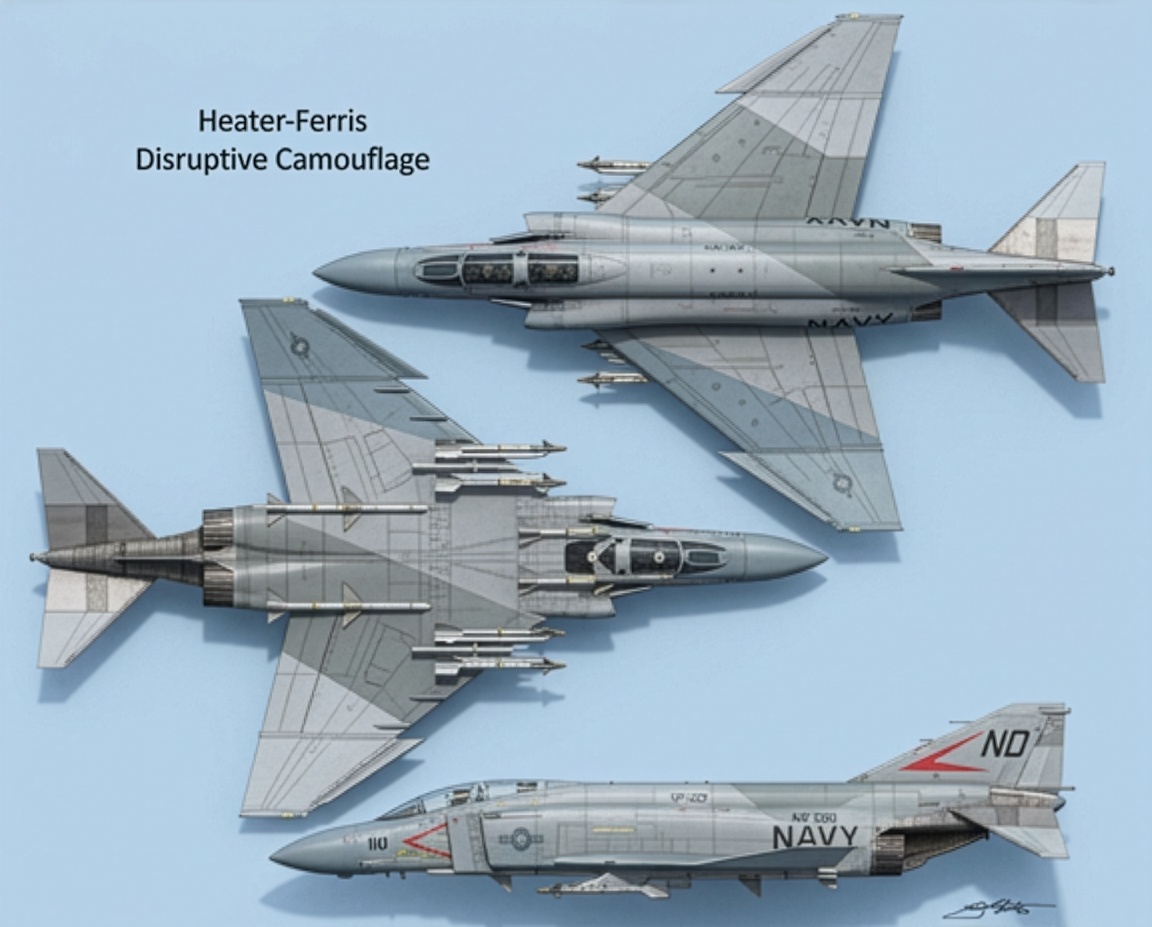
One of the most distinctive developments was the Heater-Ferris camouflage scheme, created in 1983–1984 by Lieutenant Commander Chuck “Heater” Heatley of the Naval Fighter Weapons School, widely associated with TOPGUN. His work drew inspiration from the earlier experimental camouflage concepts developed by aviation artist Keith Ferris.
The original Ferris scheme explored the use of disruptive geometric shapes, contrasting gray tones and deceptive visual features to make an aircraft more difficult to recognize in flight. Rather than simply blending into the sky, the pattern was intended to distort the observer’s perception of the aircraft’s shape, orientation and direction of travel.
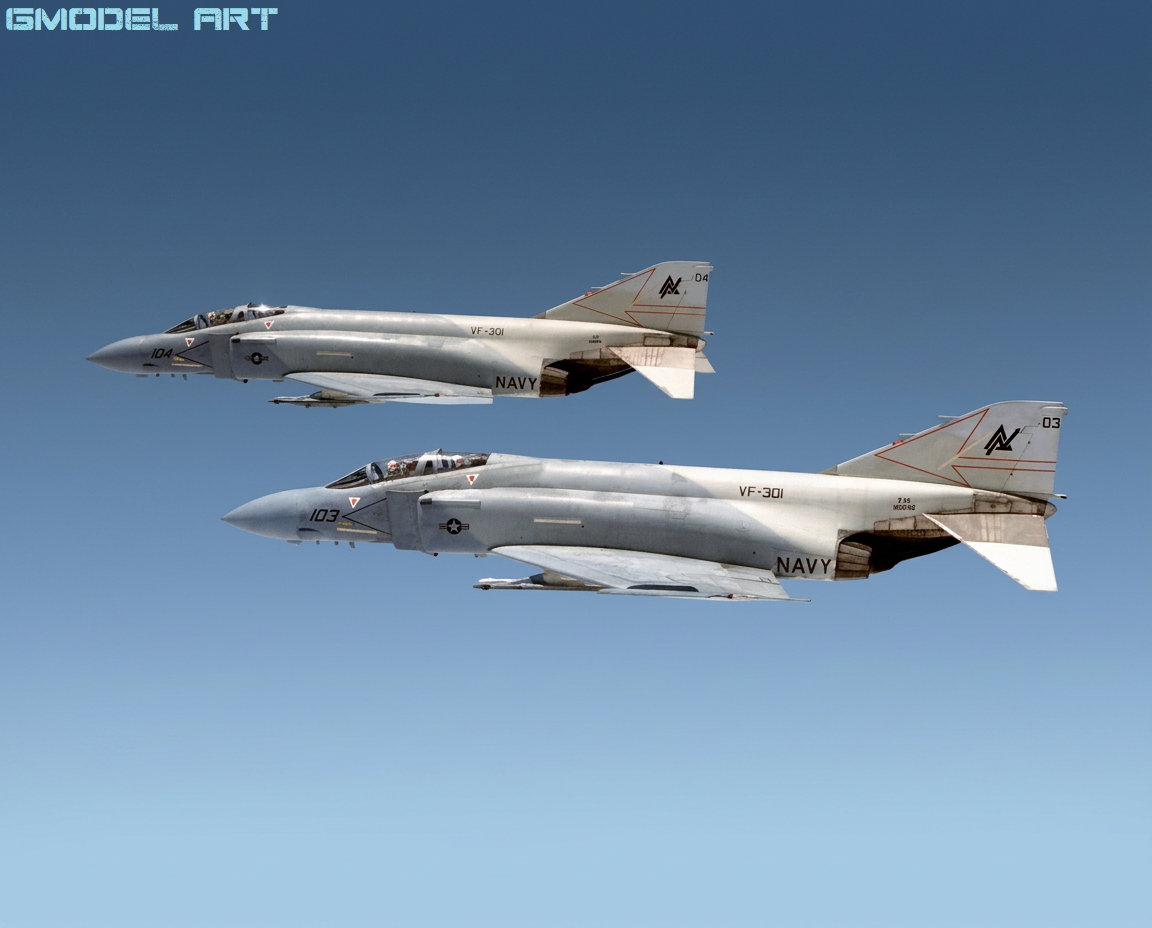
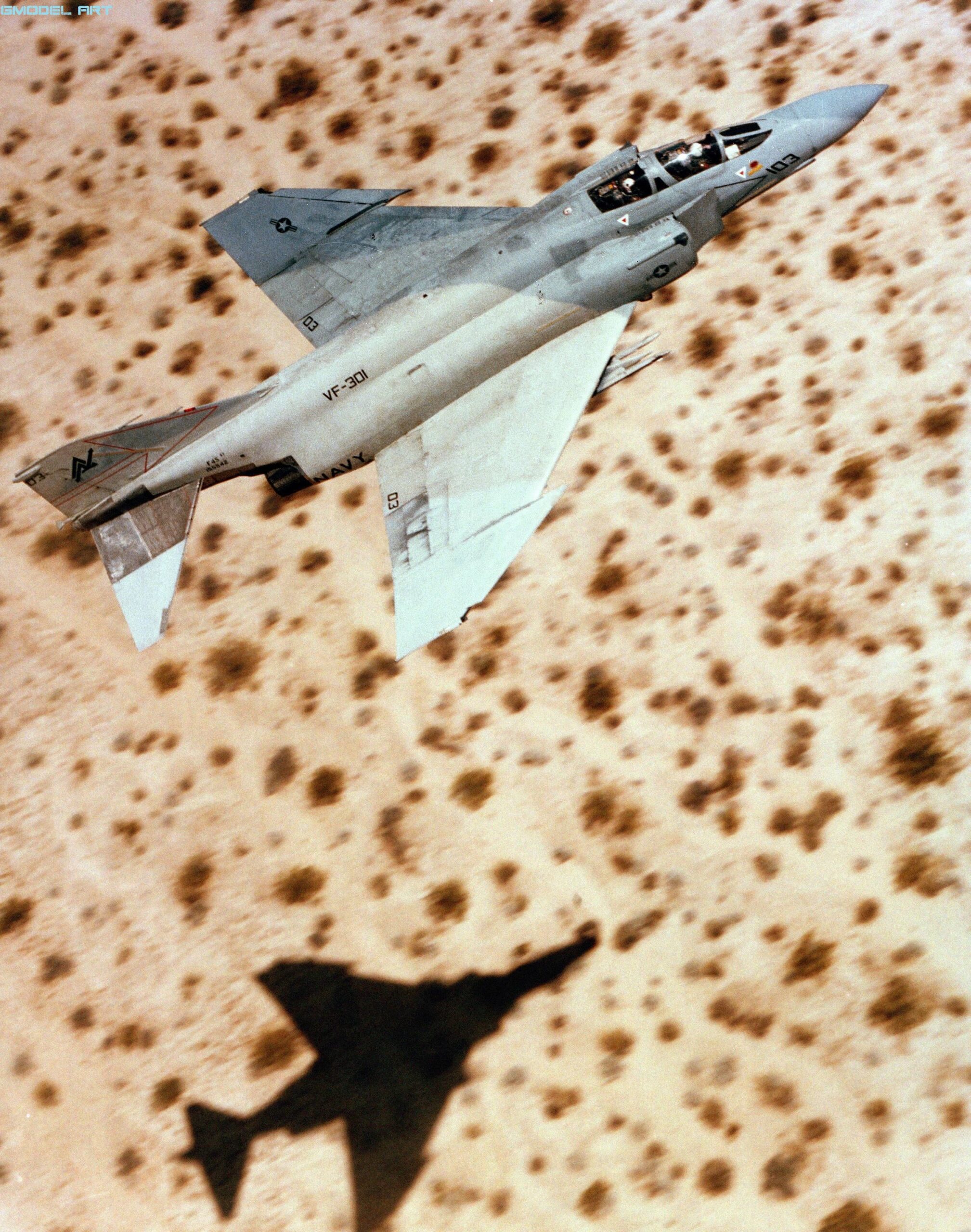
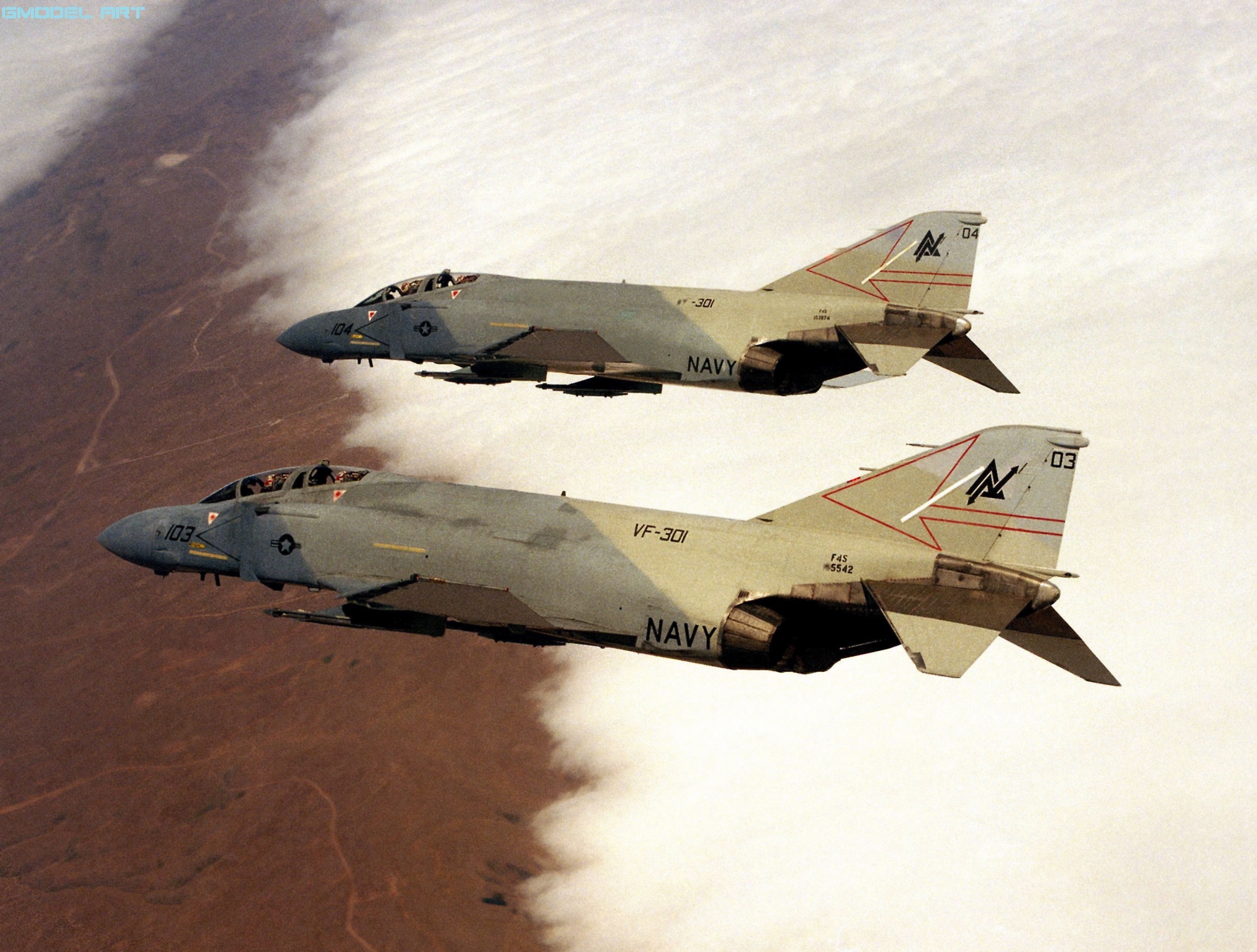
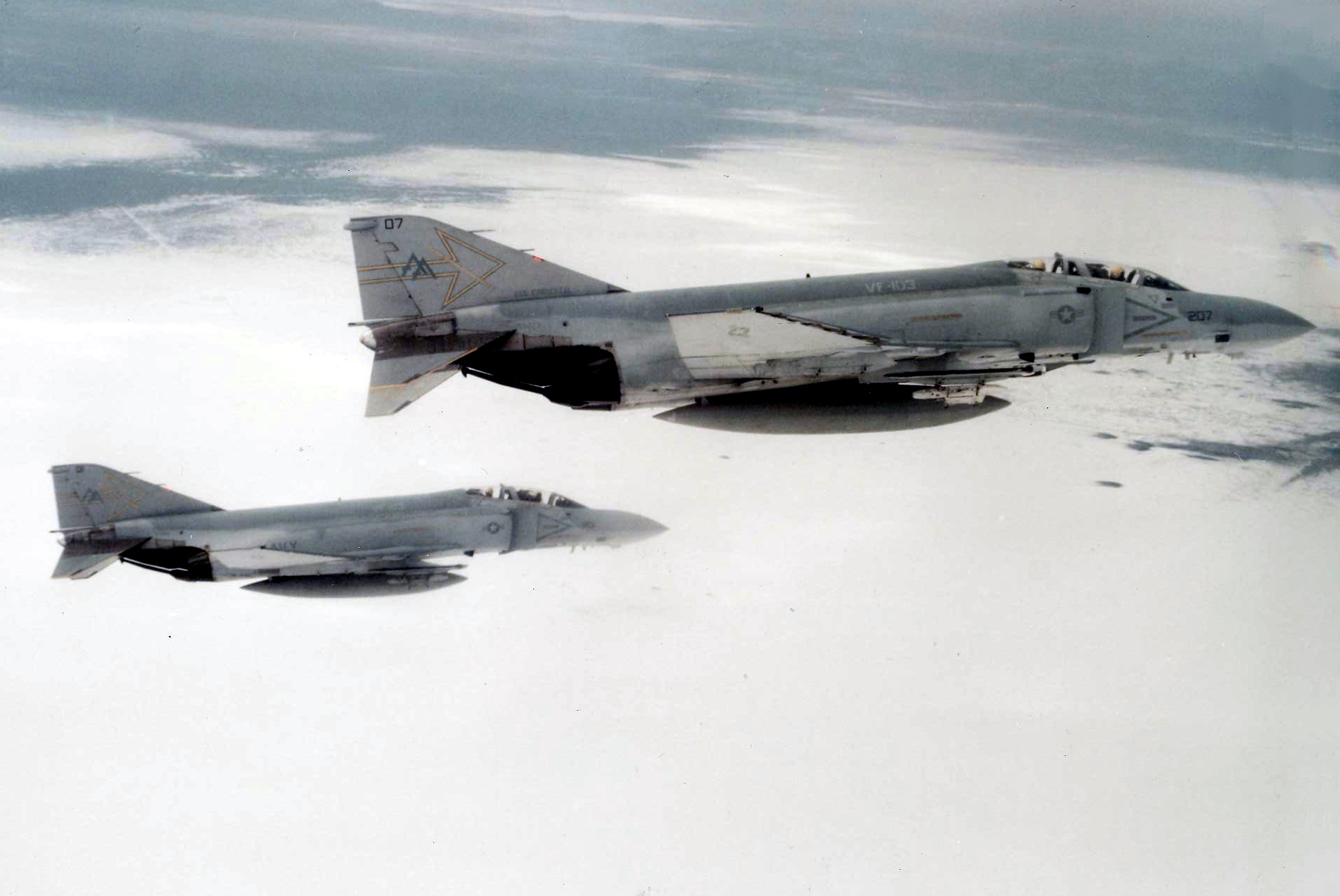
Heatley adapted this approach into a distinctive four-color pattern that extended diagonally across the aircraft. The result was a striking combination of graduated gray and blue-gray tones, applied in large, irregular areas across the airframe.
Unlike a conventional camouflage scheme designed primarily to blend into a particular environment, Heater-Ferris was intended to interfere with visual interpretation during air-to-air combat.
The Four Colors of Heater-Ferris
The Heater-Ferris scheme used four colors, arranged from lightest to darkest:
| Federal Standard | Color name | Role in the scheme |
|---|---|---|
| FS 36375 | Light Gull Gray / Light Ghost Gray | Lightest tone |
| FS 36307 | Light Sea Gray | Light-to-medium gray |
| FS 35237 | Blue Gray | Darker blue-gray |
| FS 35164 | Intermediate Blue | Darkest tone |
The four colors formed a disruptive pattern rather than a simple arrangement of uniform upper and lower surfaces. Their placement across the fuselage, wings and tail created the characteristic visual effect of the scheme.
Two colors were particularly interesting in the context of post-war U.S. Navy camouflage. FS 36307 and FS 35164 were not standard components of the established post-war schemes in the way that the familiar Tactical Paint Scheme colors were. The Intermediate Blue used in this context should not automatically be treated as identical in appearance to the wartime U.S. Navy Intermediate Blue.
The exact appearance of each color can vary according to the paint manufacturer, surface finish, lighting and weathering. Federal Standard numbers provide a useful reference, but a paint manufacturer’s interpretation may not be a perfect visual match.
Which Aircraft and Squadrons Used Heater-Ferris?
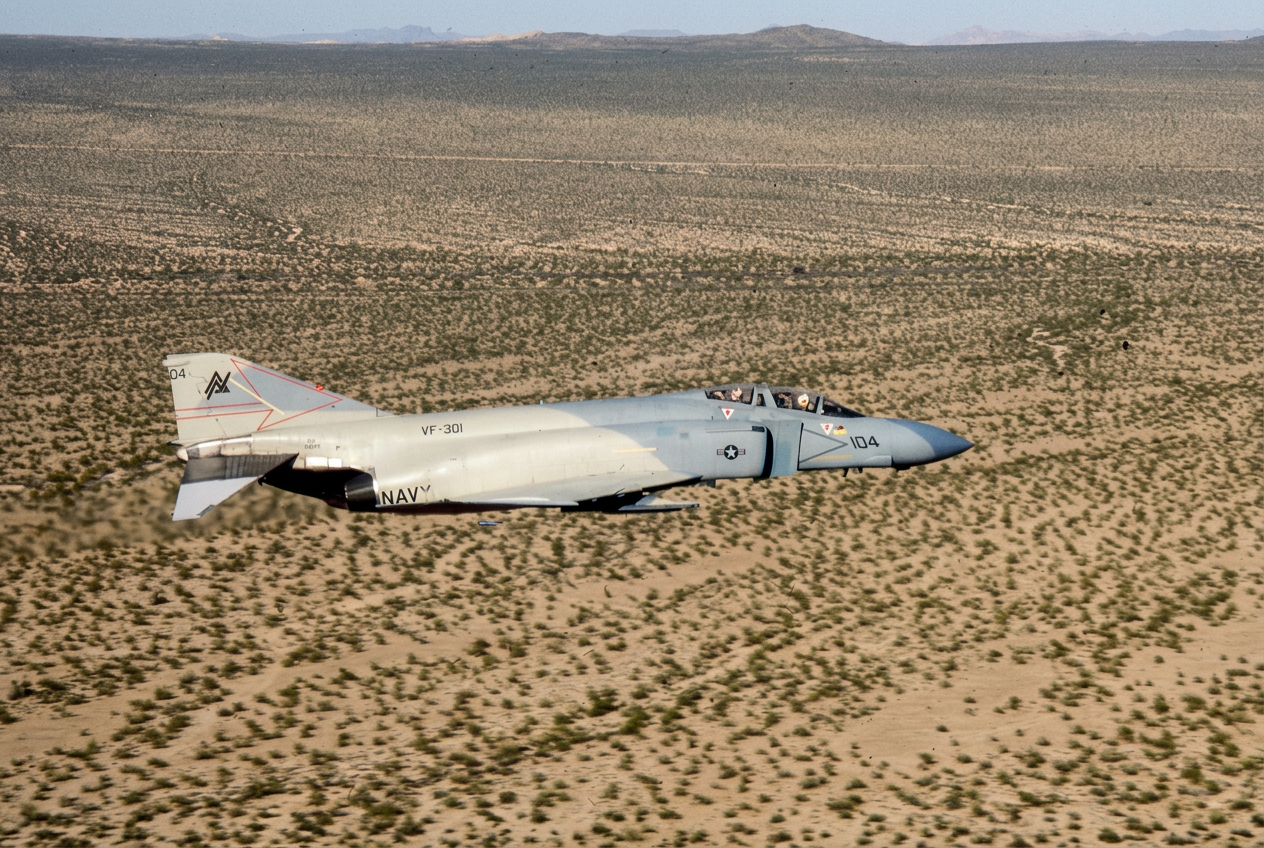
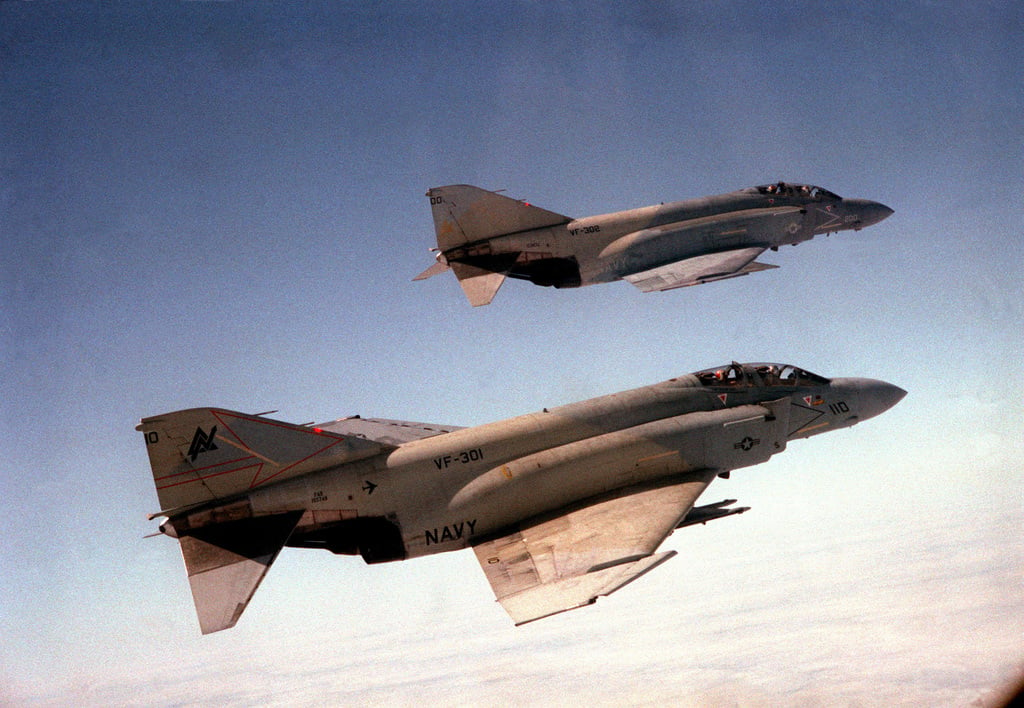
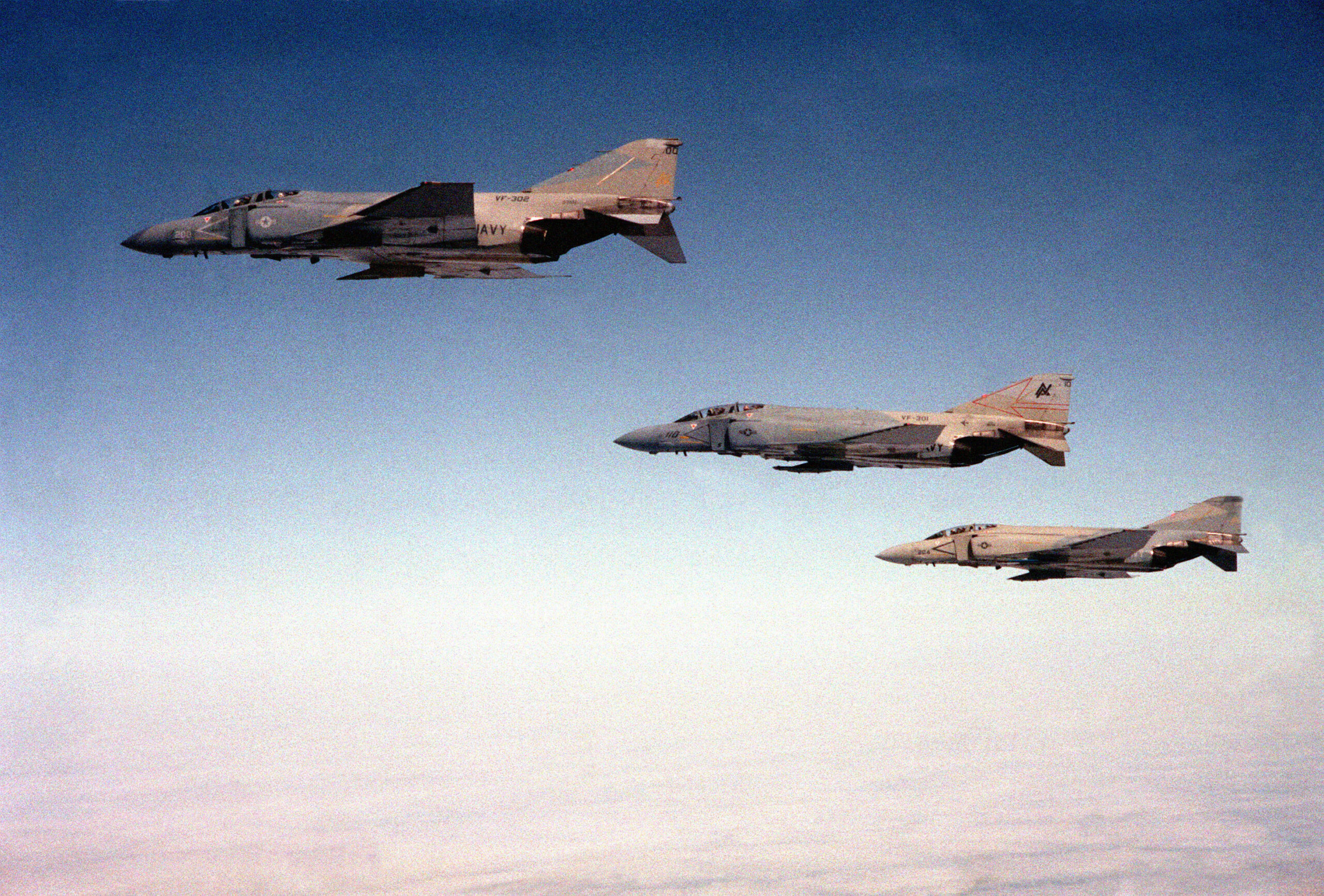
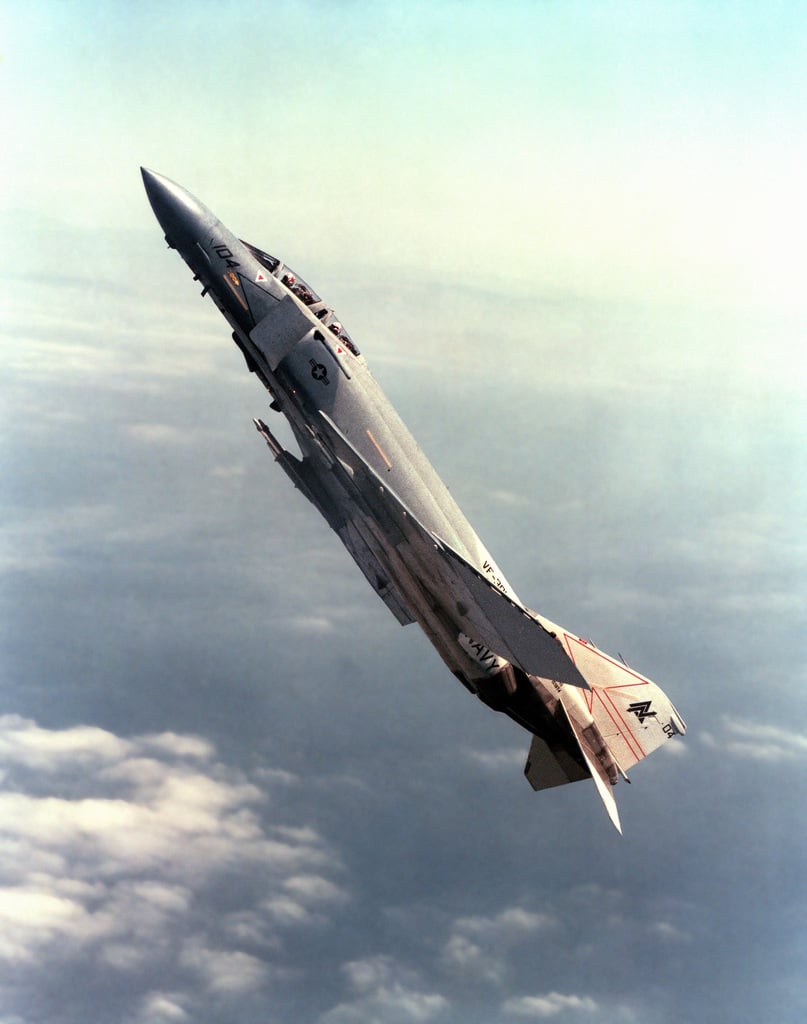
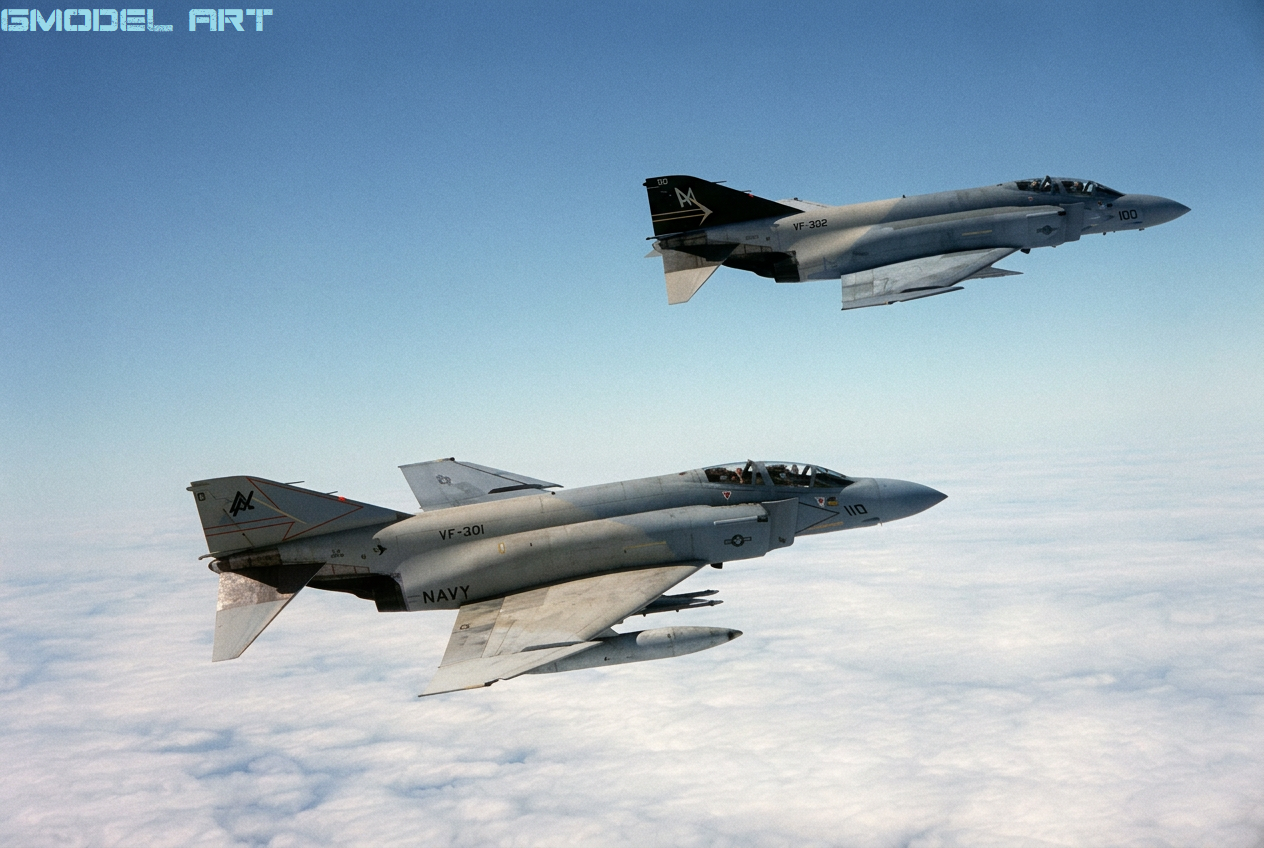
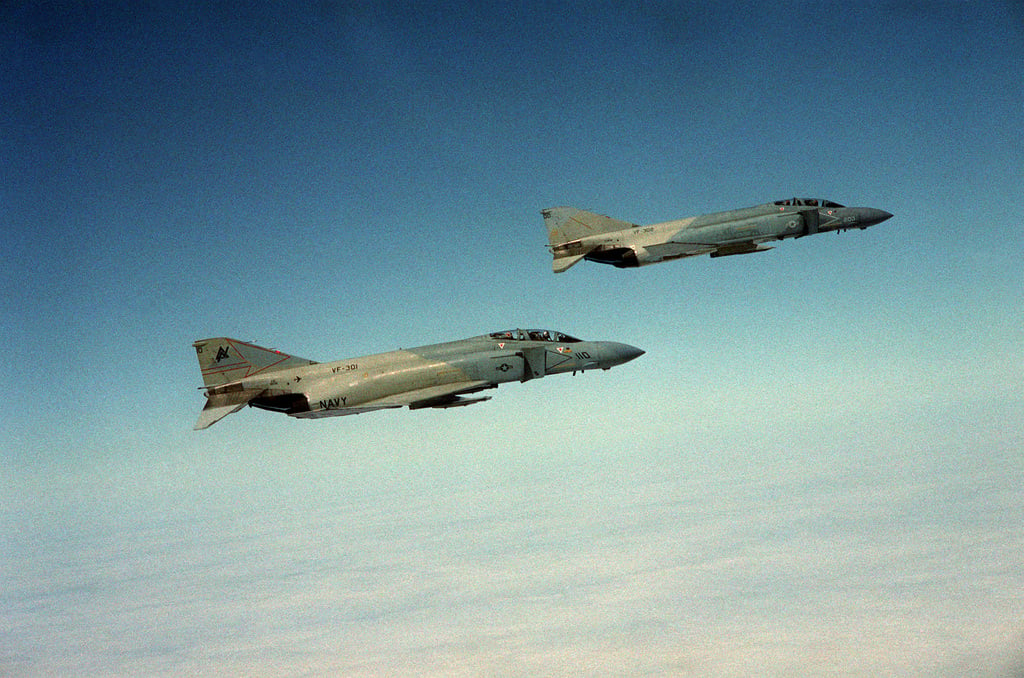
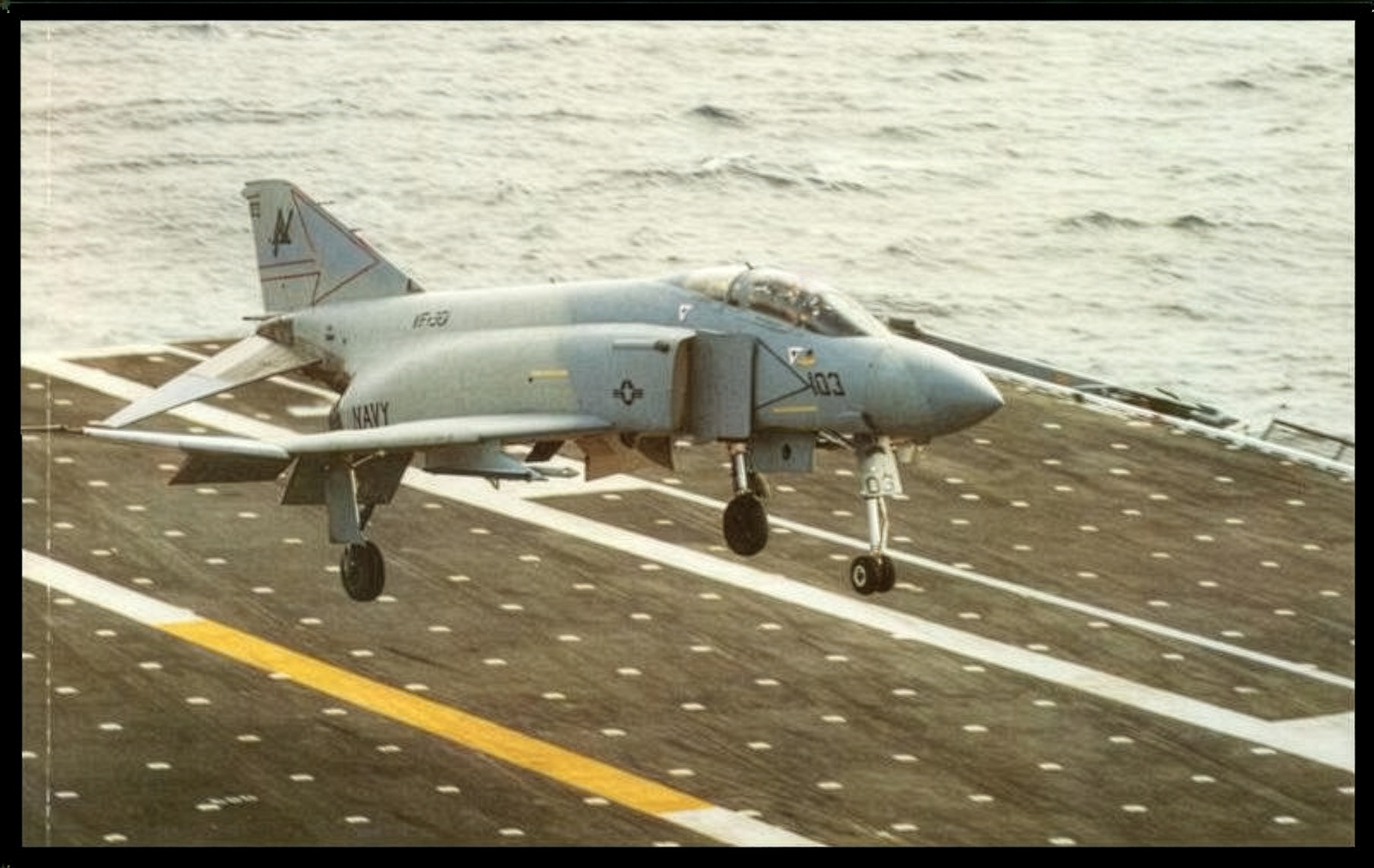
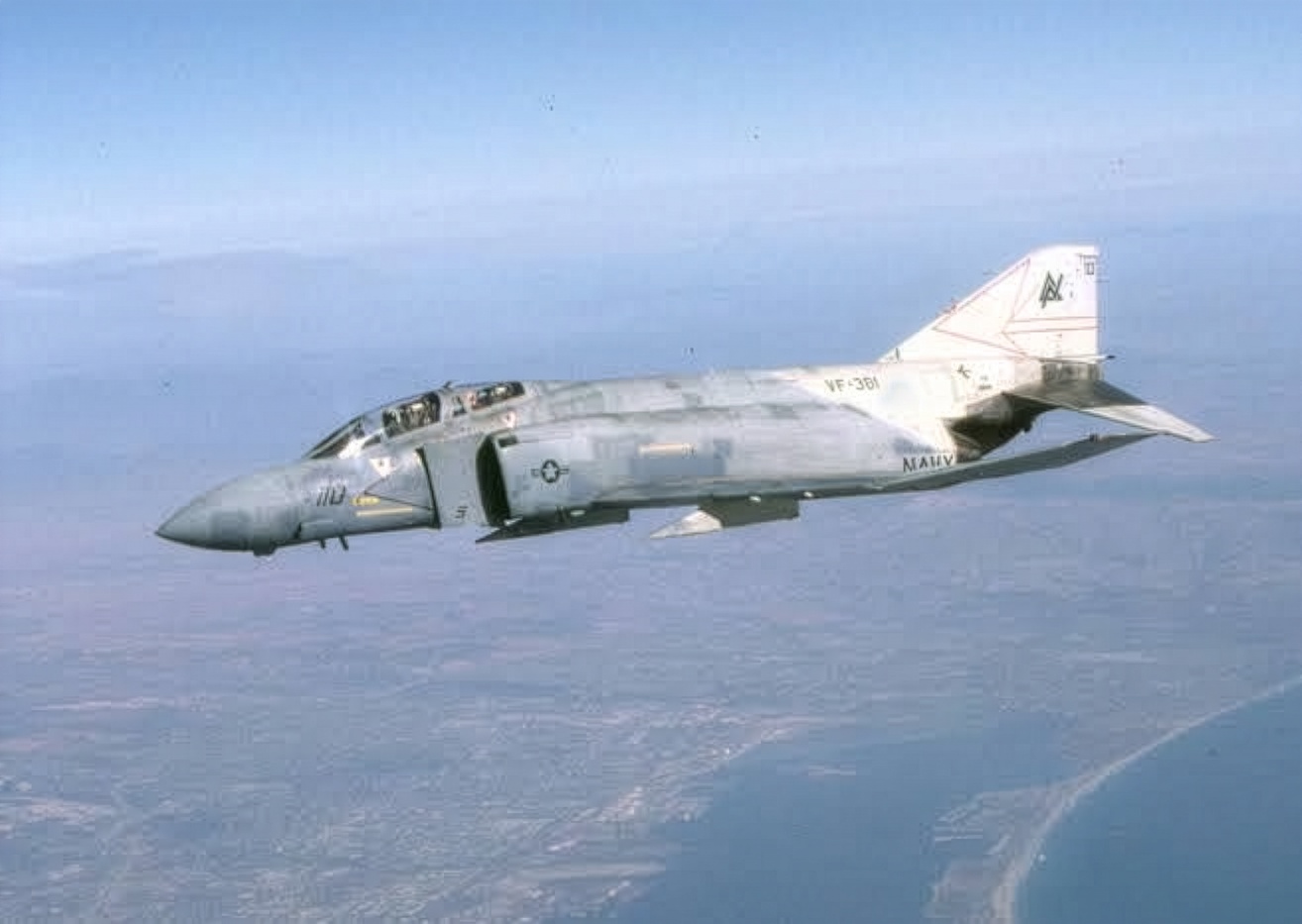
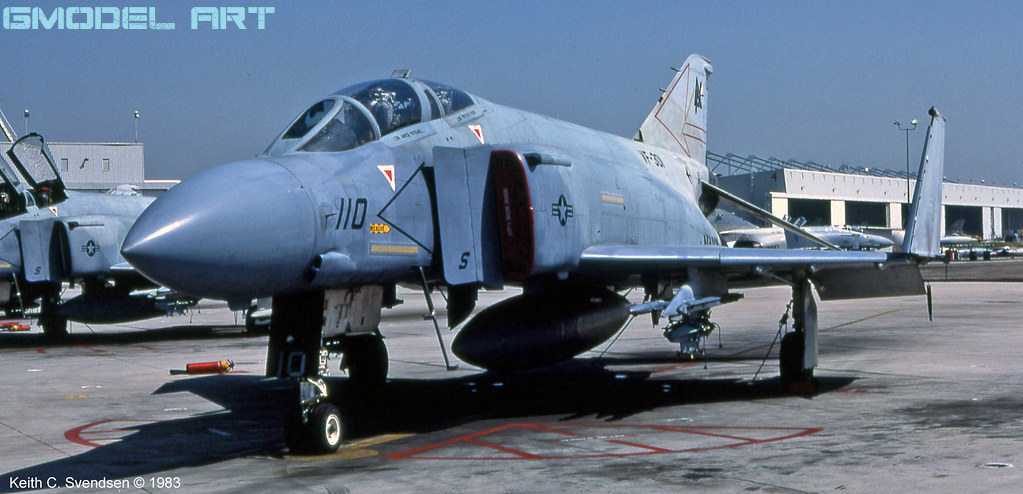
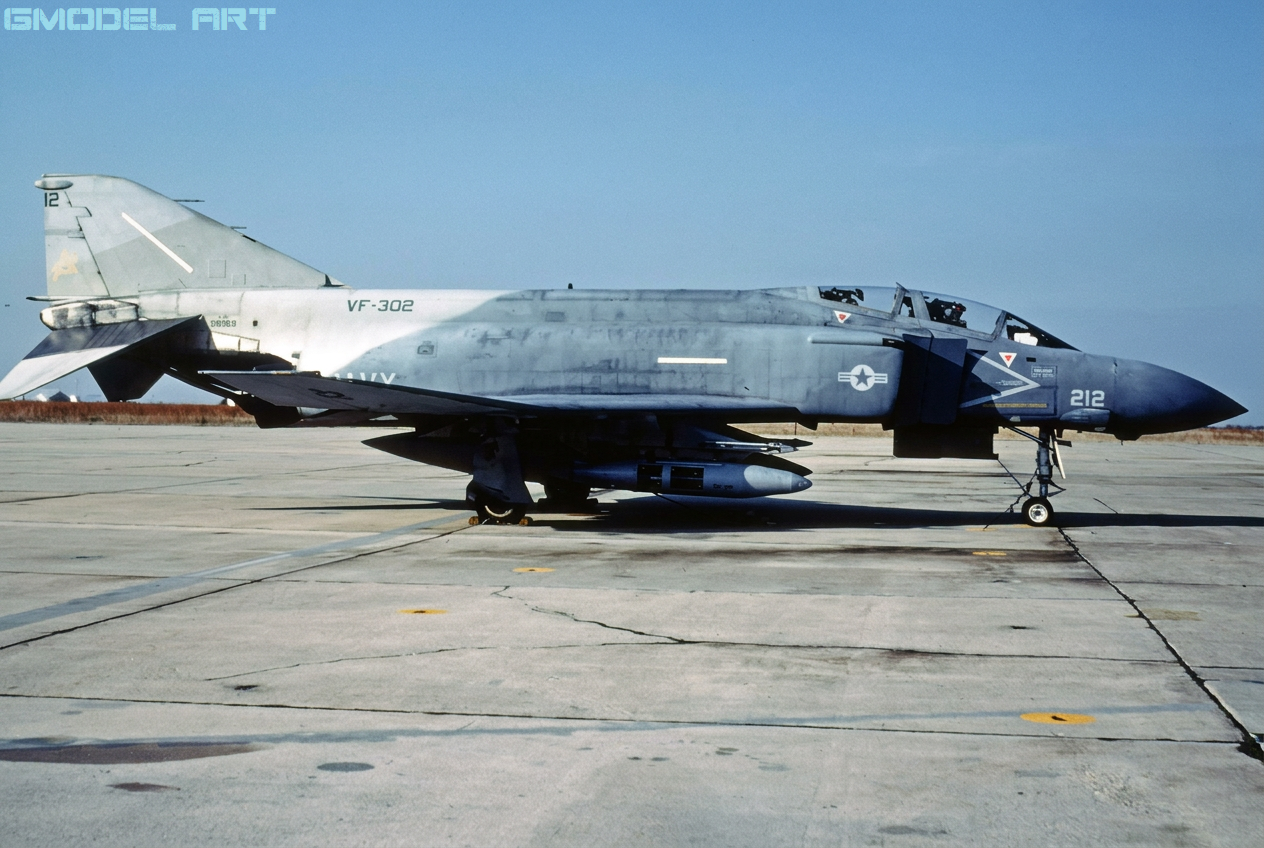
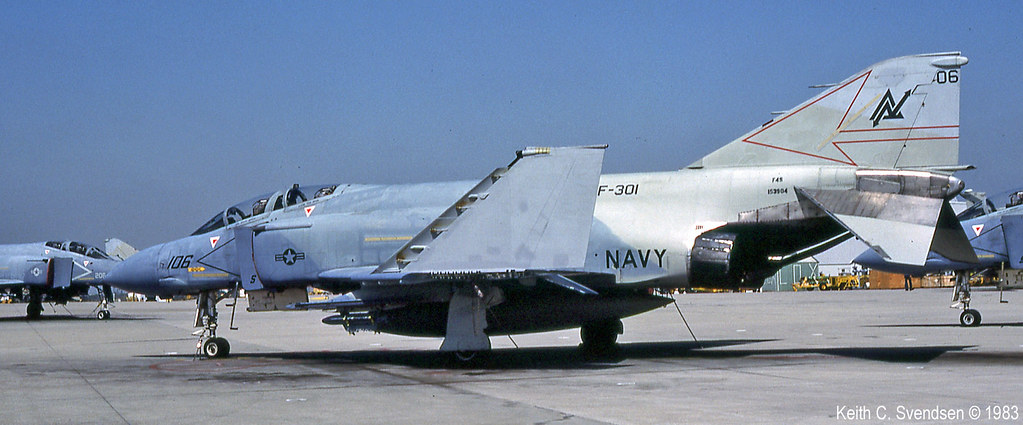
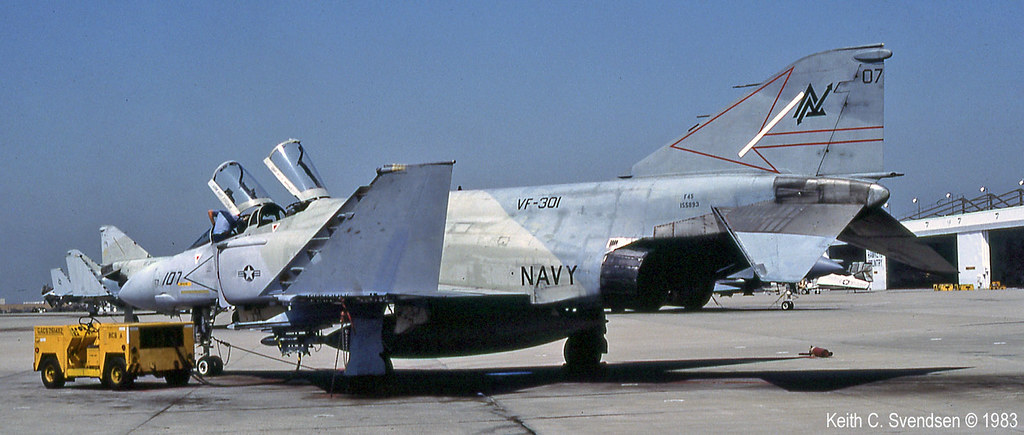
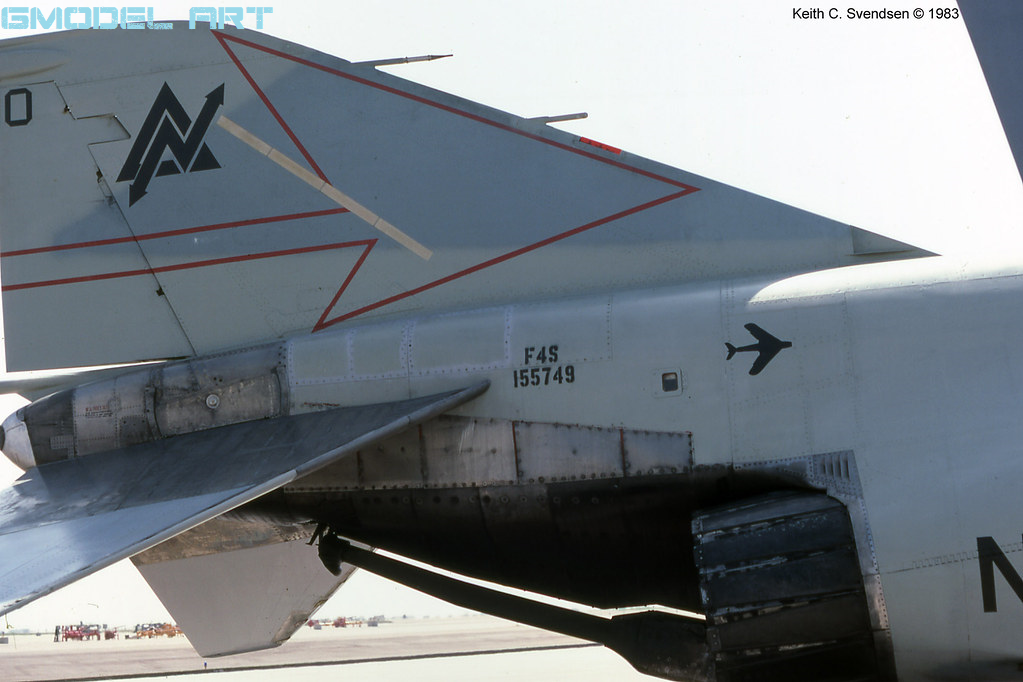
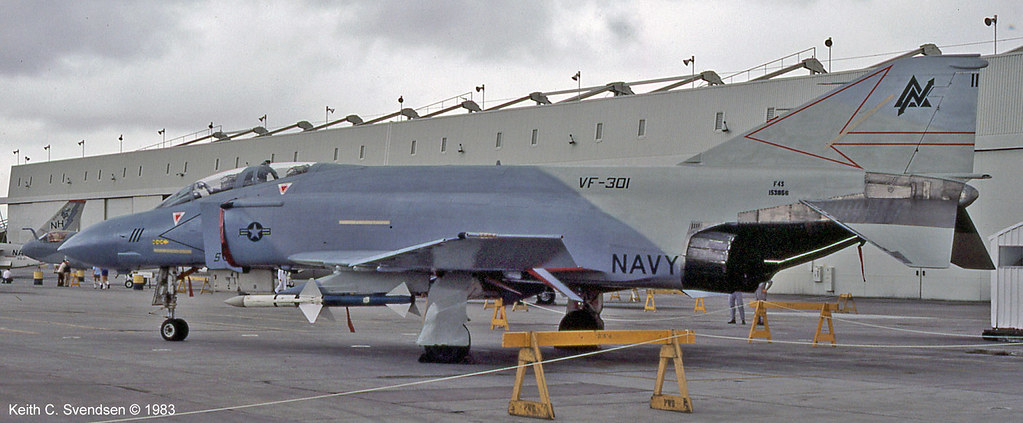
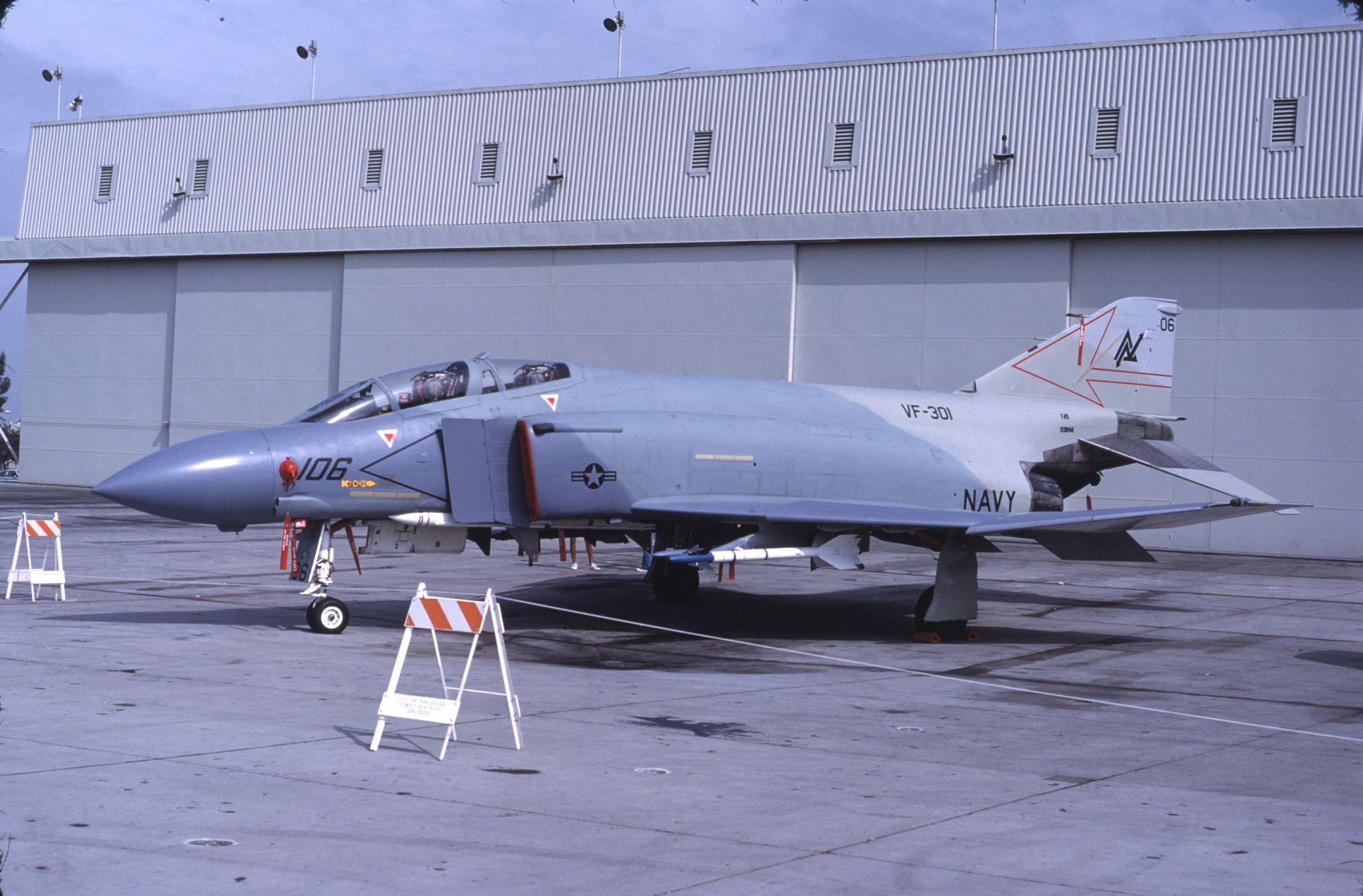
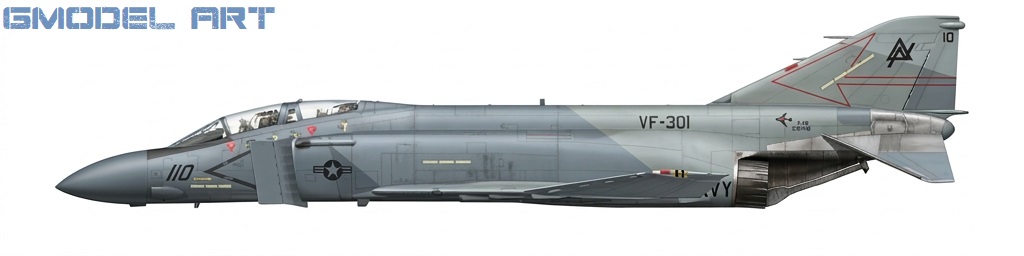
The most firmly documented operational association of the Heater-Ferris scheme is with the McDonnell Douglas F-4S Phantom II and the U.S. Navy Reserve squadrons VF-301 and VF-302.
These units operated the Phantom during the final years of the type’s U.S. Navy service. Their aircraft provided a particularly effective platform for evaluating the scheme because the Phantom’s large airframe offered extensive surfaces on which the contrasting pattern could be applied.
Aircraft and squadron reference table
| Aircraft | Squadron | Unit nickname | Association with Heater-Ferris |
|---|---|---|---|
| F-4S Phantom II | VF-301 | Devil’s Disciples | Documented operational use |
| F-4S Phantom II | VF-302 | Stallions | Documented operational use |
VF-301 and VF-302 are the primary units to research when building a model specifically in the Heater-Ferris camouflage.
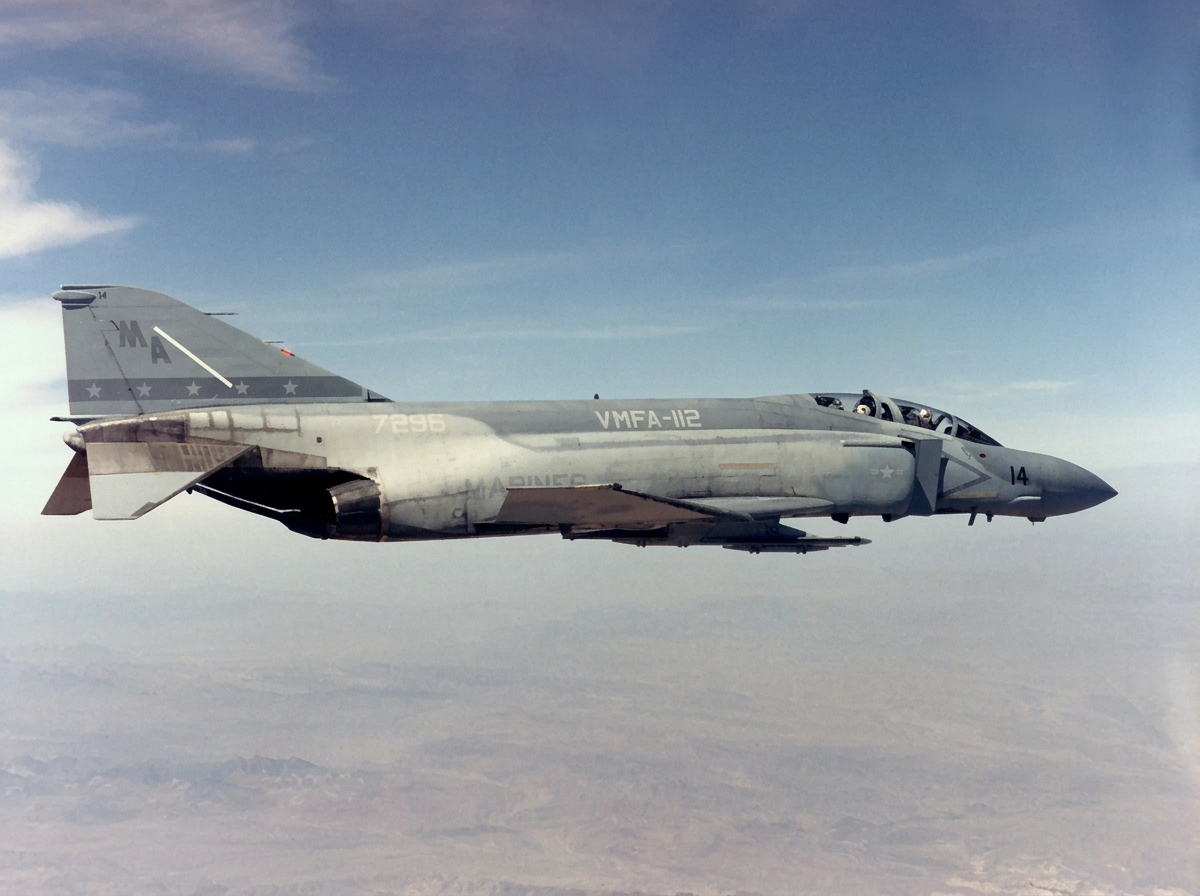
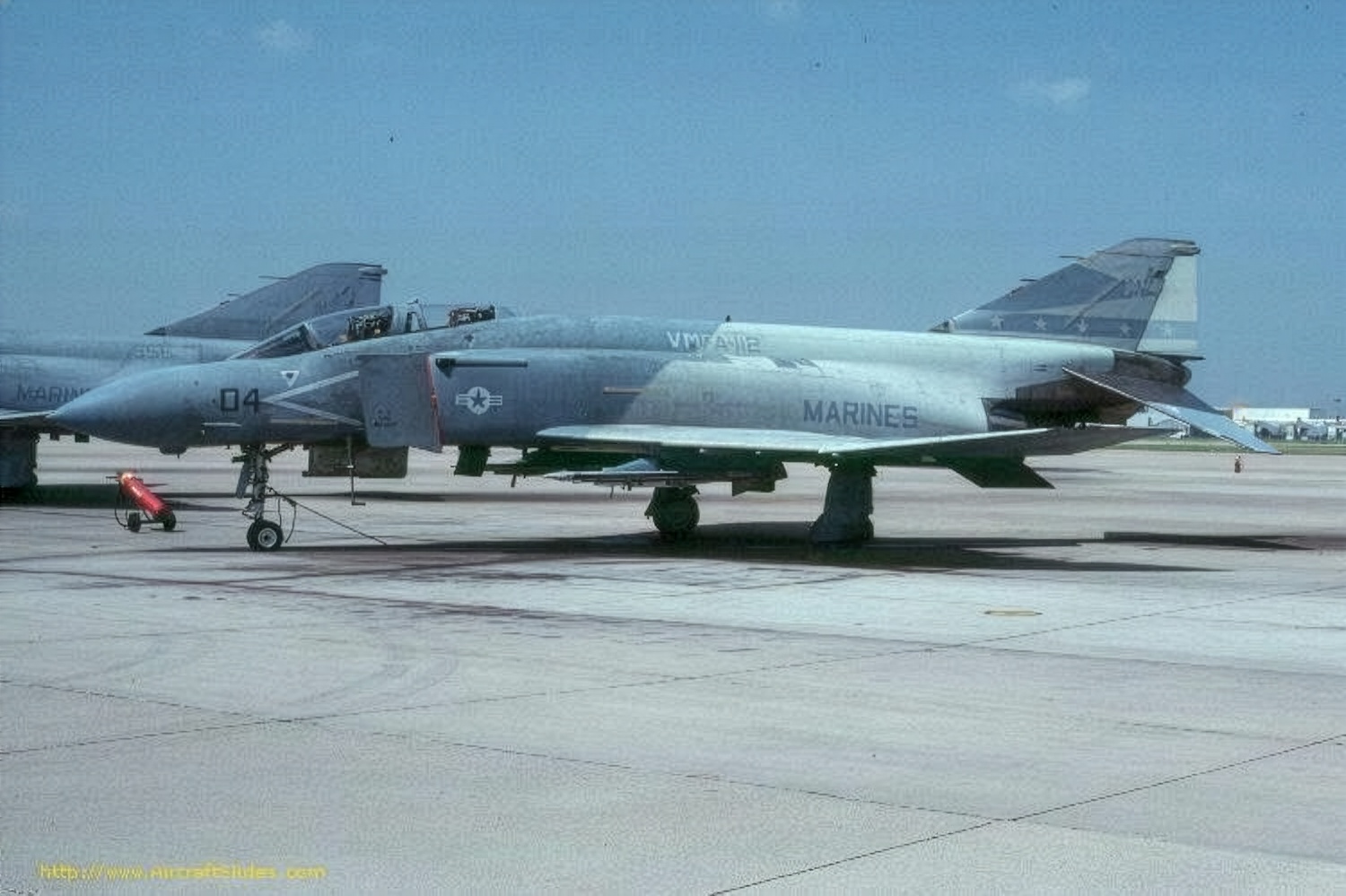
Published modeling references also discuss related experimental Phantom finishes and variations, including earlier or transitional patterns. Individual aircraft and squadron histories should therefore be checked before assigning a particular serial number, side number, marking style or exact pattern layout.
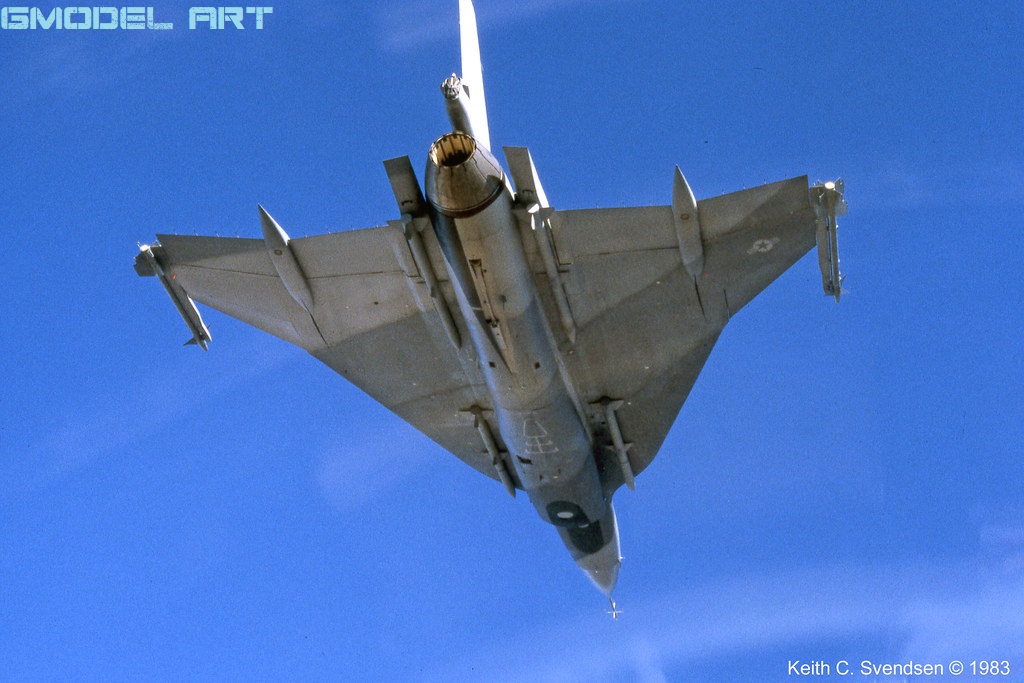
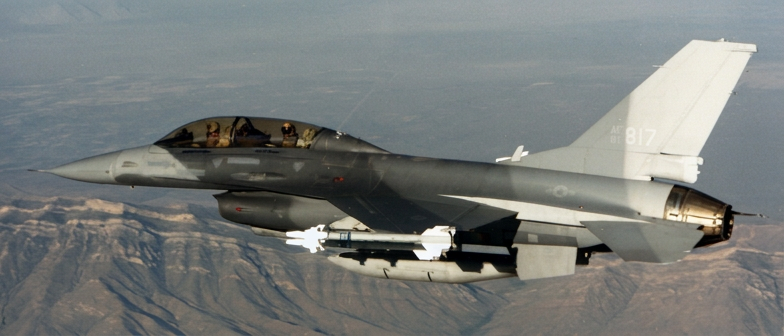
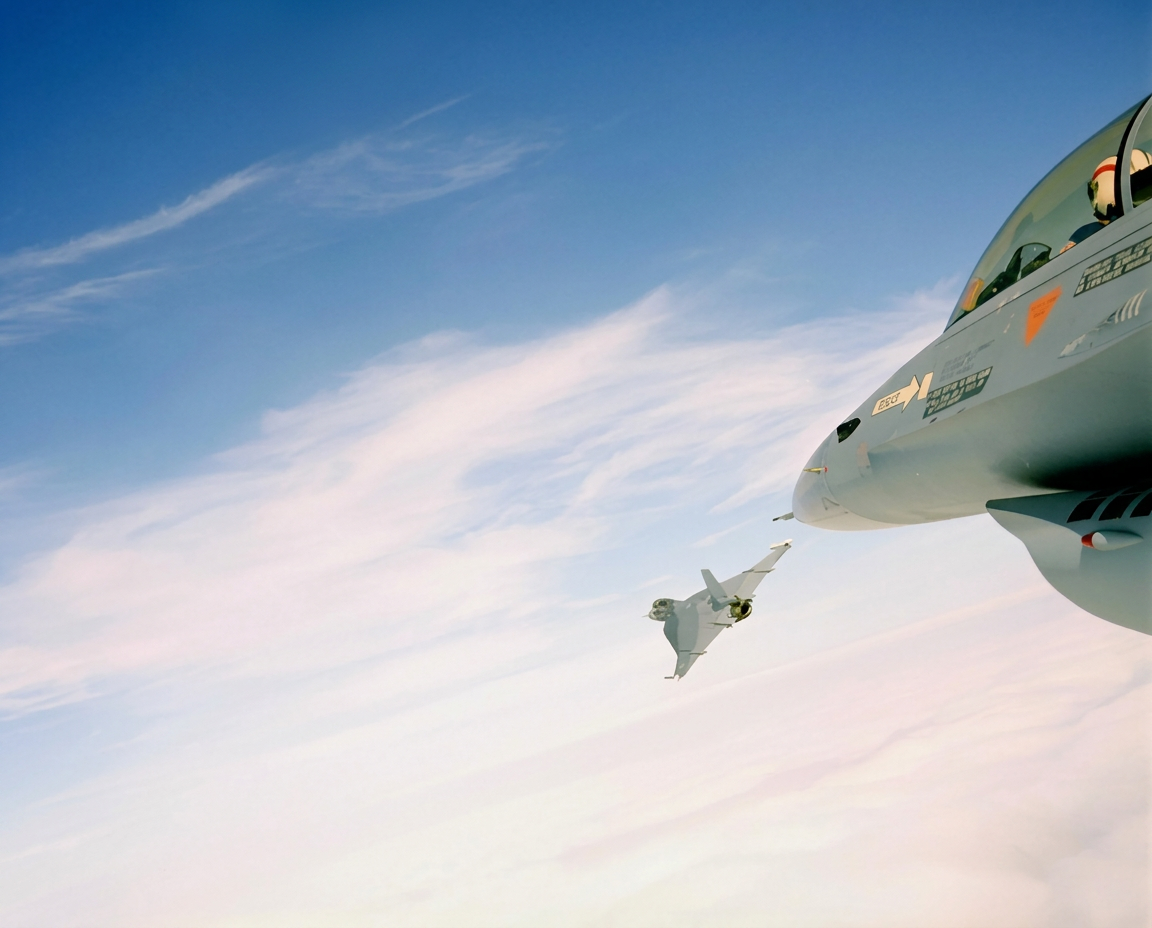
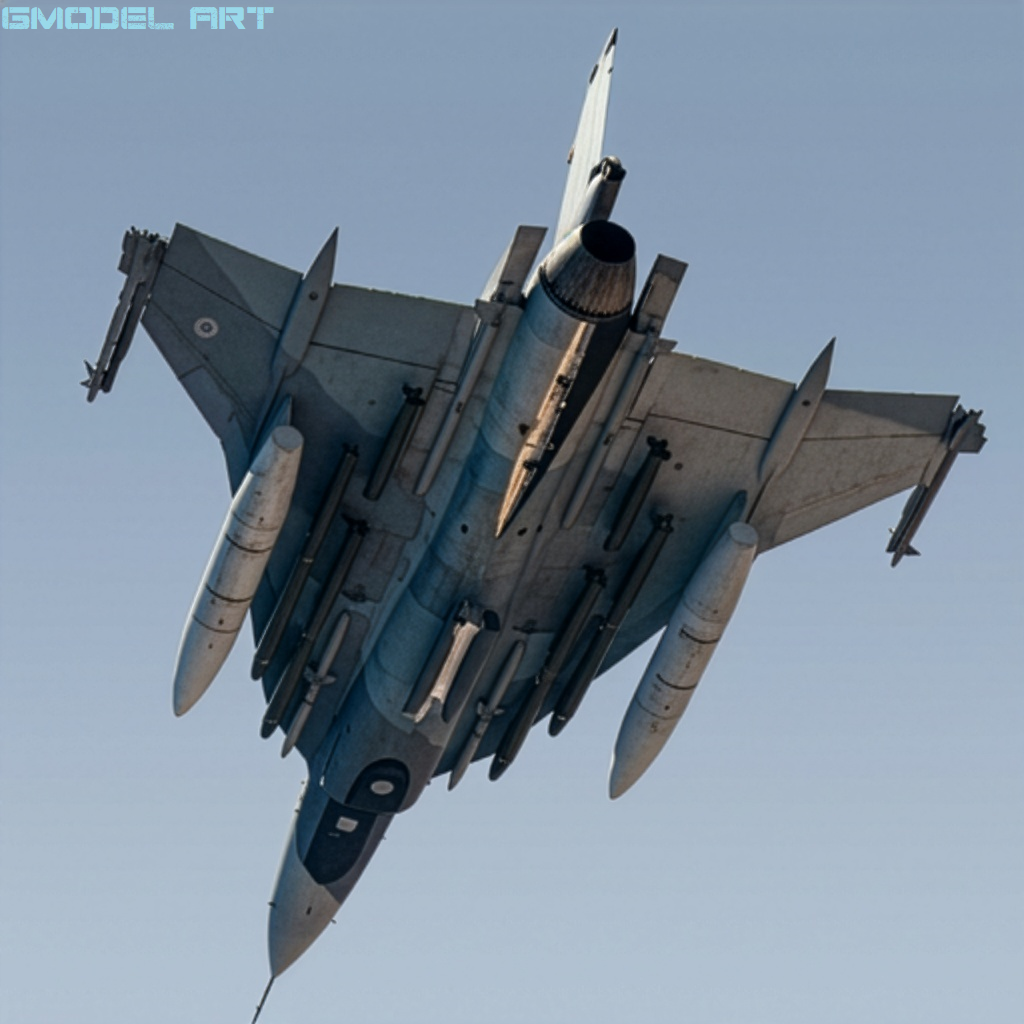
What about the
F-4S Phantom II
A-4 Skyhawk
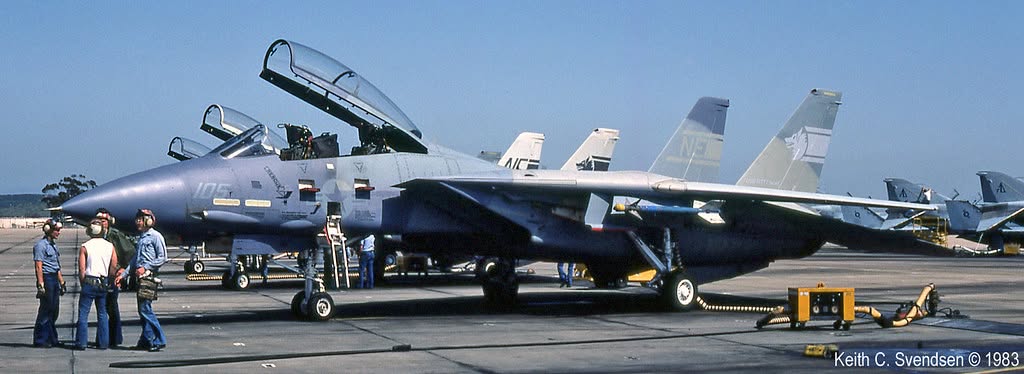
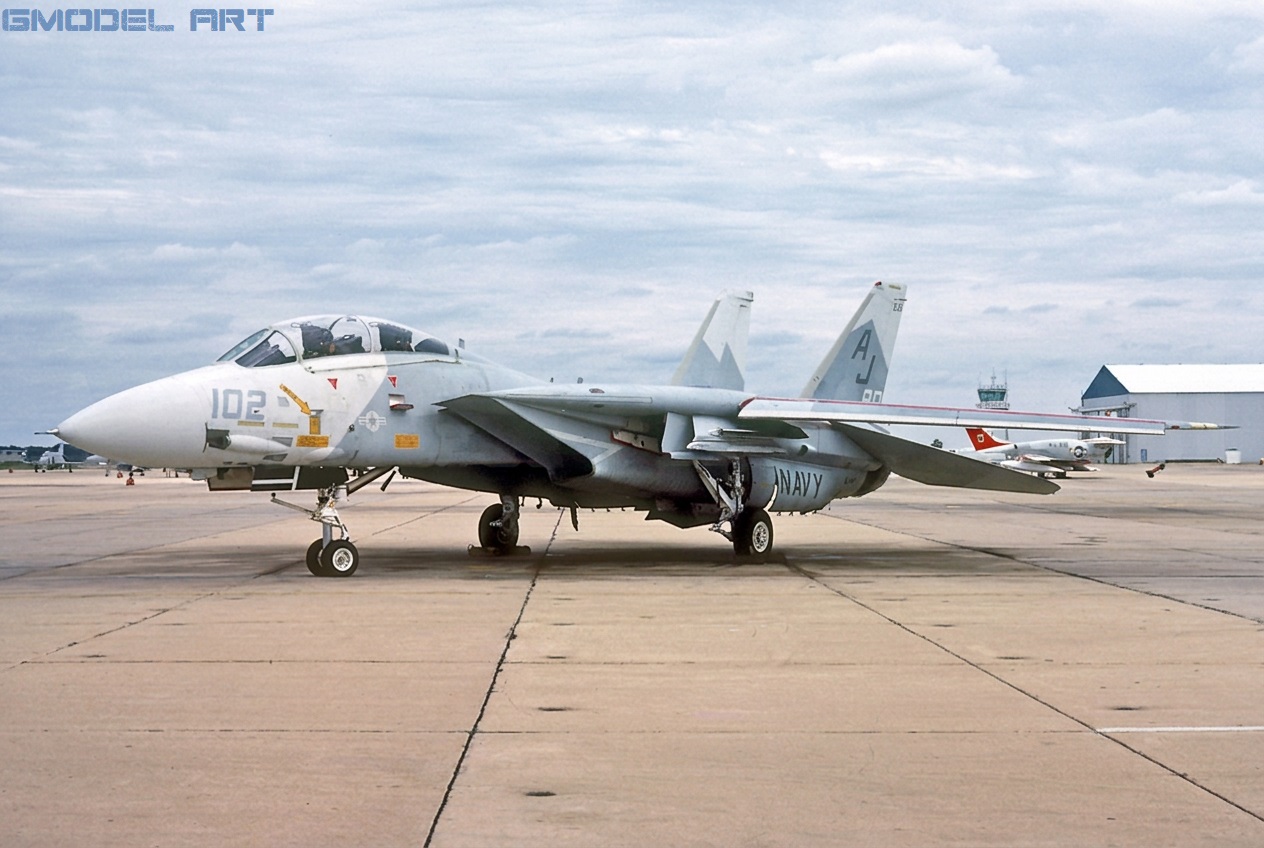
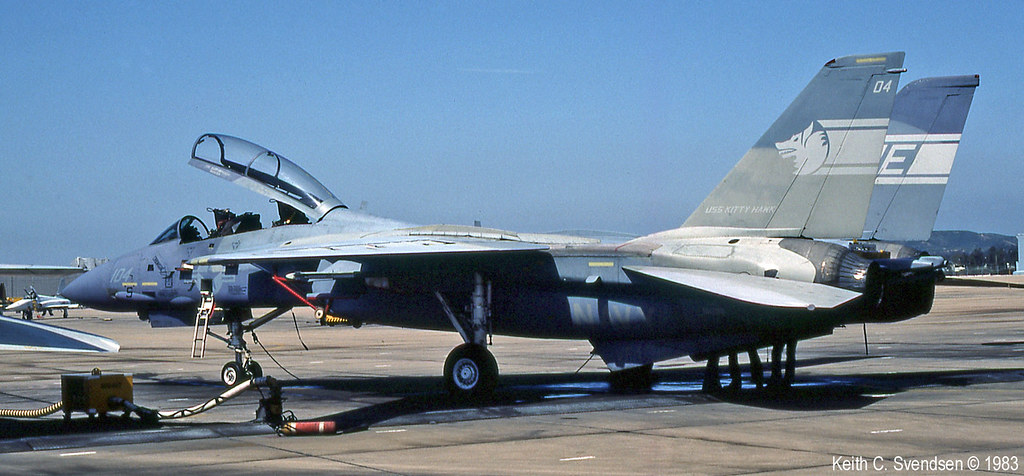
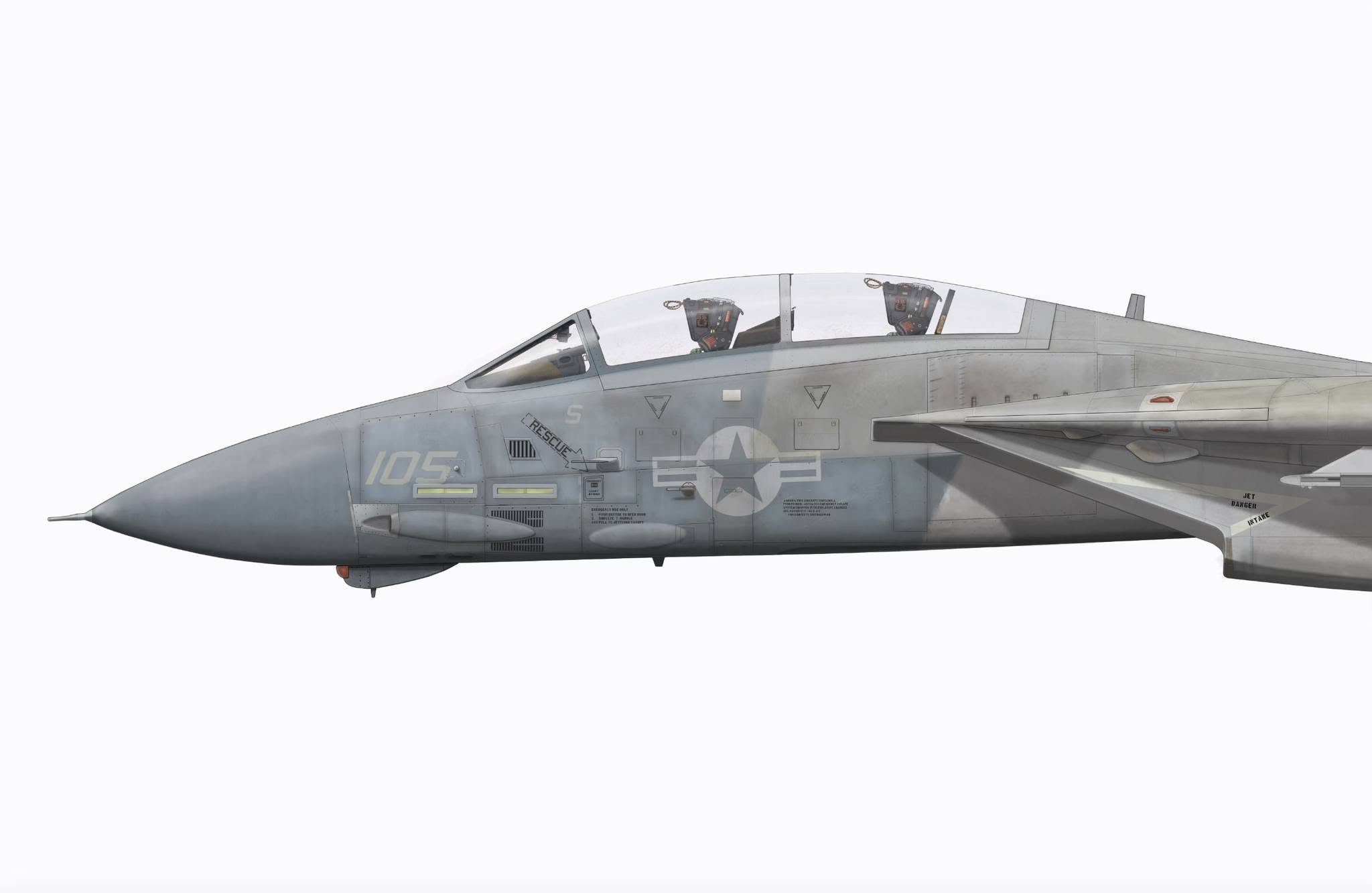
F-14 Tomcat
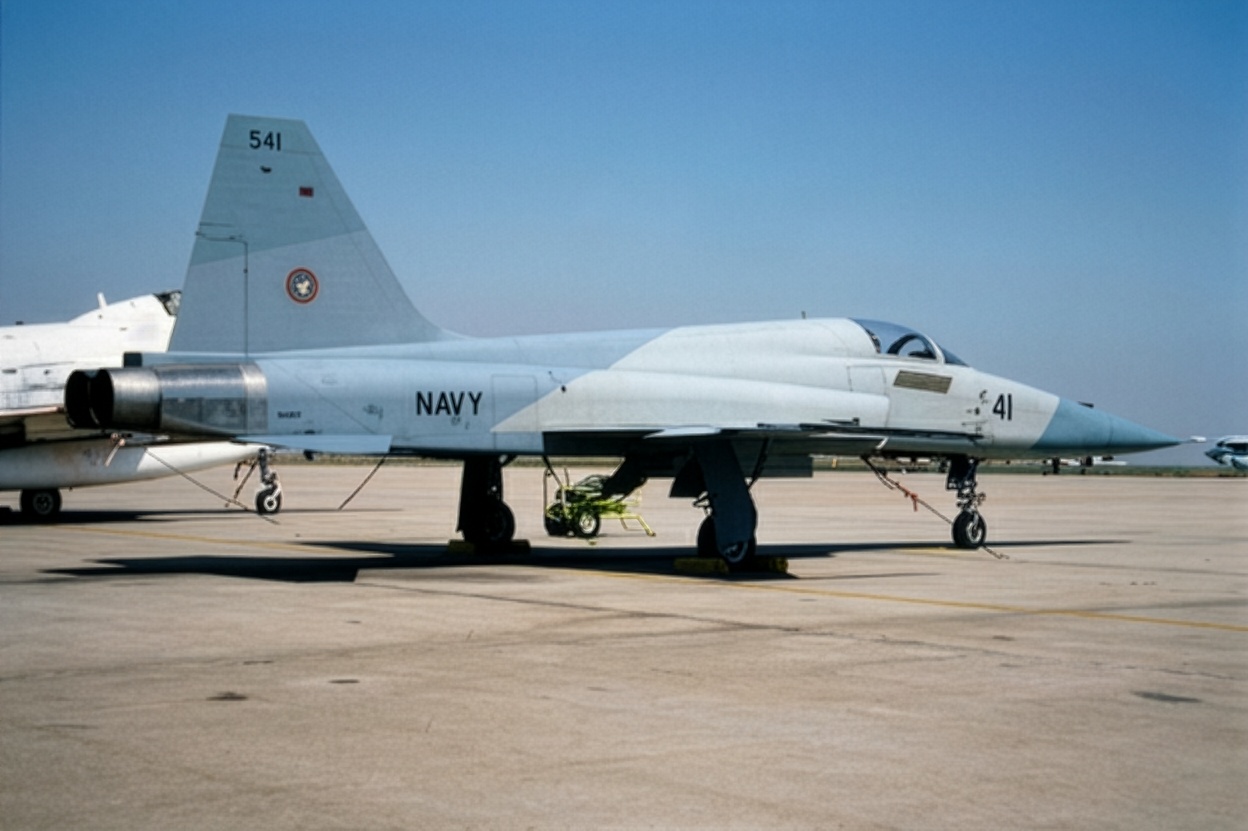
F-5 Tiger II
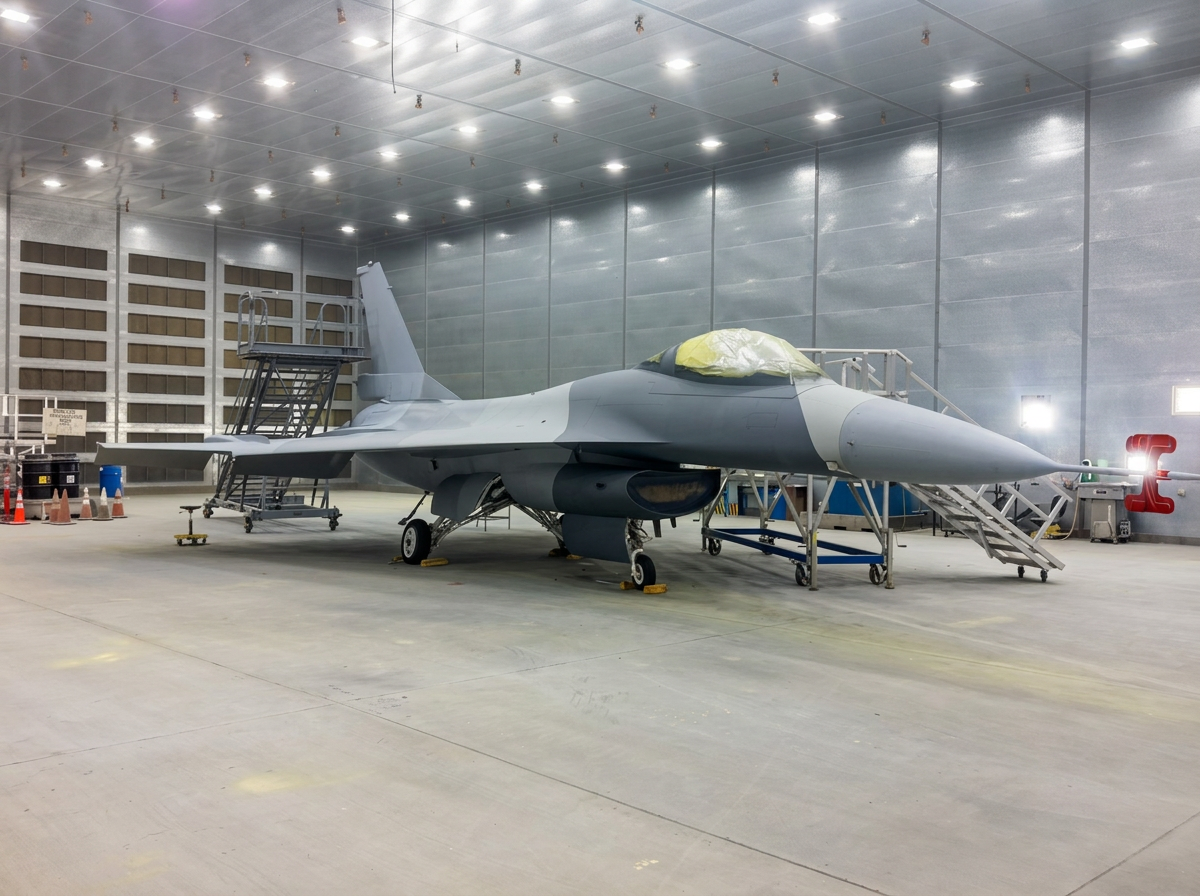
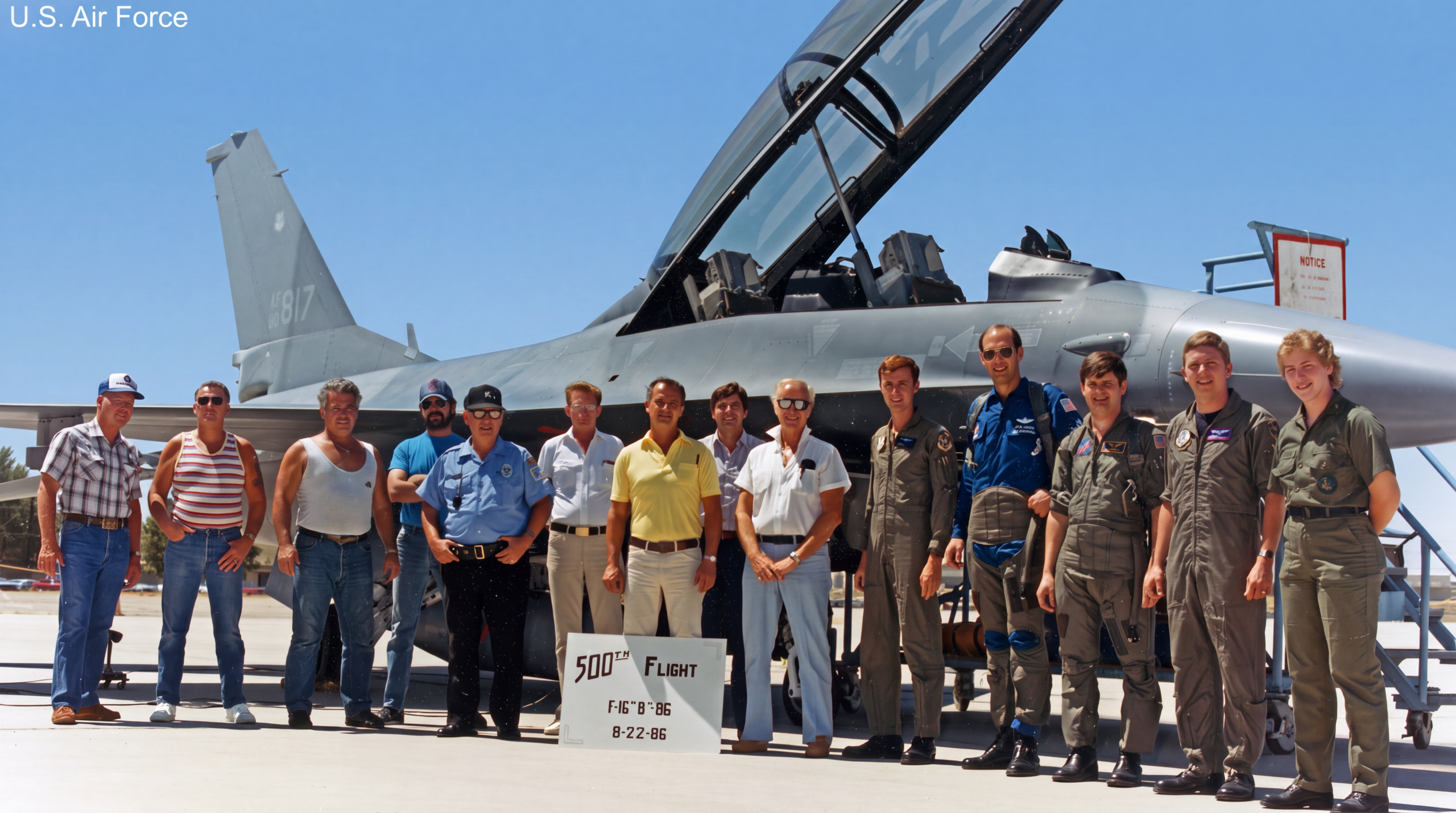
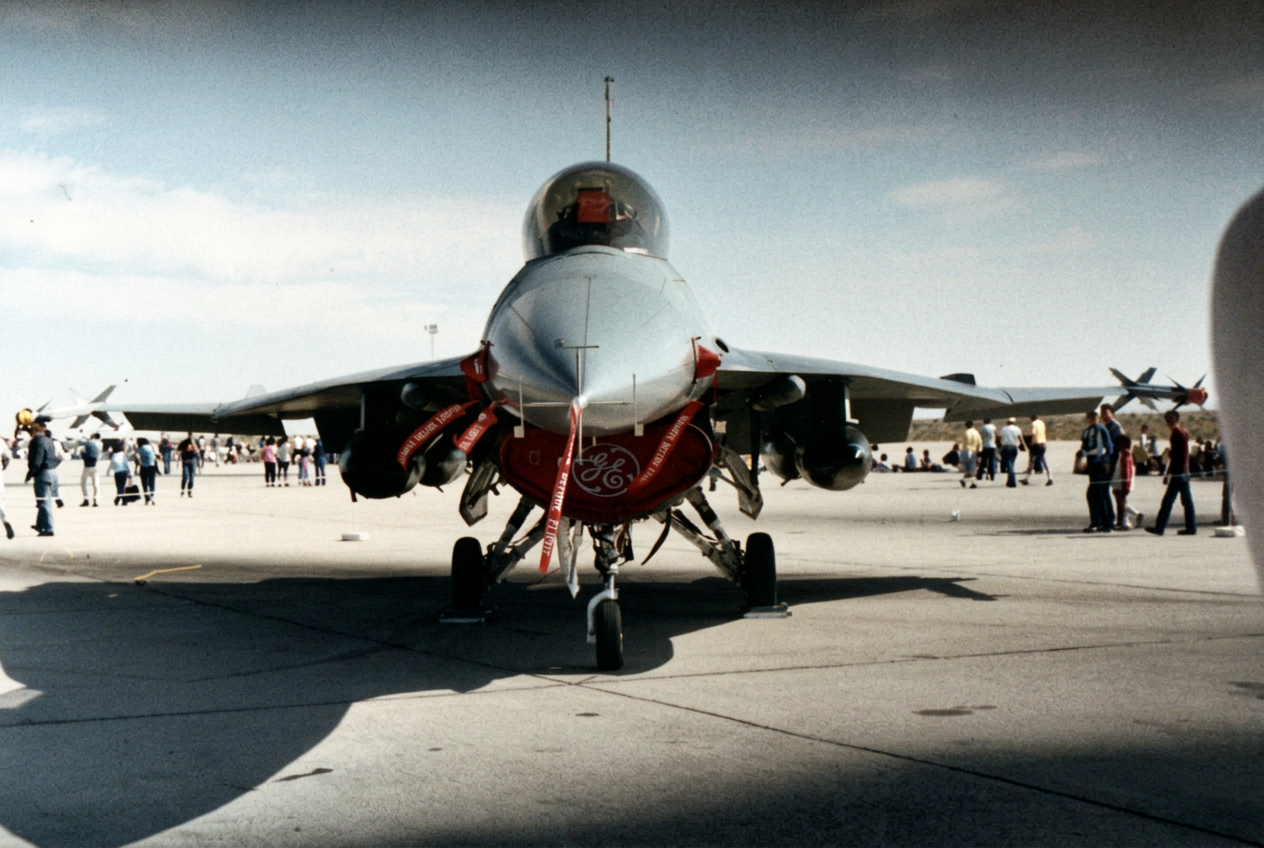
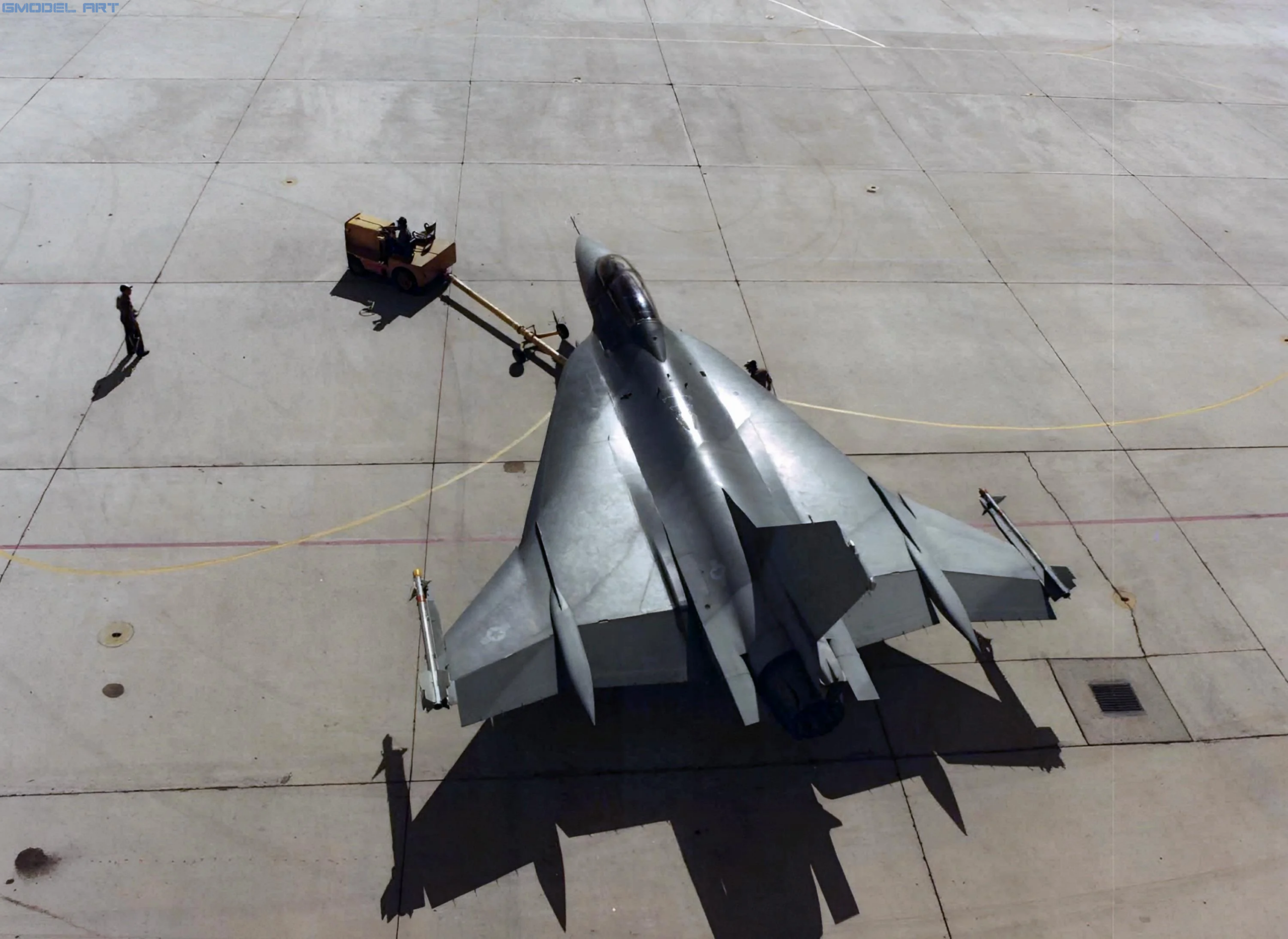
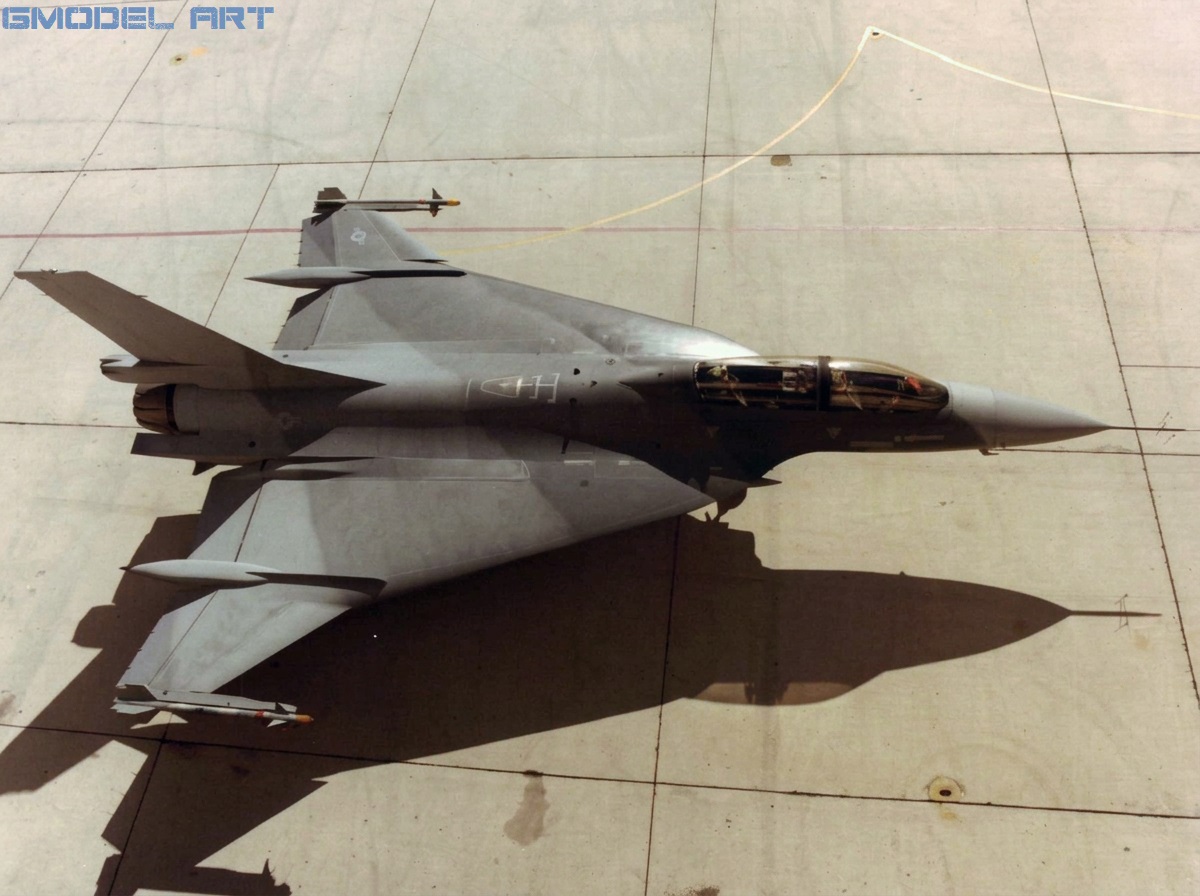
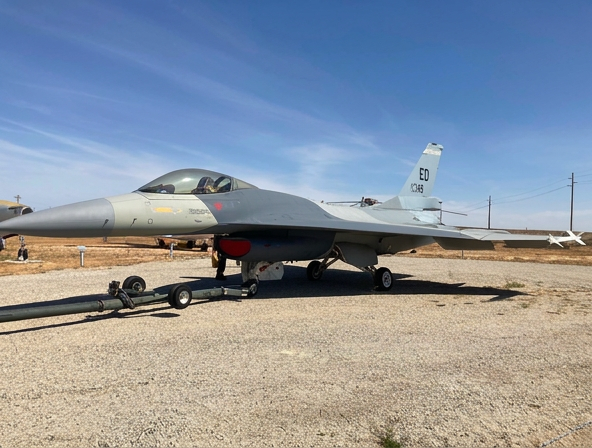
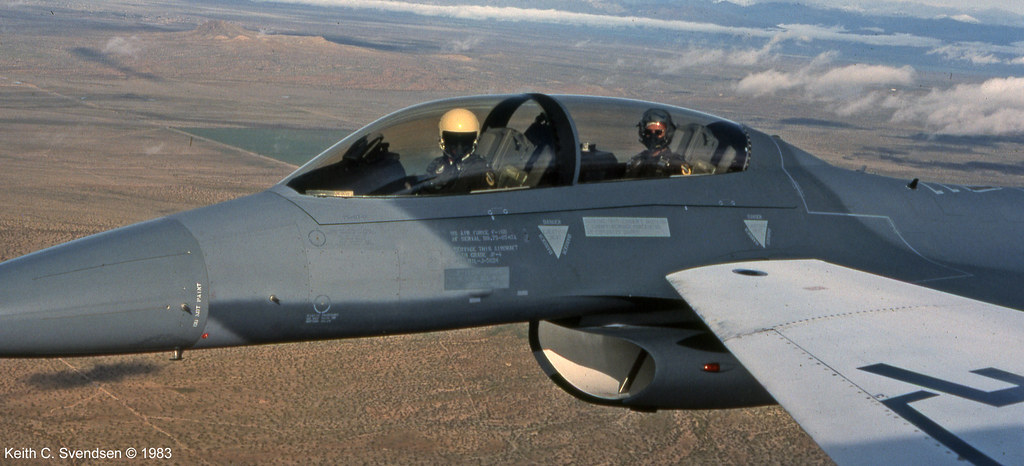
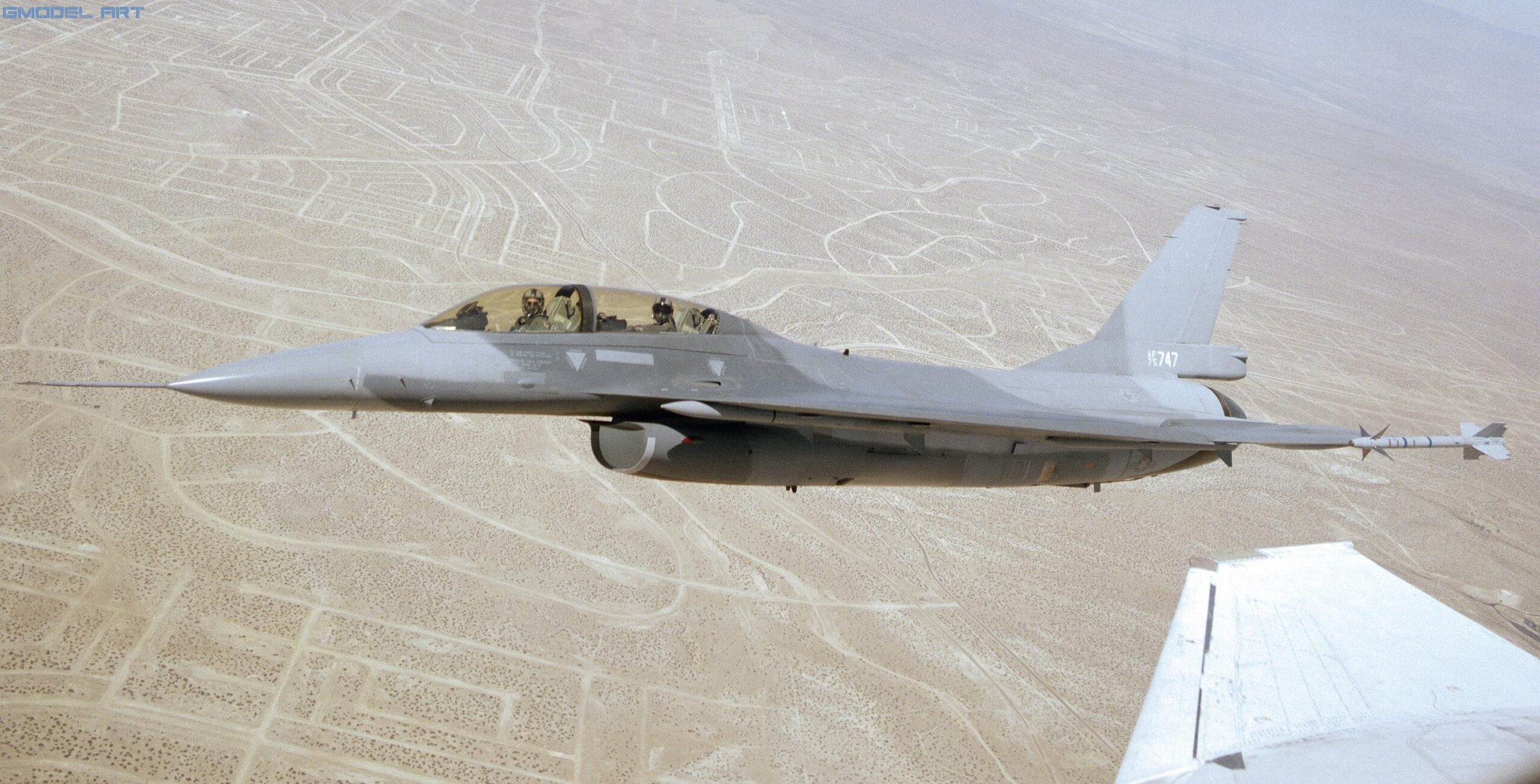
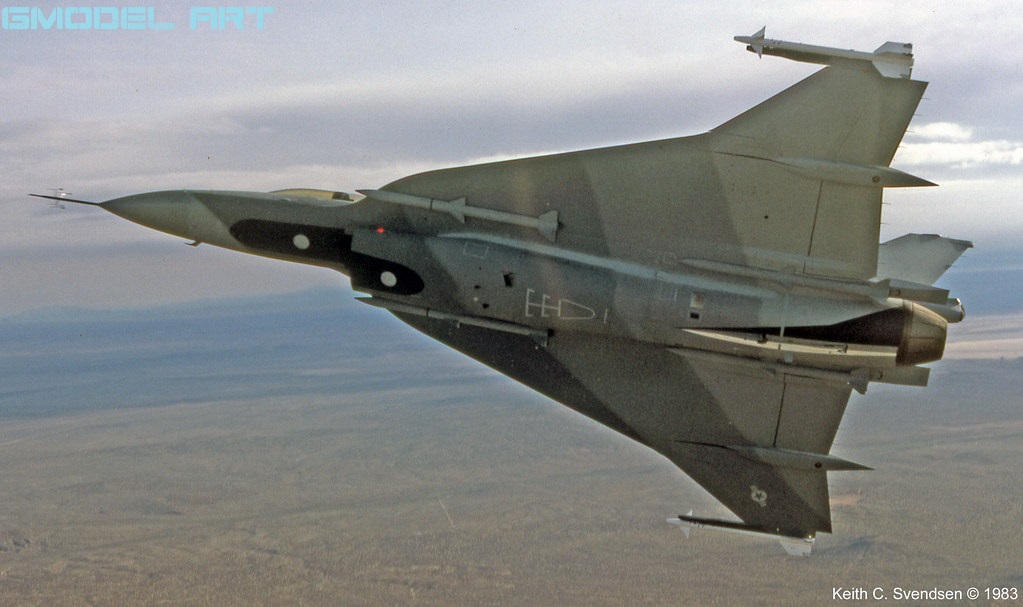
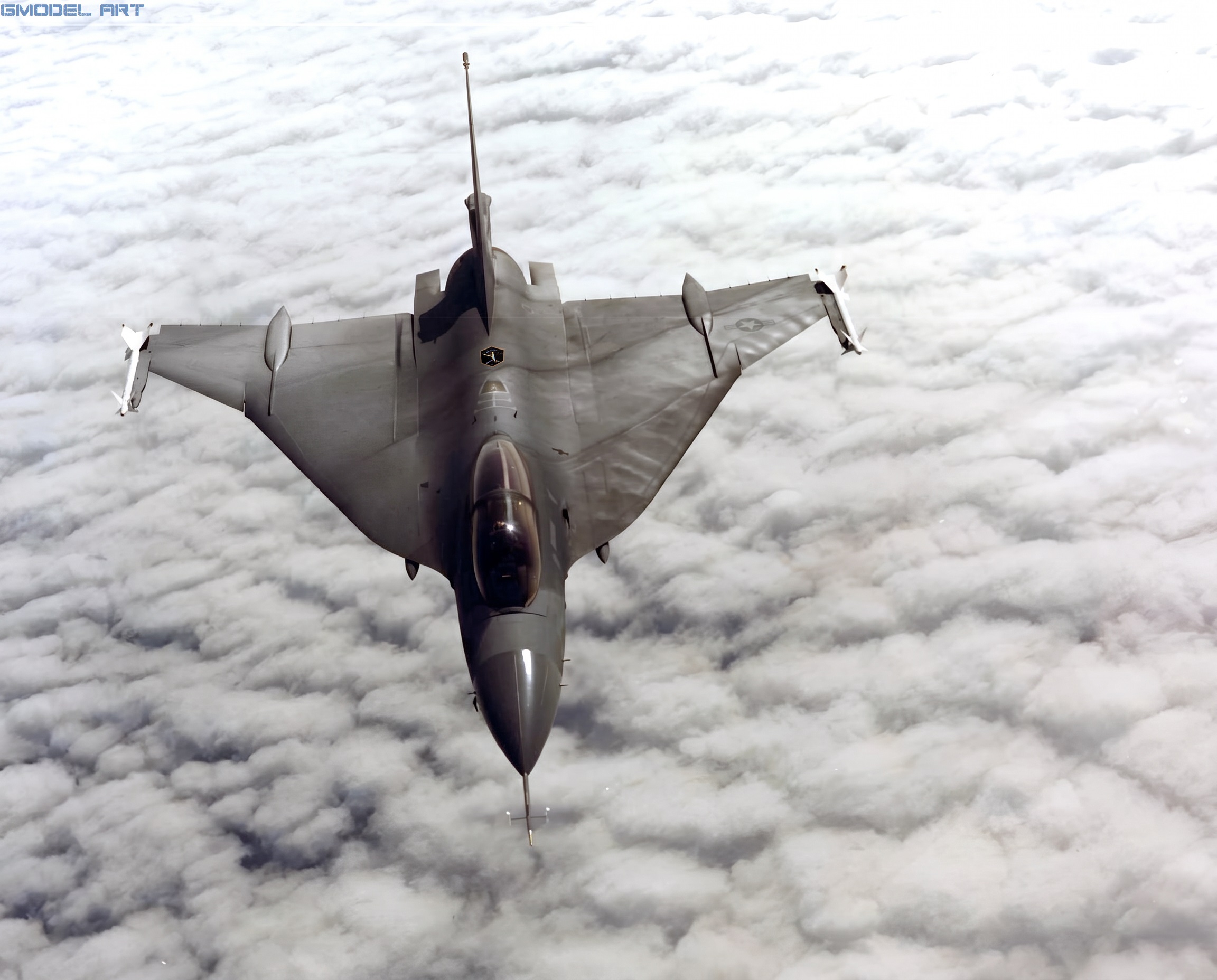
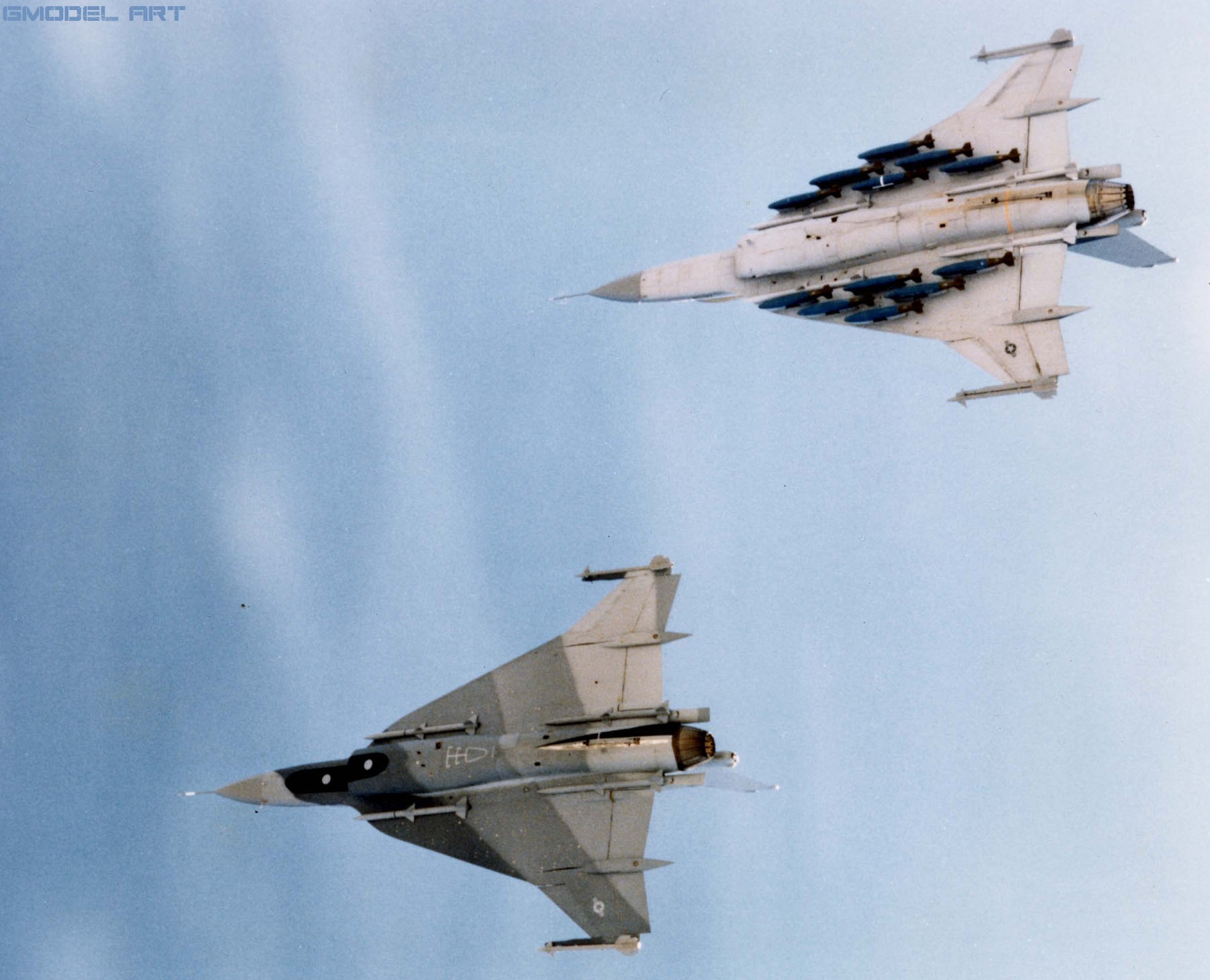
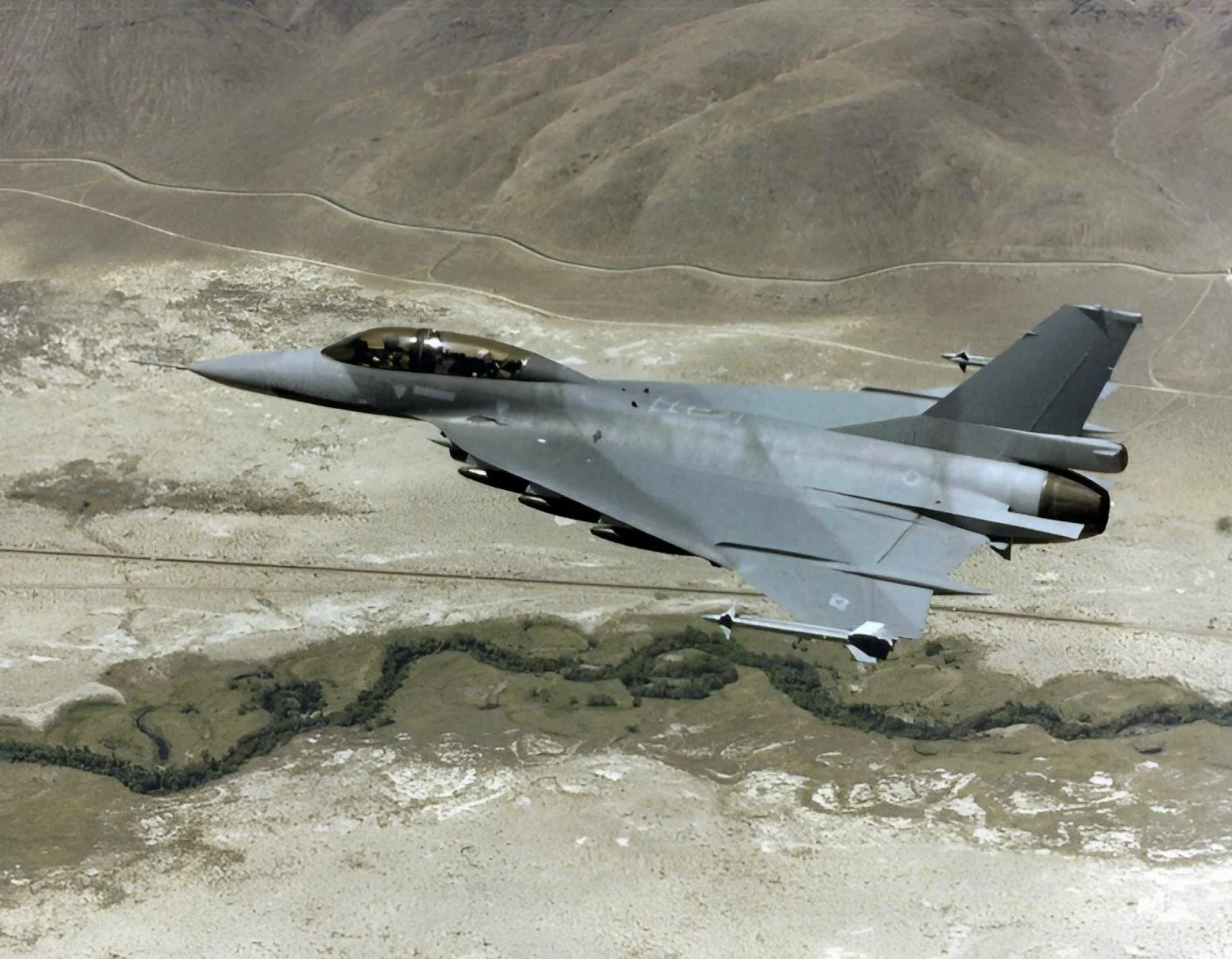
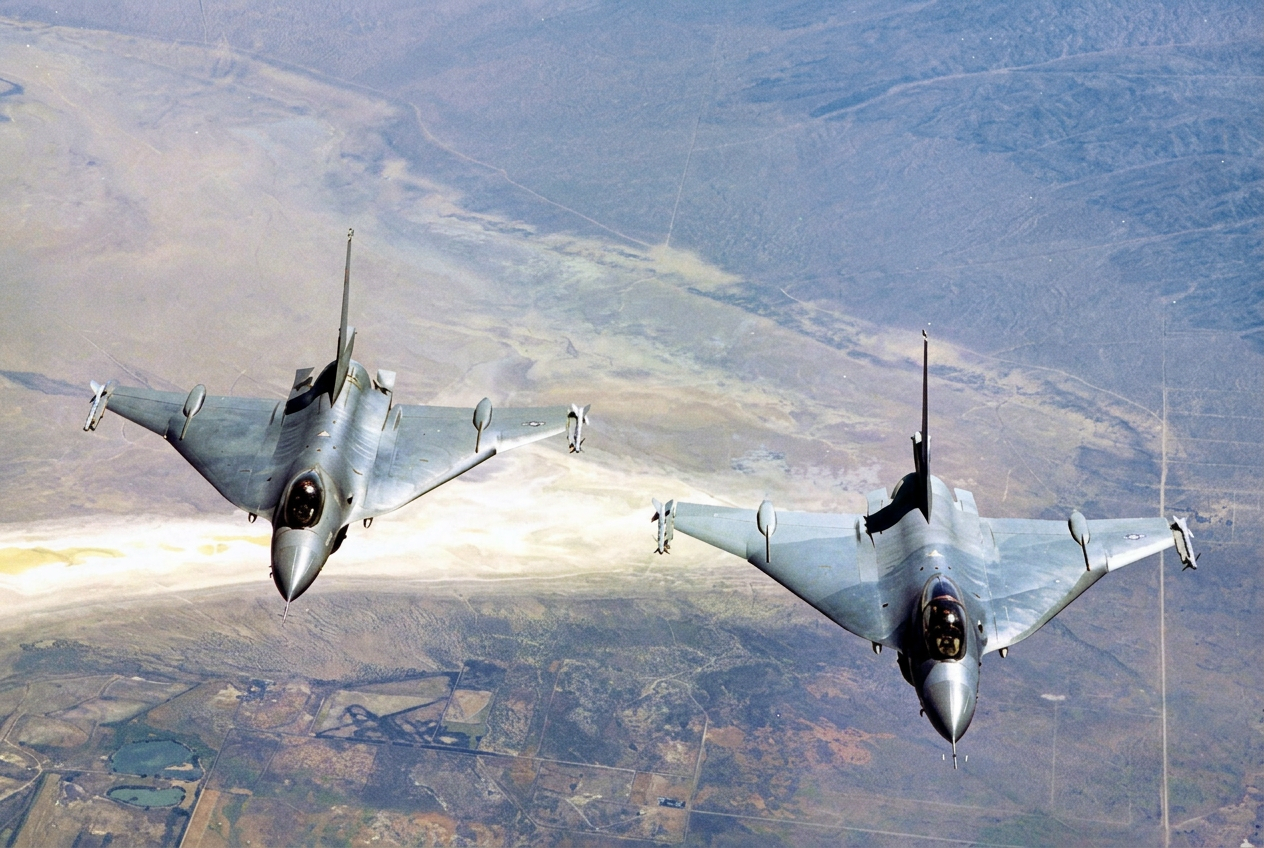
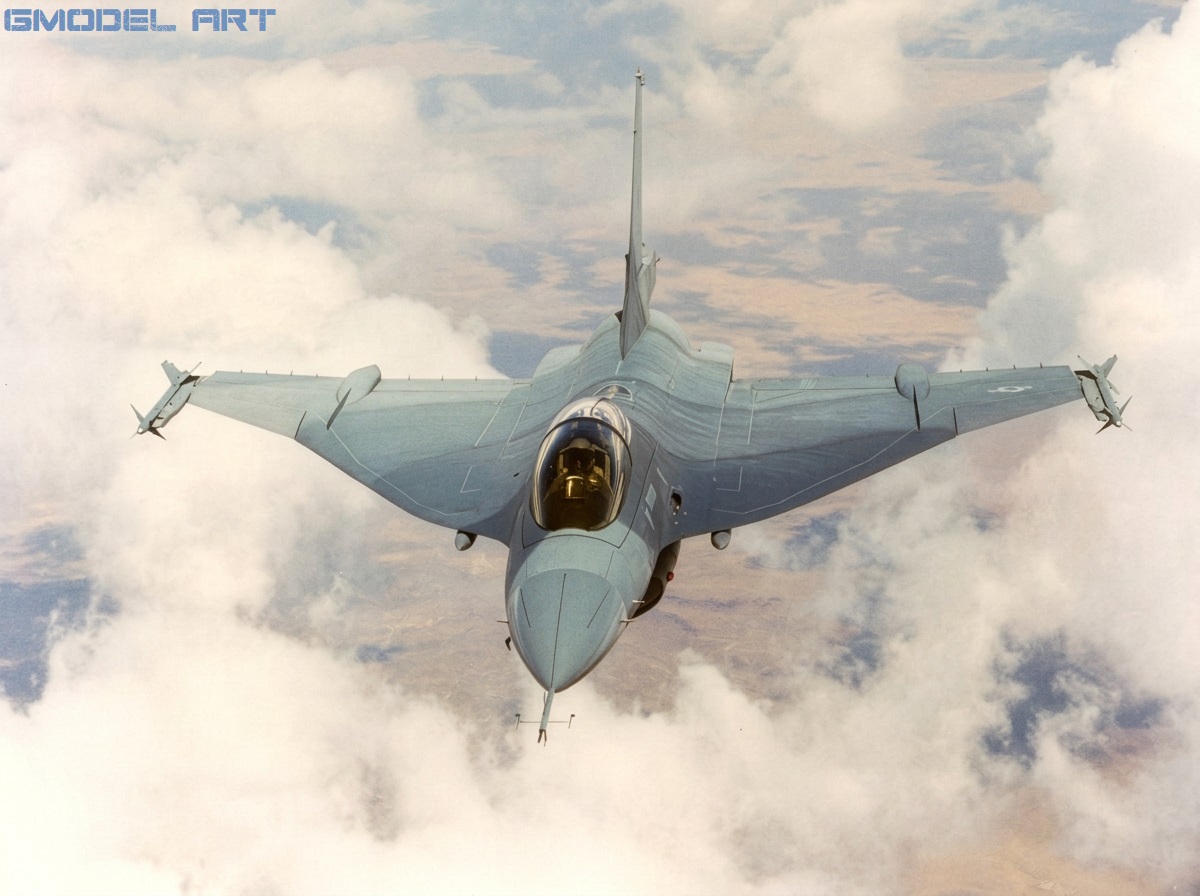
F-16XL General Dynamics
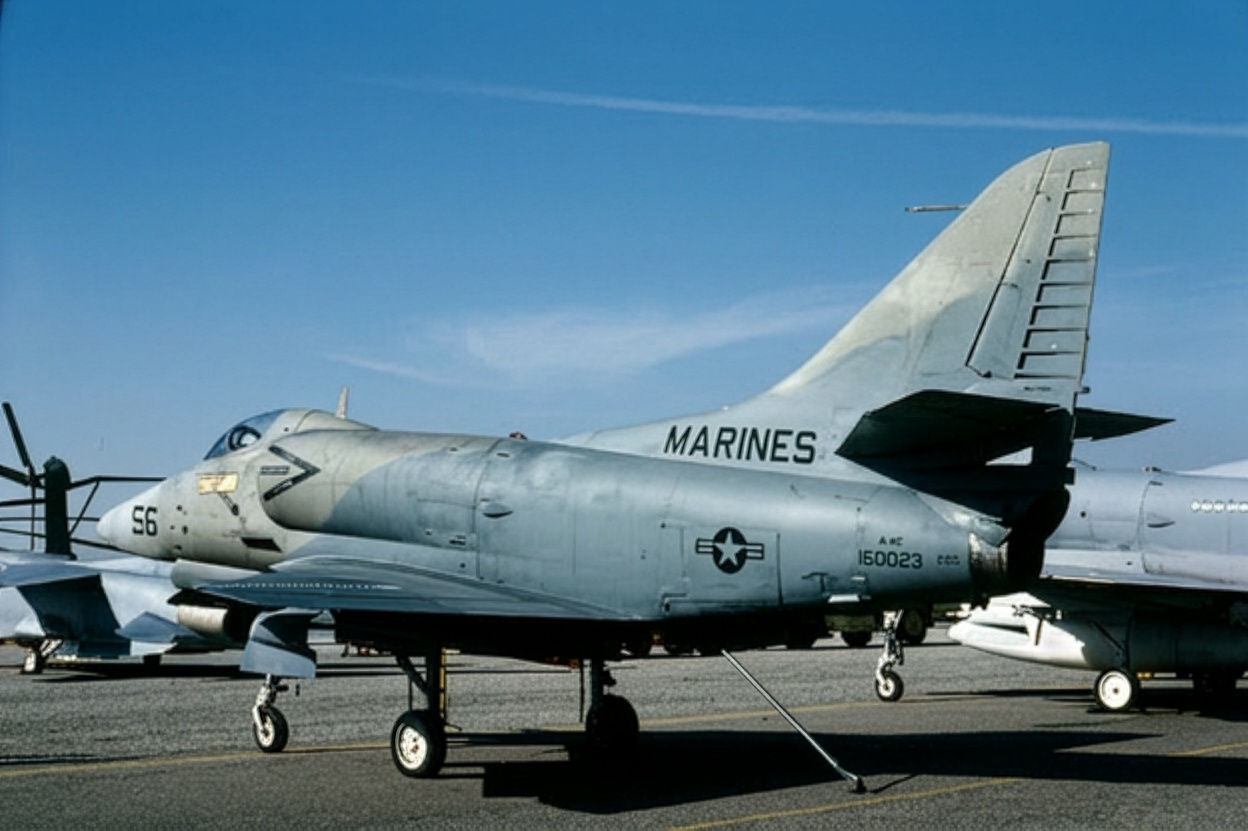
These aircraft are relevant to the broader history of experimental camouflage, but they should not all be presented as confirmed users of the exact four-color Heater-Ferris scheme.
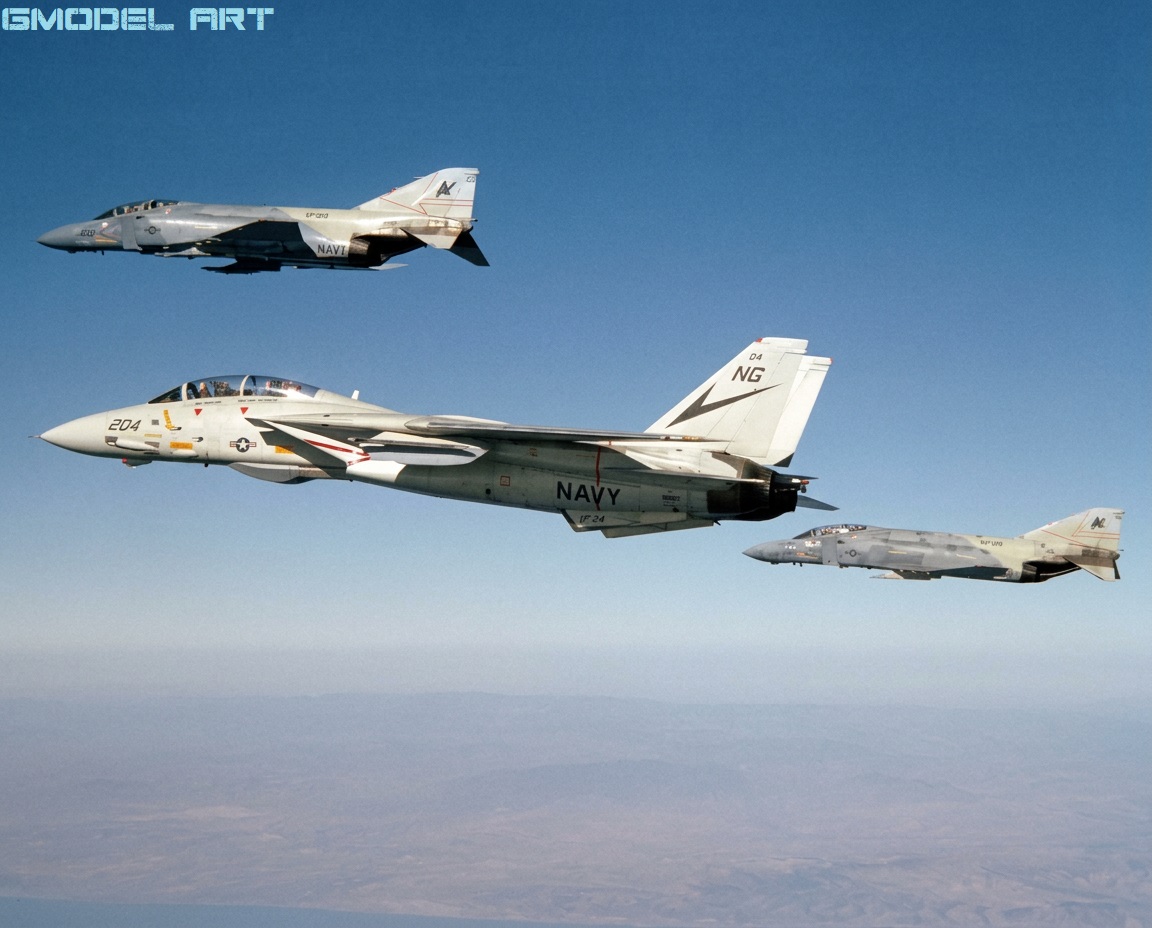
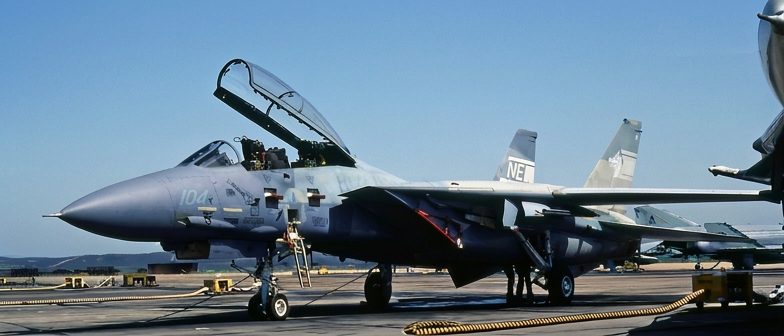
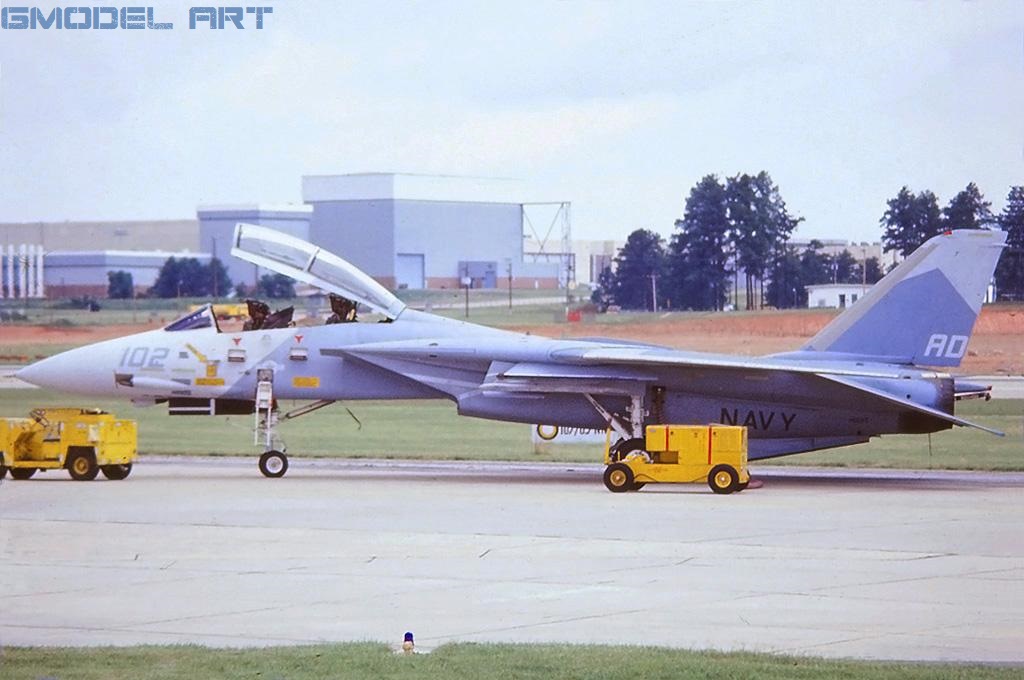
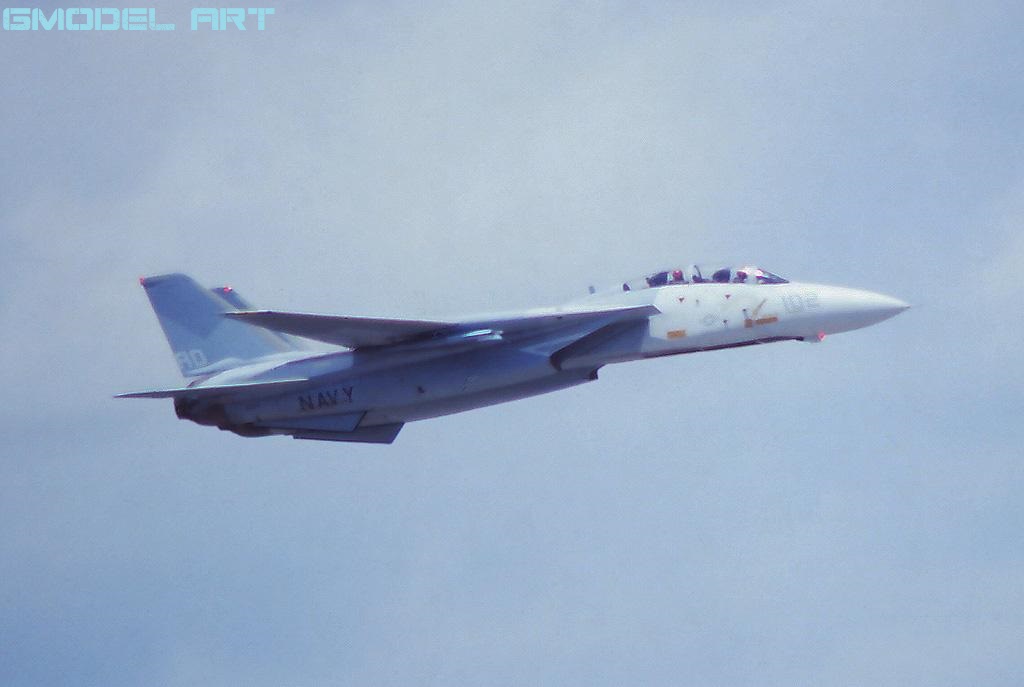
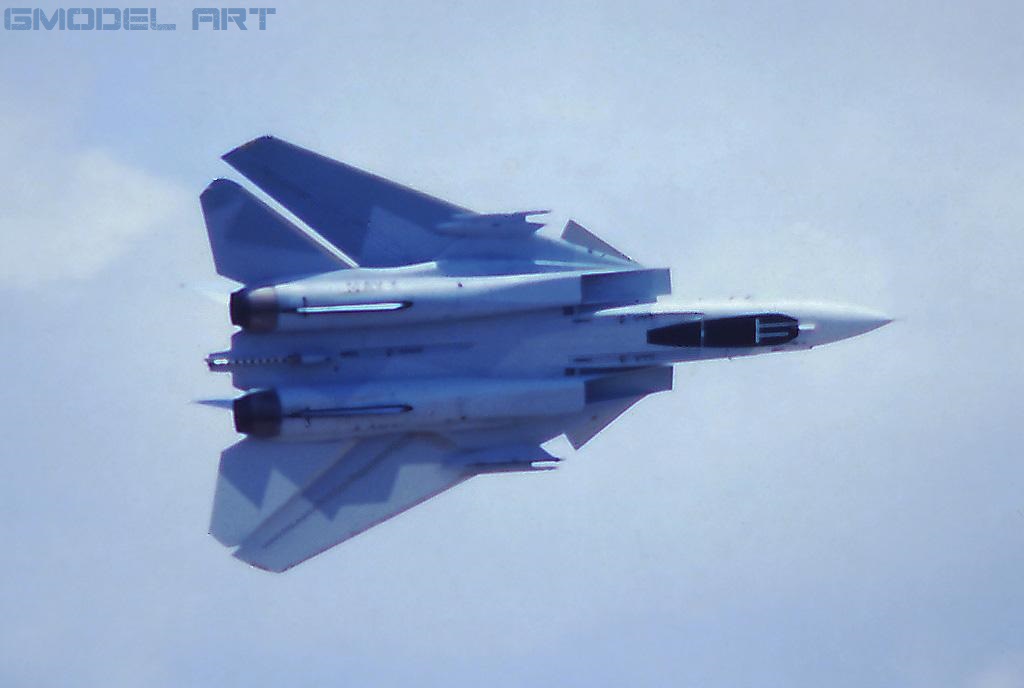
The original Ferris camouflage concept was tested on aircraft including the F-4 Phantom II and F-14 Tomcat. Later U.S. Air Force and Navy-related experimental schemes also explored disruptive patterns and visual deception. Some designs influenced subsequent camouflage ideas without becoming identical to the Heater-Ferris finish.
For scale modelers, this distinction matters. A photograph of an aircraft wearing a Ferris-inspired pattern does not, by itself, establish that it used the same four colors or the same application pattern as the F-4S aircraft of VF-301 and VF-302.
Why Was Heater-Ferris Not Adopted Fleet-Wide?
The scheme was evaluated as a potential alternative to the U.S. Navy’s developing Tactical Paint Scheme (TPS). Its purpose was to reduce visual detection and make it more difficult for an opposing pilot to judge an aircraft’s orientation and direction.
Although the concept demonstrated interesting potential, the Navy concluded that it did not provide sufficient overall advantages compared with the existing tactical gray scheme to justify widespread adoption.
The decision reflected the broader changes taking place in aerial warfare. Radar detection, electronic warfare, beyond-visual-range missiles and increasingly sophisticated sensors were becoming central to combat effectiveness. Visual camouflage still had value, but a complicated paint scheme had to demonstrate a meaningful advantage across different environments and flight conditions.
Consequently, Heater-Ferris remained an unusual and visually distinctive chapter in the development of U.S. Navy aircraft camouflage rather than becoming a standard finish for the fleet.
Scale Modeling Guide: Reproducing Heater-Ferris
The F-4S Phantom II is the natural choice for a model of this scheme, especially when representing an aircraft assigned to VF-301 or VF-302.
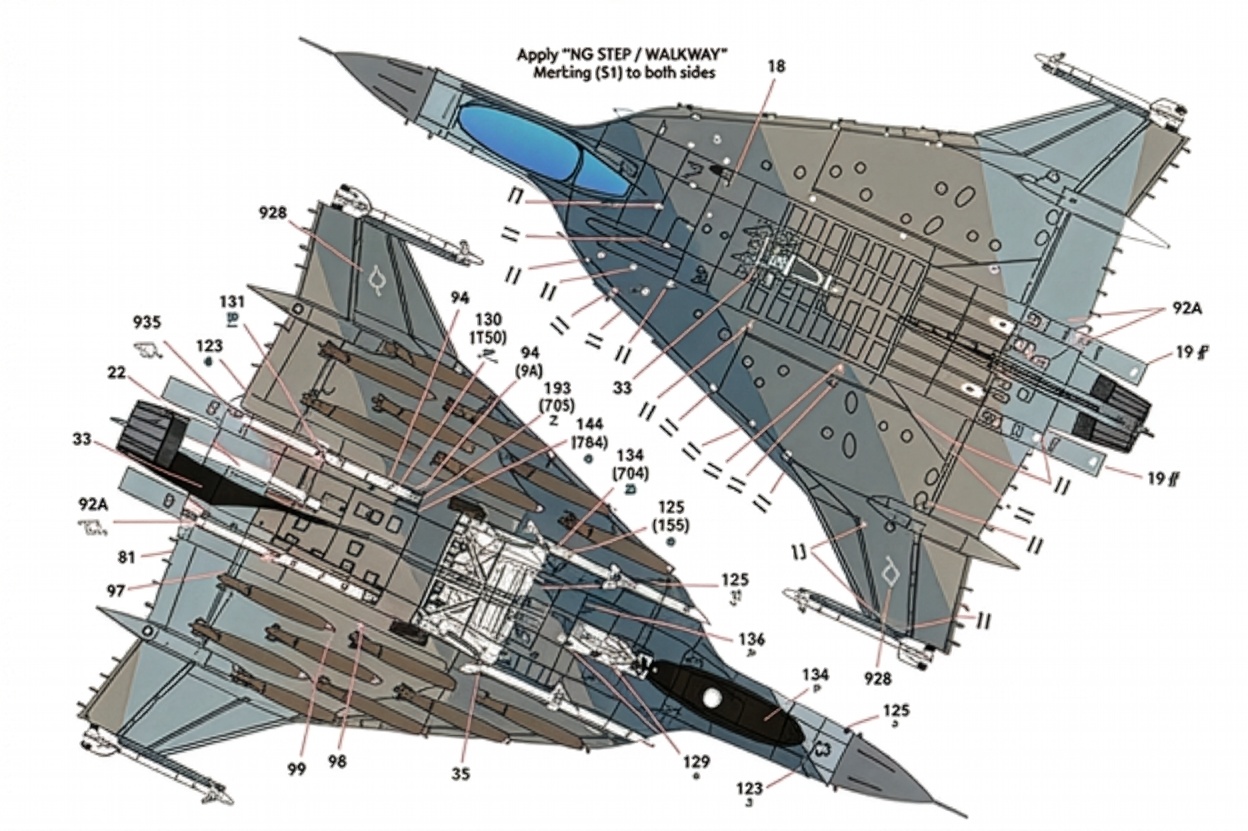
The most important part of the project is the camouflage layout. A correct set of colors will not produce an authentic result if the boundaries between the four tones are placed incorrectly.
Choosing the model kit
Available F-4S Phantom II kits differ in their surface detail, cockpit, landing gear, stores and fit. Before selecting a kit, confirm that it represents the F-4S variant rather than an F-4J or another Phantom version requiring additional conversion work.
Useful starting points for researching suitable kits and accessories include the GModel Art F-4 search.
For other aircraft connected with experimental U.S. Navy camouflage, see the GModel Art A-4 search and the GModel Art F-14 search. These are alternative modeling subjects, not confirmation that every version wore Heater-Ferris.
Painting the four-color pattern
Begin with a clean, evenly prepared surface and apply the lightest color first. Establish the major camouflage boundaries using a reliable aircraft profile or photographic reference for the specific aircraft being modeled.
Build up the remaining shades in sequence, preserving the diagonal, disruptive character of the pattern. Because the colors are relatively close in value, work under consistent lighting and compare the model against the reference photographs rather than relying exclusively on a monitor image.
Masking can be performed with low-tack tape, flexible masking material or a combination of both. The choice depends on the precise shape of the boundaries in the reference. Avoid assuming that every boundary should be either perfectly straight or uniformly soft-edged without photographic evidence.
After the main camouflage is complete, apply the appropriate national insignia, squadron markings, serial numbers and aircraft side numbers for the chosen subject. Verify whether the particular aircraft carried black, gray or other low-visibility markings; do not automatically transfer markings from one Phantom to another.
Weathering and finish
A restrained weathering approach generally suits the experimental gray camouflage. Concentrate on areas where operational use would plausibly produce fluid stains, exhaust deposits, panel variation and localized paint wear.
The aim is to reproduce the appearance of the actual aircraft rather than exaggerate contrast between the four colors. Heavy fading or extensive chipping should be used only where photographs support it.
A final clear coat should match the appearance of the reference aircraft. Avoid assuming that every panel or every color had the same sheen.
Heater-Ferris Paint Guide
The following table provides a practical reference for the four Federal Standard colors and selected hobby-paint equivalents. These are starting points for modelers, not a guarantee that every manufacturer’s paint is an exact match.
| Federal Standard | Color | Gunze Aqueous | Gunze Mr. Color | Model Master | AK Interactive |
|---|---|---|---|---|---|
| FS 36375 | Light Gull Gray / Light Ghost Gray | H308 | C308 | 1728 | AK 2057 |
| FS 36307 | Light Sea Gray | — | — | 1726 | AK 2055 |
| FS 35237 | Blue Gray | H337 | C337 | 1721 | AK 2056 |
| FS 35164 | Intermediate Blue | H56* | C72* / C366* | 1720 | AK 2054 |
Paint equivalents are manufacturer-specific and may vary between ranges and formulations. The H56 and C72 references are commonly associated with wartime Intermediate Blue; they should not be assumed to match the grayer post-war interpretation perfectly. C366 is listed as an alternative in some color references.
For FS 36307 in particular, consult current manufacturer catalogs and dedicated color references, as availability and naming differ between paint ranges. It is also encountered under the name Bulkhead Gray in some modeling references.
Where an exact match is important, compare a cured paint sample against a reliable FS reference under neutral daylight. A small test card is more dependable than judging the color directly from a screen.
Reference Links and Further Research
The following resources are useful for further investigation of the history, aircraft and color references discussed in this article:
Keith Ferris Art — Ferris Paint Systems, including the relationship between the original Ferris concepts and the later Heater-Ferris scheme.
The World Wars — U.S. Navy Aircraft Colors and Camouflage, covering the Ferris and Heater-Ferris schemes.
AirHistory — VF-301 aircraft records and photographs, including photographs identifying F-4S aircraft in Heater-Ferris camouflage.
GModel Art — F-4 Phantom II products and modeling references.
Photographs are especially important when reproducing a specific aircraft. Use them to establish the camouflage arrangement, markings and finish before committing to the final paint application.
Conclusion
The Heater-Ferris camouflage remains one of the most distinctive experimental paint schemes associated with the final years of the U.S. Navy F-4 Phantom II. Its four-tone palette and diagonal disruptive pattern represented an attempt to make a high-performance aircraft more difficult to interpret visually during air-to-air engagements.
The F-4S Phantoms of VF-301 and VF-302 are the key subjects for anyone wishing to reproduce the scheme in scale. For modelers, the combination of historical research, careful color selection and an aircraft-specific camouflage layout is what turns an unusual paint finish into an accurate historical representation.
F-4E Phantom II AUP HAF Aegean Ghost — Technical Details & Modeling Guide
The Heater-Ferris story also illustrates an important principle in aviation history: not every promising experiment becomes a standard operational solution, but experimental aircraft can leave behind some of the most fascinating subjects for aviation historians and scale modelers.
| FS 36375 | FS 36307 | FS 35237 | FS 35164 | |
| Light Ghost Gray | Light Sea Gray | Blue Gray | Intermediate Blue | |
| Scheme | ||||
| Heater-Ferris | Splinter | Splinter | Splinter | Splinter |
| Color matches | ||||
| Gunze Aqueous | H308 | – | H337 | (H56) |
| Gunze Mr Color | C308 | – | C337 | (C72) / C366* |
| Humbrol | 127 | – | 145 | 144 |
| Model Master | 1728 | 1726 | 1721 | 1720 |
| Revell | – | – | – | – |
| Tamiya | – | – | – | – |
| Vallejo Model Air | – | – | 71.114 | 71.299* |
| Vallejo Model Color | 70.615 | – | 70.905 | 70.903 |
| AKAN | 72032 | 77101 | 72043 | 72050 |
| AK Interactive | AK 2057 | AK 2055 | AK 2056 | AK 2054 |
| AK Real Colors | RC252 | RC250 | RC237 | RC235 |
| AMMO by Mig | A.MIG-203 | – | A.MIG-210** | A.MIG-228 |
| Colourcoats | ACUS03 | – | ACUS38 | (ACUS08) |
| Hataka | HTK-_037 | HTK-_266 | HTK-_046 | HTK-_027* |
| Lifecolor | UA 026 | UA 113 | UA 145** | UA 045* |
| Mission Models | MMP-073 | MMP-075 | MMP-072 | MMP-071 |
| Mr Paint | MRP-38 | MRP-245 | MRP-105 | (MRP-136) |
| Xtracolor | X136 | X134 | X126 | X125 |
| Xtracrylix | XA1136 | – | XA1126 | XA1125 |