article
Wrecked Japanese Zero Mitsubishi A6M Fighter – History, Pacific War Wrecks & Scale Modeling Inspiration
The Rise of the Mitsubishi A6M Zero
The Mitsubishi A6M Zero became one of the most recognizable fighter aircraft of the Second World War. Its development was driven by the operational experience gained during the Second Sino-Japanese War, which began in 1937. Frequent attacks by Chinese fighters against Japanese bomber formations demonstrated the urgent need for a long-range escort fighter capable of protecting bombers far from their bases.
At that time, the Imperial Japanese Navy relied on the Mitsubishi A5M “Claude”, an aircraft whose limited range no longer met operational requirements. In response, the Japanese Navy commissioned Mitsubishi to develop a completely new carrier-based and land-based fighter with exceptional endurance, outstanding maneuverability, and superior combat performance.
The result was the Mitsubishi A6M Zero.
First flown in 1939, the Zero combined lightweight construction, remarkable agility, and an extraordinary combat radius that surpassed every contemporary fighter of its era. During the early years of the Pacific War, these characteristics gave Japanese naval aviators a decisive advantage over Allied aircraft.
Even before the United States entered the war, Claire Lee Chennault, commander of the famous Flying Tigers, warned American military authorities about the Zero’s extraordinary capabilities. His reports, however, were largely dismissed by U.S. Army analysts, who considered the aircraft’s reported performance aerodynamically impossible.
The opening months of the Pacific War quickly proved otherwise. Allied pilots soon discovered that conventional dogfighting tactics against the Zero often ended in disaster. American ace William N. Leonard later recalled:”In these early encounters we were learning the folly of dogfighting with the Zero.”
Only through improved tactics, better pilot training, and the arrival of newer fighters such as the F6F Hellcat, F4U Corsair, and P-38 Lightning did the Allies gradually overcome the Zero’s early superiority.
Pacific War Wrecks – Silent Witnesses of History
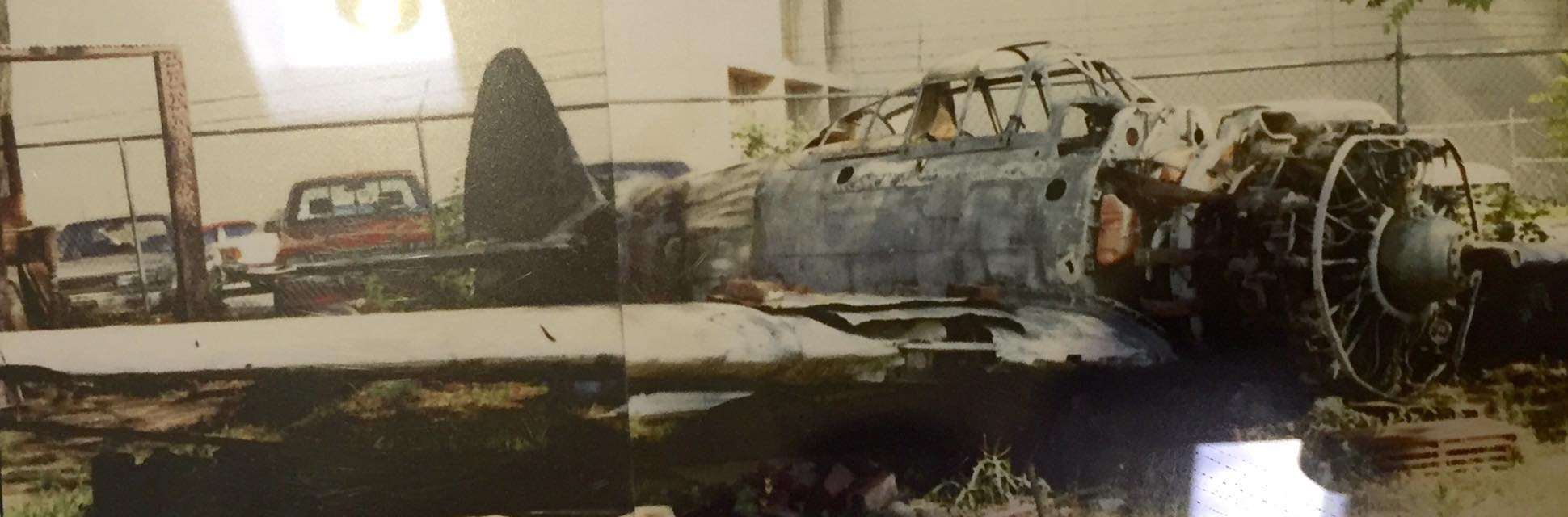
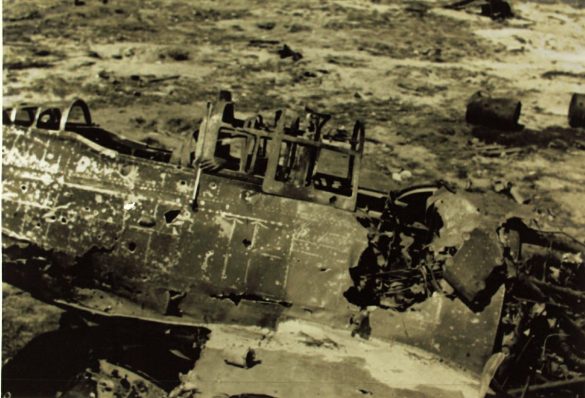
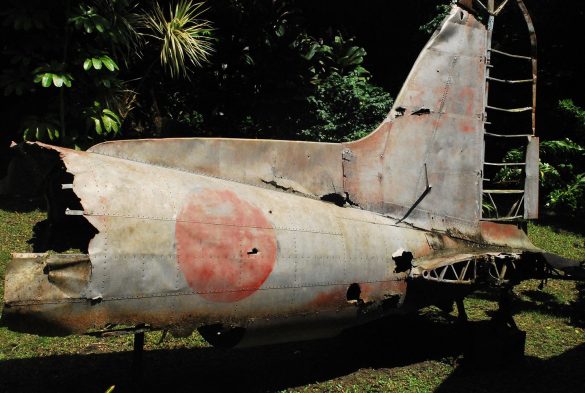
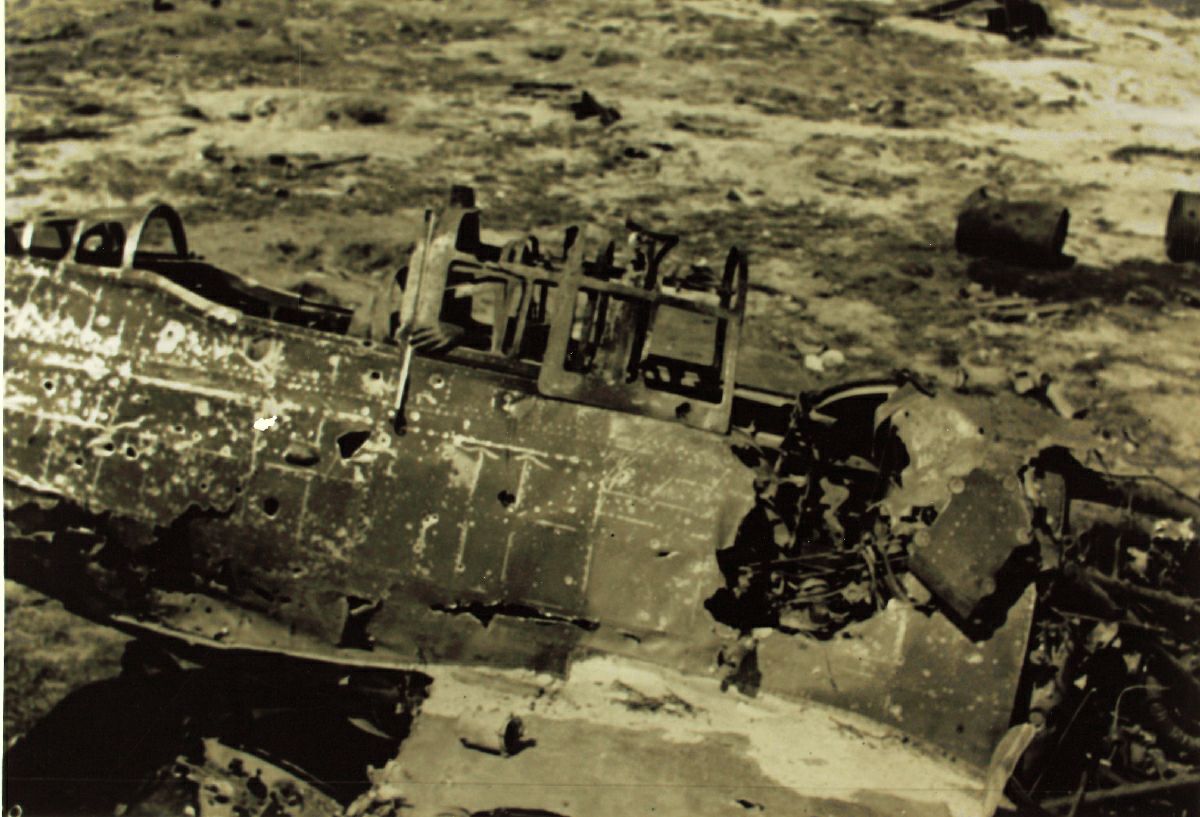
As the balance of air power shifted after 1943, increasing numbers of Japanese aircraft were destroyed during bombing raids or abandoned on remote Pacific islands. Many Mitsubishi A6M Zeros never returned to combat. Instead, they remained where they crashed or were left after Japan’s surrender in 1945.
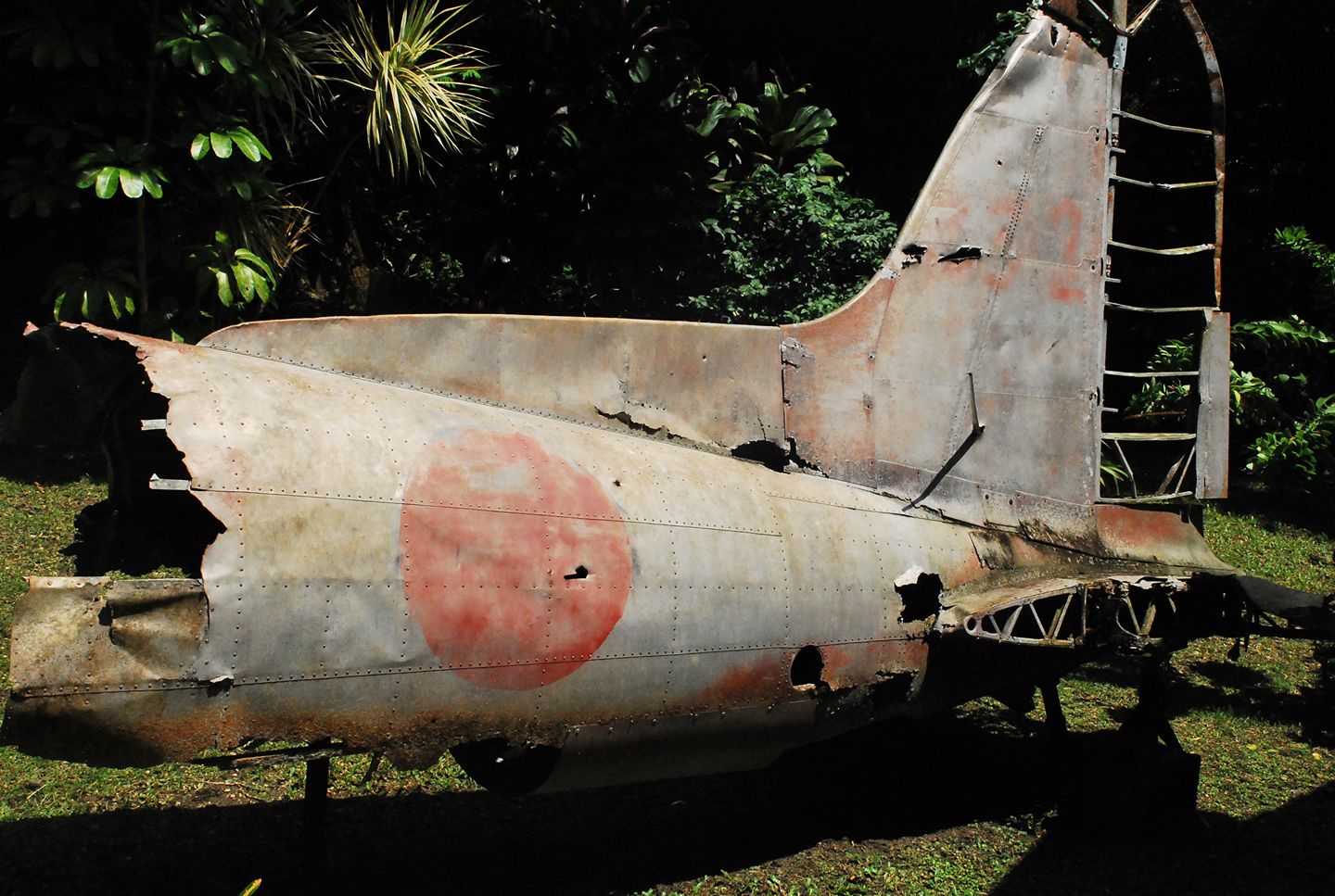
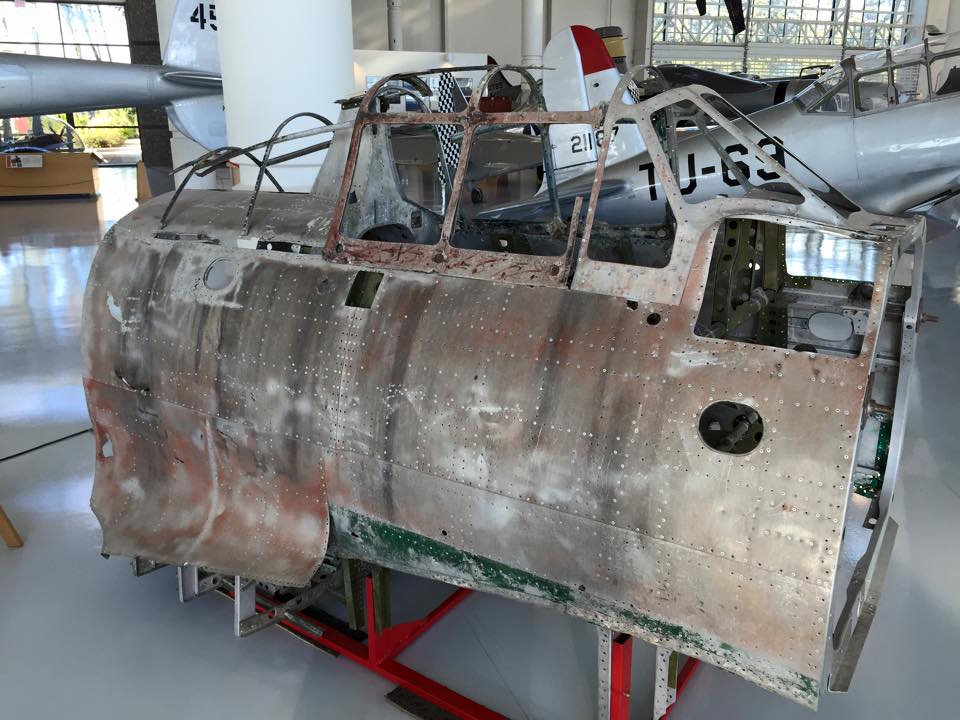
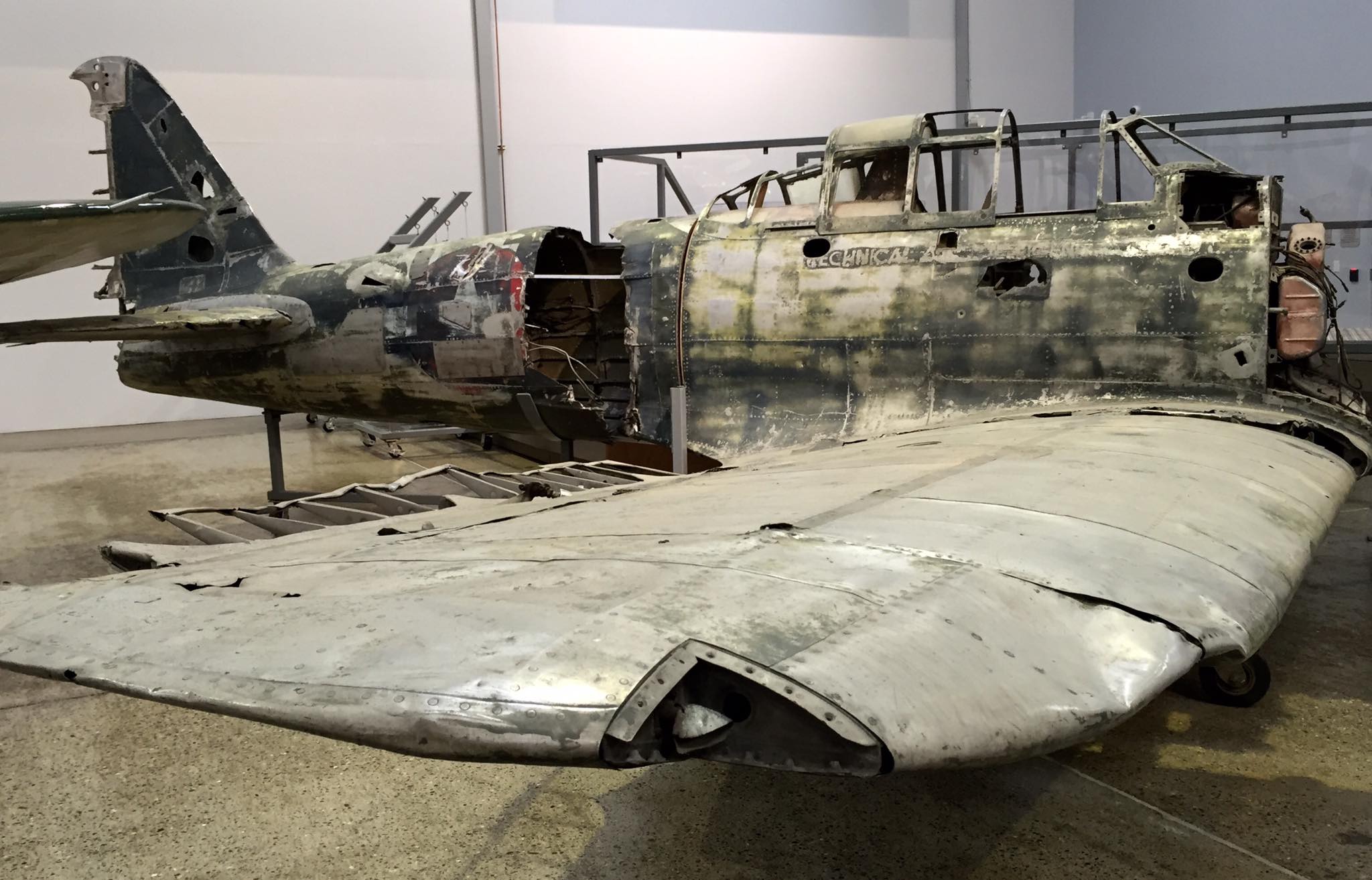
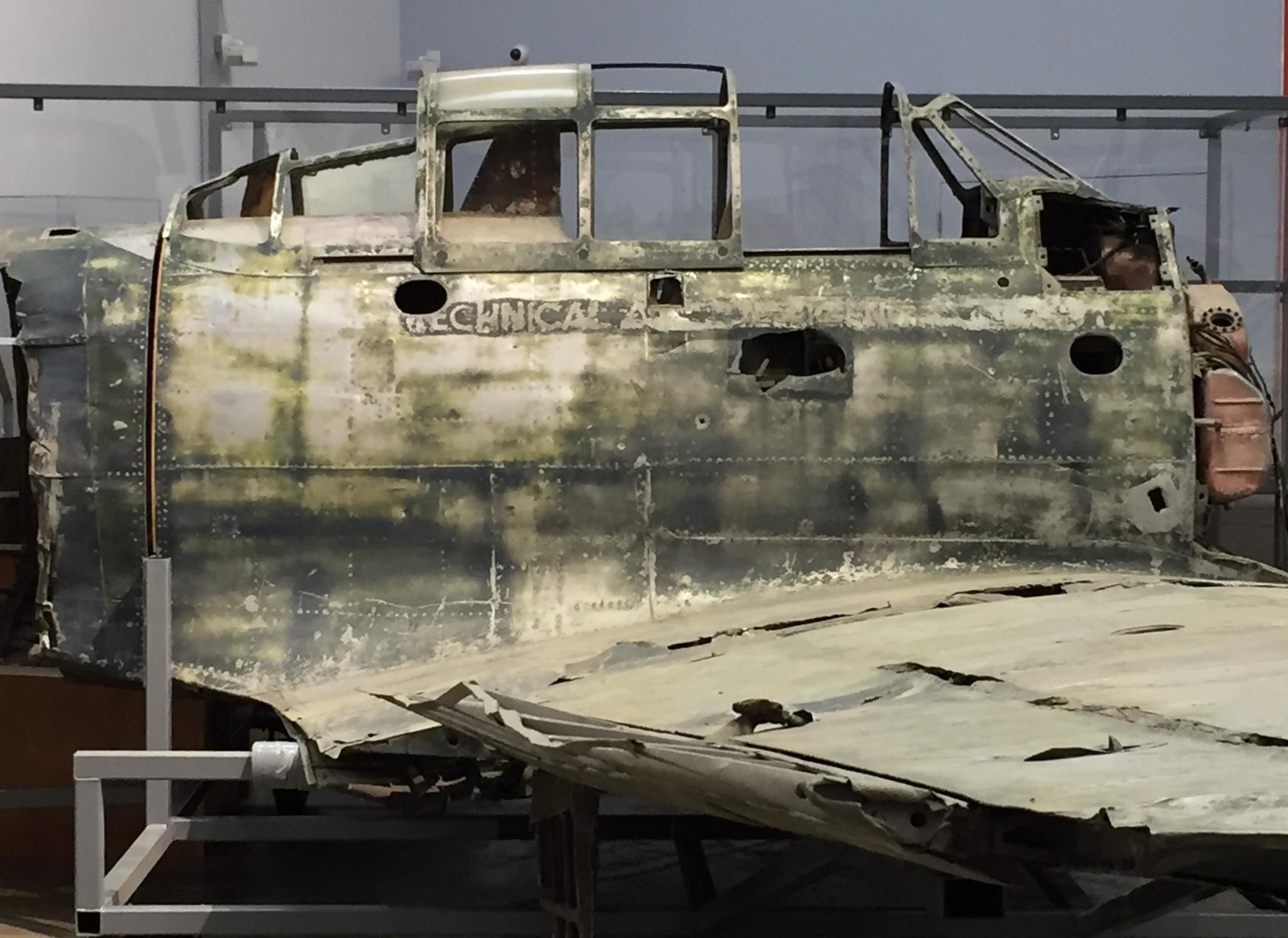
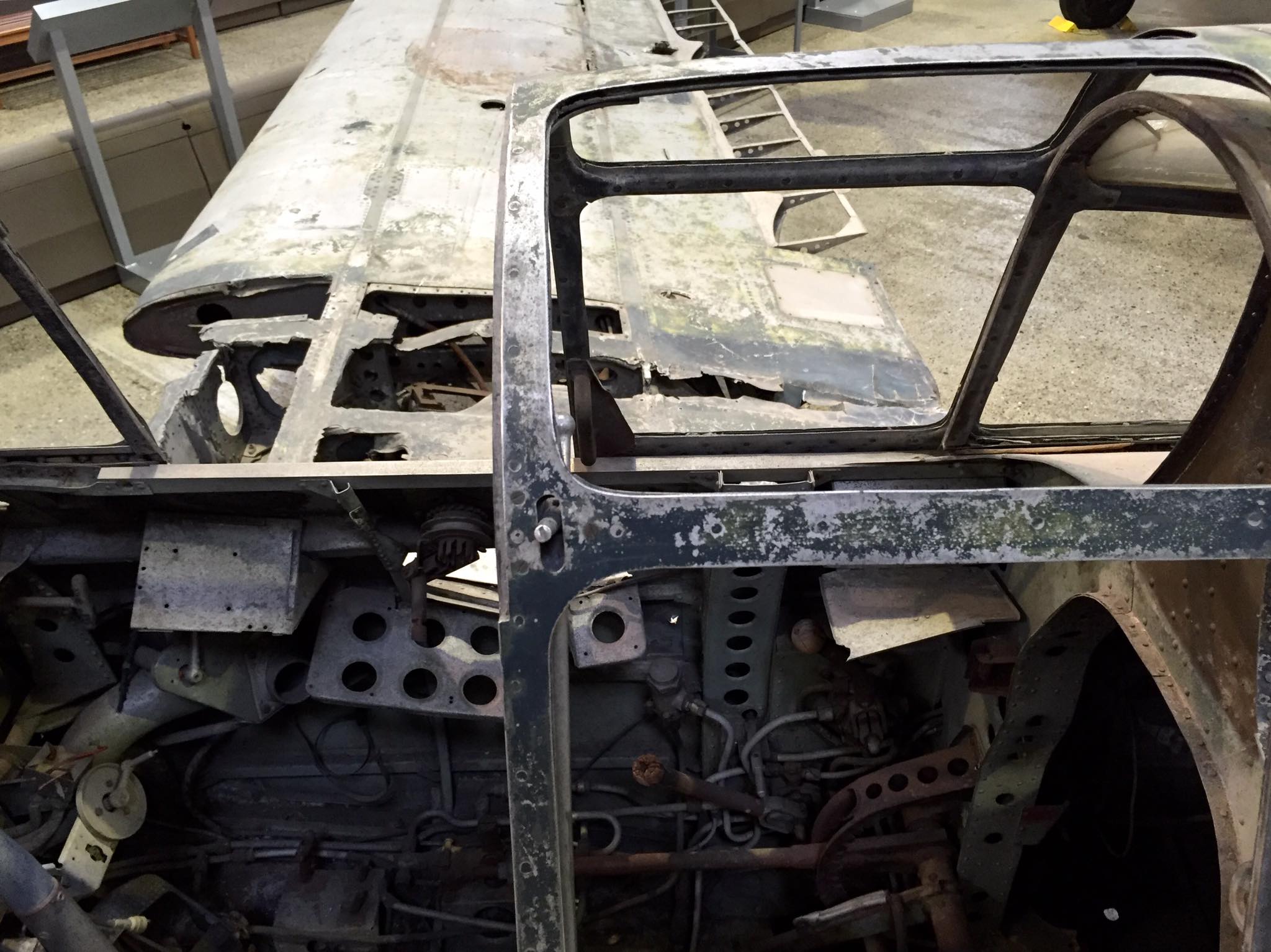
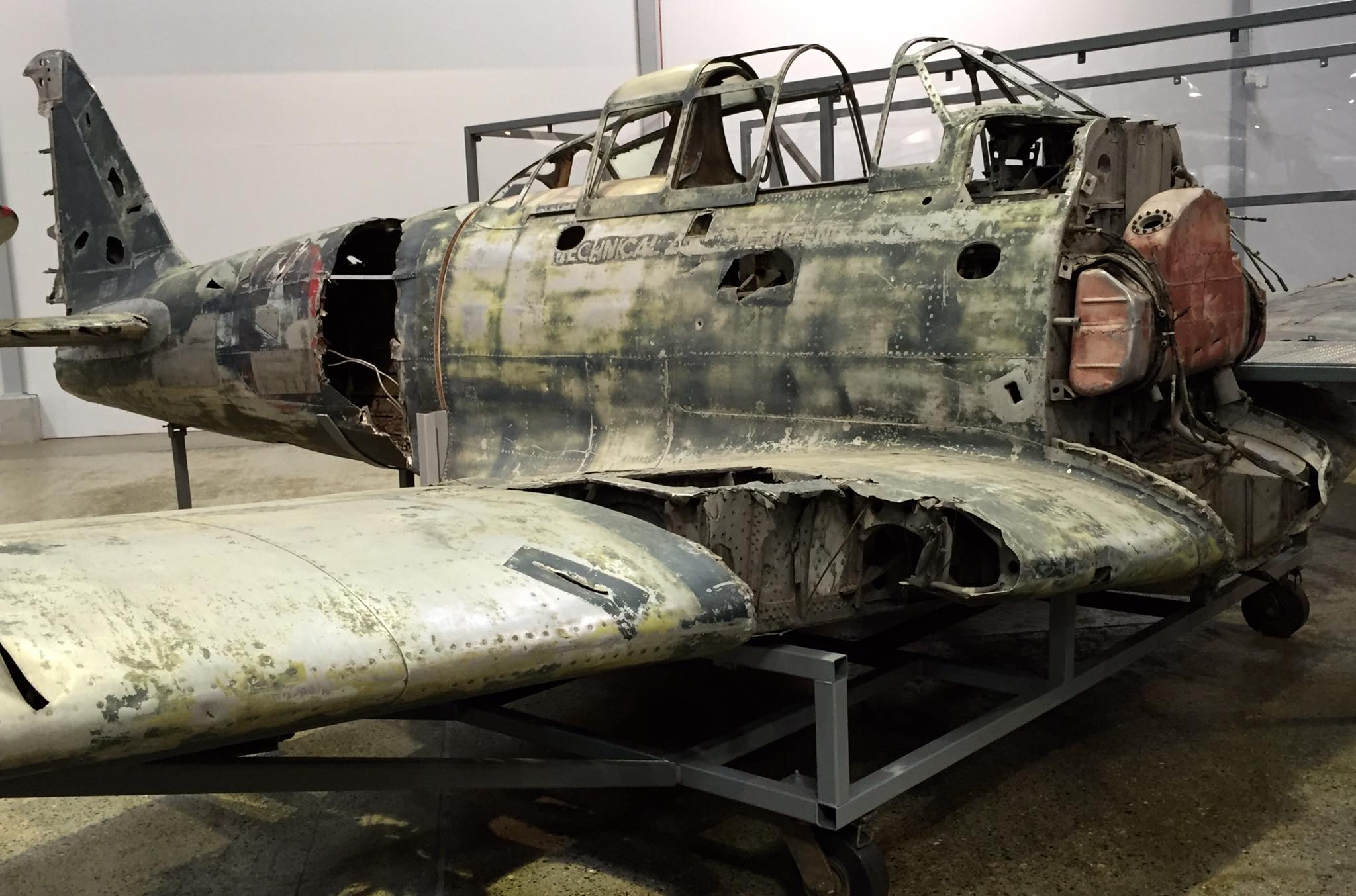
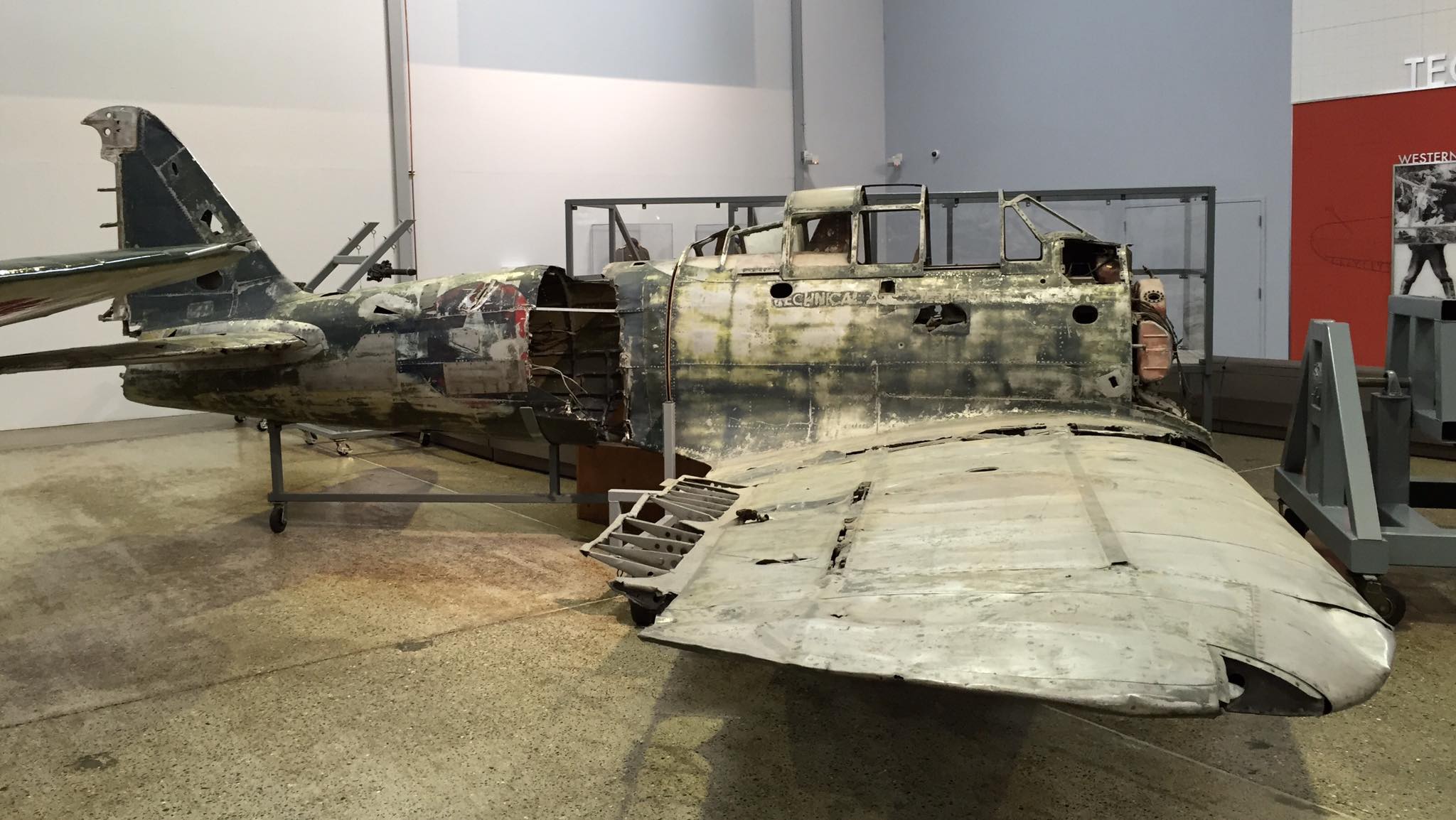
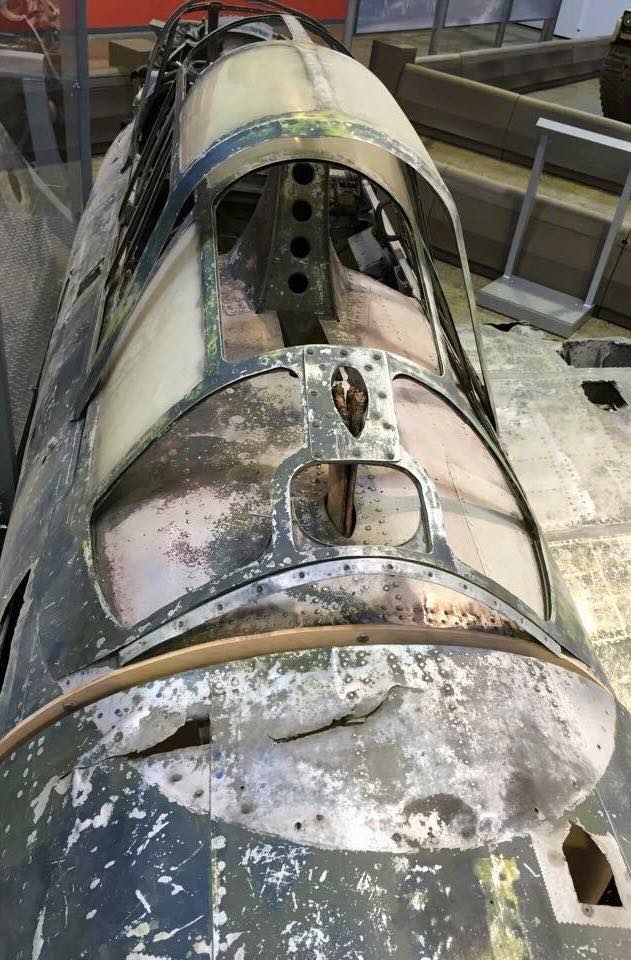
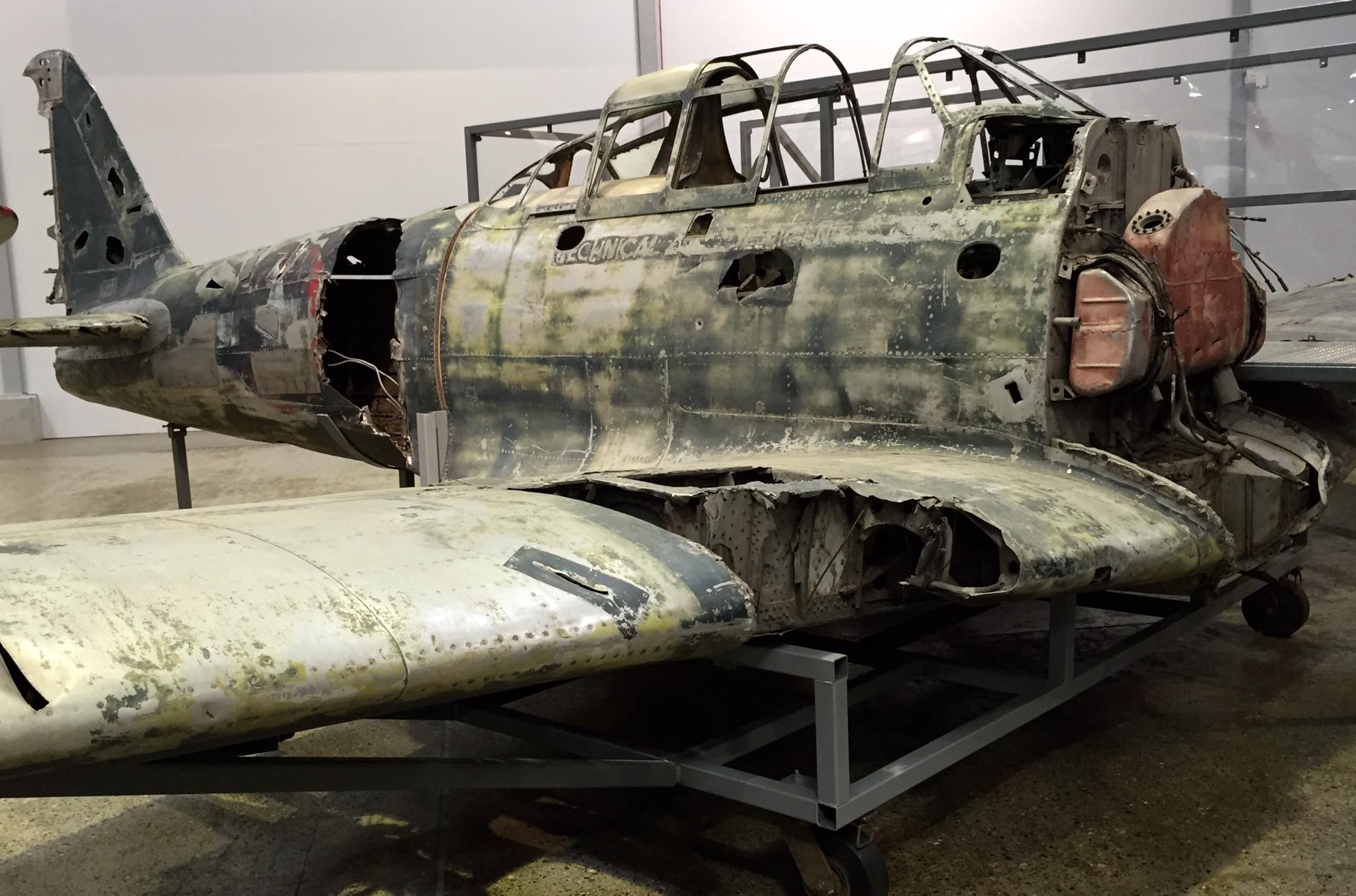
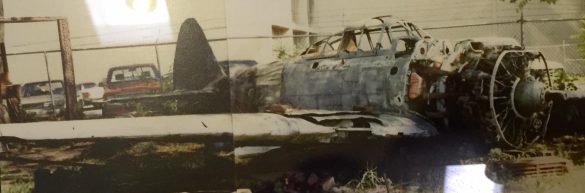
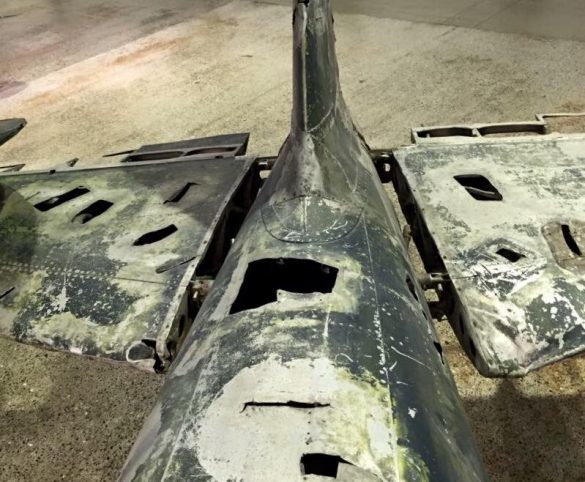
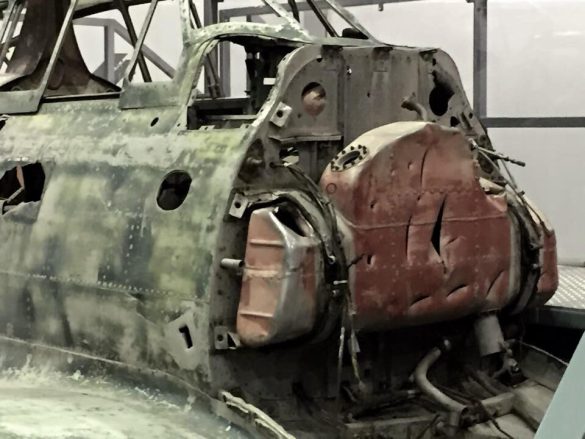
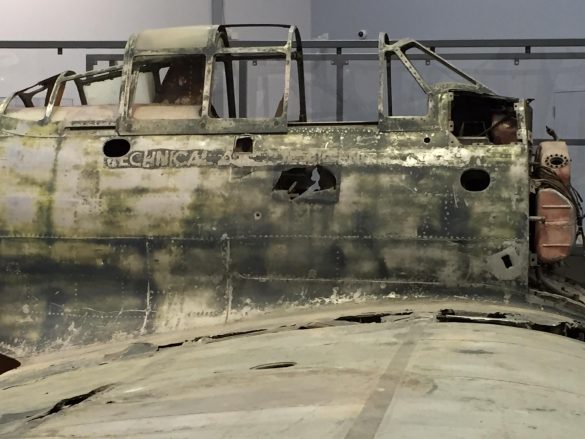
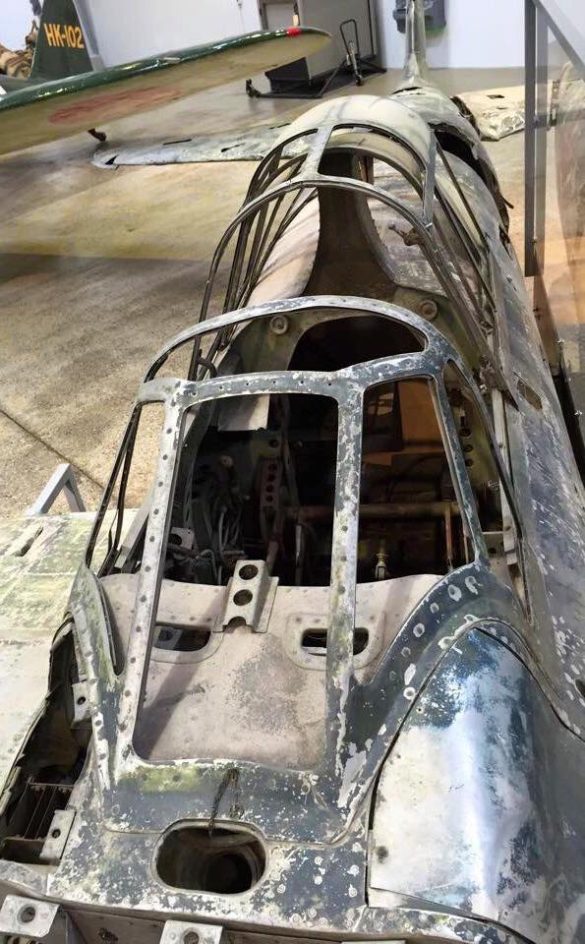
For decades these forgotten aircraft have slowly surrendered to nature. Tropical humidity, salt air, dense vegetation, and corrosion transformed once-proud fighters into haunting historical relics. Today, these wrecks offer a fascinating glimpse into the final chapter of the Pacific air war while providing invaluable reference material for historians, restorers, photographers, and scale modelers.
Scale Modeling Inspiration
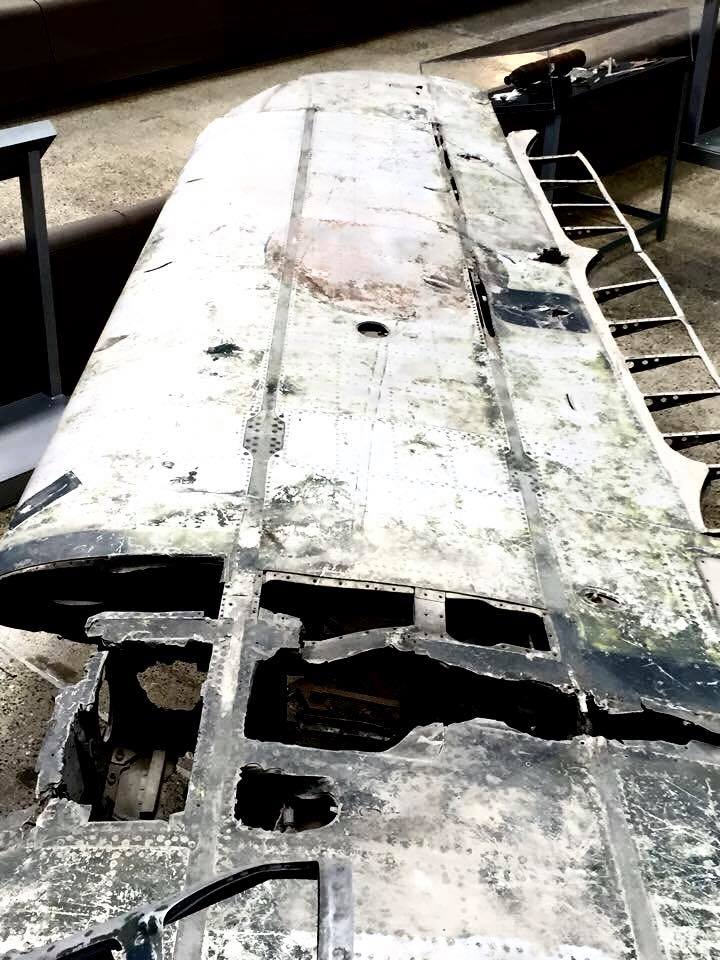
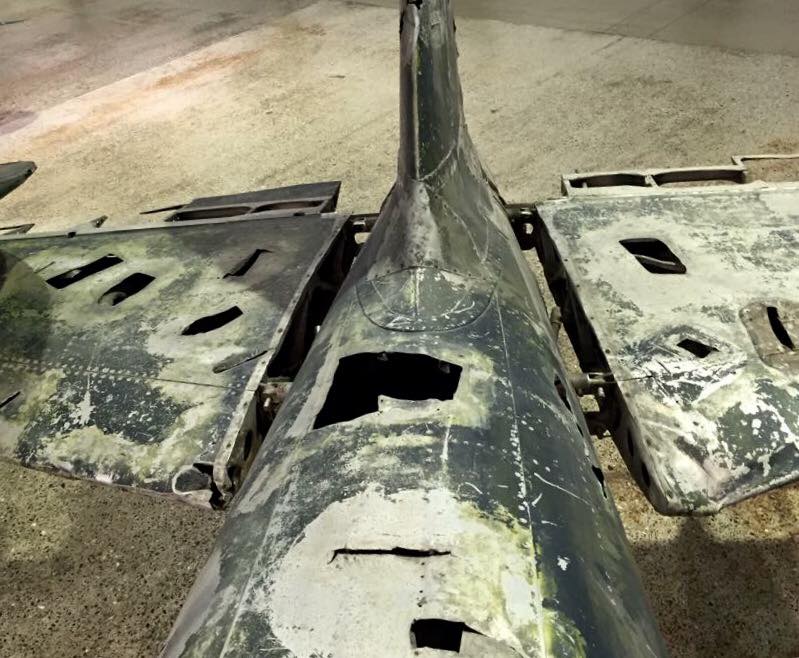
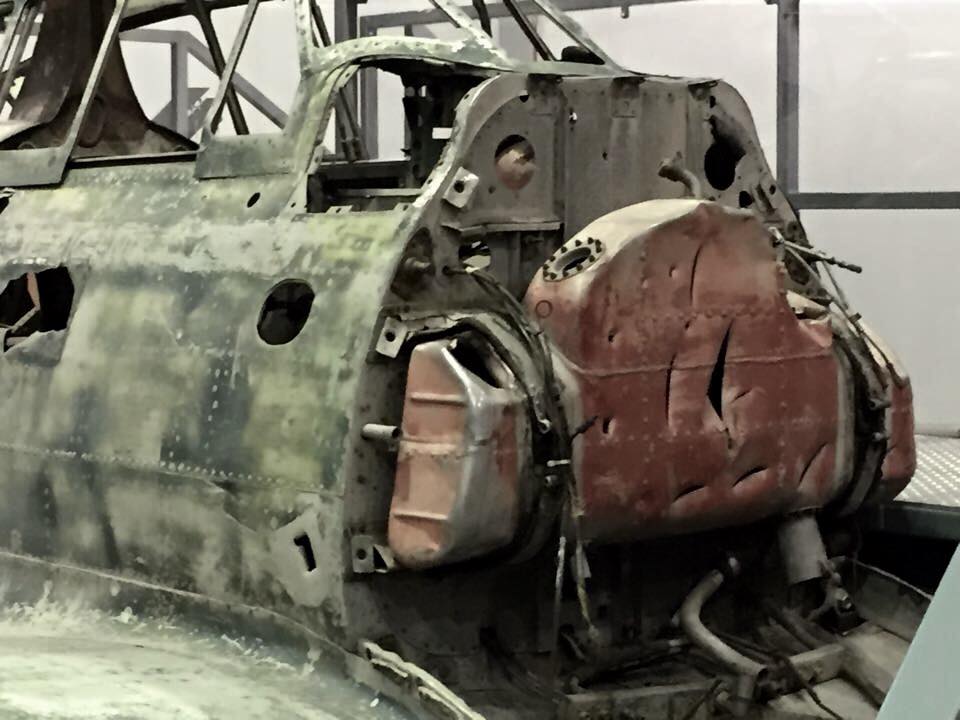
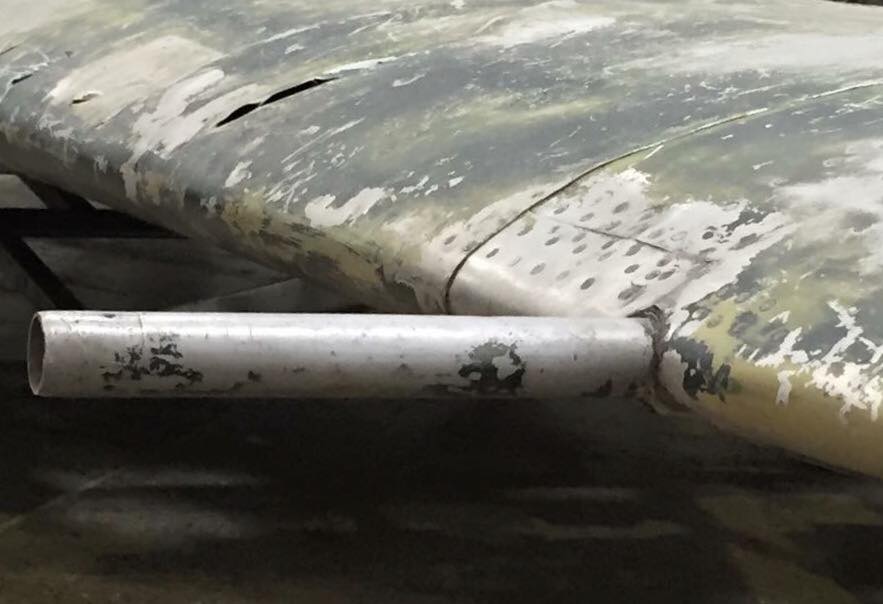
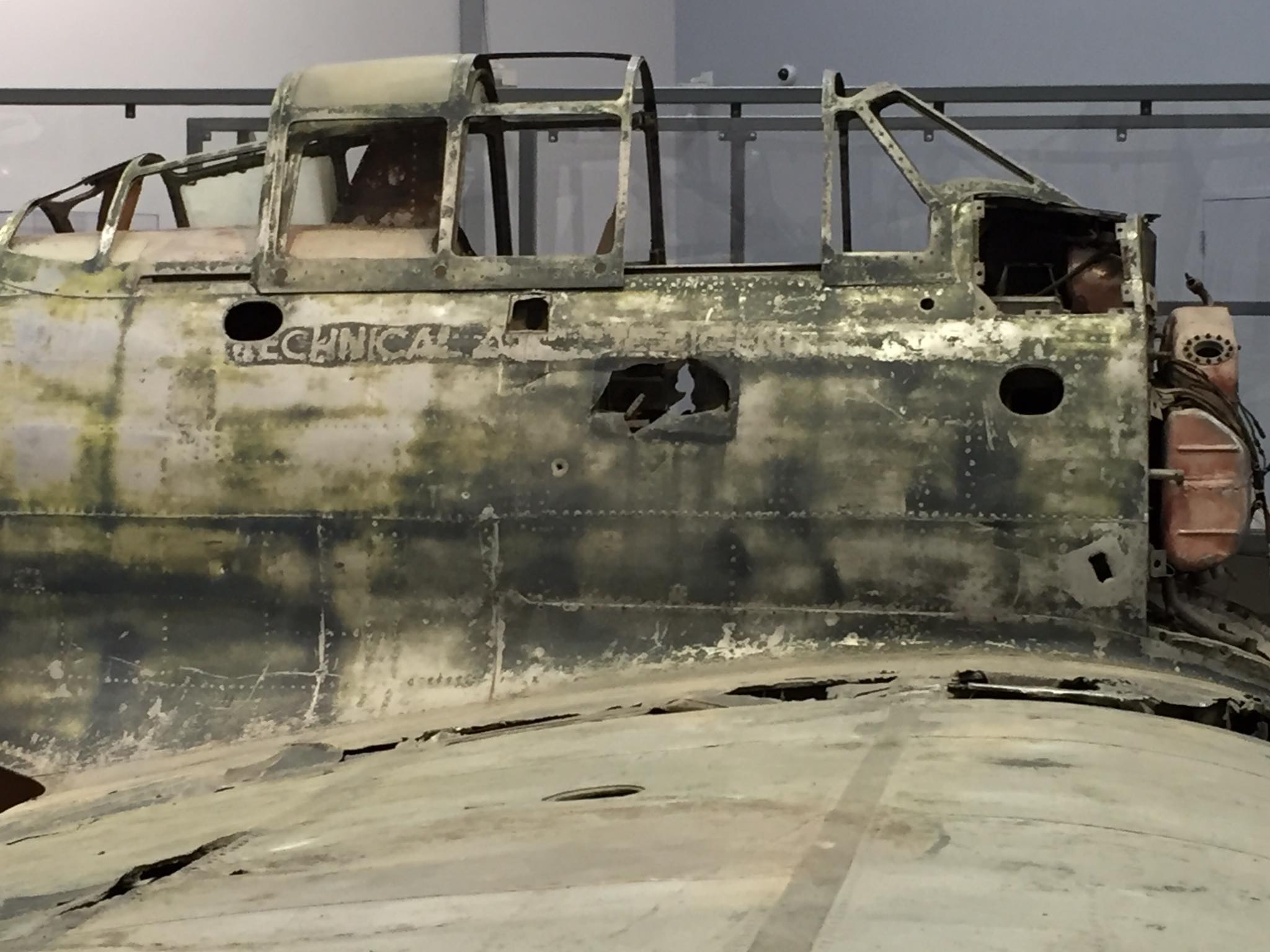
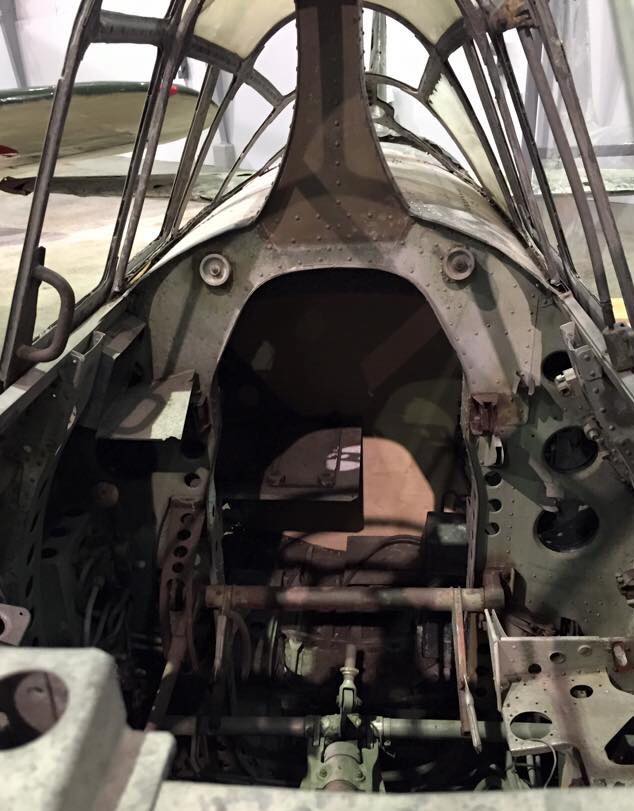
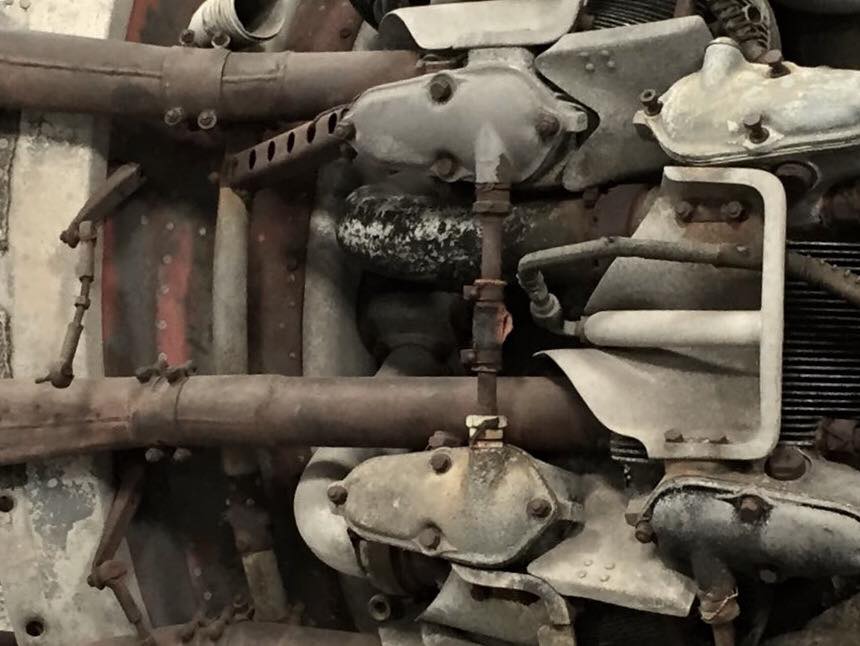
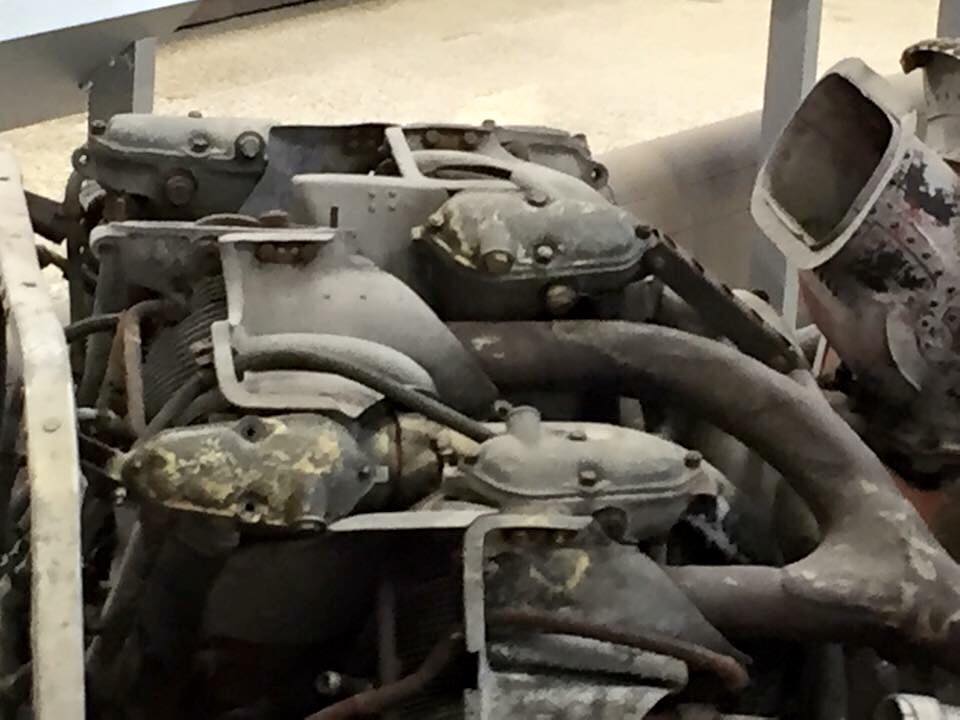
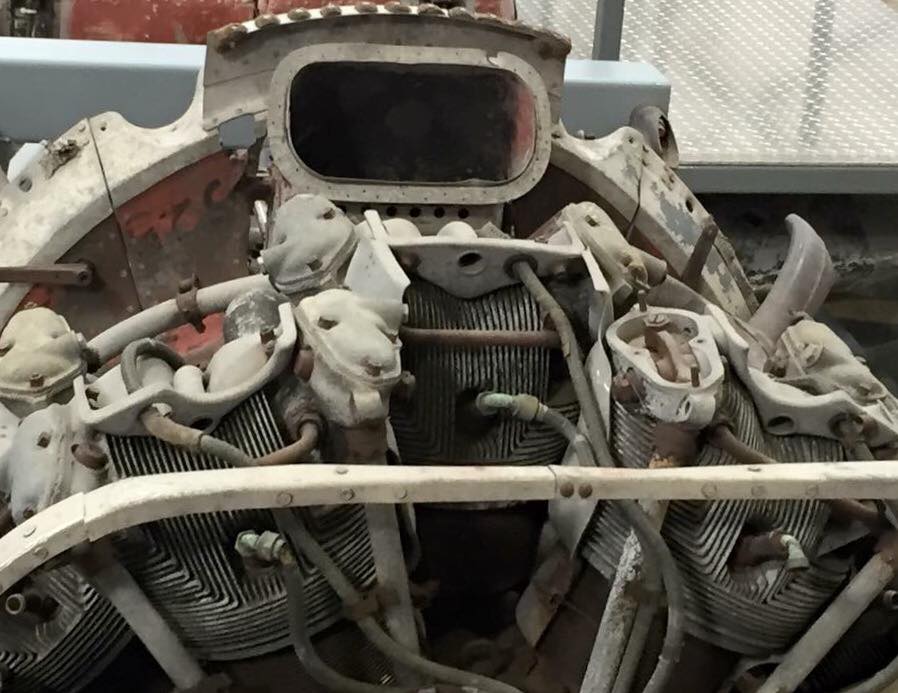
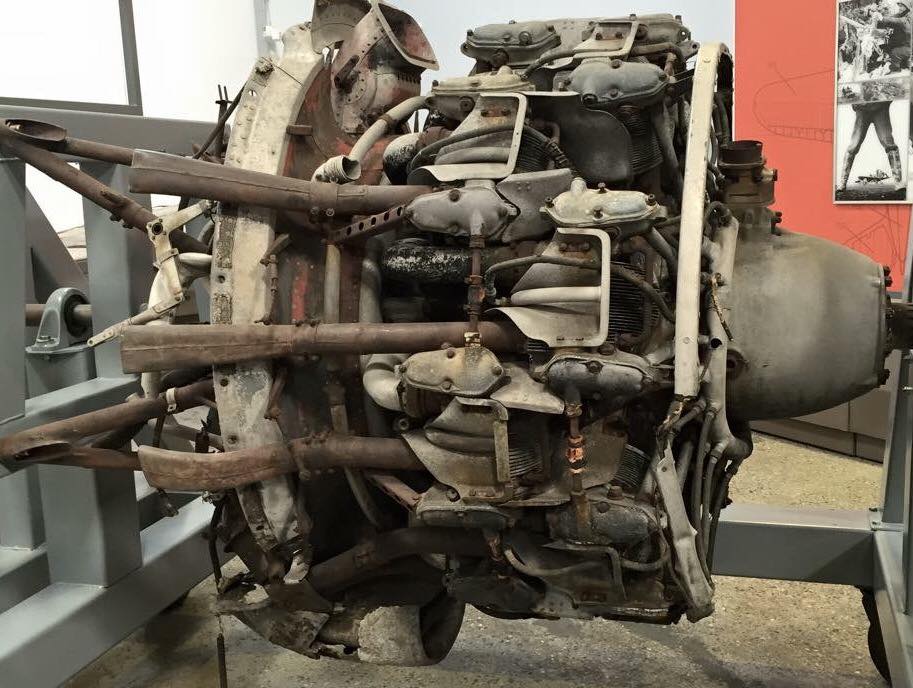
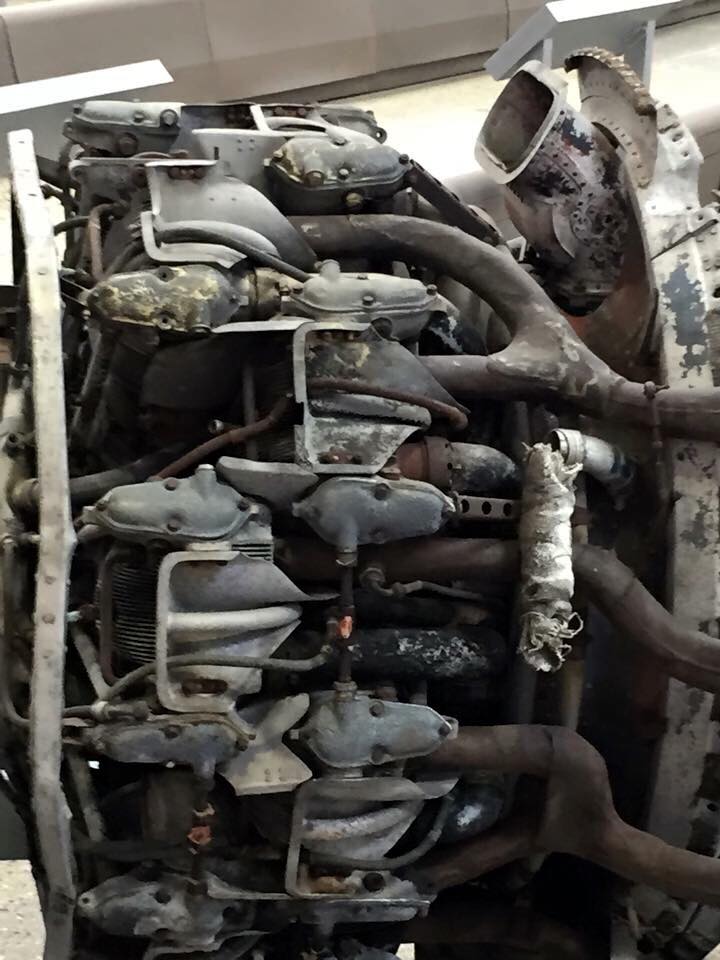
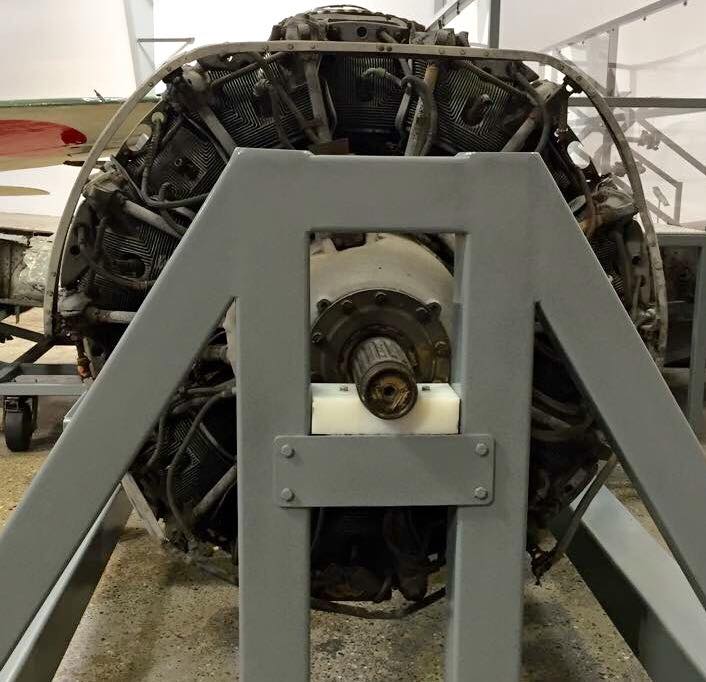
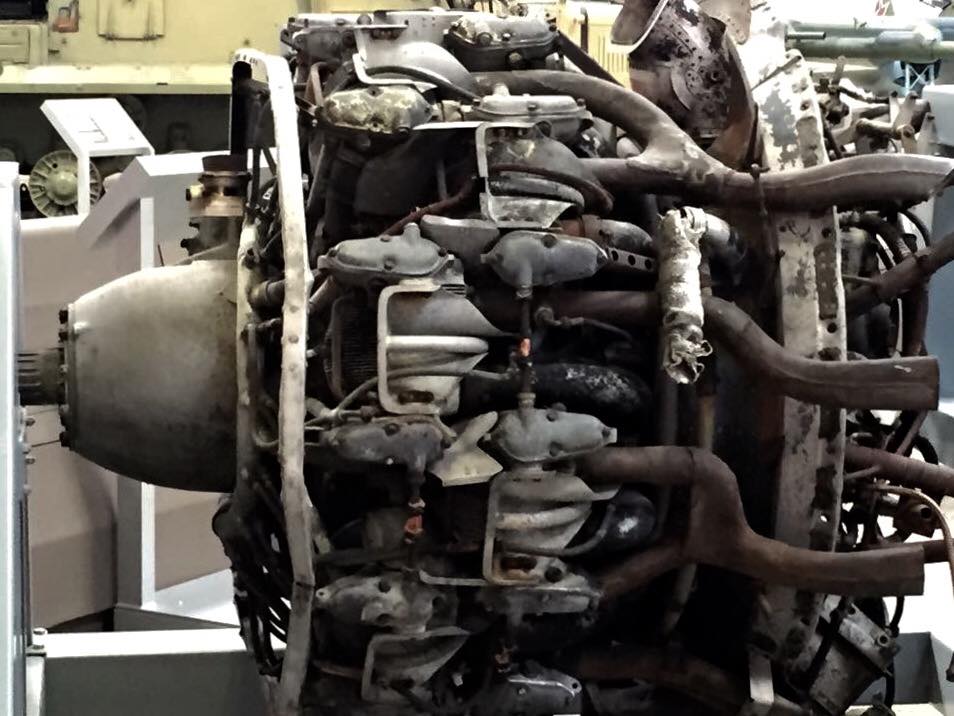
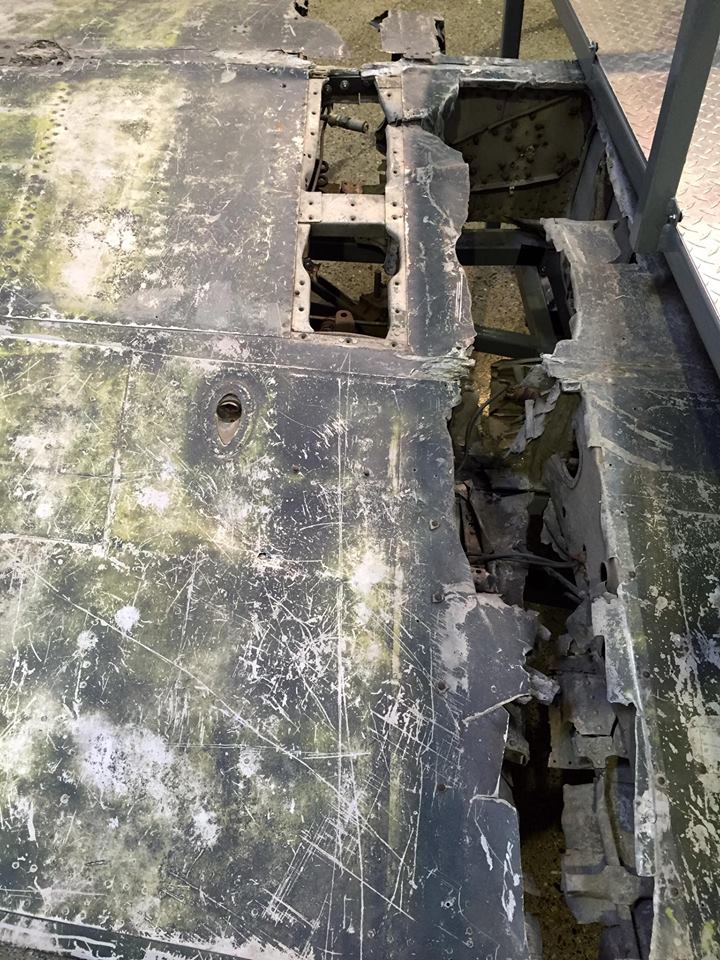
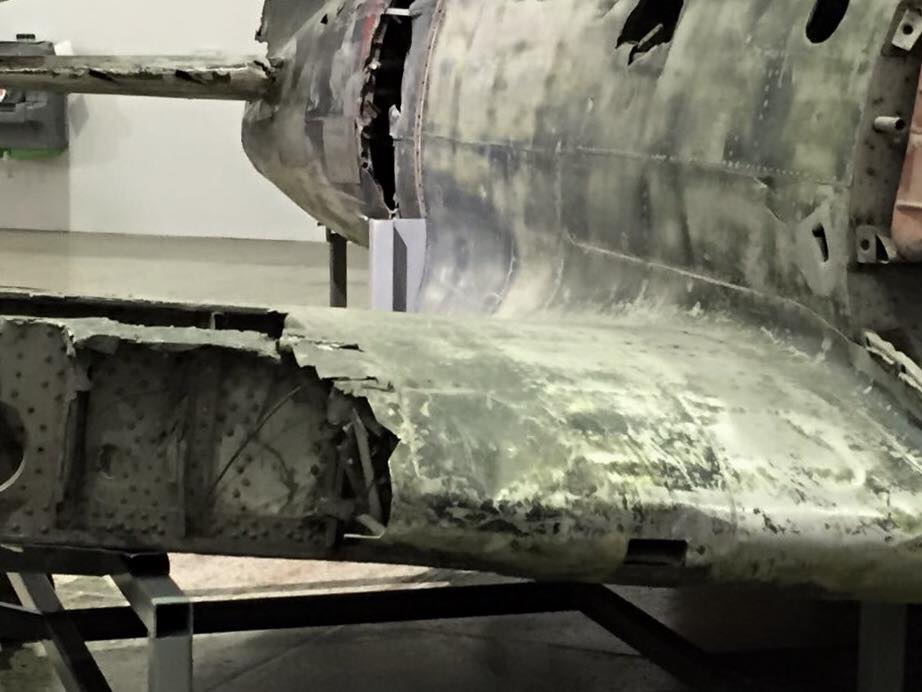
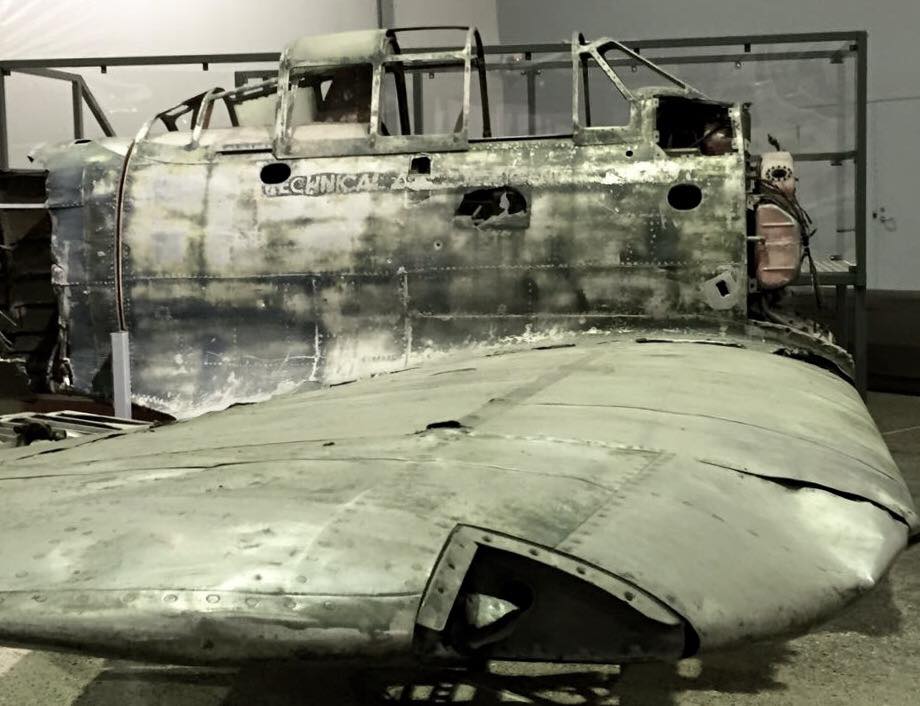
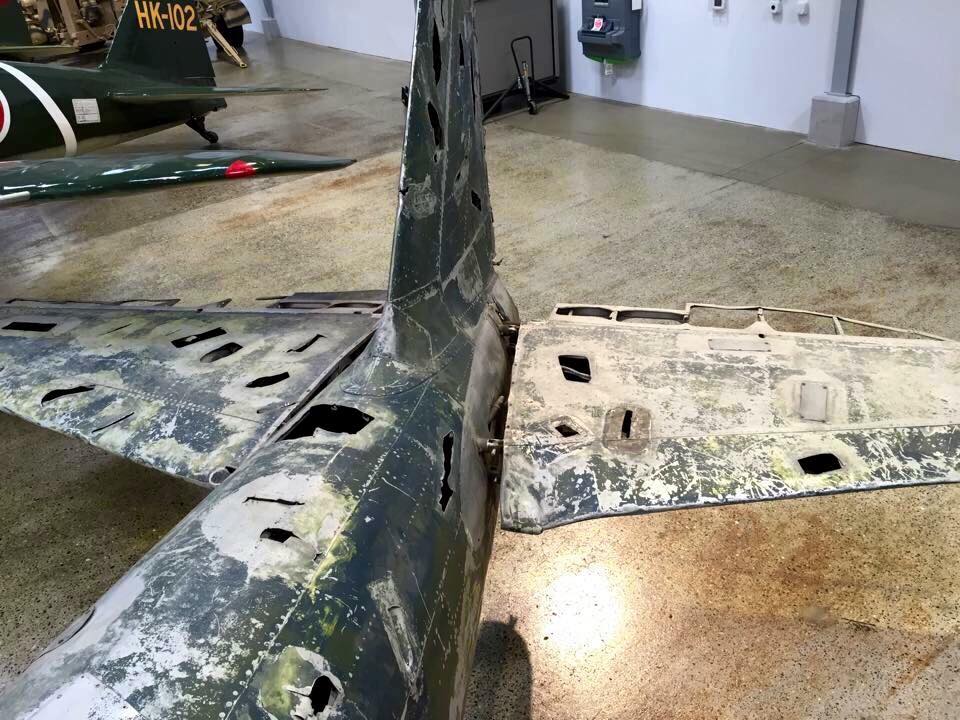
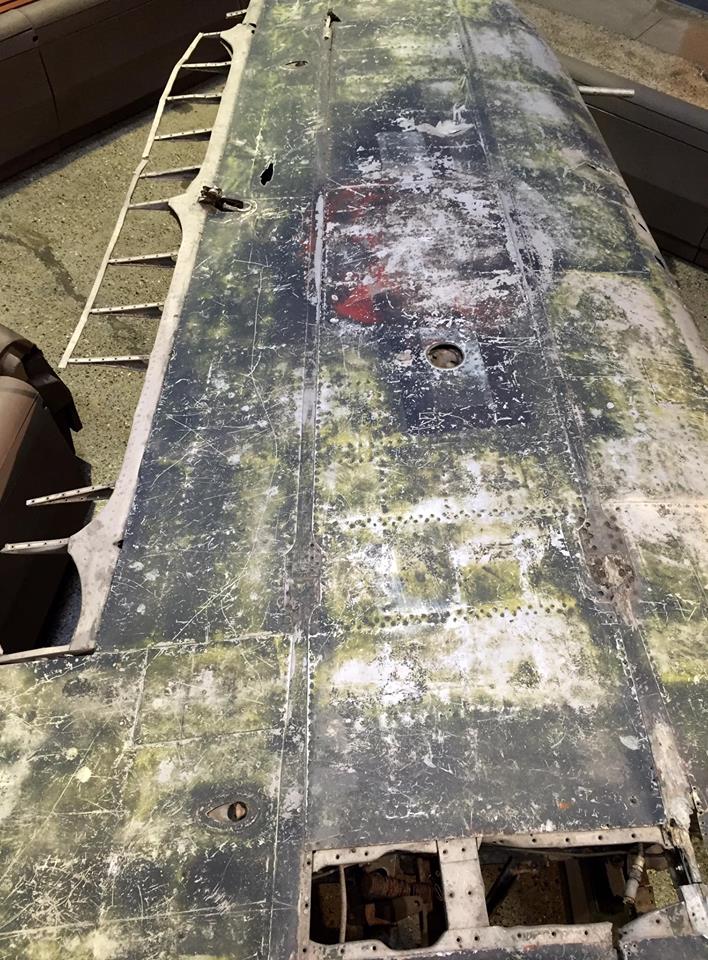
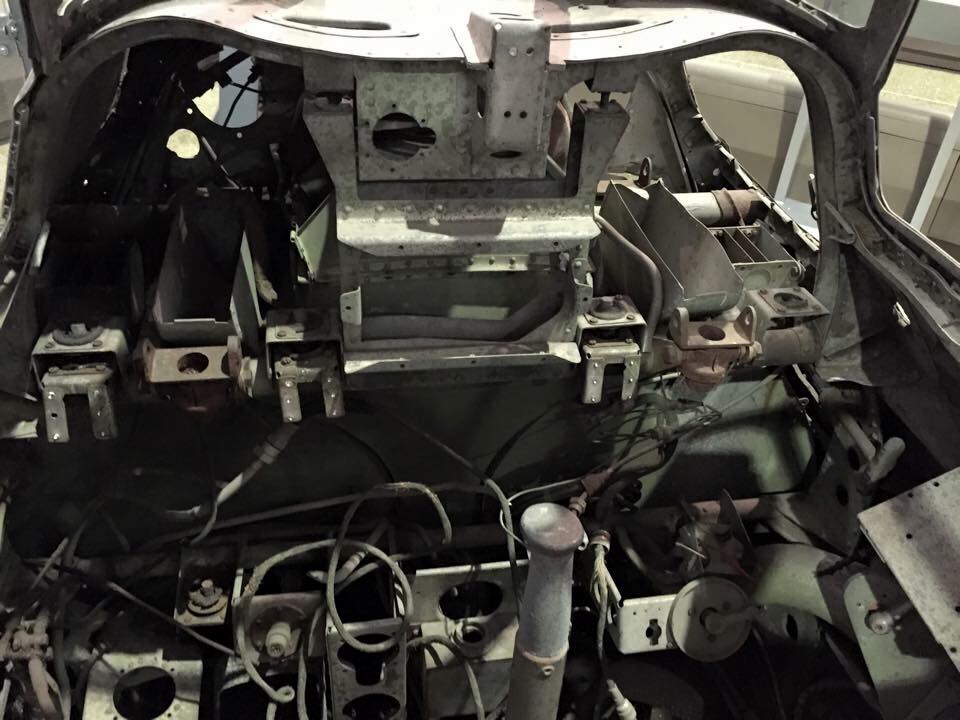
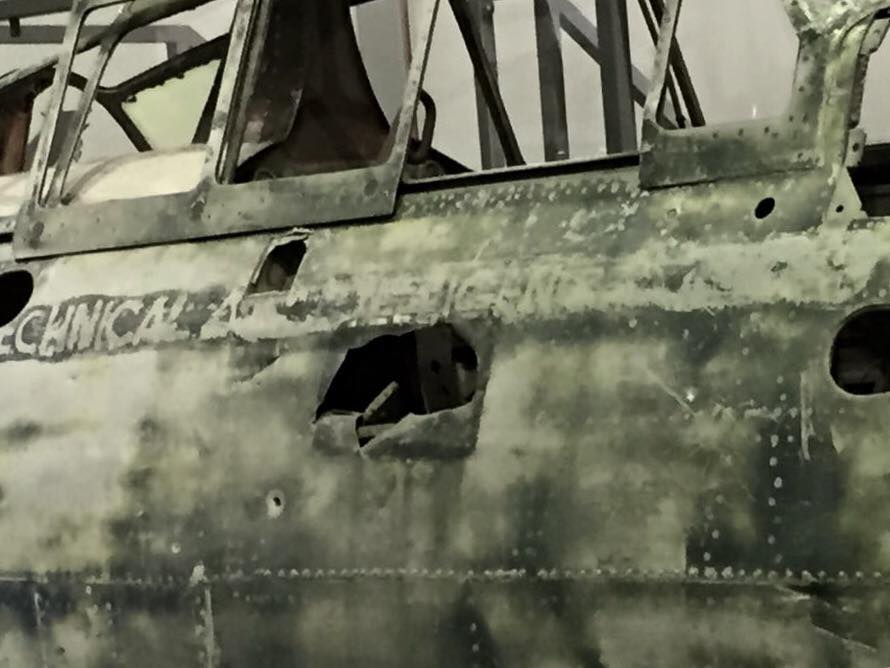
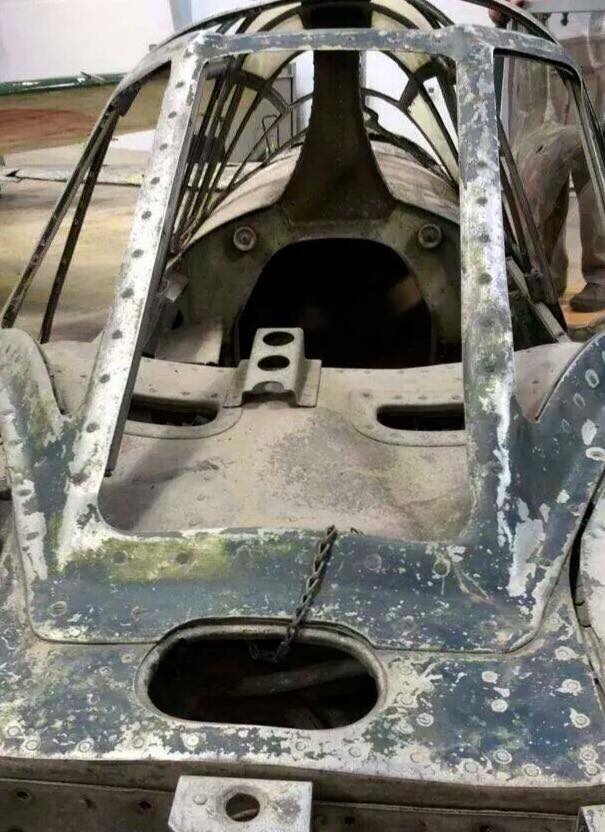
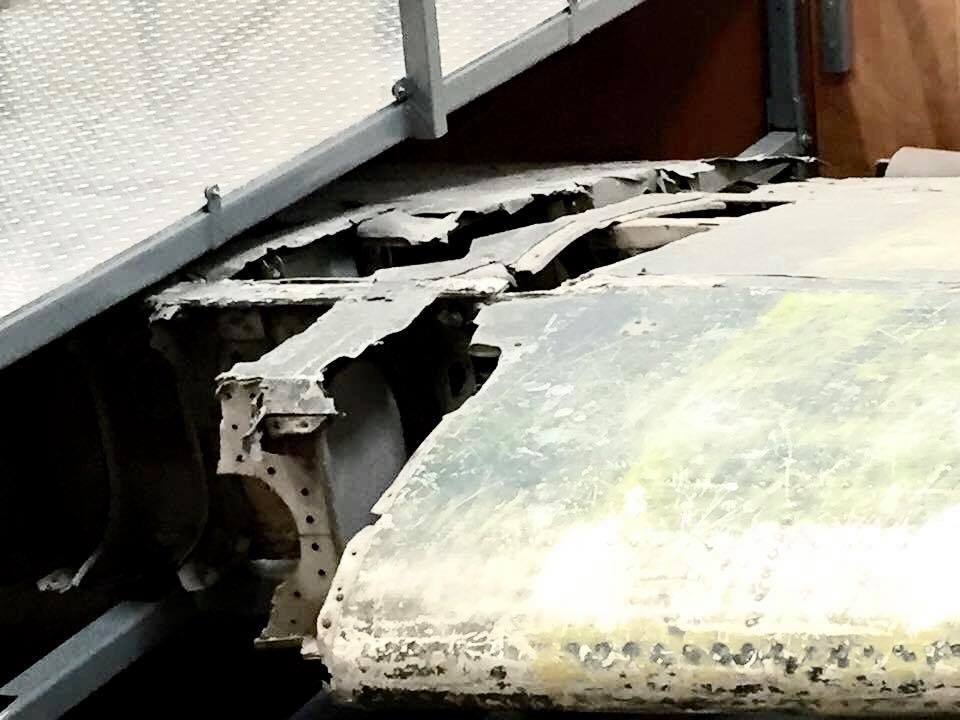
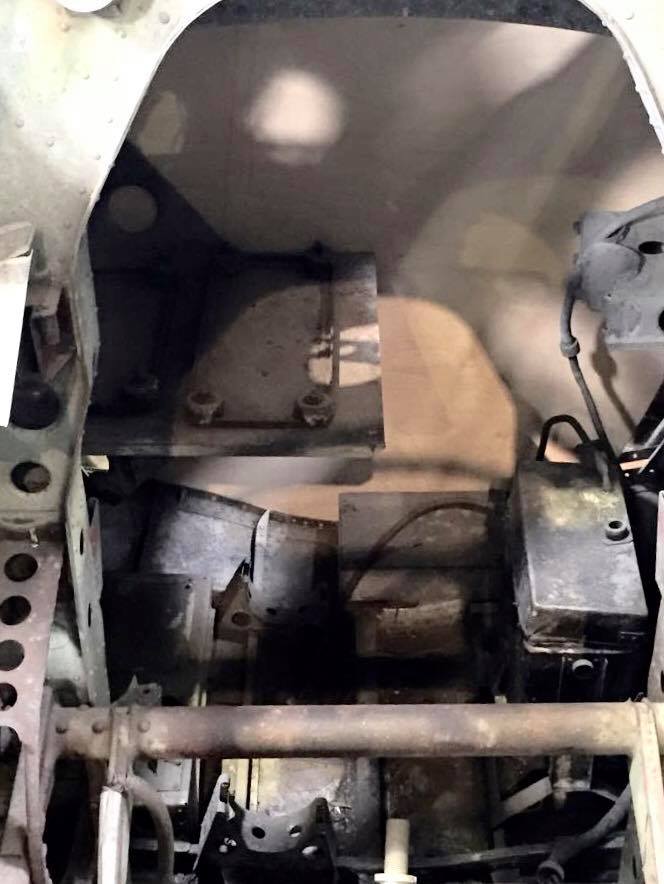
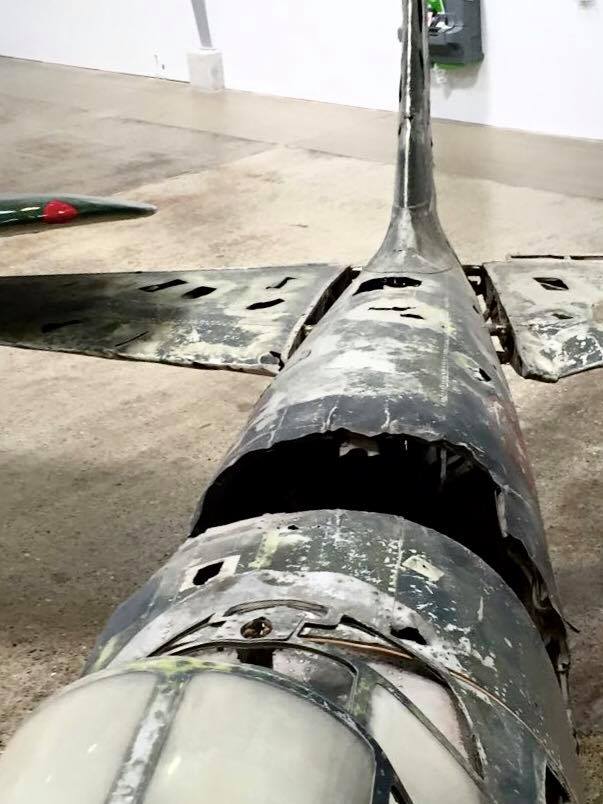
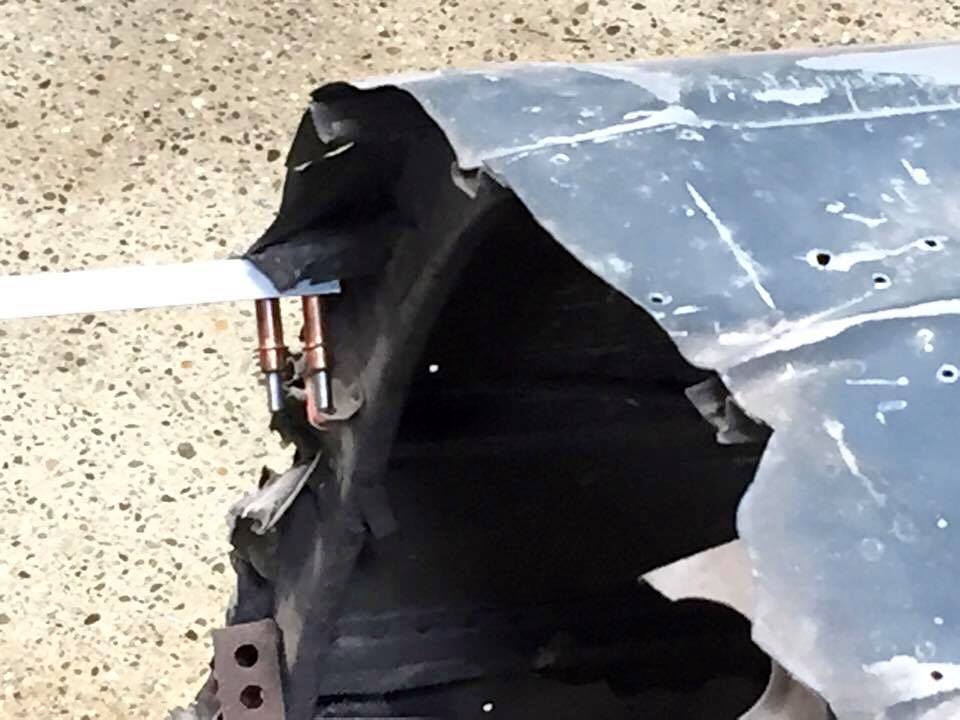
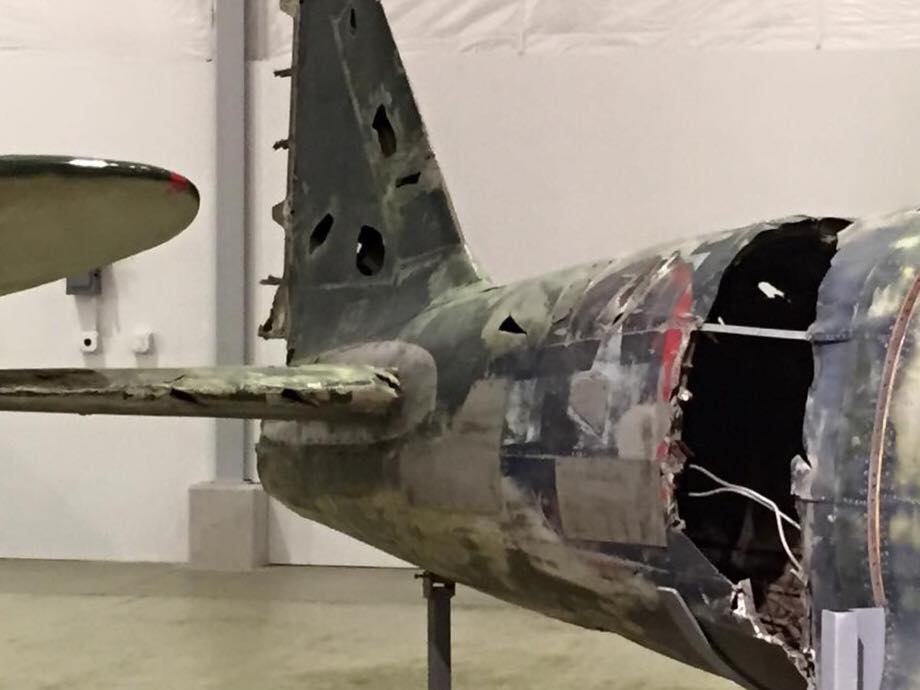
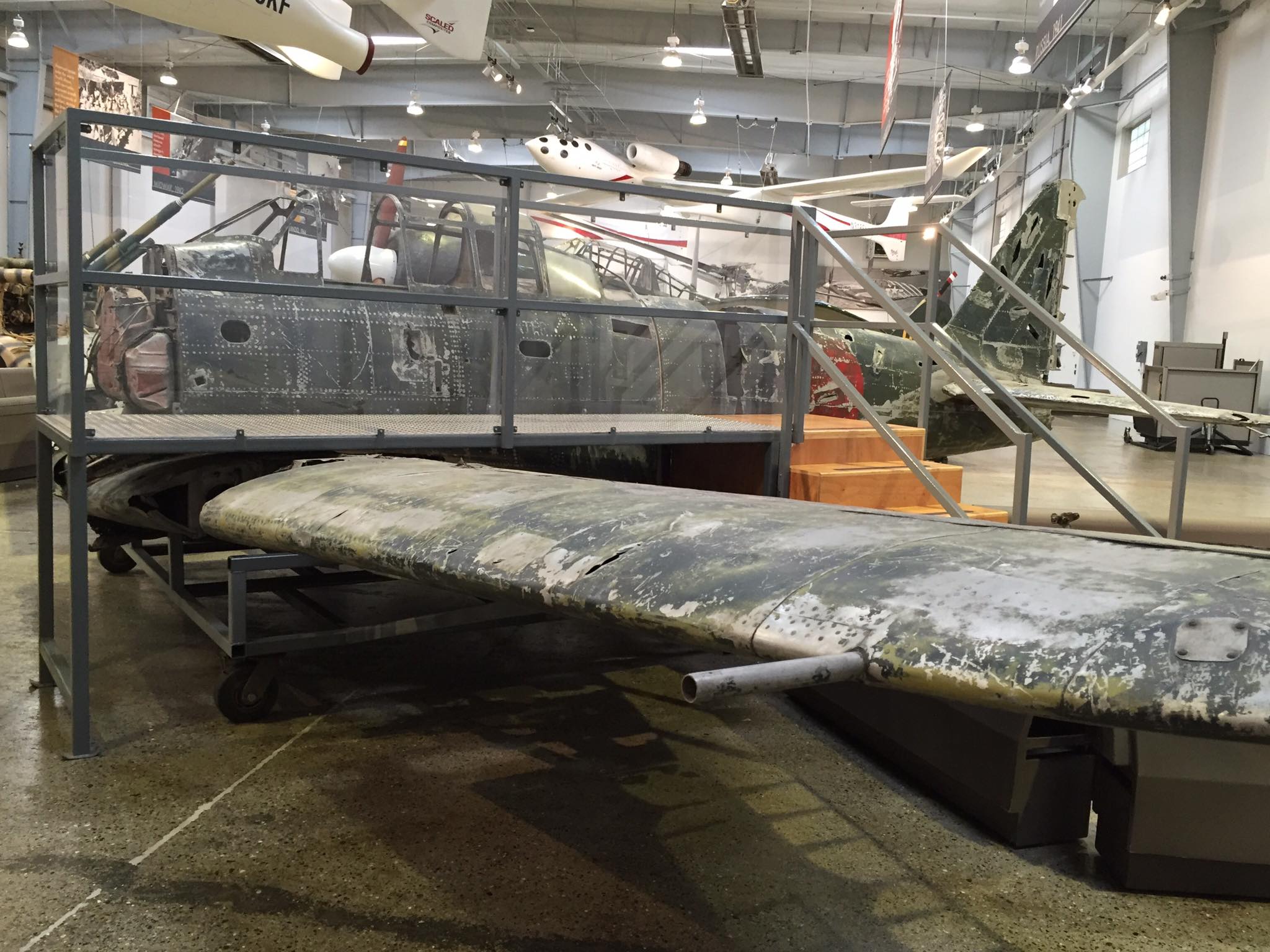
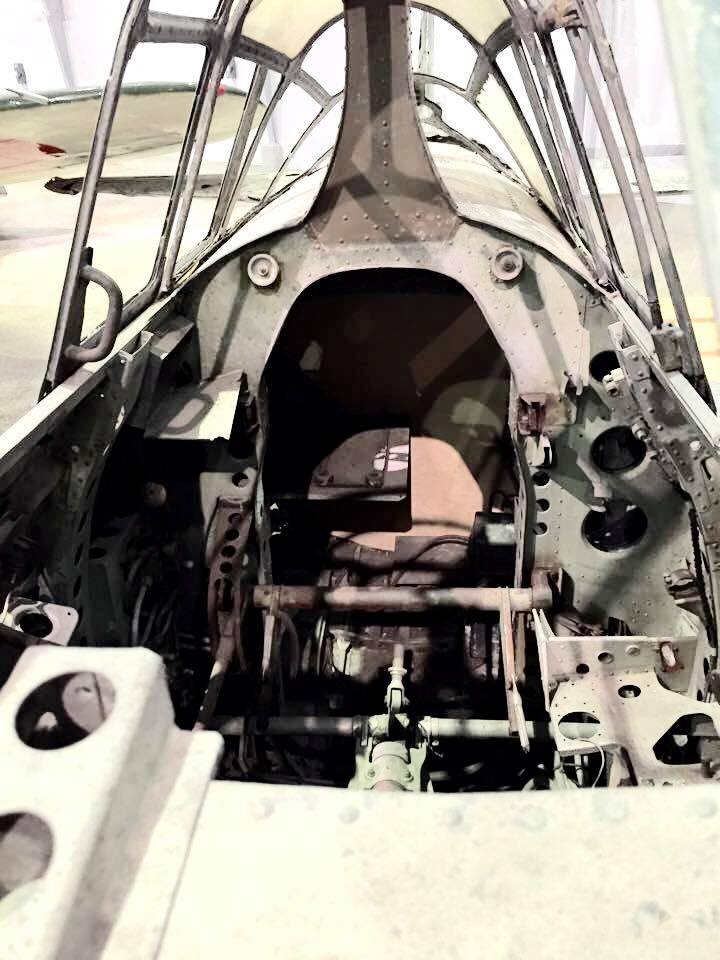
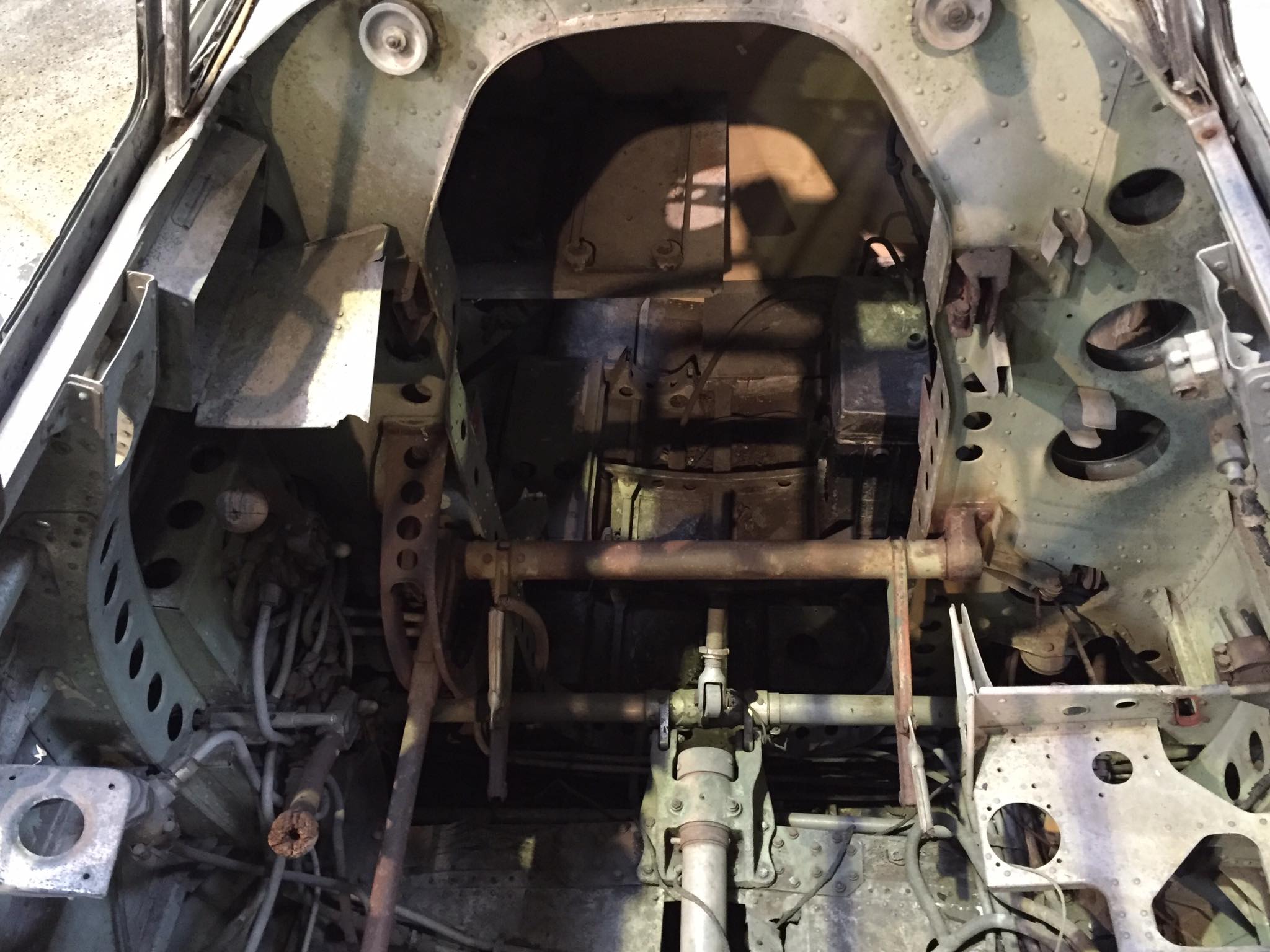
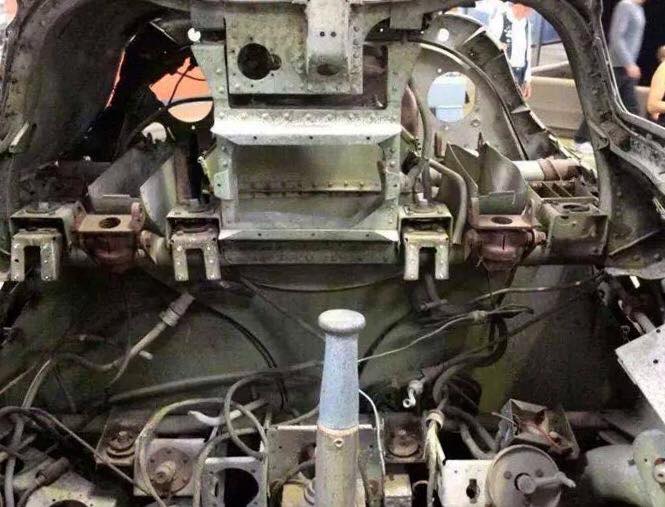
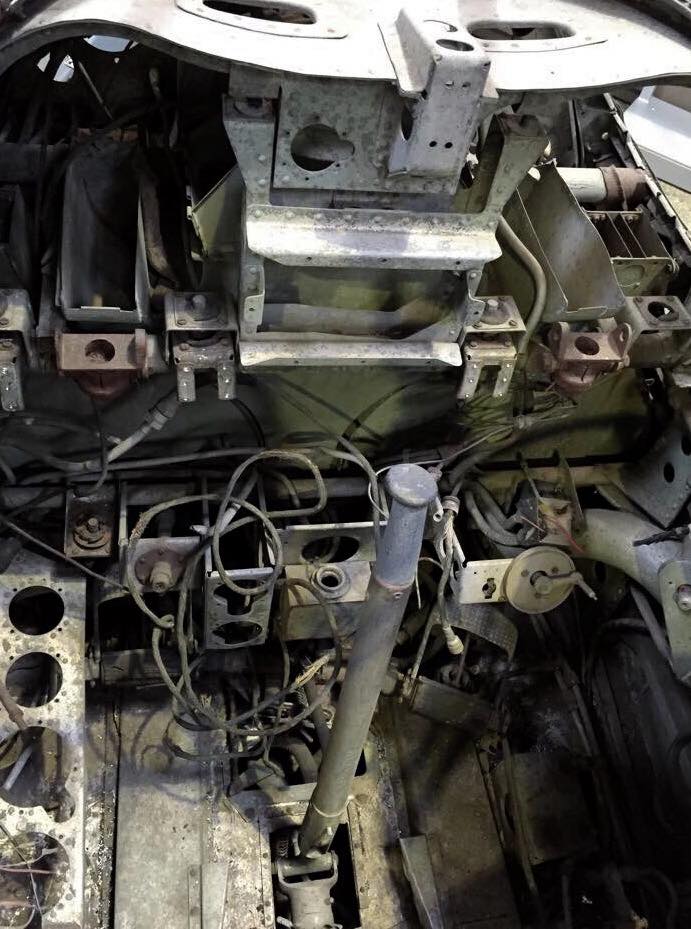
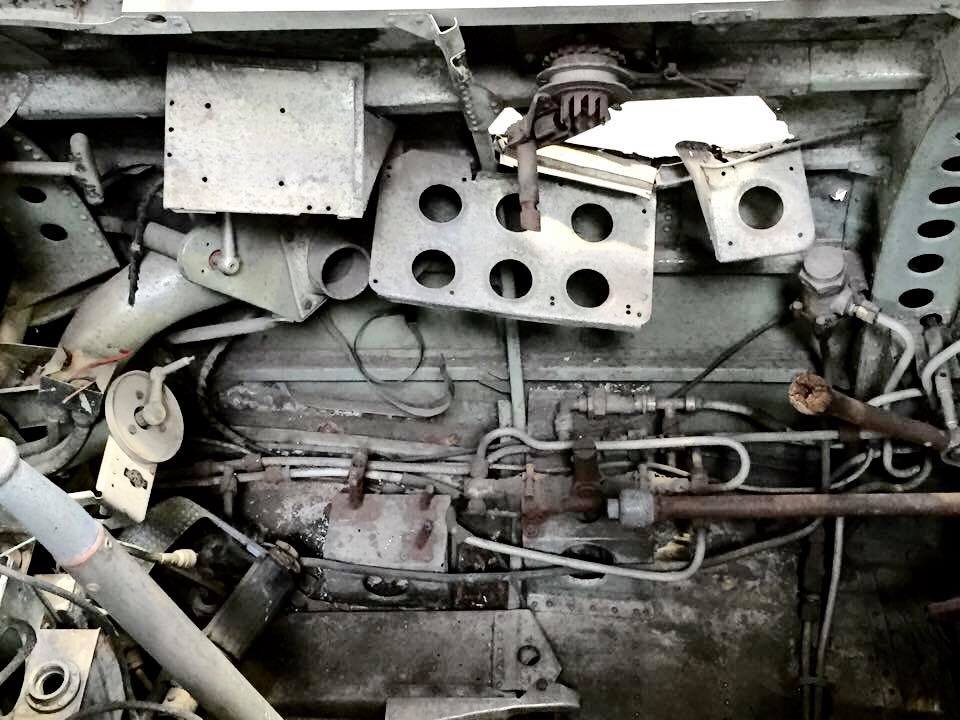
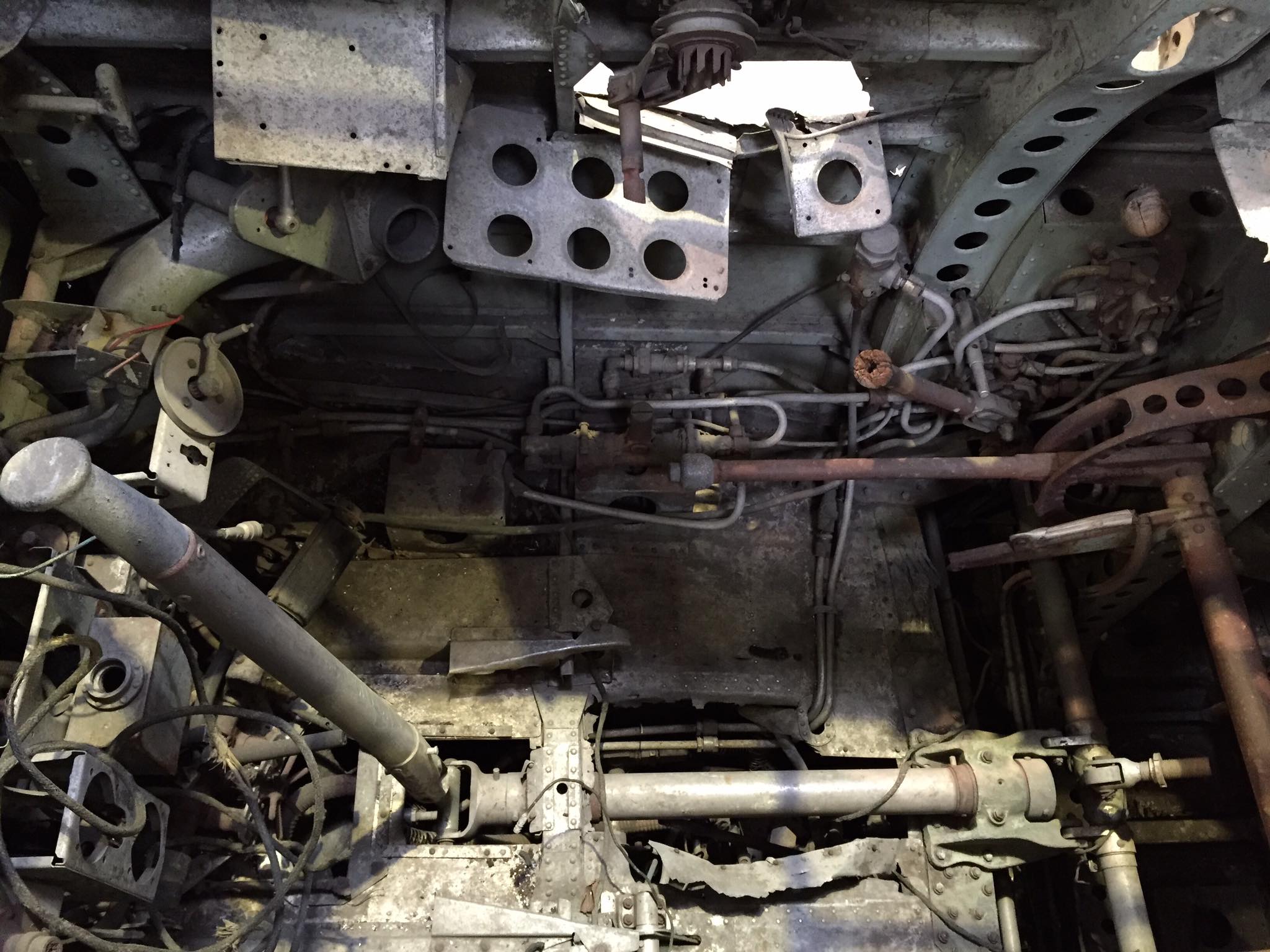
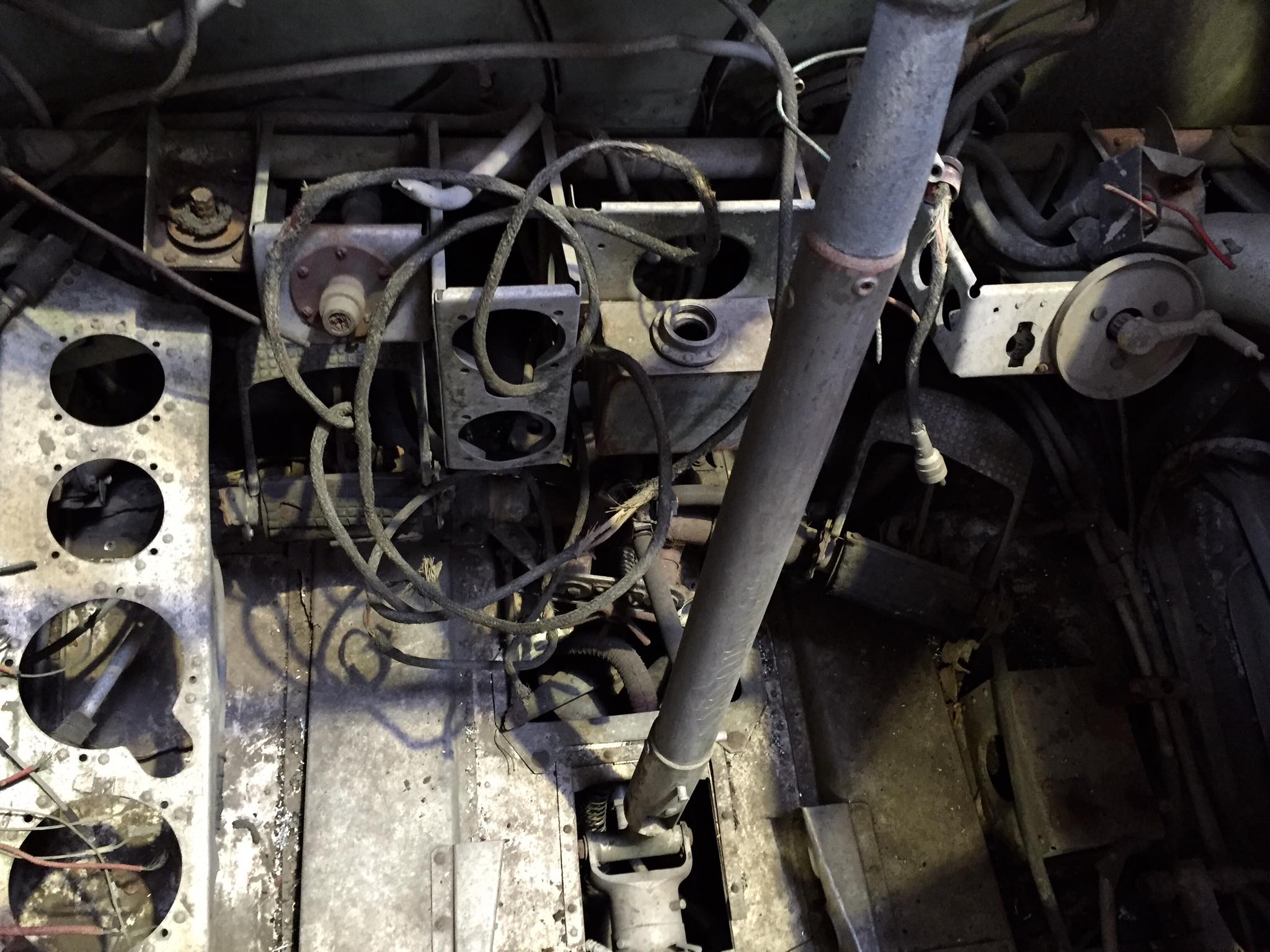
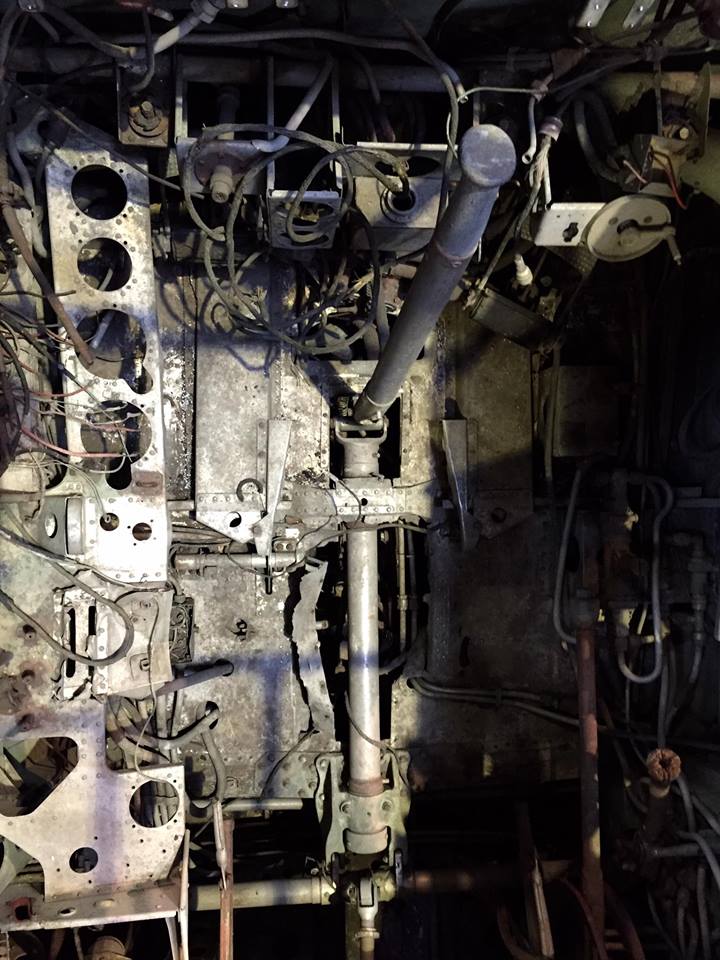
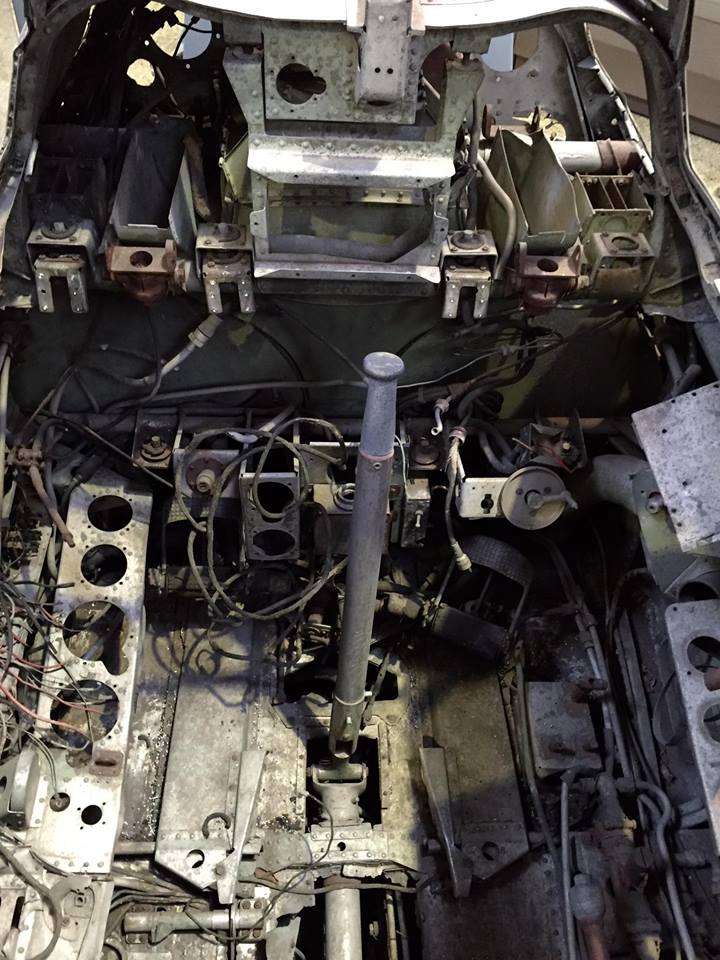
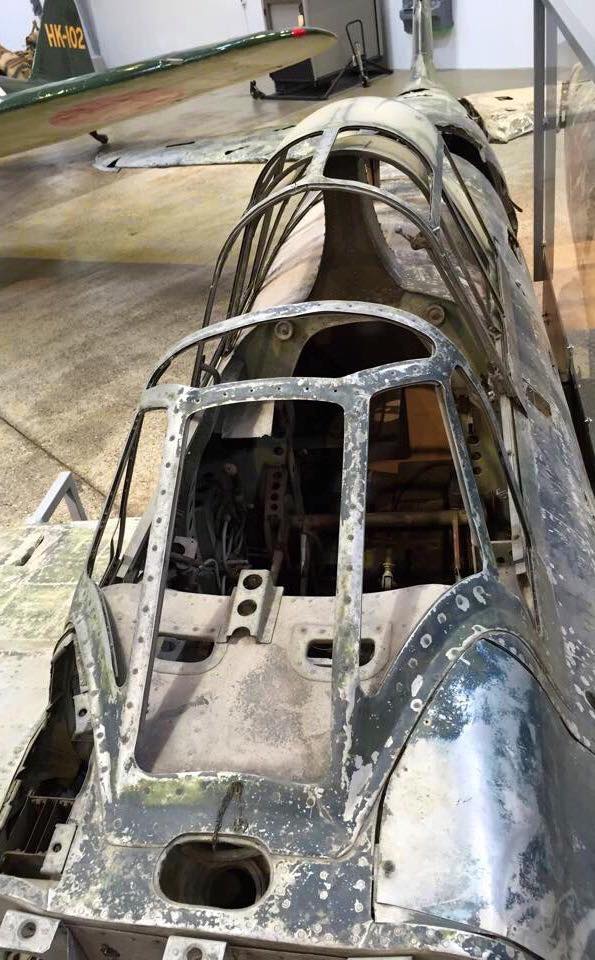
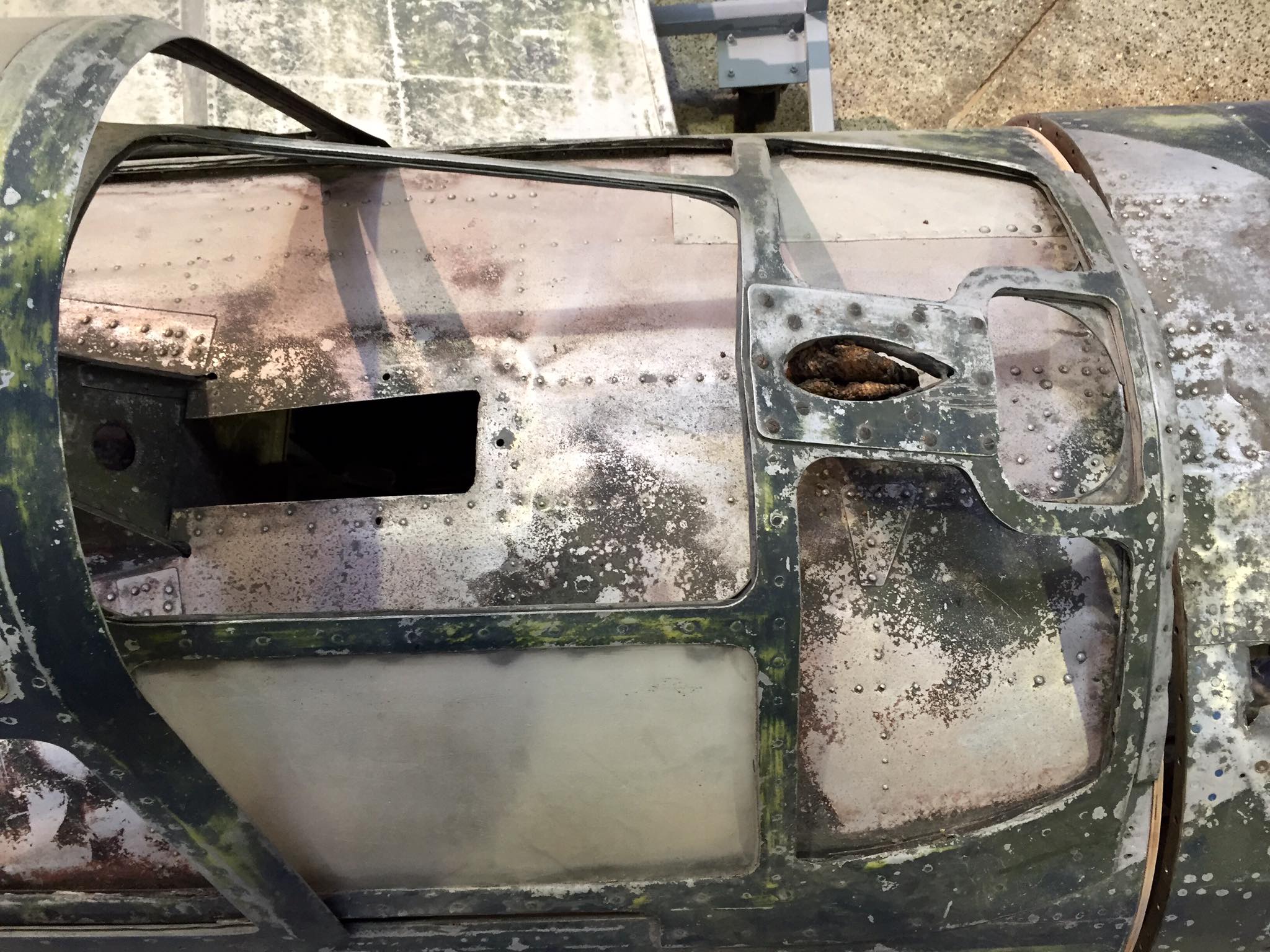
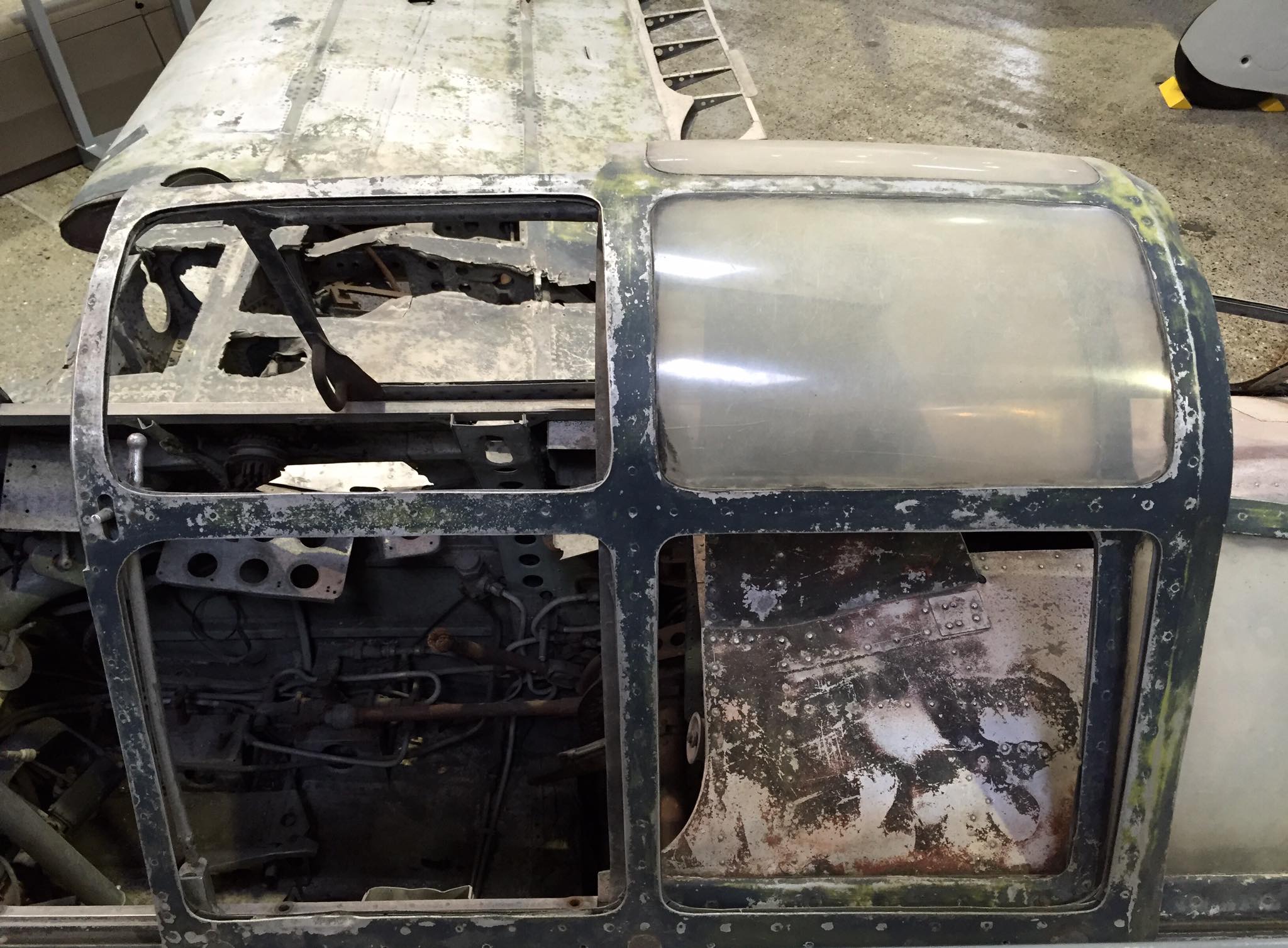
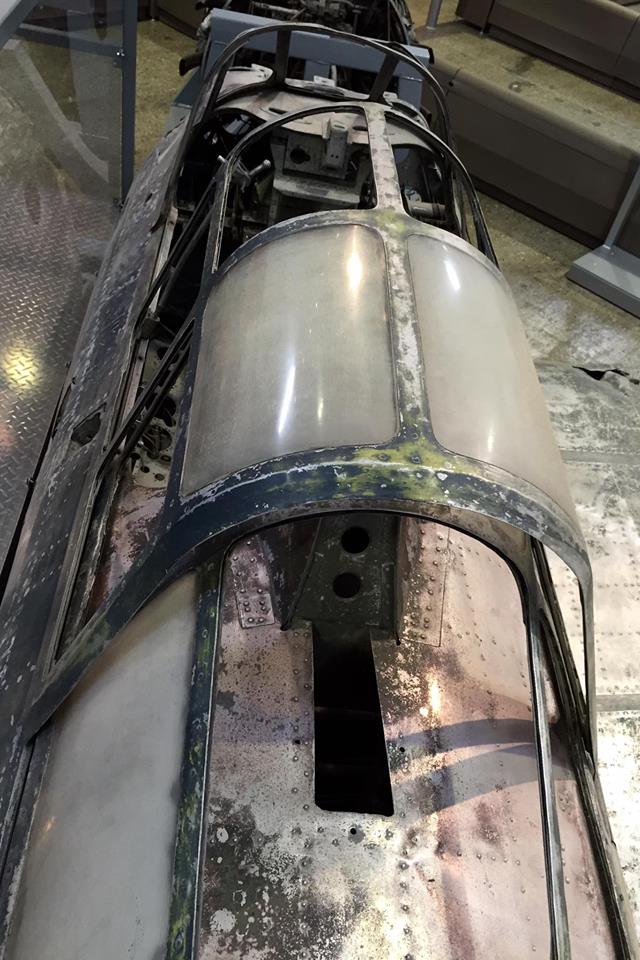
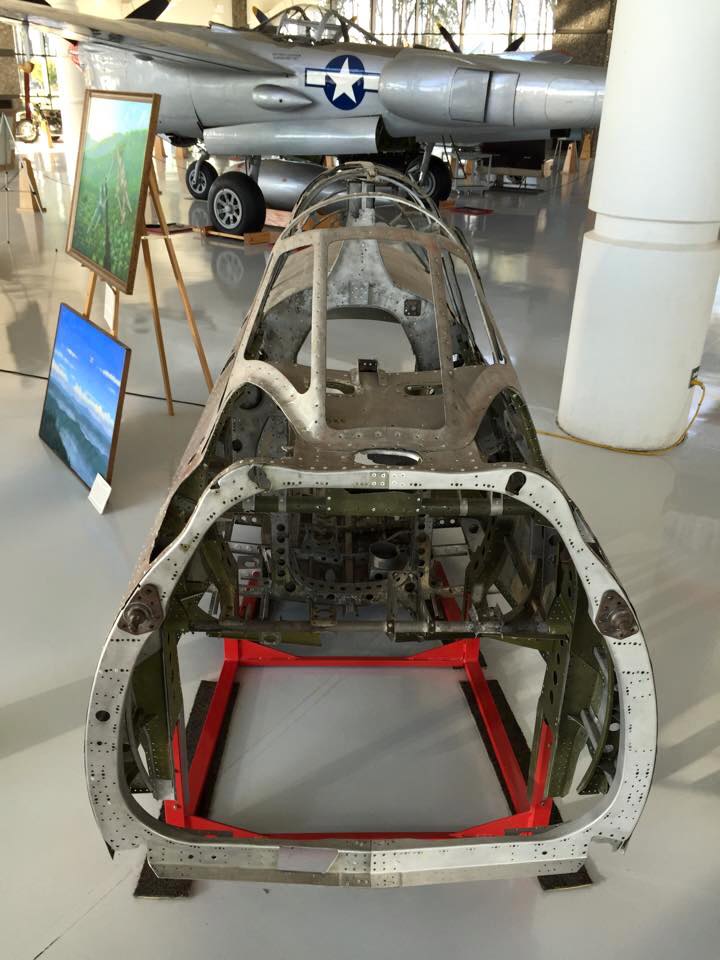
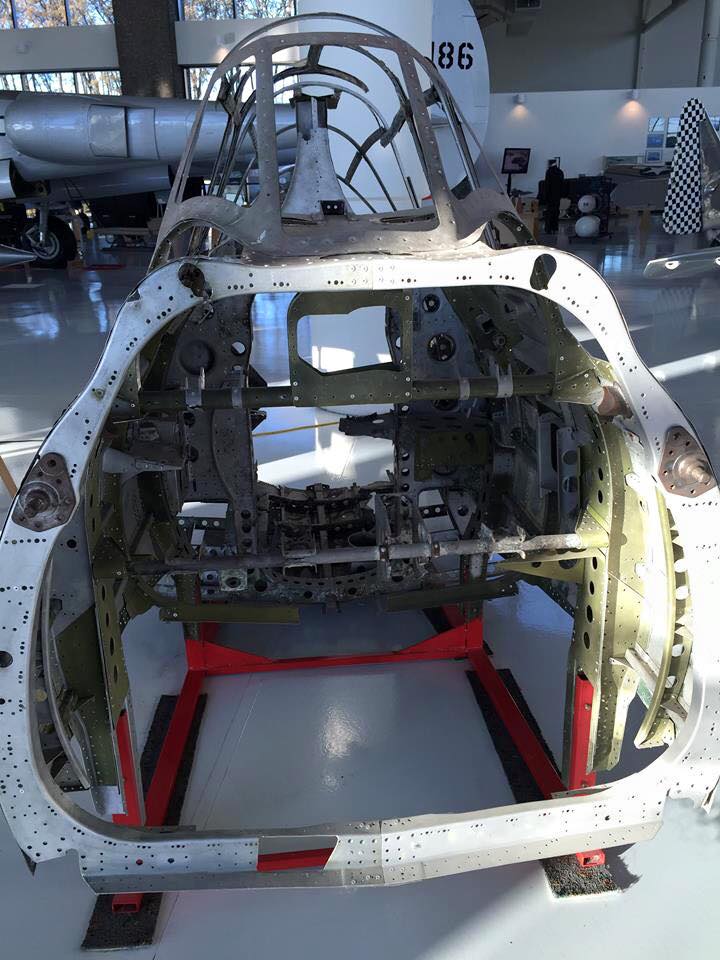
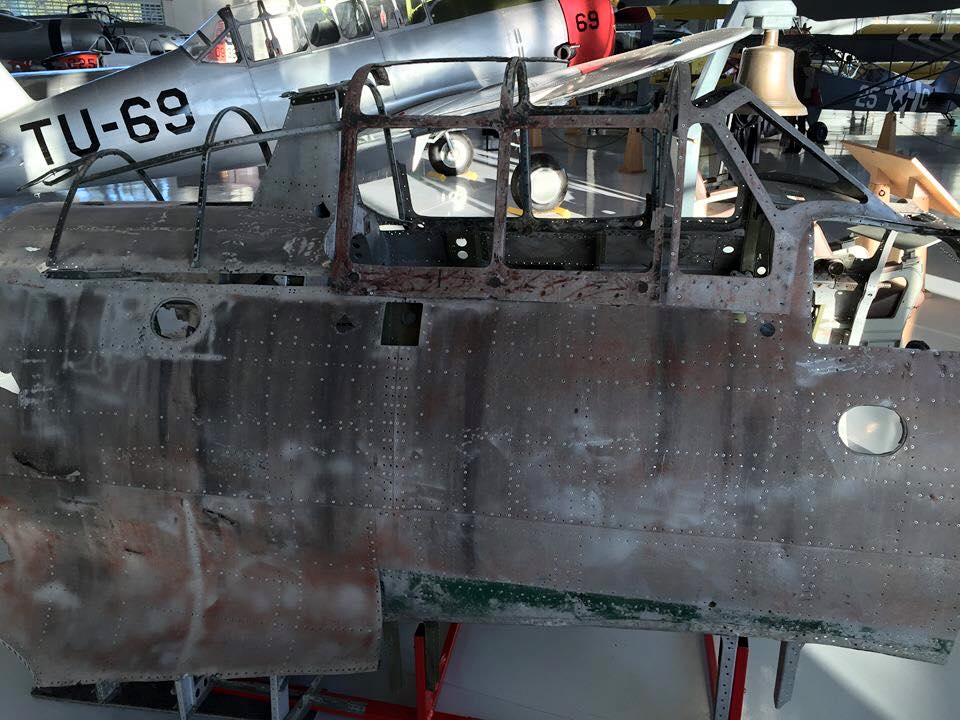
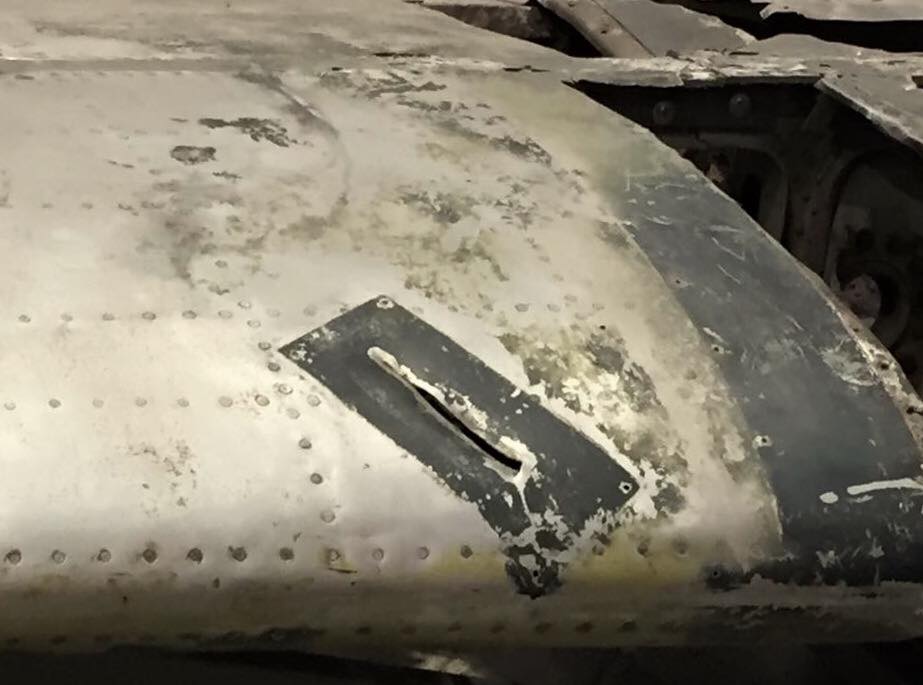
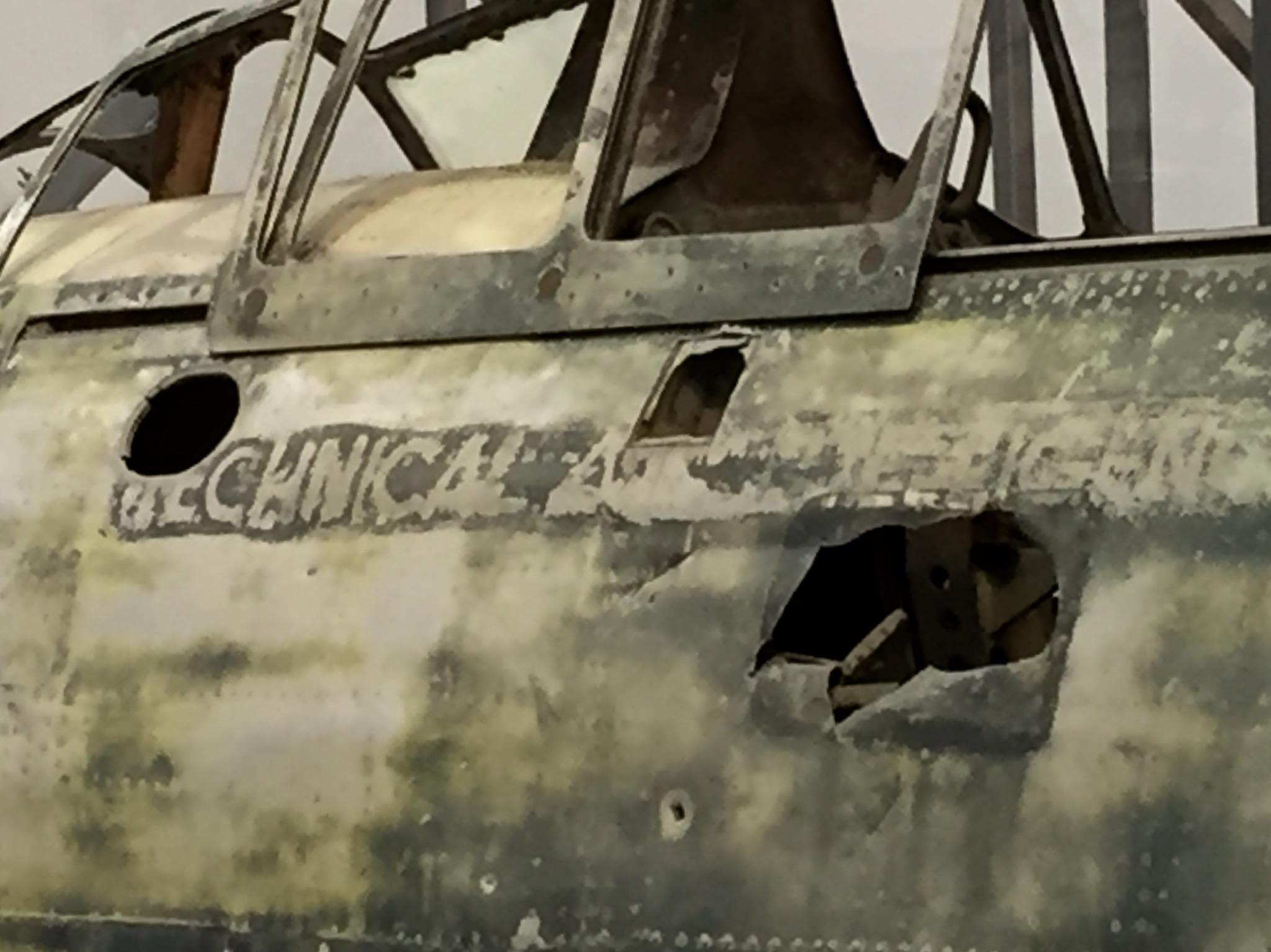
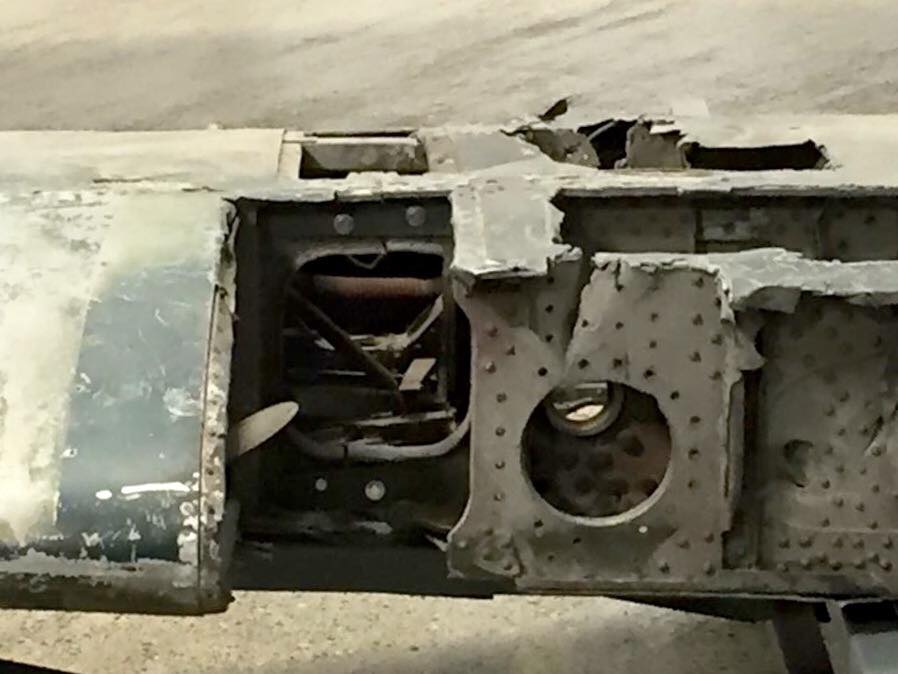
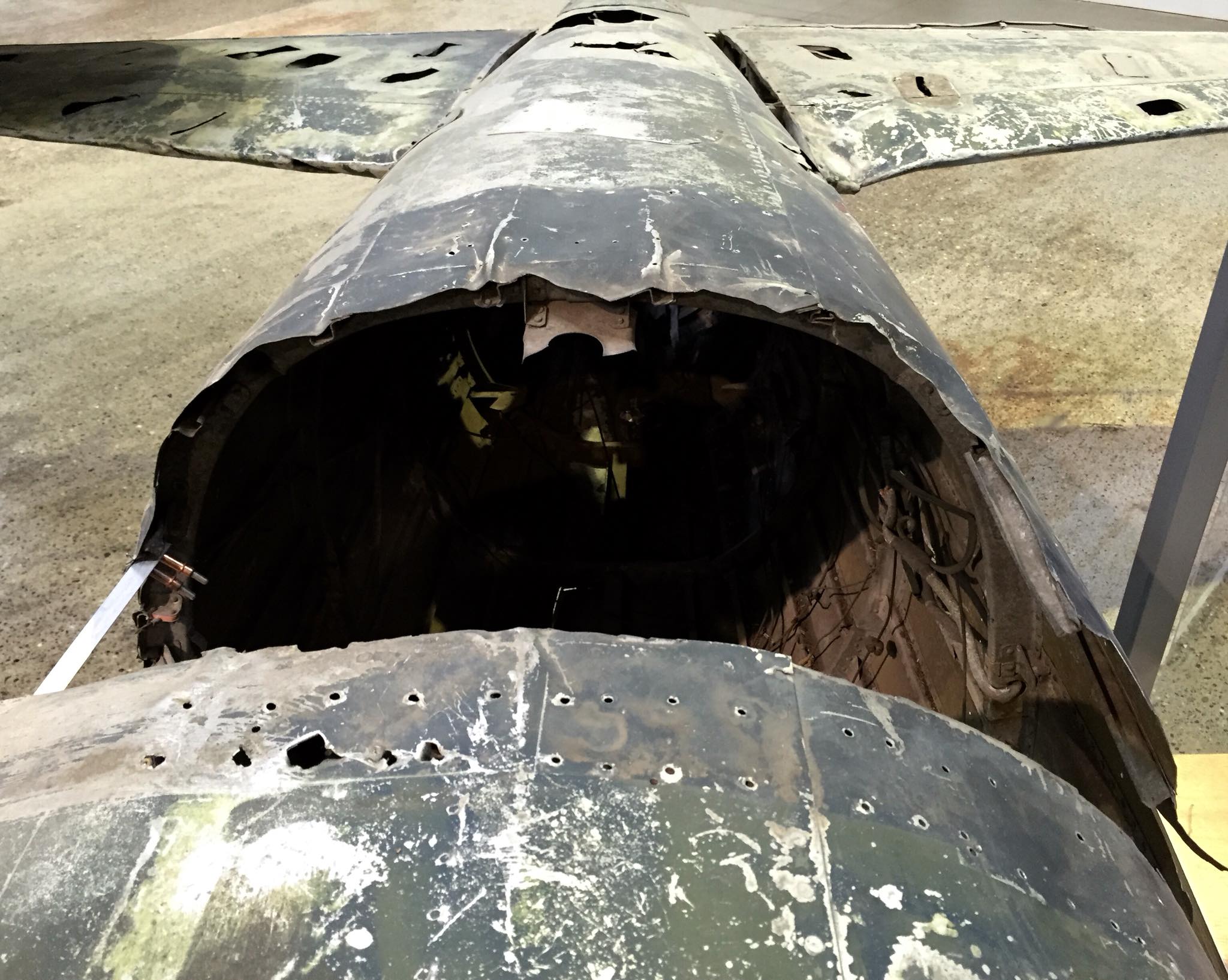
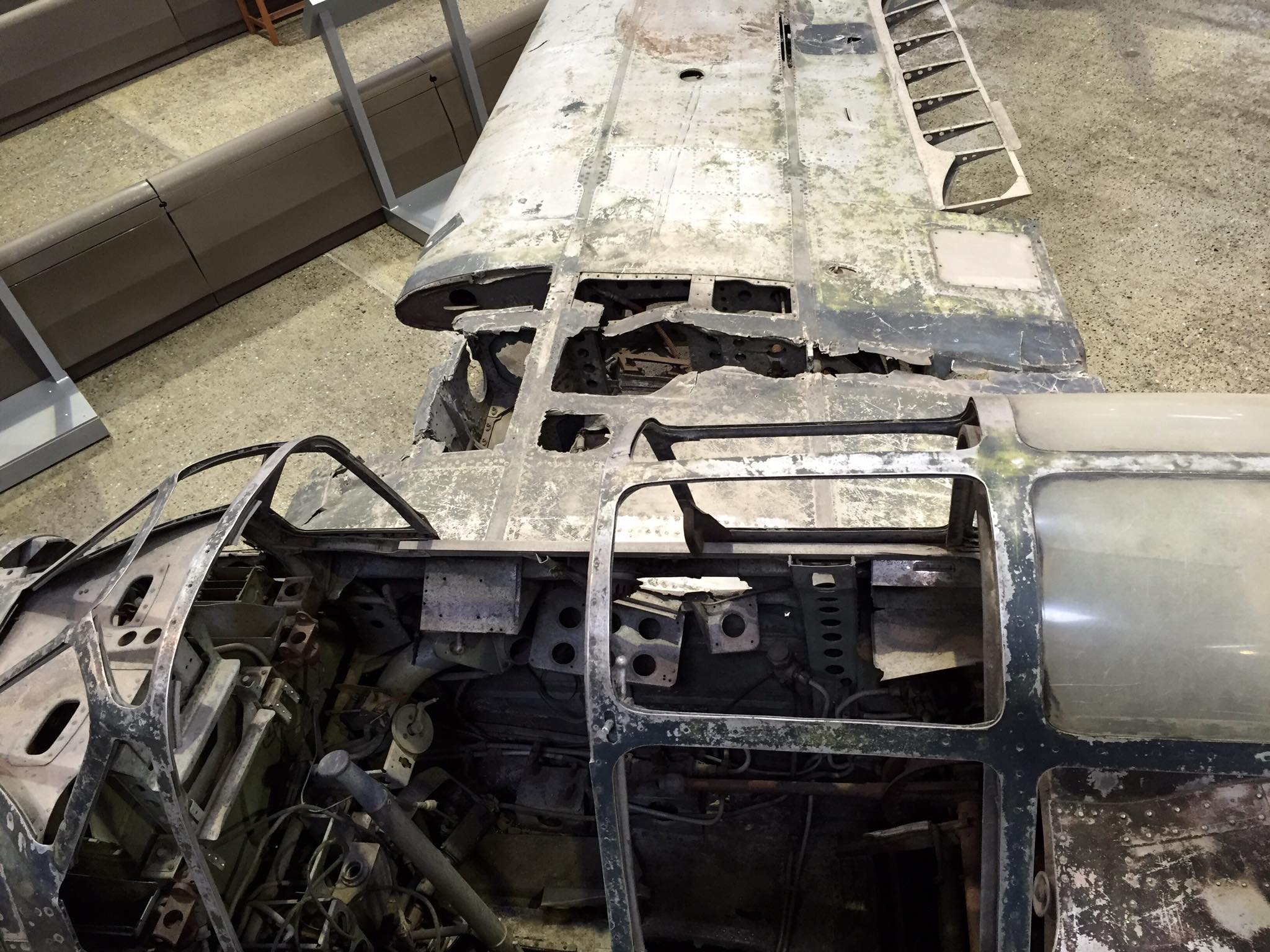
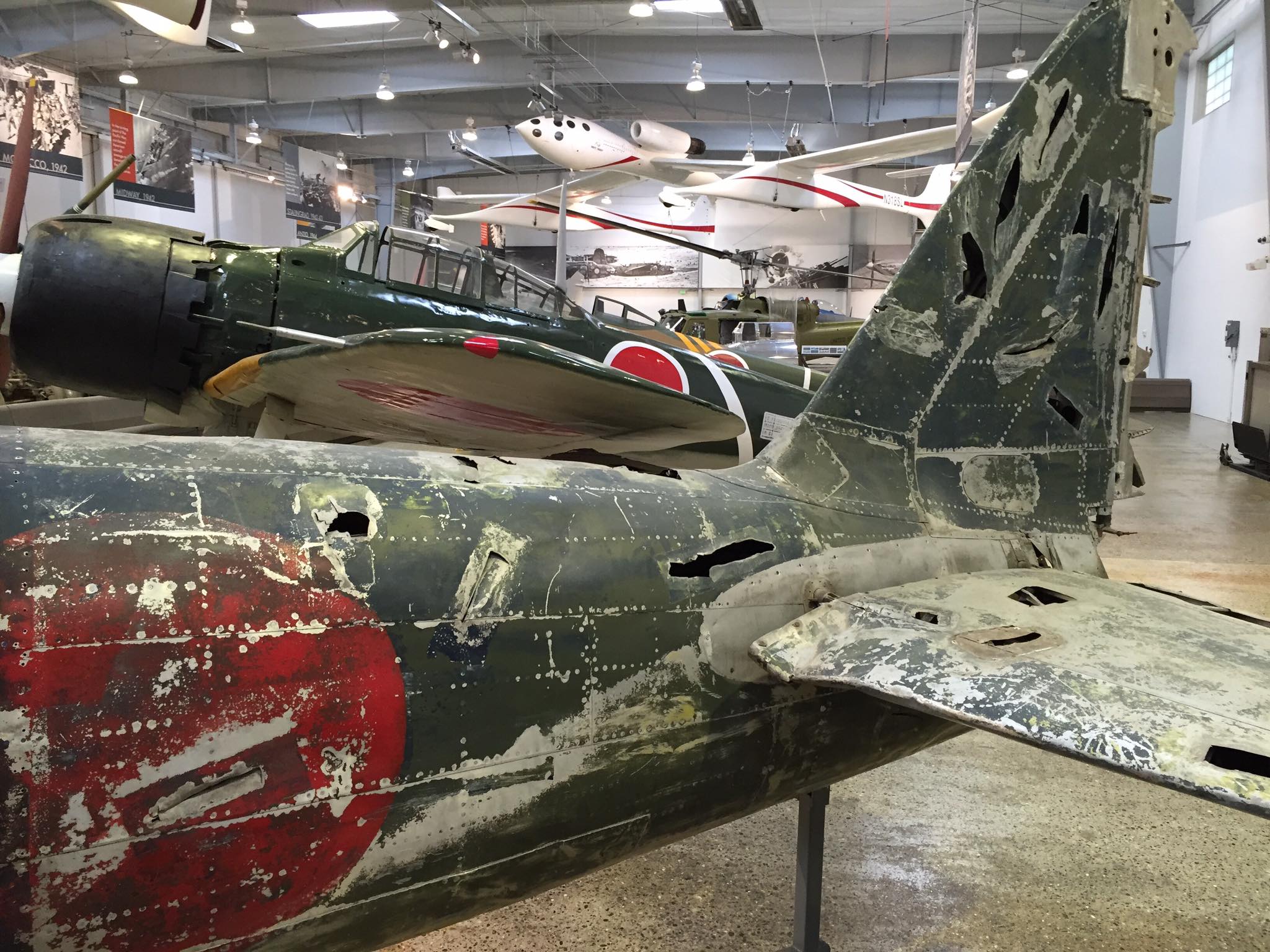
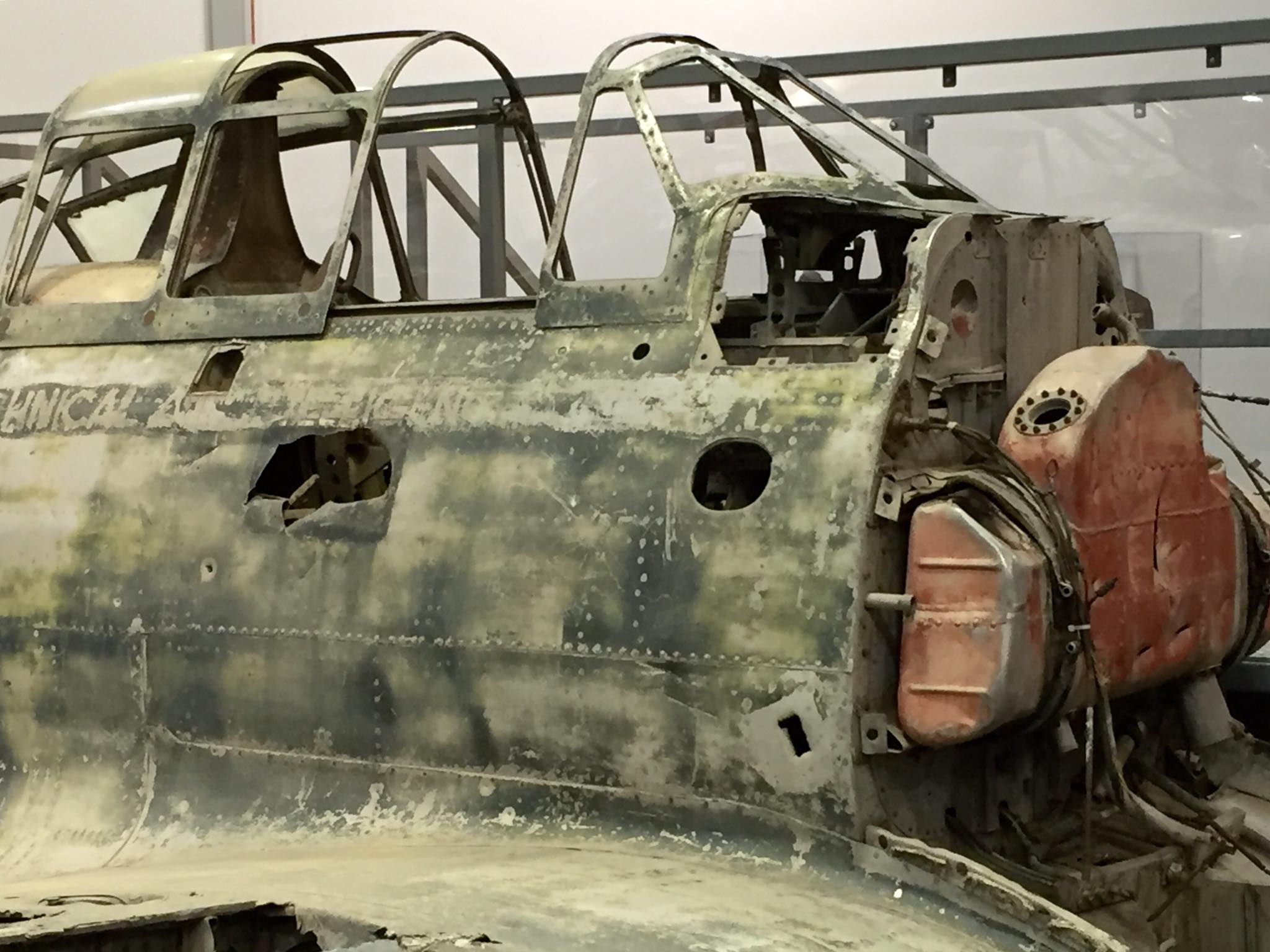
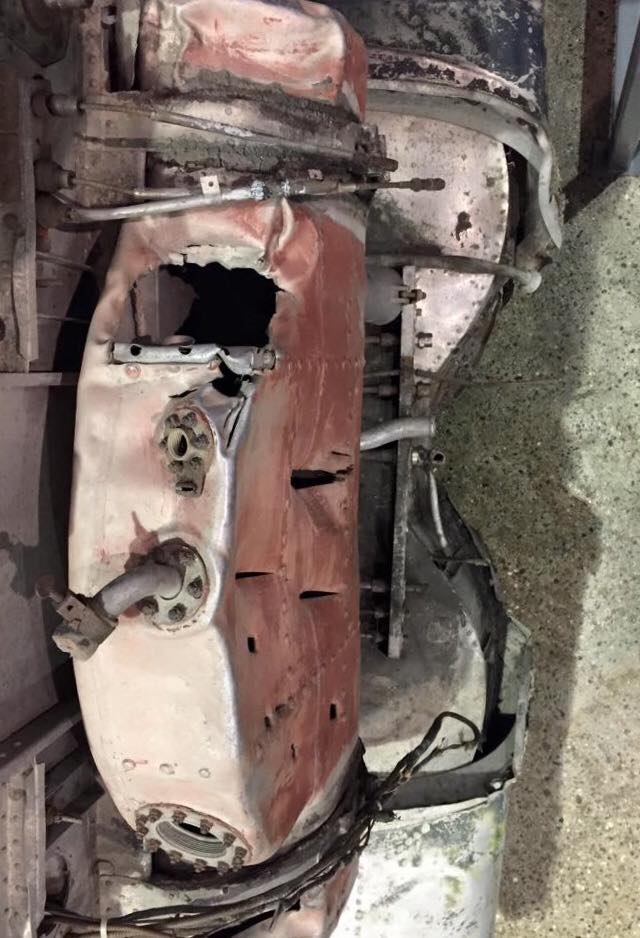
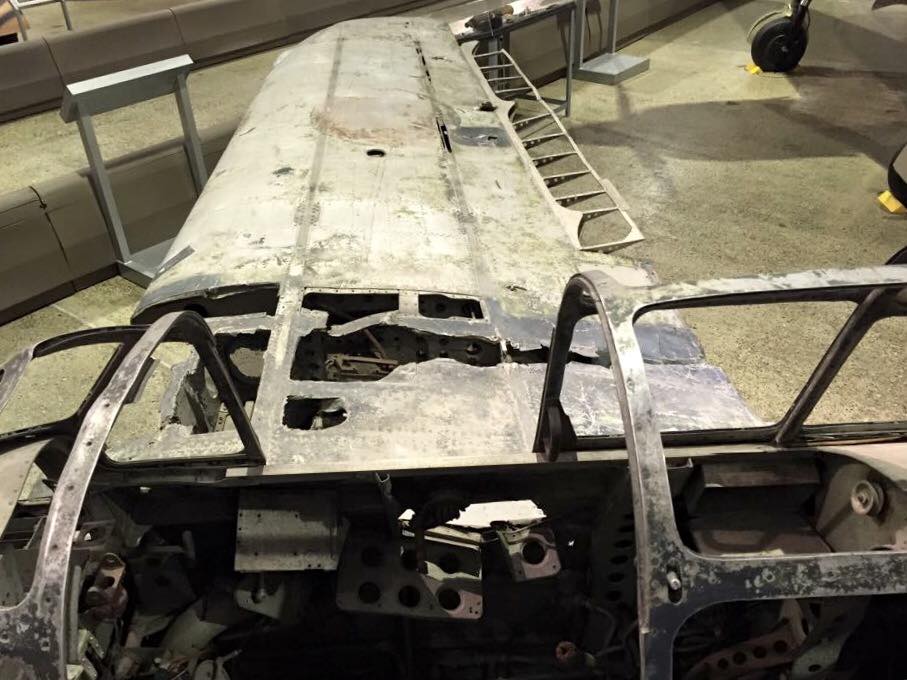
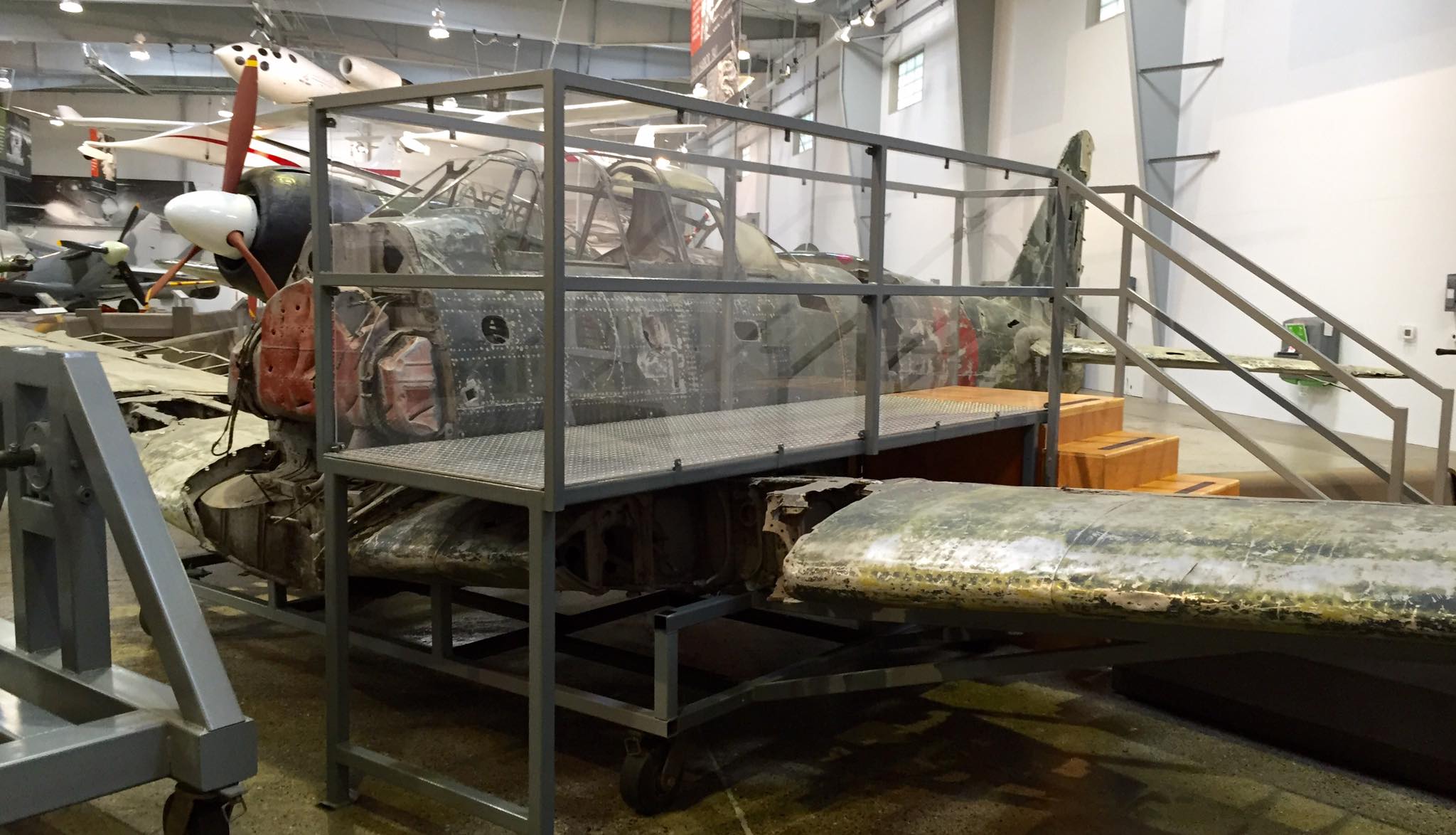
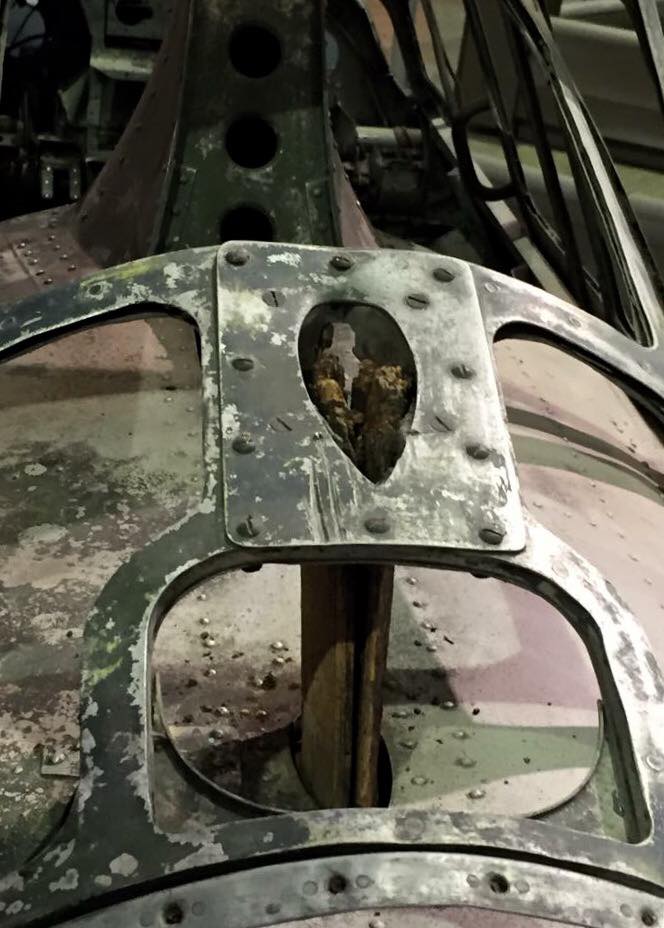
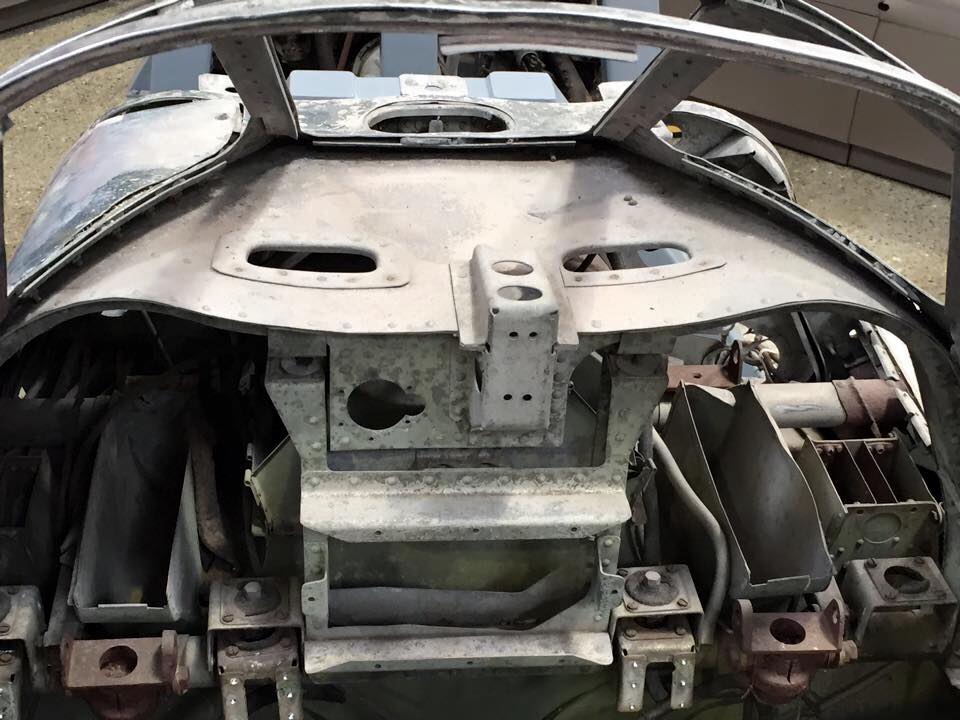
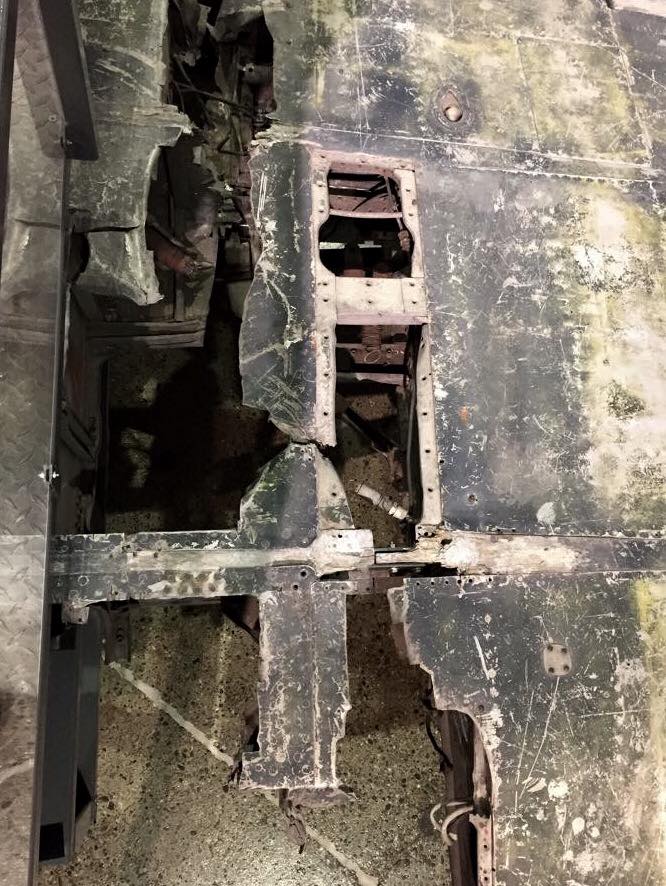
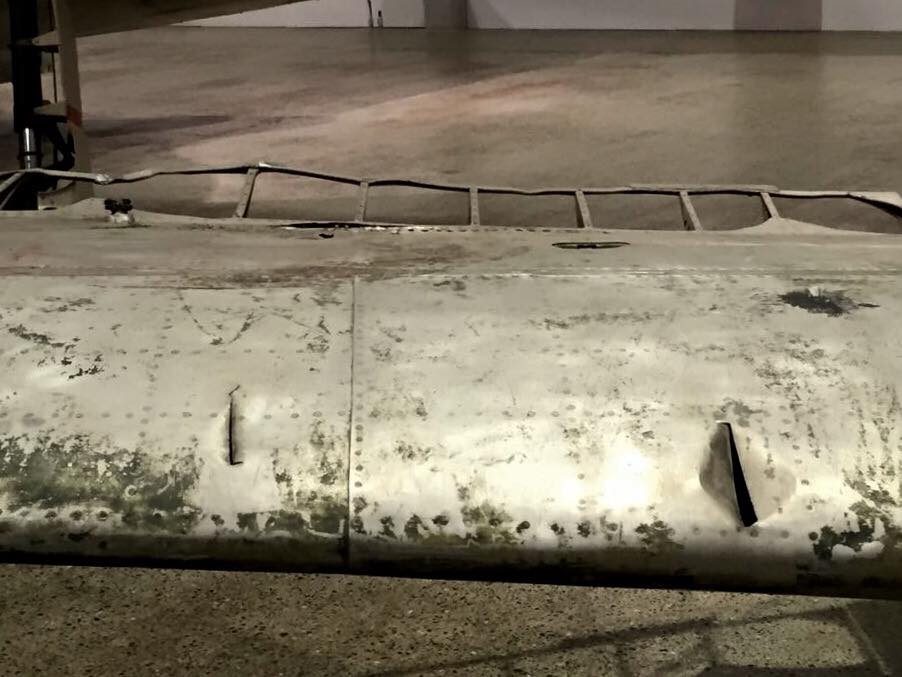
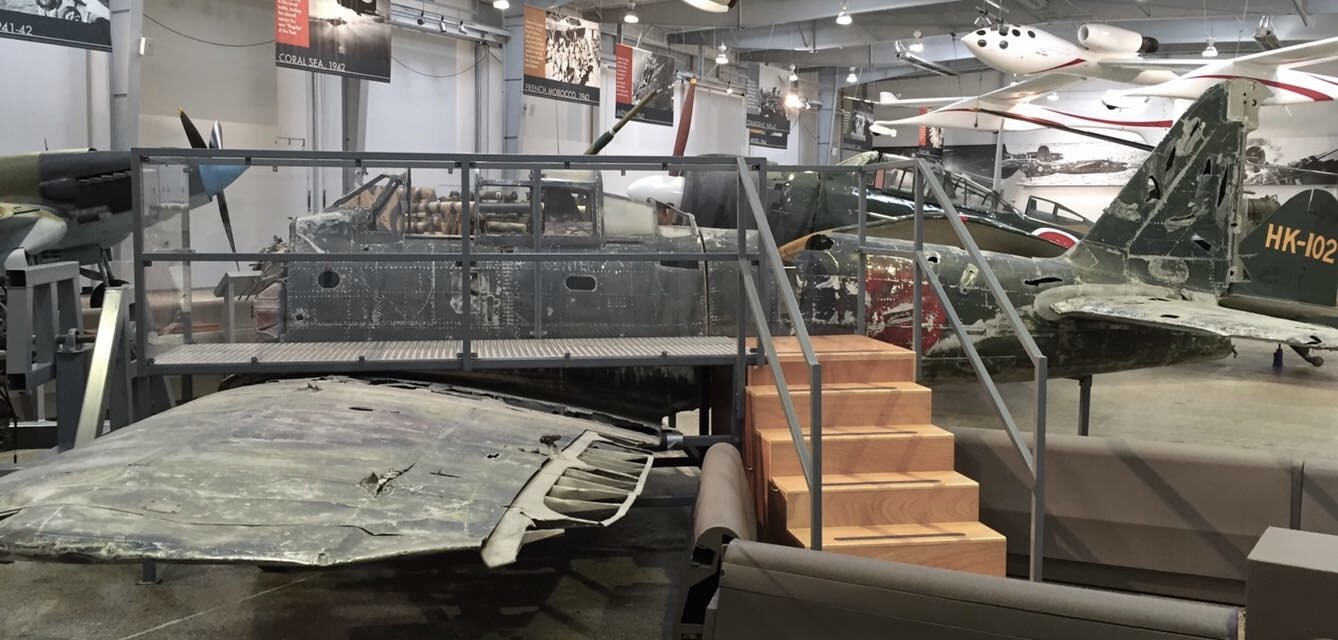
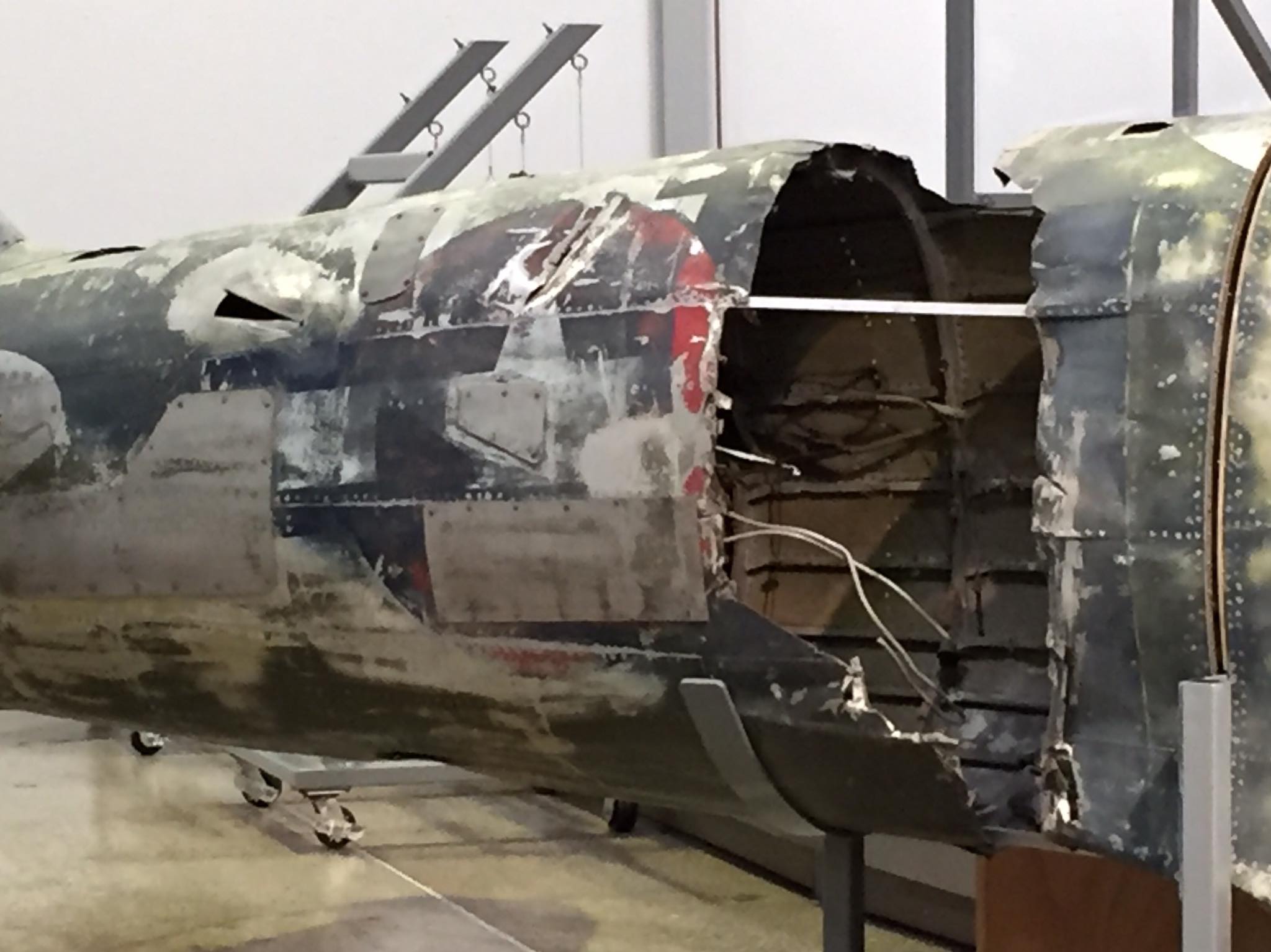
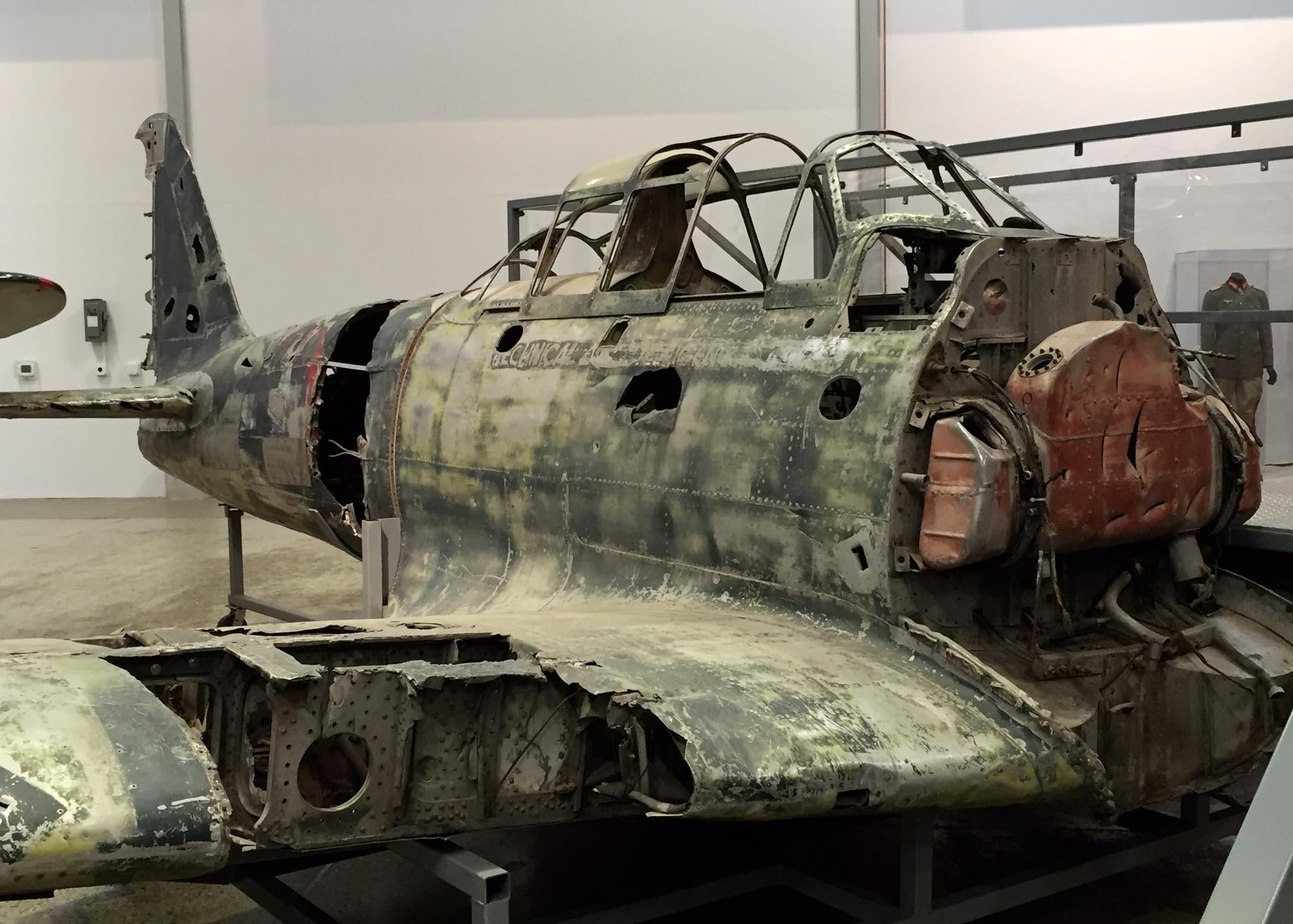
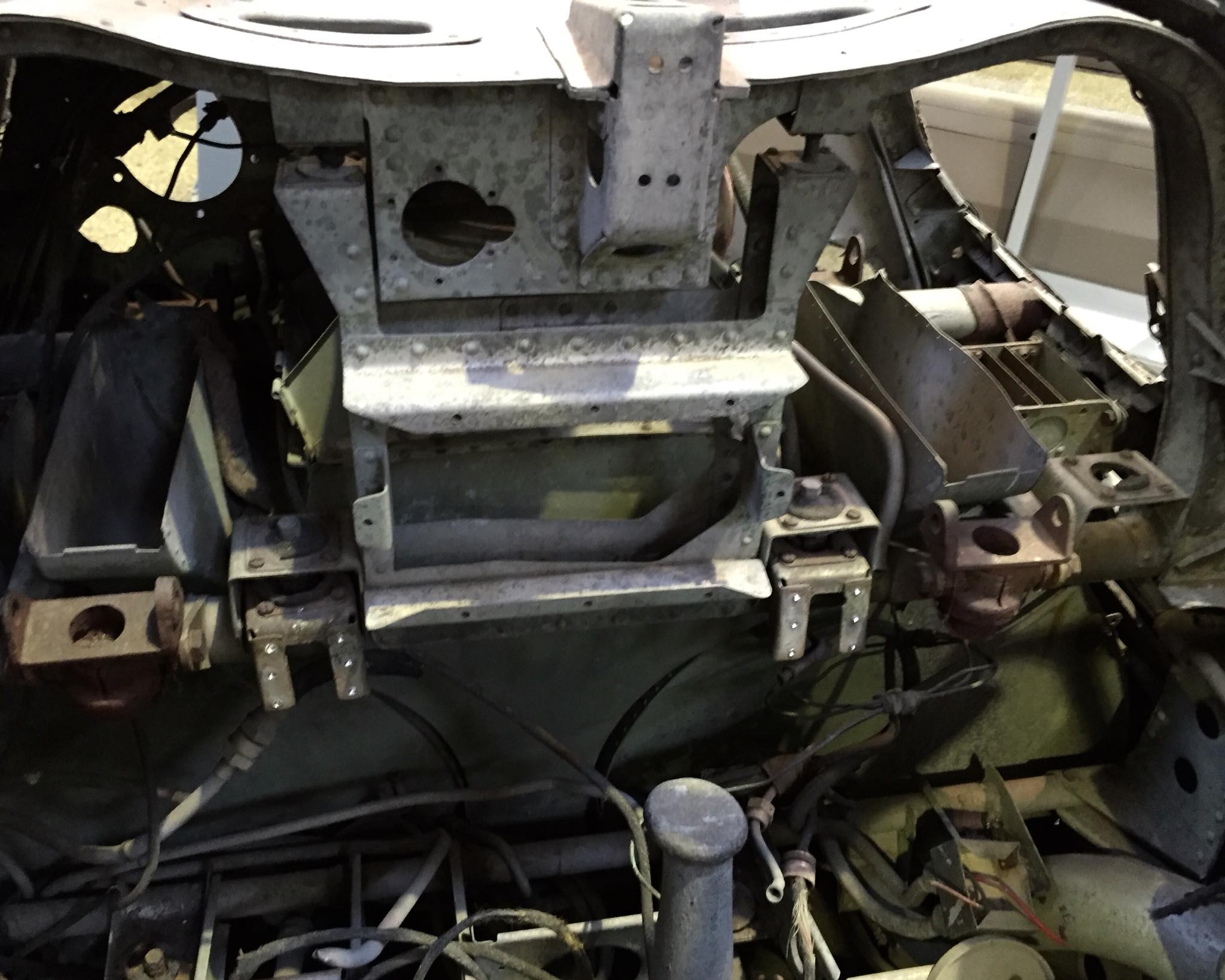
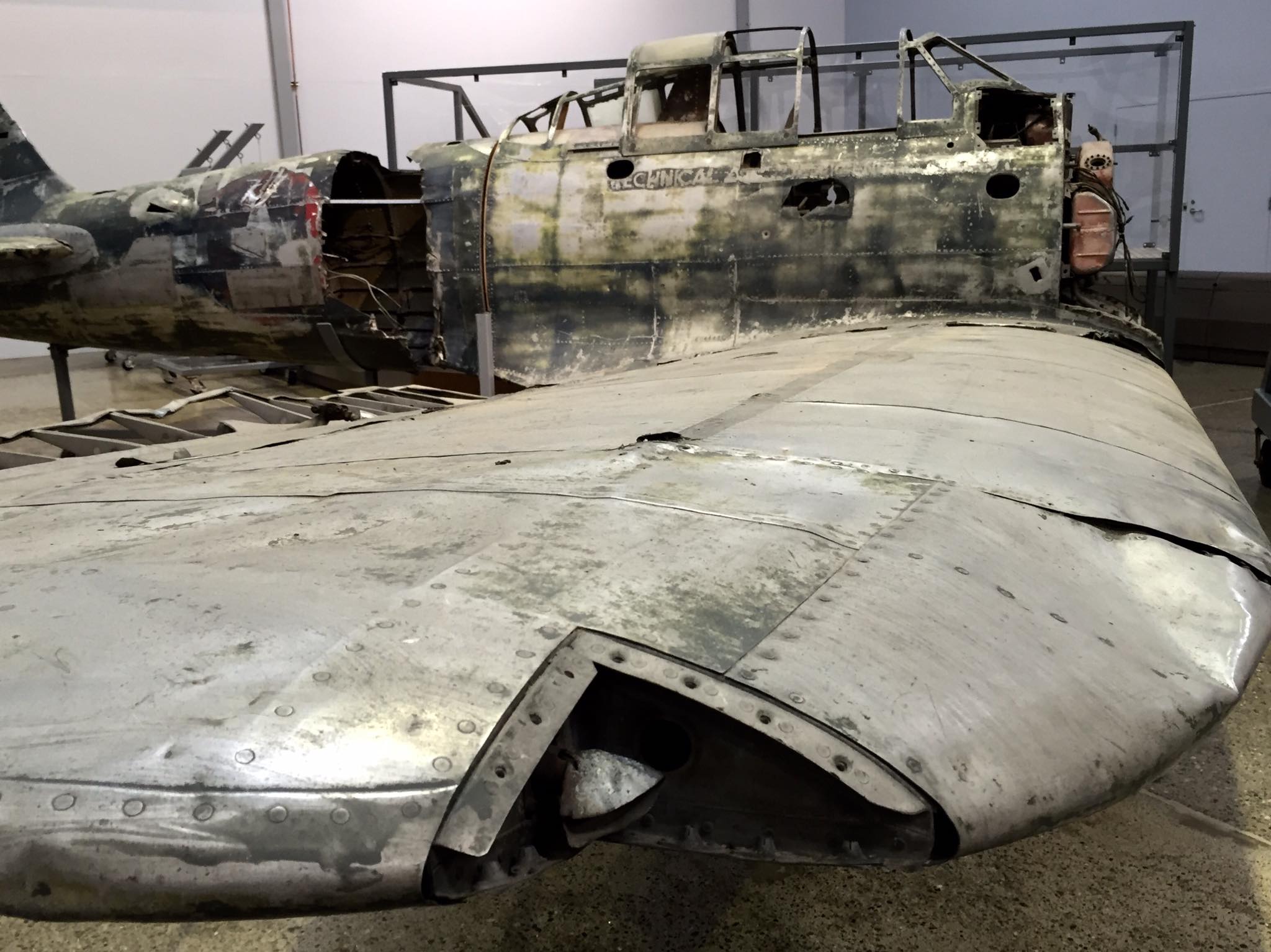
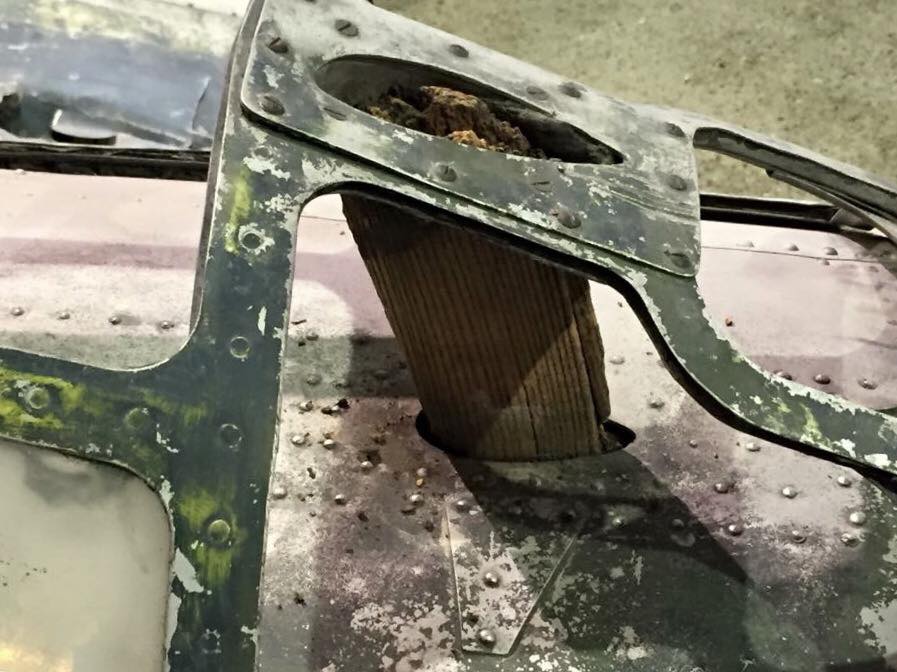
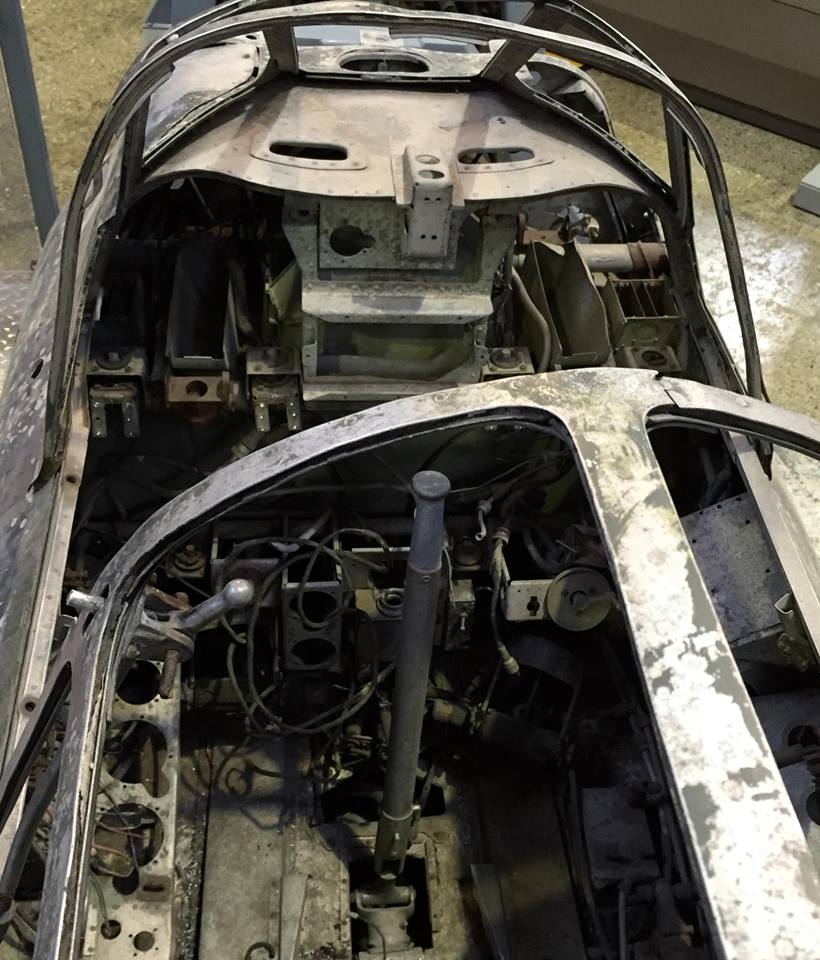
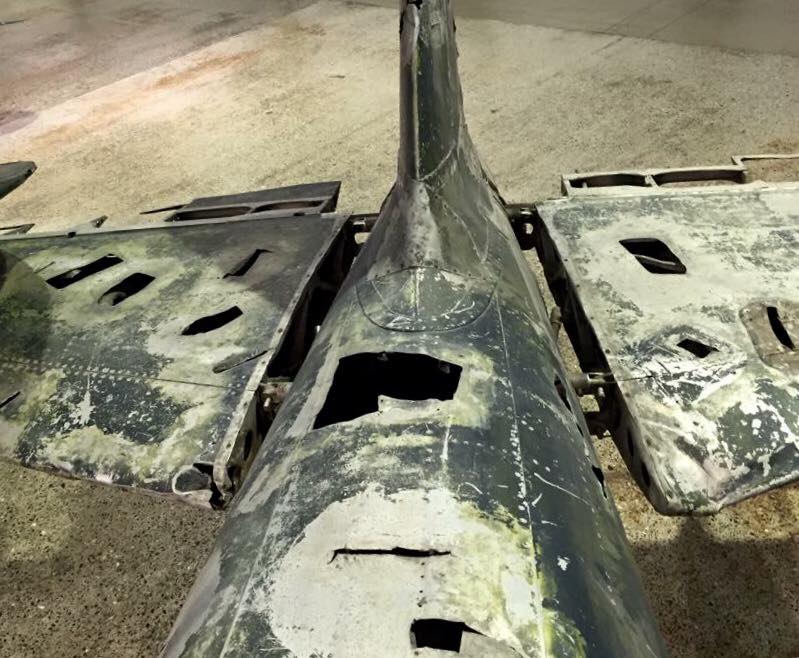
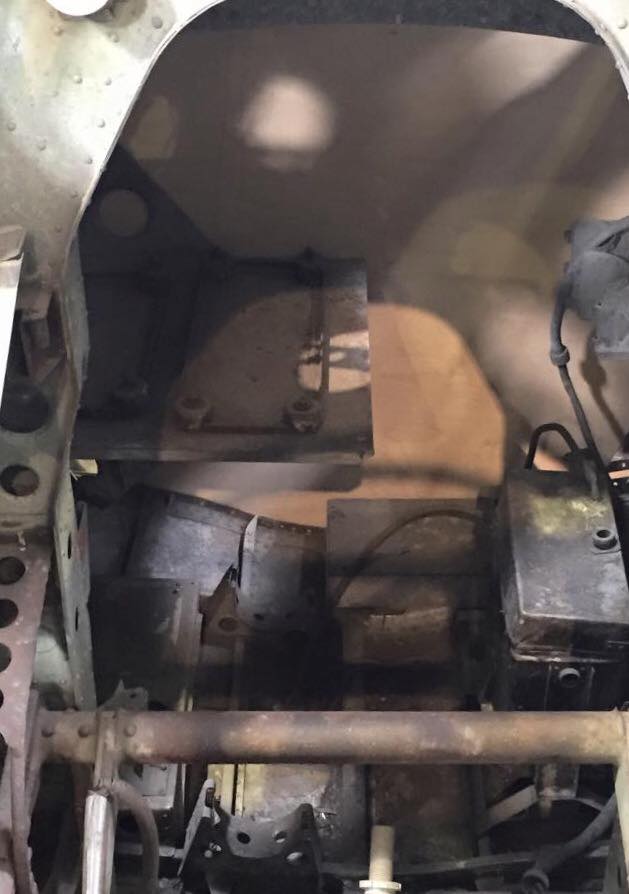
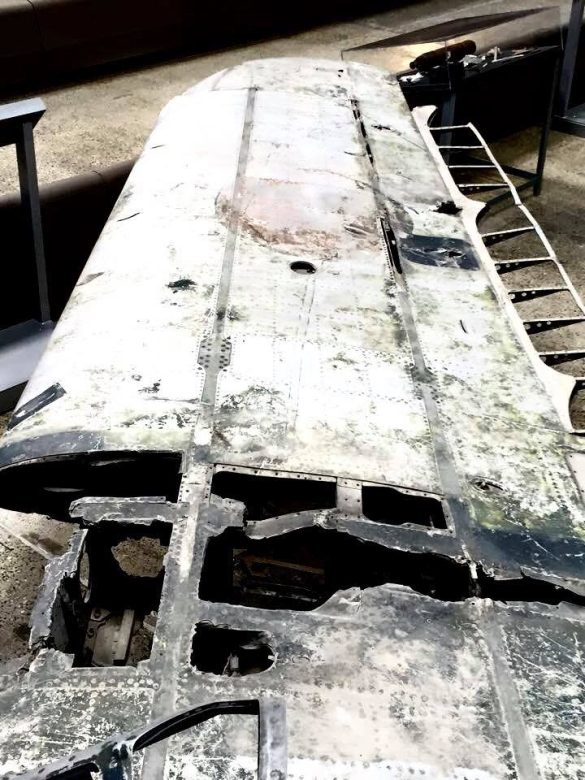
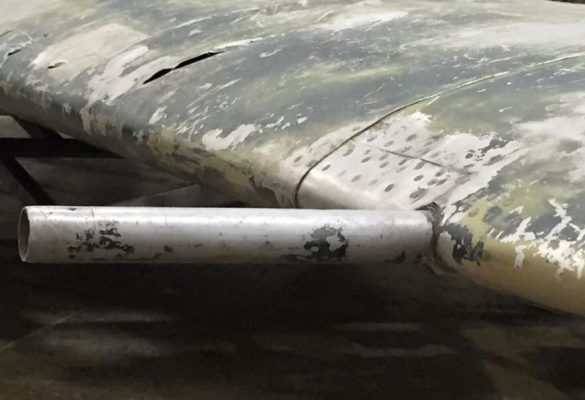
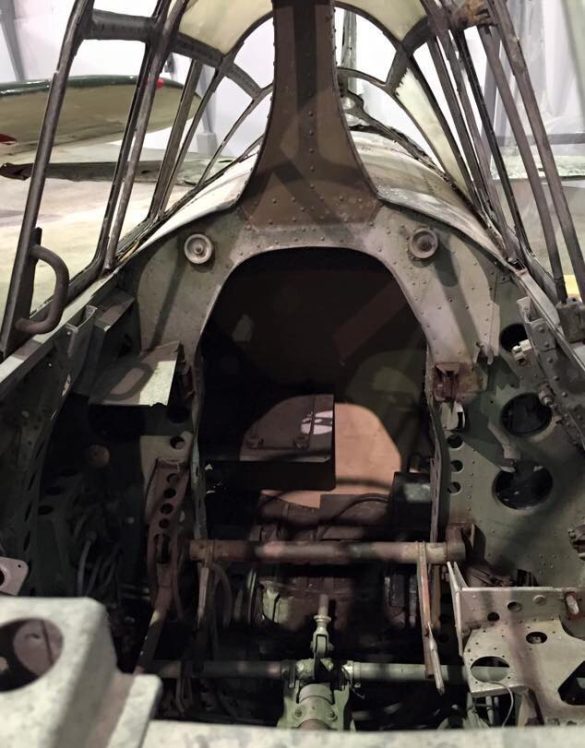
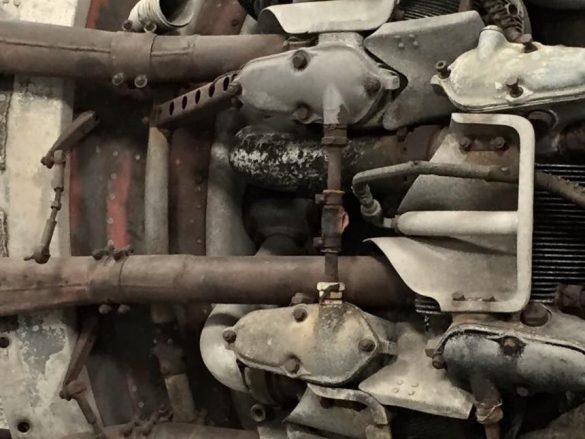
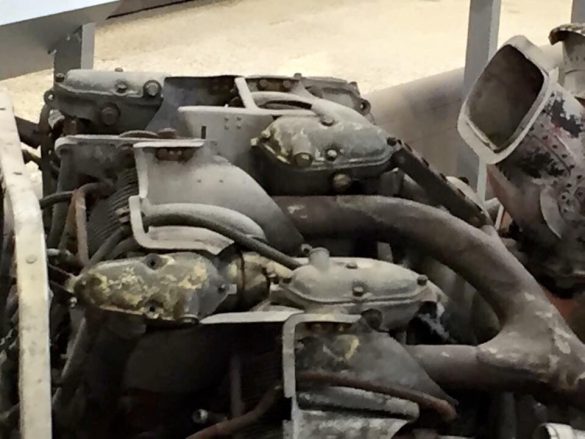
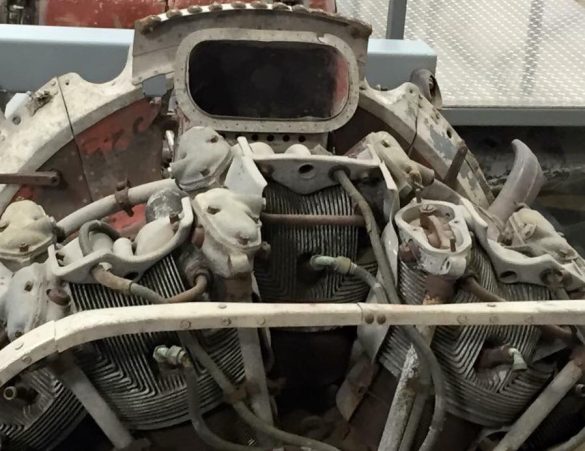
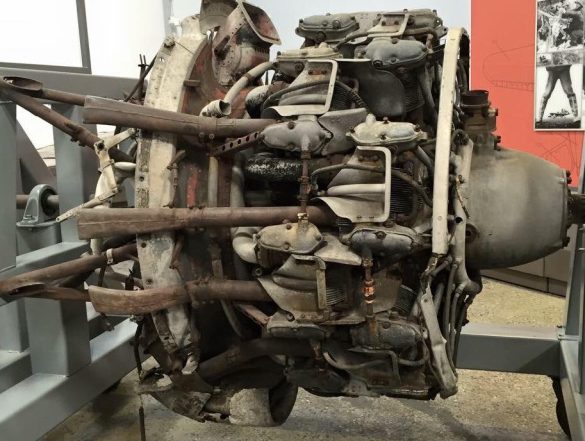
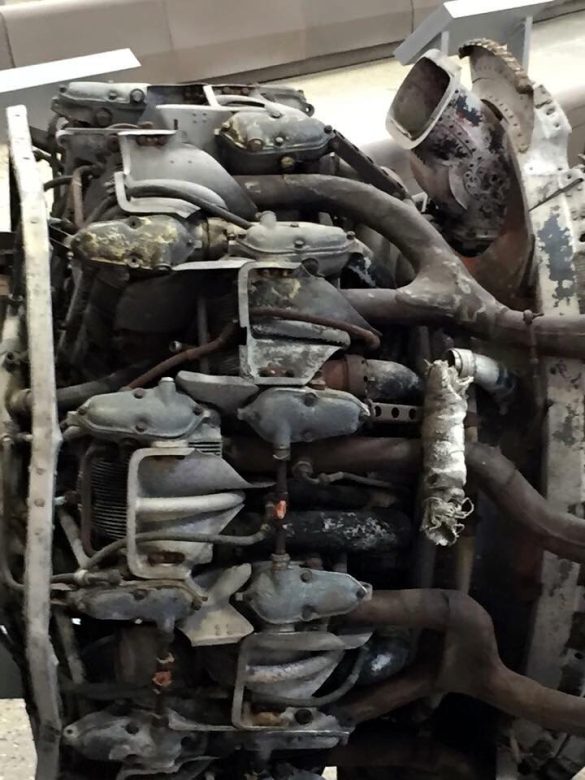
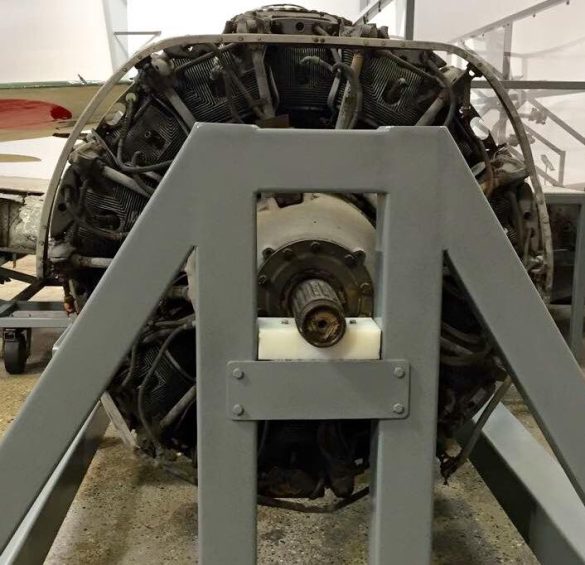
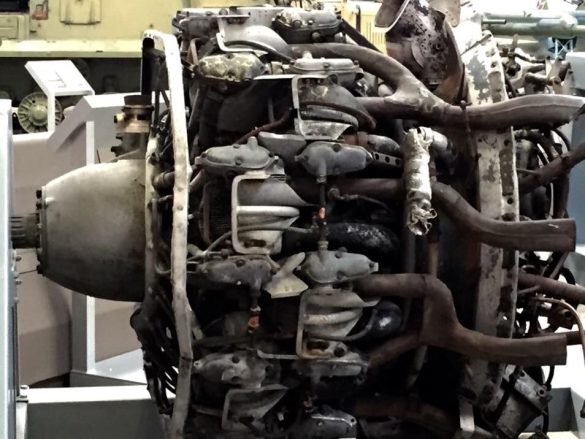
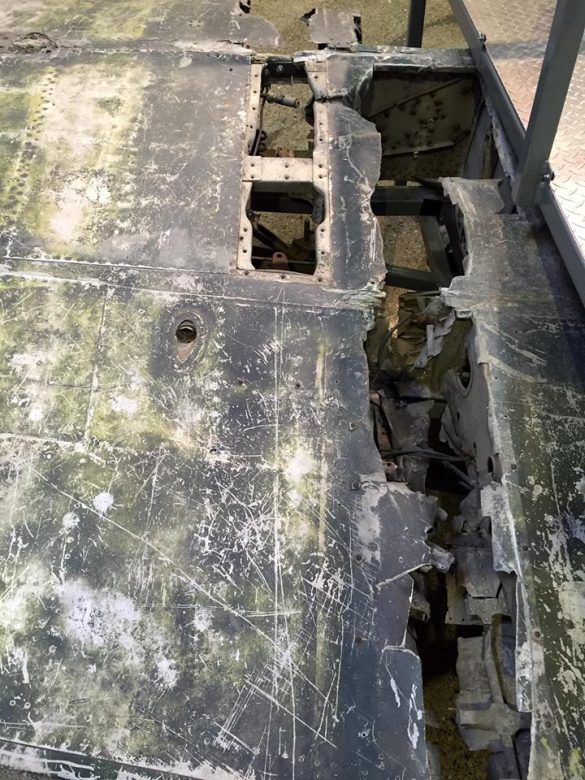
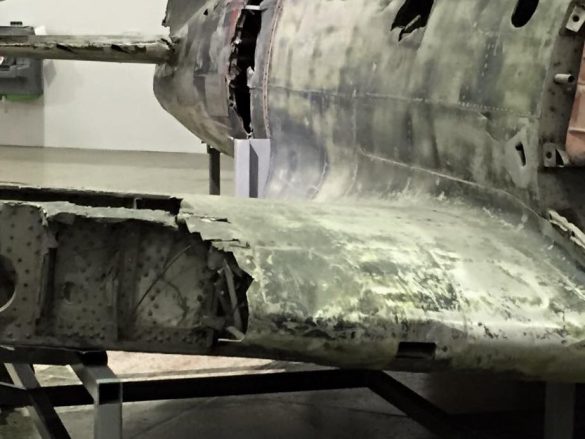
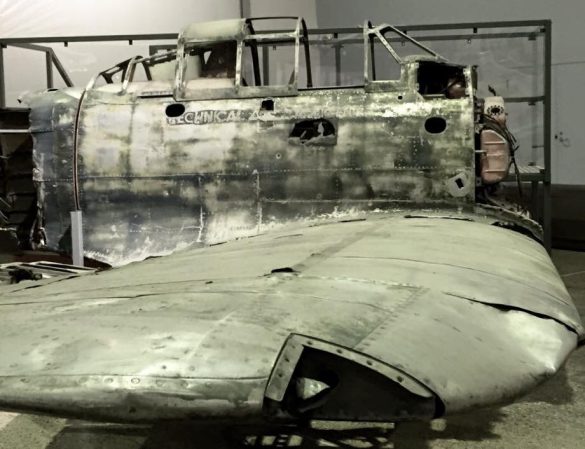
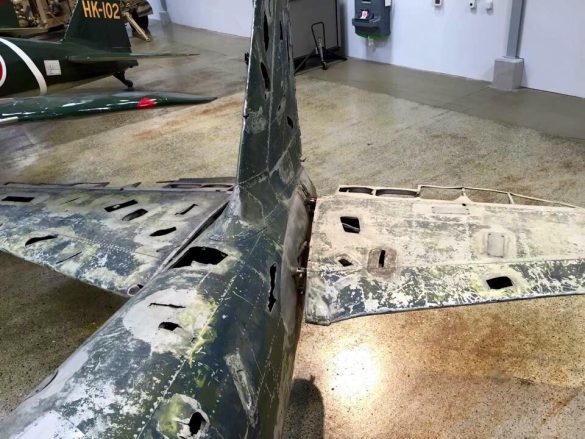
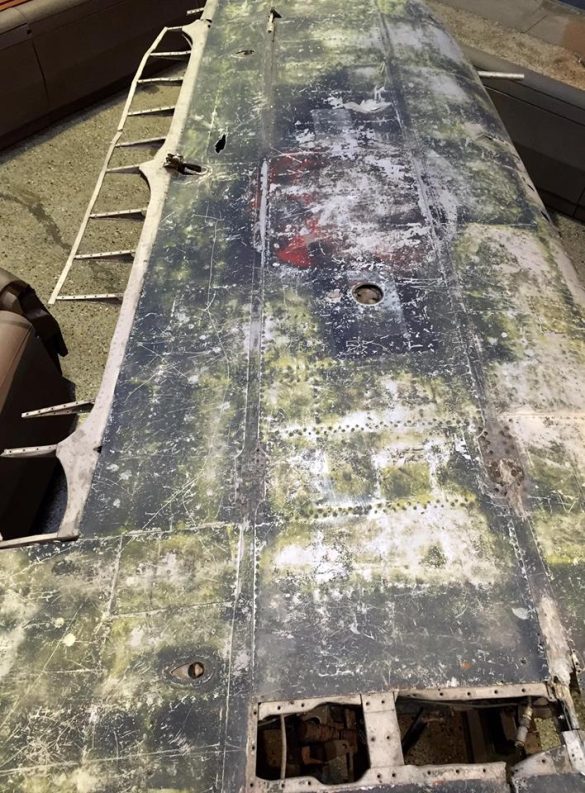
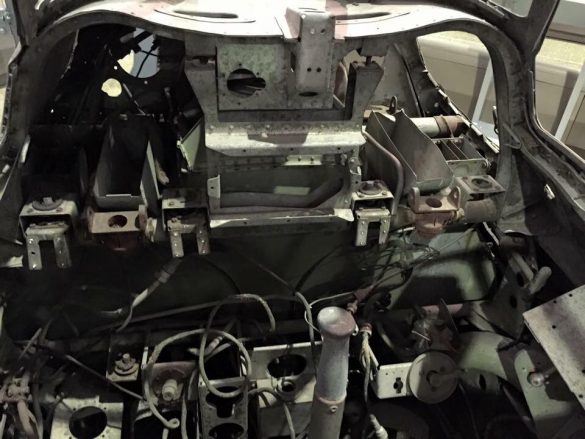
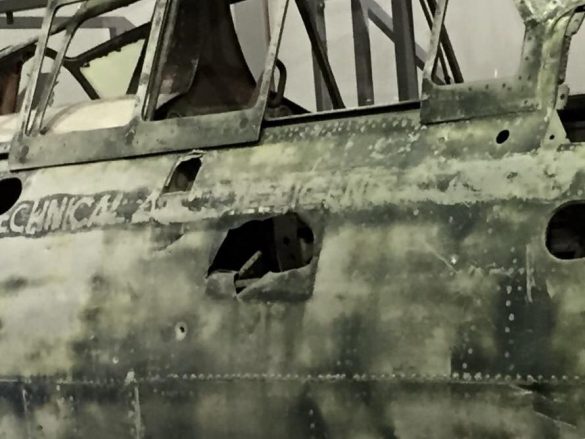
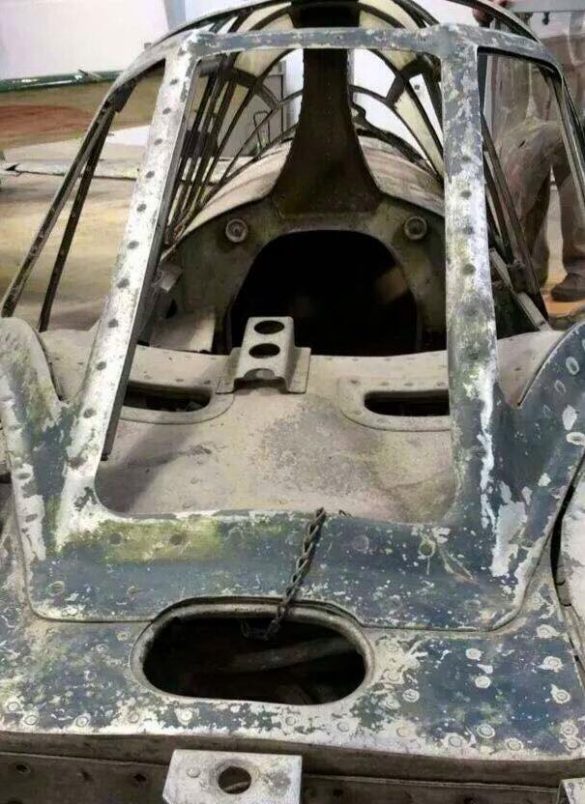
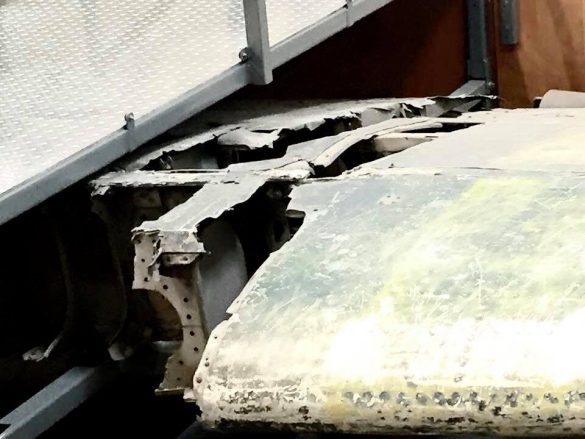
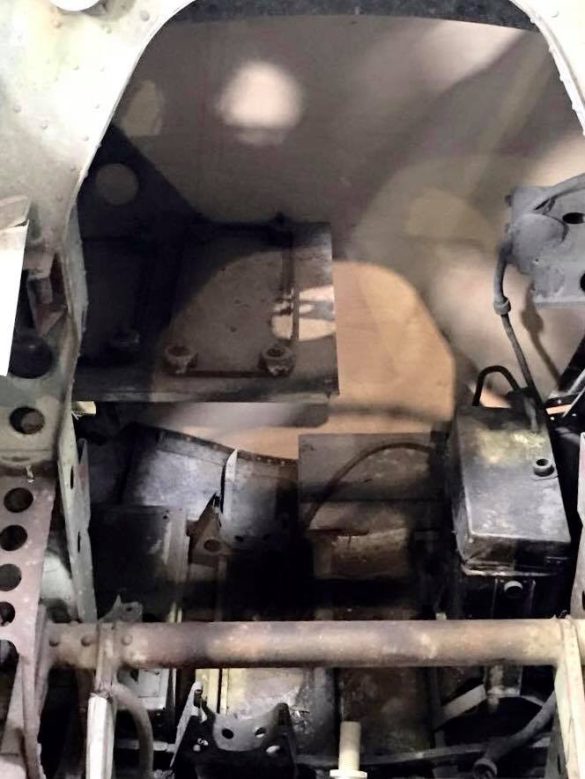
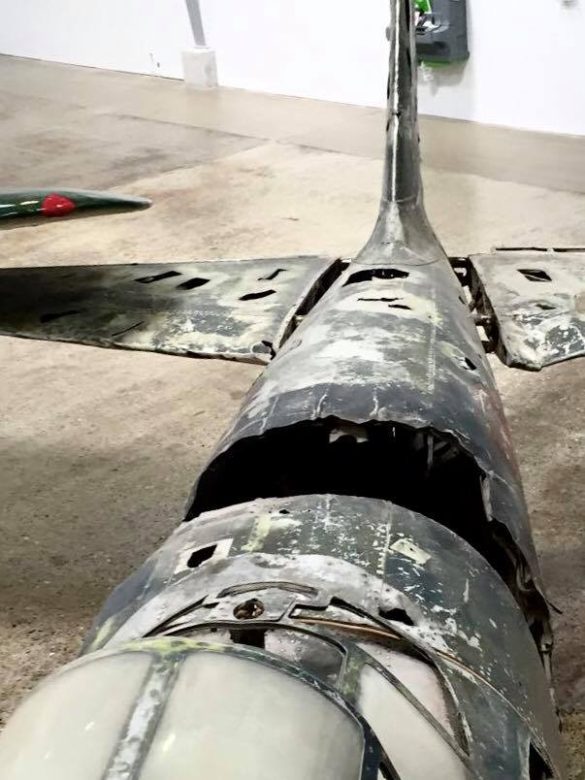
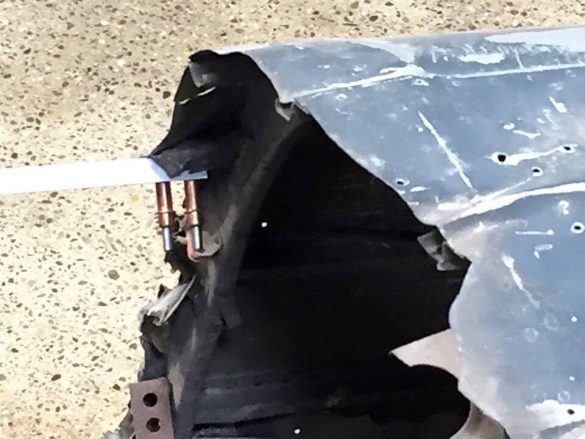
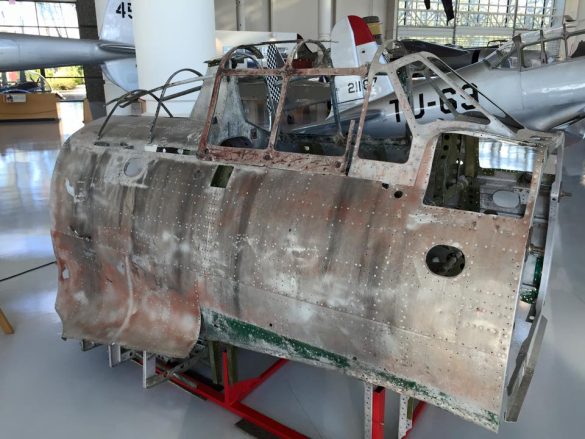
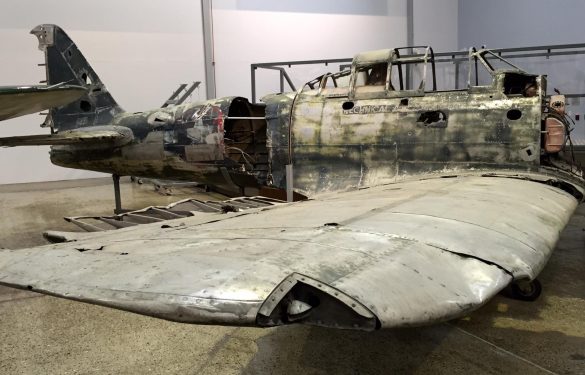
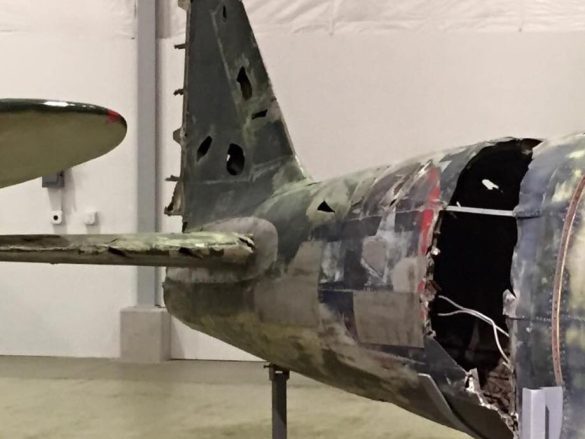
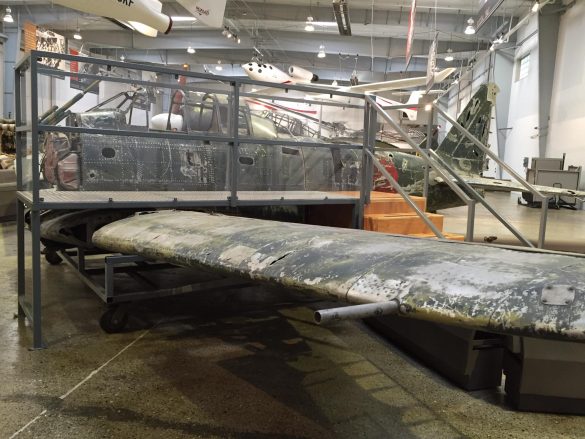
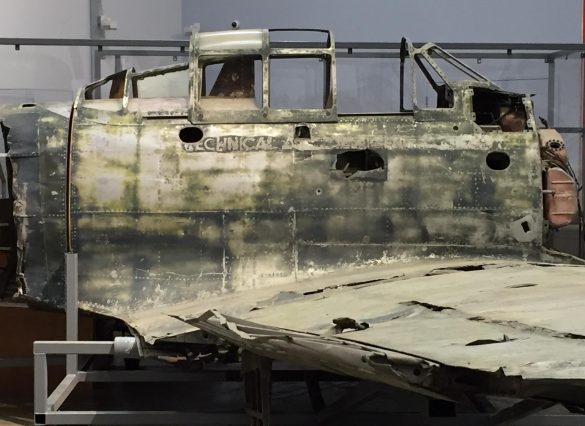
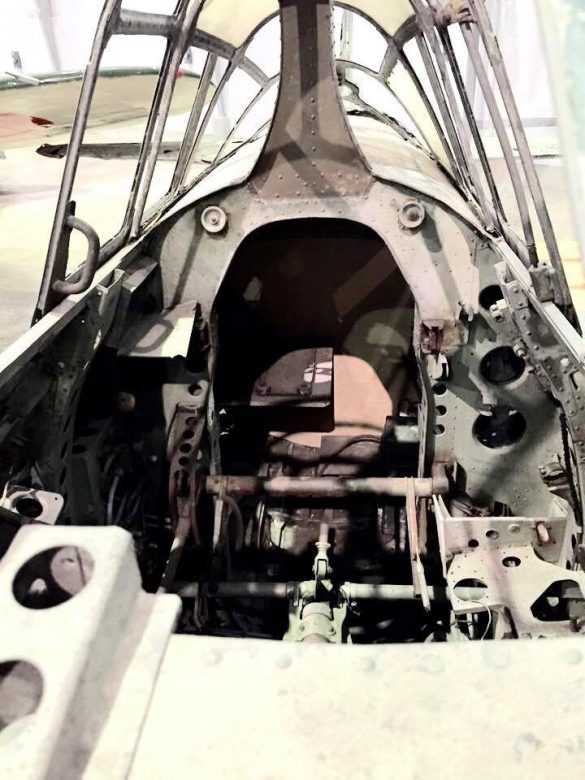
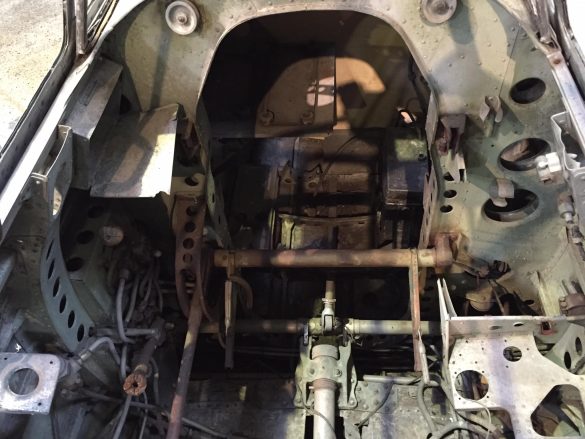
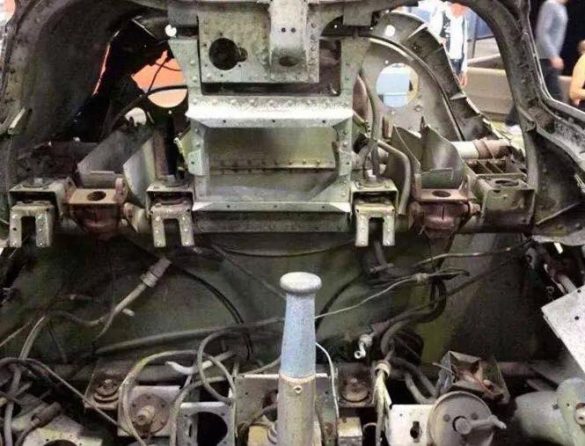
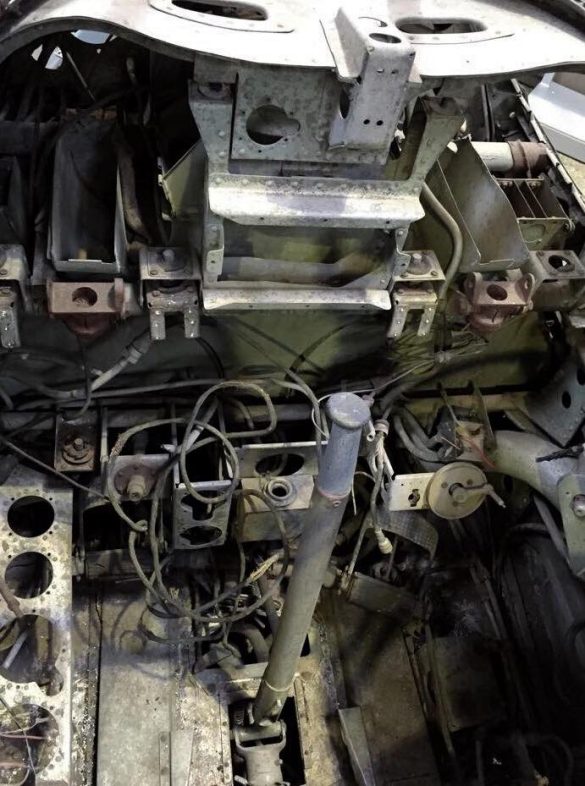
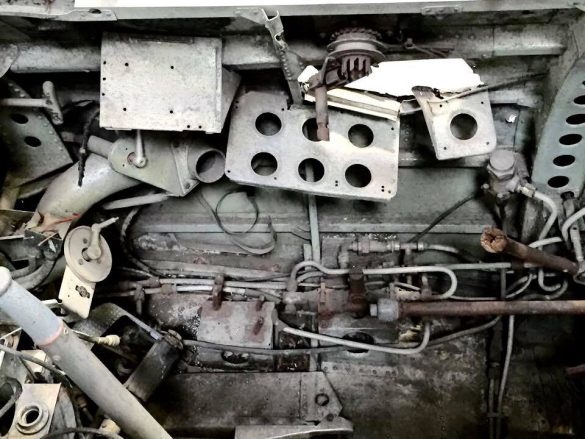
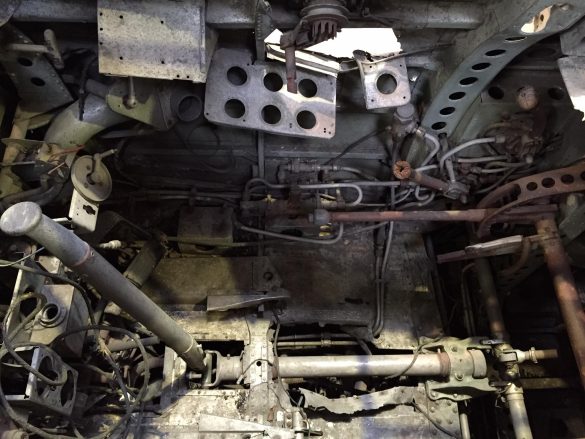
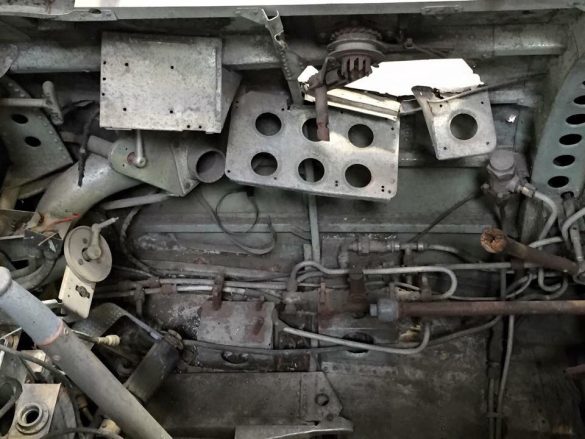
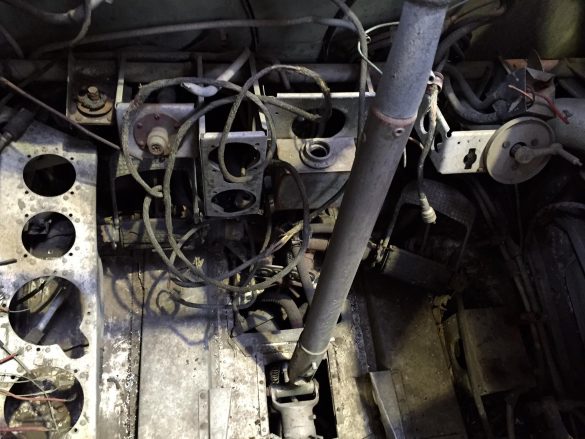
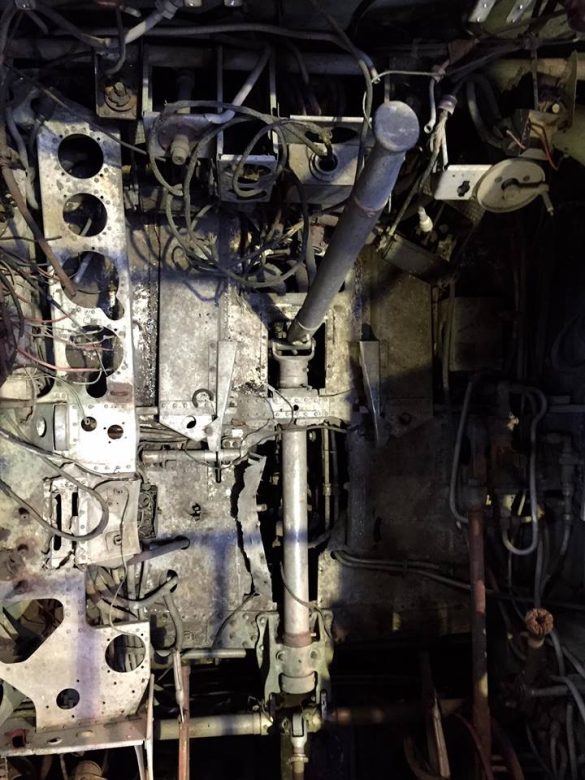
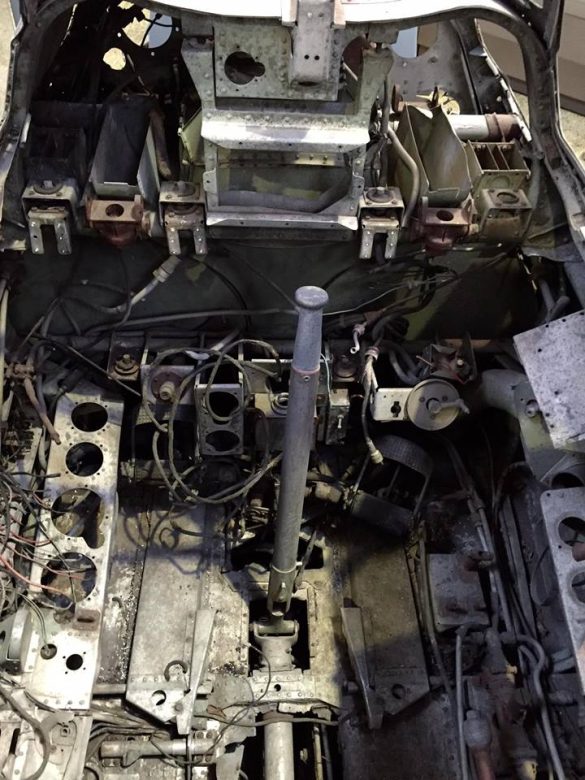
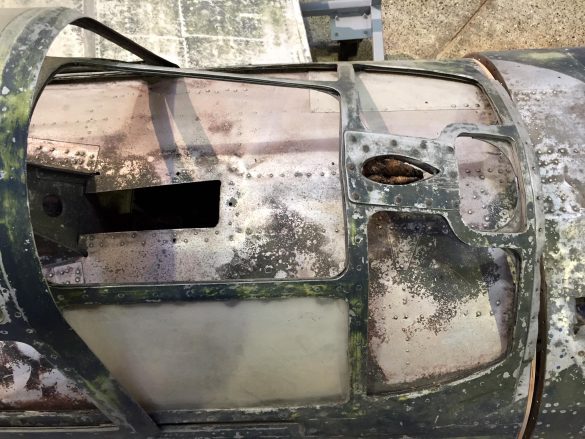
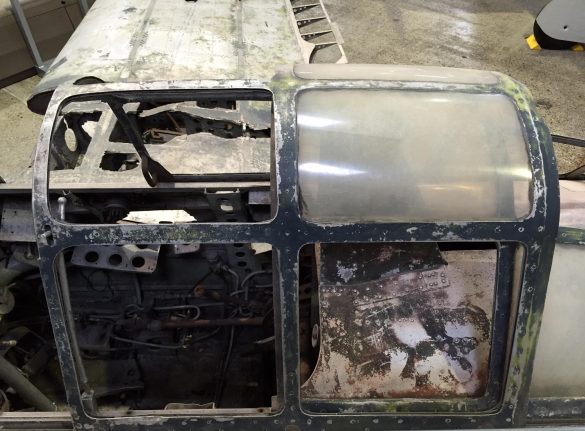
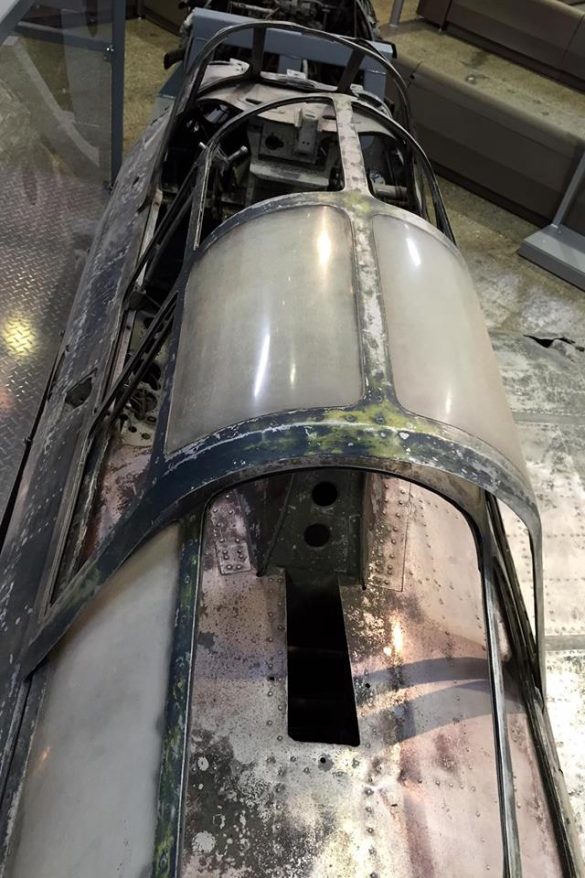
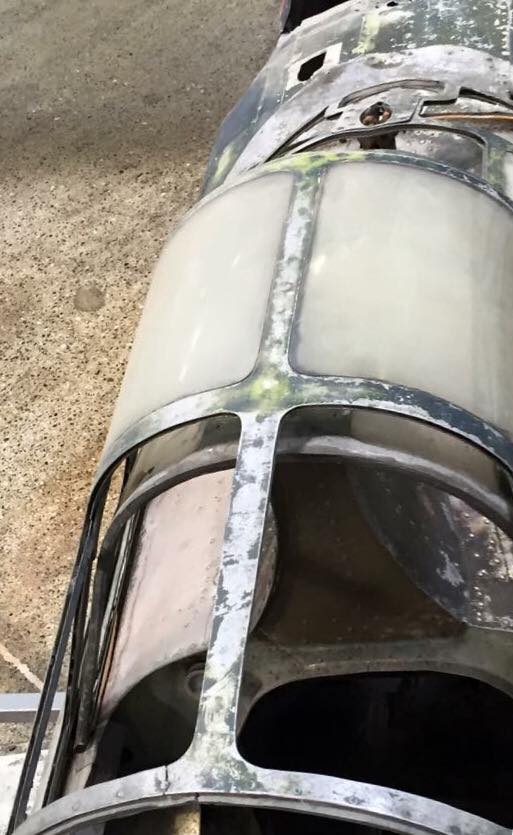
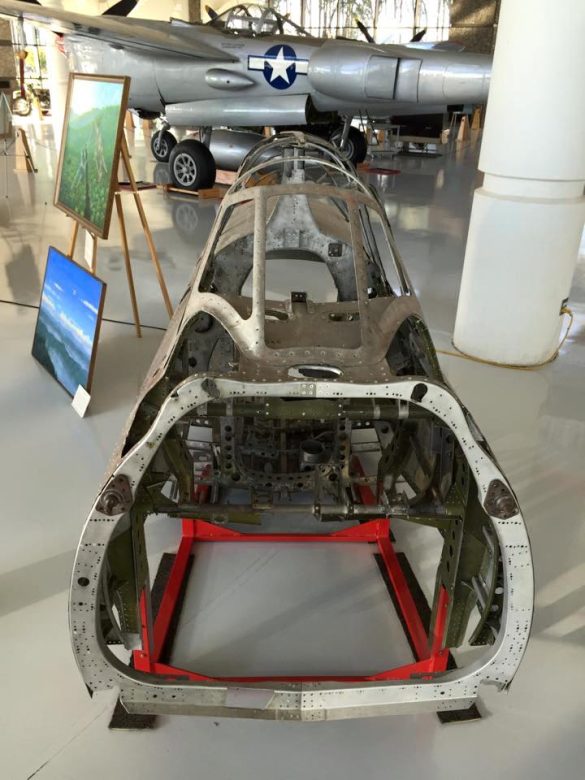
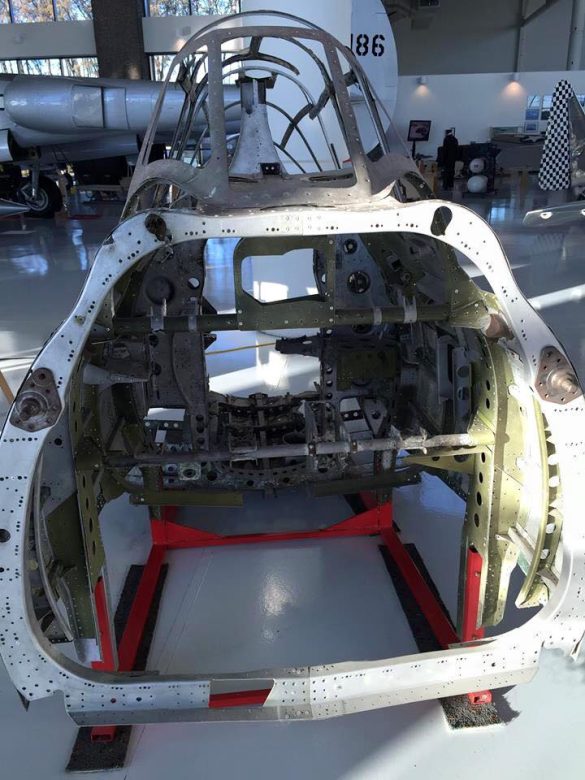
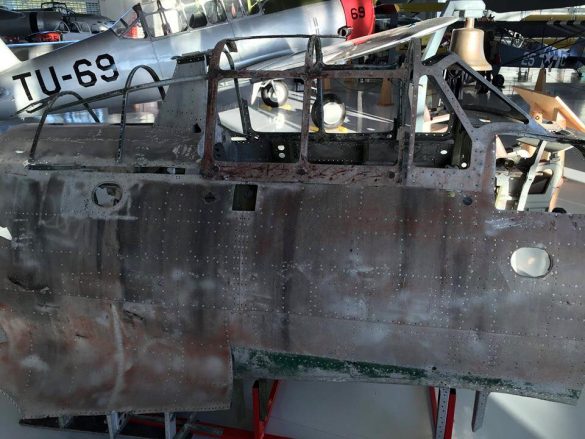
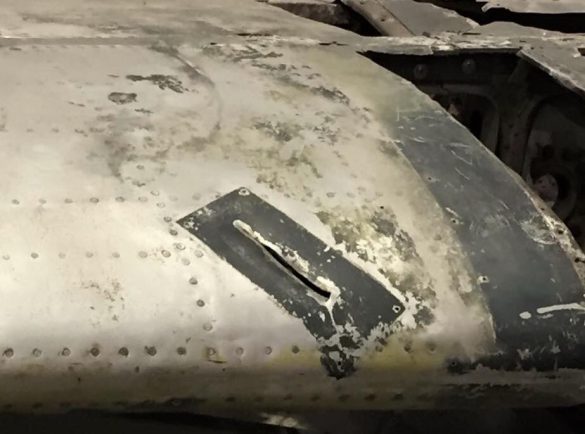
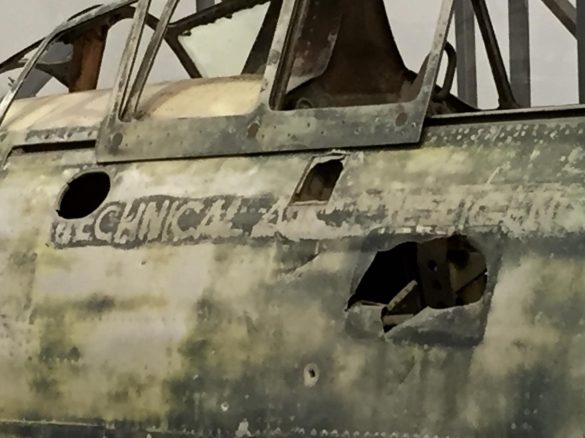
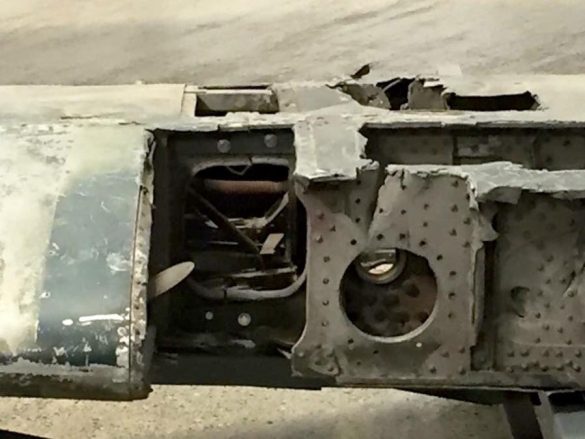
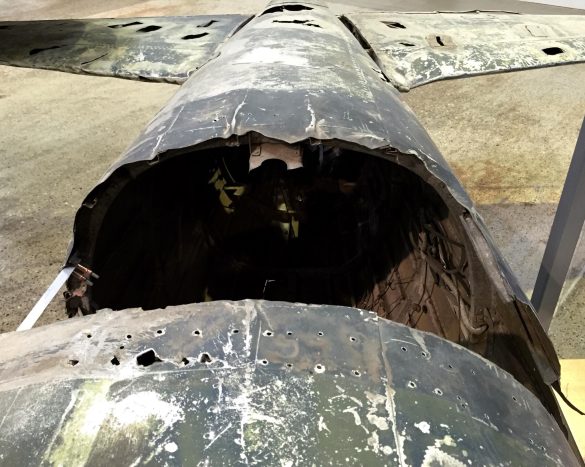
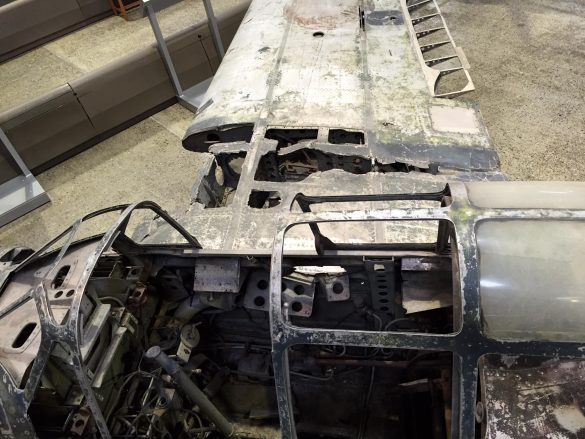
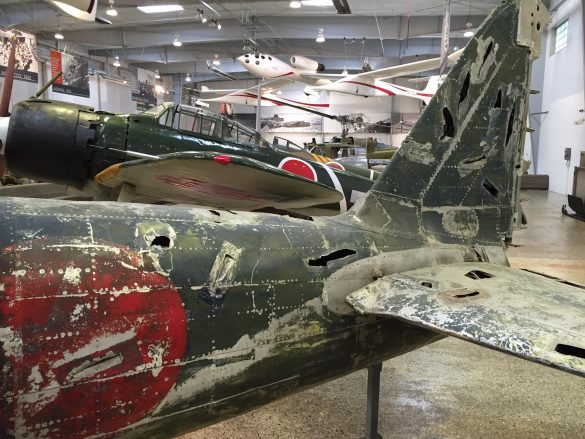
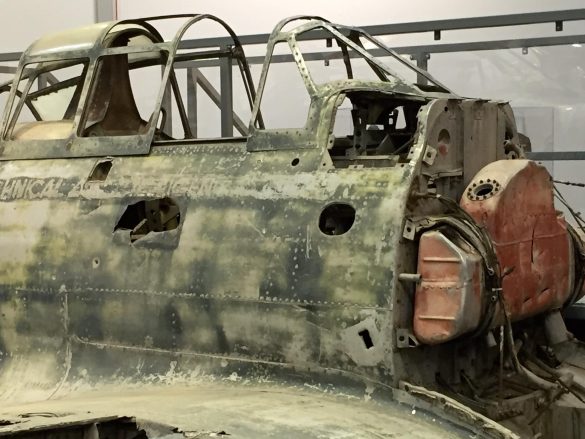
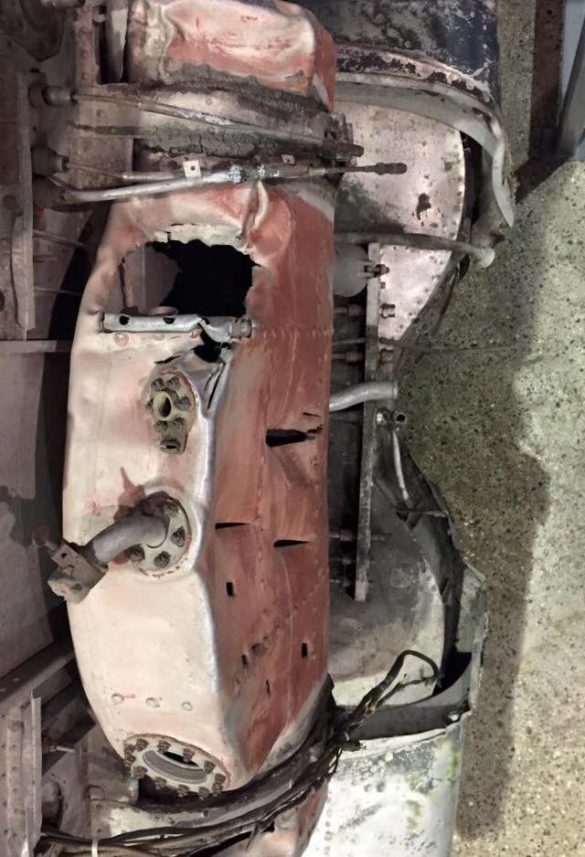
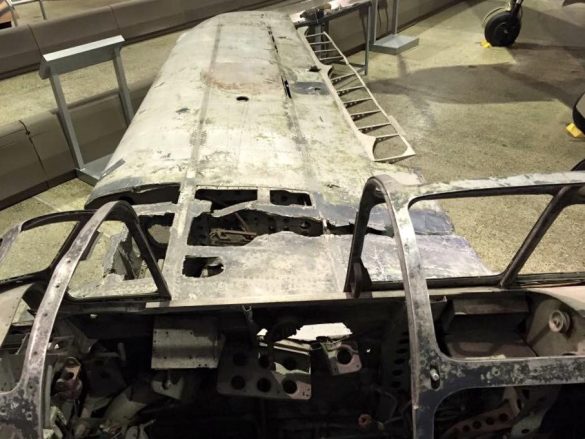
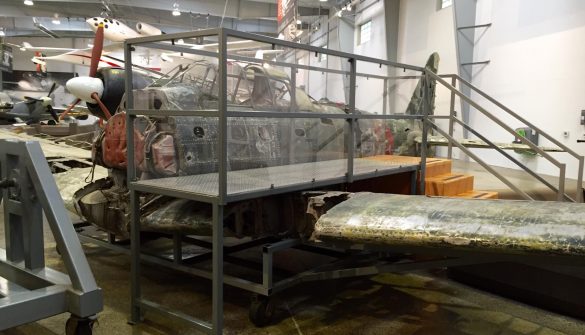
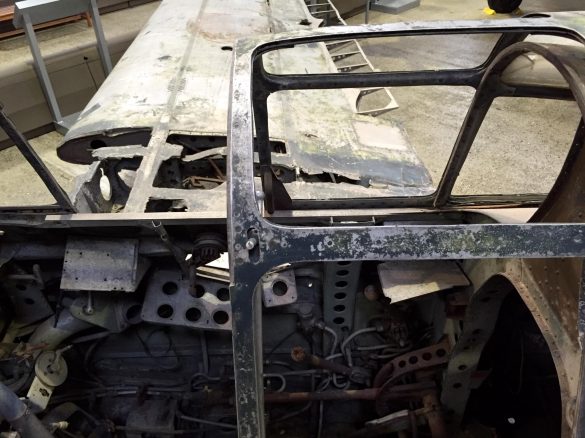
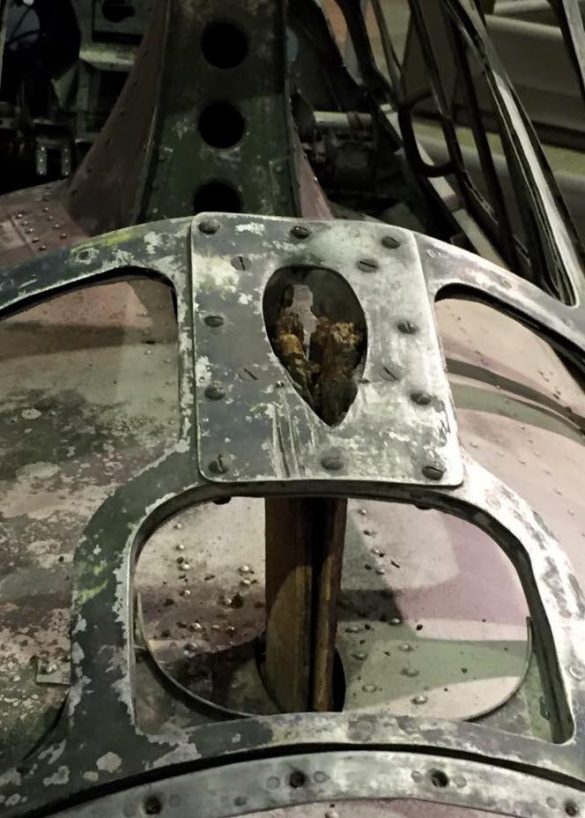
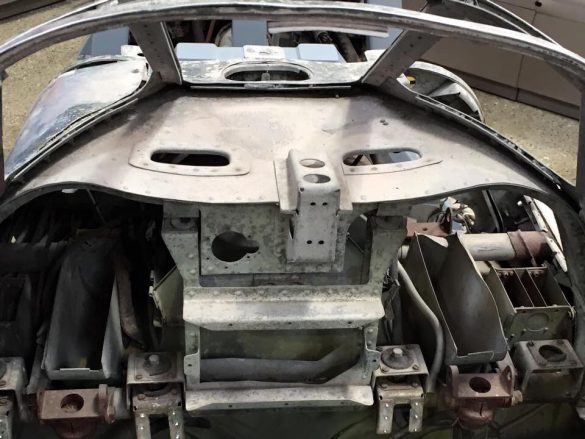
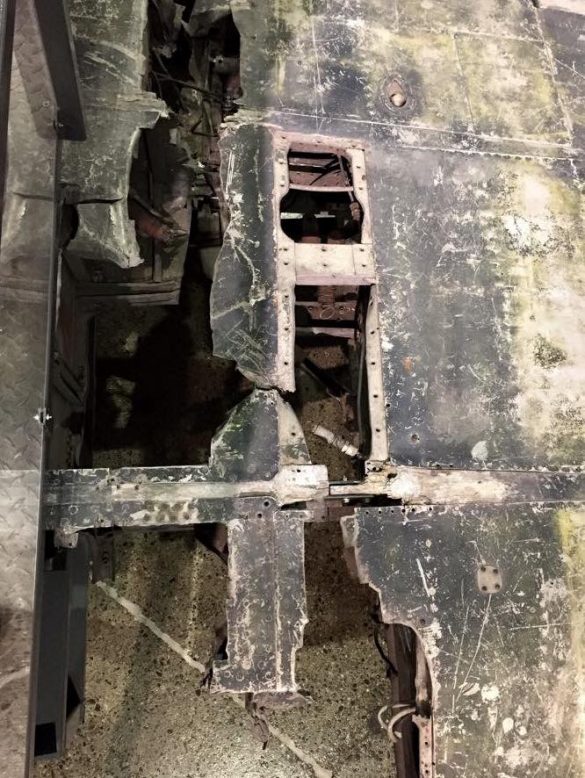
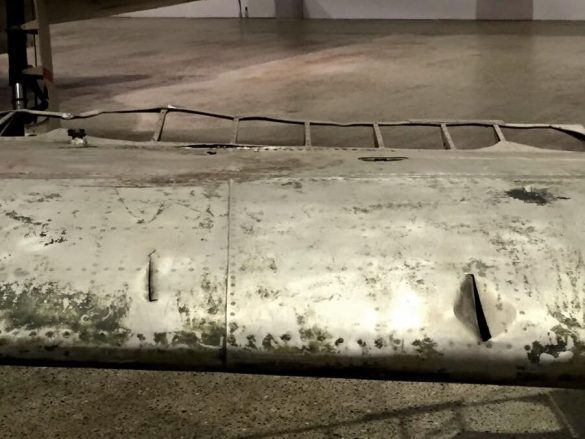
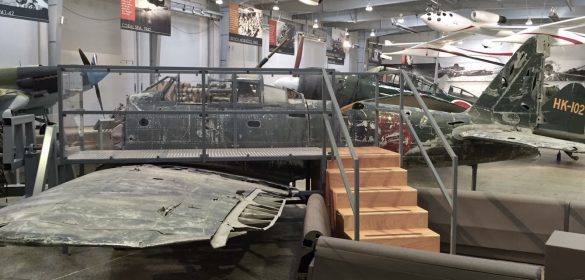
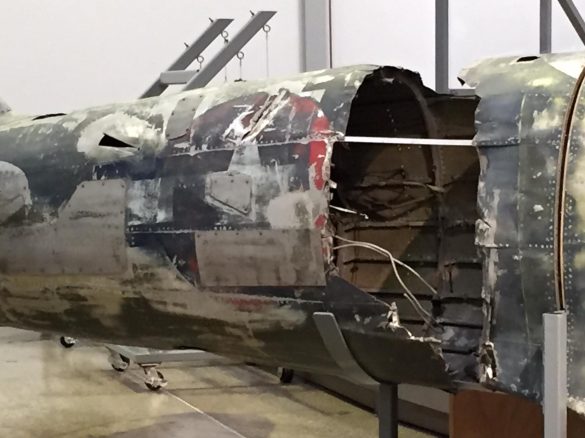
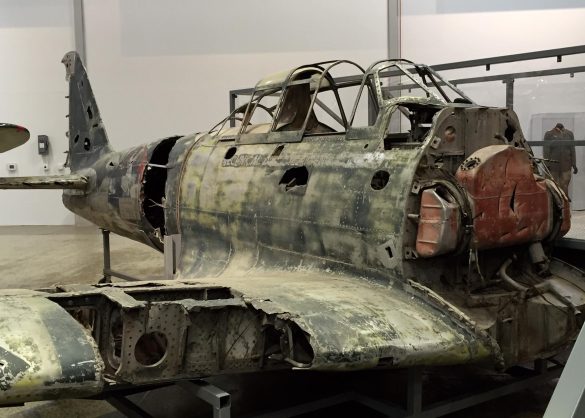
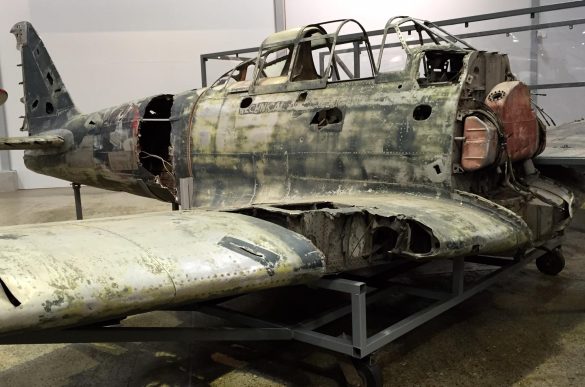
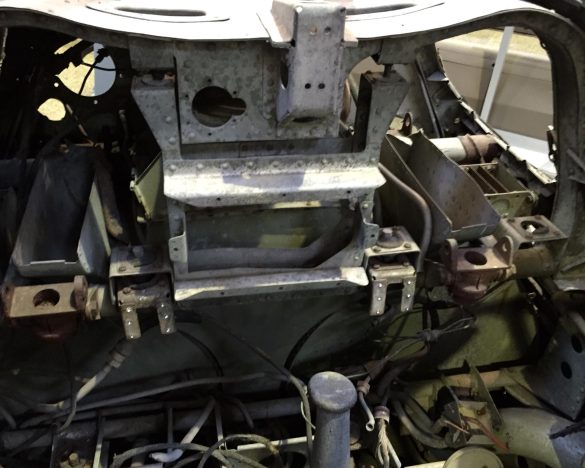
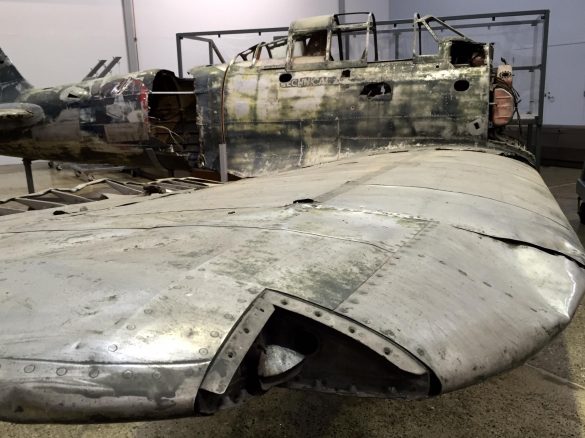
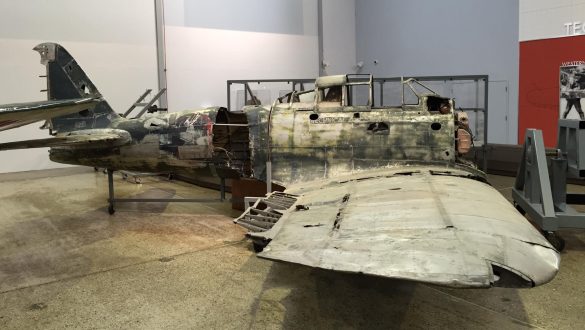
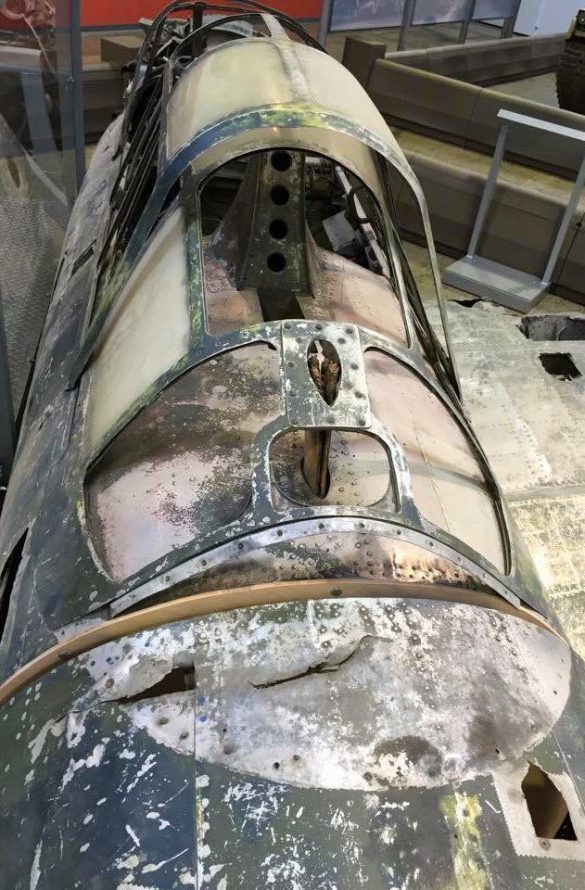
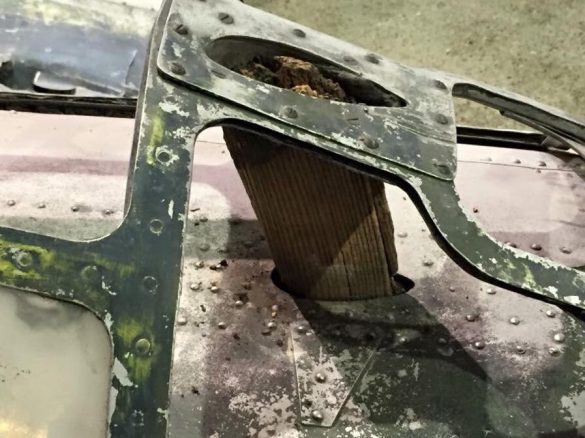
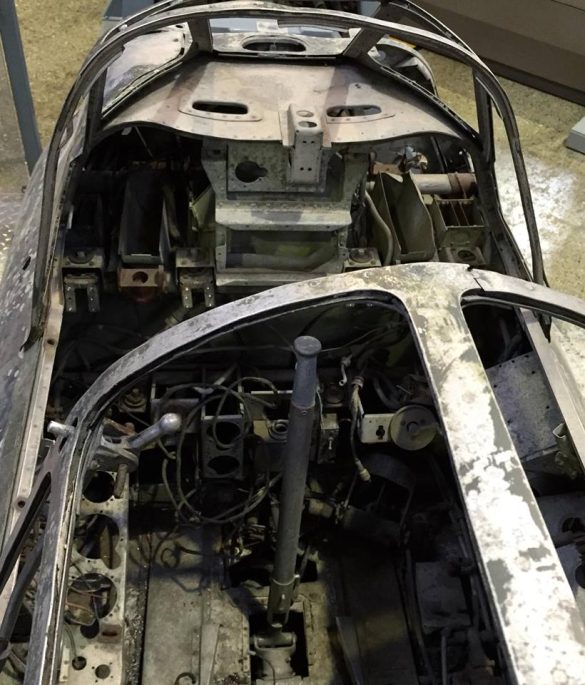
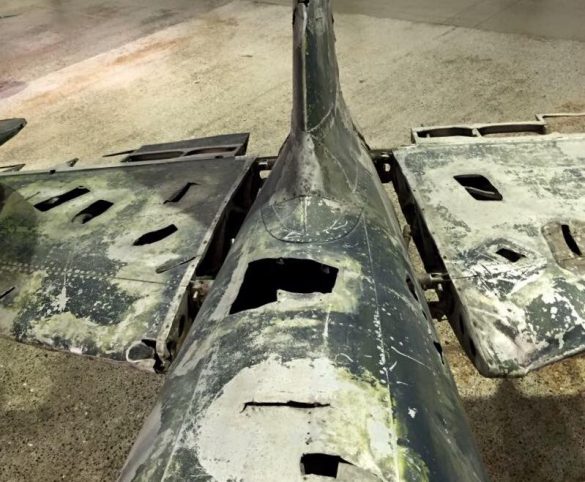
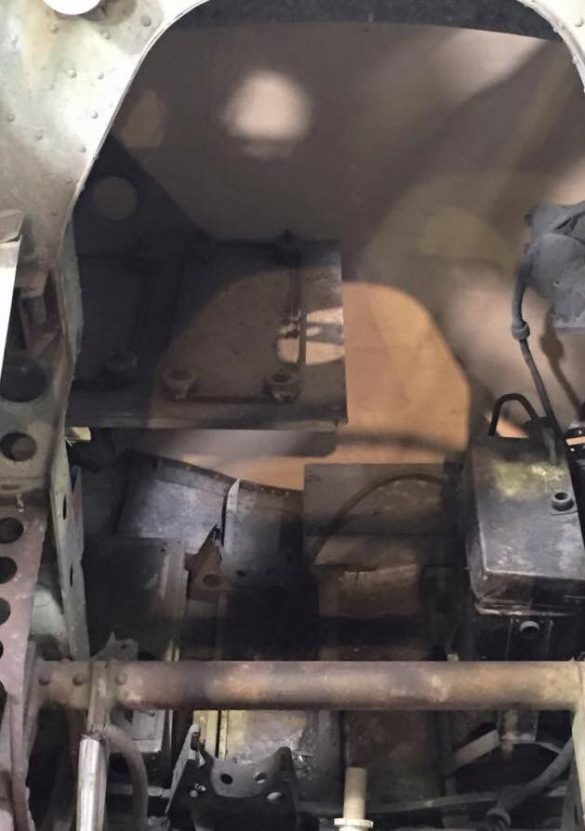
This article presents a collection of detailed photographs of abandoned Mitsubishi A6M Zero wrecks that can serve as valuable reference material for realistic weathering and diorama projects.
The heavily corroded aluminum skin, faded paint, exposed internal structures, missing panels, battle damage, and vegetation growing around the airframe create endless possibilities for advanced scale modeling. Reproducing these effects allows modelers to tell a story that goes beyond the aircraft itself, capturing the passage of time and the harsh environmental conditions of the Pacific islands.
Whether you are building a museum-quality display model or a dramatic diorama, these historical wrecks provide an exceptional source of inspiration and realism for your next project.
SBD White C 46: Pacific Weathering Guide
Scale Modeling Weathering Guide – Wrecked Mitsubishi A6M Zero
| Model Area | Weathering Effect | Recommended Colors | Modeling Technique |
|---|---|---|---|
| Upper Surfaces | Sun fading | IJN Green lightened with 10–20% White | Airbrush fading |
| Lower Surfaces | Paint discoloration | IJN Gray + Buff | Soft color modulation |
| Bare Aluminum | Oxidation | Aluminium, Duraluminium, Magnesium | Chipping & dry brushing |
| Steel Components | Rust and corrosion | Burnt Sienna, Hull Red, Dark Rust | Pigments & enamel washes |
| Panel Lines & Rivets | Dirt accumulation | Dark Brown Wash, Black Wash | Pin wash |
| Wing Leading Edges | Paint wear | Aluminium | Sponge chipping |
| Engine Cowling | Oil stains and grime | Smoke, Engine Grime, Black Brown | Oil streaking |
| Exhaust Area | Exhaust soot & heat staining | Burnt Iron, Exhaust Manifold, Flat Black | Airbrush gradients |
| Engine | Oil leaks | Engine Oil, Starship Filth | Enamel weathering |
| Cockpit | Paint chipping | Aotake, Aluminium | Fine brush chipping |
| Fabric Control Surfaces | UV fading | Light Gray, Buff | Dry brushing |
| Propeller Blades | Leading edge wear | Red Brown Primer + Aluminium | Chipping |
| Wheels & Tires | Dust and red soil | Earth, Dust, Light Mud | Pigments |
| Landing Gear | Dirt and corrosion | Dust, Rust Wash | Washes & pigments |
| Bullet Damage | Exposed metal | Steel, Burnt Metal | Dry brushing |
| Internal Structure | Oxidized framework | Zinc Chromate, Red Oxide, Rust | Layered weathering |
| Tropical Humidity | Moss and algae | Olive Green, Moss Green | Oil dot effects |
| Salt Exposure | Salt deposits | Off White, Light Gray | Dry brushing |
| Broken Panels | Corroded metal | Dark Steel + Rust | Sponge & pigments |
| Final Finish | Aged matte surface | Ultra Matt Varnish | Airbrush |
Recommended Weathering Color Palette
| Category | Suggested Colors |
|---|---|
| IJN Camouflage | IJN Green, IJN Gray, Aotake |
| Metallic Shades | Aluminium, Duraluminium, Dark Aluminium, Magnesium, Steel |
| Rust Tones | Light Rust, Dark Rust, Burnt Sienna, Hull Red |
| Oil Effects | Engine Oil, Fresh Oil, Engine Grime |
| Dust Effects | Dust, European Dust, Pacific Dust |
| Mud Effects | Light Mud, Dark Mud, Wet Mud |
| Exhaust Effects | Smoke, Soot, Exhaust Black |
| Natural Fading | Buff, Deck Tan, Off White |
Historical Weathering Notes
The Mitsubishi A6M Zero was built primarily from lightweight aluminum alloy, meaning that abandoned aircraft rarely developed heavy rust across the entire airframe. Instead, the most authentic Pacific War weathering includes:
- Severe paint fading caused by intense tropical sunlight.
- Extensive paint chipping exposing oxidized aluminum.
- White salt deposits from the marine environment.
- Rust limited mainly to steel components such as fasteners, engine mounts, landing gear, and internal fittings.
- Green algae and moss caused by prolonged exposure to tropical humidity.
- Heavy dirt, oil staining, and accumulated debris around the engine and cockpit.
This combination produces one of the most realistic finishes for a Pacific War Zero wreck and serves as an excellent reference for highly detailed scale models and dioramas.