article
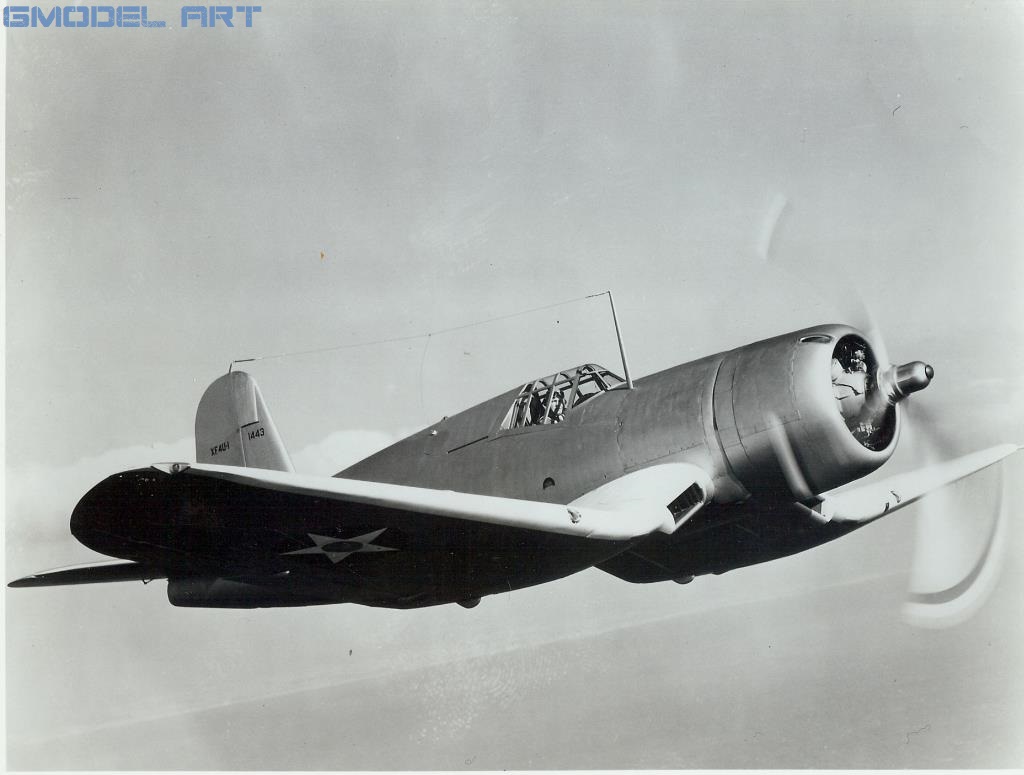
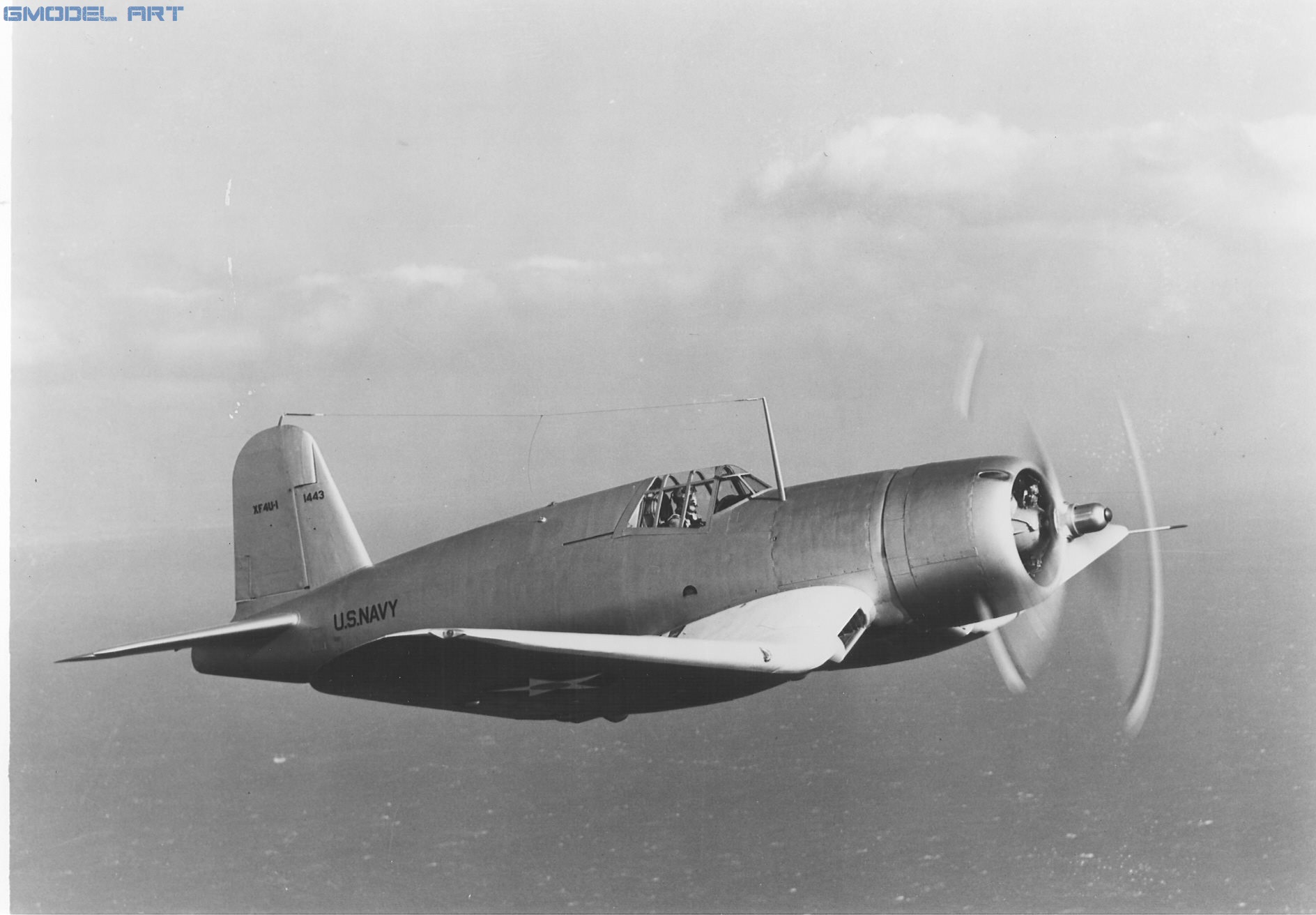
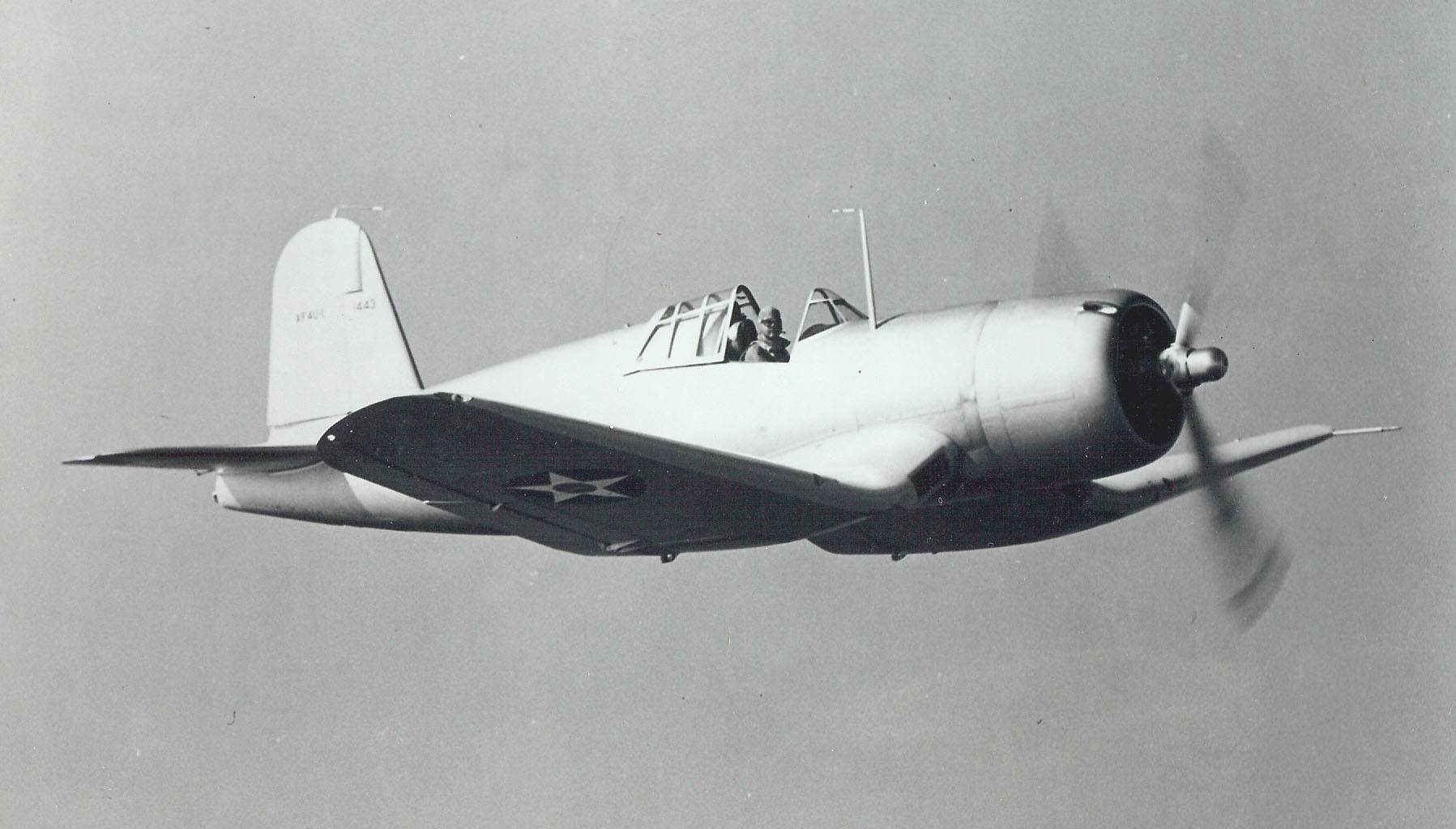
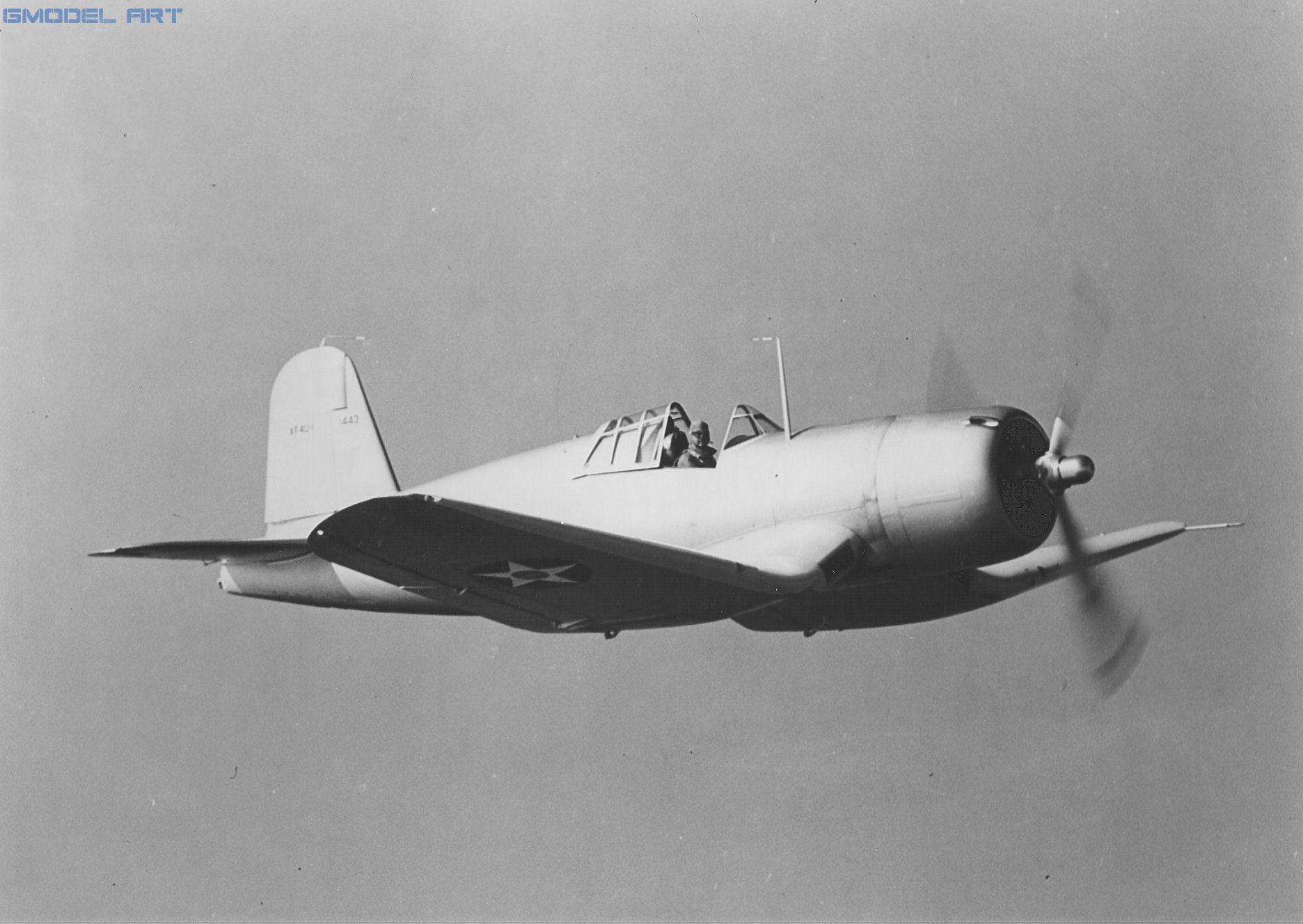
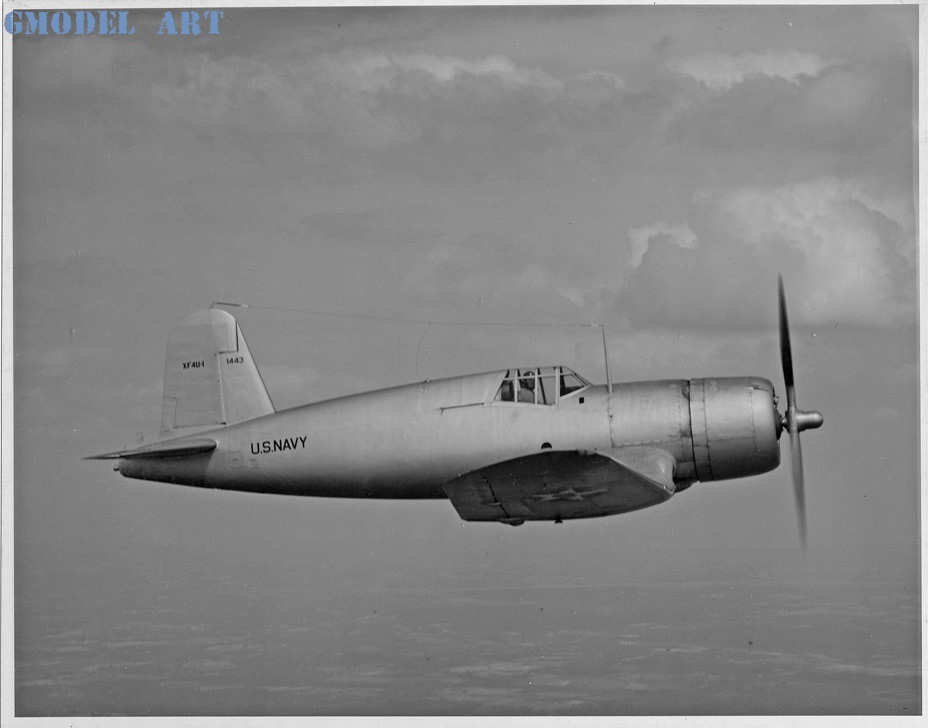
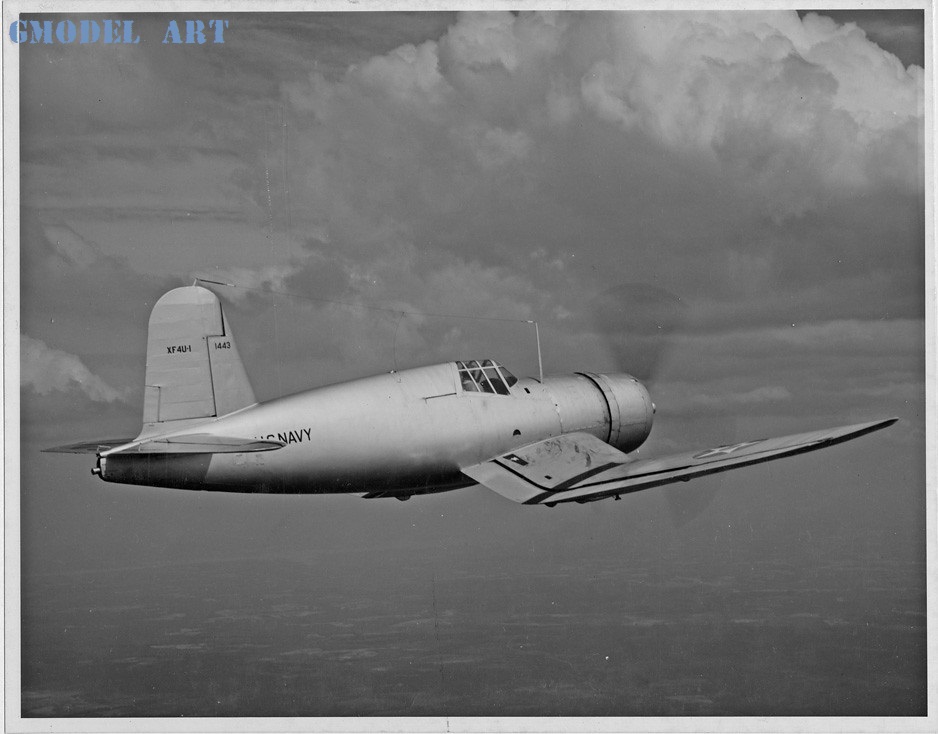
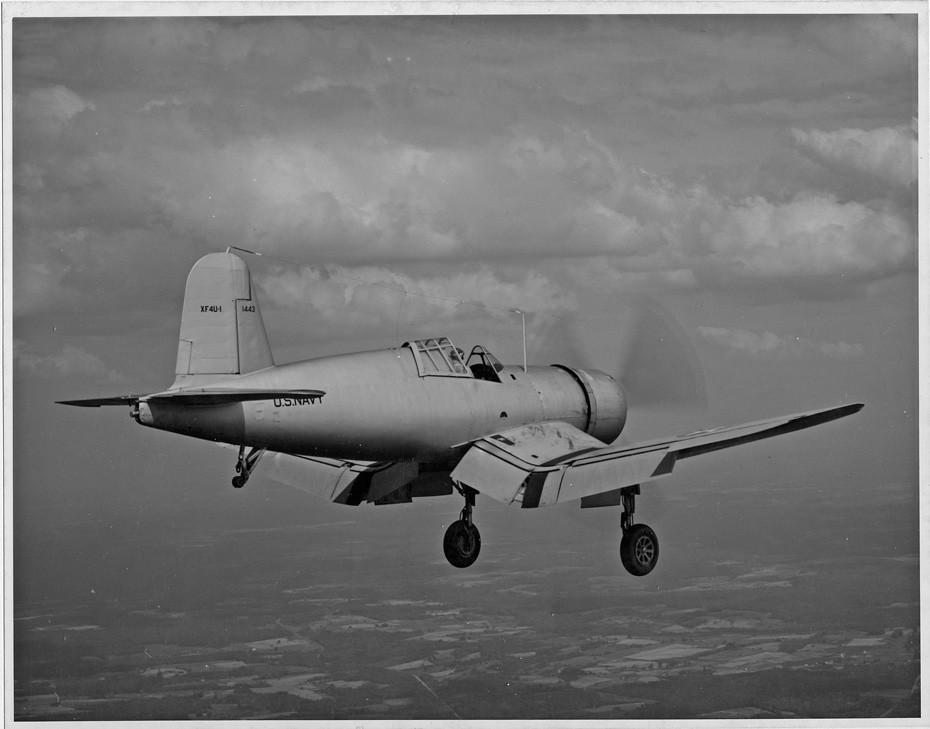
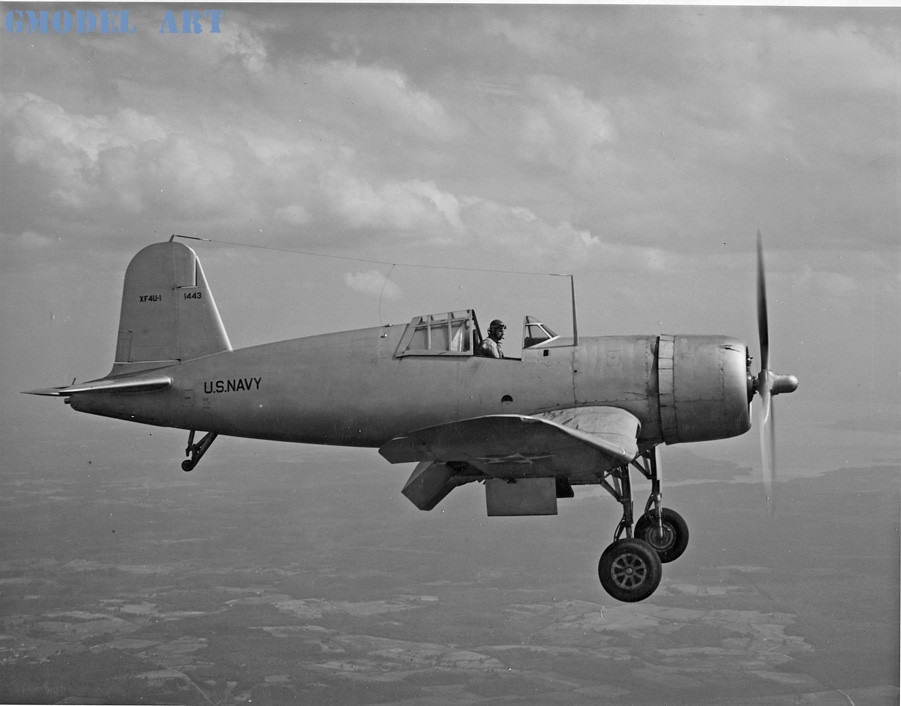
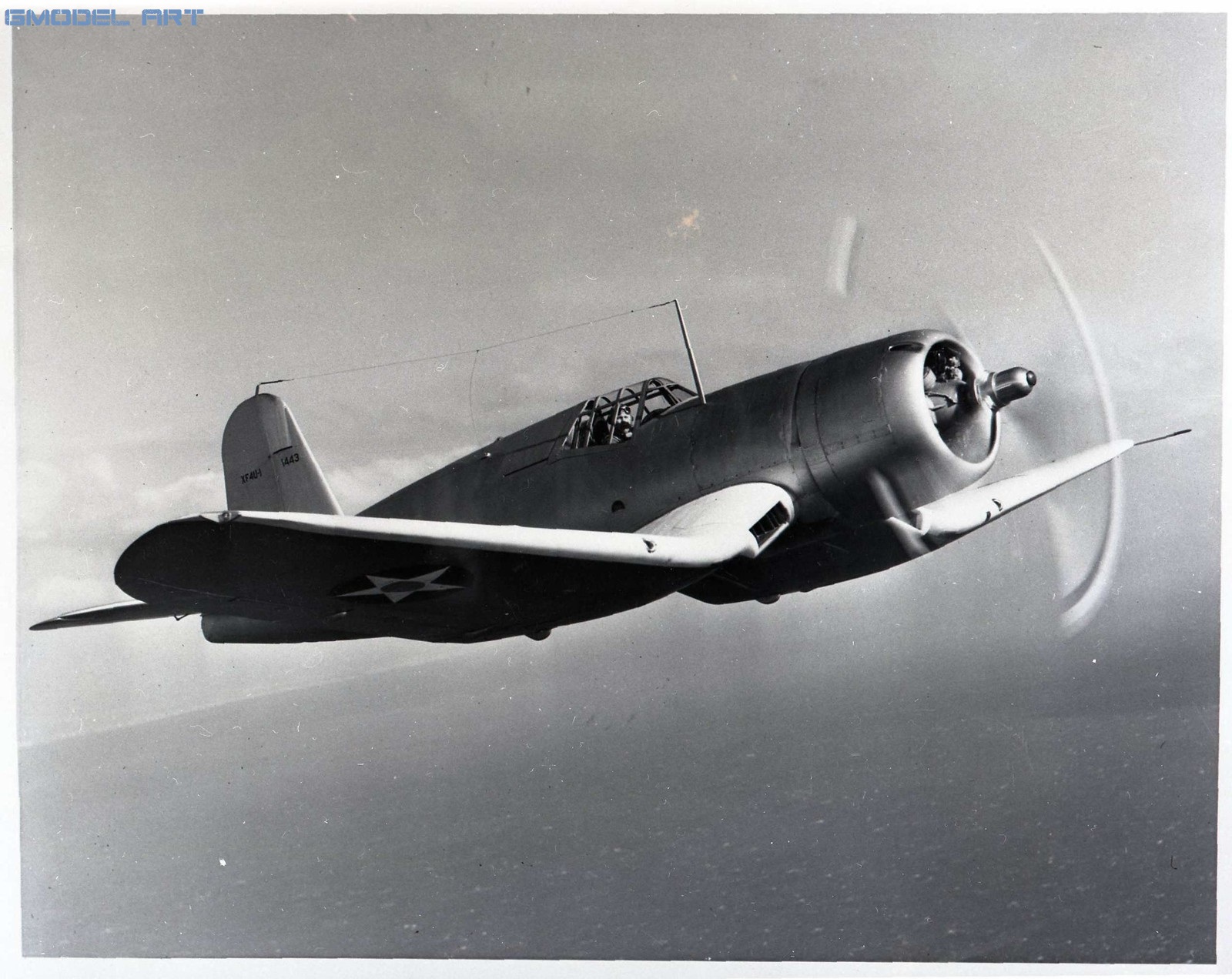
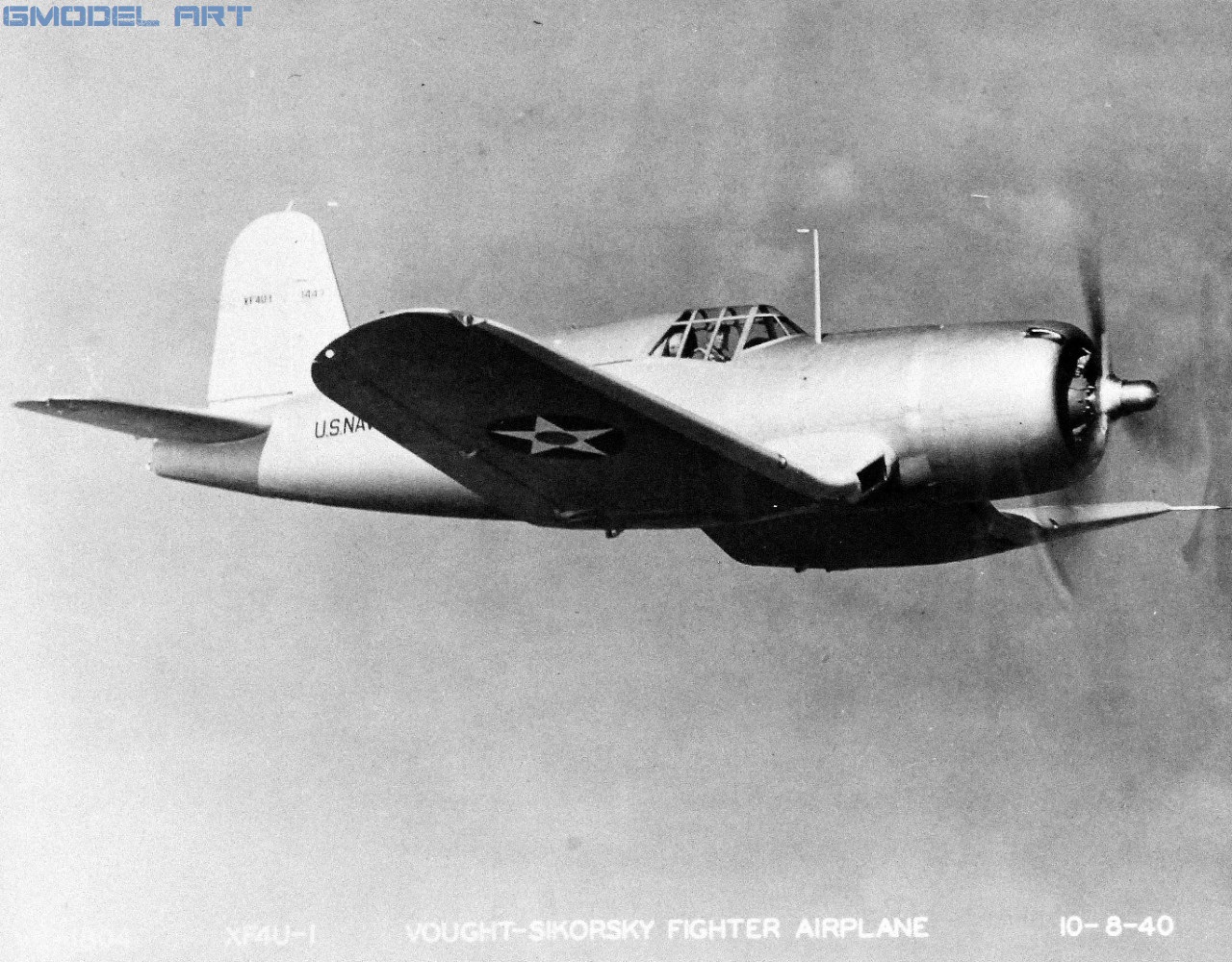
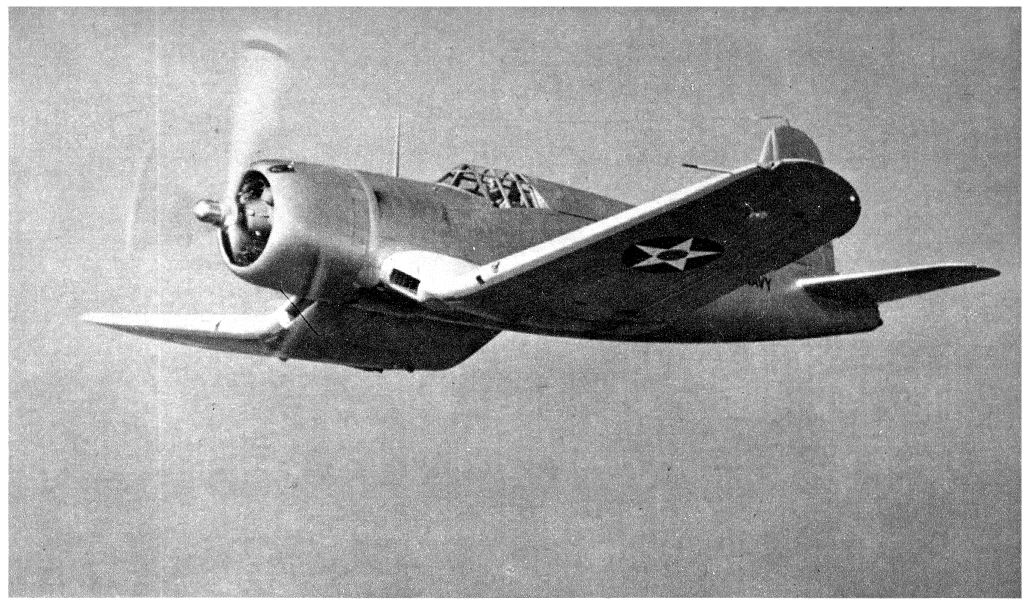
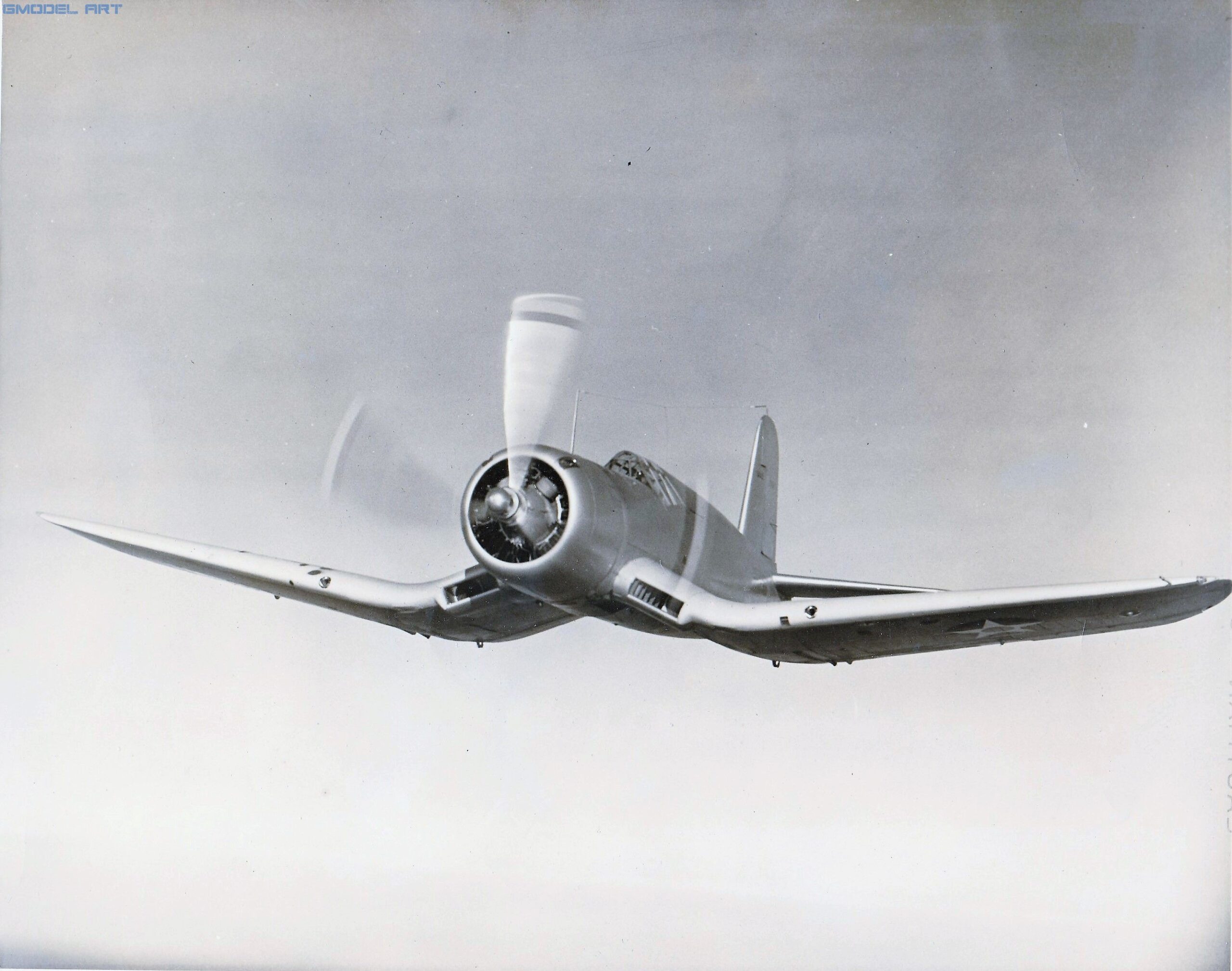
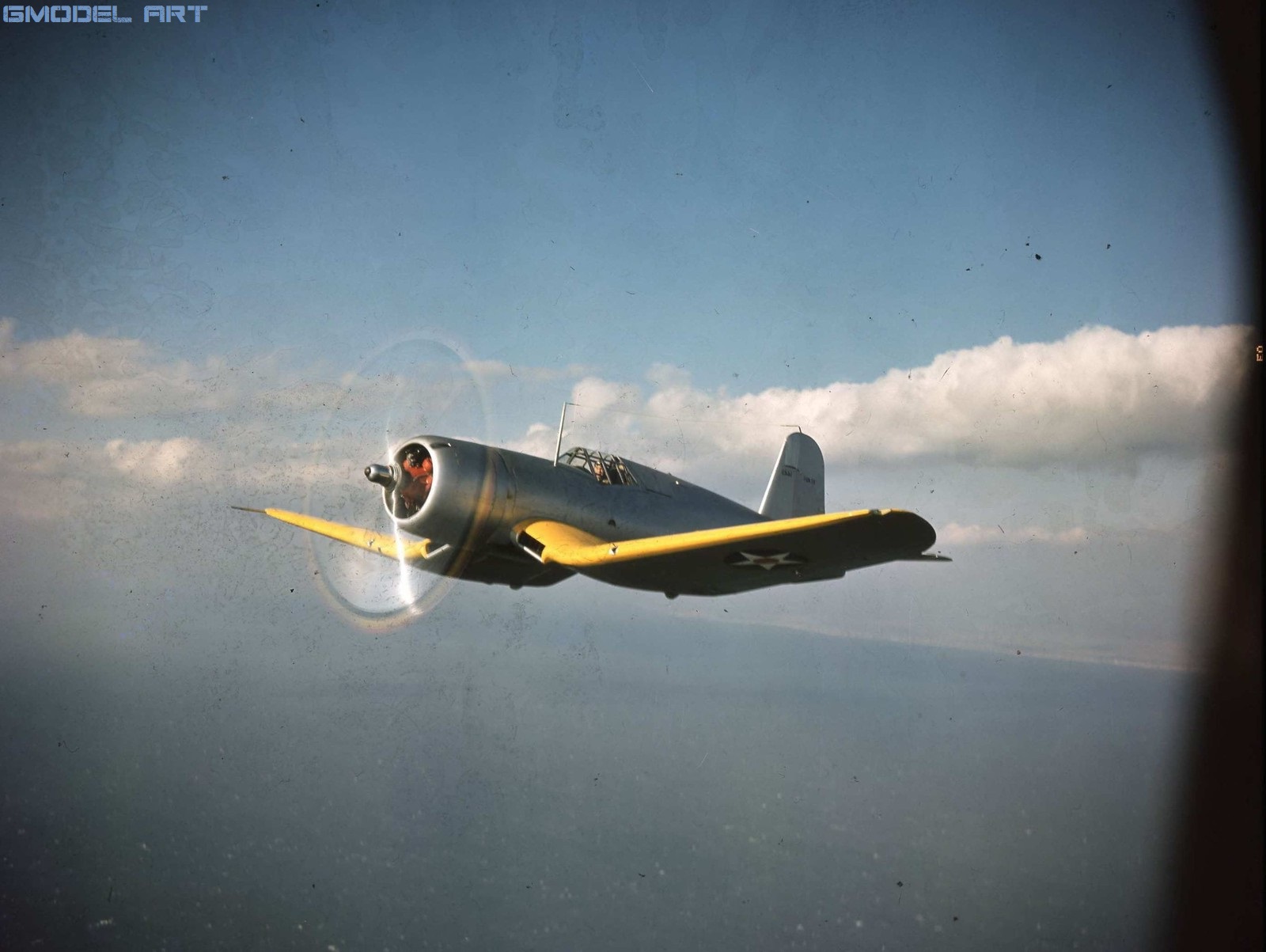
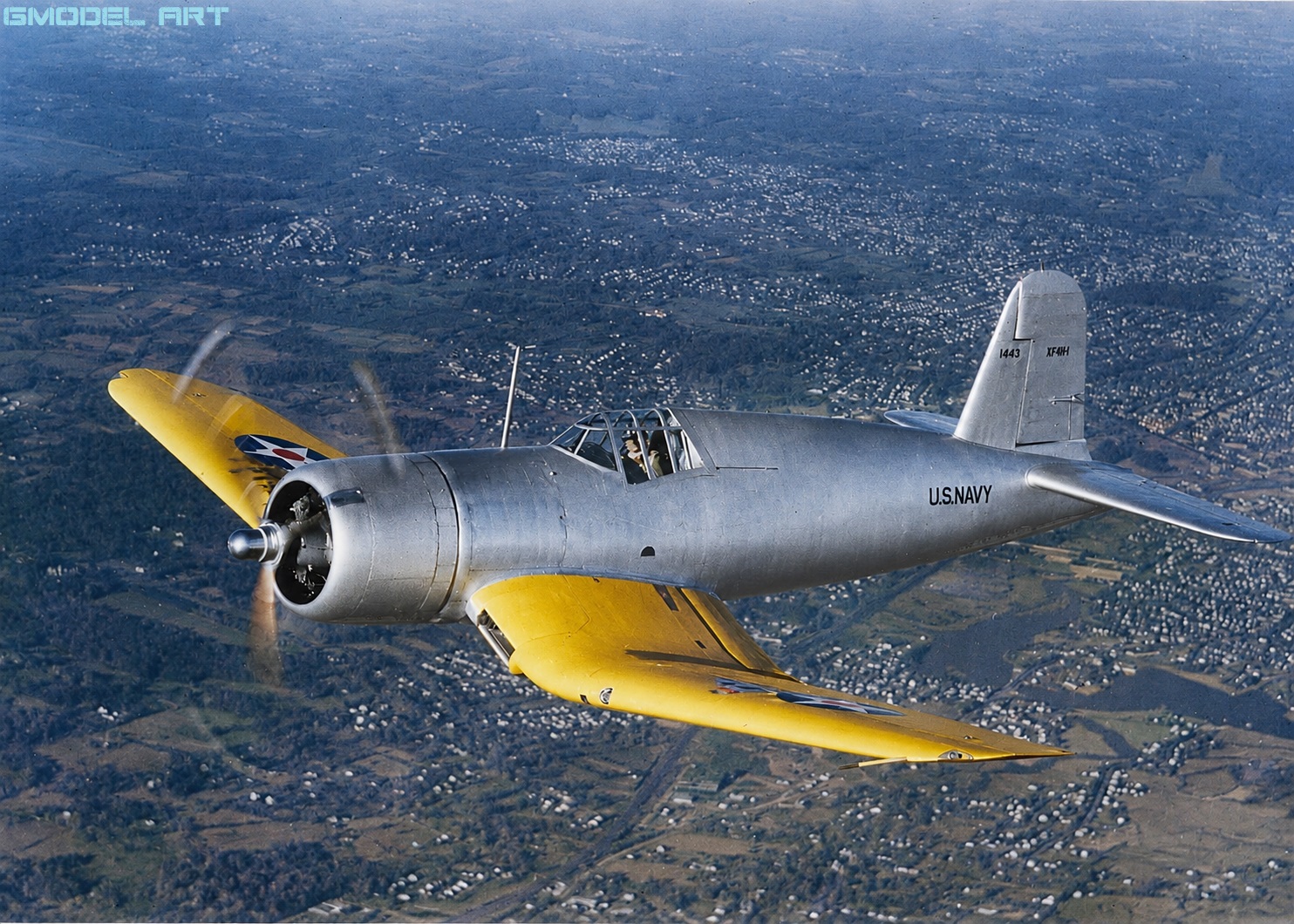
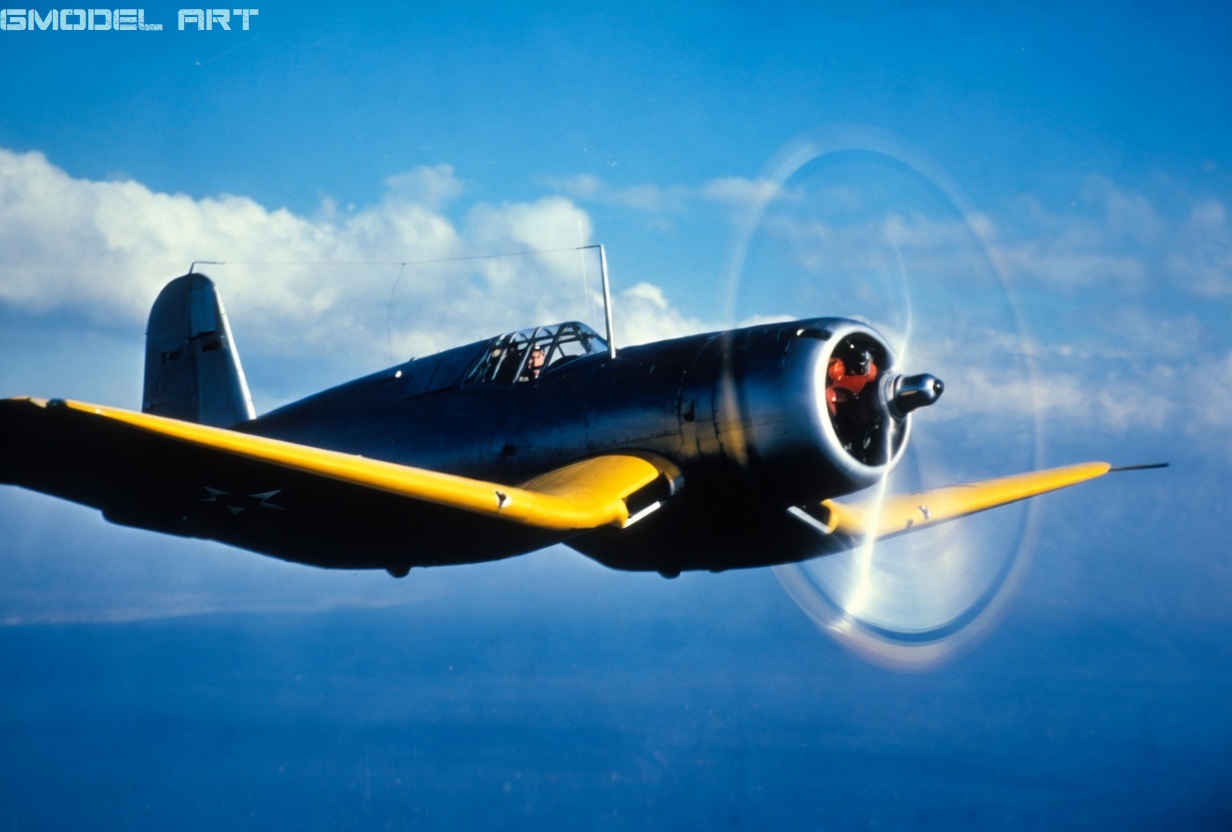
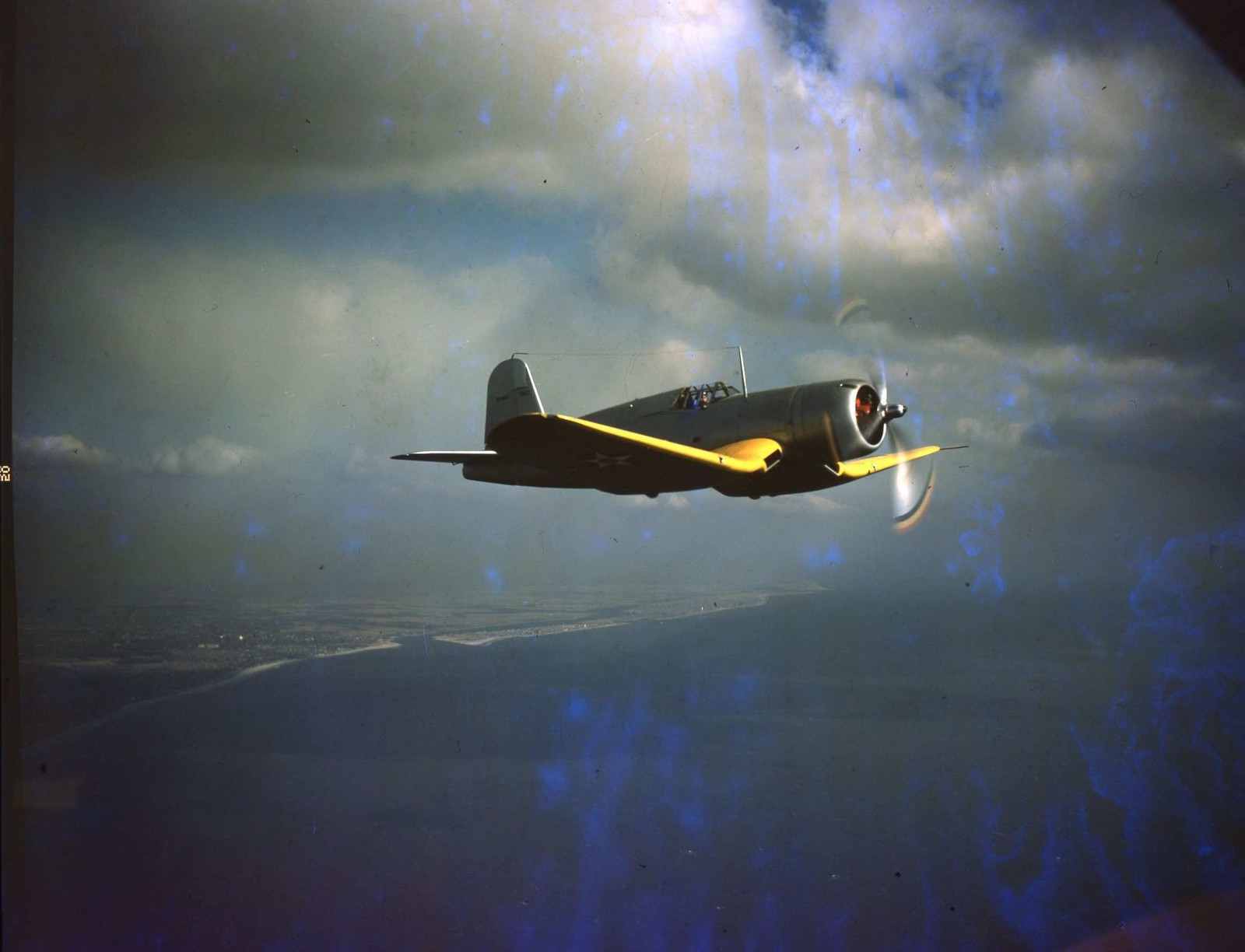
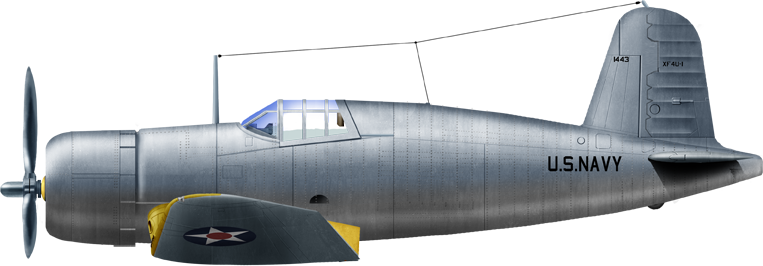
XF4U-1 Corsair Prototype (Bu.No.1443) — The Prototype That Created a Legend
Some aircraft were built to serve.
Others were built to change the rules.
The XF4U-1 Corsair Bu.No.1443 belongs to the second category.
Today, when someone looks at the unmistakable silhouette of the Corsair—the long nose, aggressive stance, and distinctive inverted gull wings—it is easy to assume that everything was perfectly engineered from the beginning.
In reality, the opposite is true.
The first Corsair was an aircraft shaped through compromise, experimentation, failures, reconstruction, and technical dead ends that ultimately led to one of the greatest successes in American aviation history.
Its story began in 1938.
The United States Navy was searching for a new carrier-based fighter capable of surpassing everything currently in service. The requirements were extreme for the period: exceptional speed, long operational range, strong firepower, and the ability to operate safely from aircraft carriers.
Most manufacturers approached the challenge through gradual evolution.
Vought chose a different path.
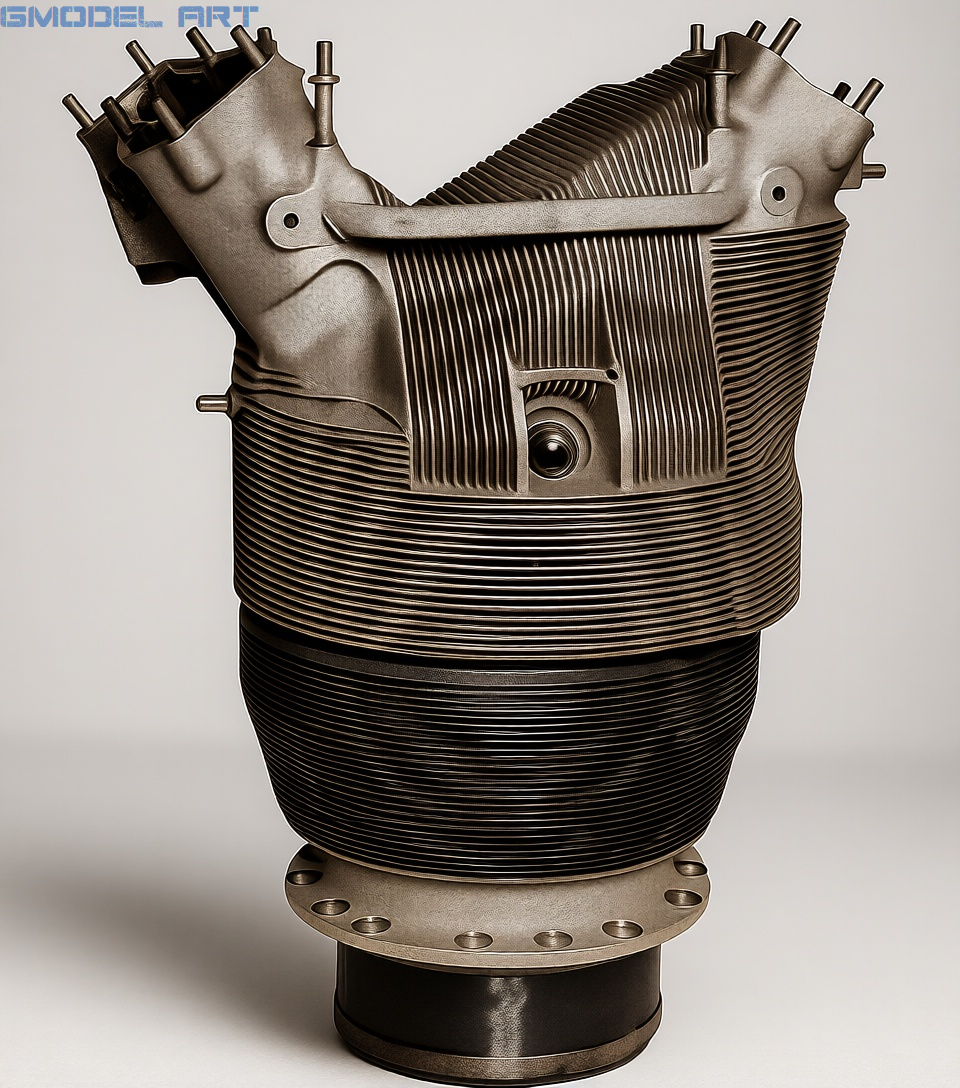
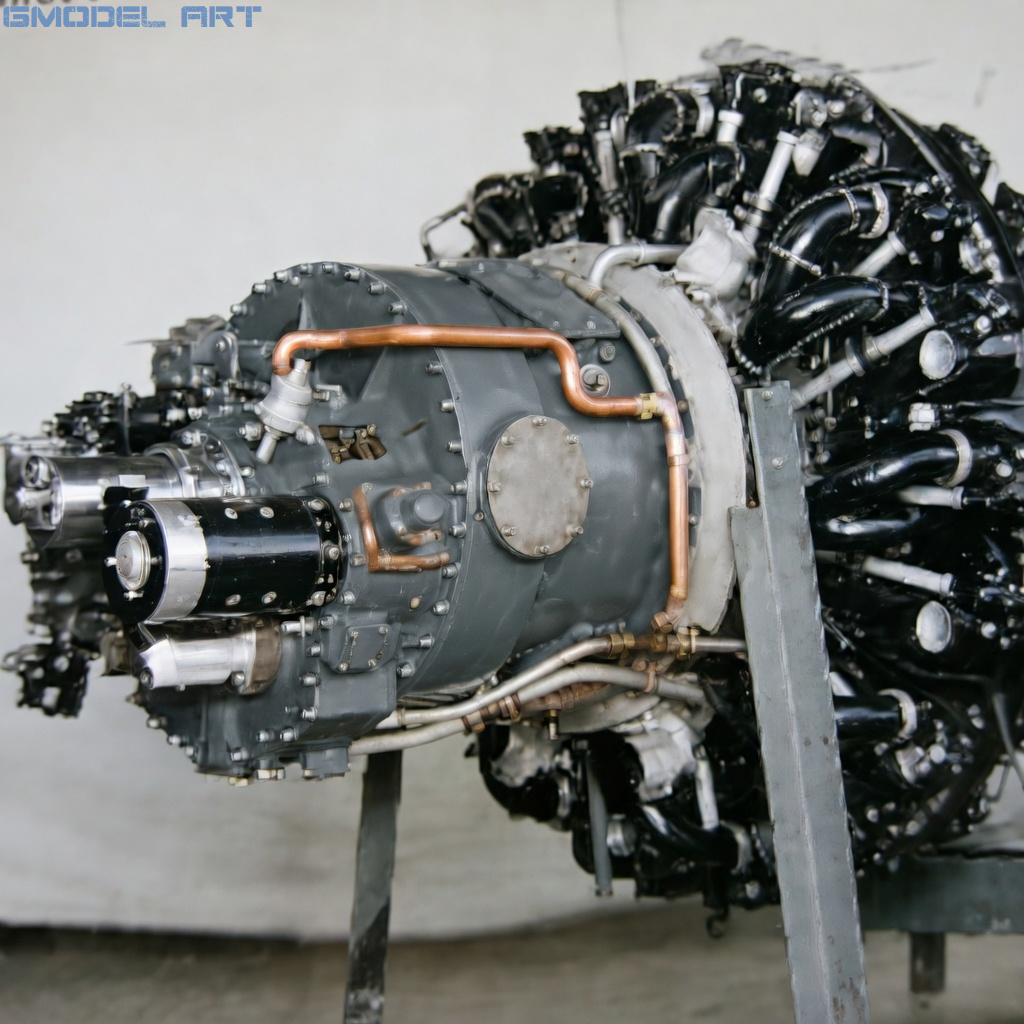
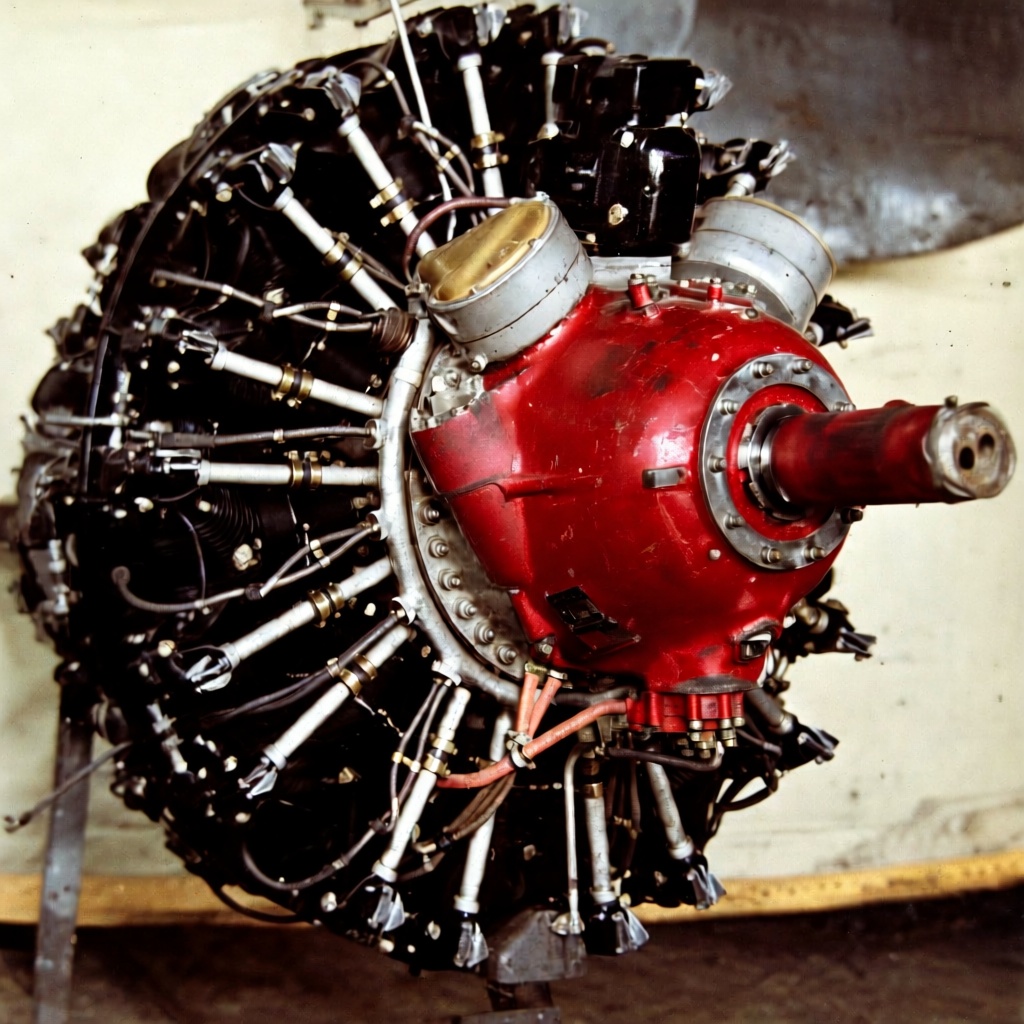
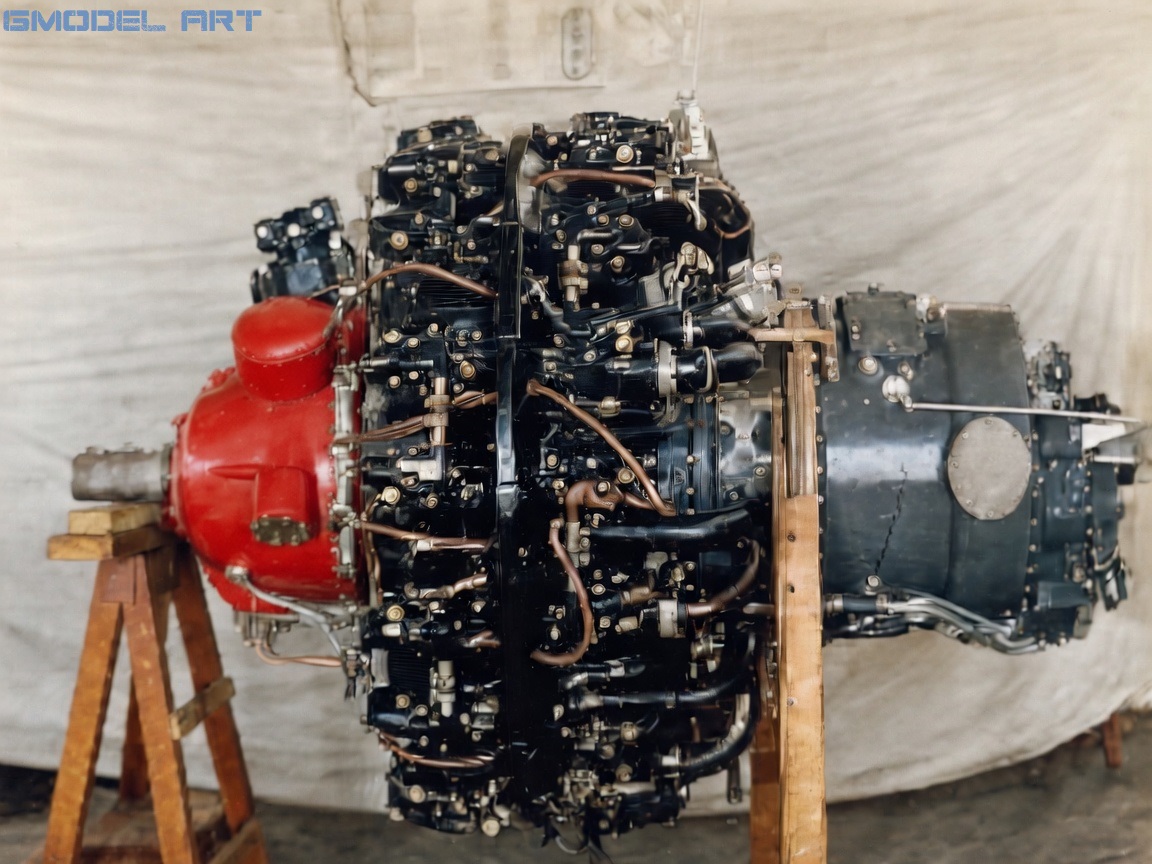
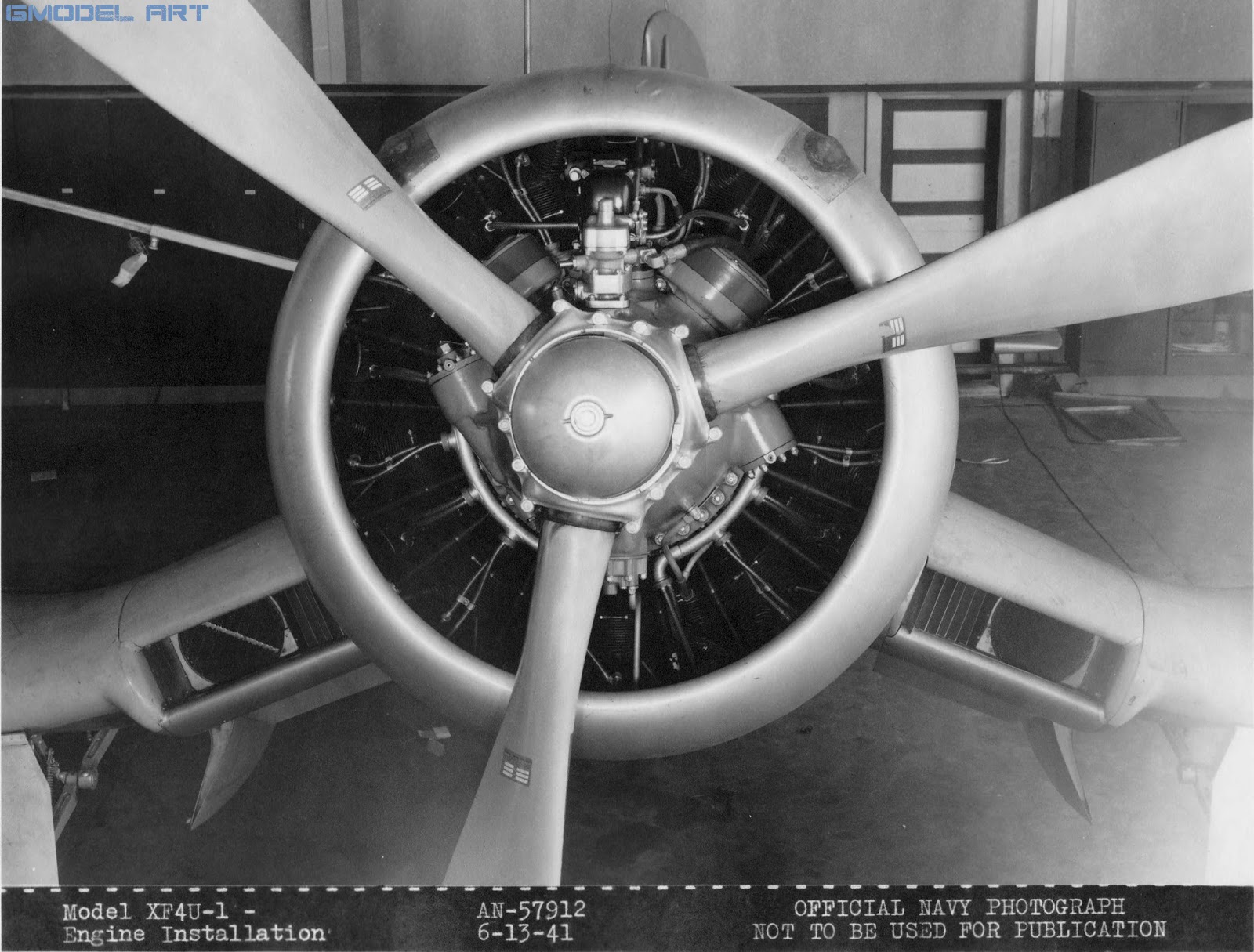
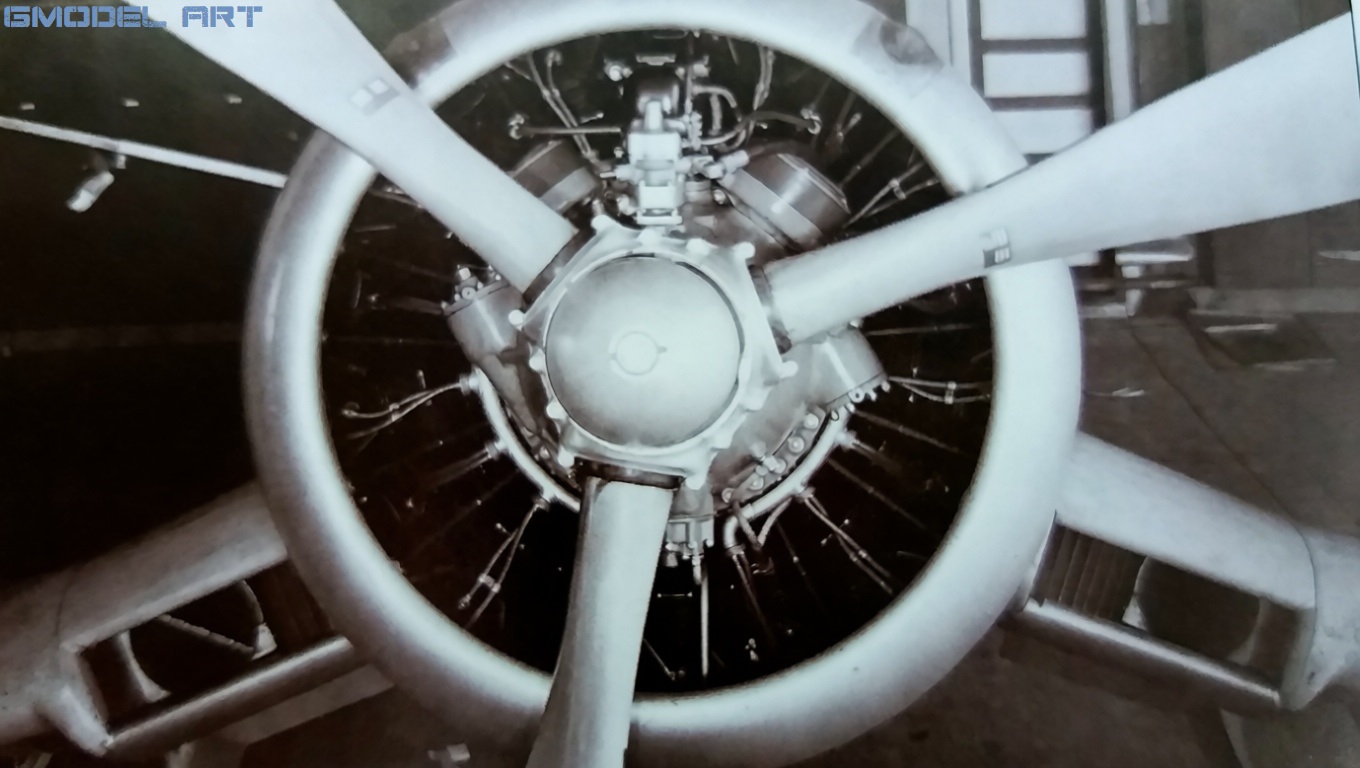
Under the leadership of Rex Beisel, the design team built the entire project around the new Pratt & Whitney XR-2800-4 Double Wasp, an 18-cylinder air-cooled radial engine producing nearly 2,000 horsepower.
The decision immediately promised extraordinary performance.
But it also created a major engineering problem.
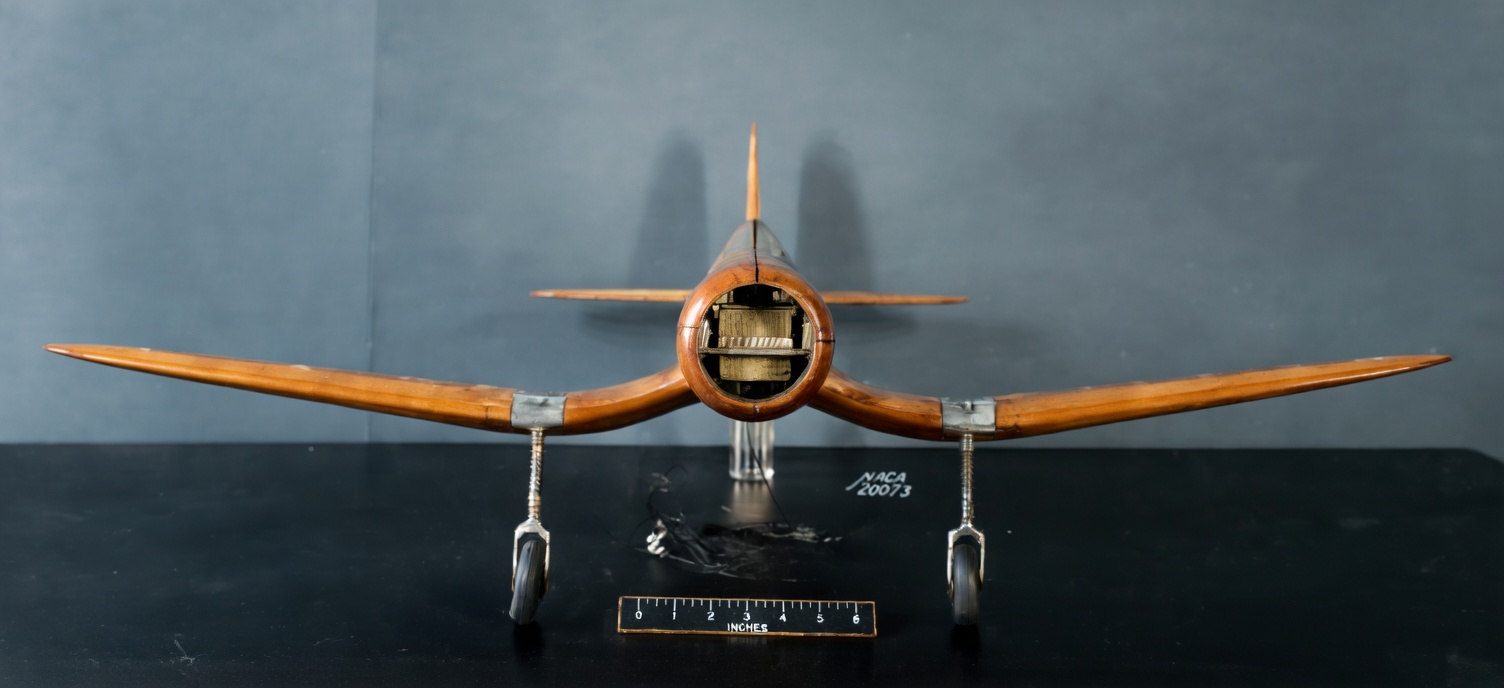
Such a powerful engine required an enormous propeller to convert horsepower into thrust efficiently. With a conventional wing arrangement, the aircraft would require extremely tall landing gear to keep the propeller clear of the deck during takeoff and landing.
For carrier operations, that solution was considered unacceptable.
The answer became one of the most recognizable features in aviation history.
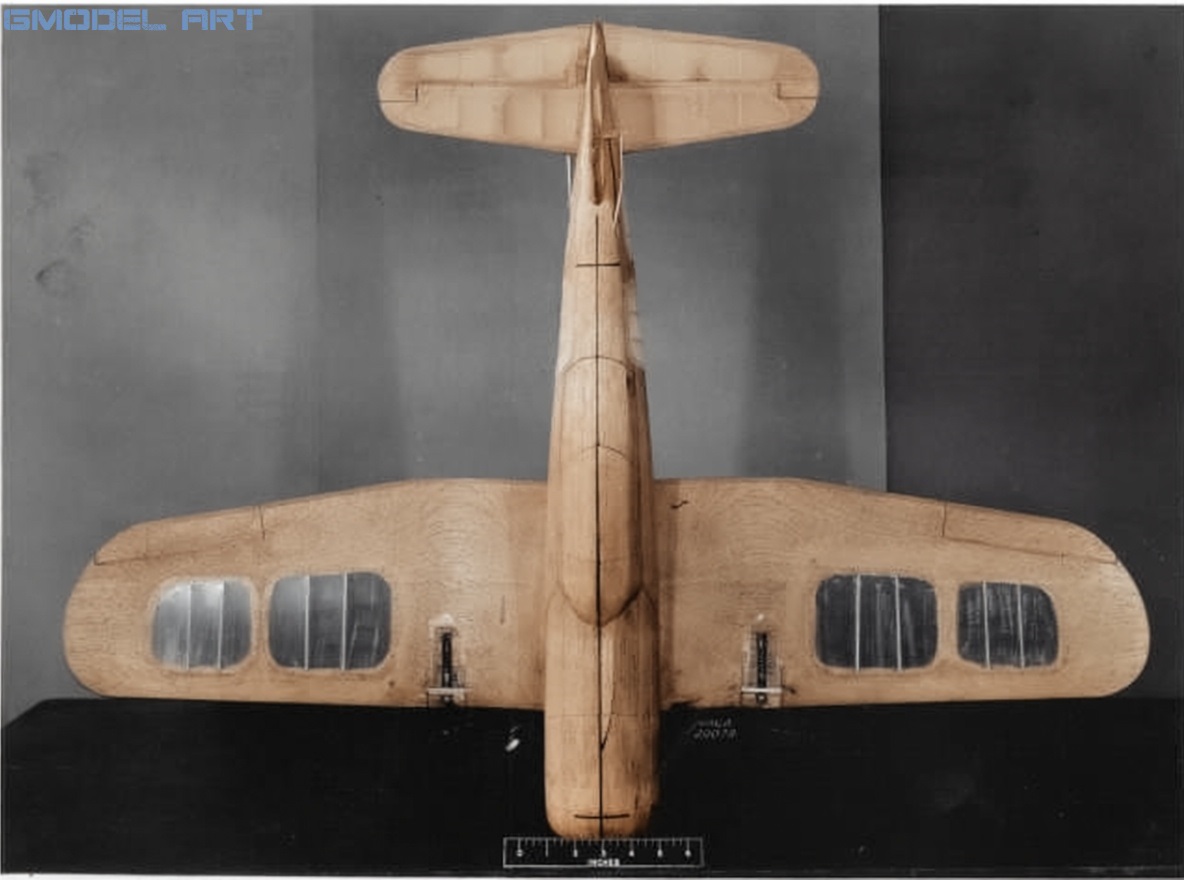
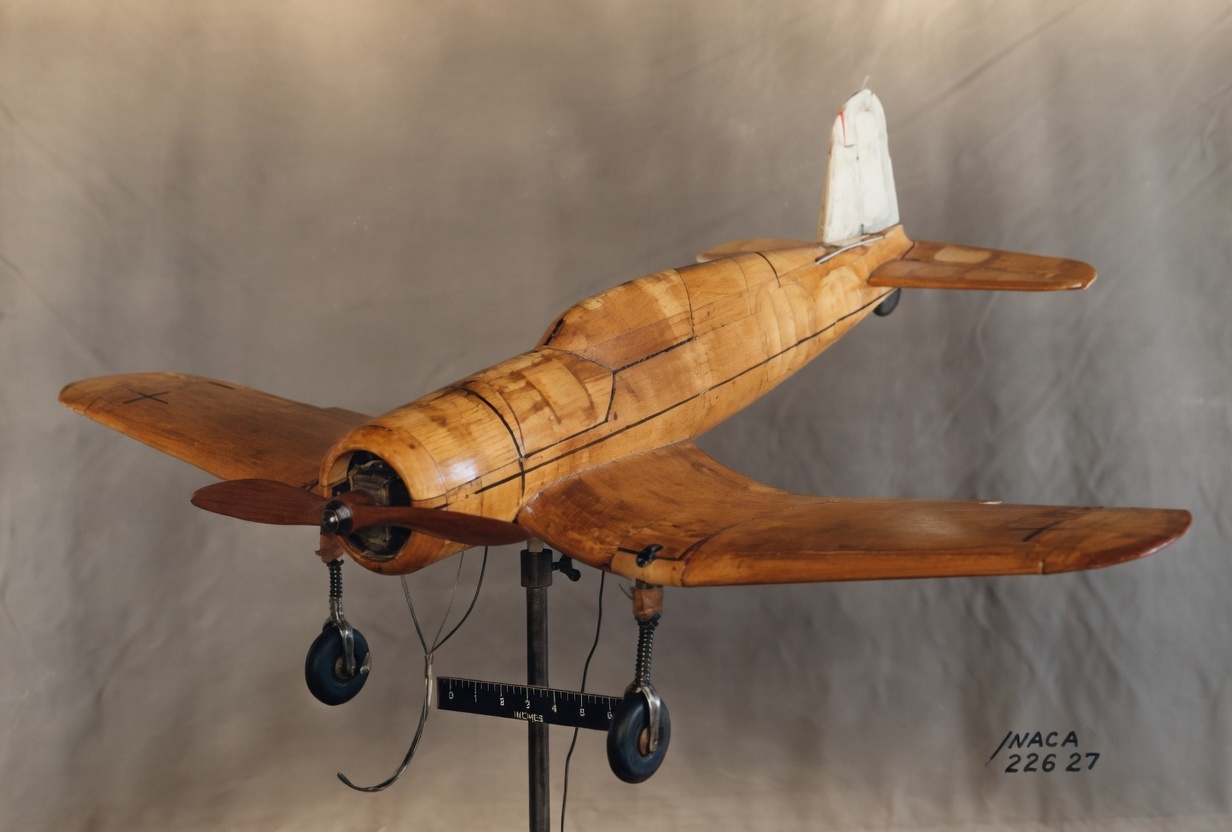
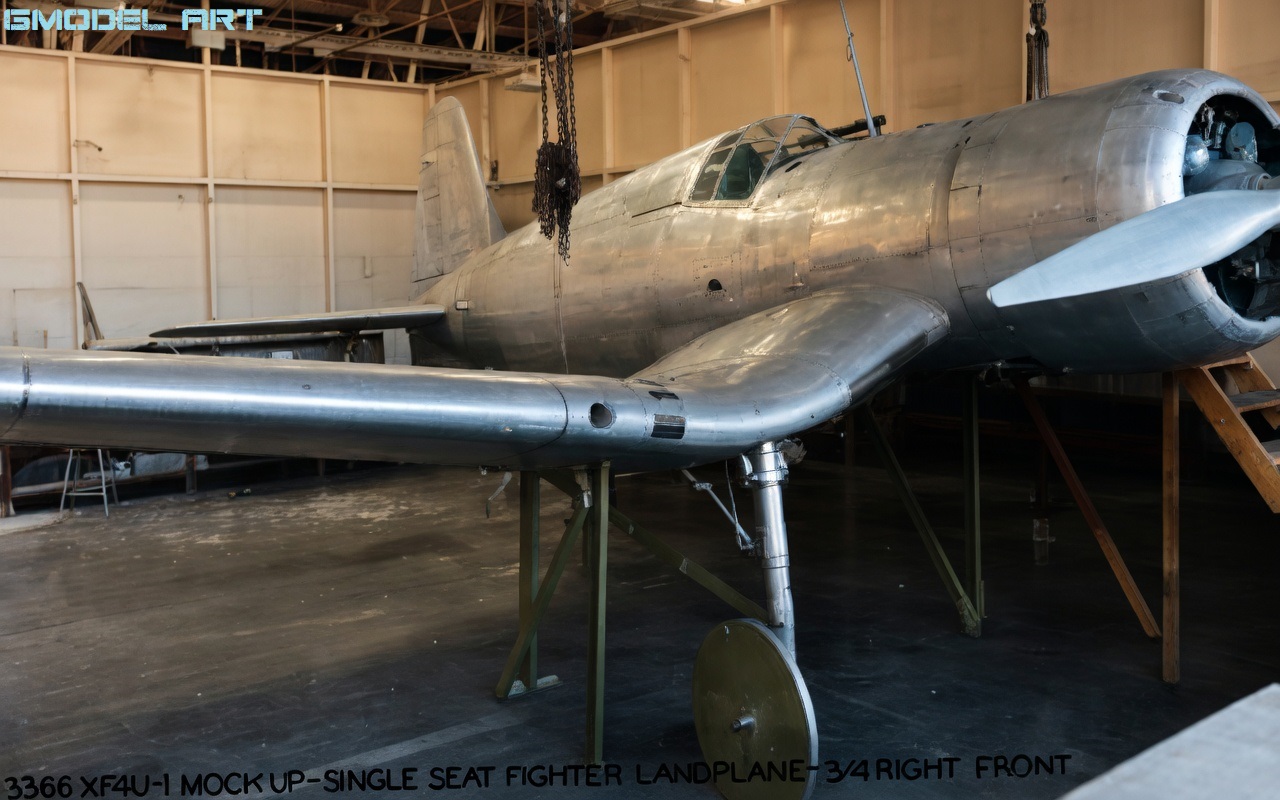
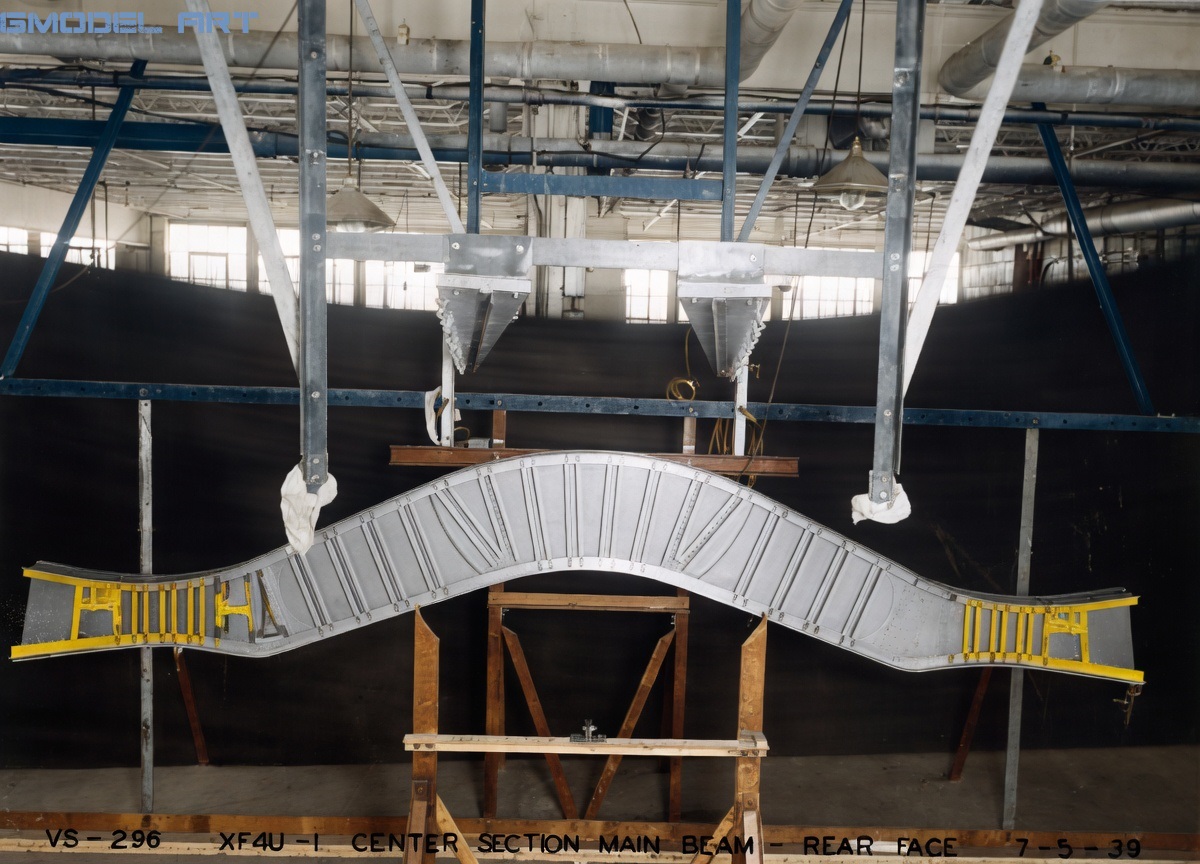
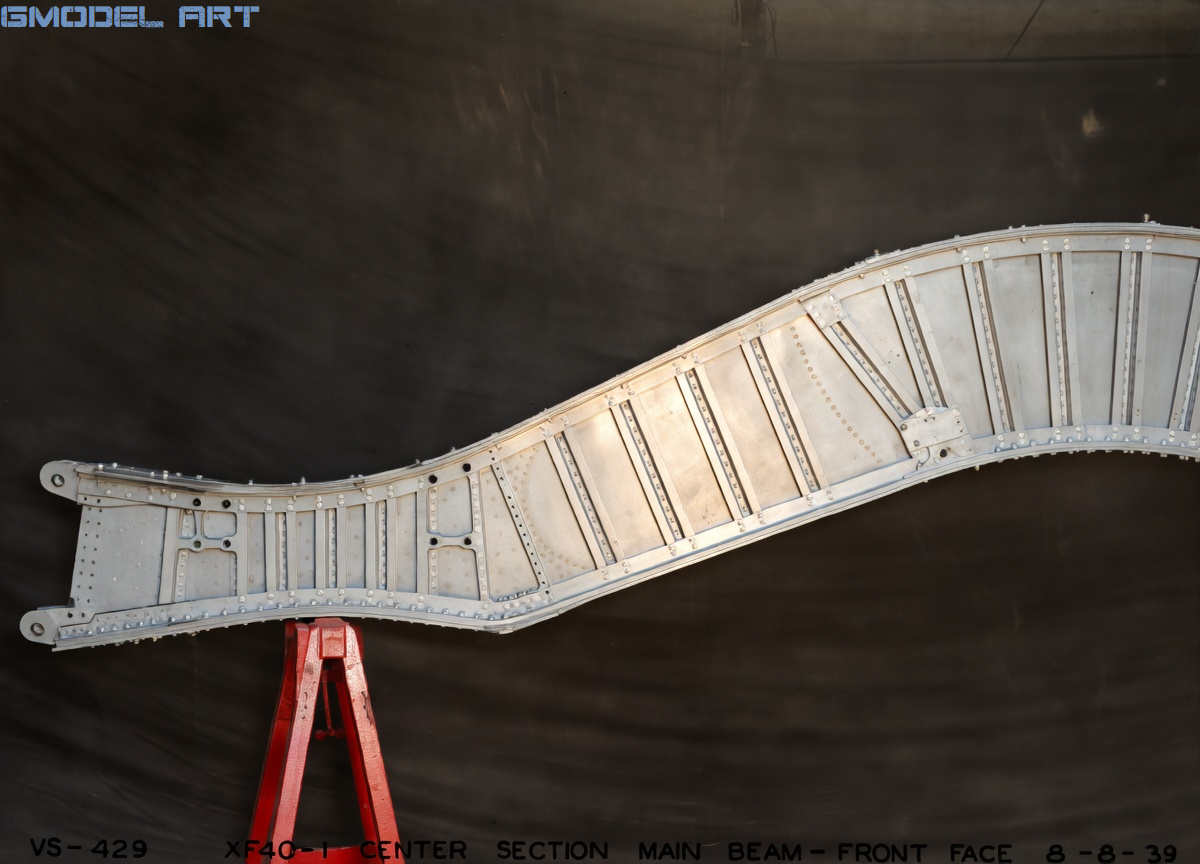
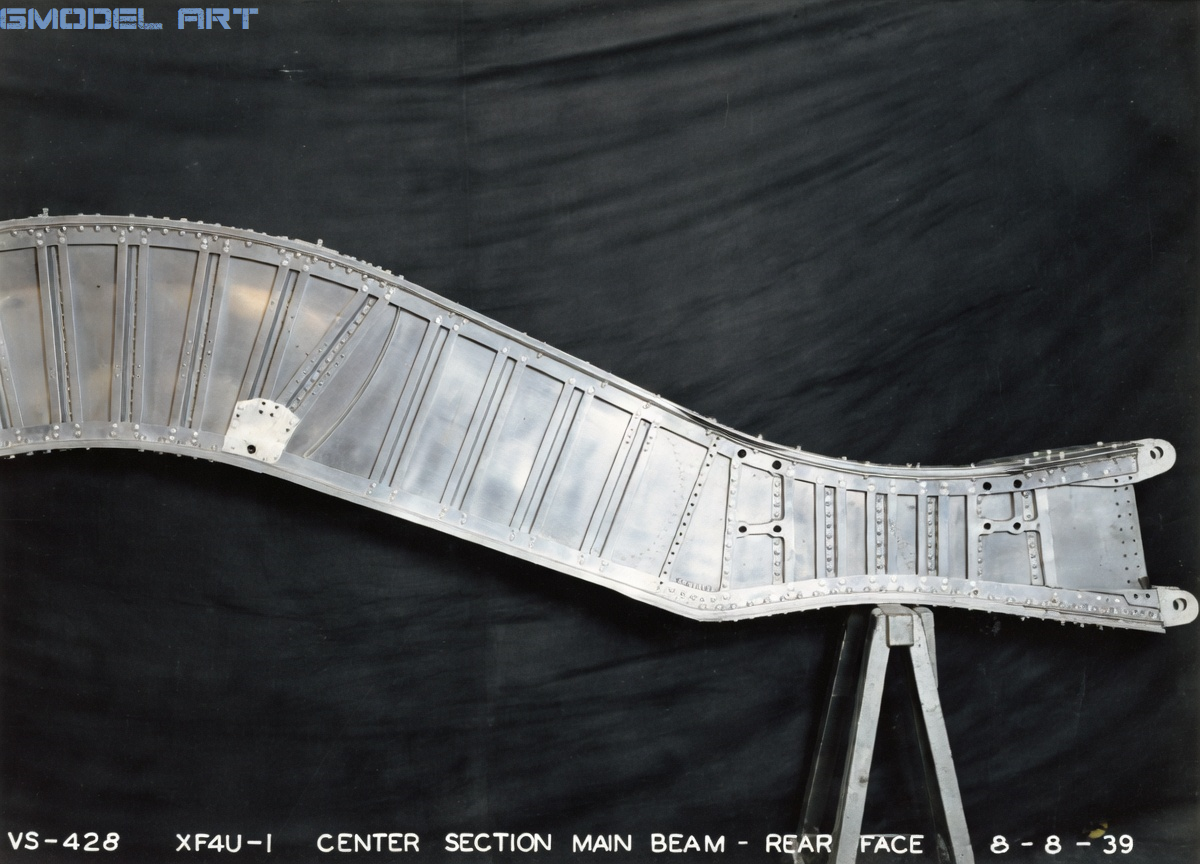
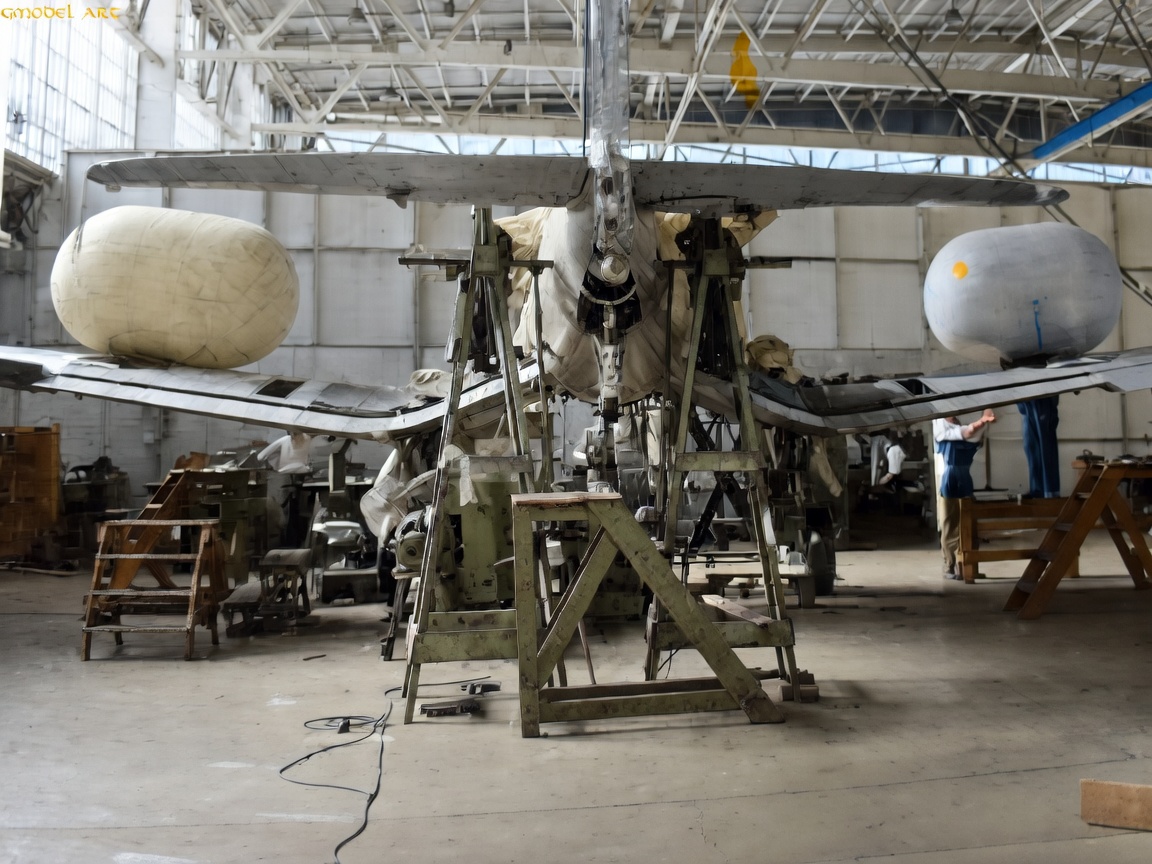
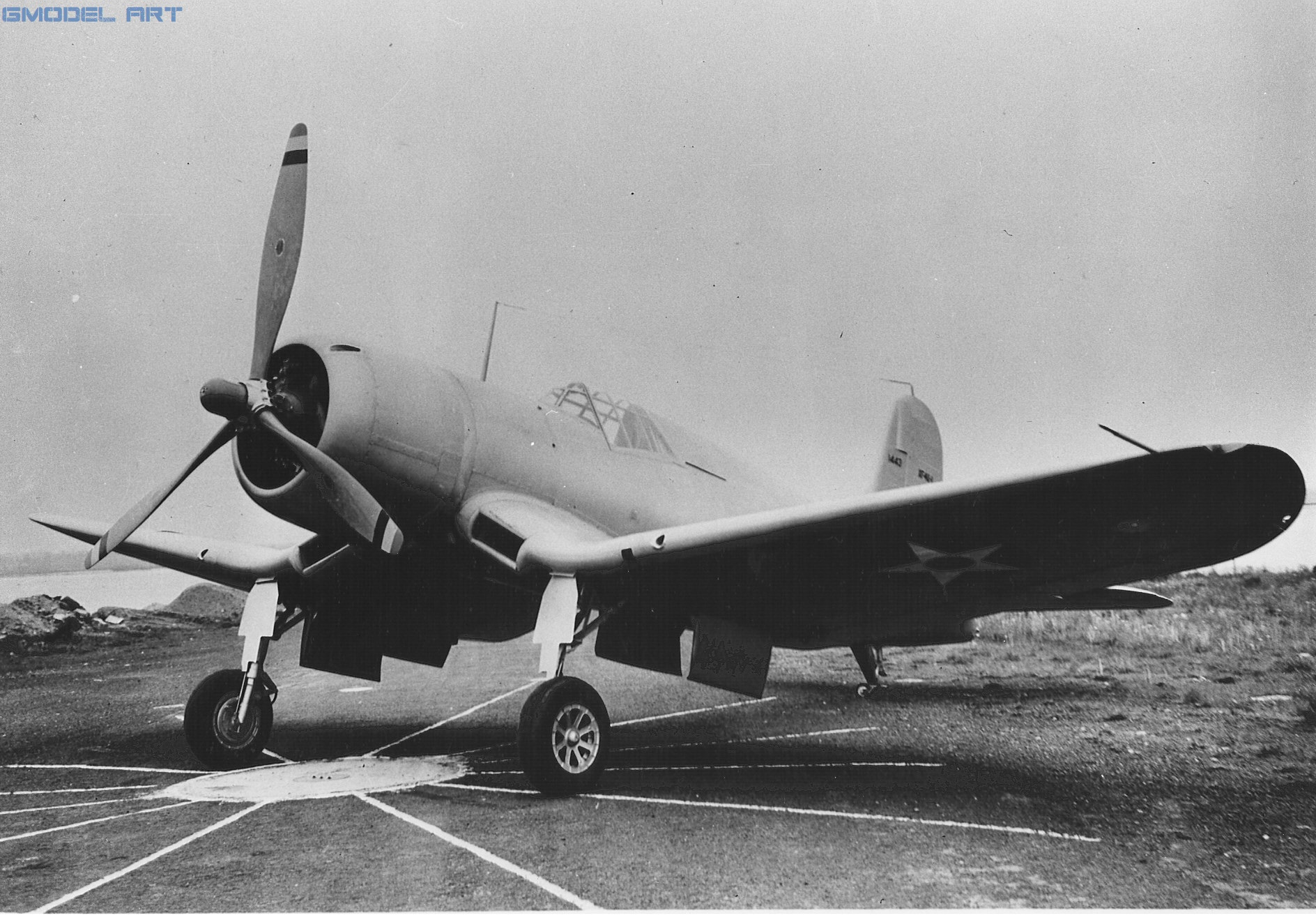
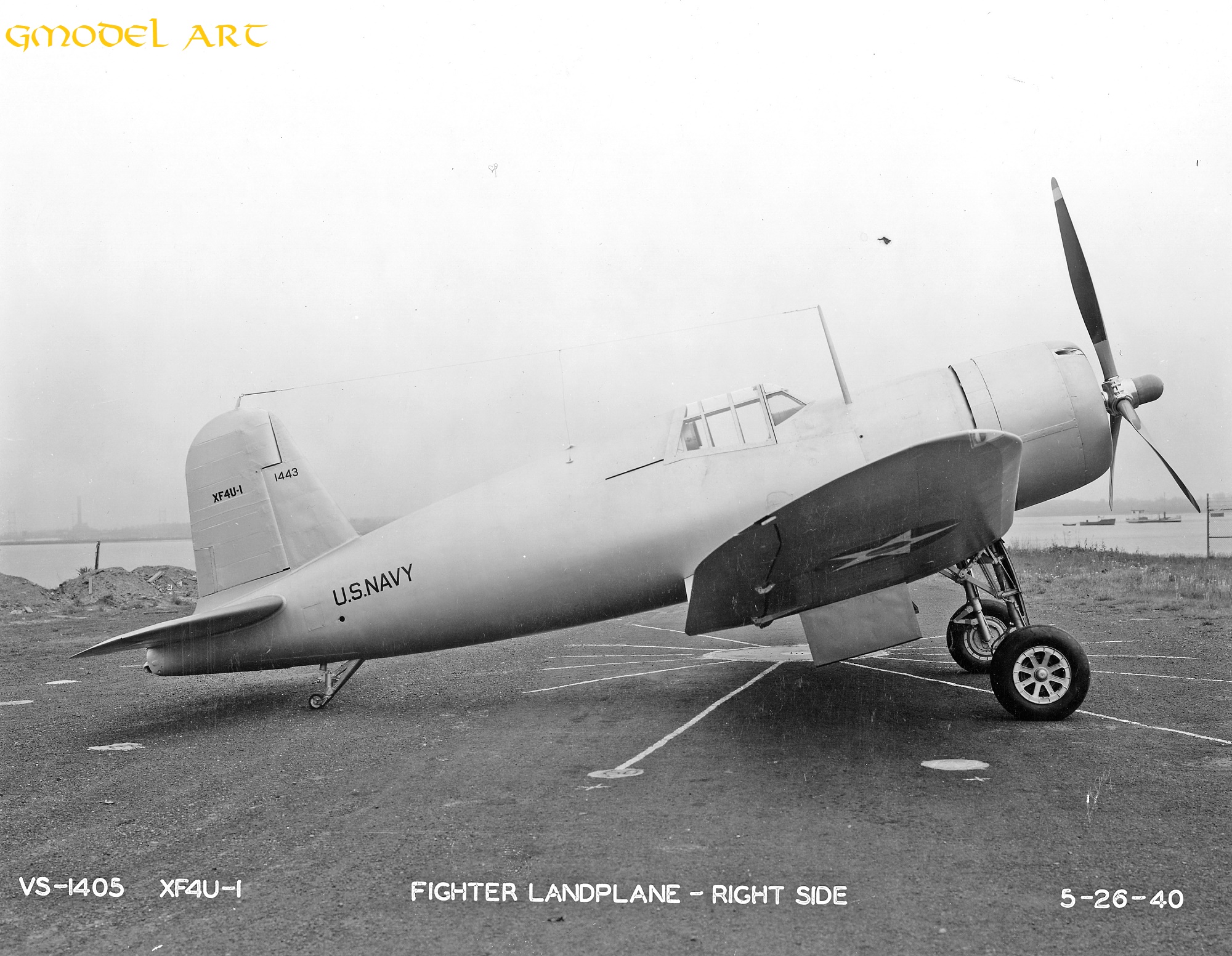
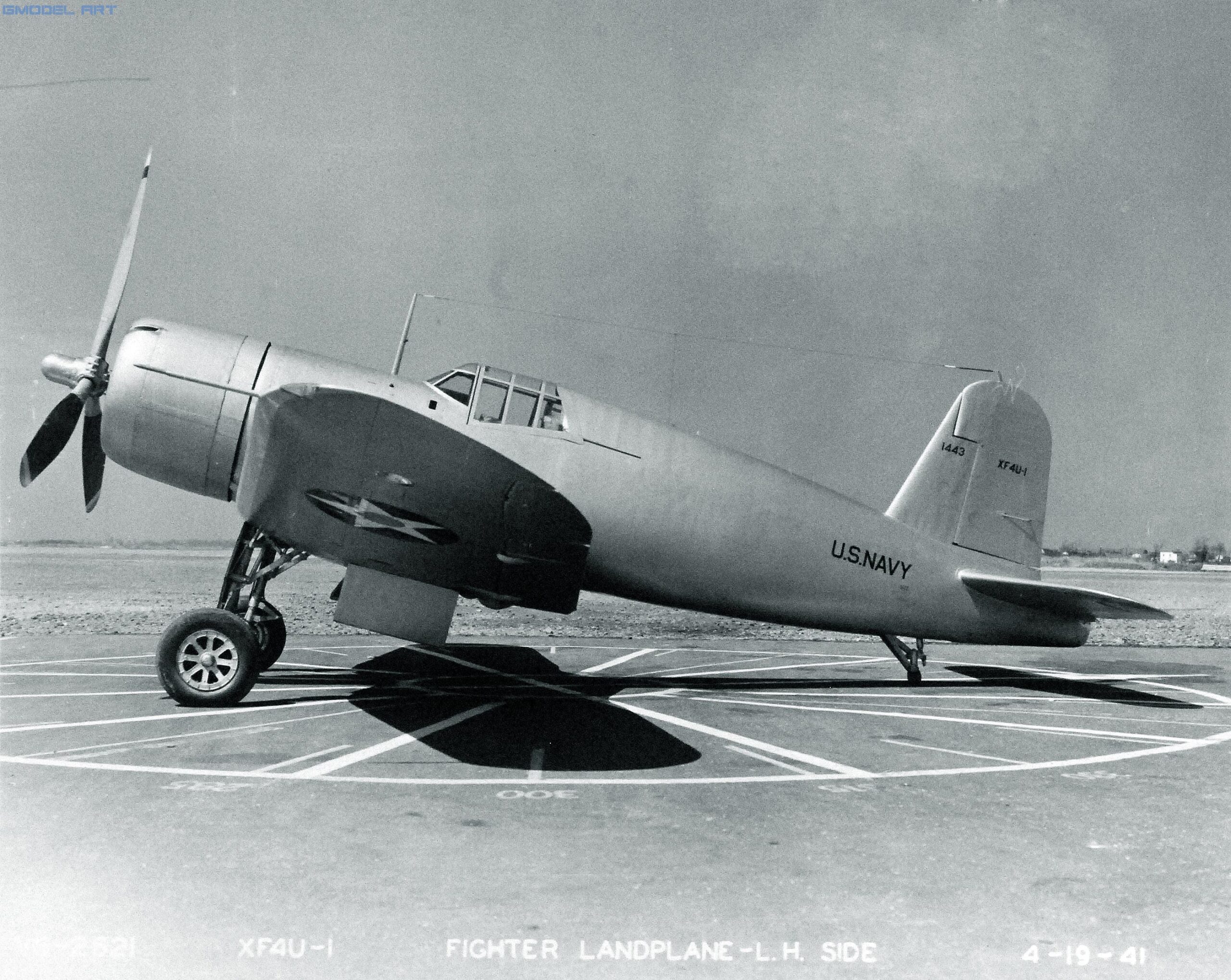
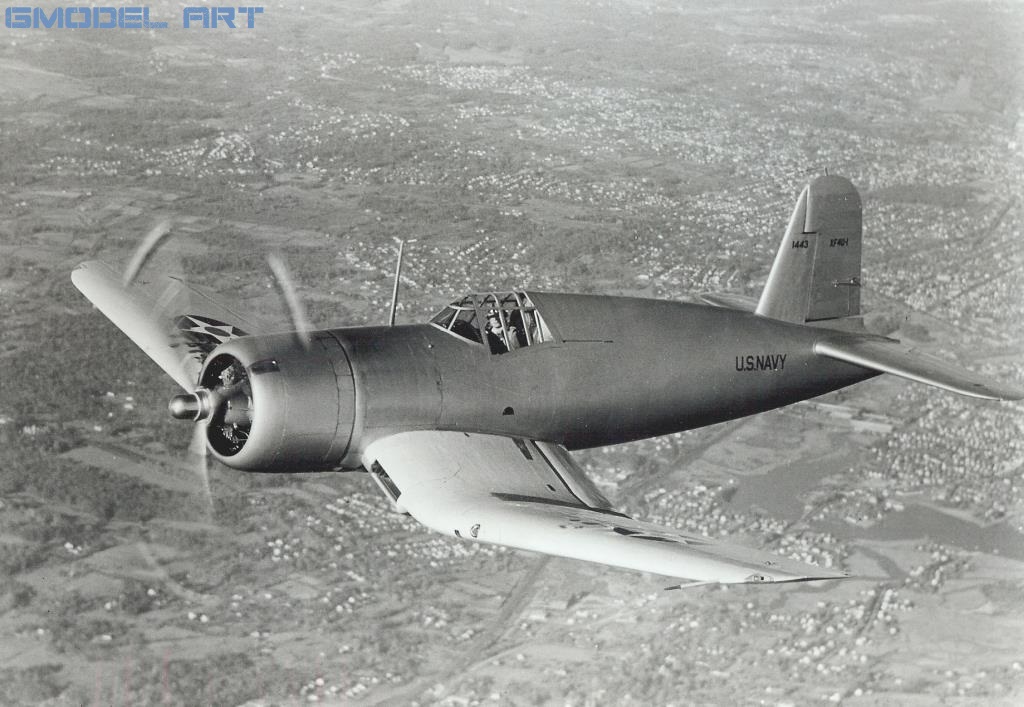
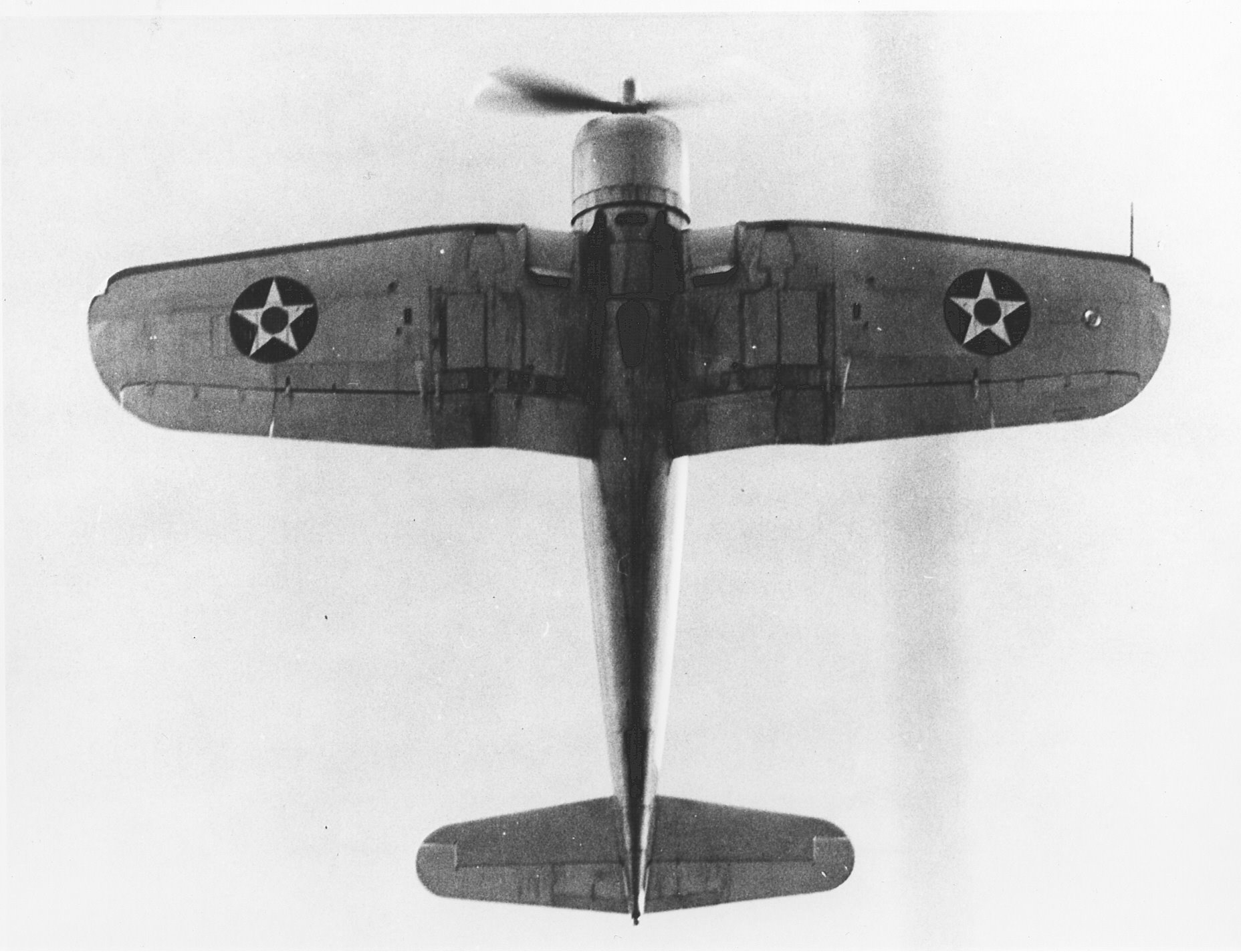
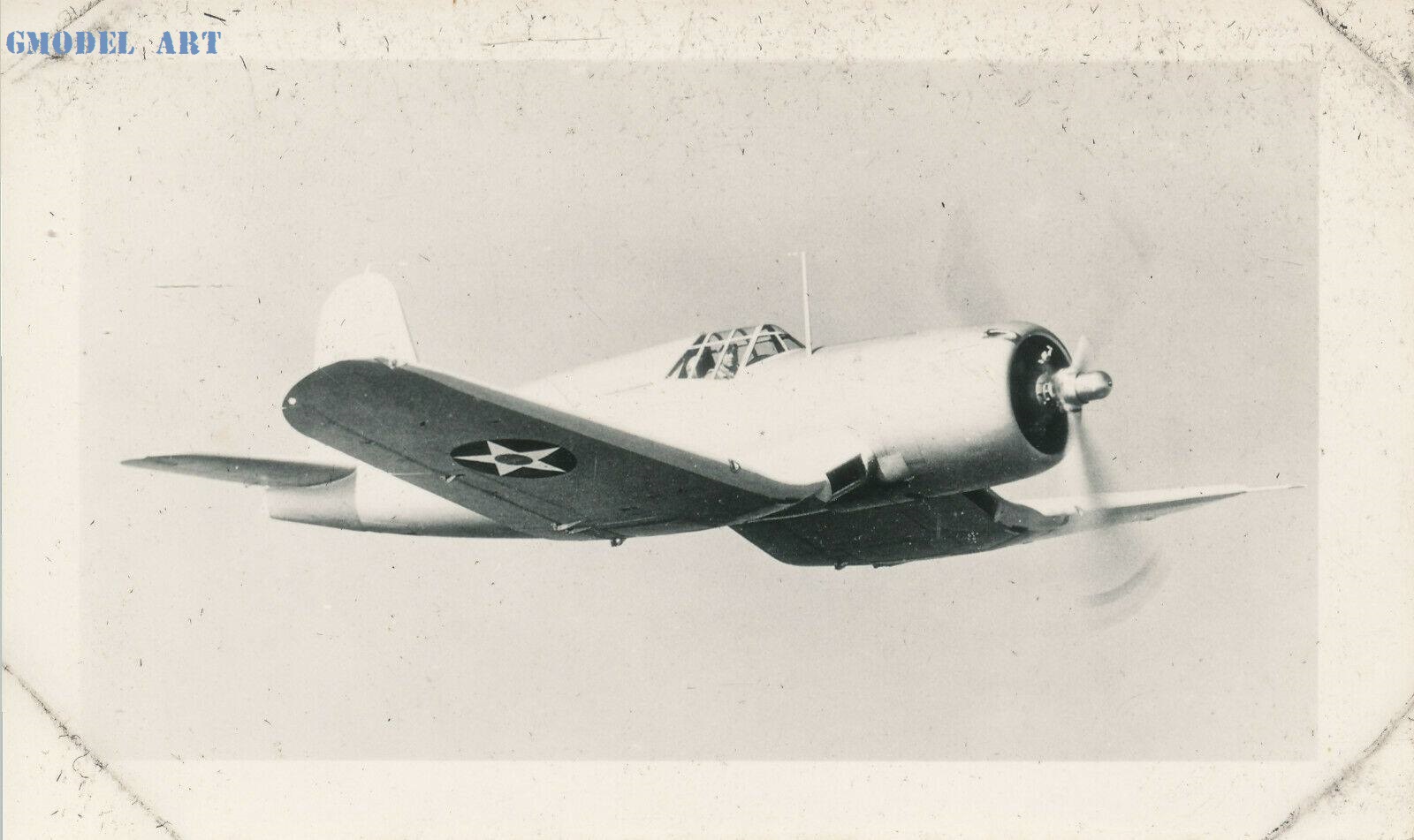
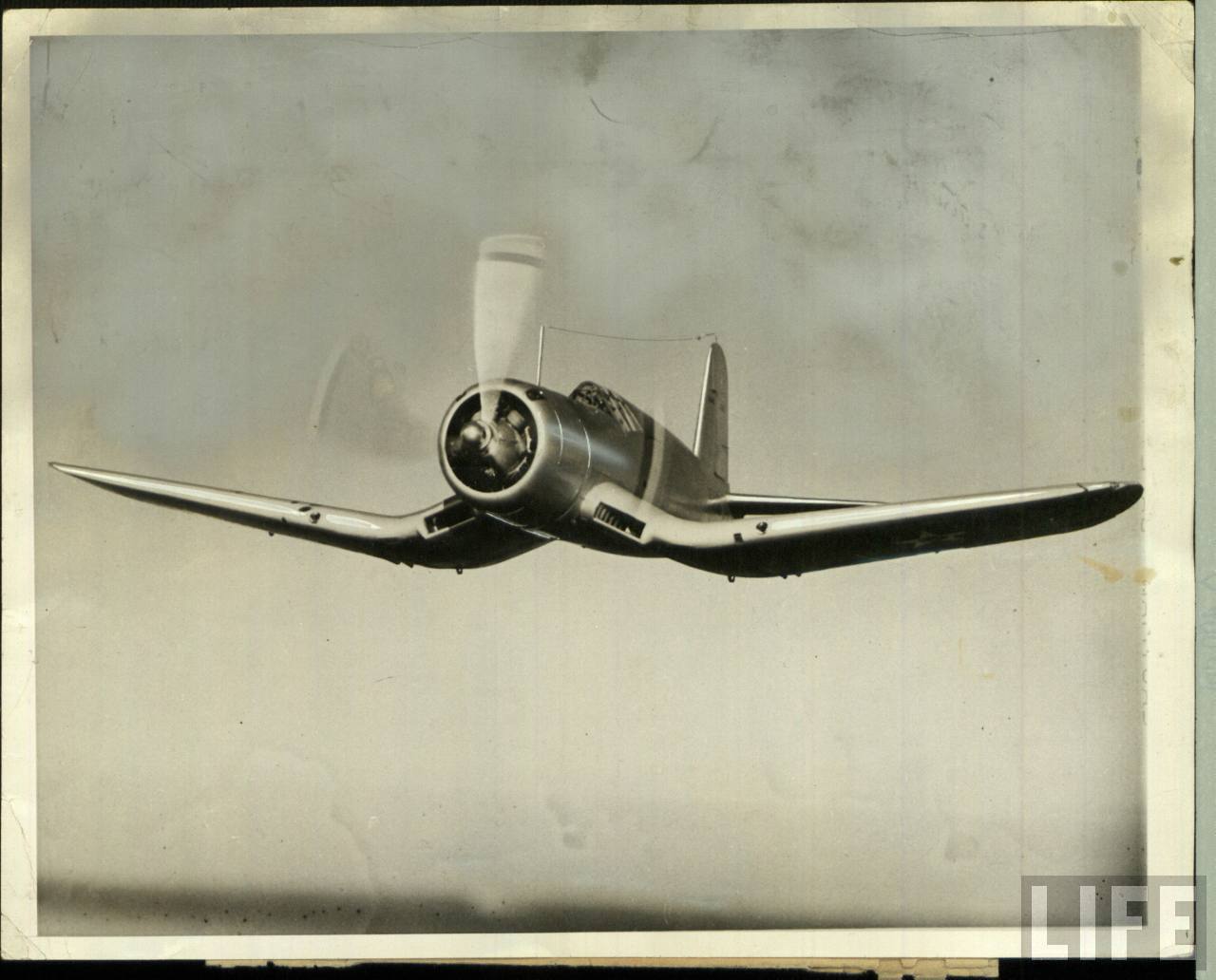
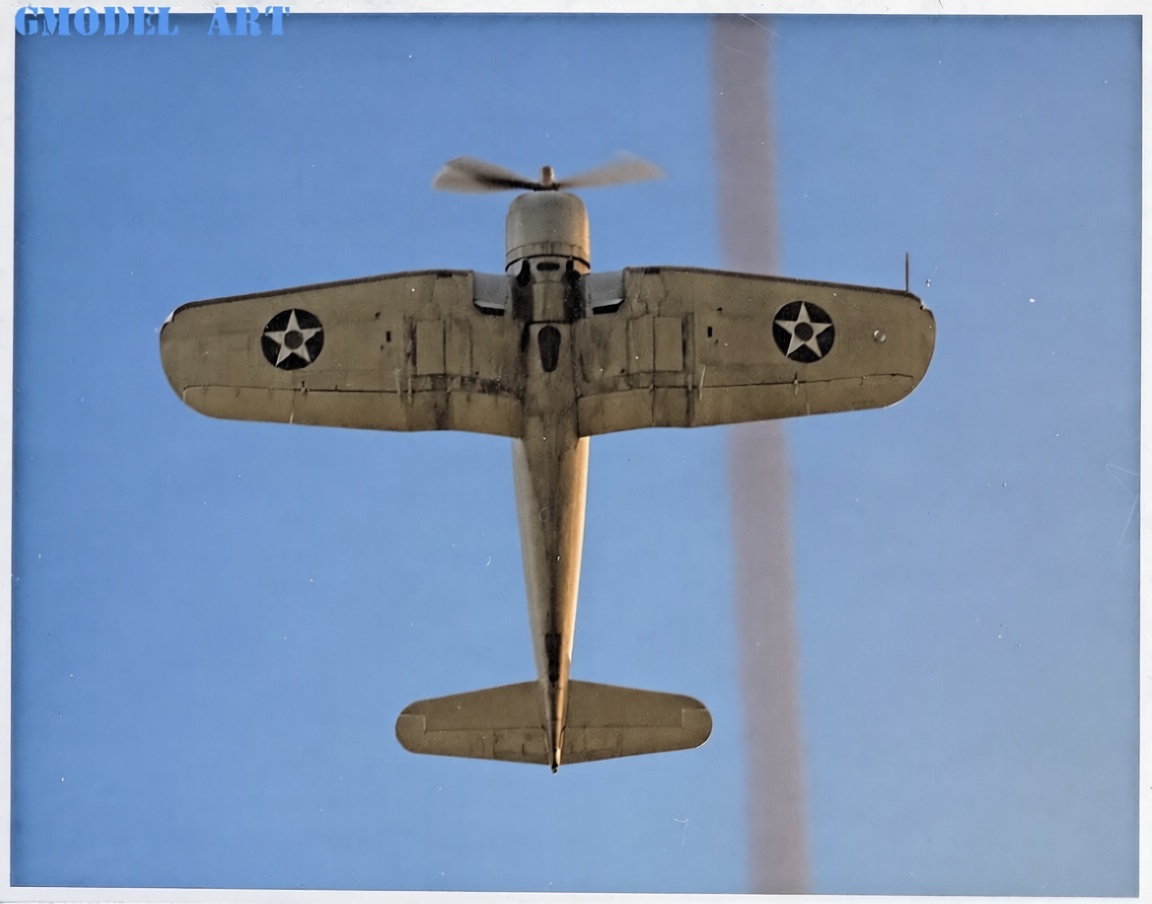
The wing was designed with an inverted gull configuration.
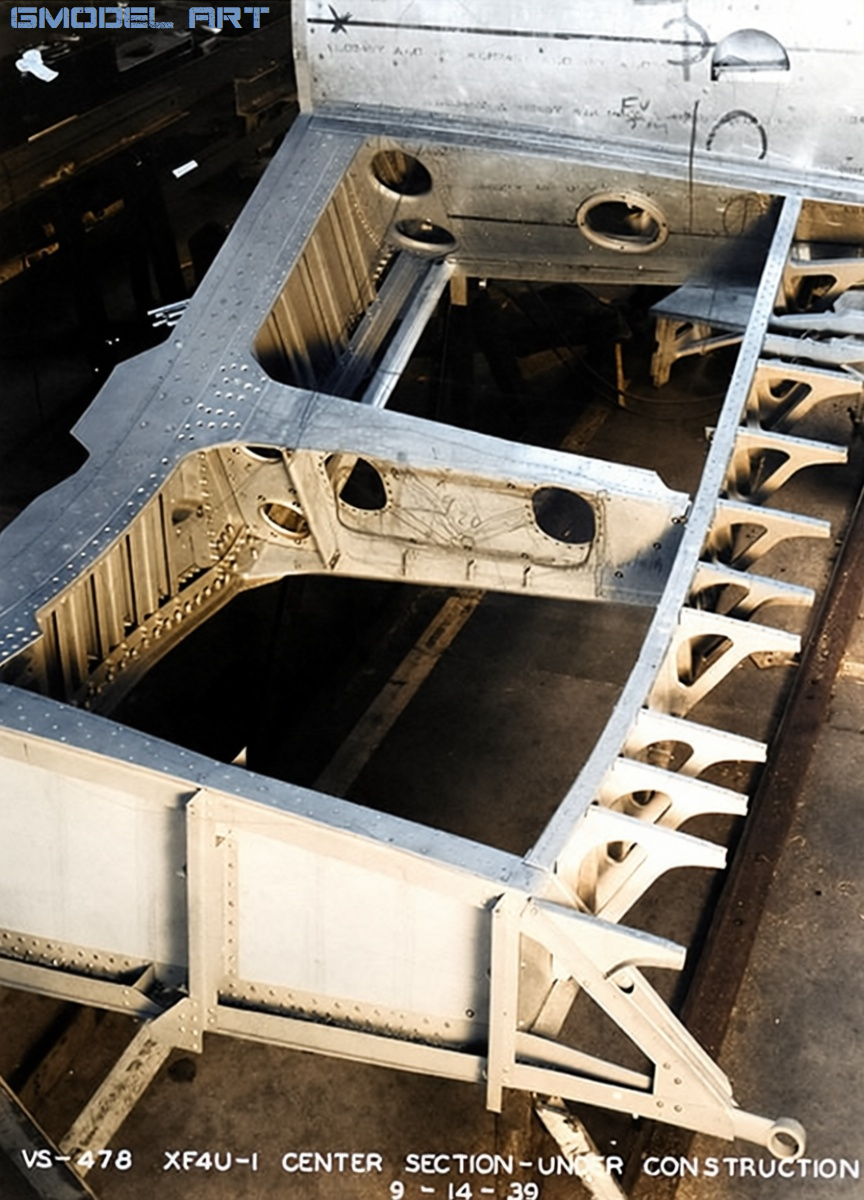
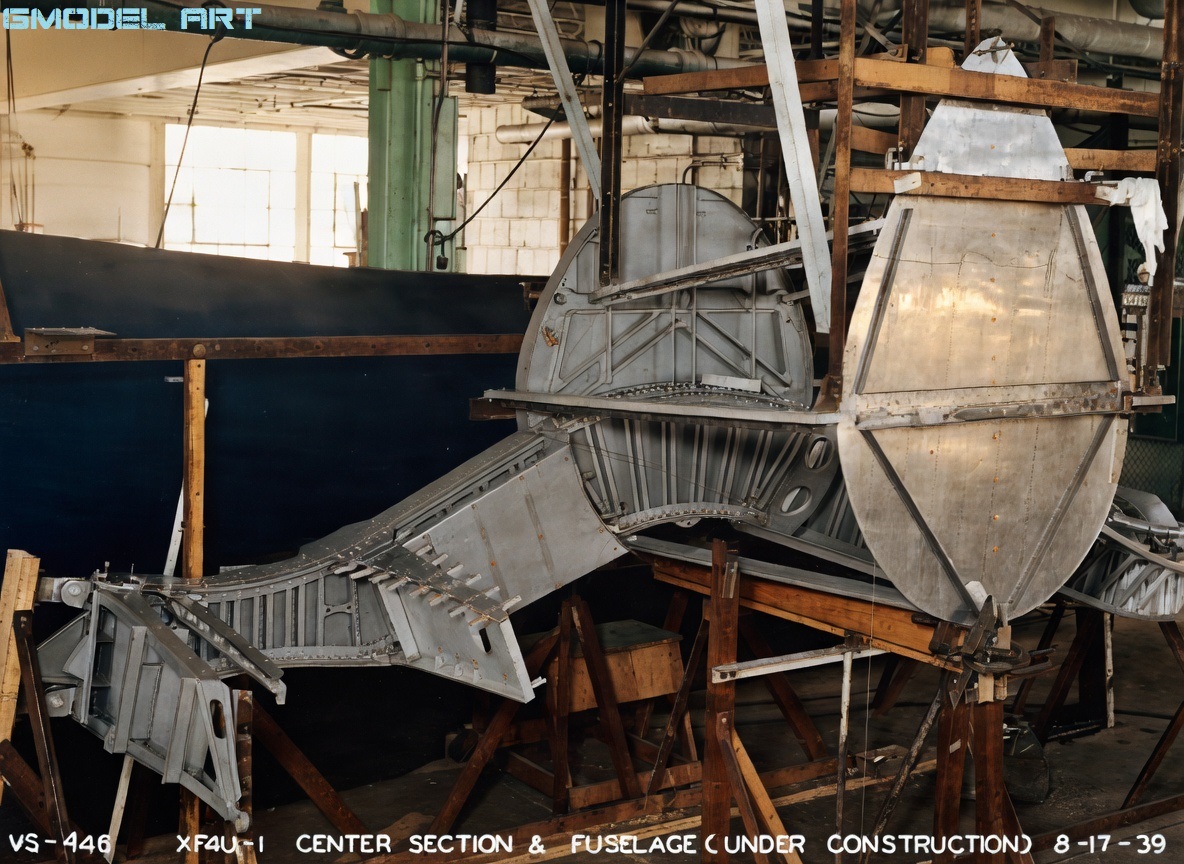
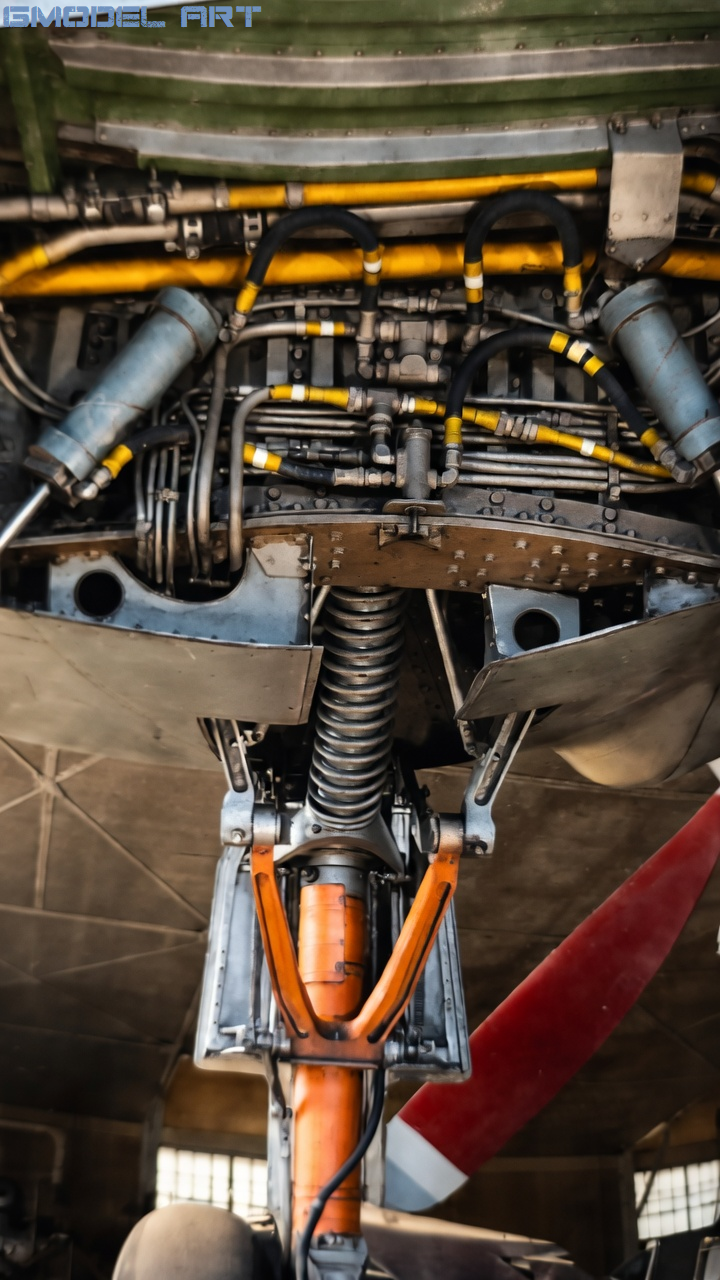
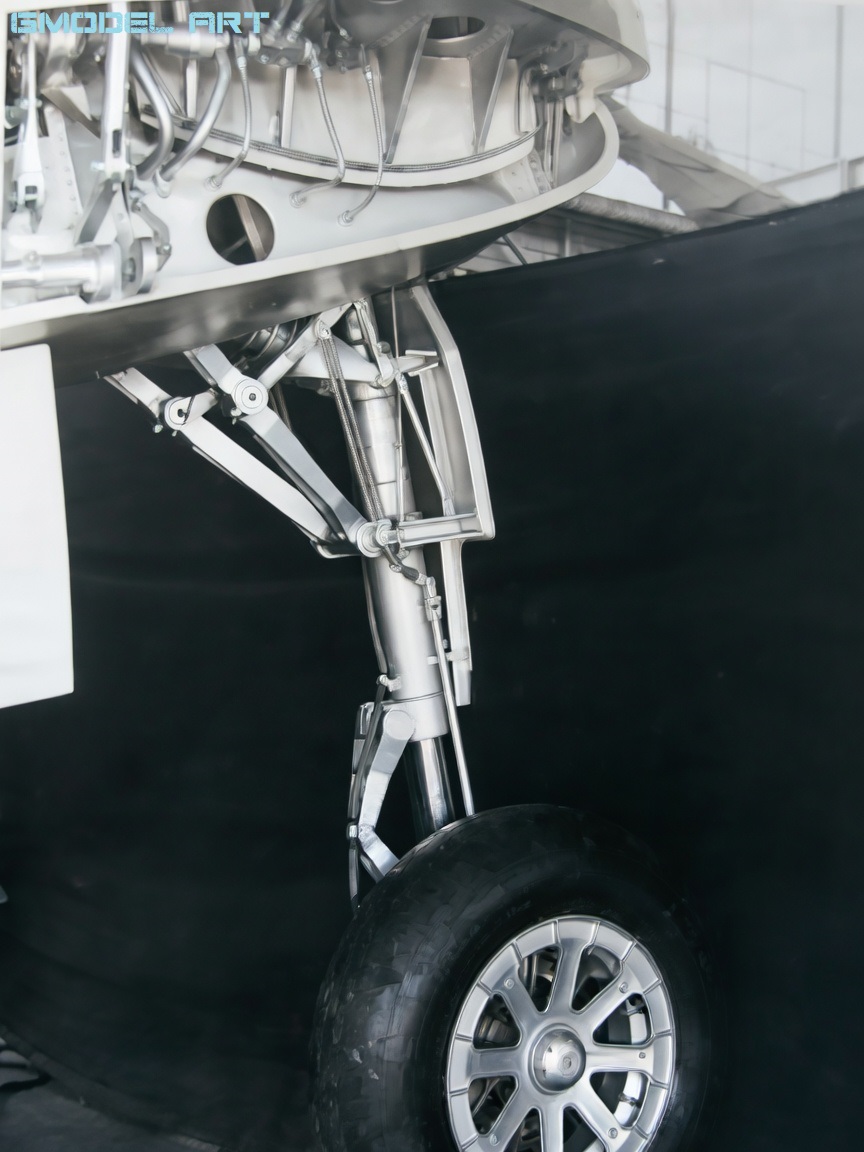
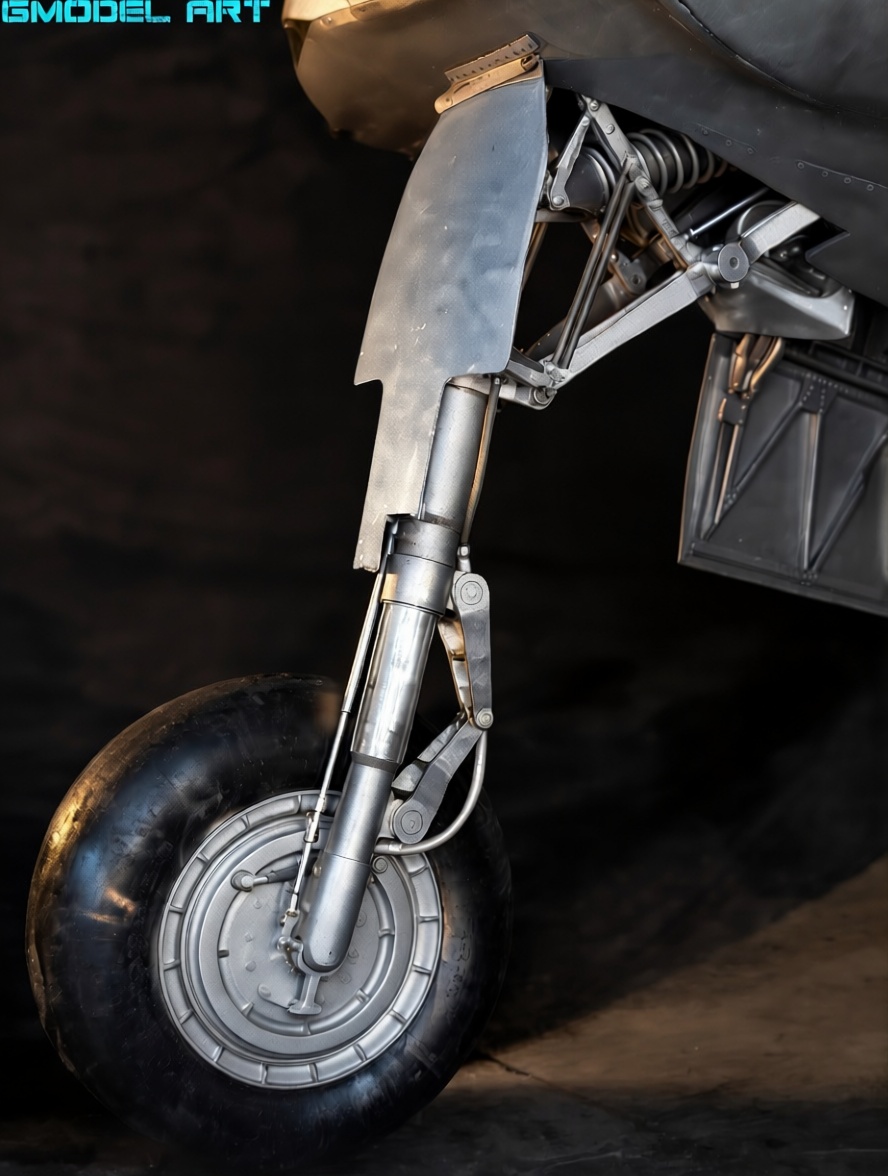
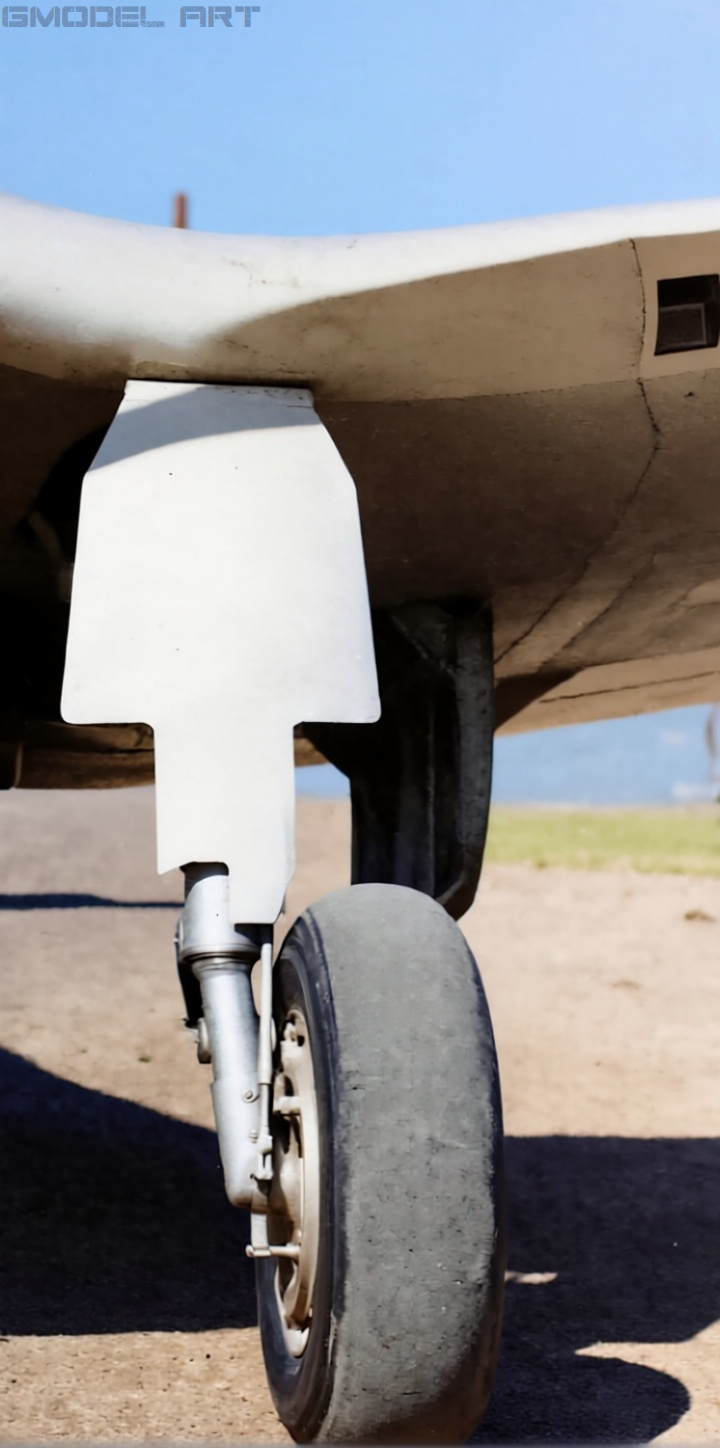
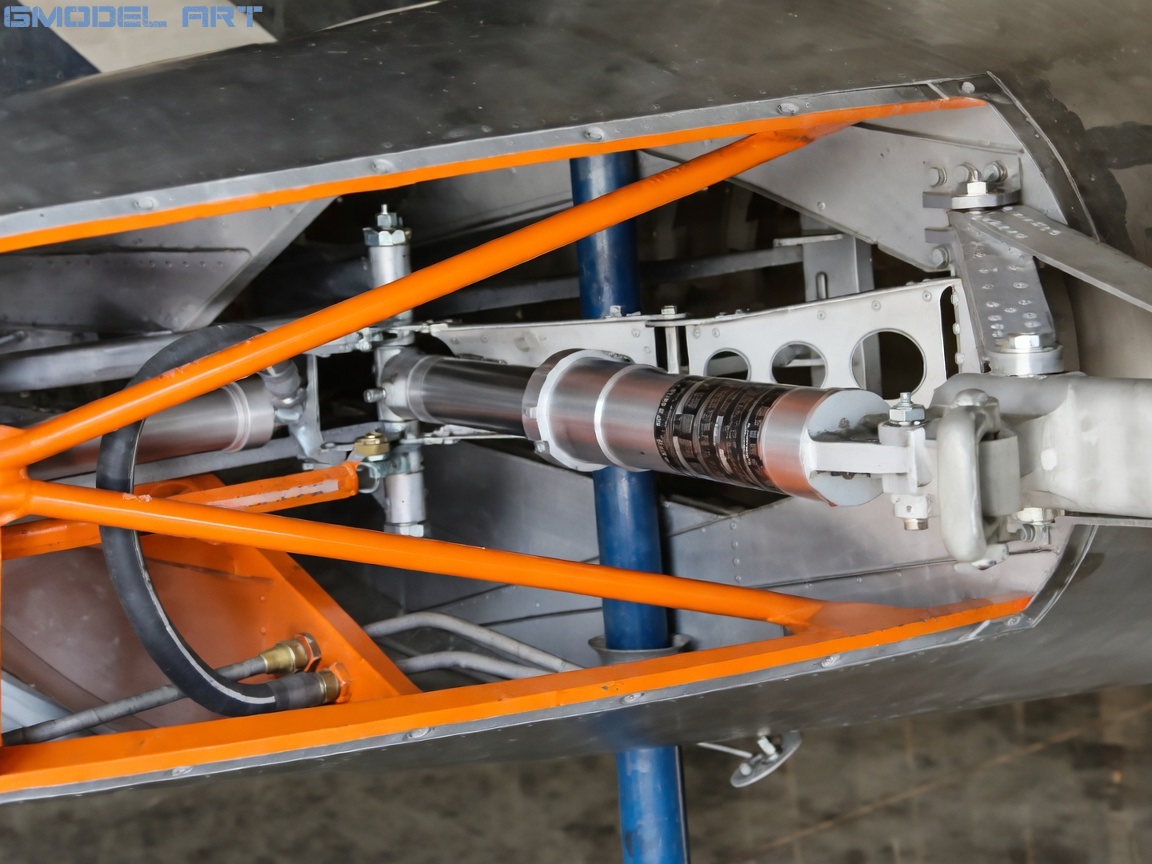
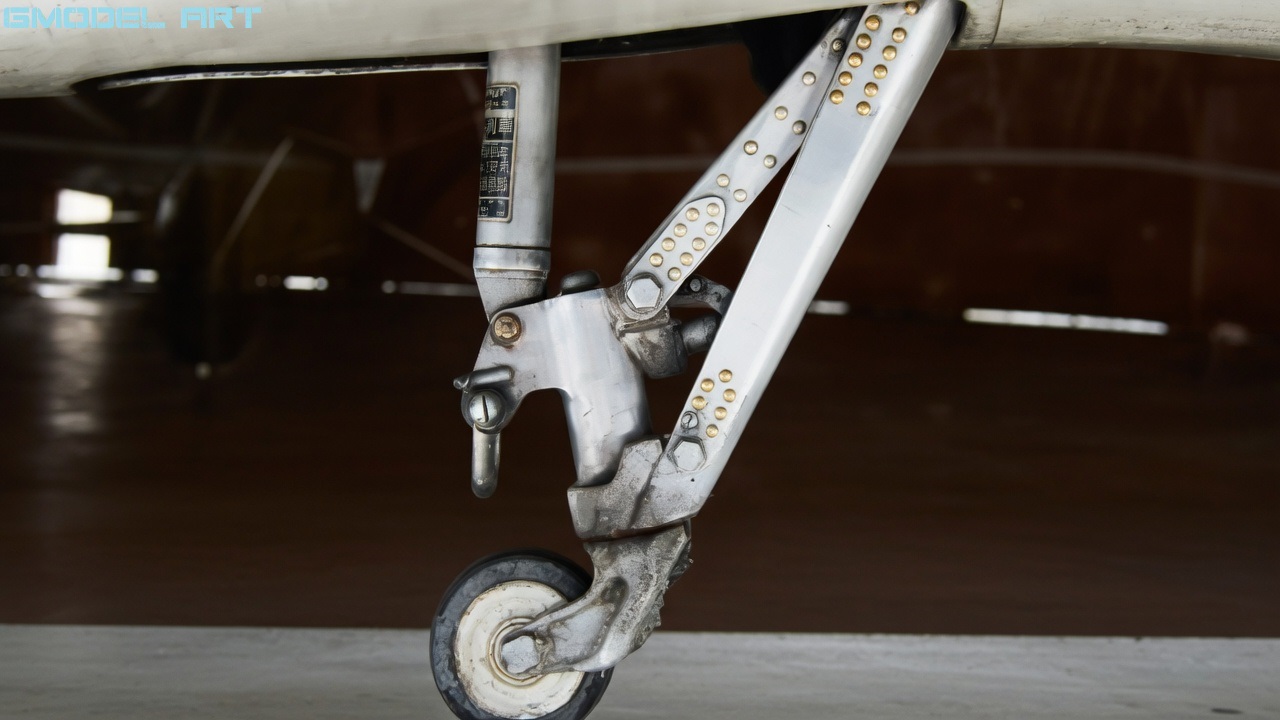
Instead of extending straight out from the fuselage, the wing dropped downward and then angled upward toward the tips. This arrangement allowed shorter and stronger landing gear while reducing aerodynamic interference between the wing and fuselage.
The result gave the new aircraft a shape unlike anything else flying at the time.
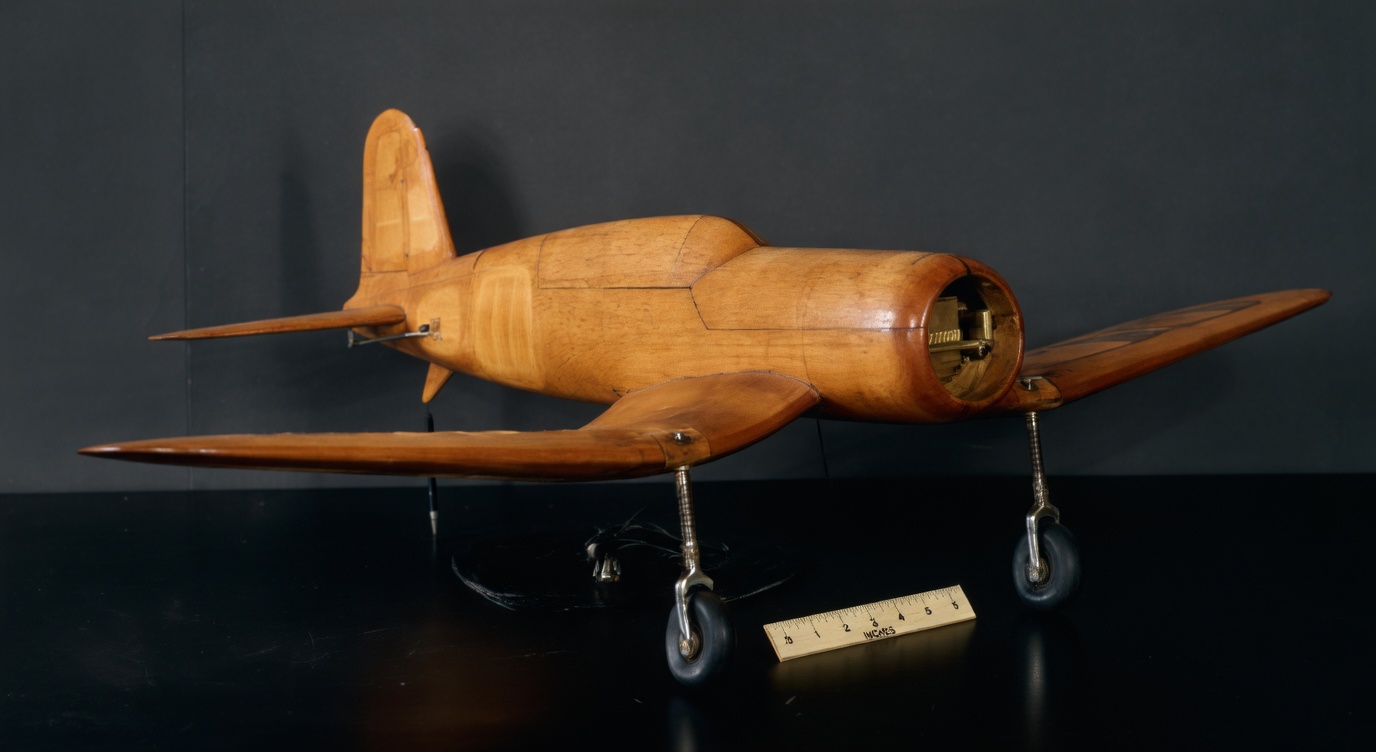
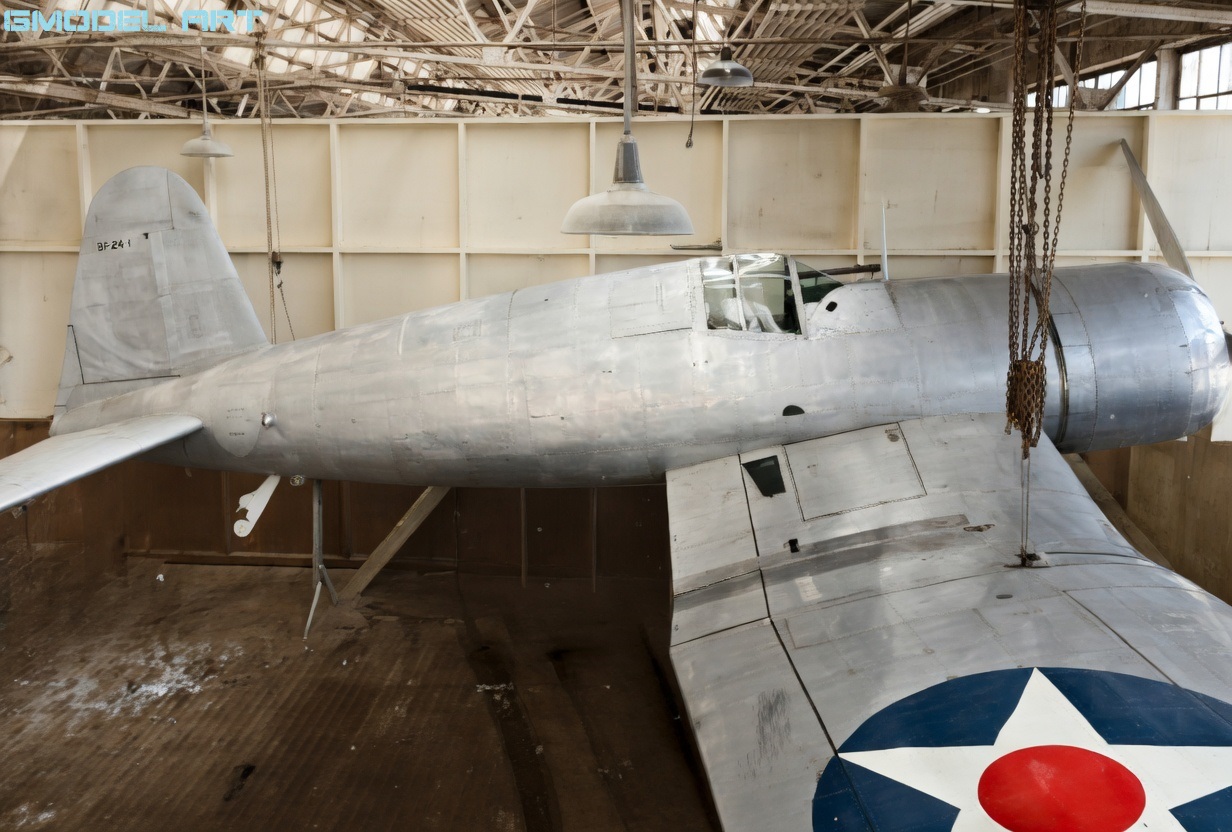
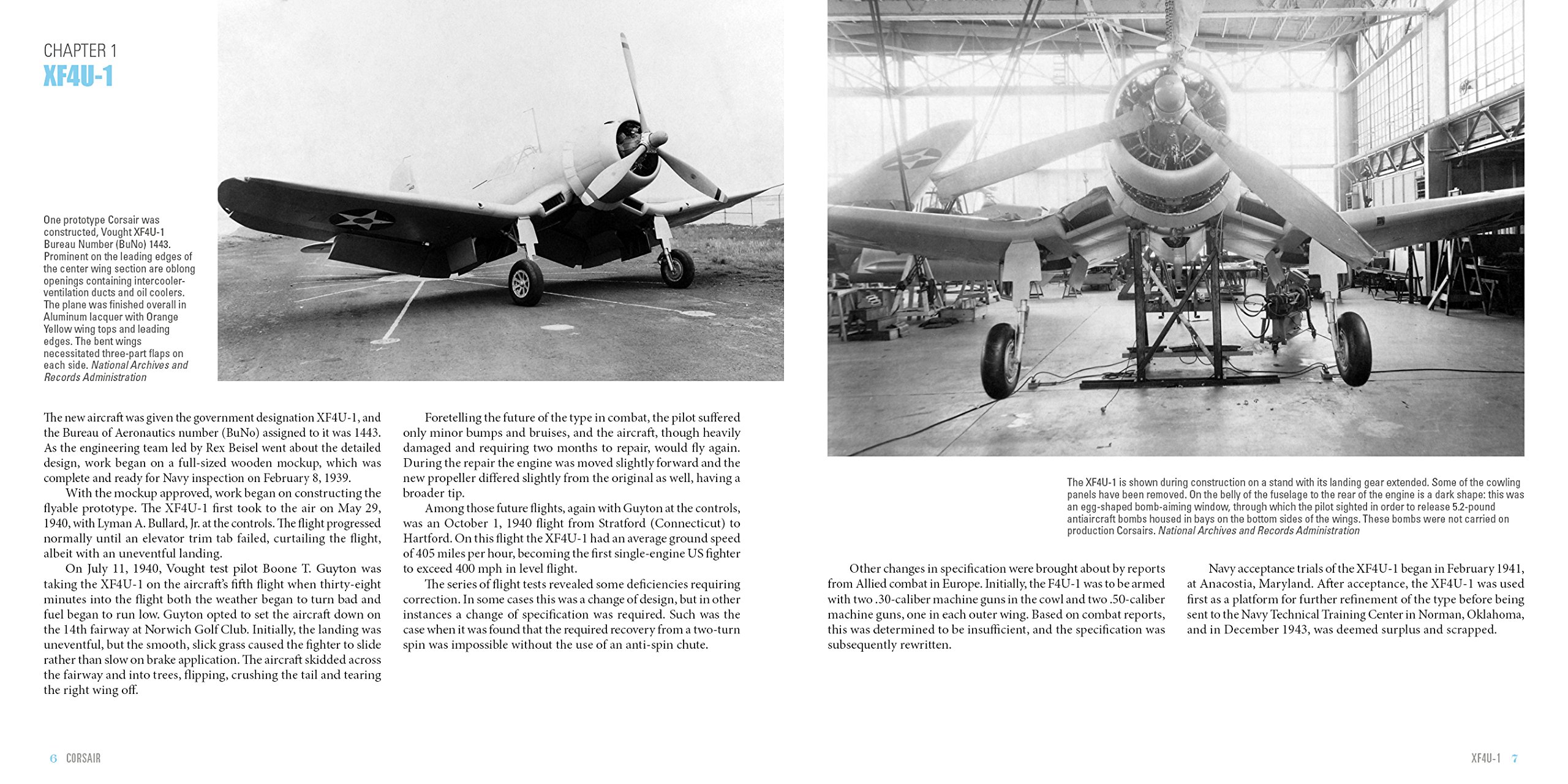
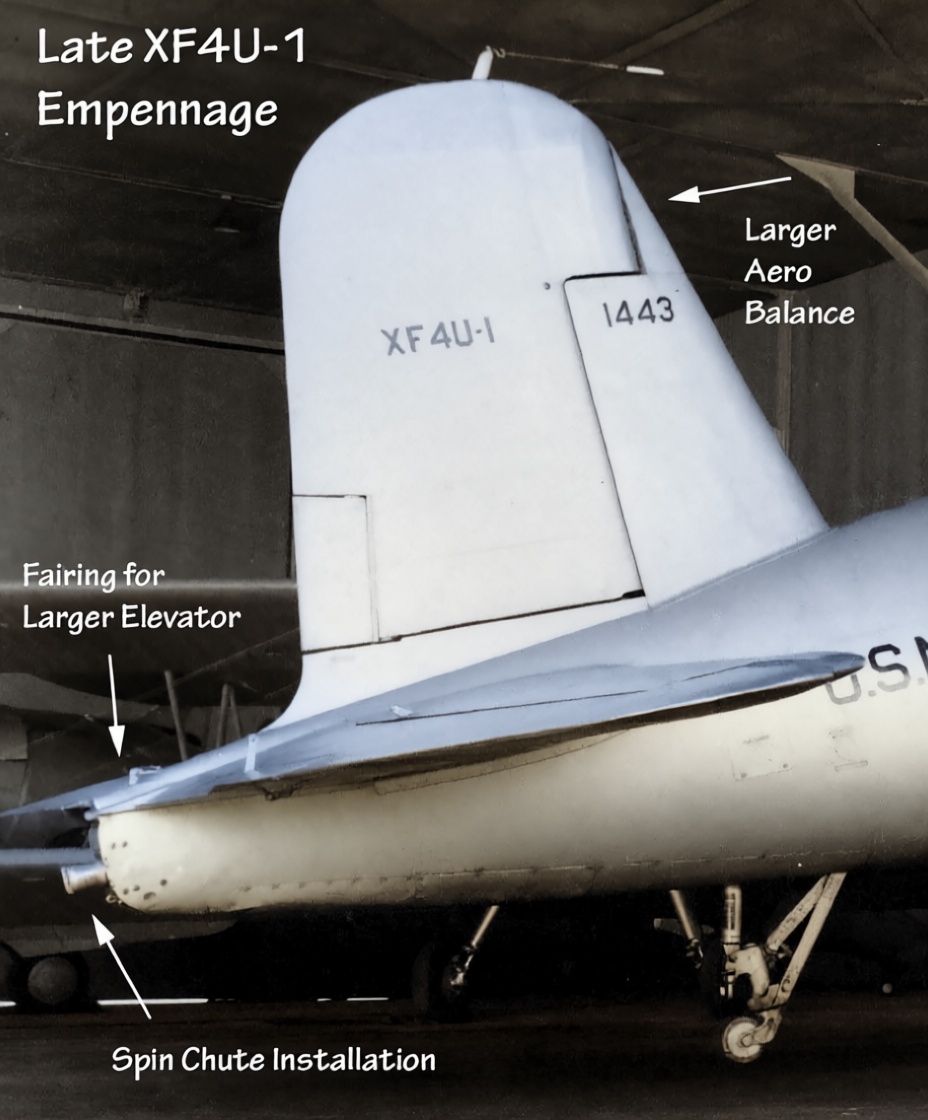
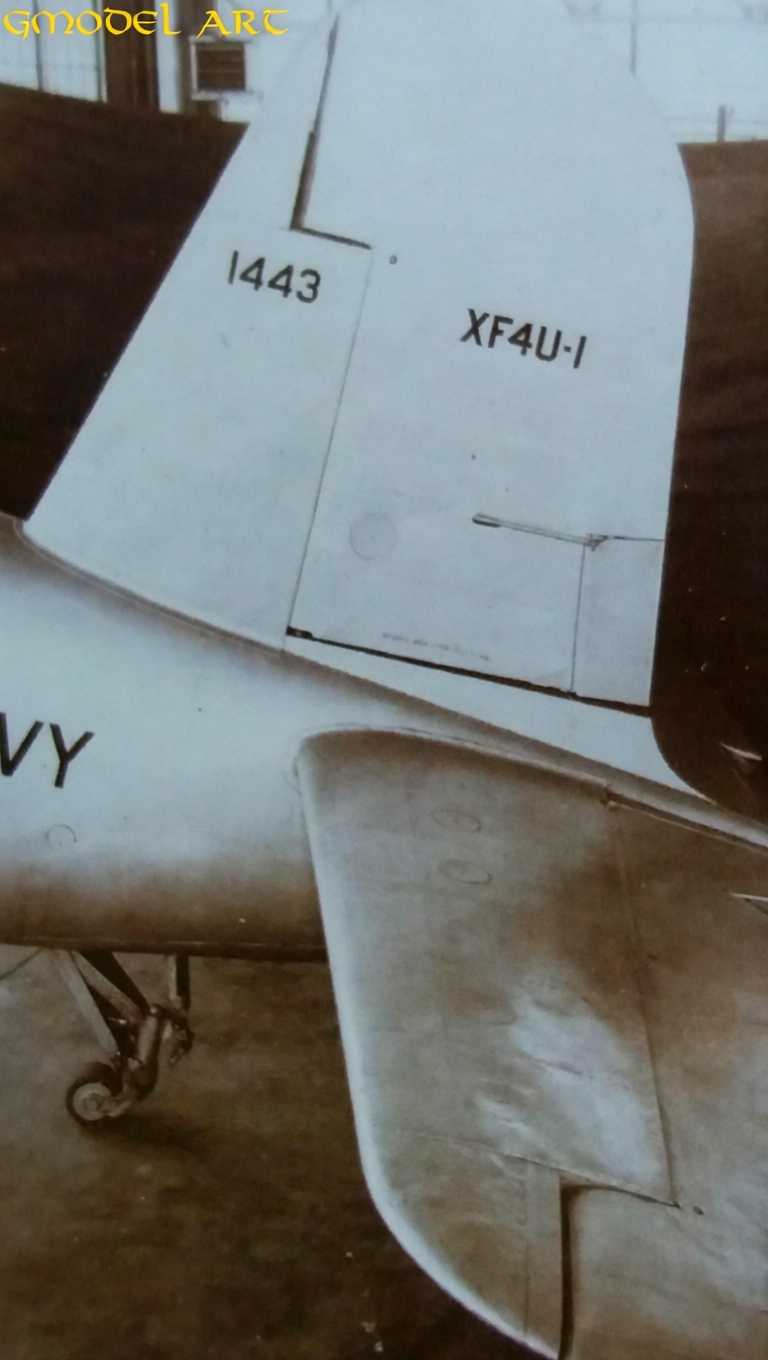
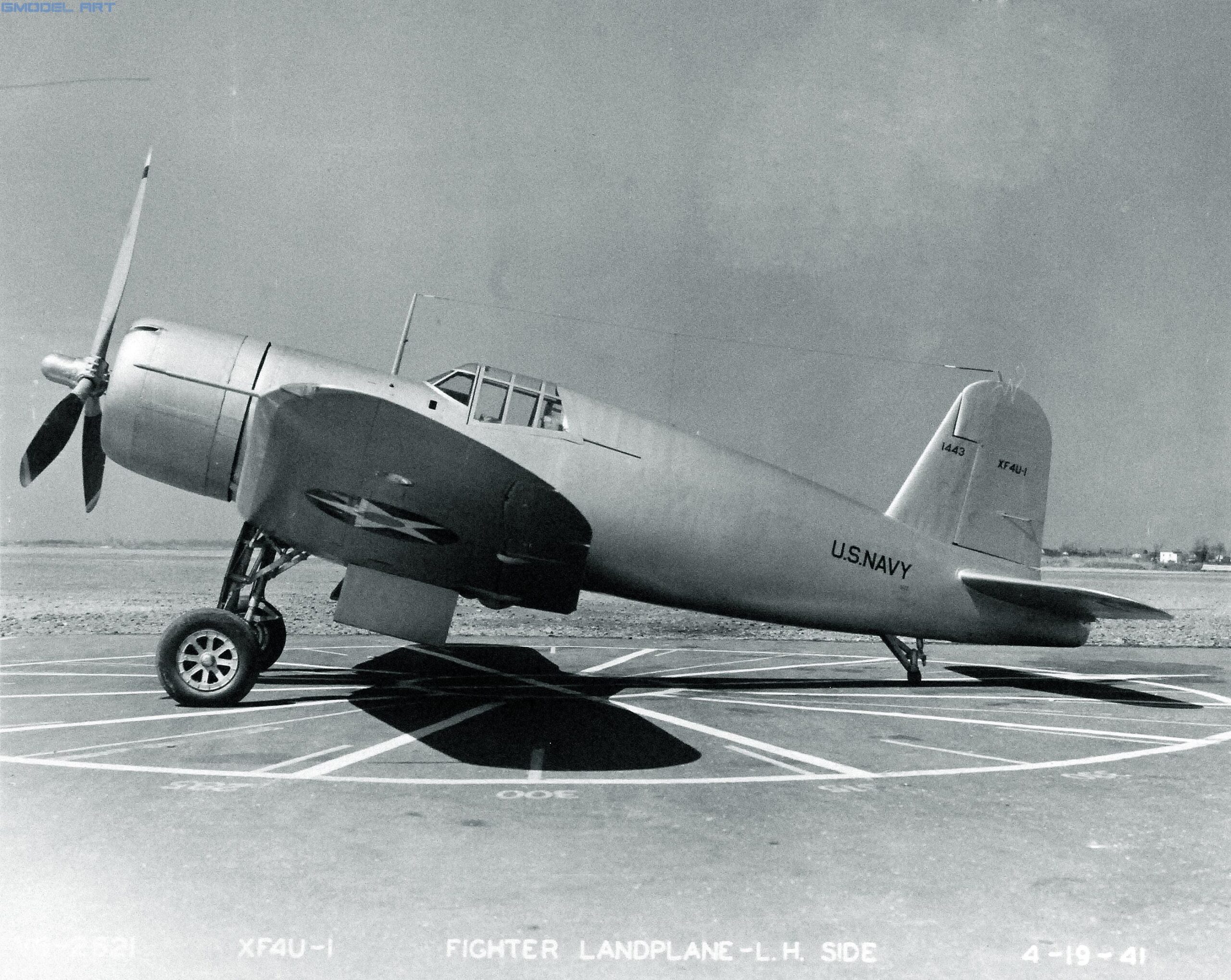
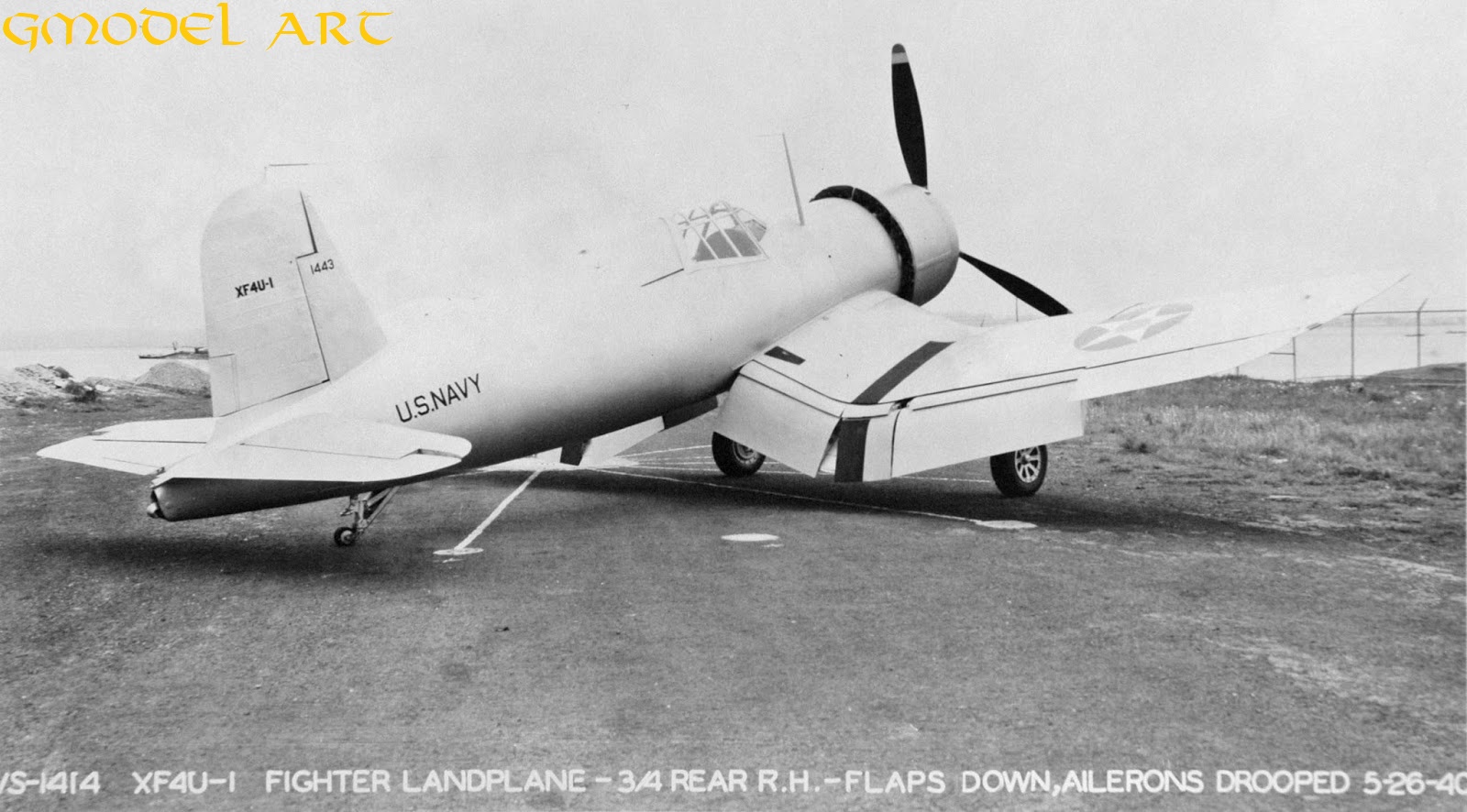
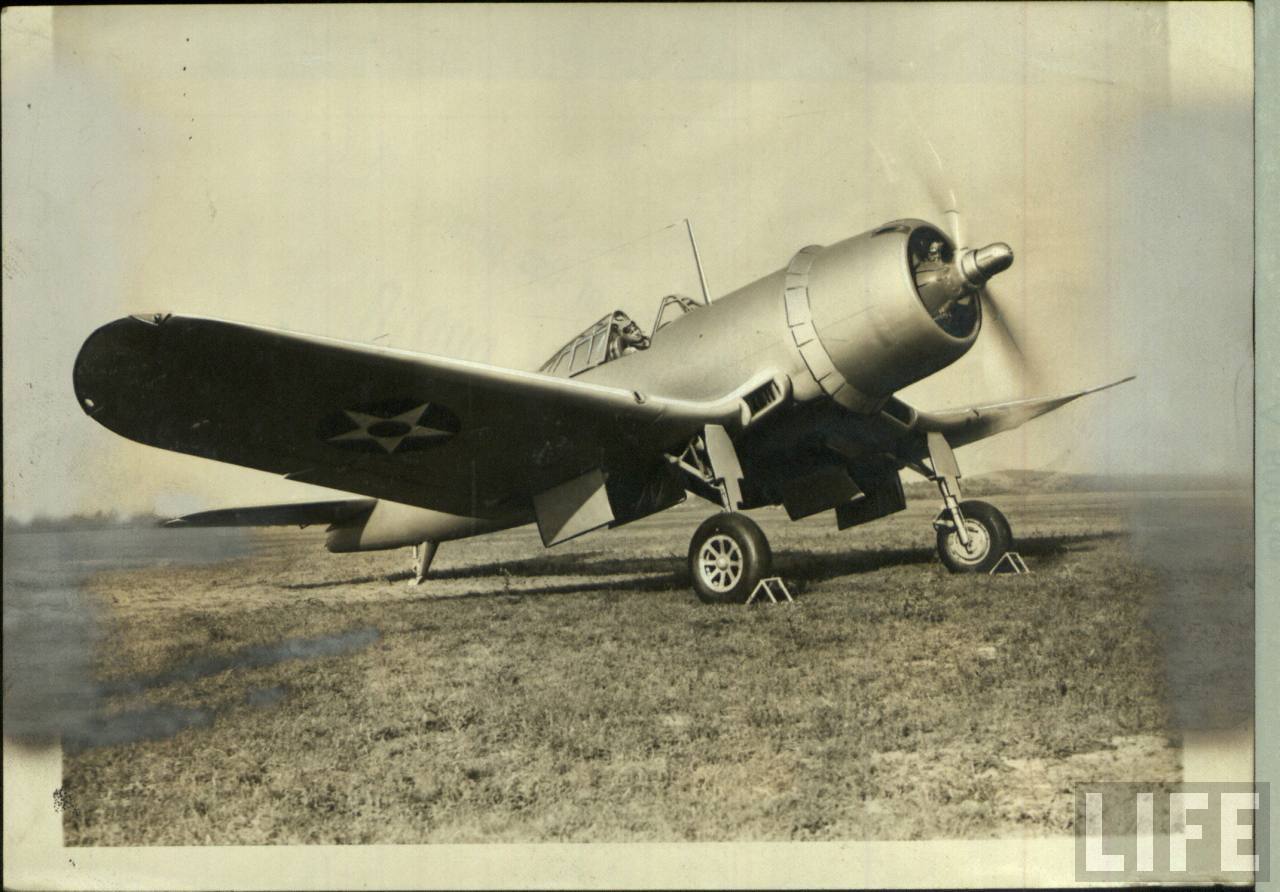
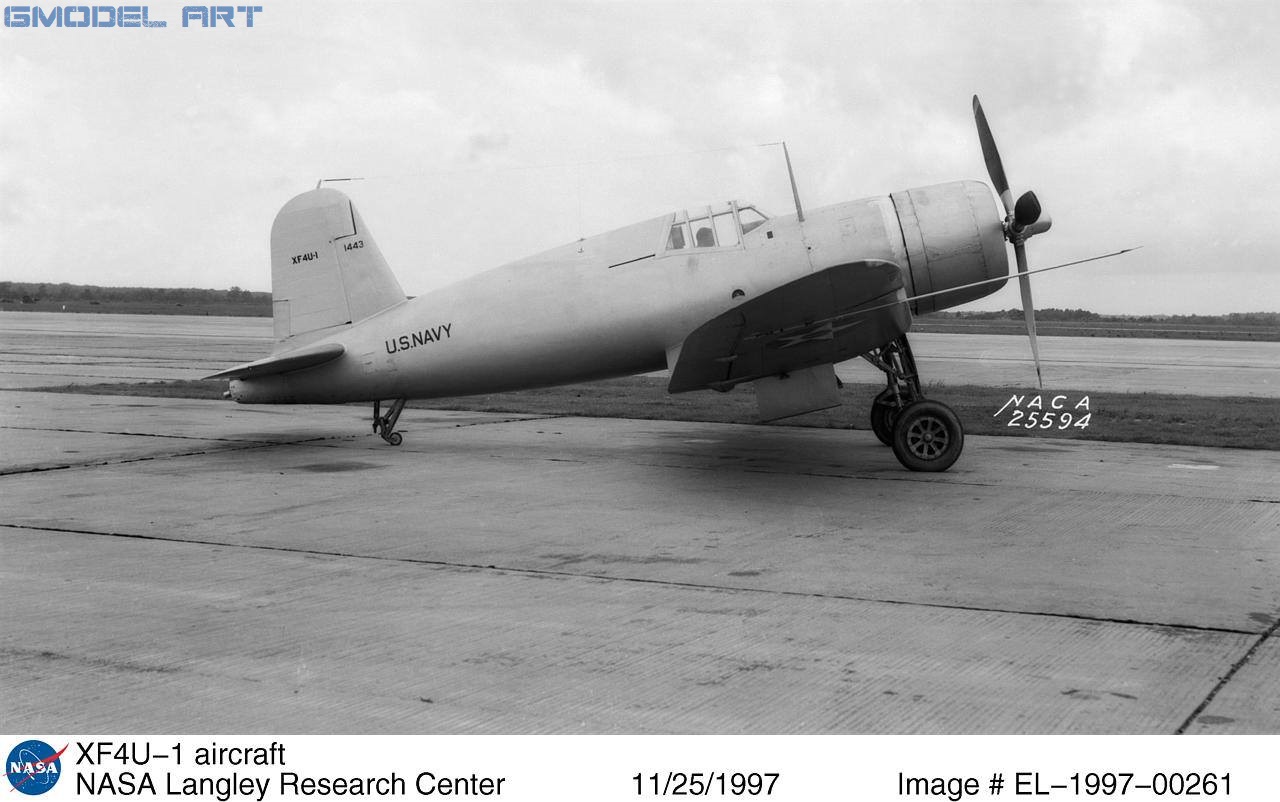
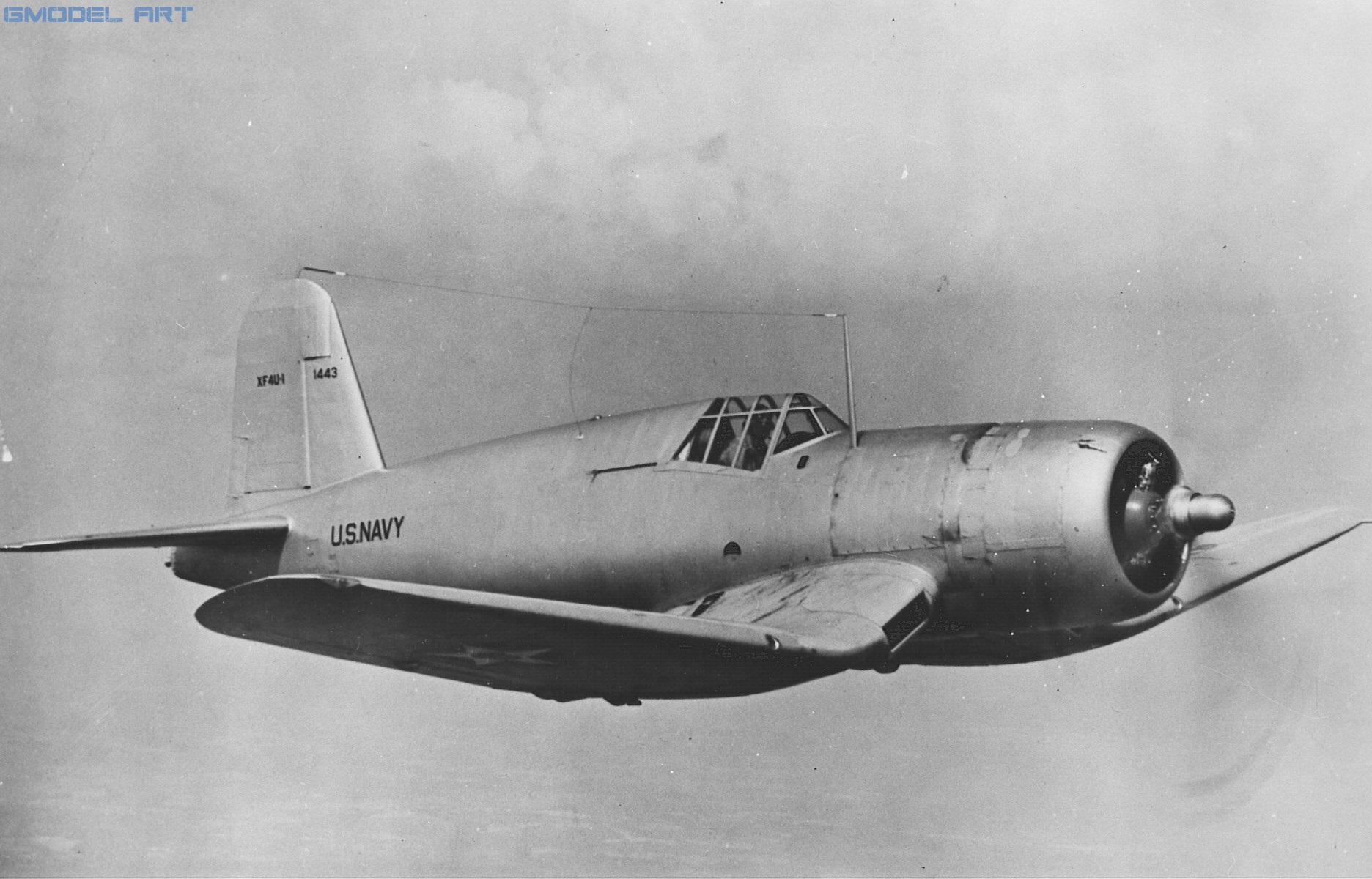
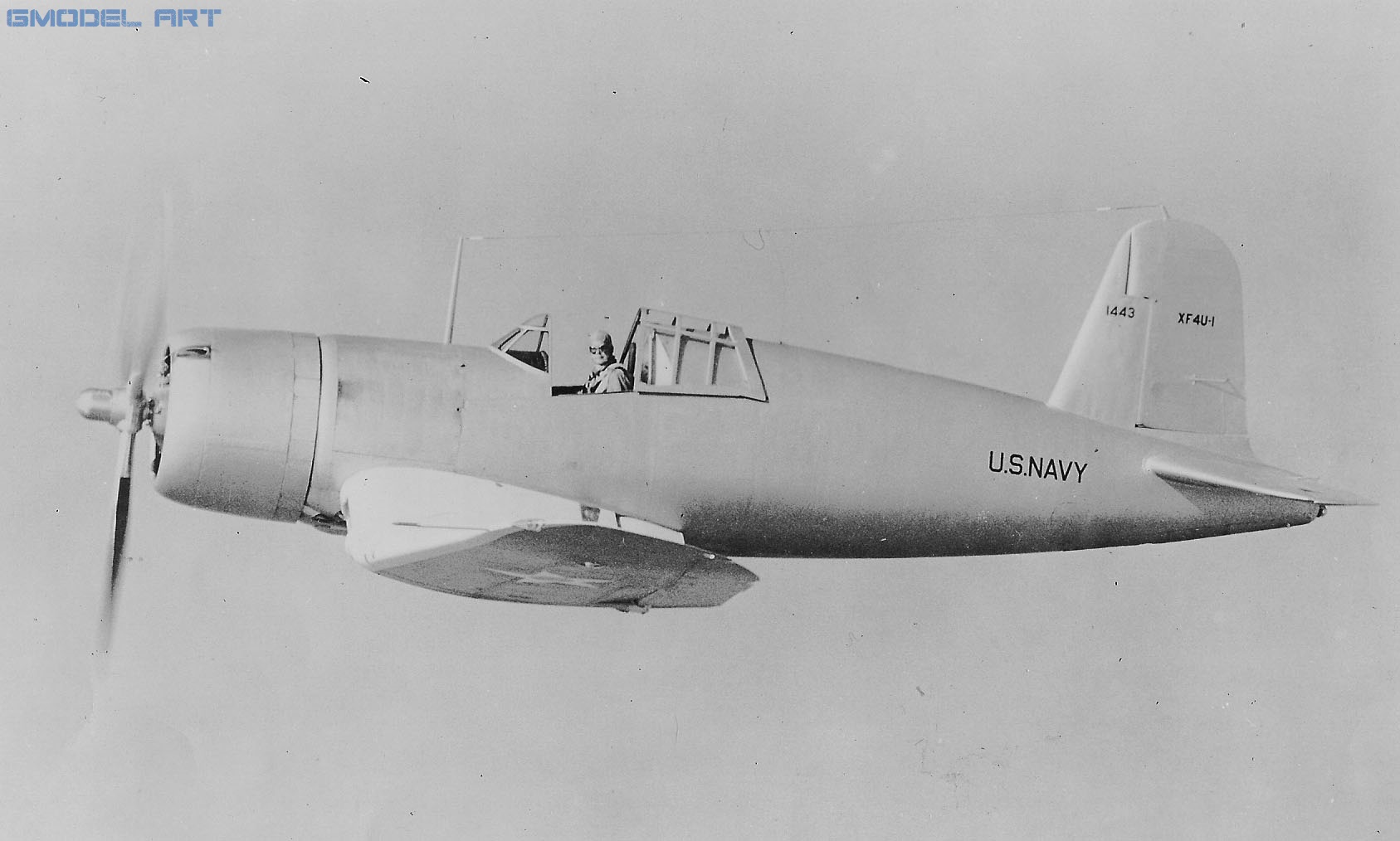
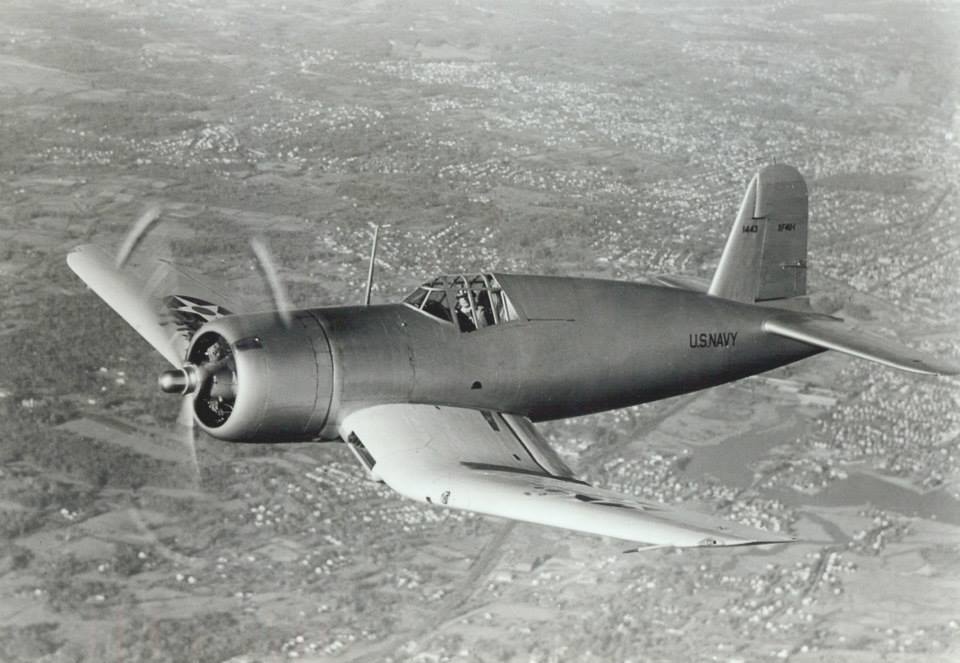
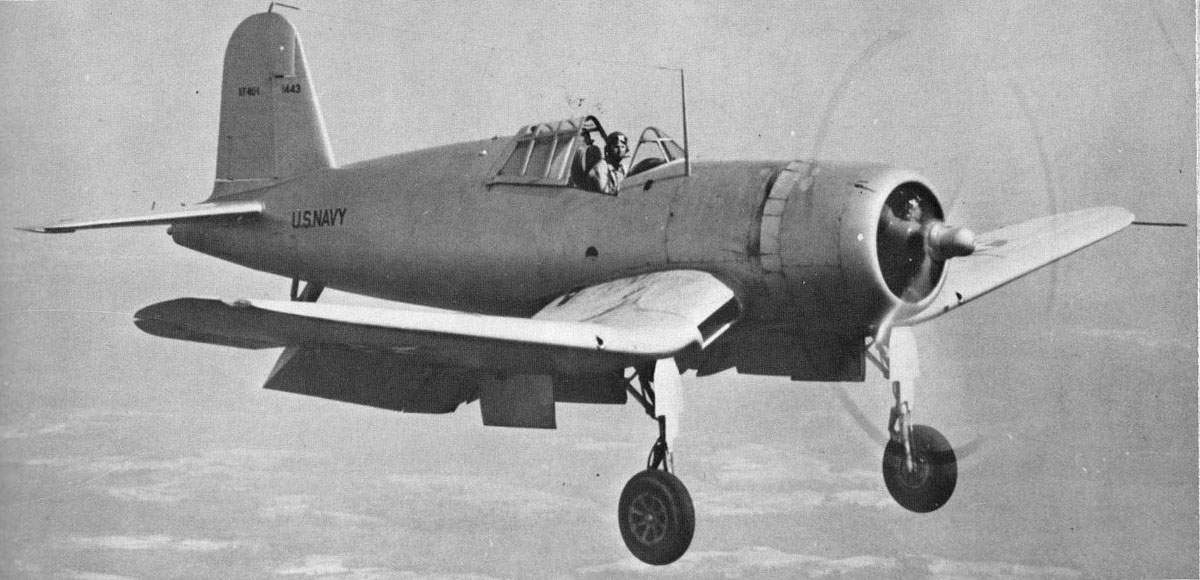
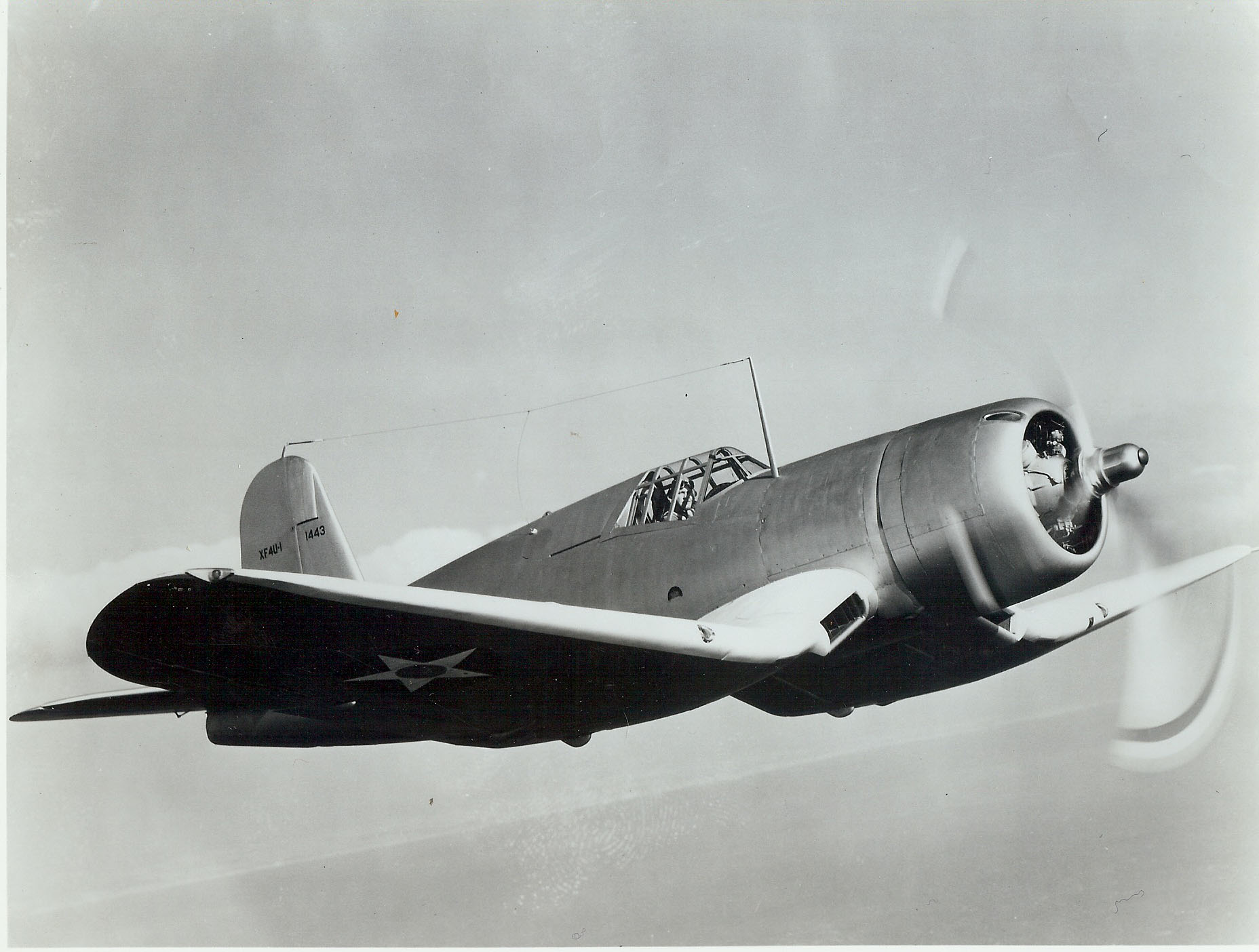
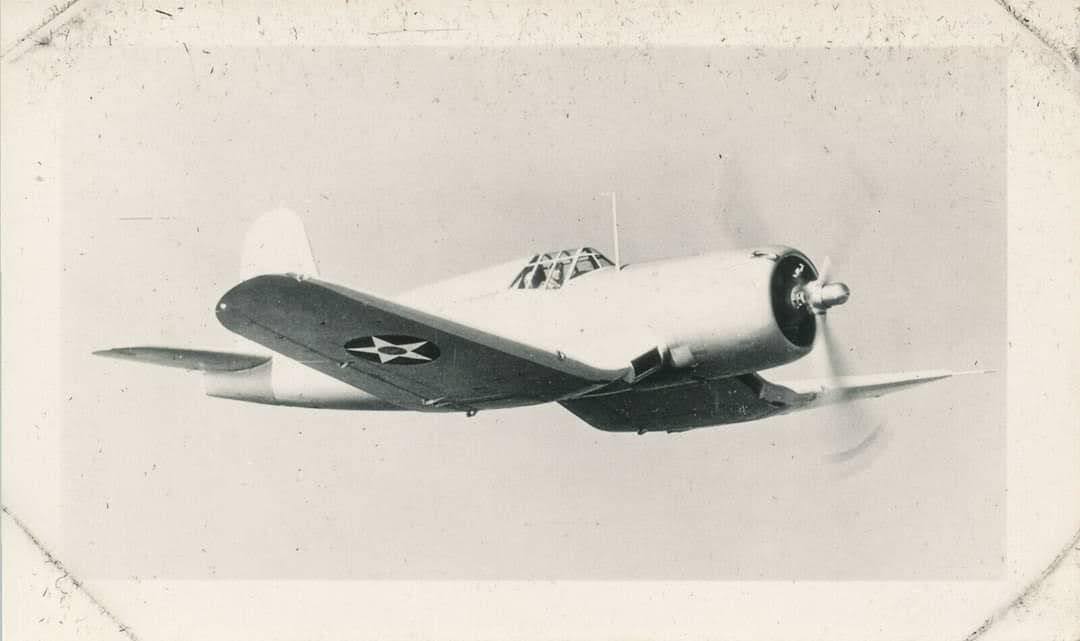
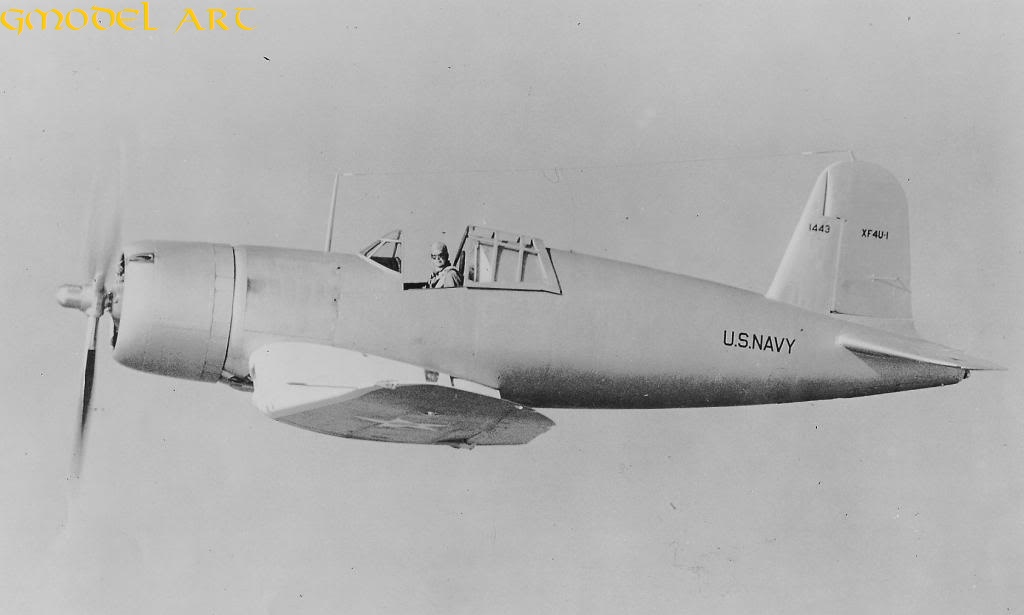
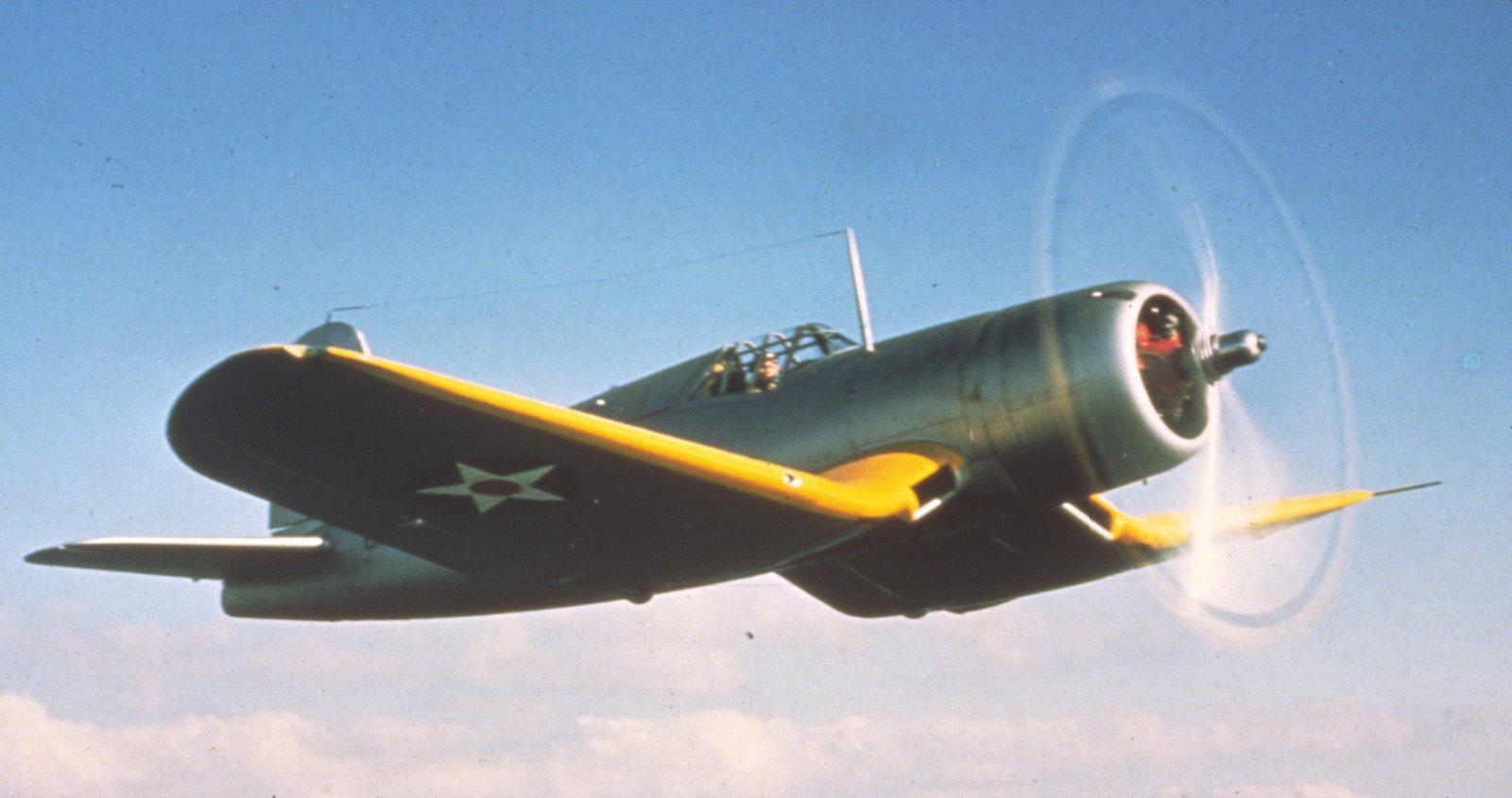
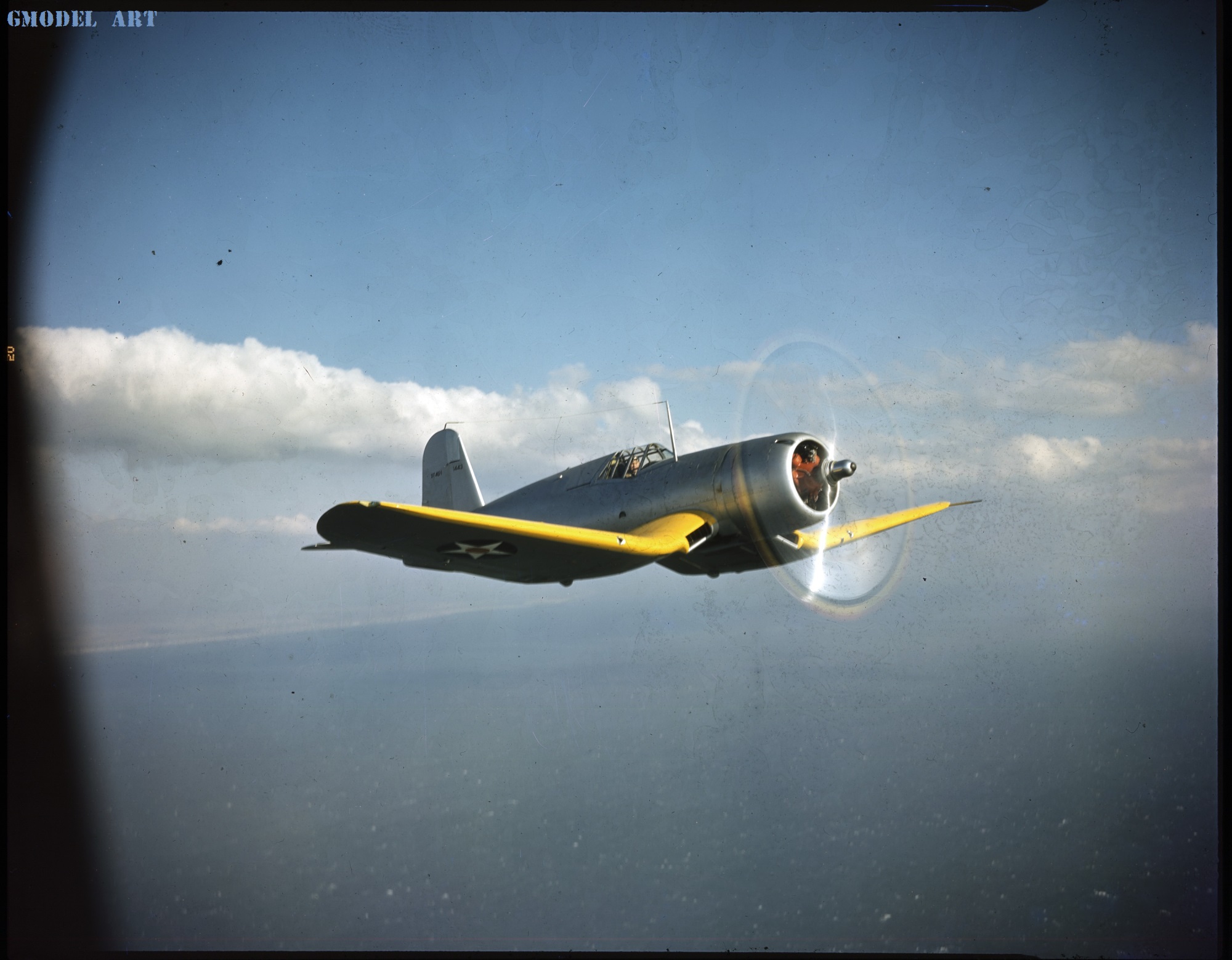
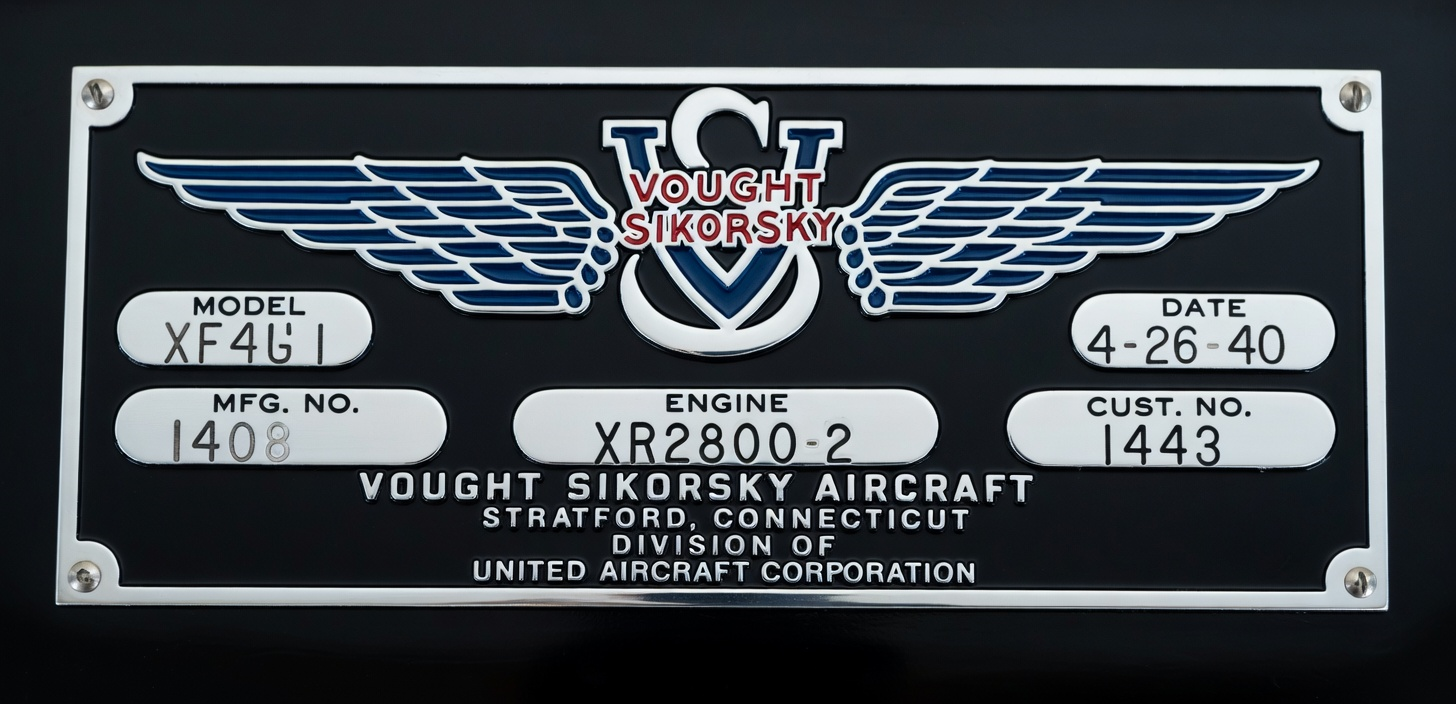
The prototype received the designation XF4U-1 and Bureau Number Bu.No.1443.
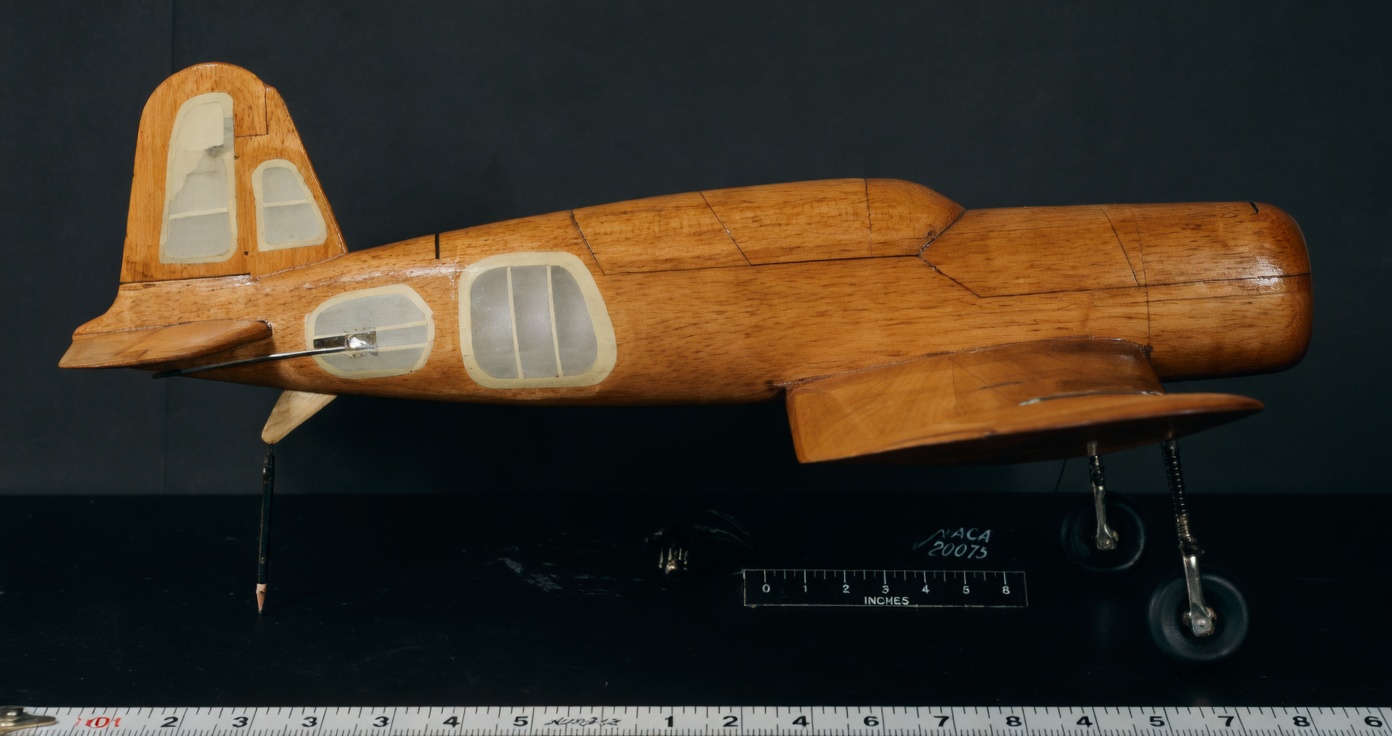
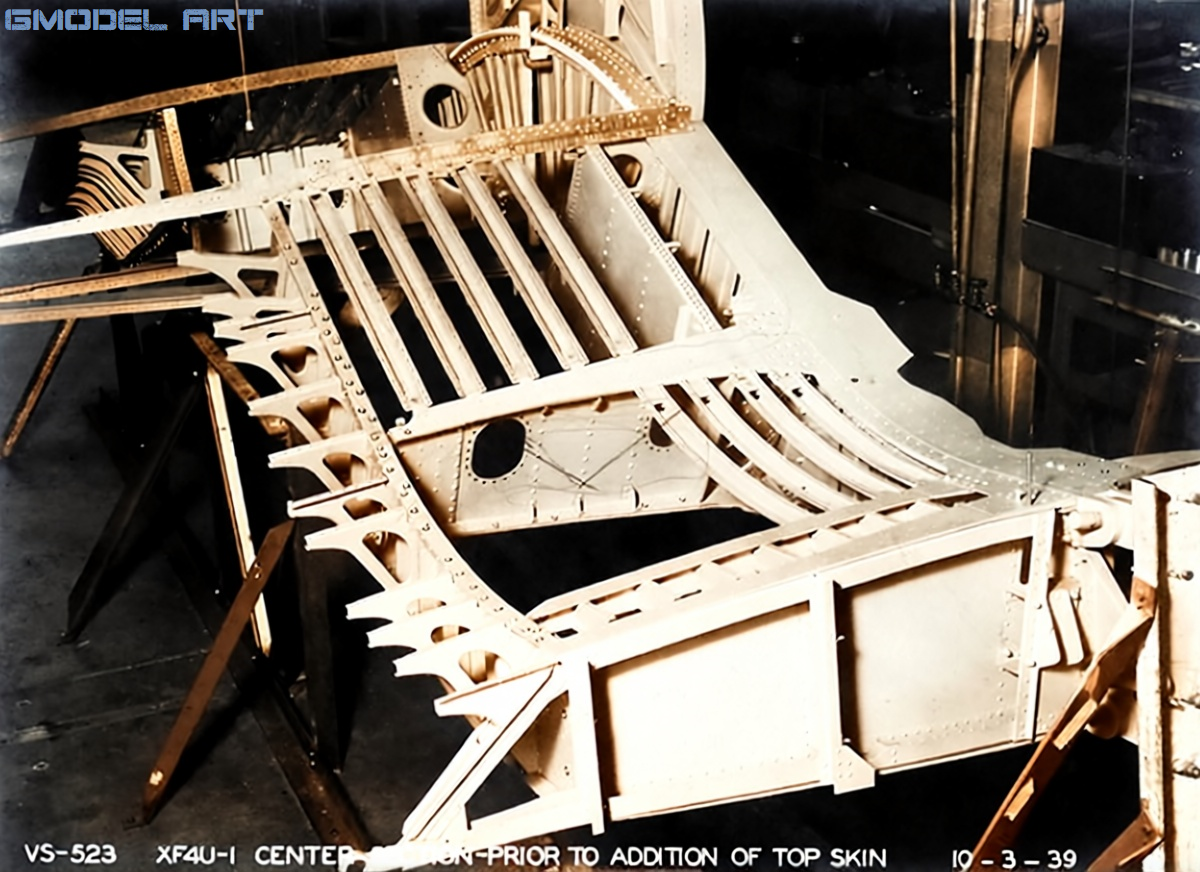
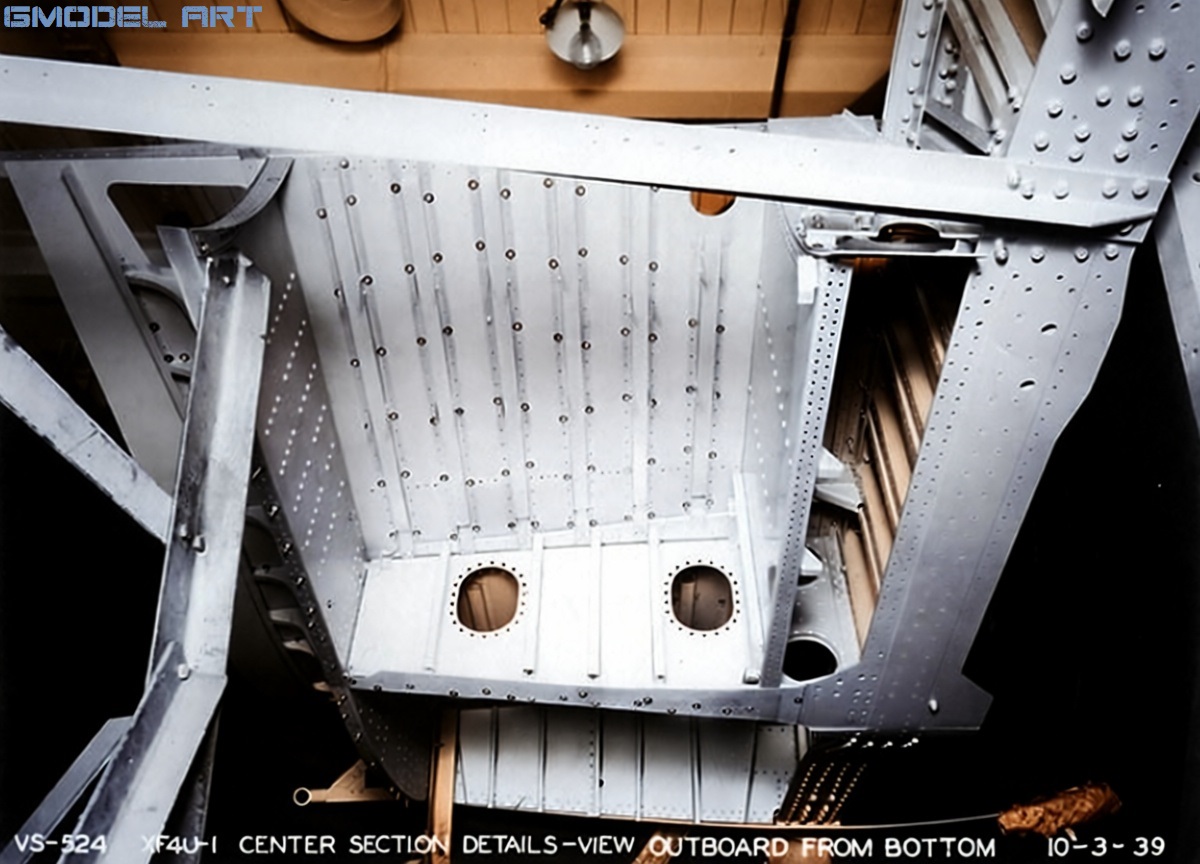
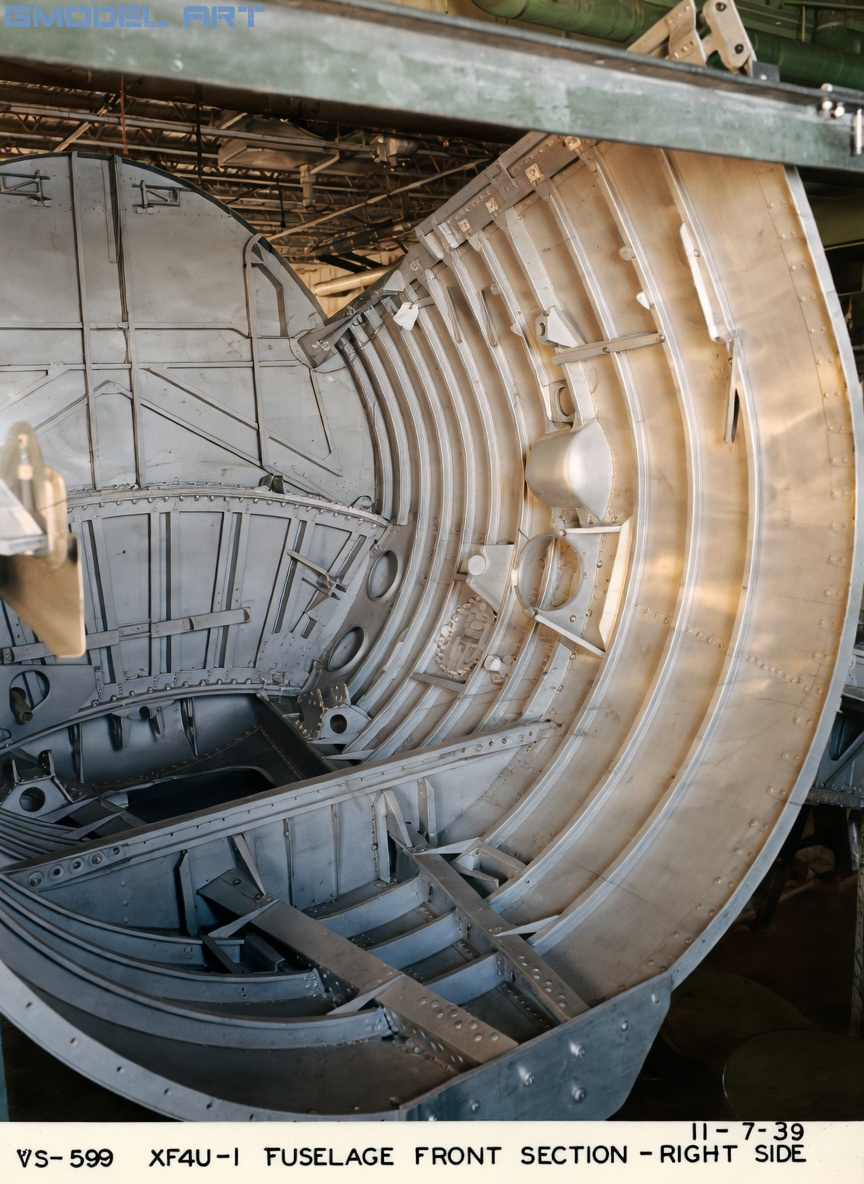
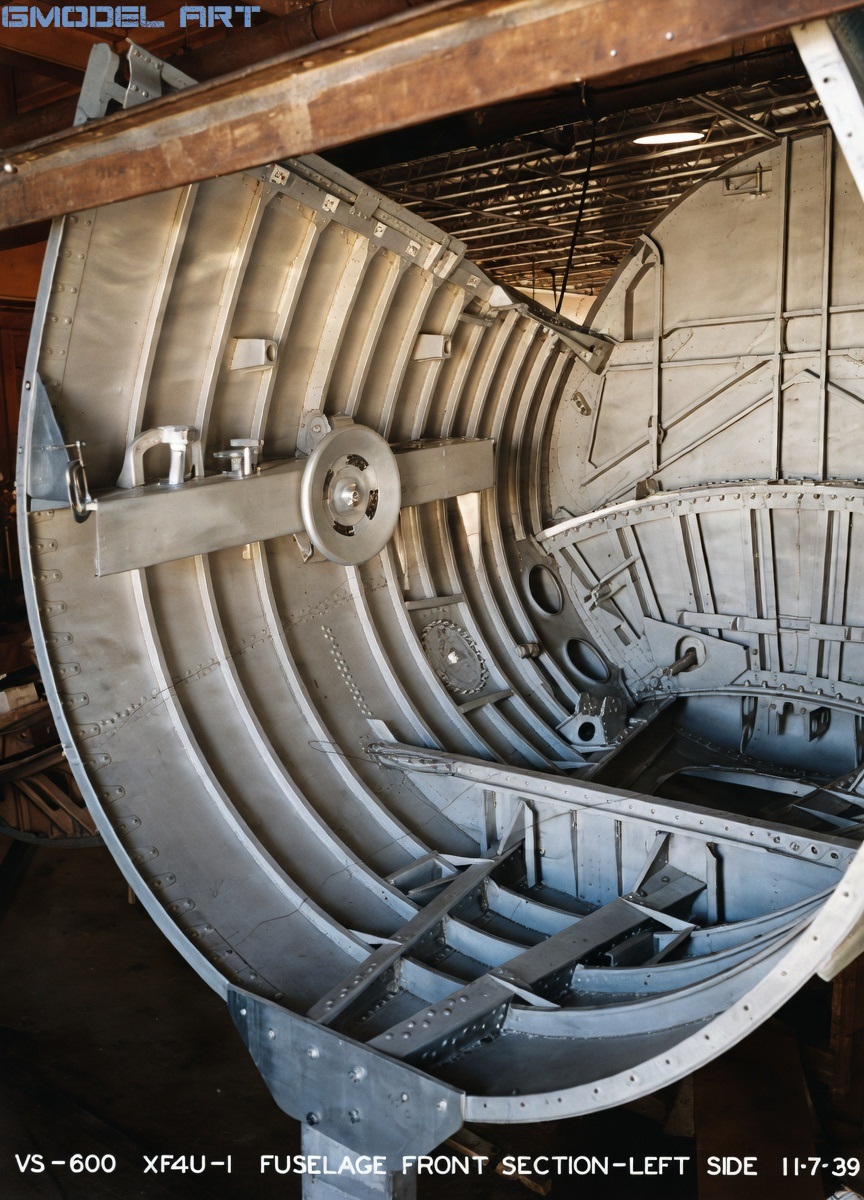
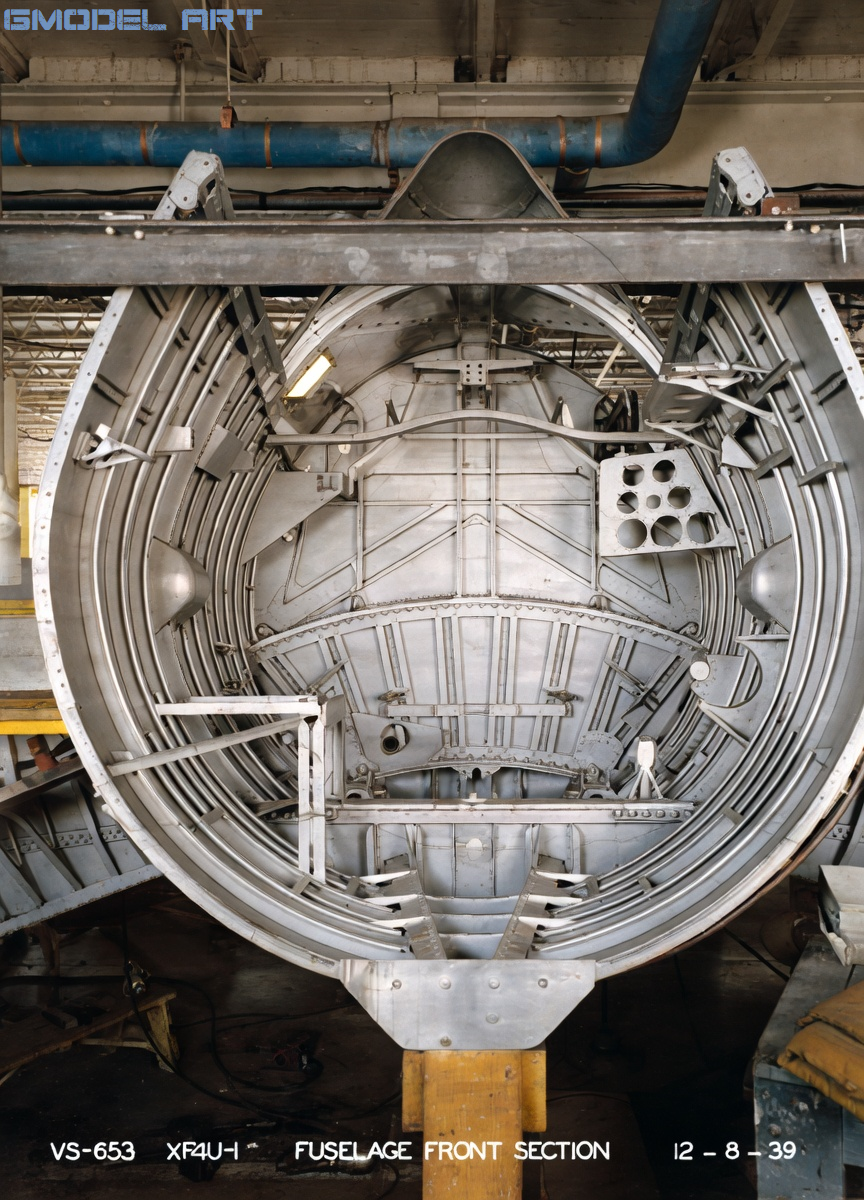
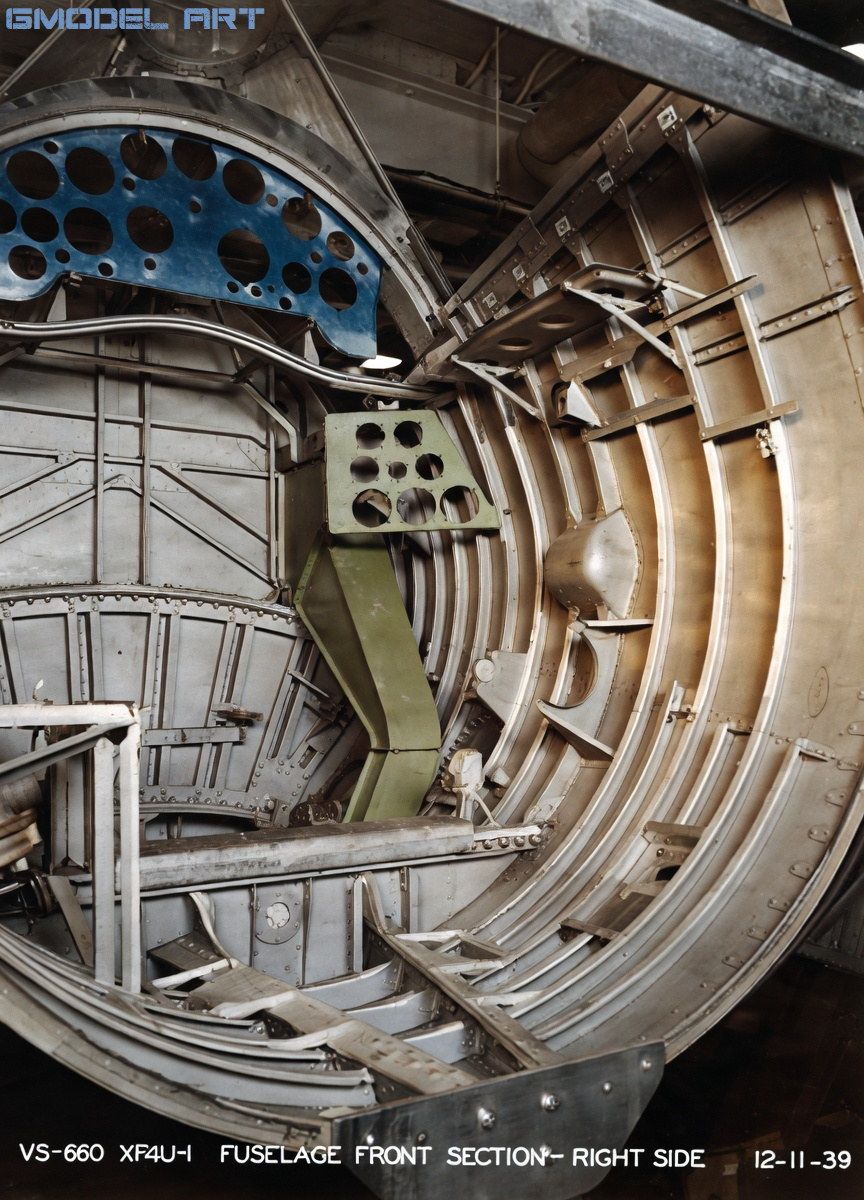
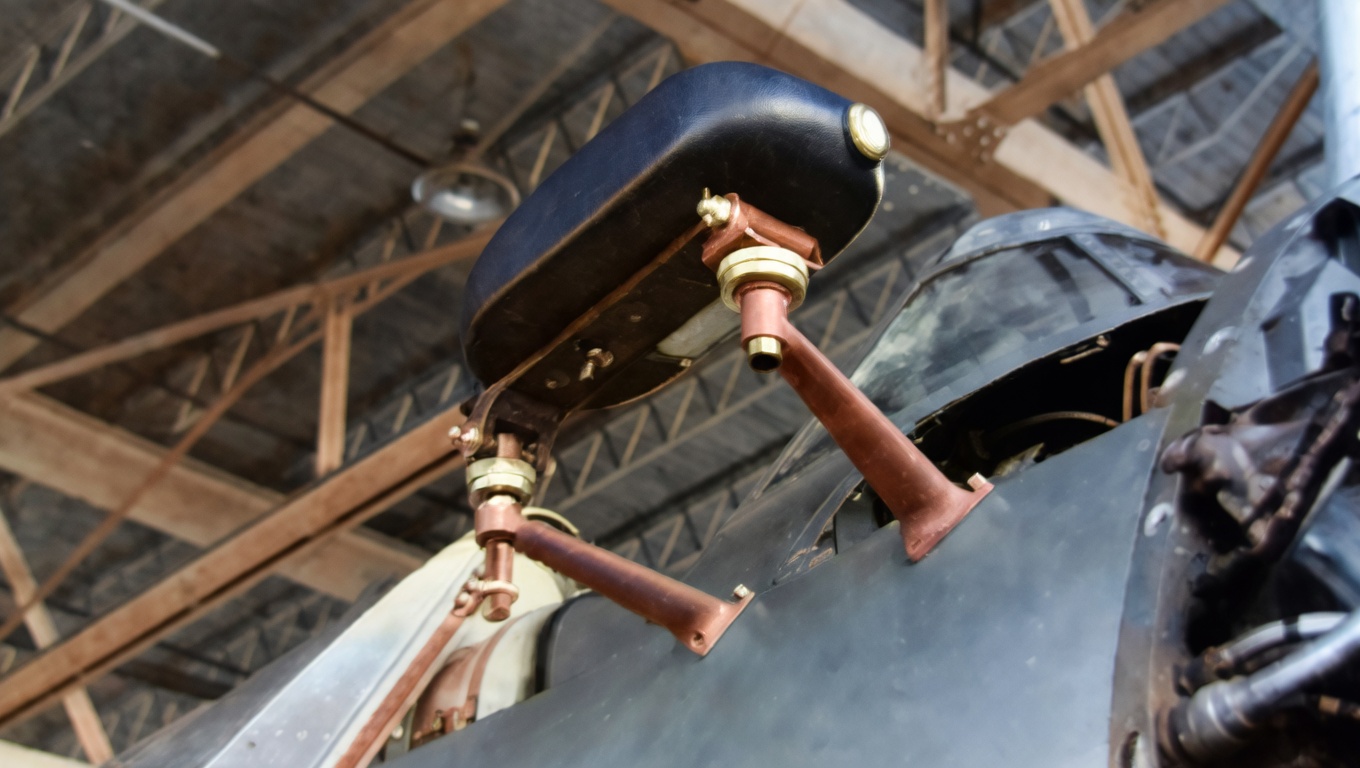
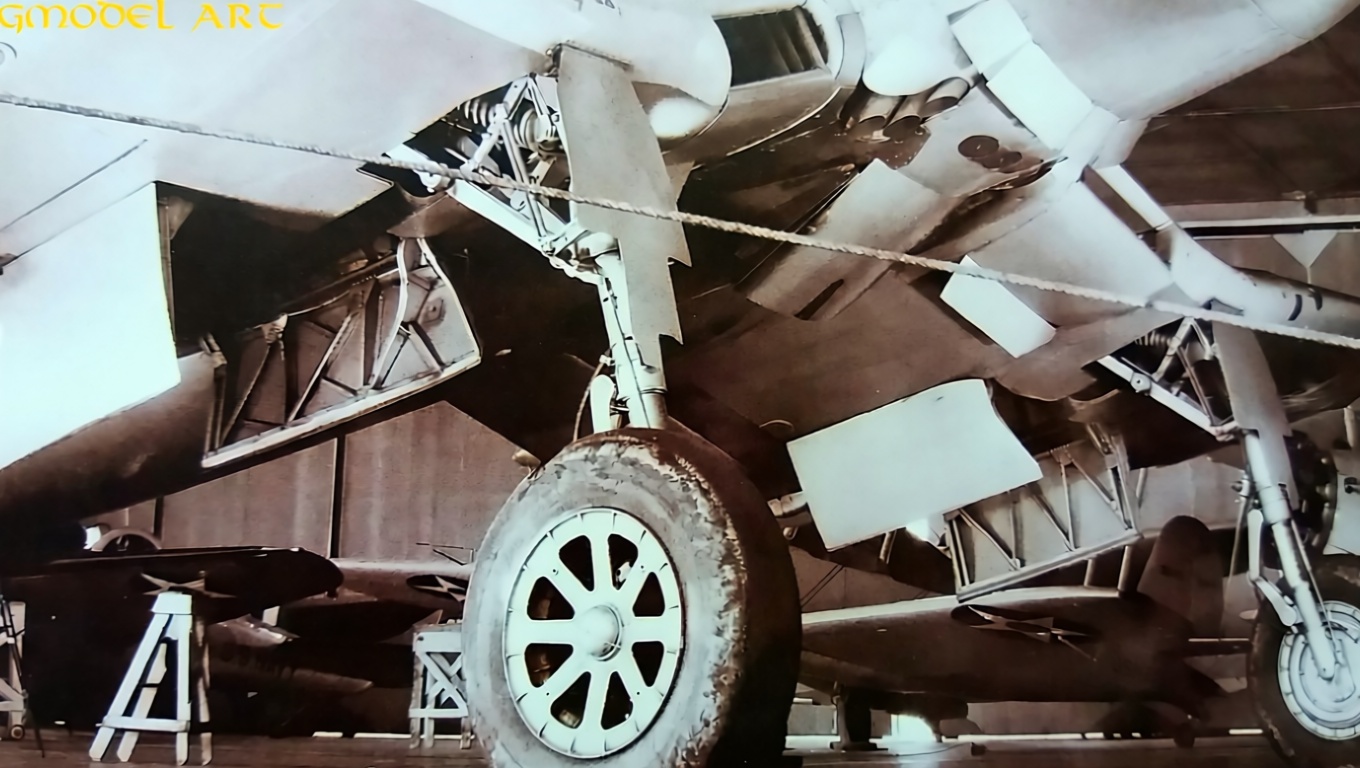
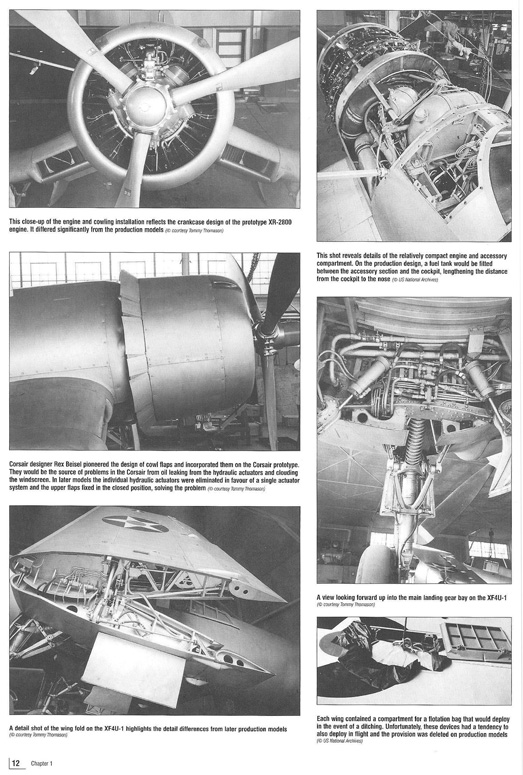
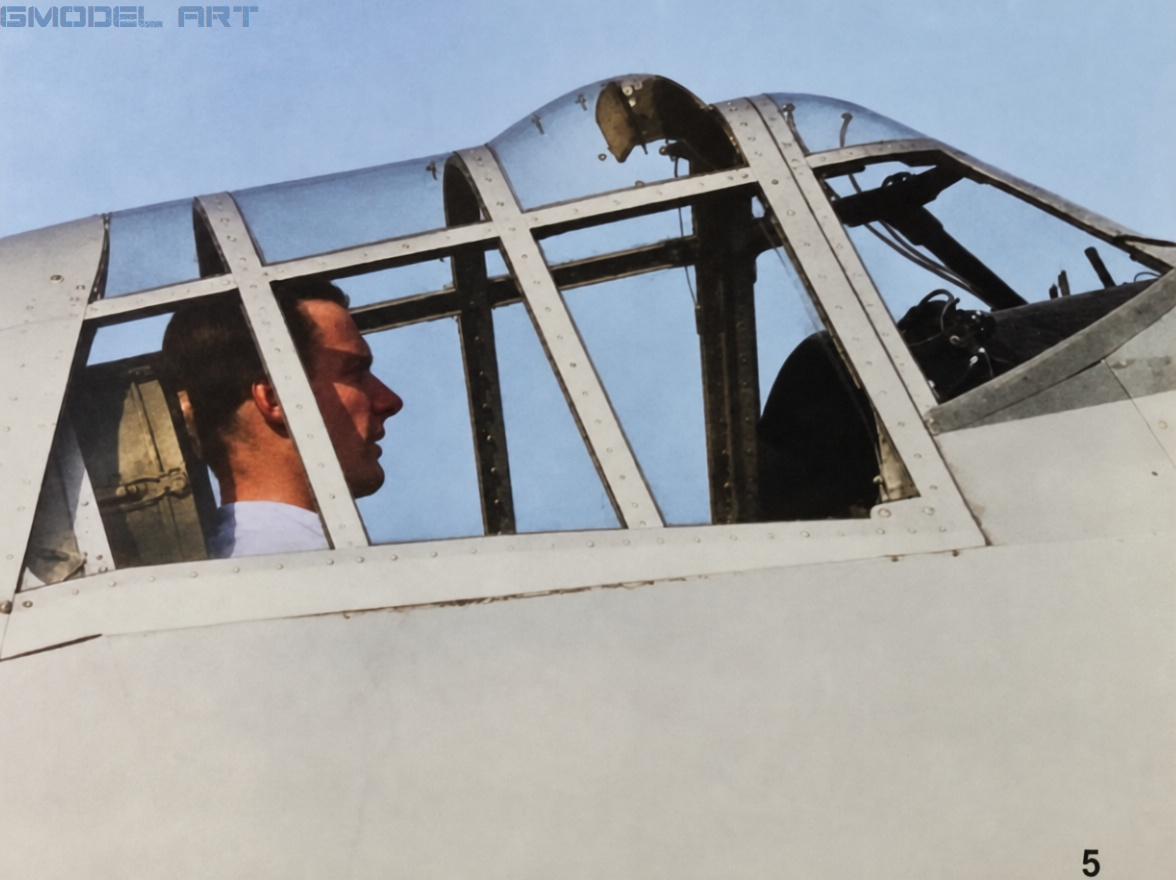
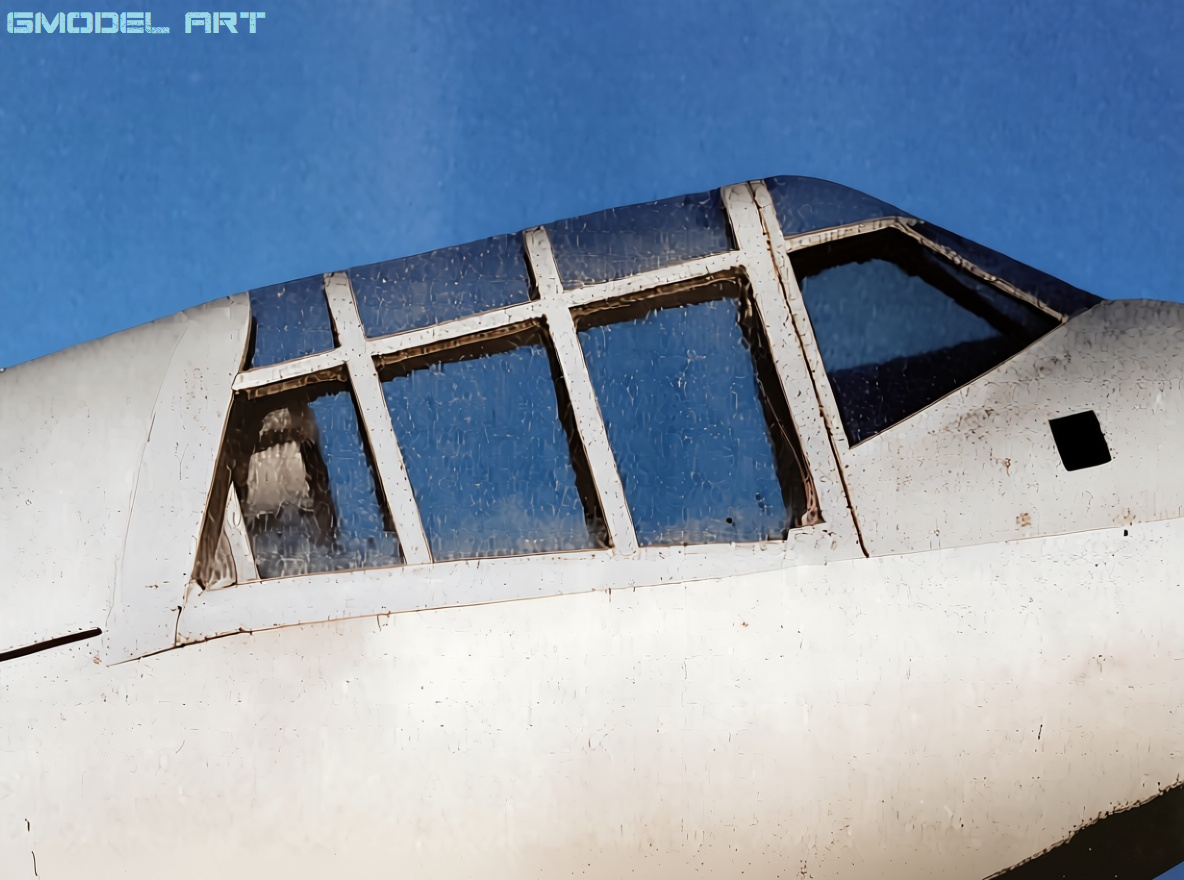
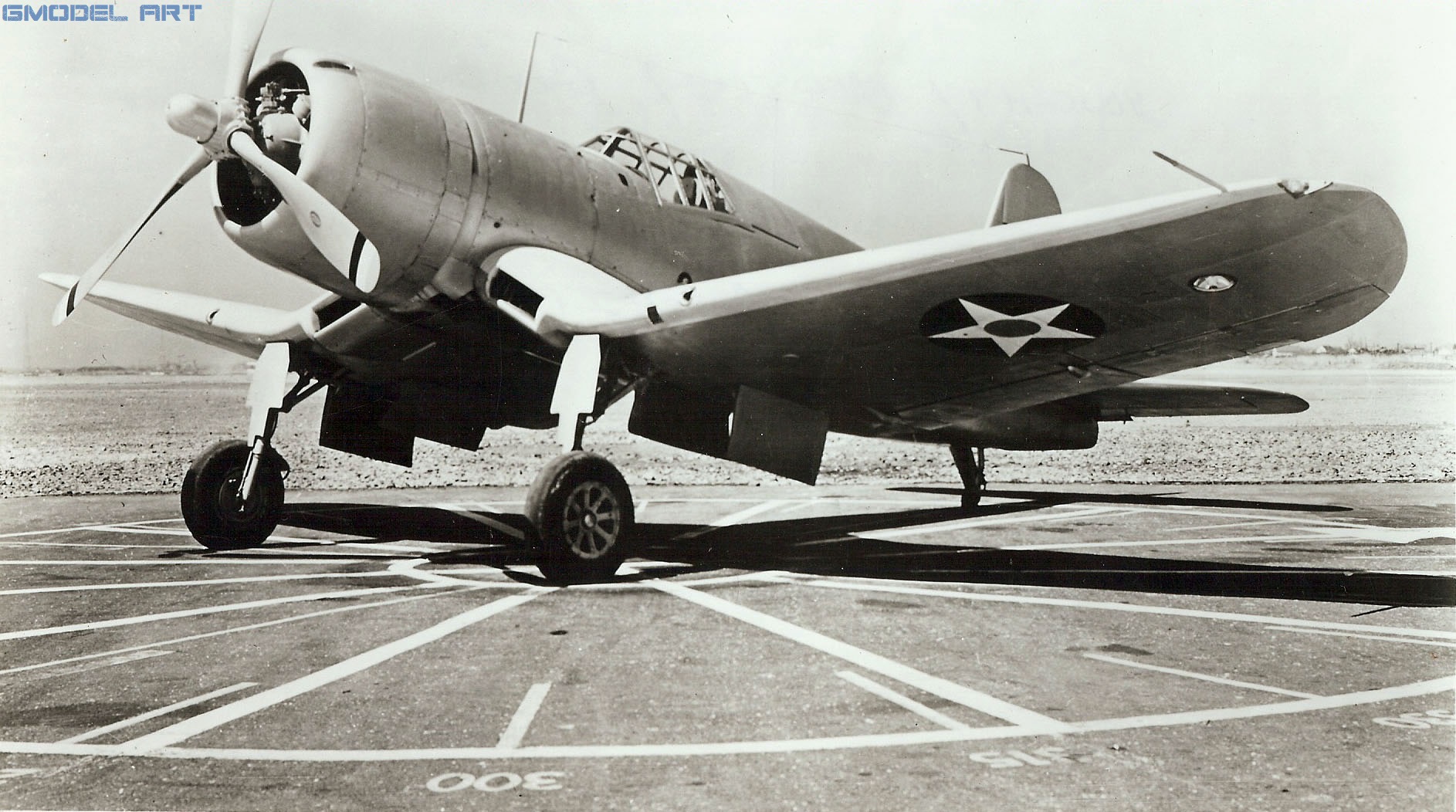
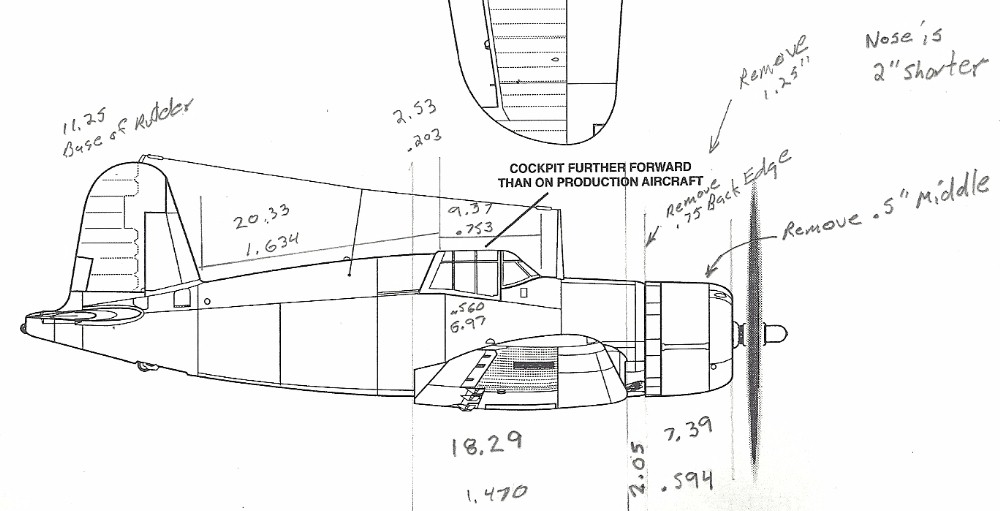
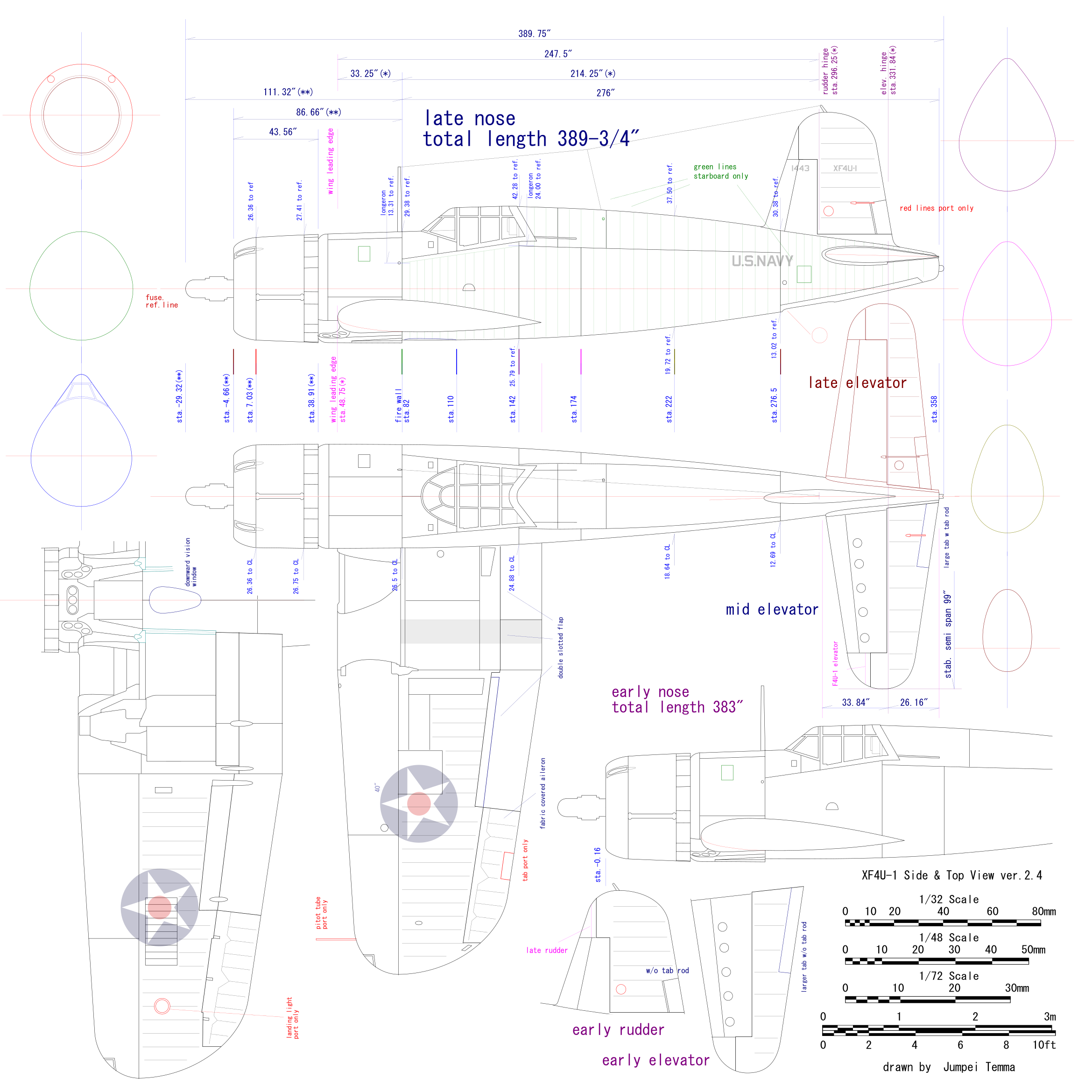
Although clearly recognizable as a Corsair, the original aircraft differed noticeably from the later operational machines.
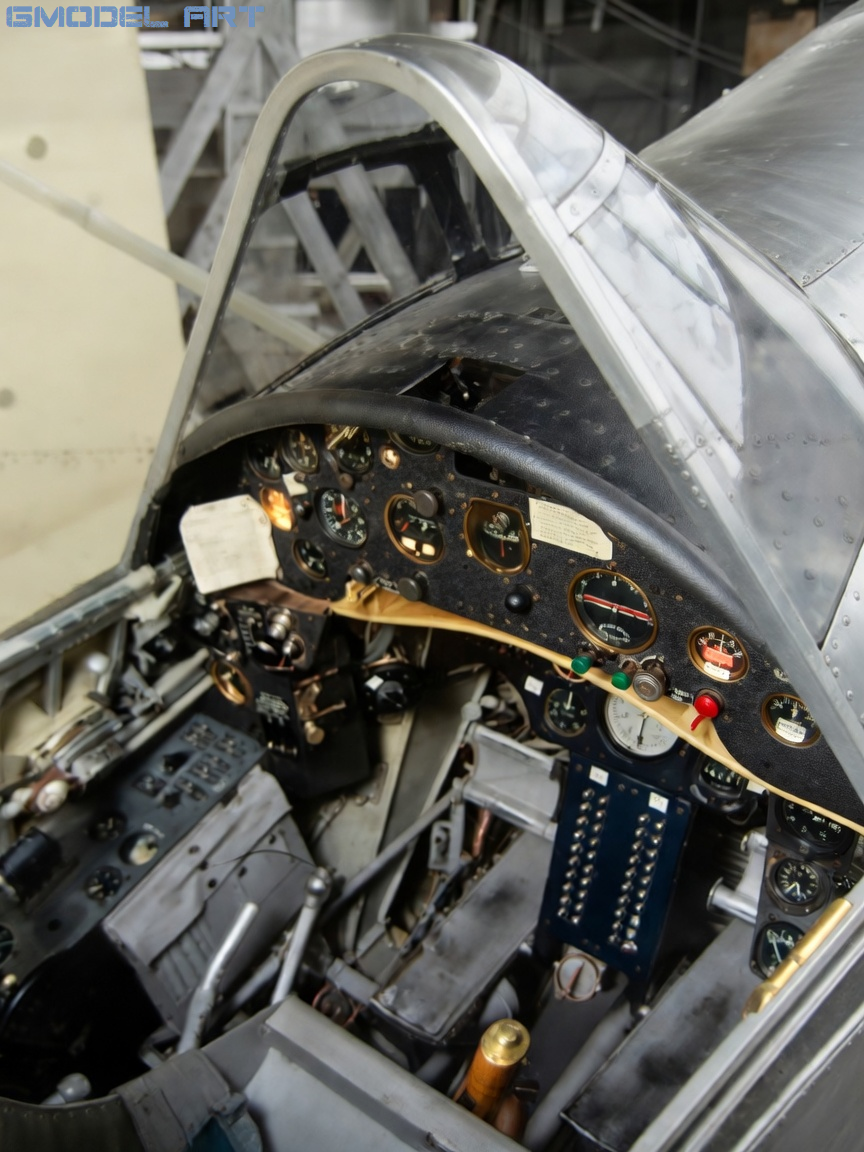
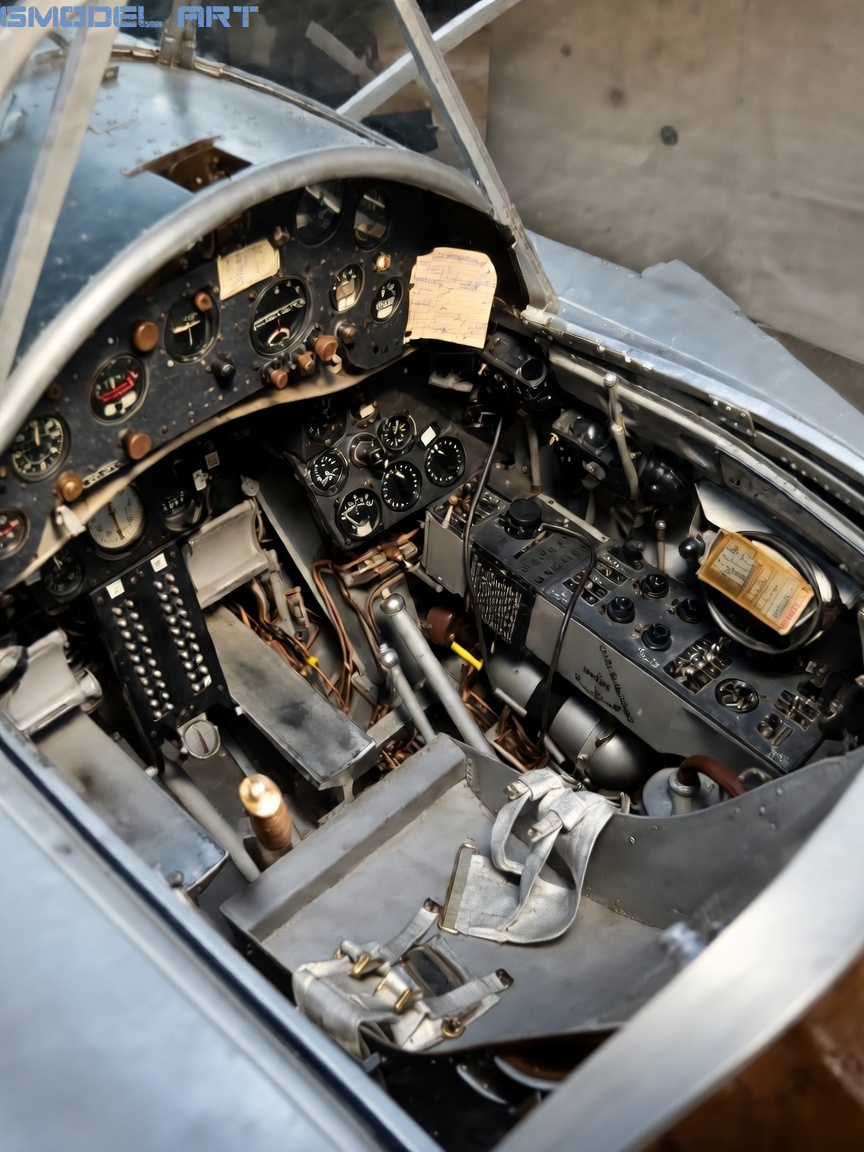
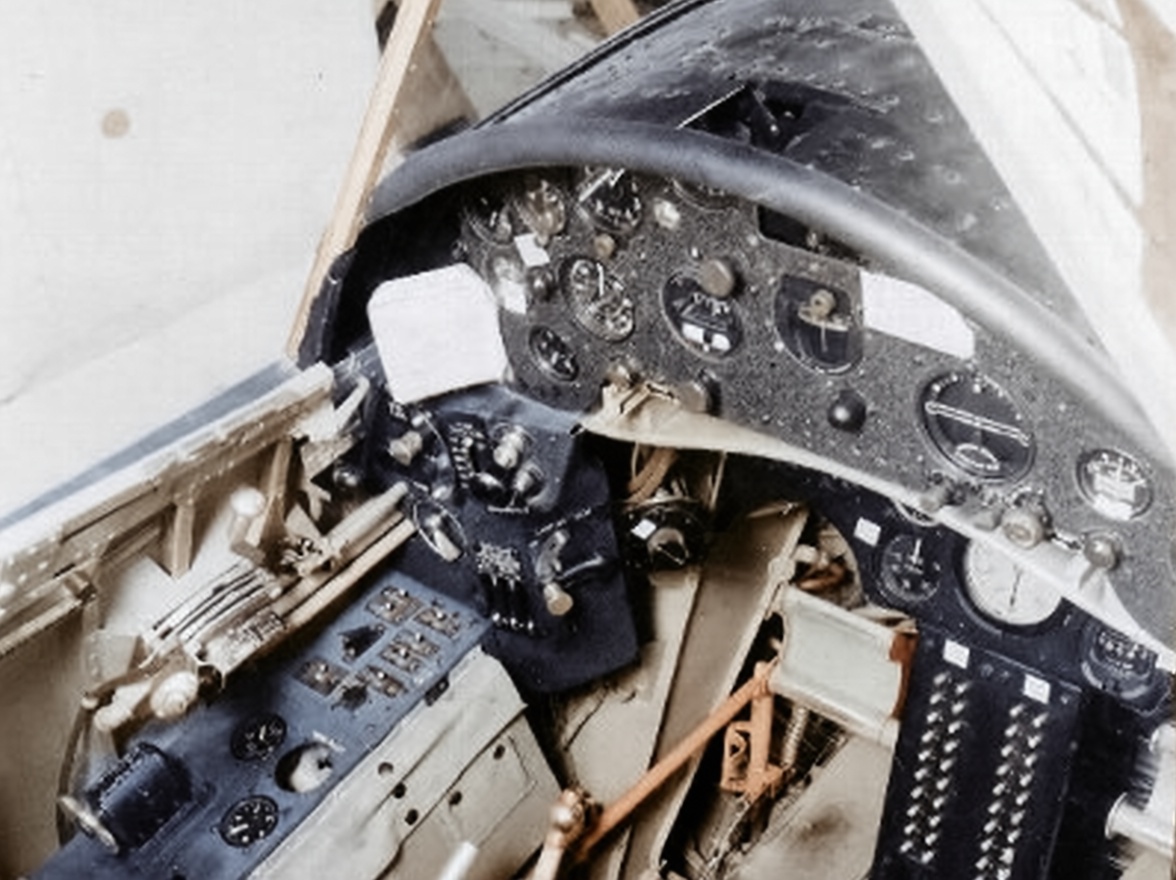
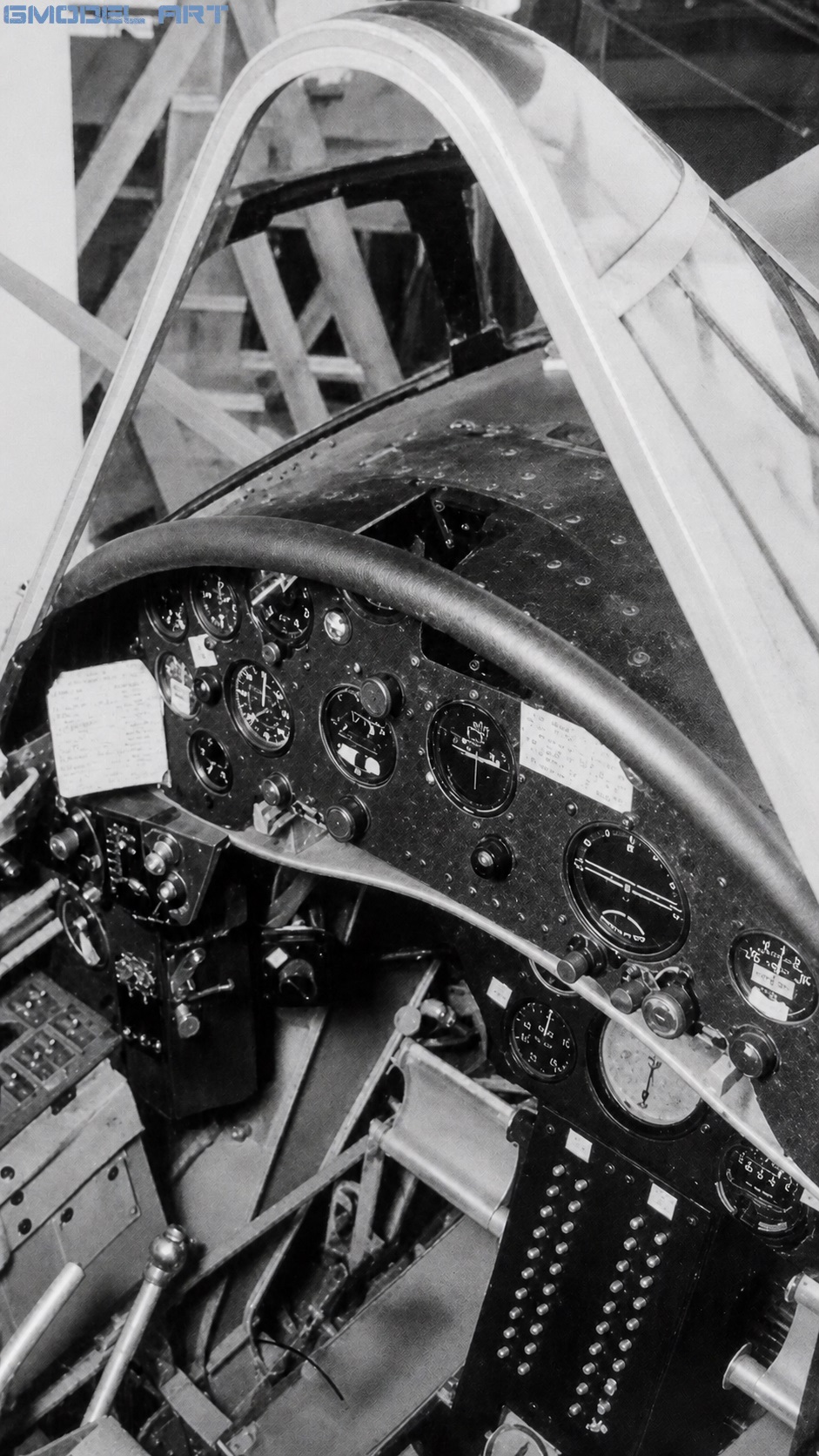
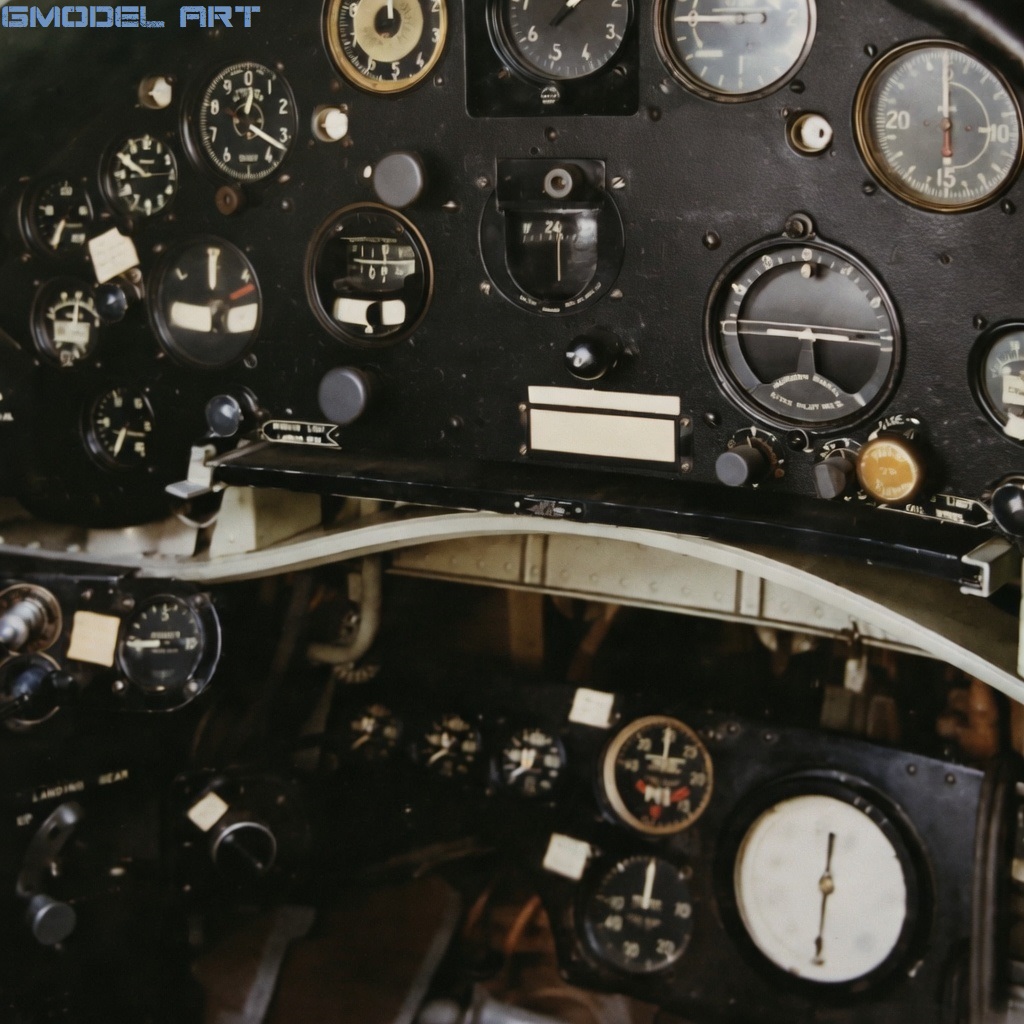
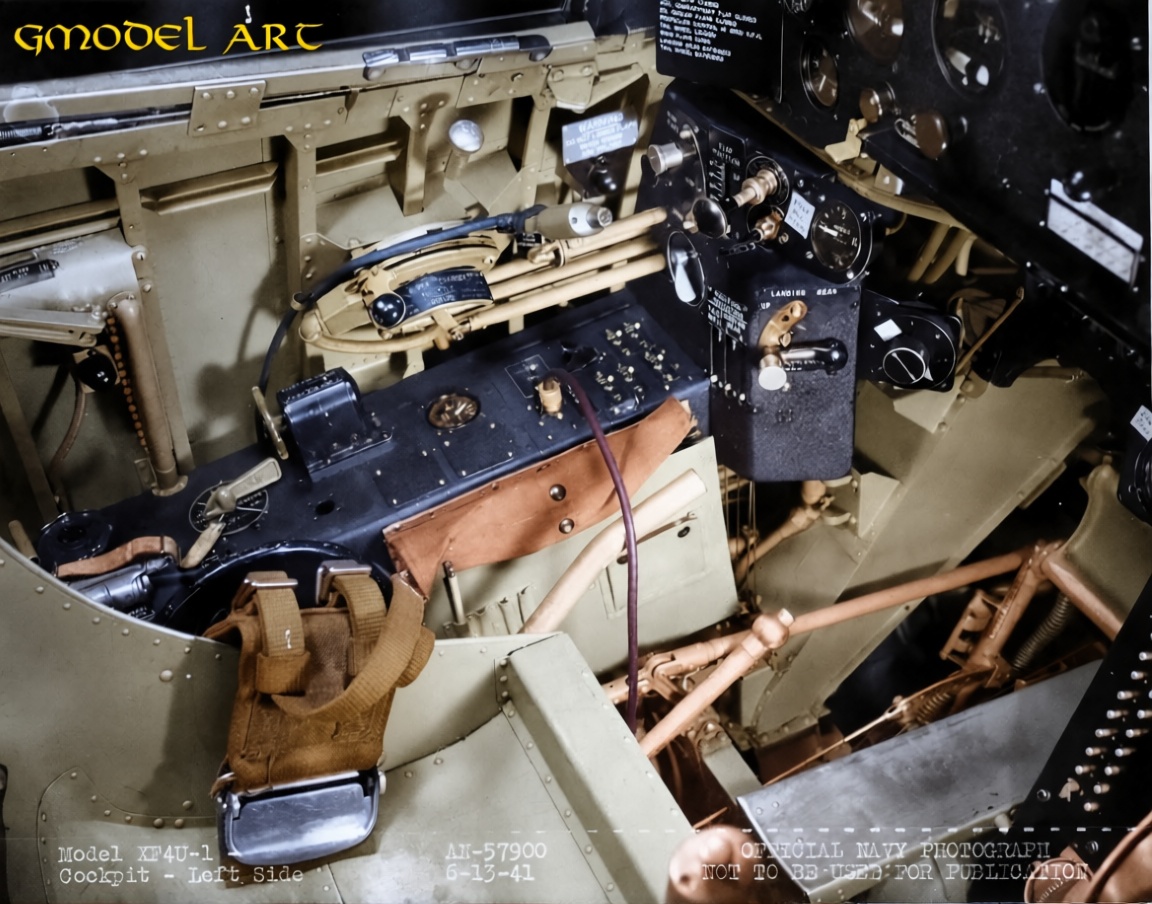
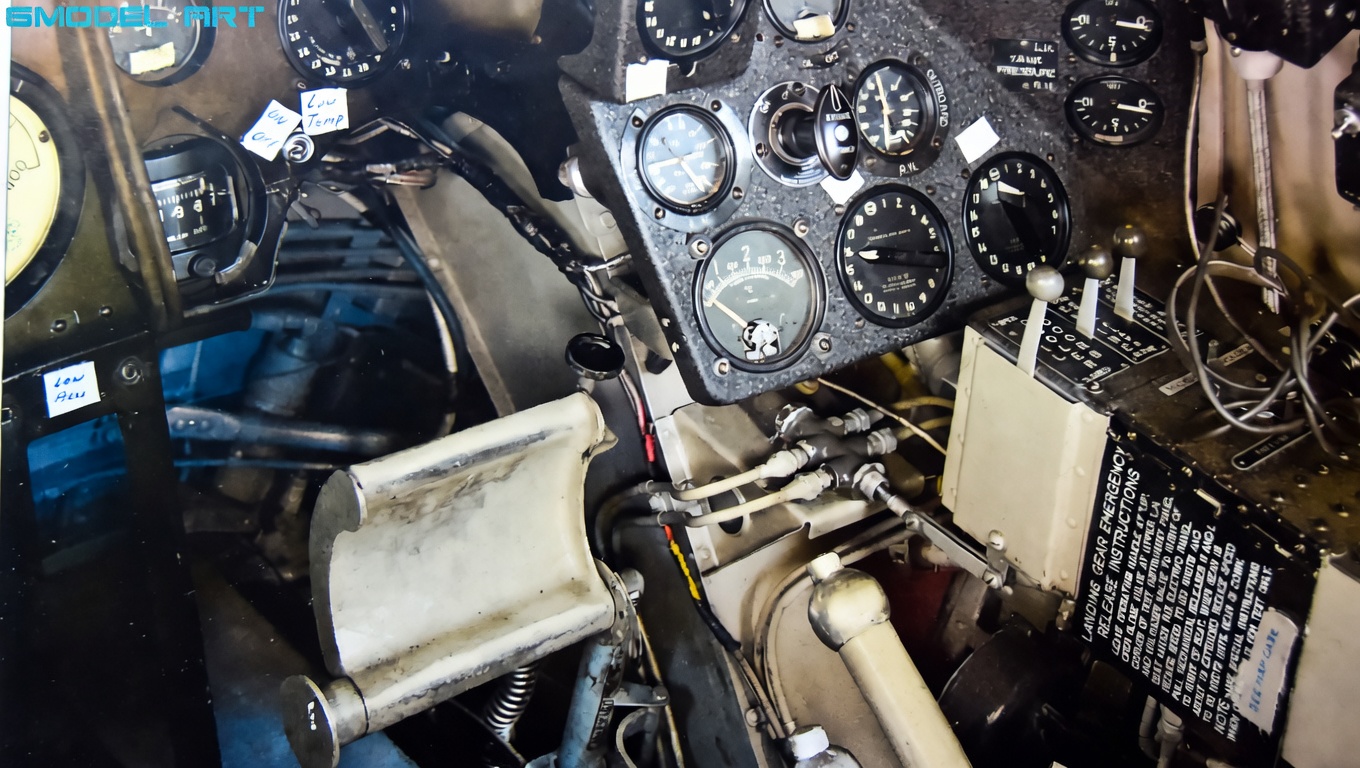
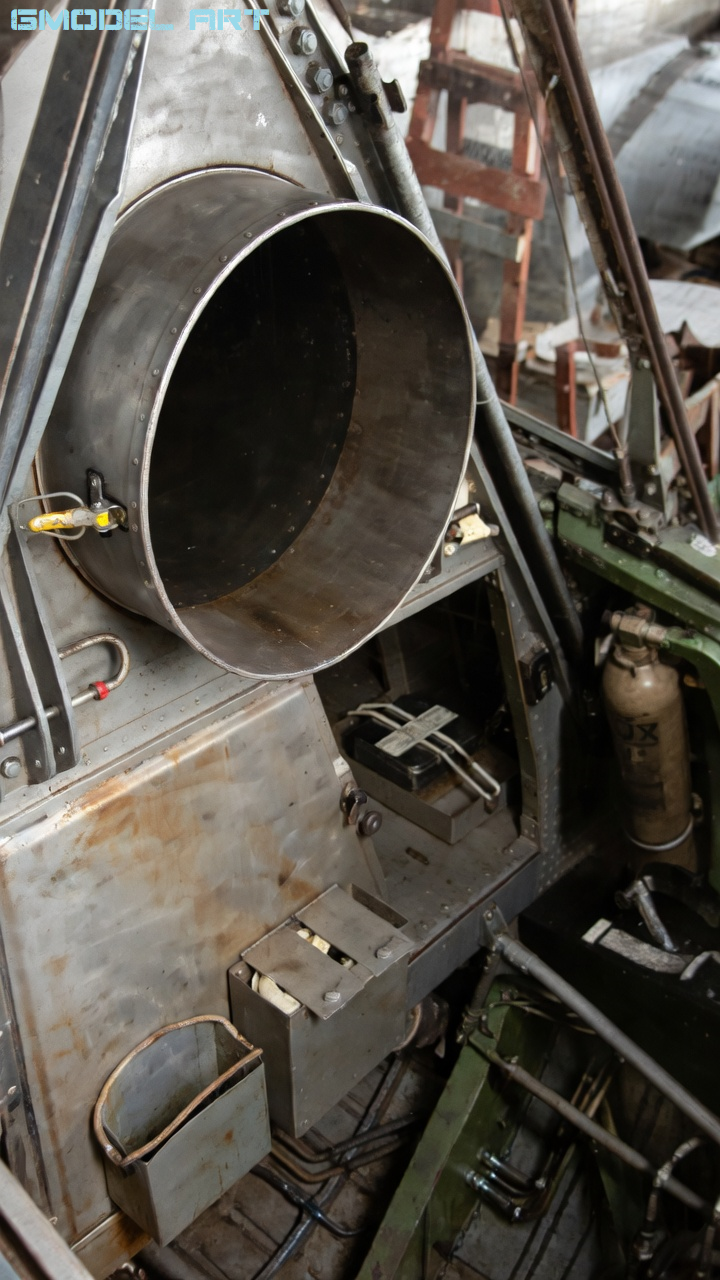
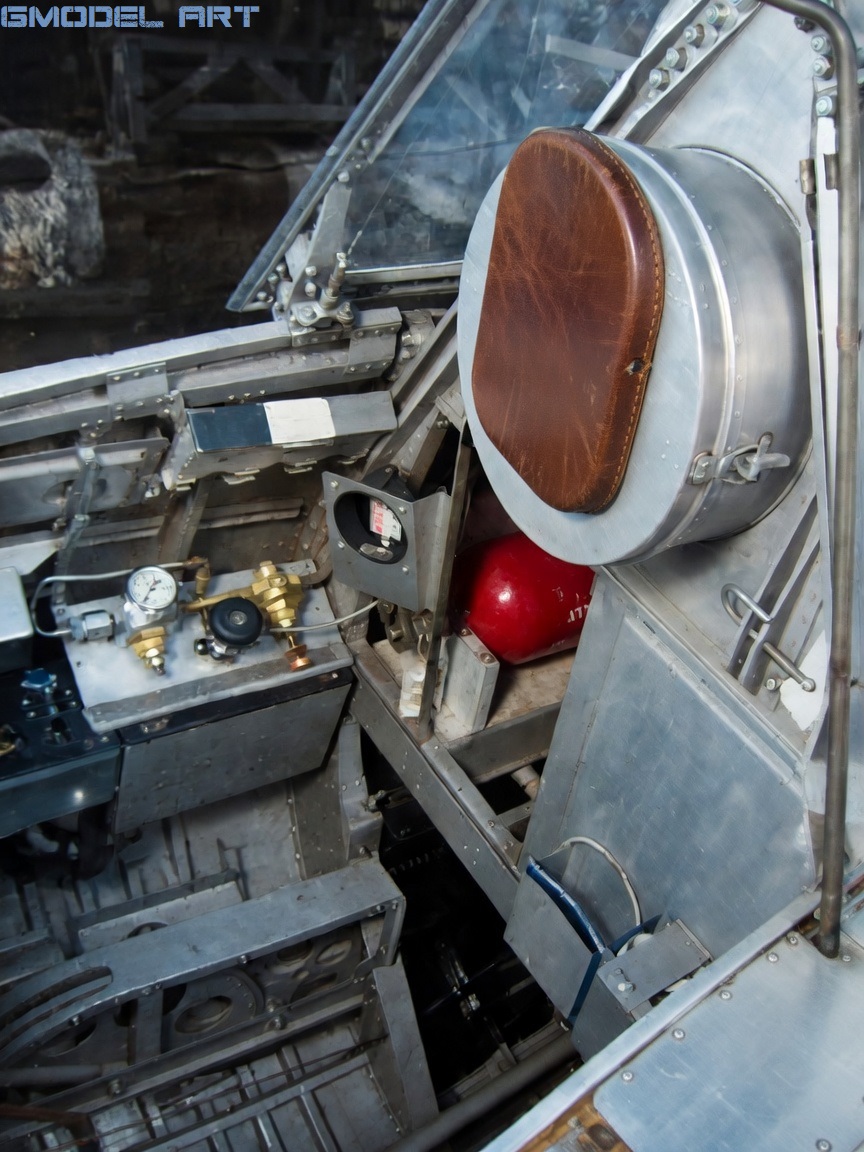
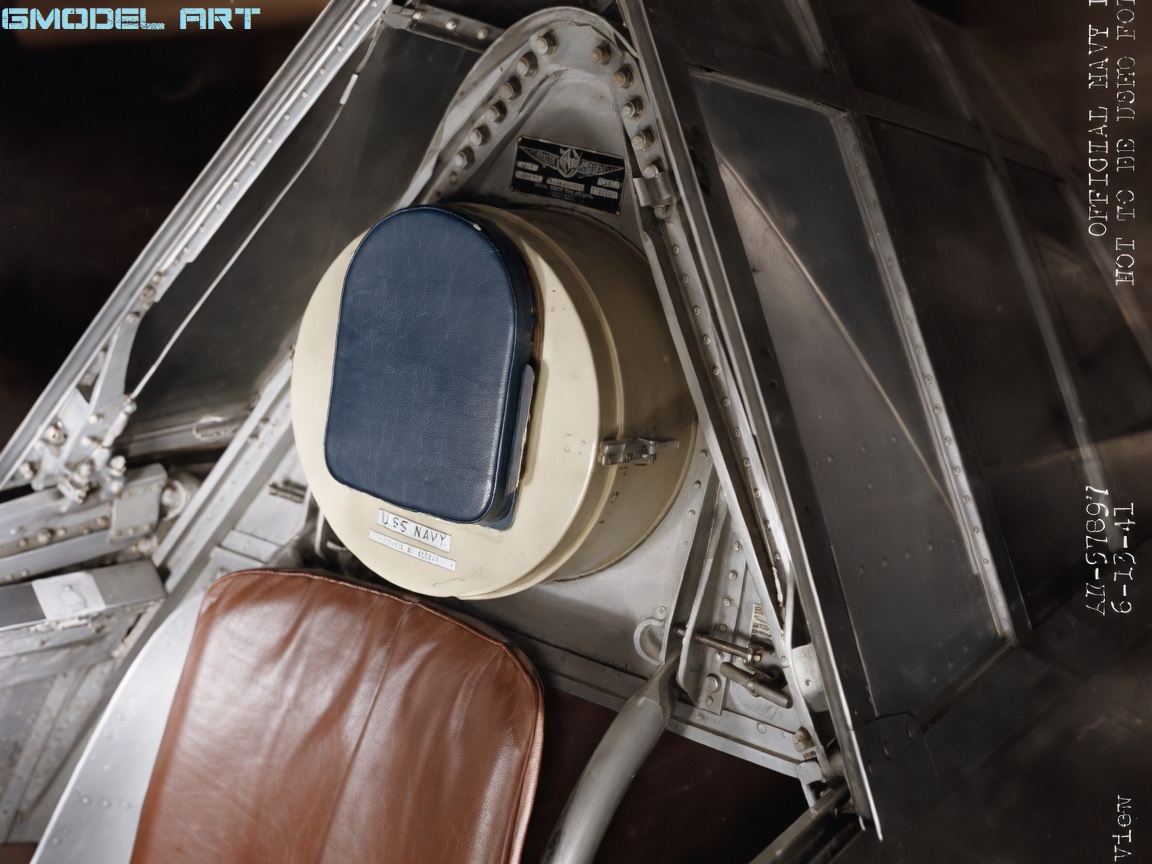
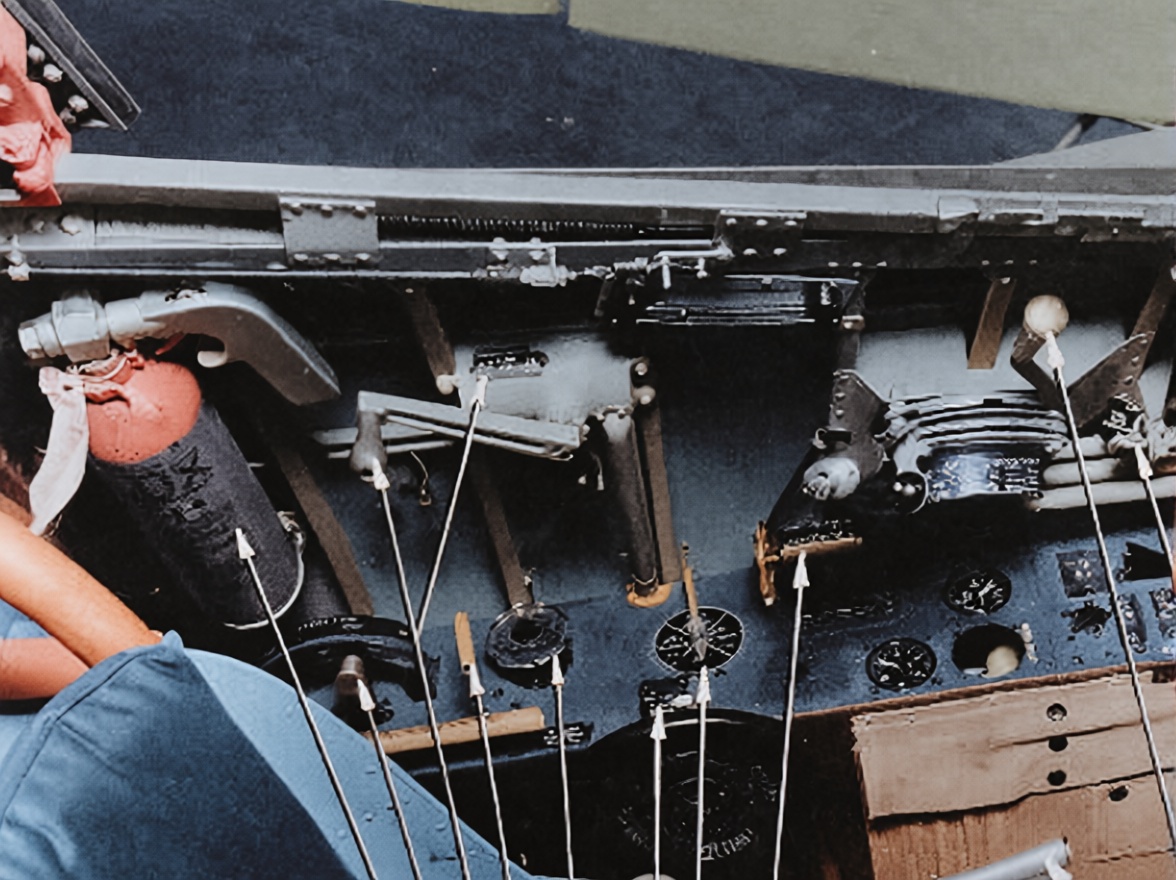
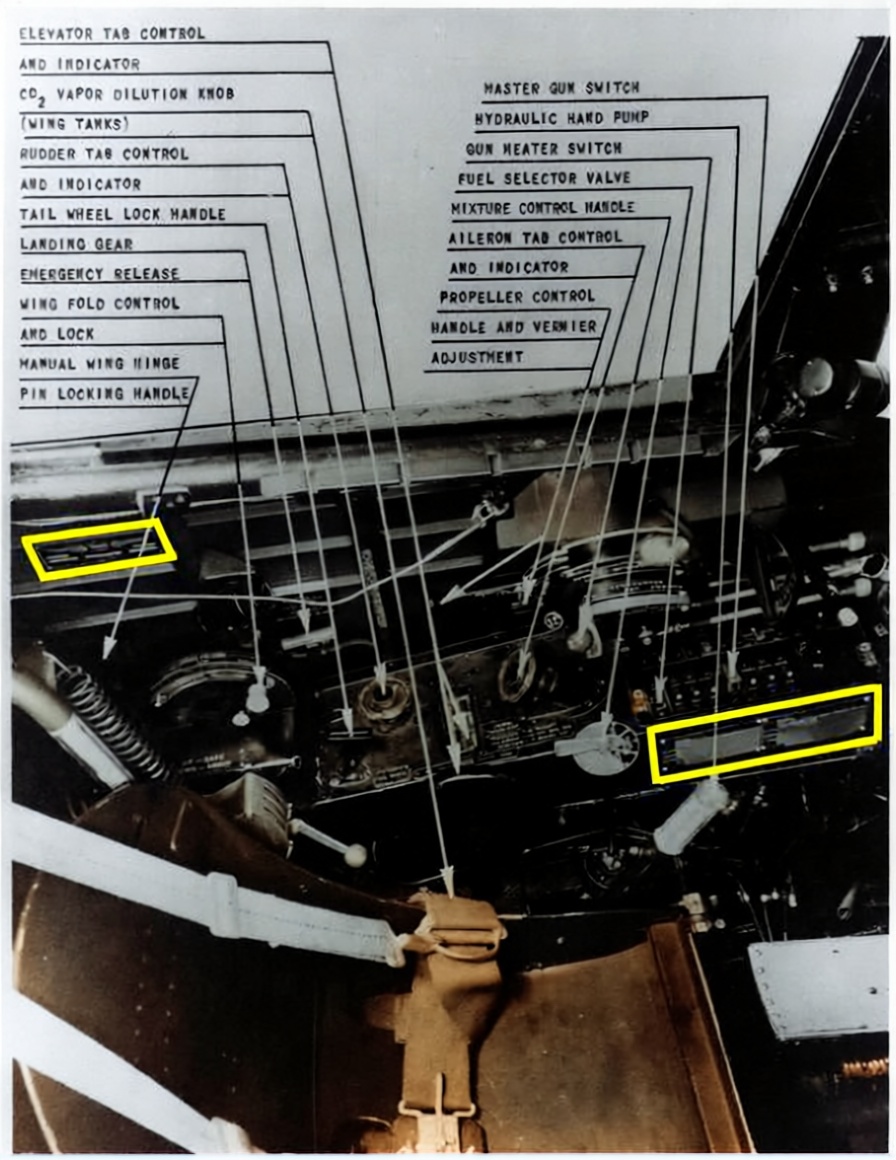
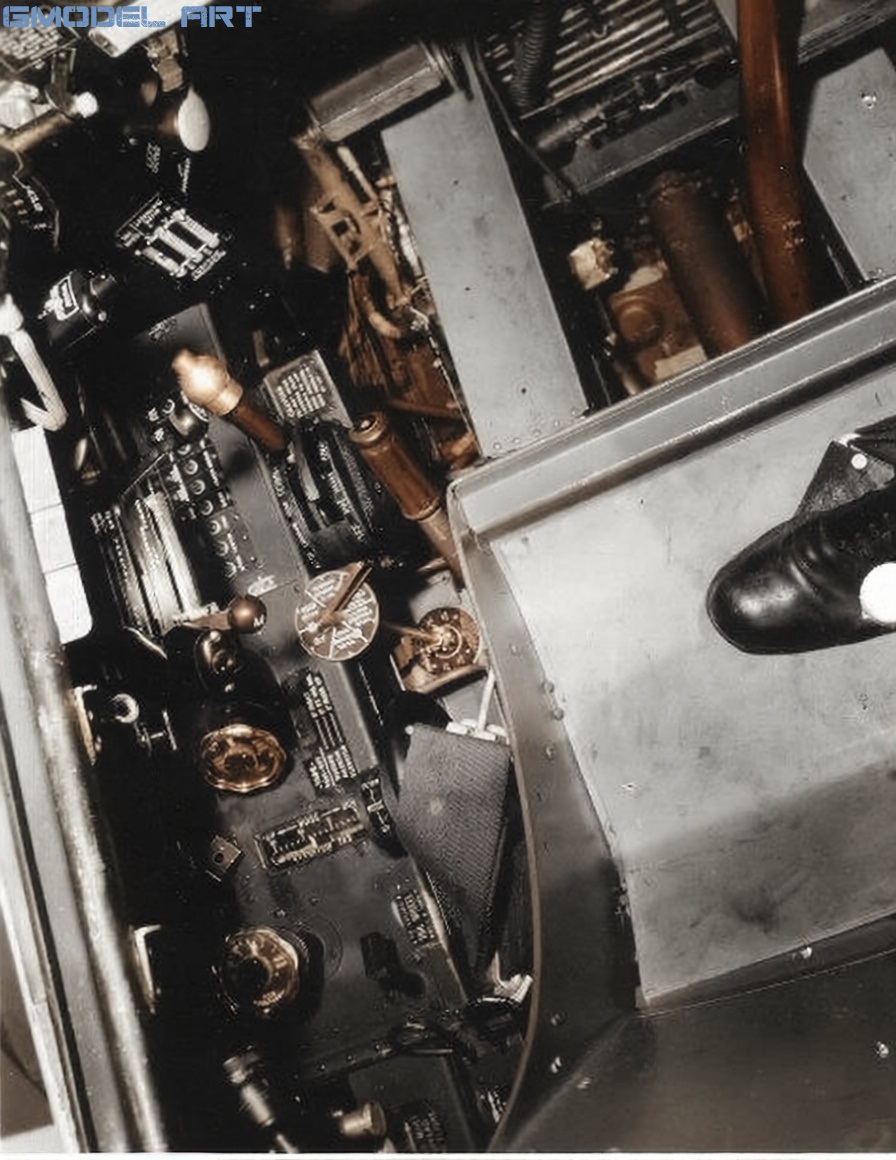
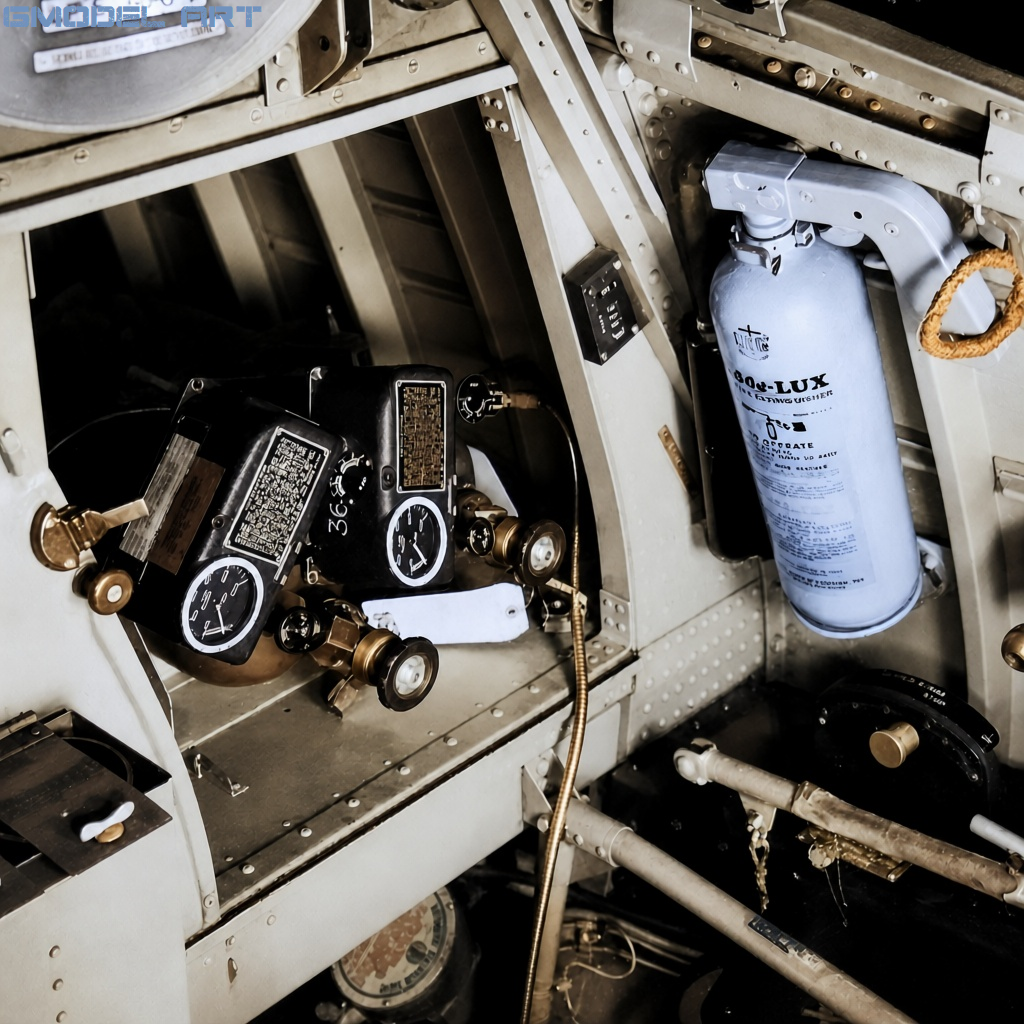
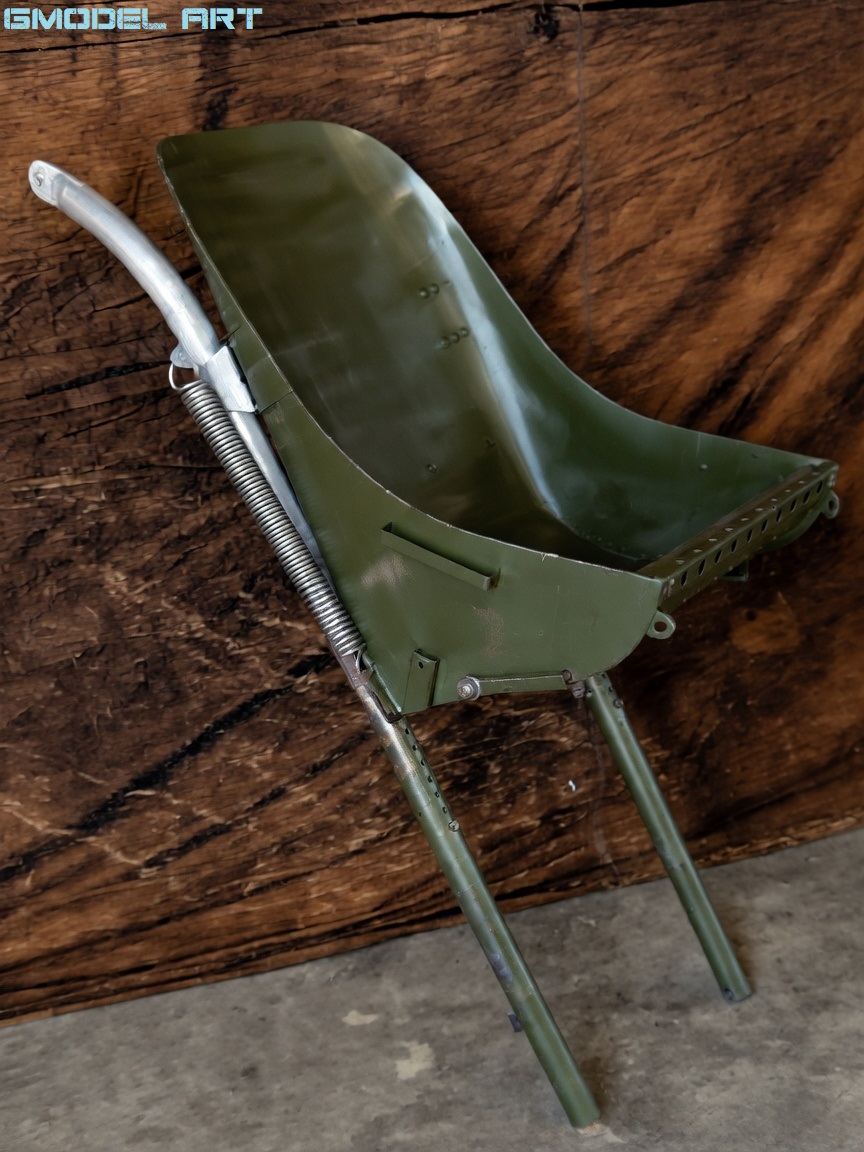
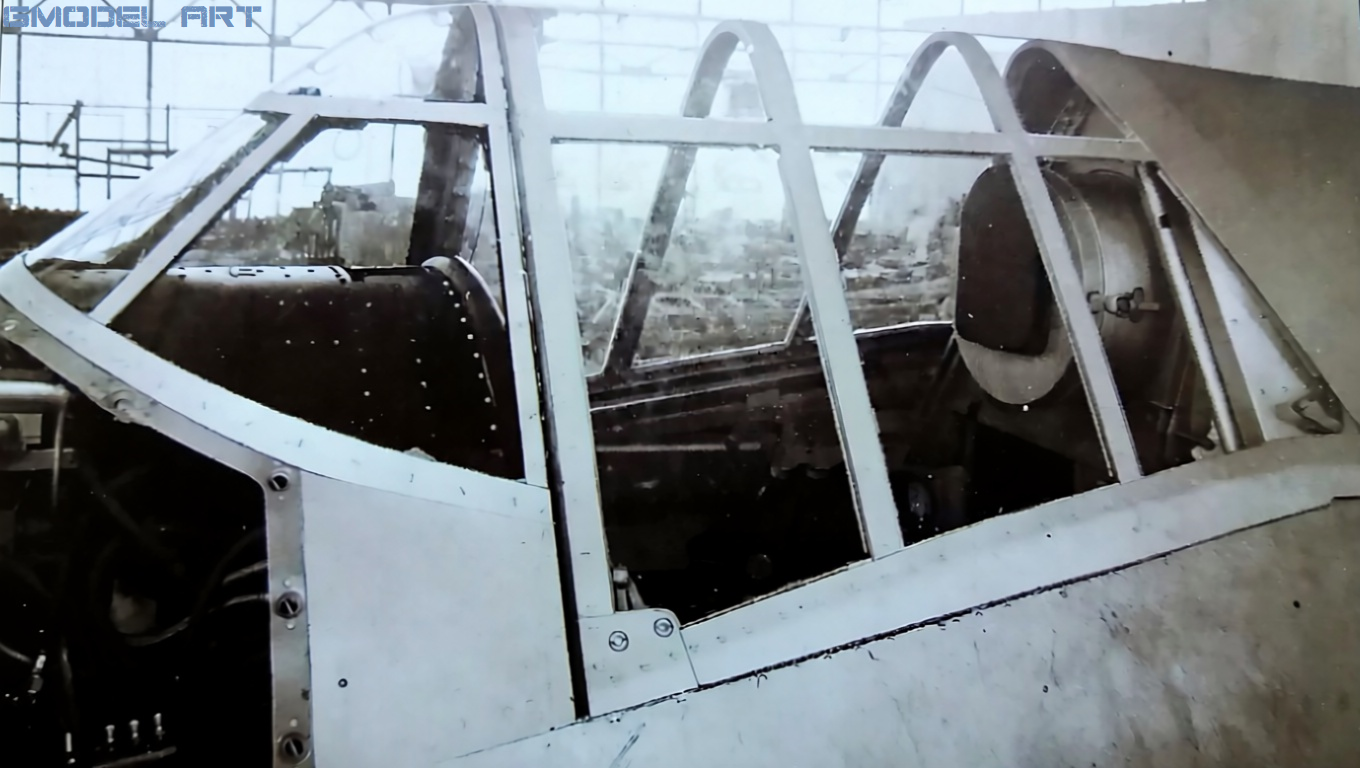
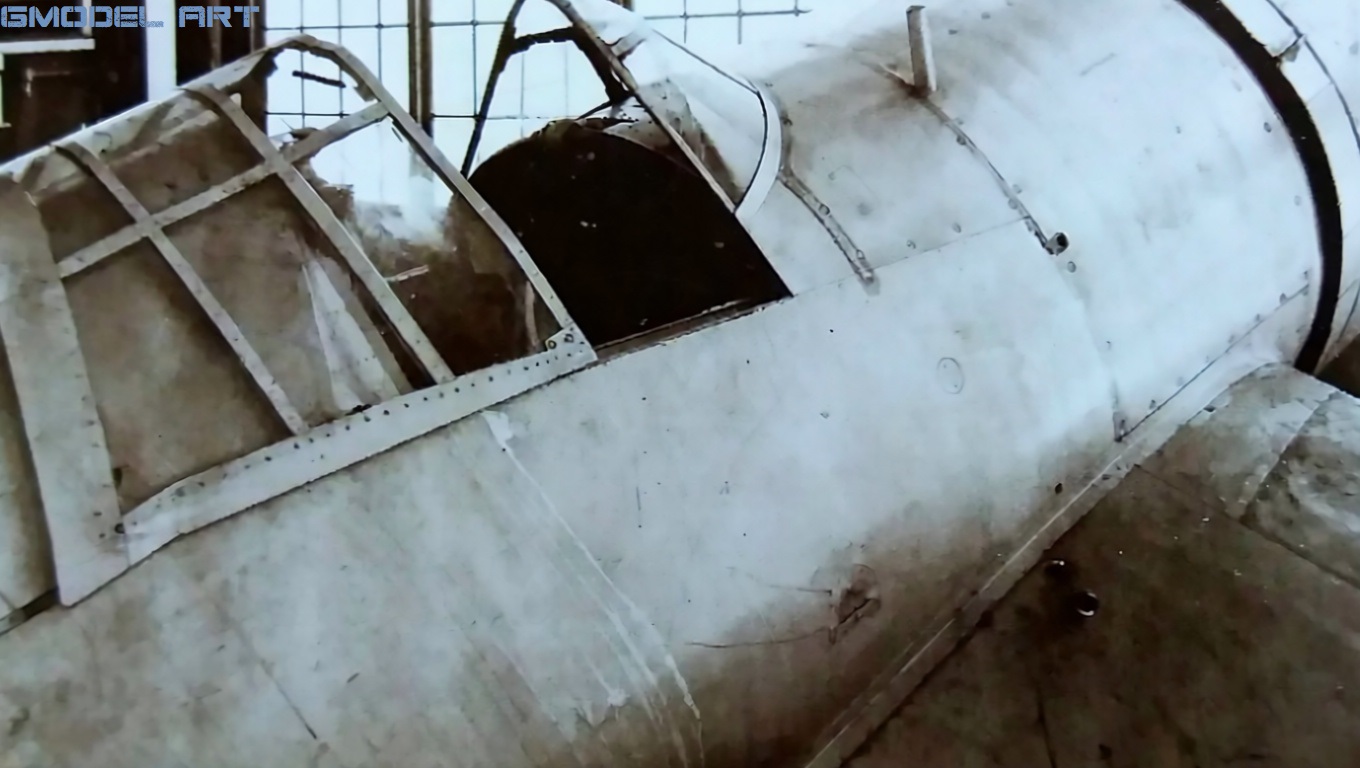
The cockpit sat significantly farther forward.
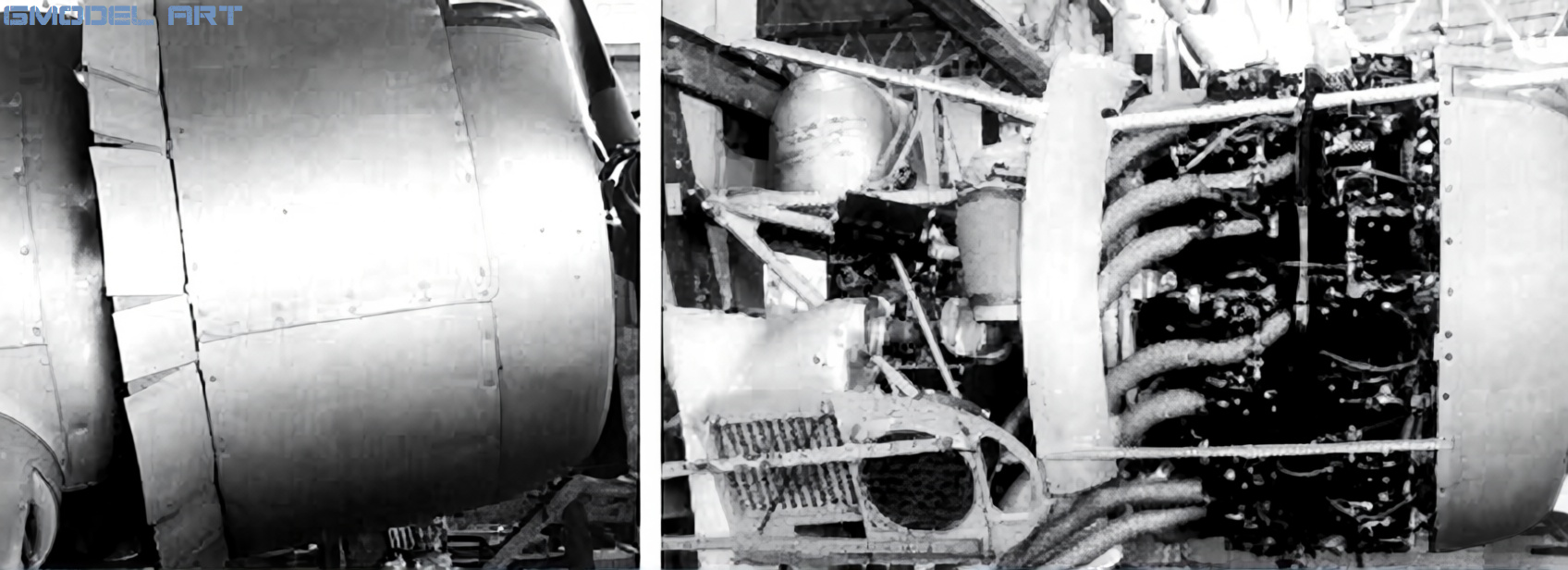
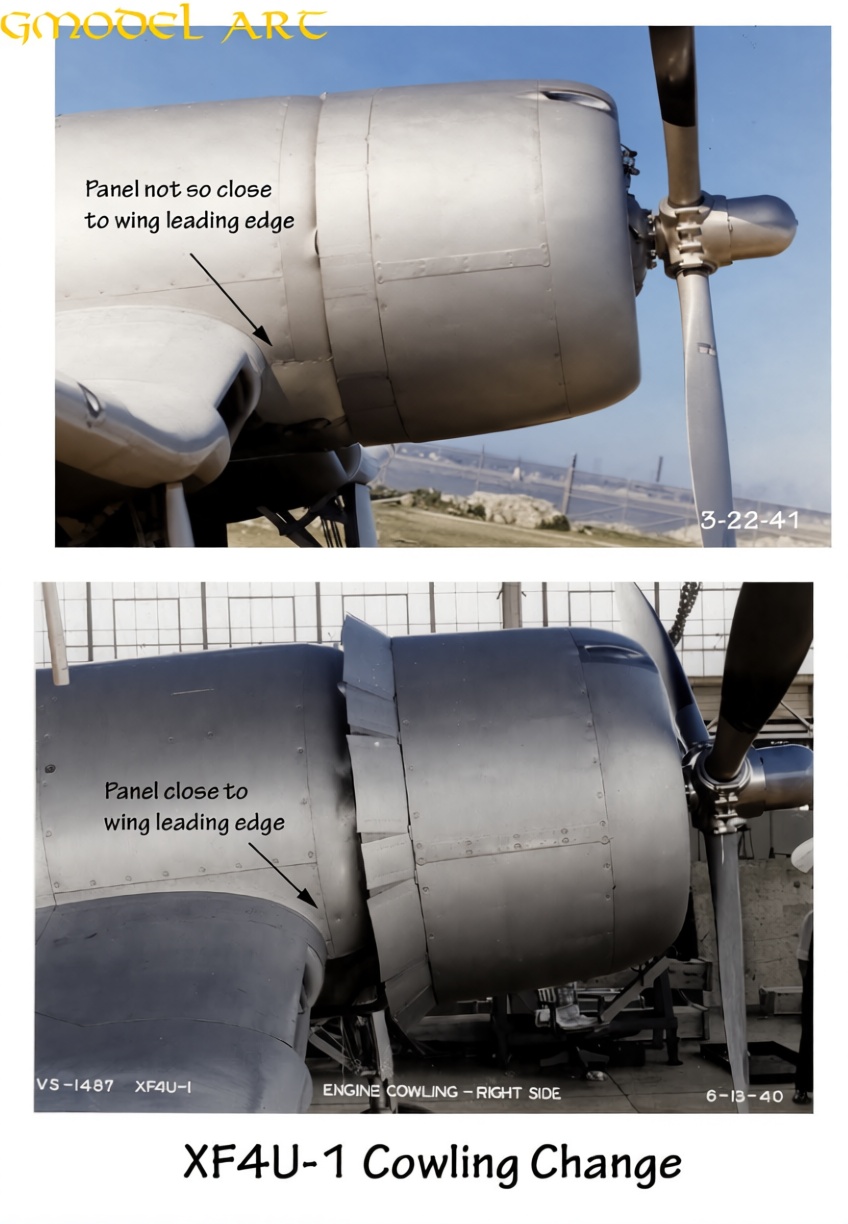
The engine section featured different contours.
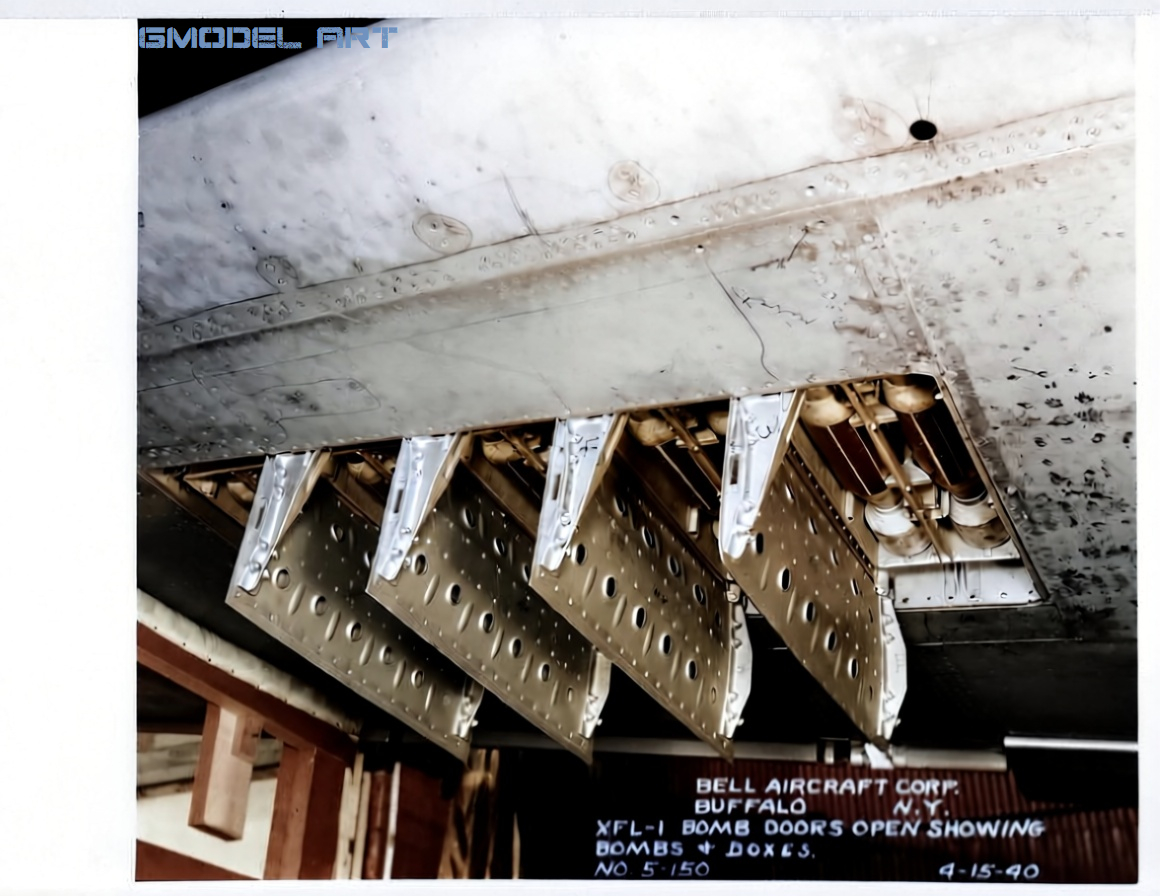
The armament arrangement remained limited and experimental.
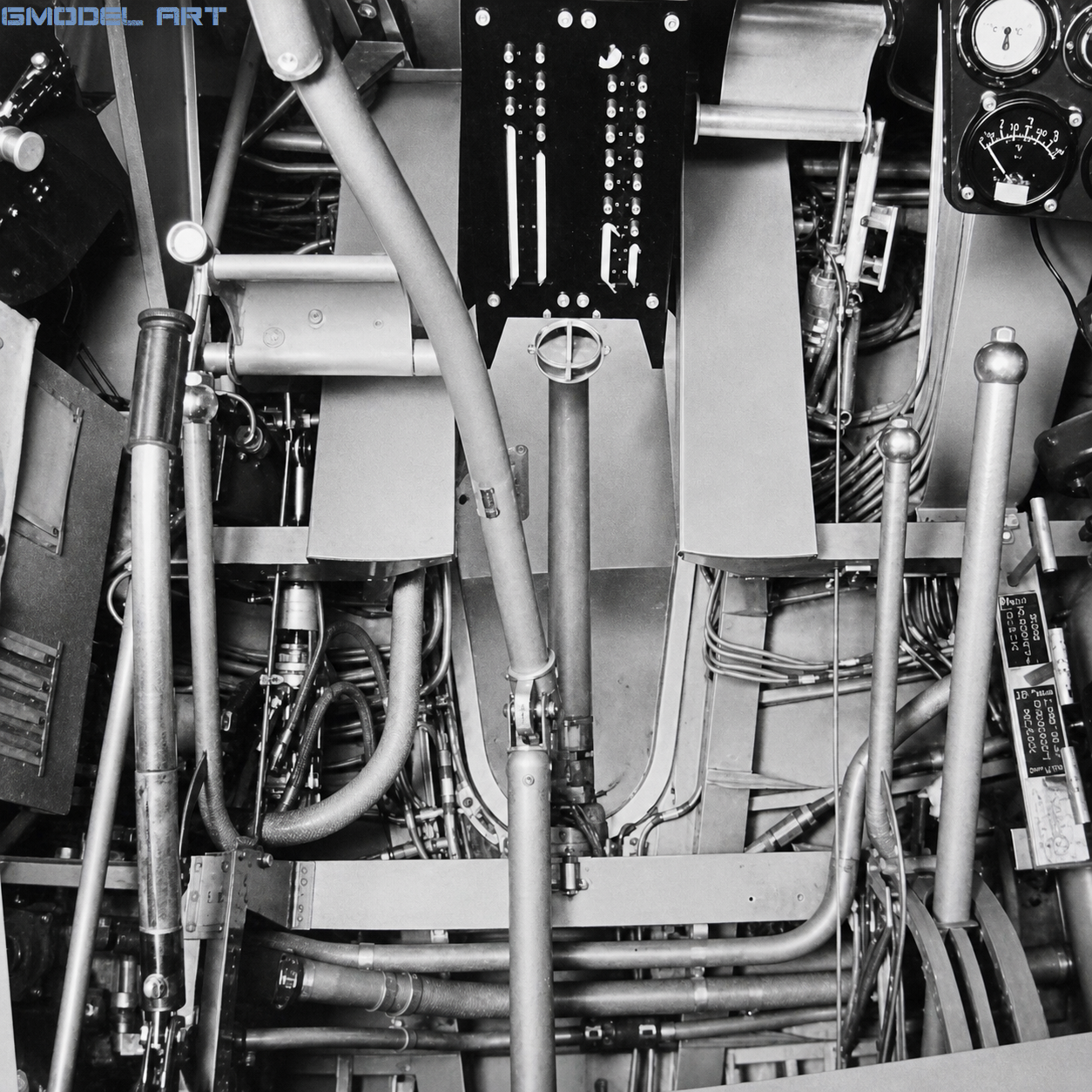
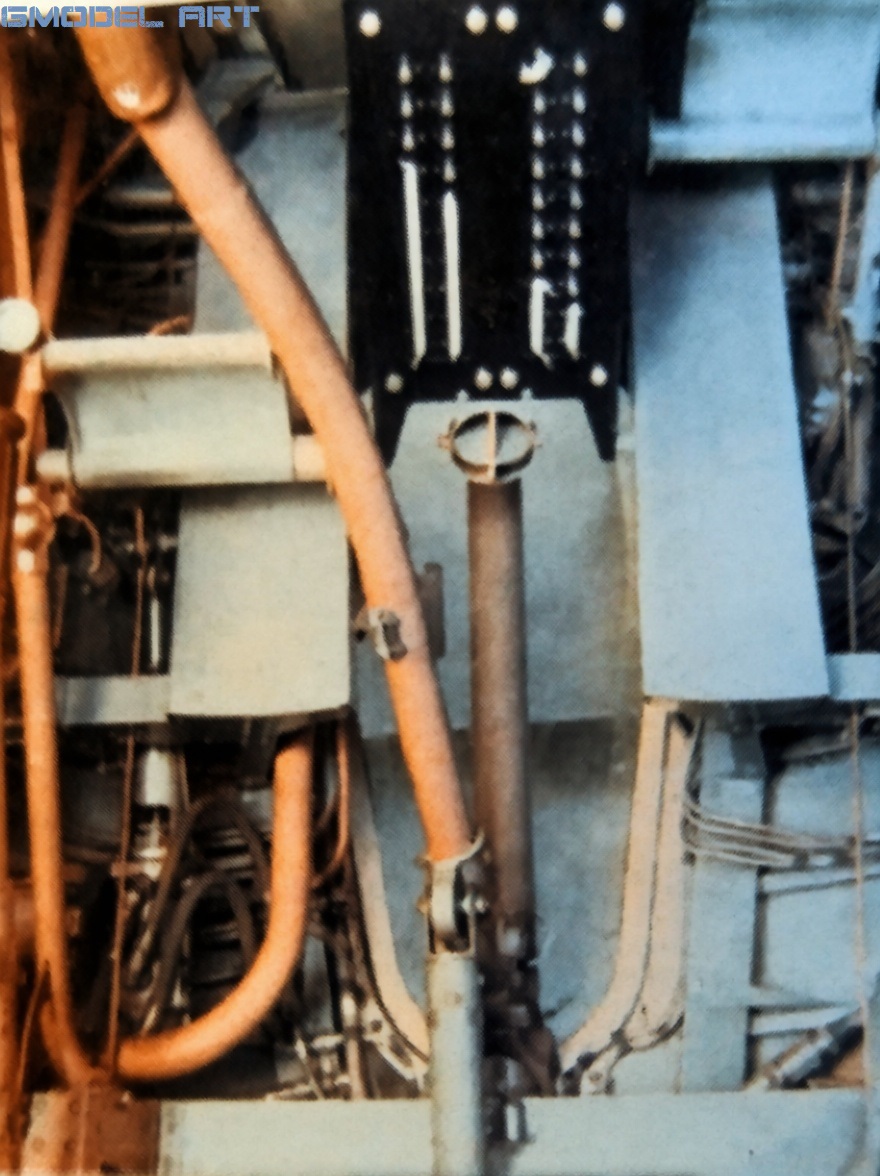
An observation window was installed beneath the fuselage.
Overall, the aircraft remained closer to an engineering test platform than a combat-ready fighter.
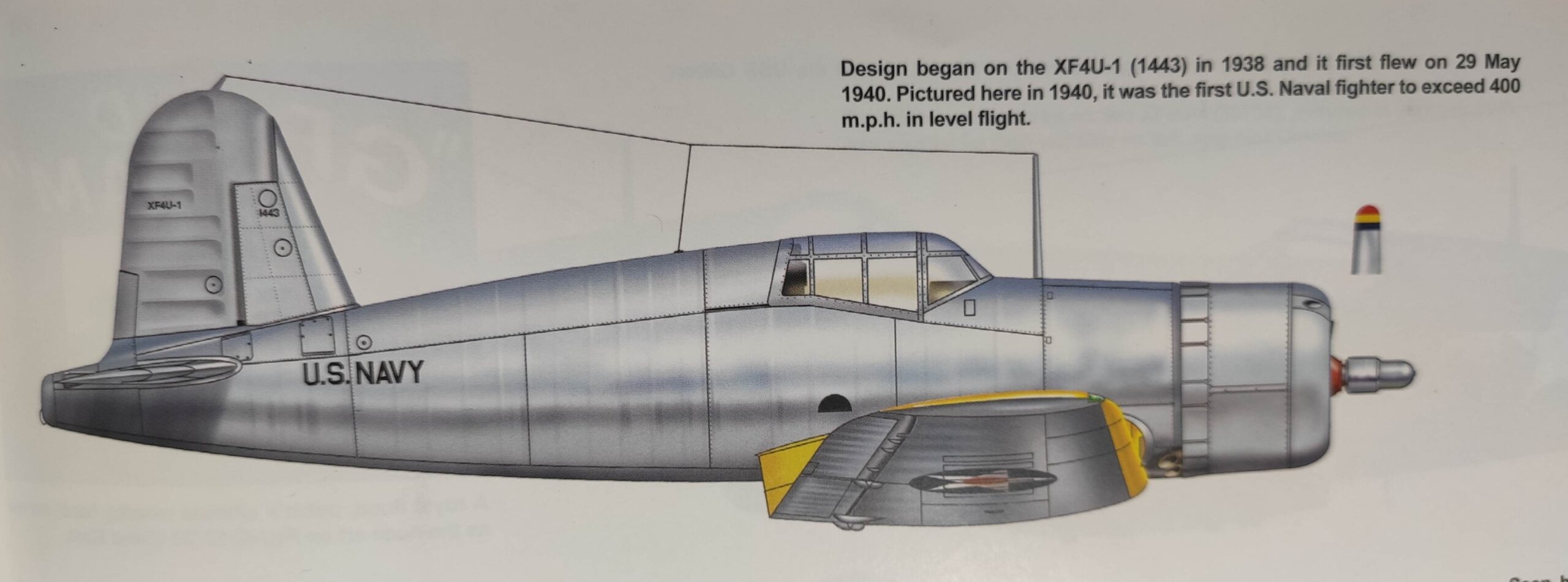
On 29 May 1940, the XF4U-1 made its first flight.
From the beginning, it was obvious that the aircraft possessed exceptional potential.
But serious problems appeared just as quickly.
Engine vibration exceeded expectations.
Operating temperatures proved inconsistent.
Control response in certain flight conditions required refinement.
At high speeds, aerodynamic behavior demanded continuous engineering adjustments.
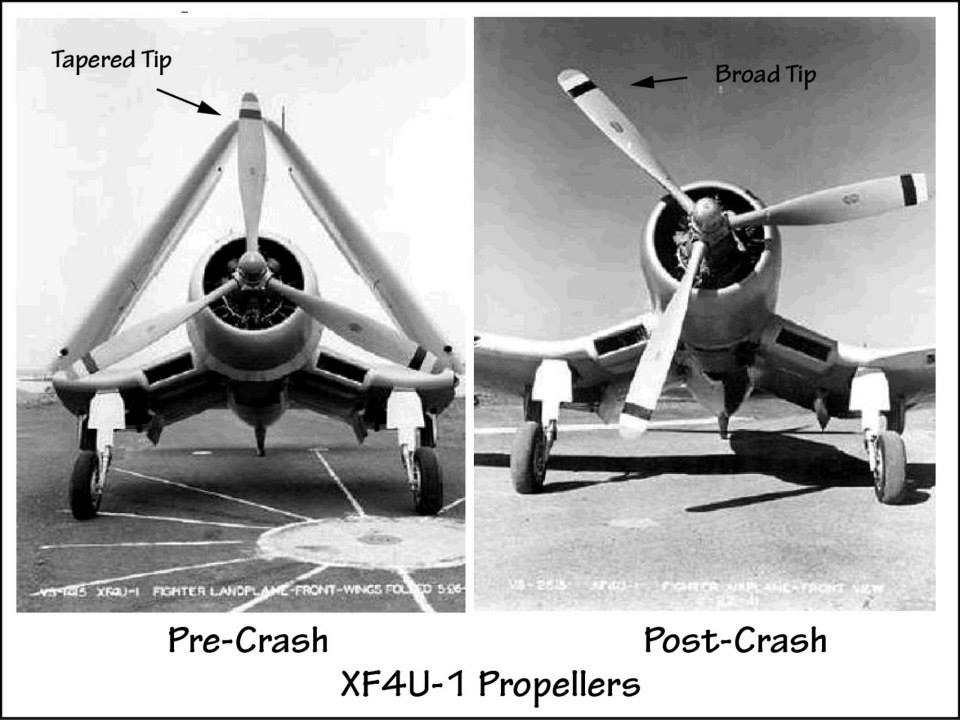
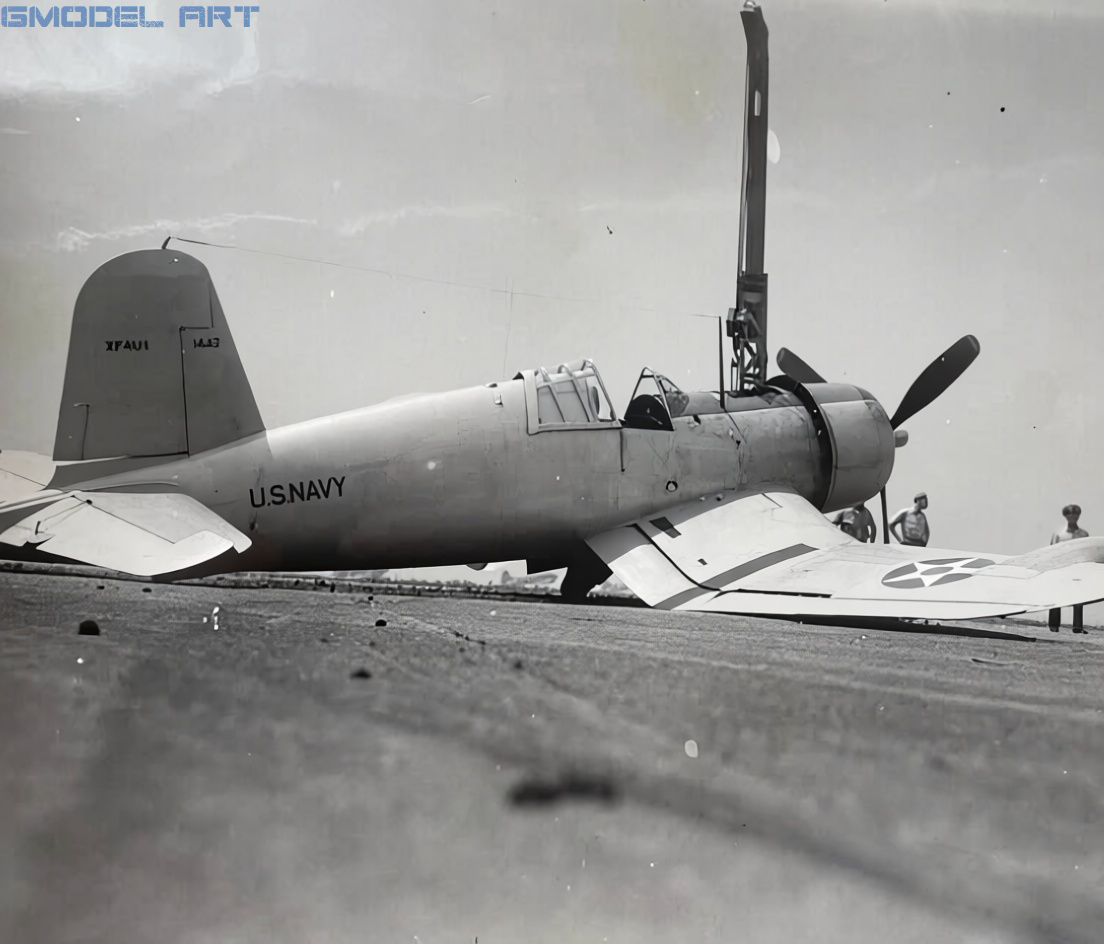
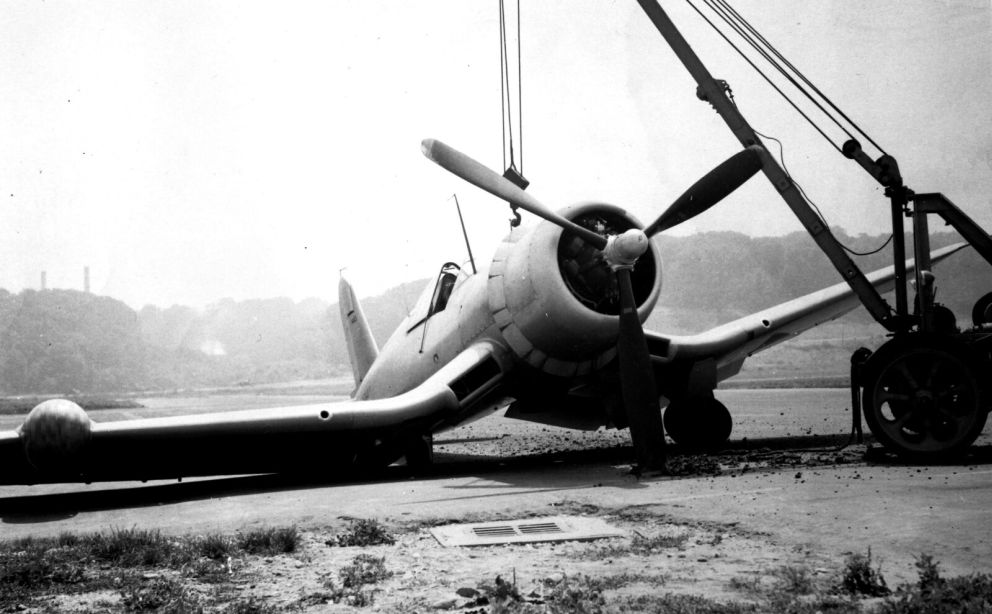
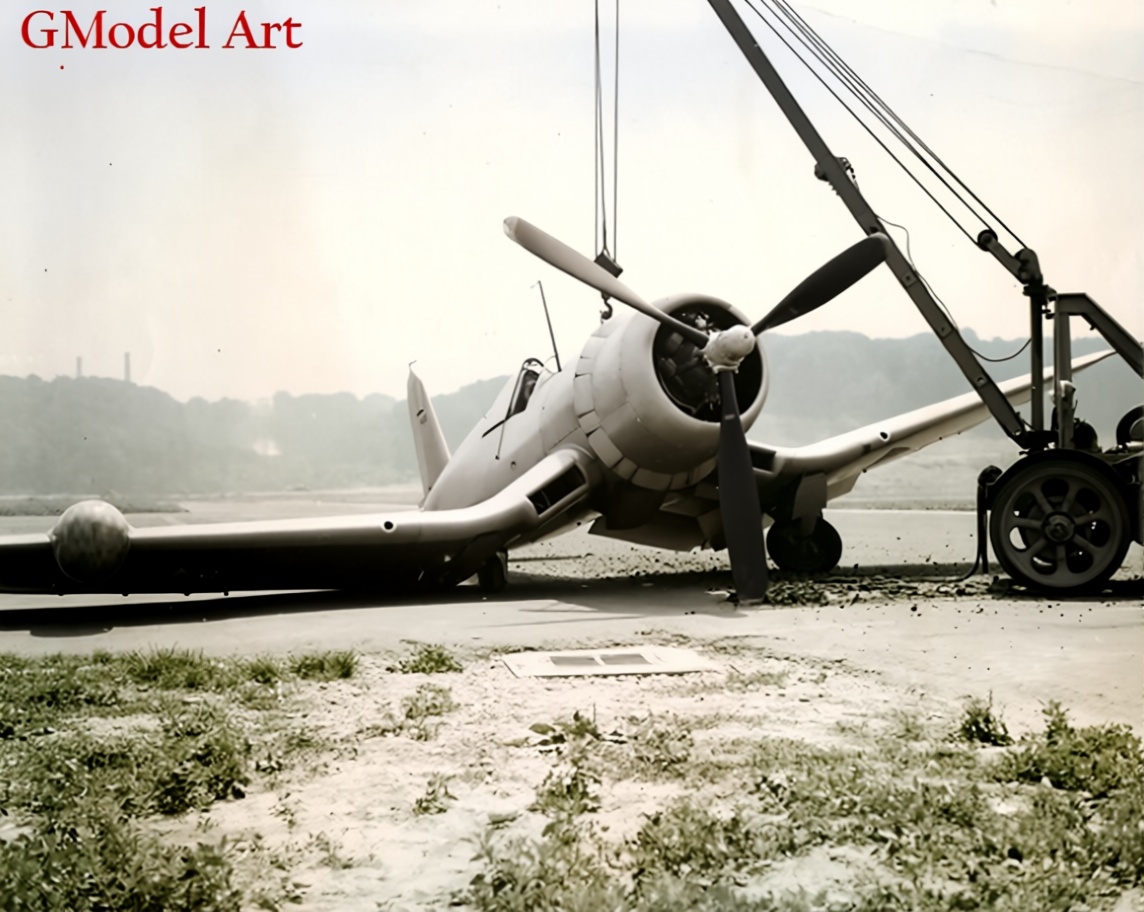
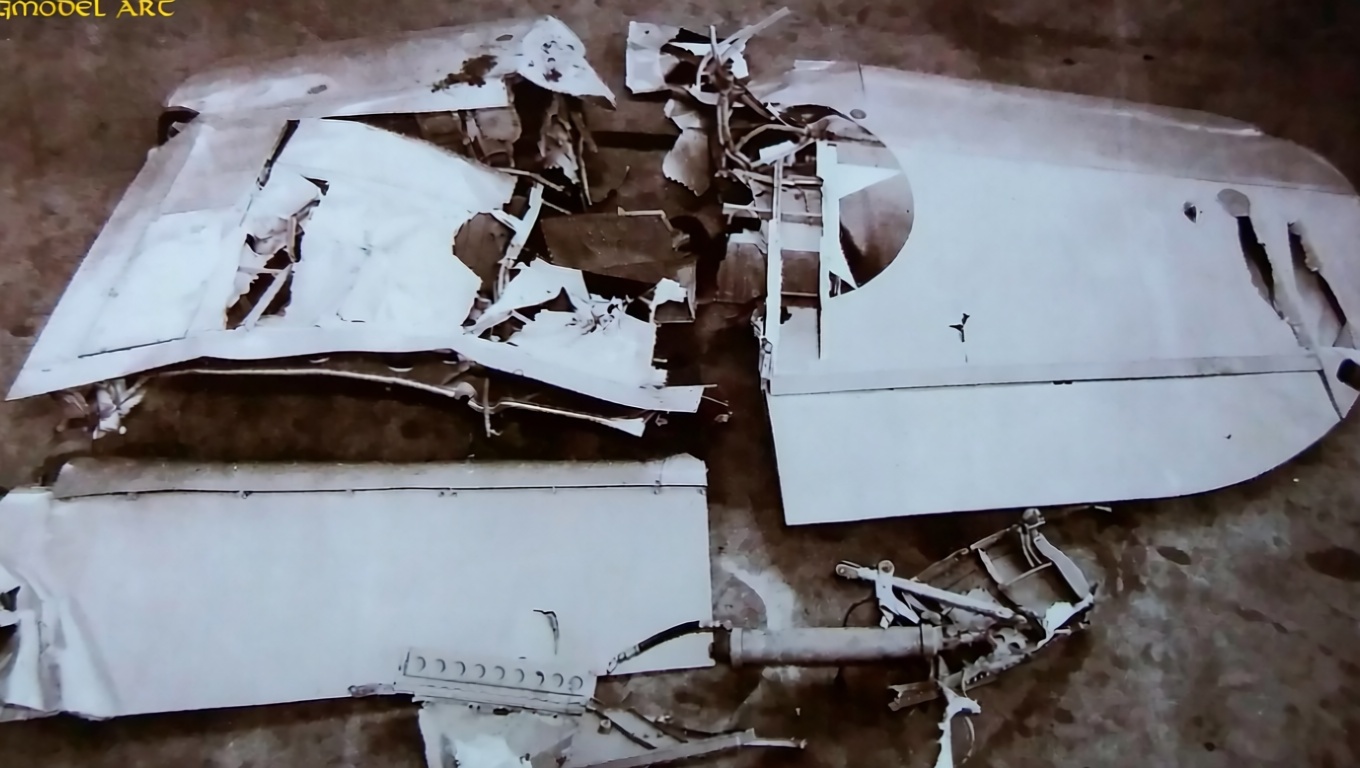
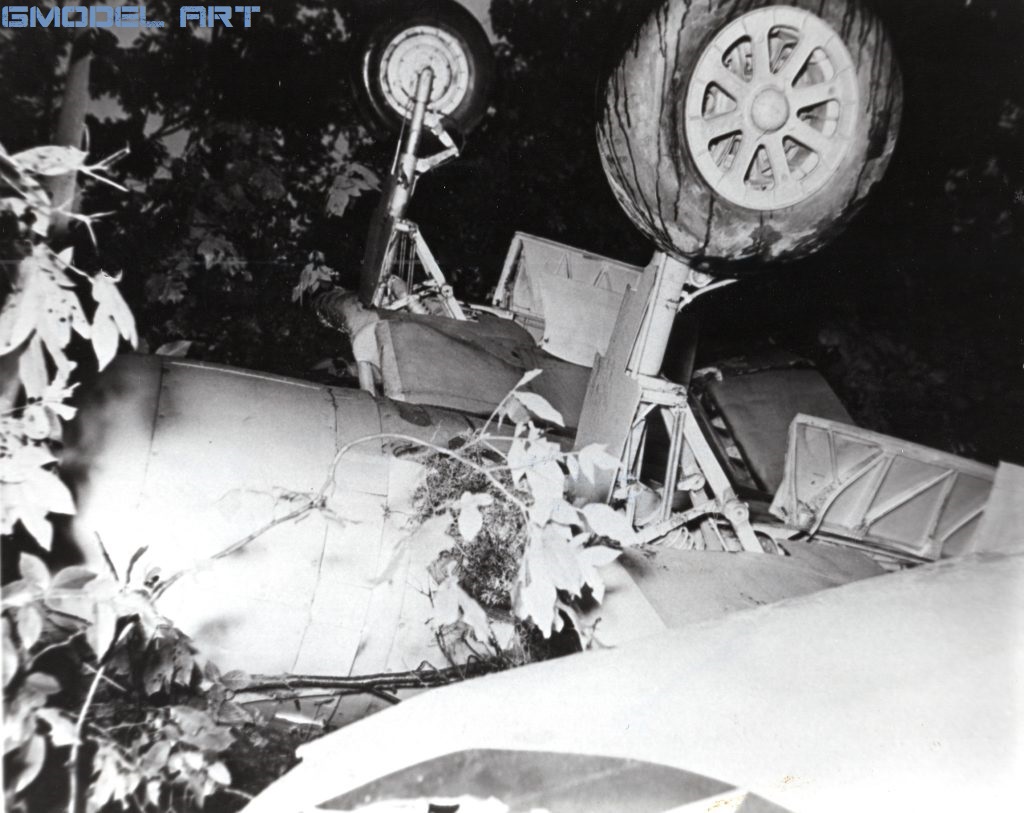
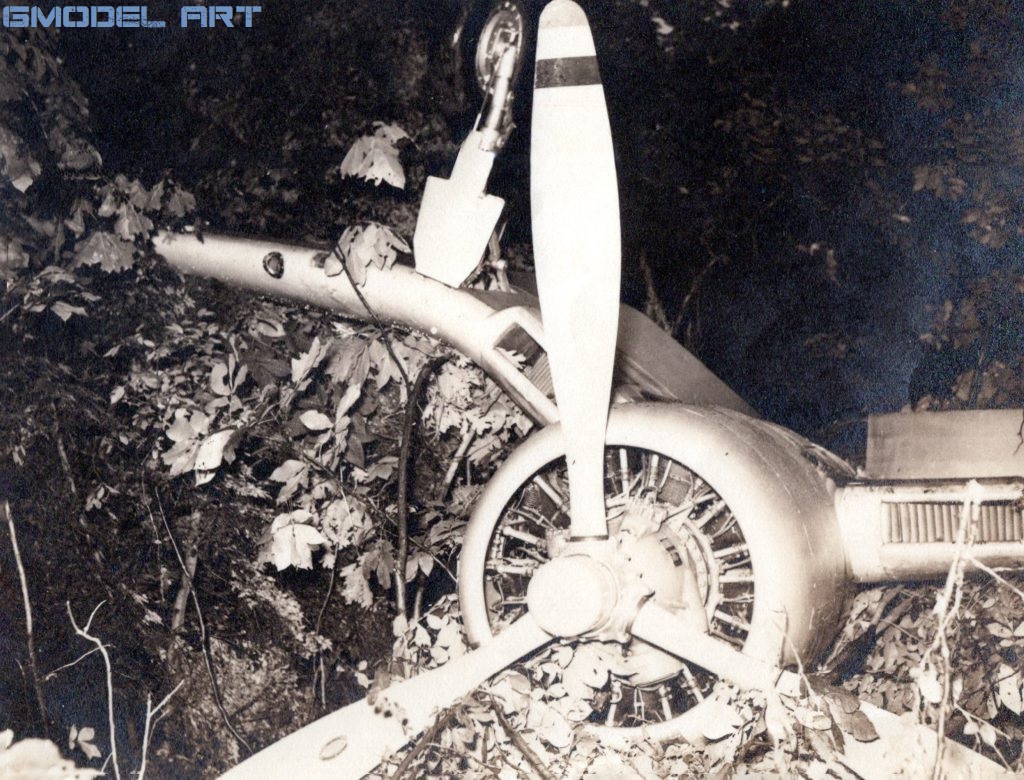
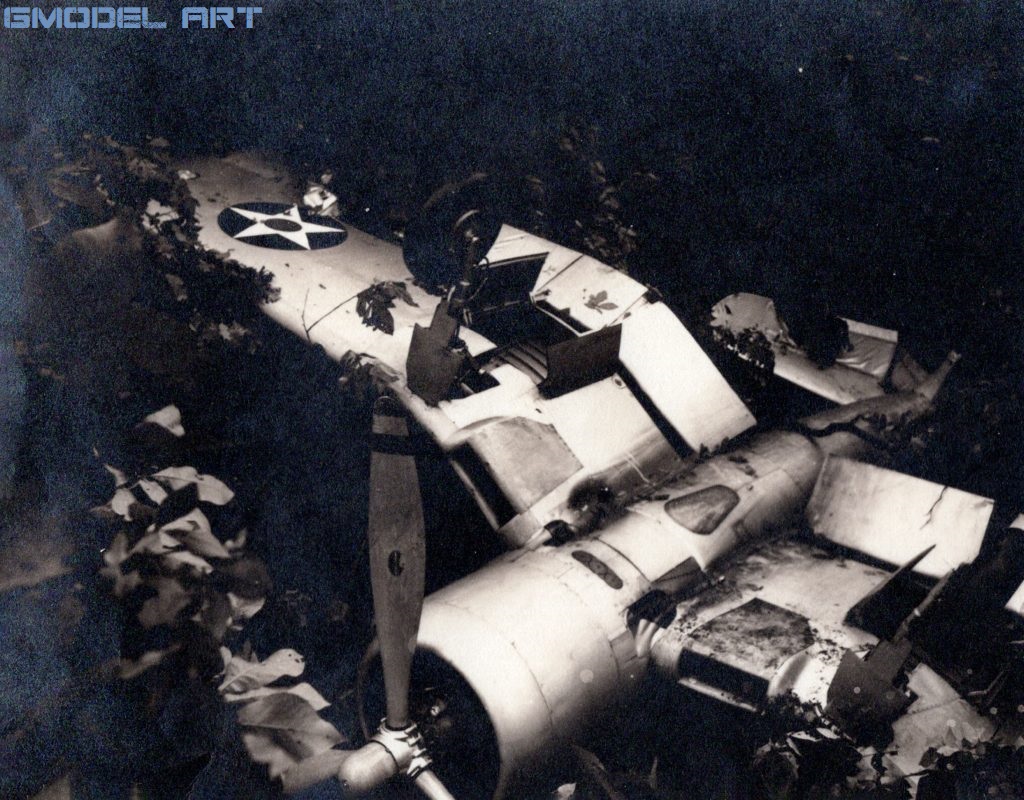
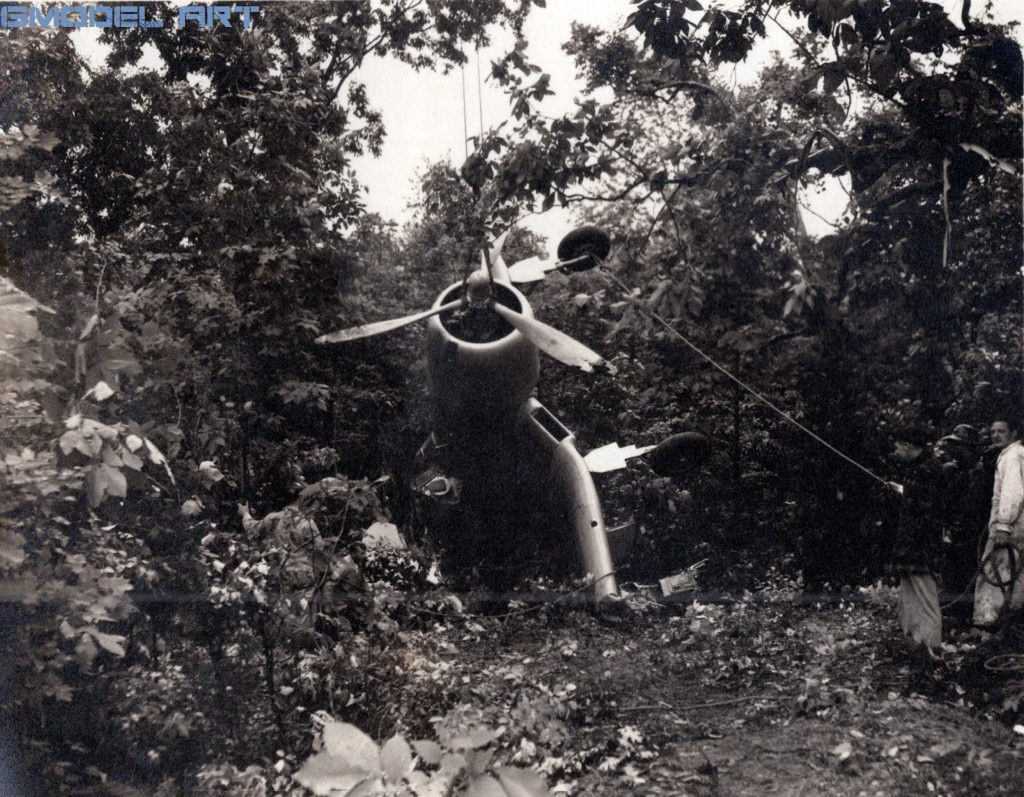
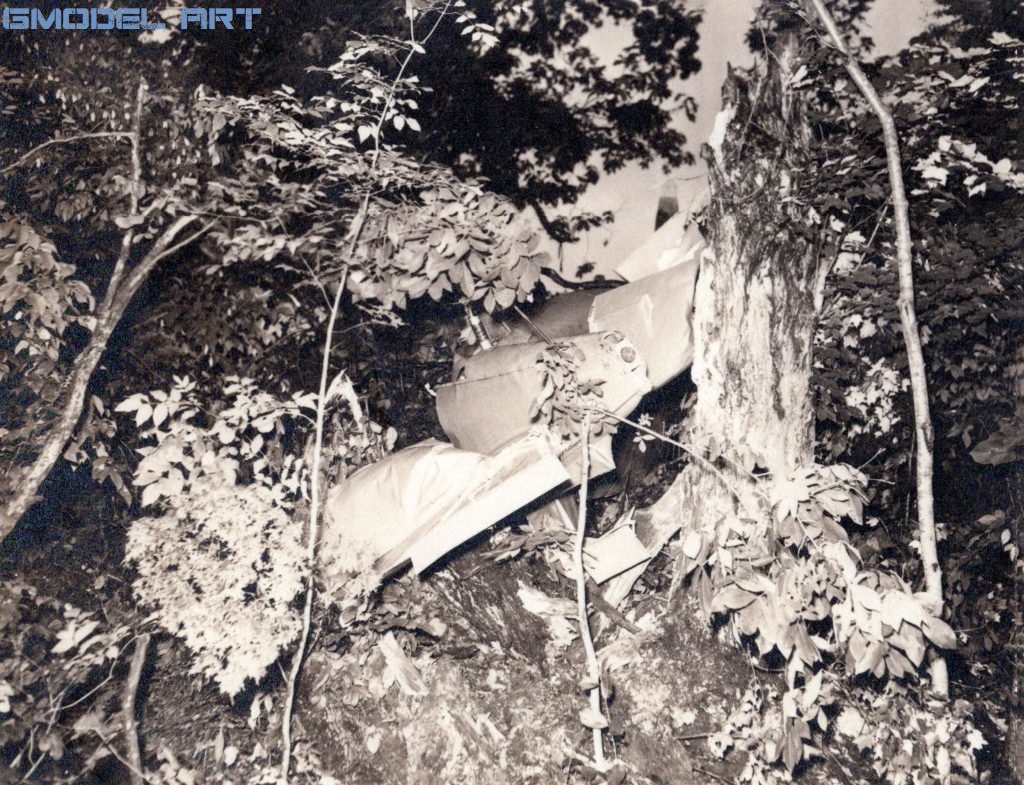
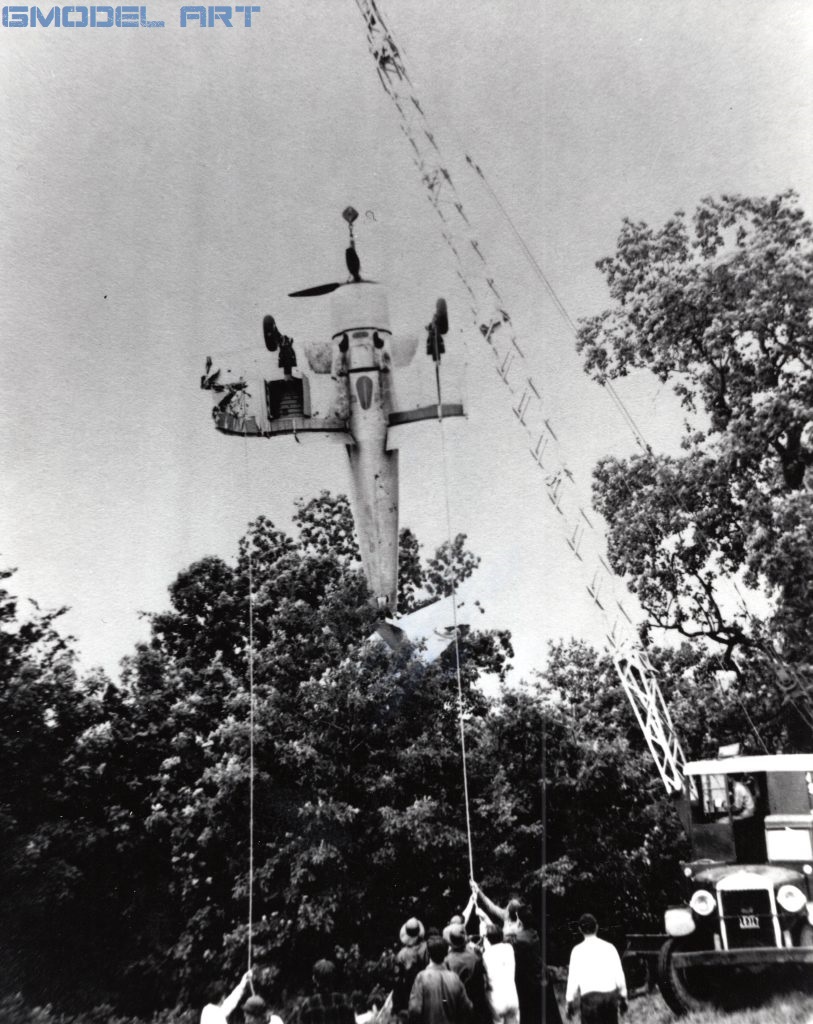
During the test program, the aircraft also suffered a major accident.
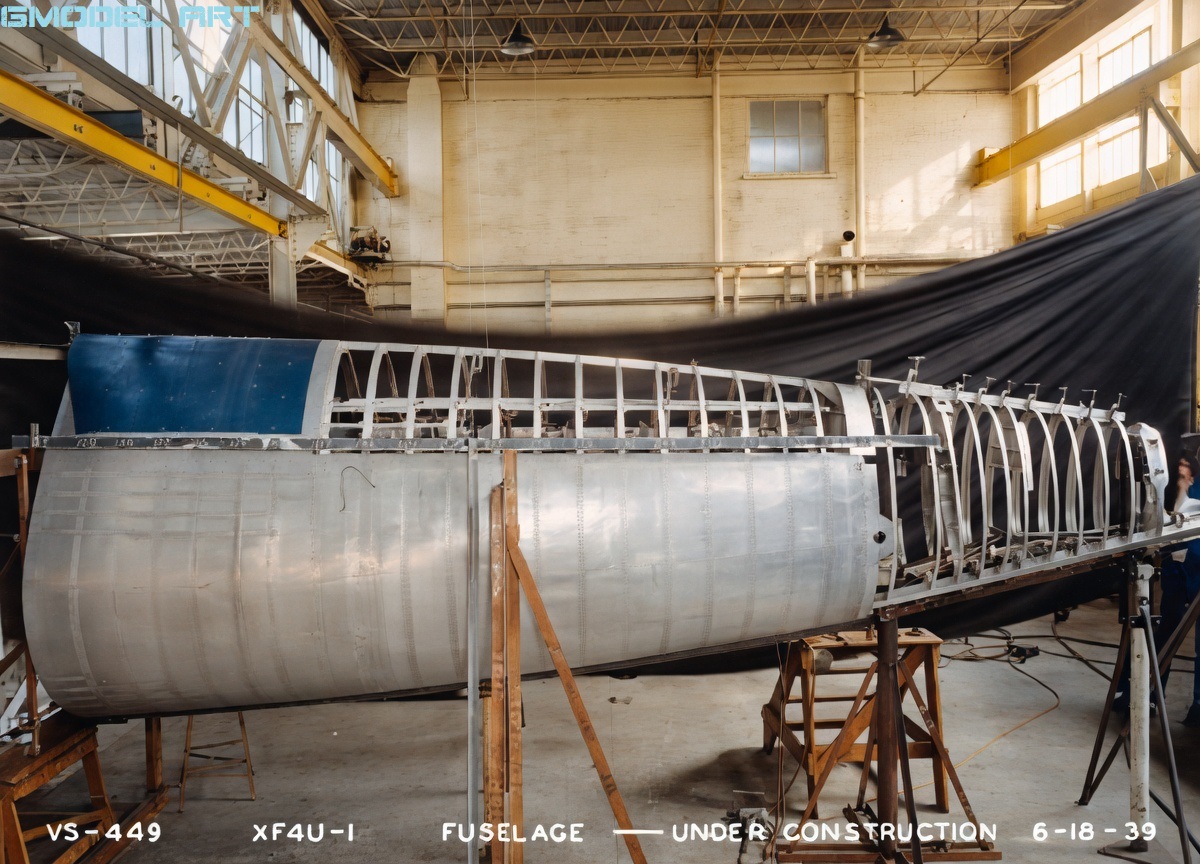
The prototype sustained extensive damage and underwent significant reconstruction.
This moment is often overlooked in Corsair history.
Yet it was precisely there that the aircraft truly began to evolve.
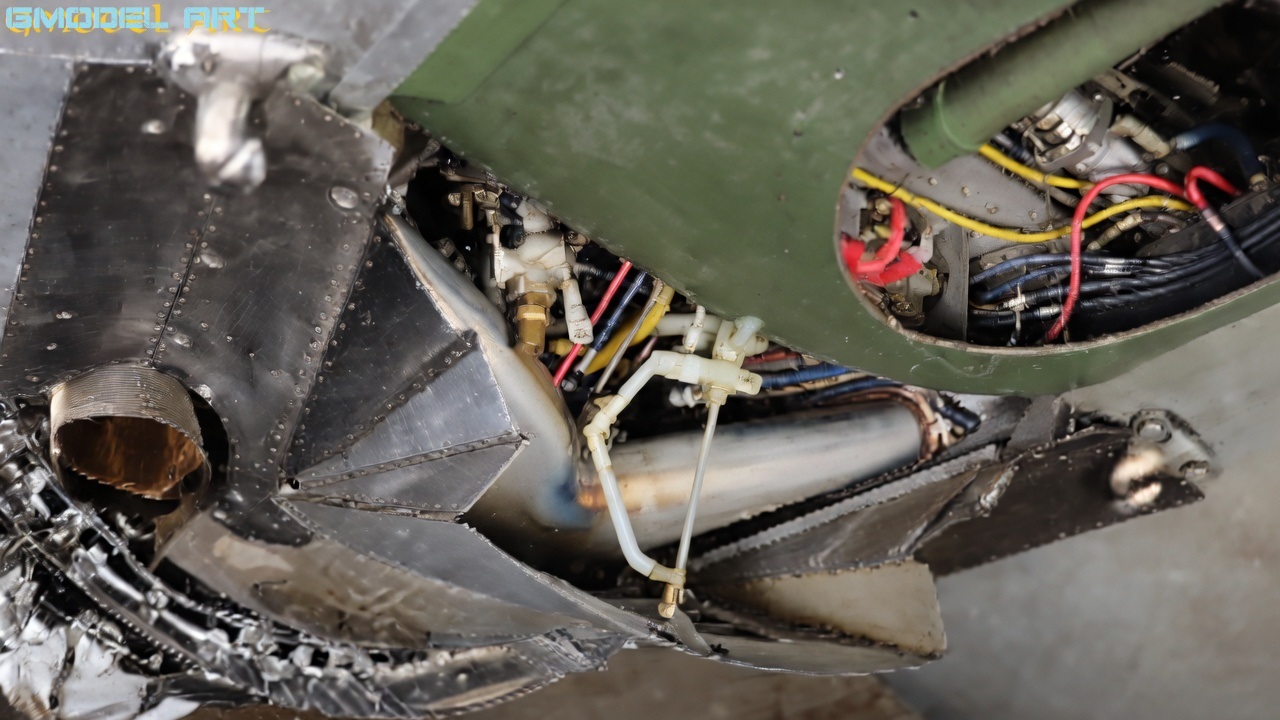
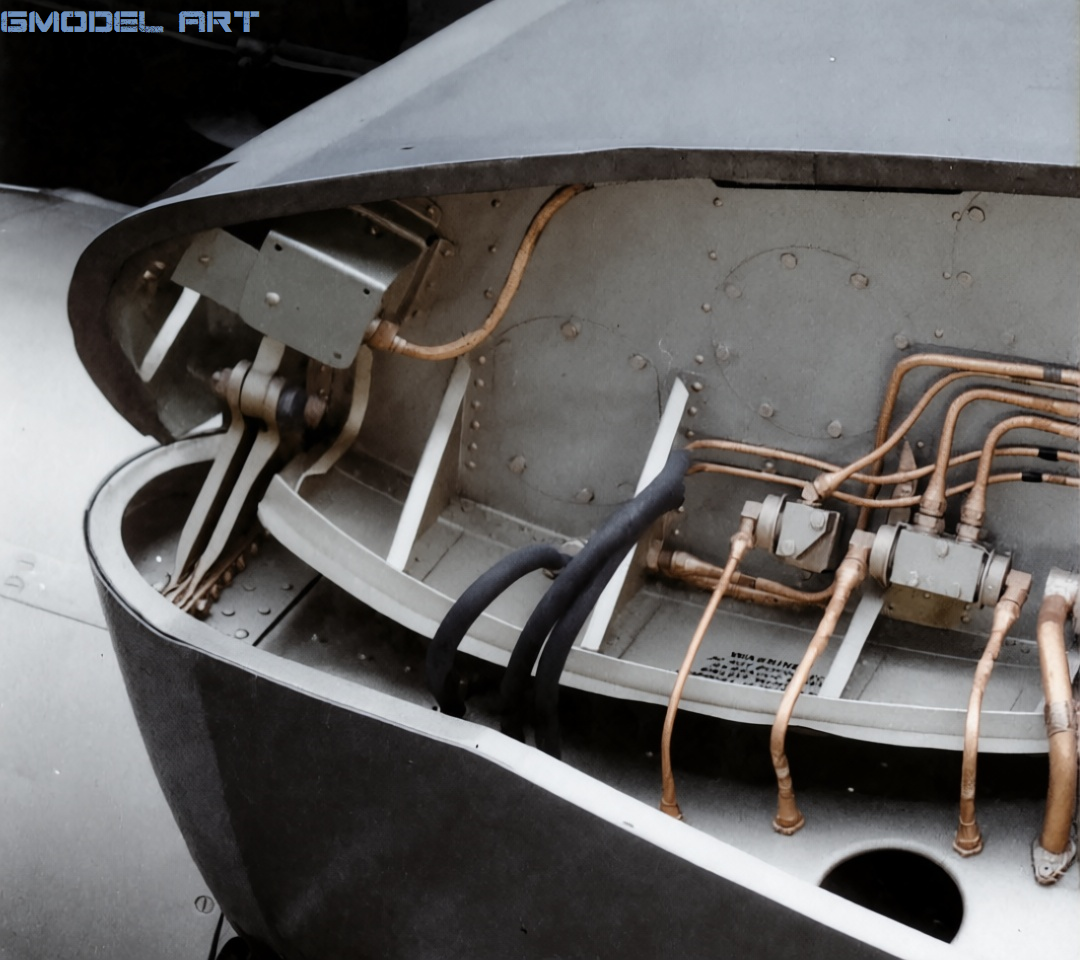
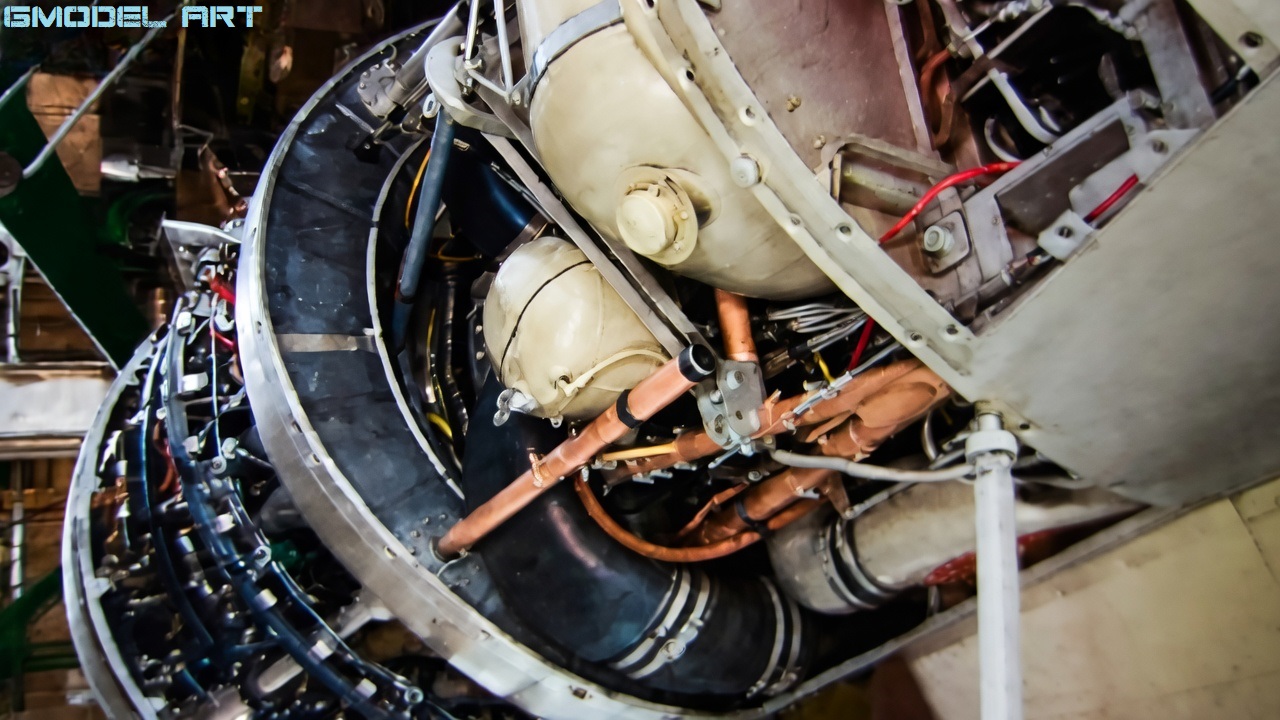
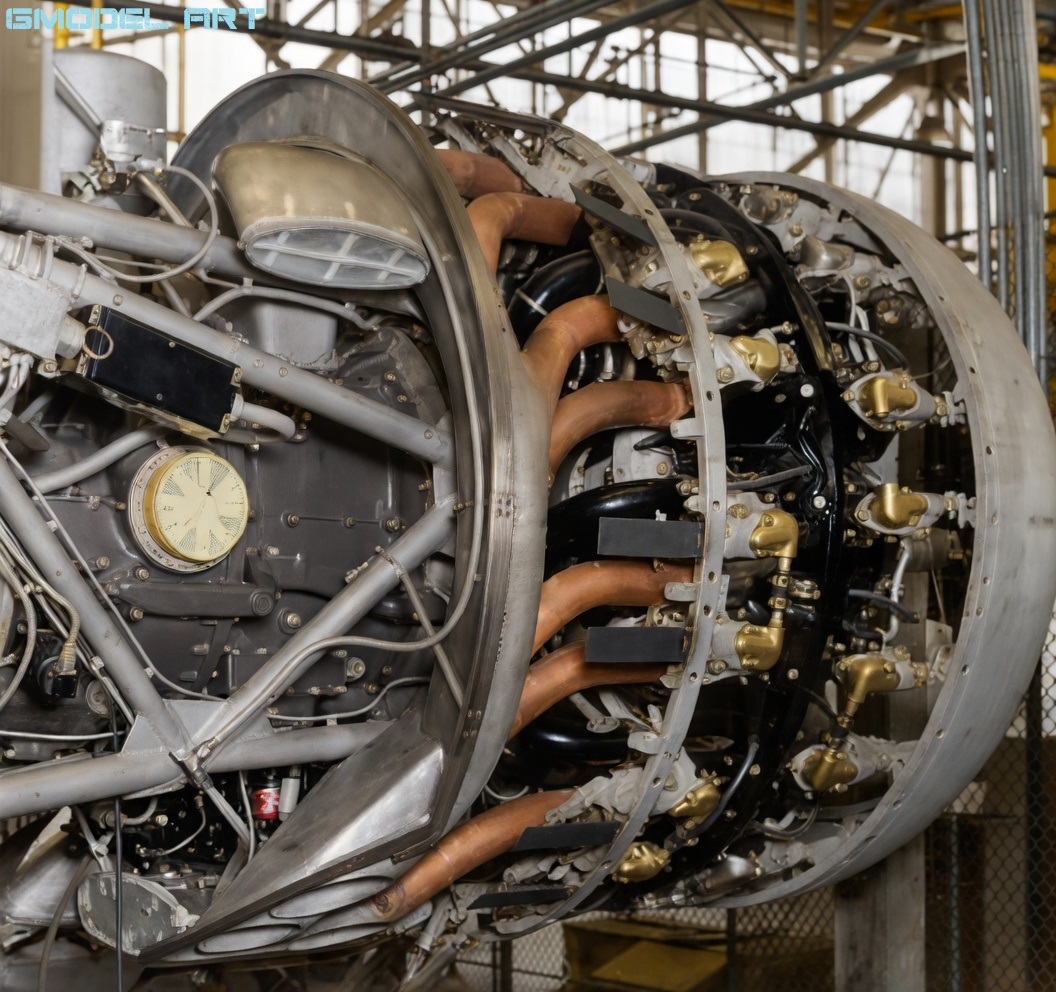
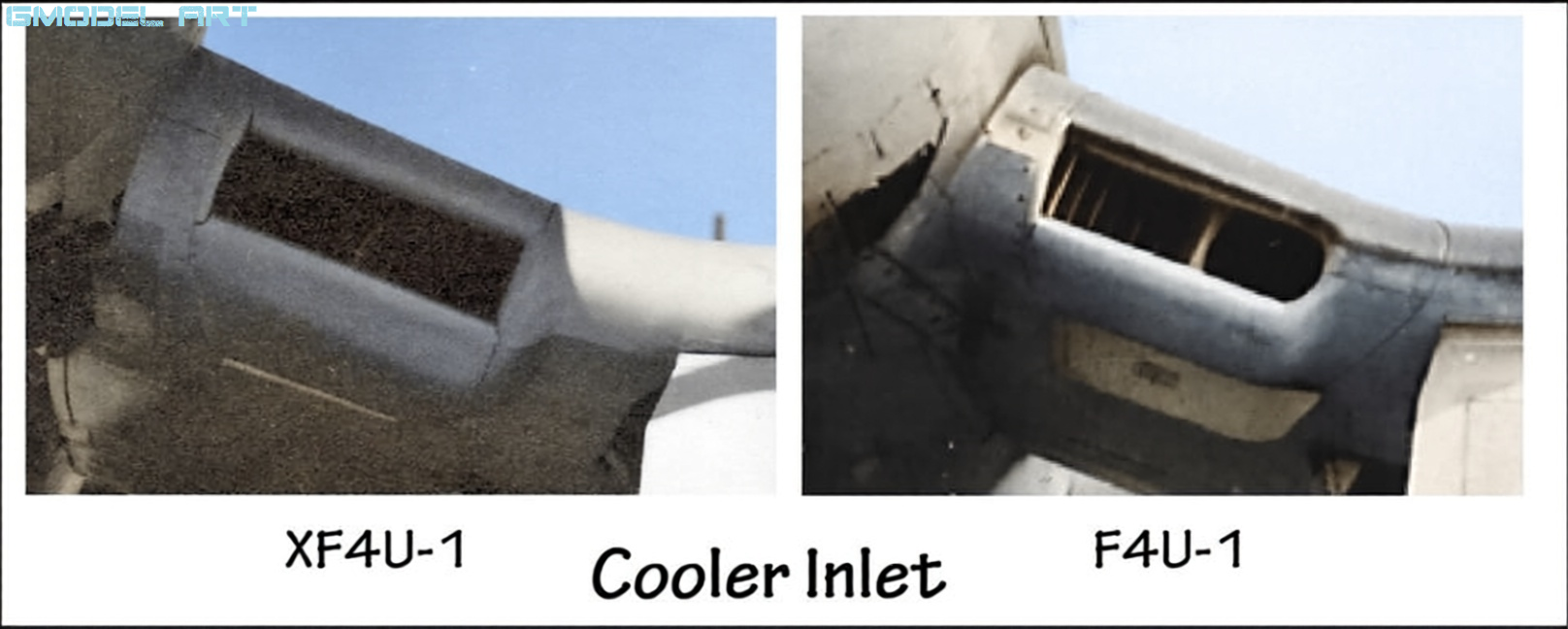
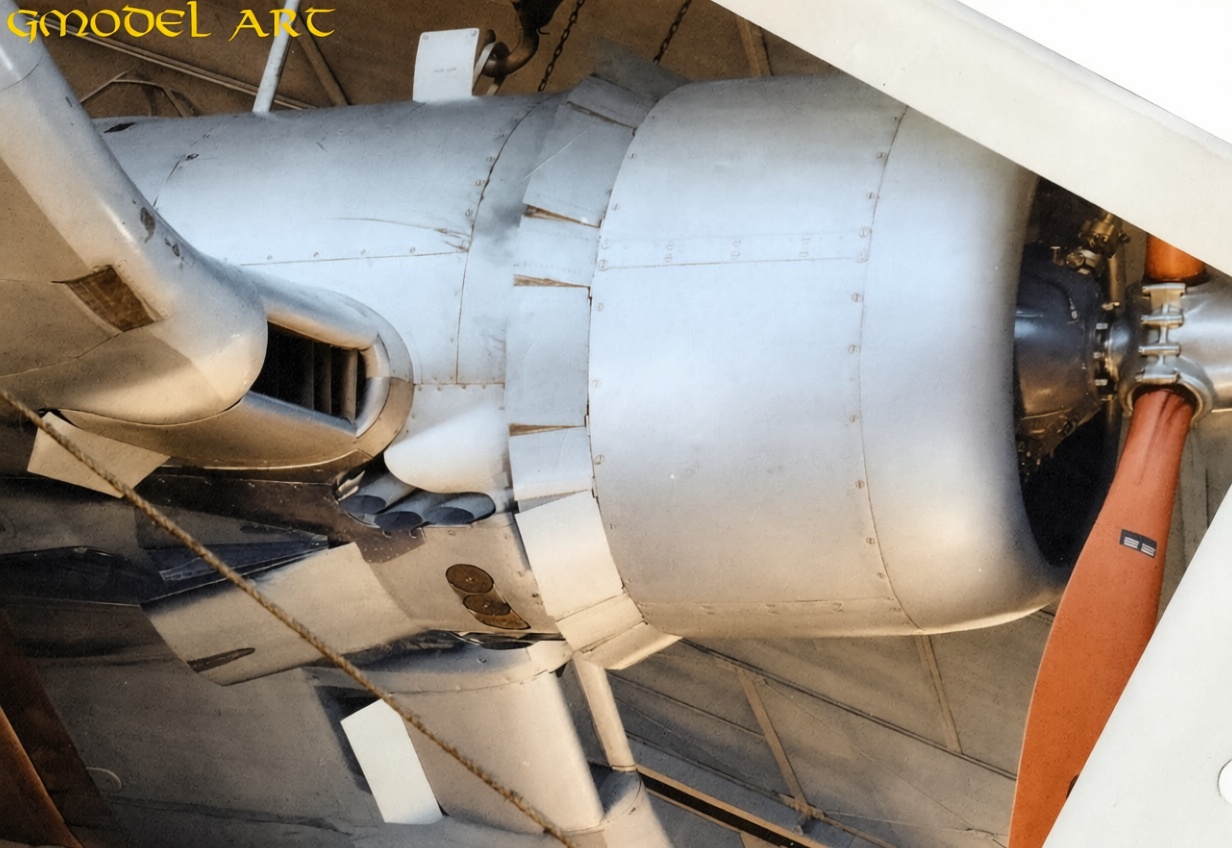
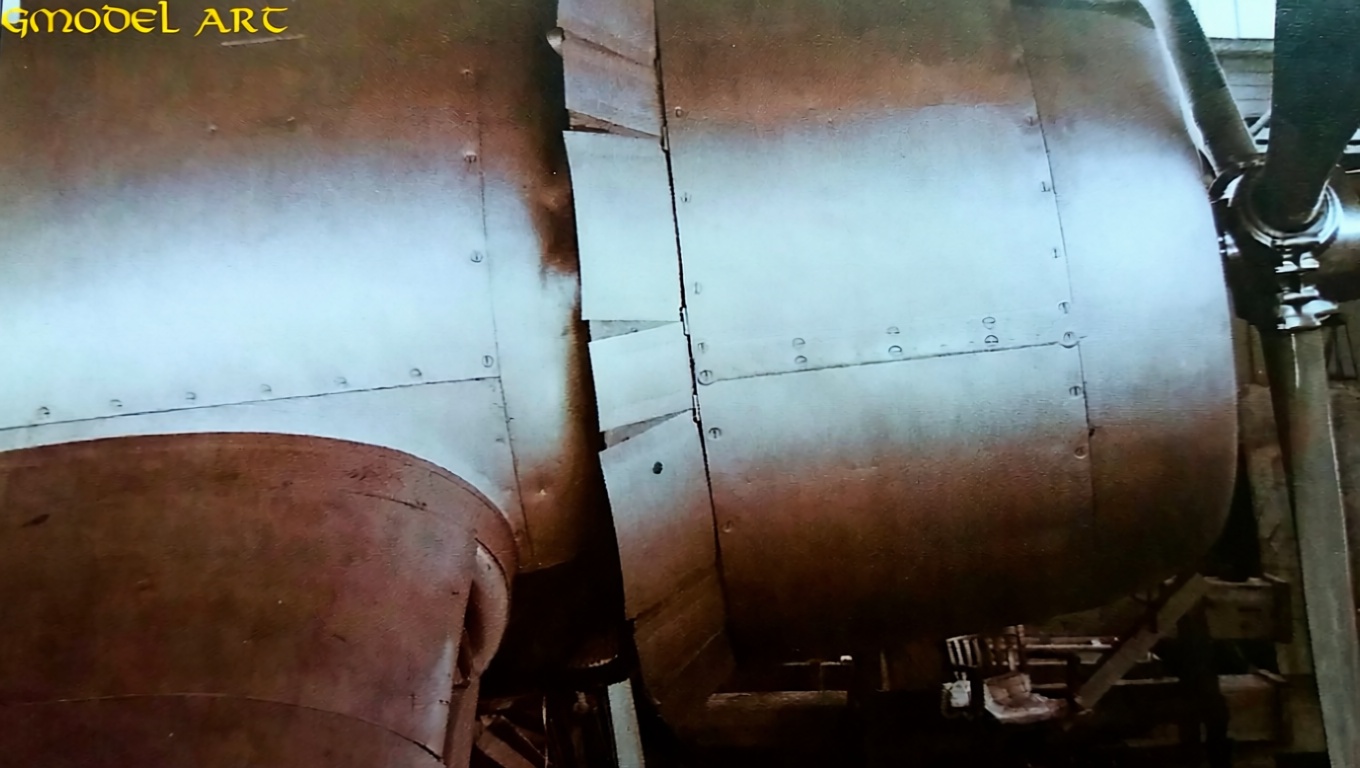
Following reconstruction, engineers introduced modifications around the engine installation, cooling system, exhaust flow, and the interaction between engine and propeller.
Testing revealed that the original configuration was not extracting the full potential of the XR-2800.
Further changes improved airflow management, cooling efficiency, and reliability under sustained high-power operation.
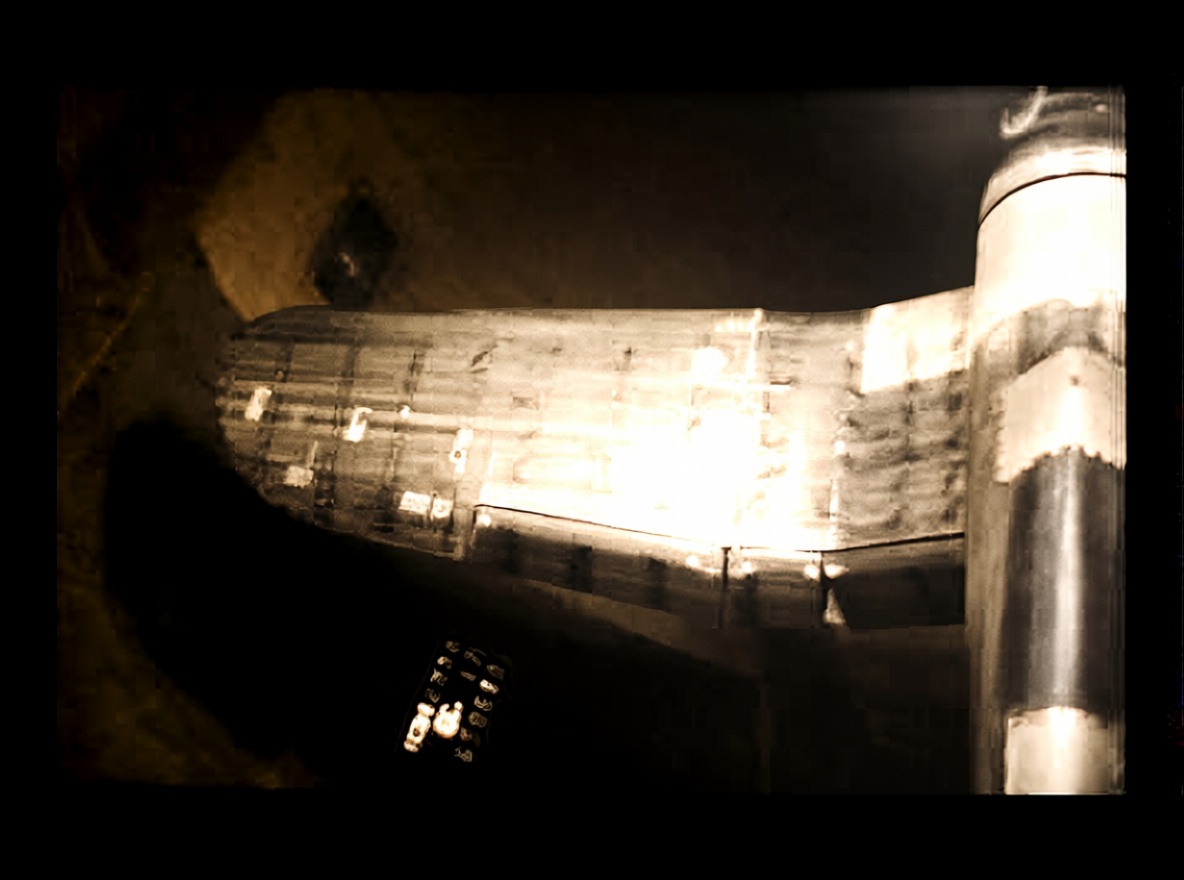
These tests may not appear dramatic in photographs.
But they became some of the most important engineering evaluations ever conducted during the development of a fighter aircraft.
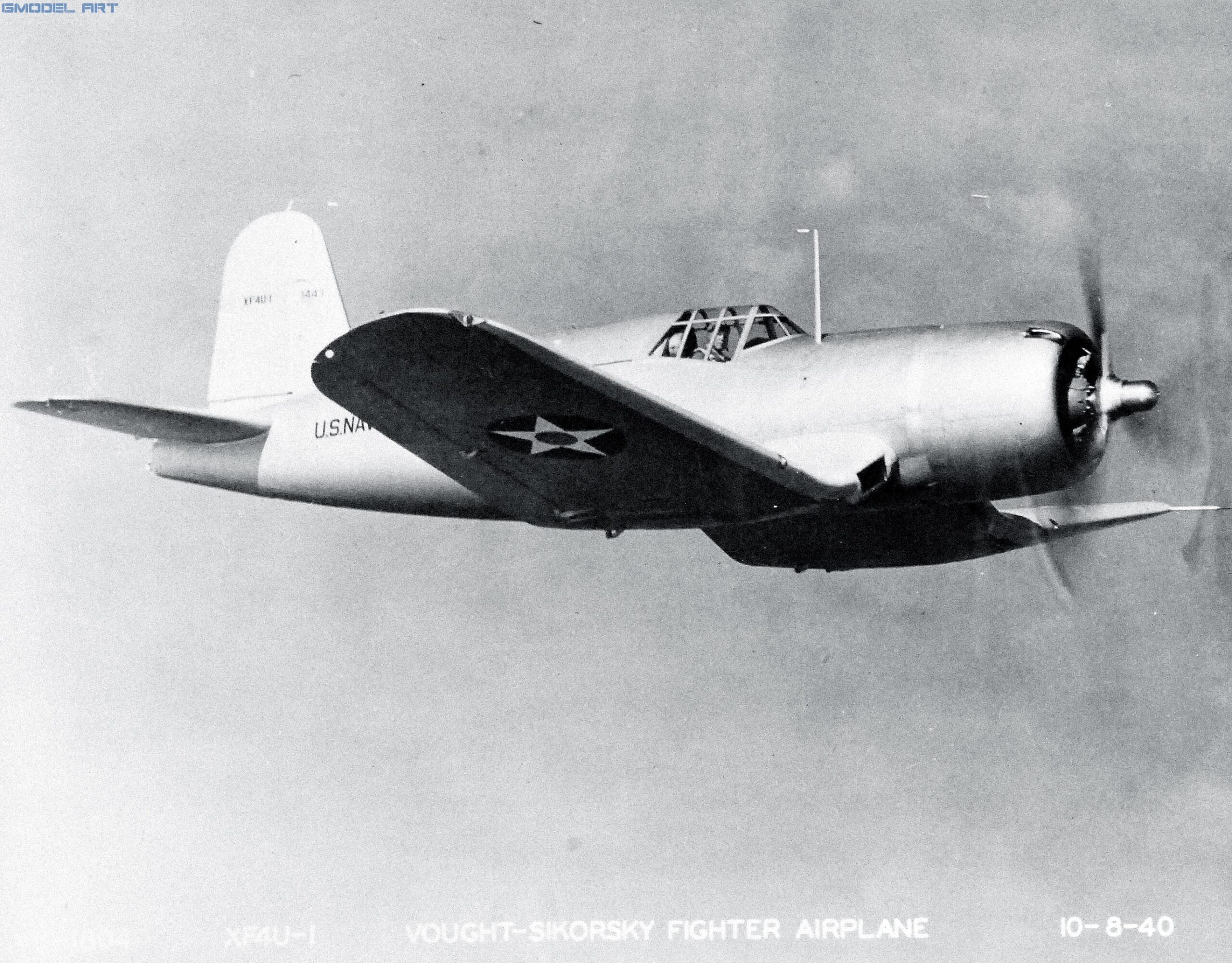
The breakthrough arrived on 1 October 1940.
The XF4U-1 reached approximately 405 mph (652 km/h).
With that achievement, it became the first American single-engine fighter to exceed 400 mph in level flight.
The entire program changed overnight.
The Navy realized it was no longer evaluating simply another naval fighter.
It was witnessing the arrival of a new generation of combat aircraft.
At the same time, carrier suitability trials began to reveal another set of challenges.
The long nose restricted forward visibility during final approach.
Landing behavior required additional refinement.
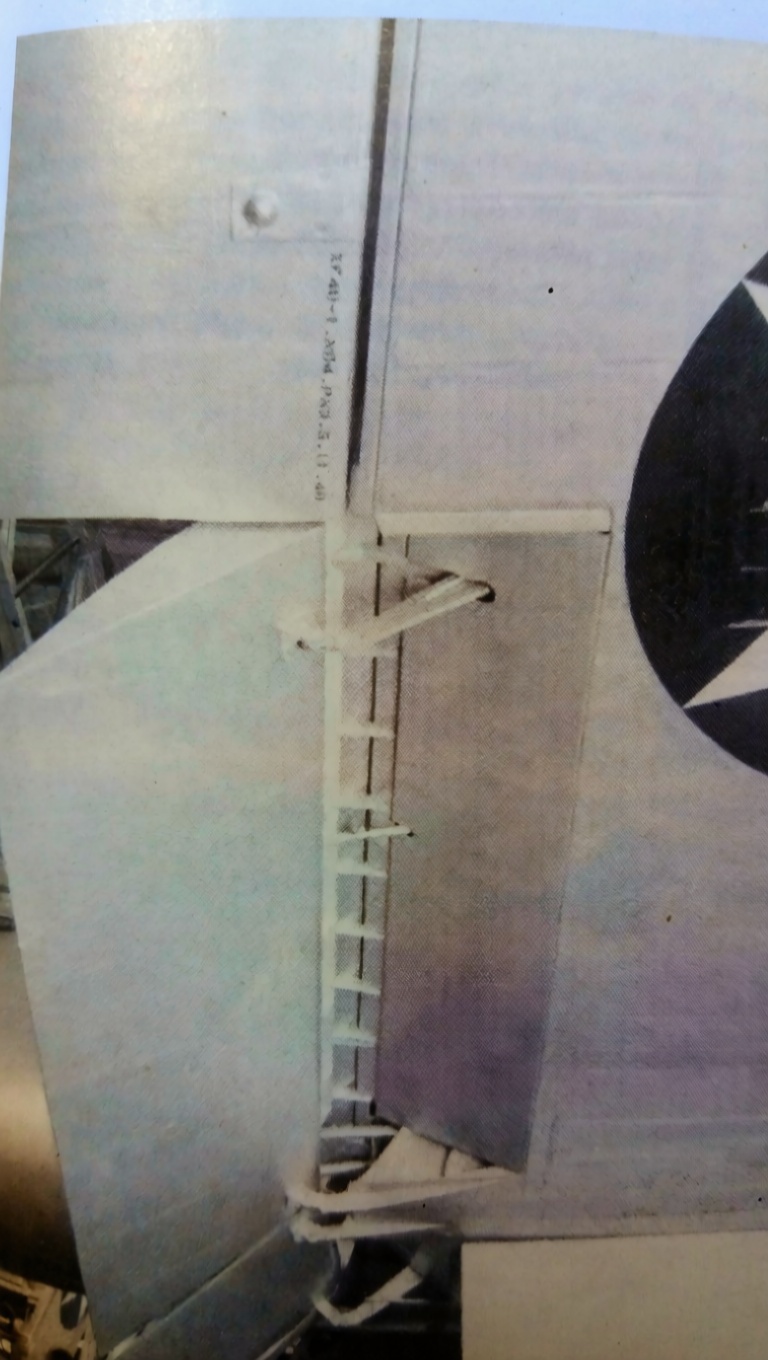
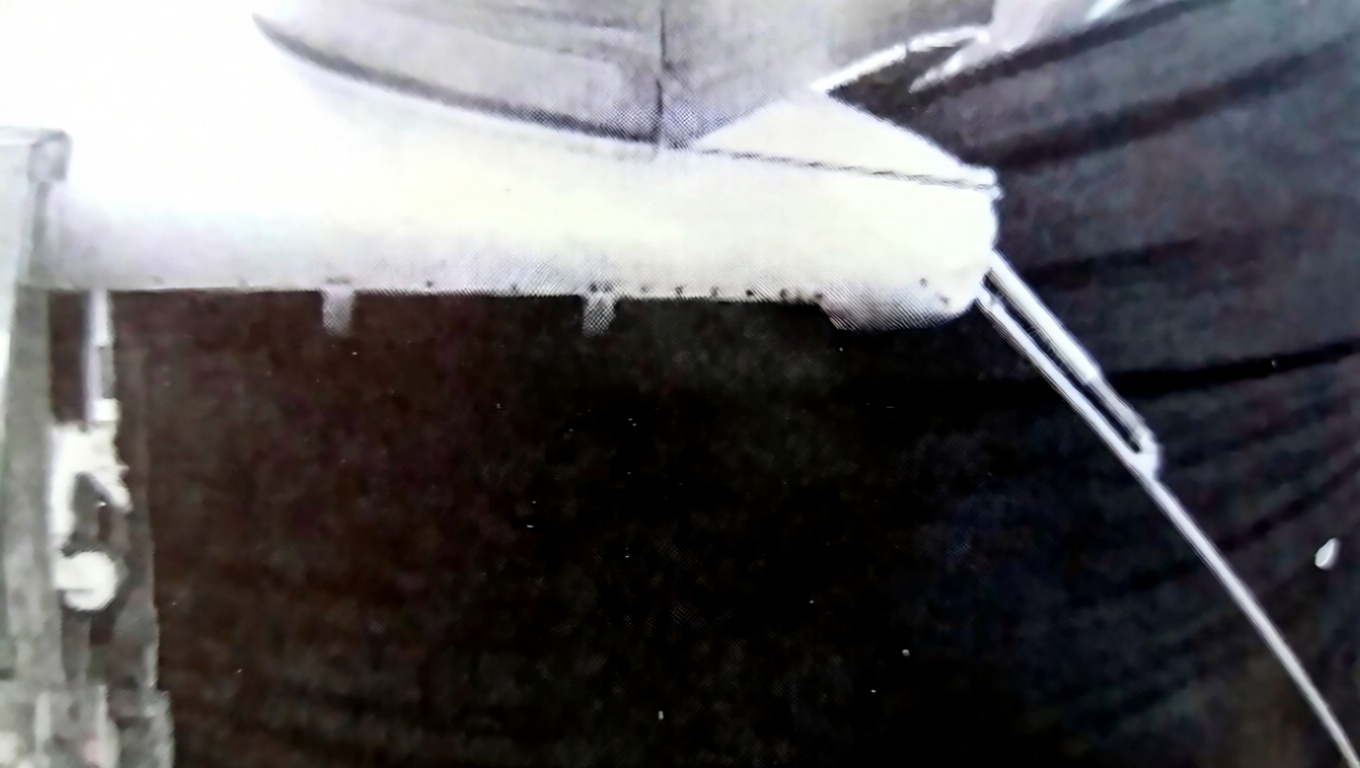
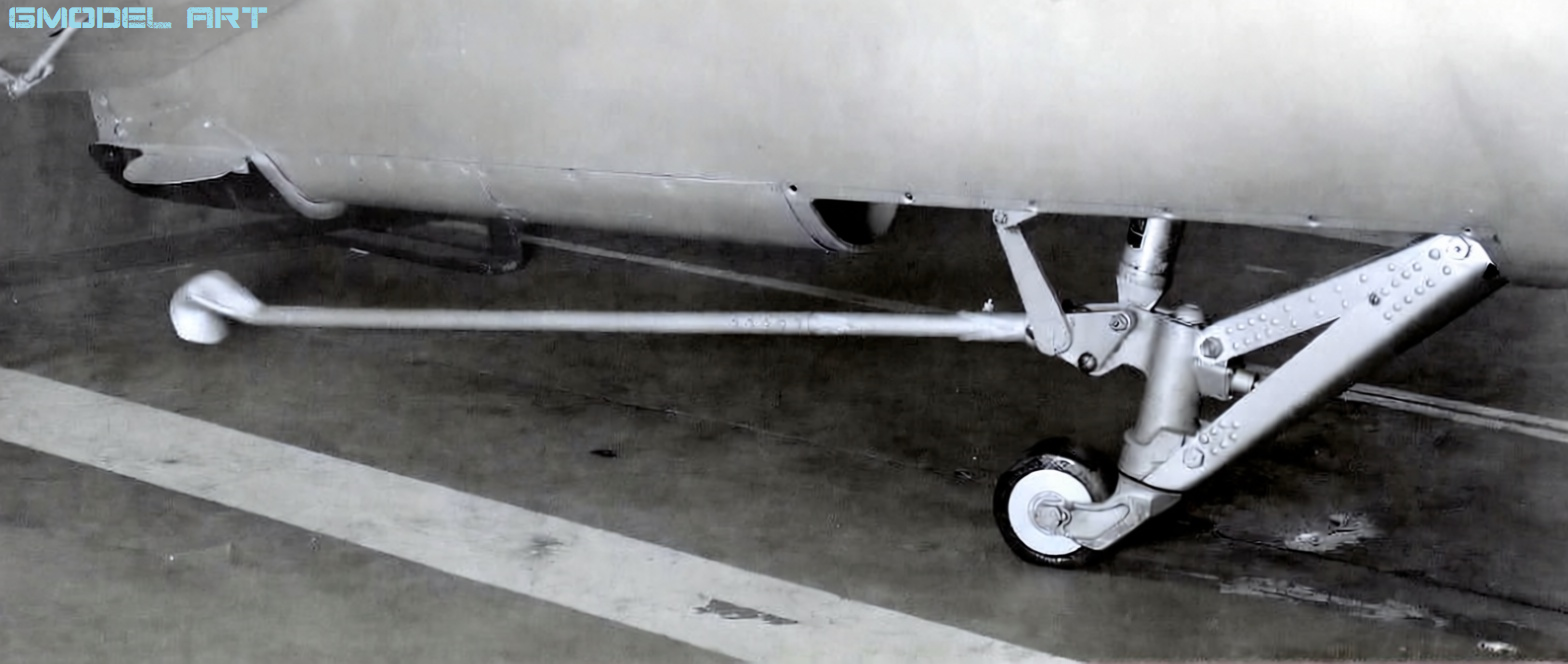
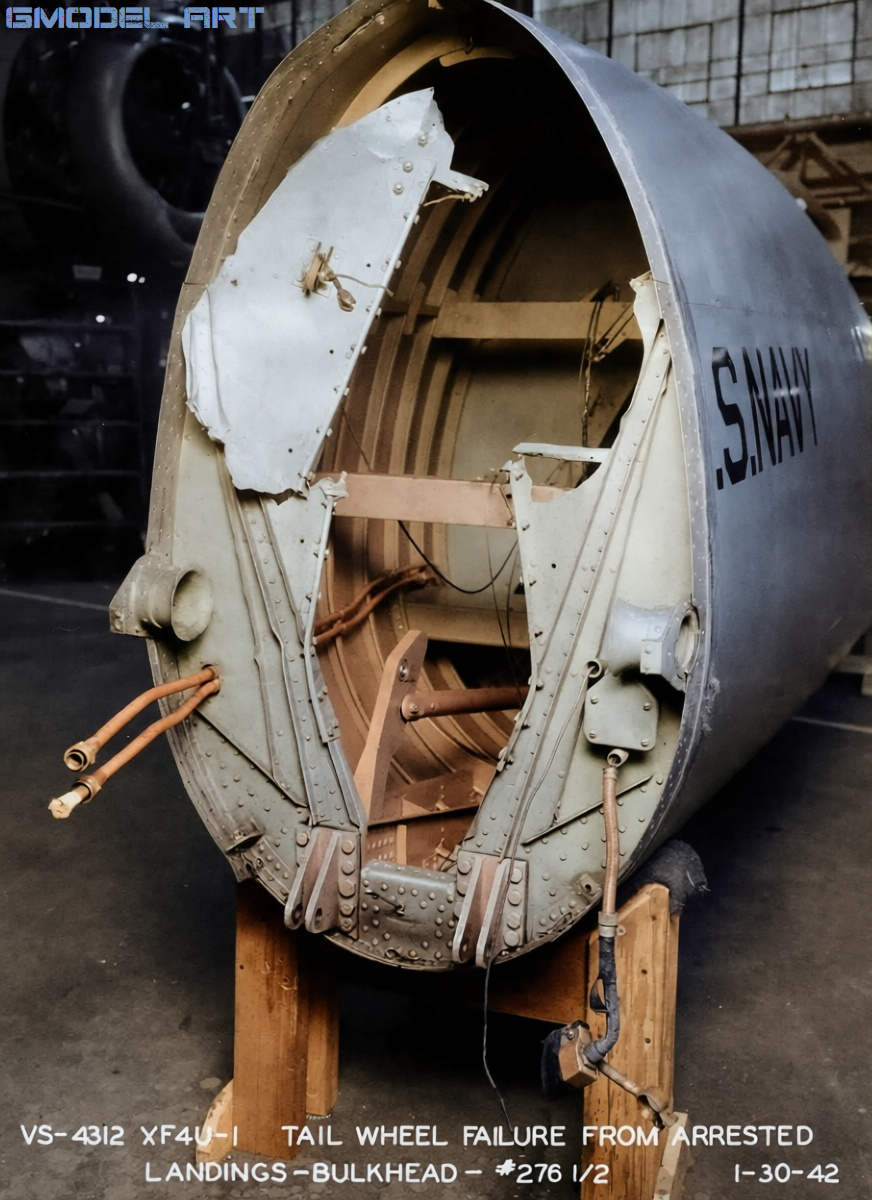
One of the most critical areas became the arresting system and tail hook arrangement.
The prototype had not yet received the final configuration that later became associated with operational Corsairs.
Several experimental layouts were evaluated to improve wire engagement and reduce bouncing after deck contact.
These modifications gradually became part of the aircraft’s overall maturation.
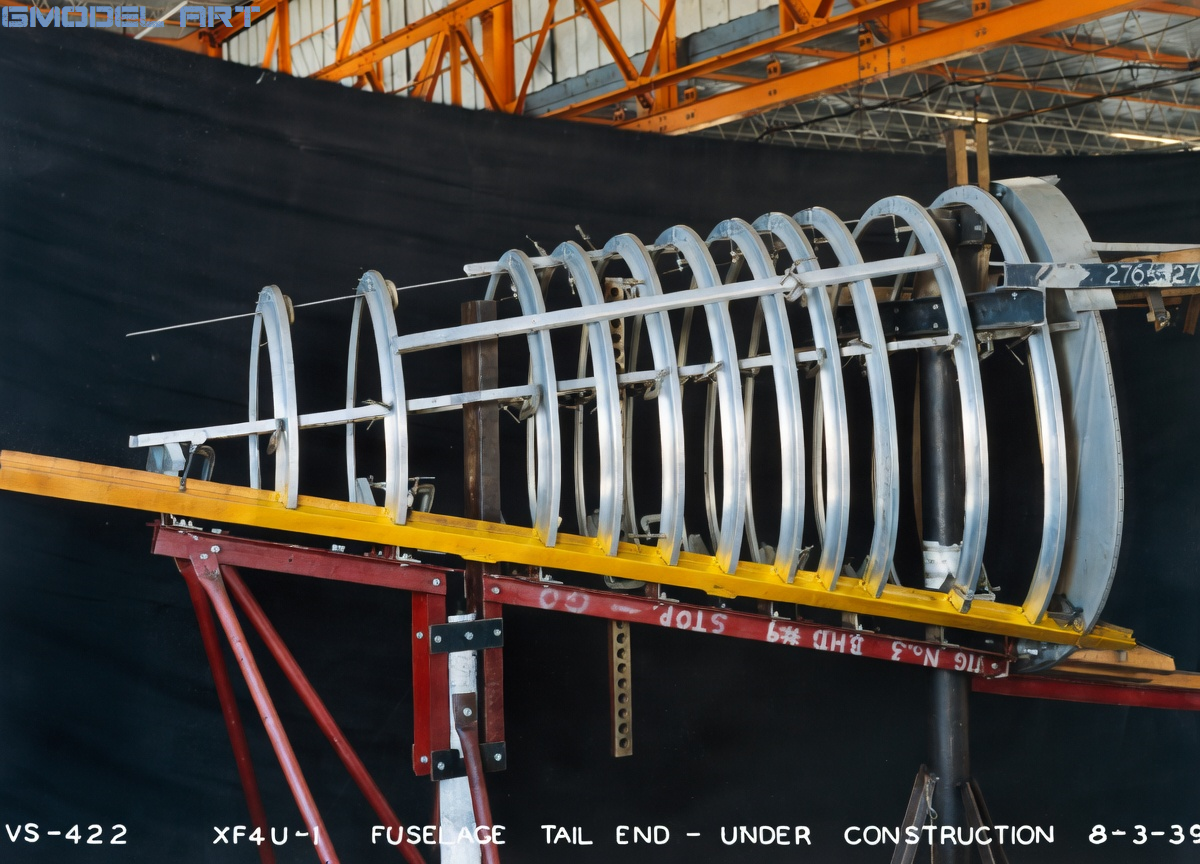
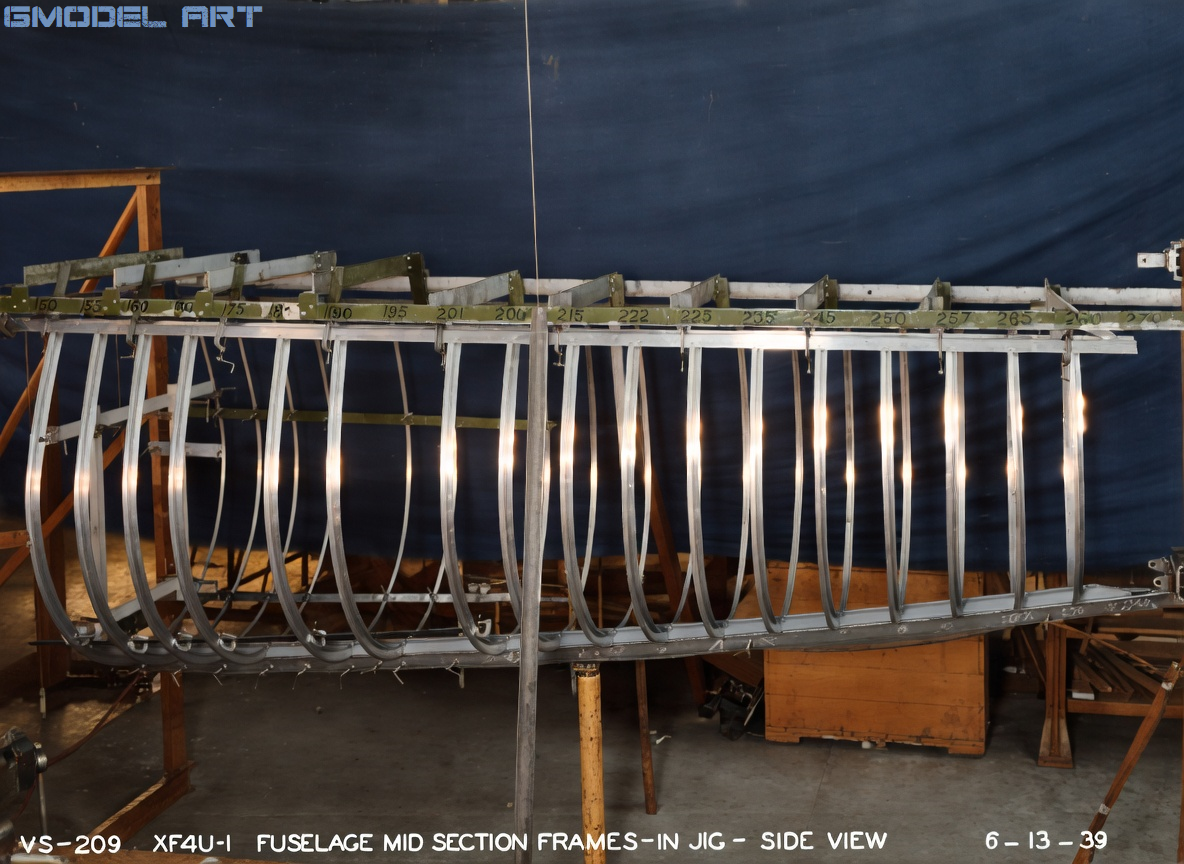
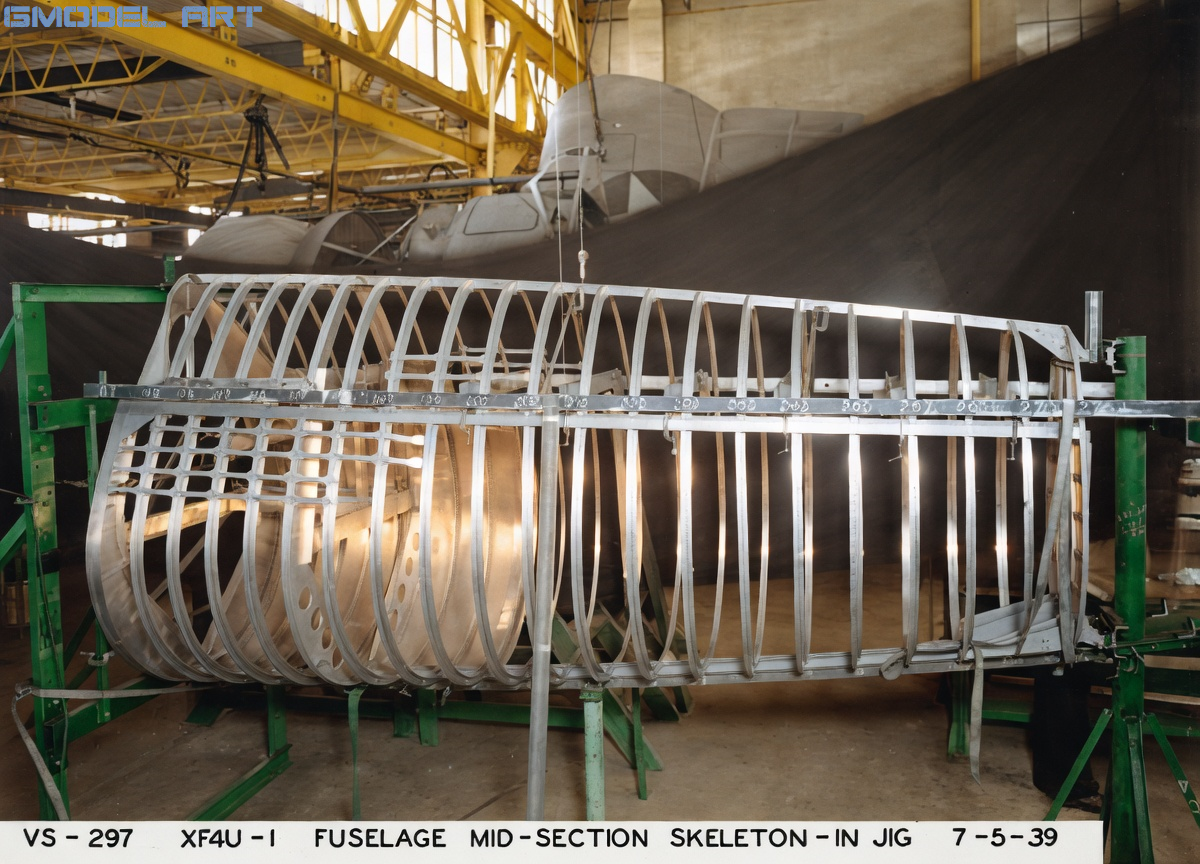
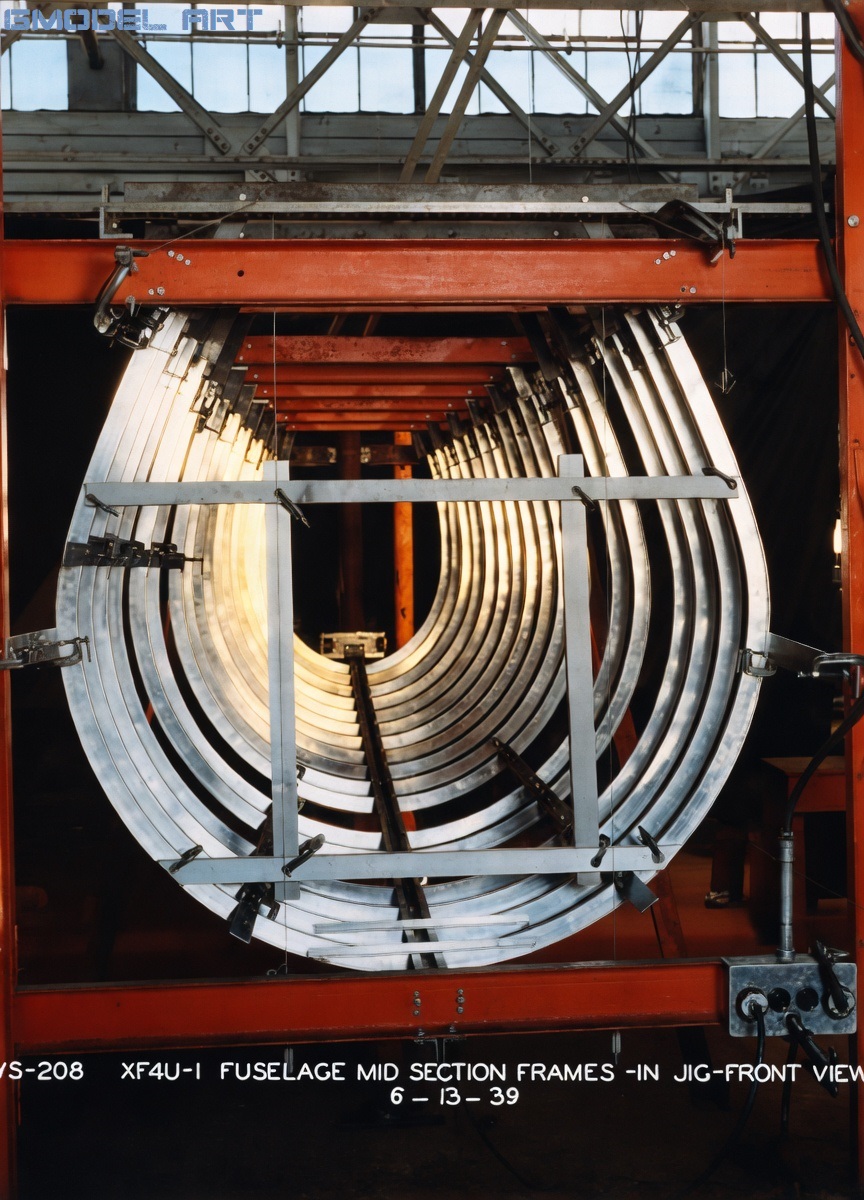
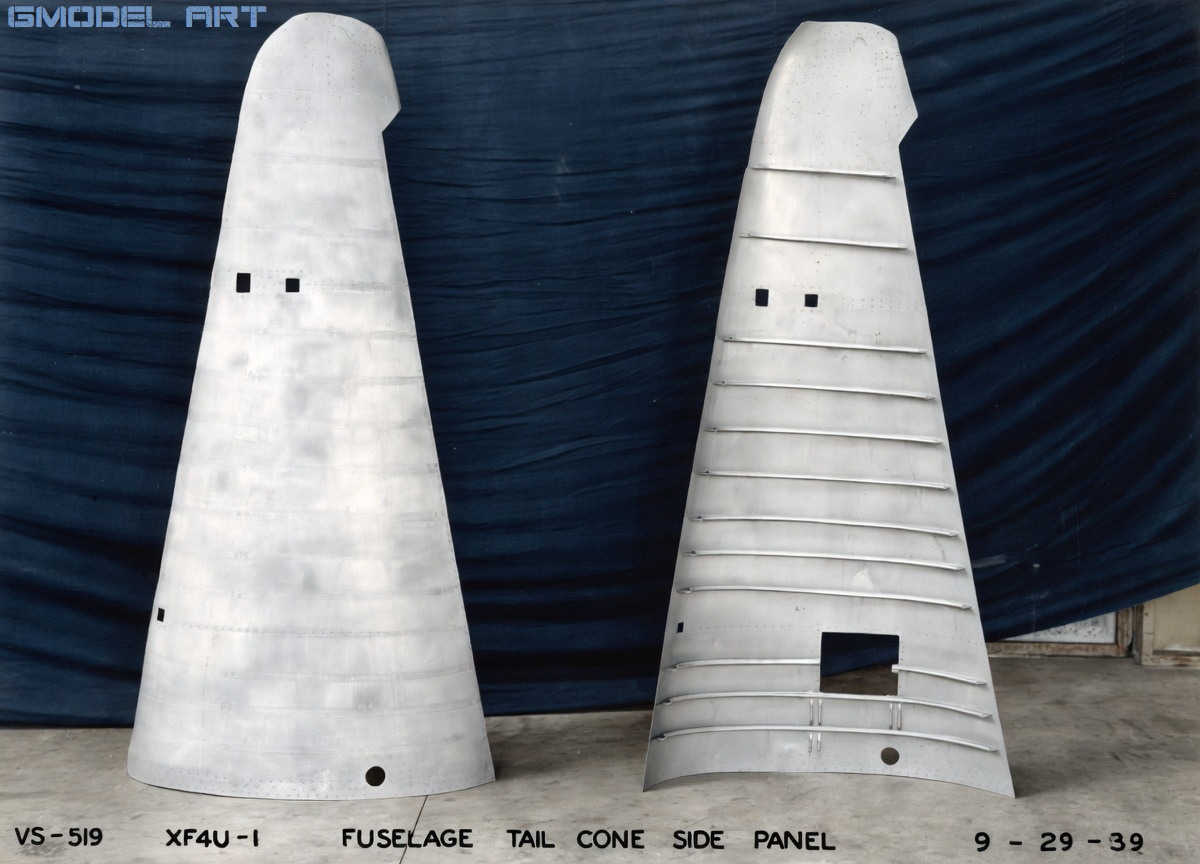
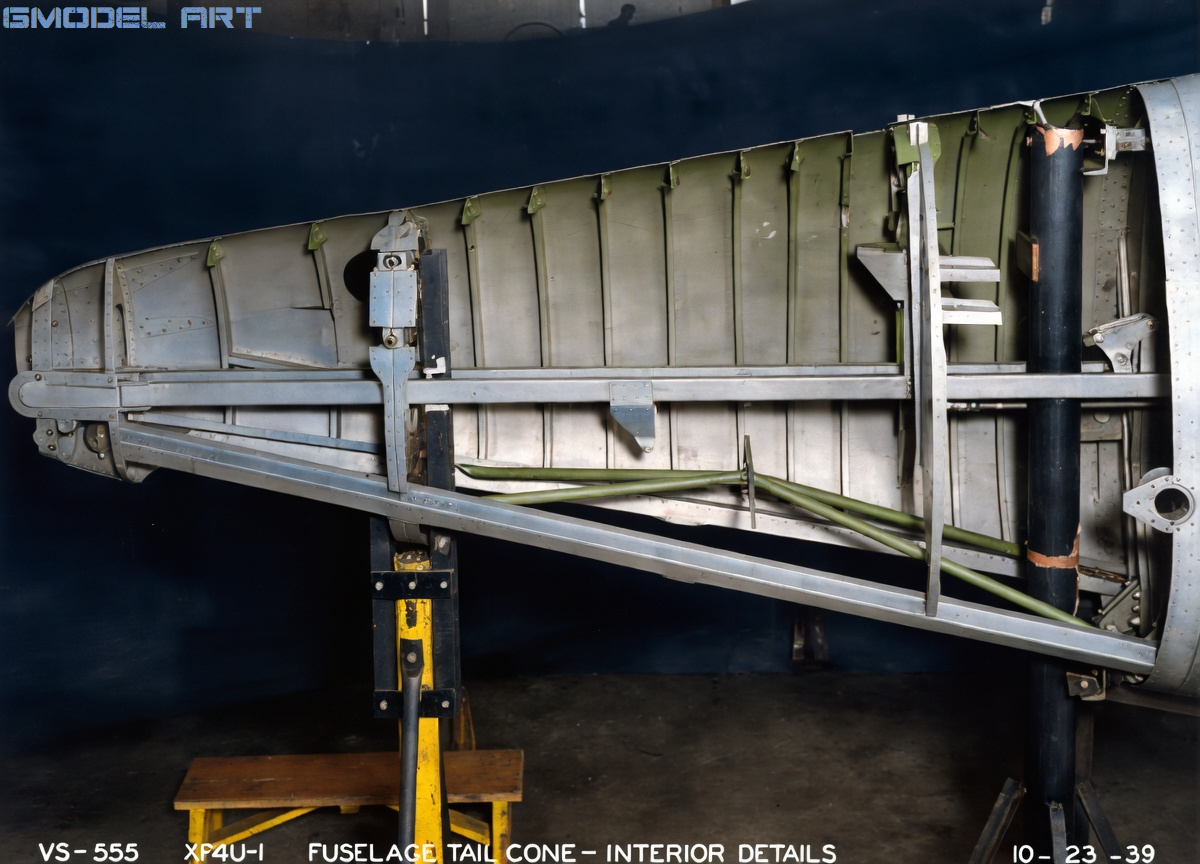
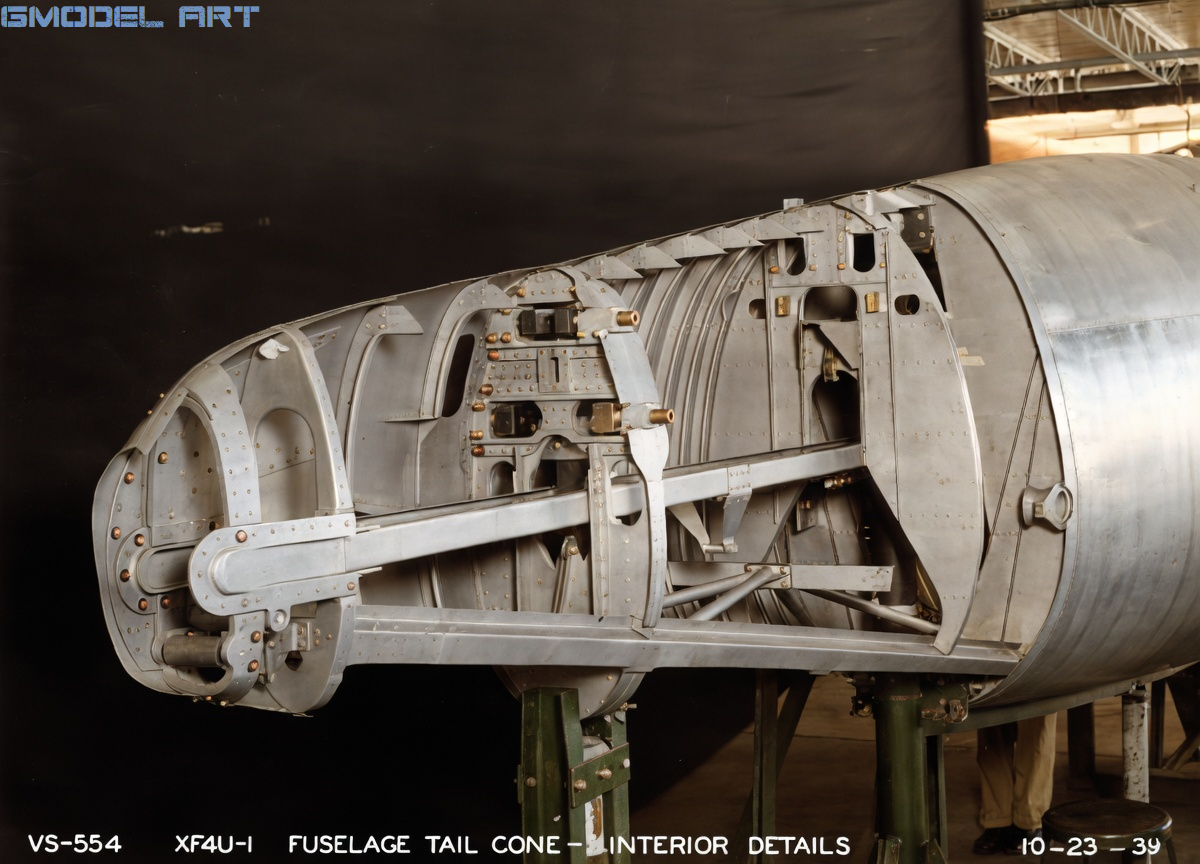
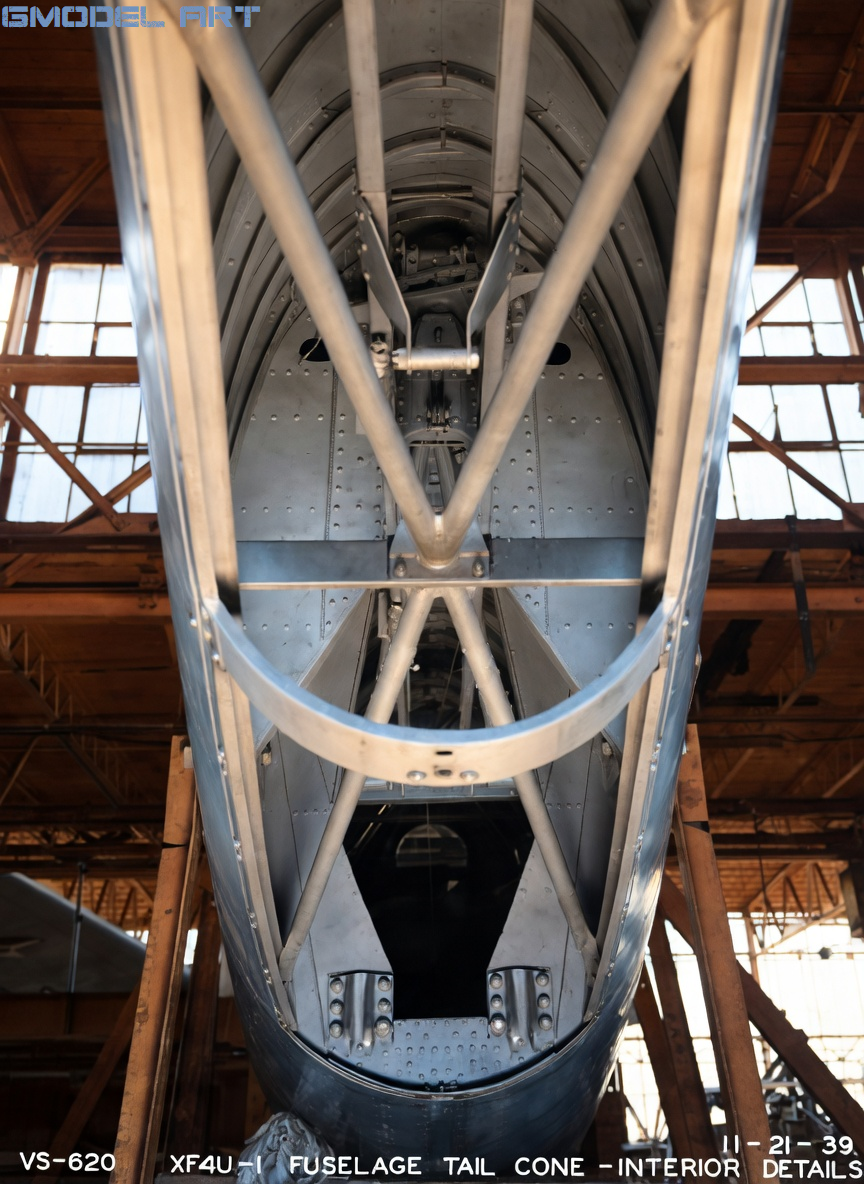
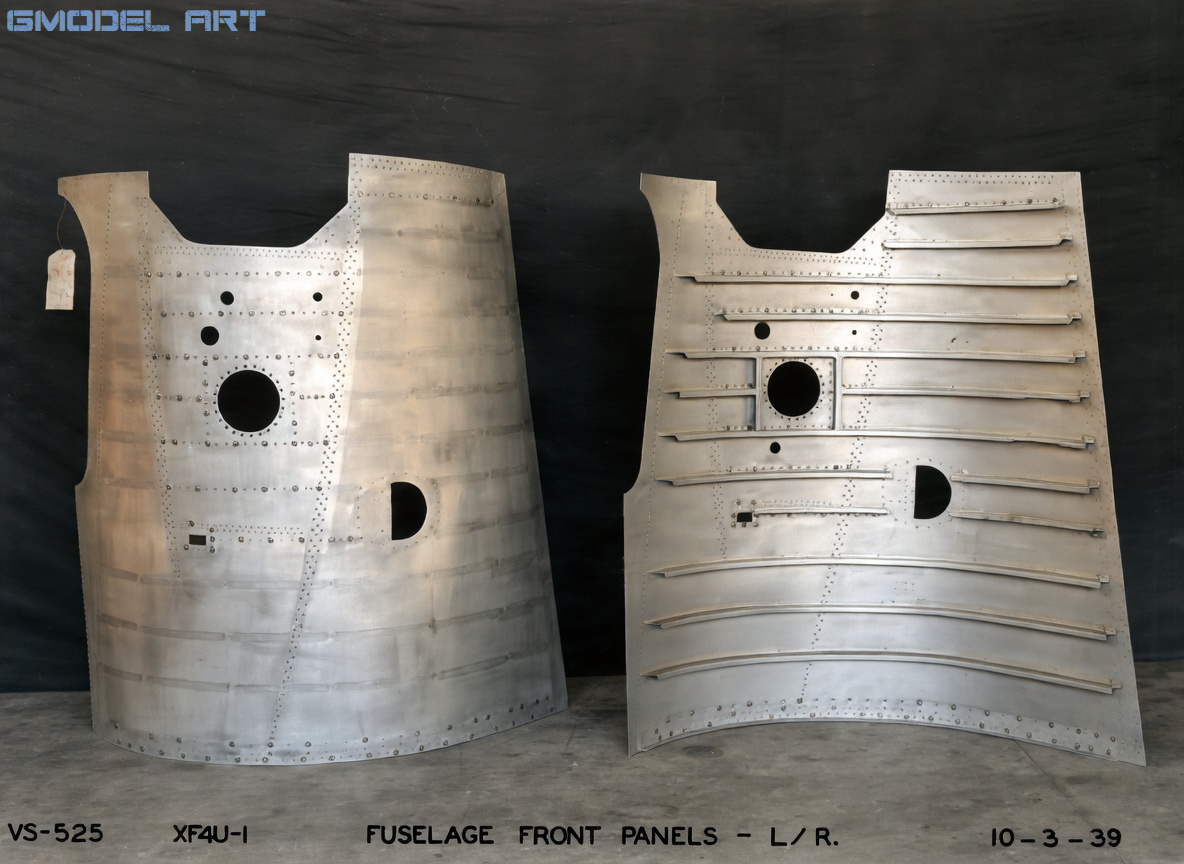
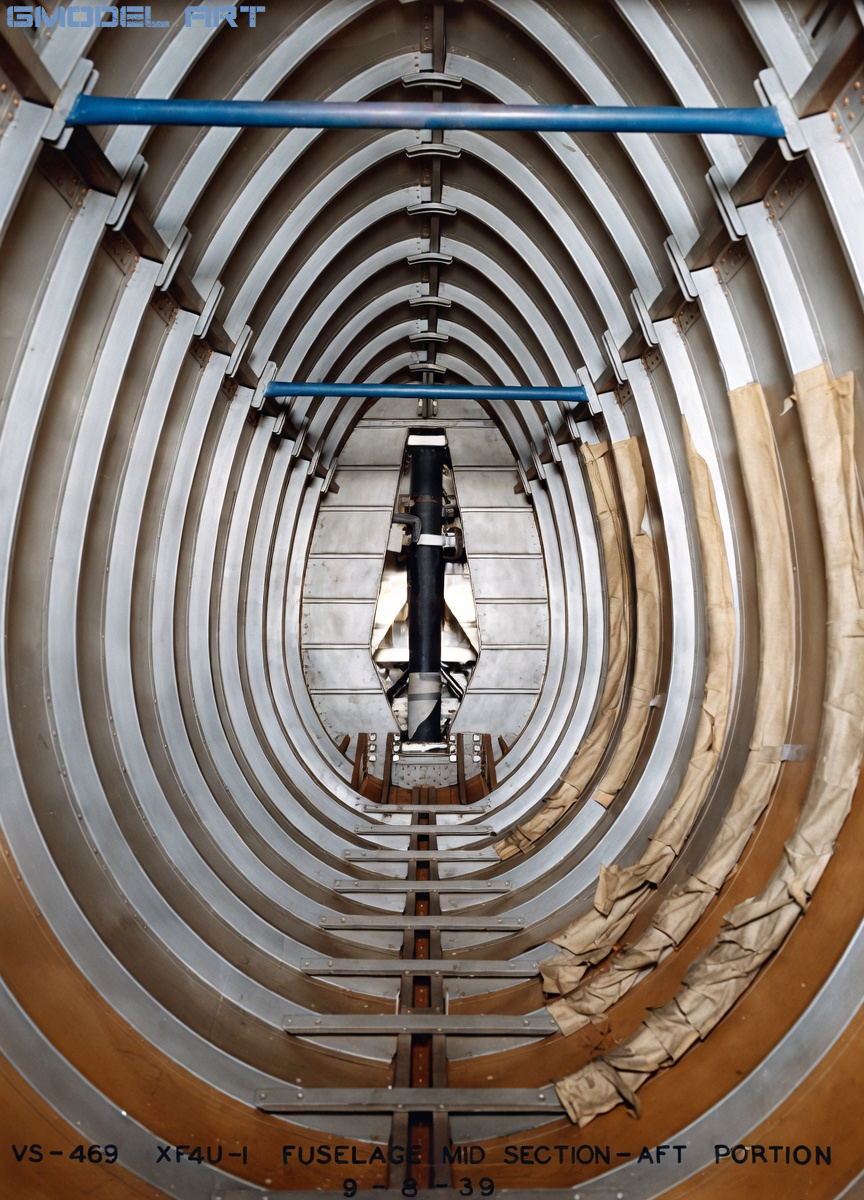
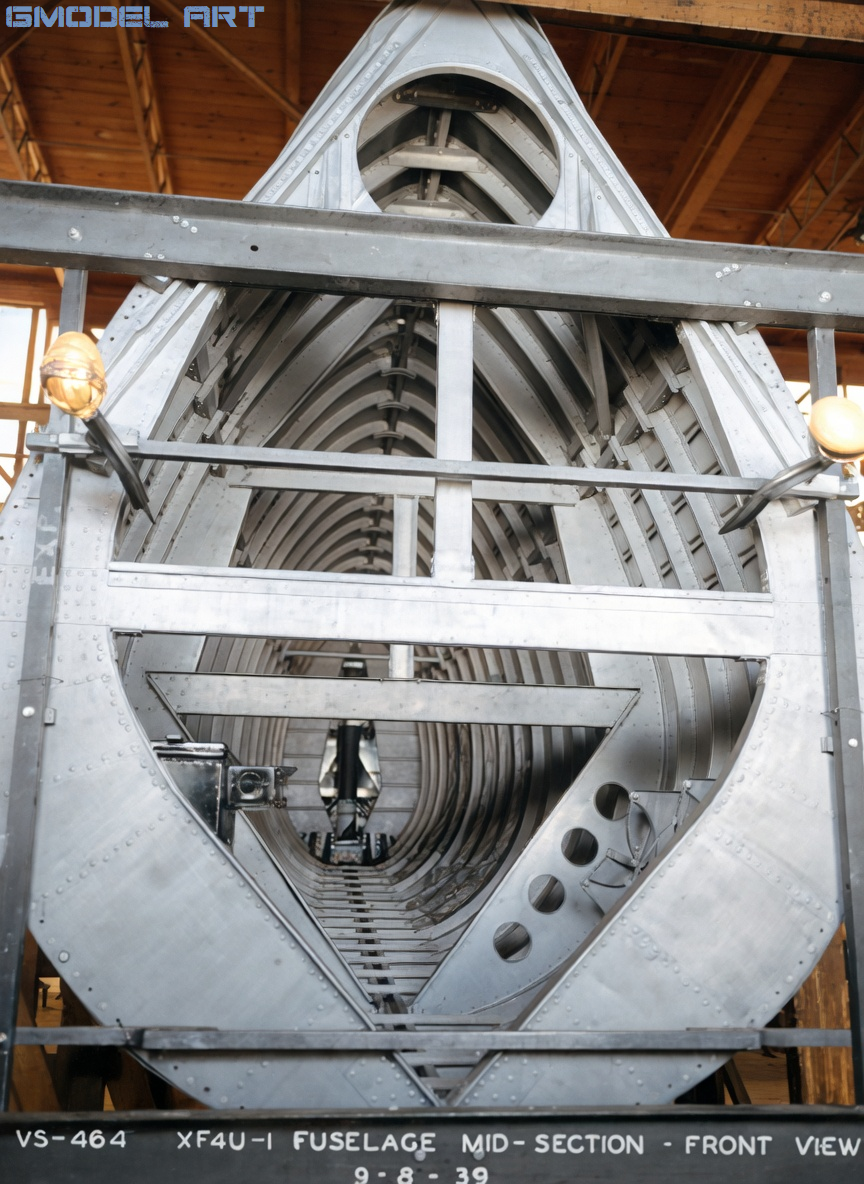
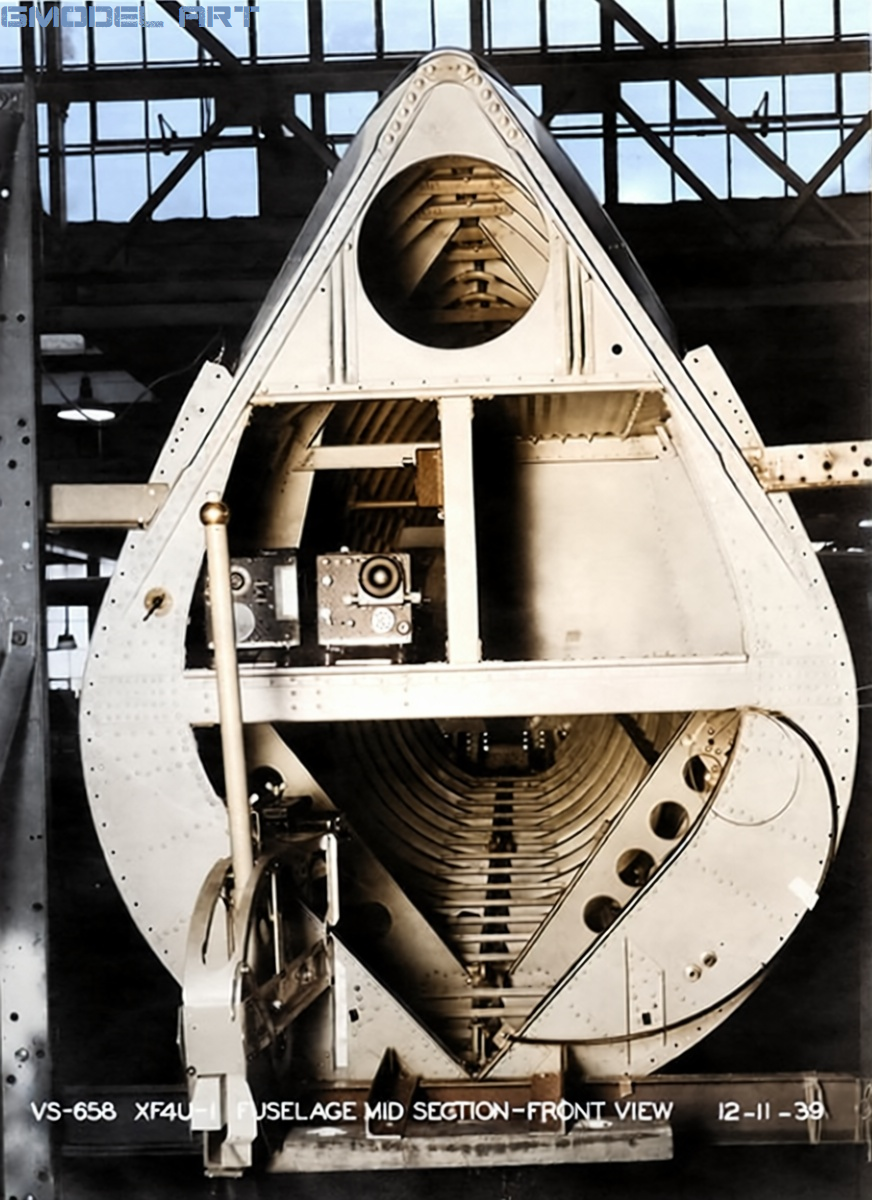
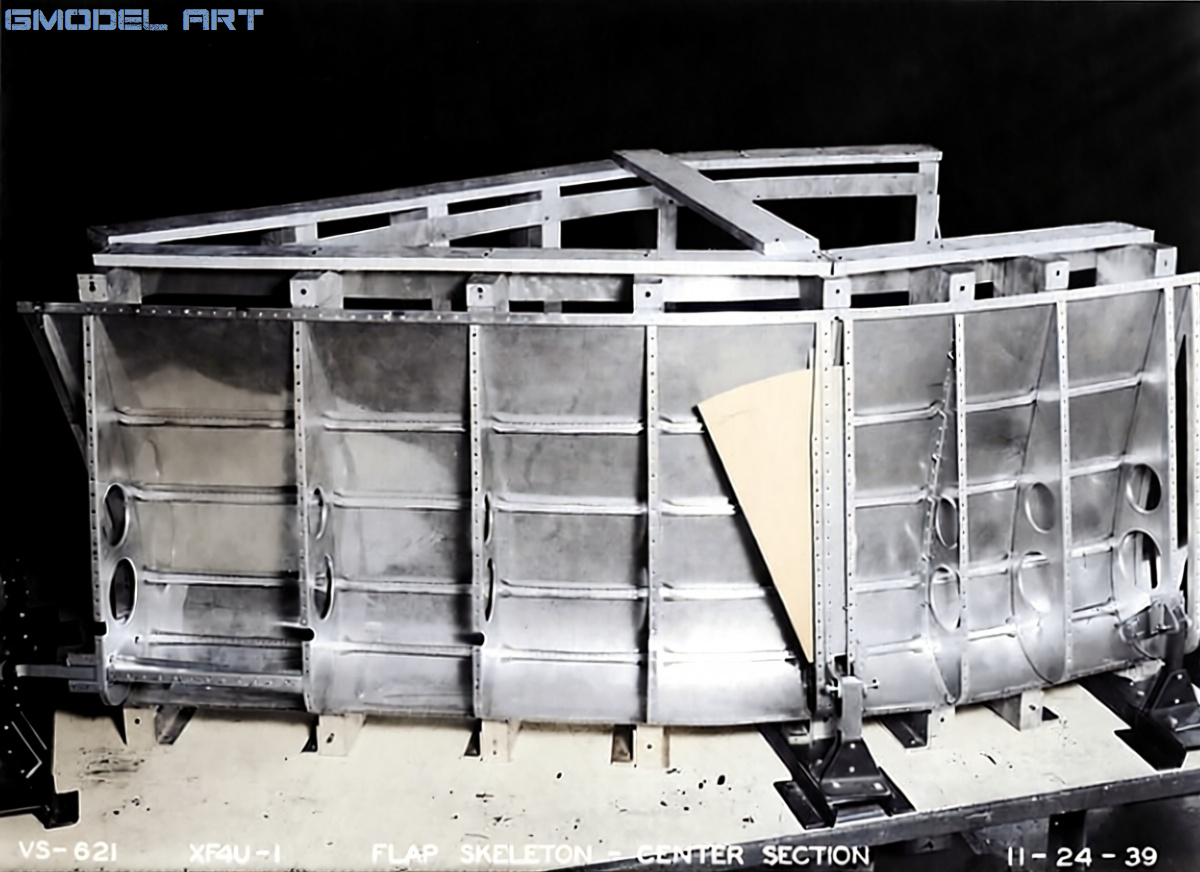
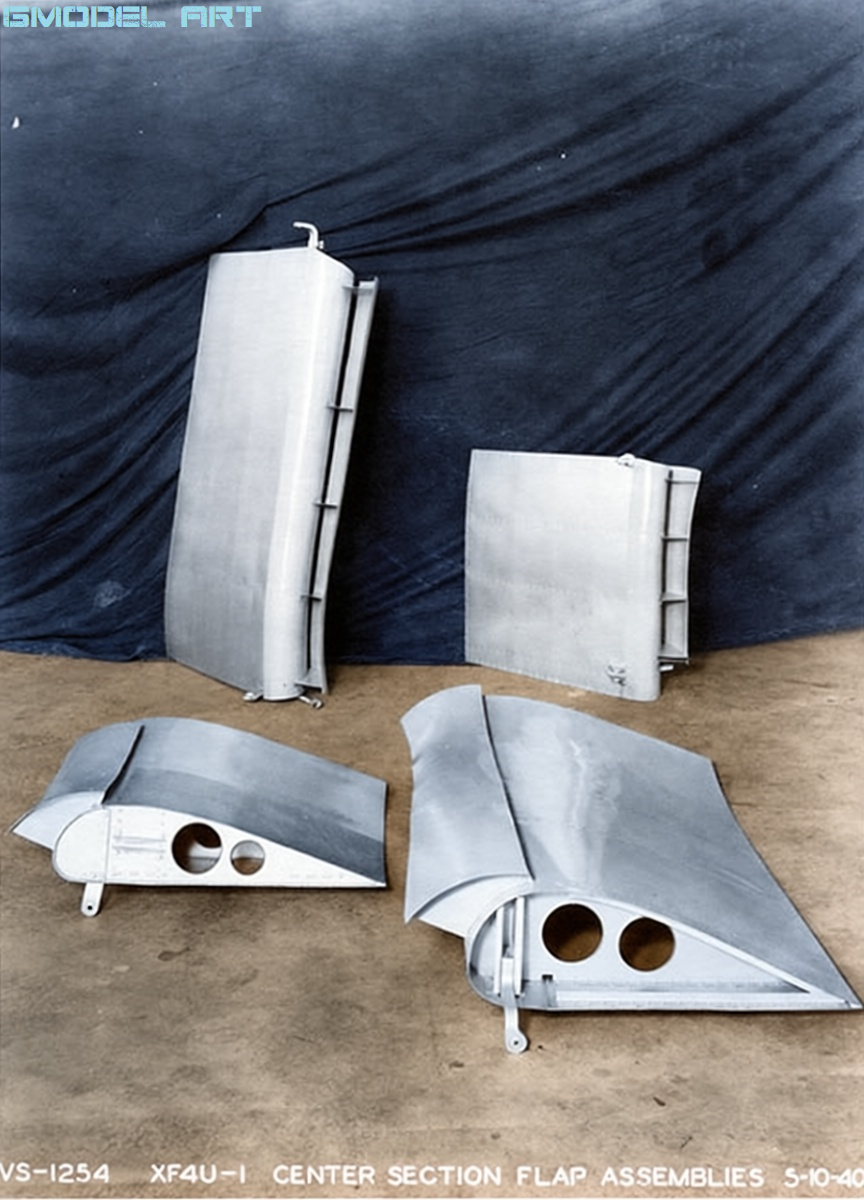
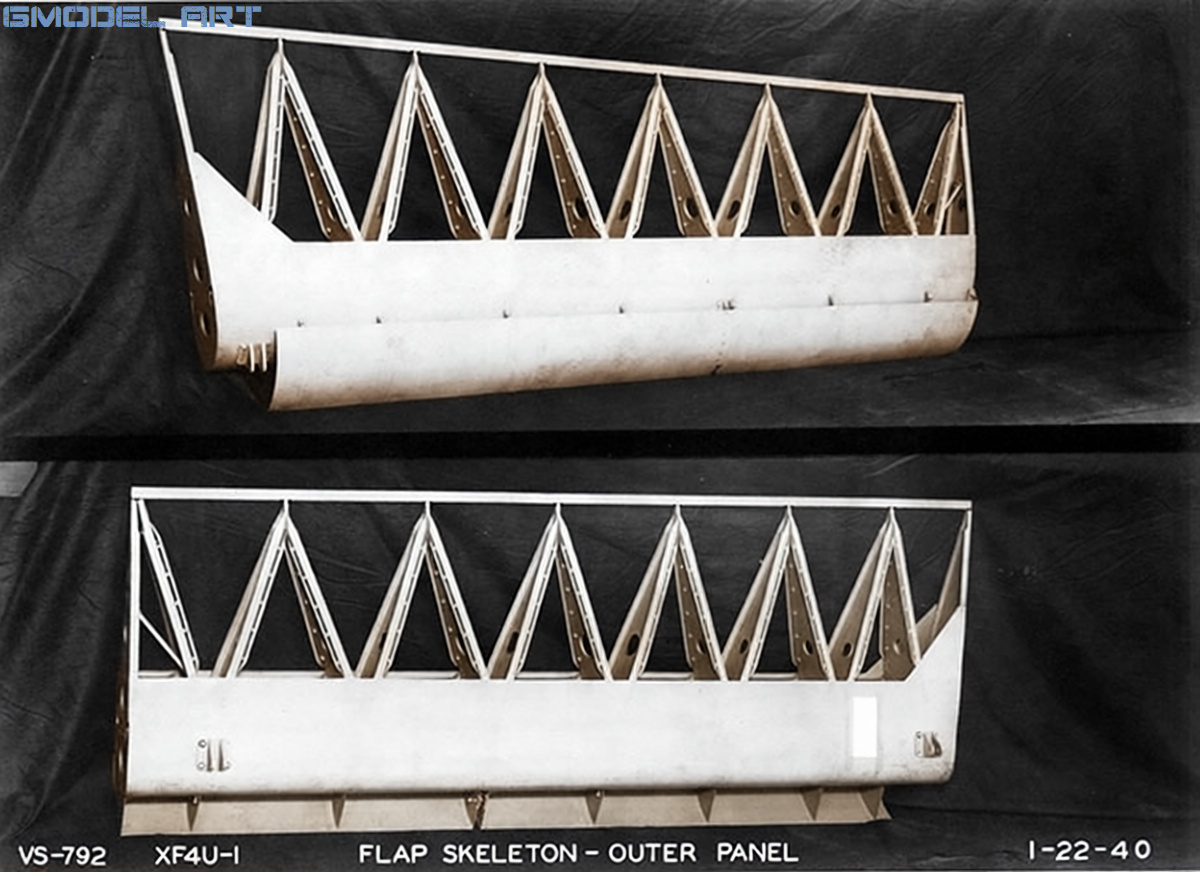
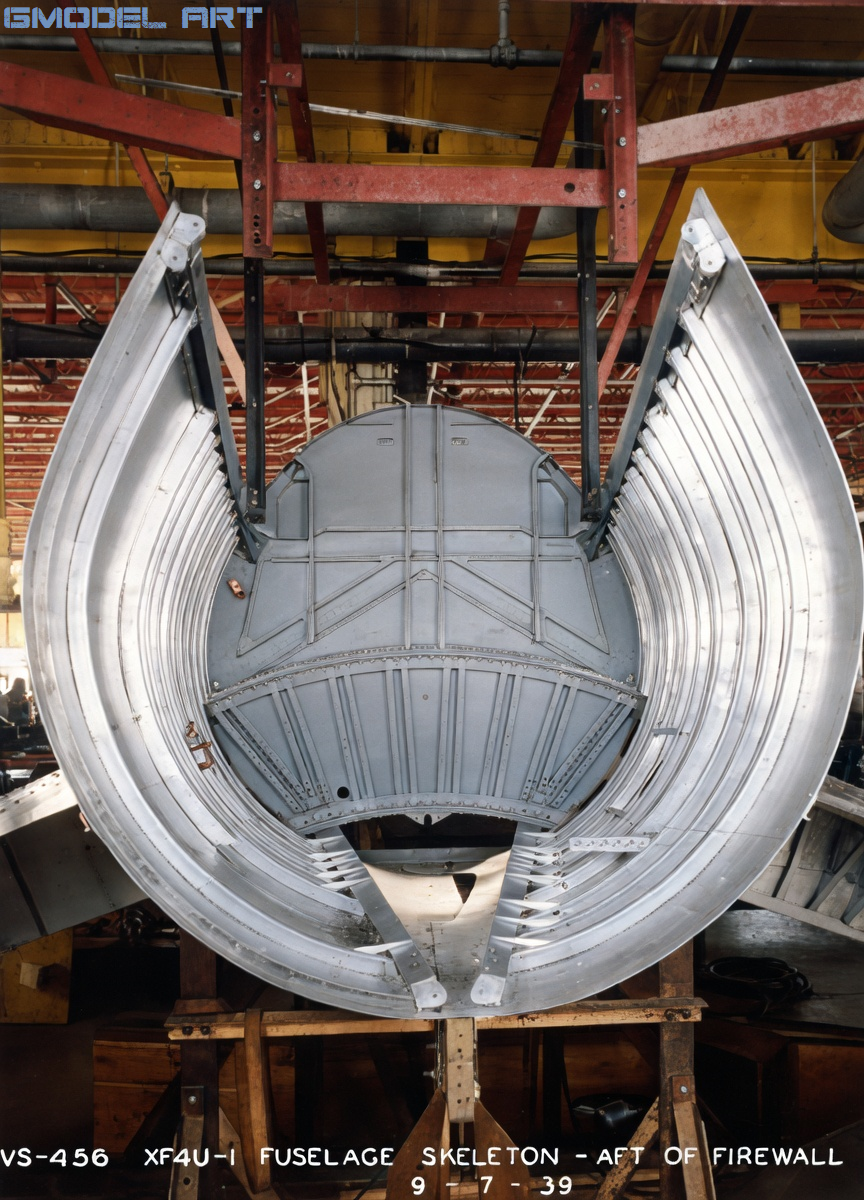
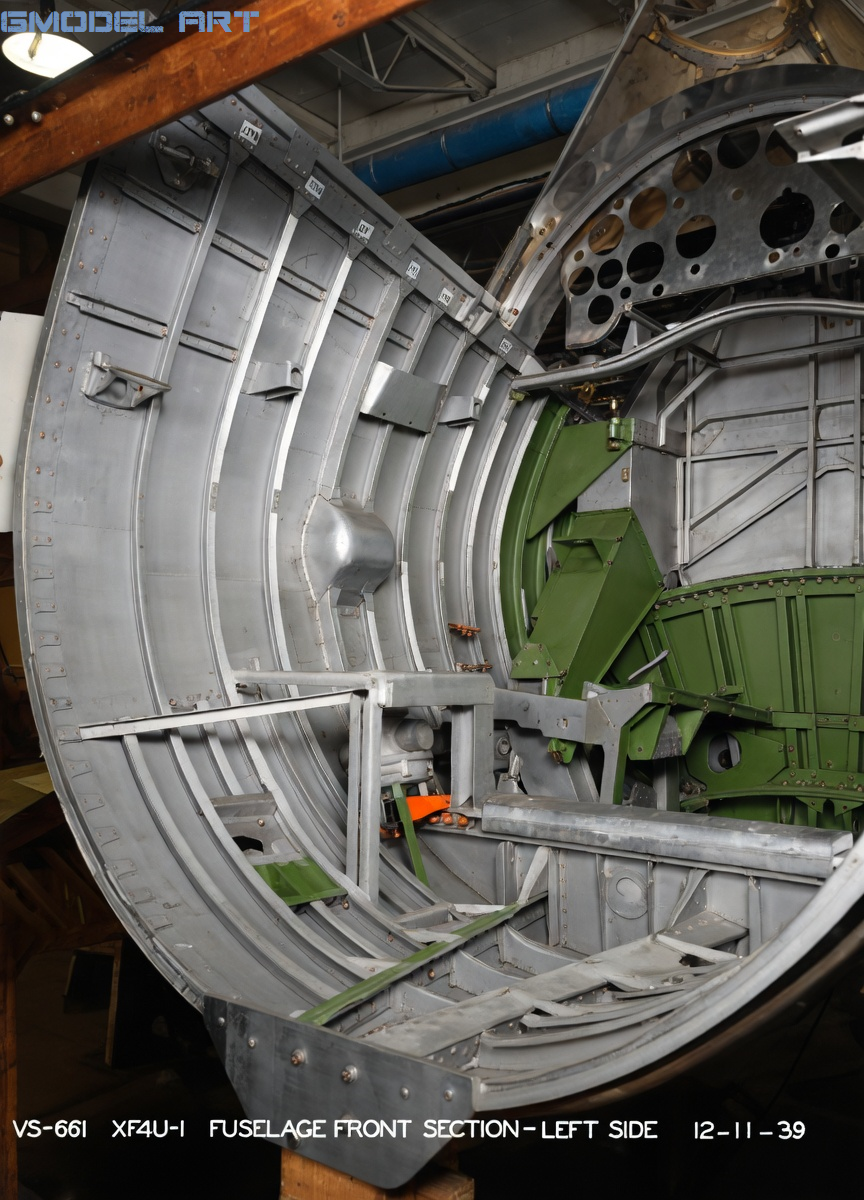
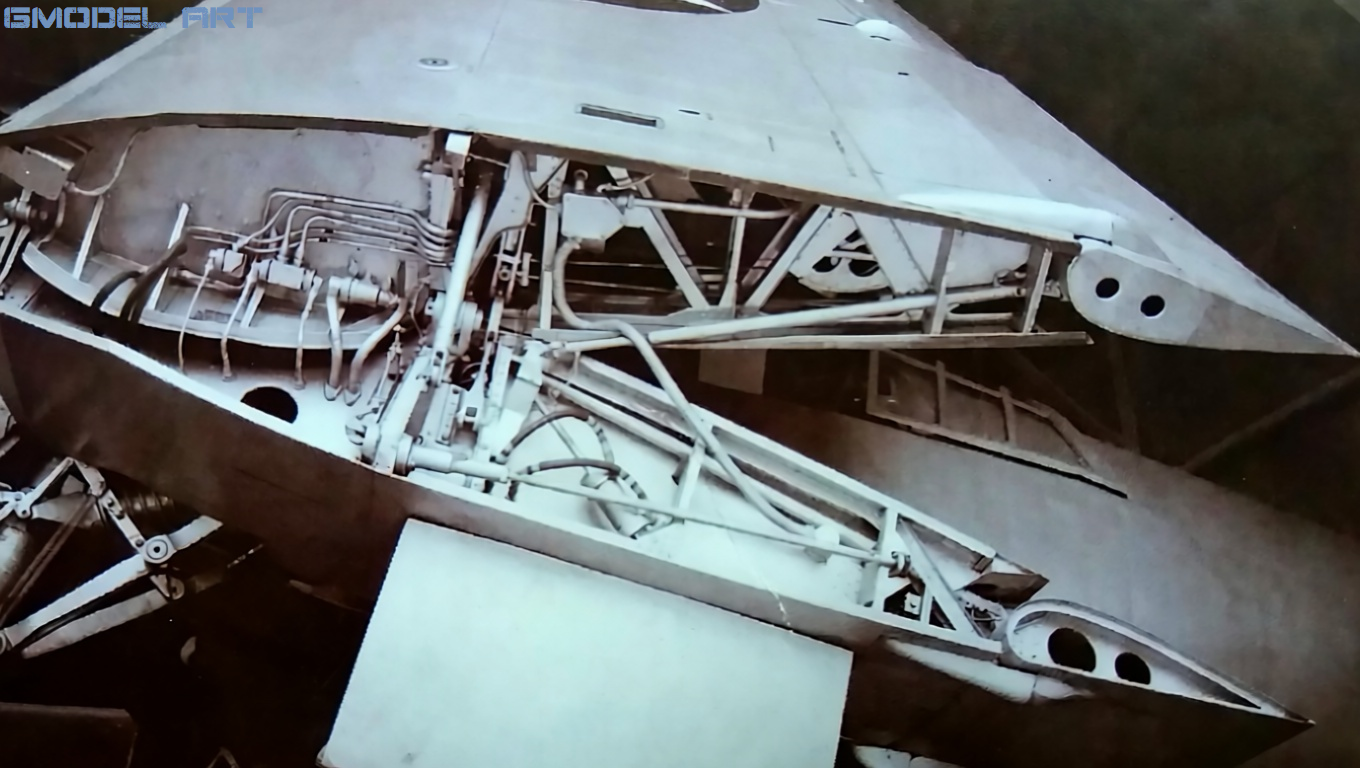
Another long-term outcome of the test program was the knowledge gained regarding structural balance, engine performance, internal layout, and future adaptability.
This experience later contributed to the development path that eventually supported specialized Corsair variants.
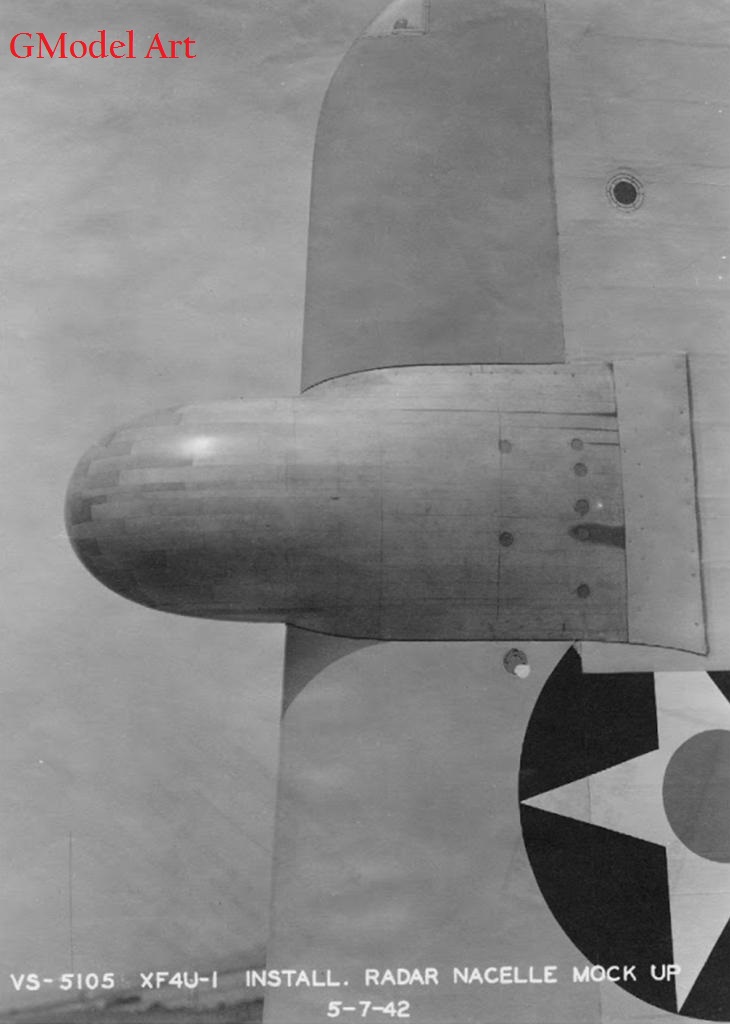
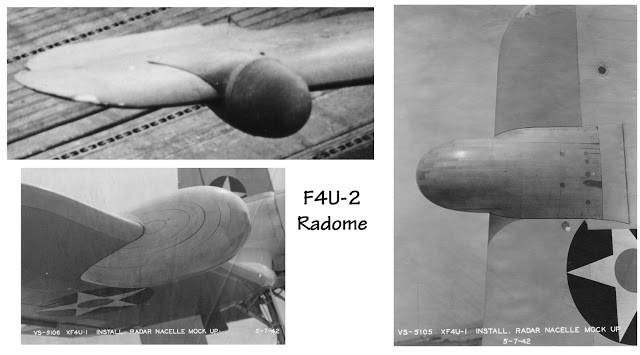
Among them was the future F4U-2 (N) Night Fighter.
The XF4U-1 itself was never converted into a night fighter.
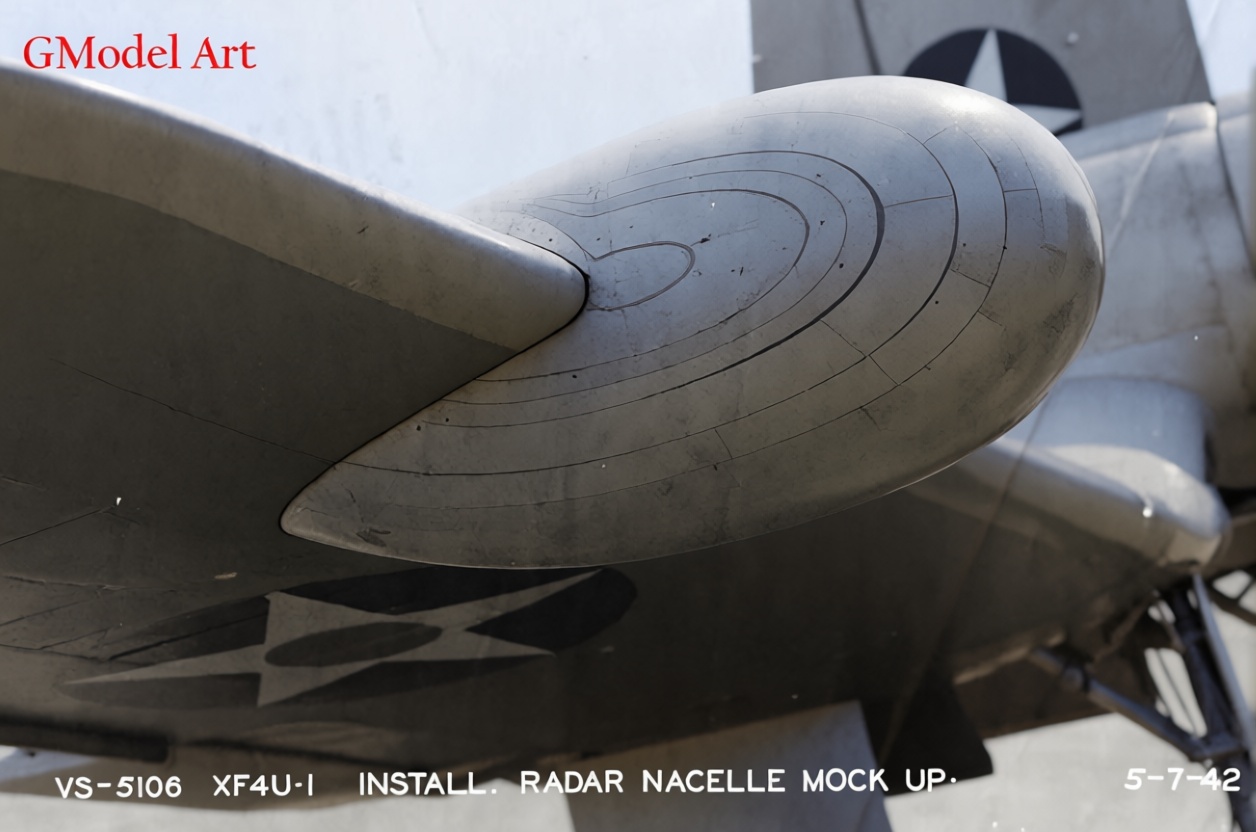
However, the data gathered from prototype testing—especially regarding structural behavior, weight distribution, power management, and available integration space—helped establish the technical foundation that later allowed radar installation and the development of operational night-fighting Corsairs.
Looking at Bu.No.1443 today, it is easy to see only an old experimental aircraft.
But that would miss its real significance.
The XF4U-1 was not simply the first Corsair.
It was the aircraft where ideas were tested, failures became improvements, and engineering decisions shaped one of aviation’s greatest legends.
And perhaps that is what makes it so fascinating.
The legend of the Corsair did not begin in combat.
It began with a single prototype that did not yet know it was about to make history.
F4U-1 WM (Wasp Major) Corsair – The Forgotten Prototype That Led to the F2G Super Corsair
Color Guide — XF4U-1 Corsair Prototype (Bu.No.1443)
Prototype Test Configuration (1940–1941)
| Aluminum Dope | Yellow Wing | Bronze Green | Flat Black | |
|---|---|---|---|---|
| Area | General Airframe | Upper Wing | Cockpit | Anti-Glare / Instruments |
Paints
| Brand | Aluminum Dope | Yellow Wing | Bronze Green | Flat Black |
|---|---|---|---|---|
| Gunze Aqueous | H8 | H4 | (H302) | H12 |
| Gunze Mr. Color | C8 | C4 | (C302) | C33 |
| Humbrol | 56 | 154 | (75) | 33 |
| Model Master | 1781 | (1708) | (1710) | 1749 |
| Revell | 99 | 310 | (65) | 08 |
| Tamiya | XF-16 | XF-3 | (XF-11 + λίγο XF-1) | XF-1 |
| Vallejo Model Air | 71.062 | 71.078 | (71.093) | 71.057 |
| Vallejo Model Color | 997 | 953 | (897) | 950 |
| AKAN | 76004 | (76021) | — | 78004 |
| AK Interactive | AK 479 | AK 11152 | AK 11150 | AK 11029 |
| AK Real Colors | RC020 | RC007 | RC262 | RC001 |
| AMMO by Mig | A.MIG-194 | A.MIG-228 | A.MIG-220 | A.MIG-046 |
| Colourcoats | ALC101 | ACUS24 | ACUS09 | ACUS33 |
| Hataka | HTK-A036 | HTK-A040 | HTK-A047 | HTK-A001 |
| Lifecolor | UA 794 | UA 095 | UA 522 | UA 733 |
| Mission Models | MMP-103 | MMP-035 | MMP-094 | MMP-047 |
| Mr. Paint | MRP-3 | MRP-131 | MRP-136 | MRP-5 |
| Xtracolor | X142 | X106 | X112 | X012 |
| Xtracrylix | XA1142 | XA1106 | XA1112 | XA1012 |