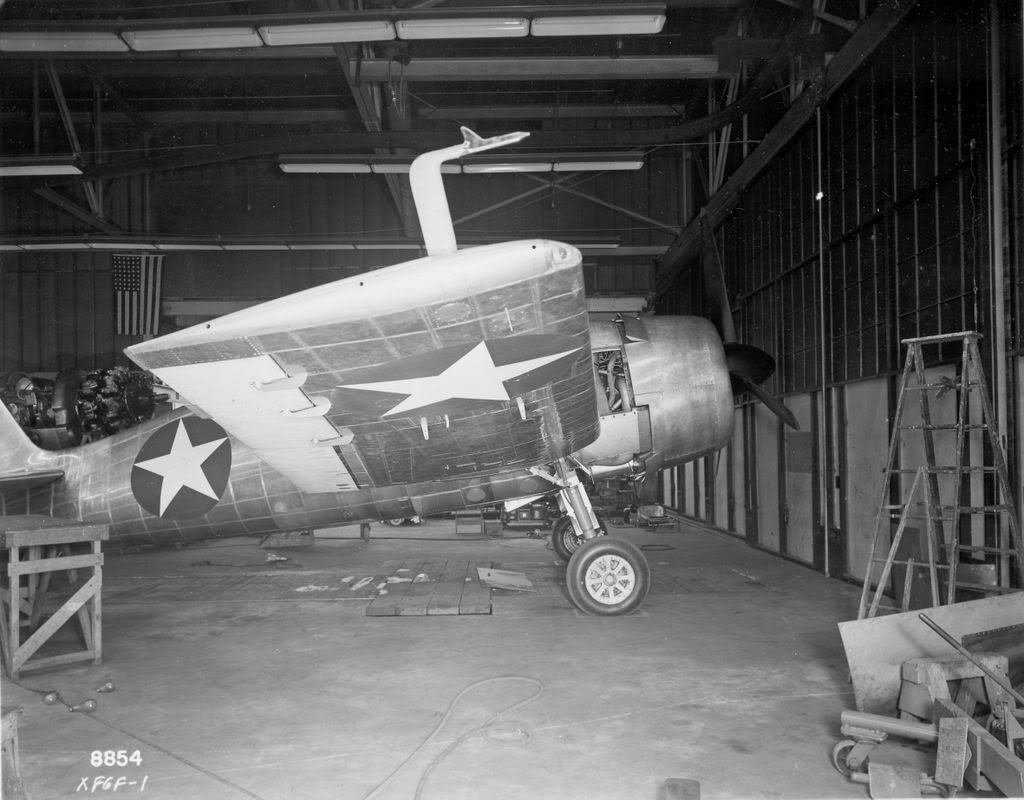
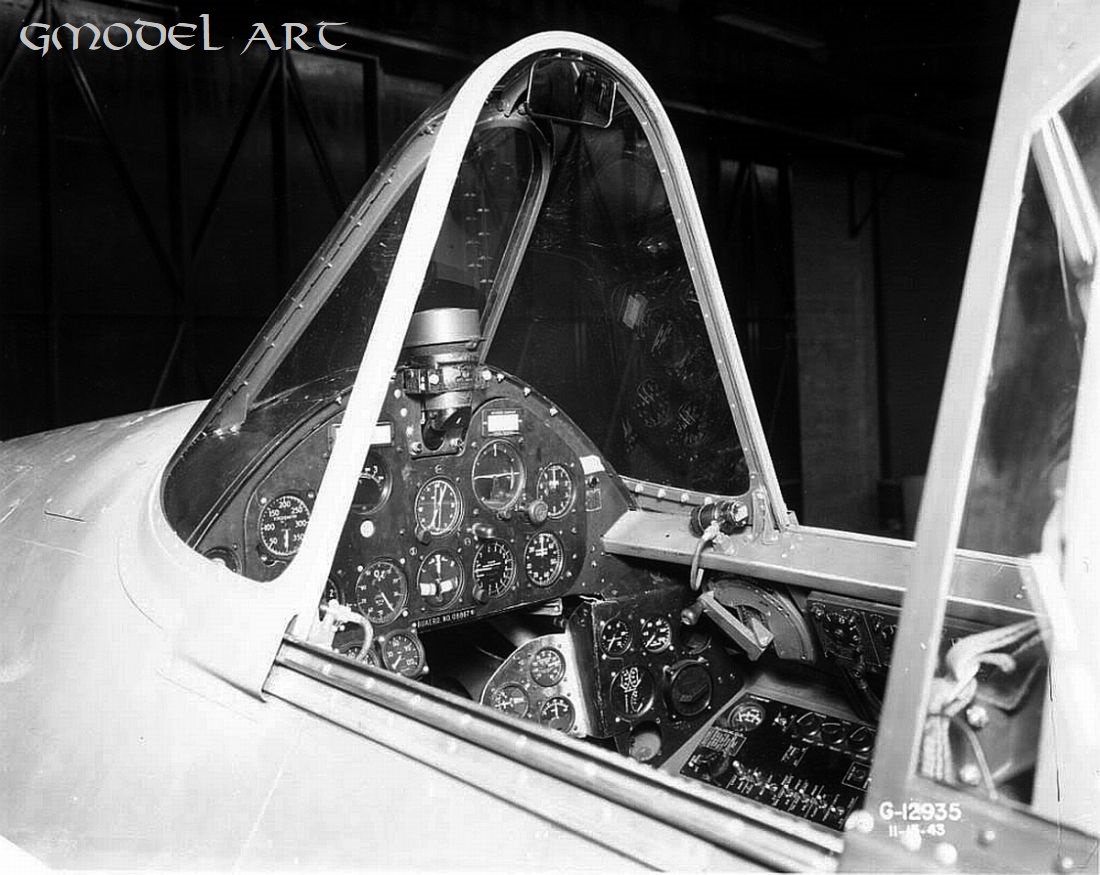
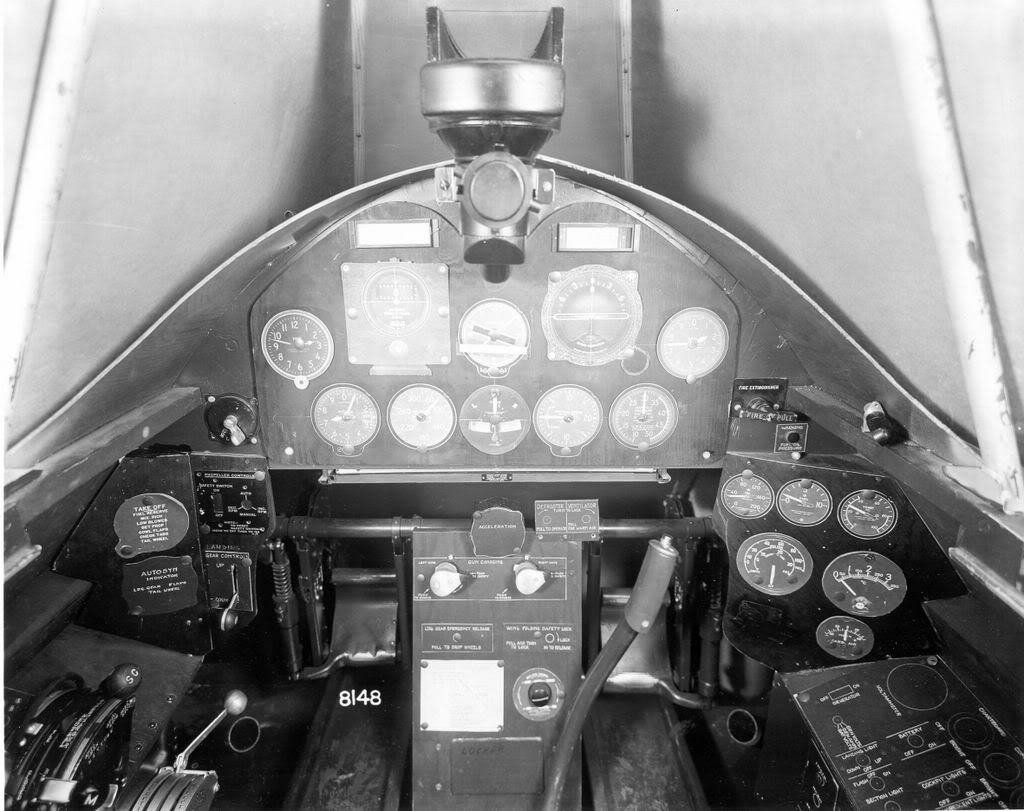
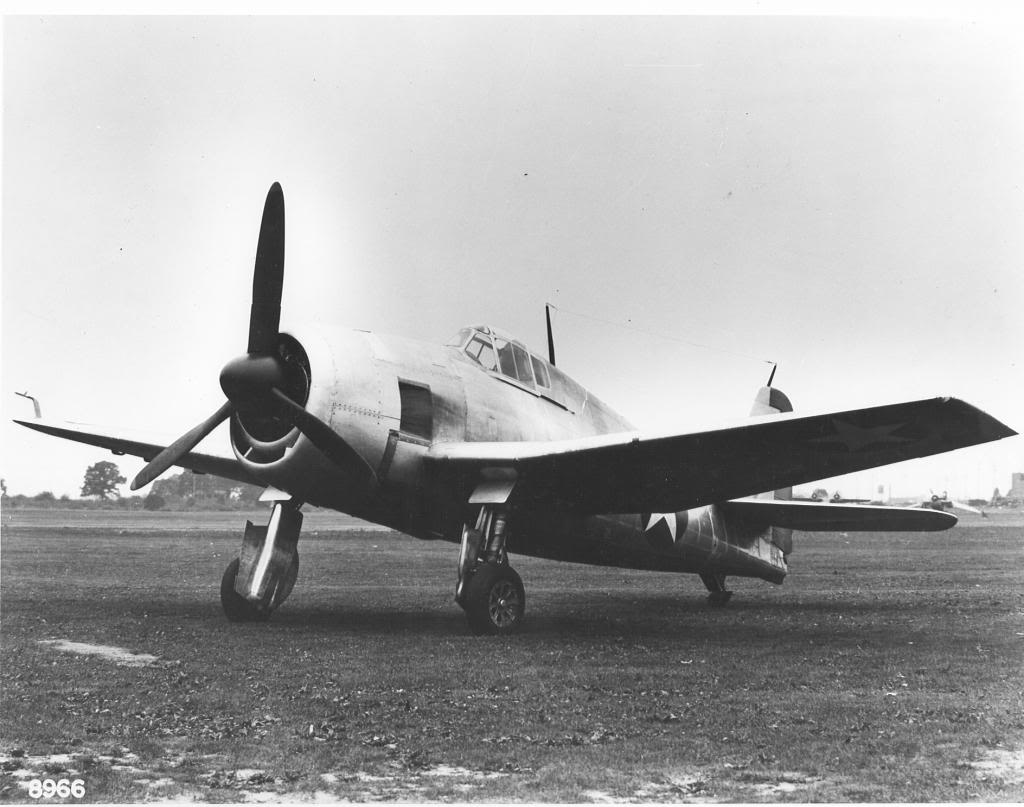
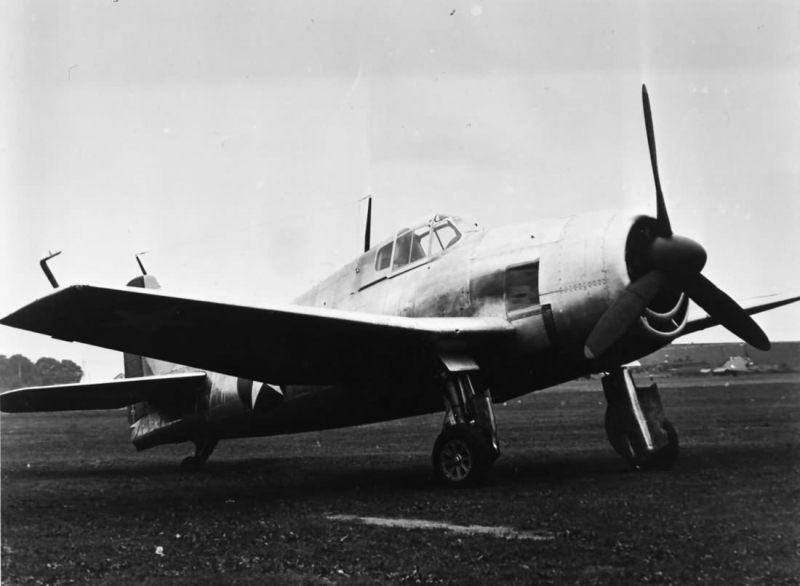
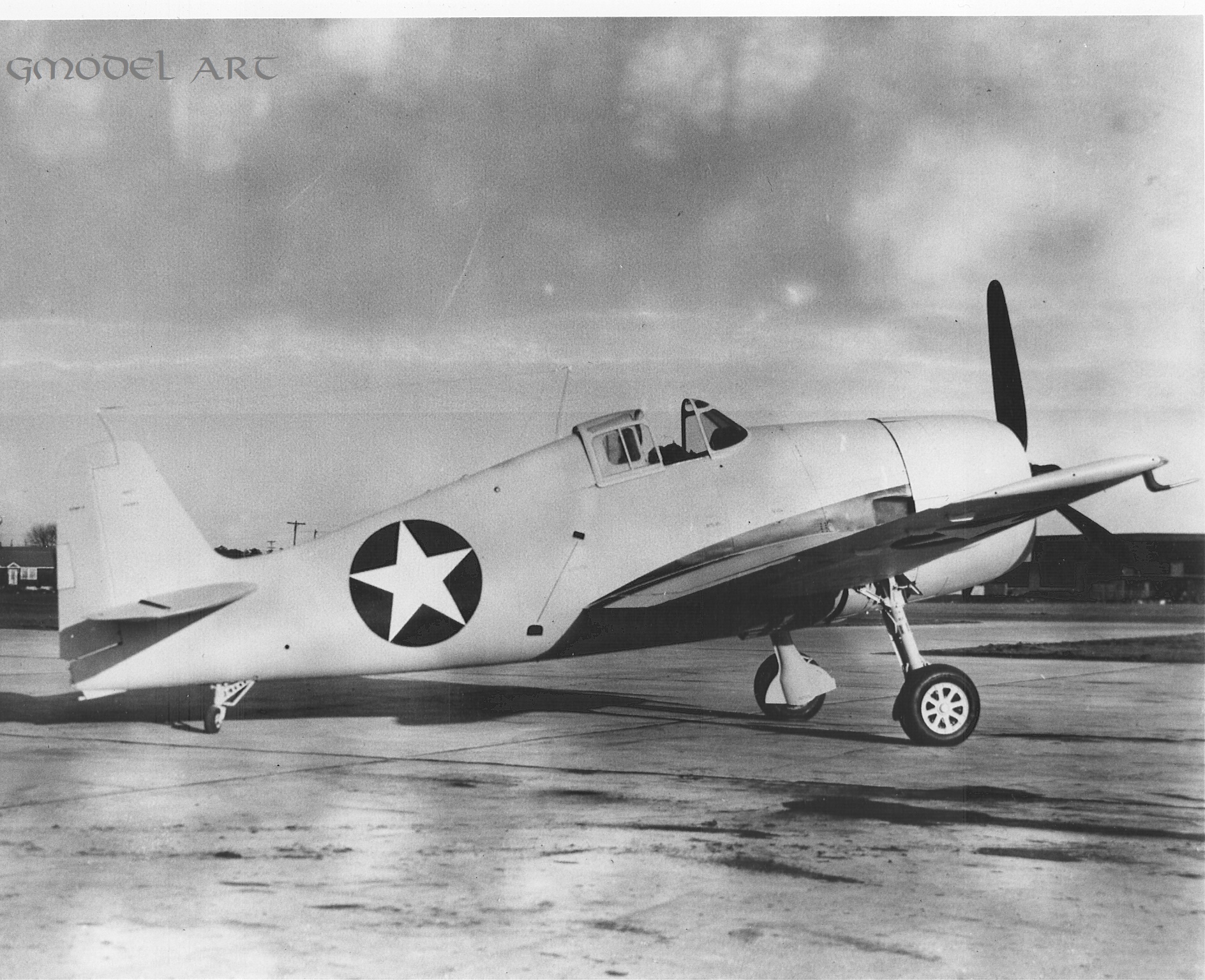
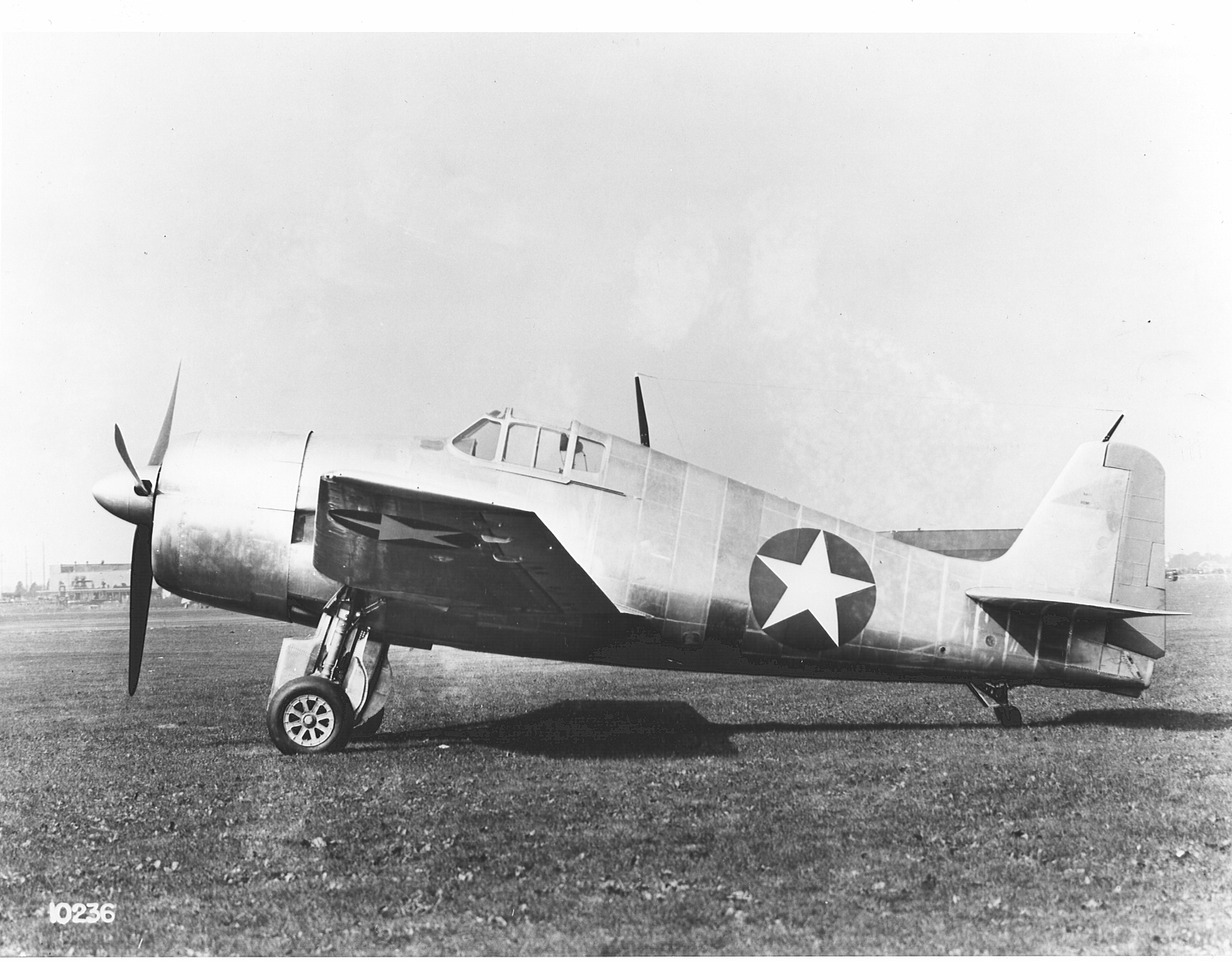
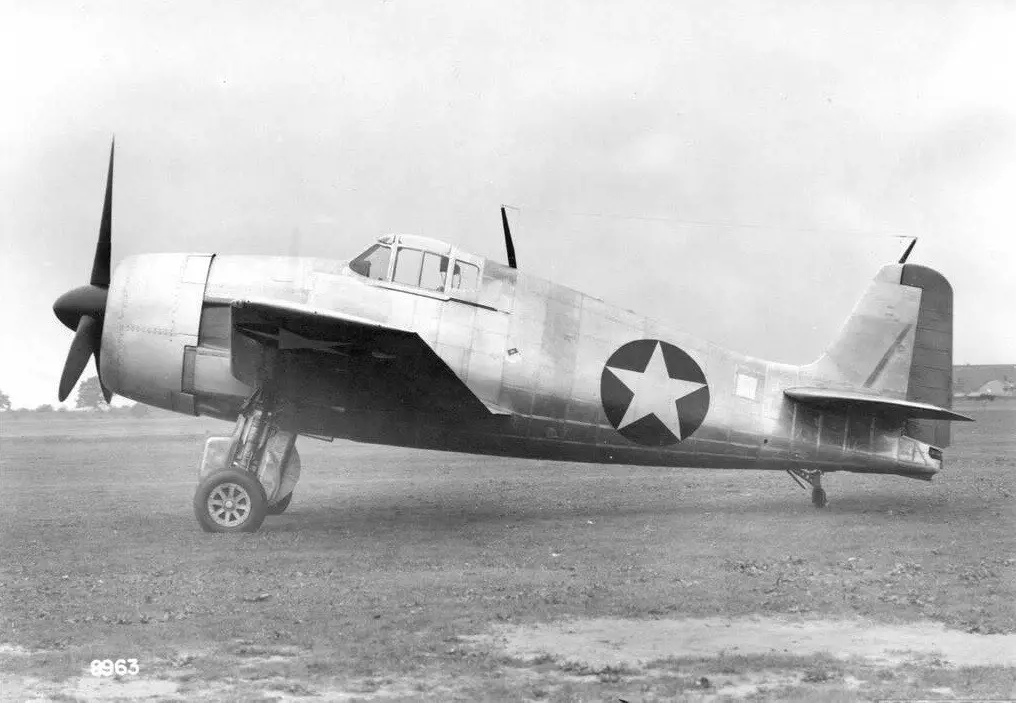
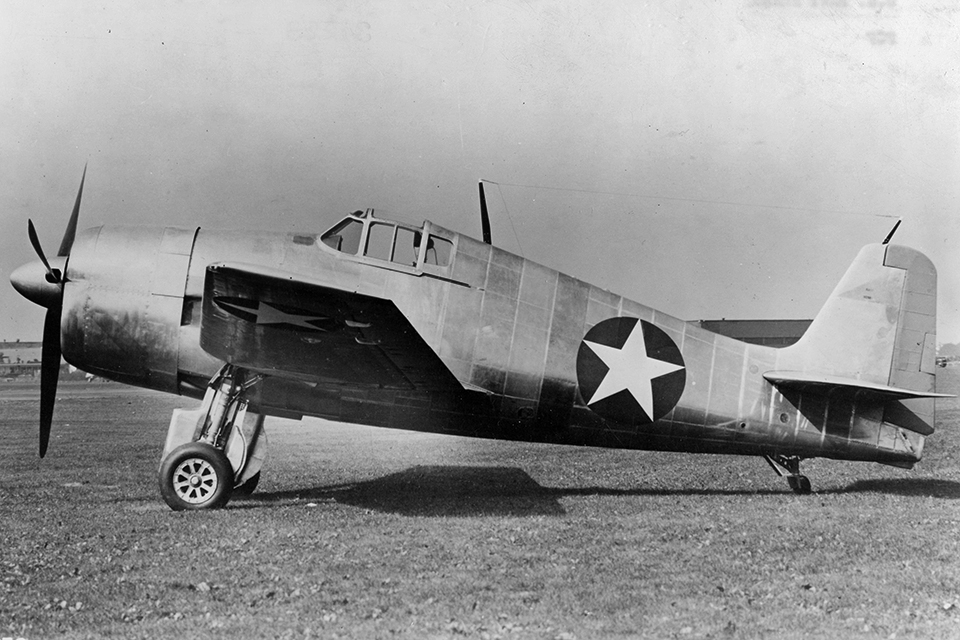
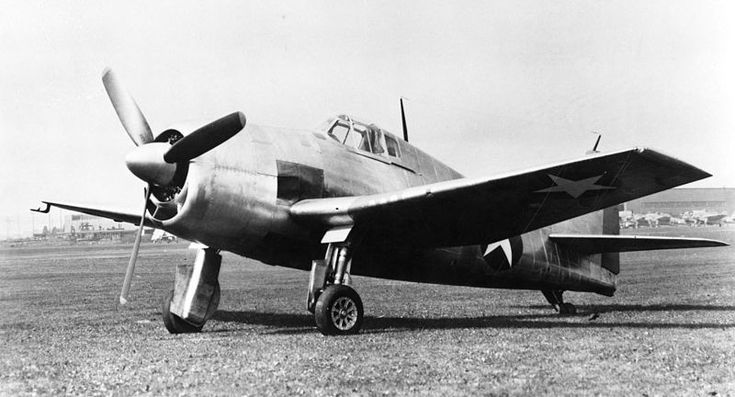
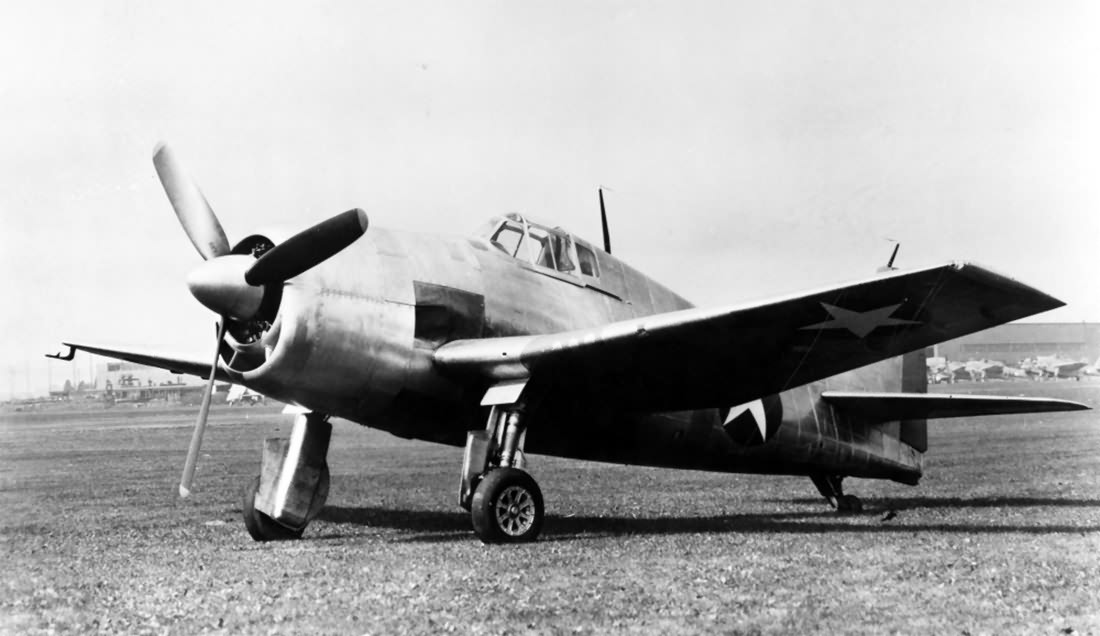
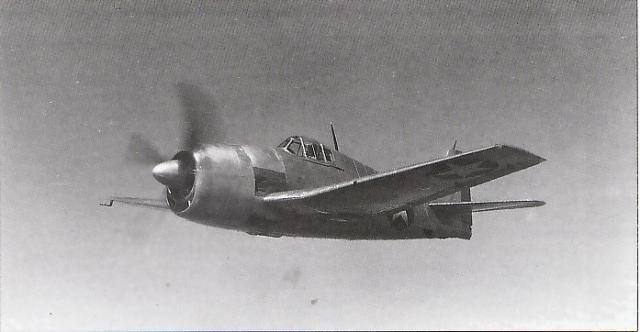
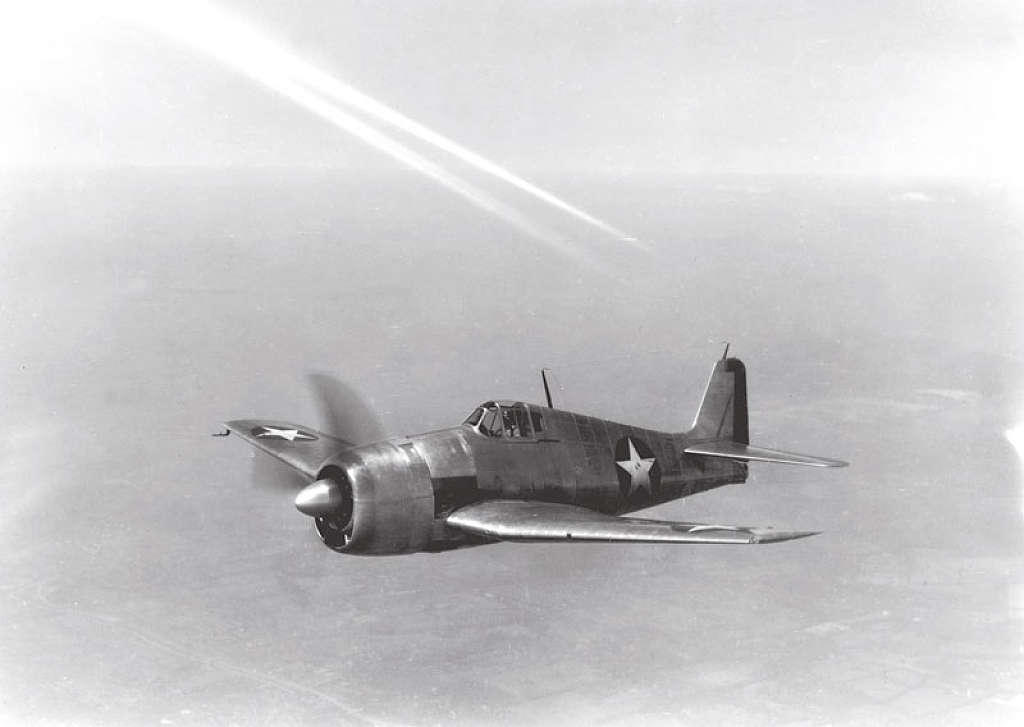
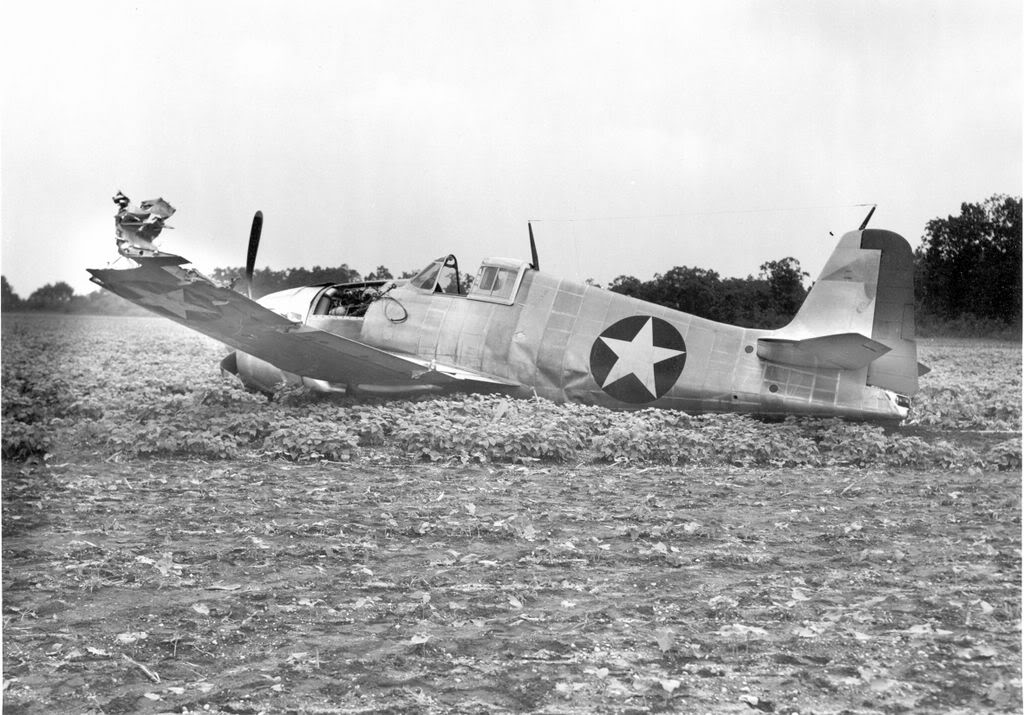
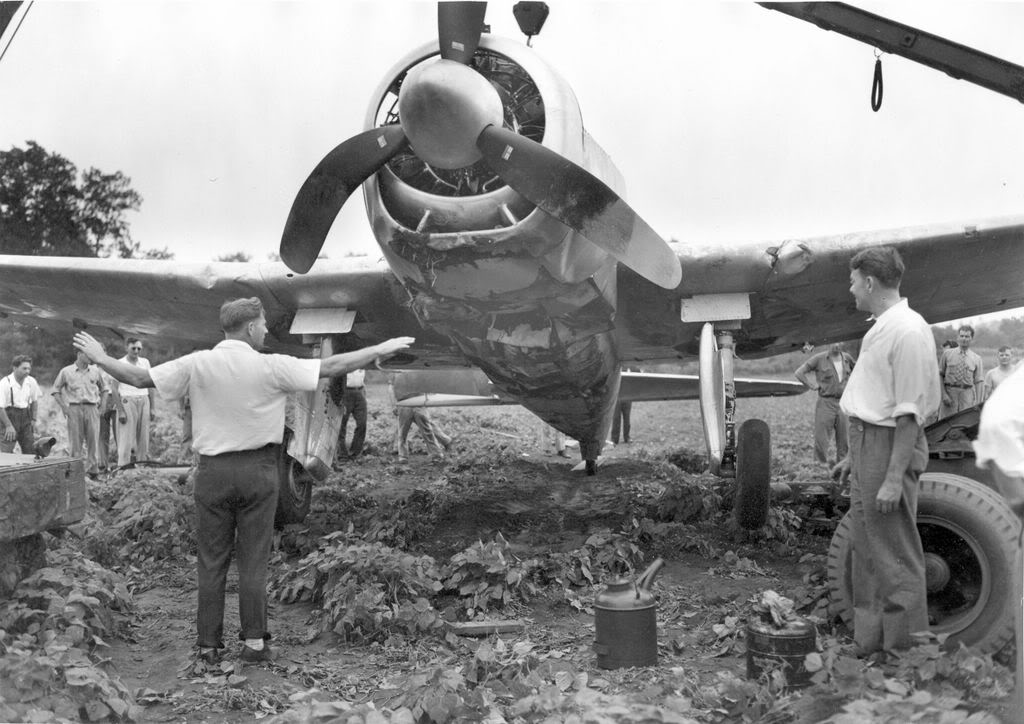
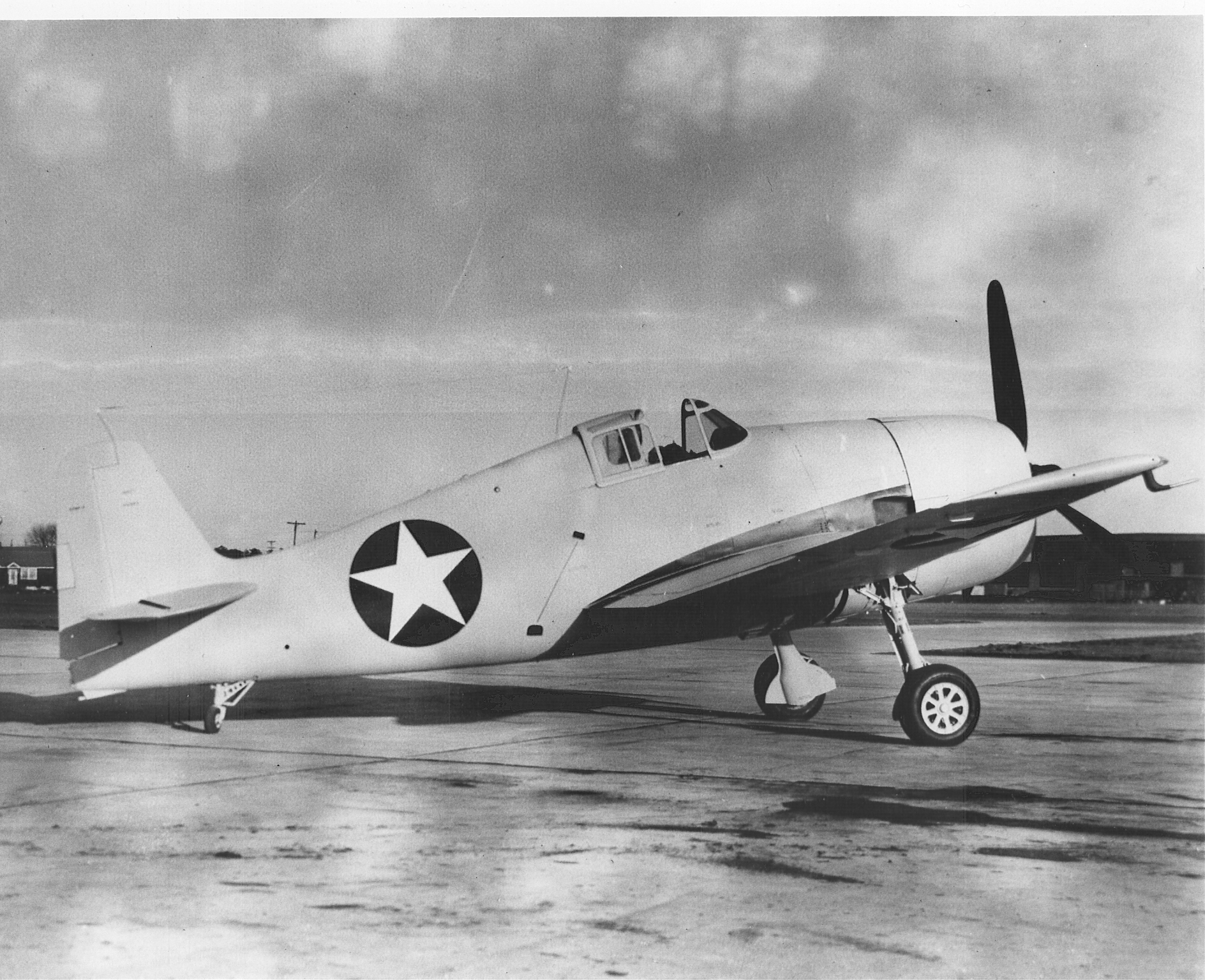
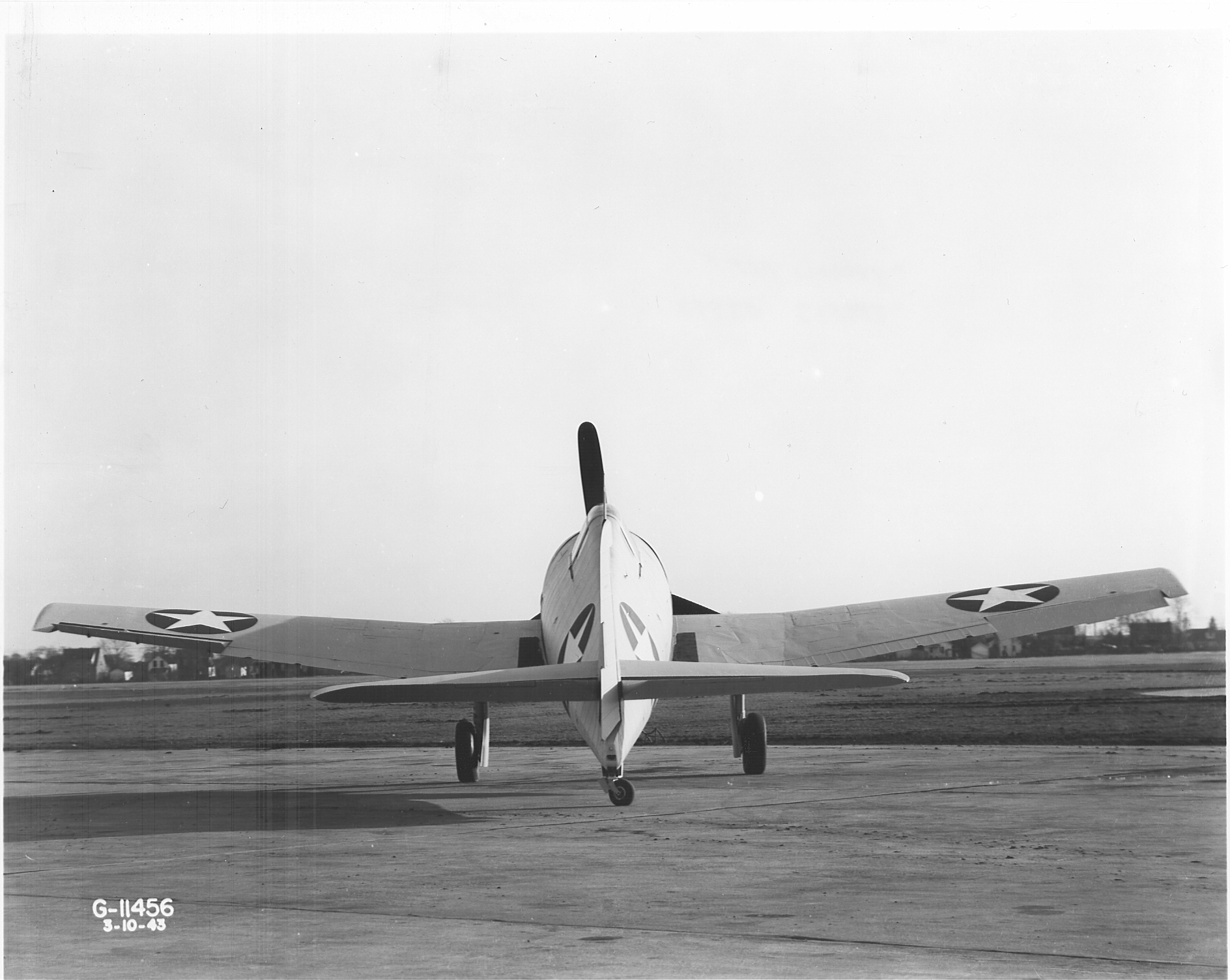
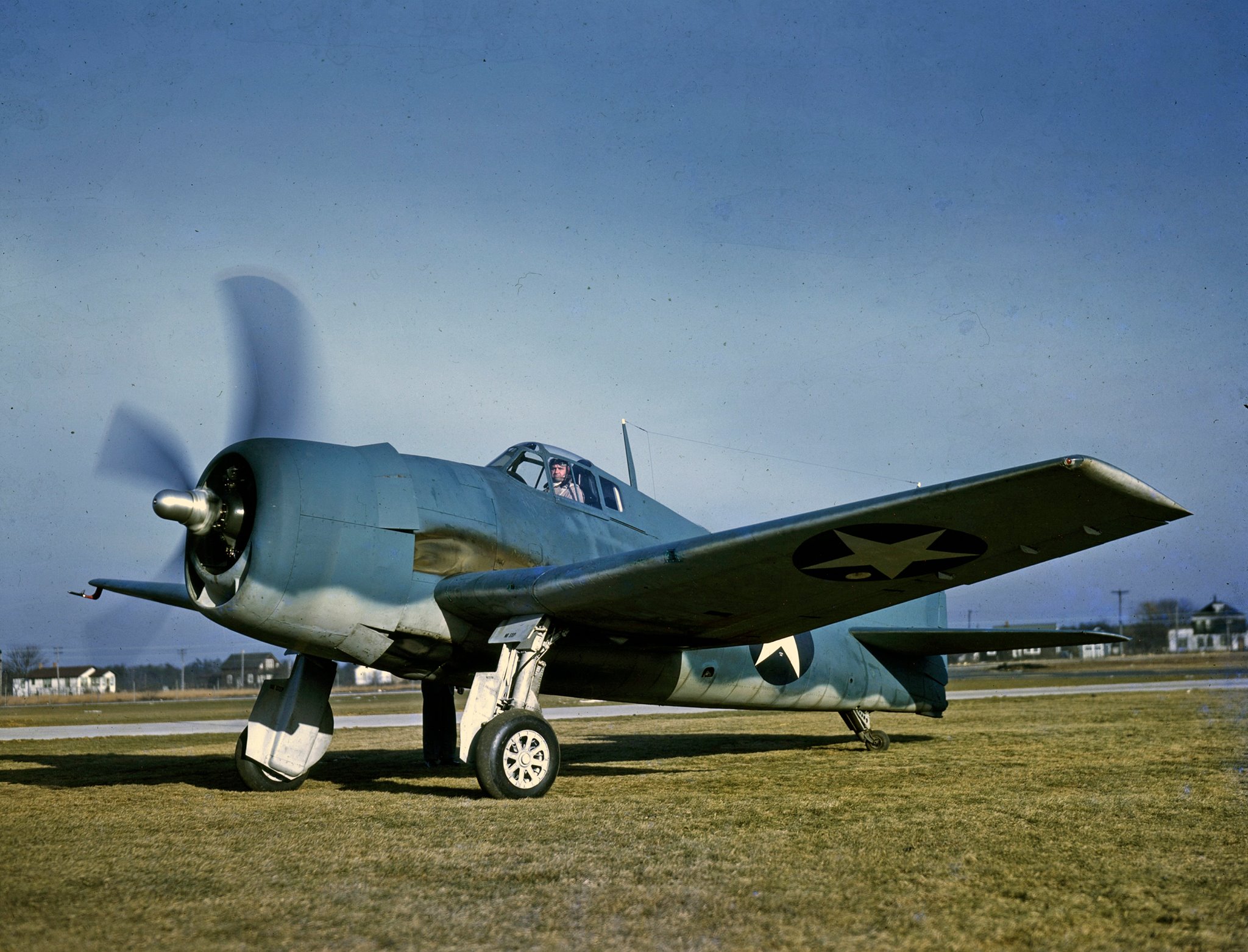
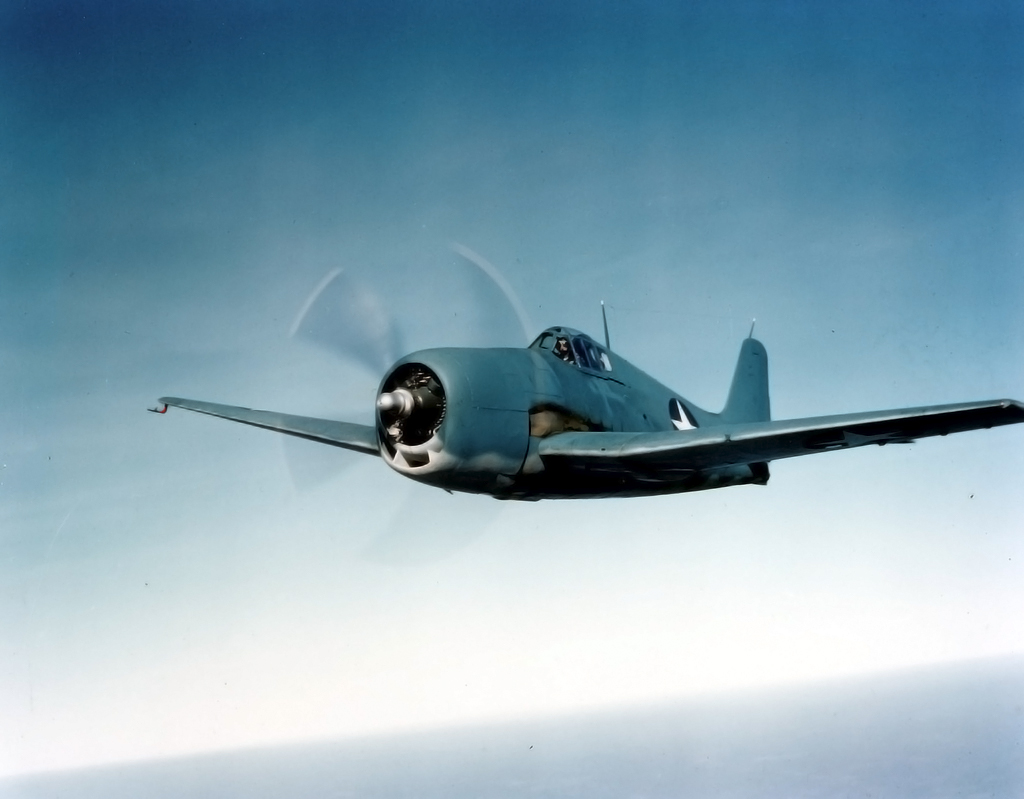
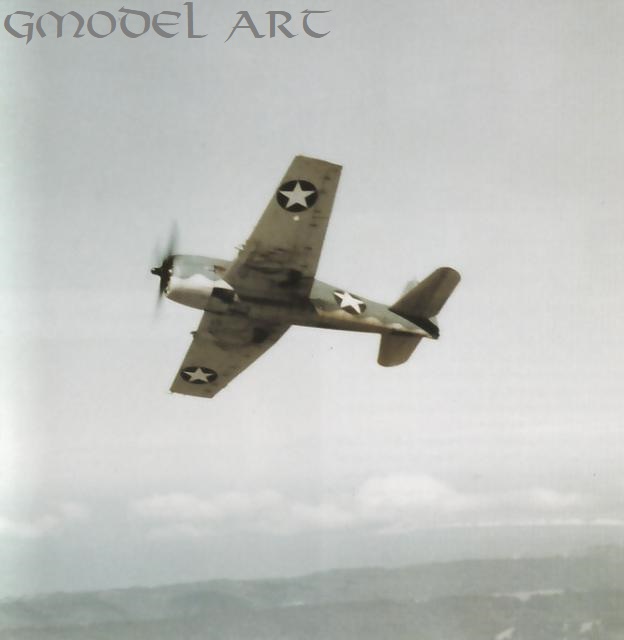
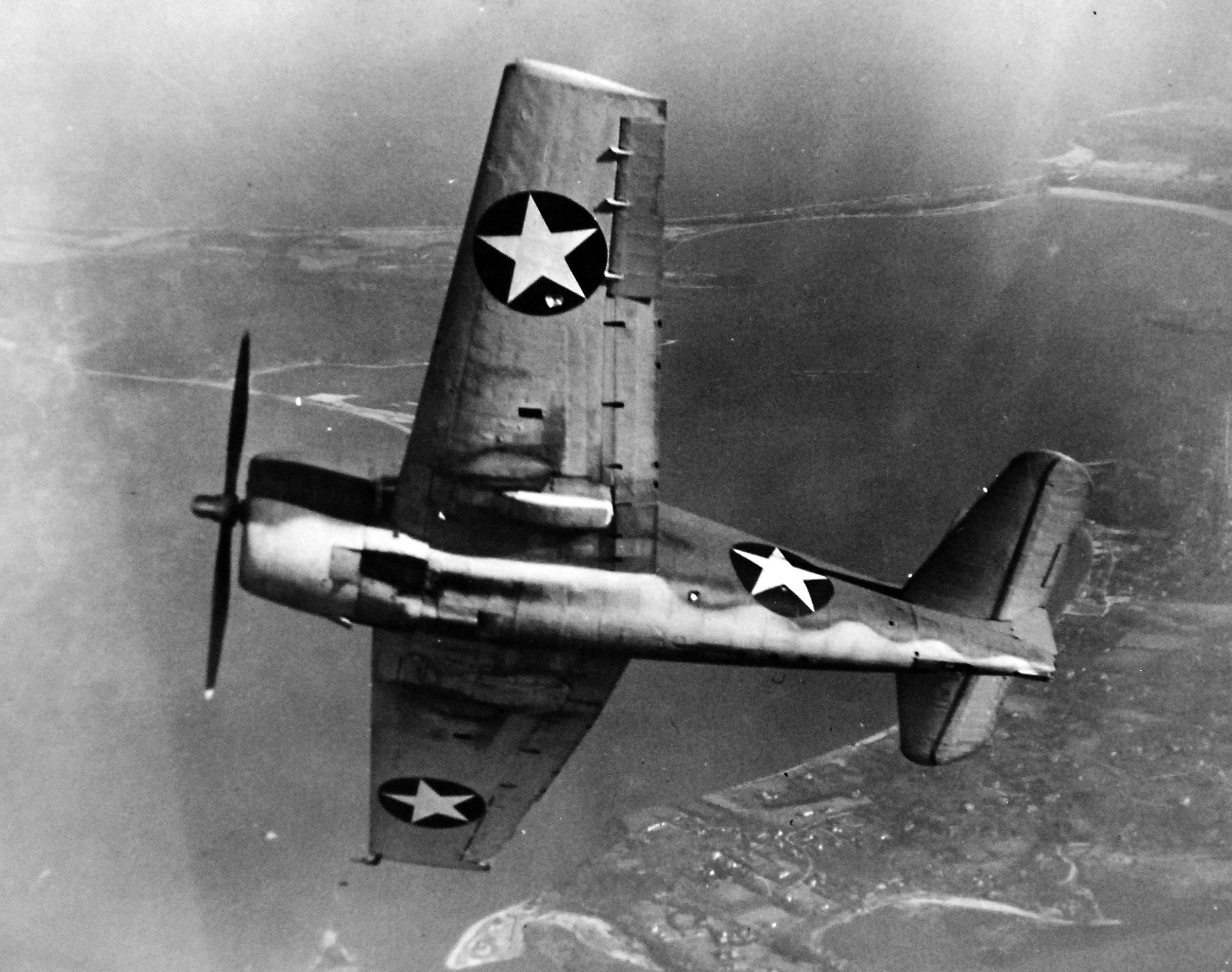
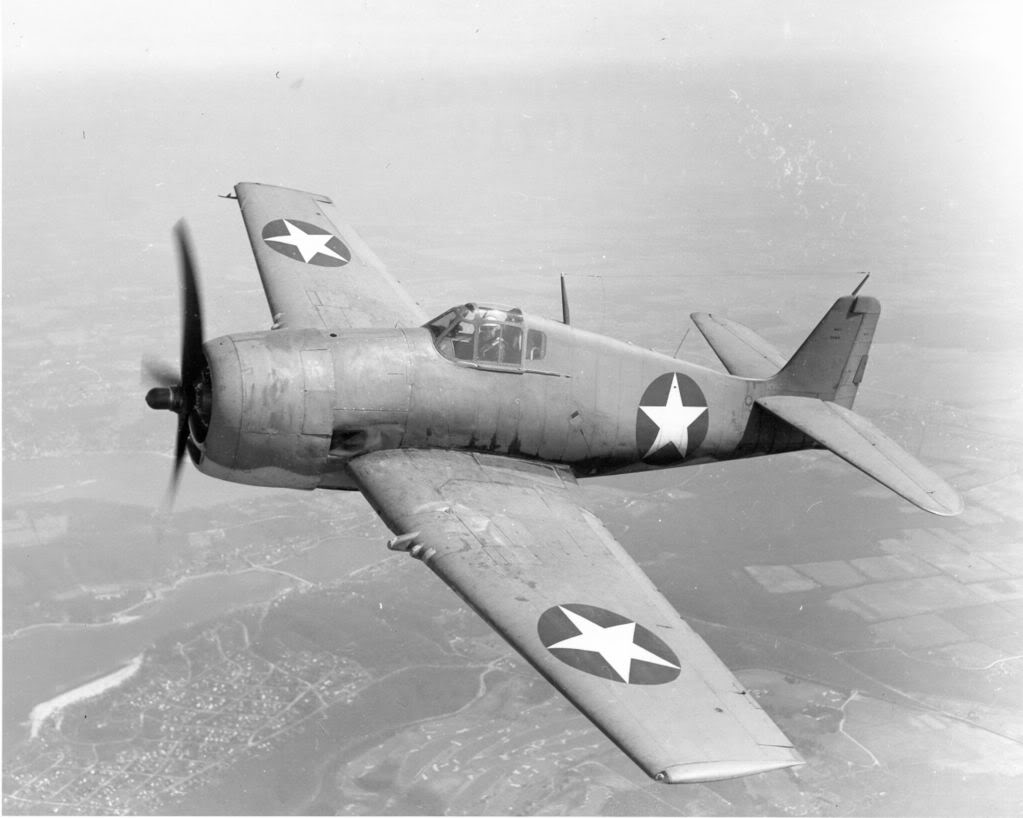
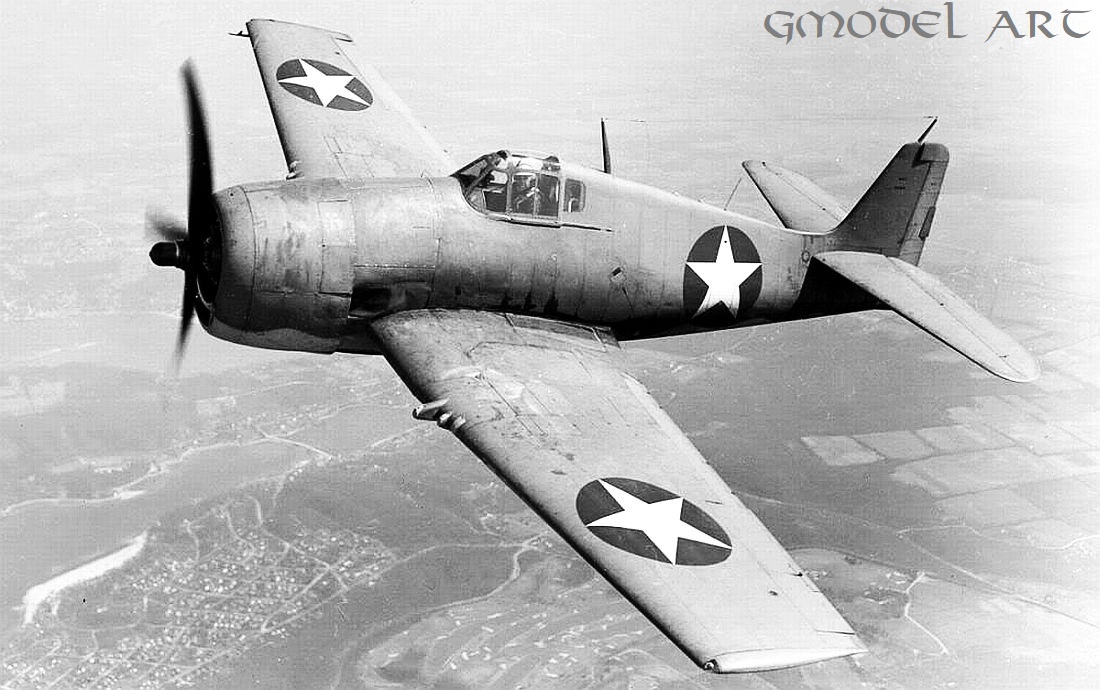
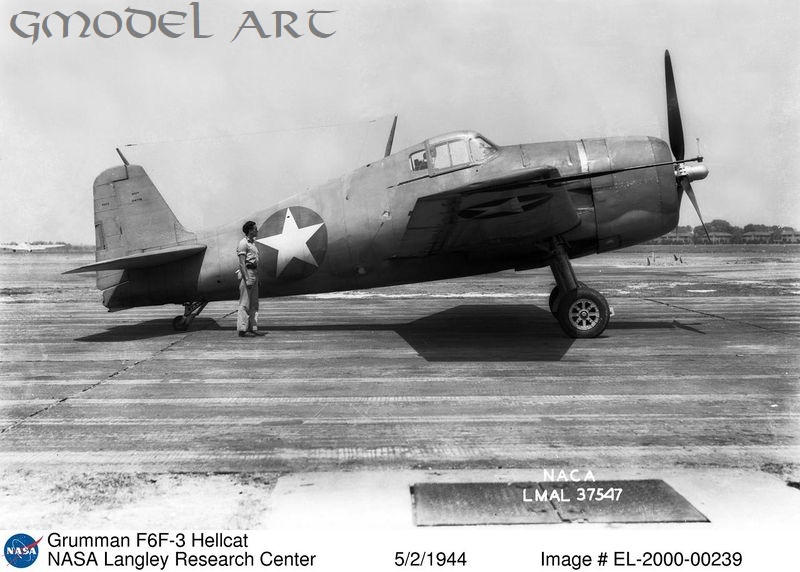
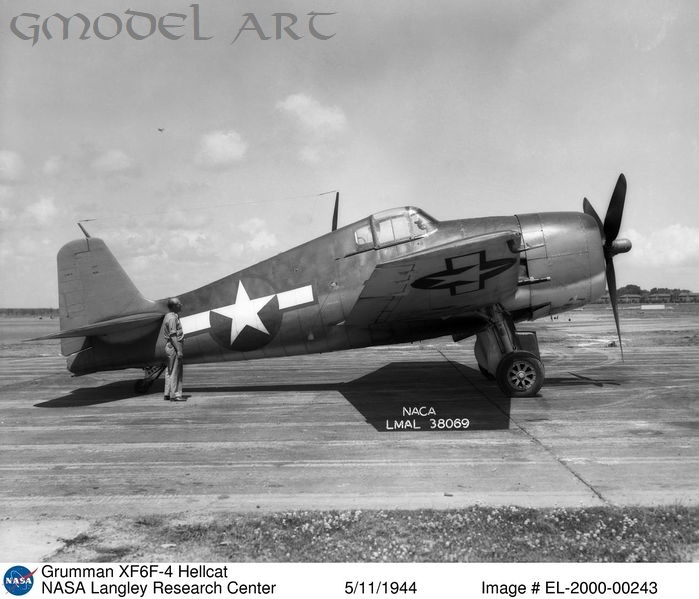
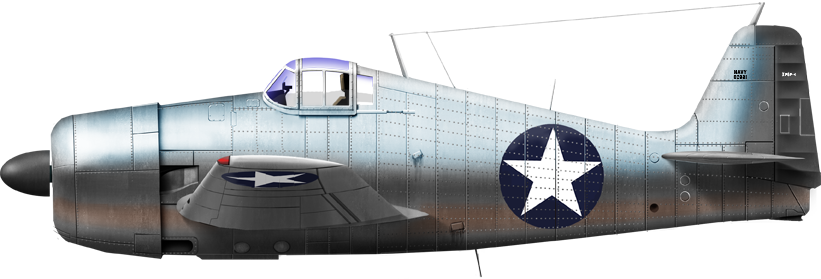
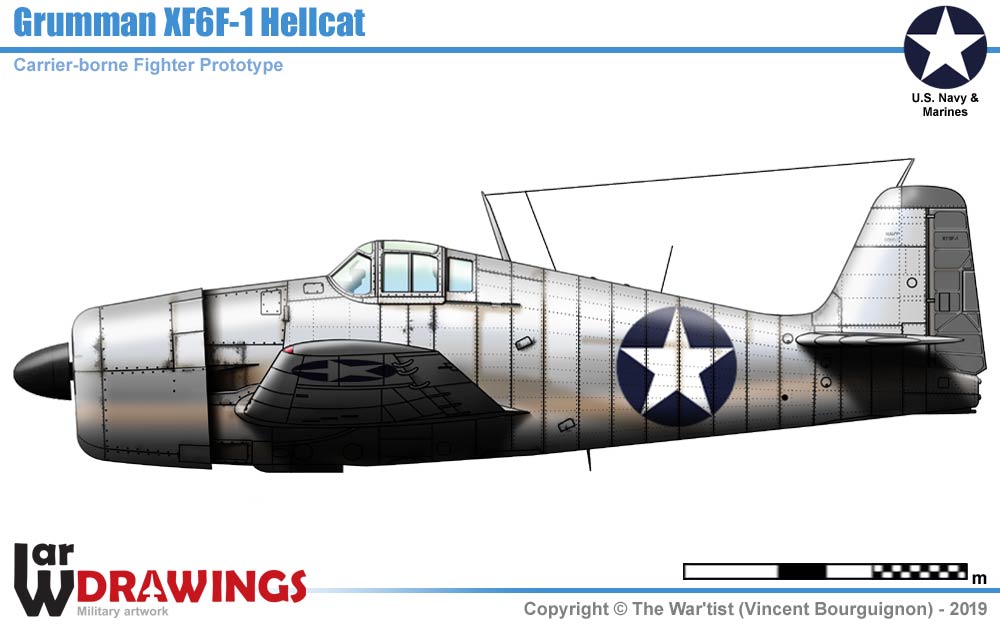
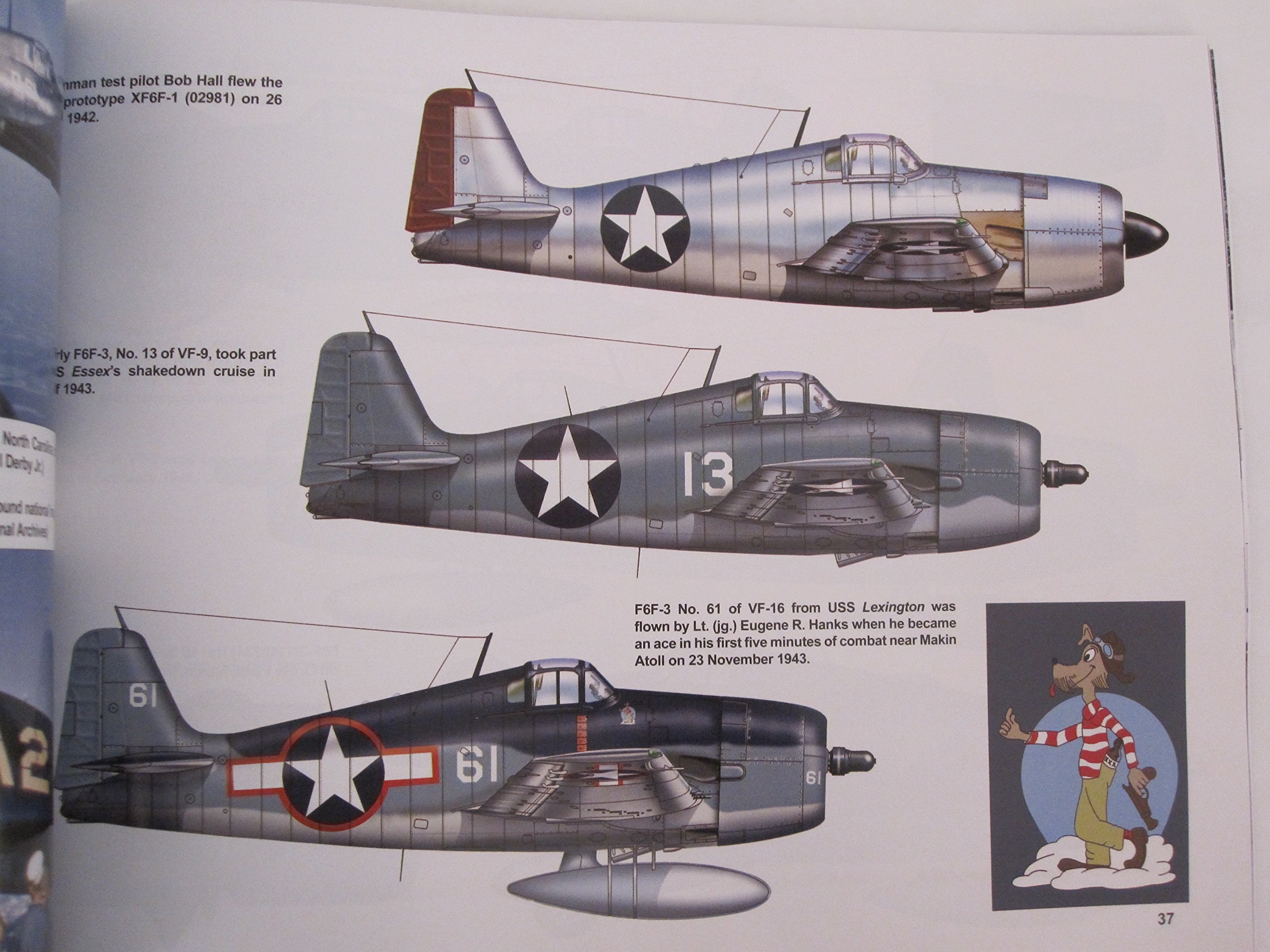
XF6F-1 Hellcat Grumman
article XF6F-1 Hellcat Following the early experience of the US Navy in the Pacific during the early months of World War II and in consultation with Allied forces on the European front, Grumman began developing…
article XF6F-1 Hellcat Following the early experience of the US Navy in the Pacific during the early months of World War II and in consultation with Allied forces on the European front, Grumman began developing…
article Japanese Zero Wreck Any self-respecting modeller. You have to creatively destroy a kit at some point, In this article I will try to help you give it a different look, playing with the weather…
article Akutan Zero Mitsubishi A6M The Akutan Zero is inspected by US Navy personnel on Akutan Island on July 11, 1942.The Akutan Zero, also known as Koga’s Zero (古賀のゼロ) and the Aleutian Zero, was a…
article Wrecked Japanese zero Mitsubishi A6M fighter A Mitsubishi A6M2 Zero Model 21 takes off from the aircraft carrier Akagi to attack Pearl HarborThe Second Sino-Japanese War began in 1937. Attacks by Chinese fighter planes…
FG-1 Corsair 091″ 092″ Many WW2 fighters that flew into battlefields were transformed into more advanced calipers. Egg type, such as the P-51D & P-47D. The earliest covers were, in terms of construction, the shape…
F-16 C Viper STAR 60th Anniversary 343 Fighter Squadron Hellenic Air Force Tamiya 1:48 I was lucky enough to study this F-16 ‘505’ up close at its base. At the 115th Fighter Wing in Souda.…
# Vought-Sikorsky XF4u-1 CORSAIR Bu.No.1443 Prototype In February 1938 the US Naval Aeronautical Bureau issued two requests for proposals for twin and single engine fighters. For the single-engine fighter, the Navy requested maximum speed and…
P-47D-3-RA Thunderbolt, 42-22607, Naughty Nadine LIEUTENANT (I) JOHN LOLOS 341st FS, 348th FG TAMIYA 1/48 Republic P-47D Thunderbolt When the book of my friend Dimitris Vassilopoulos fell into my hands. (Greeks in foreign cockpits) I…
F4U-1 WM (Wasp Major) Corsair Aircraft. Naval. The Vought-Sikorsky ‘Corsair’ fighter(F4U-1) of the Navy, is one of the fastest fighter jets in existence. It is powered by a 2,000 horsepower Pratt and Whitney engine and…
F4u-1 Corsair BirdcageVF-17 Tamiya’s 1:48 I’ve started working on one of my next builds on the list, and with all this disruption to my normal busy work schedule, I’m thinking I might just be able…
This website uses cookies to improve your experience. We'll assume you're ok with this, but you can opt-out if you wish. Read More