article
Early WWII USAAF Camouflage (1941–1943): The Real Story Behind Olive Drab No.41 and Neutral Gray No.43
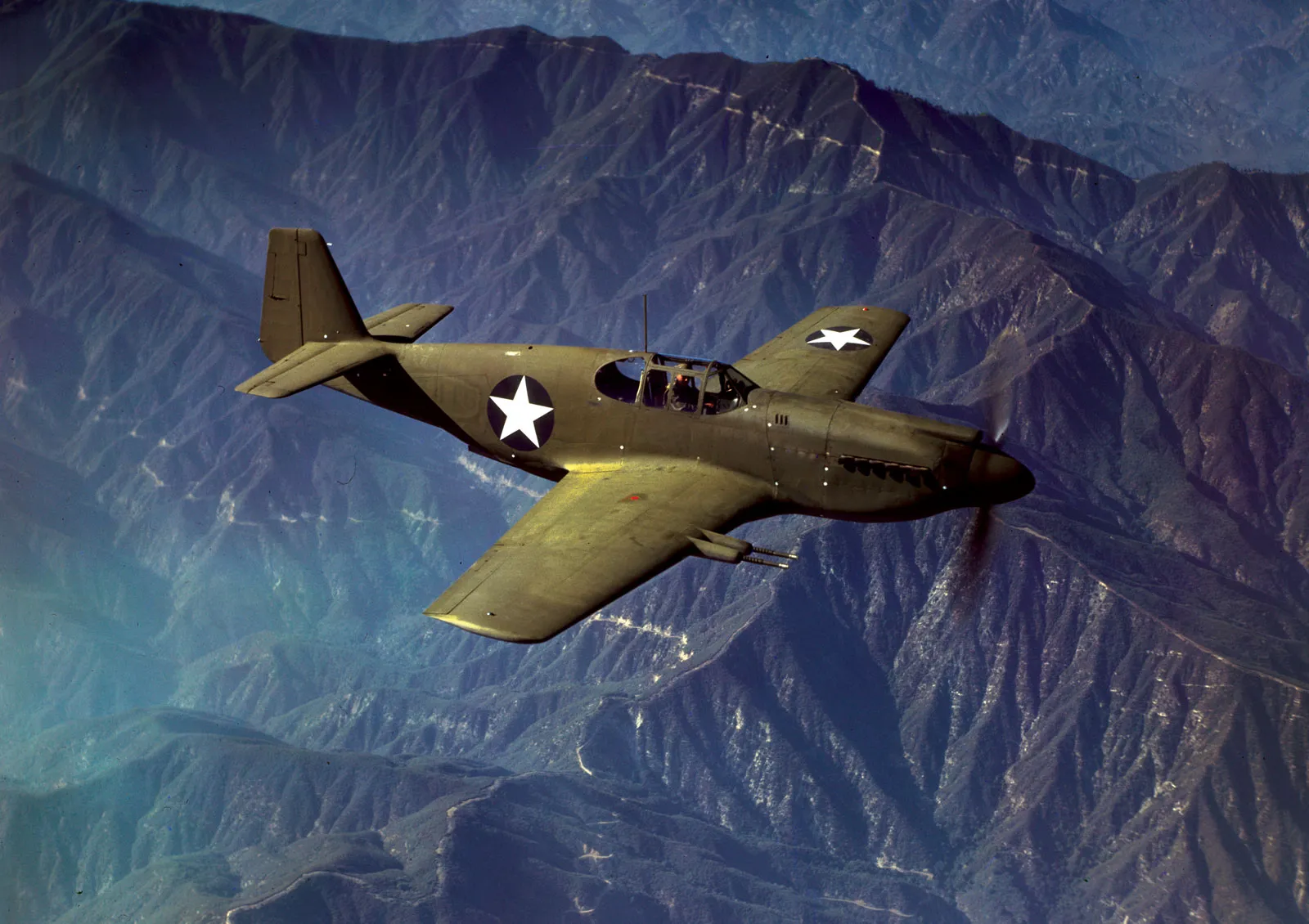
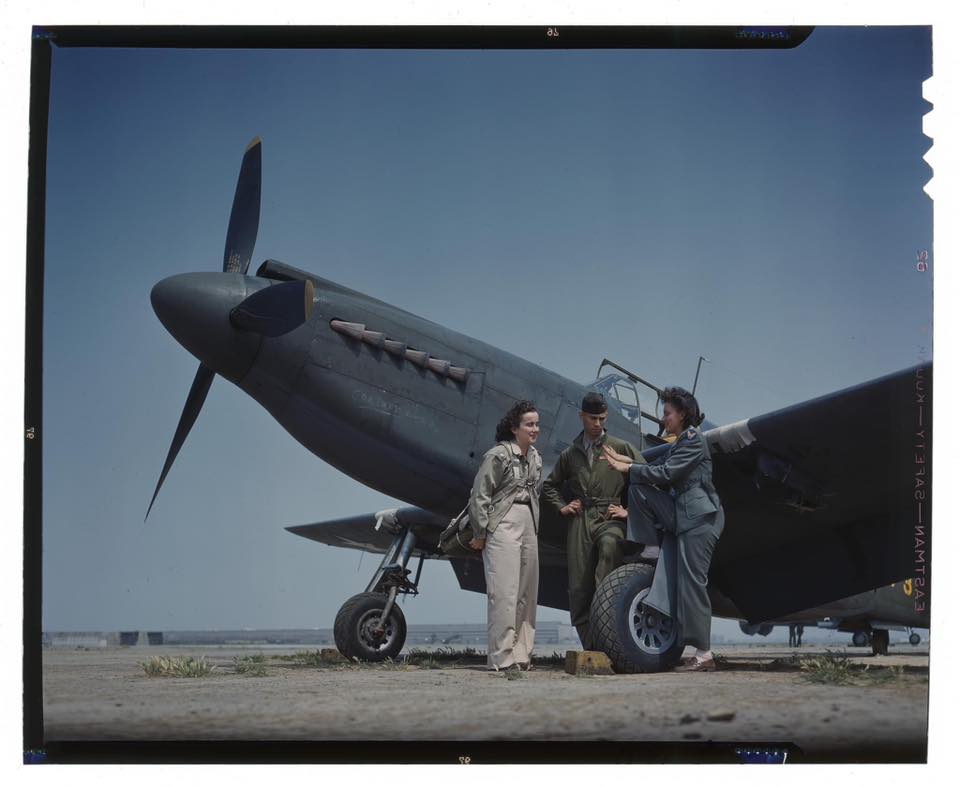
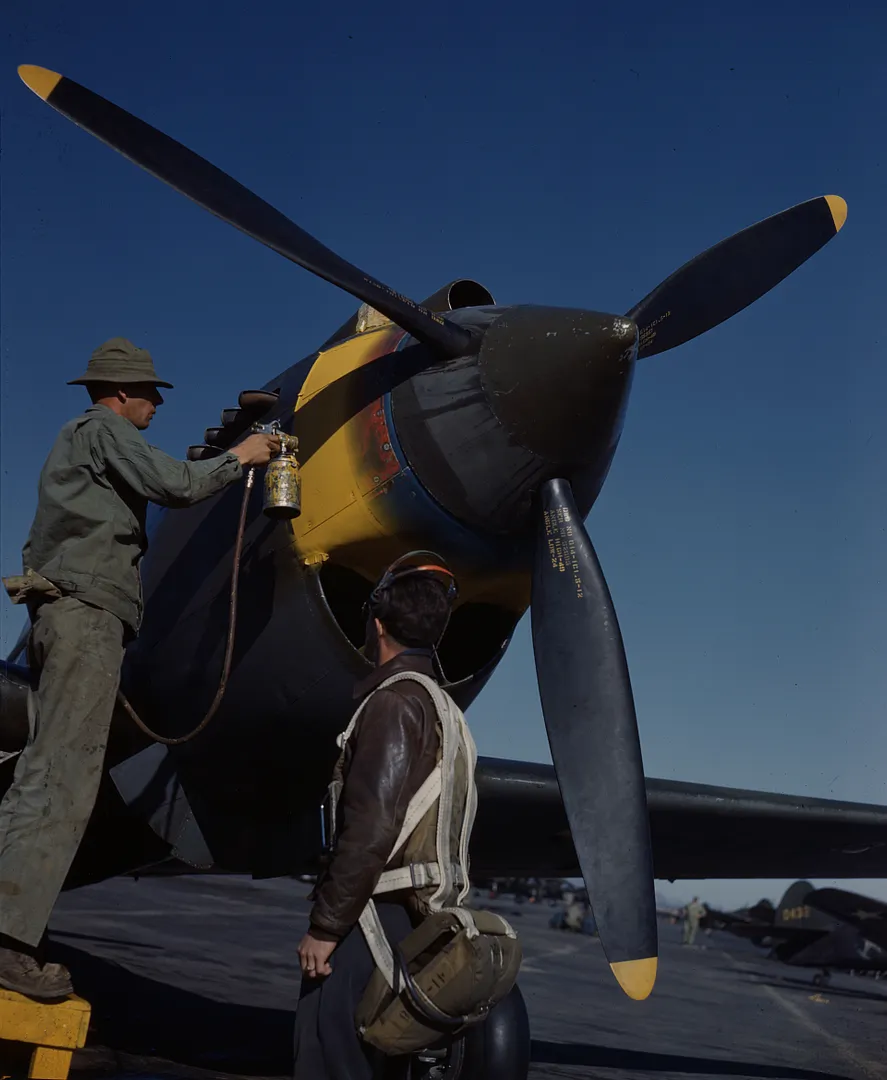
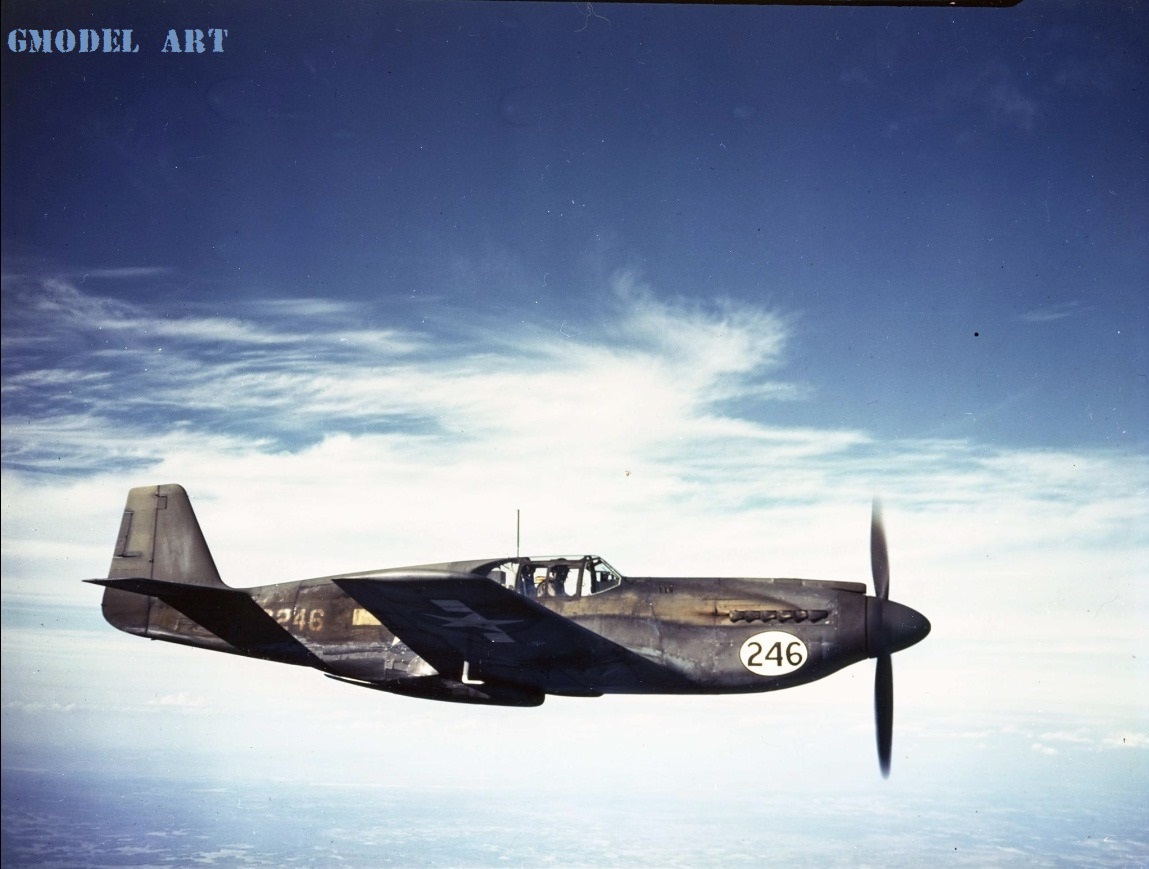
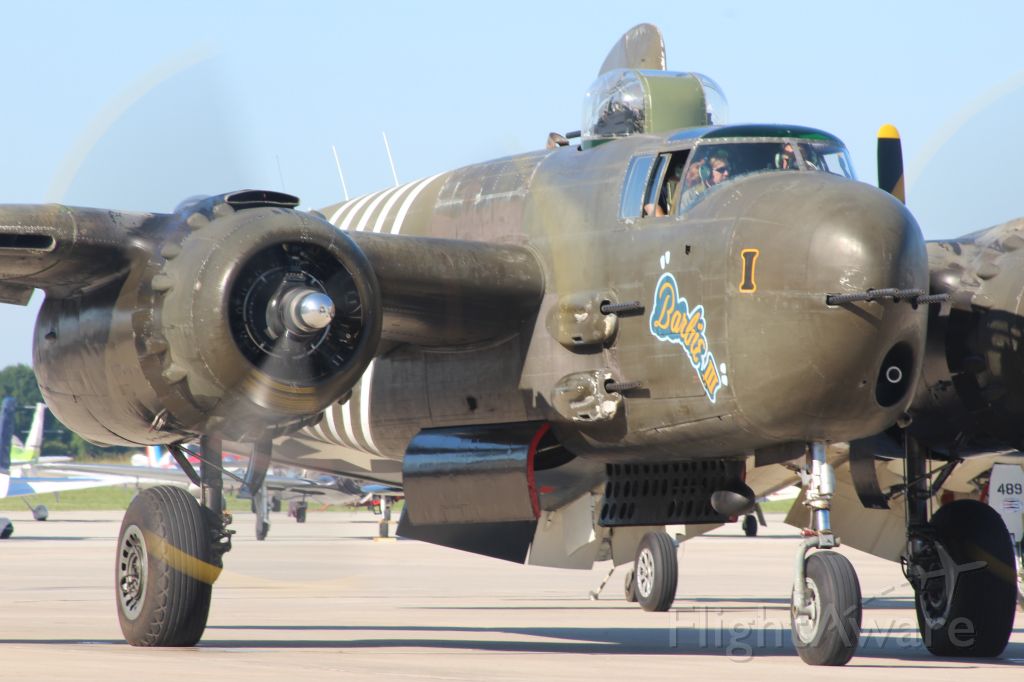
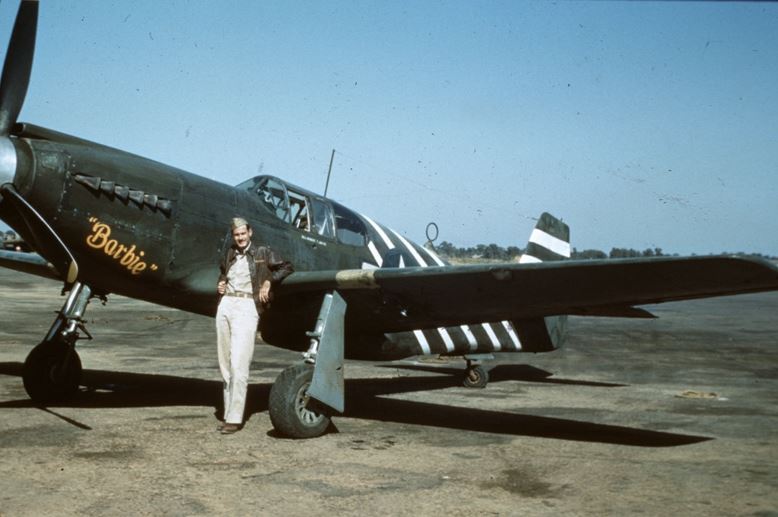
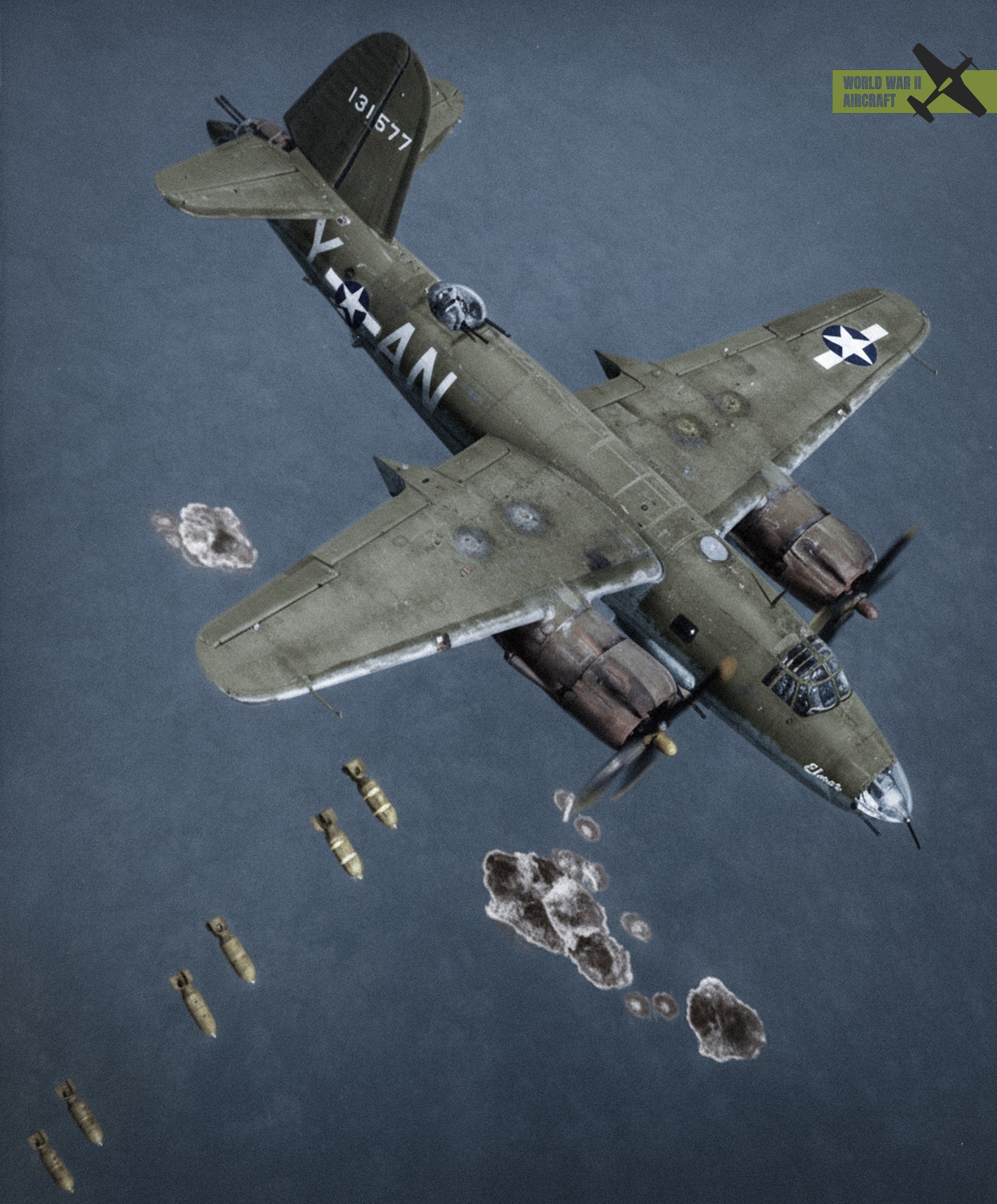
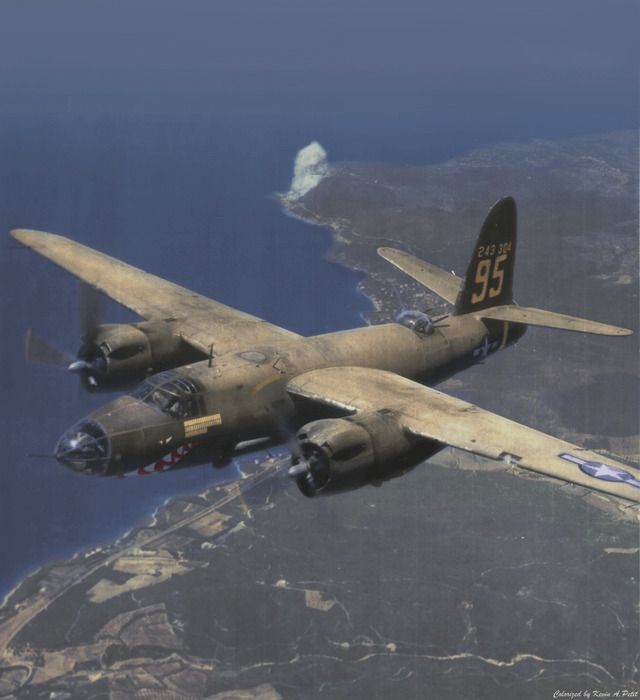
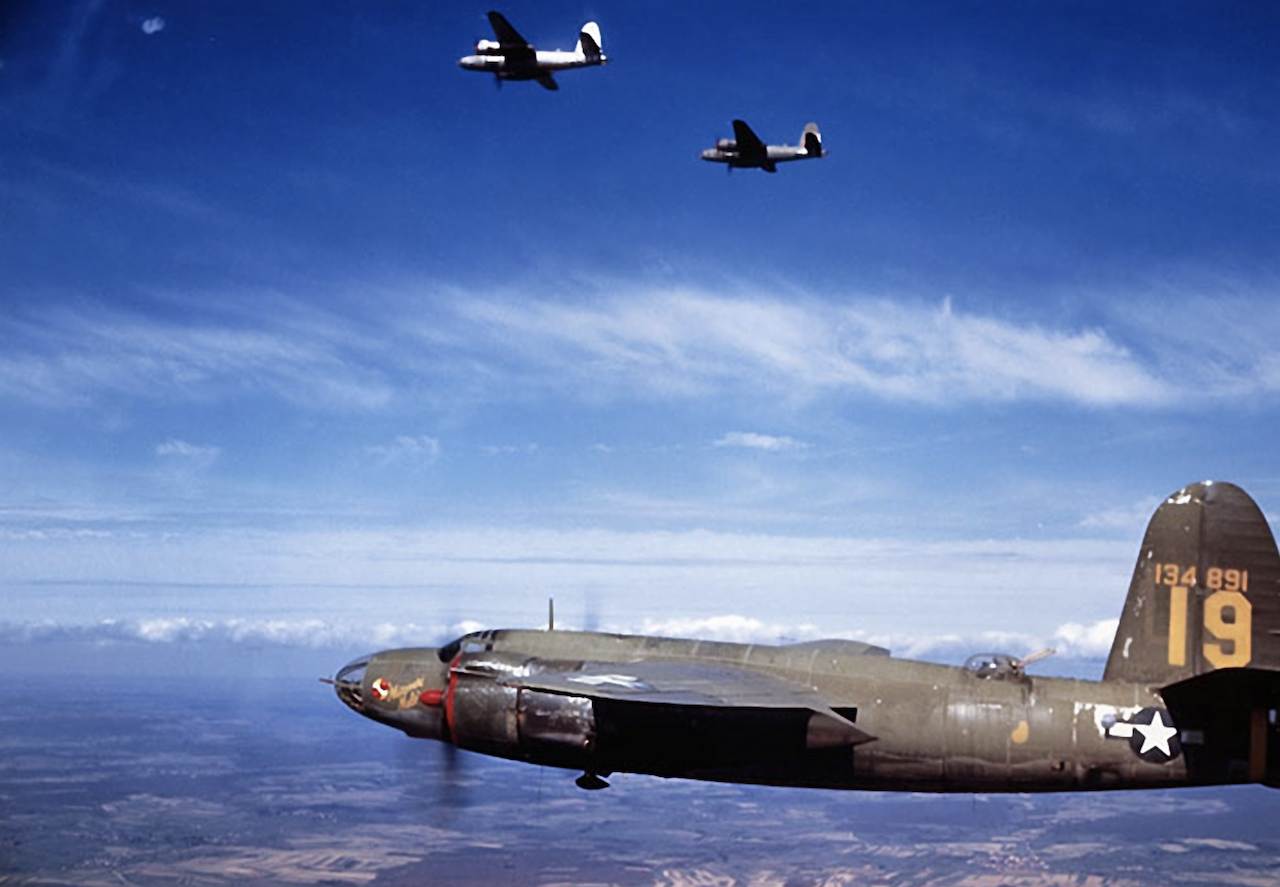
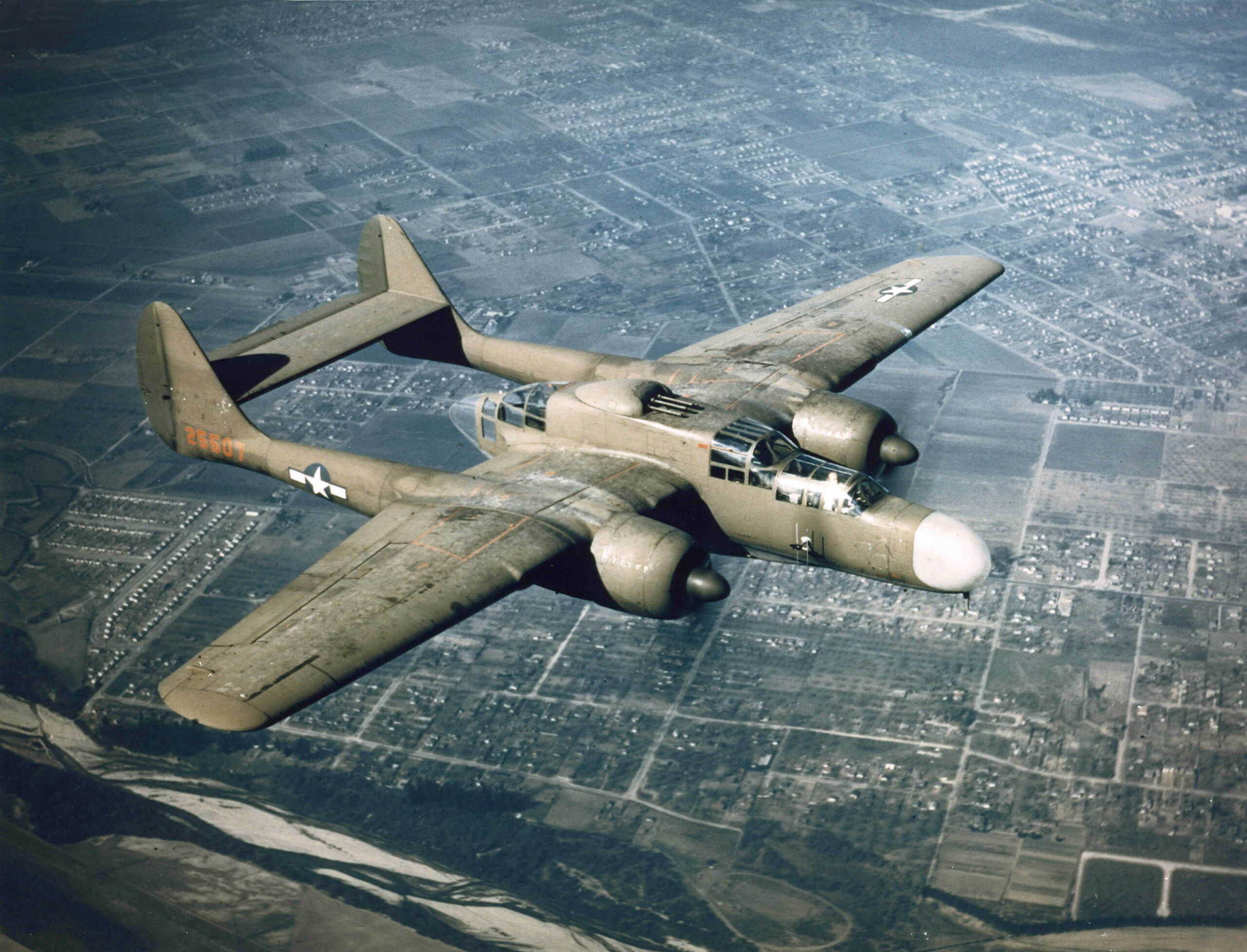
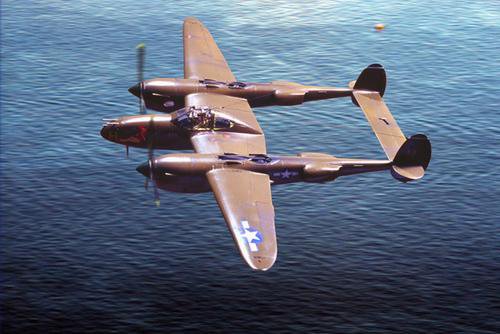
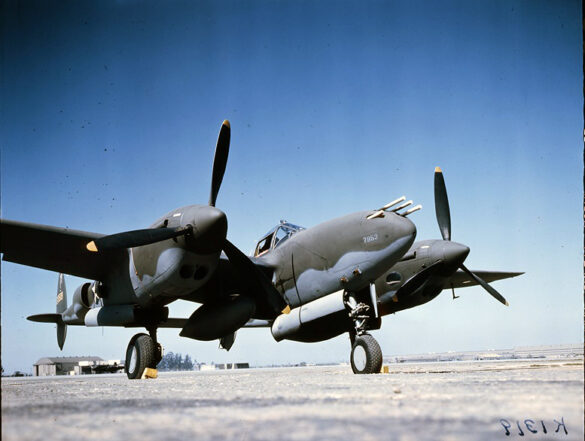
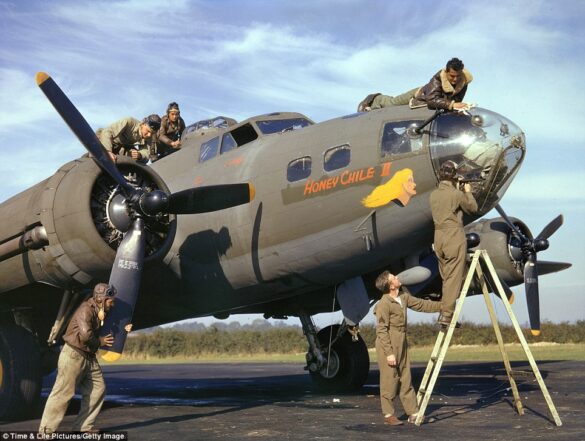
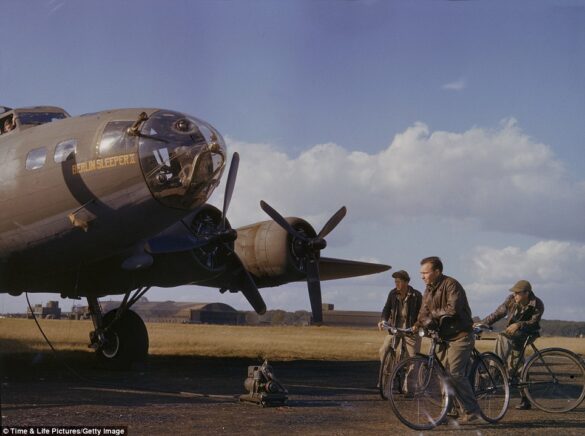
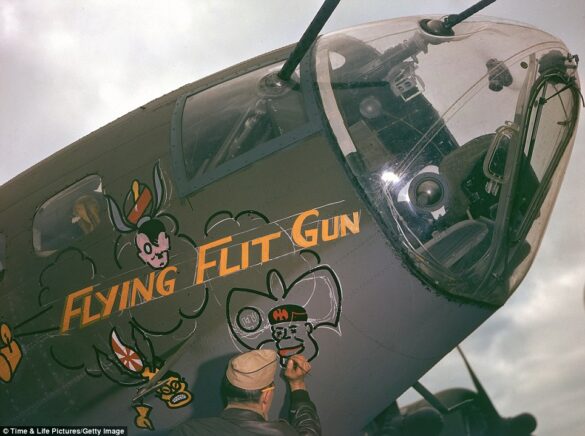
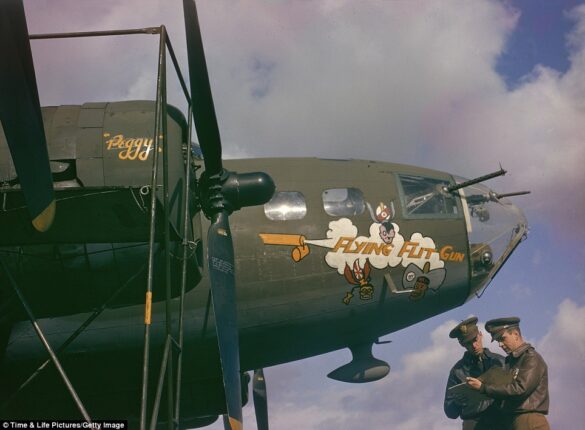
Among all military aircraft camouflage systems of the Second World War, few became as recognizable—and as misunderstood—as the early wartime finish of the United States Army Air Forces.
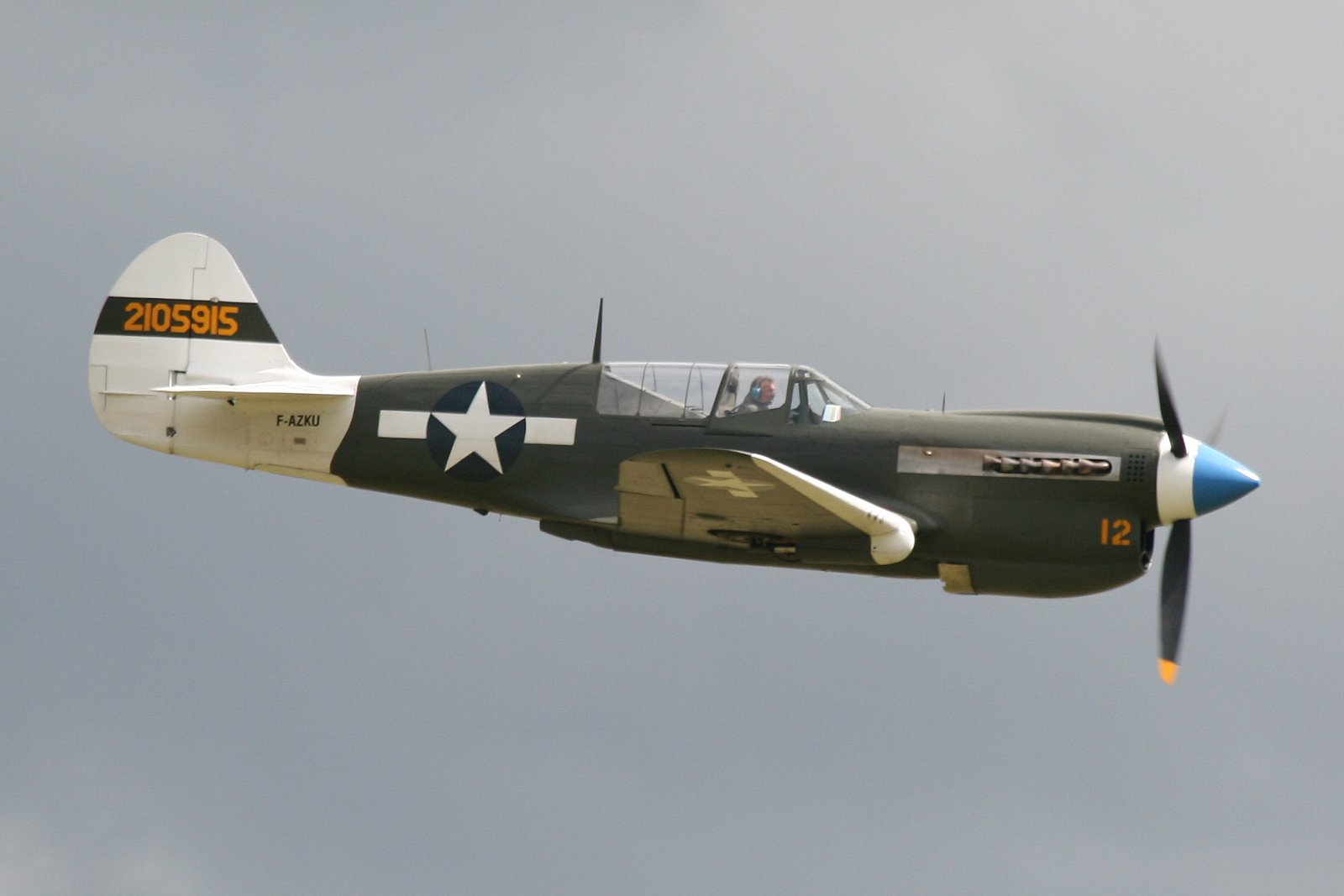
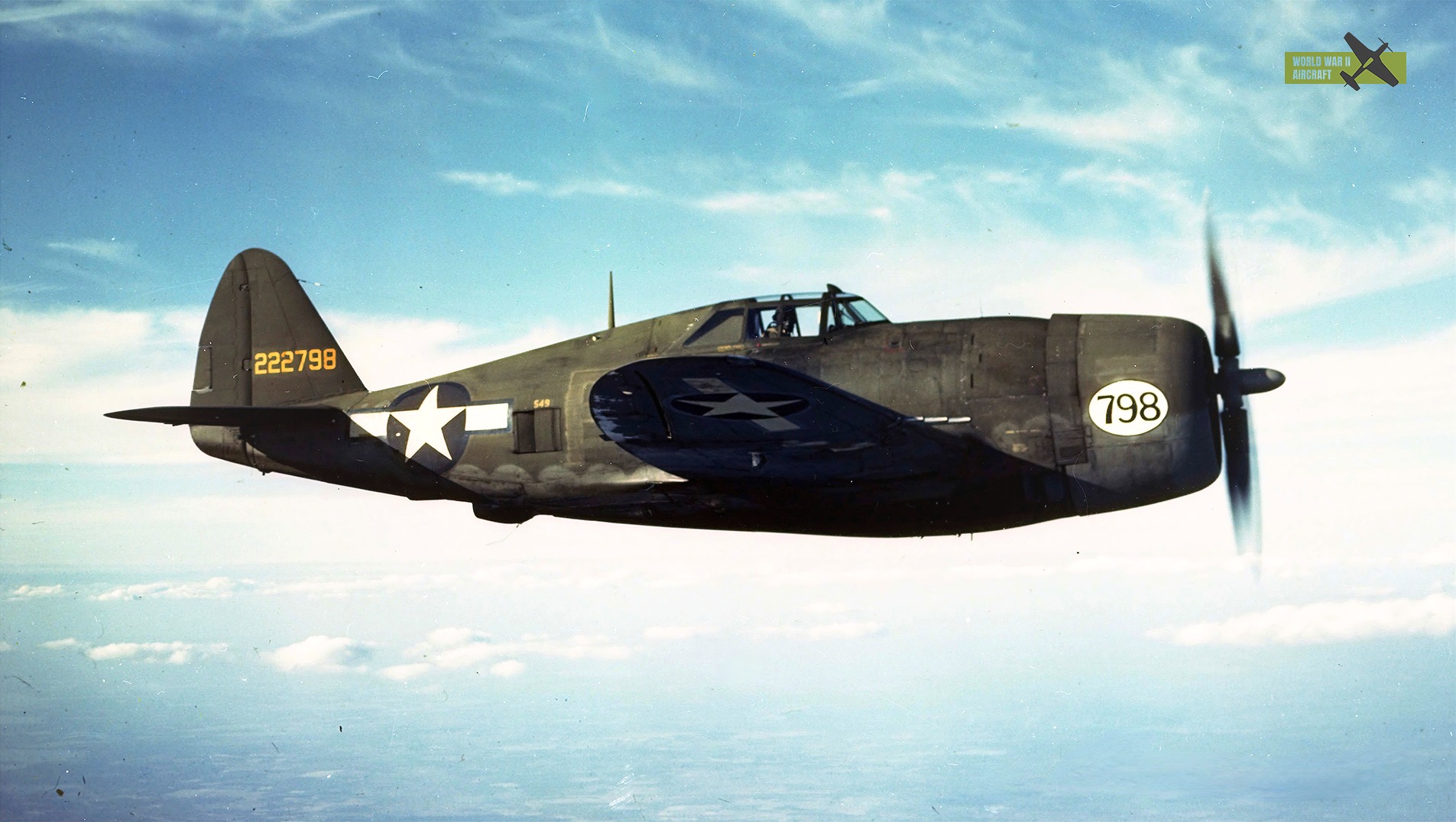
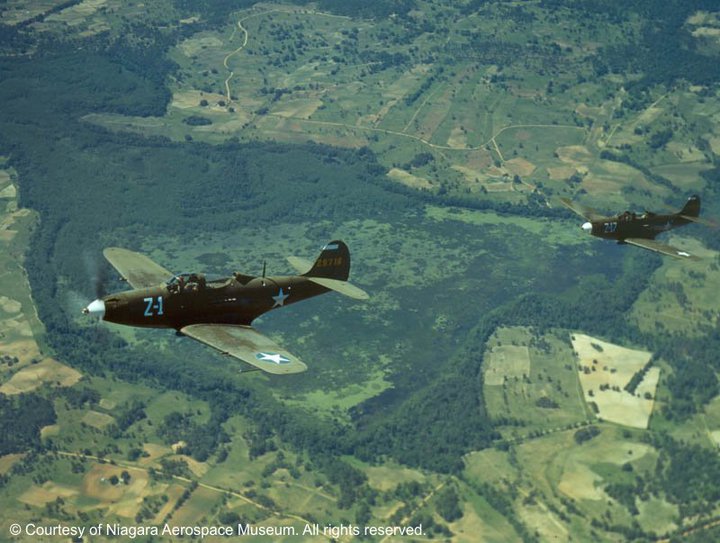
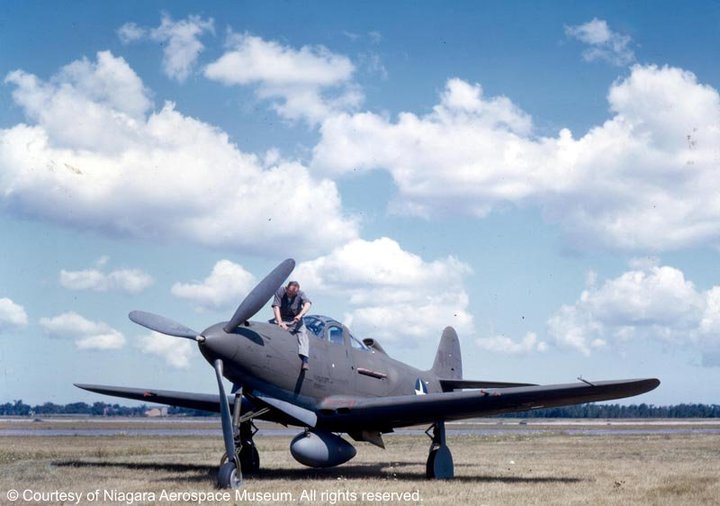
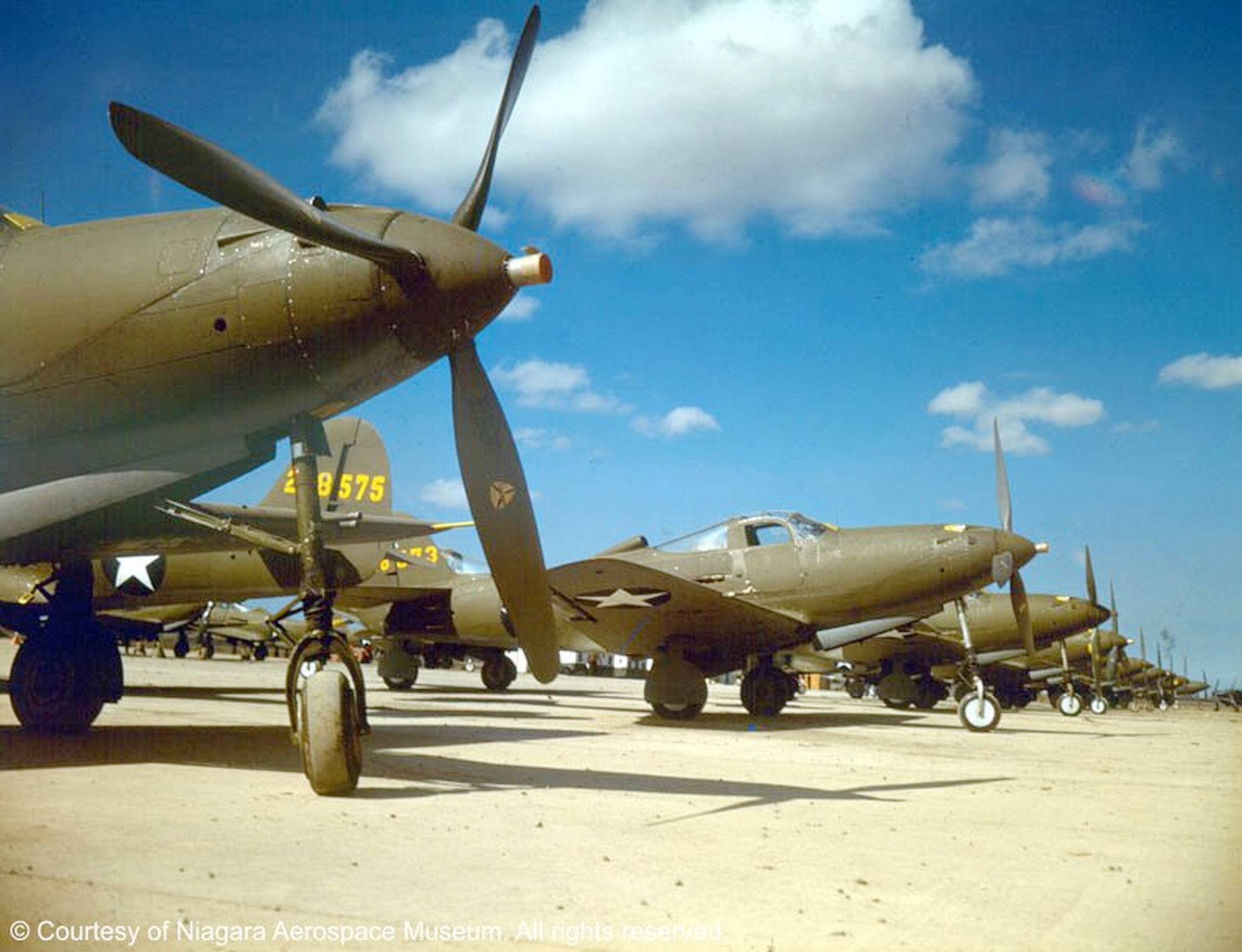
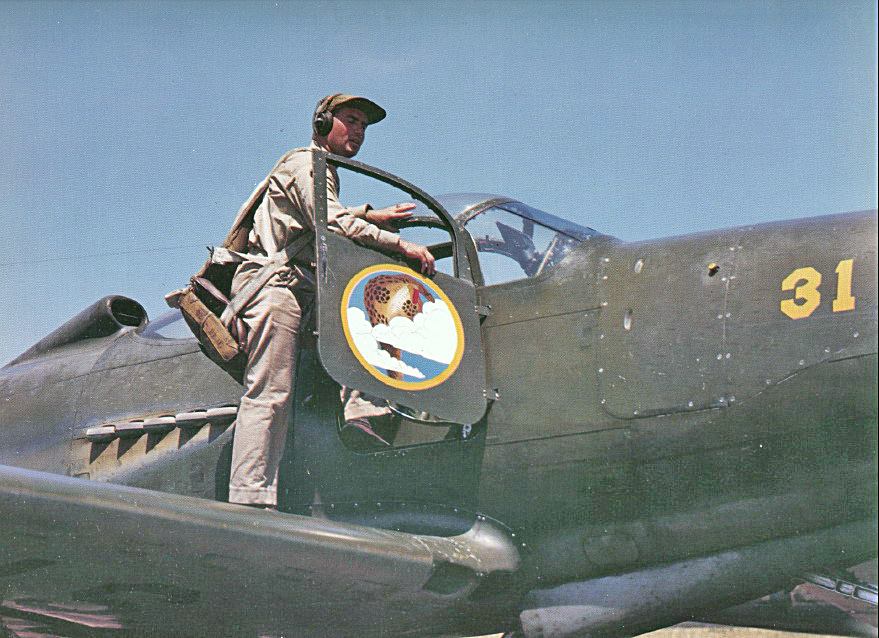
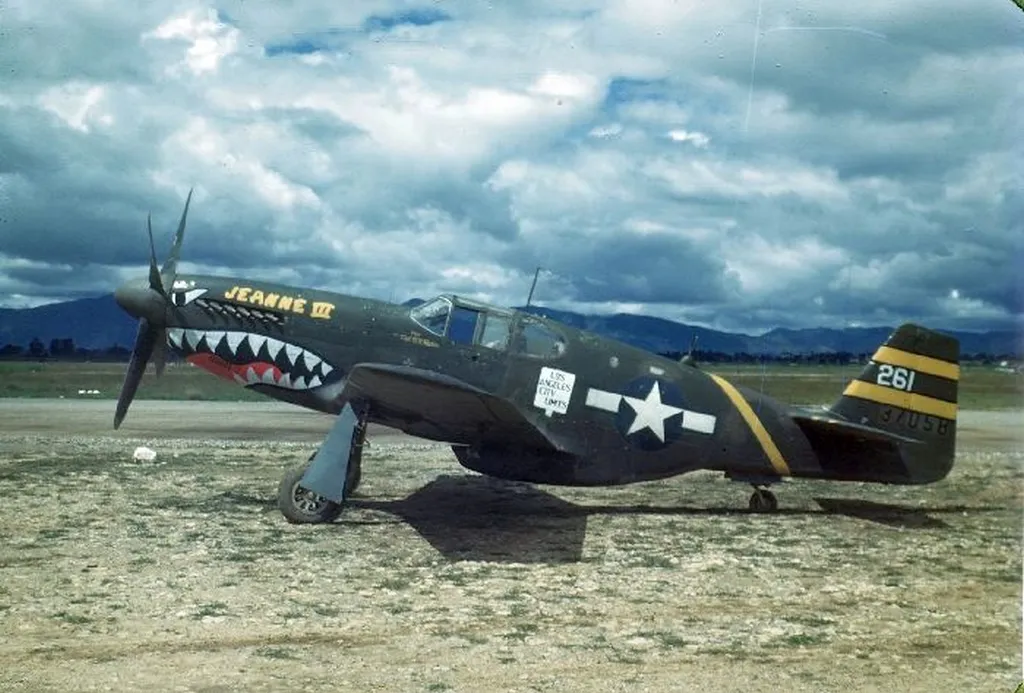
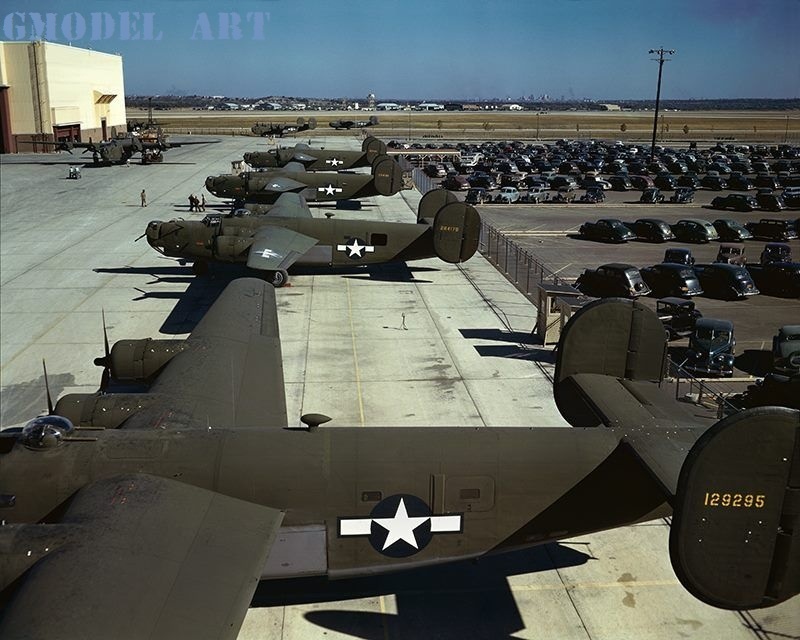
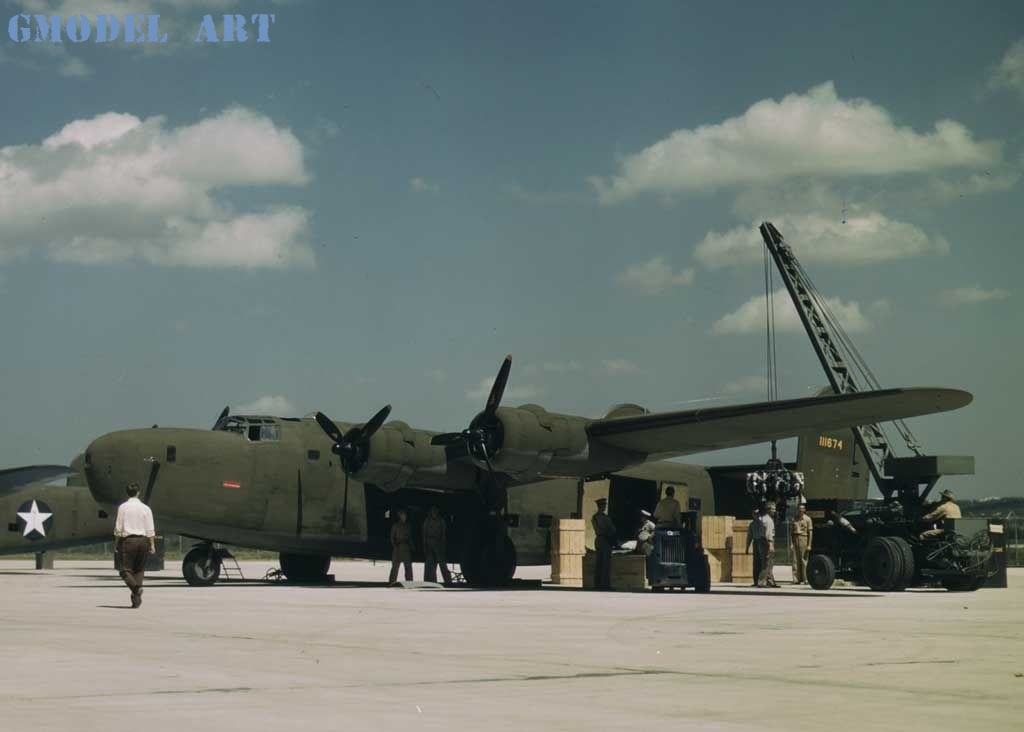
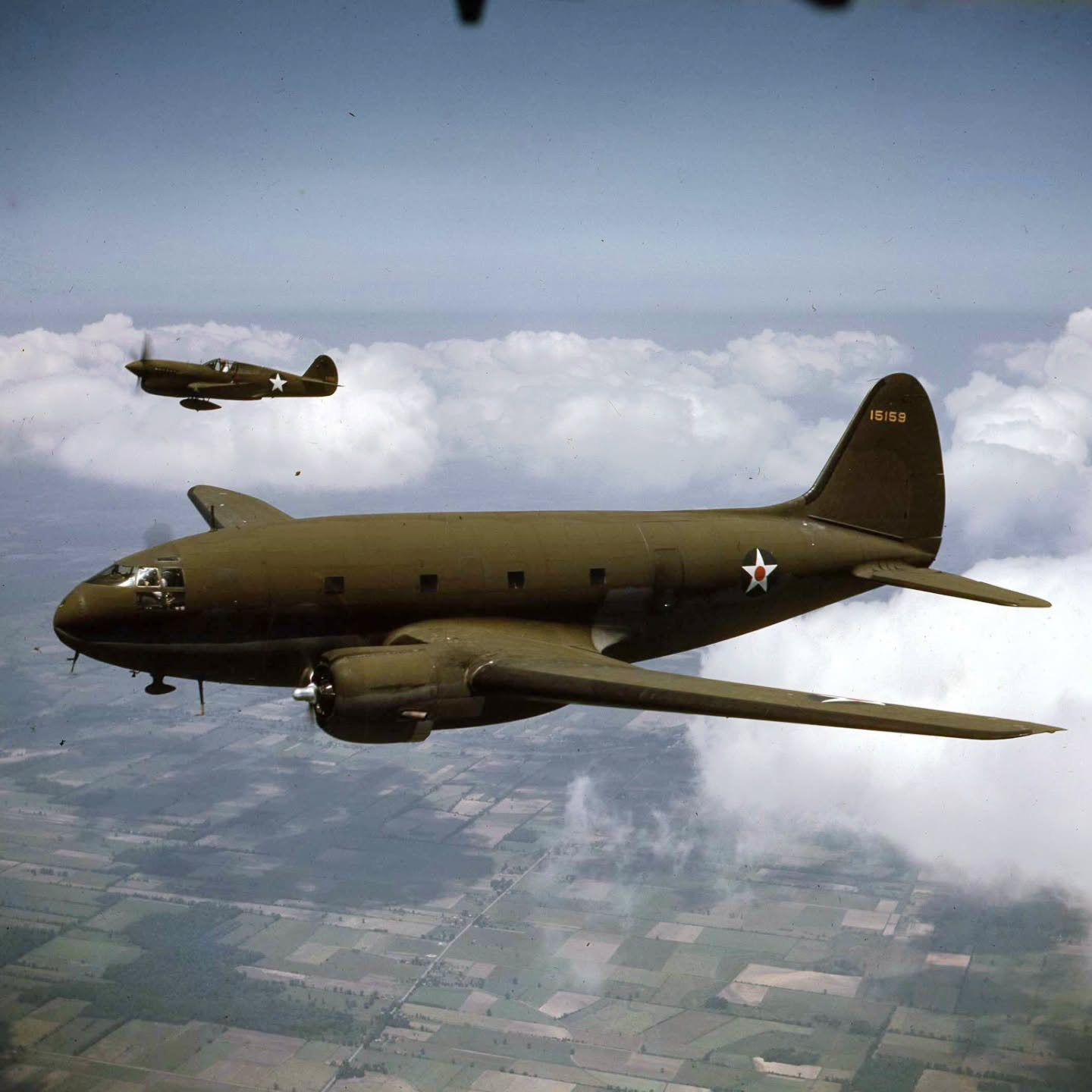
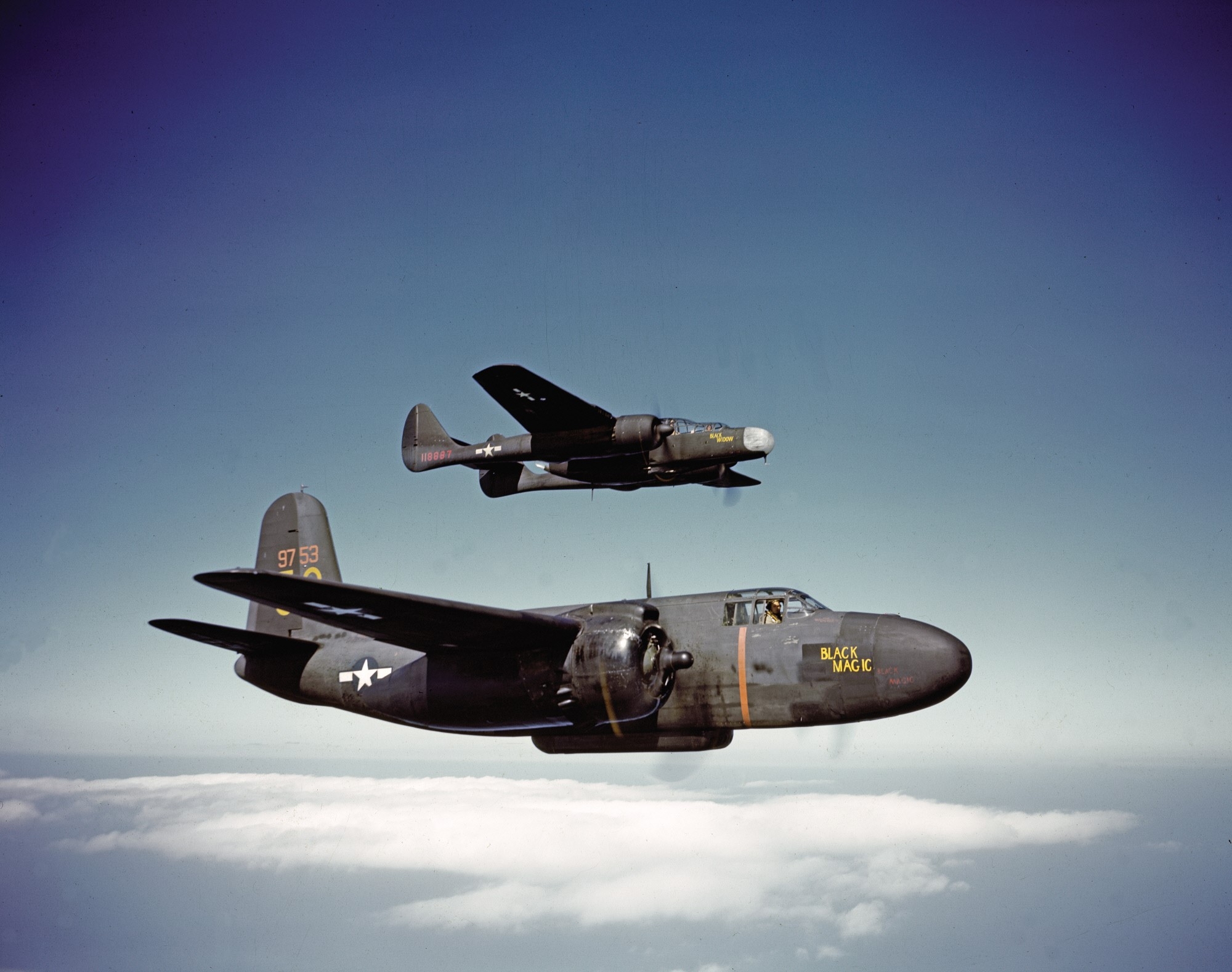
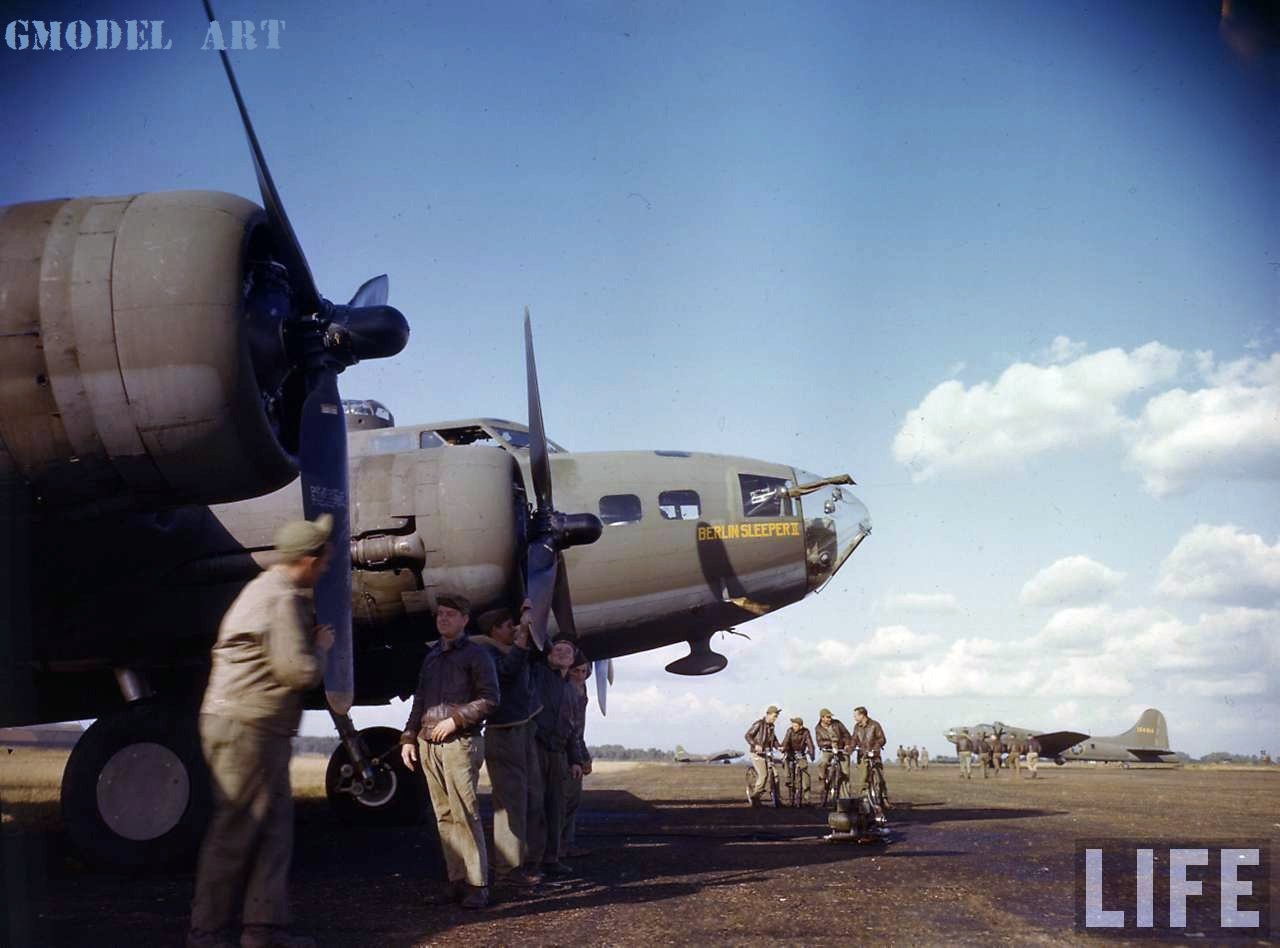
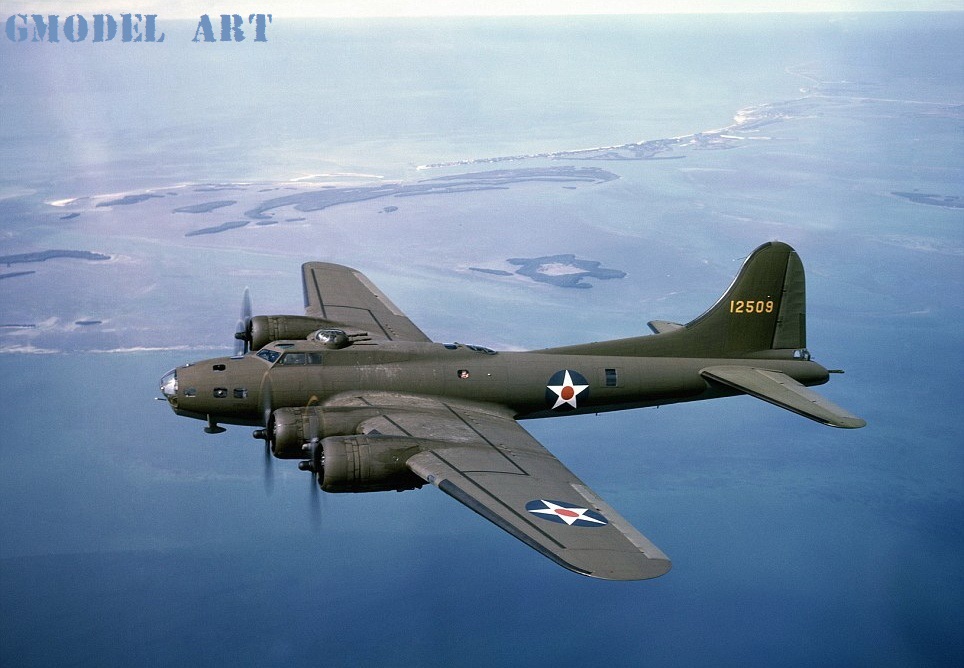
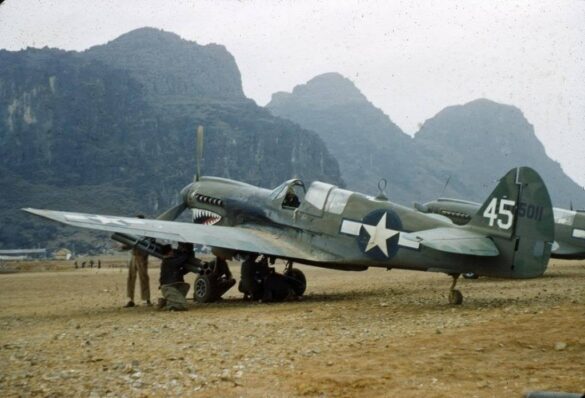
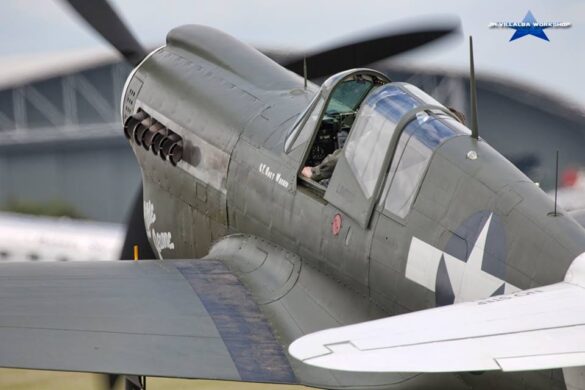
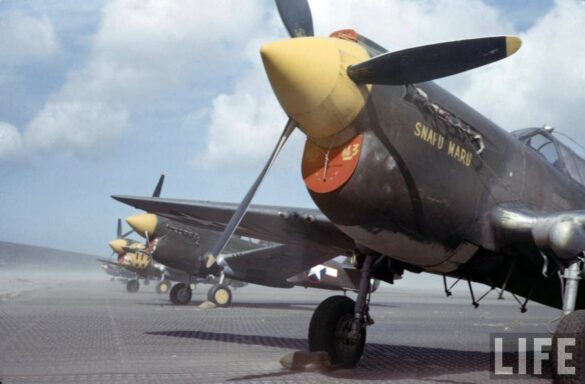
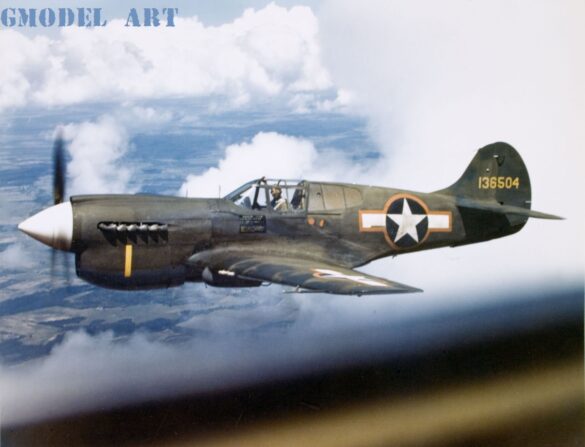
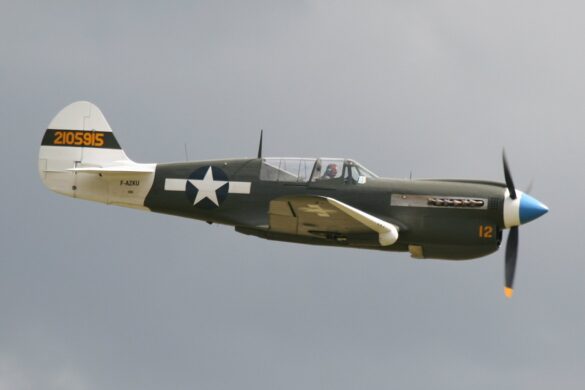
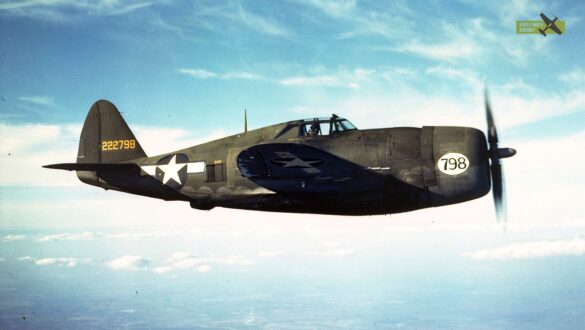
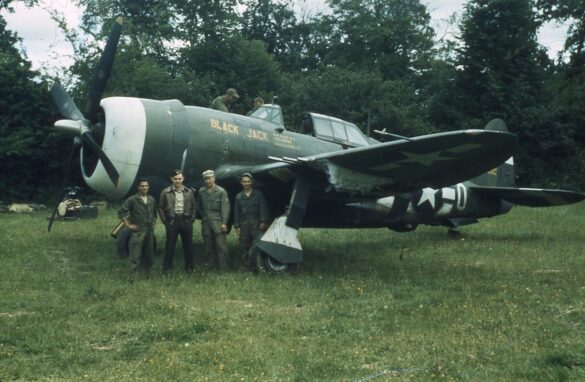
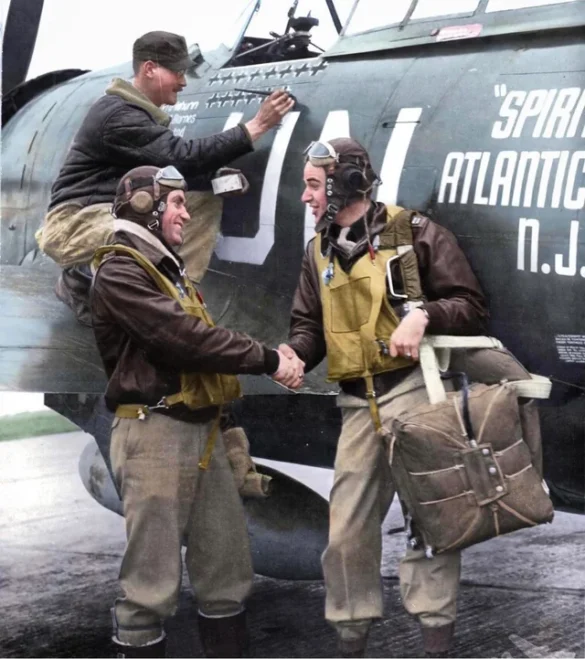
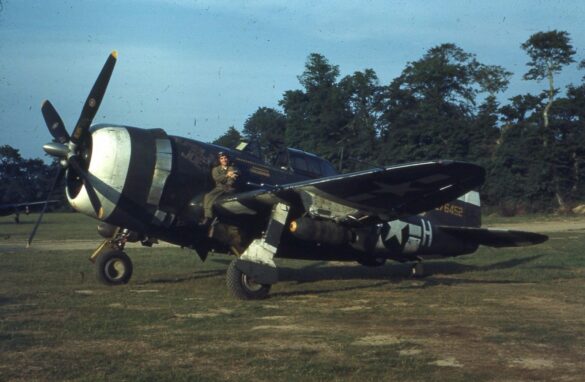
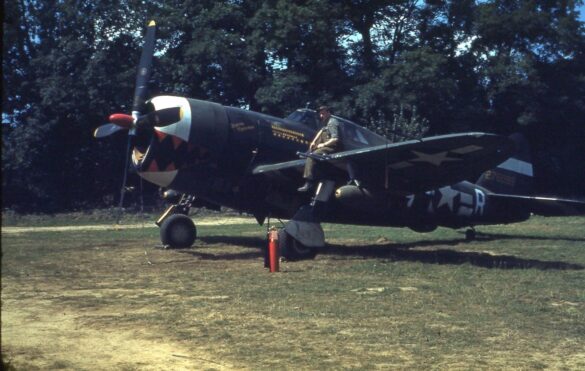
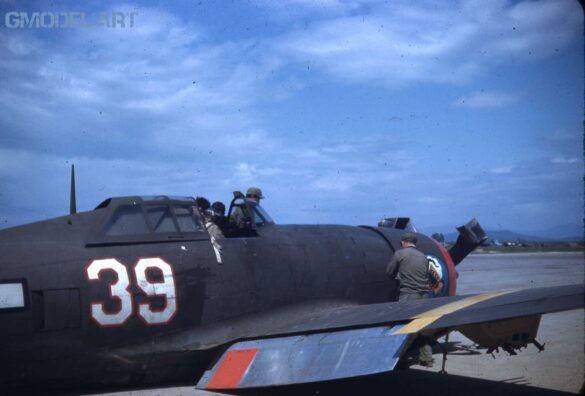
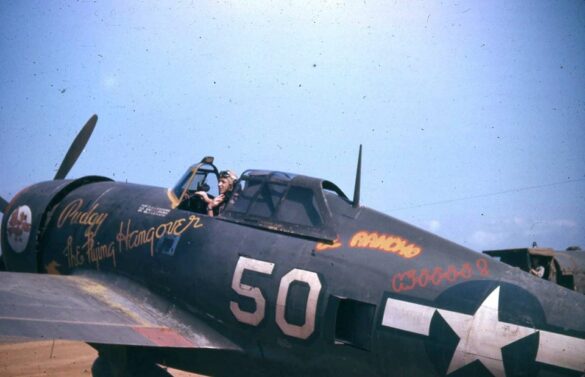
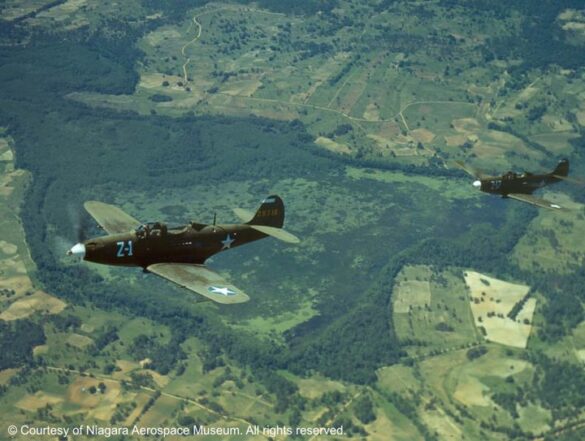
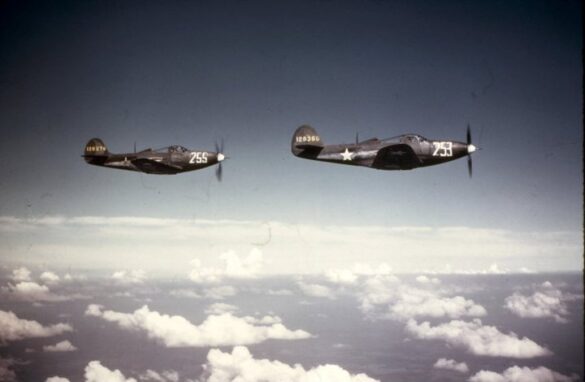
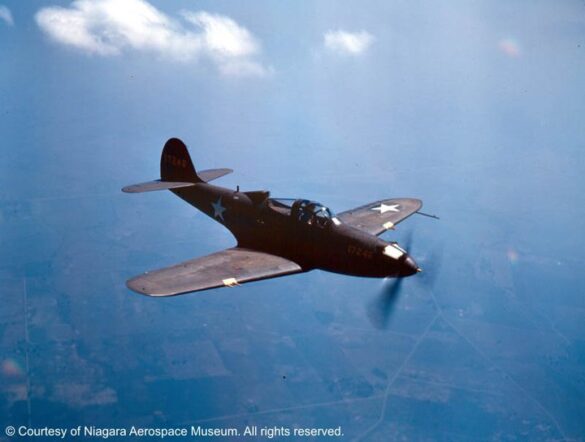
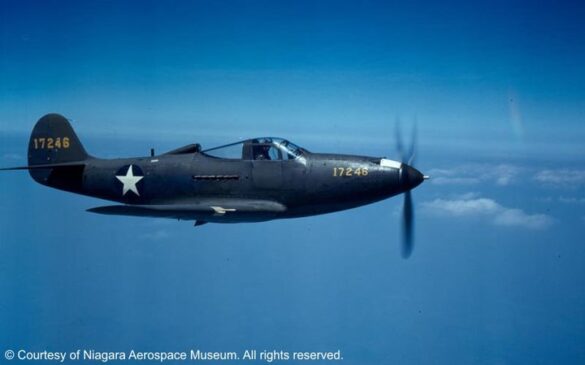
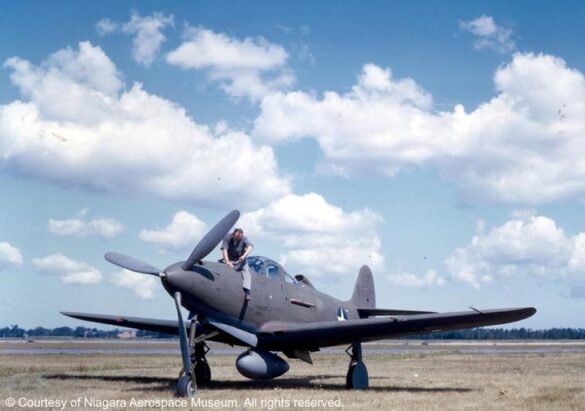
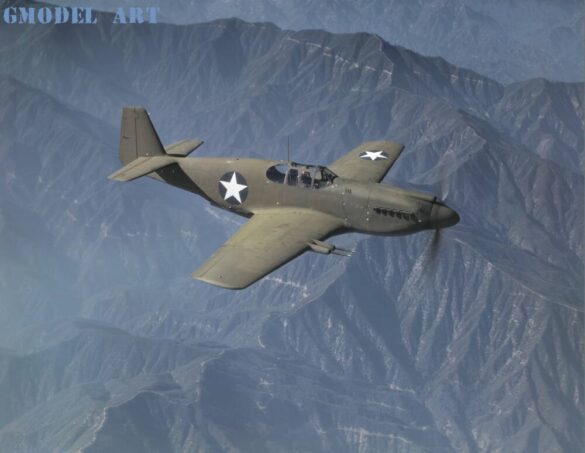
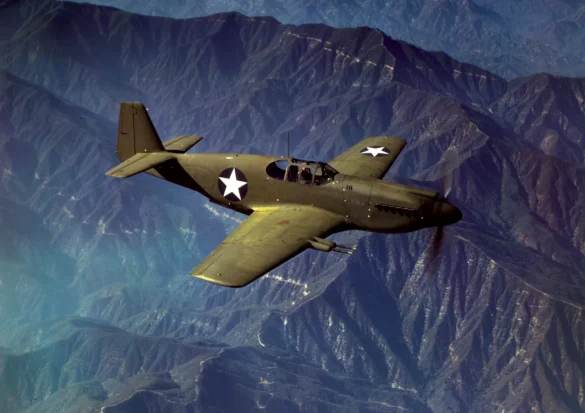
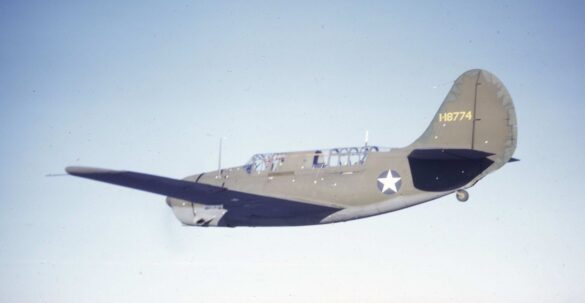
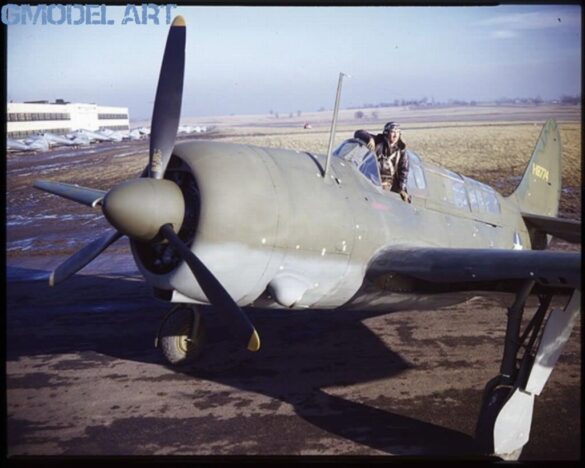
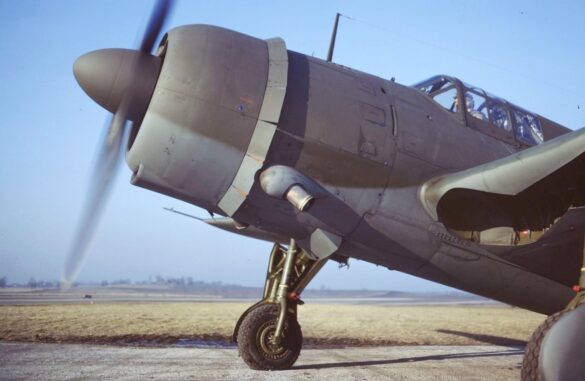
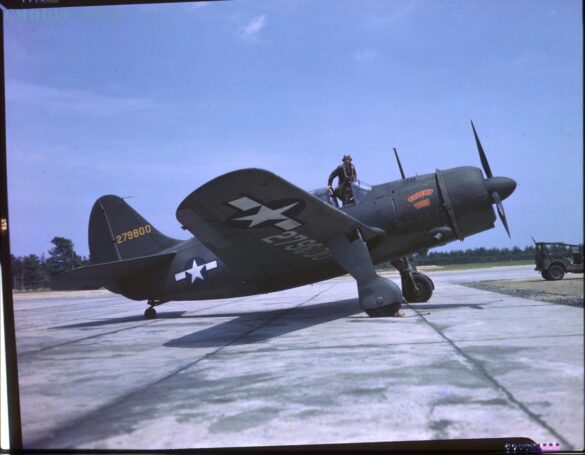
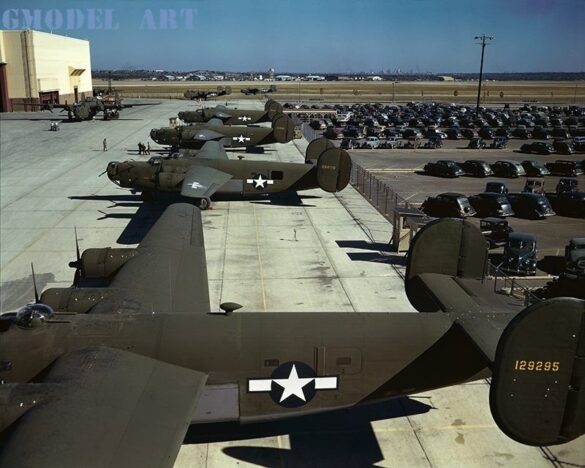
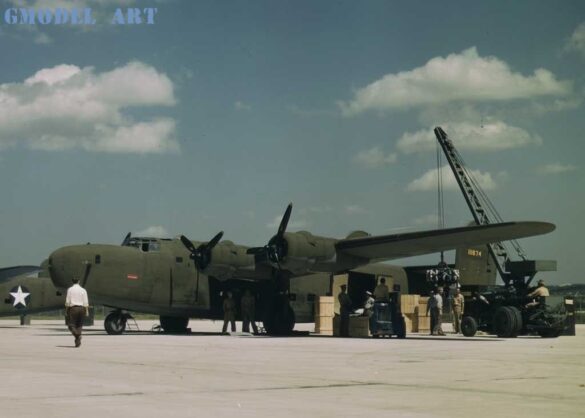
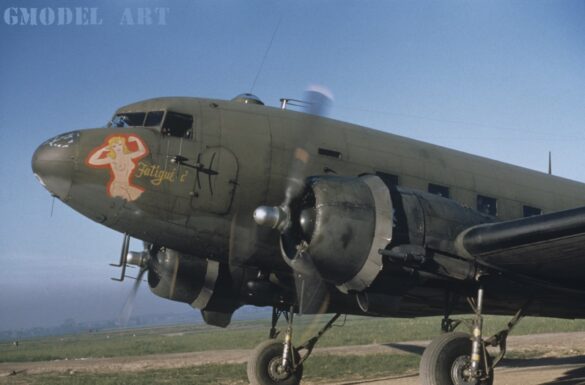
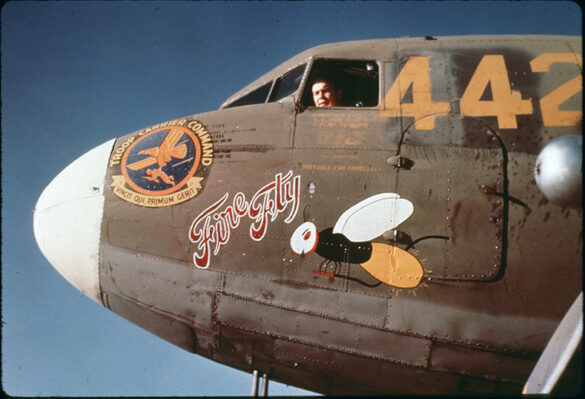
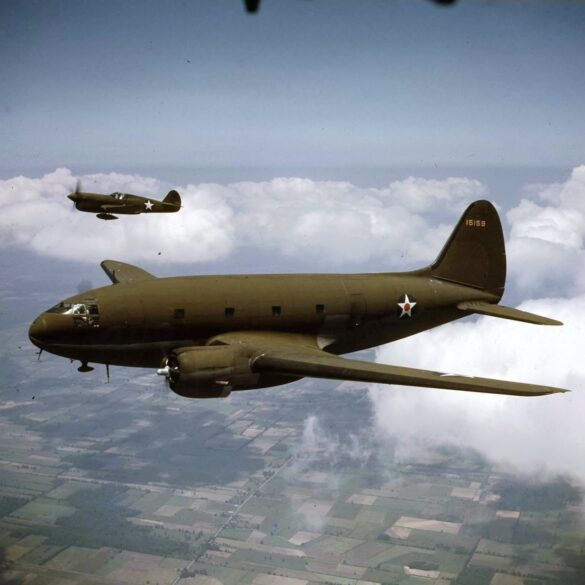
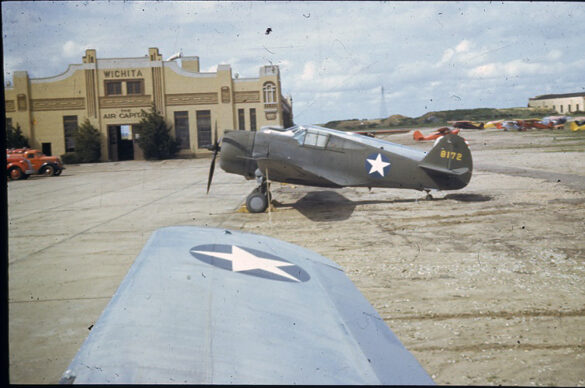
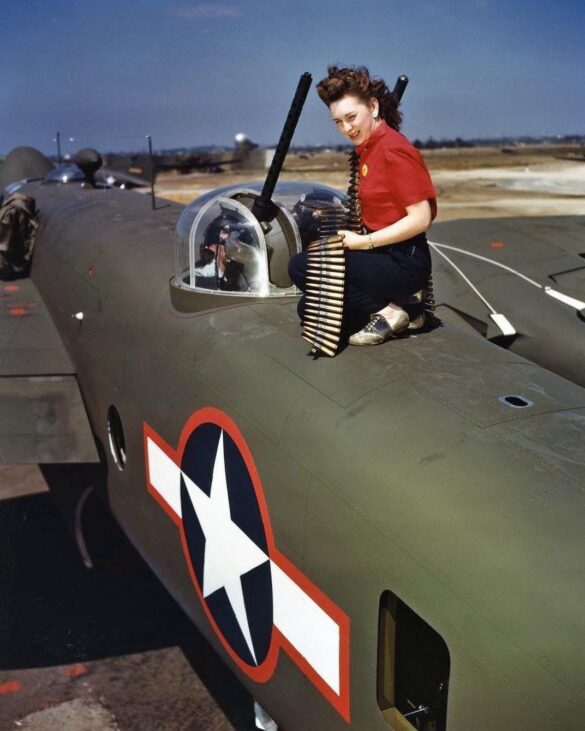
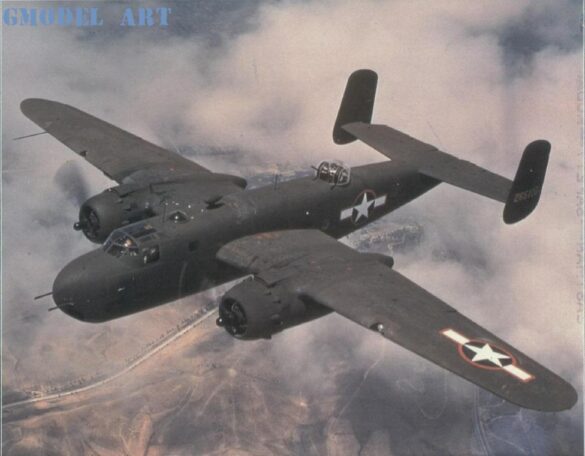
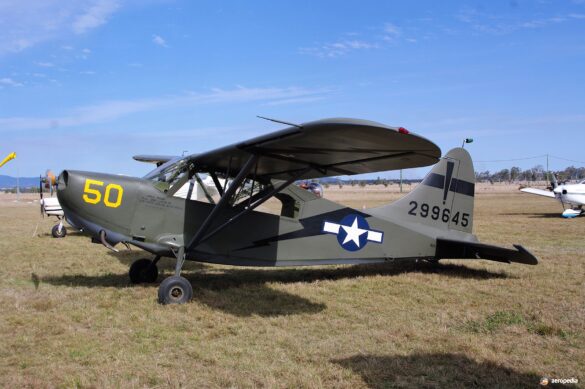
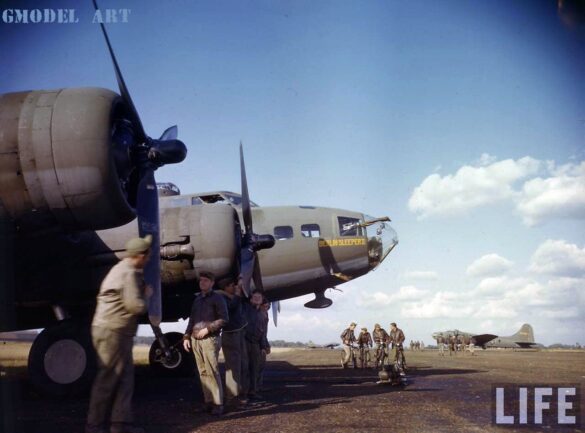
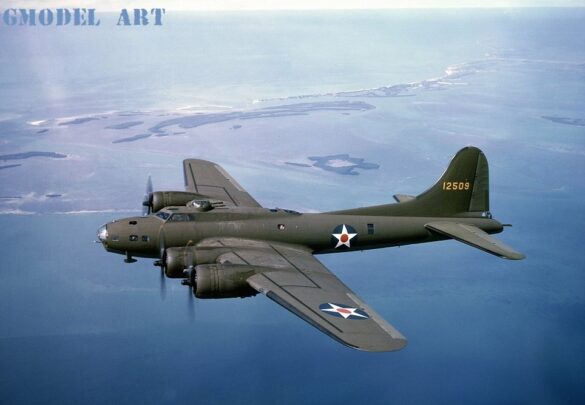
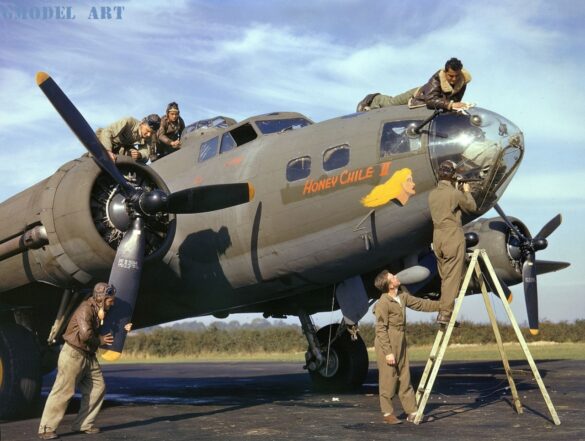
From 1941 to 1943, American combat aircraft appeared across Europe, North Africa, the Pacific, and China wearing what many simply describe as “Olive Drab over Gray.” Yet behind this seemingly simple appearance stood an evolving wartime paint system shaped by production pressure, environmental exposure, and changing military standards.
For aviation historians and scale model builders, understanding this camouflage means understanding that there was never one universal shade of Olive Drab.
The Beginning of Standardized USAAF Aircraft Camouflage
American military aviation entered World War II carrying decades of evolving color standards.
The earliest military color system dated back to Specification No. 3-1 (1919). During the 1930s, aircraft colors moved under Specification 14057, which continued evolving until the final pre-war revision in 1939.
Everything changed with the introduction of Air Corps Bulletin No.41 in September 1940.
For the first time, the U.S. Army Air Corps established a dedicated wartime camouflage palette that would later become standard across the newly formed USAAF.
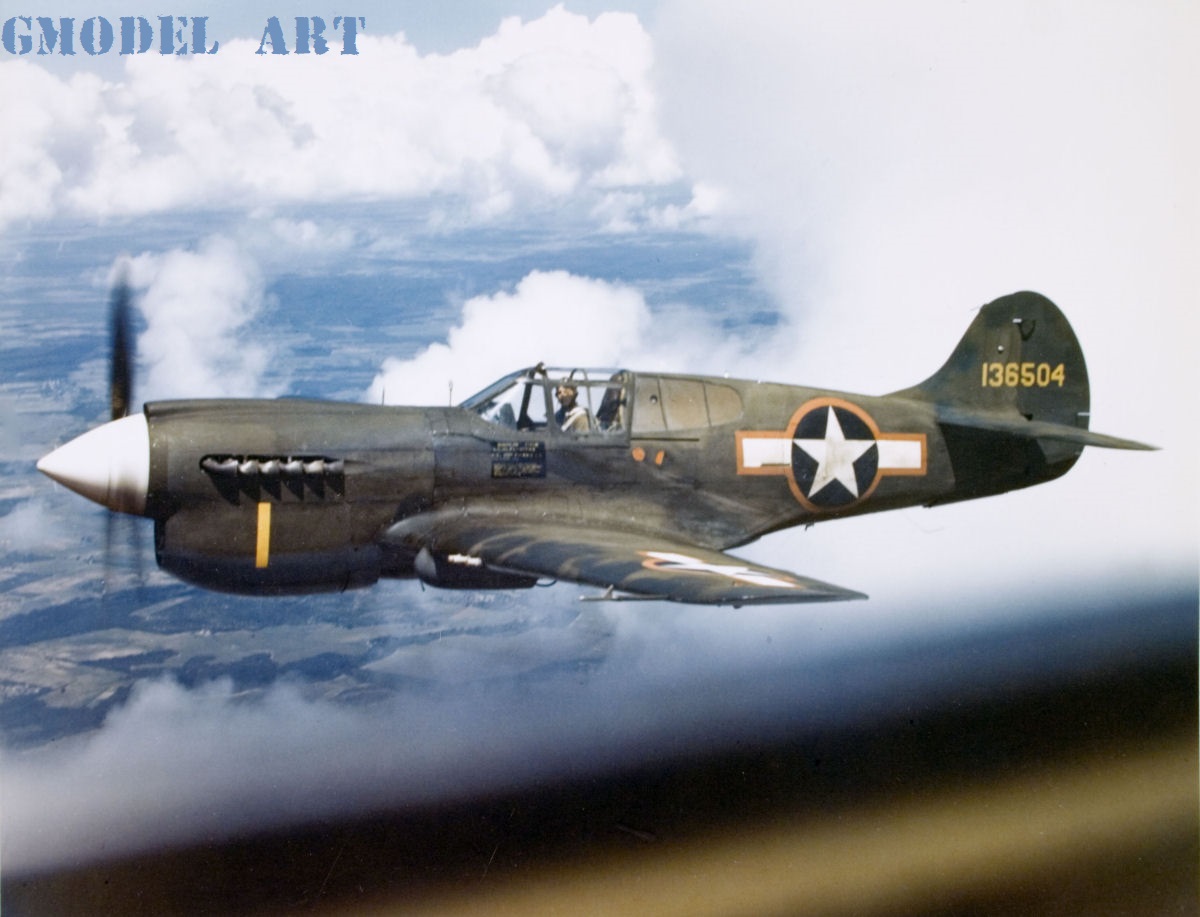
The typical operational finish became:
Upper surfaces:
- Dark Olive Drab No.41
Lower surfaces:
- Neutral Gray No.43
This combination would become one of the defining visual signatures of American air power.
Olive Drab No.41 — The Color That Changed Without Changing
No wartime aircraft color has created more confusion than Olive Drab No.41.
At first glance it appears straightforward: a dark protective olive finish intended to reduce visibility from above.
Reality was far more complicated.
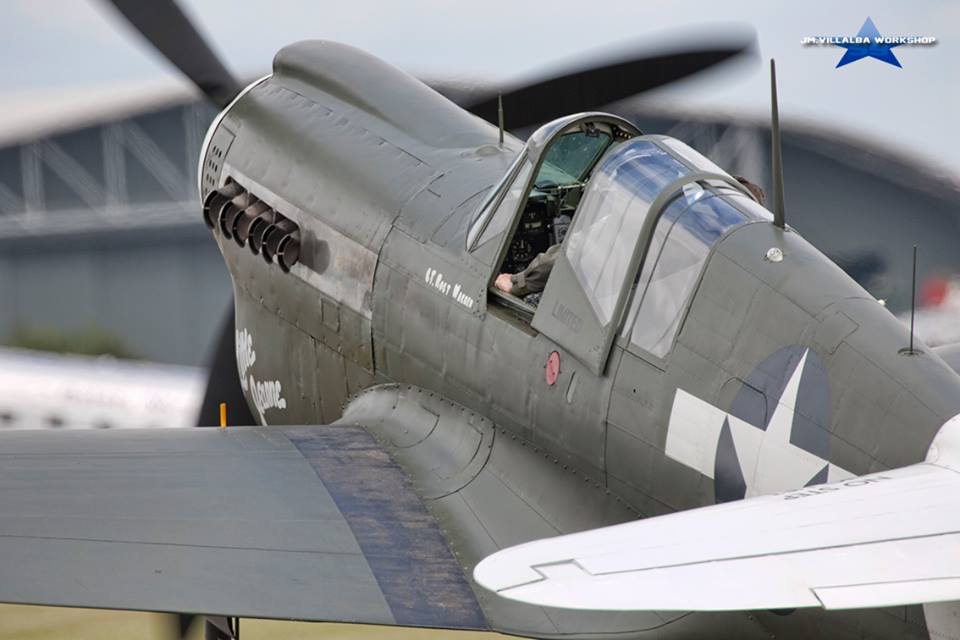
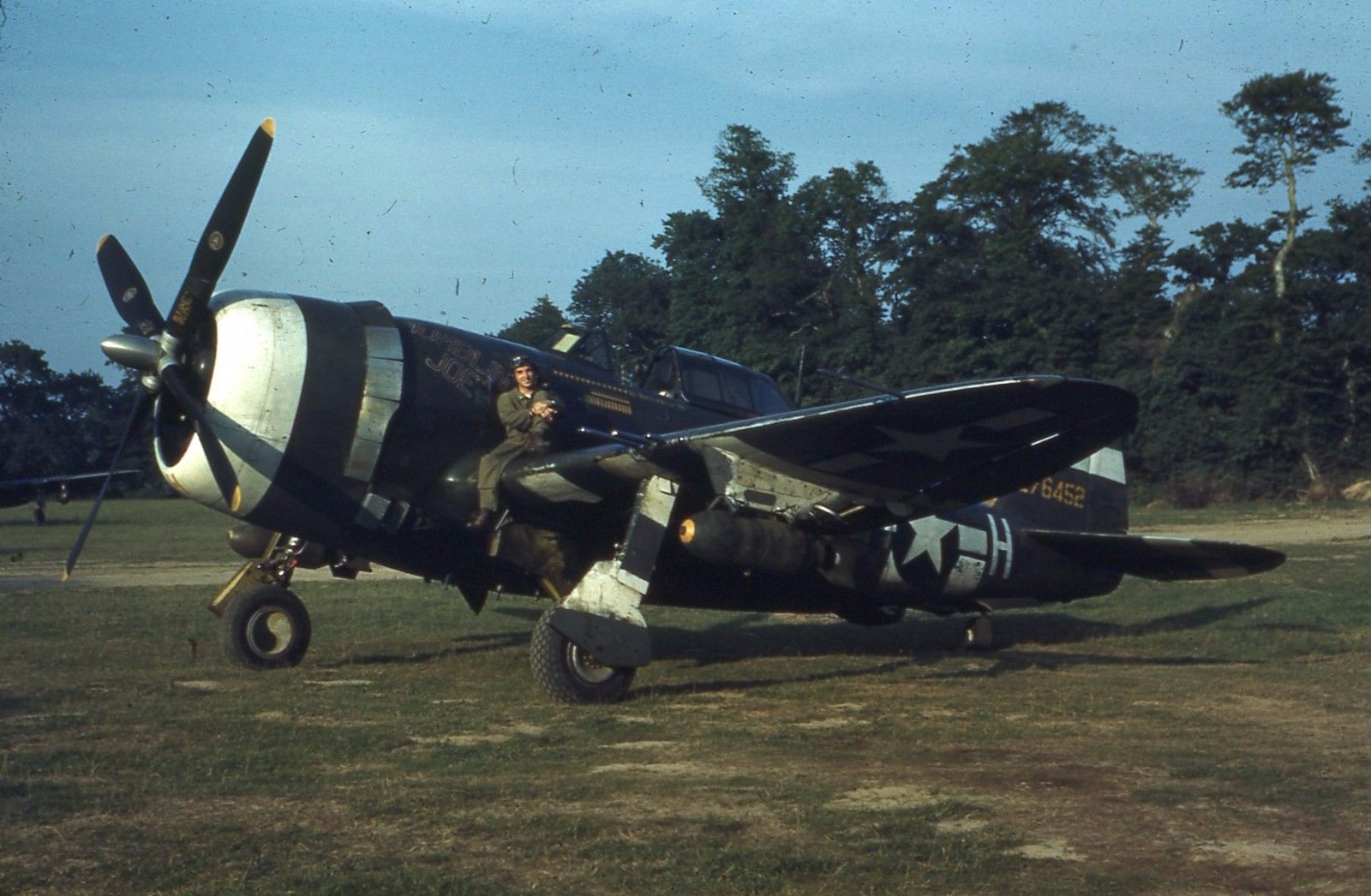
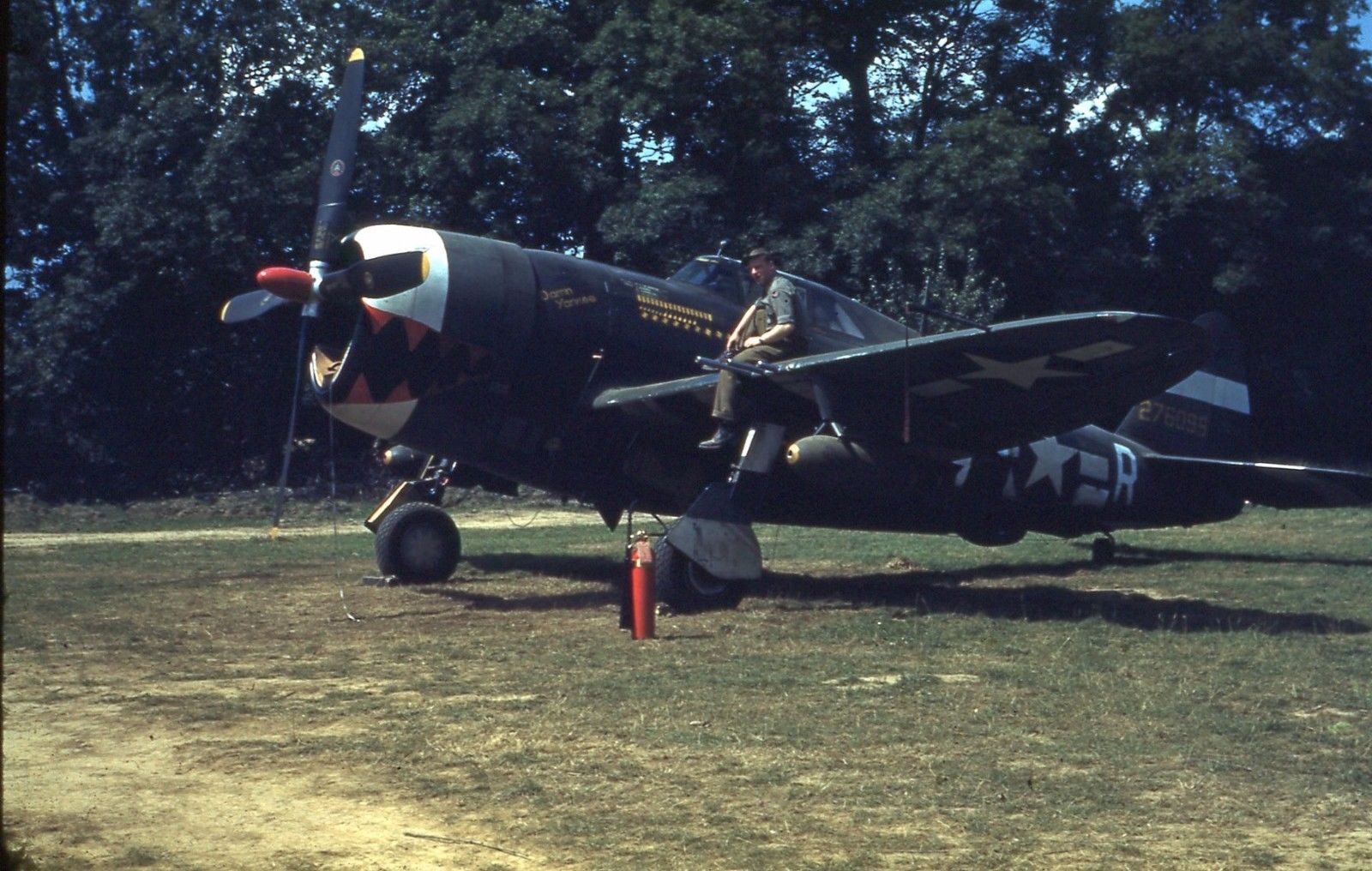
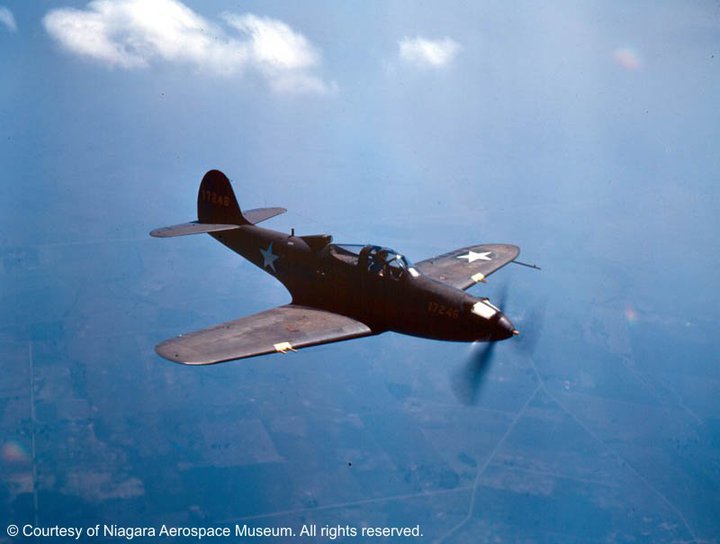
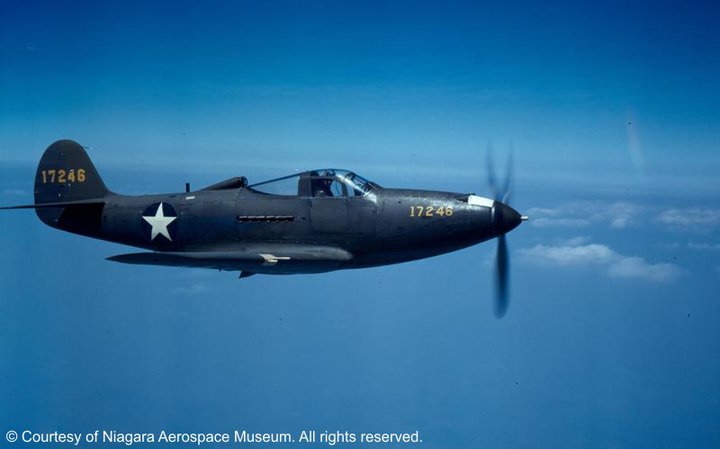
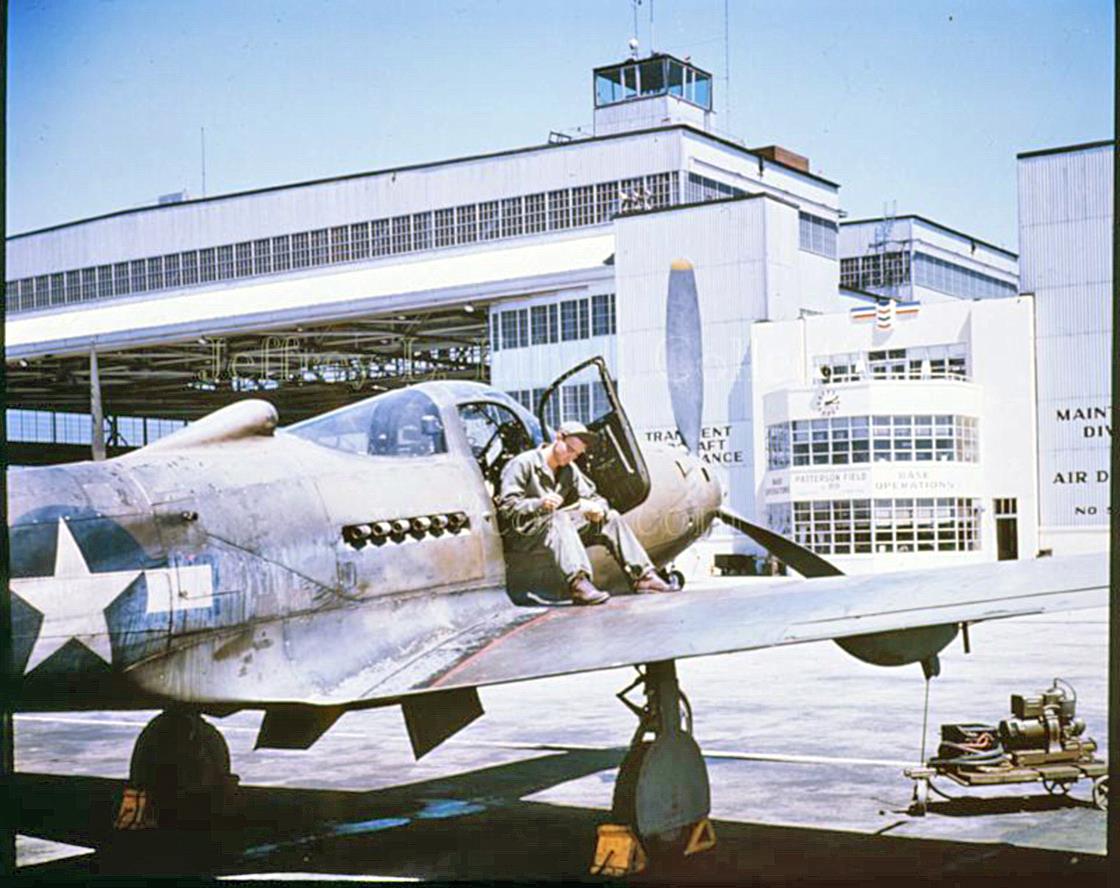
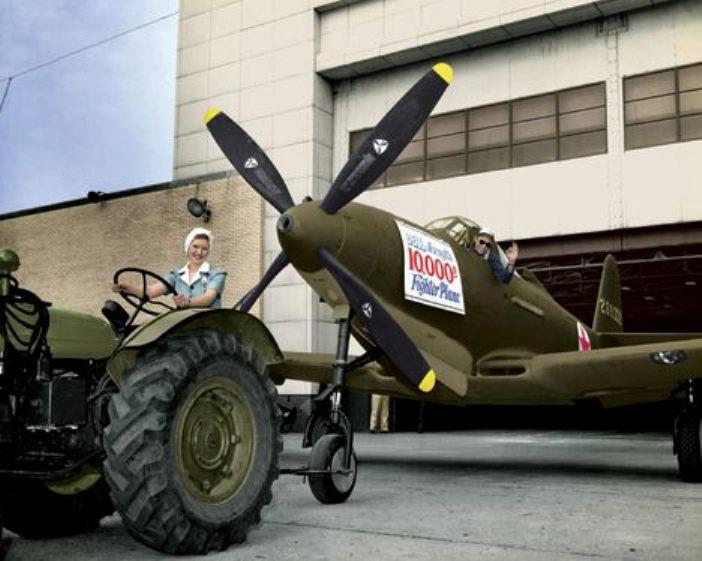
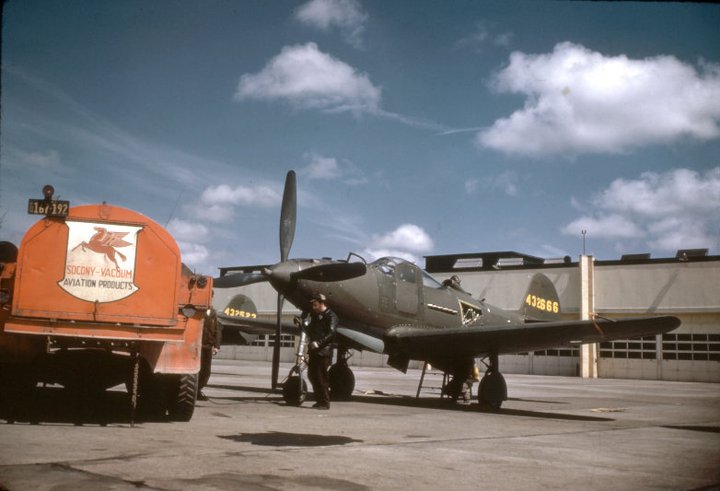
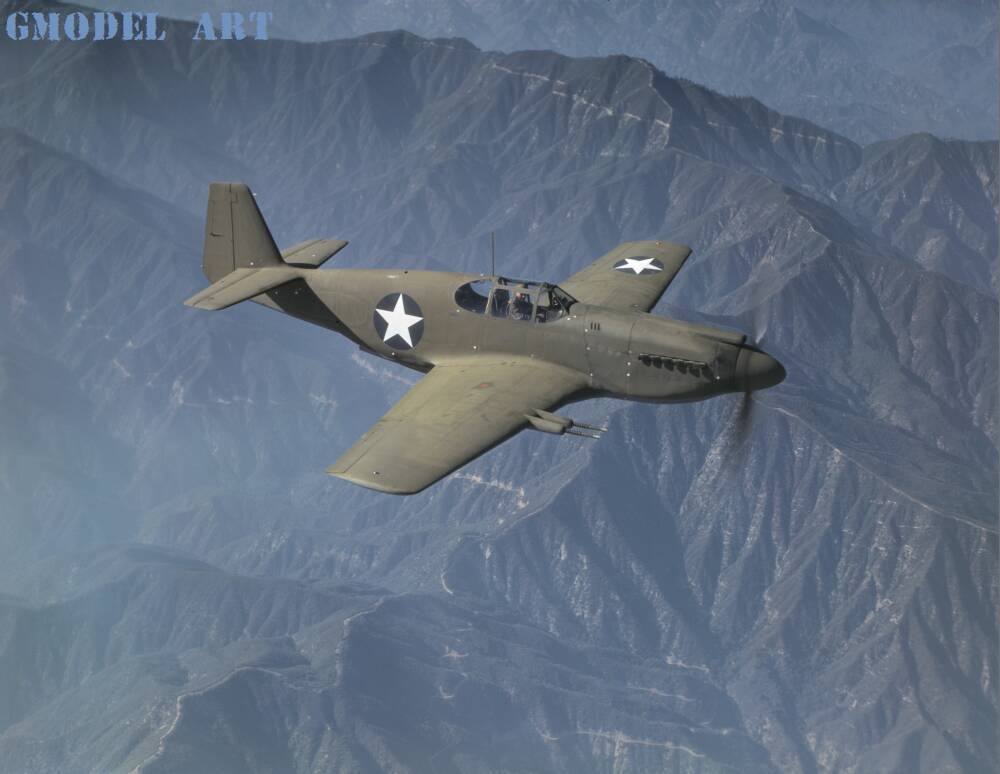
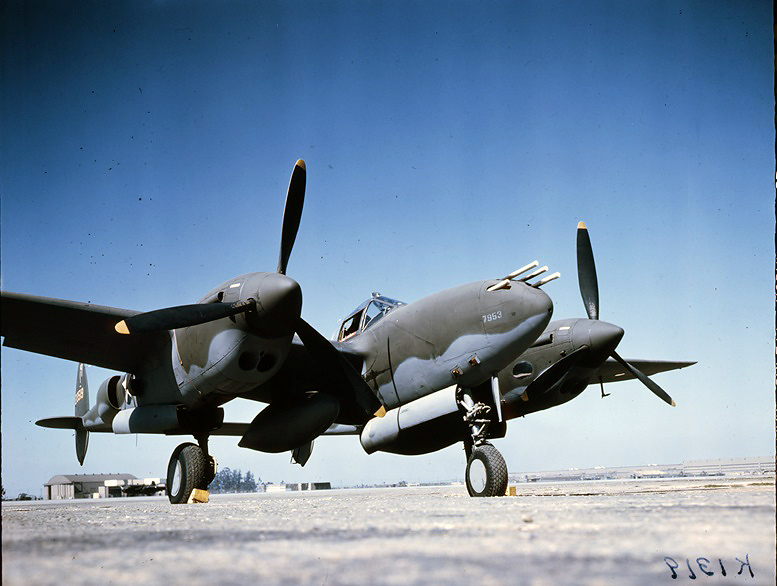
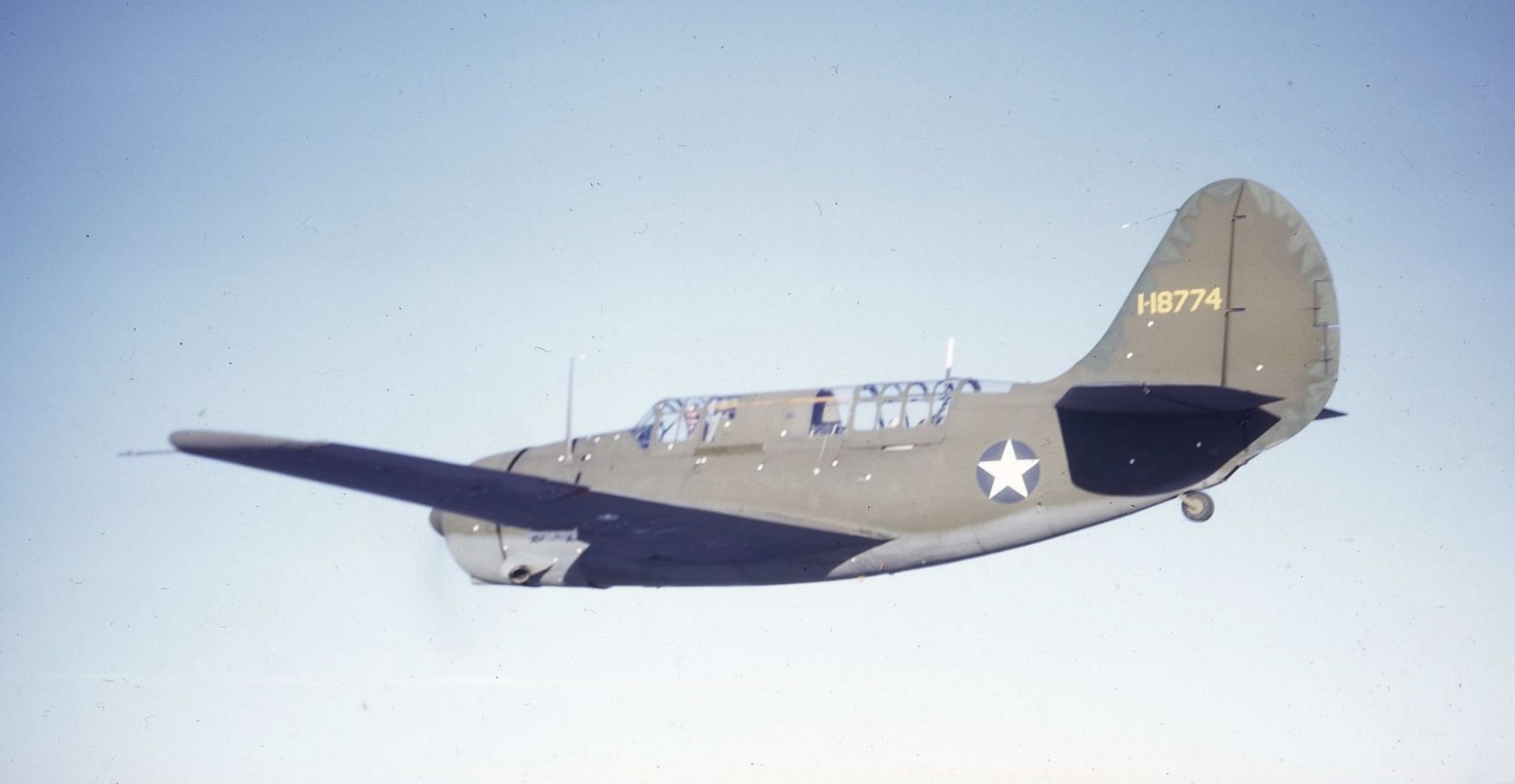
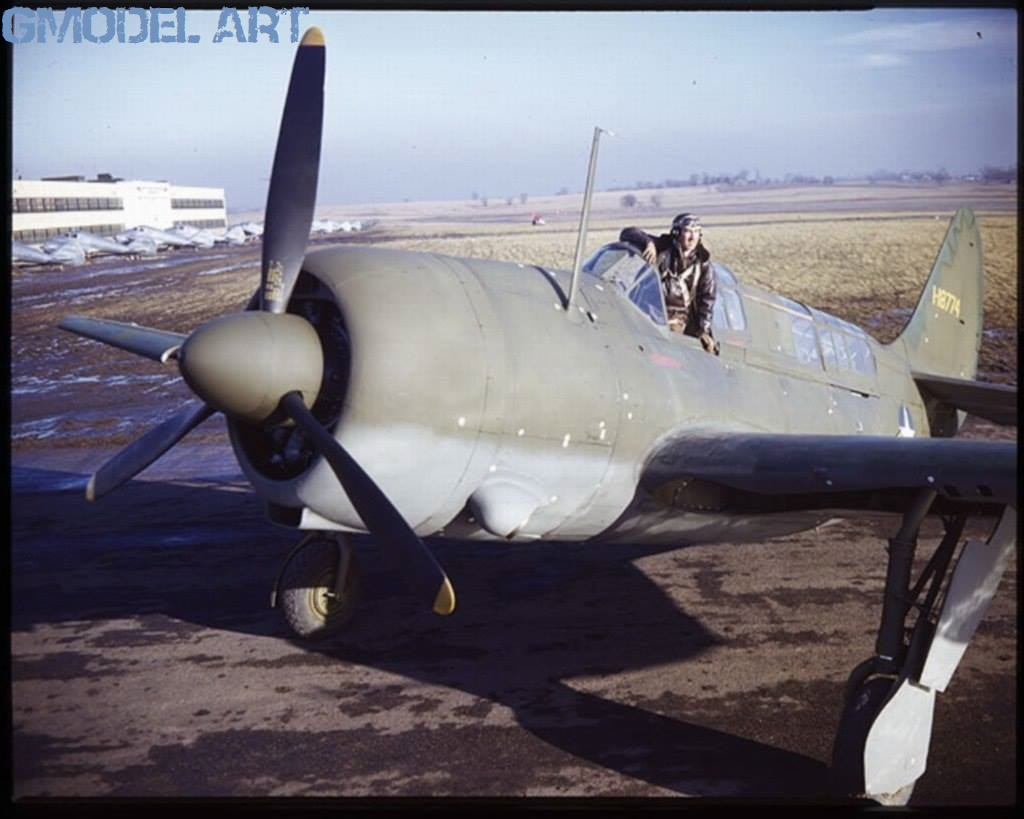
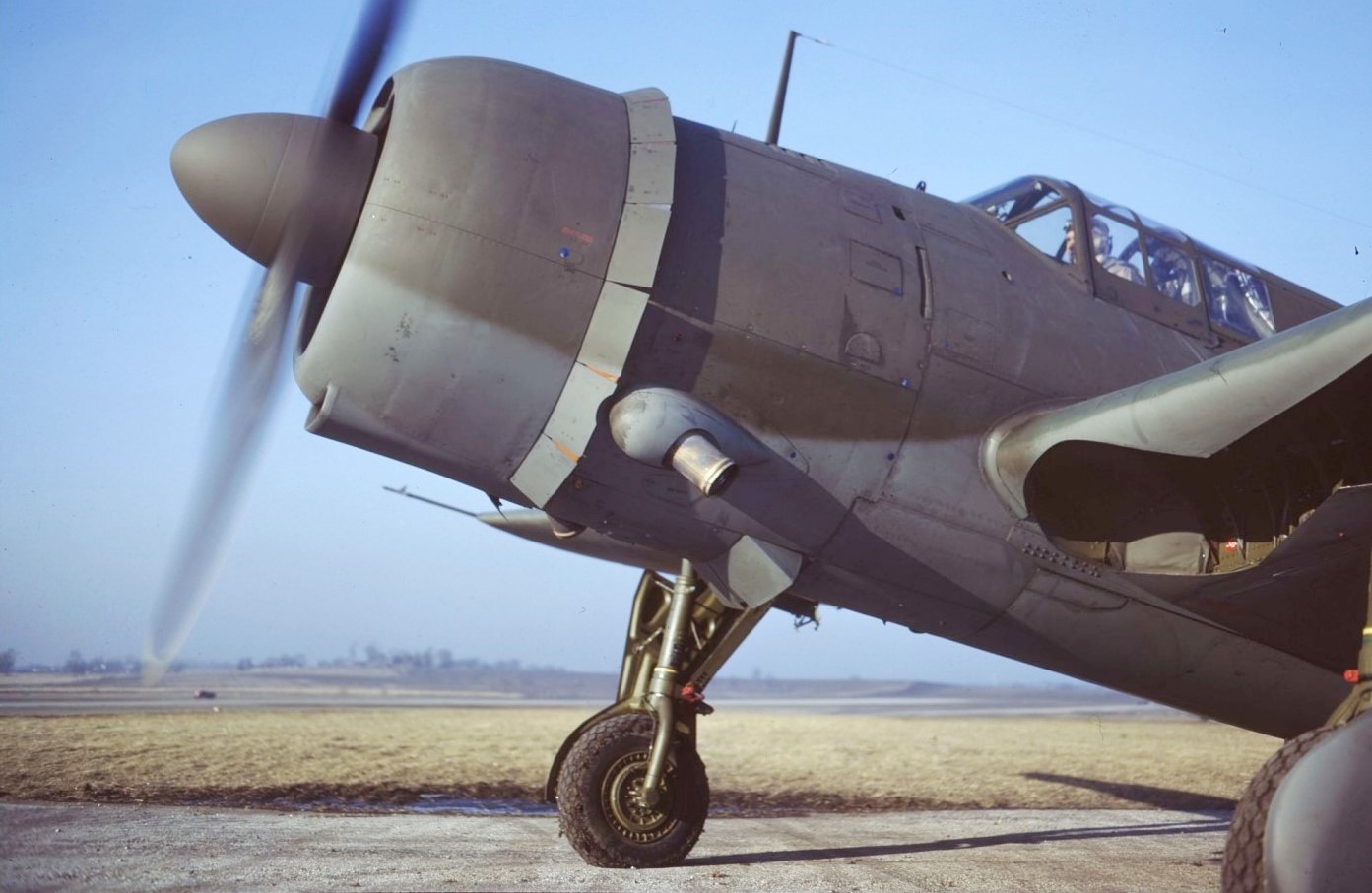
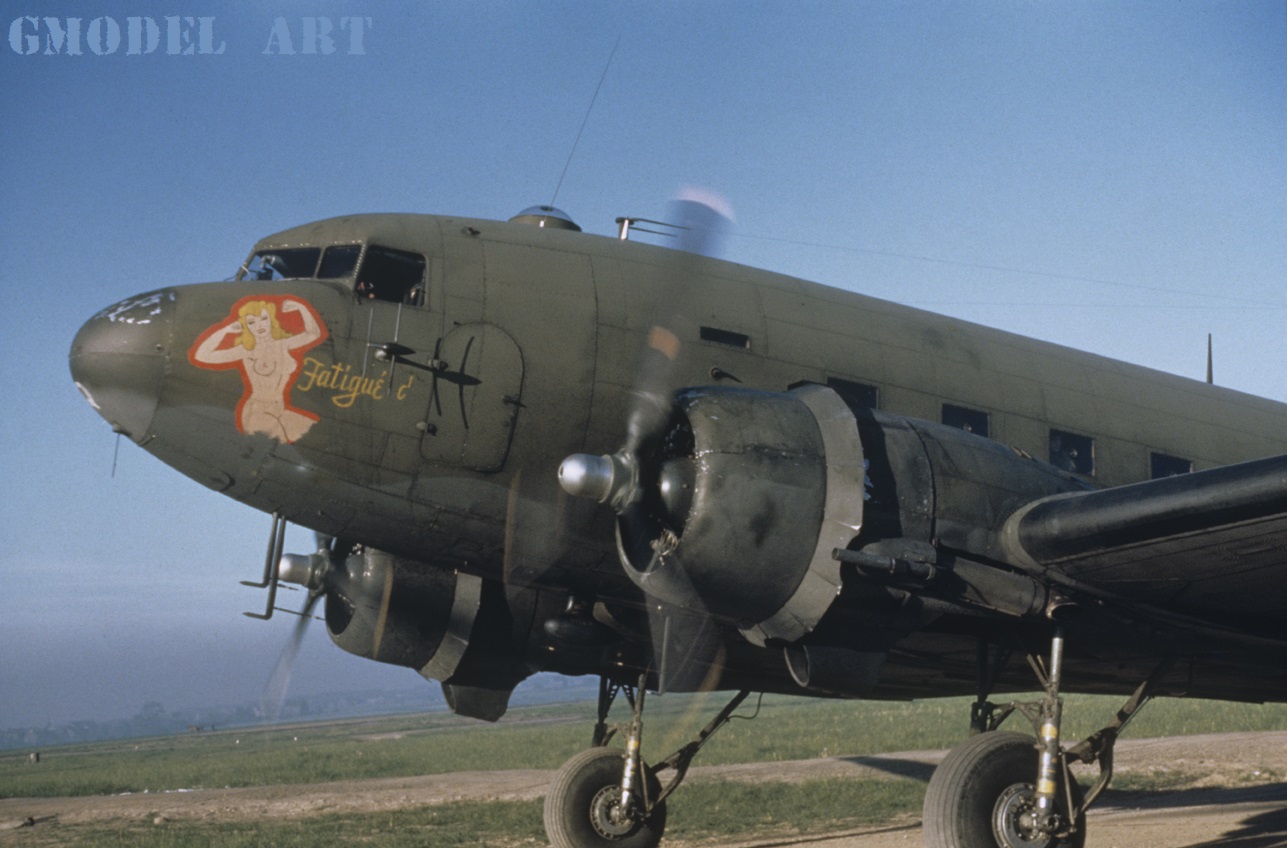
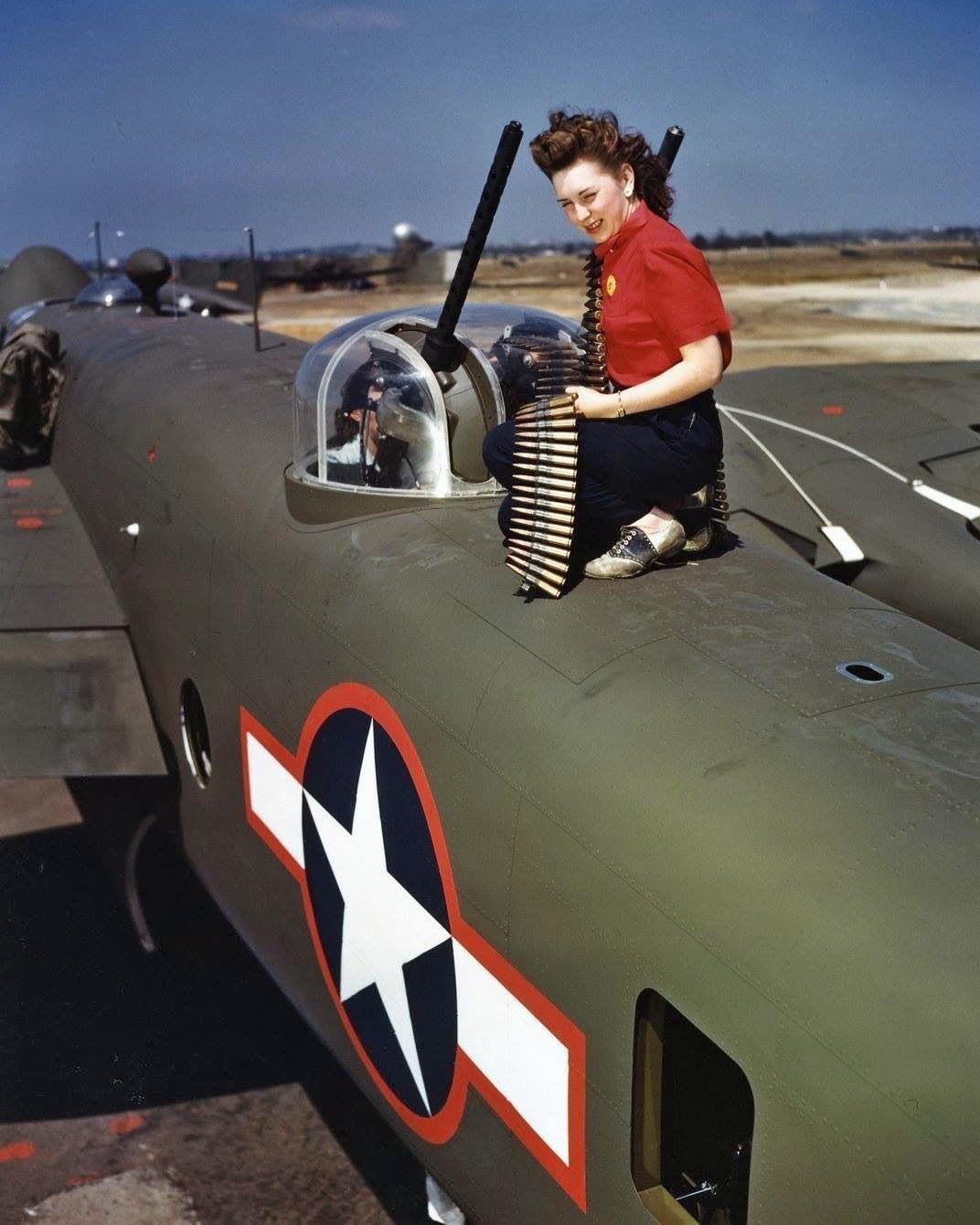
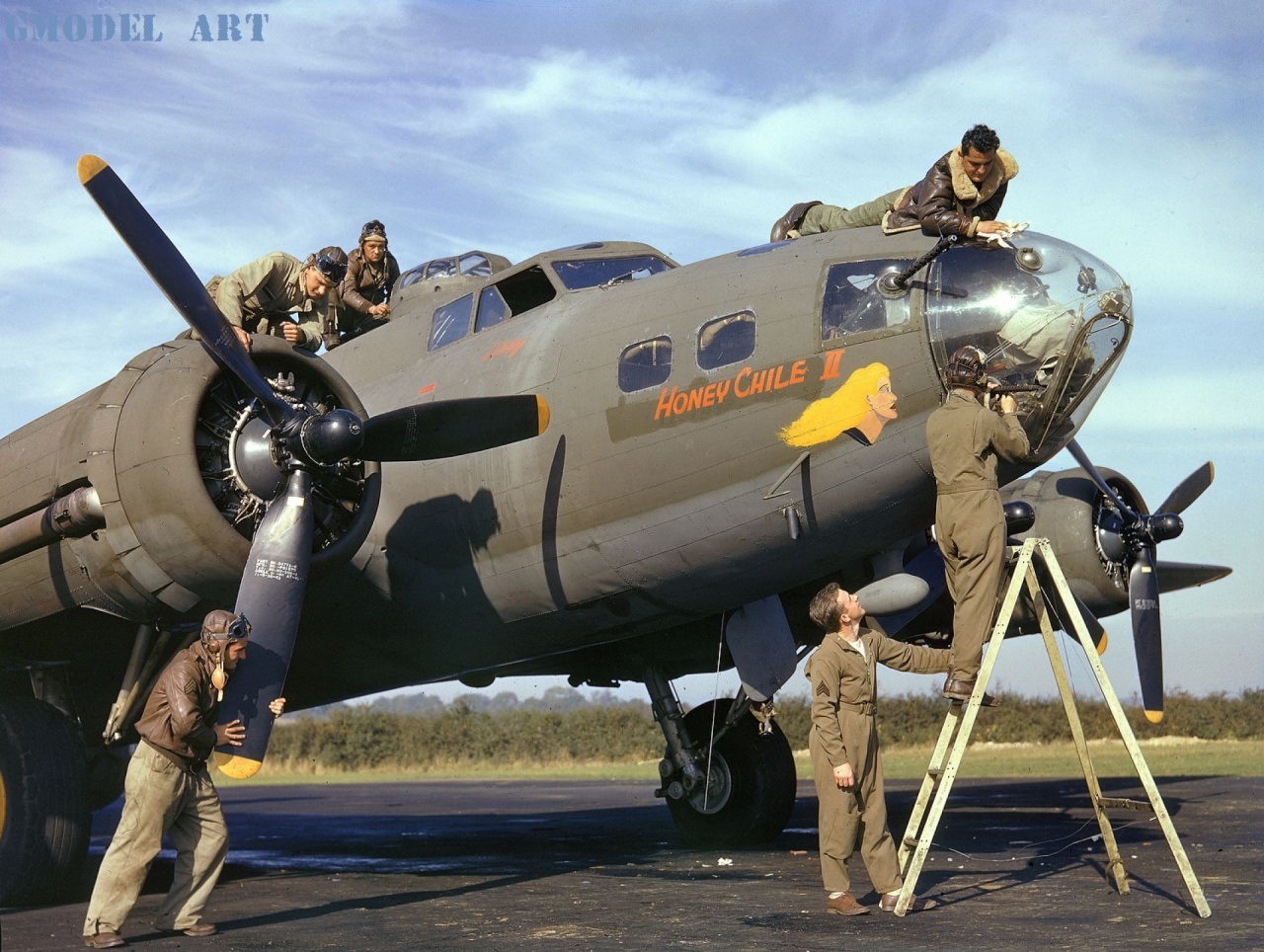
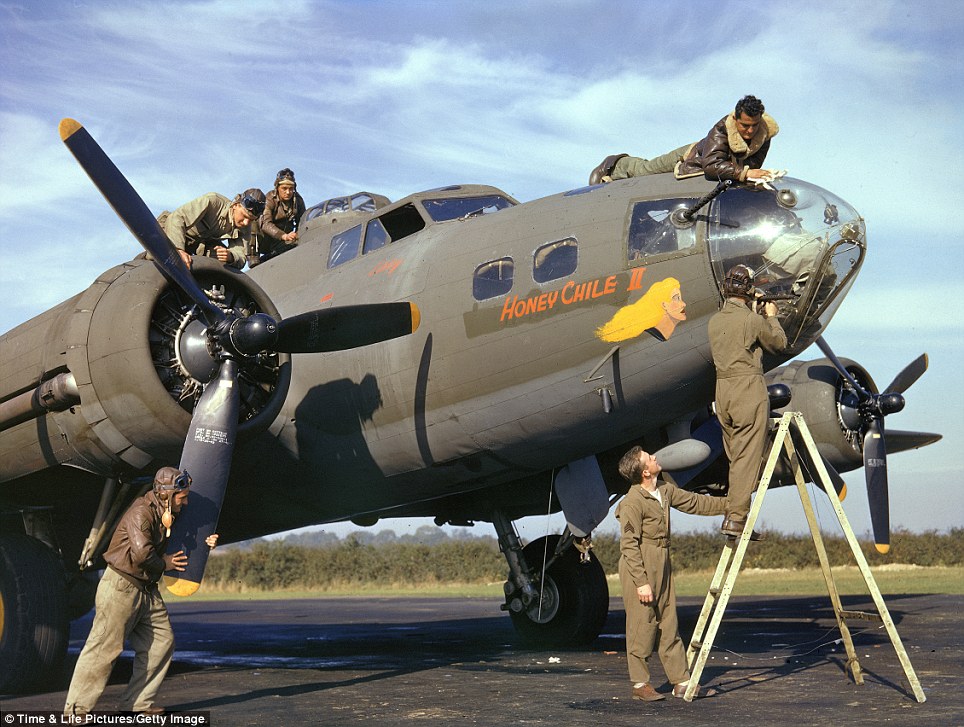
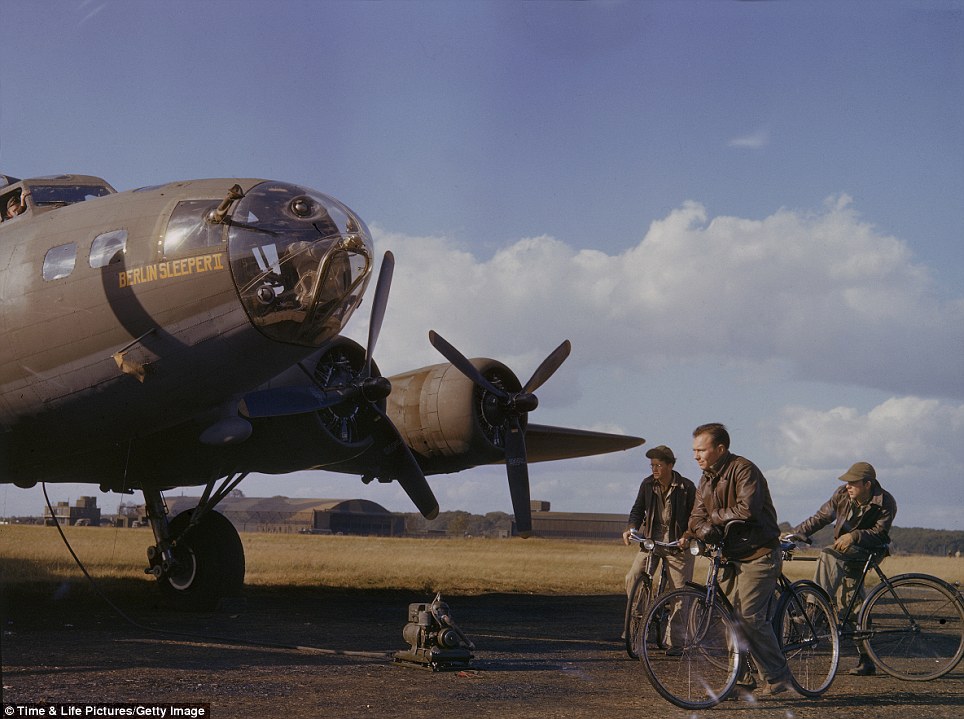
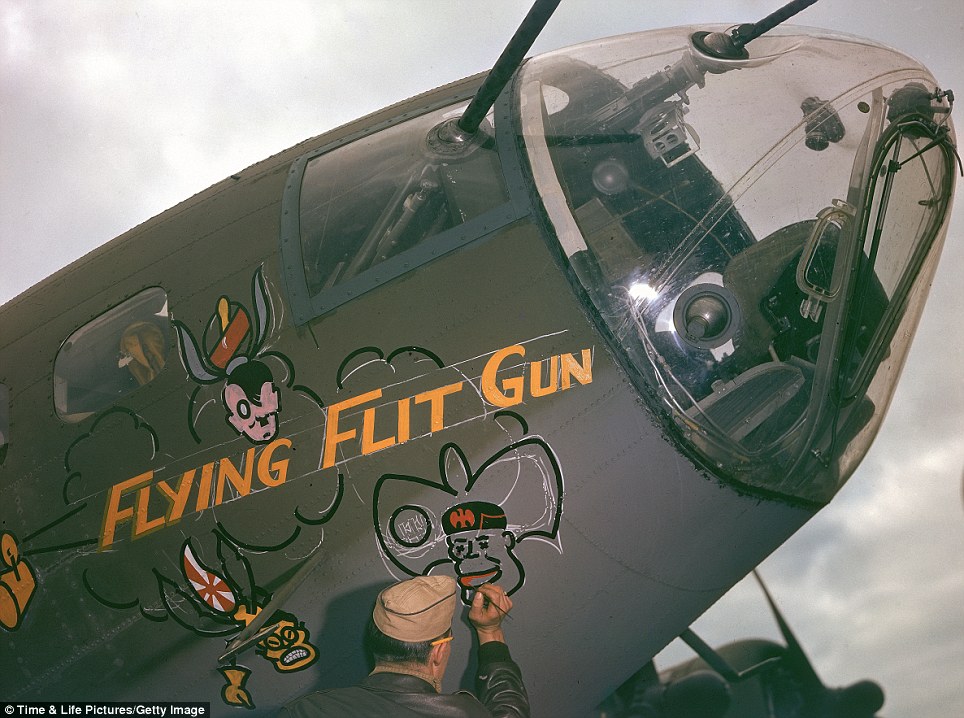
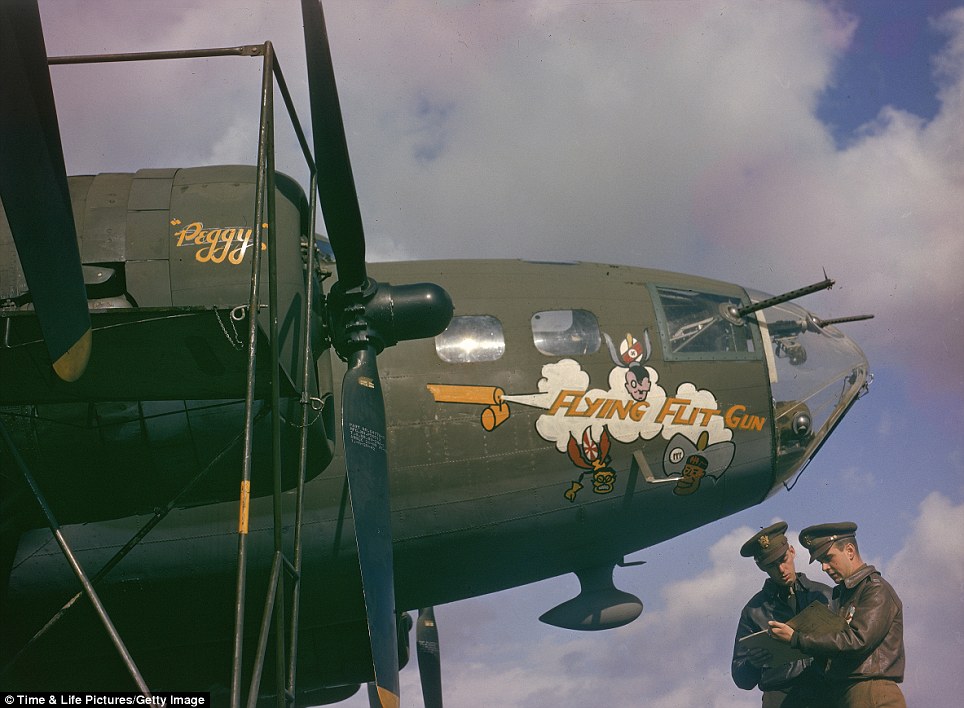
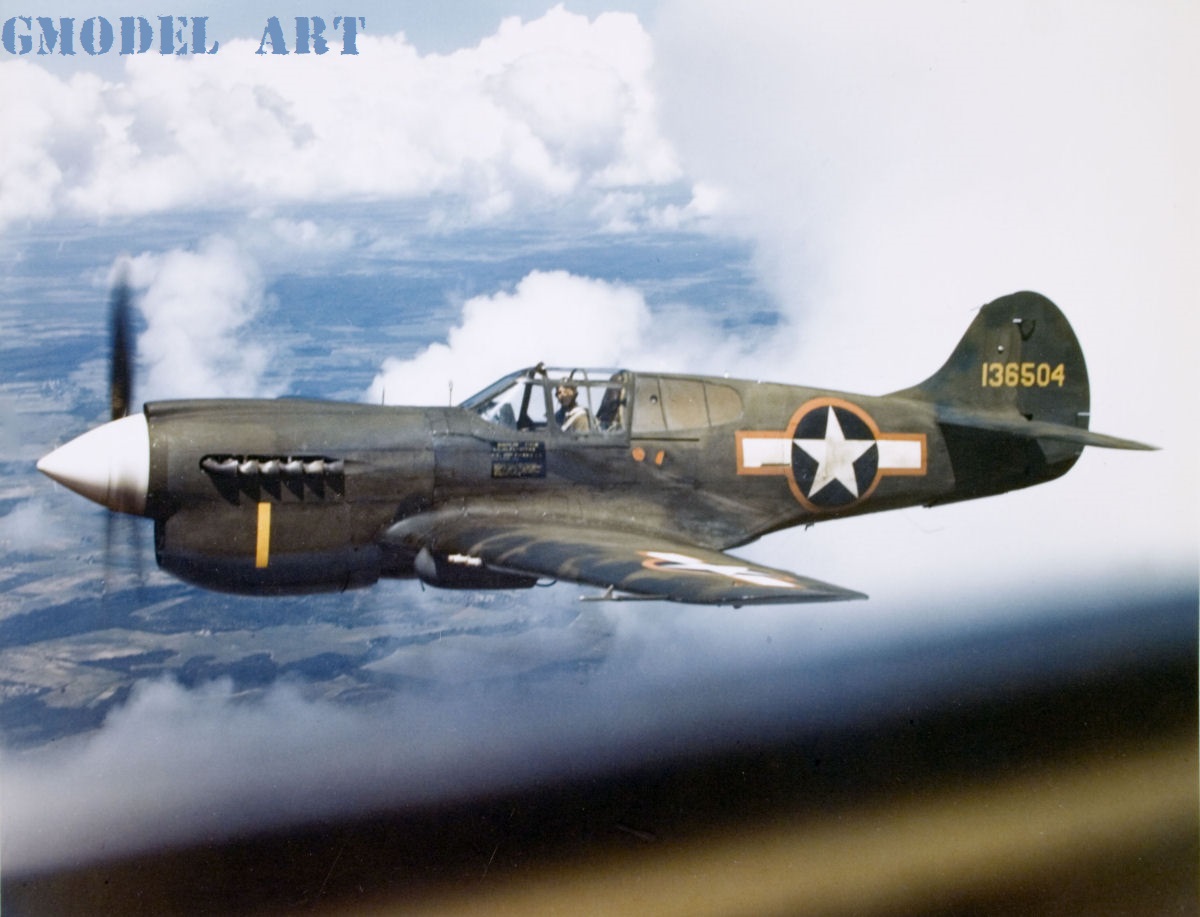
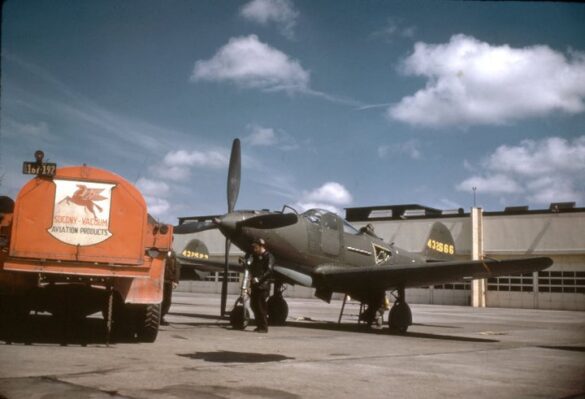
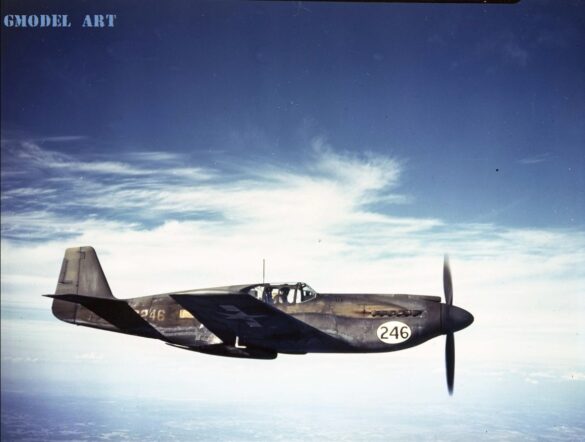
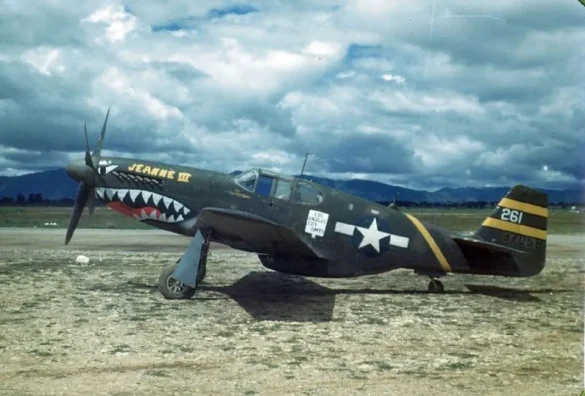
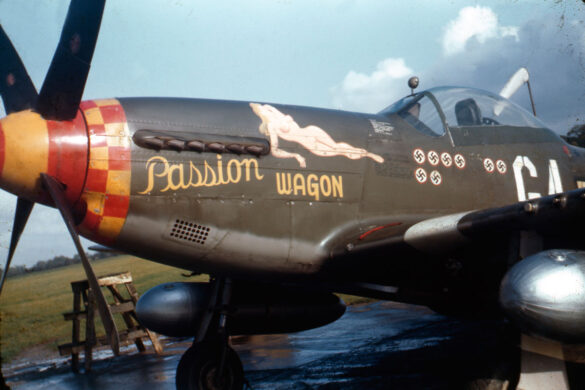
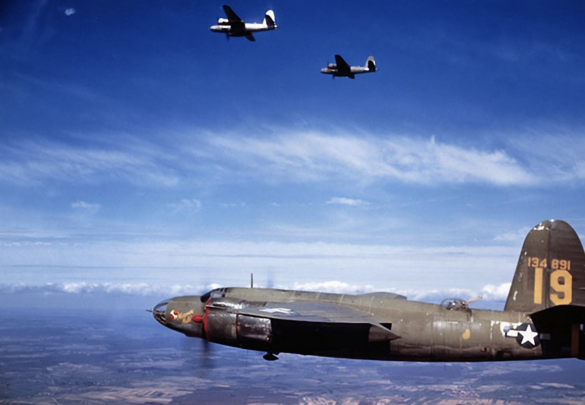
Freshly painted aircraft often left factories with a rich olive-green appearance carrying slight yellow undertones.
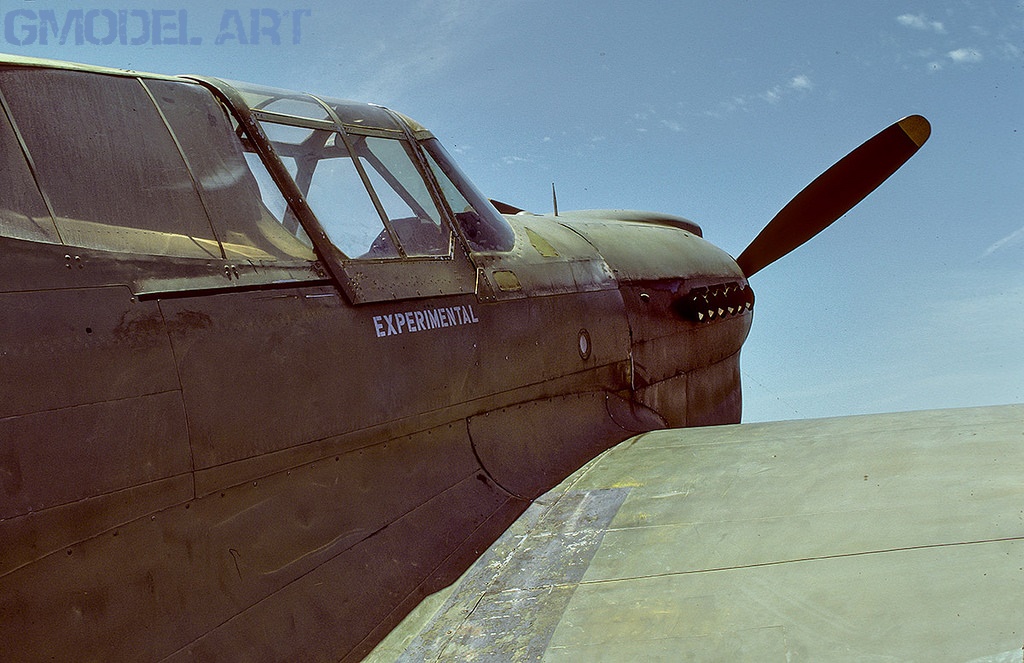
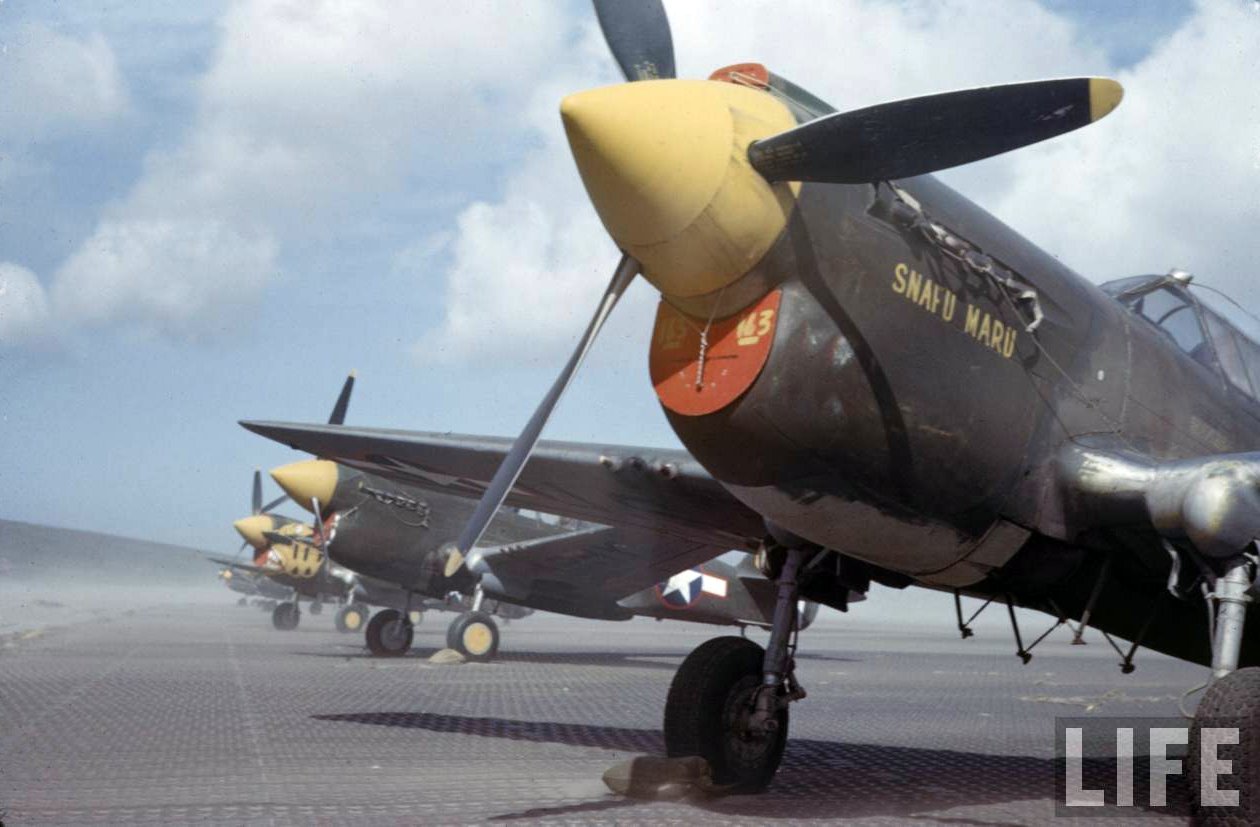
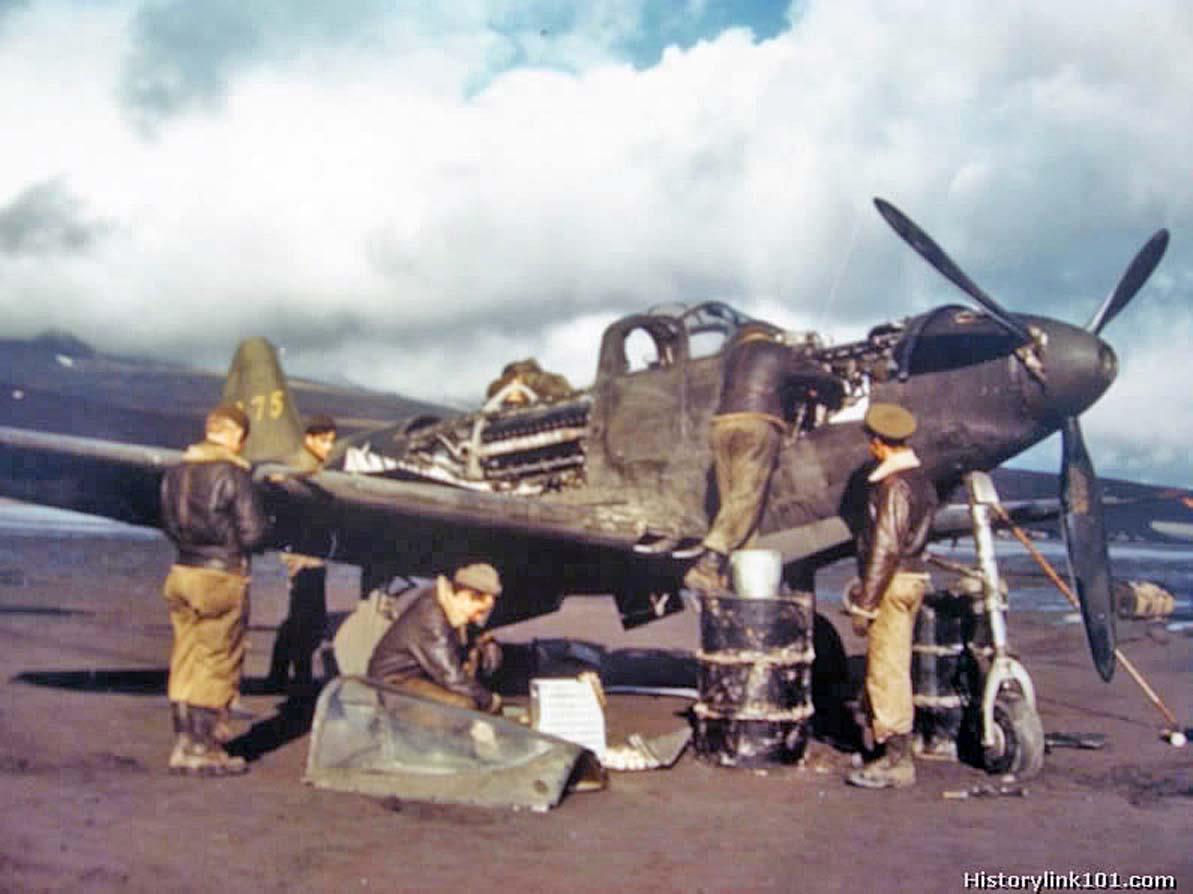
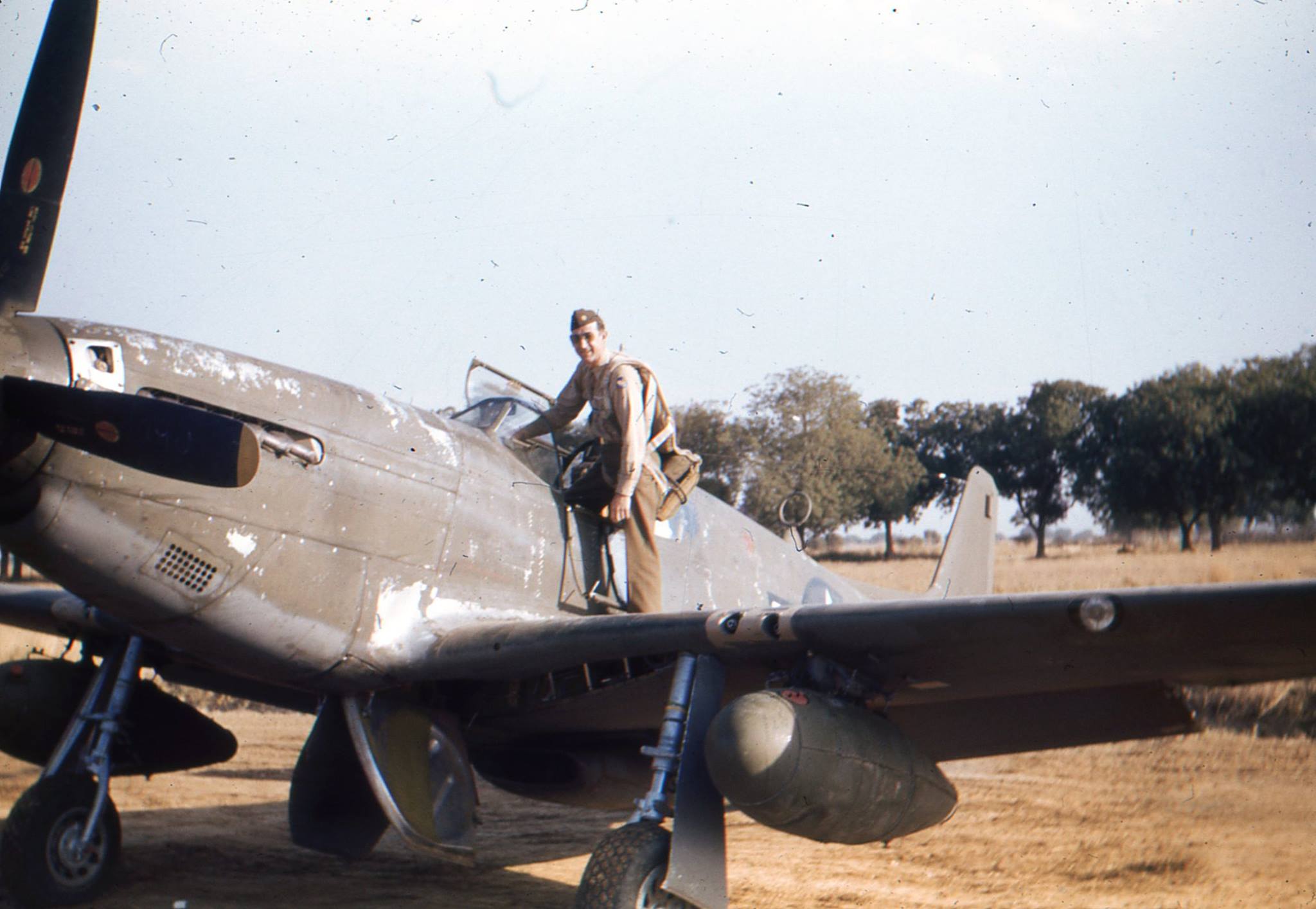
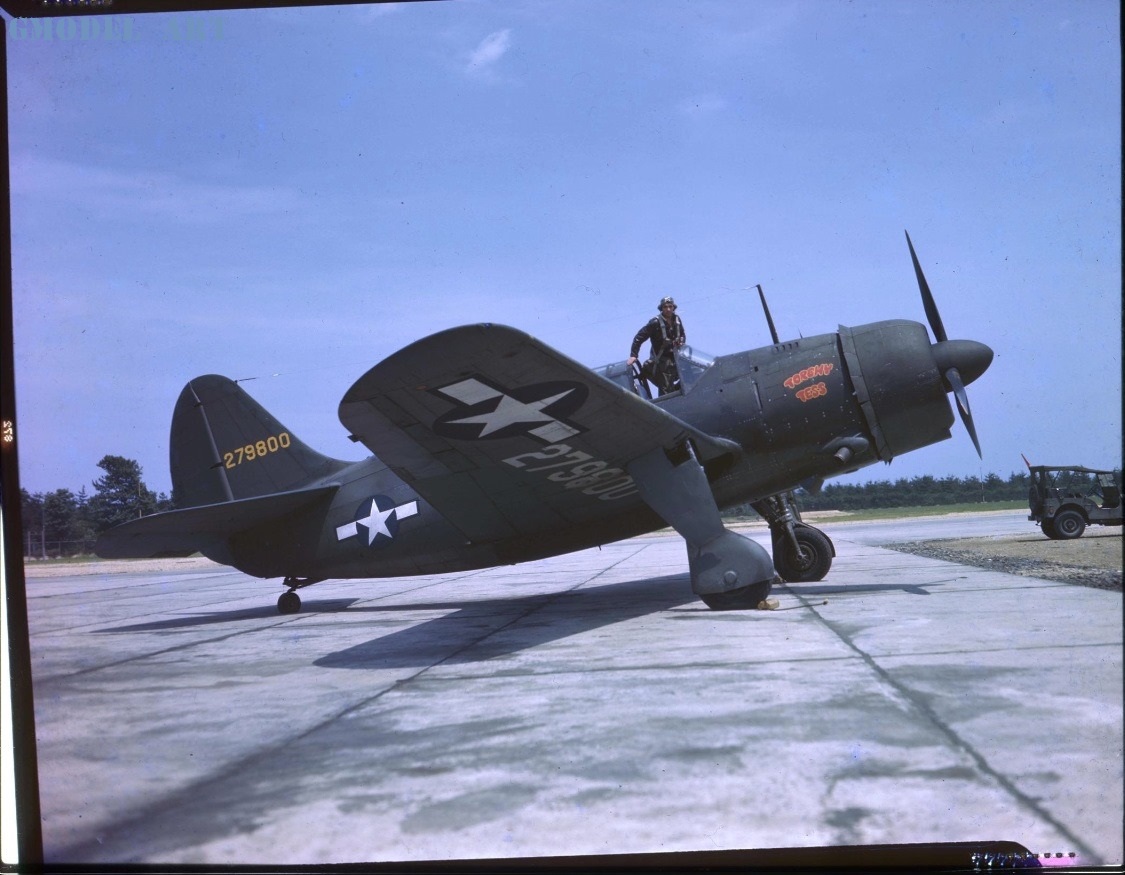
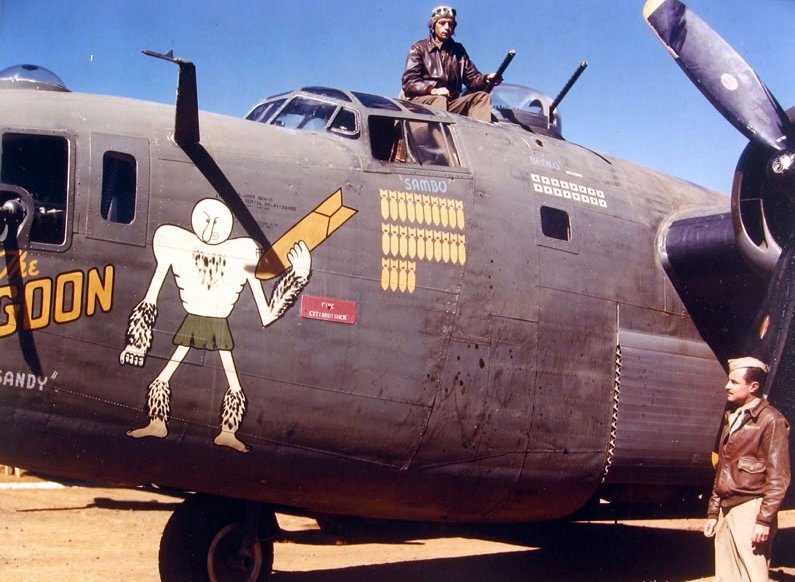
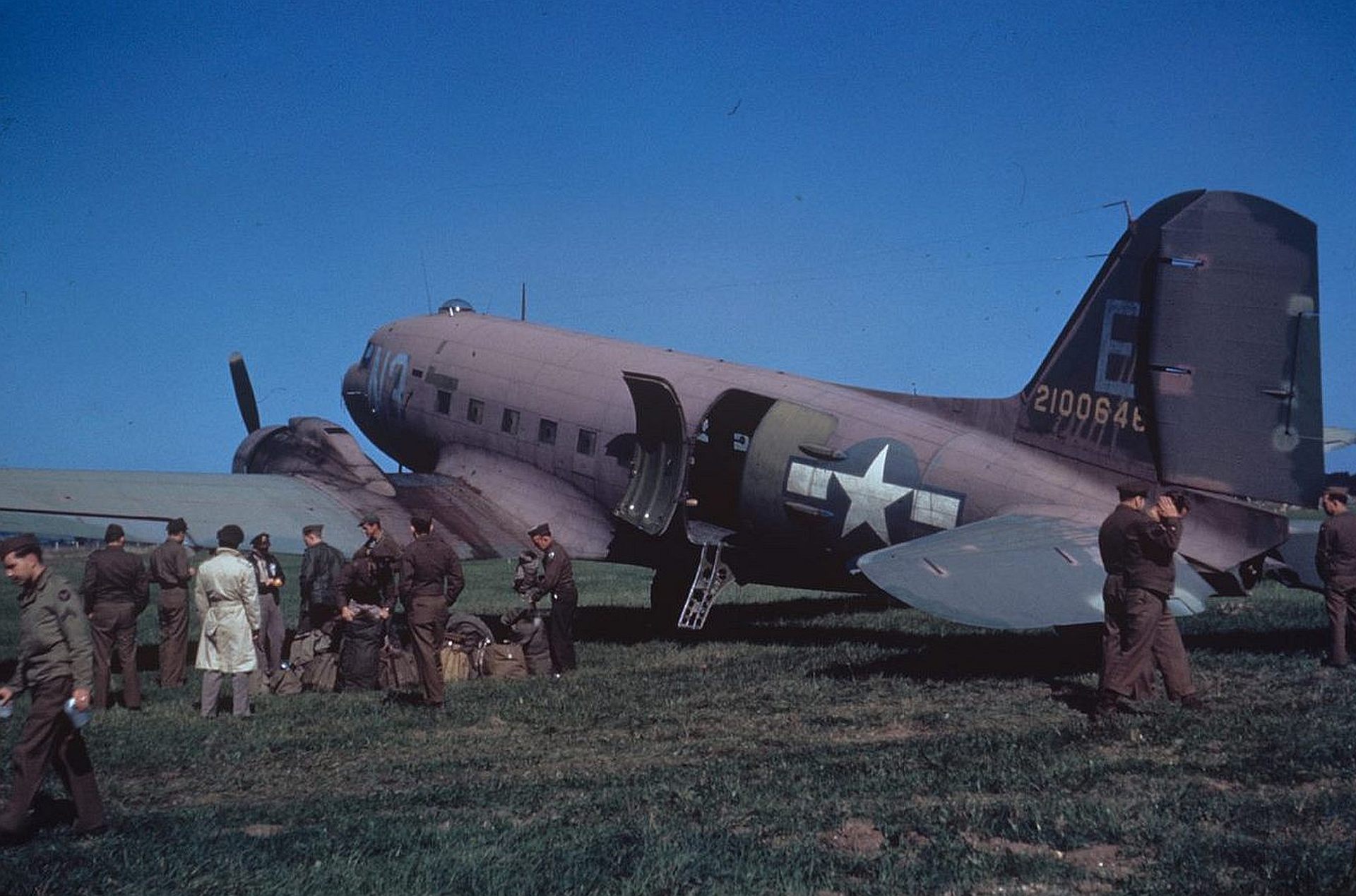
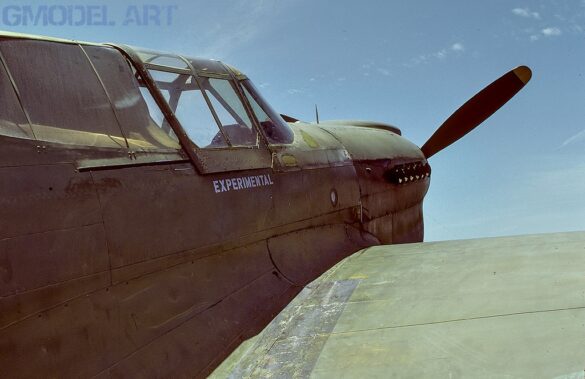
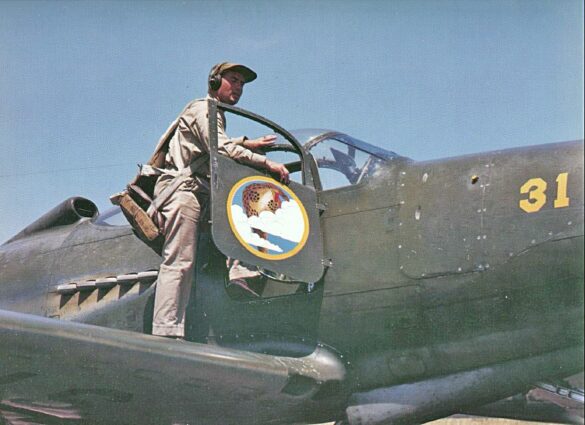
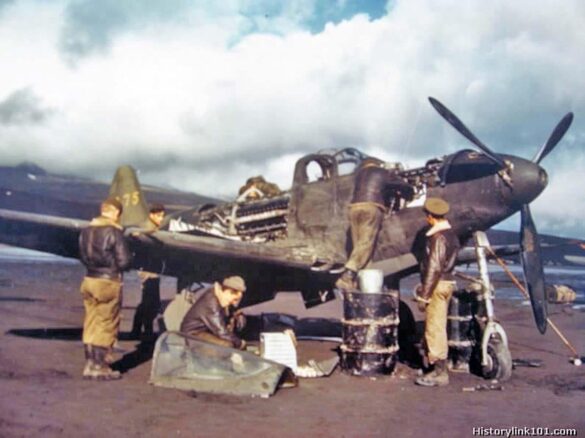
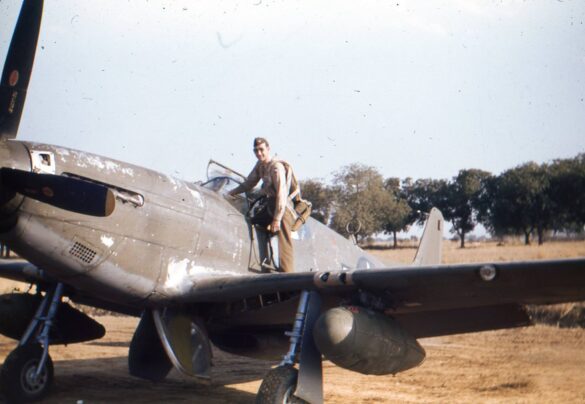
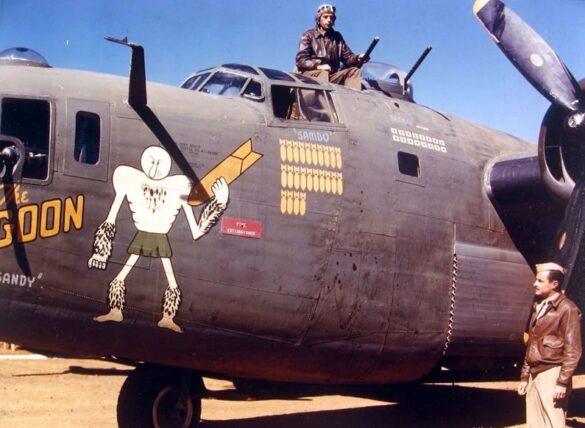
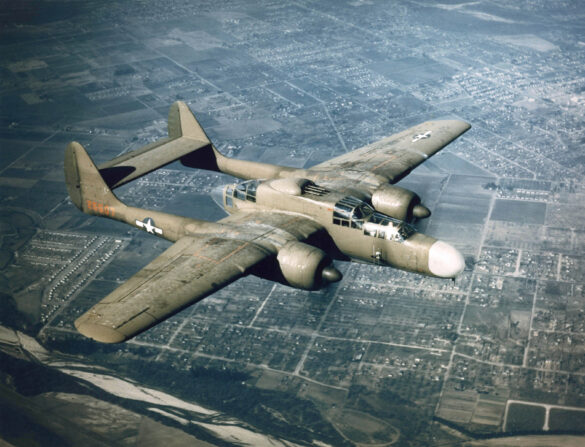
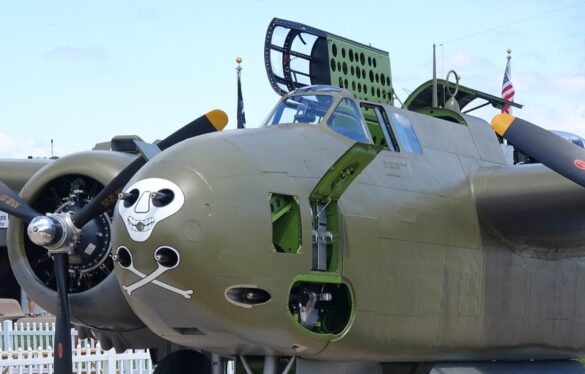
After exposure to operational conditions, however, aircraft developed dramatically different appearances.
Some shifted toward deeper green.
Others faded into warm brown tones.
Many developed irregular surfaces where panels appeared mismatched.
The reason was not poor maintenance.
Multiple manufacturers produced wartime paint using different pigment compositions while attempting to match the same official standard.
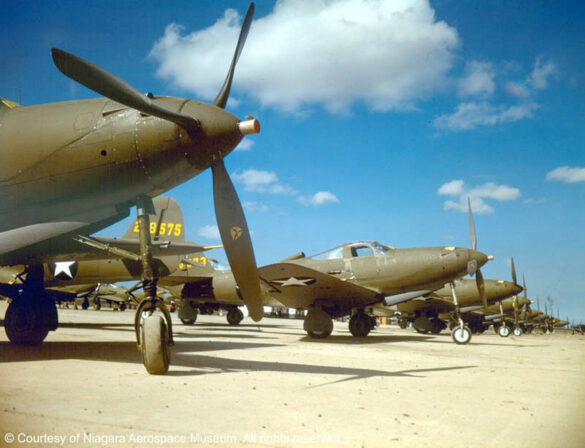
Even aircraft produced during the same month could display noticeable variation.
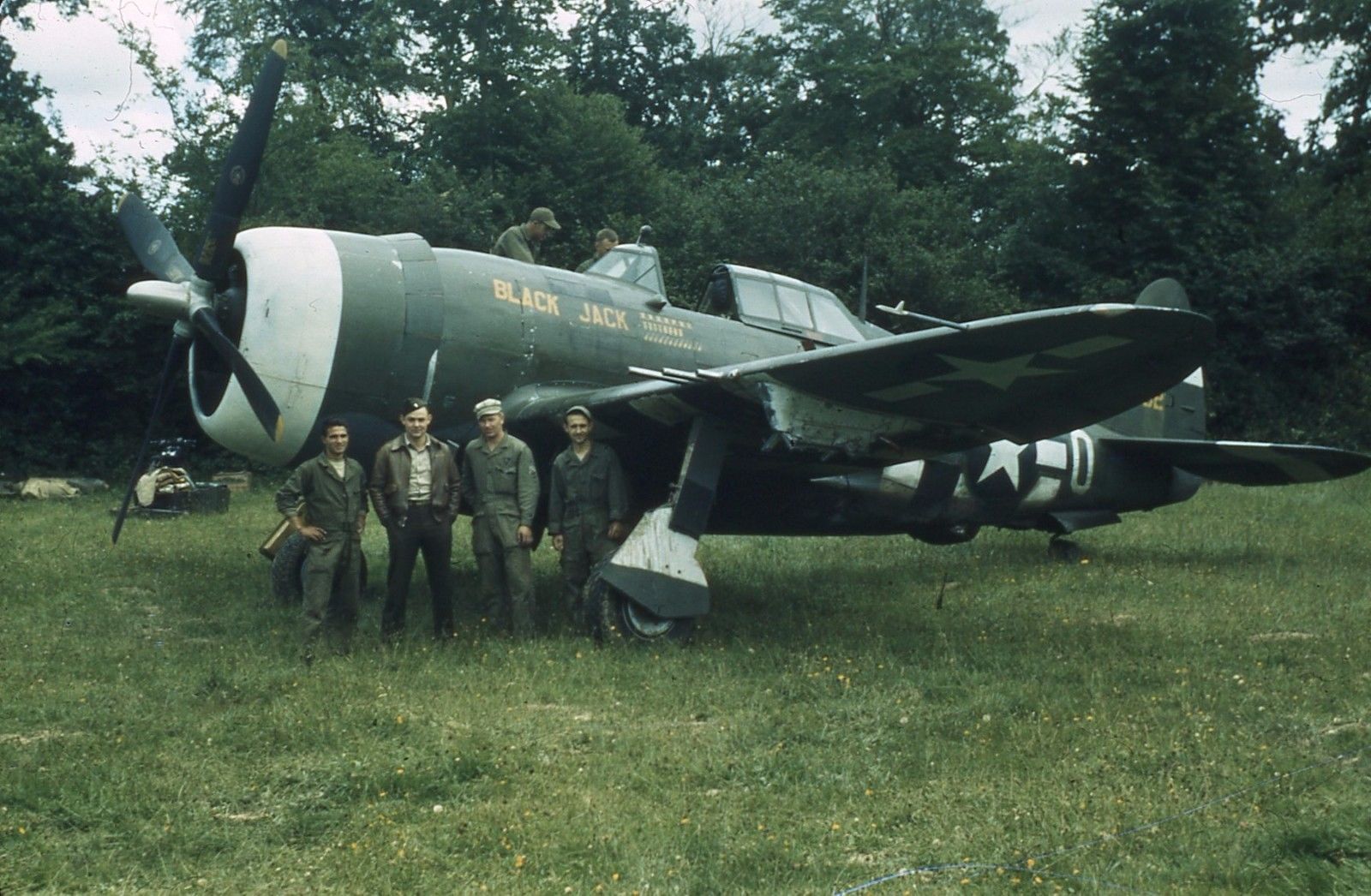
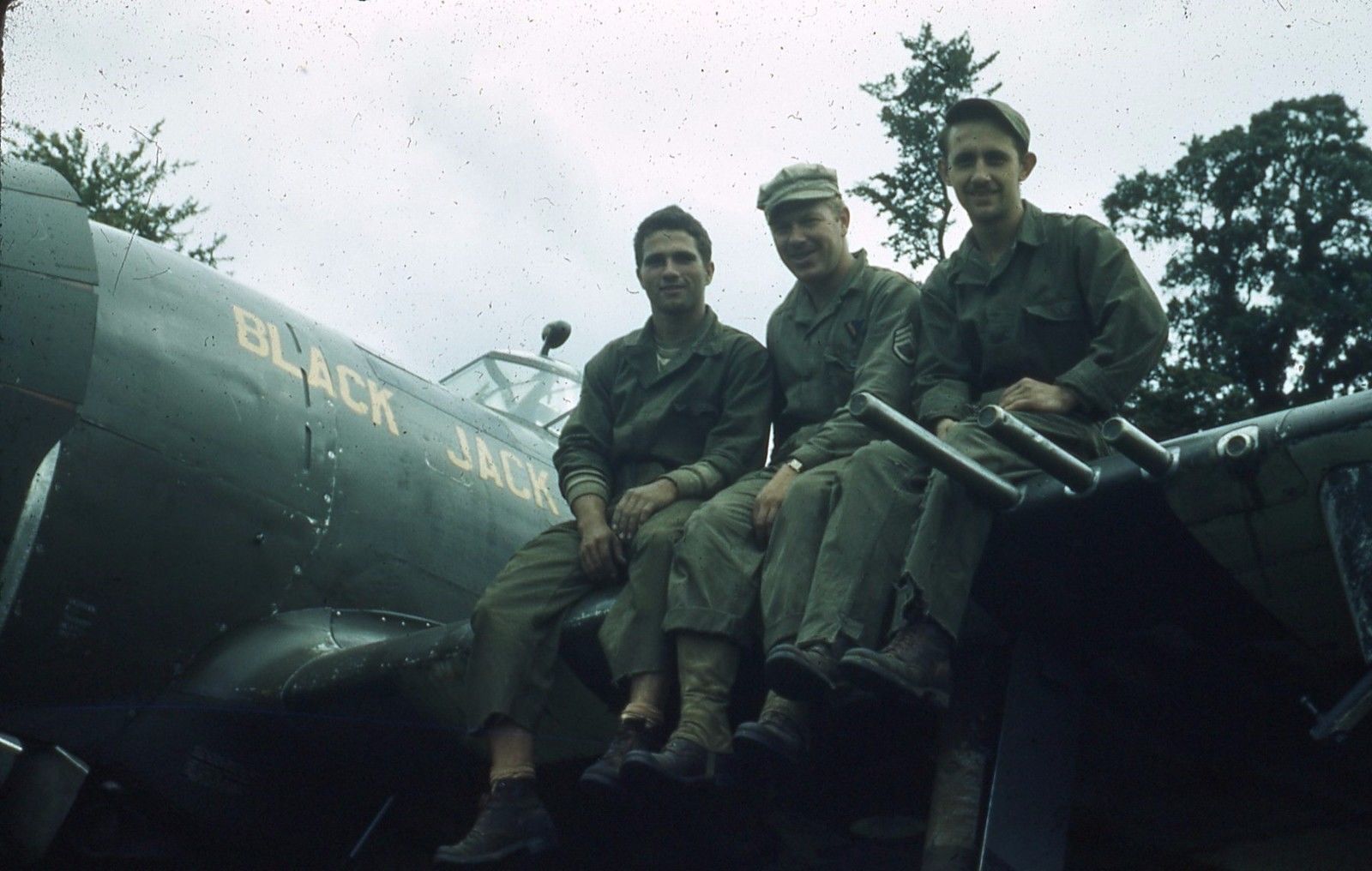
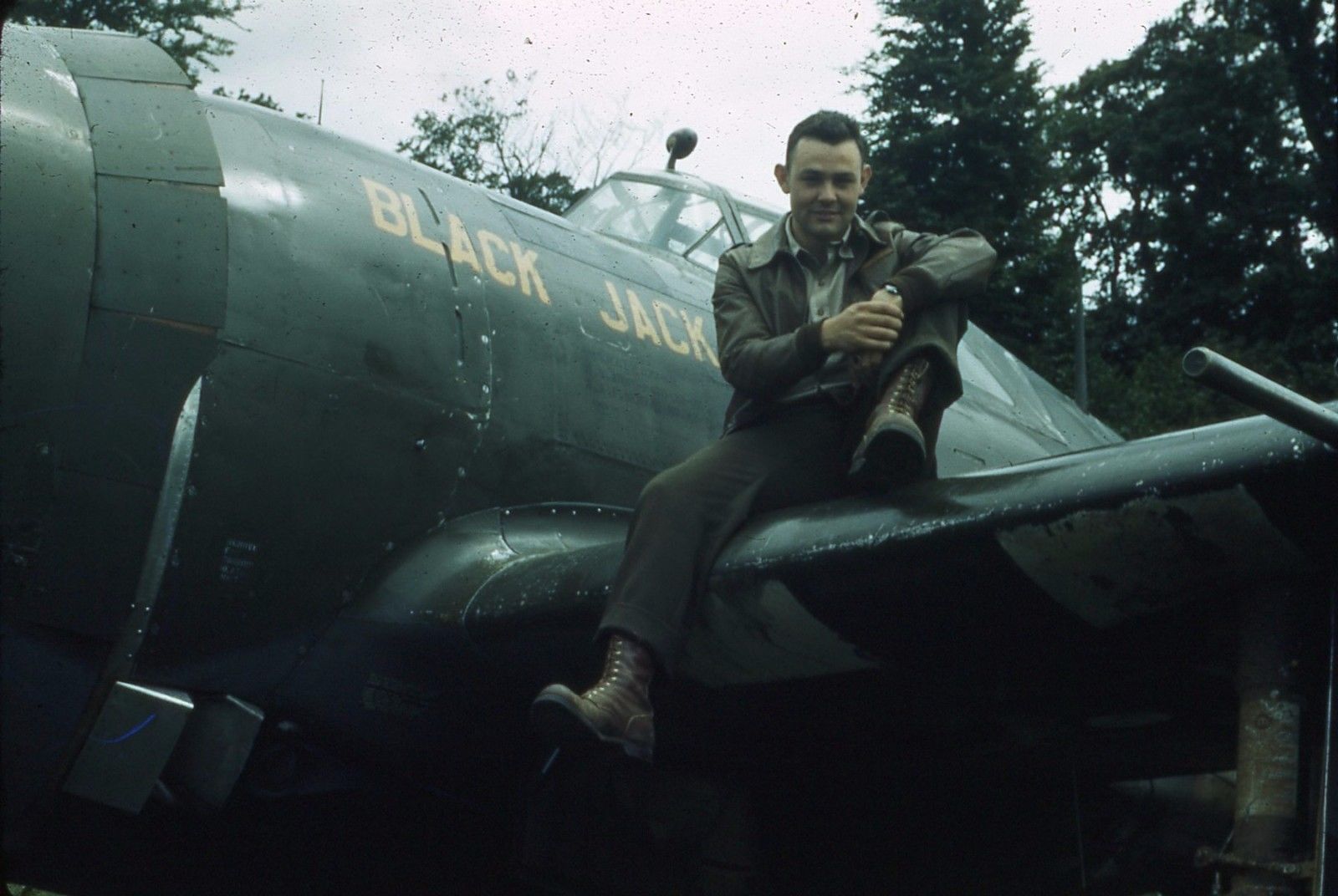
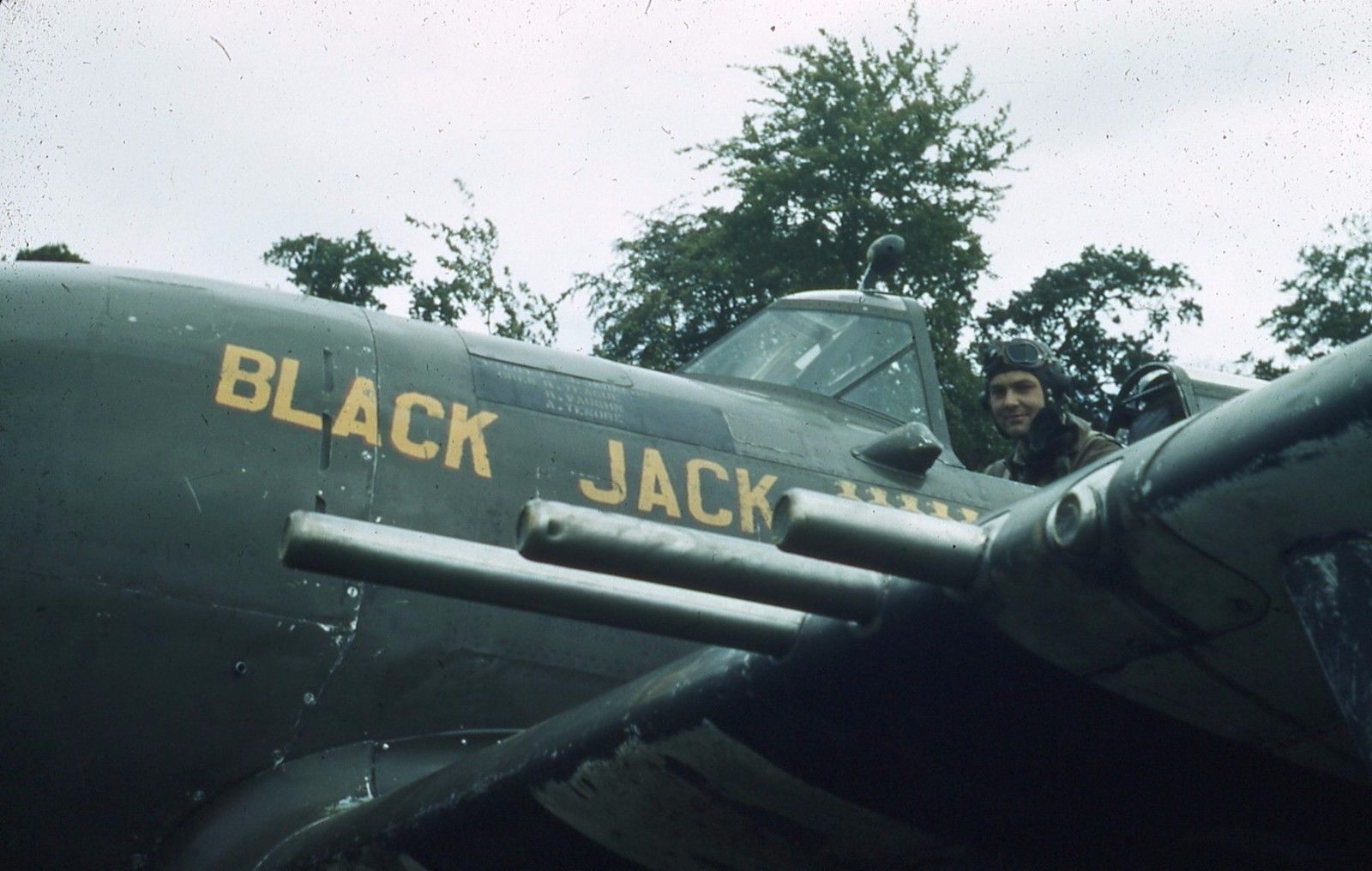
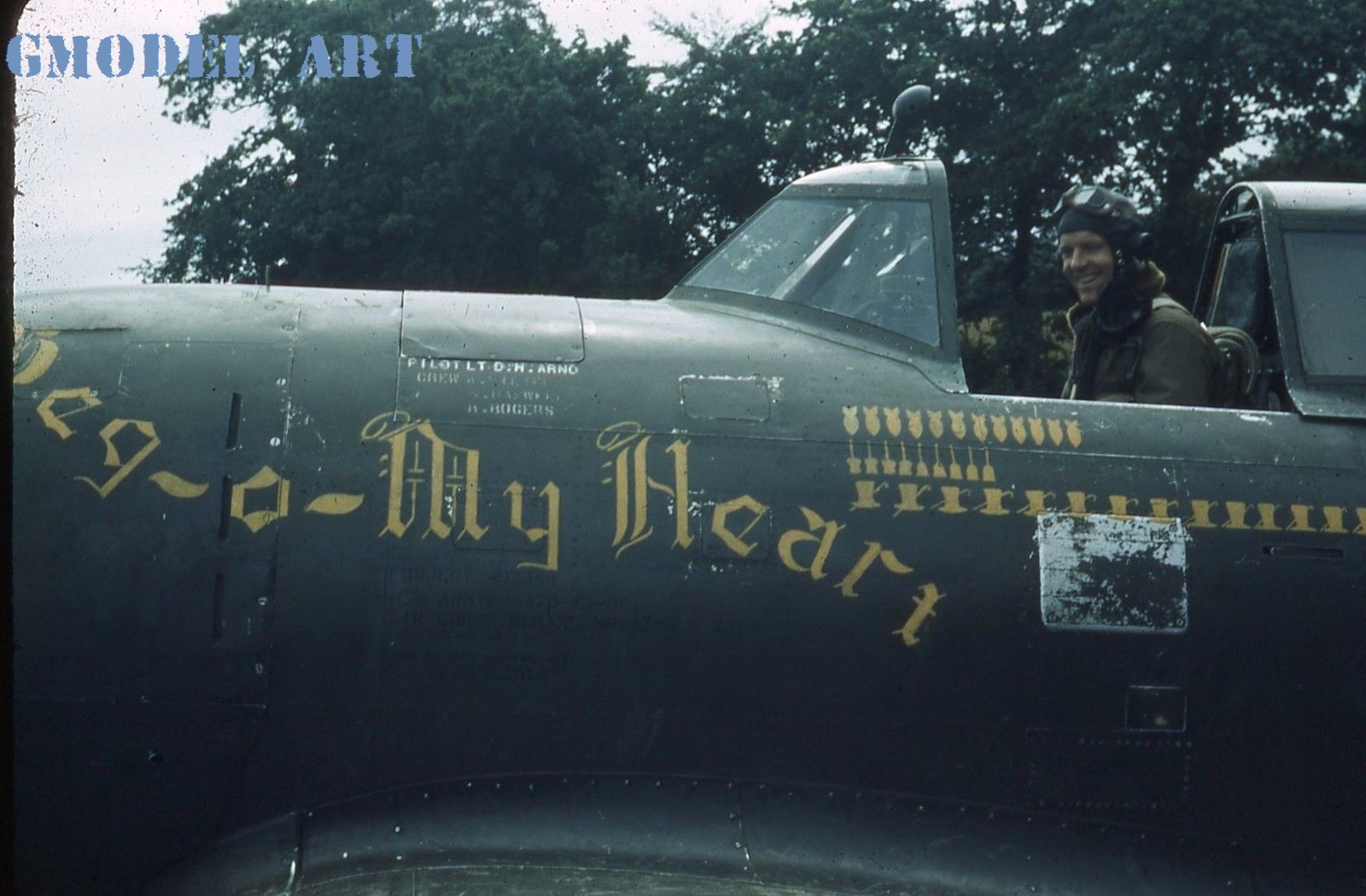
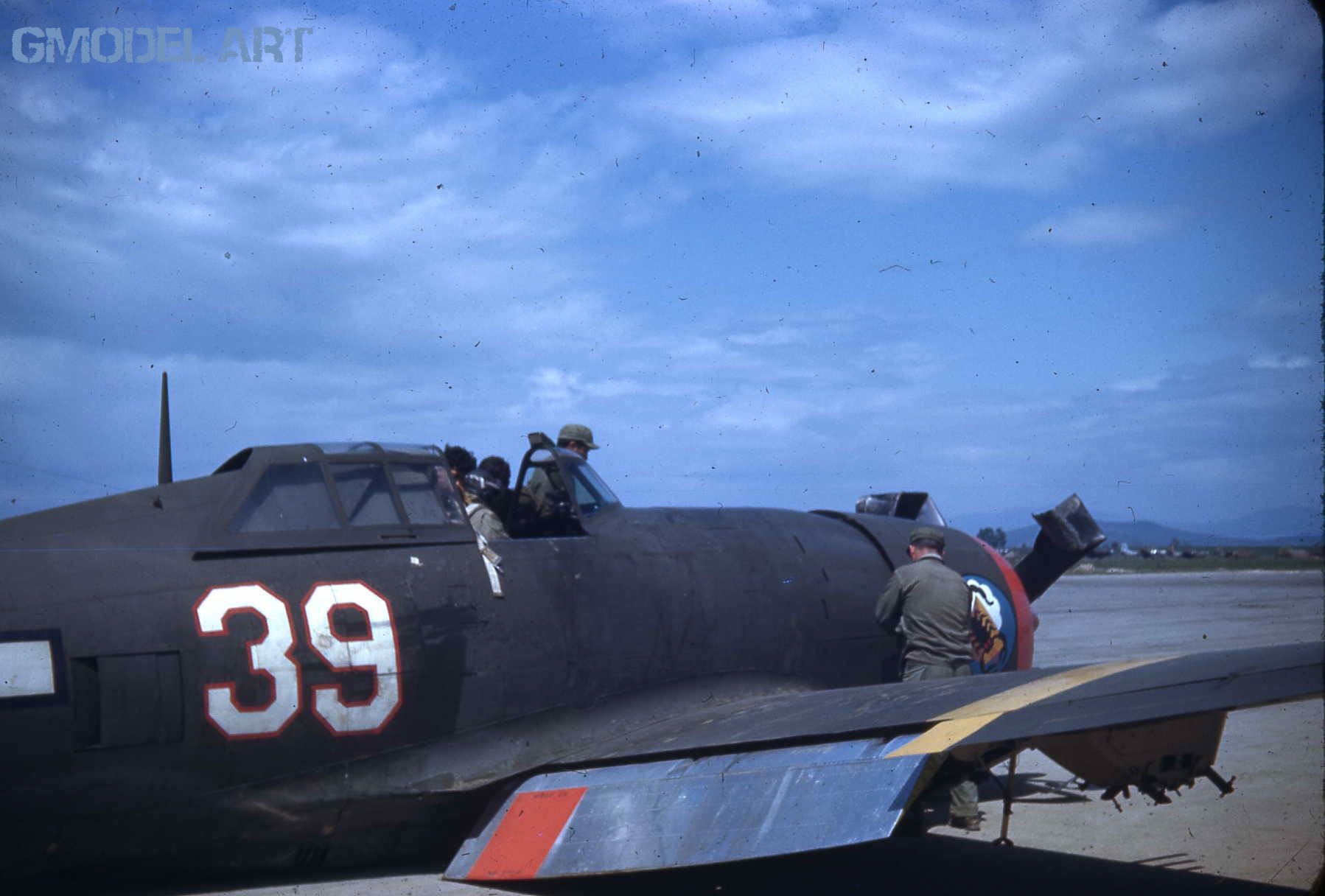
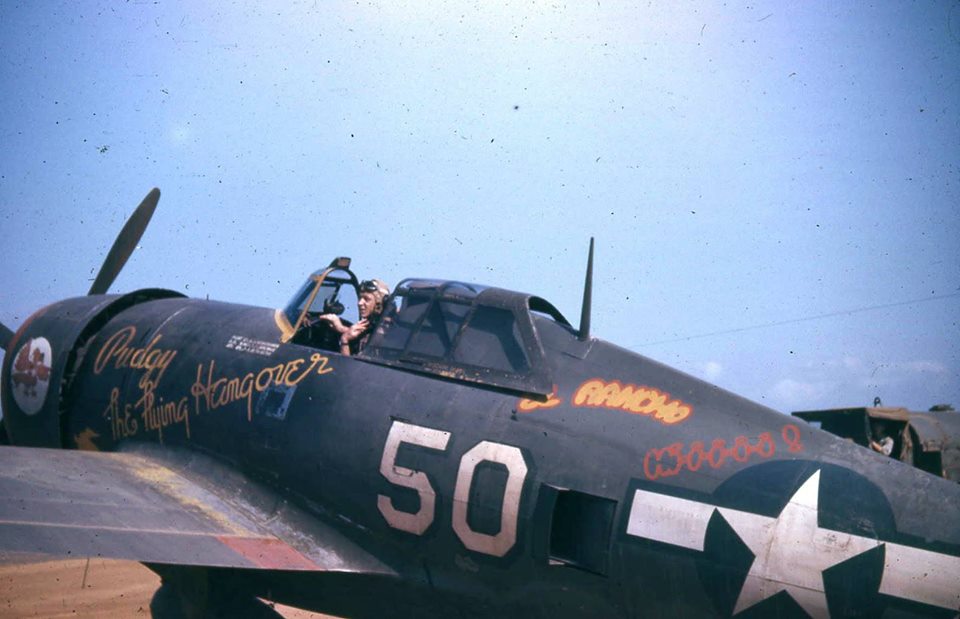
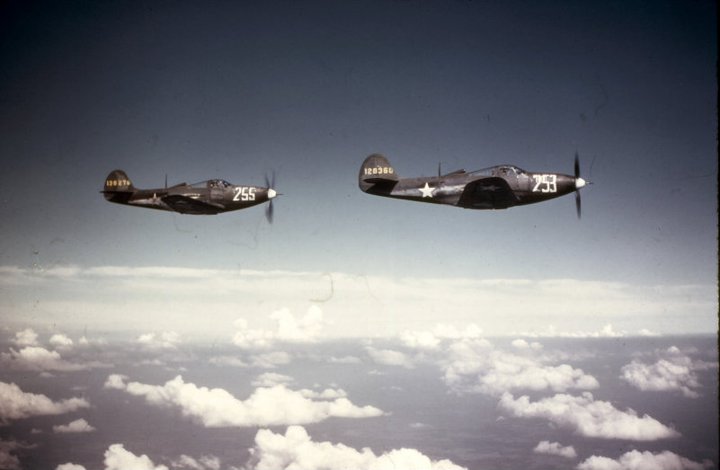
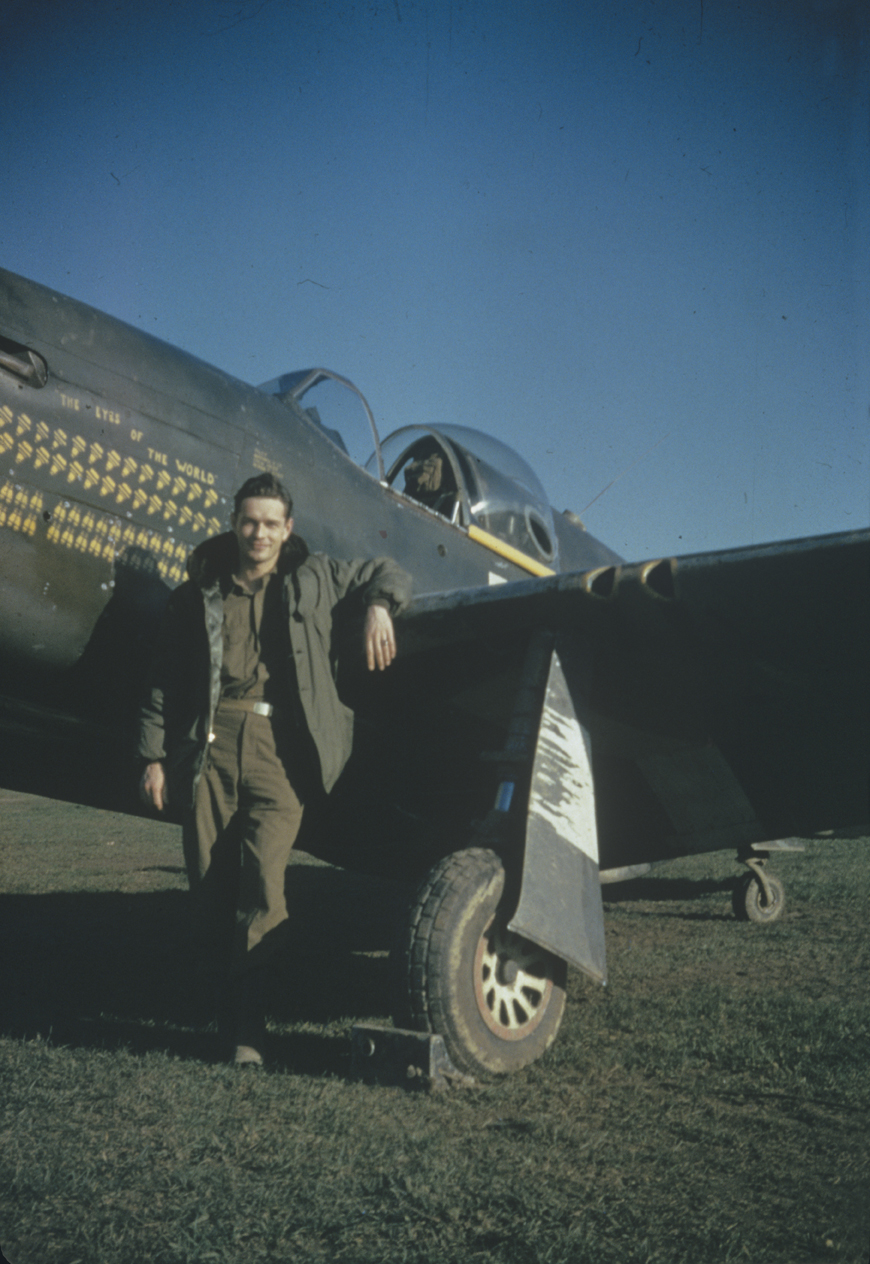
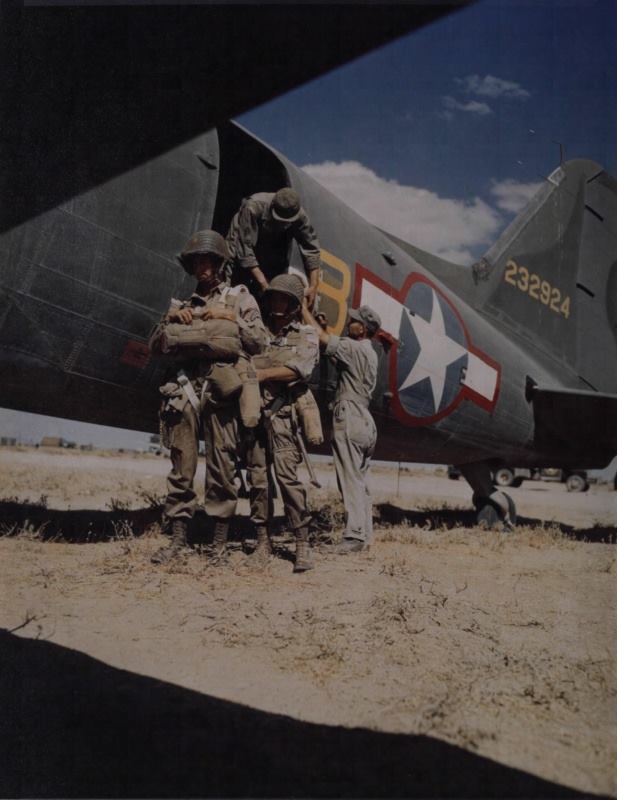
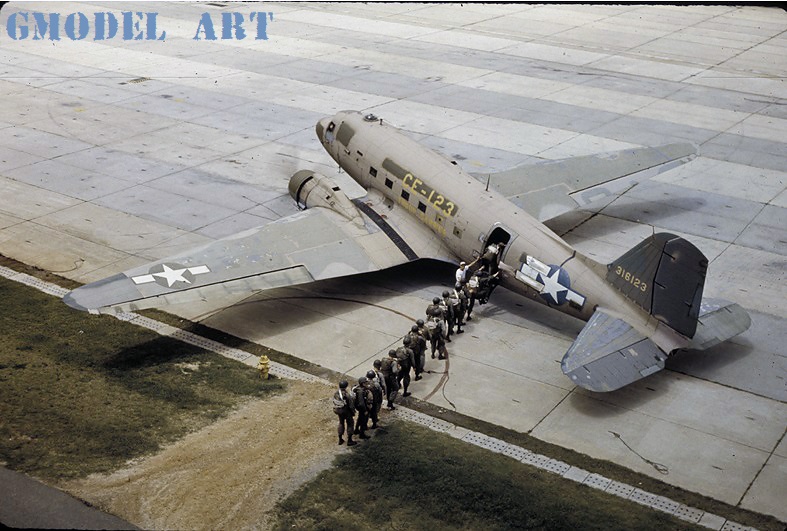
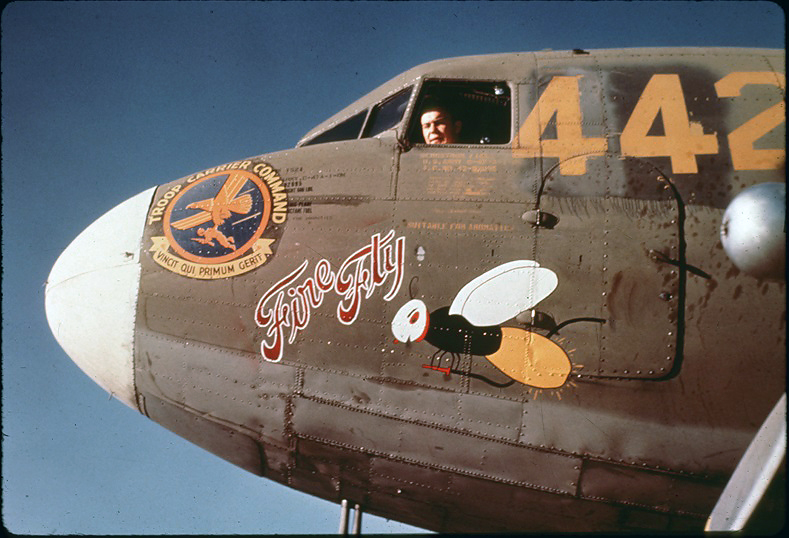
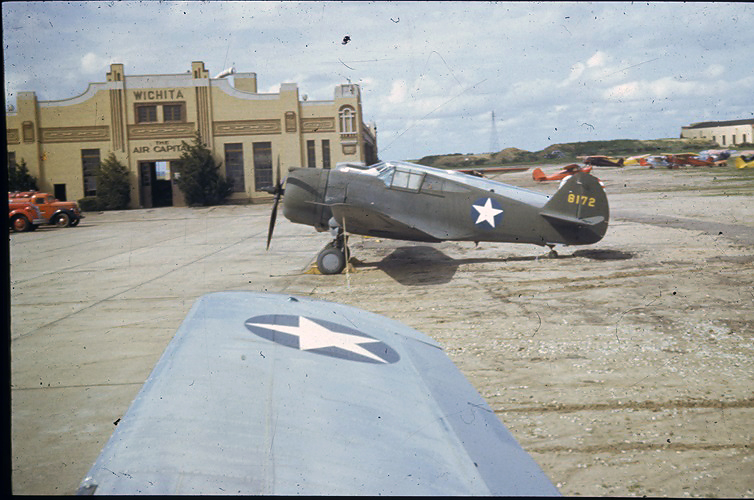
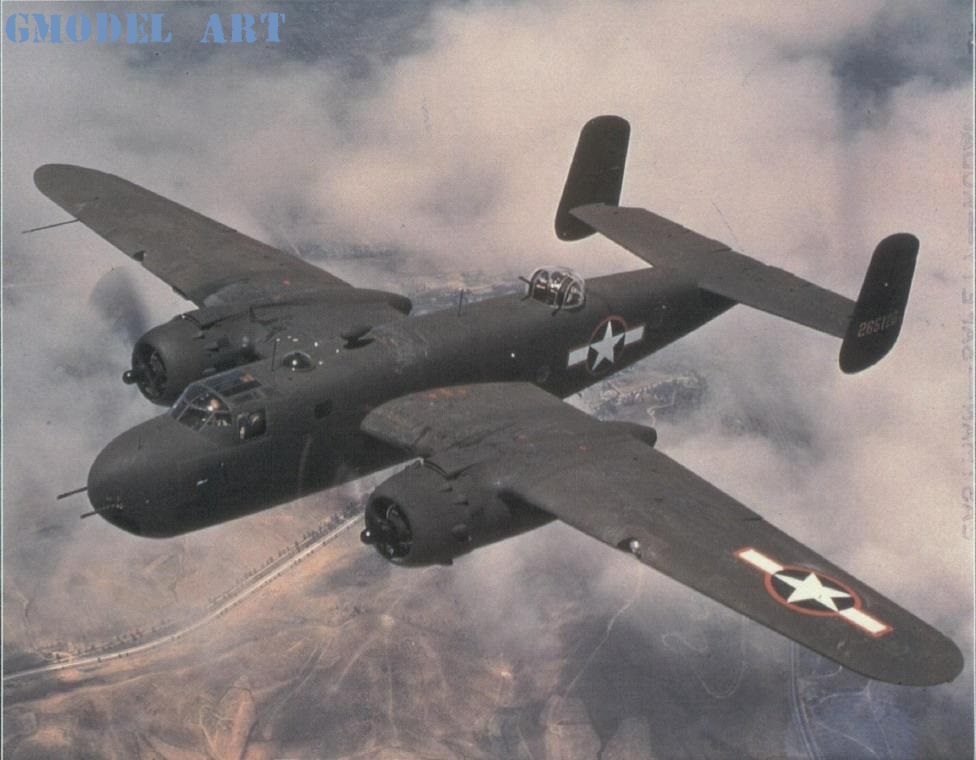
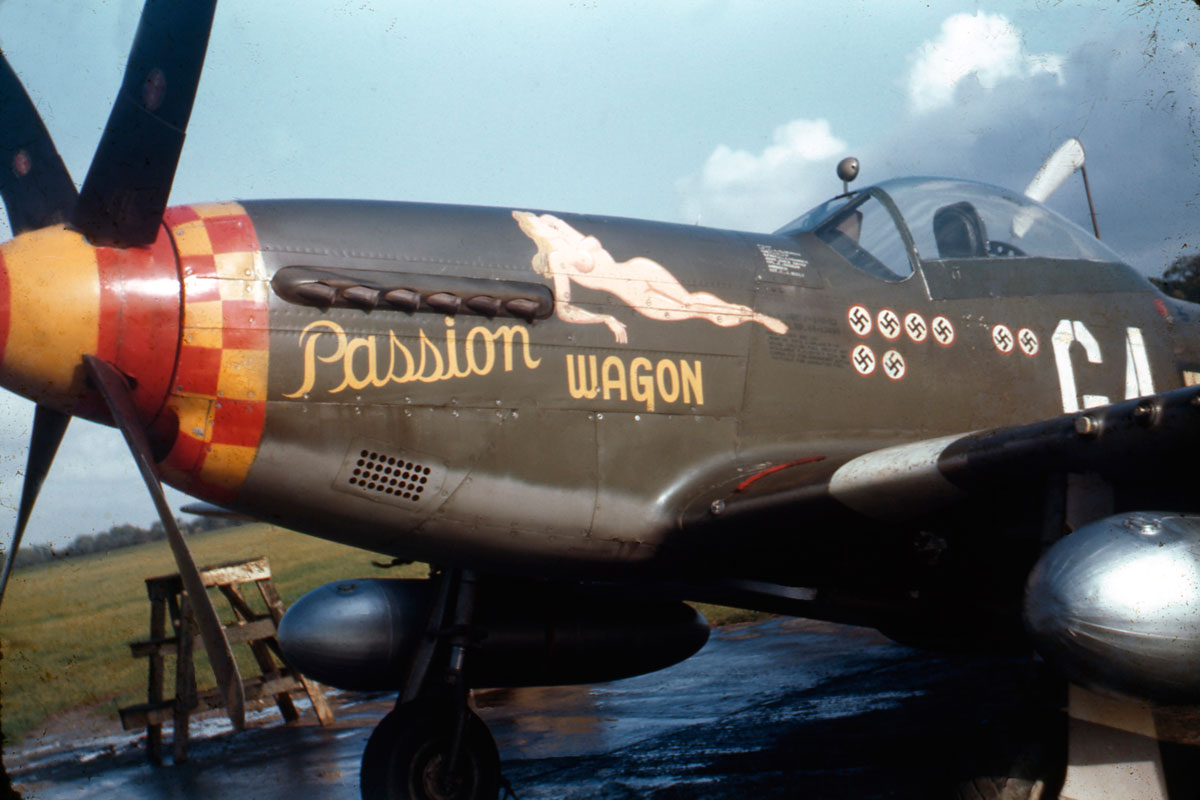
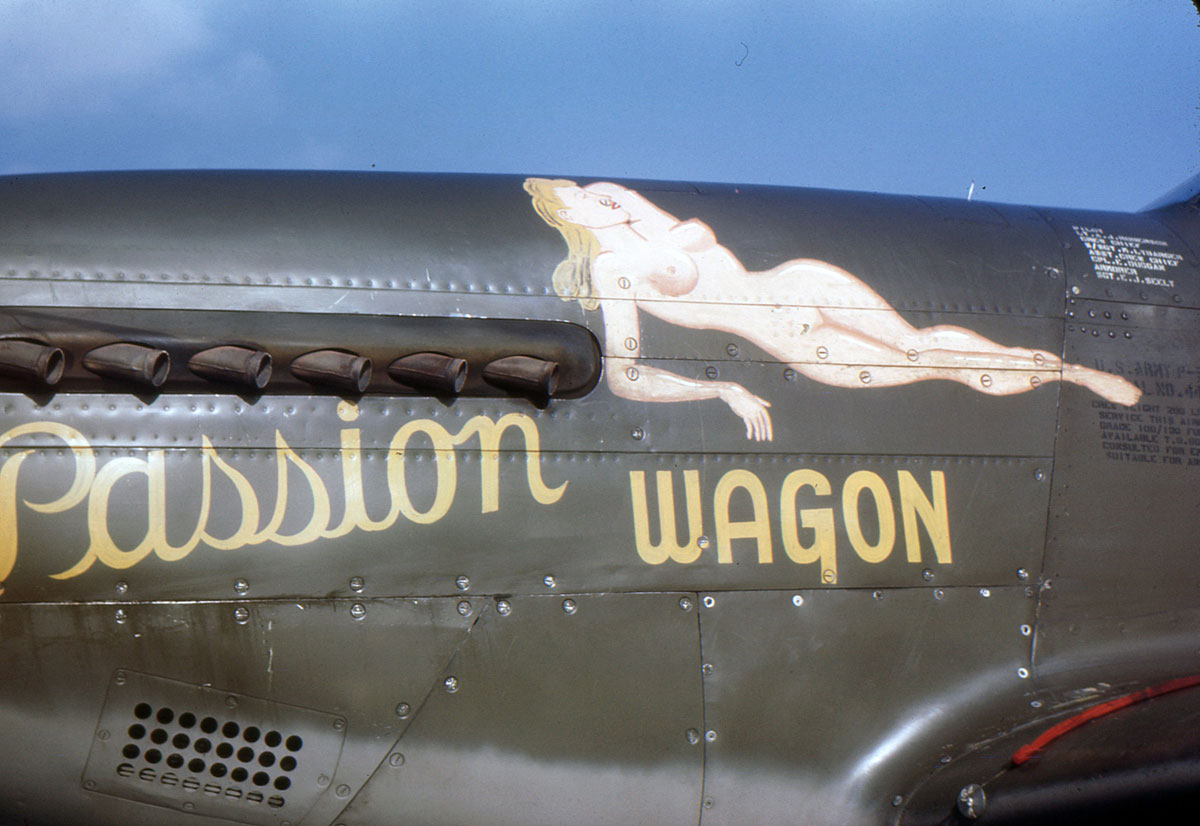
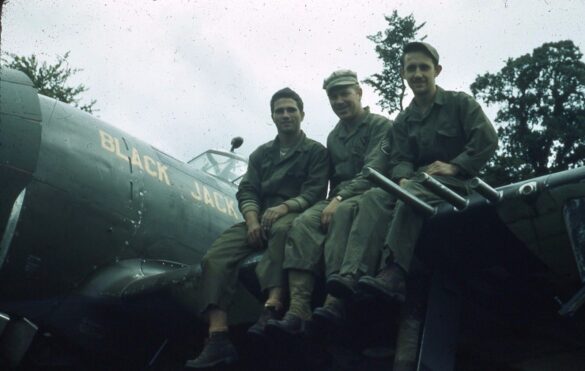
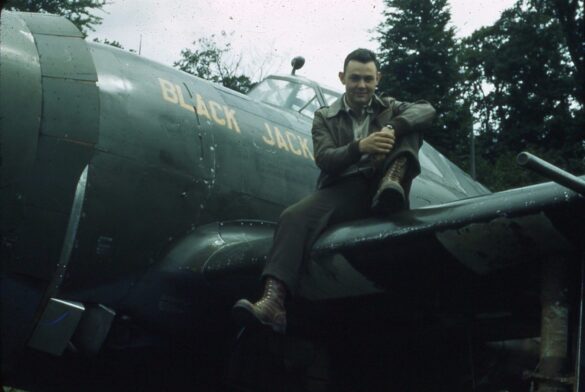
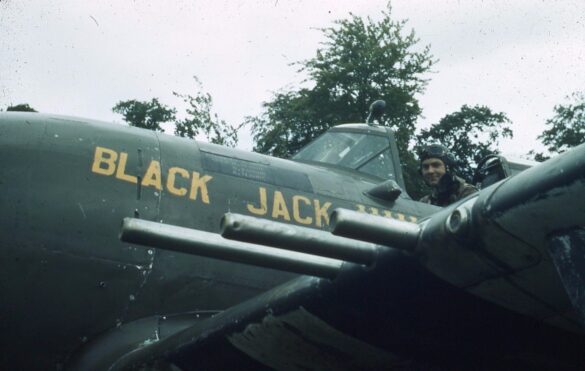
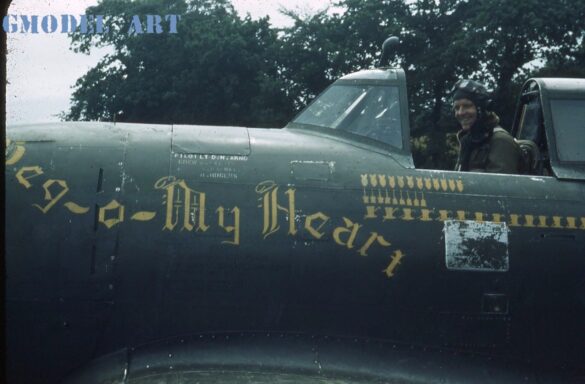
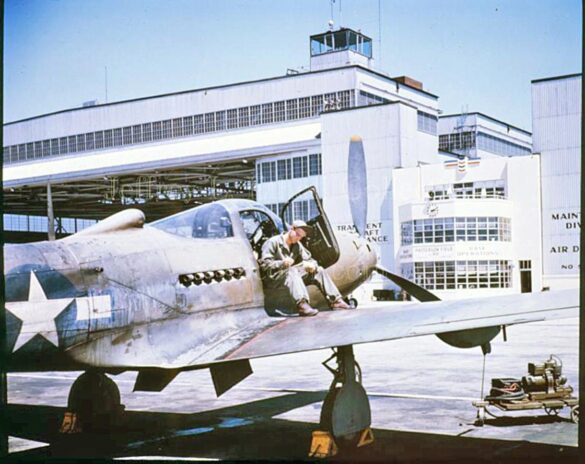
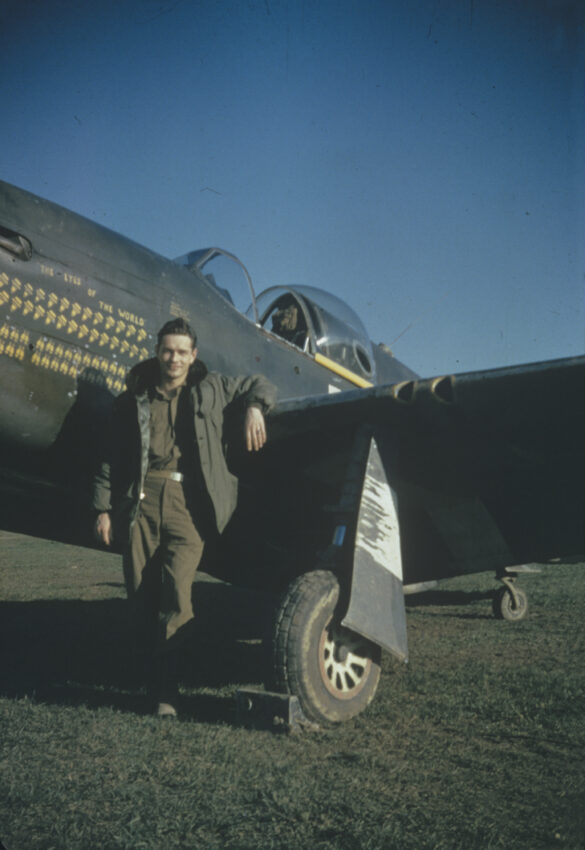
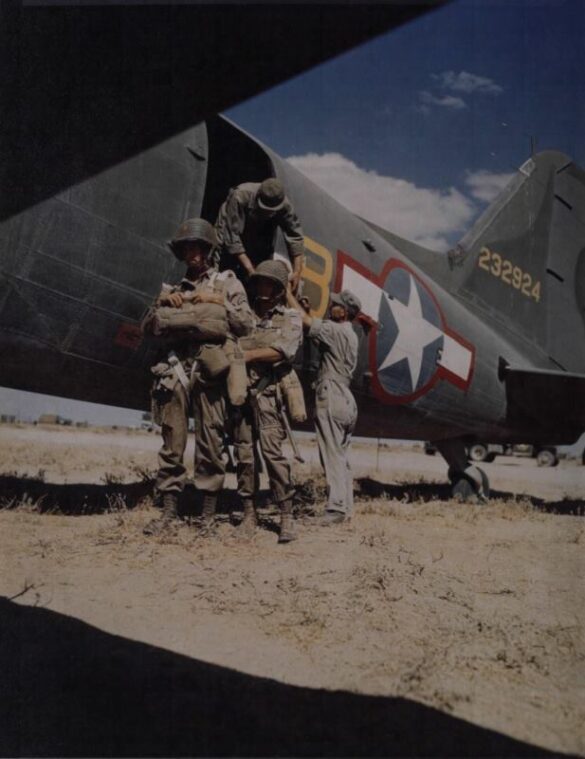
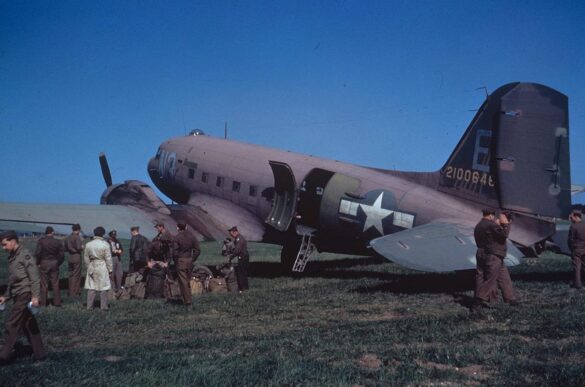
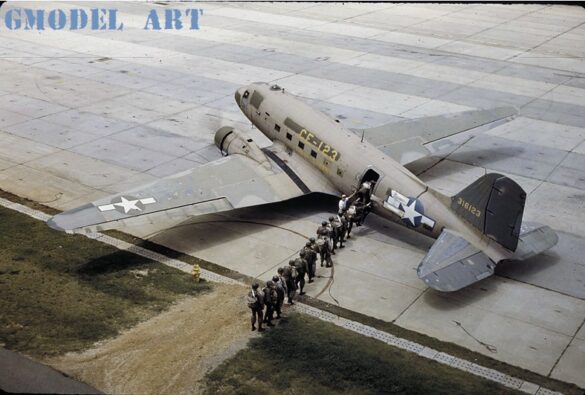
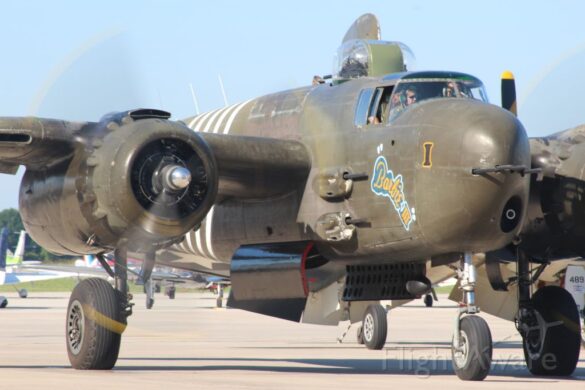
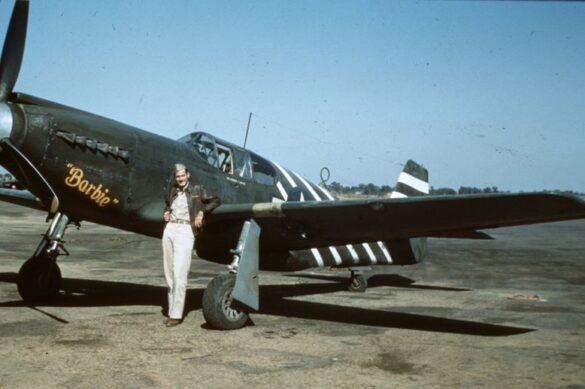
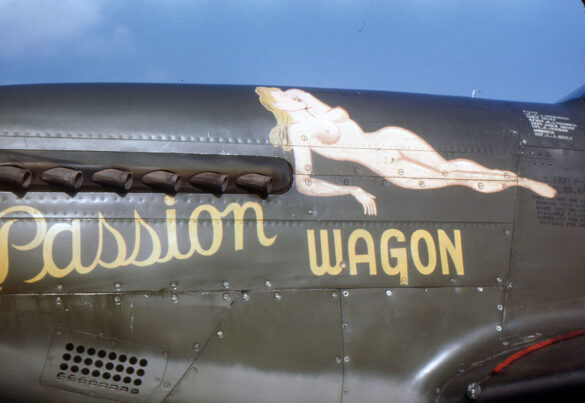
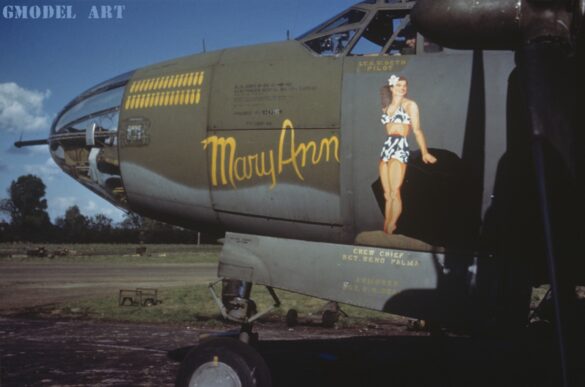
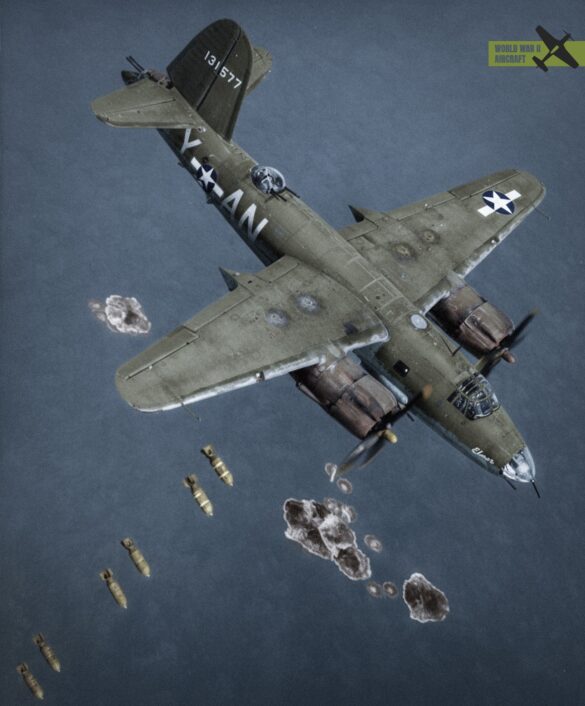
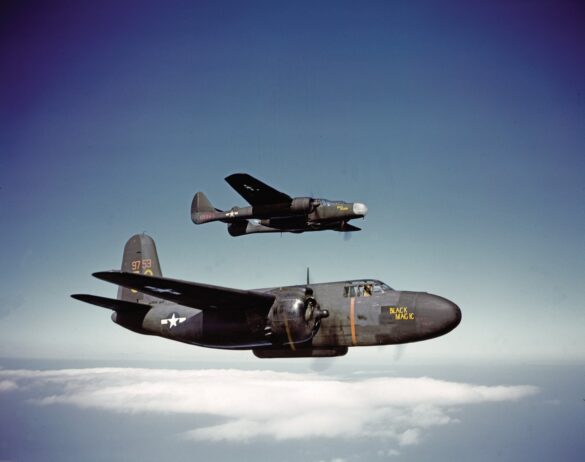
This explains why surviving wartime photography often shows aircraft that appear completely different despite using identical official specifications.
Why WWII USAAF Aircraft Never Looked Identical
One of the biggest misconceptions in scale modelling is assuming camouflage remained visually stable.
Operational aircraft aged quickly.
Environmental exposure transformed surfaces continuously.
Several factors influenced appearance.
Fabric vs Metal Construction
Control surfaces frequently used fabric coverings while surrounding structures remained metal.
Because materials weathered differently, aircraft often showed lighter elevators, darker rudders, or mismatched flaps.
Sun Exposure and Climate
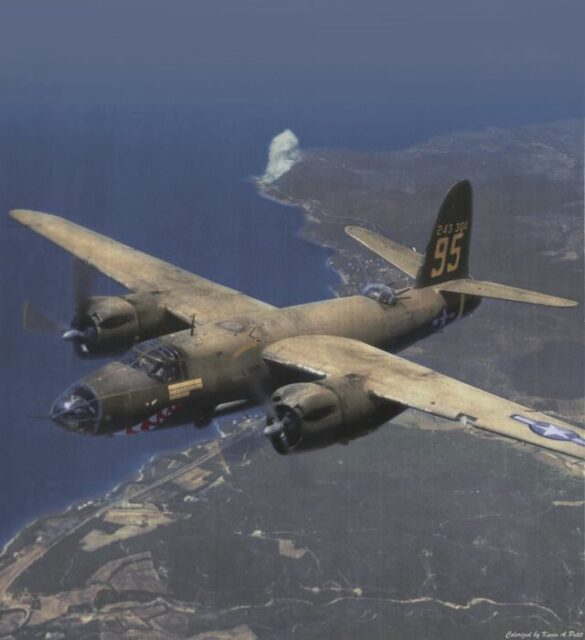
Aircraft operating under Mediterranean and North African conditions experienced accelerated fading.
European aircraft generally retained darker finishes longer.
Wartime Maintenance
Fuel spills, oil staining, repairs and cleaning altered paint appearance throughout service life.
Period Photography
Black-and-white film and changing exposure often shifted Olive Drab between appearing green, brown, or almost gray.
Historical context matters more than trying to identify a single exact paint tone.
Neutral Gray No.43 — The Most Consistent Part of the Scheme
Compared with Olive Drab, Neutral Gray No.43 remained remarkably stable.
Designed specifically as a low-visibility underside finish, it offered a balanced neutral appearance with limited color shift.
Unlike later ANA-era grays, Neutral Gray showed minimal blue influence.
However, photographs frequently make it appear darker than reality because aircraft undersides accumulated dirt and operational staining rapidly.
For scale modelling, a subtle variation of tones usually reproduces the original appearance more accurately than one flat coat.
Medium Green No.42 — The Forgotten Edge Camouflage
While Olive Drab and Neutral Gray formed the standard scheme, some aircraft received additional camouflage disruption using Medium Green No.42.
These irregular applications appeared mainly along:
- Wing leading and trailing edges
- Vertical stabilizers
- Tail sections
The intended purpose was to break aircraft outlines and reduce visual detection.
Ironically, Medium Green often weathered more slowly than Olive Drab, sometimes increasing aircraft visibility instead of reducing it.
Special Camouflage Orders During 1943
By mid-war, operational demands forced adaptation.
Technical Order T.O. 07-1-1, introduced in June 1943, authorized alternative camouflage combinations.
Approved variations included:
- Medium Green substitutions for heavily vegetated environments
- Sand No.49 finishes for desert operations
- Black No.44 undersides for night missions
These schemes remained uncommon but illustrate the increasing flexibility of USAAF camouflage doctrine.
The ANA System and the End of Early USAAF Colors
On September 28, 1943, the United States introduced the Army–Navy Aircraft (ANA) standard.
Its purpose was straightforward:
Create a unified color language between Army and Navy aviation.
The transition did not happen overnight.
Existing paint stocks remained in service.
As a result, late-1943 aircraft frequently appeared with overlapping characteristics between old Bulletin No.41 finishes and newer ANA standards.
This overlap period remains one of the most debated areas in WWII aircraft color research.
Aircraft Commonly Seen Wearing Early WWII USAAF Camouflage (1941–1943)
The following aircraft types were historically associated with Olive Drab No.41 over Neutral Gray No.43 during the early and middle years of WWII:
Fighters
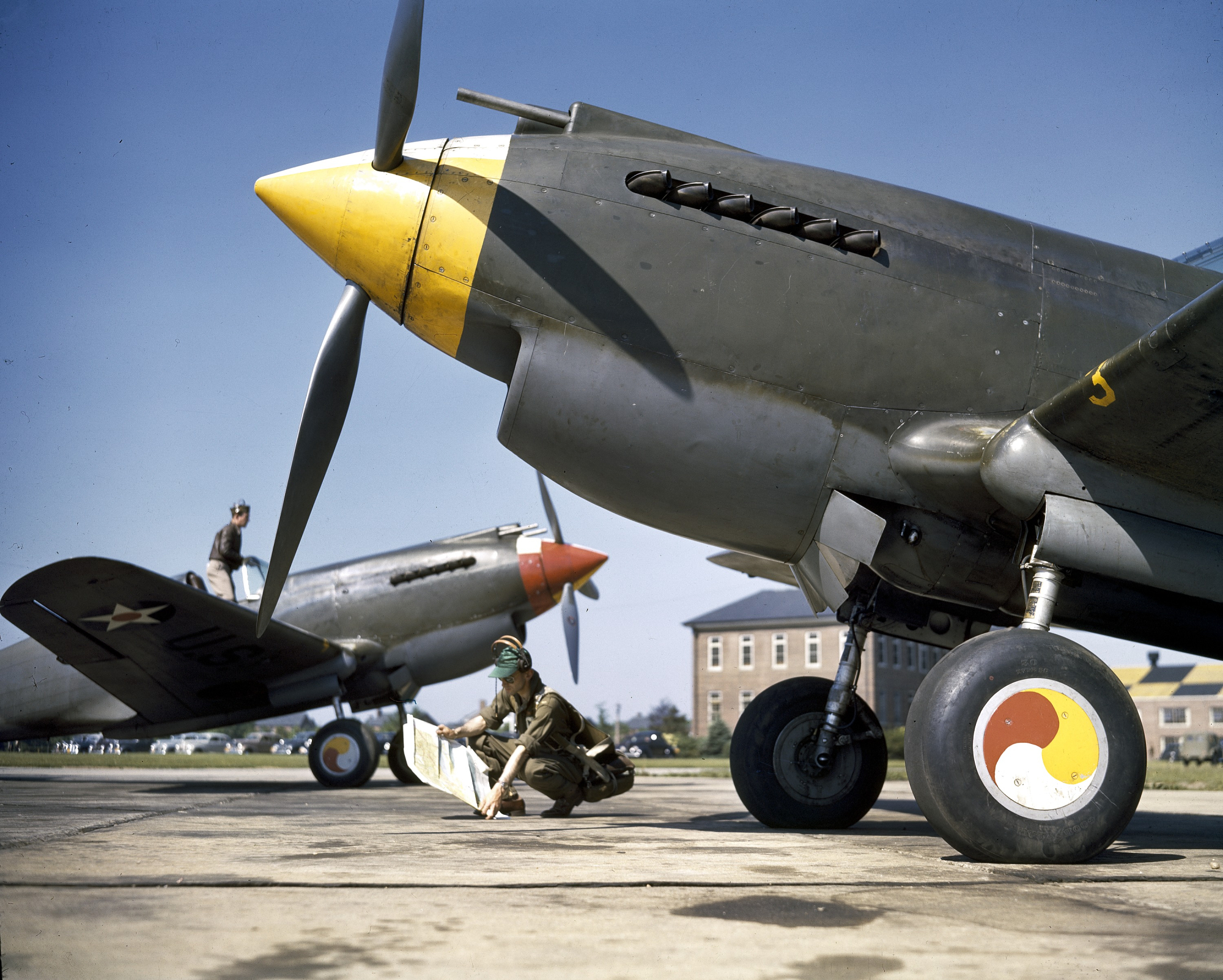
- Curtiss P-40 Warhawk
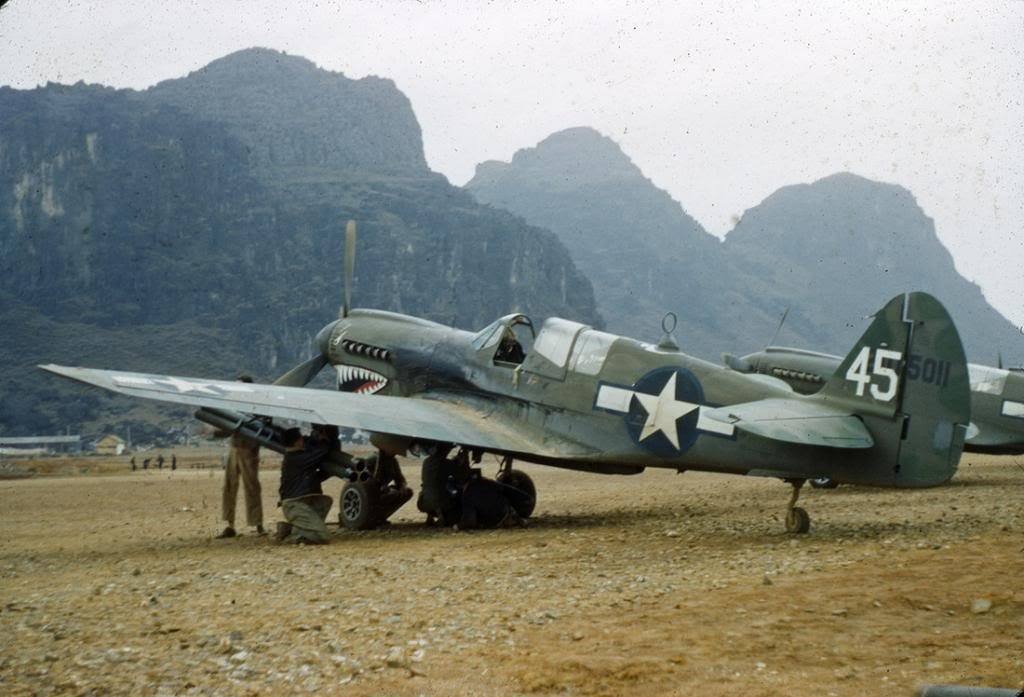
- Bell P-39 Airacobra
- Bell P-63 Kingcobra
- Lockheed P-38 Lightning
- Republic P-47 Thunderbolt
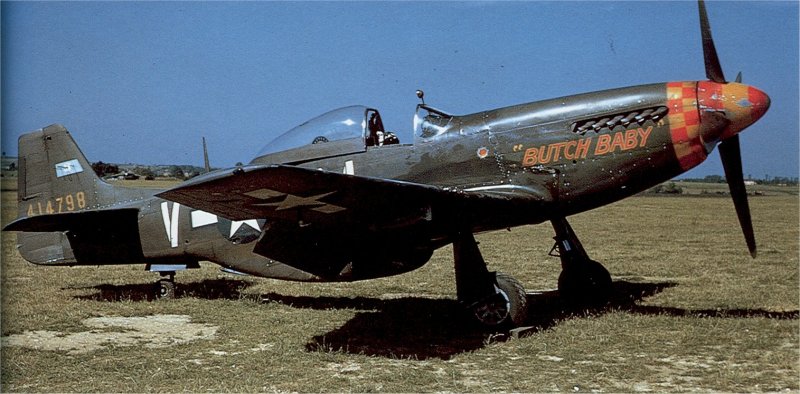
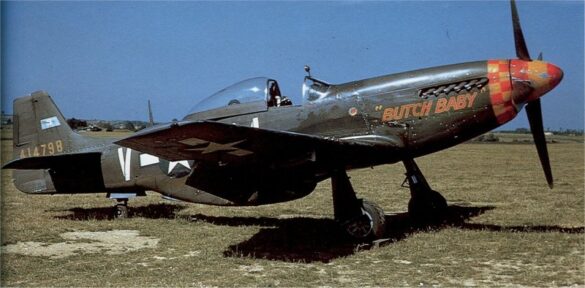
- North American P-51 Mustang (early production aircraft)
- Curtiss P-36 Hawk
- Northrop P-61 Black Widow (early examples)
Medium Bombers
- North American B-25 Mitchell
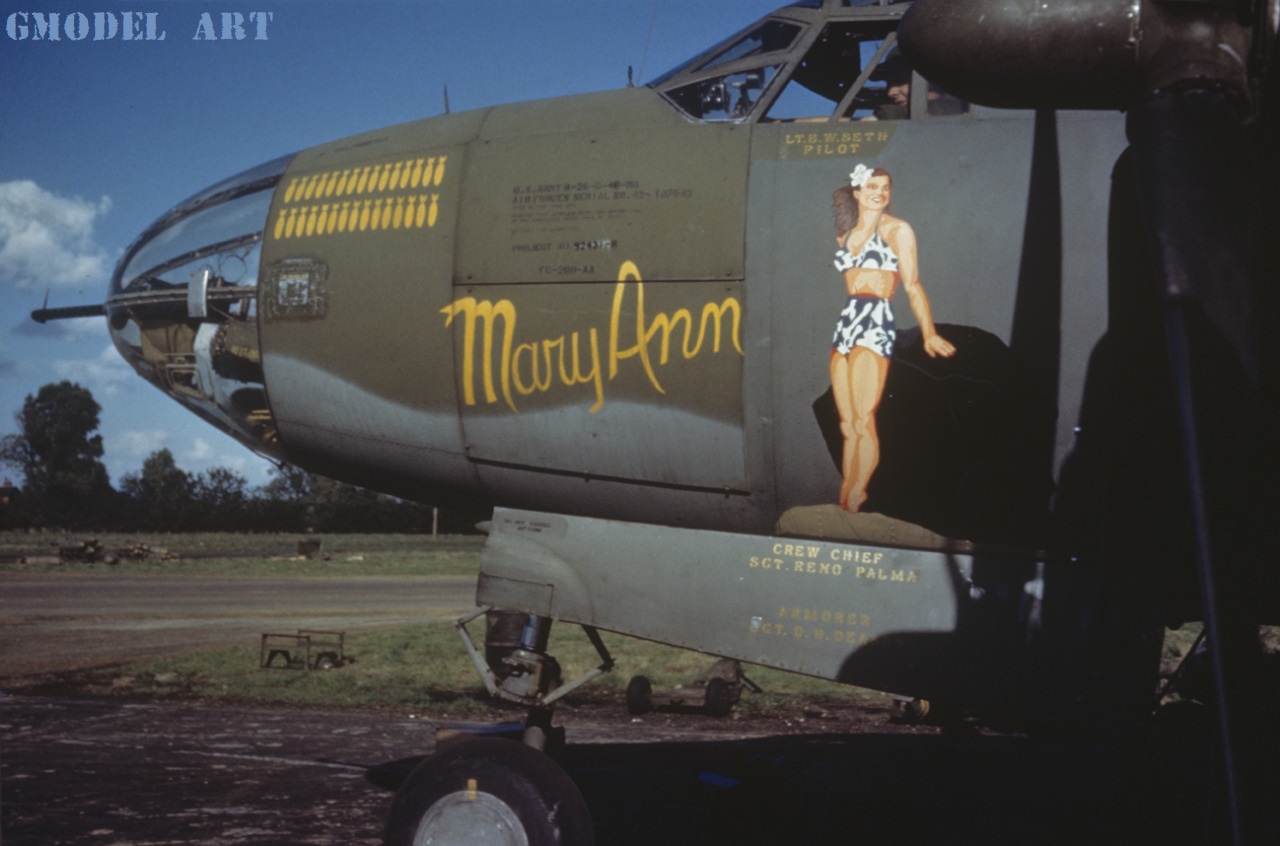
- Martin B-26 Marauder
- Douglas A-20 Havoc
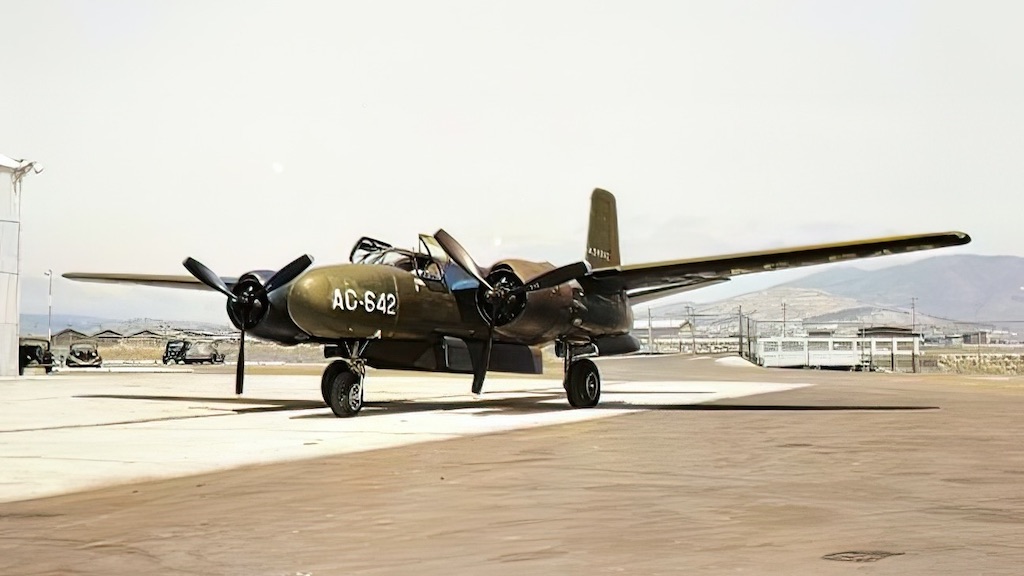
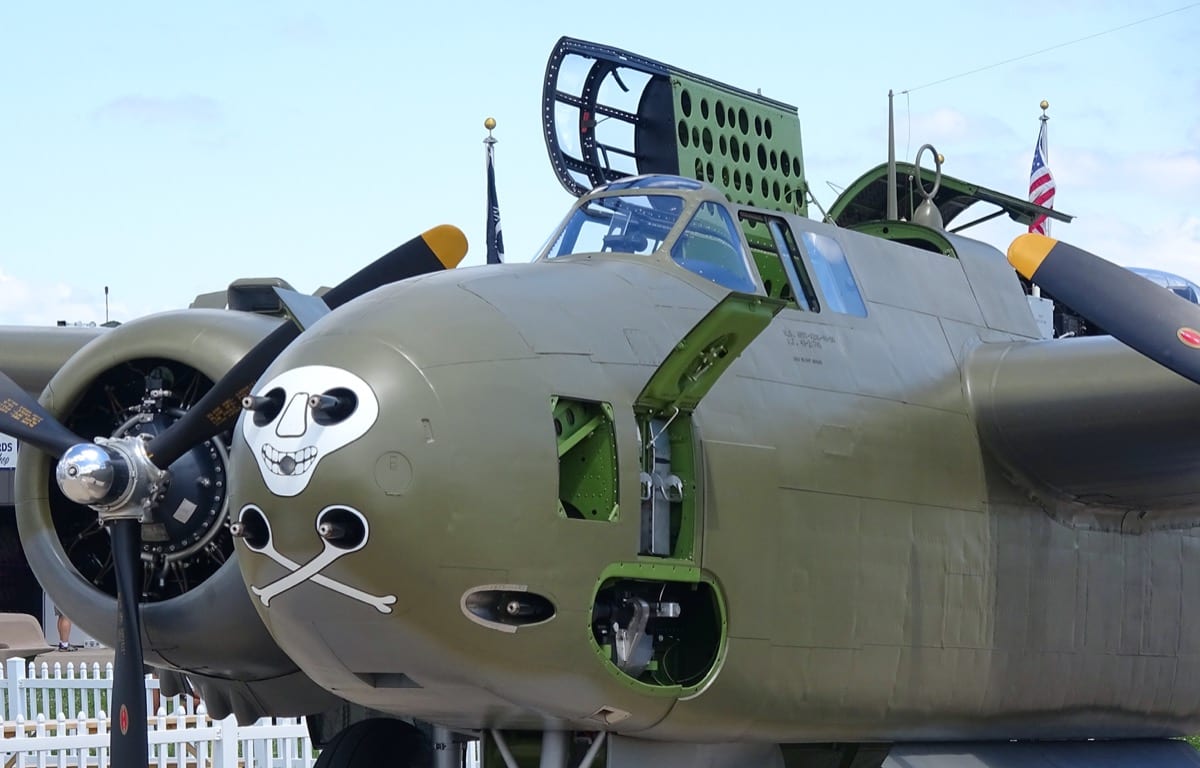
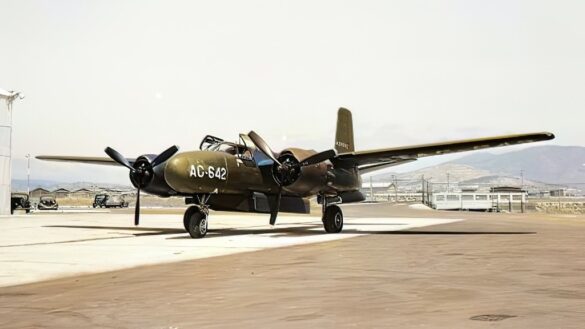
- Douglas A-26 Invader (early aircraft)
Heavy Bombers
Attack Aircraft
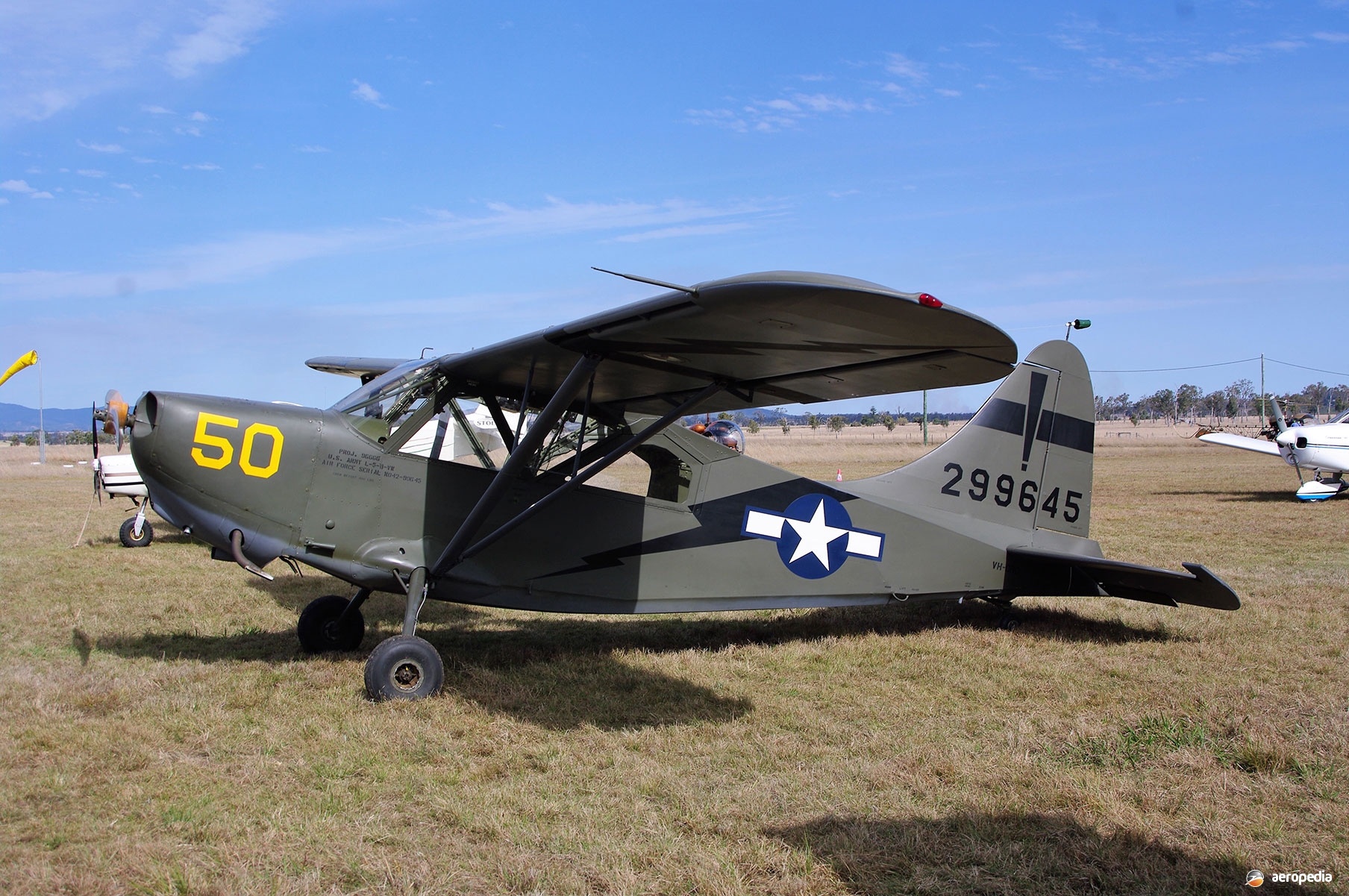
Reconnaissance & Utility Aircraft
Although later production increasingly transitioned away from full camouflage, these aircraft represent the classic appearance most associated with early USAAF operations.
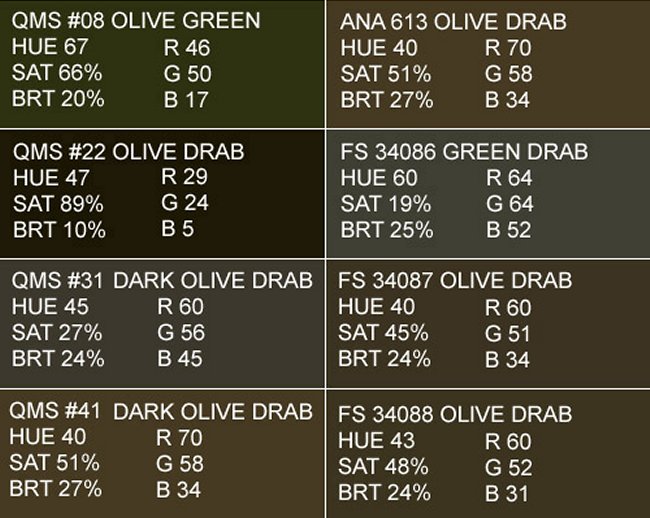
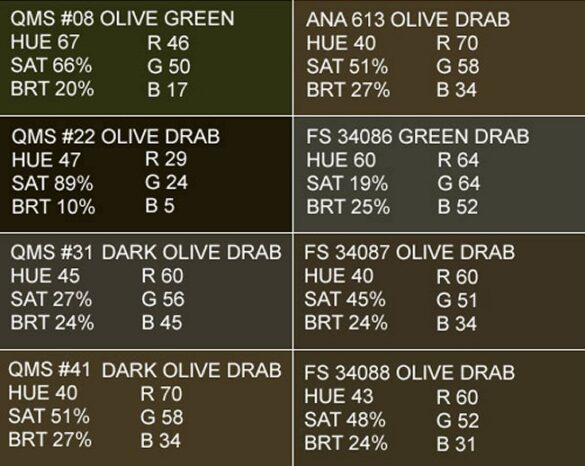
| No.08 Olive Green | No.22 Olive Drab | No.31 Dark Olive Drab | No.41 Dark Olive Drab |
| ANA 613 Olive Drab | FS 34086 Green Drab | FS 34087 Olive Drab | FS 34088 Olive Drab |
Neutral Gray (Underside Gray)
Dana Bell has provided a fairly comprehensive reference on this color.
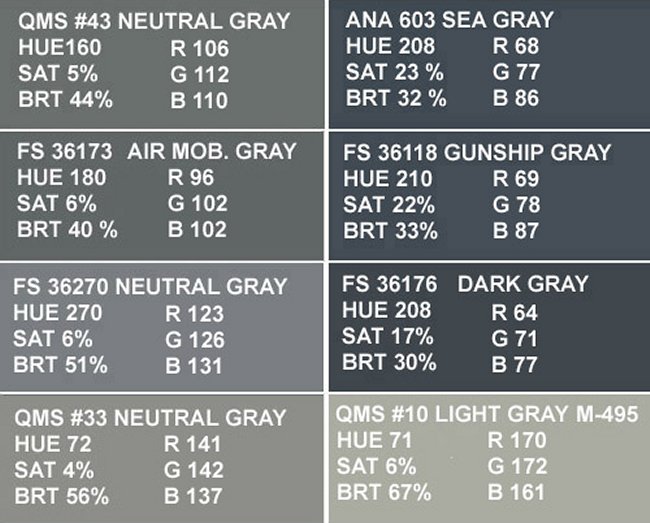
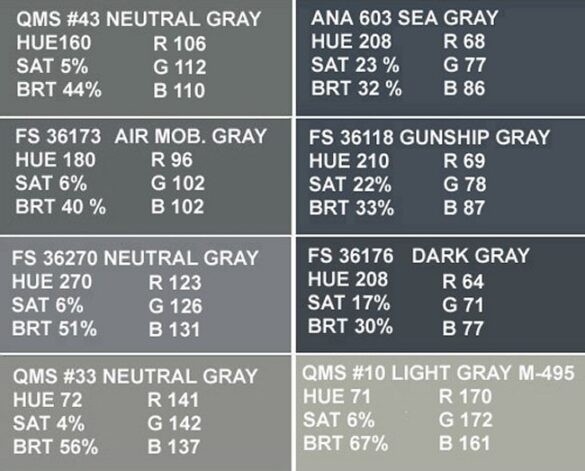
In May of 1942 the Joint Aircraft Committee’s Subcommittee on Standardization agreed to eliminate redundant paints needed for camouflaging AAF, US Navy, and British aircraft produced in the US. Under this plan, AAF Neutral Gray (QMS #43) and Navy Blue Gray (QMS #12 & M-485) were superseded by RAF Extra Dark Sea Gray, which became known simply as Sea Gray. However, enough Neutral Gray (QMS #43) had been stockpiled by mid-’42 that some aircraft produced in 1944 were still being painted the older color. Sea Gray ANA No. 603; F.S. Equivalent, 36118.
—Dana Bell, Air Force Colors Vol.2
Below are the QMS and ANA paint chips with different colors used as Underside Gray as well as FS analogues.
| No.43 Neutral Gray | FS 36173 Air Mobility Gray | FS 36270 Neutral Gray | No.33 Neutral Gray |
| ANA 603 Sea Gray | FS 36118 Gunship Gray | FS 36176 Dark Gray | No.10 Light Gray M-495 |
Paint guide:
- Dark Olive Drab No. 41: A constant problem for modellers is the fact that many paint manufacturers simply produce one shade of wartime USAAF colors despite the changes that took place after the adoption of the ANA system. As such, any paint labelled simply US Olive Drab leaves itself open to interpretation. For OD 41 there is also the question of whether the aircraft in question is relatively new in theater and hence frenshly painted, or has been considerably exposed. Frankly, I am uneasy about offering recommendations on what OD 41 paint is most accurate and will therefore refrain from doing so; my personal preference among the main paint ranges is Gunze H78 (labelled as the US Army shade) which is neither too brown nor too green. Tamiya XF-62 is also quite dark and green but should be preferred as OD 41 than ANA 613 if one has to choose. Confusingly, Humbrol offers two different but identically-labelled ODs, 66 and 155, with the former being slightly greener and thus prefereable for OD 41. AK Real Colors has a handful of different OD paints of which their OD 41 (RC259) is excellent in my opinion, with an additional Army faded version (RC024) being a good option for contrasting areas like fabric surfaces.
- Neutral Gray No. 43: NG 43 is widely available in most ranges. It’s closest match is FS 36173 (and to a lesser extent FS 36270) which is still slightly cooler than it should be. NG 43 does not have an ANA equivalent, with the color that superseded it (ANA 603) being considerably darker with a subtle blue tint.
- Medium Green No. 42: Because MG 42 was never a main fuselage color most paint manufacturers have avoided it. It was succeeded by ANA 612 and it is often compared to post-war FS 34092 which is widely available. However, there are sufficient differences between the two that it cannot be considered a true replacement (and hence is considered an equivalence rather than a match). Colourcoats and Mr. Paint are the only ranges that makes a separate MG 42 (MRP-140) to ANA 612/FS 34092.
| No. 43 | No. 41 | No. 42 | |
| Neutral Gray | Dark Olive Drab | Medium Green | |
| Scheme | |||
| General | Lower | Upper | Blotches |
| Paints | |||
| Gunze Aqueous | H53 | (H78) | (H302) |
| Gunze Mr. Color | C13 | (C38) | (C302) |
| Humbrol | 176 | (66) | (149) |
| Model Master | (2035) | – | (1764) |
| Revell | (374) | – | (48) |
| Tamiya | XF-53 | XF-62 | (XF-26) |
| Vallejo Model Air | 71.051* | 71.316 | (71.124) |
| Vallejo Model Color | (70.992) | – | (70.895) |
| AKAN | 72038 | – | (72037) |
| AK Interactive | AK 2203 | AK 2201 | AK 2202 |
| AK Real Colors | RC261 | RC259 | RC260 |
| AMMO by Mig | A.MIG-239* | A.MIG-237* | (A.MIG-238) |
| Colourcoats | ACUS13* | ACUS15 | ACUS16 |
| Hataka | HTK-_033 | HTK-_004 | HTK-_019 |
| Lifecolor | UA 046* | UA 005* | UA 008* |
| Mission Models | – | MMP-091 | (MMP-028) |
| Mr. Paint | MRP-141 | MRP-139 | MRP-140 |
| Xtracolor | (X158) | – | (X114) |
| Xtracrylix | (XA1158) | – | (XA1114) |
https://www.aircraftresourcecenter.com/tnt1/101-200/tnt187-painting Rapasi/00.shtm
https://cs.finescale.com/fsm/tools_techniques_and_reference_materials/f/18/t/163173.aspx
https://www.theworldwars.net/stats/index.php
Scale Modelling Notes
When reproducing this scheme:
Factory Fresh:
- darker olive
- limited weathering
European Theater:
- moderate fading
- subtle brown tones
Mediterranean Theater:
- strong bleaching
- dust accumulation
Combat Veteran:
- patch repairs
- mixed panel tones
- fabric contrast
Historical realism rarely means perfect uniformity.
P-47D Thunderbolt “Naughty Nadine” – John Lolos
Final Thoughts
Early WWII USAAF camouflage became iconic not because it was simple, but because it evolved.
Olive Drab No.41 and Neutral Gray No.43 represented a wartime compromise between concealment, production efficiency, and operational reality.
For aviation historians and scale model builders, recreating that variation is often more authentic than reproducing a single fixed color.
Gallery