
article
Aggressor Camouflage F-15 & F-16 – Desert Flanker and Blue Flanker at Nellis
“The F-15 F-16 Aggressor Camouflage schemes at Nellis Air Force Base…”
The F-15 Eagle and F-16 Fighting Falcon aircraft operated by the 64th and 65th Aggressor Squadrons at Nellis Air Force Base, Nevada, became well known for their distinctive camouflage schemes, inspired by the appearance of foreign military aircraft, particularly the Sukhoi Flanker family.
The Aggressor concept was developed to simulate potential enemy aircraft, providing realistic combat training for American fighter pilots. For this purpose, the aircraft received a variety of camouflage patterns designed to represent opposing air forces during aerial combat exercises.
The Appearance of the Desert Flanker and Blue Flanker
In January 2006, the 65th Aggressor Squadron (65th AGRS) was reactivated at Nellis, with the F-15 Eagle assigned to the Aggressor role. At the same time, the 18th Fighter Squadron at Eielson Air Force Base, Alaska, was preparing to become an Aggressor unit operating the F-16, achieving operational status in October 2007 as the 18th AGRS.
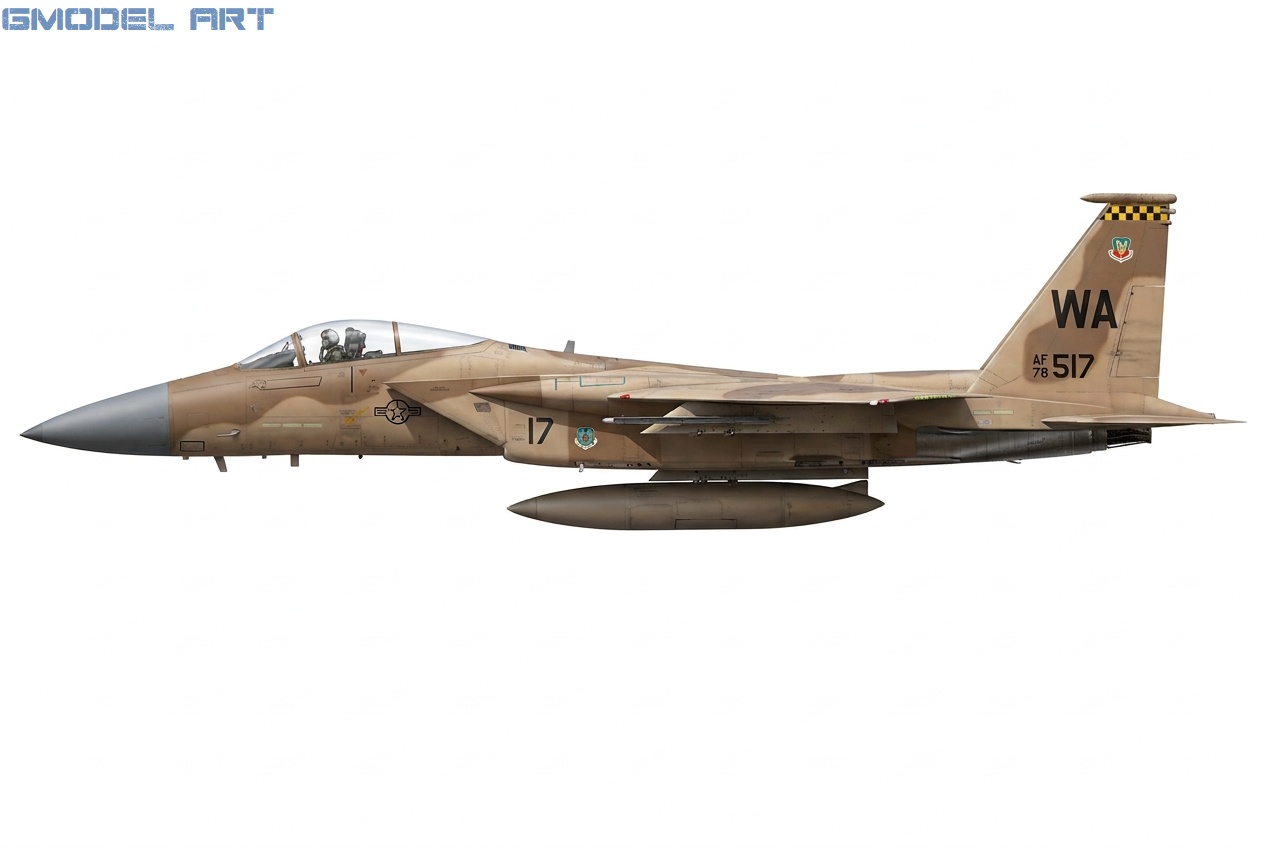
By May 2006, seven F-15s had arrived at Nellis: four single-seat F-15Cs and three two-seat F-15Ds. Three aircraft received the distinctive two-tone brown Desert Flanker camouflage scheme, while the remaining four were painted in the two-tone blue Blue Flanker 2 scheme. Both designs differed from the camouflage patterns worn by the F-16 Aggressors.
A major expansion took place in the summer of 2010, when the 65th AGRS fleet increased to 20 aircraft. These F-15s replaced the original fleet and consisted mainly of aircraft from the initial 1978 F-15C production batch. Following the loss of one aircraft, the squadron’s fleet eventually settled at 19 aircraft.
The brown and blue camouflage schemes continued to be used, while some F-15s later received a new geometric camouflage design known as Splinter, which first appeared in October 2011.
Desert Flanker – A Distinctive Camouflage Scheme for Aircraft Modelling
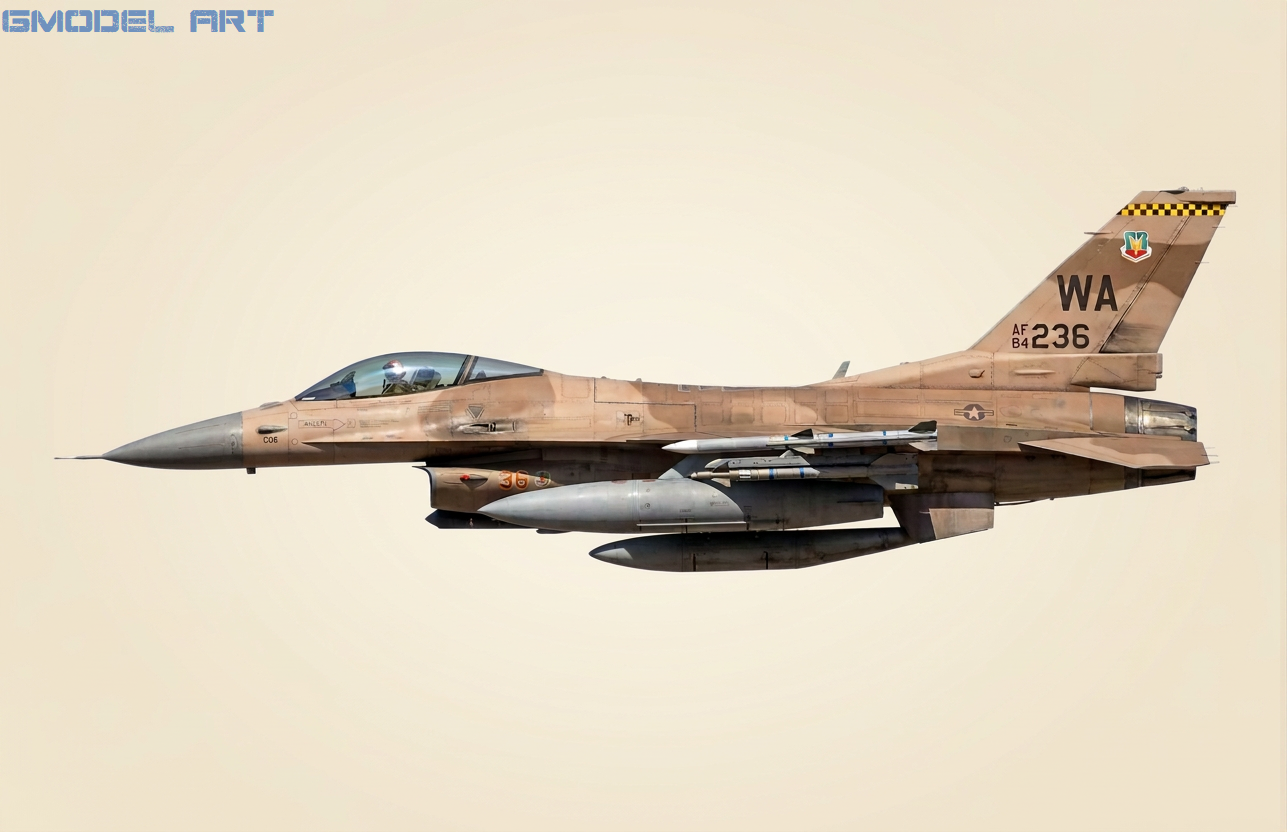
The Desert Flanker is one of the most distinctive camouflage schemes associated with American Aggressor aircraft. Its combination of brown and desert sand tones creates a unique appearance, setting it apart from the blue and grey camouflage patterns used on other aircraft.
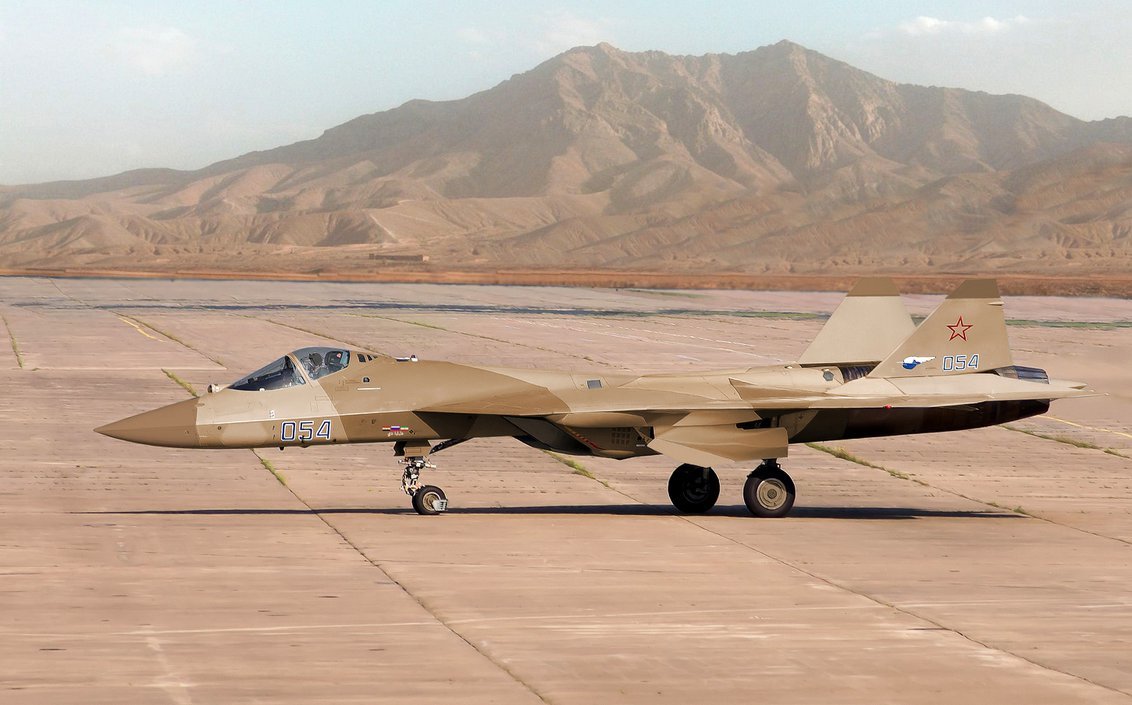
This visual style is not limited to the F-15, as similar design influences can also be seen on other fighters, including the Moroccan Royal Air Force F-16C/D Block 52+ Fighting Falcons. Images of the Sukhoi T-50 featuring a similar colour concept have also appeared online, although their authenticity requires separate verification.
For aircraft modelling enthusiasts, the F-15 and F-16 Aggressors offer an excellent alternative to conventional military camouflage schemes, with particular interest in colour selection, camouflage application and reproducing the distinctive patterns associated with Nellis Air Force Base.
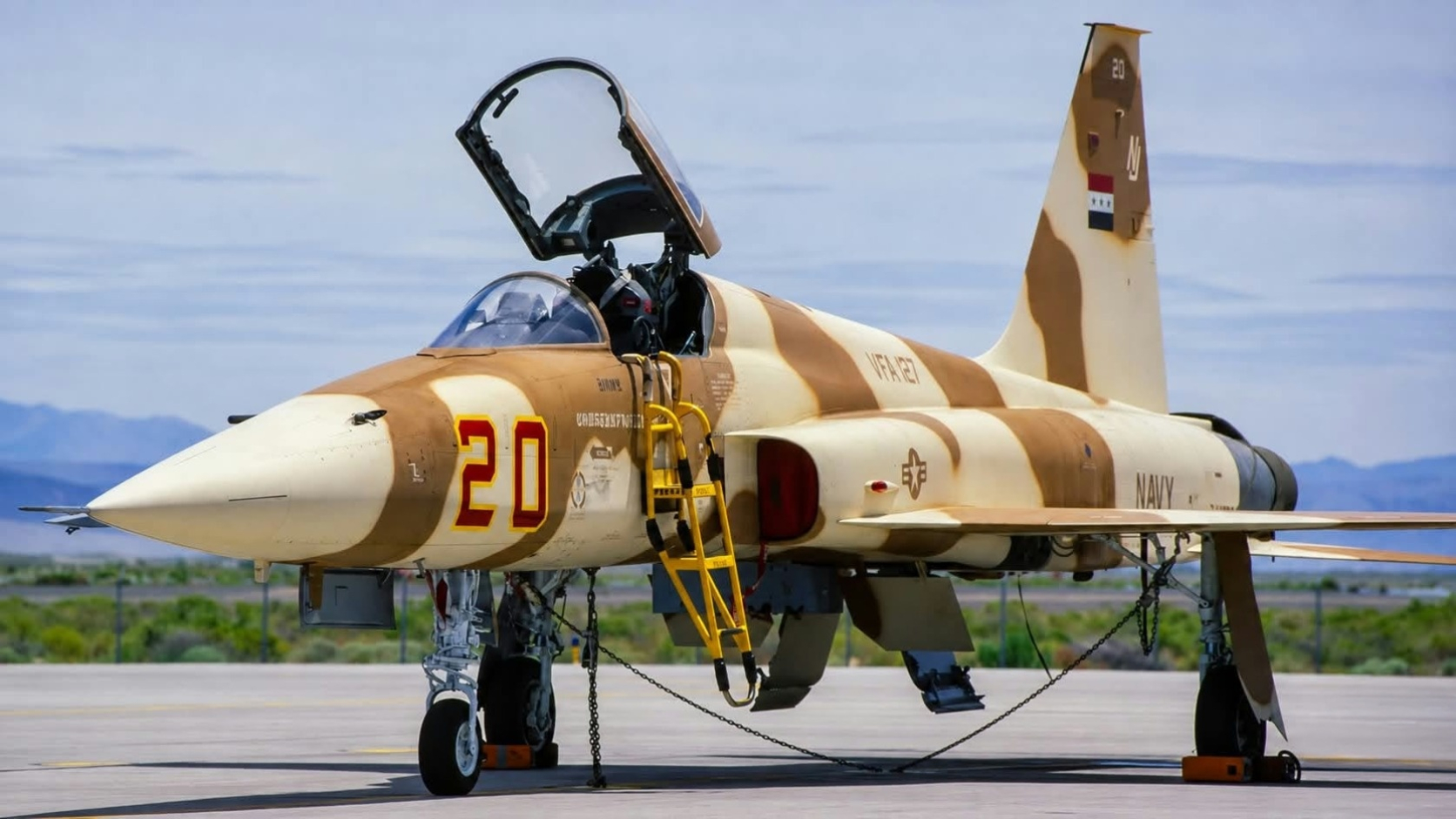
The older Aggressors, the one with the same wings as the Douglas A-4 Skyhawk.
Today, (Desert Flanker) is being adopted From the Moroccan Air Force in F-16C/D Block 52+ Fighting Falcon The base Nellis base was also the source of a new camouflage design that has been applied to major air forces. I’m not sure if these are real images, the source is Chinese. A Sukhoi PAK-FA T-50 with the Russian version of the design Desert Flanker
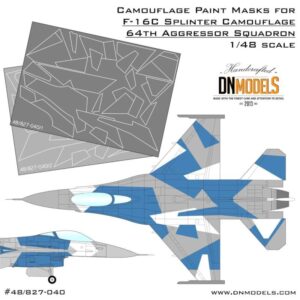
F-16 Fighting Falcon 64th Aggressor
McDonnell Douglas F-15 Eagle 65th Aggressor Squadron
Color camo
| Desert Flanker | |||||
| FS 30279 | FS 30140 |
Model Paint Conversion Chart – F-15 & F-16 Desert Flanker
* Approximate matches, not verified exact Federal Standard equivalents. Always check colour samples before painting.
| FS 30279 | Desert Sand | Camo (Aggressor) | ANA 616 | FS 3025 |
| FS 30140 | Brown Special | Camo (Asia Minor, Aggressor) | – | – |
F-15E Strike Eagle By:Steve Bowe