article
F7F Tigercat Fire Bombers – From Heavy Fighter to Aerial Firefighter
The Grumman F7F Tigercat was one of the most powerful piston-engine fighters ever built in the United States. Designed during World War II, it represented a bold step forward in performance, firepower, and versatility. Although it arrived too late to make a significant impact in the war, its story did not end there. In fact, one of its most fascinating second careers came years later, not in combat—but in fighting wildfires.
The F7F Tigercat was originally developed by Grumman in response to a 1941 U.S. Navy requirement for a high-performance twin-engine fighter. The goal was clear: an aircraft capable of rapid climb, long range, and devastating firepower. When it first flew in December 1943, the F7F Tigercat immediately proved it had exceptional speed and climb rate, outperforming many of its contemporaries.
However, the aircraft had one major weakness—low-speed handling, especially during carrier landings. Single-engine stability issues made it risky for naval operations. These problems were eventually addressed in the F7F-3 Tigercat variant, which introduced a larger vertical stabilizer and improved control. By the time these fixes were implemented in 1945, the Navy had already committed to proven aircraft like the Vought F4U Corsair and the Grumman F6F Hellcat.
Despite this, the F7F Tigercat found a strong supporter in the U.S. Marine Corps. Marines valued raw firepower and ground attack capability—and the F7F Tigercat delivered both in abundance. Armed with four 20 mm cannons and four .50 caliber machine guns, it could unleash devastating fire on ground targets. In addition, it featured multiple hardpoints for bombs and rockets, making it an ideal close air support platform.
Although two Marine squadrons were preparing to deploy the F7F Tigercat when Japan surrendered in 1945, the aircraft missed its chance for major World War II combat. However, it would later see action during the Korean War. Night fighter variants such as the F7F-3N Tigercat and F7F-4N Tigercat were equipped with radar housed in an extended nose, allowing them to conduct night interception, reconnaissance, and ground attack missions. These aircraft were used effectively against enemy convoys and for battlefield support.
Production of the F7F Tigercat remained relatively limited, with just over 300 aircraft built before production ended in 1946. Yet what makes the F7F Tigercat truly unique is what happened next.
From Warbird to Fire Bomber
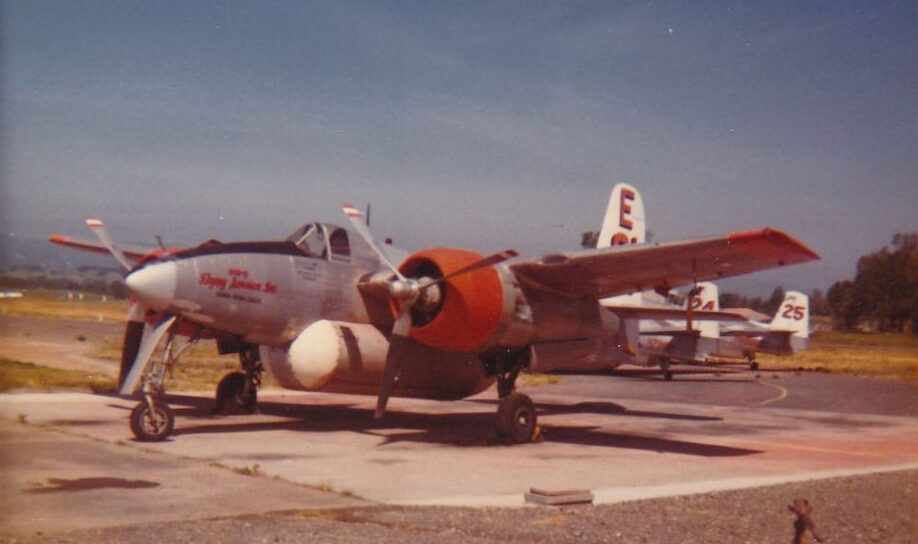
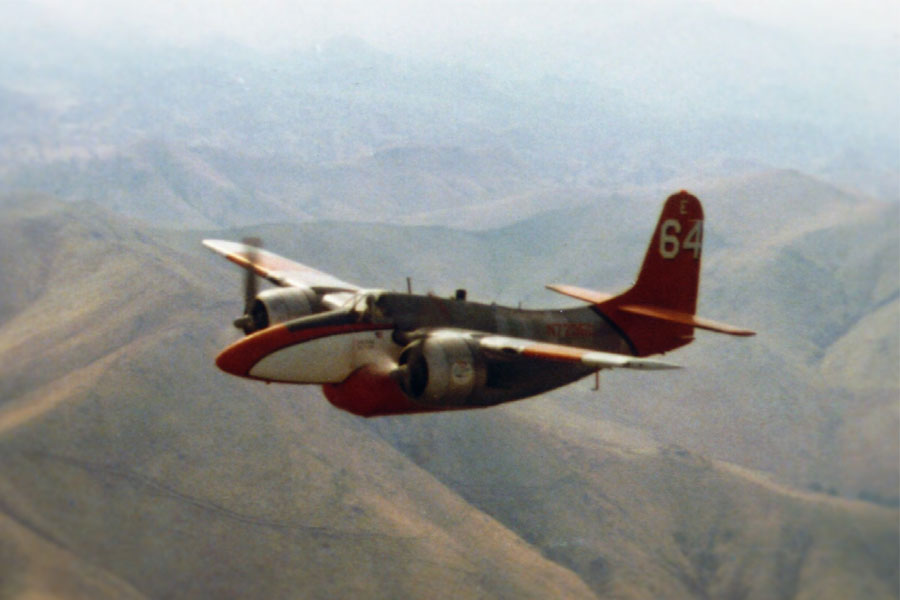
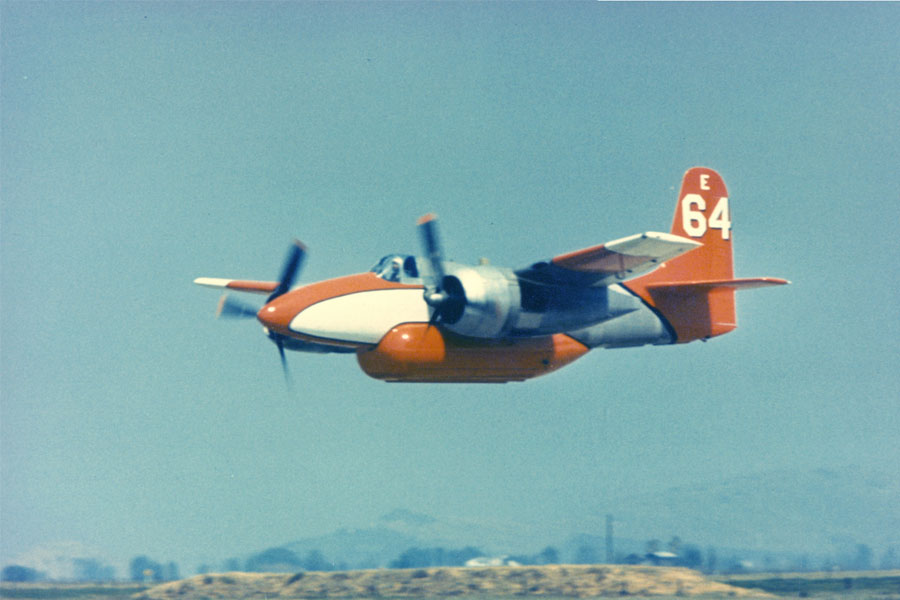
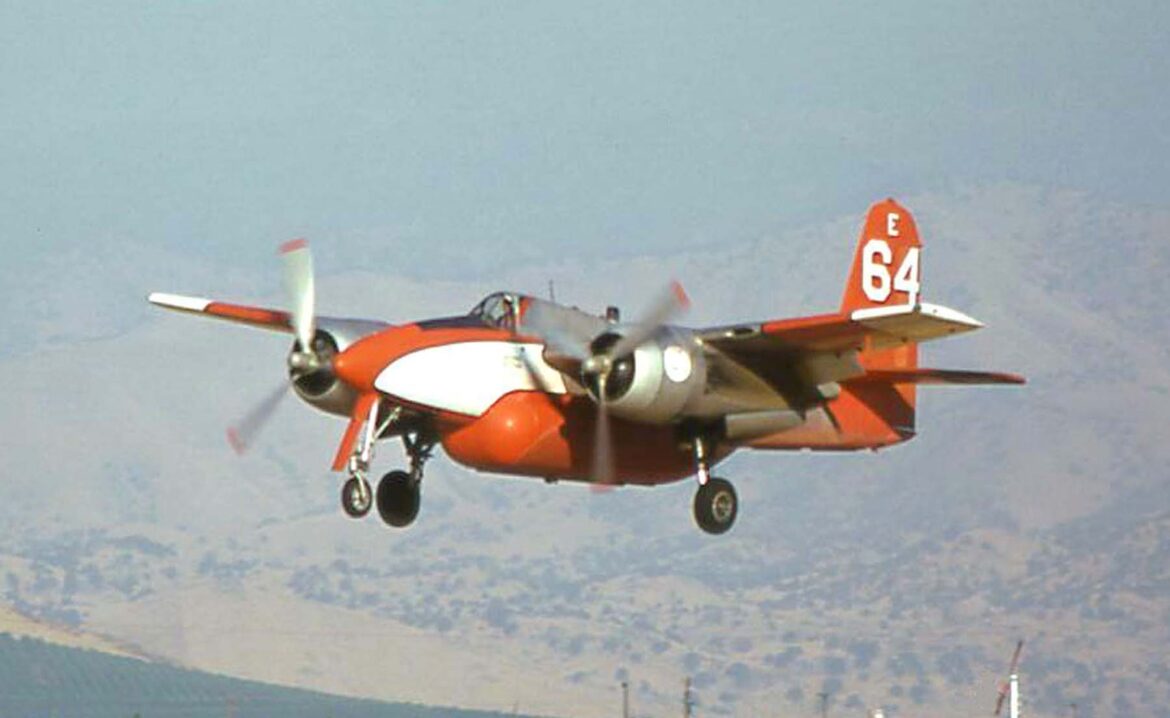
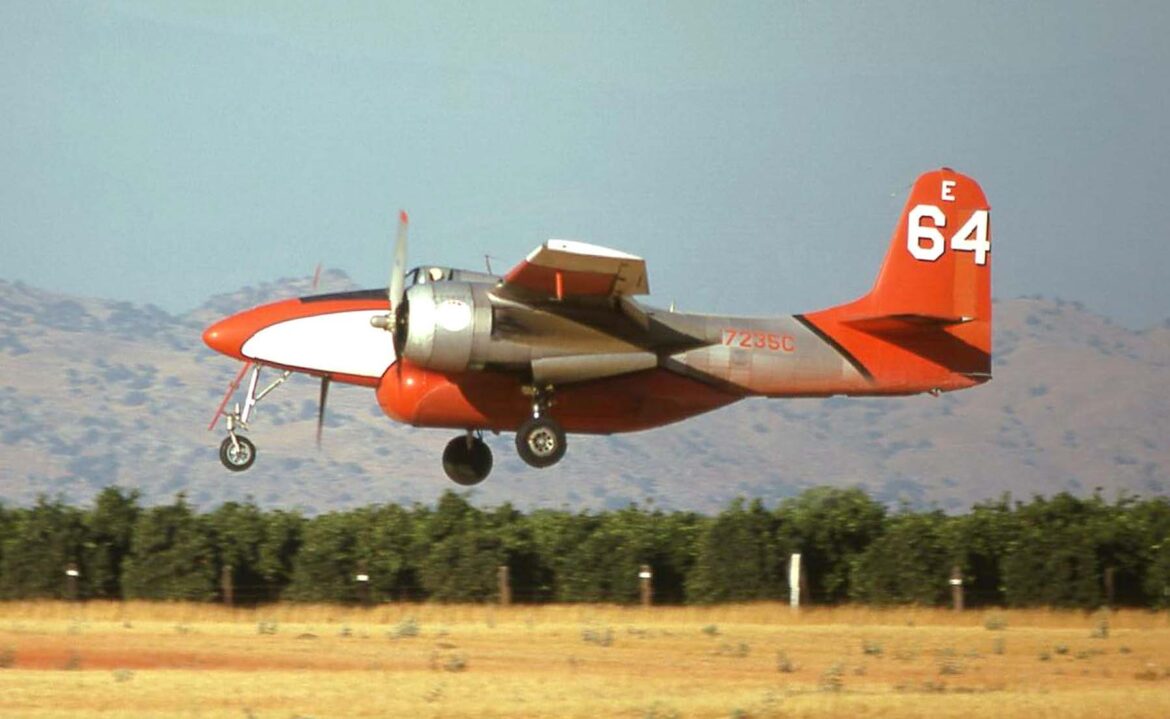
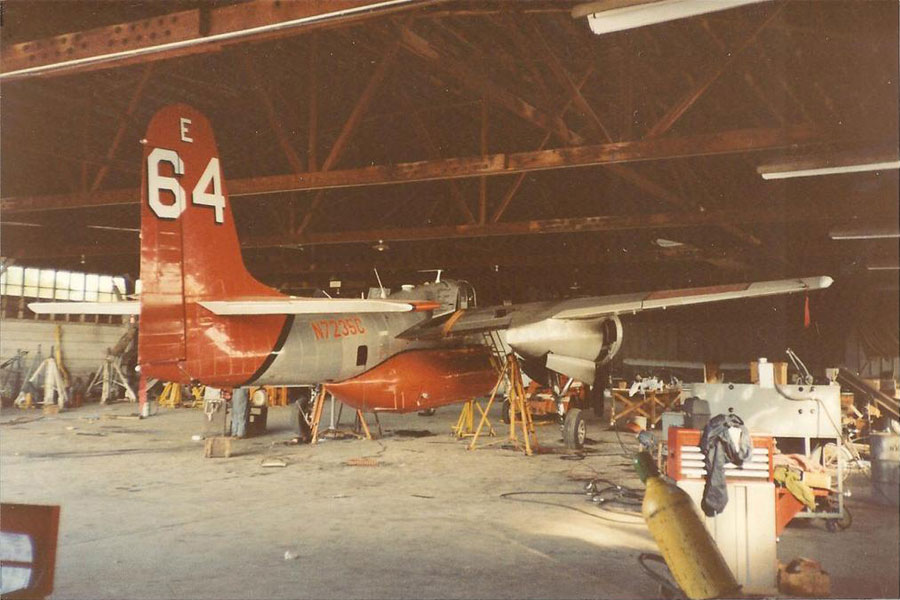
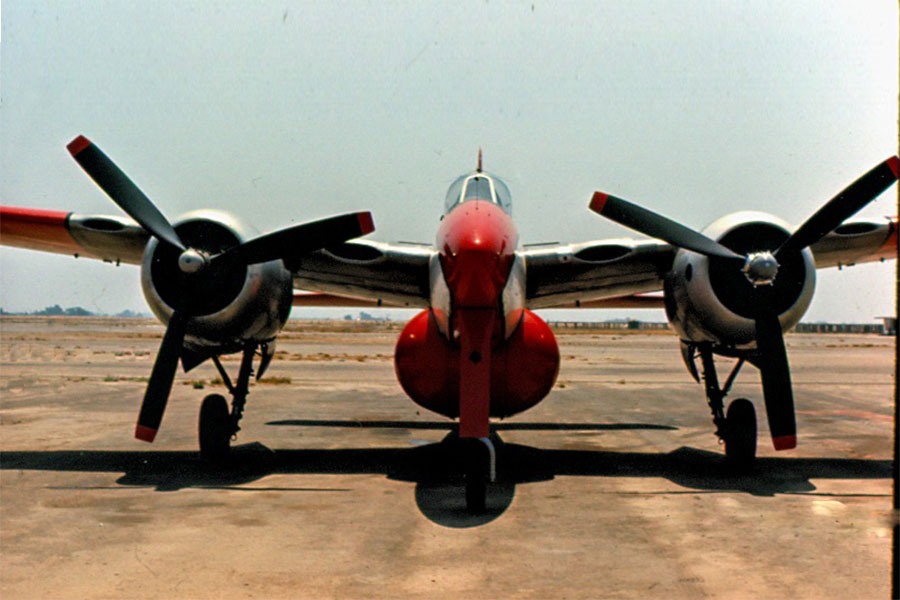
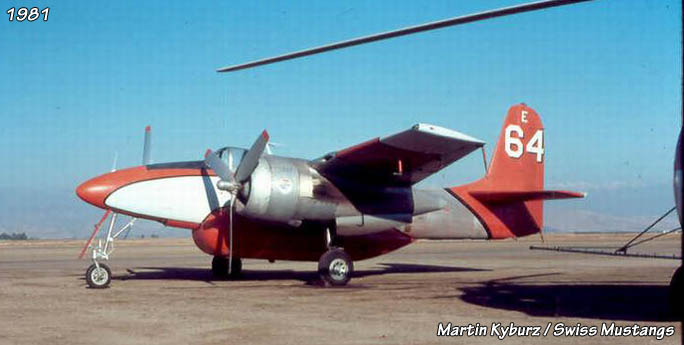
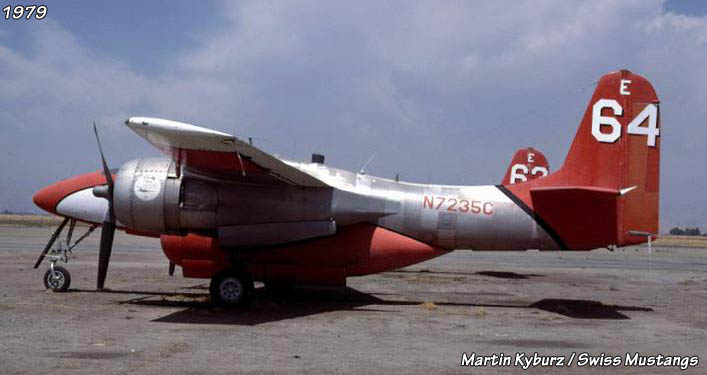
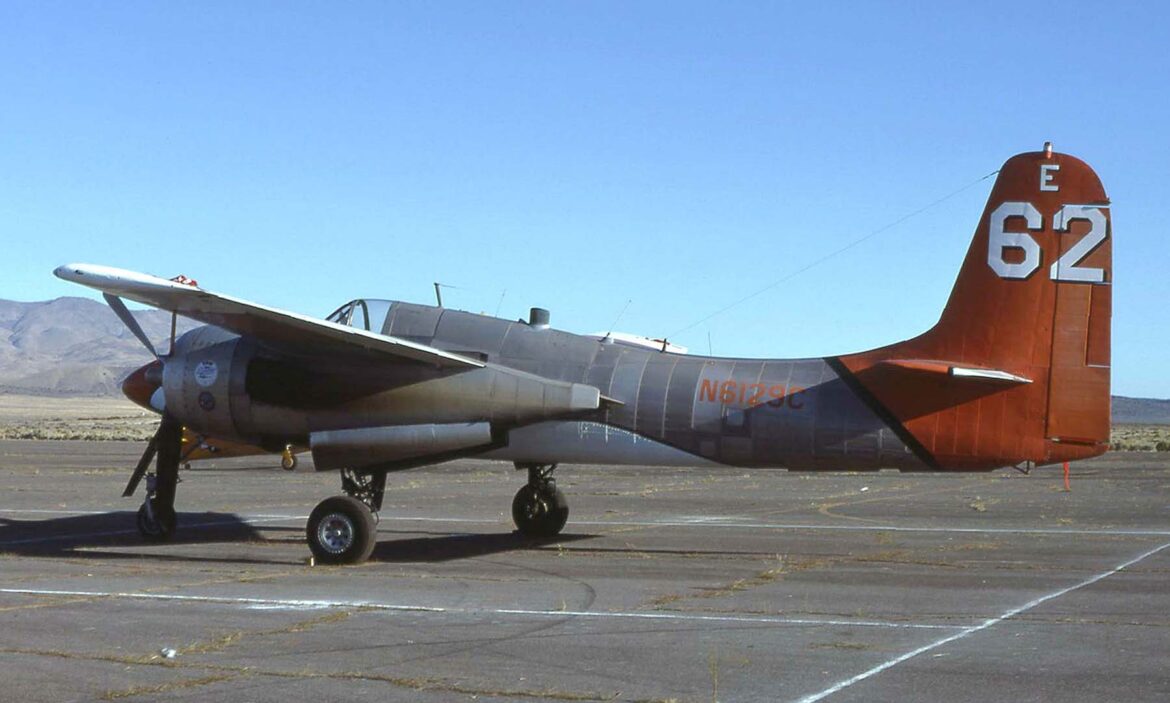
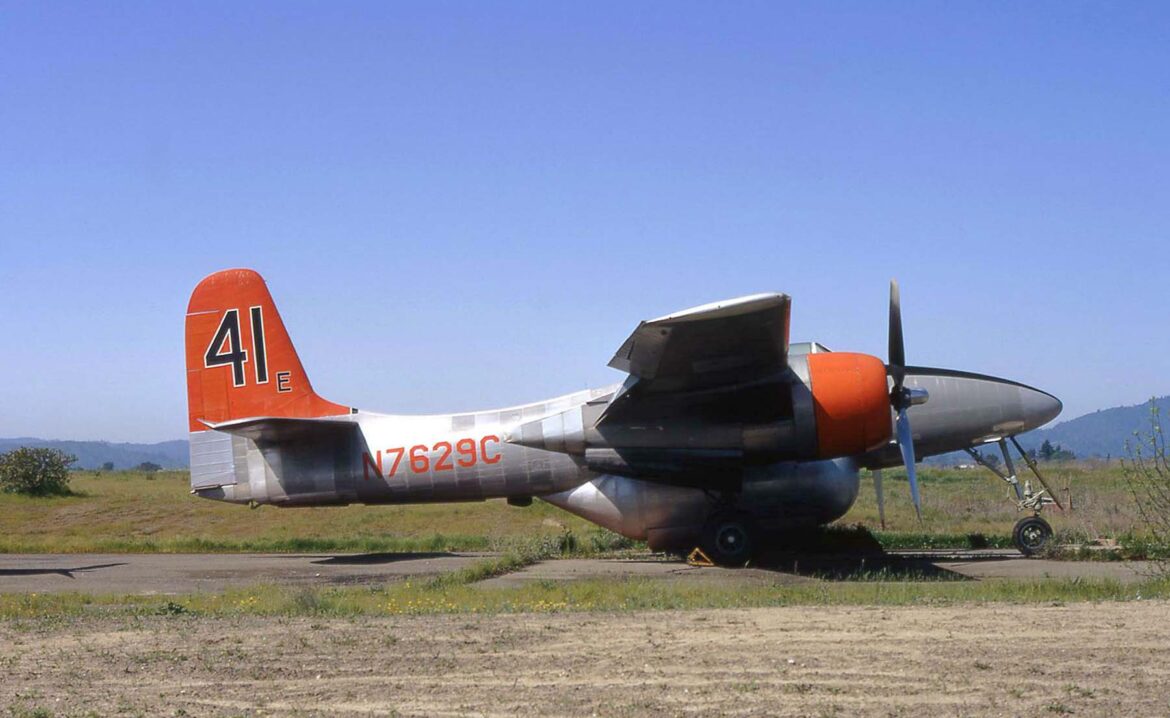
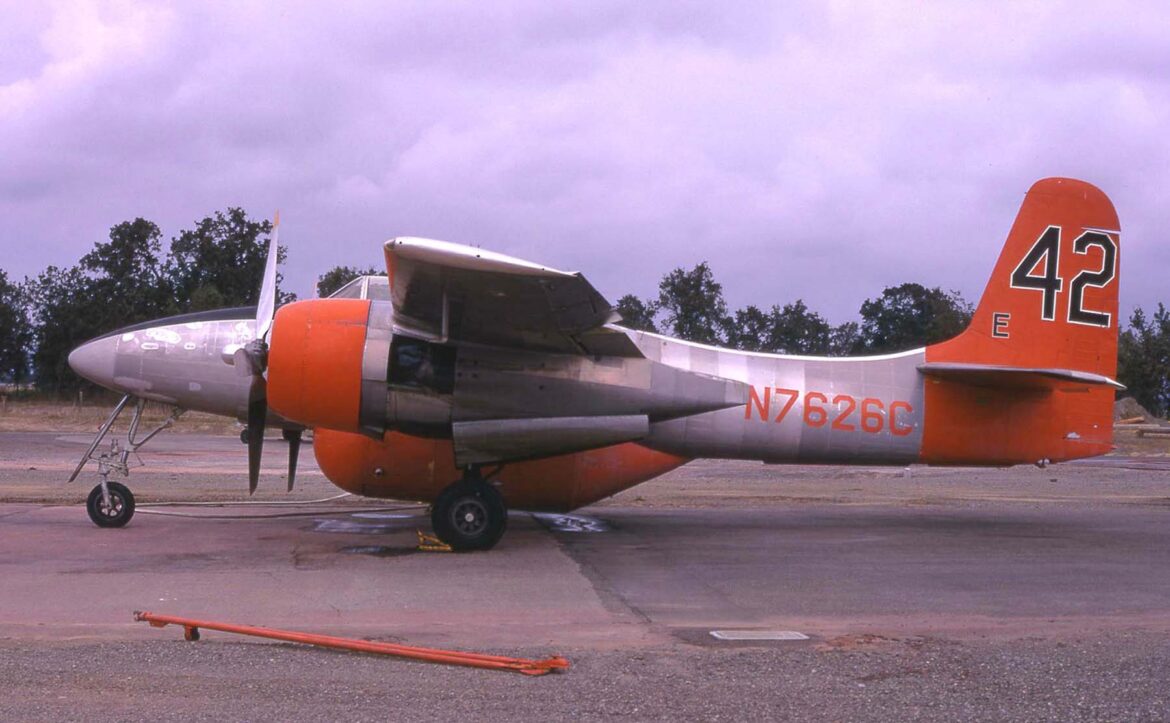
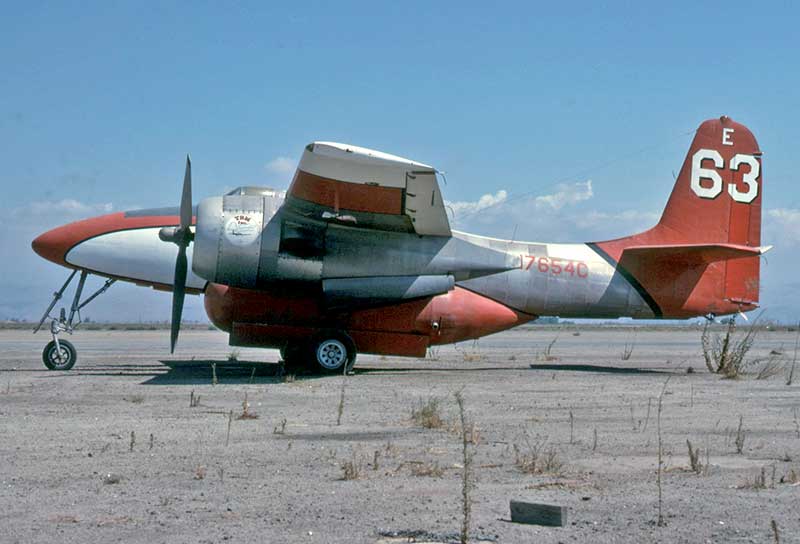
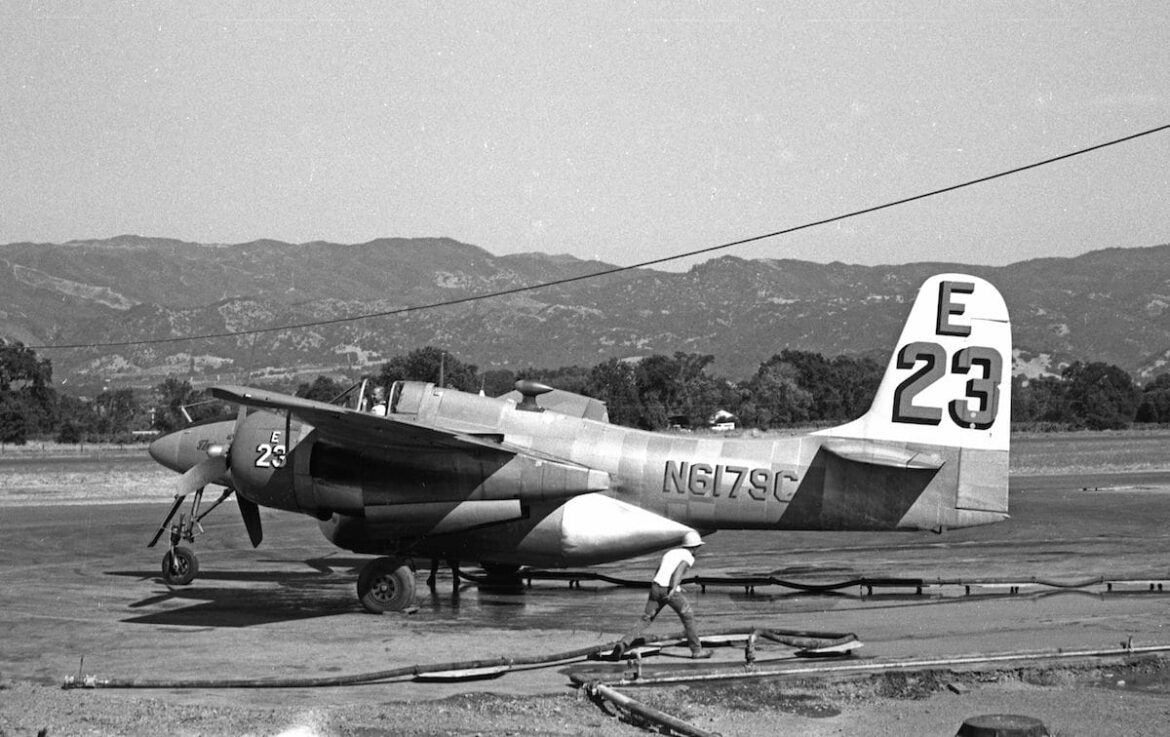
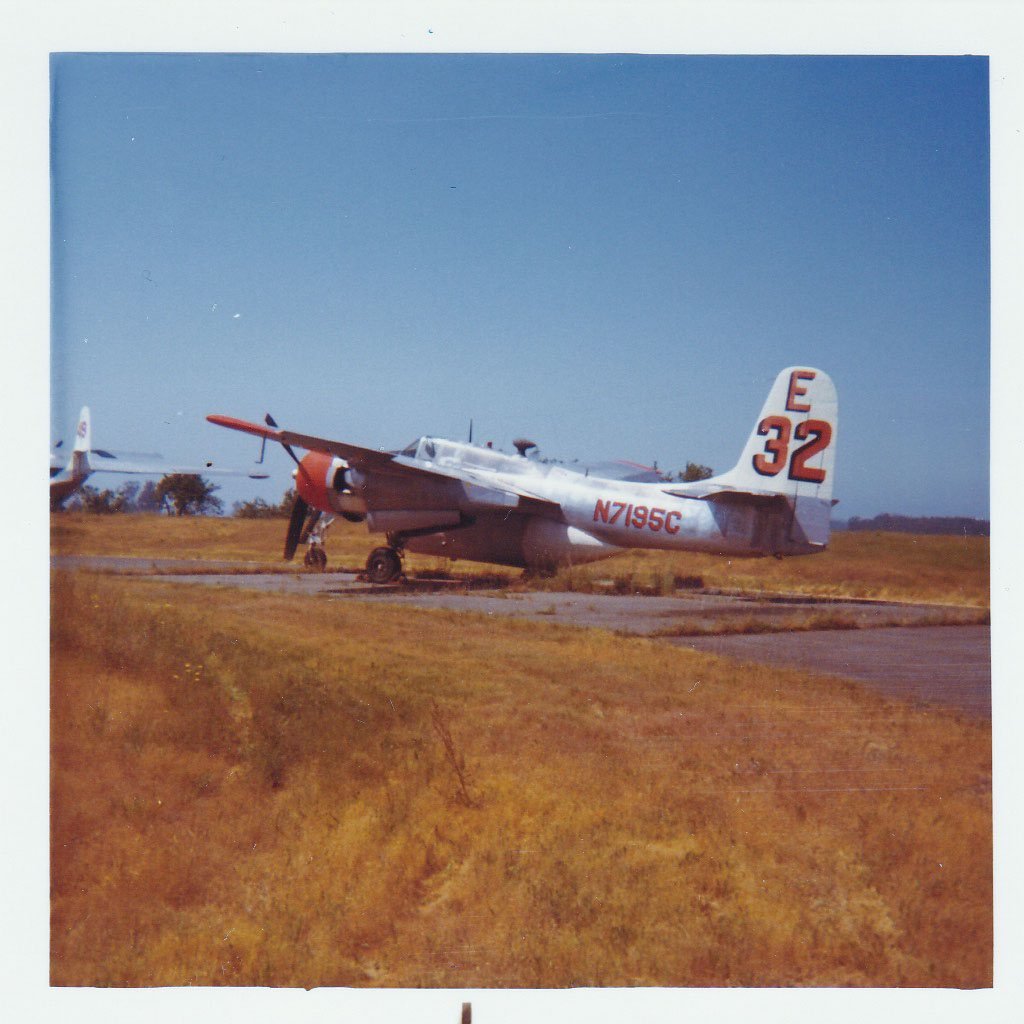
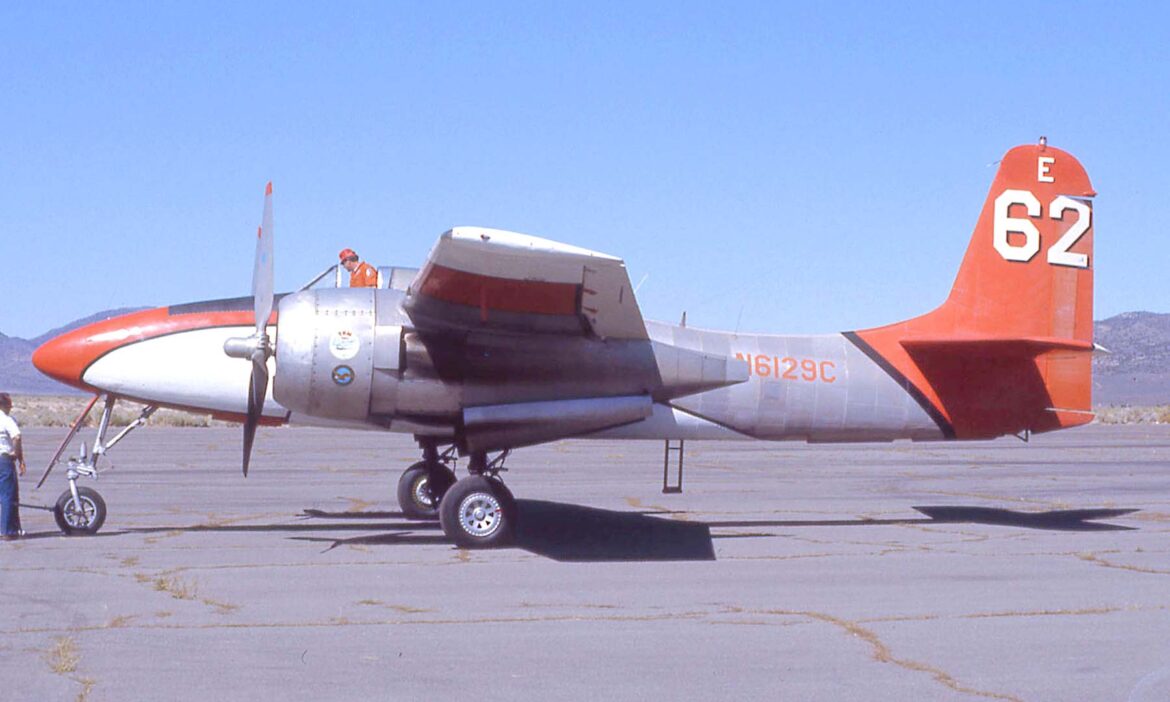
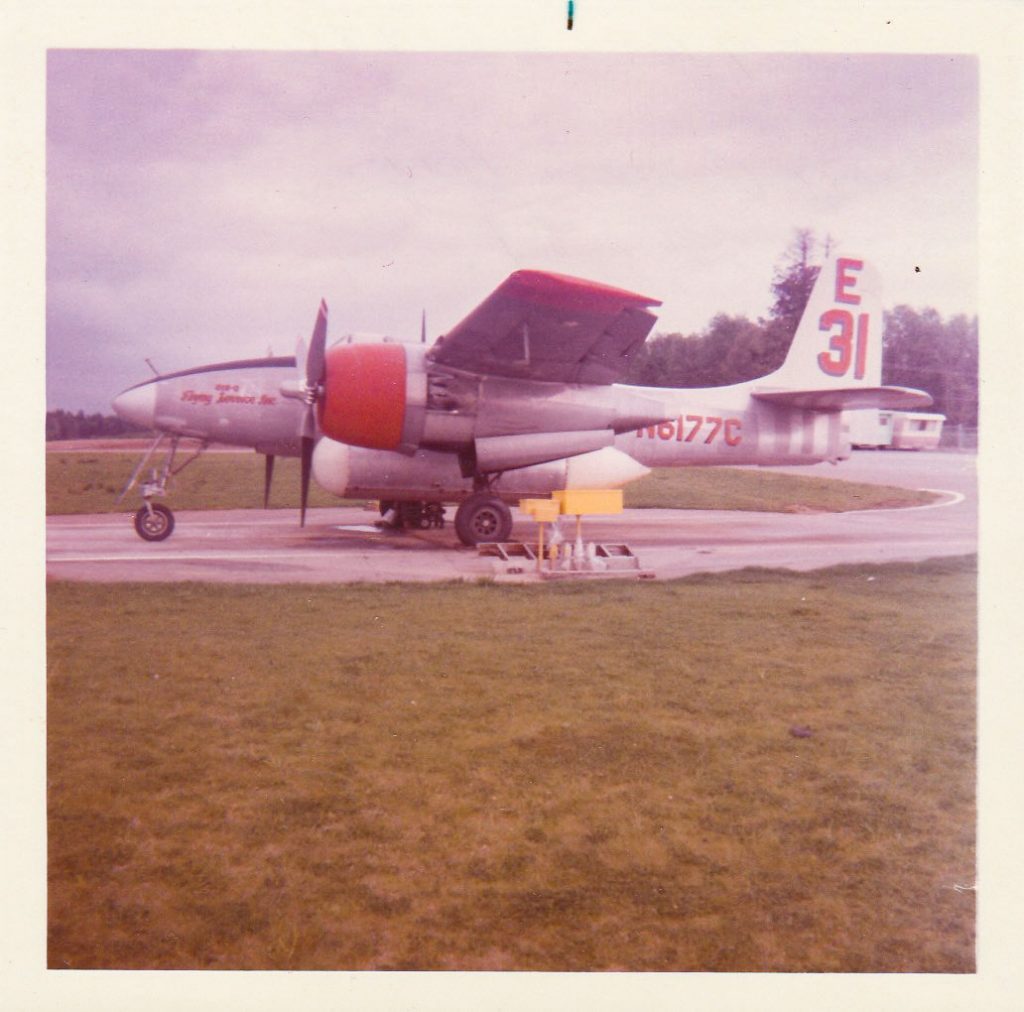
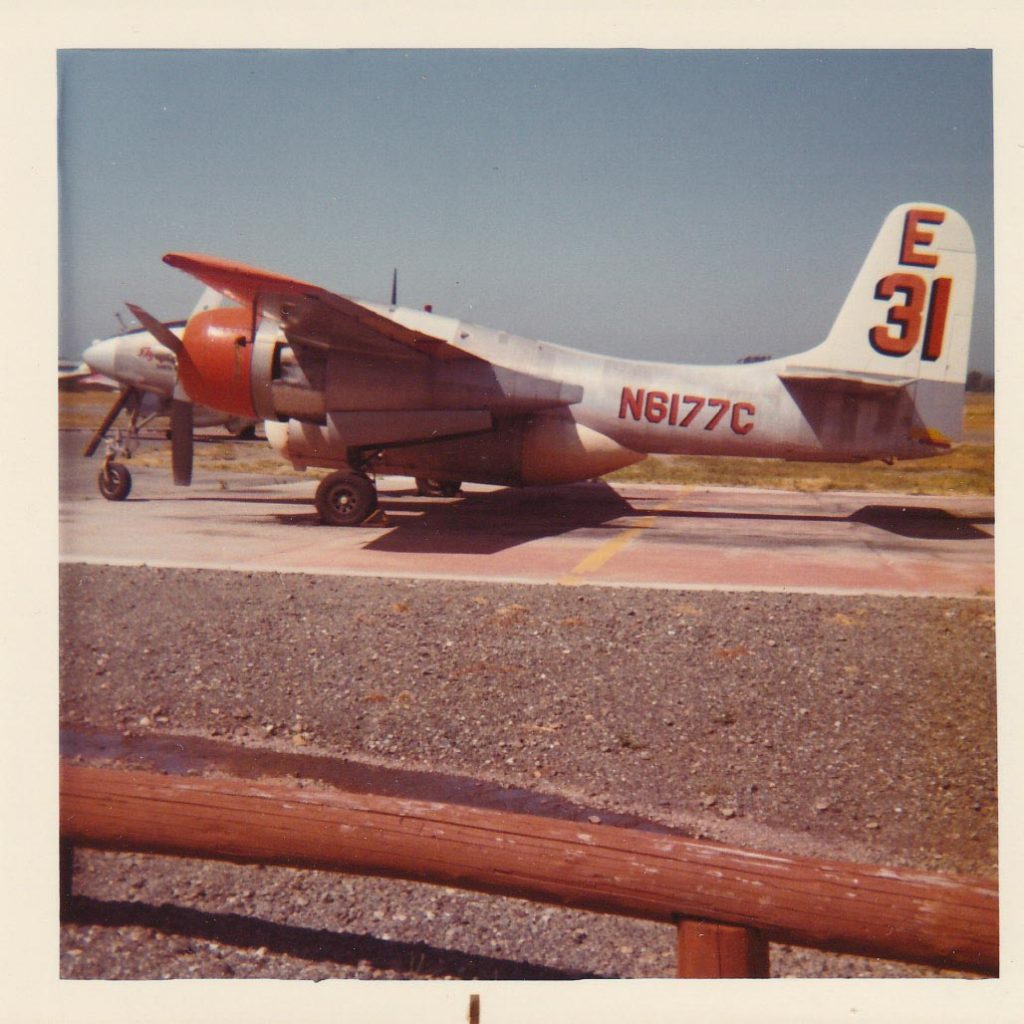
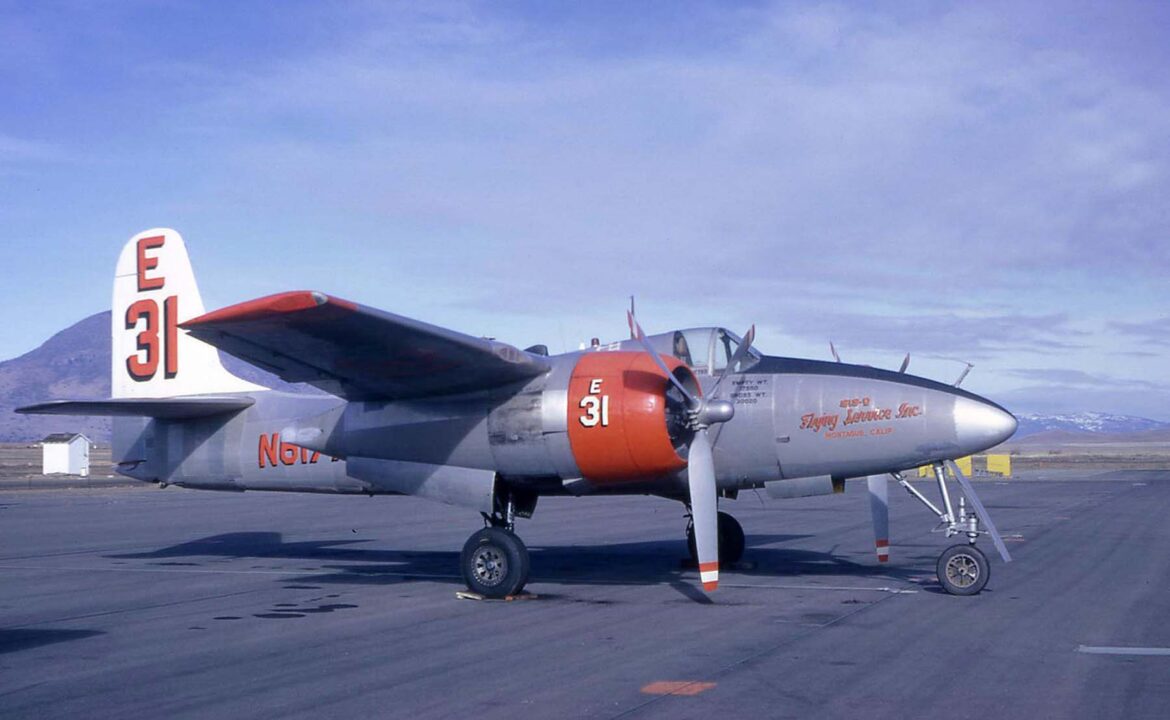
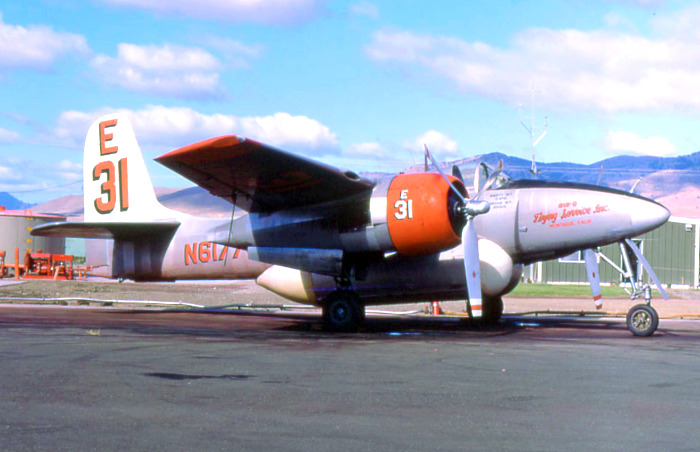
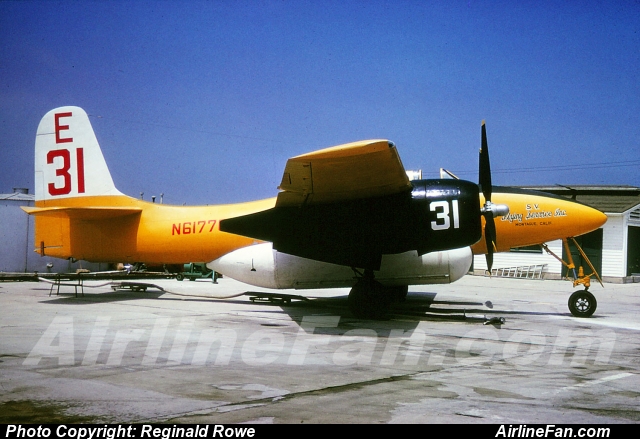
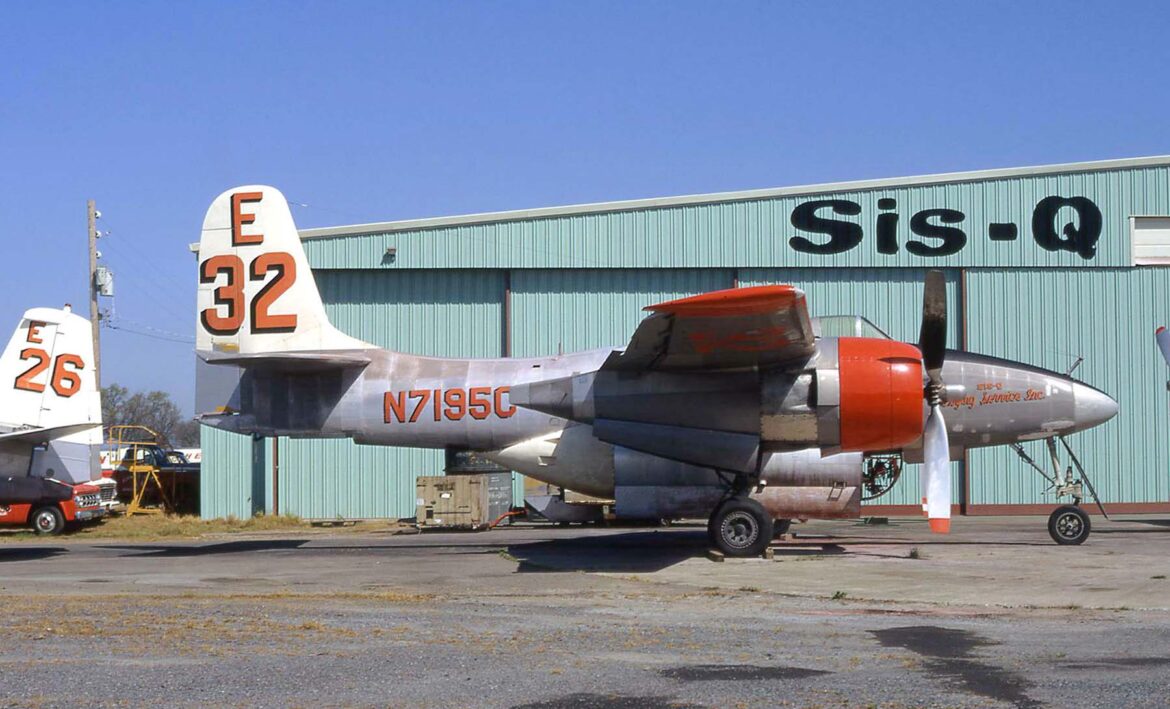
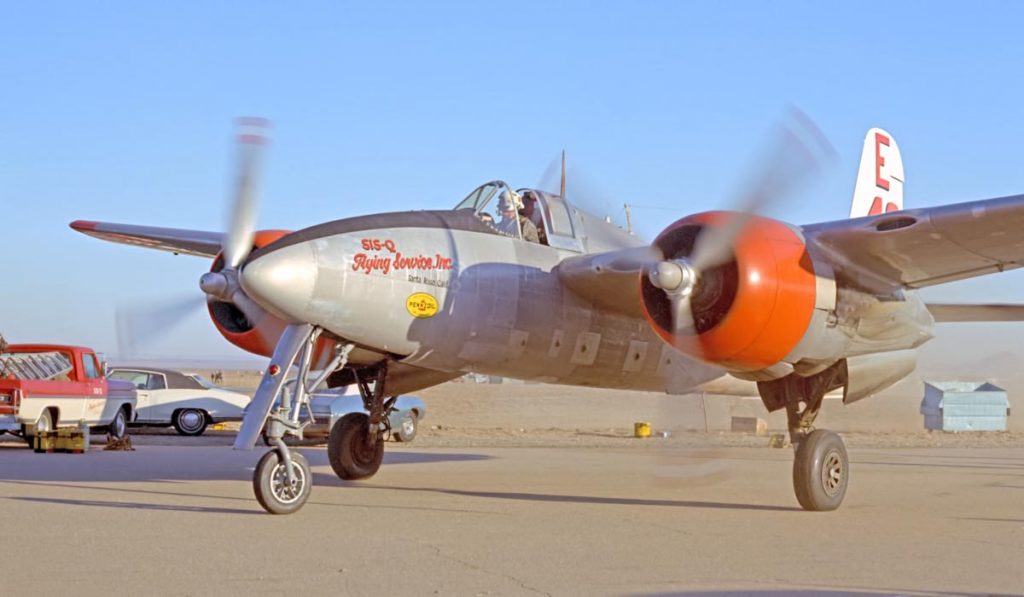
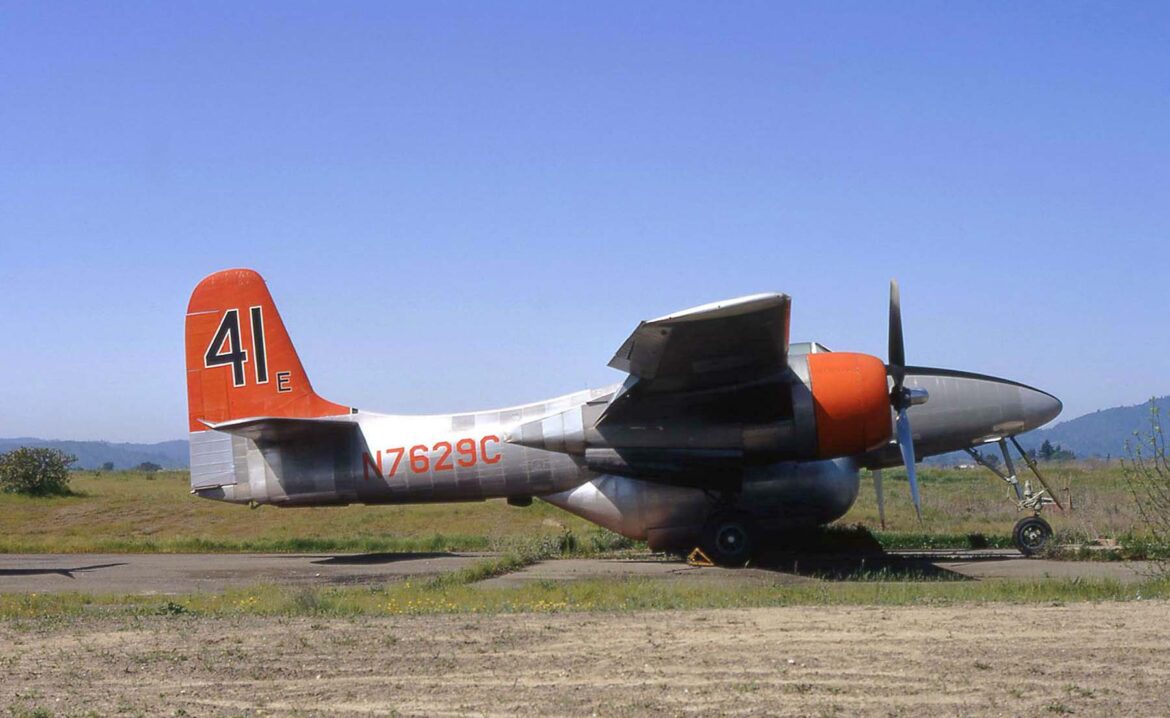
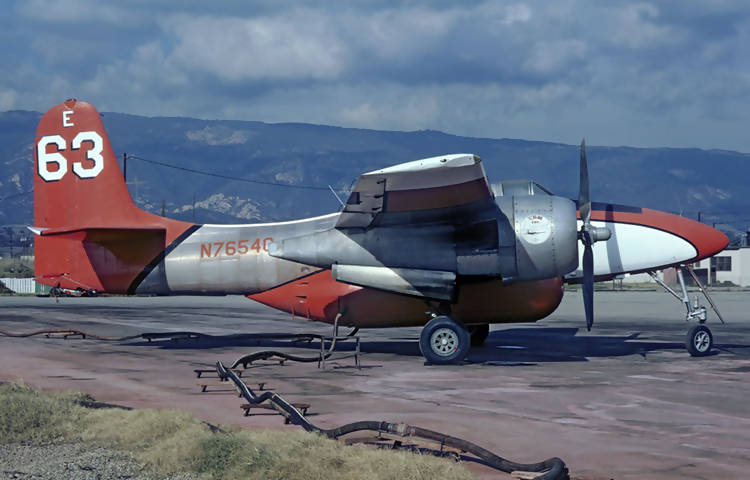
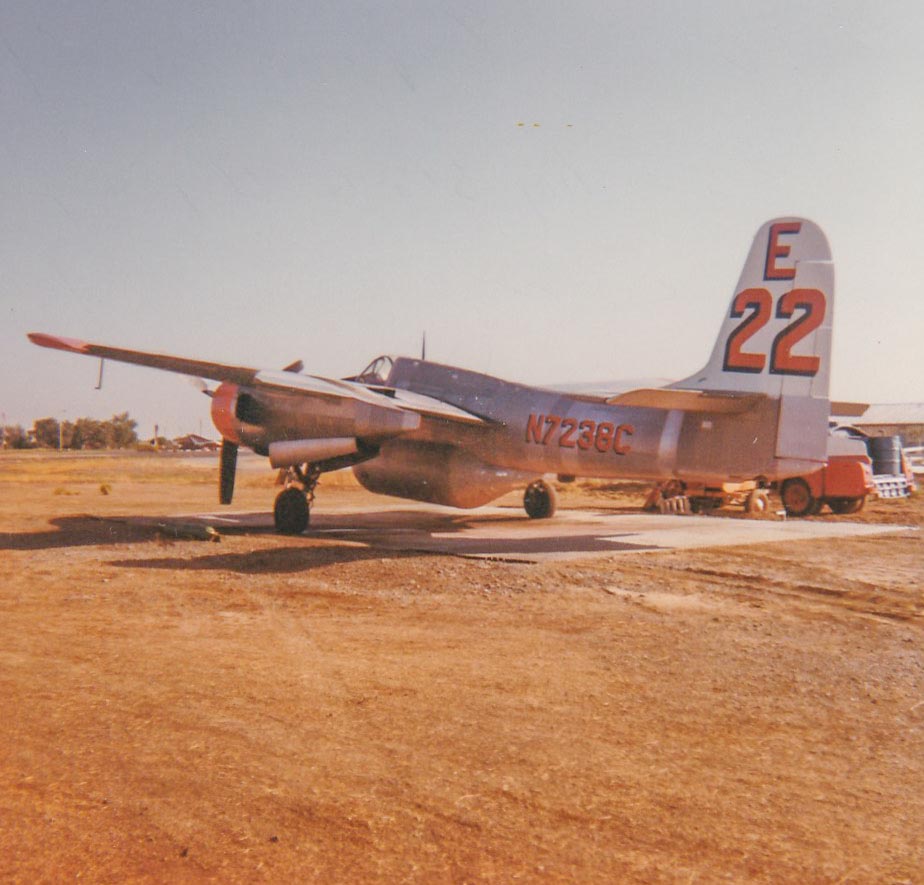
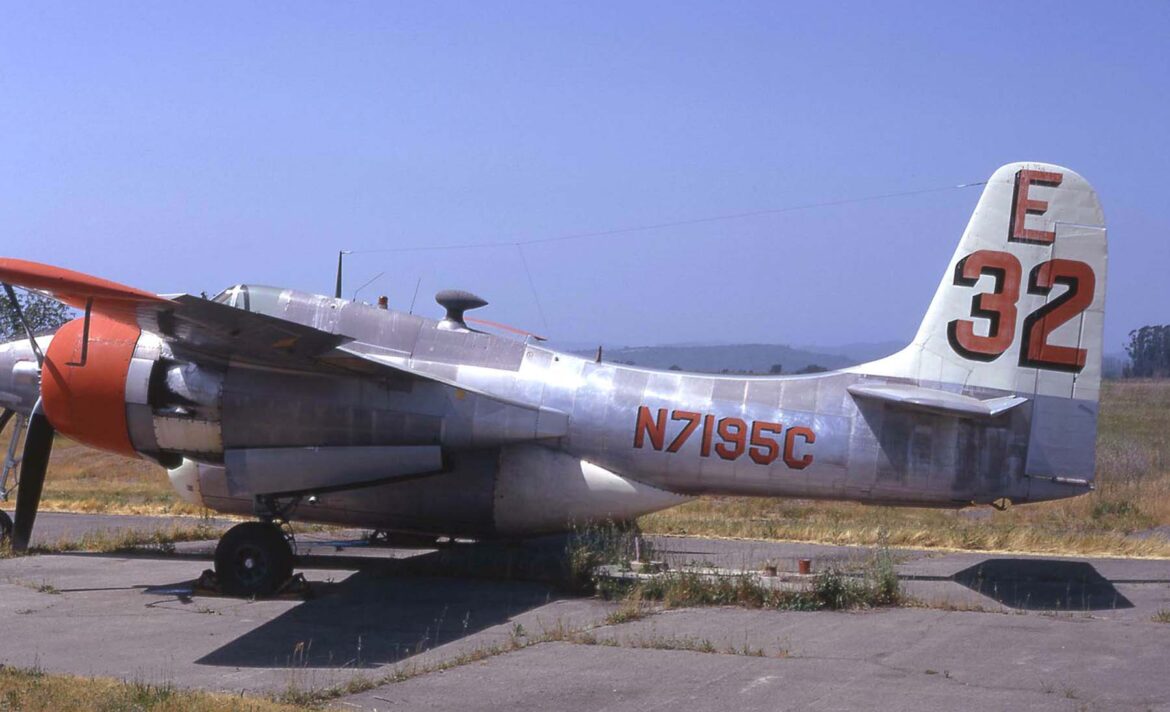
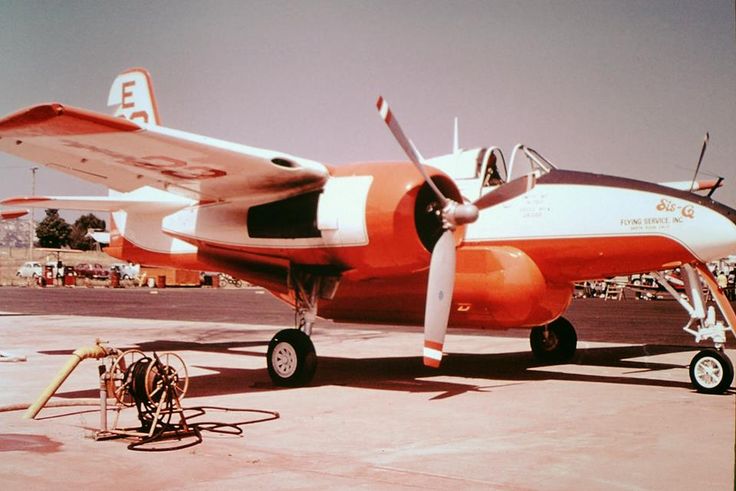
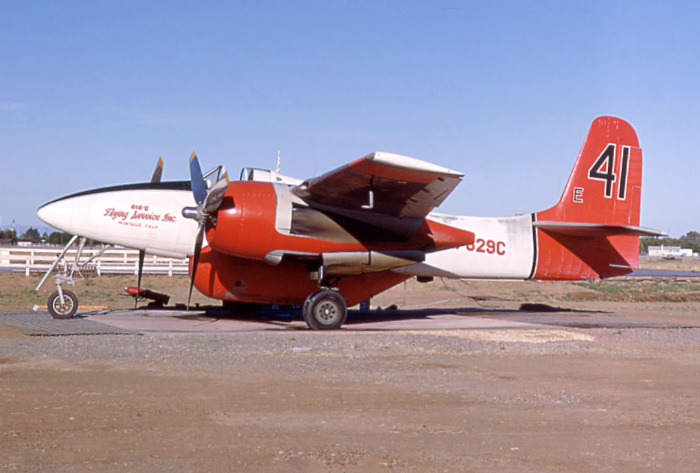
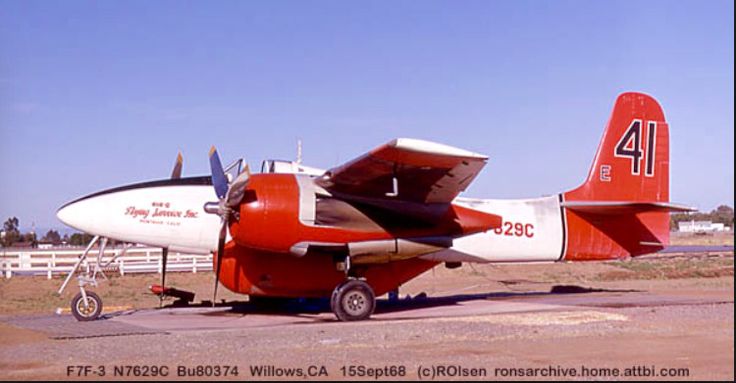
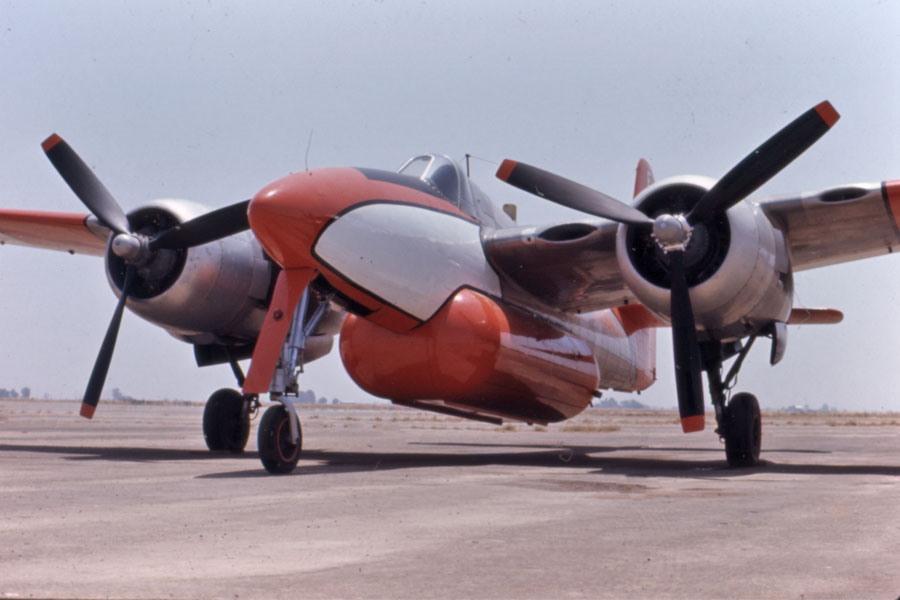
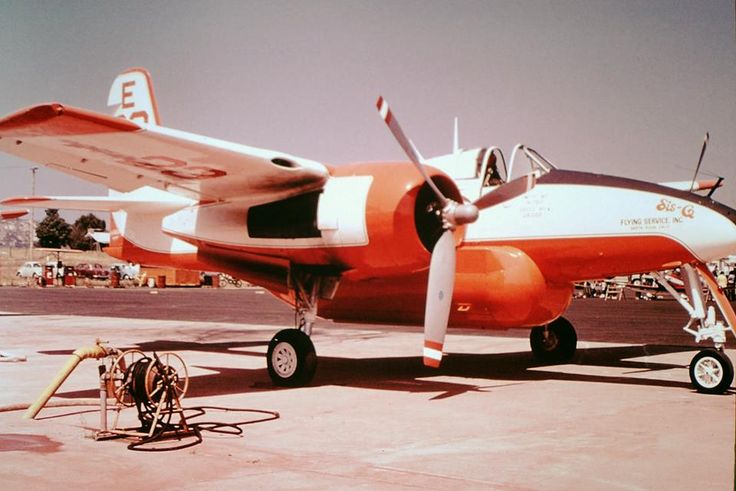
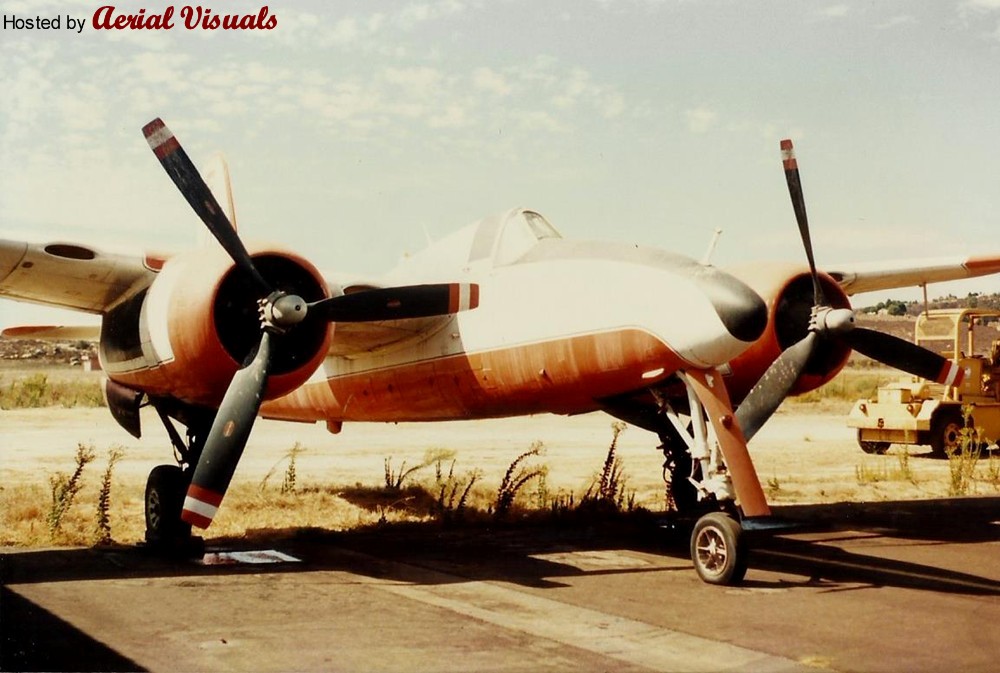
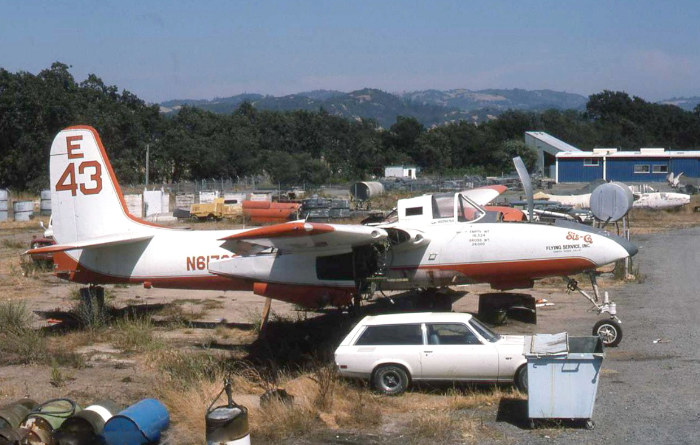
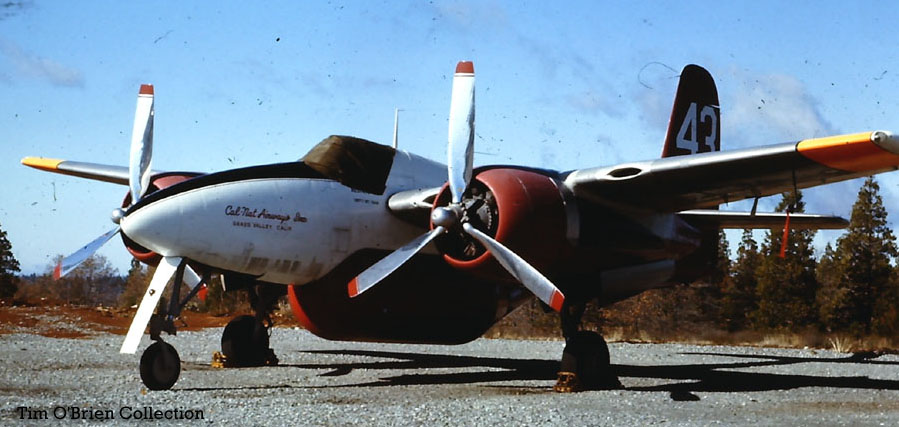
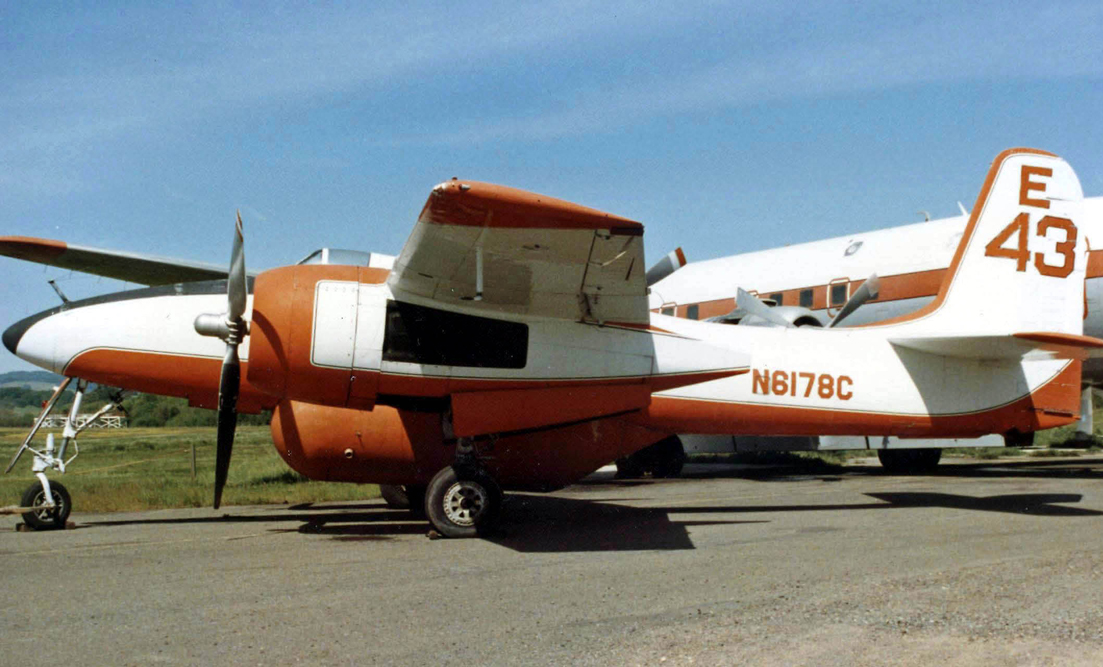
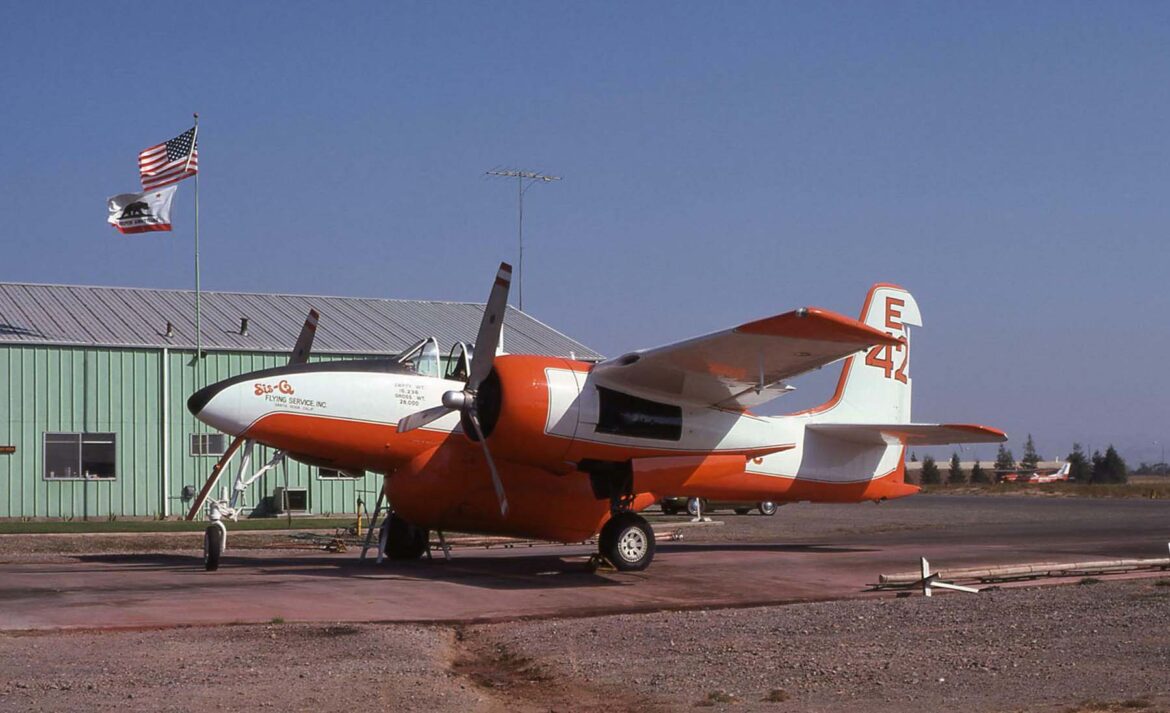
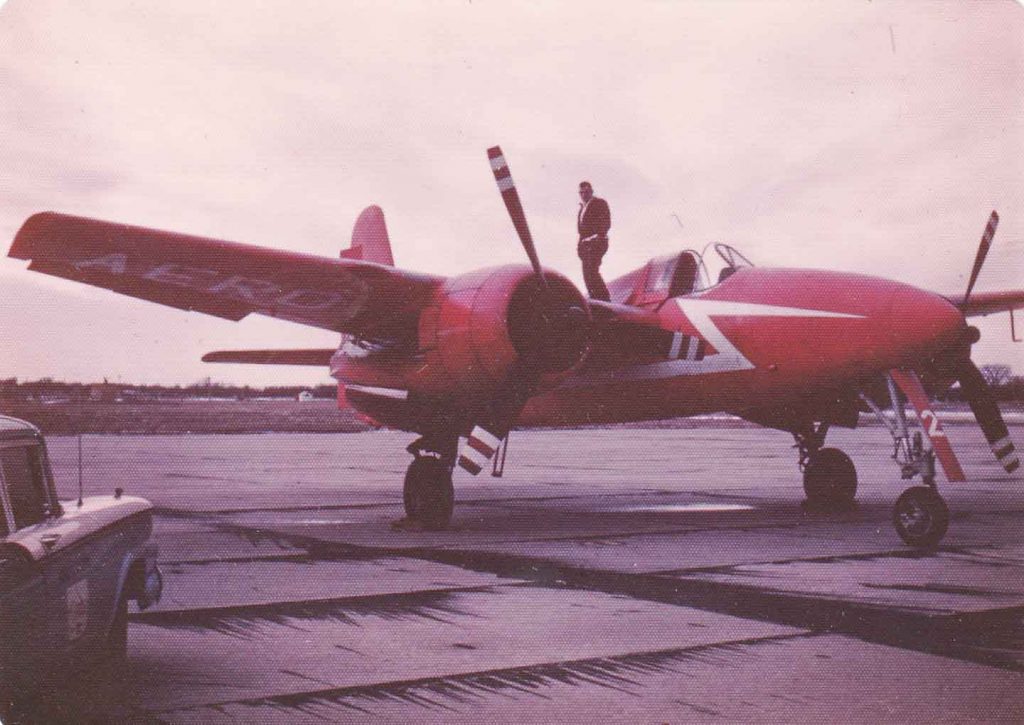
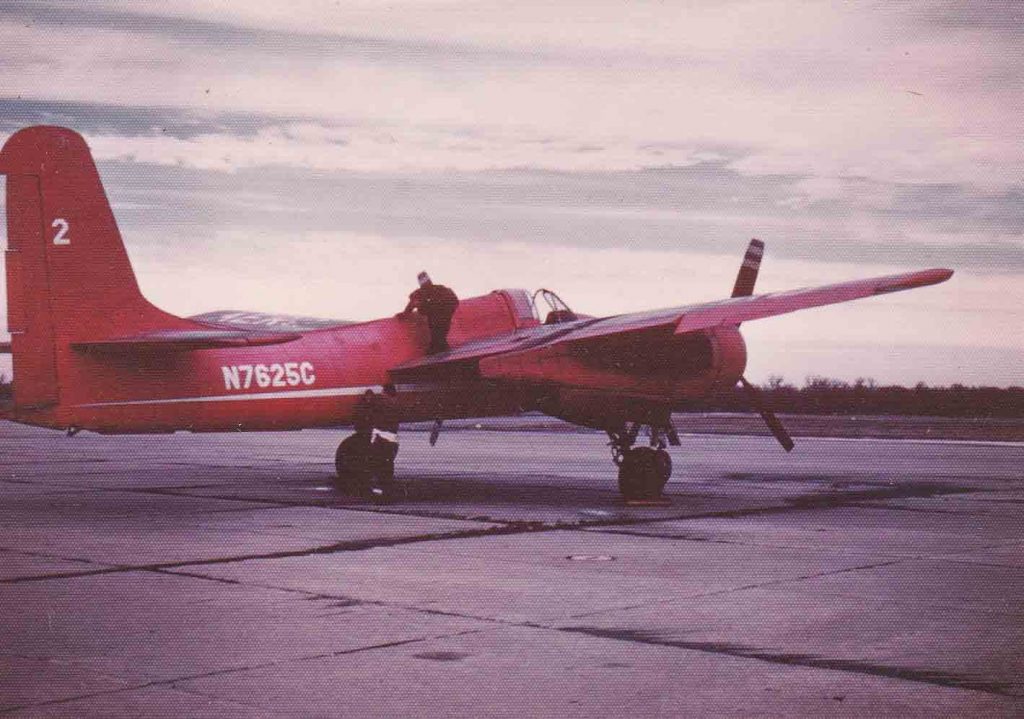
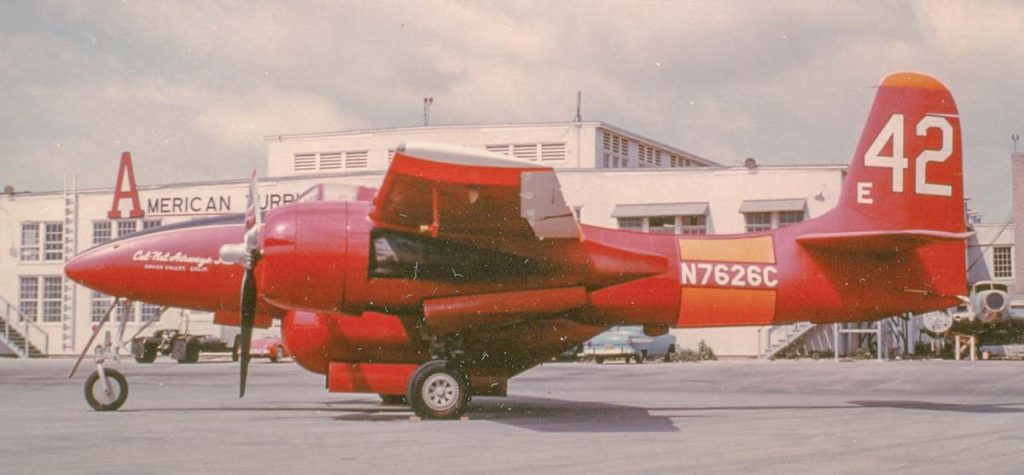
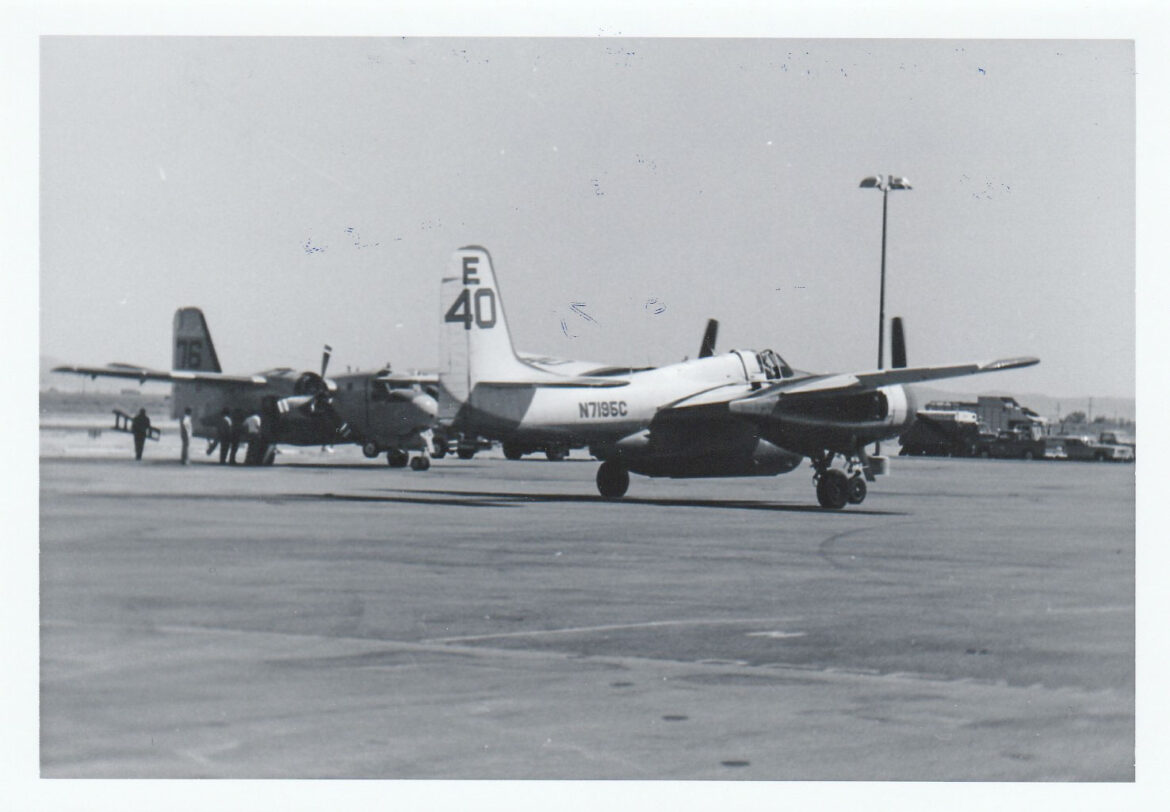
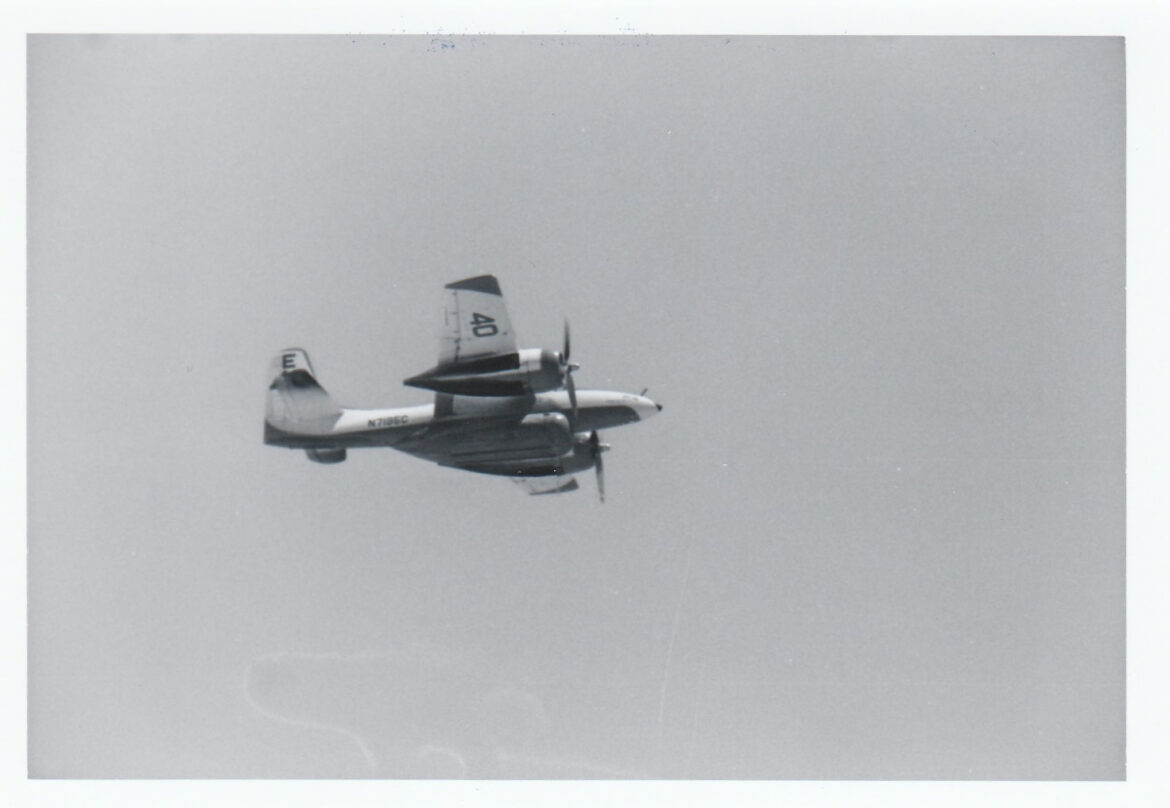
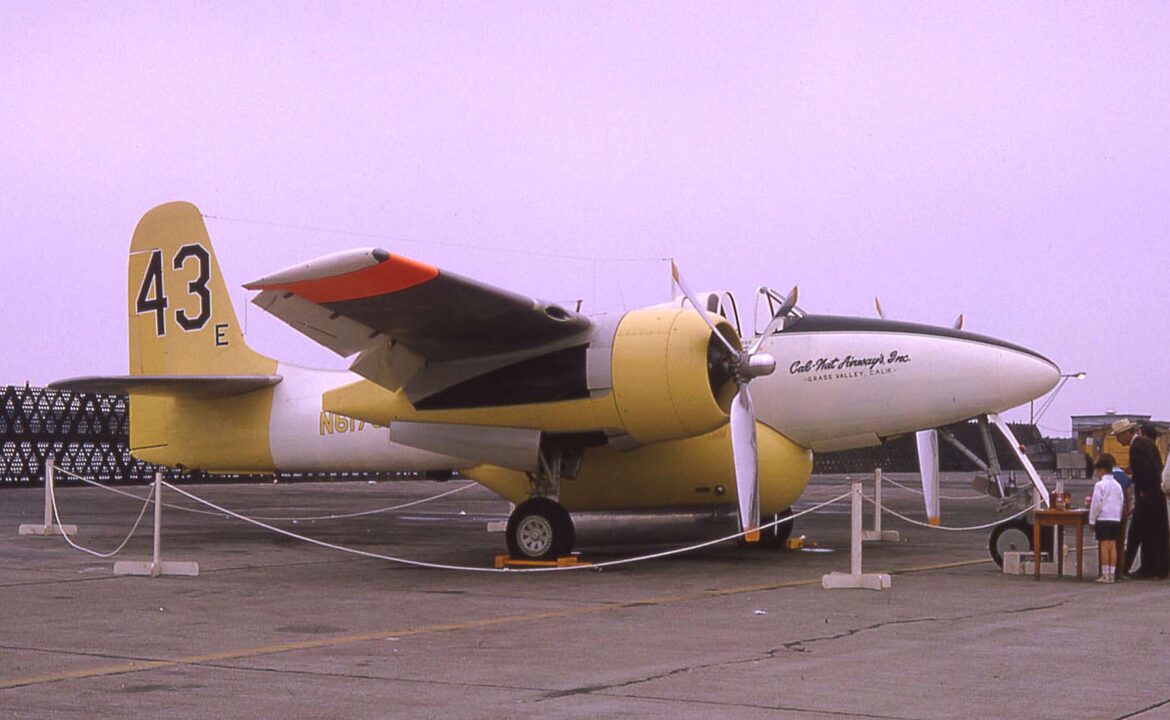
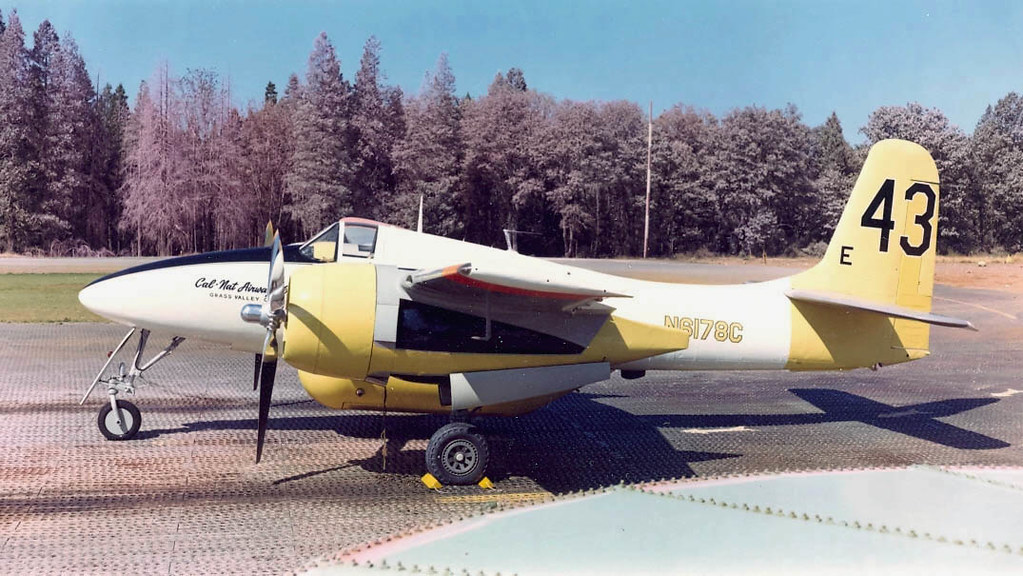
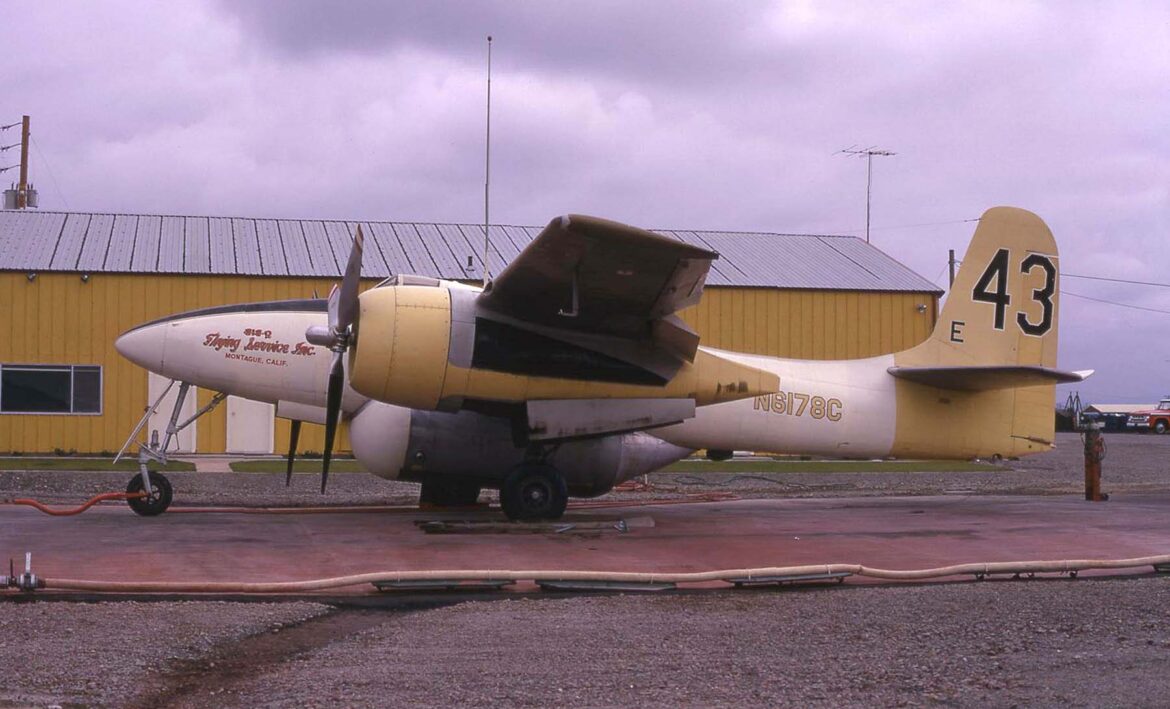
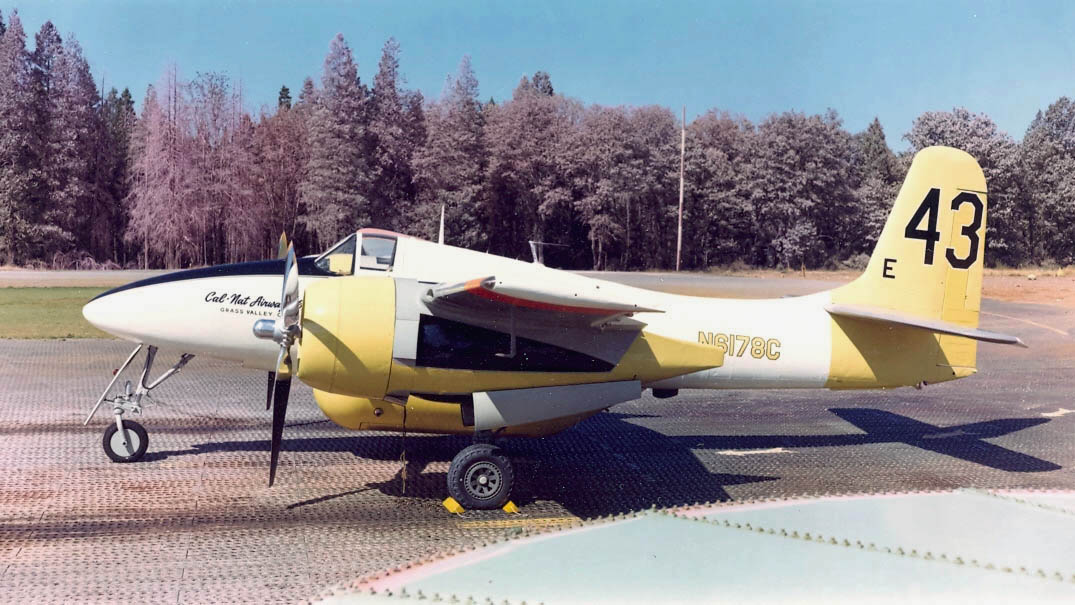
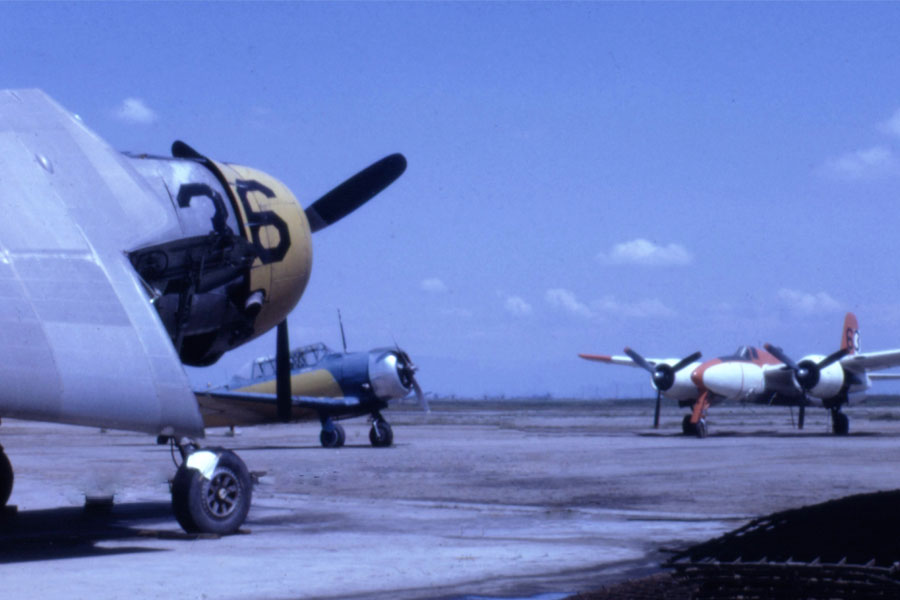
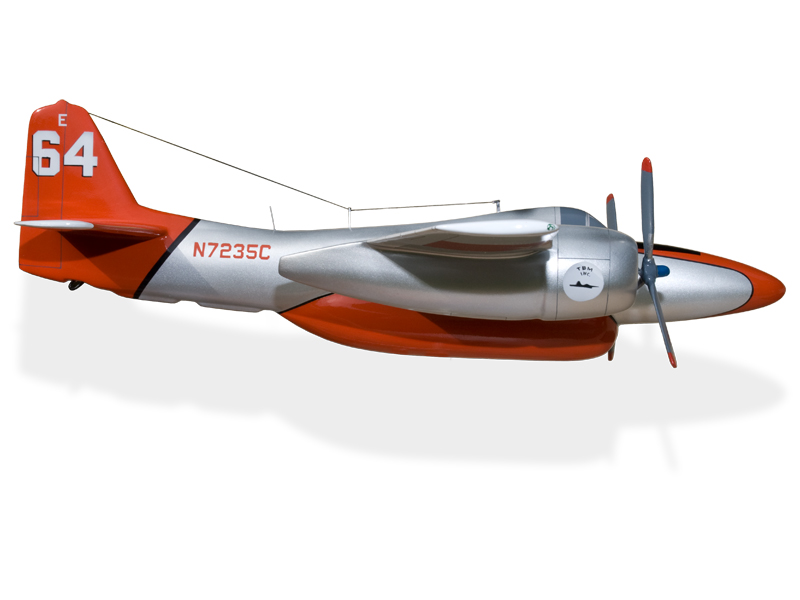
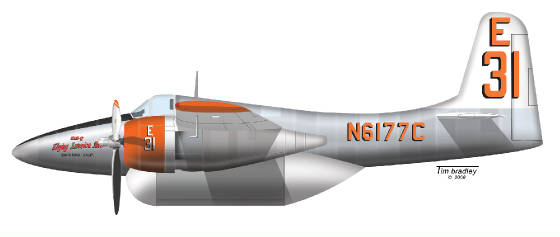
In the post-war years, several surplus Tigercats were converted into aerial firefighting aircraft—commonly known as “fire bombers.” Their powerful twin engines, rugged construction, and large payload capacity made them surprisingly well-suited for this role.
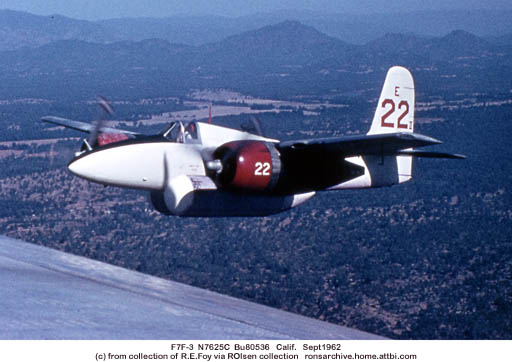
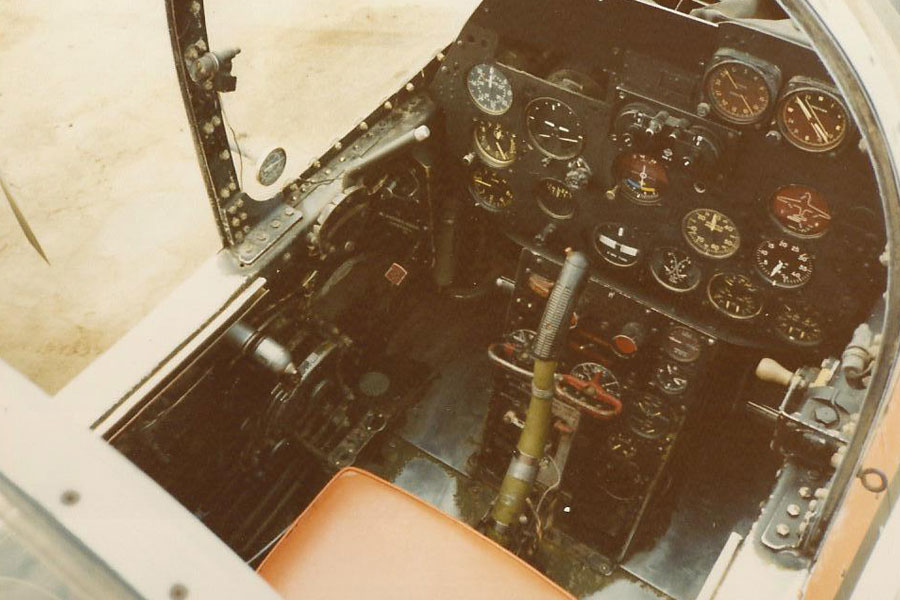
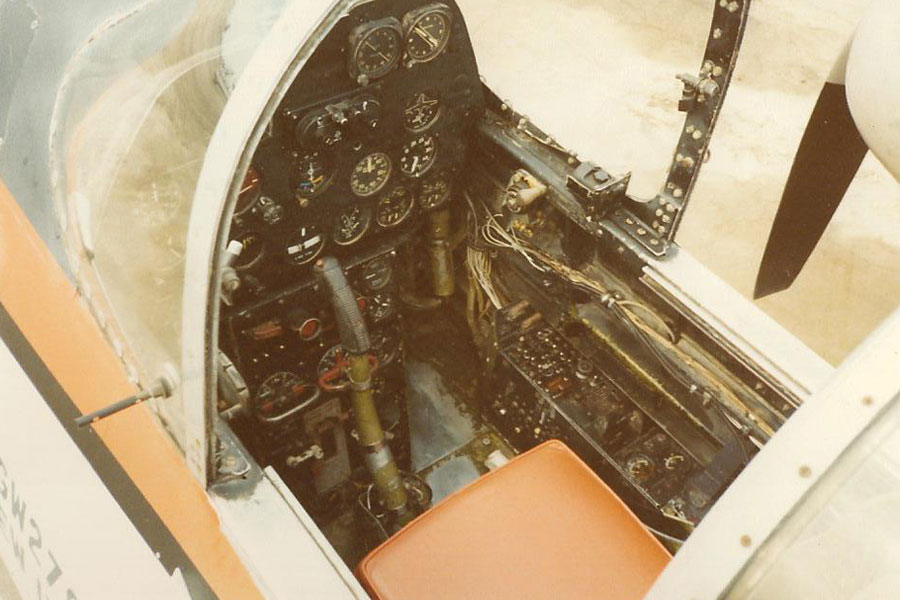
Operators modified the aircraft to carry fire retardant tanks in place of weapons systems. With their high speed and ability to operate from relatively short airstrips, Tigercats became valuable tools in combating forest fires, particularly in regions like California.
As fire bombers, these aircraft would fly low over active fires and drop retardant loads with precision, helping ground crews contain spreading flames. The same aggressive performance that once made the F7F Tigercat a fearsome fighter now made it an effective firefighter.
However, this role was not without risk. Flying at low altitude in turbulent, smoke-filled environments is extremely dangerous. Several F7F Tigercats were lost in accidents over the years, highlighting both the bravery of their pilots and the demanding nature of aerial firefighting.
Legacy of the F7F Tigercat
Today, the F7F Tigercat stands as a symbol of engineering ambition and adaptability. It may not have achieved legendary combat status like other WWII fighters, but it carved out a unique legacy across multiple roles—from interceptor to night fighter, and finally to fire bomber.
For aviation enthusiasts and scale modelers, the F7F Tigercat offers something special: a combination of brute power, elegant twin-engine design, and an unusual operational history. Whether depicted in its original military configuration or as a weathered firefighting aircraft, it remains a standout subject.
The real story of the F7F Tigercat is not about missed opportunities—it’s about evolution. Few aircraft have managed to reinvent themselves so completely, transitioning from instruments of war to tools that save lives and protect nature.
And that alone makes the F7F Tigercat unforgettable.
F7F Tigercat .FIRE BOMBERS colors
| ANA | ||||
| FS 11136 | Insignia Red | Interiors | ANA 509 | |
| FS 28913 | Fluorescent Red Orange | Hi-viz marks | – |
| FS 37038 | Black | Anti-glare | ANA 604 |
| ANA 511 | Insignia White | FS 17875 | 4.2GY 8.93/0.6 |
X-15 North American nasa