article
XF6F-1 Hellcat: The Prototype That Created America’s Ultimate Carrier Fighter
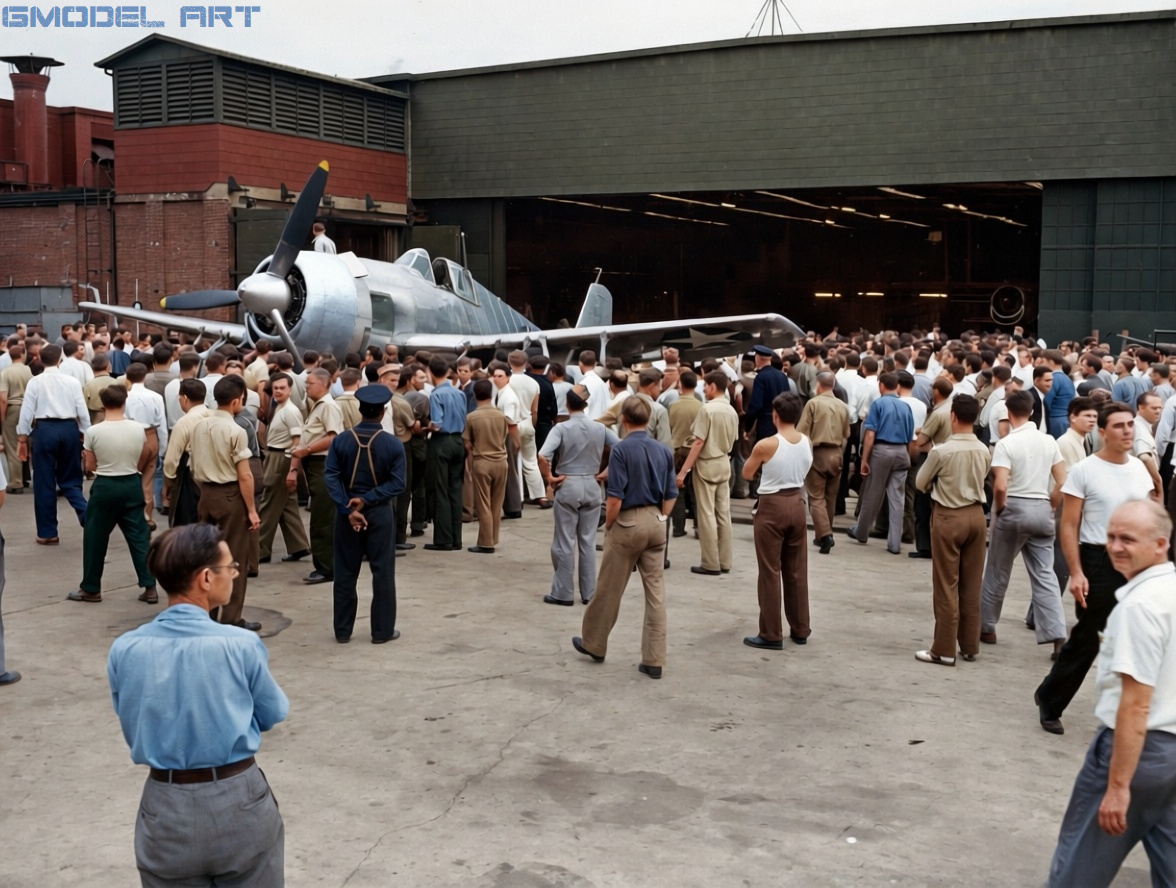
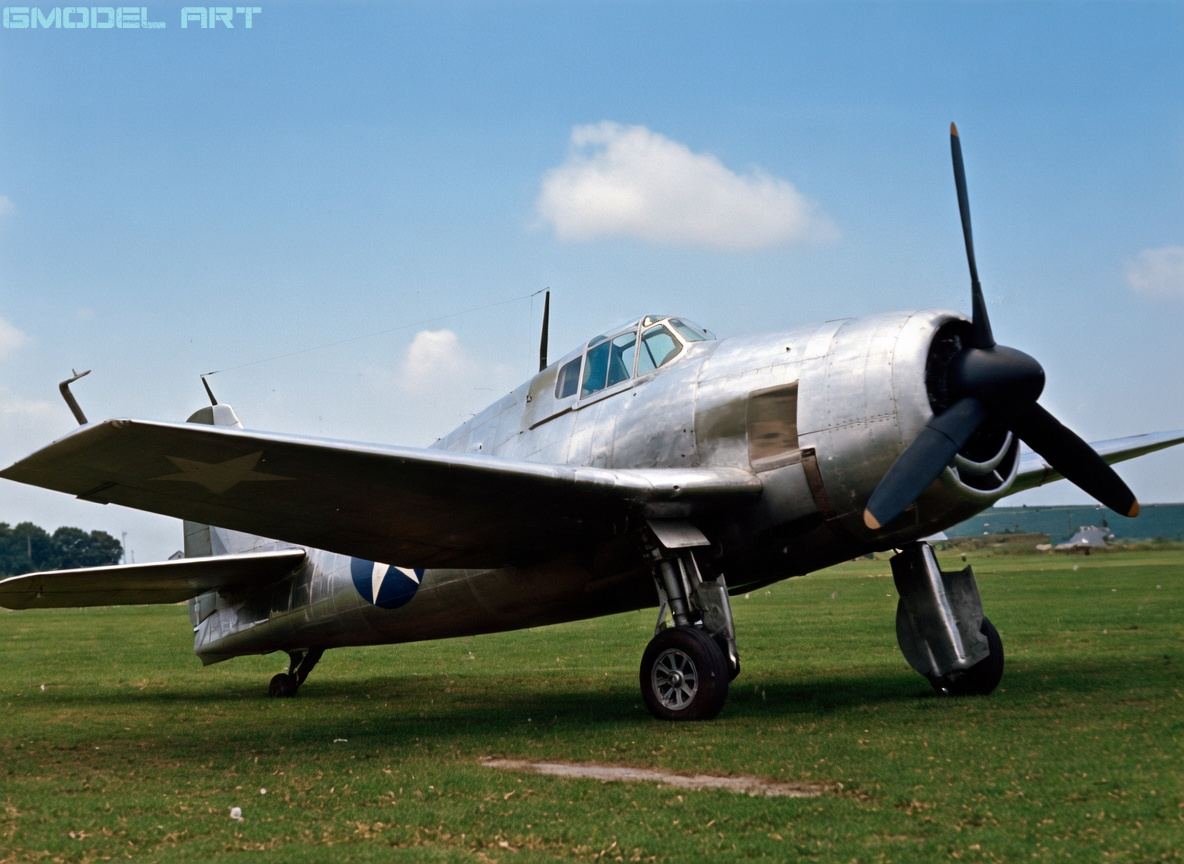
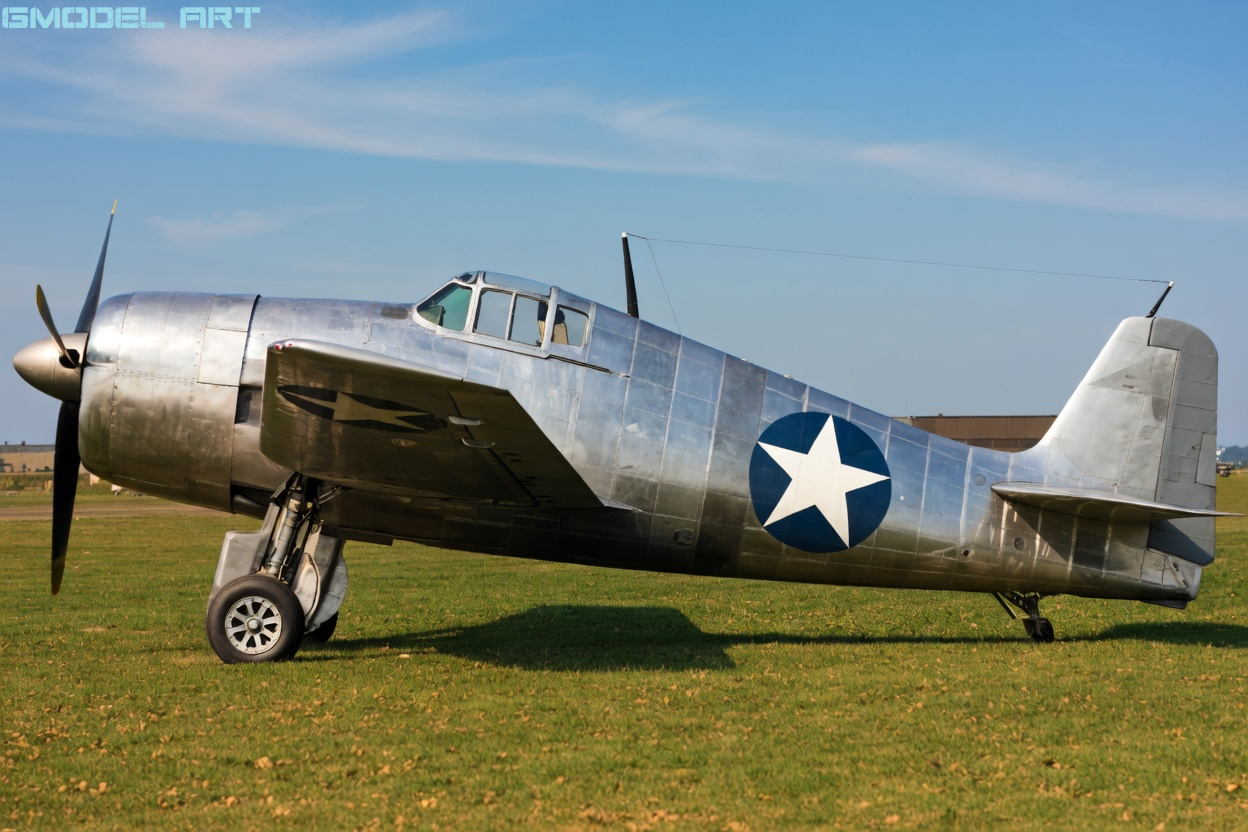
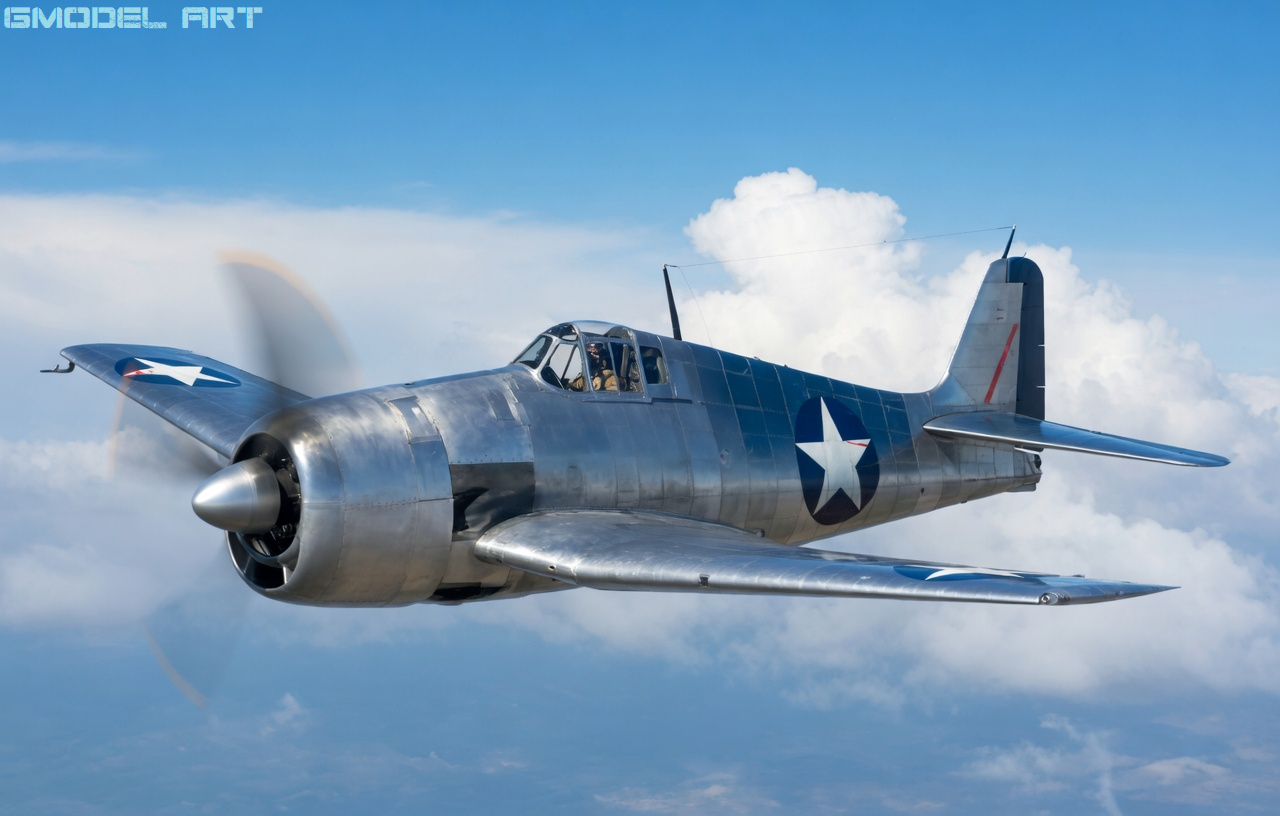
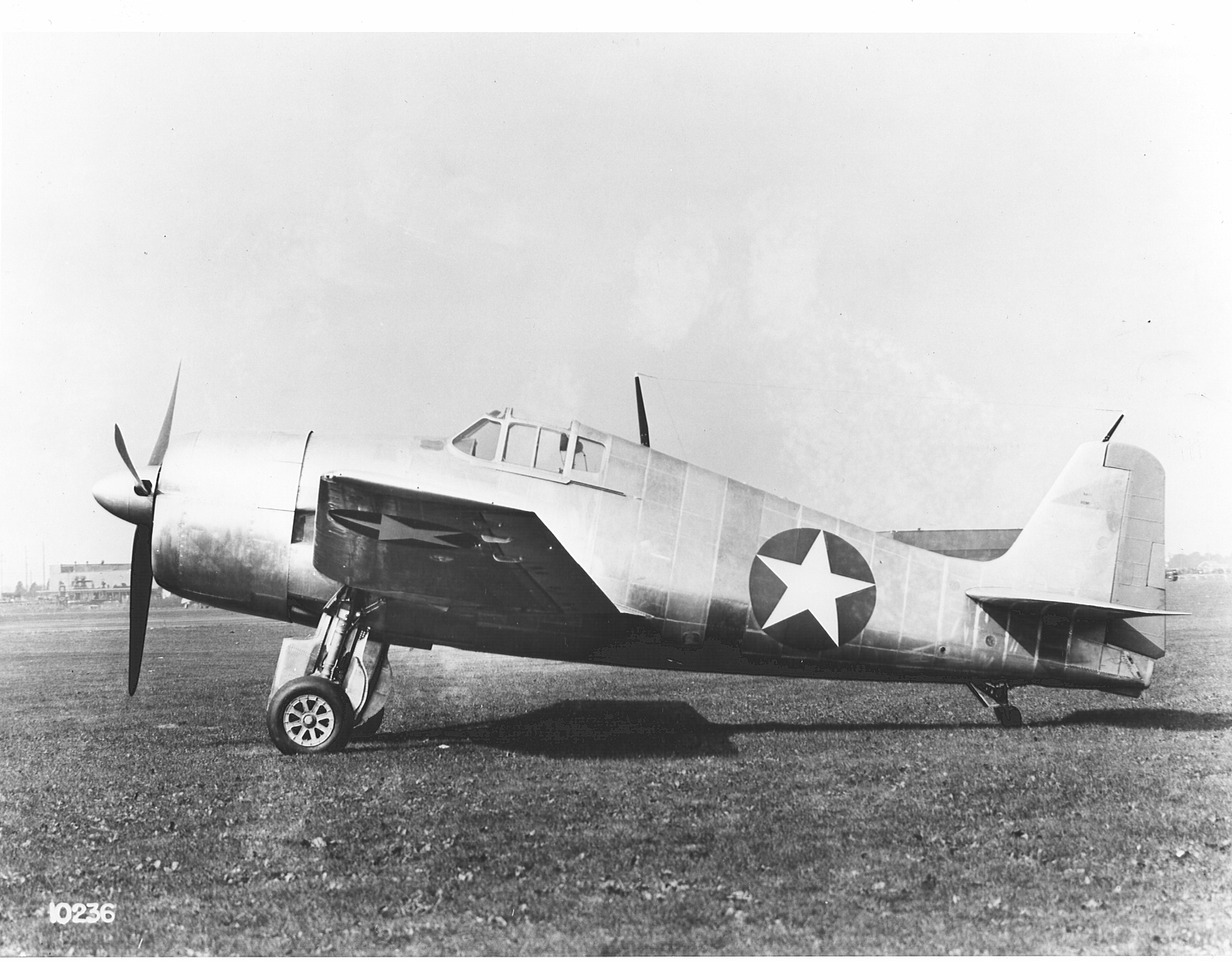
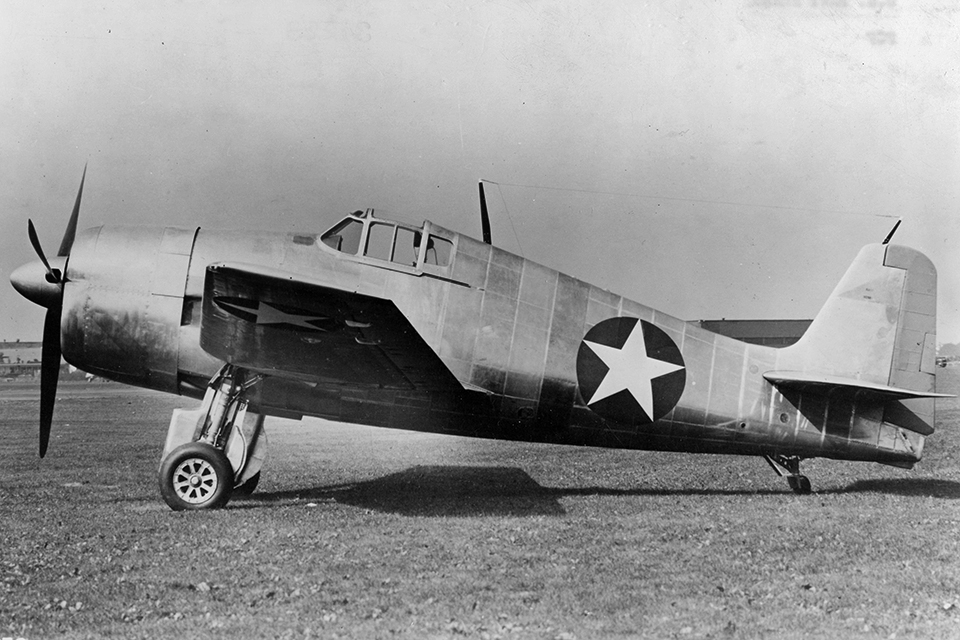
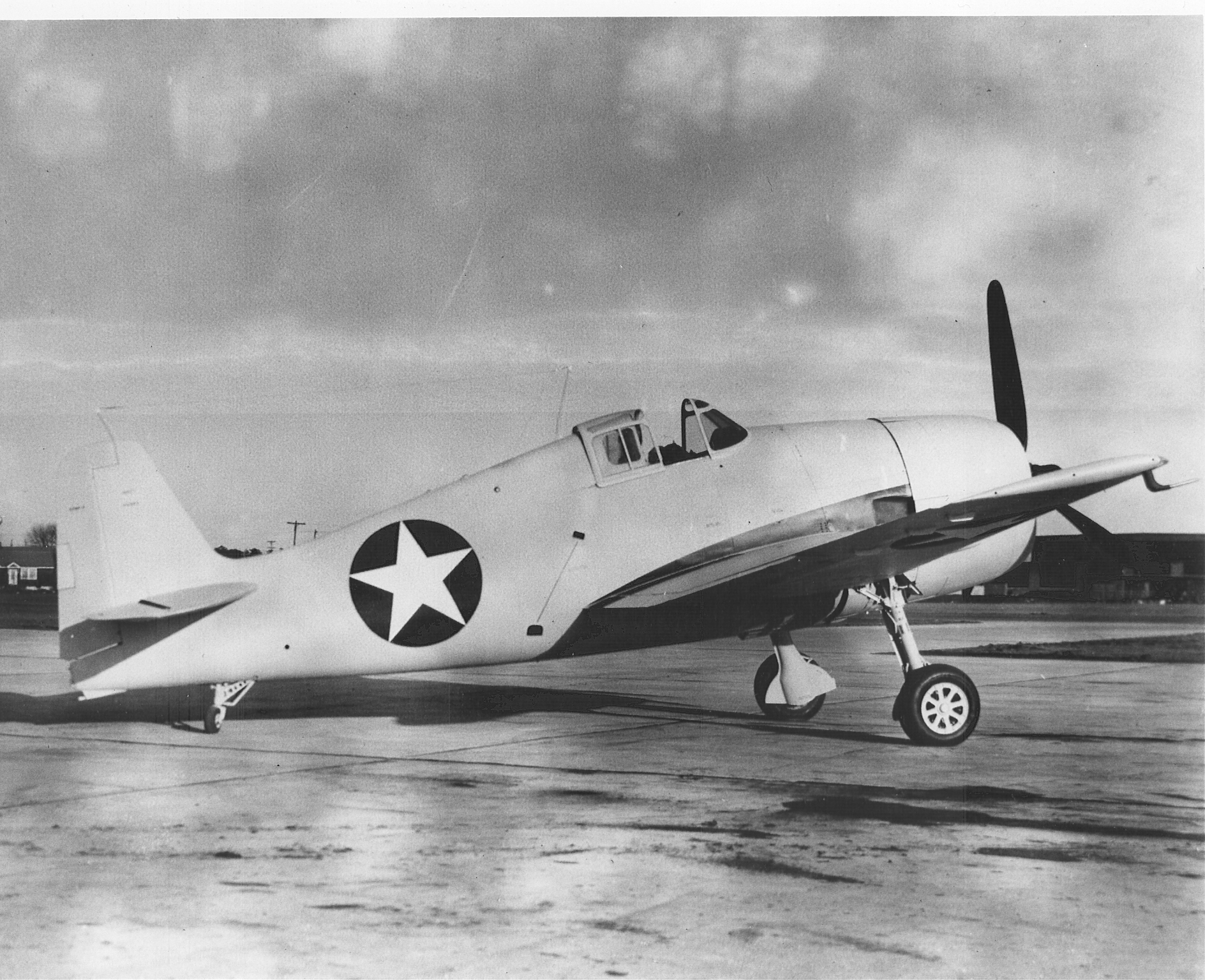
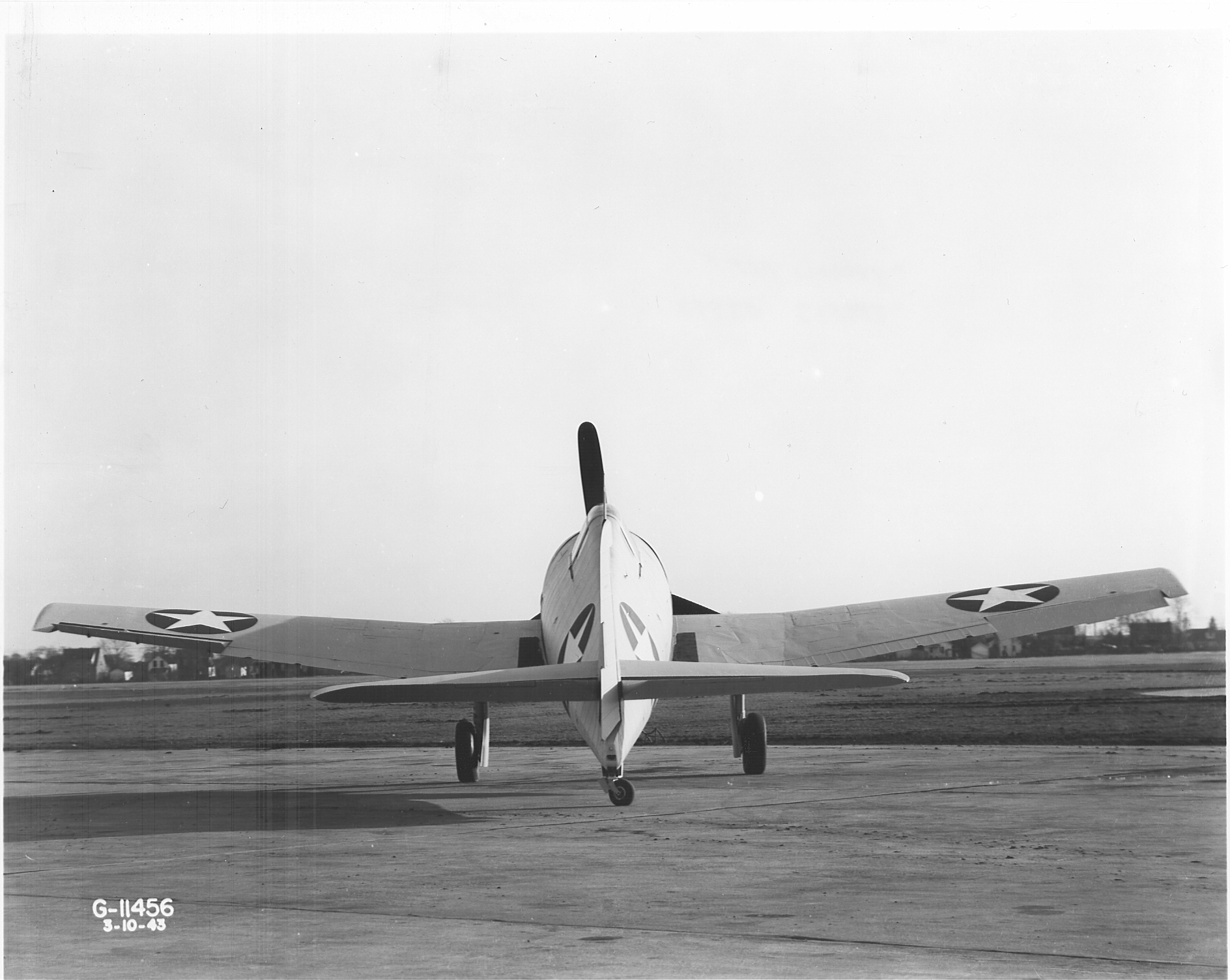
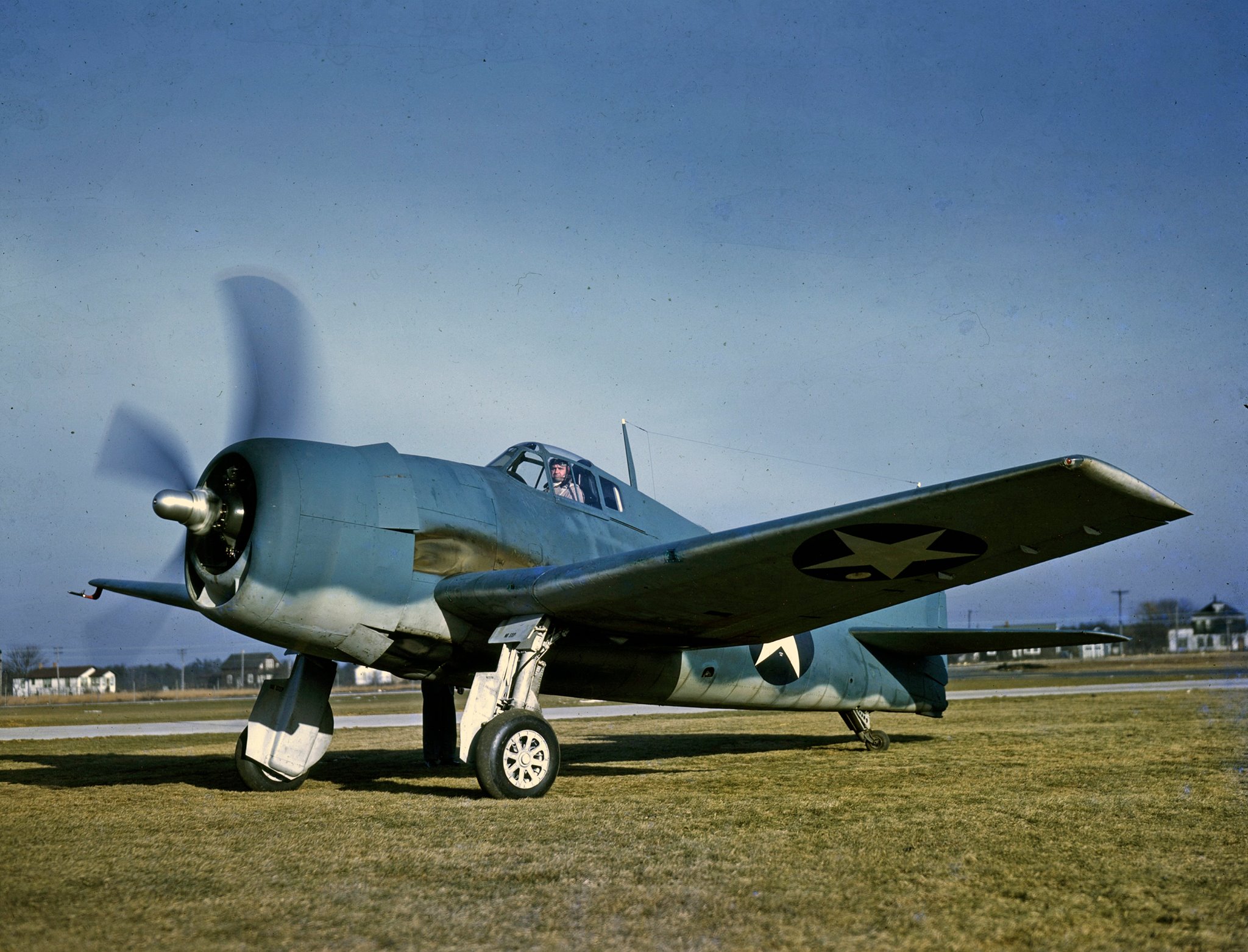
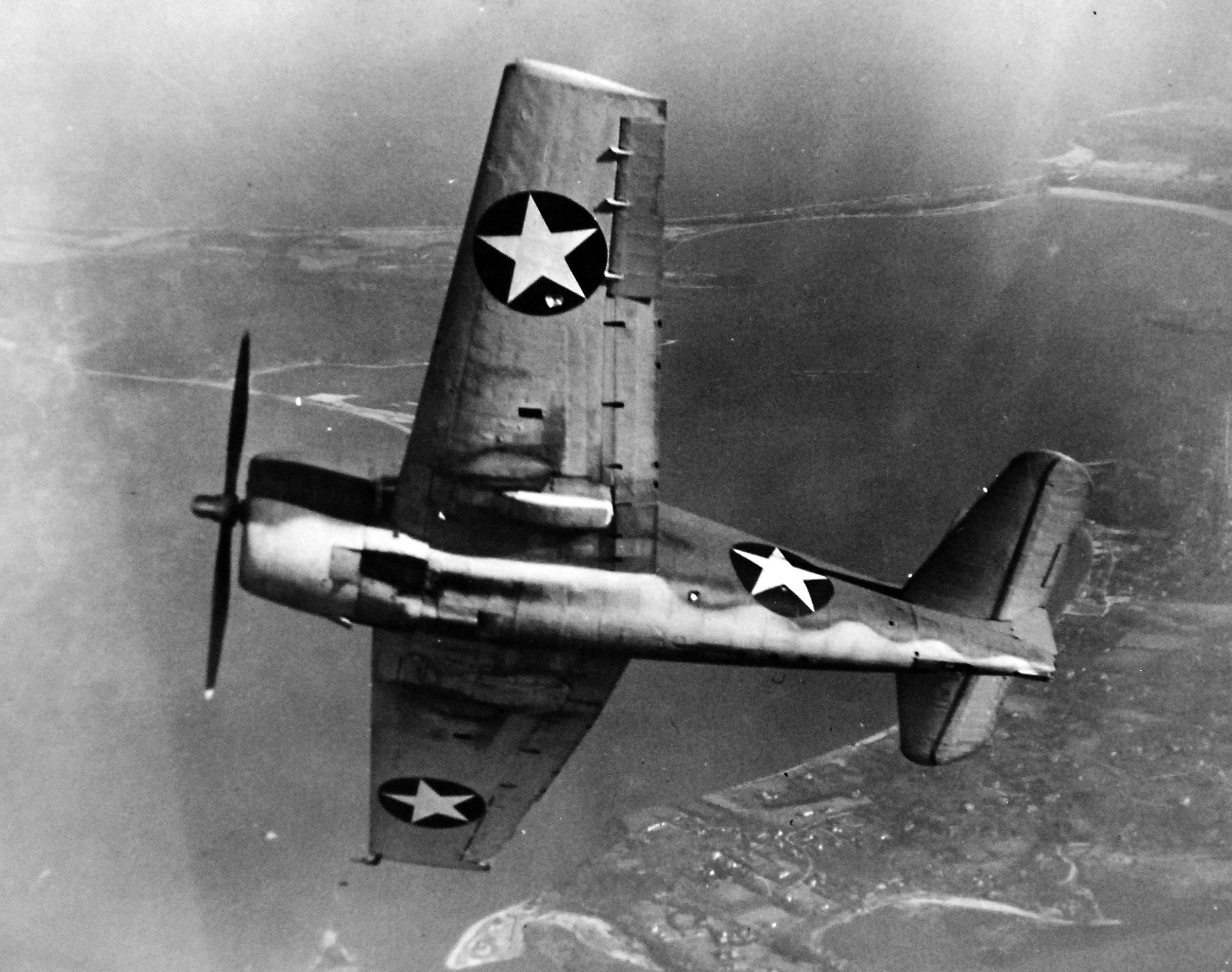
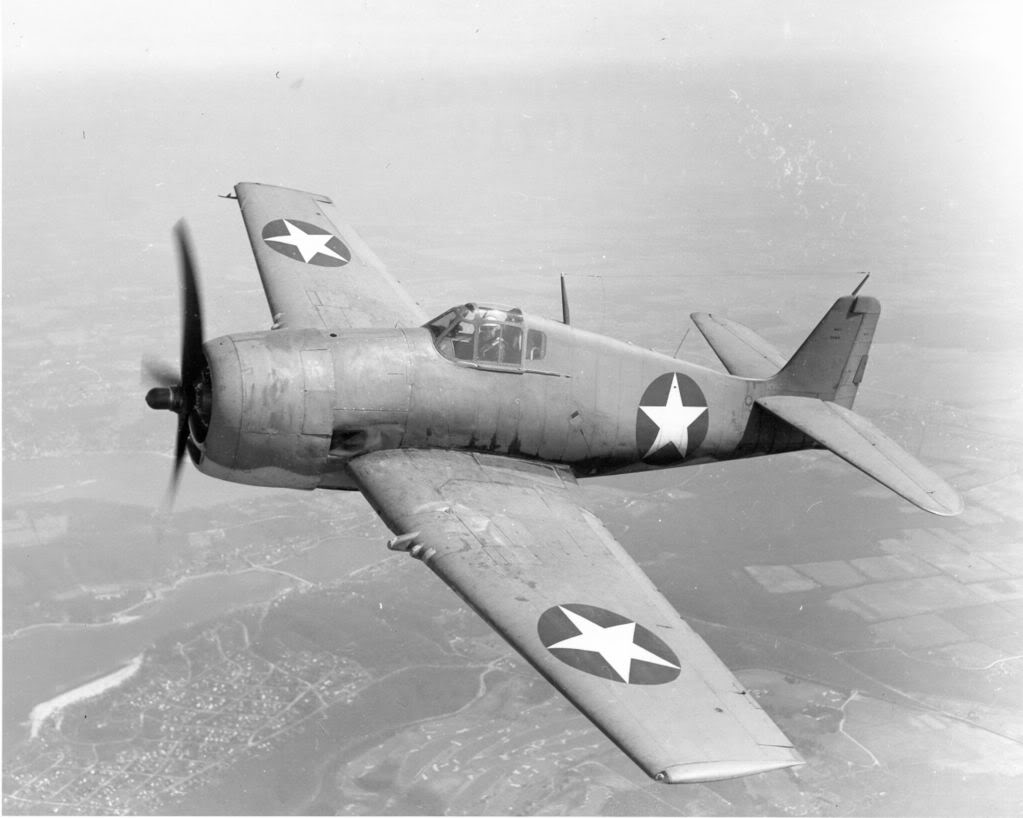
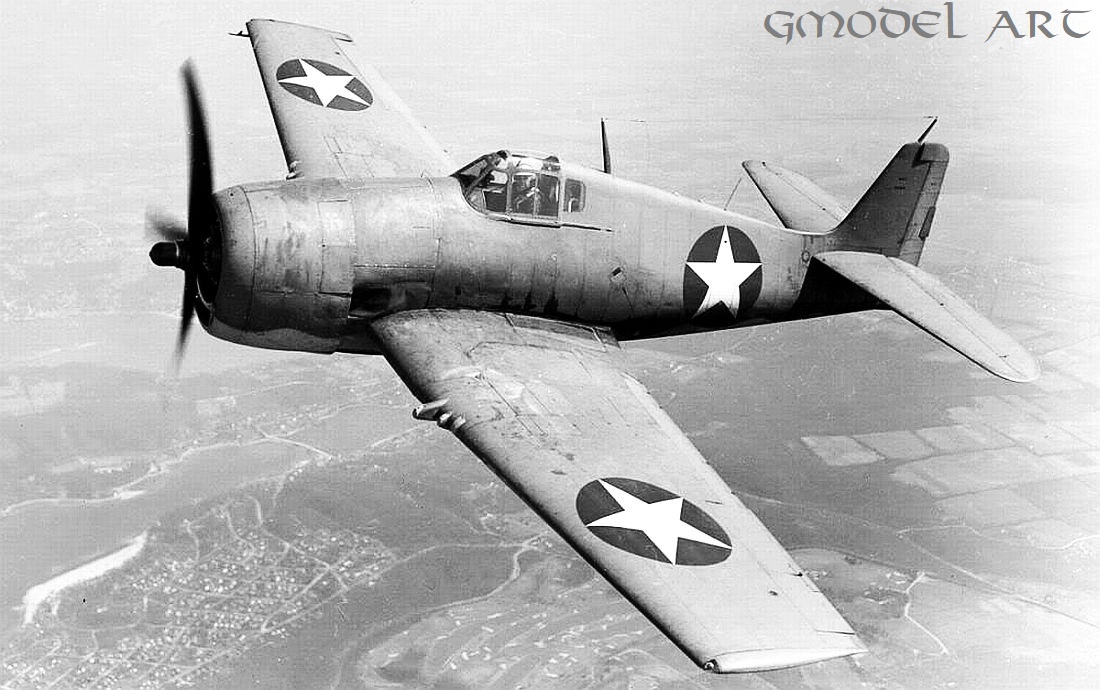
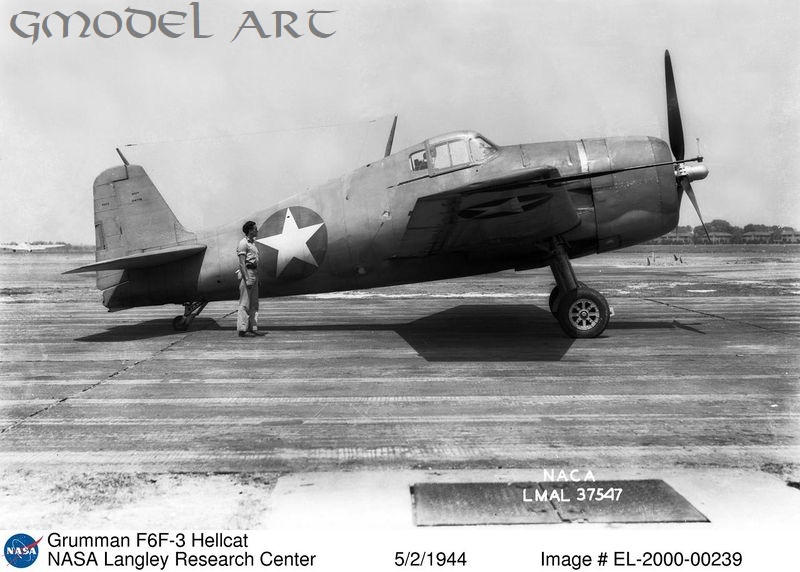
On 26 June 1942, at Grumman’s facility in Bethpage, Long Island, chief engineer and test pilot Robert Leicester Hall lifted the prototype XF6F-1 Hellcat into the air for its maiden 25-minute flight. Few people present could have predicted that this aircraft would evolve into the most successful carrier-based fighter in naval aviation history.
The XF6F-1 emerged directly from the harsh lessons learned during the opening months of the Pacific War. Although the F4F Wildcat had fought courageously, encounters with the agile Japanese Mitsubishi A6M Zero demonstrated the urgent need for greater speed, improved climb performance, heavier armament, increased pilot protection, and longer operational range. Grumman engineers responded by designing an aircraft that retained the rugged philosophy of the Wildcat while fundamentally improving every critical combat characteristic.
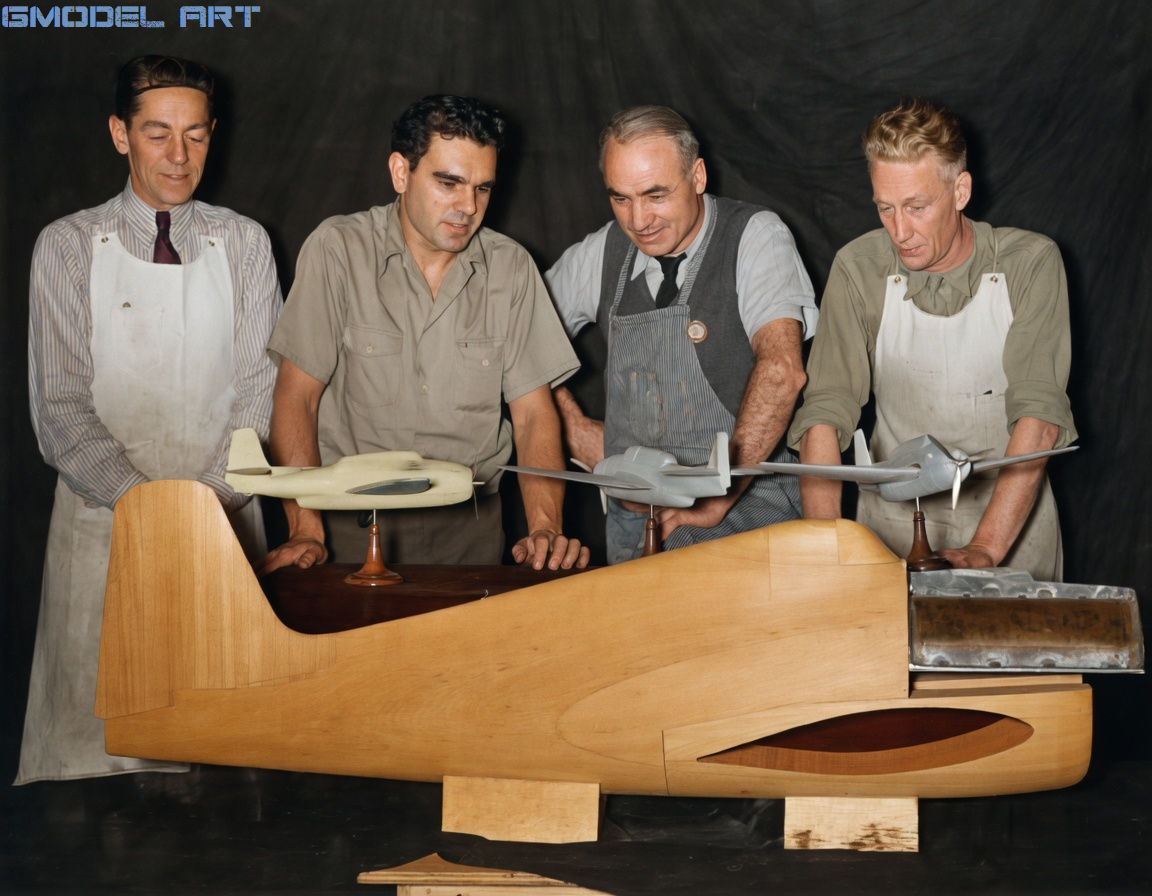
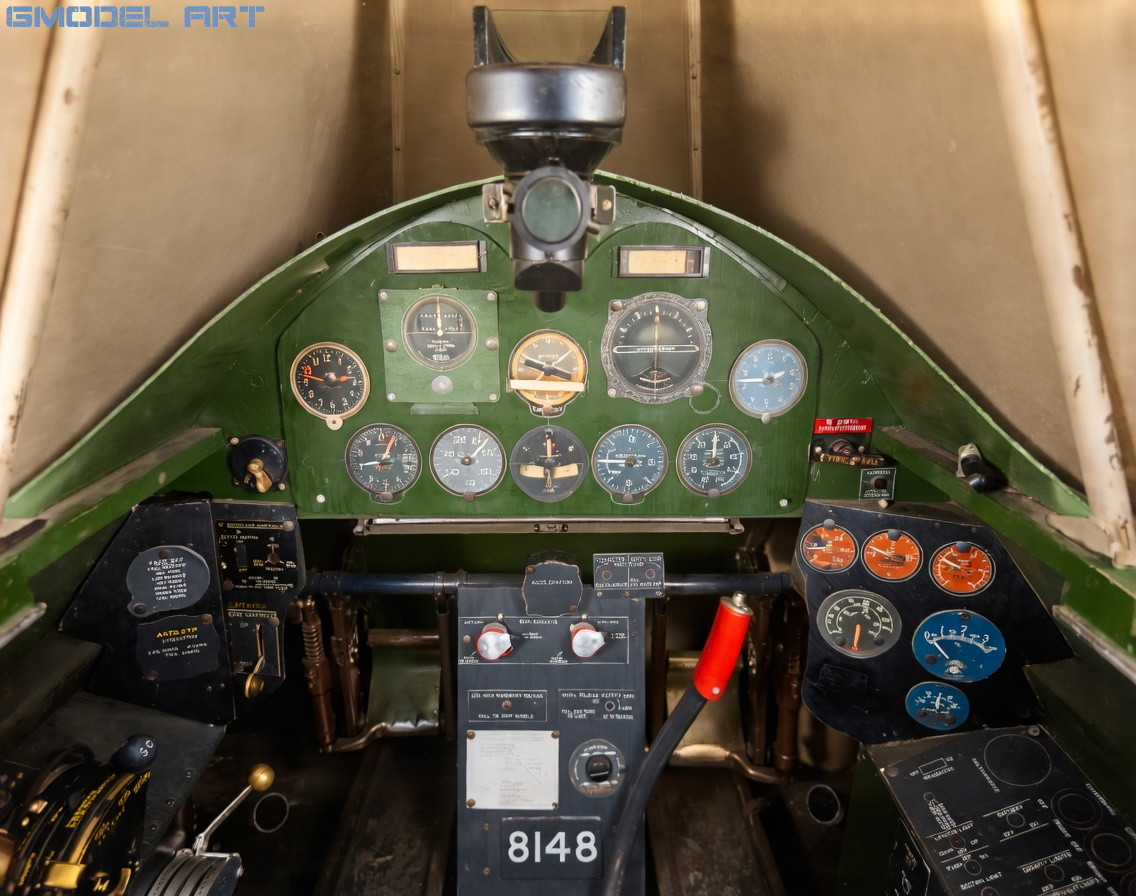
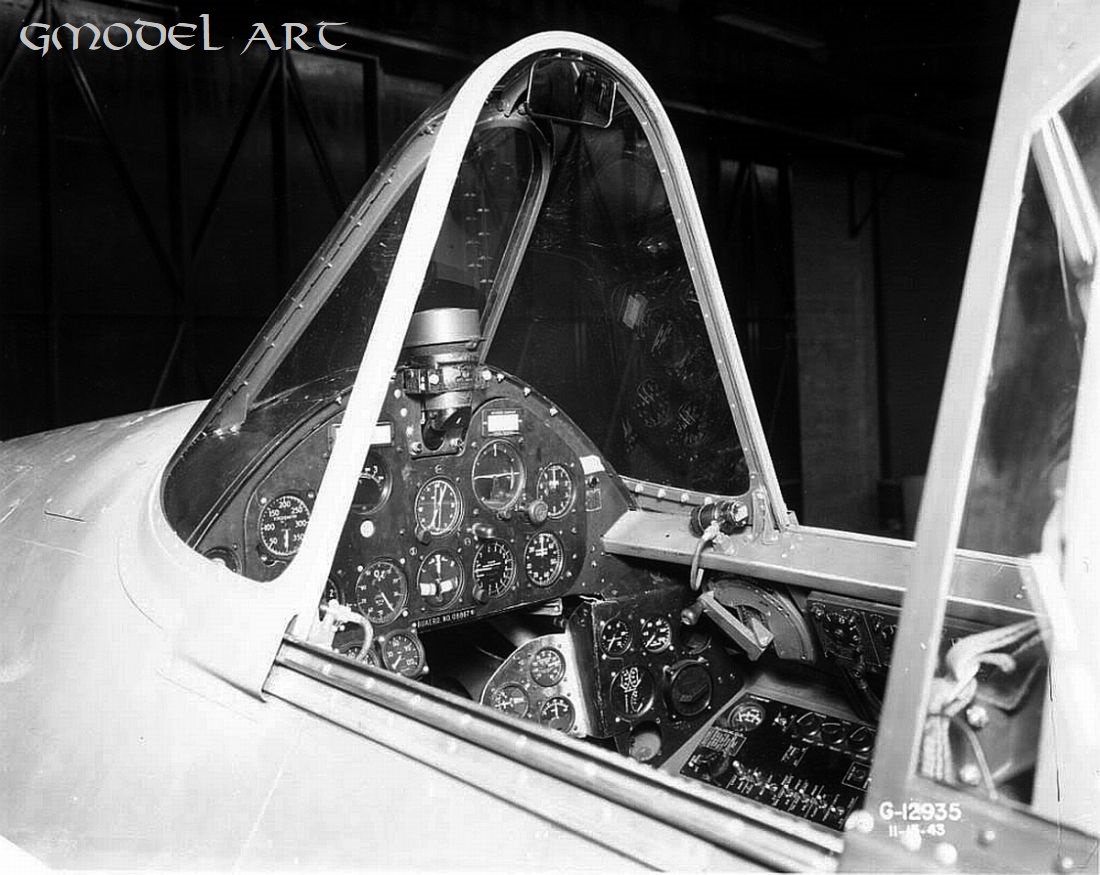
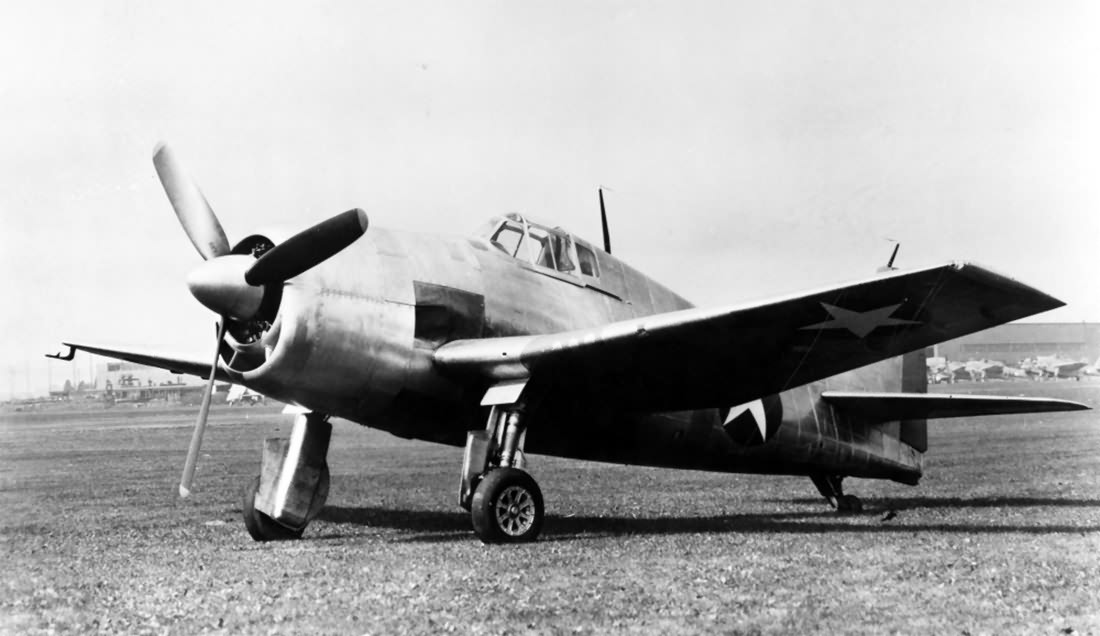
The new fighter featured a lower-mounted wing, a significantly wider landing gear track for safer carrier operations, a larger cockpit with improved visibility, increased ammunition capacity, heavier armor protection, and greater fuel reserves. These design decisions transformed the Hellcat into a forgiving yet deadly machine that could be mastered quickly by newly trained naval aviators. Its effectiveness later earned it the reputation of being an “ace maker,” allowing hundreds of pilots to achieve aerial victories during the Pacific campaign.
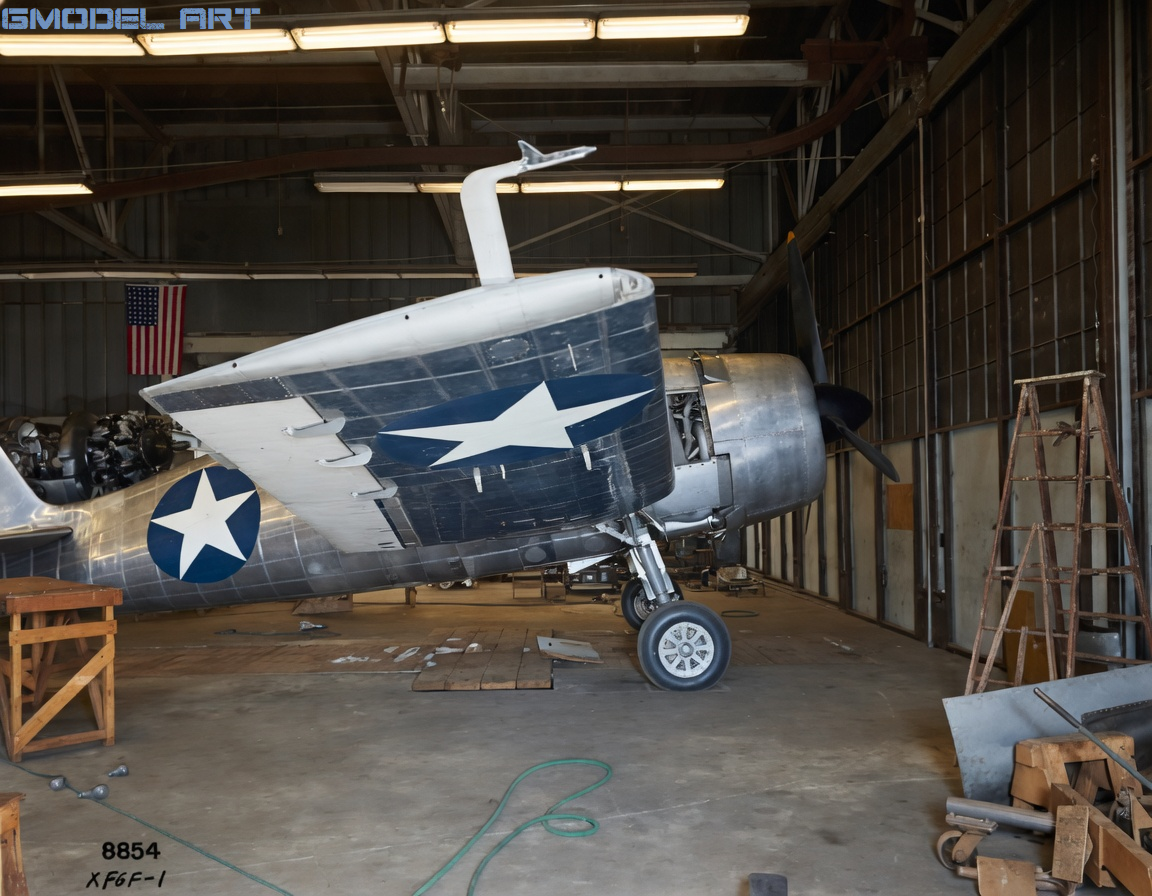
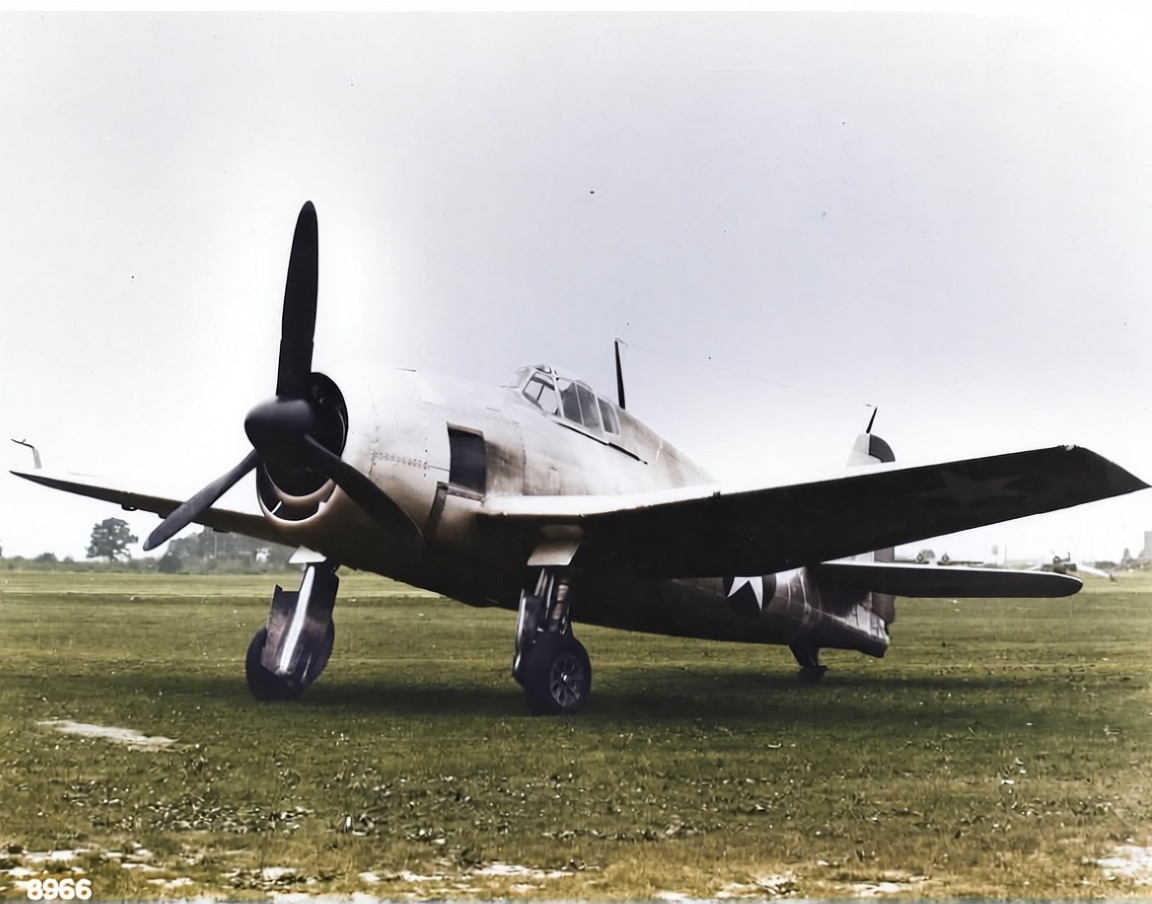
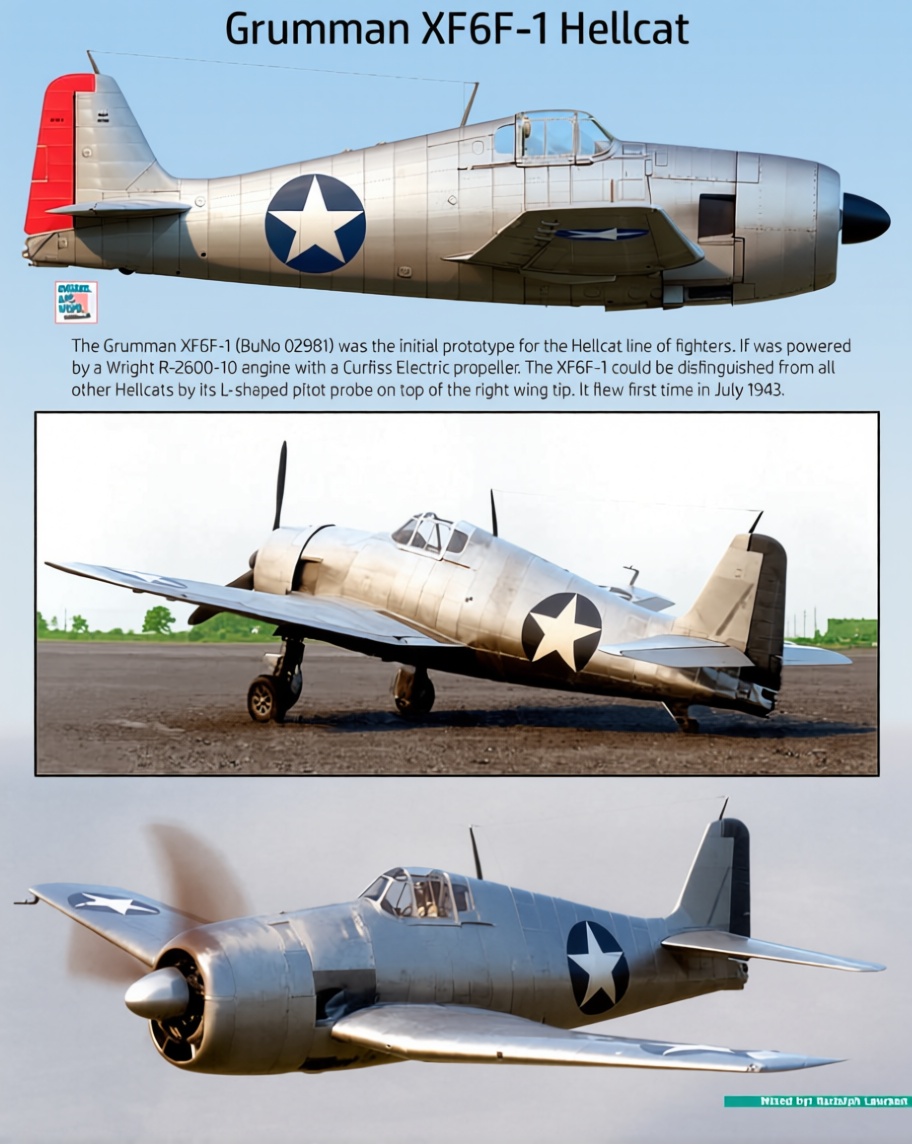
The original XF6F-1 prototype, Bureau Number 02981, was powered by the Wright R-2600-10 Twin Cyclone engine, a two-row, fourteen-cylinder radial powerplant displacing 42.688 liters. Producing 1,500 horsepower at sea level and up to 1,700 horsepower for takeoff, the engine drove a three-bladed Curtiss Electric propeller through a reduction gearbox. Despite representing a considerable improvement over the Wildcat, early testing revealed that the aircraft demanded substantially more power to meet future operational requirements.
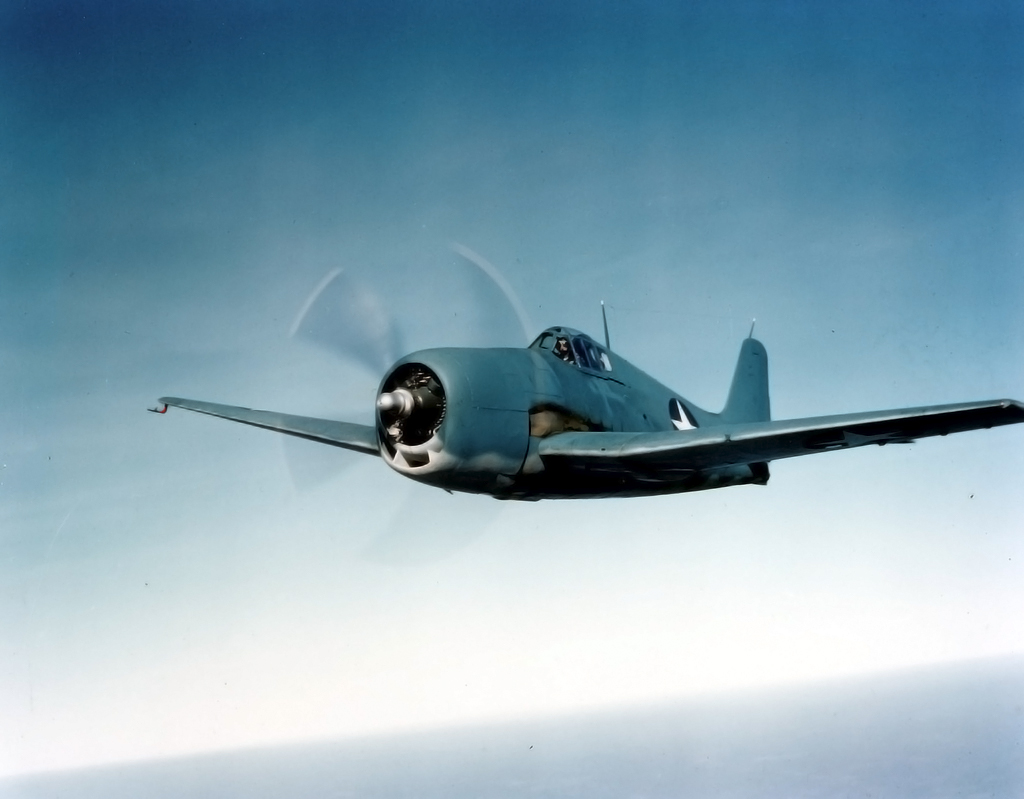
Combat intelligence arriving from the Pacific, combined with observations from Allied air forces operating in Europe, reinforced Grumman’s belief that a more powerful engine was essential. Beginning with the second prototype, BuNo 02982, the company adopted the Pratt & Whitney R-2800 Double Wasp, one of the greatest piston engines ever constructed. The eighteen-cylinder radial delivered 2,000 horsepower during takeoff and dramatically transformed the Hellcat’s performance characteristics.
The original XF6F-1 Hellcat was rapidly converted to the new powerplant and redesignated XF6F-3. Robert Hall conducted the first flight with the Pratt & Whitney engine on 30 July 1942. The improvement was immediate and unmistakable. Maximum speed increased substantially, climb performance improved dramatically, and the aircraft finally possessed the power necessary to challenge the Japanese Zero on equal—and eventually superior—terms.
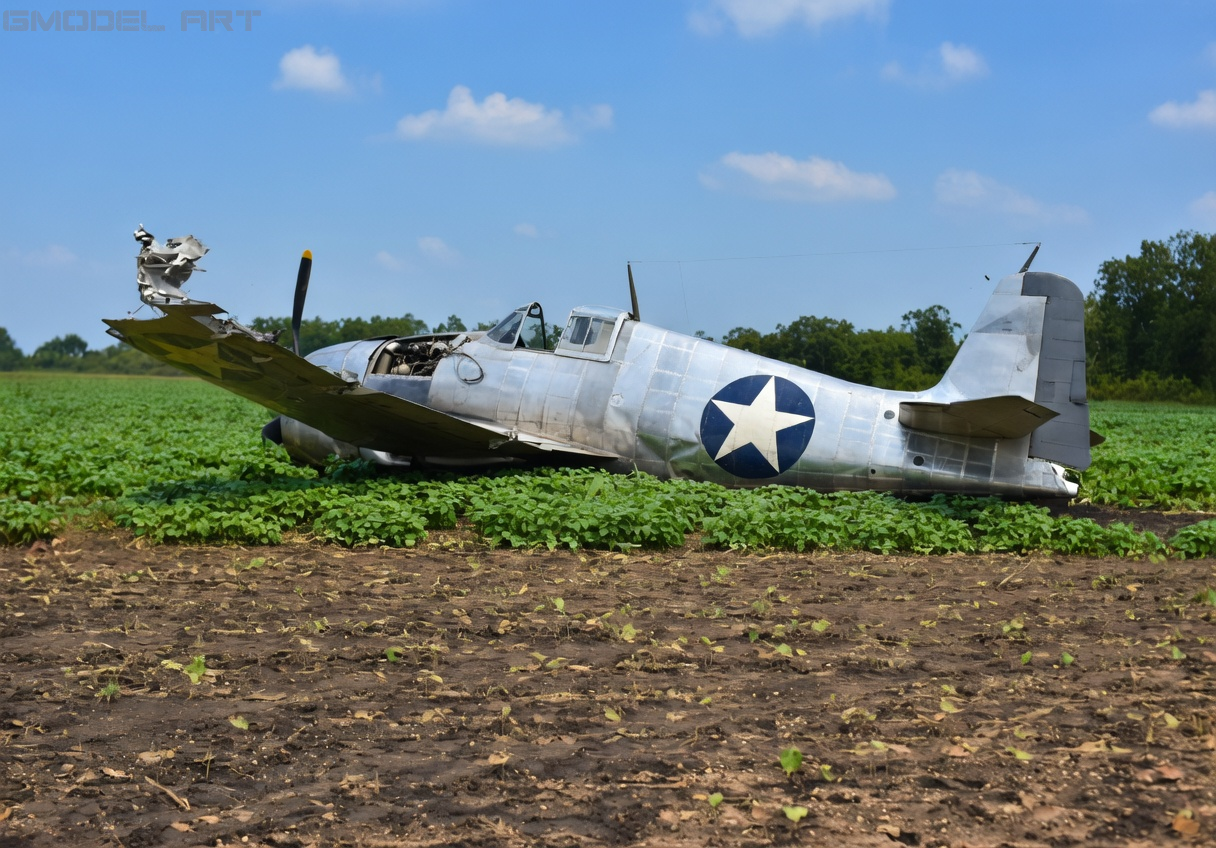
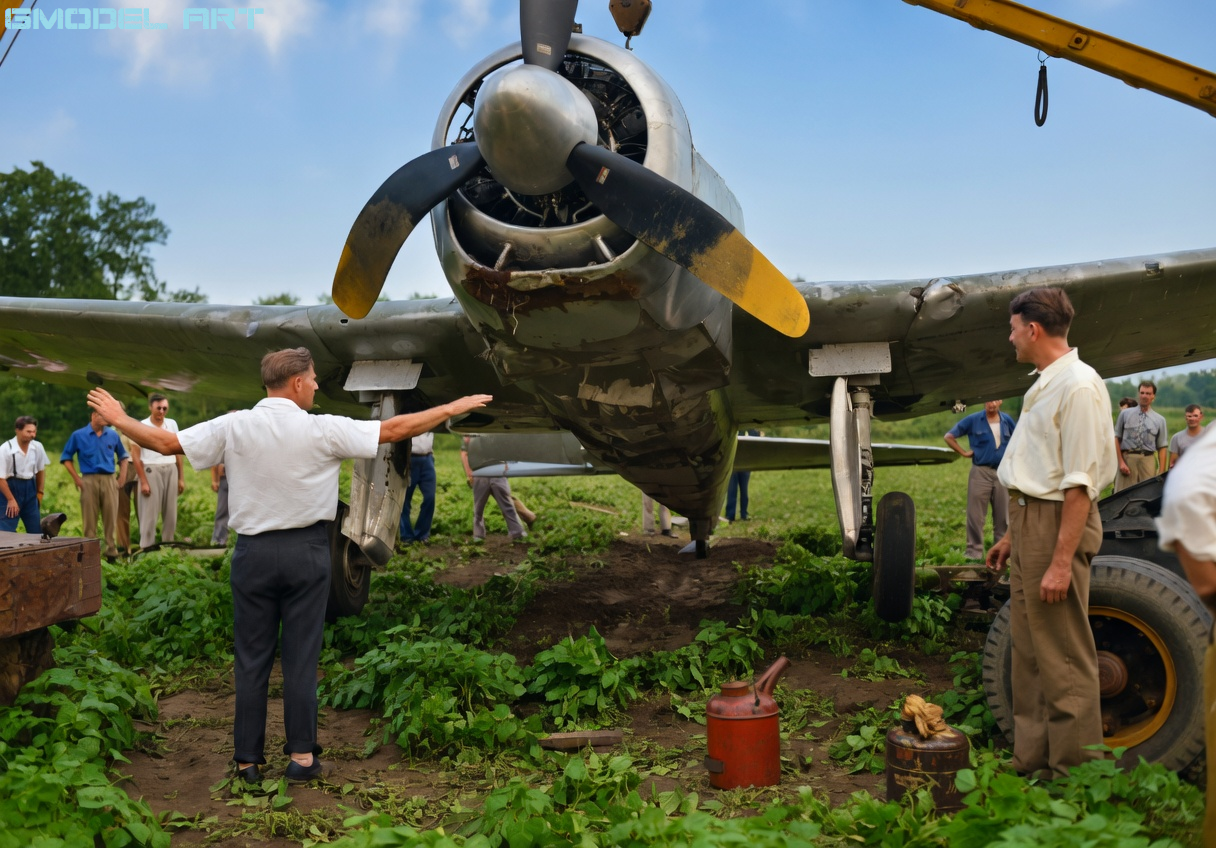
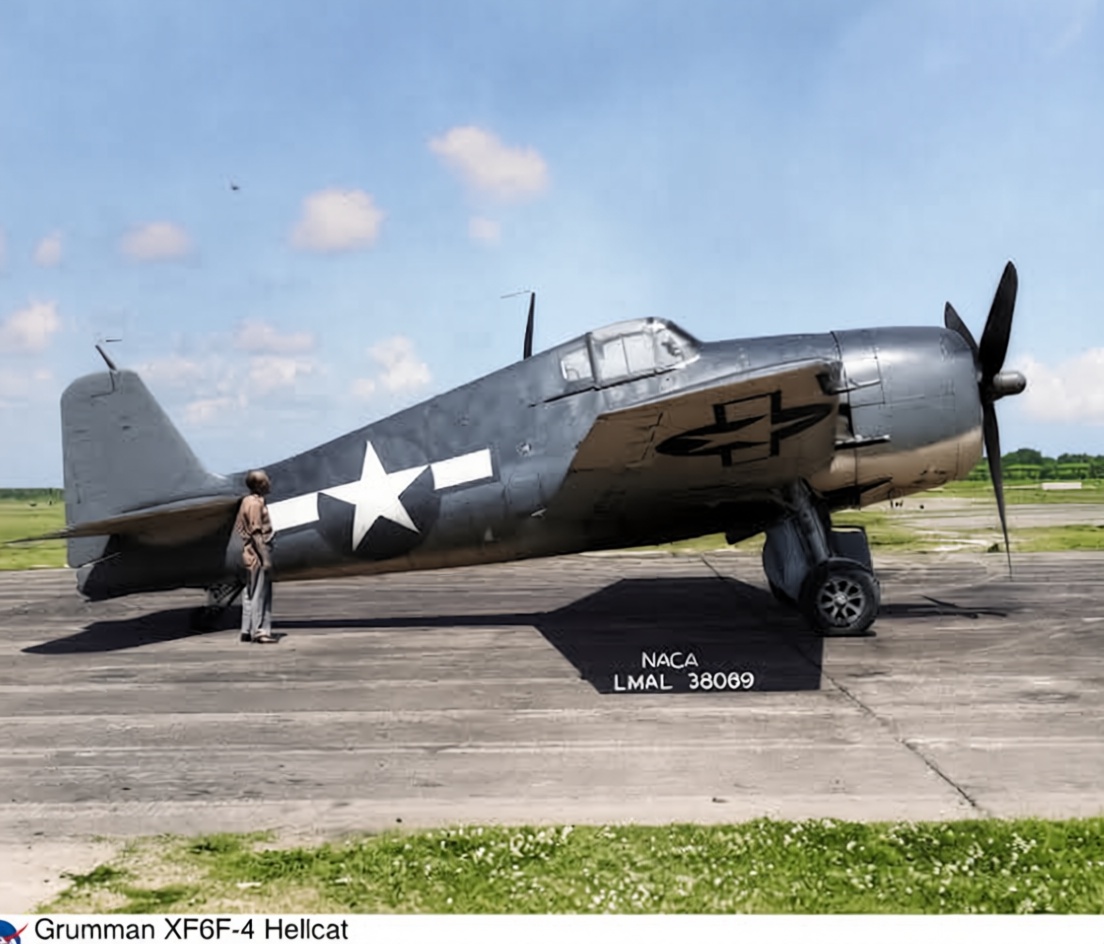
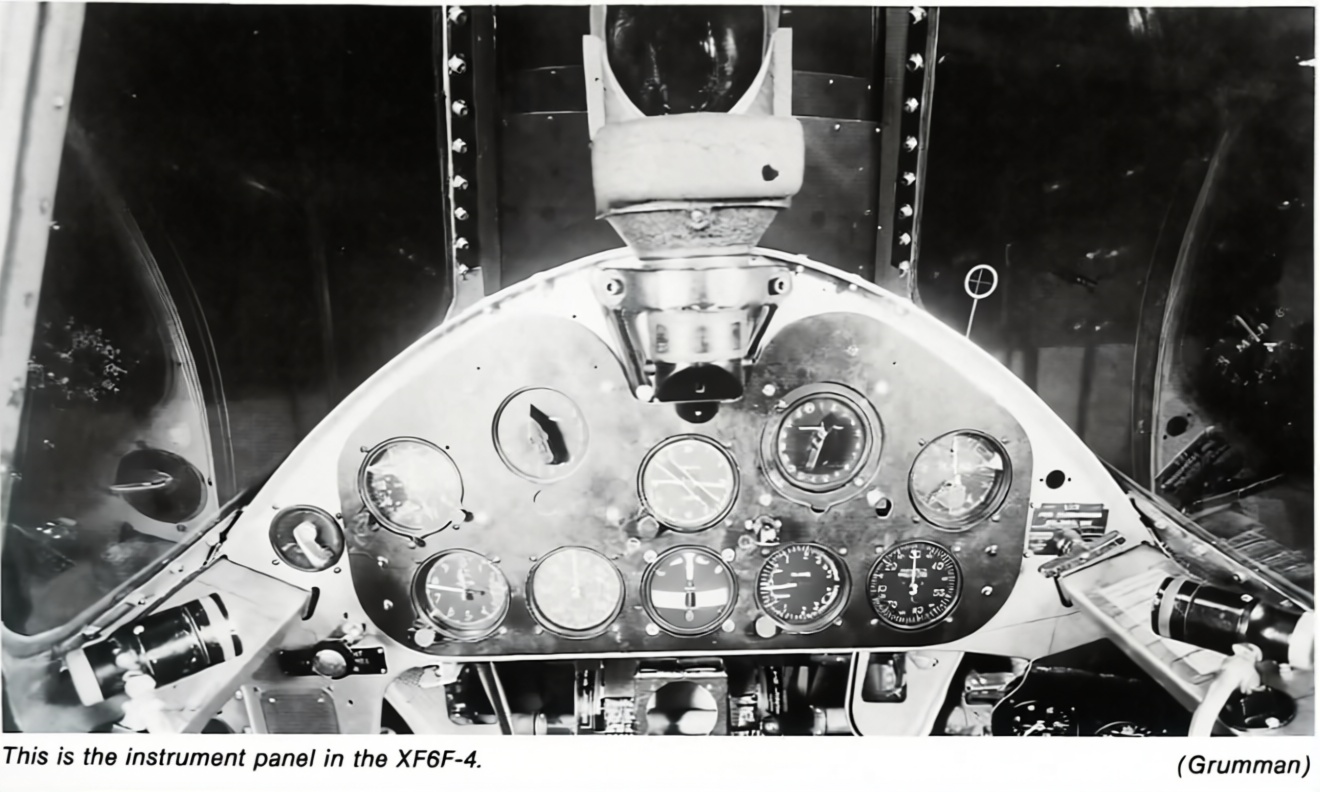
Testing, however, was not without danger. On 17 August 1942, the new engine suffered a failure during flight, forcing Hall to crash-land at Crane’s Farm on Long Island. Although seriously injured, Hall survived, and the damaged prototype was rebuilt and returned to the development program. The aircraft later evolved into the XF6F-4 Hellcat configuration, equipped with a two-stage supercharged Pratt & Whitney R-2800-27 producing 2,000 horsepower and armed experimentally with four 20 mm cannons instead of the standard machine-gun arrangement.
What made the Hellcat extraordinary was not revolutionary technology but Grumman’s commitment to practical engineering. The company emphasized structural strength, simplicity of maintenance, and pilot survivability. Components were designed with significant safety margins, producing an aircraft renowned for absorbing punishment and bringing its pilots home. This philosophy earned Grumman the affectionate wartime nickname “Grumman Iron Works.”
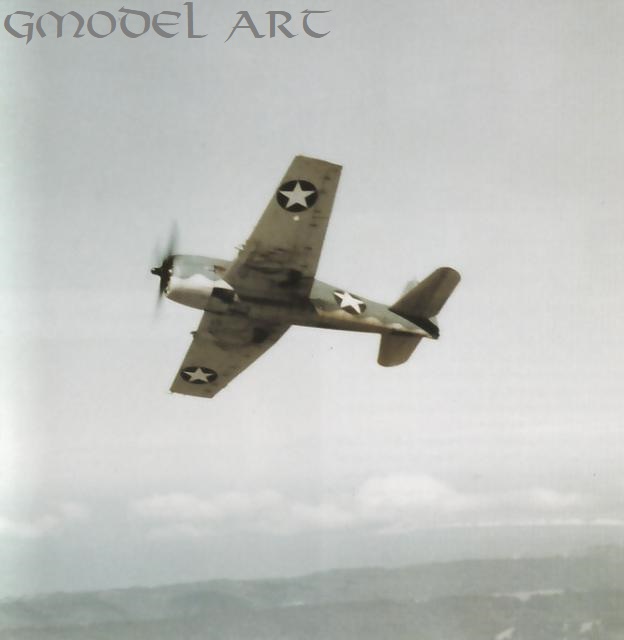
Once operational, the F6F Hellcat achieved unparalleled success. U.S. Navy and Marine Corps Hellcats destroyed 5,171 enemy aircraft, with an additional fifty-two victories credited to the British Fleet Air Arm. No other naval fighter in history has matched this combat record. The aircraft played decisive roles during the Marianas campaign, the Philippine Sea, Leyte Gulf, and the final operations against Japan, effectively eliminating Japanese naval aviation as a strategic force.
The story of the XF6F-1 demonstrates how rapidly wartime innovation could evolve. In barely a month, Grumman transformed a promising but underpowered prototype into the foundation of one of the greatest fighter aircraft ever built. The lessons learned during those early flights over Long Island ultimately produced a machine that changed the balance of power in the Pacific and secured its place among the legends of aviation history.
XF4u-1 Corsair Prototype (Bu.No.1443) — The Prototype That Created a Legend
| Area | Actual Finish | FS Approximation | MRP | AK Real Colors | Mr. Color | Notes |
|---|---|---|---|---|---|---|
| Main Airframe | Natural Metal Finish (NMF) | FS 17178 | MRP-3 Super Silver | RC020 Aluminum | C8 Silver | Unpainted aluminum skin |
| Fabric Control Surfaces | Silver Dope | FS 17178 | MRP-3 Super Silver | RC020 Aluminum | C8 Silver | Slightly duller than metal panels |
| Cockpit Interior | Bronze Green | FS 34058 | MRP-131 (adjust darker) | RC291 Bronze Green | C302 (modified) | Typical early Grumman practice |
| Wheel Wells | Zinc Chromate Yellow | FS 33481 | MRP-129 | RC262 | C352 | Standard corrosion protection |
| Landing Gear Struts | Aluminum Lacquer | FS 17178 | MRP-3 | RC020 | C8 | Factory finish |
| Propeller Blades | Black | FS 37038 | MRP-5 Black | RC001 | C2 | Curtiss Electric propeller |
| Propeller Tips | Insignia Yellow | FS 33538 | MRP-122 | RC007 | C329 | Standard U.S. Navy markings |
| Anti-Glare Panel | None (initial prototype) | — | — | — | — | Early flights show no anti-glare panel |
| Engine Cowling Interior | Zinc Chromate Yellow | FS 33481 | MRP-129 | RC262 | C352 | Typical Grumman internal finish
|
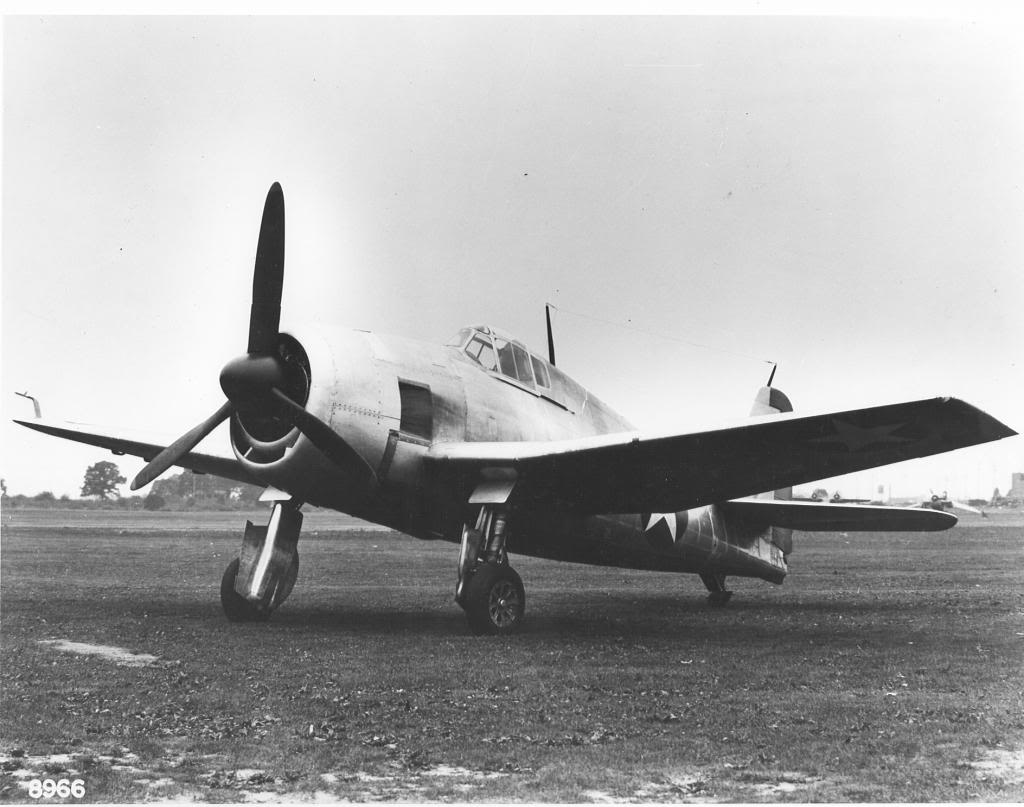
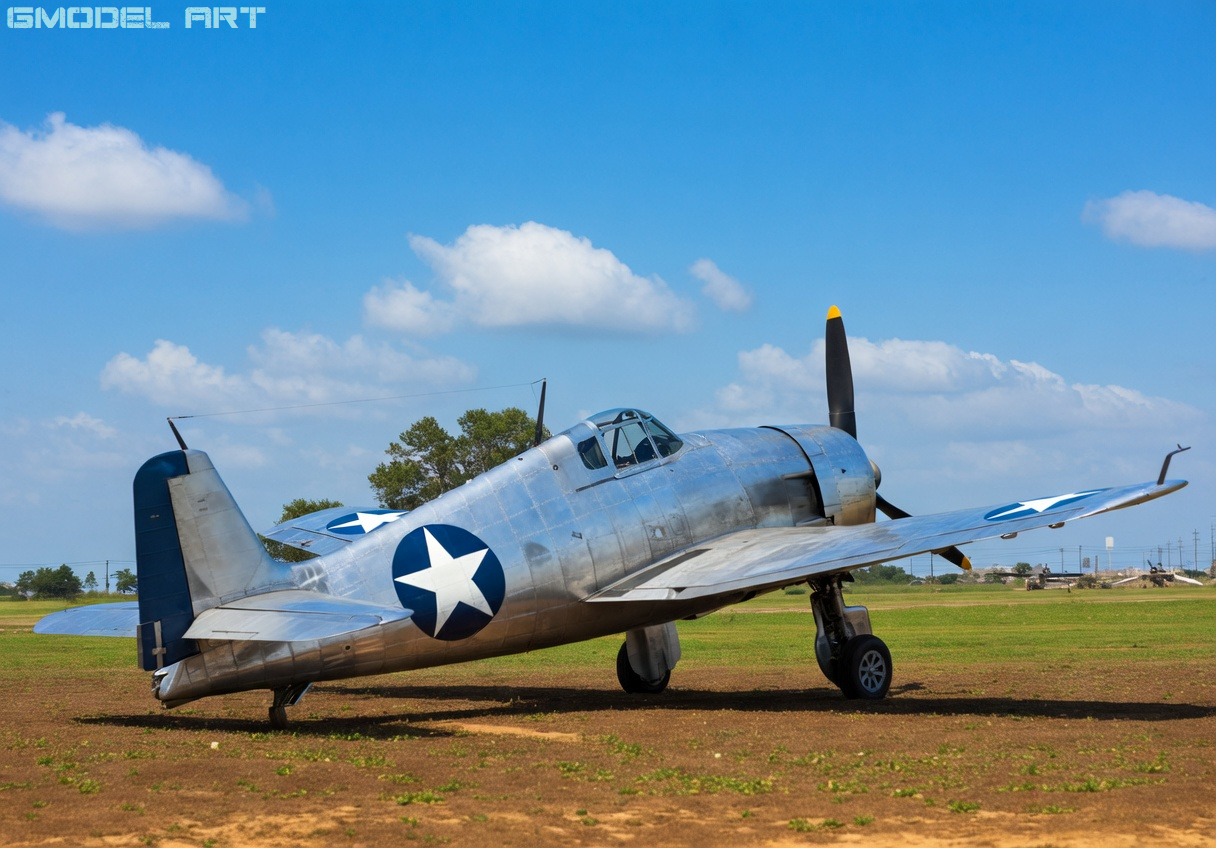
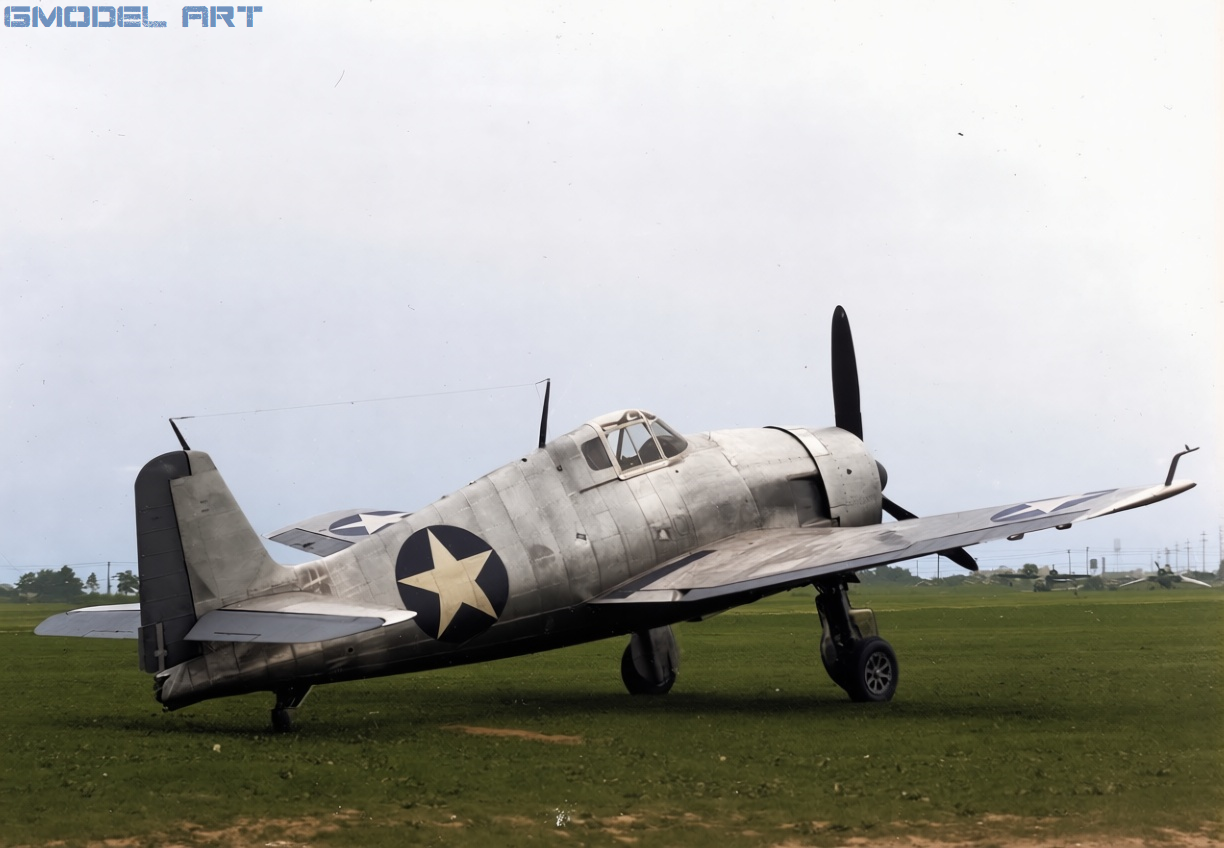
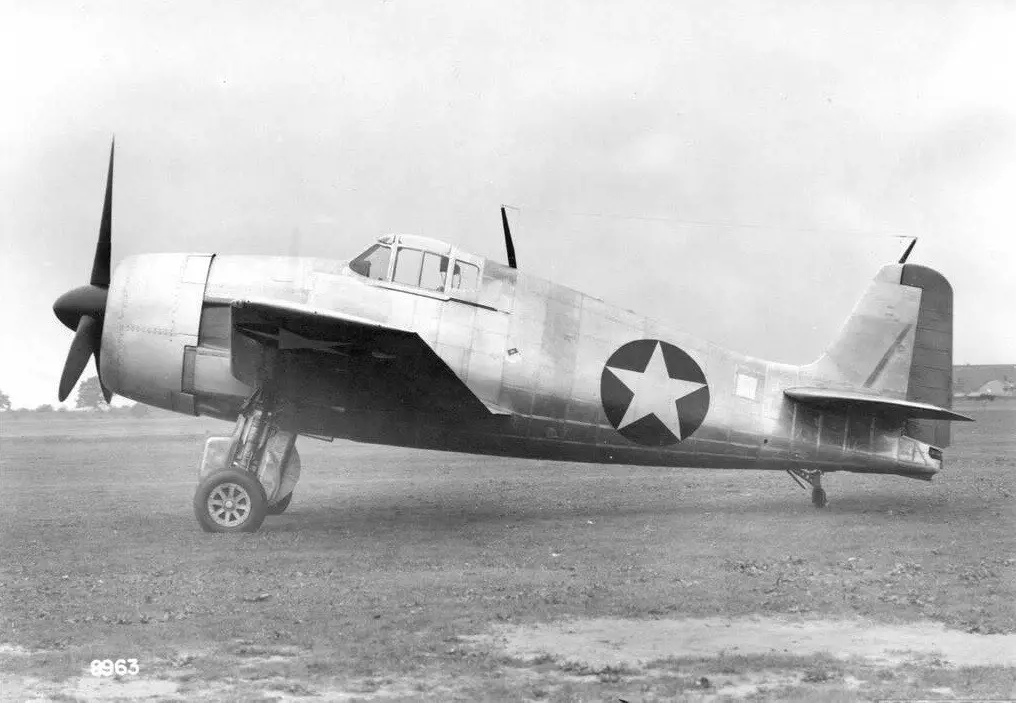
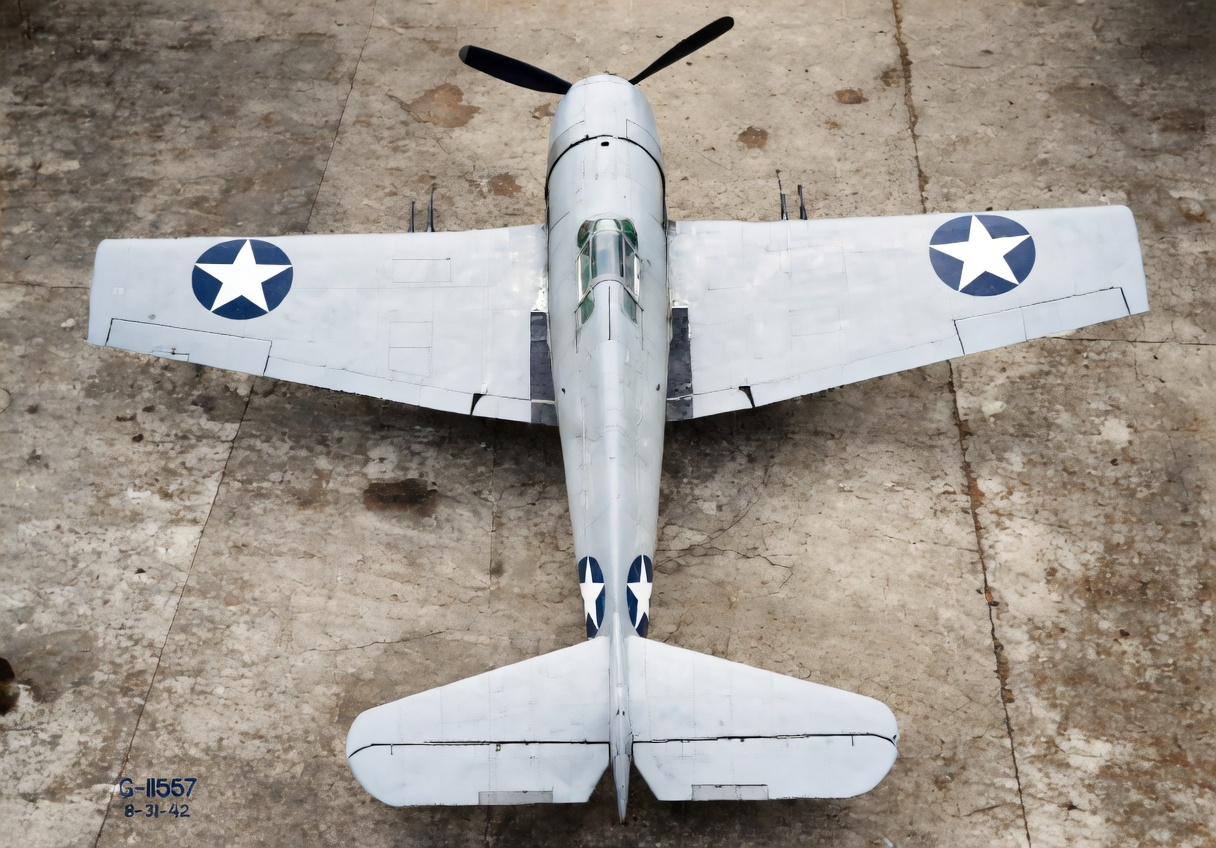
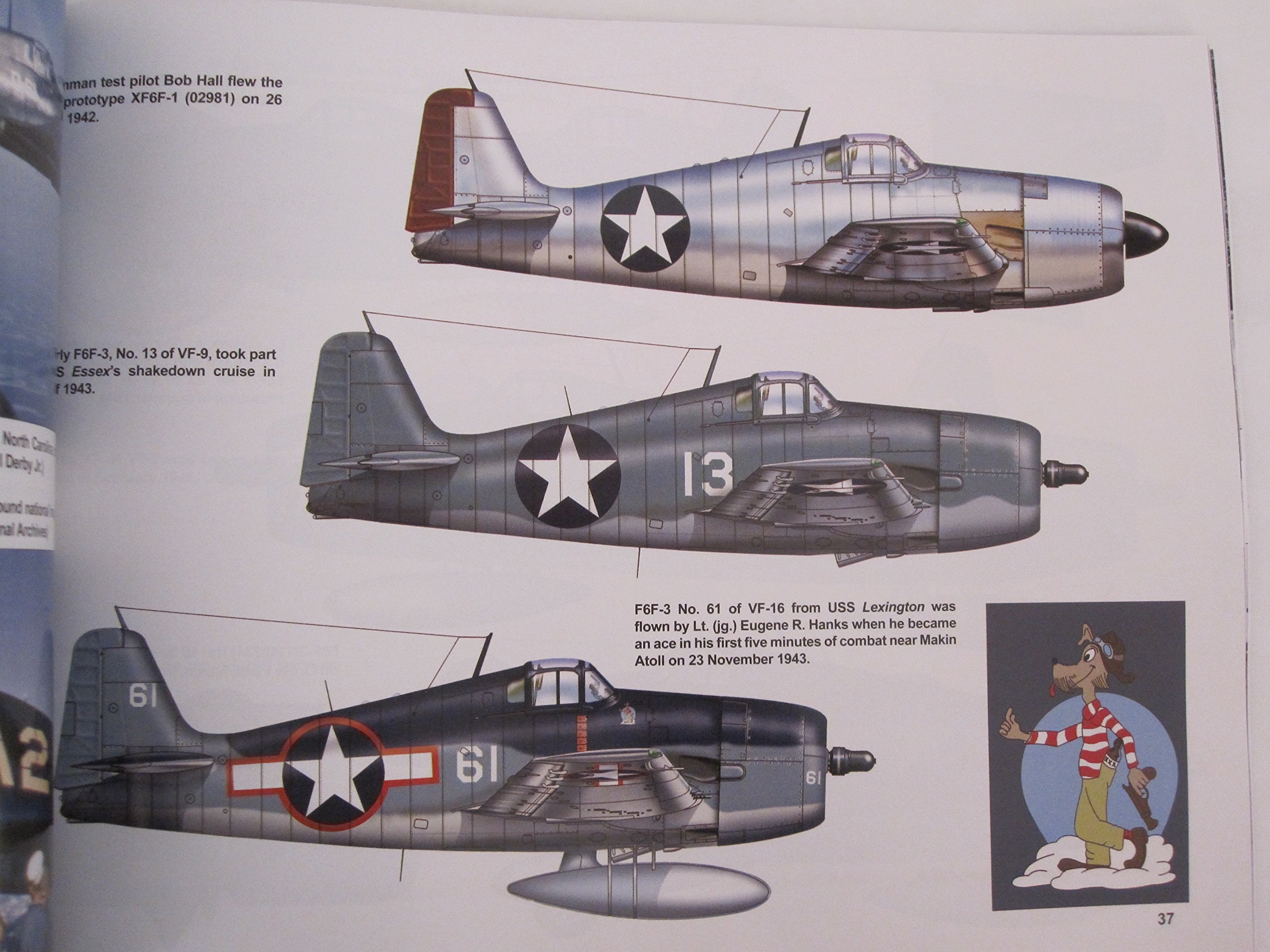
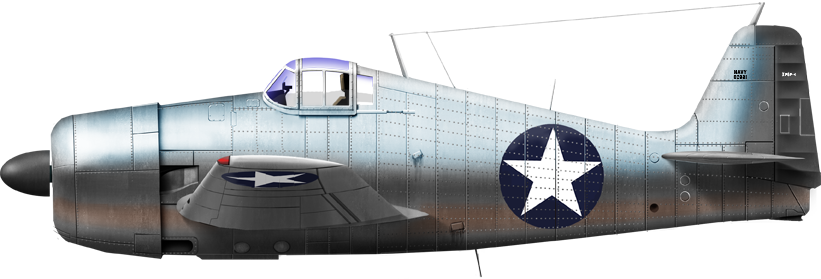
The available evidence indicates that the XF6F-1 prototype was originally finished in natural metal with silver-doped fabric surfaces, rather than the familiar Blue Gray over Light Gray camouflage associated with early production Hellcats. Grumman also commonly used Bronze Green cockpits before Interior Green became standard later in the war.
Modelers should note that the fabric-covered rudder on the vertical stabilizer appears in early photographs as a medium gray or silver-doped surface, contrasting slightly with the surrounding metal structure. In later images, however, the rudder is seen in a red finish, likely reflecting a subsequent repaint, testing modification, or the use of red-pigmented protective dope on the fabric control surface. Reference photographs should therefore be consulted carefully when selecting a specific moment in the prototype’s development.